
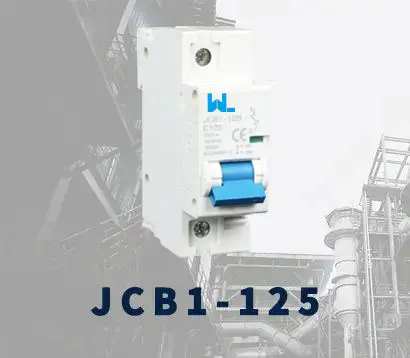
 JCB1-125
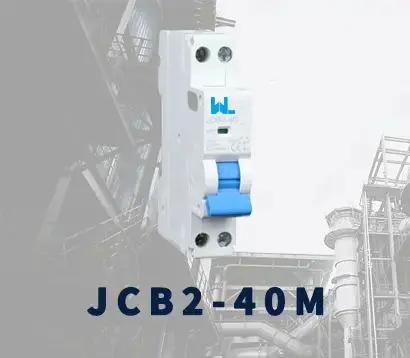 JCB2-40M
 JCB3-63DC
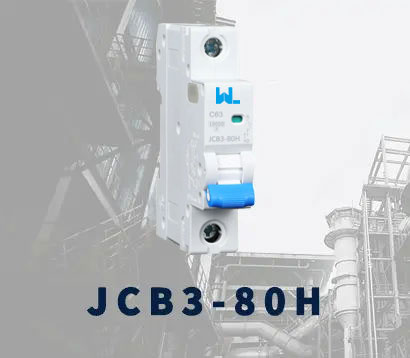 JCB3-80H
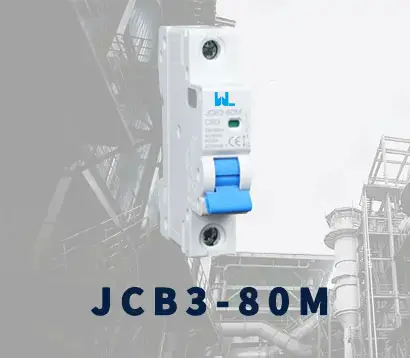 JCB3-80M
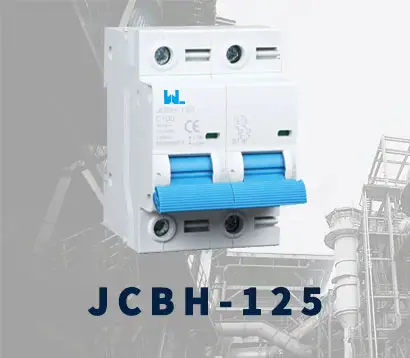 JCBH-125
 JC80-2P
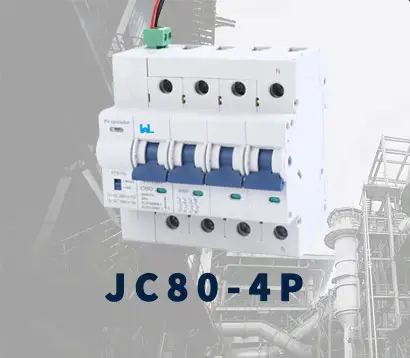 JC80-4P
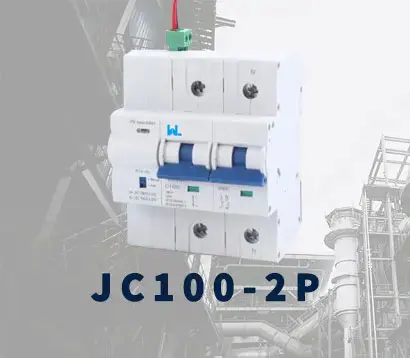 JC125-2P
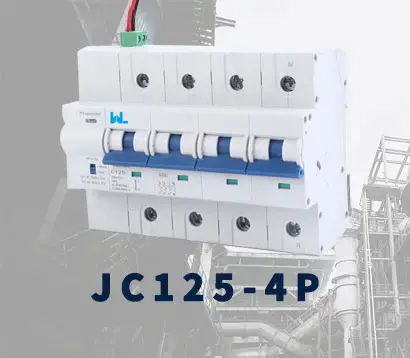 JC125-4P
 JCMX
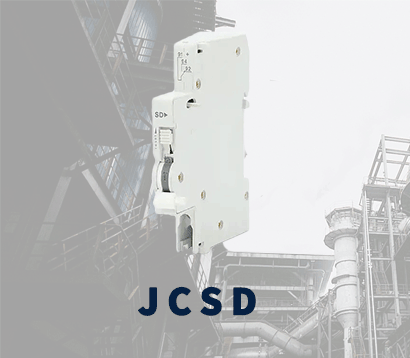 JCSD
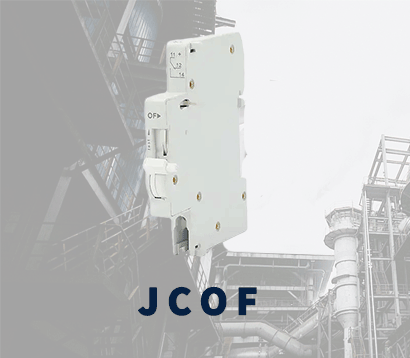 JCOF
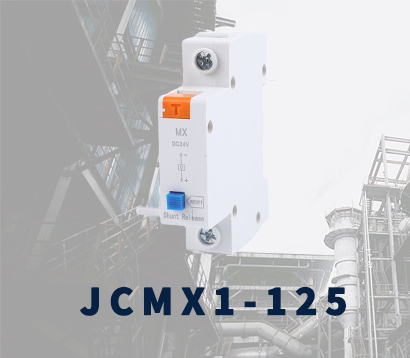 JCMX1-125
 JCOF1-125
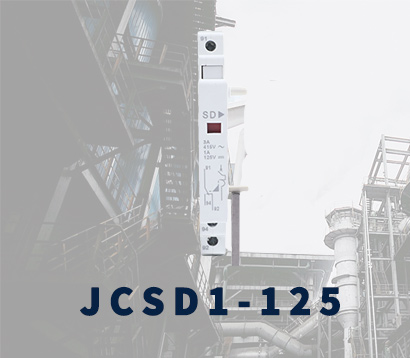 JCSD1-125
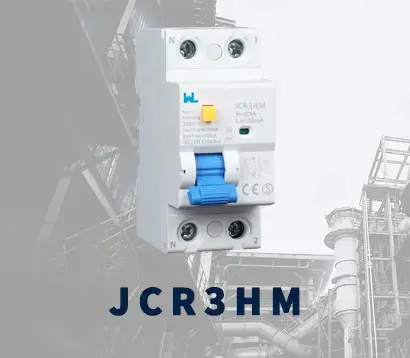 JCR3HM
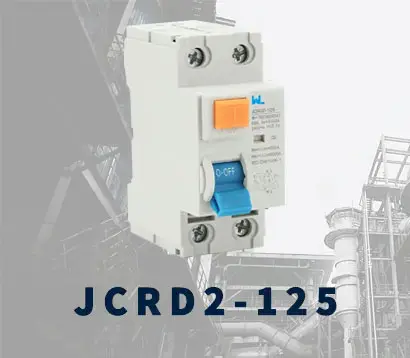 JCRD2-125
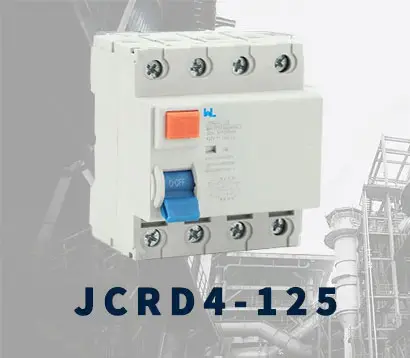 JCRD4-125
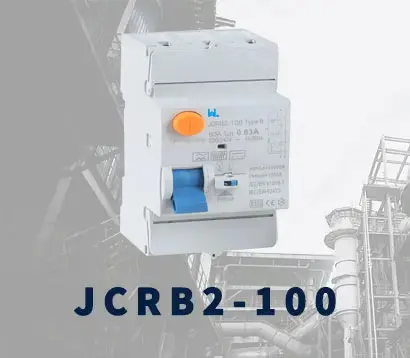 JCRB2-100
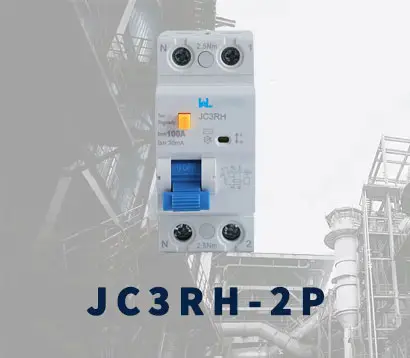 JC3RH-2P
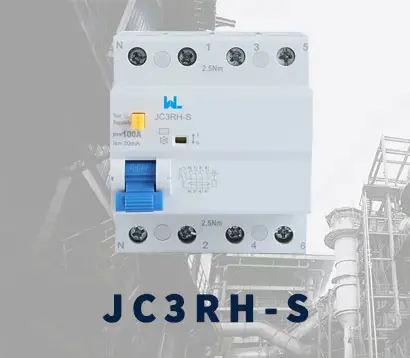 JC3RH-S
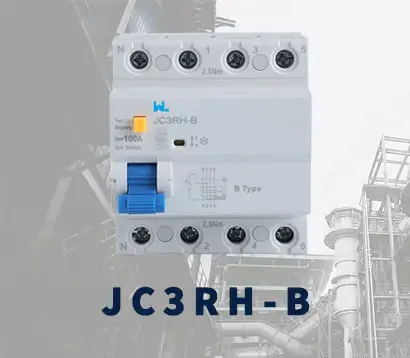 JC3RH-B
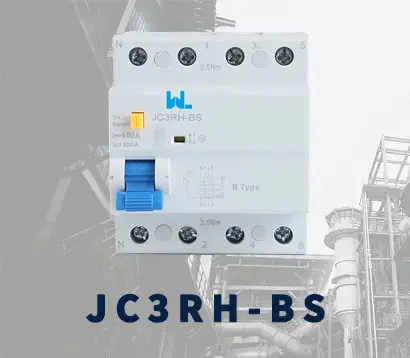 JC3RH-BS
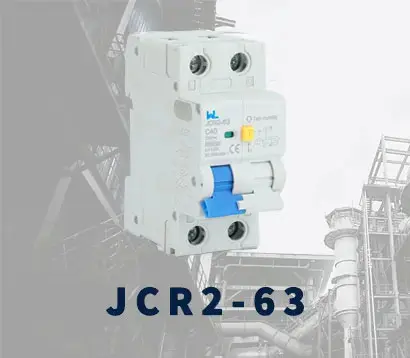 JCR2-63
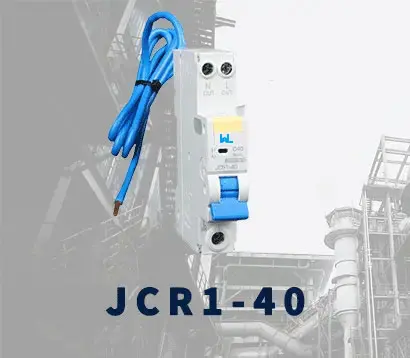 JCR1-40
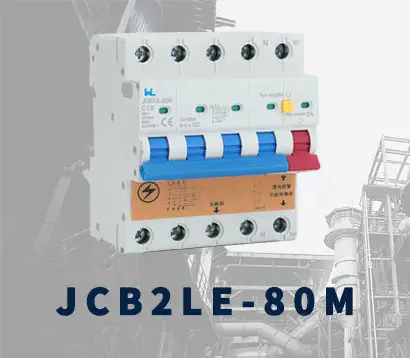 JCB2LE-80M
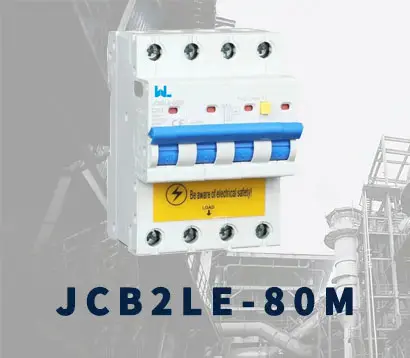 JCB2LE-80M
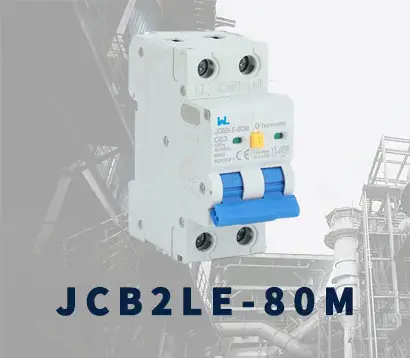 JCB2LE-80M
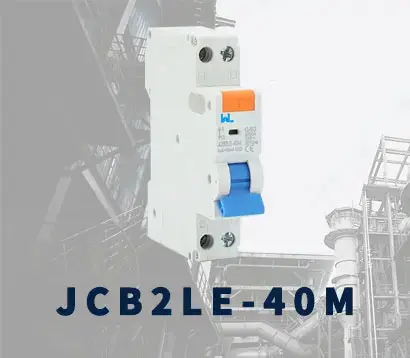 JCB2LE-40M
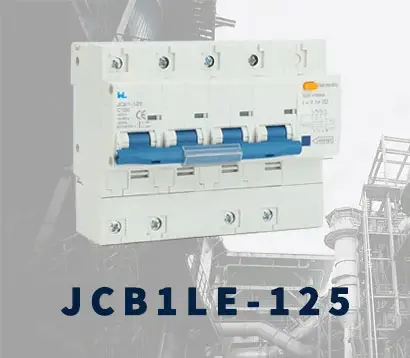 JCB1LE-125
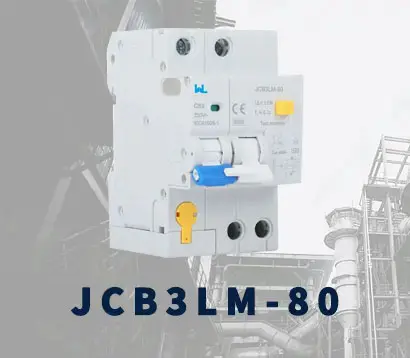 JCB3LM-80
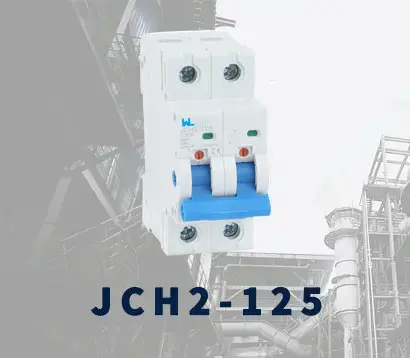 JCH2-125
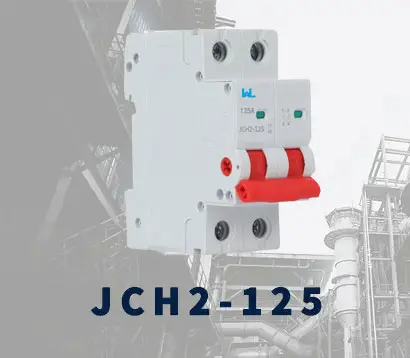 JCH2-125
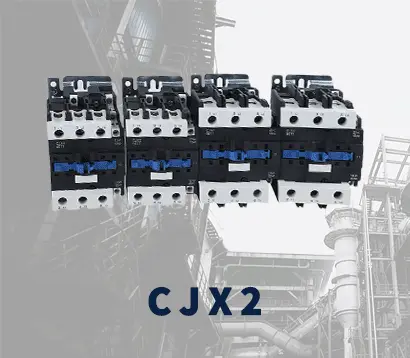 CJX2
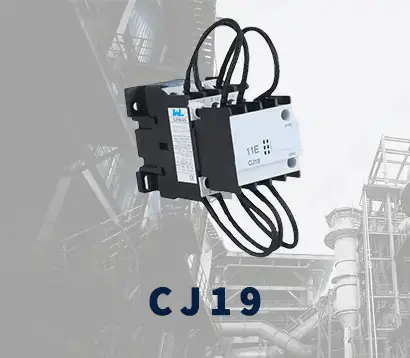 CJ19
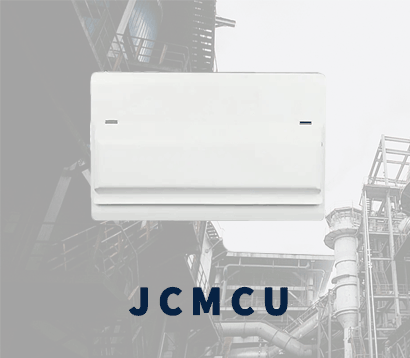 JCMCU
 JCHA
 JCSD-40
 JCSD-60
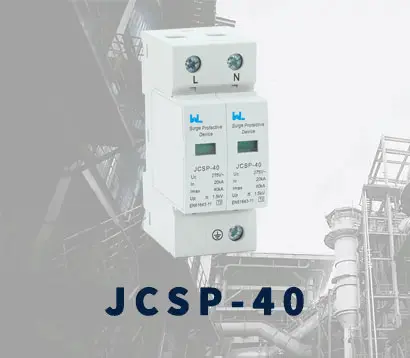 JCSP-40
 JCSP-60
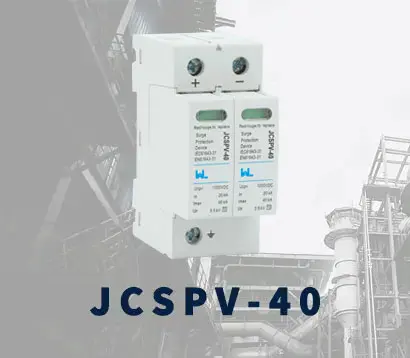 JCSPV
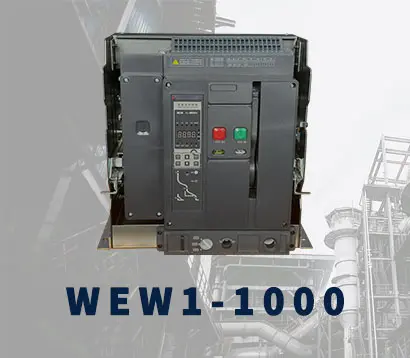 WEW1-1000
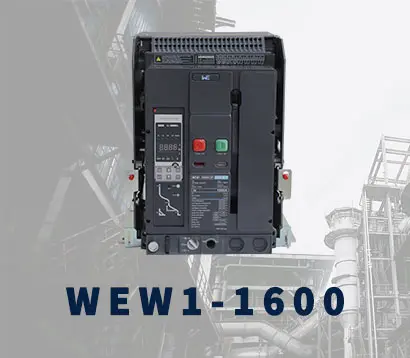 WEW1-1600
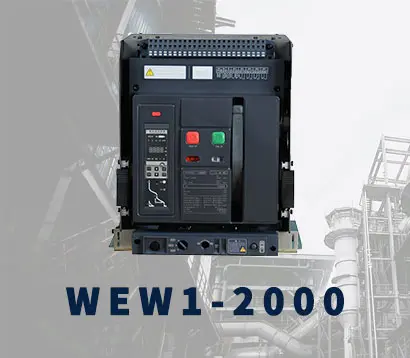 WEW1-2000
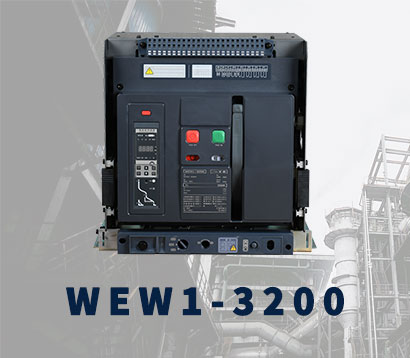 WEW1-3200
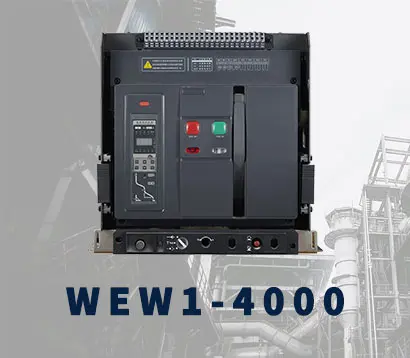 WEW1-4000
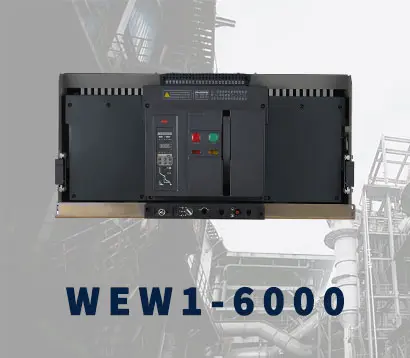 WEW1-6300
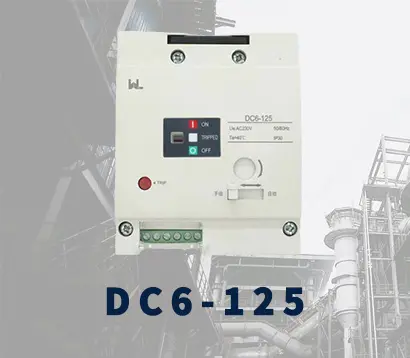 DC6-125
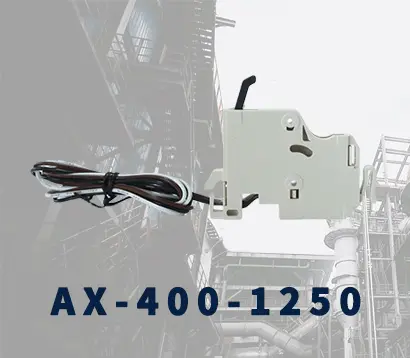 AX-400-1250
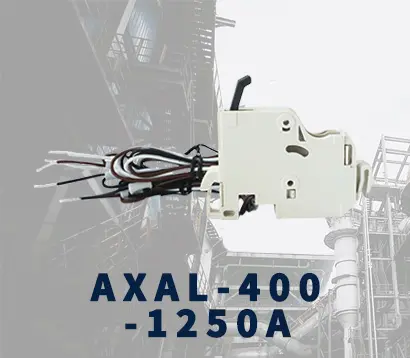 AXAL-400-1250A
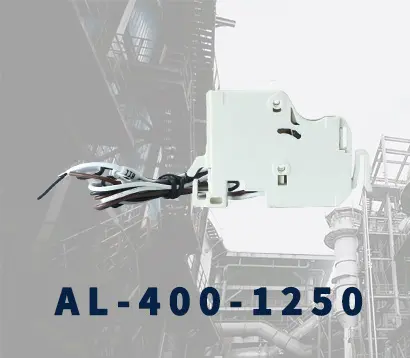 AL-400-1250
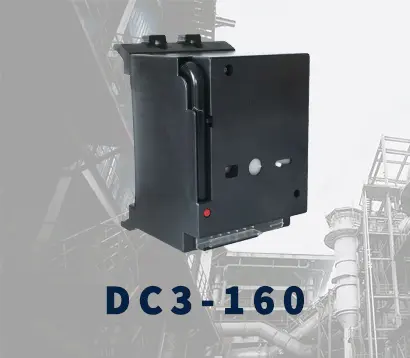 DC3-160
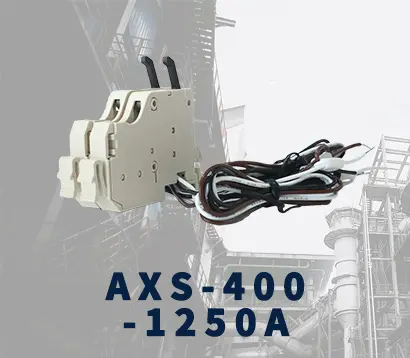 AXS-400-1250A
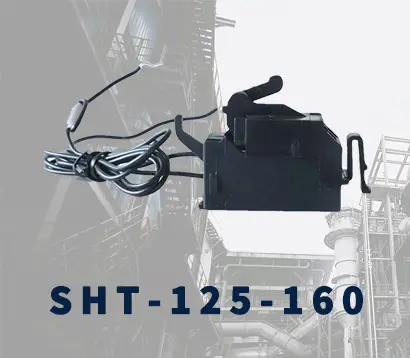 SHT-125-160
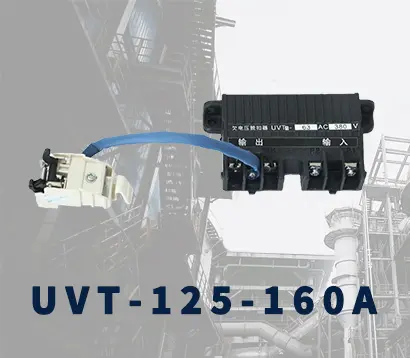 UVT-125-160A
 P-250A-3P-A
 400-3P/4P terminal cover
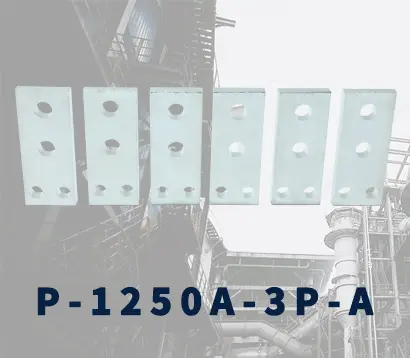 1250-3Pmccb accessories busbar
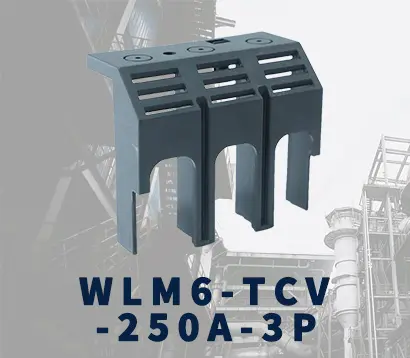 250-3P terminal conver
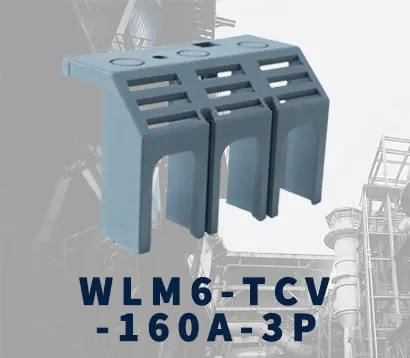 WLM6-TCV-160A-3P
 WLM6-MIP-250A
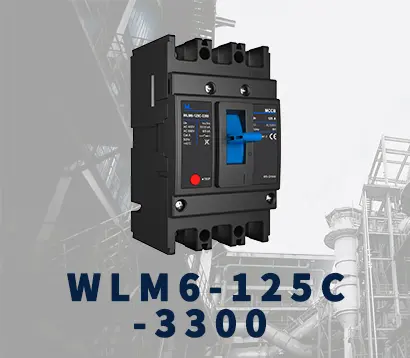 WLM6-125A-3300 3P/4P
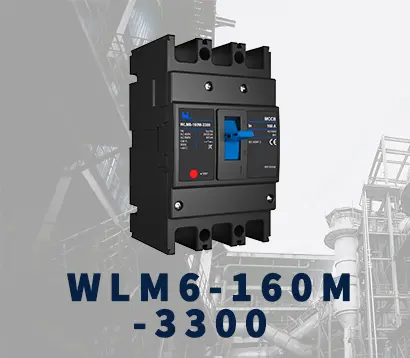 WLM6-160A-3300 3P/4P
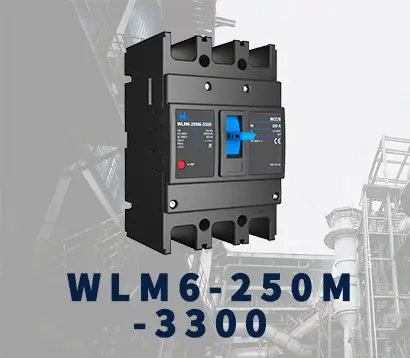 WLM6-250A-3300 3P/4P
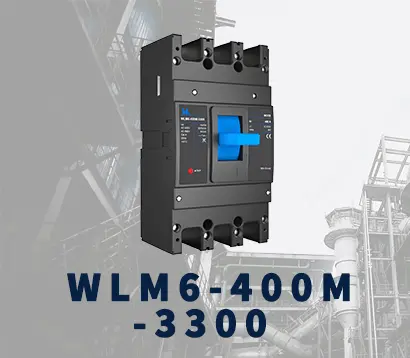 WLM6-400A-3300 3P/4P
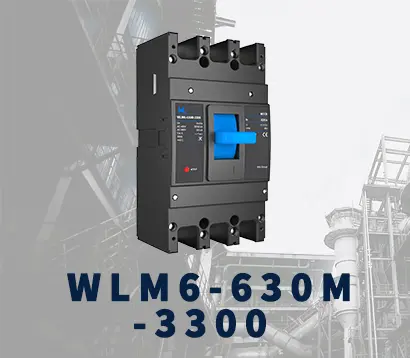 WLM6-630A-3300 3P/4P
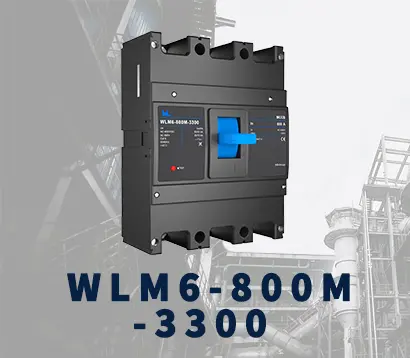 WLM6-800A-3300 3P/4P
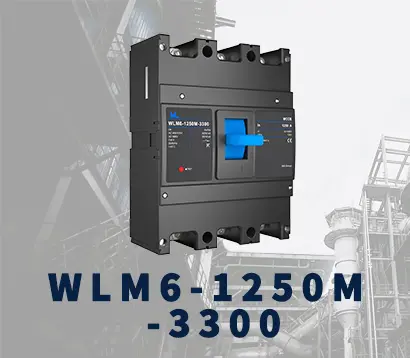 WLM6-1250A-3300 3P/4P
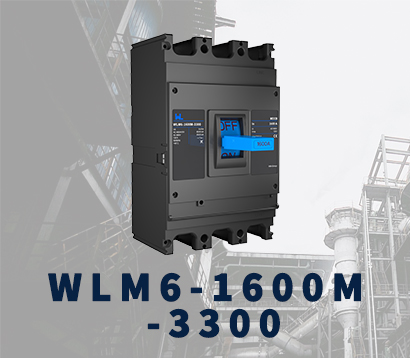 WLM6-1600A-3300 3P/4P
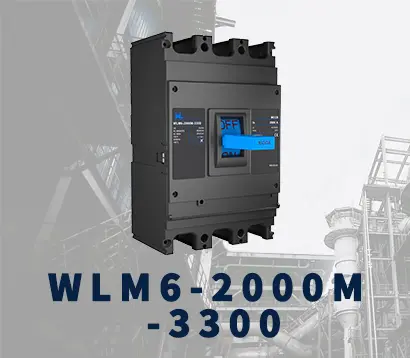 WLM6-2000A 3P/4P
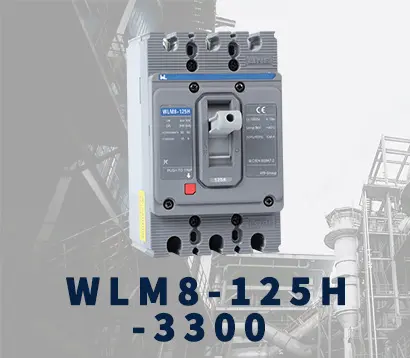 WLM8-125H-3300
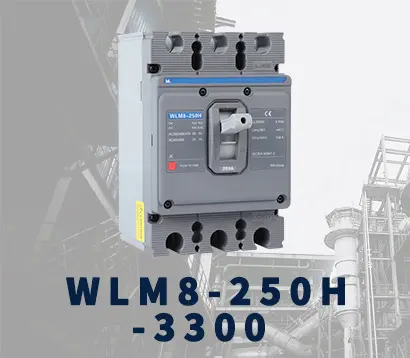 WLM8-250H-3300
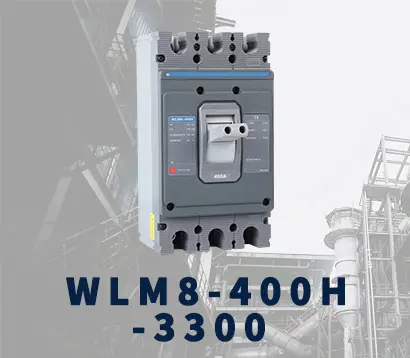 WLM8-400H-3300
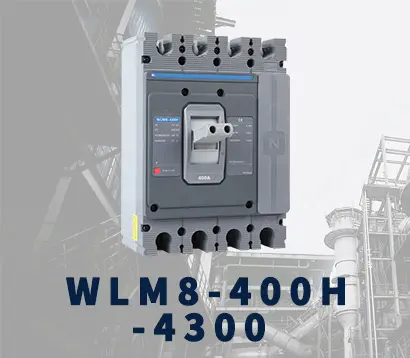 WLM8-400H-4300
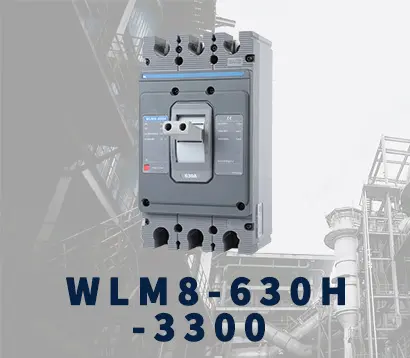 WLM8-630H-3300
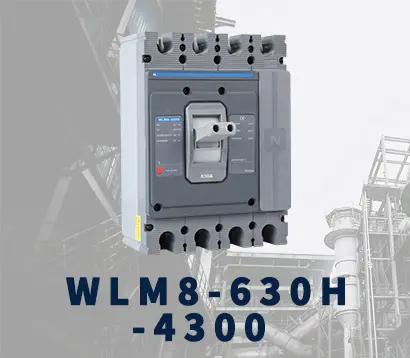 WLM8-630H-4300
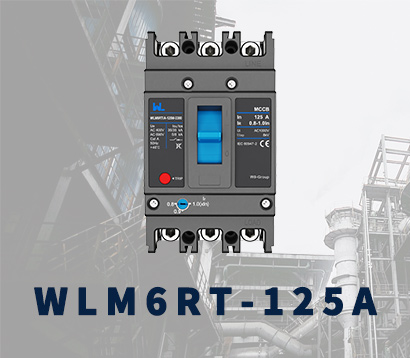 WLM6RT-125A
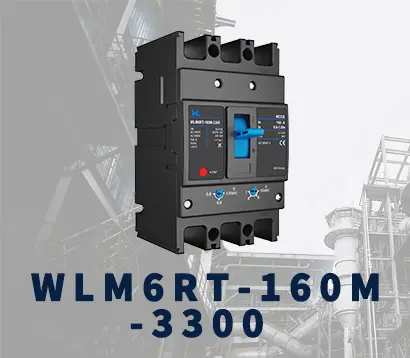 WLM6RT-160A
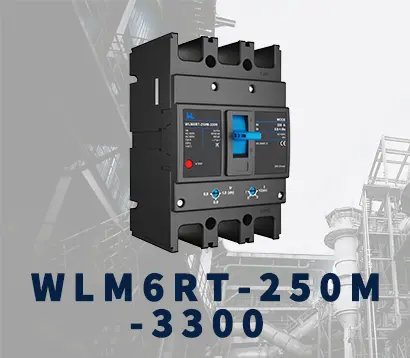 WLM6RT-250A
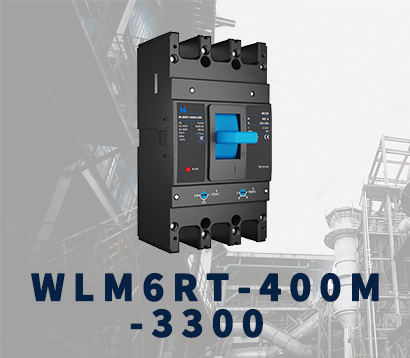 WLM6RT-400A
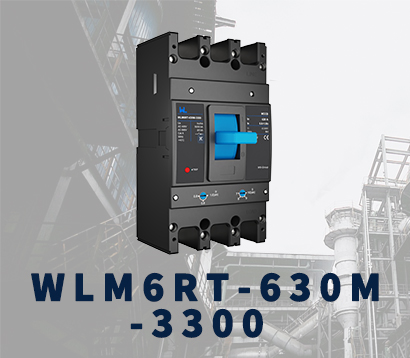 WLM6RT-630A
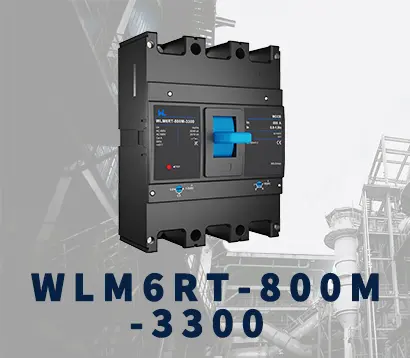 WLM6RT-800A
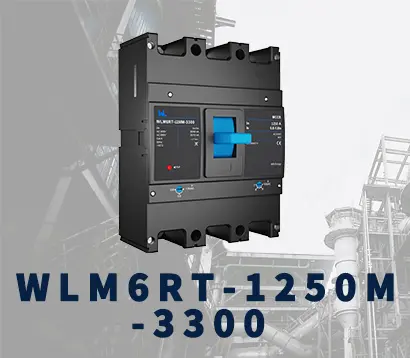 WLM6RT-1250A
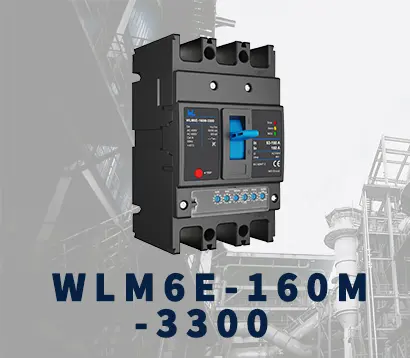 WLM6E-160A-3300 3P
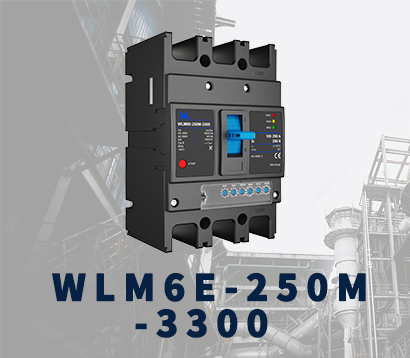 WLM6E-250A-3300
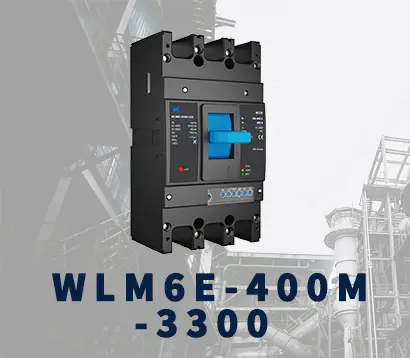 WLM6E-400A-3300 3P/4P
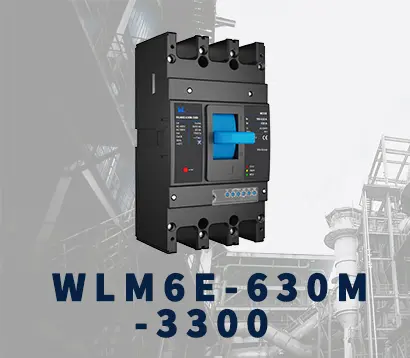 WLM6E-630A-3300
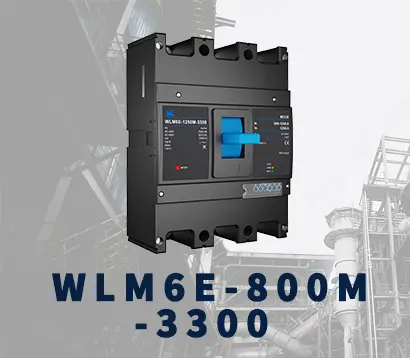 WLM6E-800A-3300 3P/4P
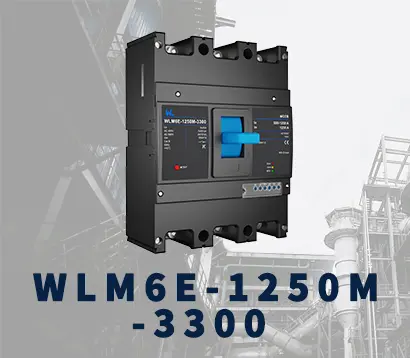 WLM6E-1250A-3300
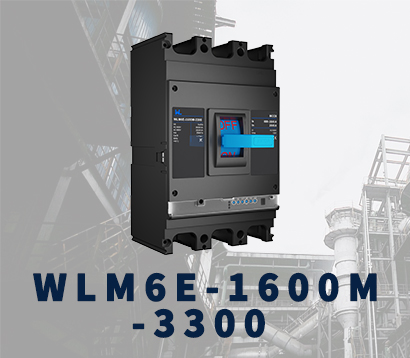 WLM6E-1600-3300 3P/4P
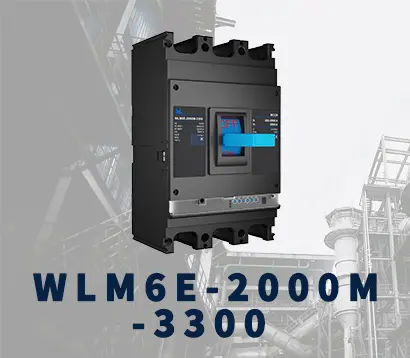 WLM6E-2000A-3300 3P/4P
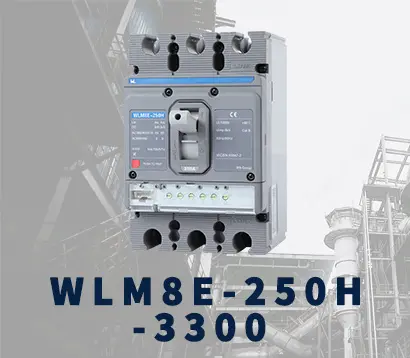 WLM8E-250H-3300
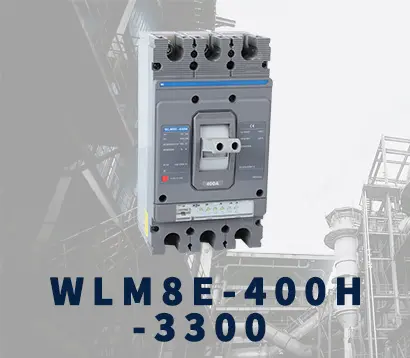 WLM8E-400H-3300
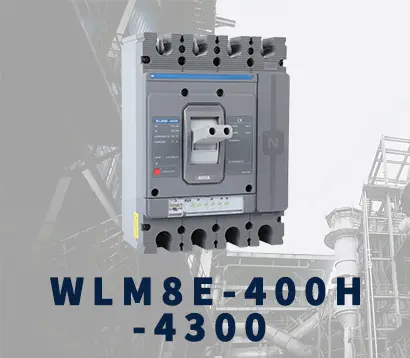 WLM8E-400H-4300
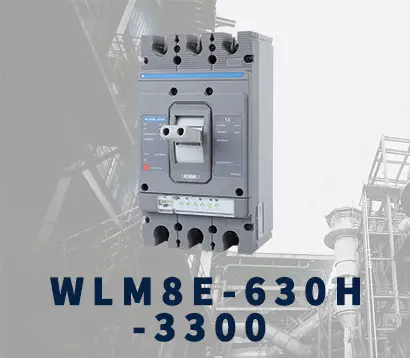 WLM8E-630H-3300
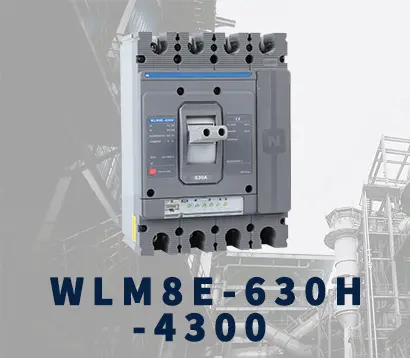 WLM8E-630H-4300
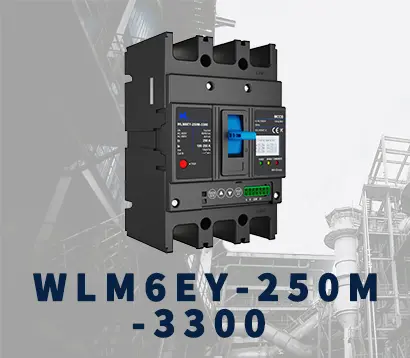 WLM6EY-250-3300 3P/4P
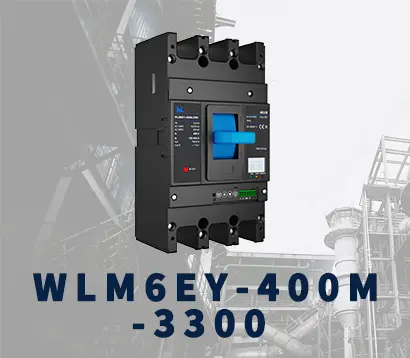 WLM6EY-400 3P/4P
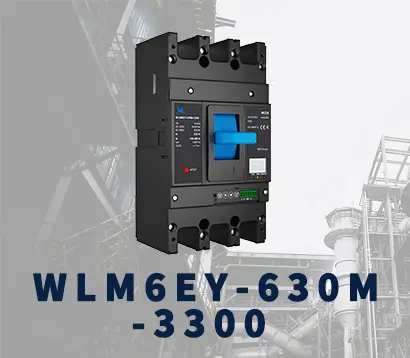 WLM6EY-630 3P/4P
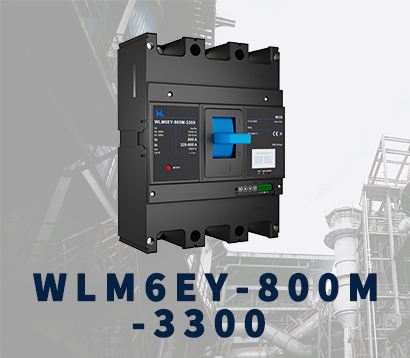 WLM6EY-800A 3P/4P
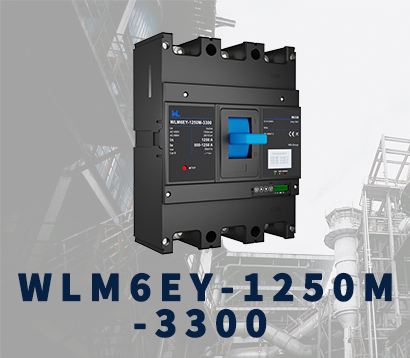 WLM6EY-1250A 3P/4P
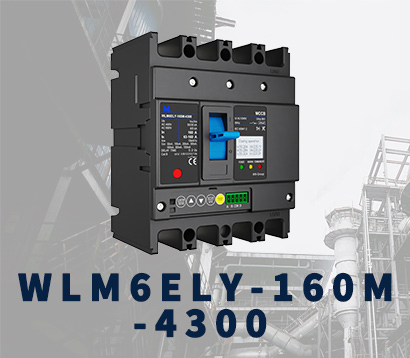 WLM6ELY-160A
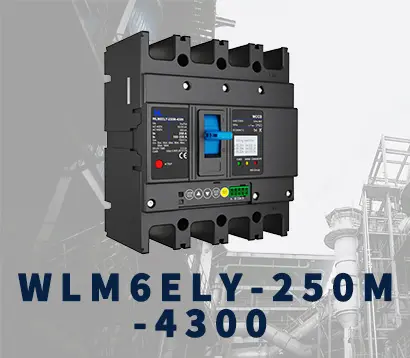 WLM6ELY-250A
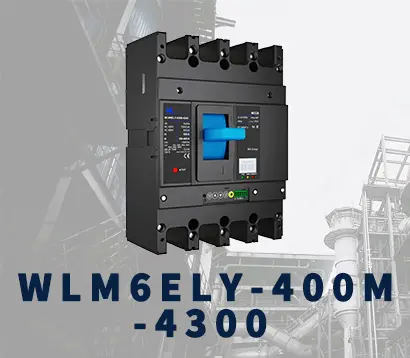 WLM6ELY-400A
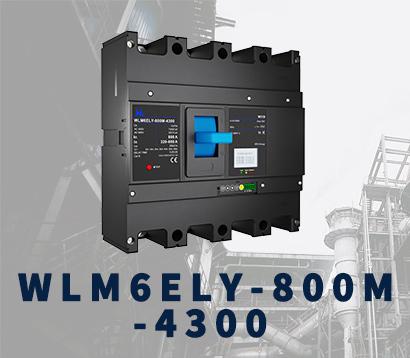 WLM6ELY-800A
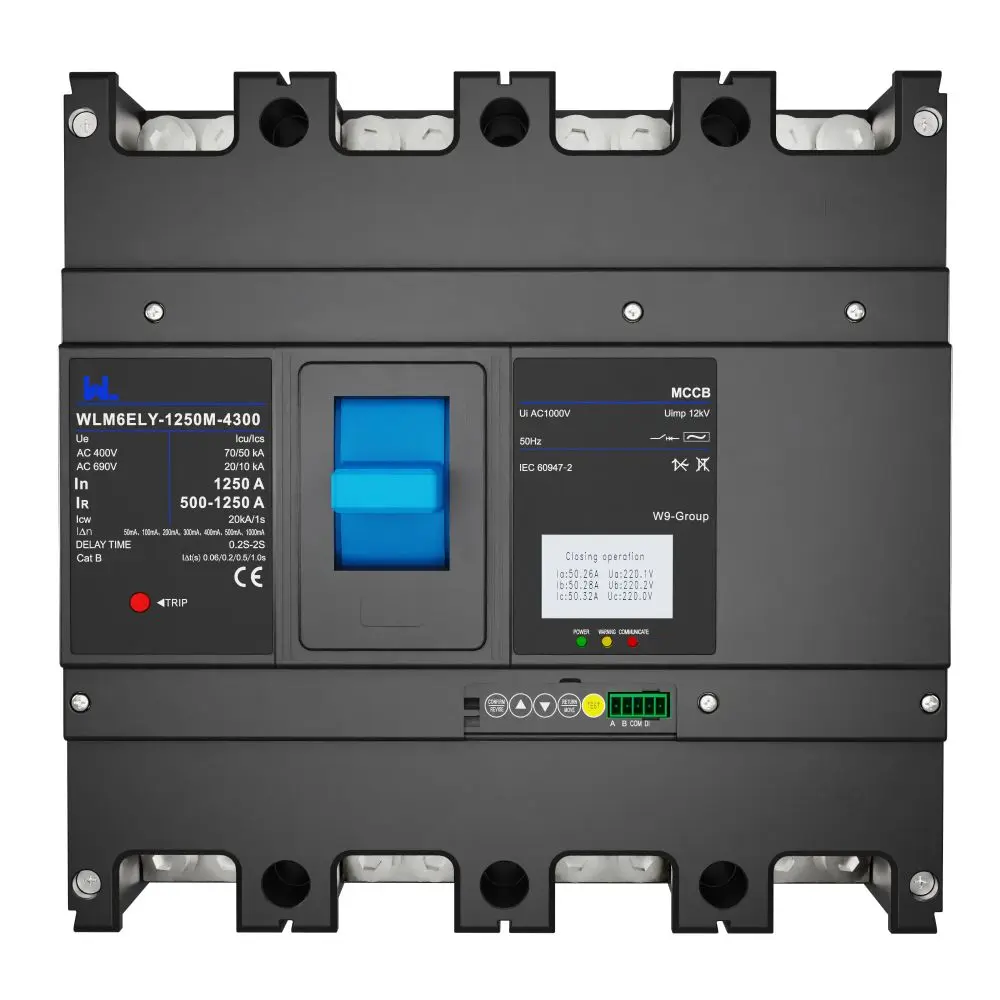 WLM6ELY-1250A
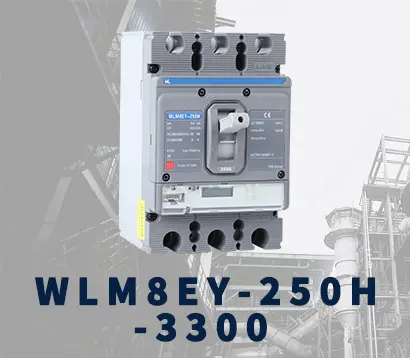 WLM8EY-250H-3300
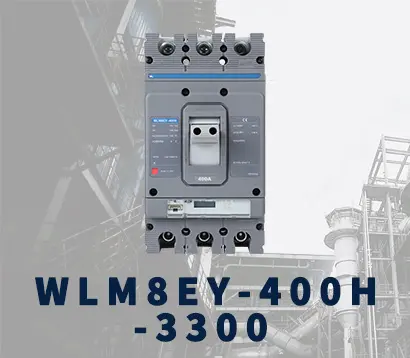 WLM8EY-400H-3300
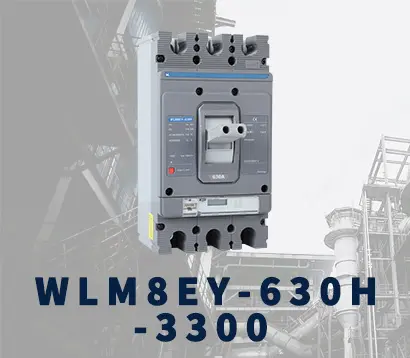 WLM8EY-630H-3300
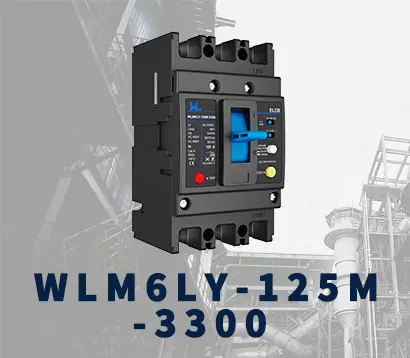 WLM6LY-125A
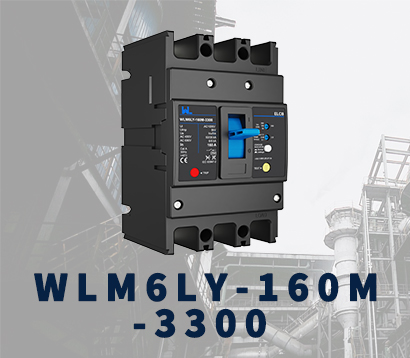 WLM6L-160A
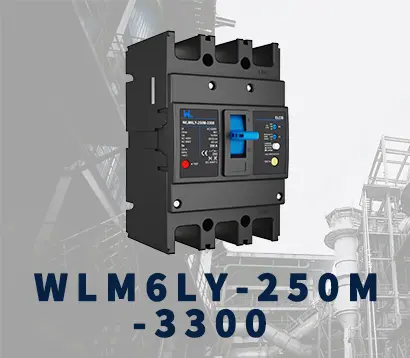 WLM6LY-250A
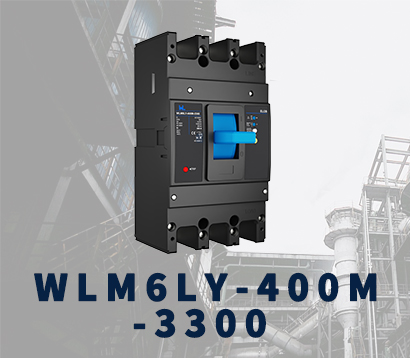 WLM6LY-400A
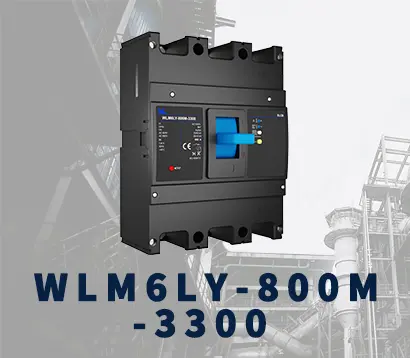 WLM6LY-800A
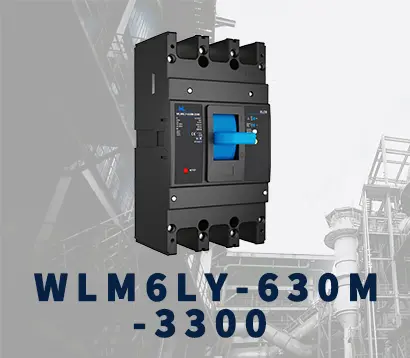 WLM6LY-630A
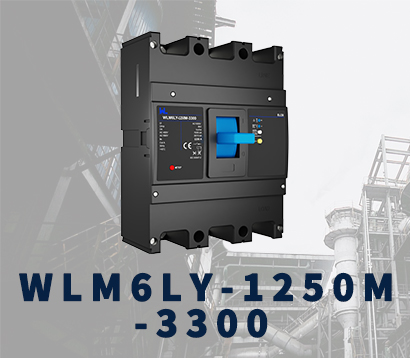 WLM6LY-1250A
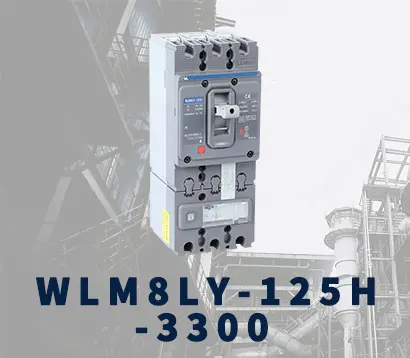 WLM8LY-125H-3300
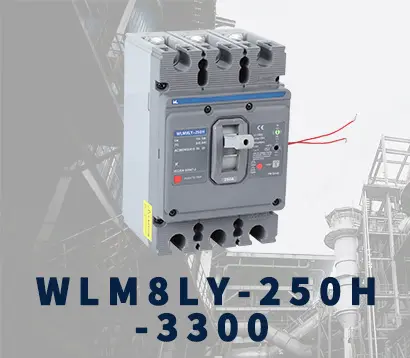 WLM8LY-250H-3300
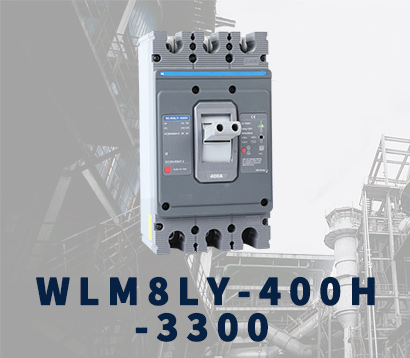 WLM8LY-400H-3300
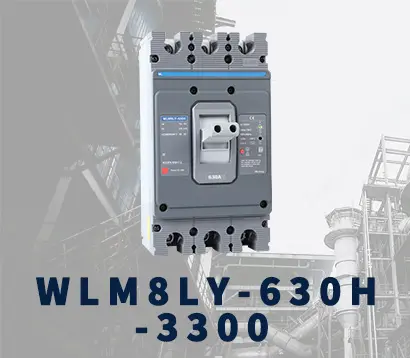 WLM8LY-630H-3300
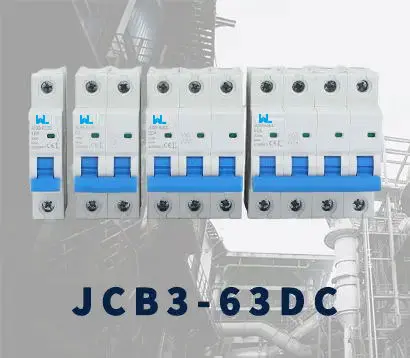 JCB3-63DC
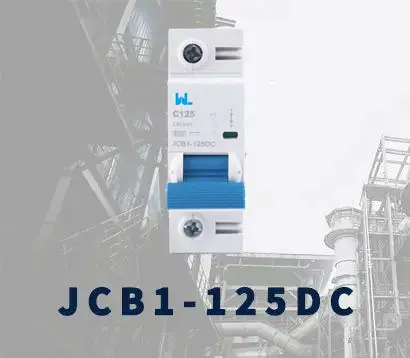 JCB1-125DC
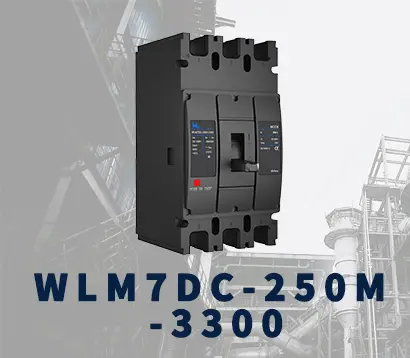 WLM7DC-250A-2300 2P/3P
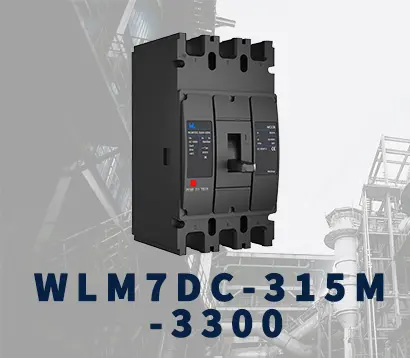 WLM7DC-315A-3300 2P/3P
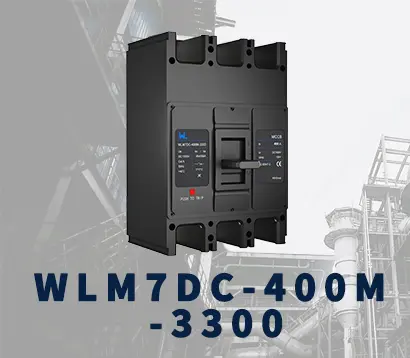 WLM7DC-400A-2300 2P/3P
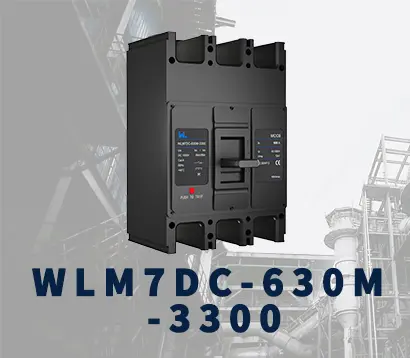 WLM7DC-630A-3300 3P
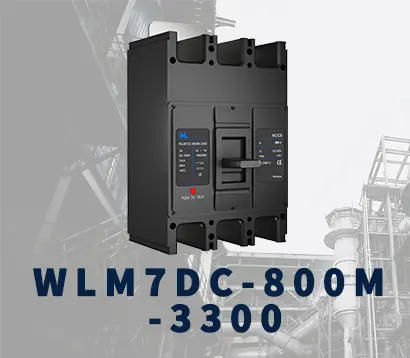 WLM7DC-800A-2300 2P/3P
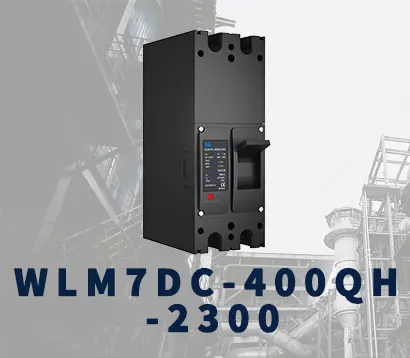 WLM7DC-400A 2300
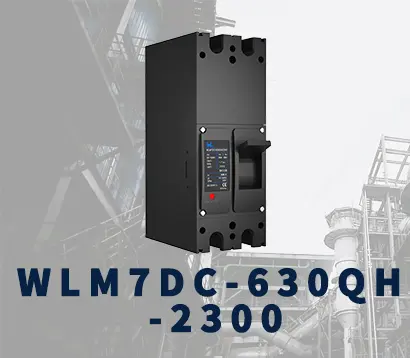 WLM7DC-630A-2300 2P
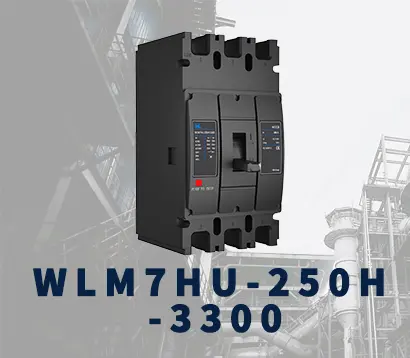 WLM7HU-250-3300 3P
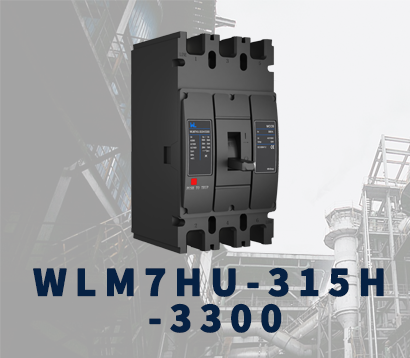 WLM7HU-315-3300 3P
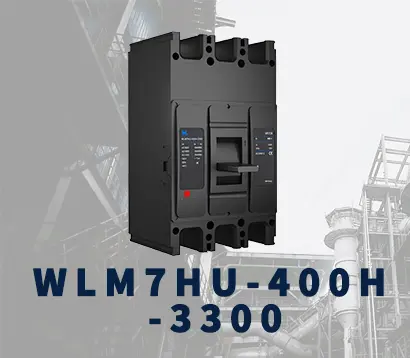 WLM7HU-400-3300 3P
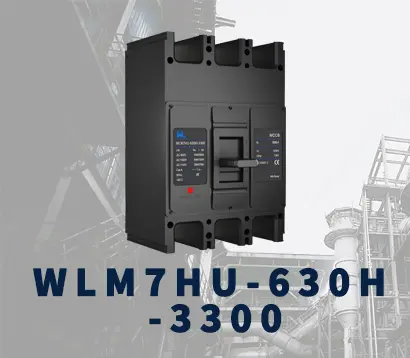 WLM7HU-630-3300 3P
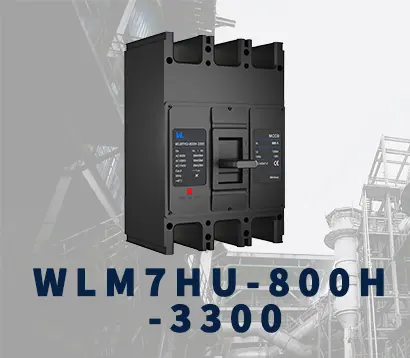 WLM7HU-800-3300 3P
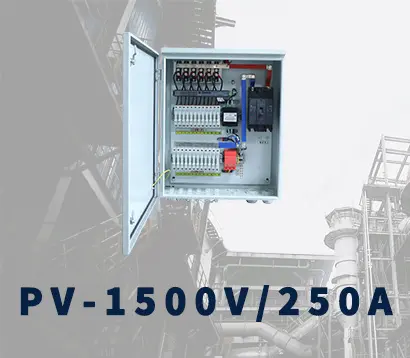 PV-1500V/250A
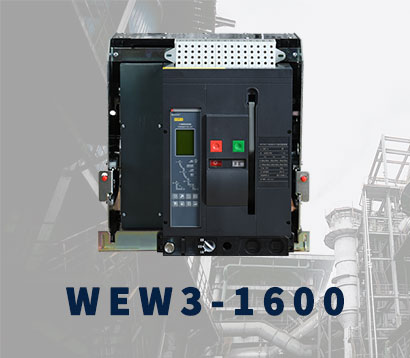 WEW3-1600
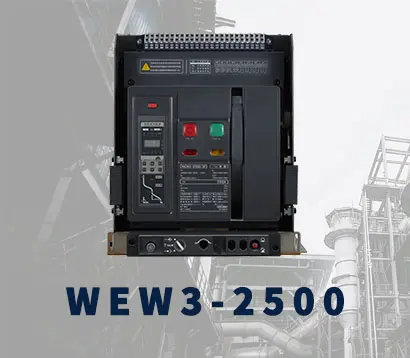 WEW3-2500
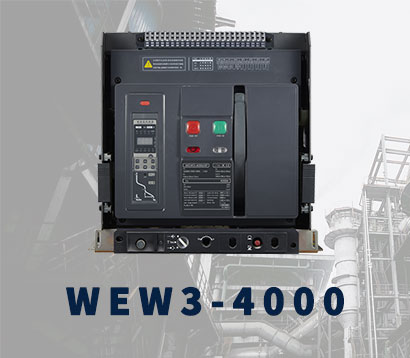 WEW3-4000
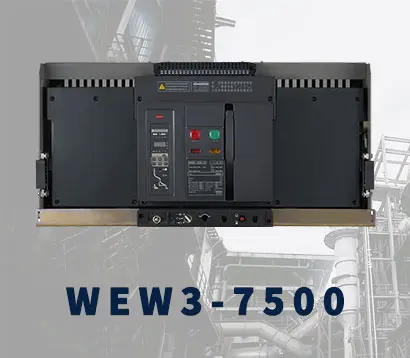 WEW3-7500






What Is an MCCB Circuit Breaker and How Does It Work?
An Mccb Circuit Breaker, or molded-case circuit breaker, protects electrical circuits from excessive current. It can interrupt power during an overload or short circuit, helping limit damage to wiring and connected equipment. In a workshop panel, for example, a fault may cause the breaker’s trip mechanism to open the circuit before conductors overheat. The handle also provides a way to switch the circuit off manually. Simple, but important.
Inside its insulated case, a thermal element typically responds to sustained overloads, while a magnetic mechanism reacts quickly to high fault currents. Some models use electronic trip units for more precise adjustments and monitoring. Features vary by design. A breaker’s current rating, interrupting capacity, and trip settings must suit the circuit and its expected fault conditions. These details matter when motors start, loads change, or several pieces of equipment share a panel. A breaker that trips often may signal a fault, an unsuitable setting, or an overloaded circuit; repeatedly resetting it without investigating is not a sound fix. No single model fits every installation. This guide explains the main parts of an MCCB, how its trip mechanisms work, and what ratings mean in practical use. It also considers selection and maintenance, while recognizing that product manuals and qualified electrical professionals are essential for installation decisions. That distinction is easy to overlook. A breaker is a protective device, not a substitute for careful circuit design or fault diagnosis.
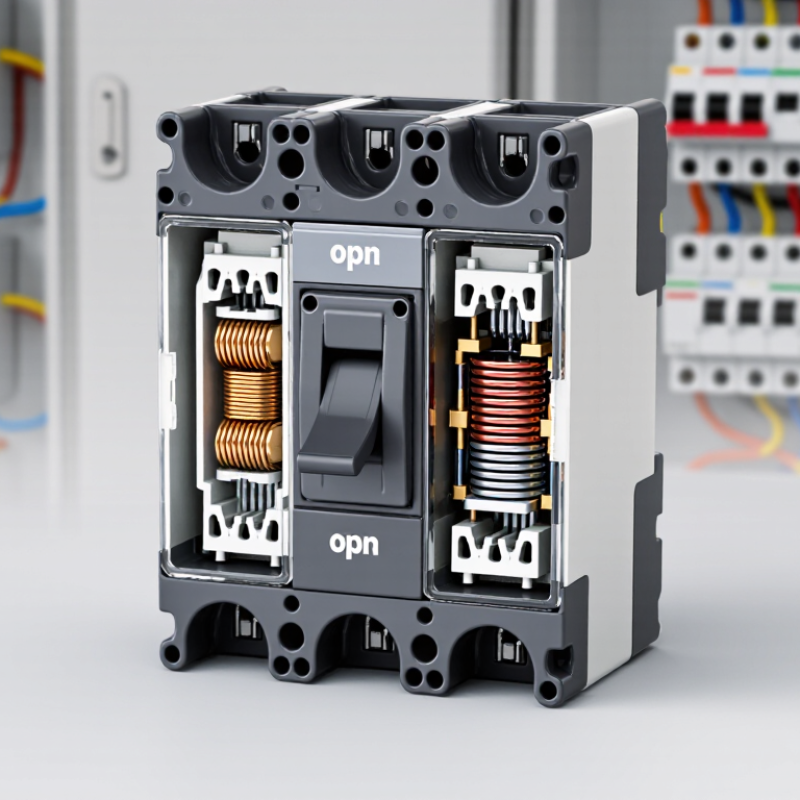
What an MCCB Is and Where It Fits in an Electrical System
An MCCB, or molded-case circuit breaker, is a resettable protective device used in low-voltage distribution systems. It typically sits in a switchboard or panel, between the incoming supply and a feeder serving equipment such as a pump, a floor of a building, or a group of machines. If current exceeds its rated limits, its trip mechanism opens the circuit. Many models offer adjustable overload and short-circuit settings, but their interrupting capacity must suit the available fault current. IEC 60947-2 sets requirements for this class of circuit breaker.
An MCCB is not simply a larger switch. It helps protect conductors and connected equipment, while its position and settings affect how much of a system loses power during a fault. The International Energy Agency’s Electricity 2024 report says global electricity demand grew by 2.2% in 2023 and forecasts average annual growth of 3.4% for 2024–2026. That growth makes careful distribution design important, though demand figures alone do not determine breaker size. Placement matters. A designer must consider cable ratings, load profiles, fault levels, and coordination with upstream and downstream protection. A practical detail is often overlooked: panel space and heat can affect real-world installation choices. The fit is not always obvious. A site assessment can reveal constraints that a neat single-line diagram misses.
What Is an MCCB Circuit Breaker and How Does It Work? - What an MCCB Is and Where It Fits in an Electrical System
| Aspect | What It Means | Role or Typical Detail |
|---|---|---|
| Definition | An MCCB is a molded-case circuit breaker: a resettable protective switching device housed in an insulating enclosure. | It can carry, switch, and interrupt current under specified operating conditions. |
| Place in an electrical system | MCCBs are commonly installed in switchboards, panelboards, and distribution equipment. | They may protect a feeder or a large branch circuit downstream of a transformer or main service equipment. Exact placement depends on the system design. |
| Overload protection | An overload is current above the circuit’s normal operating level that persists over time. | A thermal or electronic trip function responds to sustained overcurrent and opens the circuit to help protect conductors and equipment. |
| Short-circuit protection | A short circuit can produce a very high fault current. | A magnetic or electronic instantaneous trip function detects severe overcurrent and rapidly opens the contacts, subject to the breaker’s ratings and operating characteristics. |
| How it interrupts current | When the trip mechanism releases, internal contacts separate. An arc forms as the current is interrupted. | Arc-control components inside the breaker help extinguish the arc. The enclosure and interrupting design are selected for the intended application. |
| Trip mechanisms | Common designs use thermal-magnetic protection or an electronic trip unit. | Electronic trip units may provide adjustable protection settings and additional monitoring features. Available functions vary by breaker design. |
| Current rating and settings | The breaker’s rated current and any adjustable trip settings describe different aspects of its protection. | Selection must account for conductor ampacity, load, ambient conditions, and applicable electrical codes. A setting must not exceed the permitted protection for the circuit. |
| Interrupting rating | This rating states the maximum prospective fault current the breaker is designed to interrupt at a specified voltage. | It is commonly expressed in kiloamperes (kA). The available fault current at the installation must not exceed the applicable breaker rating. |
| Poles and circuit type | MCCBs are available in configurations for different numbers of ungrounded conductors and system types. | Pole count and voltage rating must match the circuit. A qualified designer should confirm suitability for the system’s grounding and switching requirements. |
| Resetting after a trip | After a trip, the cause should be identified and corrected before the breaker is reset. | Follow the manufacturer’s operating instructions and site safety procedures. A breaker should not be repeatedly reset into a persistent fault. |
| Ground-fault protection | Basic overload and short-circuit protection does not necessarily provide ground-fault or personnel shock protection. | Ground-fault functions may require a suitable trip unit or separate protective device. Requirements depend on the application and local codes. |
| Standards and suitability | Breaker construction, testing, and ratings are governed by applicable product standards and certification requirements. | IEC 60947-2 and UL 489 are examples of standards used in different markets. Verify the standard, voltage, and rating required for the installation. |
Ratings, trip functions, and permitted applications vary by breaker model and jurisdiction. Selection, installation, and maintenance should be performed by qualified electrical personnel in accordance with the applicable codes and equipment instructions.
Related Posts
-
What Is an Electric Main Breaker and What Does It Do?
-
2026 Best MCCB Molded Case Circuit Breaker Suppliers?
-
How to Choose the Right Electrical MCCB in 2026
-

Best MCCB Breakers for Reliable Electrical Protection Solutions?
-

7 Tips to Choose the Right MCCB Molded Case Circuit Breaker
-
How to Choose the Right Molded Case Breaker for Your Needs?