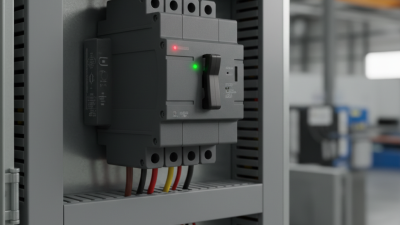
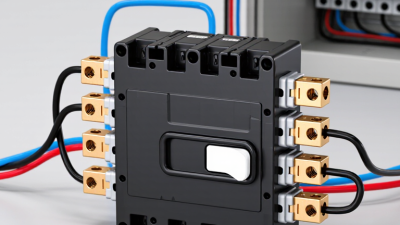
What Is an Electric Main Breaker and What Does It Do?
An Electric Main Breaker is the primary safety switch in a home’s electrical service panel. It controls power entering the entire property. When switched off, it can disconnect lighting, outlets, appliances, and branch circuits at once. Think of it as the home’s electrical gatekeeper.
This device also protects the service equipment from excessive current. If a serious fault or overload occurs, the breaker may trip and interrupt the supply. You might hear a sharp click and see the handle move to the middle position. That response can help reduce risks such as overheated wiring, damaged equipment, or electrical fires. However, the breaker cannot correct every electrical problem. It does not replace properly sized wiring, grounding, or regular professional inspections.
Understanding its purpose helps homeowners respond calmly during an outage or panel inspection. You can identify the main breaker, read its amperage rating, and keep the panel area clear. Do not remove the panel cover. Internal parts may remain energized, even when the main breaker is off. A licensed electrician should investigate repeated trips, burning smells, buzzing sounds, or visible heat damage.
The explanation sounds simple.
Yet, real electrical systems vary by age, design, and local requirements. A modern panel may behave differently from an older installation. This guide provides practical background, not a substitute for site-specific advice. Careful observation matters, but safe decisions depend on qualified electrical expertise and verified equipment ratings.
Definition and Purpose of an Electric Main Breaker
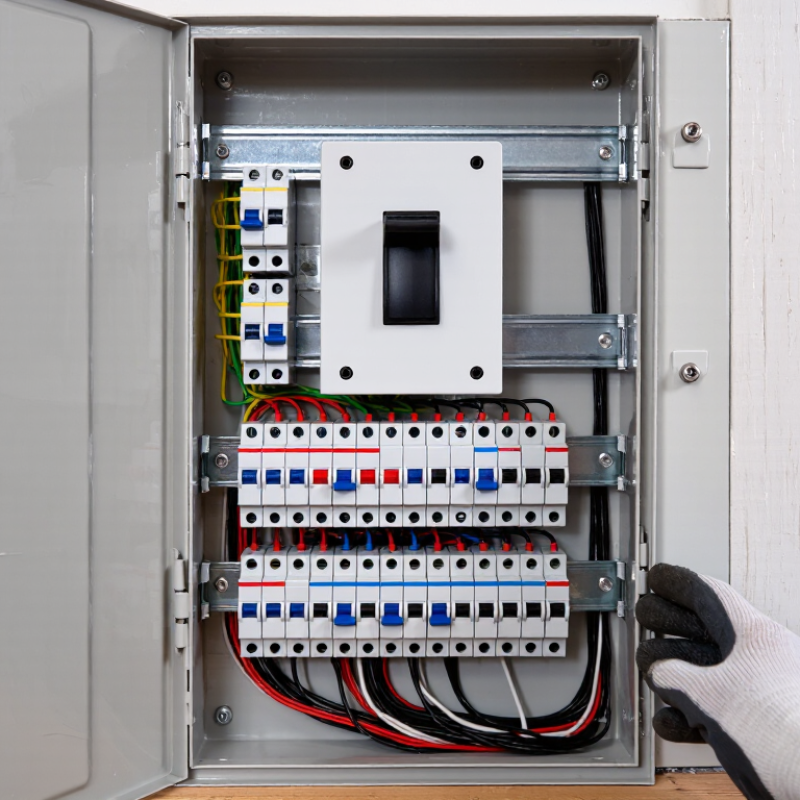
An electric main breaker is the primary disconnect for a building’s electrical service. It controls power entering the main service panel. When switched off, it normally de-energizes every branch circuit downstream. It also protects wiring from excessive current caused by overloads or short circuits. However, it does not replace every branch-circuit breaker or detect every electrical hazard.
Its purpose is both protection and control. During a serious fault, the breaker should trip before conductors overheat. The U.S. Fire Administration reported about 24,200 residential electrical fires annually from 2008 to 2017. Those fires caused roughly 830 deaths, 1,050 injuries, and 1.1 billion dollars in property loss. These figures show why correct breaker sizing matters. A main breaker rated too high can allow dangerous heating. A weak or aging breaker may trip unpredictably. Field conditions can also differ from diagrams, which deserves careful attention.
Tips: Test the main breaker only when safe and necessary. Keep the panel cover closed. Never touch exposed terminals, even after switching off the breaker. The service side may remain energized. Ask a licensed electrician to investigate repeated trips, burning smells, buzzing, heat marks, or loose connections. The National Fire Protection Association recommends inspection and maintenance practices in NFPA 70B, but local requirements still control. Do not assume a larger breaker solves nuisance tripping. It may hide an overloaded circuit.
Main Components and How the Breaker Works
An electric main breaker is the panel’s primary disconnect and an important overcurrent safeguard. Its handle operates a mechanism that opens or closes internal contacts. When closed, electricity flows from the incoming service through the breaker to the panel’s bus bars, which distribute power to branch circuits. The enclosure protects these parts, while terminals secure the conductors. Details vary by panel design.
Inside the breaker, a trip mechanism responds to dangerous current. Thermal elements can react to sustained overloads, such as too many high-demand appliances running together. Magnetic action can trip rapidly during a severe short circuit. The contacts separate, interrupting current to the panel’s branch circuits. The handle may move to a middle position, rather than fully off. A tripped breaker does not prove the underlying problem is harmless; repeated resetting can be risky.
Tips: If the breaker trips, note which appliances were running and whether you noticed heat, buzzing, or a burning smell. Do not remove the panel cover or touch wiring; some incoming terminals may remain energized even when the main breaker is off. Labels can be imperfect, too. Have a qualified electrician investigate repeated trips or visible damage.
How the Main Breaker Controls Electrical Power
An electric main breaker is the primary switch in a home’s electrical panel. It controls power flowing from the utility supply to the household circuits. When switched off, it disconnects power to most or all of the home, making it useful during certain repairs or emergencies. It is usually a larger switch than the individual circuit breakers. Look for the service label, but never assume a panel is safe to touch.
The main breaker also responds to certain dangerous overloads or faults by tripping. This interrupts the incoming supply and helps limit overheating and equipment damage. It does not prevent every electrical hazard, and a tripped breaker should not be forced back on repeatedly. A warm panel, burning odor, buzzing, or visible damage needs prompt attention from a qualified electrician. Small details matter here; I once thought a switch position told the whole story, but labels can be unclear.
Tips: Keep the panel area dry and unobstructed. Know where the main breaker is before an emergency, but do not remove the panel cover. If the breaker trips again after a reset, stop and call an electrician. Safety sometimes means waiting.
When a Main Breaker Trips and How to Reset It
A main breaker can trip when the home’s electrical demand becomes too high or a fault occurs. It cuts power to the circuits it controls, helping limit overheating and other hazards. You may notice lights go dark, appliances stop, or the breaker handle rest between ON and OFF. Sometimes the cause is simple: a heater, kettle, and dryer running together. Other times, the reason is less obvious.
Before resetting it, switch off or unplug several appliances, especially those that were running when power failed. Keep your hands dry, stand on a dry surface, and never touch the panel if it is wet, hot, buzzing, or smells burnt. If the area looks safe, open the panel door only; do not remove its cover. Move the main breaker firmly to OFF, then back to ON. It may feel stiff. Don’t force it.
If it trips again, stop there. Repeated resets can signal a wiring fault or damaged appliance, not a stubborn switch. Leave the breaker off and contact a qualified electrician. A faint click after resetting can be normal, but heat, smoke, sparks, or a burning odor are not. It is tempting to blame the biggest appliance, yet the actual cause may be a small device or a circuit problem that needs proper testing.
Safety Checks, Maintenance, and Professional Service Needs
An electric main breaker disconnects power to the home and helps protect wiring from excessive current. During a safety check, look for warning signs without removing the panel cover. A warm or buzzing panel, a burning odor, scorch marks, or repeated trips deserve prompt attention. A quick glance is not a diagnosis. Keep the area around the panel dry, clear, and easy to reach. Never force a breaker that will not reset or touch exposed wiring.
Routine maintenance should be handled by a qualified electrician. They can inspect connections, check breaker operation, and look for corrosion or heat damage inside the panel. These issues may not be visible from outside. Breakers can also age, so a handle that feels loose or behaves differently should not be ignored. Do not assume a tripped breaker is harmless just because it resets once. The cause may still be present.
Call a professional if the breaker trips repeatedly, the panel makes unusual sounds, or lights dim when large appliances run. If you notice smoke or a strong burning smell, move away and contact emergency services. The safest repair is not always the fastest one. Even careful homeowners can miss a small sign, and that deserves some humility.

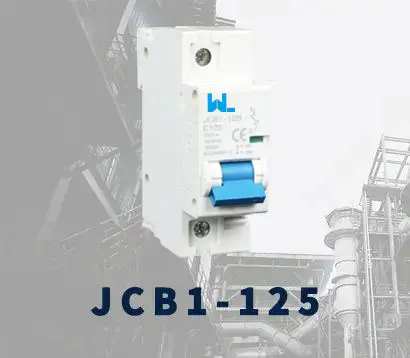 JCB1-125
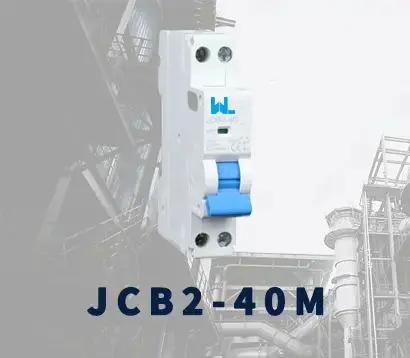 JCB2-40M
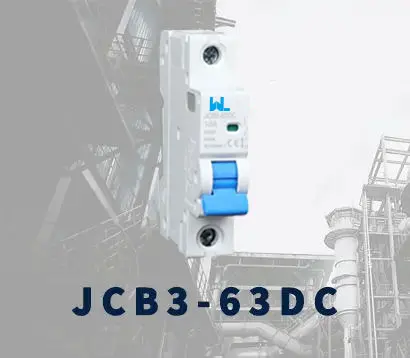 JCB3-63DC
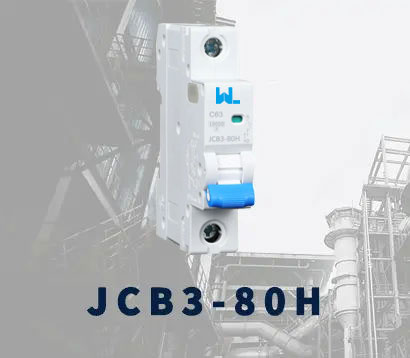 JCB3-80H
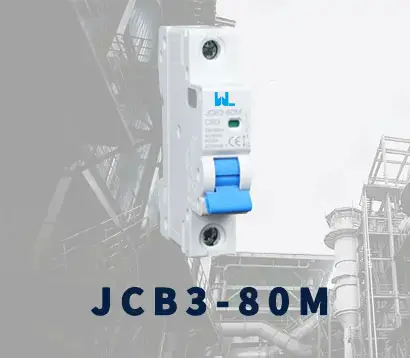 JCB3-80M
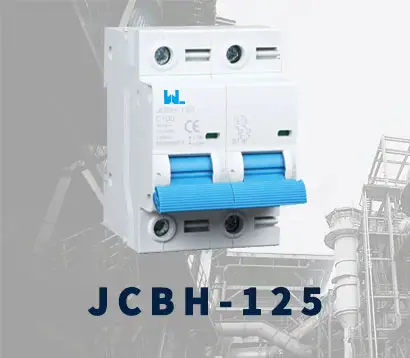 JCBH-125
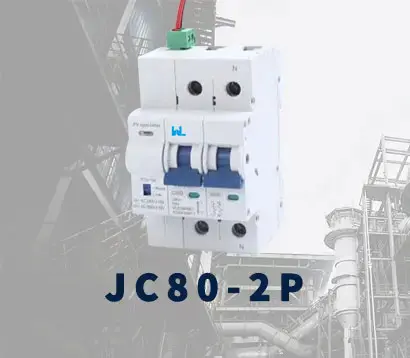 JC80-2P
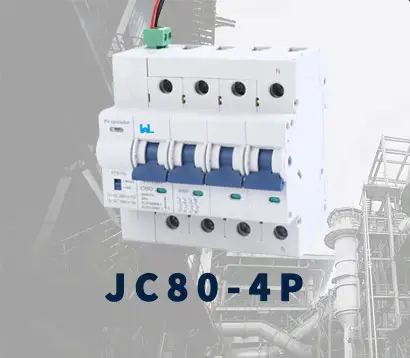 JC80-4P
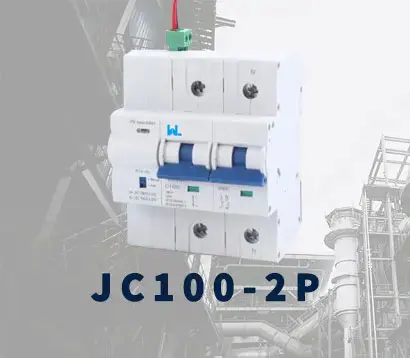 JC125-2P
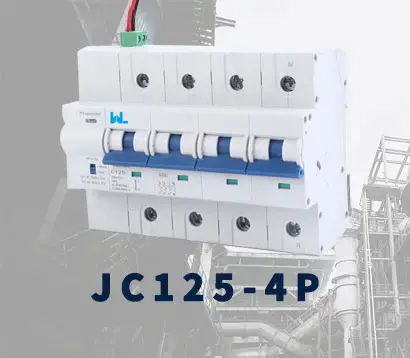 JC125-4P
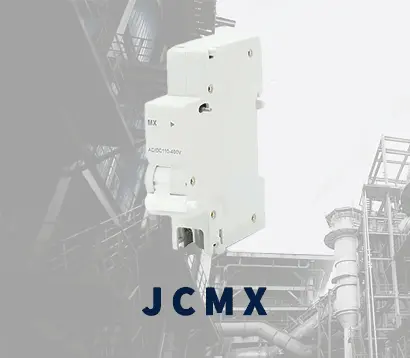 JCMX
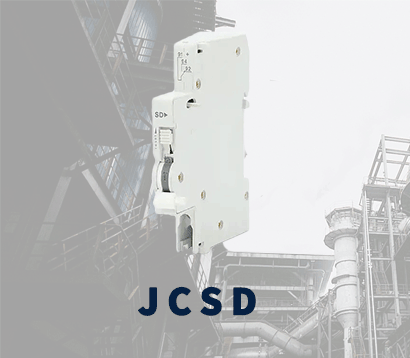 JCSD
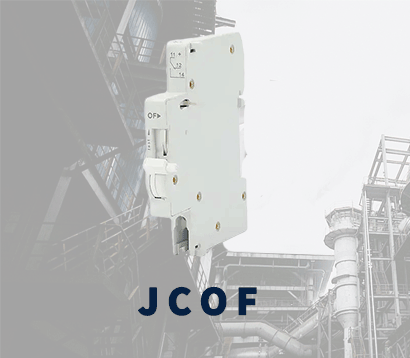 JCOF
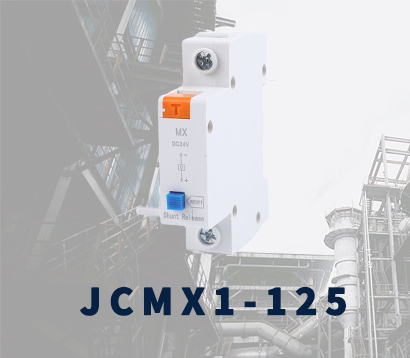 JCMX1-125
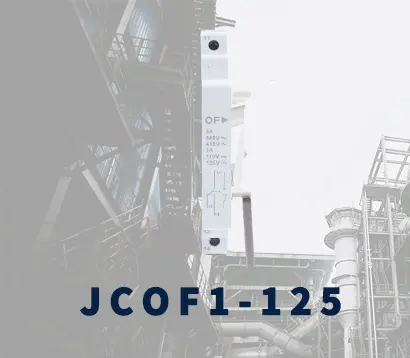 JCOF1-125
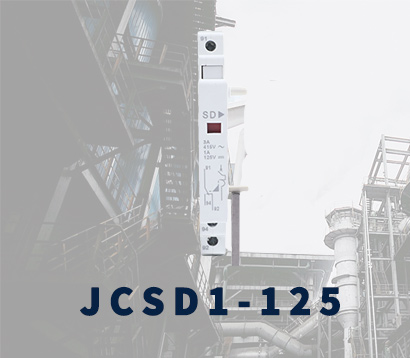 JCSD1-125
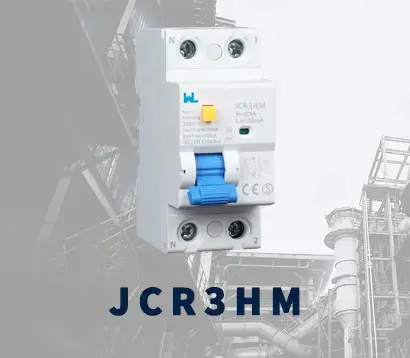 JCR3HM
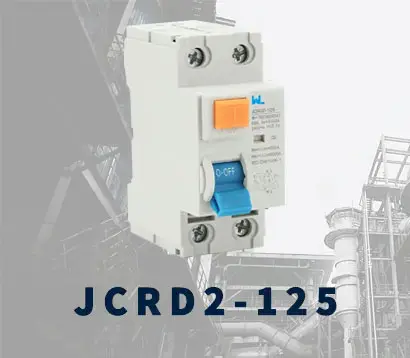 JCRD2-125
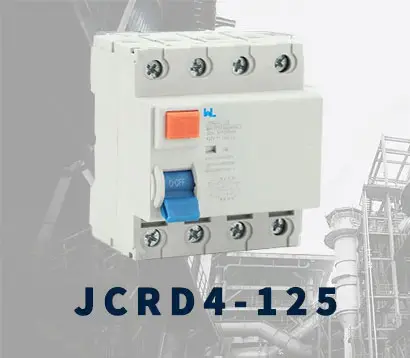 JCRD4-125
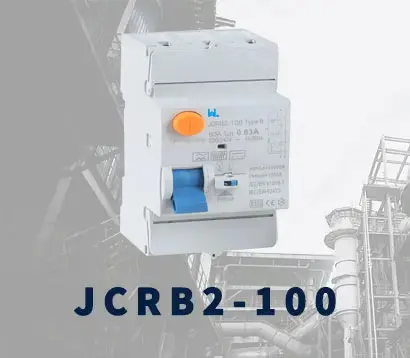 JCRB2-100
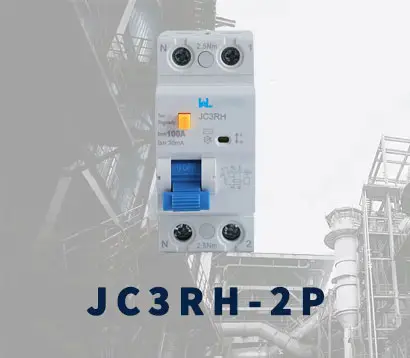 JC3RH-2P
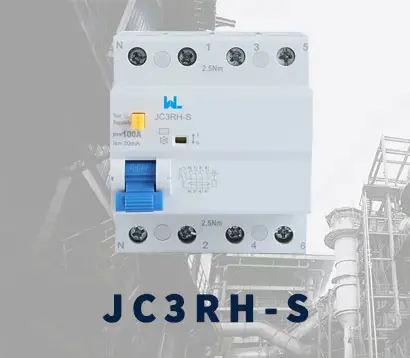 JC3RH-S
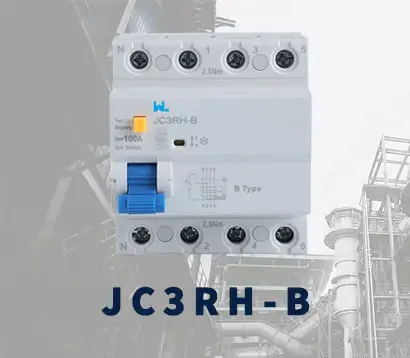 JC3RH-B
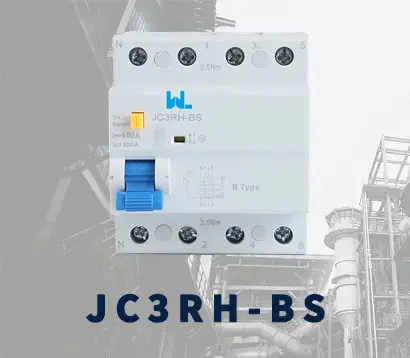 JC3RH-BS
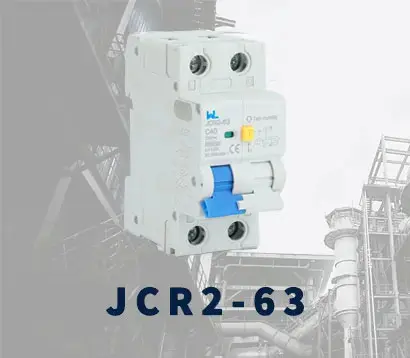 JCR2-63
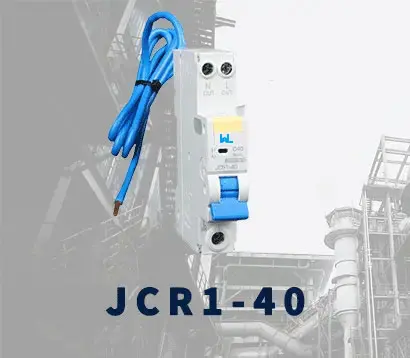 JCR1-40
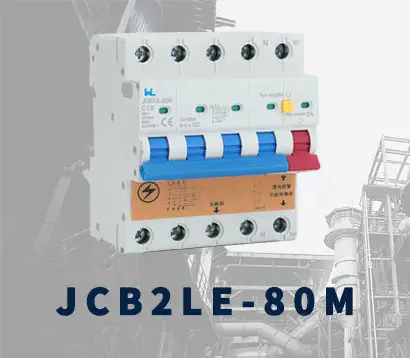 JCB2LE-80M
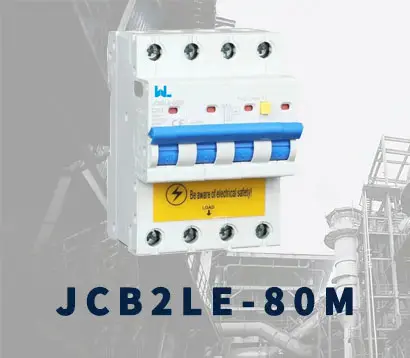 JCB2LE-80M
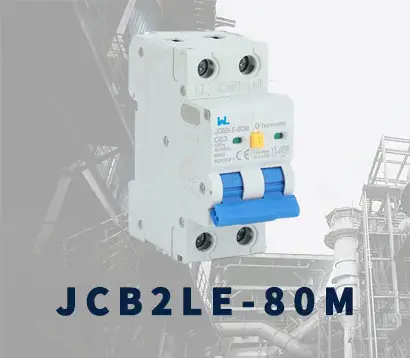 JCB2LE-80M
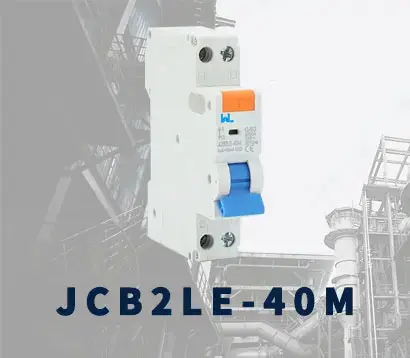 JCB2LE-40M
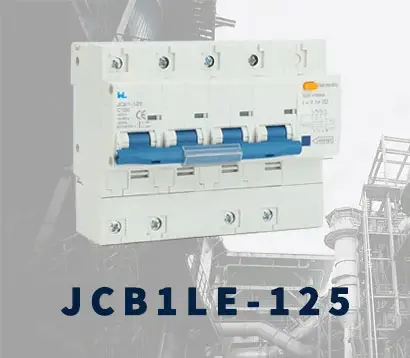 JCB1LE-125
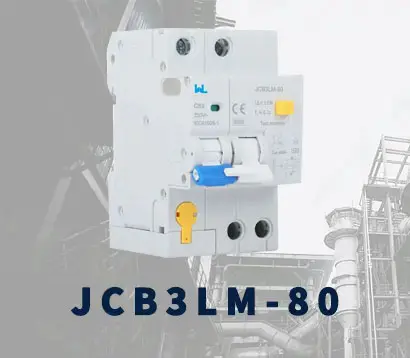 JCB3LM-80
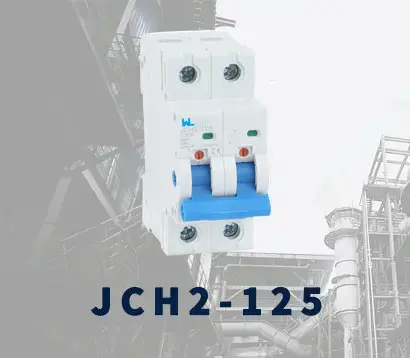 JCH2-125
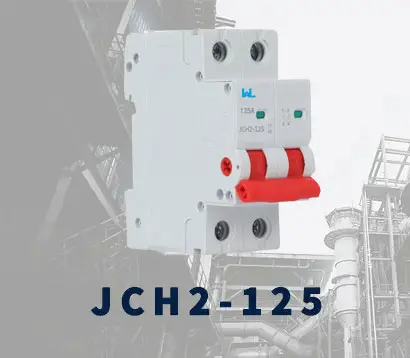 JCH2-125
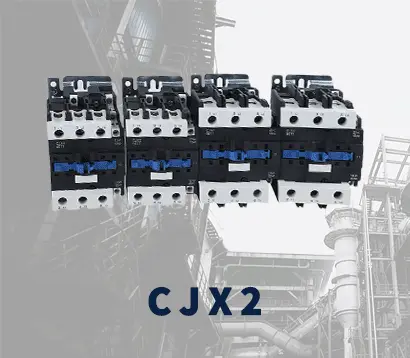 CJX2
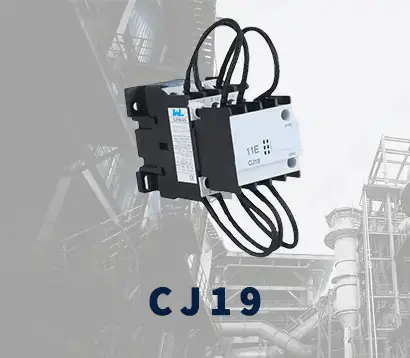 CJ19
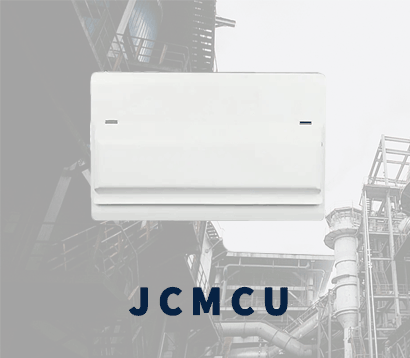 JCMCU
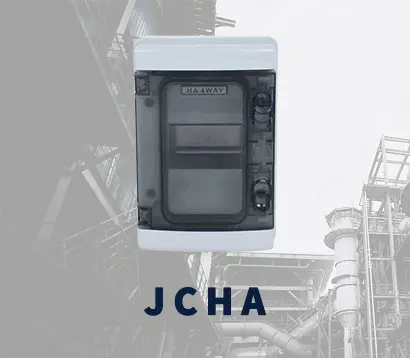 JCHA
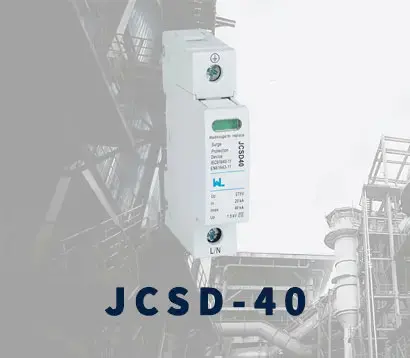 JCSD-40
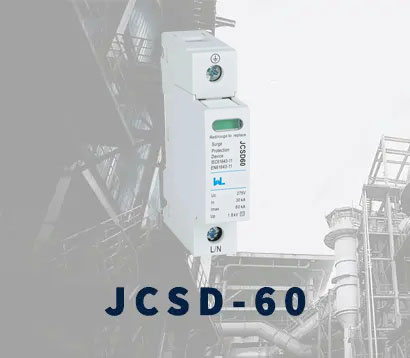 JCSD-60
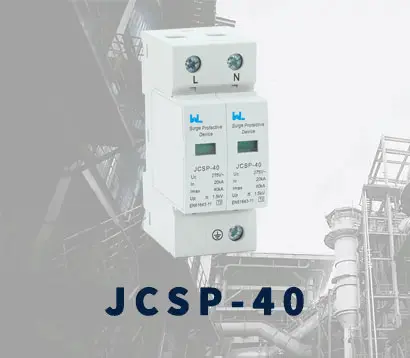 JCSP-40
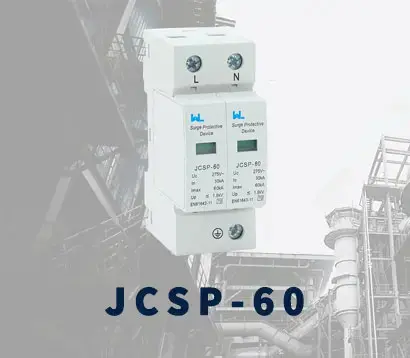 JCSP-60
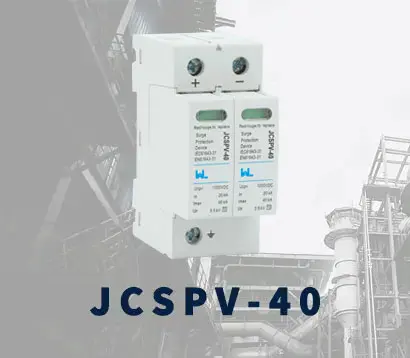 JCSPV
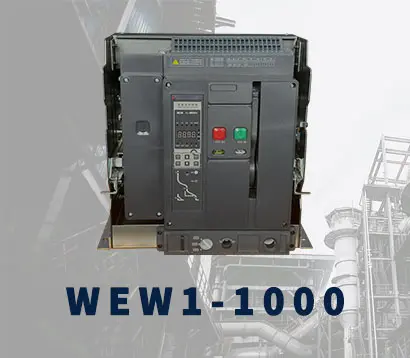 WEW1-1000
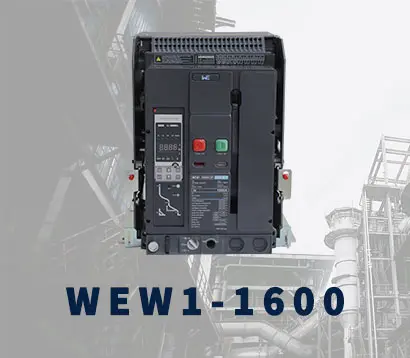 WEW1-1600
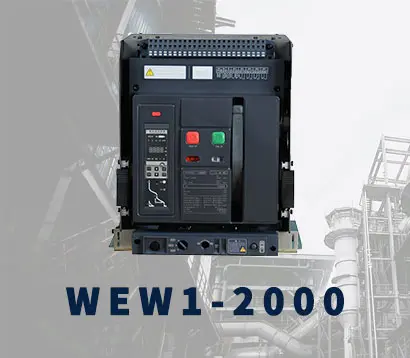 WEW1-2000
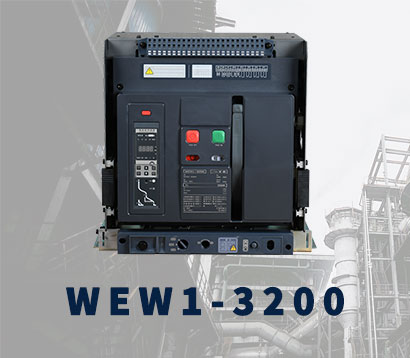 WEW1-3200
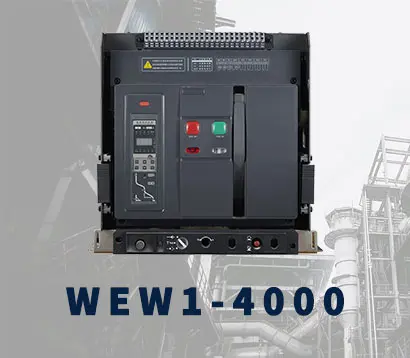 WEW1-4000
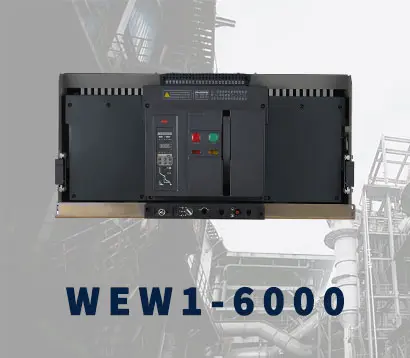 WEW1-6300
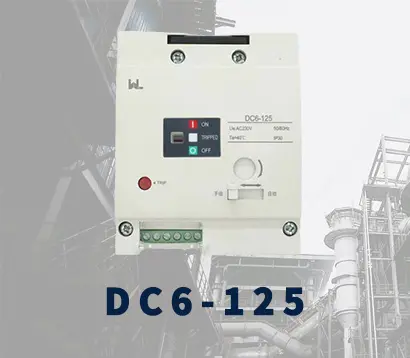 DC6-125
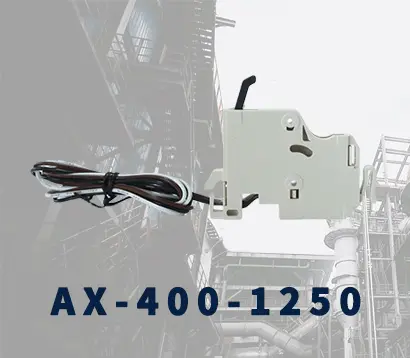 AX-400-1250
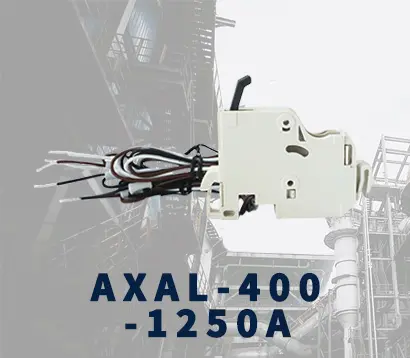 AXAL-400-1250A
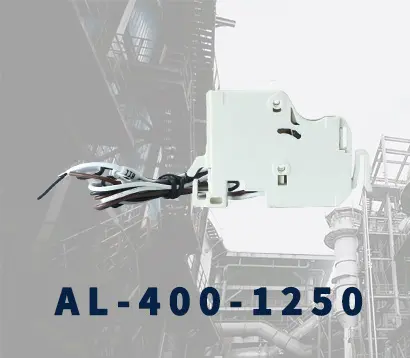 AL-400-1250
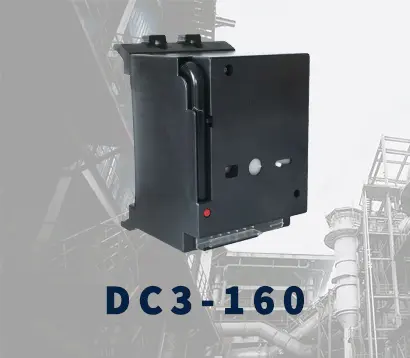 DC3-160
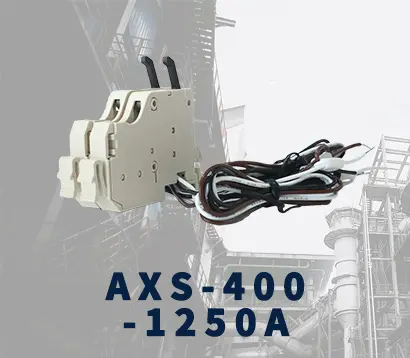 AXS-400-1250A
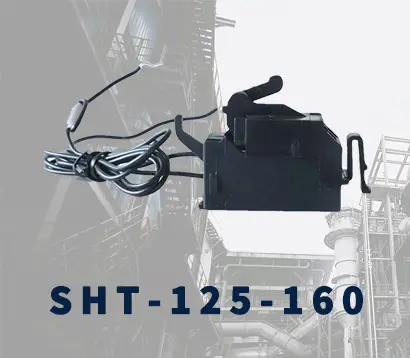 SHT-125-160
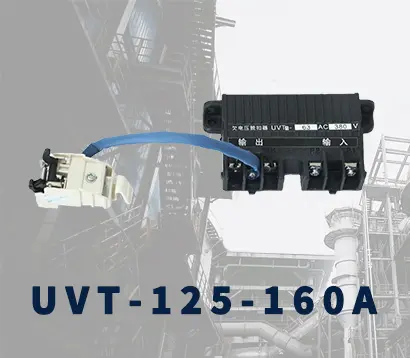 UVT-125-160A
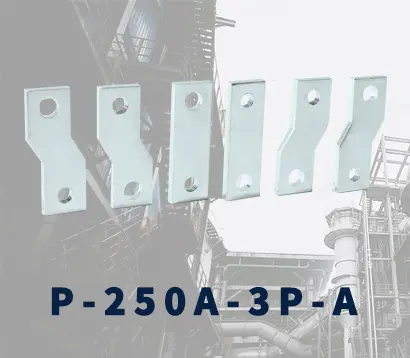 P-250A-3P-A
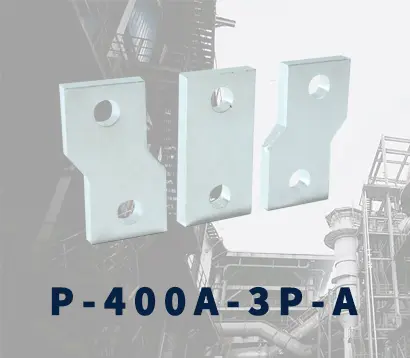 400-3P/4P terminal cover
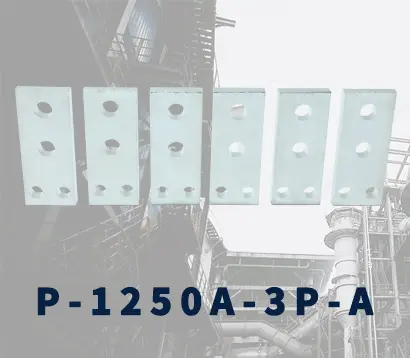 1250-3Pmccb accessories busbar
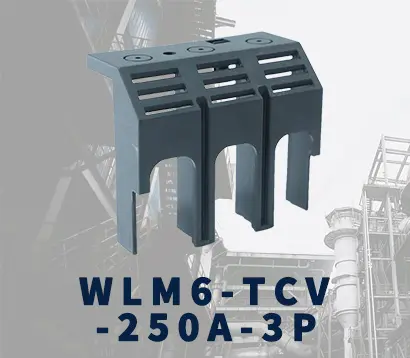 250-3P terminal conver
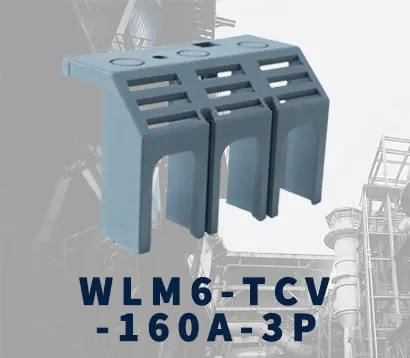 WLM6-TCV-160A-3P
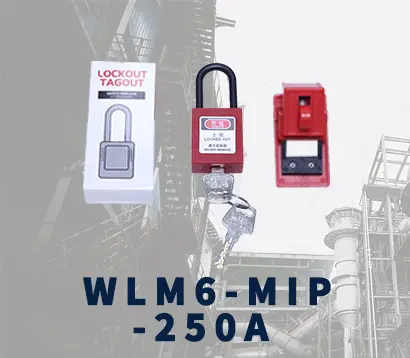 WLM6-MIP-250A
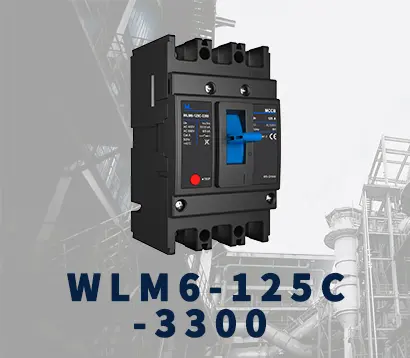 WLM6-125A-3300 3P/4P
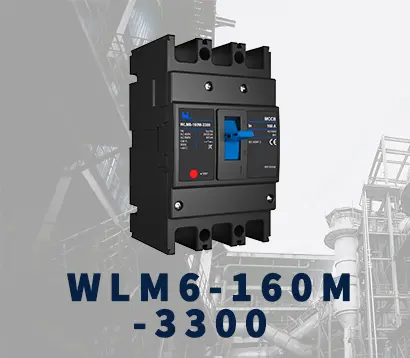 WLM6-160A-3300 3P/4P
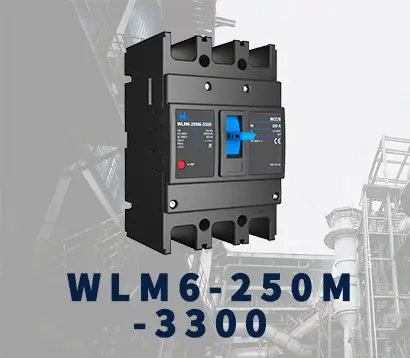 WLM6-250A-3300 3P/4P
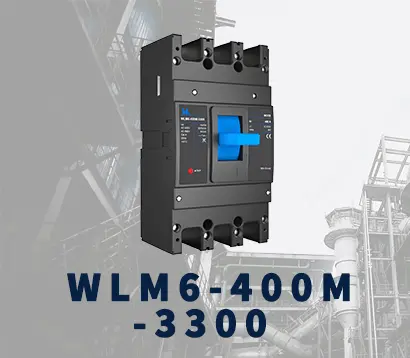 WLM6-400A-3300 3P/4P
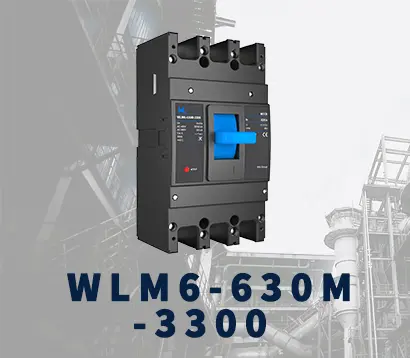 WLM6-630A-3300 3P/4P
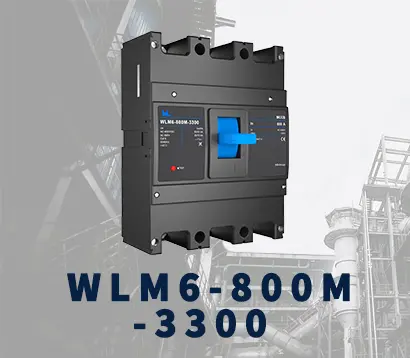 WLM6-800A-3300 3P/4P
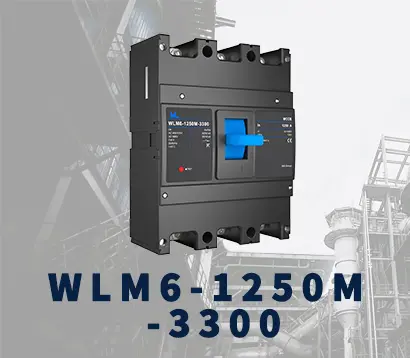 WLM6-1250A-3300 3P/4P
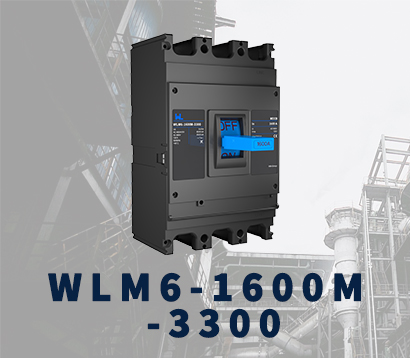 WLM6-1600A-3300 3P/4P
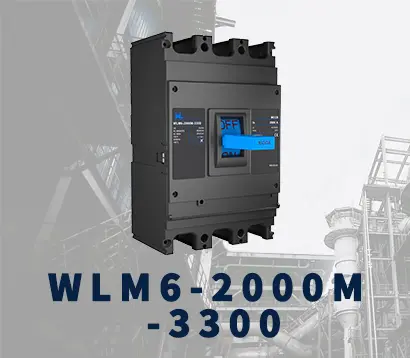 WLM6-2000A 3P/4P
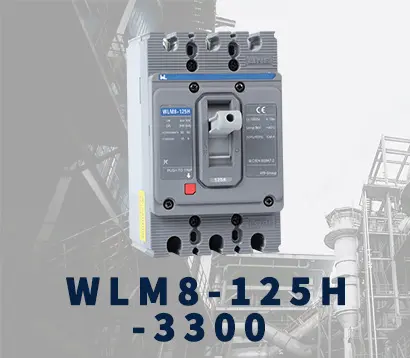 WLM8-125H-3300
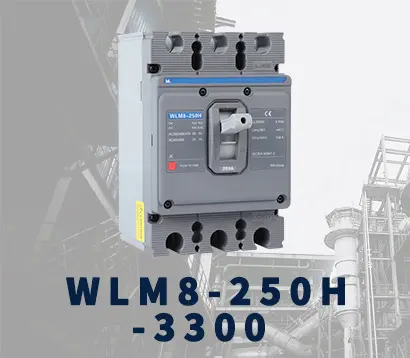 WLM8-250H-3300
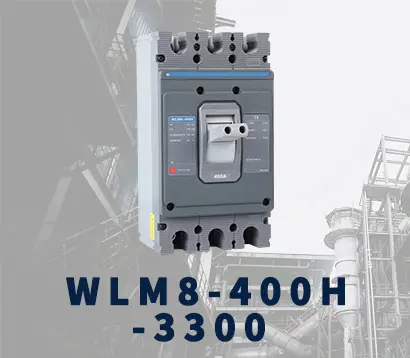 WLM8-400H-3300
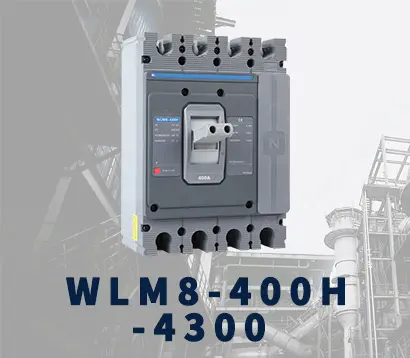 WLM8-400H-4300
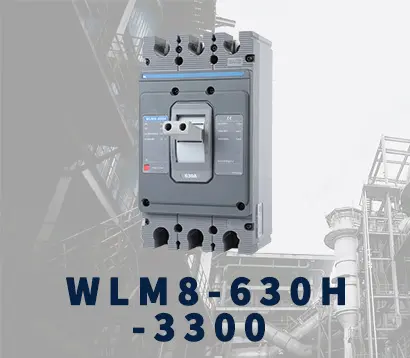 WLM8-630H-3300
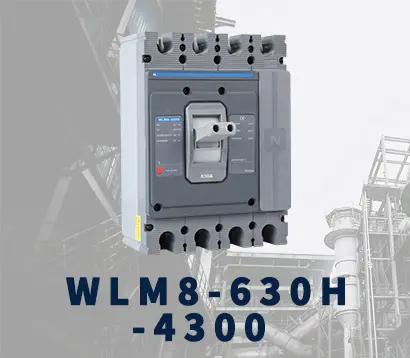 WLM8-630H-4300
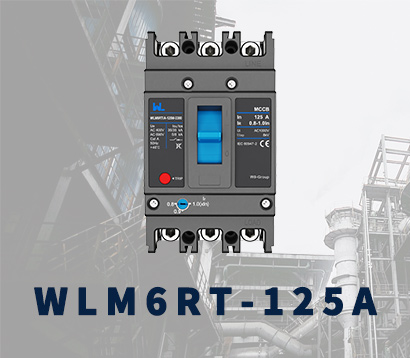 WLM6RT-125A
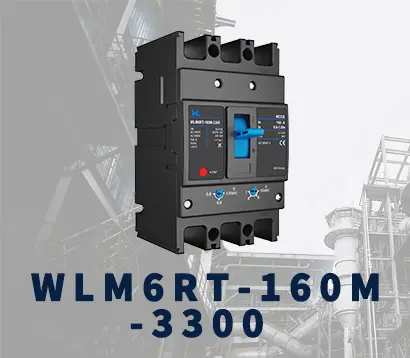 WLM6RT-160A
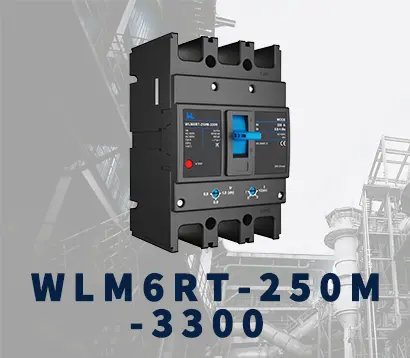 WLM6RT-250A
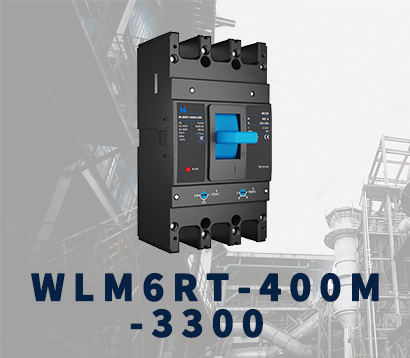 WLM6RT-400A
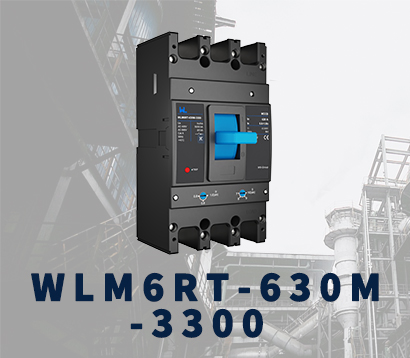 WLM6RT-630A
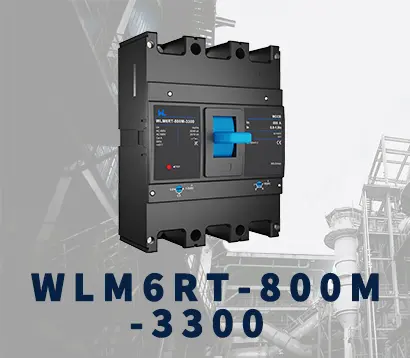 WLM6RT-800A
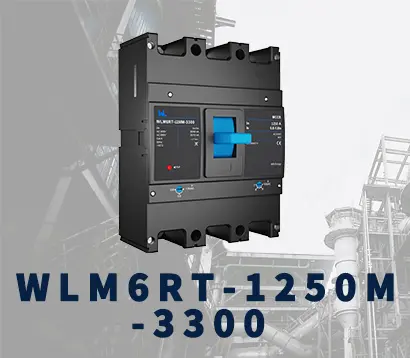 WLM6RT-1250A
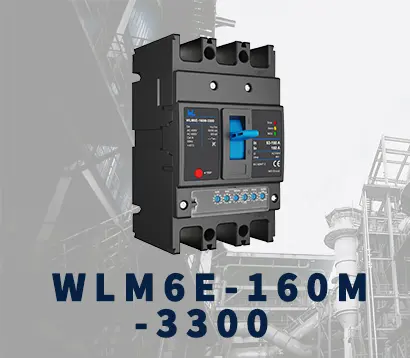 WLM6E-160A-3300 3P
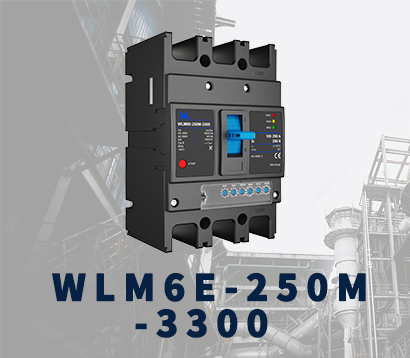 WLM6E-250A-3300
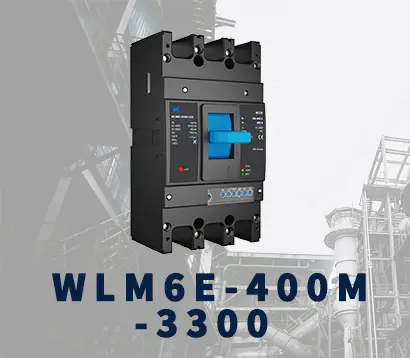 WLM6E-400A-3300 3P/4P
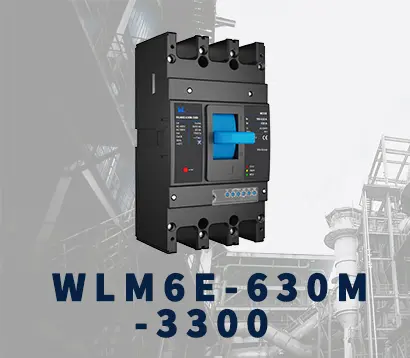 WLM6E-630A-3300
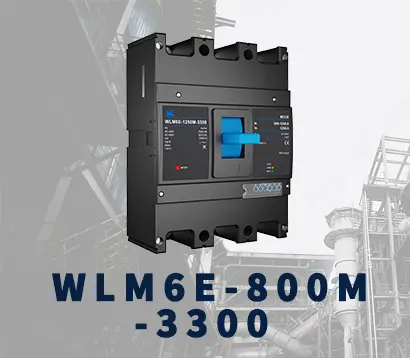 WLM6E-800A-3300 3P/4P
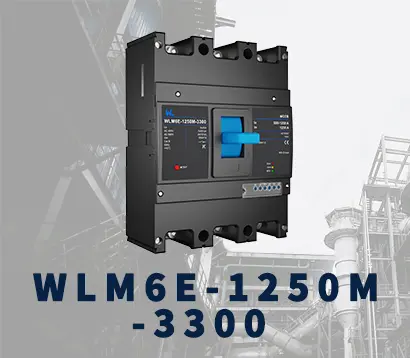 WLM6E-1250A-3300
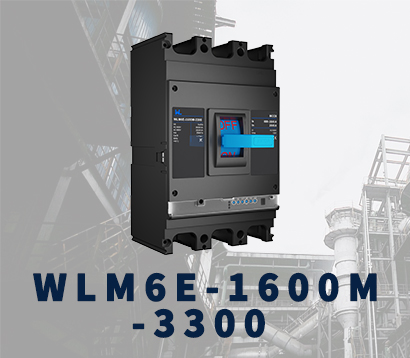 WLM6E-1600-3300 3P/4P
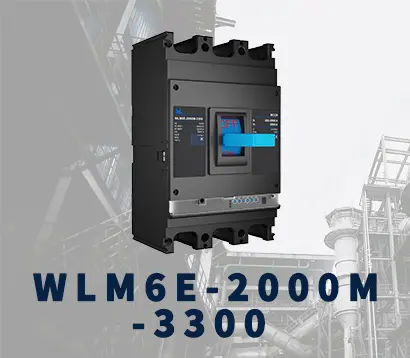 WLM6E-2000A-3300 3P/4P
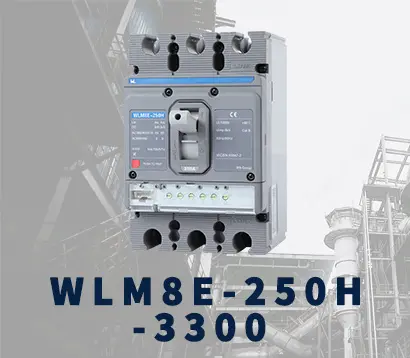 WLM8E-250H-3300
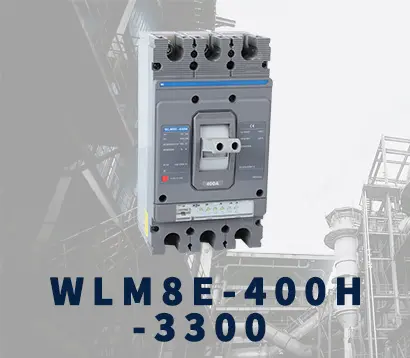 WLM8E-400H-3300
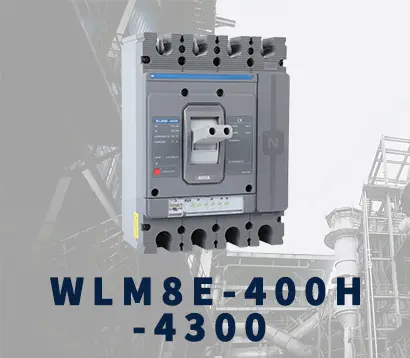 WLM8E-400H-4300
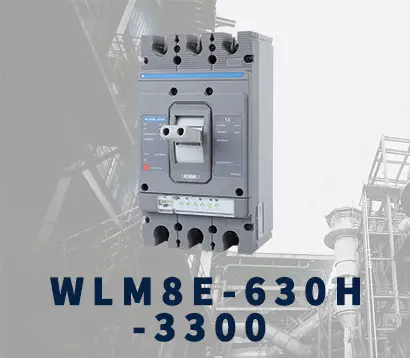 WLM8E-630H-3300
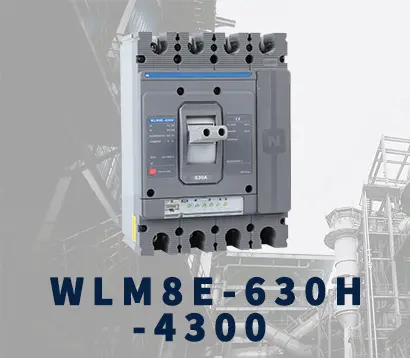 WLM8E-630H-4300
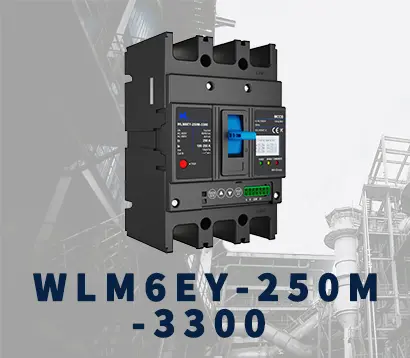 WLM6EY-250-3300 3P/4P
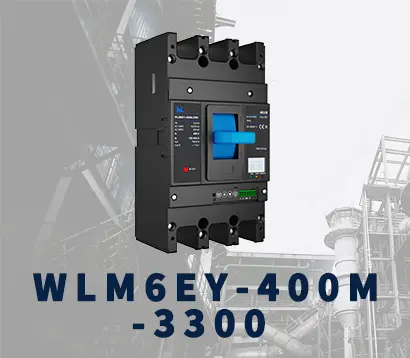 WLM6EY-400 3P/4P
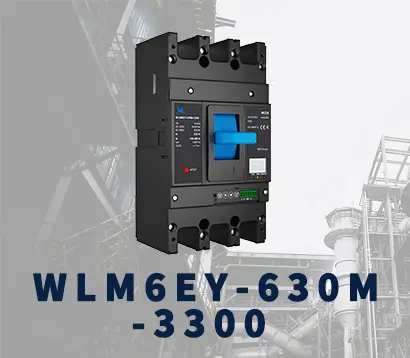 WLM6EY-630 3P/4P
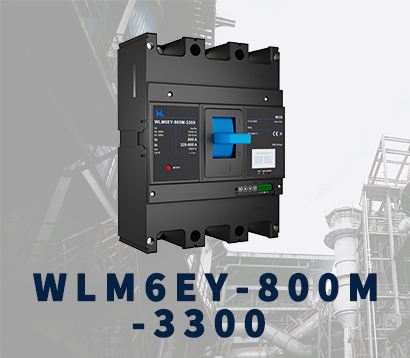 WLM6EY-800A 3P/4P
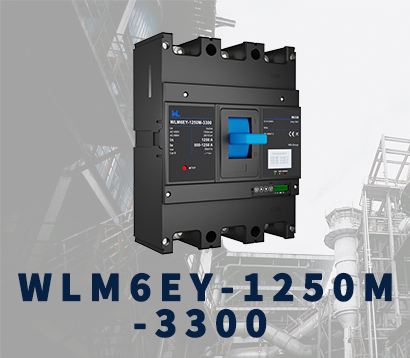 WLM6EY-1250A 3P/4P
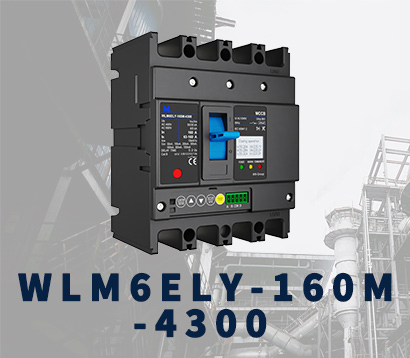 WLM6ELY-160A
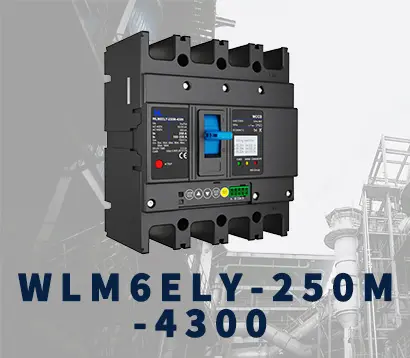 WLM6ELY-250A
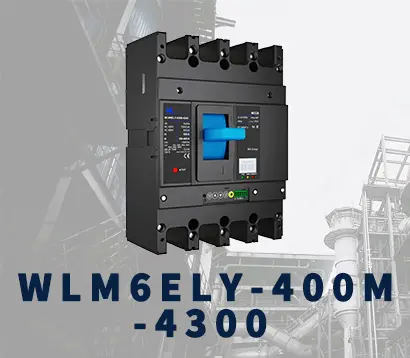 WLM6ELY-400A
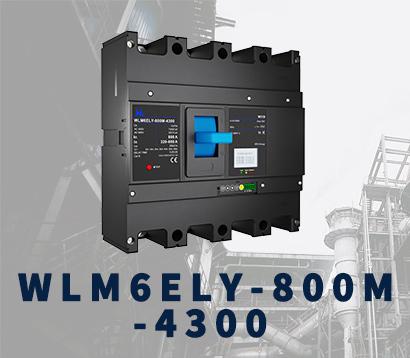 WLM6ELY-800A
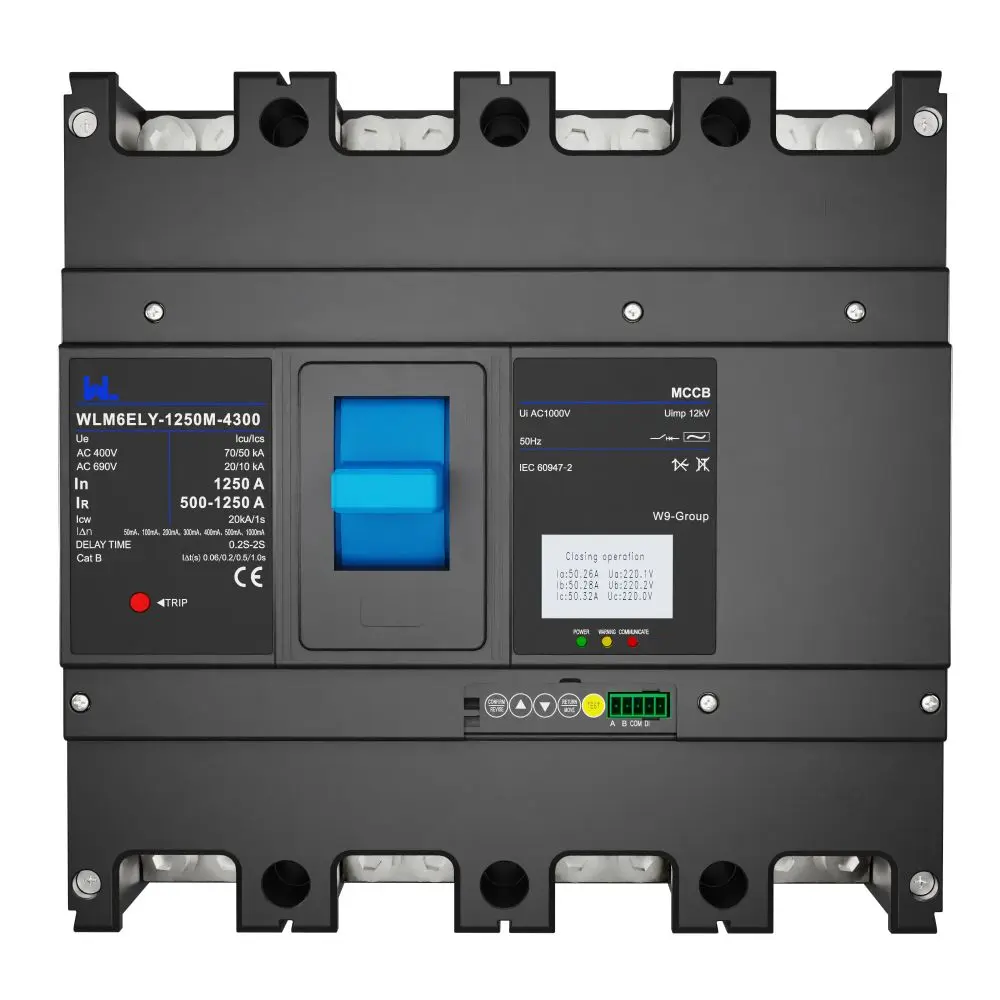 WLM6ELY-1250A
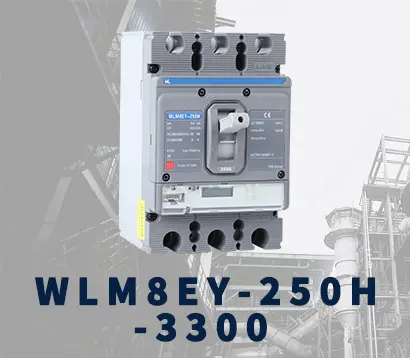 WLM8EY-250H-3300
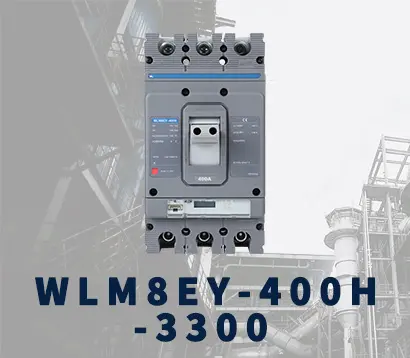 WLM8EY-400H-3300
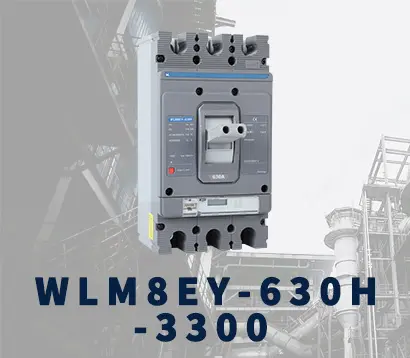 WLM8EY-630H-3300
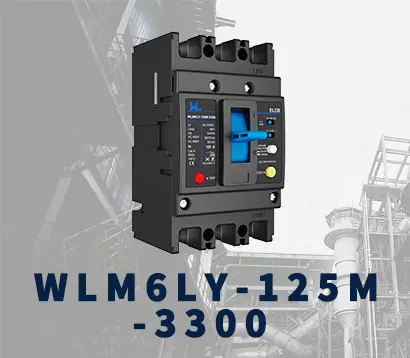 WLM6LY-125A
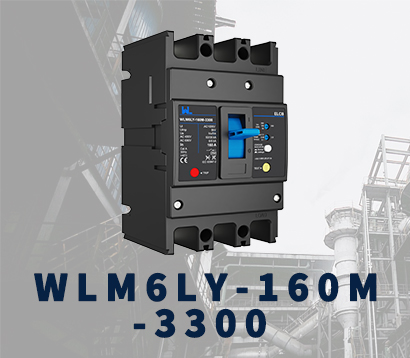 WLM6L-160A
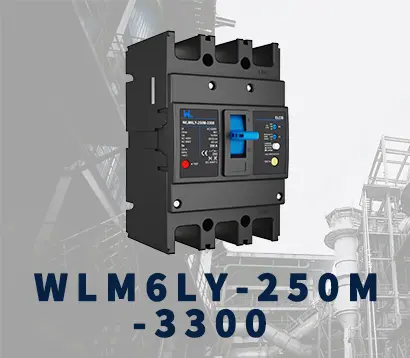 WLM6LY-250A
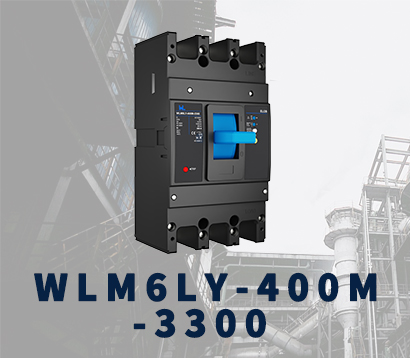 WLM6LY-400A
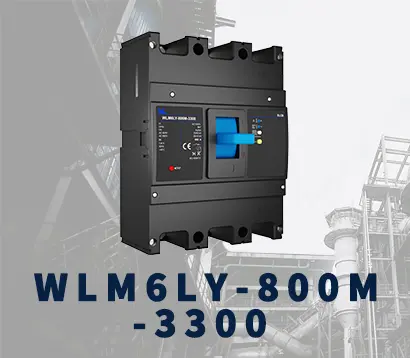 WLM6LY-800A
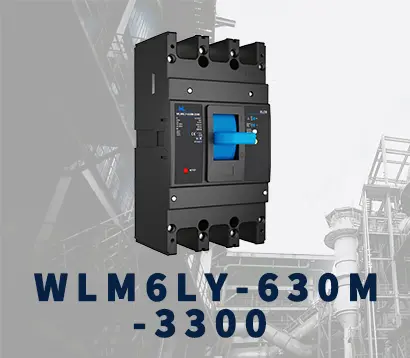 WLM6LY-630A
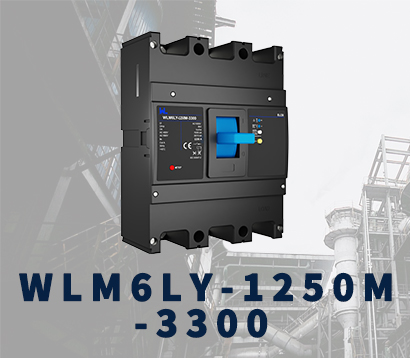 WLM6LY-1250A
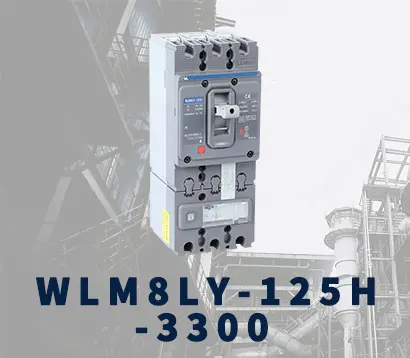 WLM8LY-125H-3300
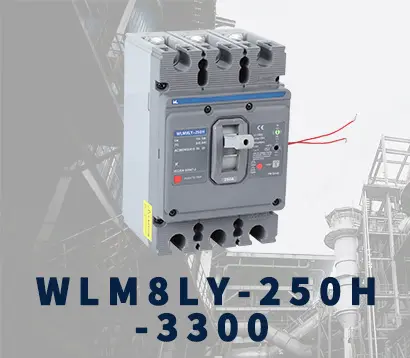 WLM8LY-250H-3300
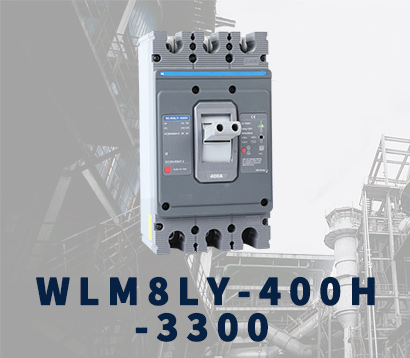 WLM8LY-400H-3300
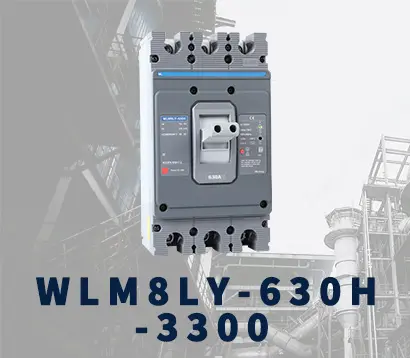 WLM8LY-630H-3300
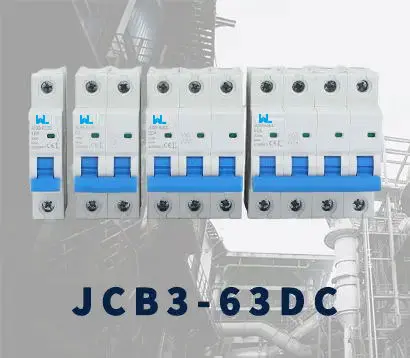 JCB3-63DC
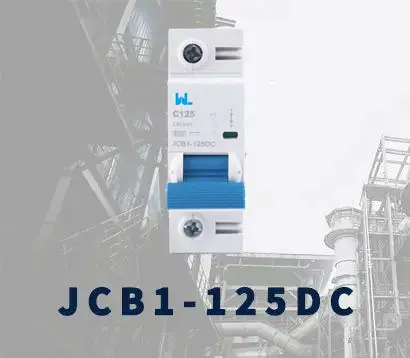 JCB1-125DC
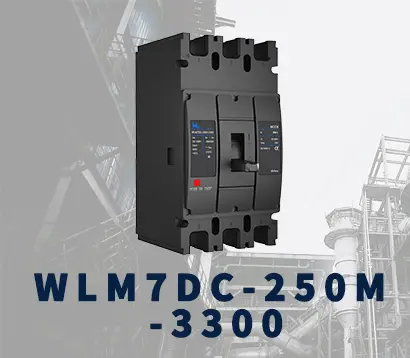 WLM7DC-250A-2300 2P/3P
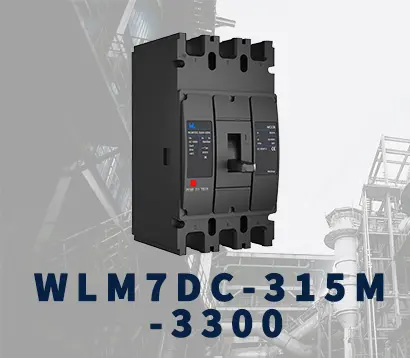 WLM7DC-315A-3300 2P/3P
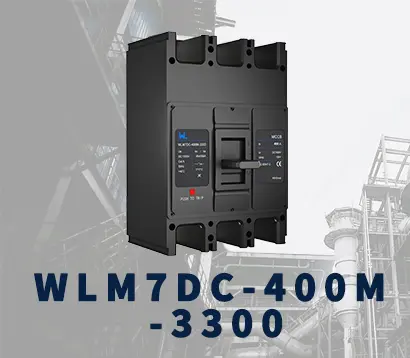 WLM7DC-400A-2300 2P/3P
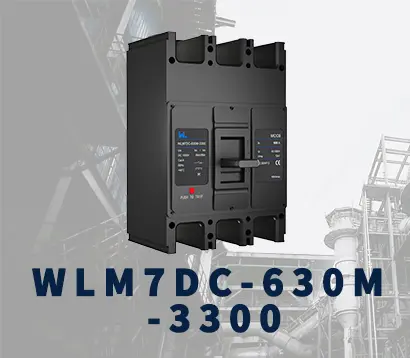 WLM7DC-630A-3300 3P
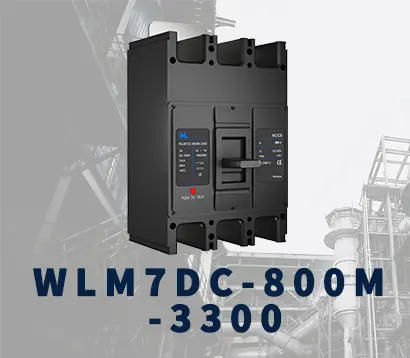 WLM7DC-800A-2300 2P/3P
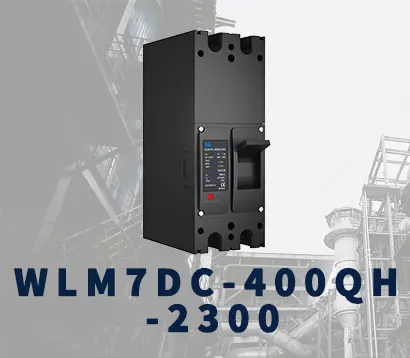 WLM7DC-400A 2300
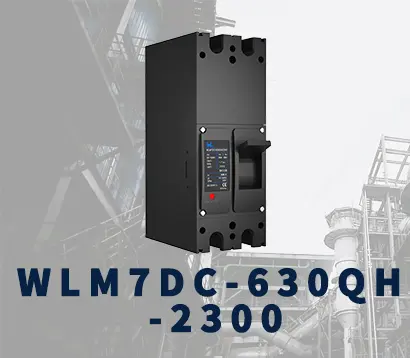 WLM7DC-630A-2300 2P
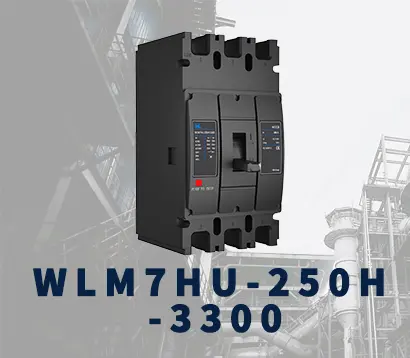 WLM7HU-250-3300 3P
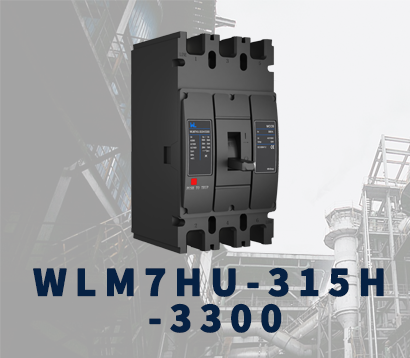 WLM7HU-315-3300 3P
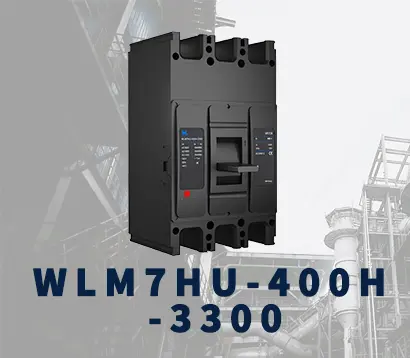 WLM7HU-400-3300 3P
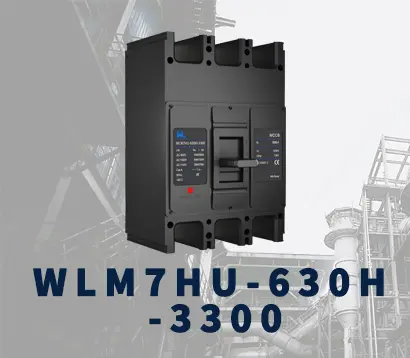 WLM7HU-630-3300 3P
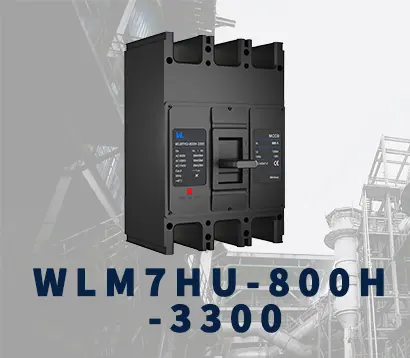 WLM7HU-800-3300 3P
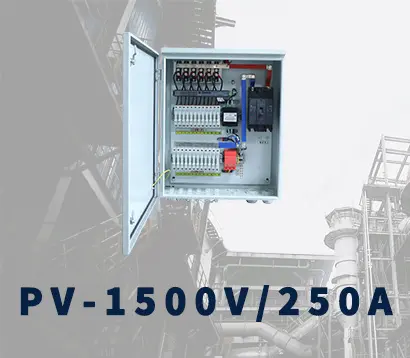 PV-1500V/250A
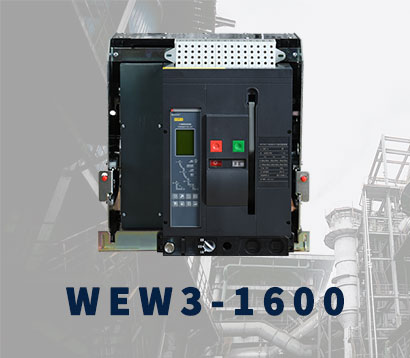 WEW3-1600
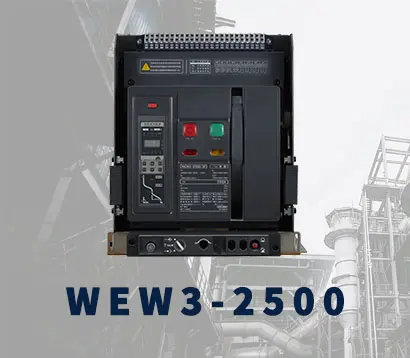 WEW3-2500
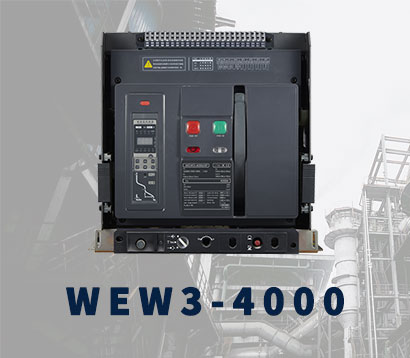 WEW3-4000
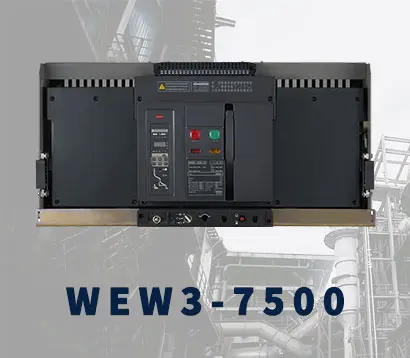 WEW3-7500