China Top Electric Main Breaker Manufacturers?
China has become a major sourcing base for low-voltage electrical protection equipment. Its manufacturers serve residential, commercial, industrial, and renewable-energy projects worldwide. Yet choosing a reliable Electric Main Breaker supplier requires more than comparing catalog prices. Factory capability, product consistency, certification, and after-sales support all matter.
This guide examines China’s top Electric Main Breaker manufacturers through practical purchasing criteria. We consider molded case circuit breakers, miniature circuit breakers, air circuit breakers, and related distribution equipment. Attention is given to rated current, breaking capacity, voltage range, temperature performance, and mechanical endurance. A professional supplier should provide clear datasheets, traceable test records, and samples that match mass production. Factory audits can reveal details that websites often omit, such as calibration routines, assembly-line controls, and final inspection procedures. Small details matter.
Reliable manufacturers commonly maintain quality systems aligned with recognized international standards. However, certification marks alone do not guarantee dependable field performance. Buyers should verify certificate scope, testing laboratories, production models, and applicable market requirements. Communication also deserves careful review. Delayed technical replies may become costly during installation or commissioning. No ranking is perfect. Supplier strengths can change with ownership, equipment investment, or export experience. Therefore, this overview is intended as a practical starting point, not a substitute for engineering validation. By comparing technical evidence, manufacturing experience, and customer support, buyers can reduce selection risks and identify a Chinese manufacturer suited to their actual electrical distribution needs.
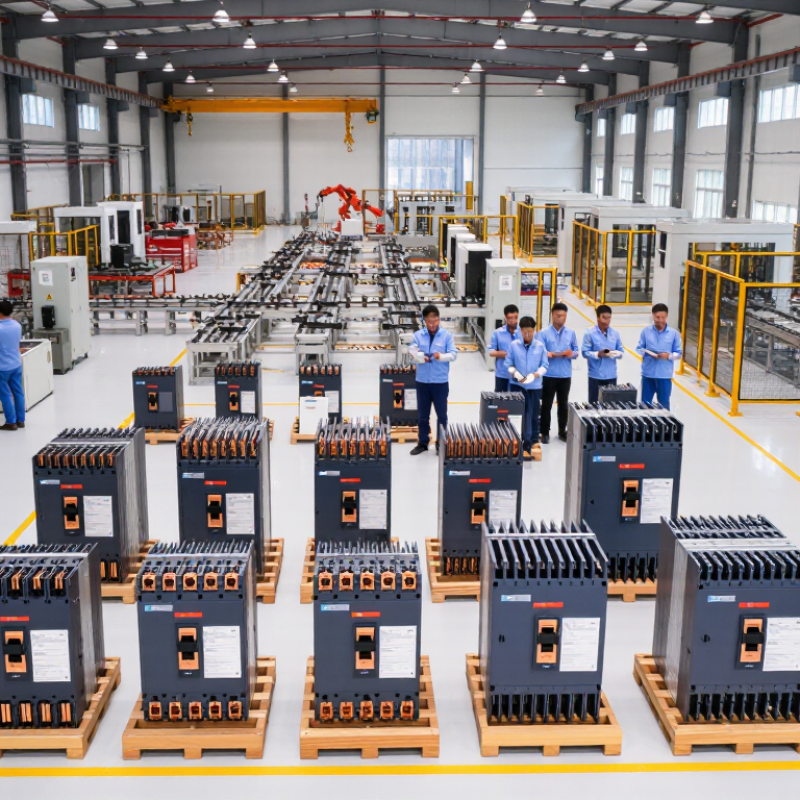
China’s Electric Main Breaker Market: Types, Ratings, and IEC 60947-2
China’s Electric Main Breaker Market: Types, Ratings, and IEC 60947-2
China’s electric main breaker market is expanding with industrial upgrades, data centers, and distributed energy projects. Fortune Business Insights estimated the global circuit breaker market at about USD 7.9 billion in 2023. Its forecast also indicates steady growth through 2032, although estimates vary between research firms. Chinese suppliers commonly produce MCBs, MCCBs, ACBs, and residual-current breakers. MCBs suit smaller circuits. MCCBs handle higher industrial loads. ACBs serve large distribution panels, where maintenance access matters.
IEC 60947-2 is the key reference for low-voltage circuit breakers. Buyers should check rated operational voltage, current, breaking capacity, and short-circuit performance. A 400 V system may require a 36 kA or 50 kA breaking rating, depending on the calculated fault level. Thermal-magnetic and electronic trip units provide different protection accuracy. Selectivity also deserves attention. A downstream breaker should trip before the main breaker whenever possible. That sounds simple, but site testing often exposes weak coordination.
Tips: Request IEC 60947-2 test documentation, routine test records, and temperature-rise data. Confirm the actual Icu and Ics values, not only the product label. Check enclosure clearance and cable size before ordering. Field experience suggests that oversized breakers can reduce protection quality. I would also verify calibration after installation, because factory data cannot replace real panel conditions.
China’s Electric Main Breaker Market: Types, Ratings, and IEC 60947-2
Typical upper-end rated currents by low-voltage circuit-breaker type
MCBs are commonly used for final circuits up to about 125 A, MCCBs cover feeder and distribution applications with ratings commonly reaching about 1,600 A, and ACBs are used for high-current main incoming and distribution systems with ratings commonly reaching about 6,300 A. IEC 60947-2 covers circuit-breakers for low-voltage applications up to 1,000 V AC or 1,500 V DC. The figures represent typical product-rating limits, not company market share or sales data.
Rated Voltage 230/400 V and Current Classes from 10 A to 1,600 A
China Top Electric Main Breaker Manufacturers?
For systems rated at 230/400 V, main breaker selection begins with the supply arrangement. In many three-phase networks, 230 V appears between phase and neutral, while 400 V appears between phases. This assumption needs verification against local standards and site measurements.
Current classes from 10 A to 1,600 A cover very different applications. A 10 A or 16 A breaker may protect lighting and small control circuits. Ratings from 63 A to 250 A often suit workshops, distribution panels, and commercial equipment. Larger 400 A to 1,600 A breakers require careful busbar sizing, cable termination, heat management, and enclosure design. High-current assemblies can generate noticeable thermal stress.
Experienced procurement teams review more than the printed ampere value. They check short-circuit breaking capacity, pole configuration, trip characteristics, insulation voltage, temperature derating, and mechanical endurance. Thermal-magnetic protection may suit basic installations. Electronic trip units offer more adjustable protection for complex distribution systems. Coordination testing also helps prevent unnecessary shutdowns.
A neat rating table can mislead.
For manufacturers in China, reliable evaluation should include factory quality records, routine test procedures, material traceability, and sample verification. Ask for test reports that match the exact voltage and current configuration. Confirm terminal temperature-rise data under realistic loading. A 1,600 A breaker is not simply a larger 160 A model; installation conditions matter greatly. I have seen specifications look complete, yet omit breaking capacity or derating information. That gap deserves a second review.
Top Chinese Manufacturers: Product Lines, Icu/Ics, and Certifications
China’s leading electric main breaker manufacturers usually offer molded-case circuit breakers, air circuit breakers, miniature breakers, and motor-protection units. Their catalogs may cover 63A to 6300A, with adjustable trip settings for factories, data centers, and commercial buildings. IEC 60947-2 defines Icu as the ultimate short-circuit breaking capacity. Ics shows the service-breaking capacity after testing. These figures must match the installation fault level, not just the product label.
The International Energy Agency’s Electricity 2024 report expects global electricity demand to grow by about 4% annually from 2024 to 2026. That growth increases demand for reliable low-voltage protection. Chinese suppliers commonly present IEC test reports, CCC approval for applicable products, ISO 9001 quality systems, and CB Scheme documentation. CE marking may support access to European markets, but it does not replace technical verification. Check whether the certificate covers the exact frame size, pole count, voltage, and trip unit. Small details matter. A copied certificate can still hide a mismatch.
Tips:
Request the original test report and compare its Icu, Ics, voltage, and frequency with your project schedule. Ask for temperature-rise data at the stated current. Confirm short-time withstand ratings for air breakers. Inspect terminal torque instructions and enclosure clearances. I would also test sample breakers under realistic wiring conditions. Laboratory ratings are useful, but field installation can be less tidy than expected. That weakness deserves honest review.
Breaking Capacity from 10 kA to 100 kA: Comparing Safety Performance
China’s leading electric main breaker manufacturers offer breaking capacities from 10 kA to 100 kA. This range reflects different short-circuit risks, not simple product quality. A 10 kA breaker may suit a small residential panel. Large commercial facilities often require 50 kA or more.
Breaking capacity must match the installation’s calculated fault current. A breaker rated too low may fail to interrupt the fault safely. A higher rating is not automatically better. It can increase cost, size, and coordination difficulties.
Check both Icu and Ics values under IEC 60947-2 testing conditions. Ics shows whether the breaker can continue operating after interruption testing.
Practical evaluation should include temperature-rise data, terminal quality, trip accuracy, and enclosure compatibility. Ask manufacturers for independent test reports, not only catalog claims. Review short-circuit test records at the intended voltage and power factor.
A 100 kA figure may apply only to a specific configuration. That detail is easy to miss.
In panel inspections, loose terminals and poor busbar spacing can weaken an otherwise strong breaker. Field conditions are less tidy than laboratory conditions. Protection settings also matter, because a correctly rated breaker can still trip too slowly. Comparing manufacturers requires checking verified performance, production consistency, after-sales testing support, and documentation quality.
Cost alone gives an incomplete answer.

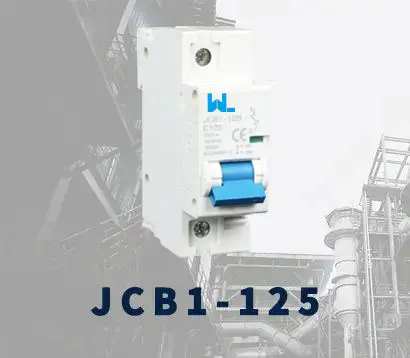 JCB1-125
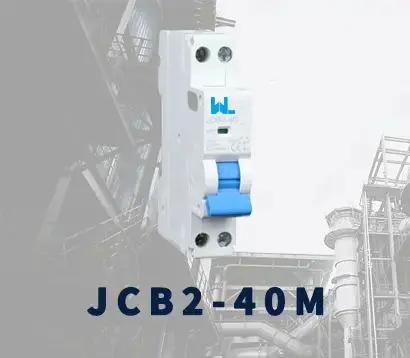 JCB2-40M
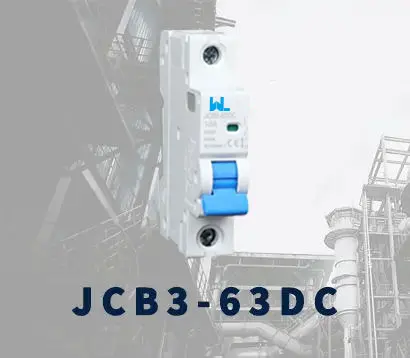 JCB3-63DC
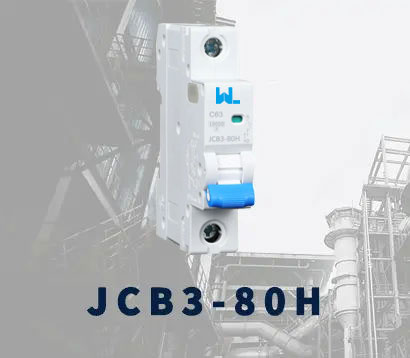 JCB3-80H
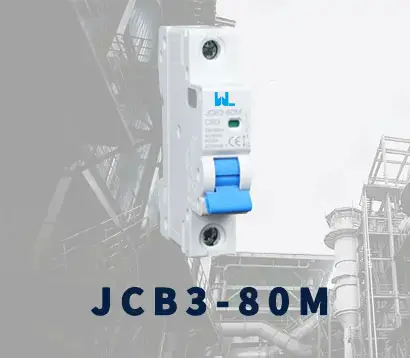 JCB3-80M
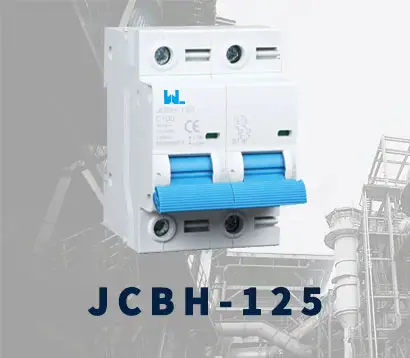 JCBH-125
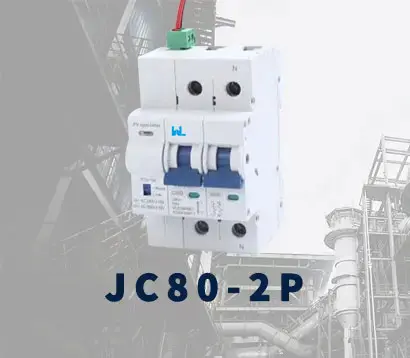 JC80-2P
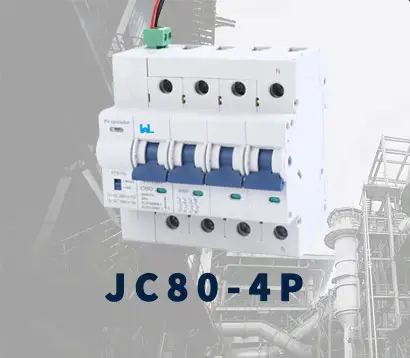 JC80-4P
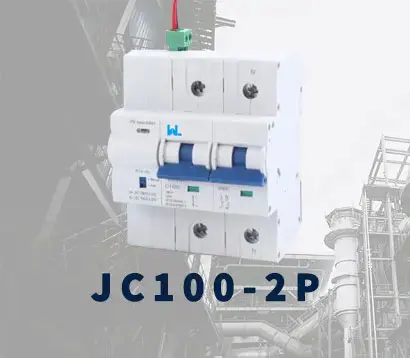 JC125-2P
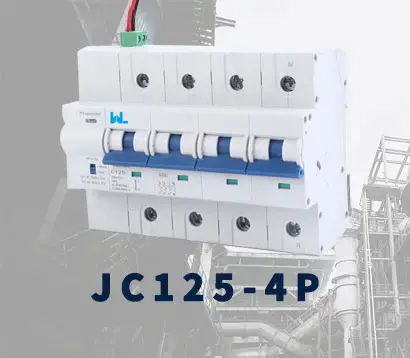 JC125-4P
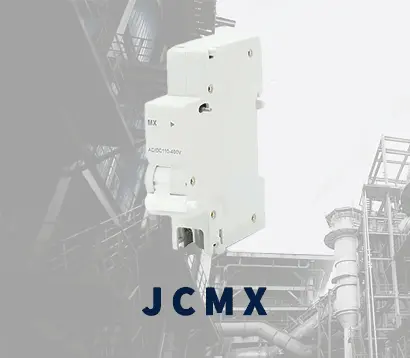 JCMX
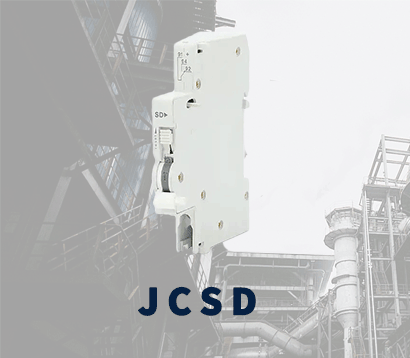 JCSD
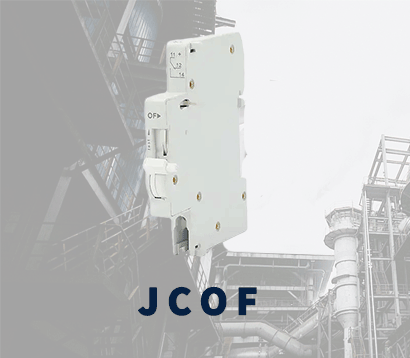 JCOF
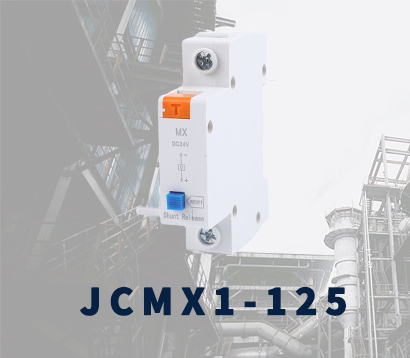 JCMX1-125
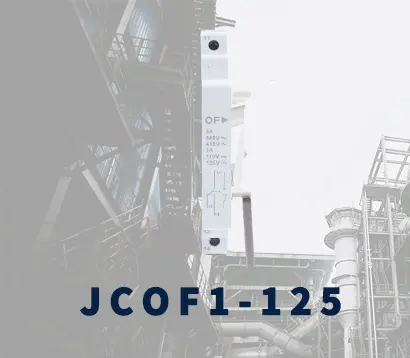 JCOF1-125
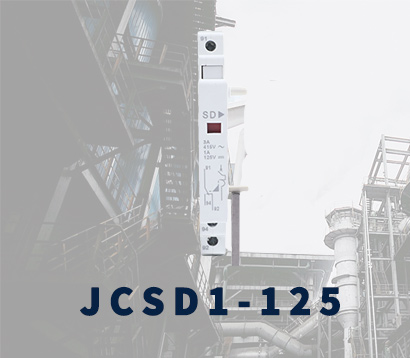 JCSD1-125
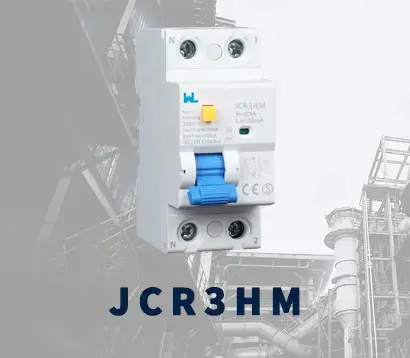 JCR3HM
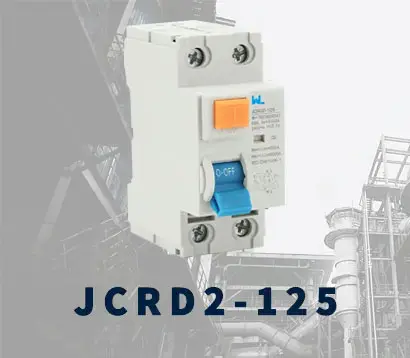 JCRD2-125
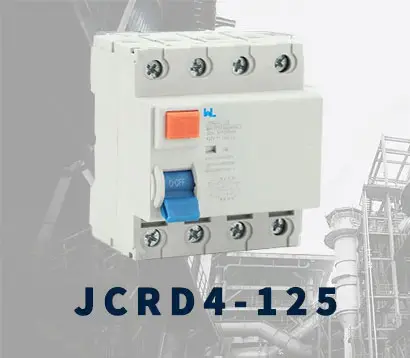 JCRD4-125
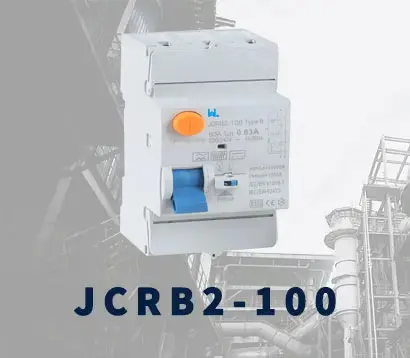 JCRB2-100
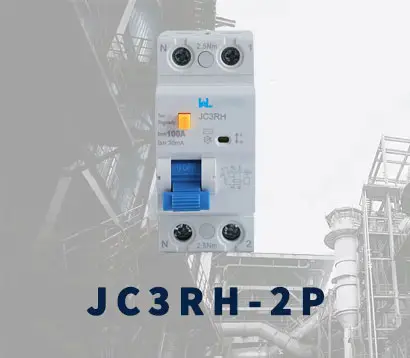 JC3RH-2P
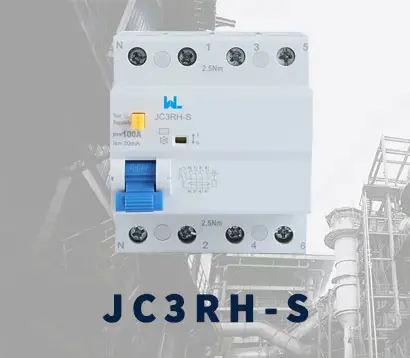 JC3RH-S
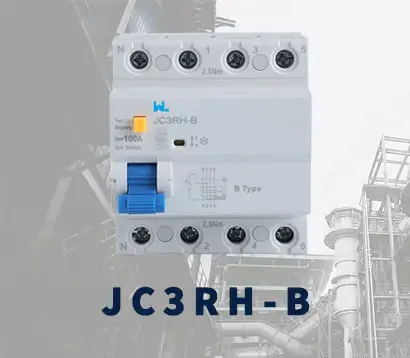 JC3RH-B
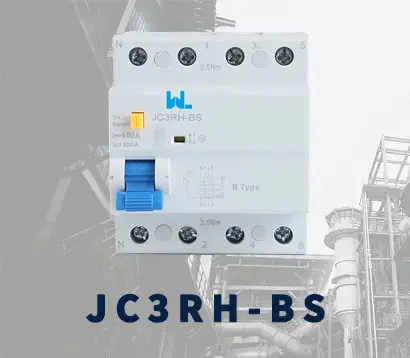 JC3RH-BS
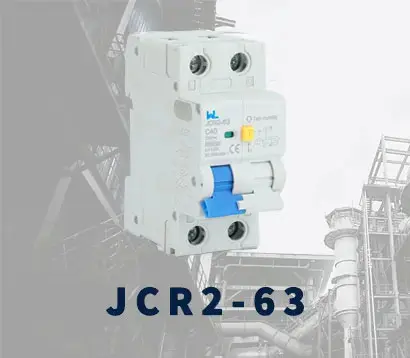 JCR2-63
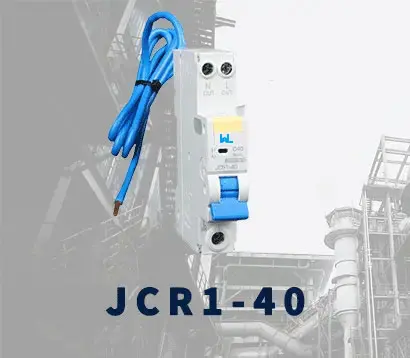 JCR1-40
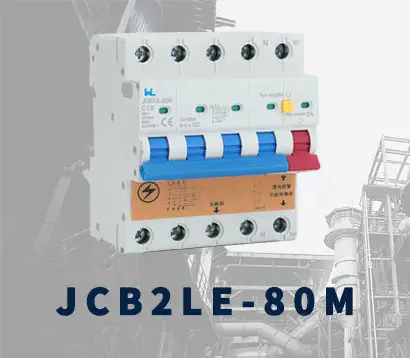 JCB2LE-80M
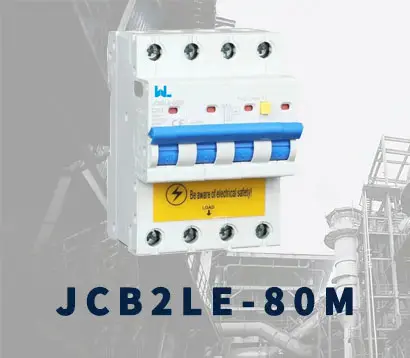 JCB2LE-80M
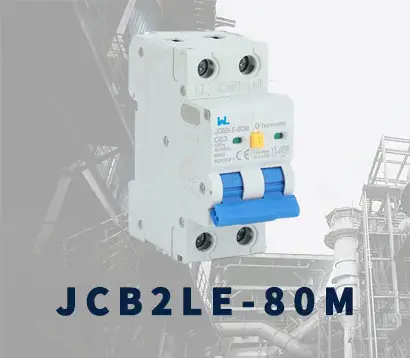 JCB2LE-80M
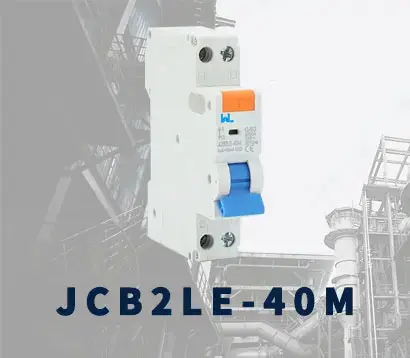 JCB2LE-40M
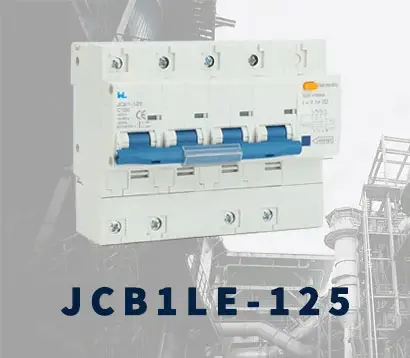 JCB1LE-125
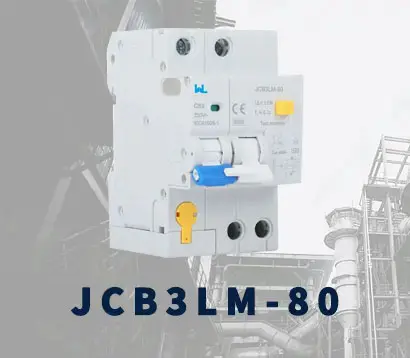 JCB3LM-80
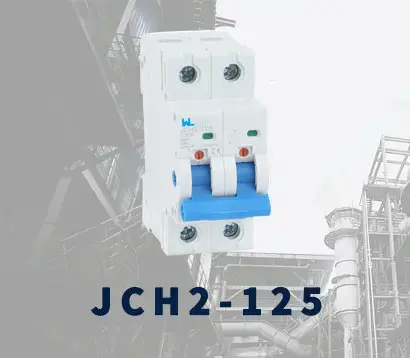 JCH2-125
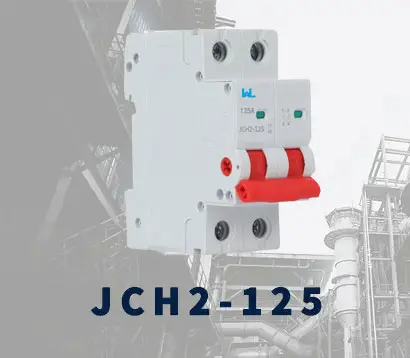 JCH2-125
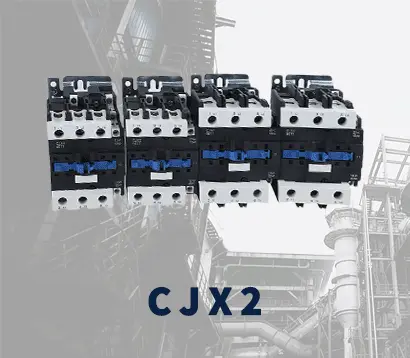 CJX2
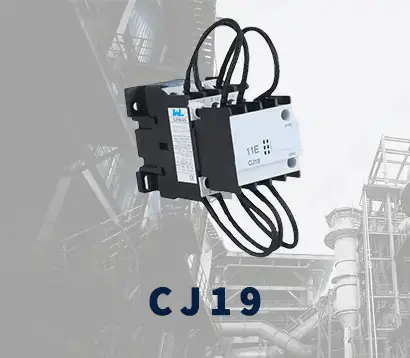 CJ19
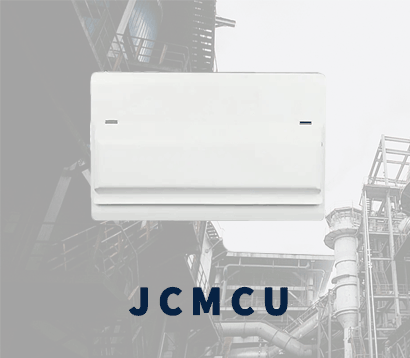 JCMCU
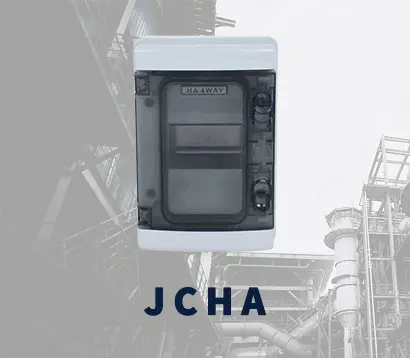 JCHA
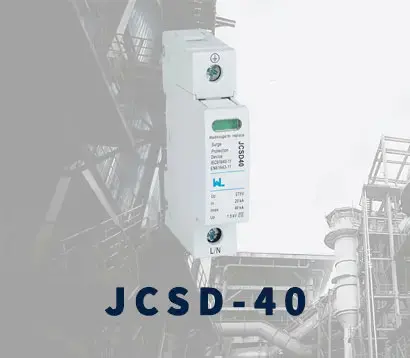 JCSD-40
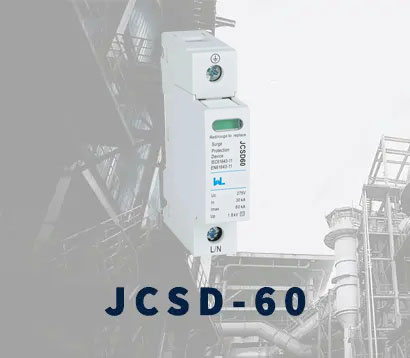 JCSD-60
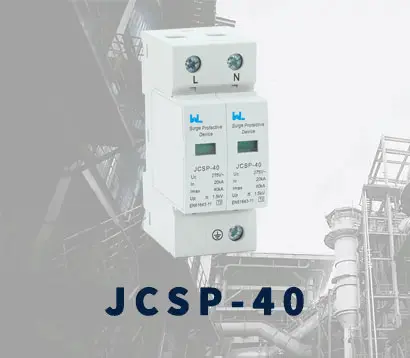 JCSP-40
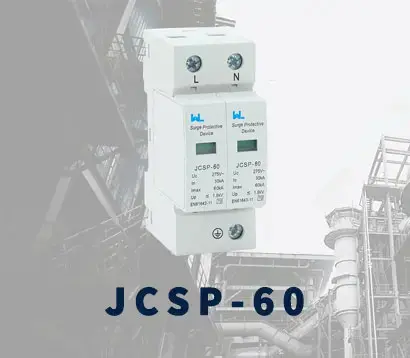 JCSP-60
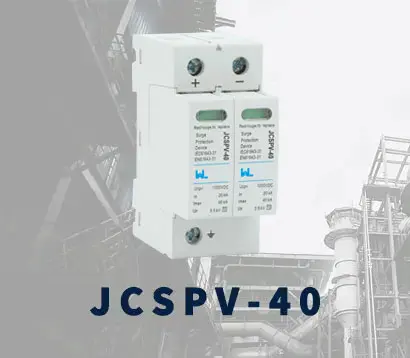 JCSPV
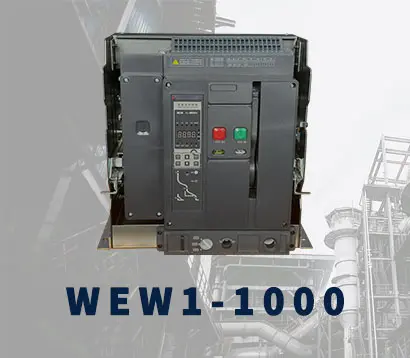 WEW1-1000
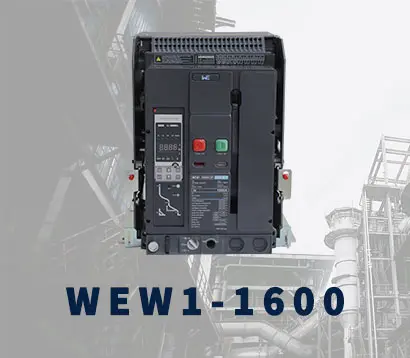 WEW1-1600
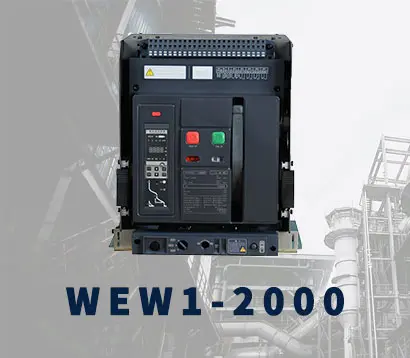 WEW1-2000
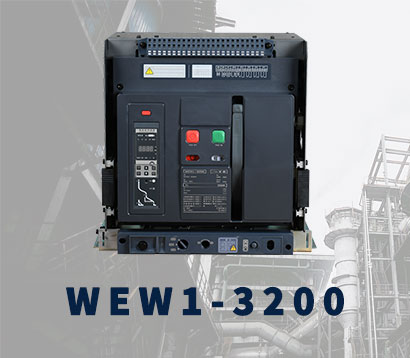 WEW1-3200
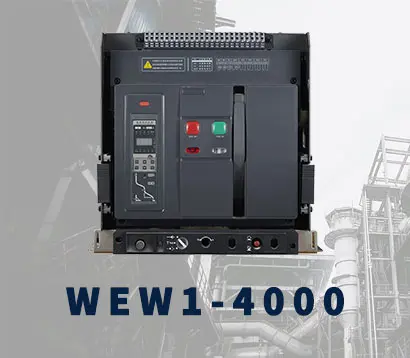 WEW1-4000
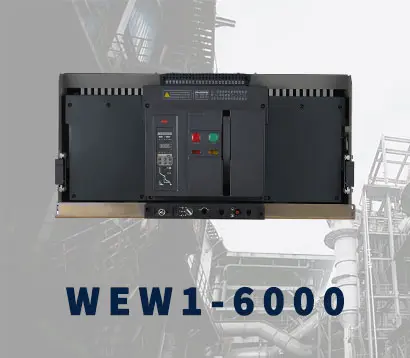 WEW1-6300
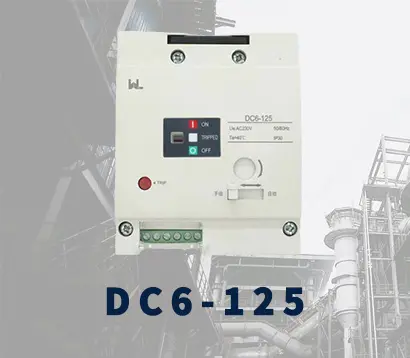 DC6-125
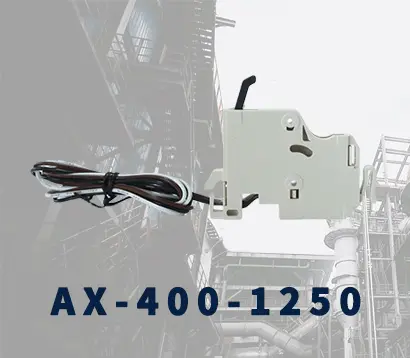 AX-400-1250
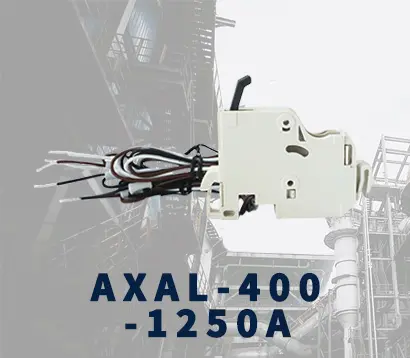 AXAL-400-1250A
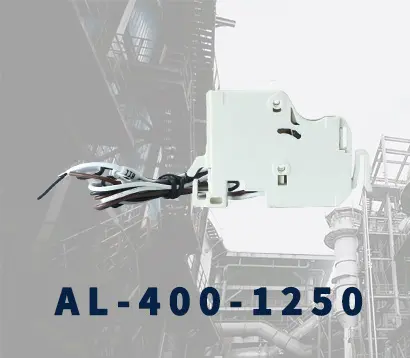 AL-400-1250
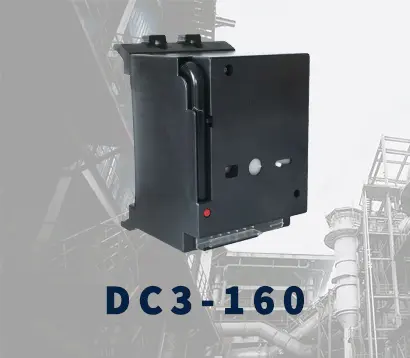 DC3-160
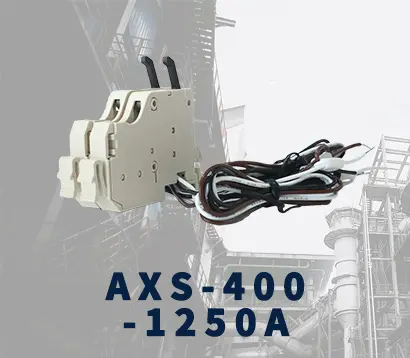 AXS-400-1250A
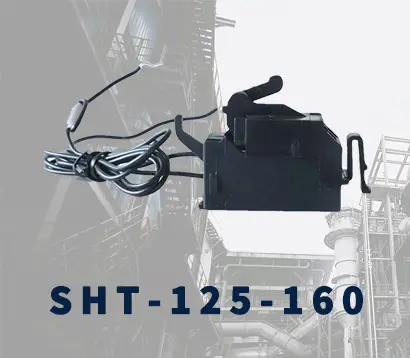 SHT-125-160
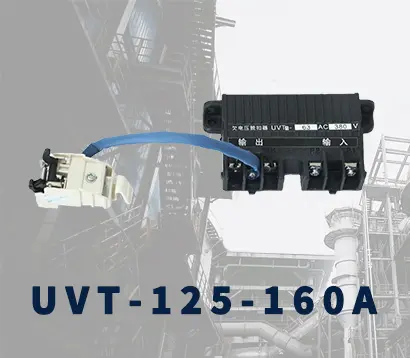 UVT-125-160A
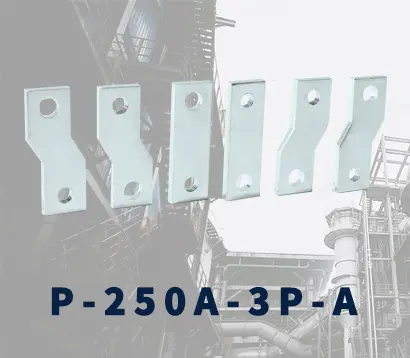 P-250A-3P-A
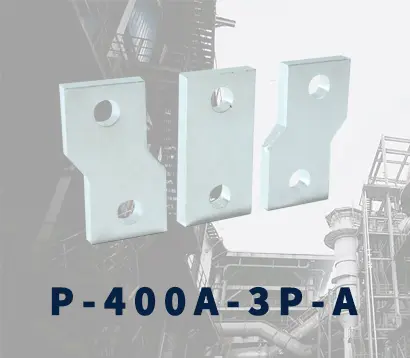 400-3P/4P terminal cover
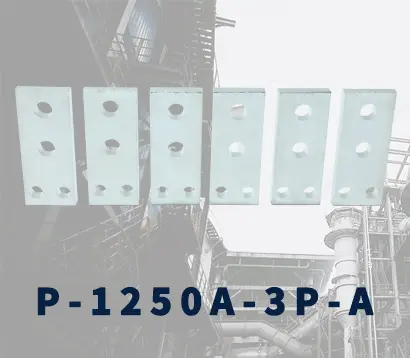 1250-3Pmccb accessories busbar
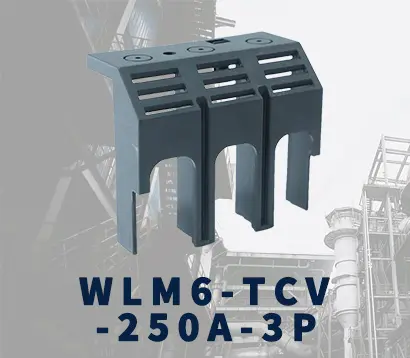 250-3P terminal conver
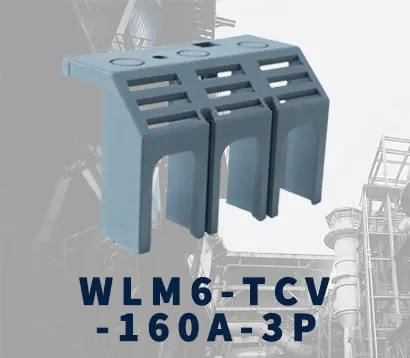 WLM6-TCV-160A-3P
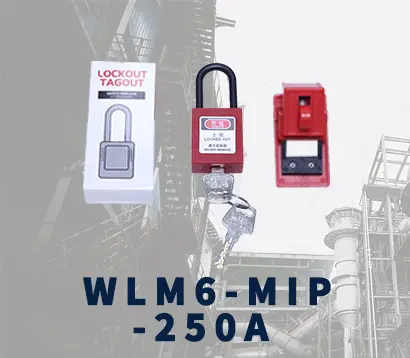 WLM6-MIP-250A
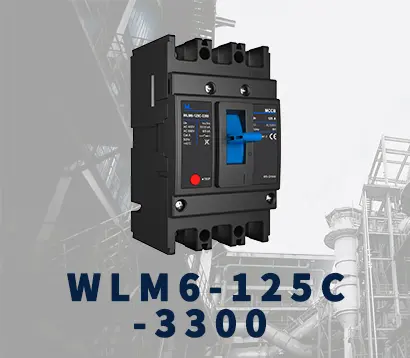 WLM6-125A-3300 3P/4P
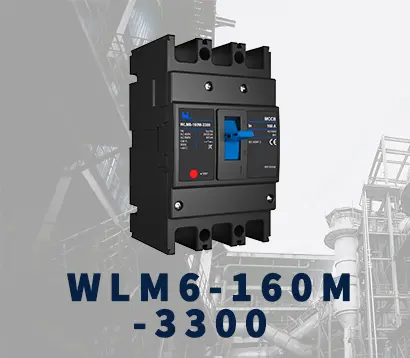 WLM6-160A-3300 3P/4P
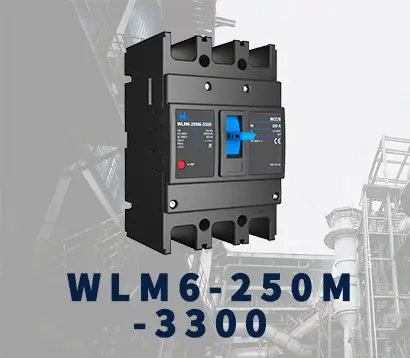 WLM6-250A-3300 3P/4P
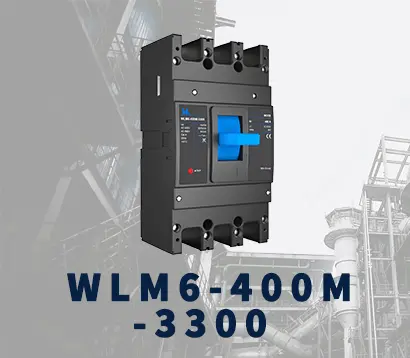 WLM6-400A-3300 3P/4P
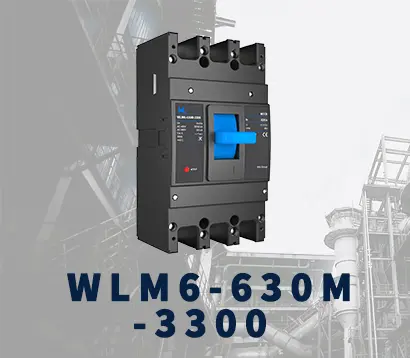 WLM6-630A-3300 3P/4P
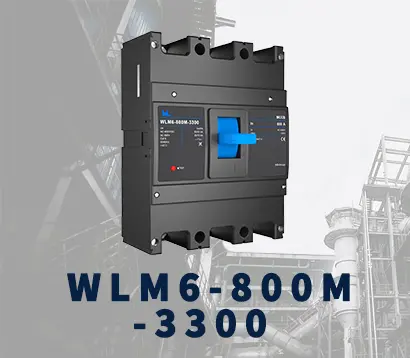 WLM6-800A-3300 3P/4P
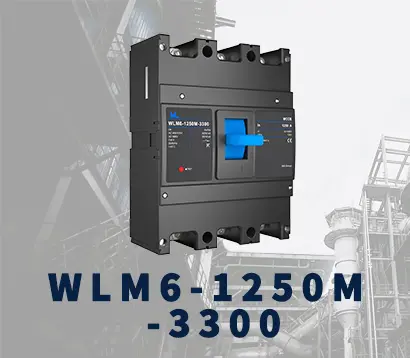 WLM6-1250A-3300 3P/4P
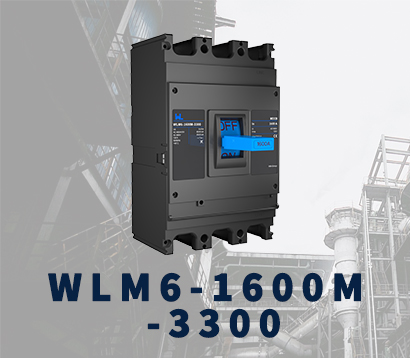 WLM6-1600A-3300 3P/4P
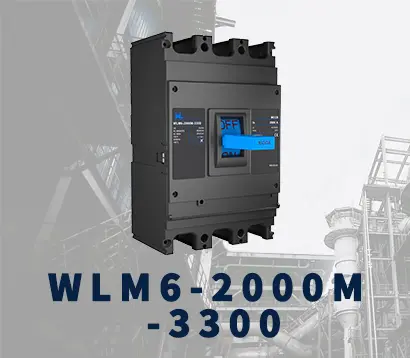 WLM6-2000A 3P/4P
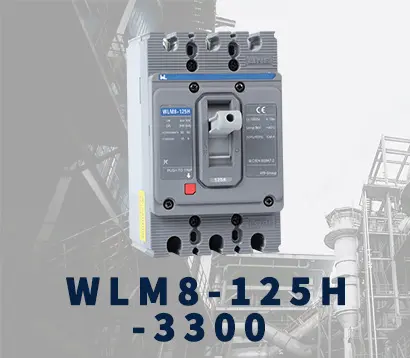 WLM8-125H-3300
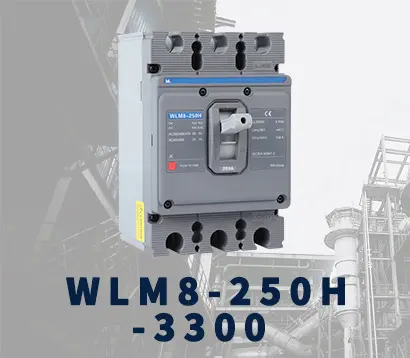 WLM8-250H-3300
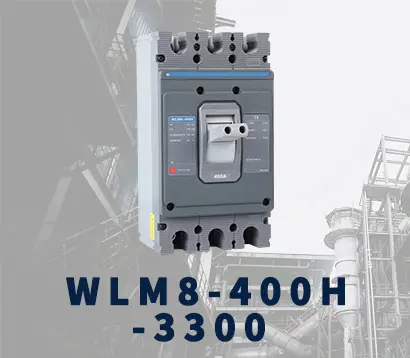 WLM8-400H-3300
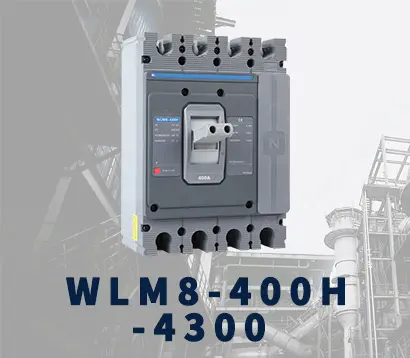 WLM8-400H-4300
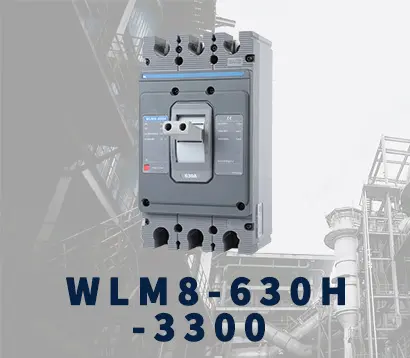 WLM8-630H-3300
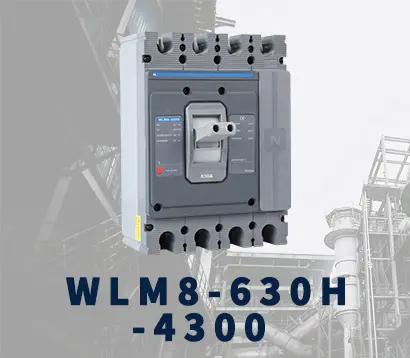 WLM8-630H-4300
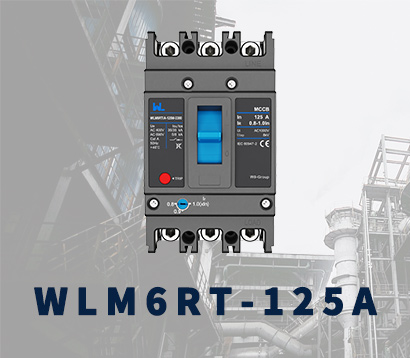 WLM6RT-125A
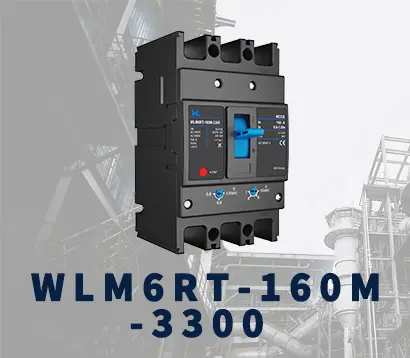 WLM6RT-160A
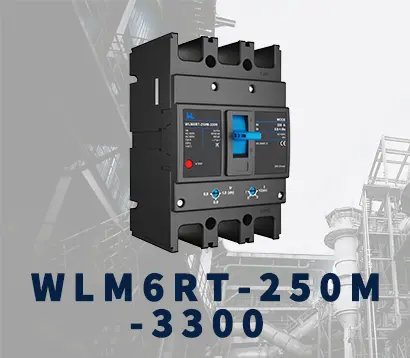 WLM6RT-250A
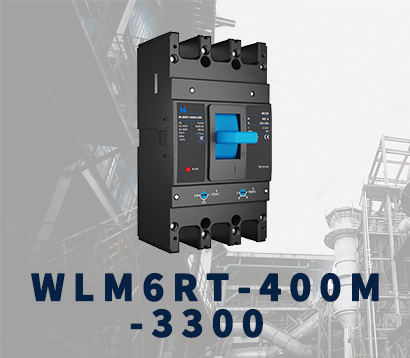 WLM6RT-400A
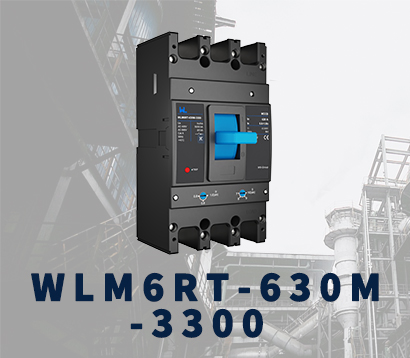 WLM6RT-630A
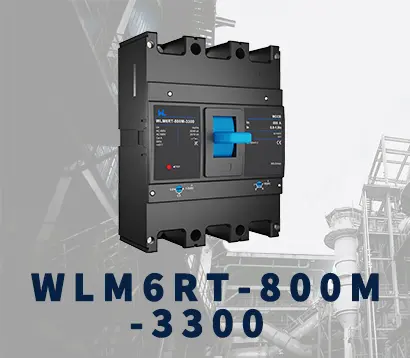 WLM6RT-800A
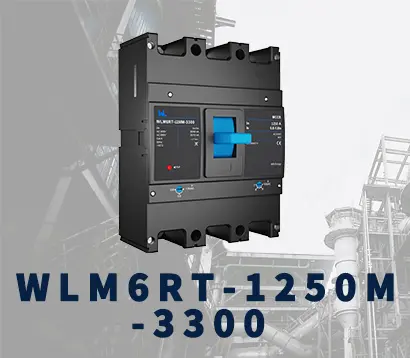 WLM6RT-1250A
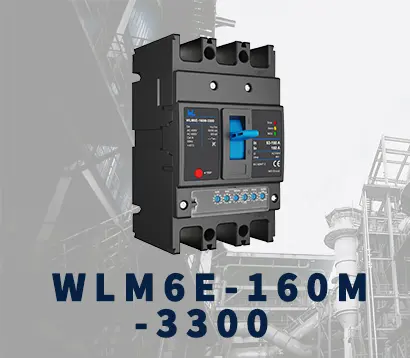 WLM6E-160A-3300 3P
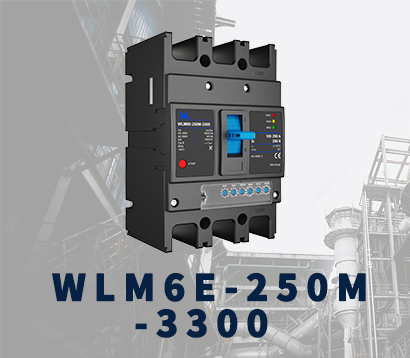 WLM6E-250A-3300
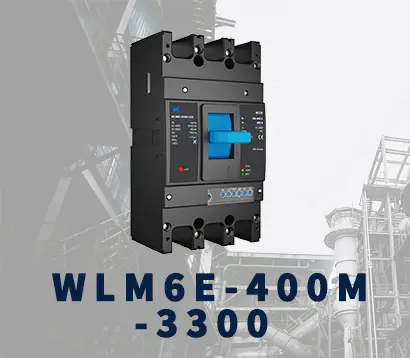 WLM6E-400A-3300 3P/4P
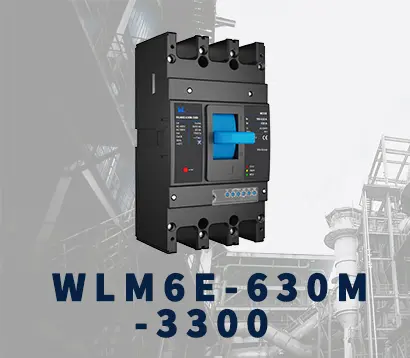 WLM6E-630A-3300
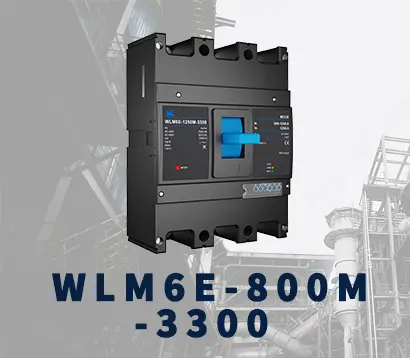 WLM6E-800A-3300 3P/4P
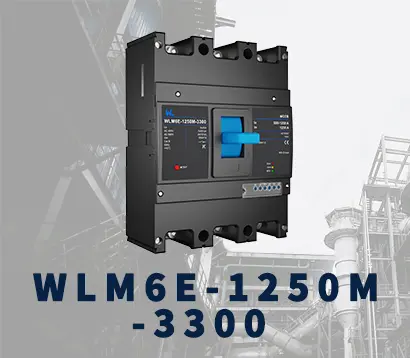 WLM6E-1250A-3300
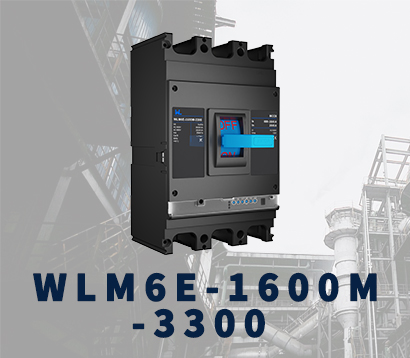 WLM6E-1600-3300 3P/4P
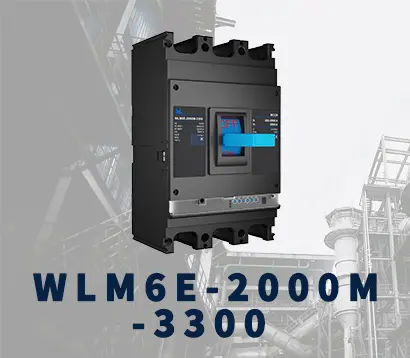 WLM6E-2000A-3300 3P/4P
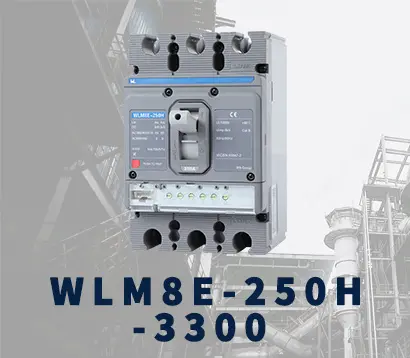 WLM8E-250H-3300
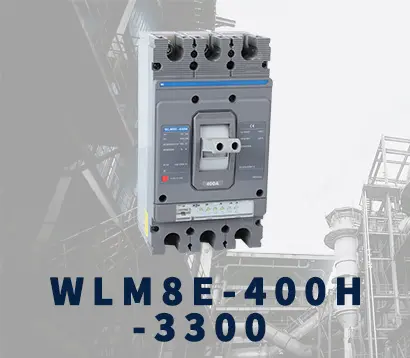 WLM8E-400H-3300
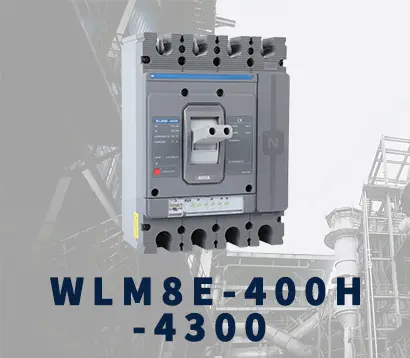 WLM8E-400H-4300
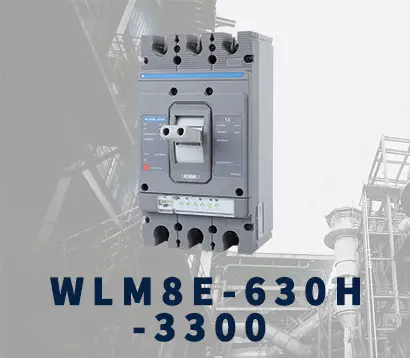 WLM8E-630H-3300
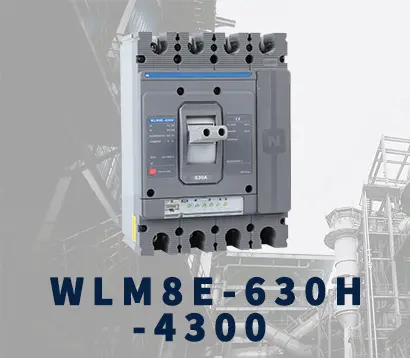 WLM8E-630H-4300
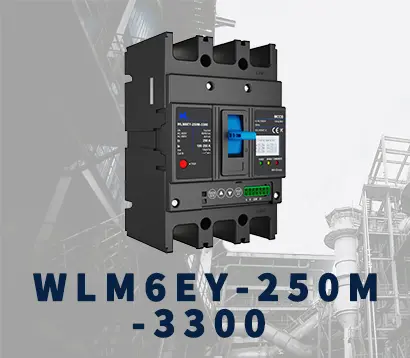 WLM6EY-250-3300 3P/4P
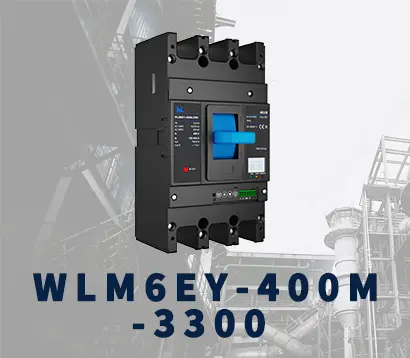 WLM6EY-400 3P/4P
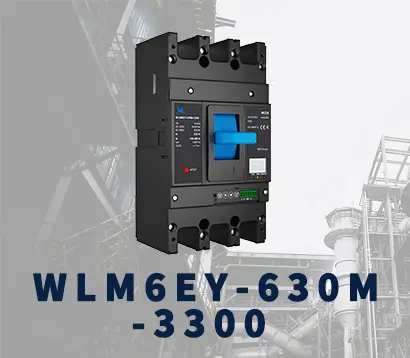 WLM6EY-630 3P/4P
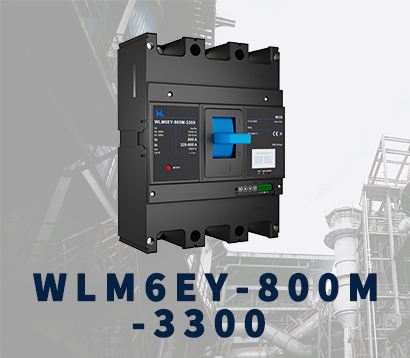 WLM6EY-800A 3P/4P
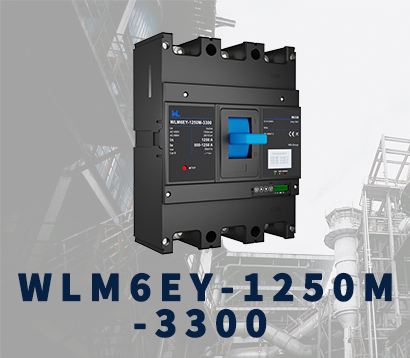 WLM6EY-1250A 3P/4P
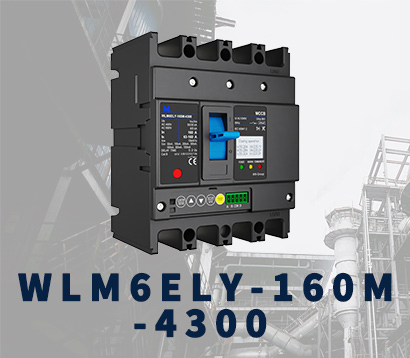 WLM6ELY-160A
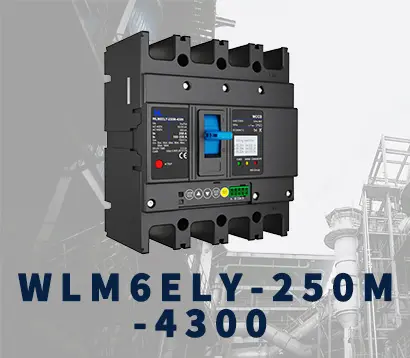 WLM6ELY-250A
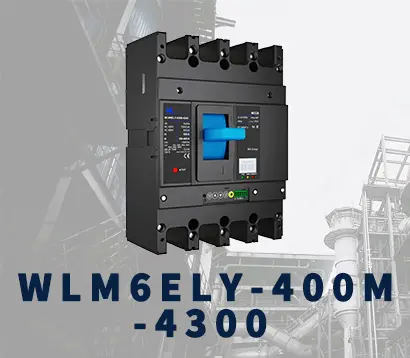 WLM6ELY-400A
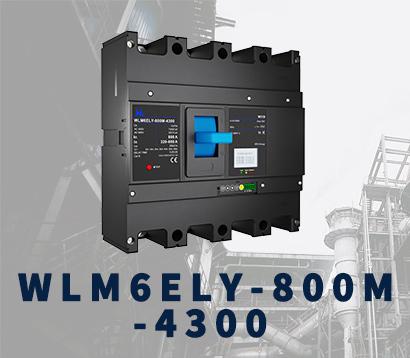 WLM6ELY-800A
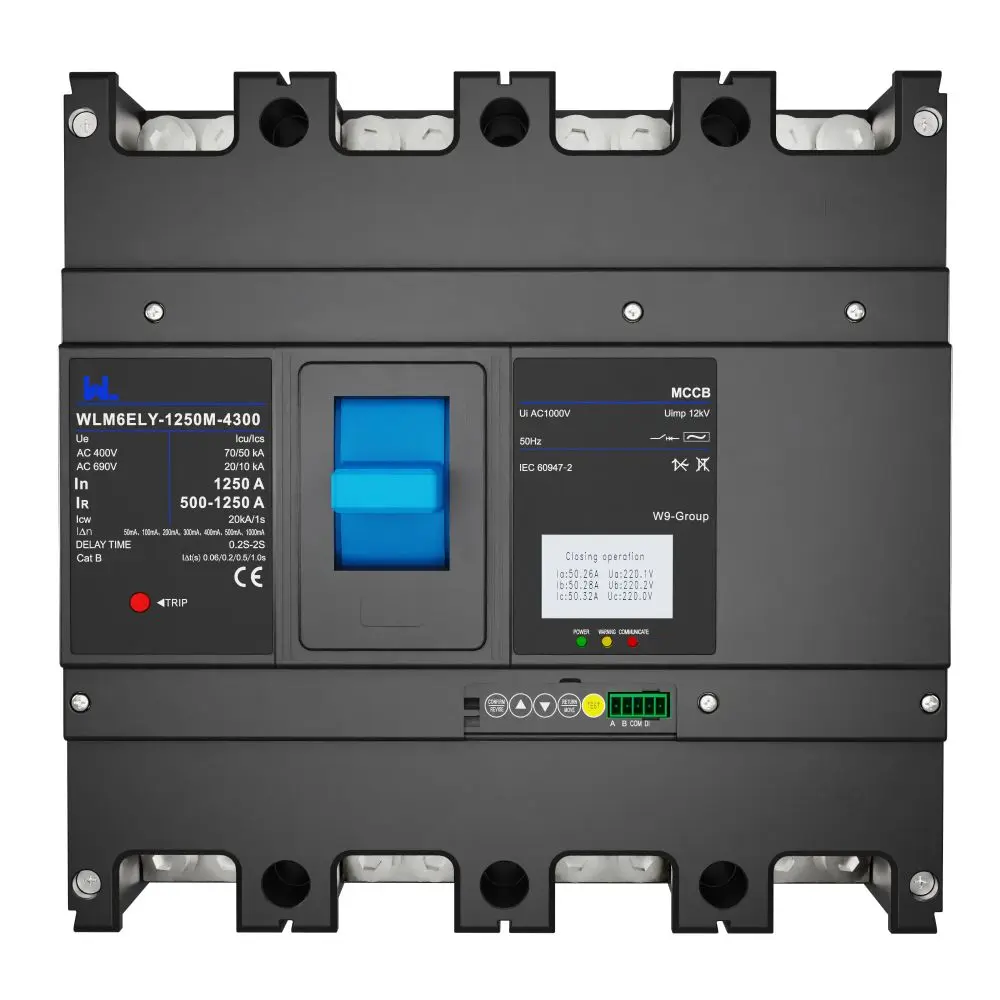 WLM6ELY-1250A
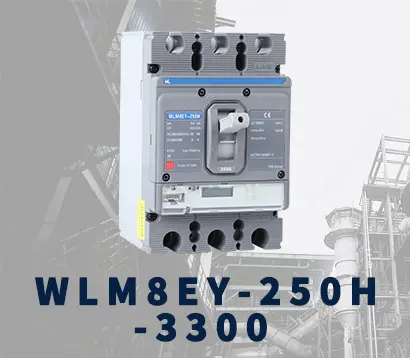 WLM8EY-250H-3300
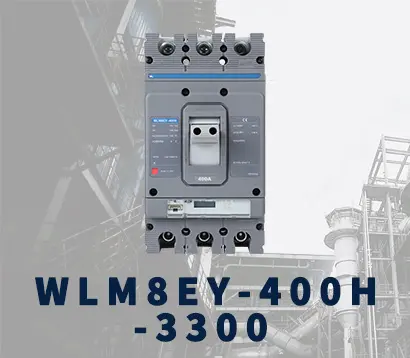 WLM8EY-400H-3300
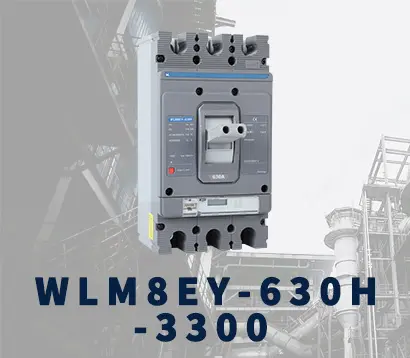 WLM8EY-630H-3300
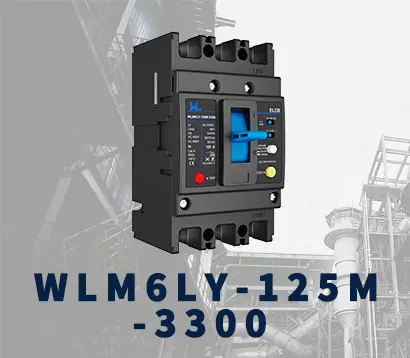 WLM6LY-125A
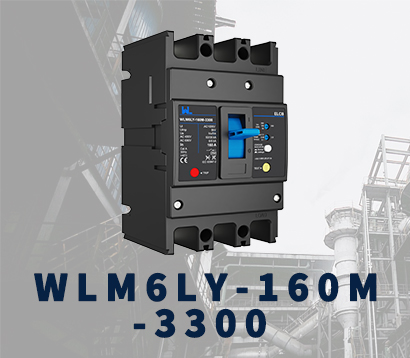 WLM6L-160A
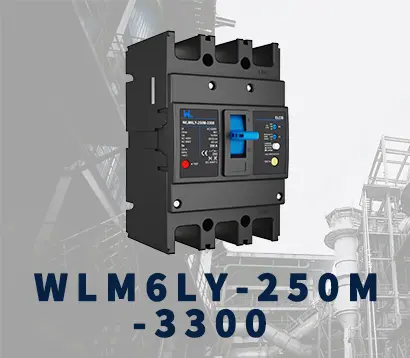 WLM6LY-250A
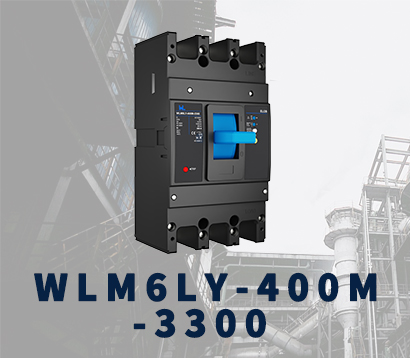 WLM6LY-400A
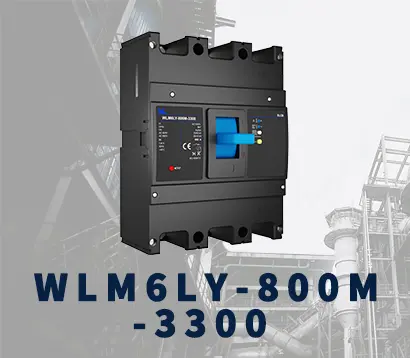 WLM6LY-800A
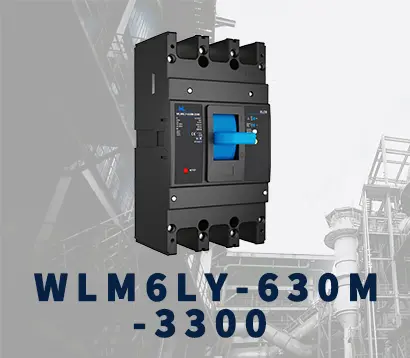 WLM6LY-630A
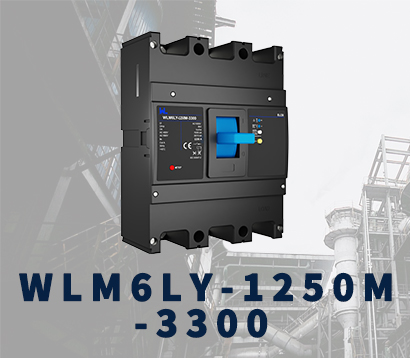 WLM6LY-1250A
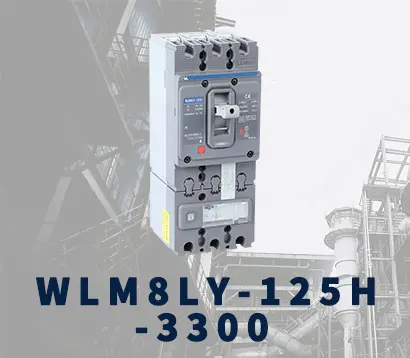 WLM8LY-125H-3300
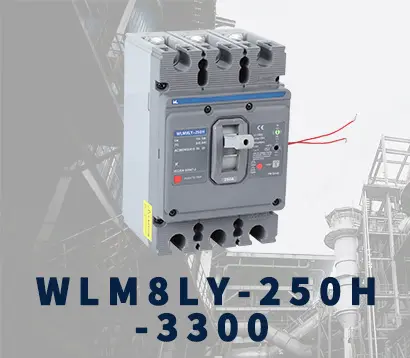 WLM8LY-250H-3300
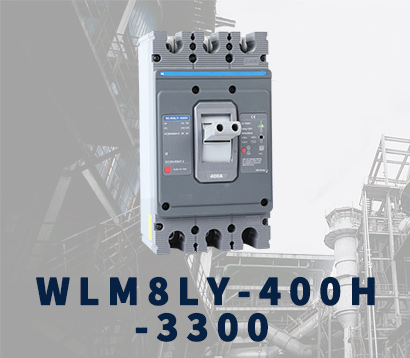 WLM8LY-400H-3300
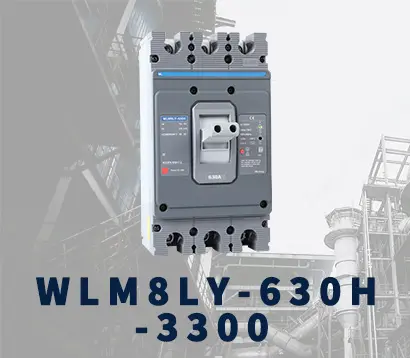 WLM8LY-630H-3300
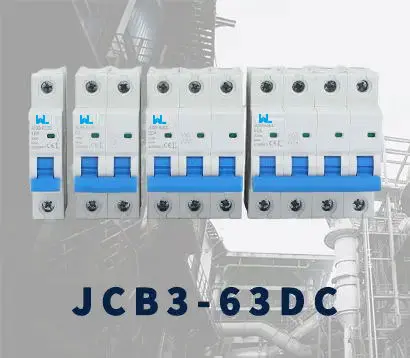 JCB3-63DC
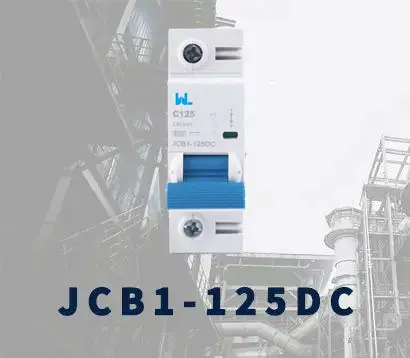 JCB1-125DC
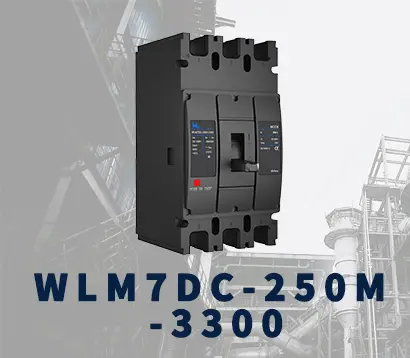 WLM7DC-250A-2300 2P/3P
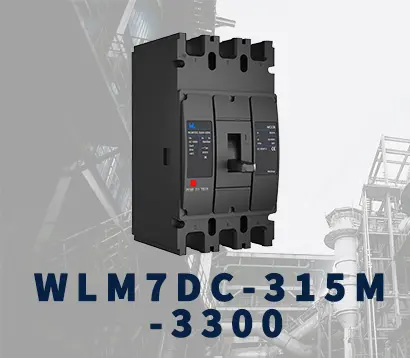 WLM7DC-315A-3300 2P/3P
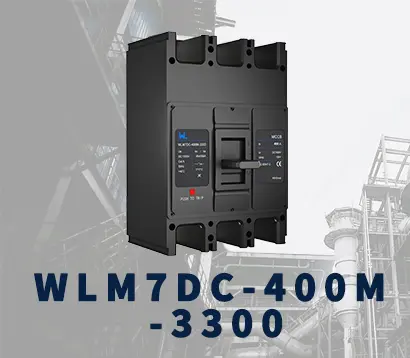 WLM7DC-400A-2300 2P/3P
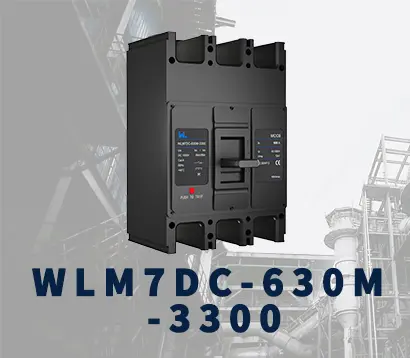 WLM7DC-630A-3300 3P
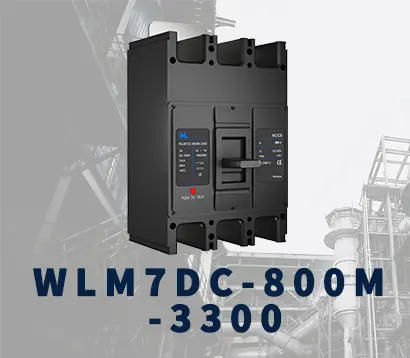 WLM7DC-800A-2300 2P/3P
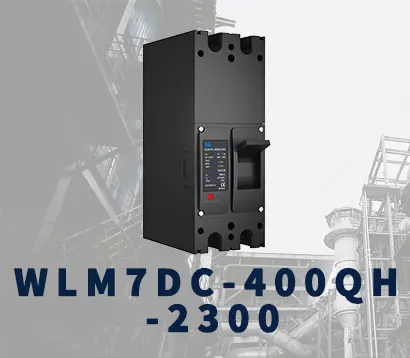 WLM7DC-400A 2300
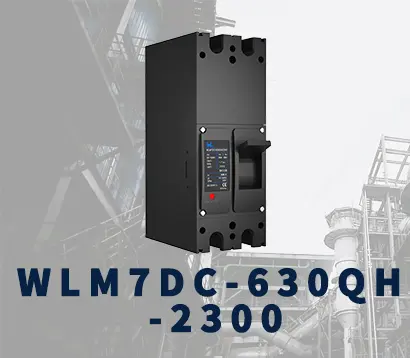 WLM7DC-630A-2300 2P
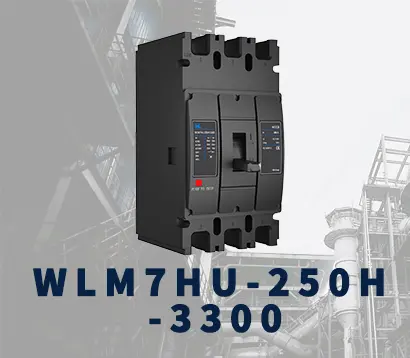 WLM7HU-250-3300 3P
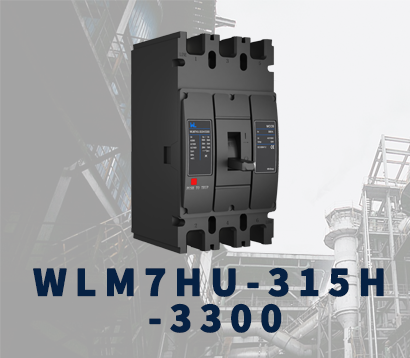 WLM7HU-315-3300 3P
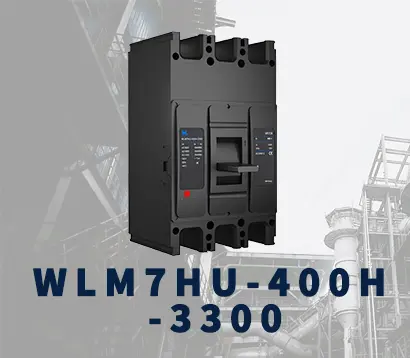 WLM7HU-400-3300 3P
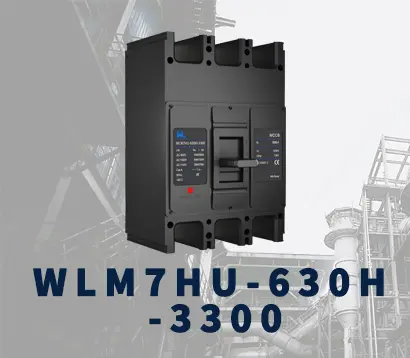 WLM7HU-630-3300 3P
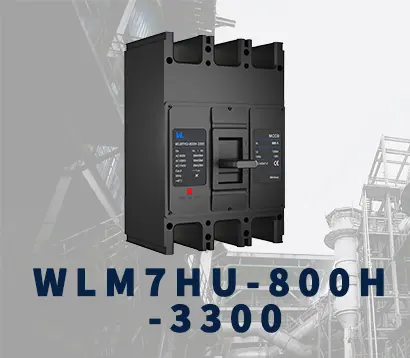 WLM7HU-800-3300 3P
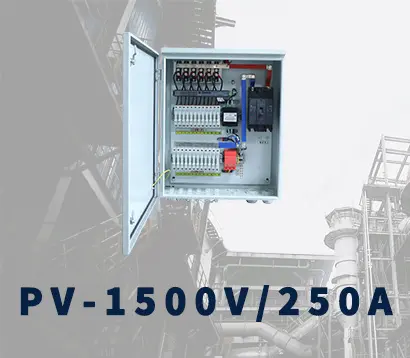 PV-1500V/250A
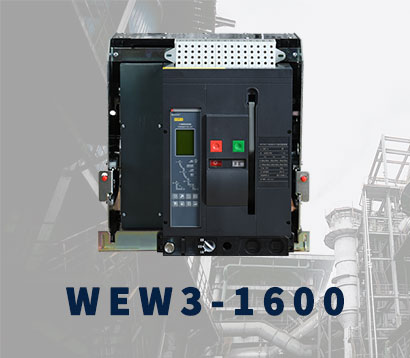 WEW3-1600
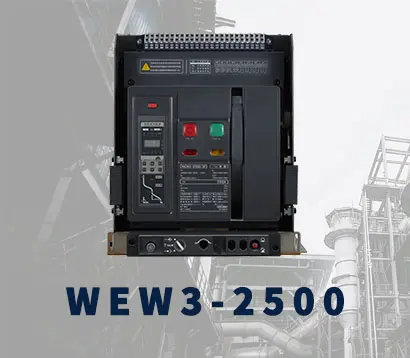 WEW3-2500
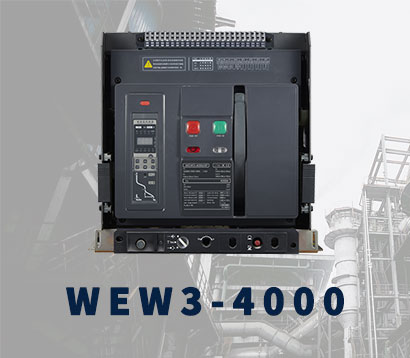 WEW3-4000
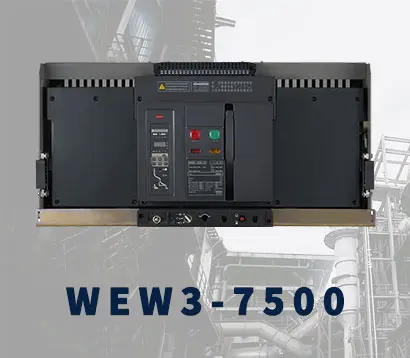 WEW3-7500