
 JCB1-125
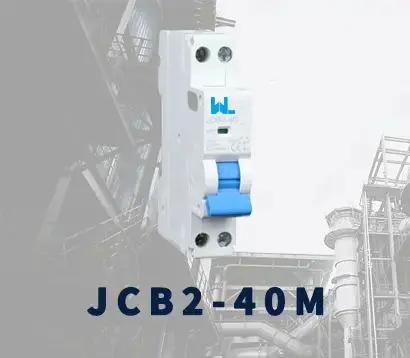 JCB2-40M
 JCB3-63DC
 JCB3-80H
 JCB3-80M
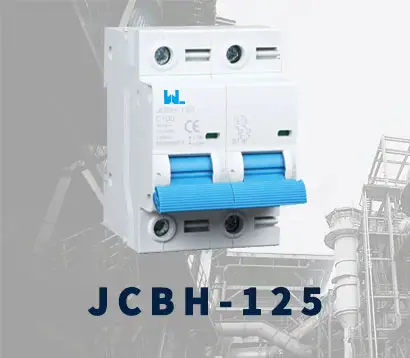 JCBH-125
 JC80-2P
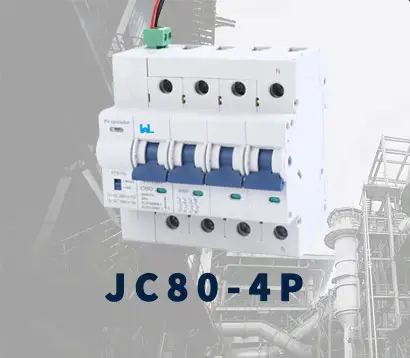 JC80-4P
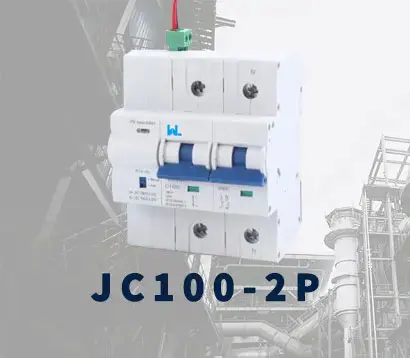 JC125-2P
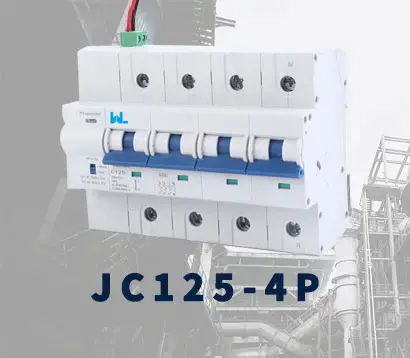 JC125-4P
 JCMX
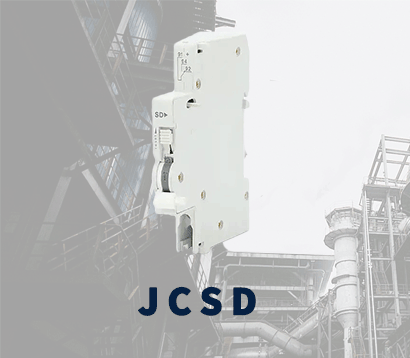 JCSD
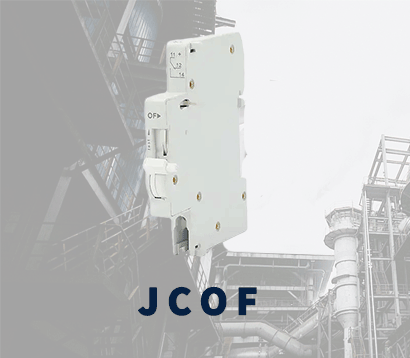 JCOF
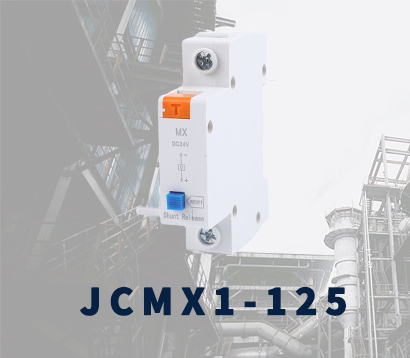 JCMX1-125
 JCOF1-125
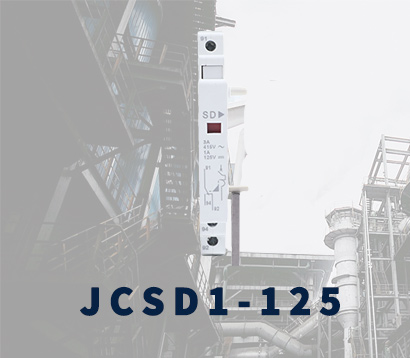 JCSD1-125
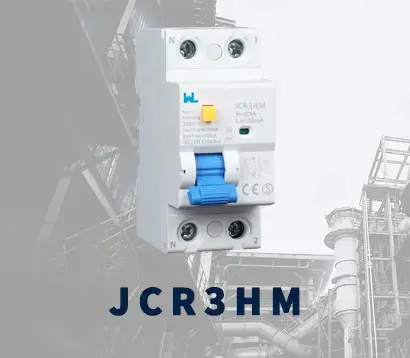 JCR3HM
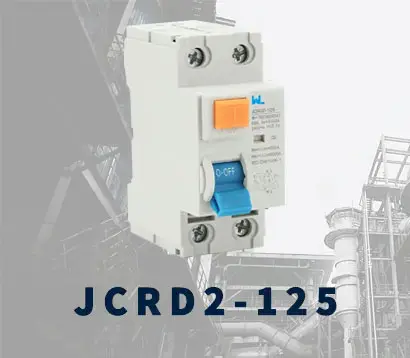 JCRD2-125
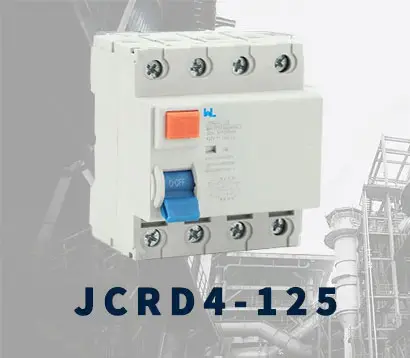 JCRD4-125
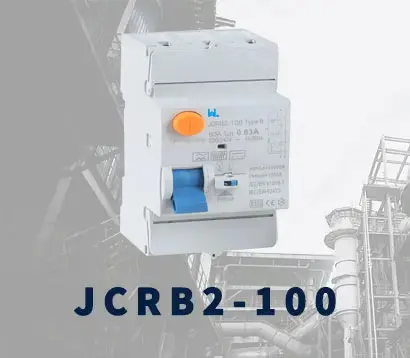 JCRB2-100
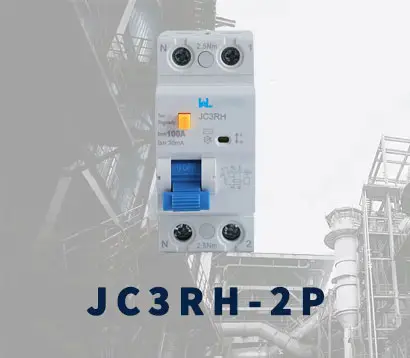 JC3RH-2P
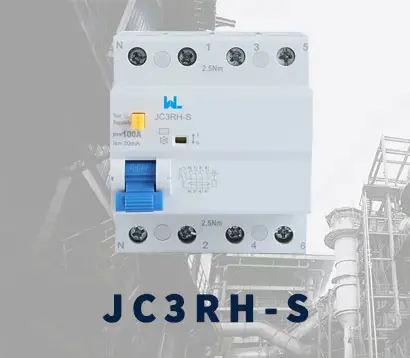 JC3RH-S
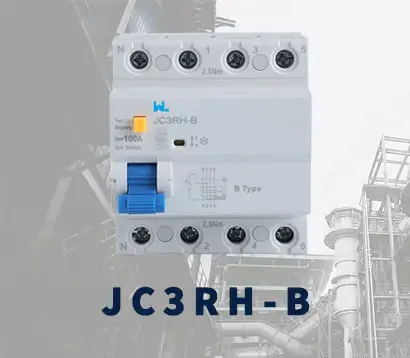 JC3RH-B
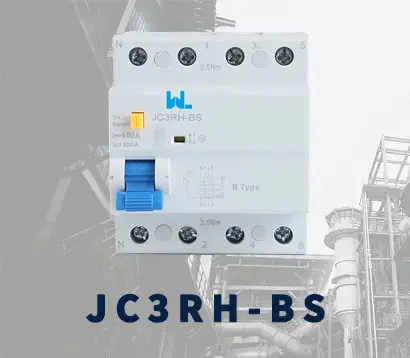 JC3RH-BS
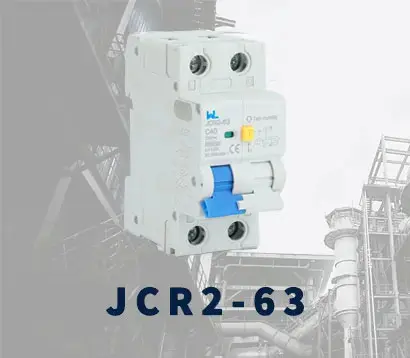 JCR2-63
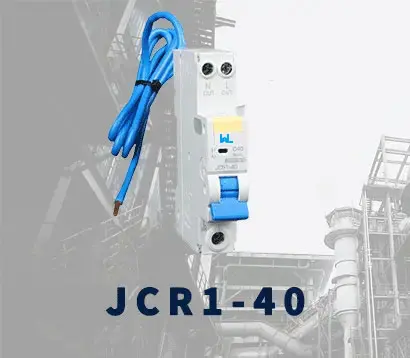 JCR1-40
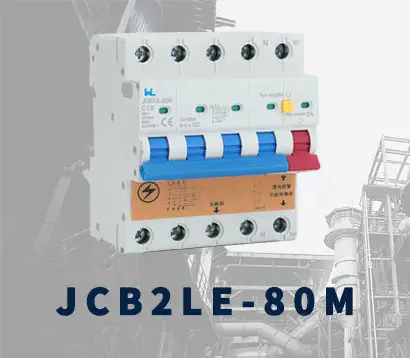 JCB2LE-80M
 JCB2LE-80M
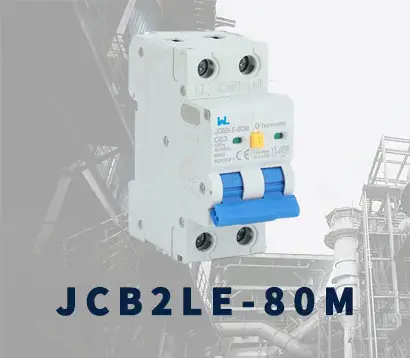 JCB2LE-80M
 JCB2LE-40M
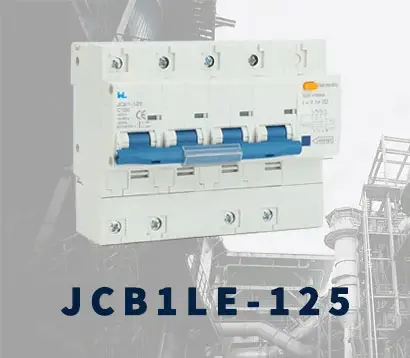 JCB1LE-125
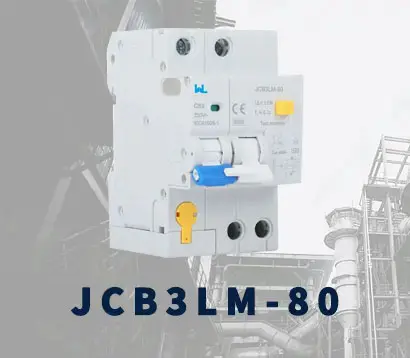 JCB3LM-80
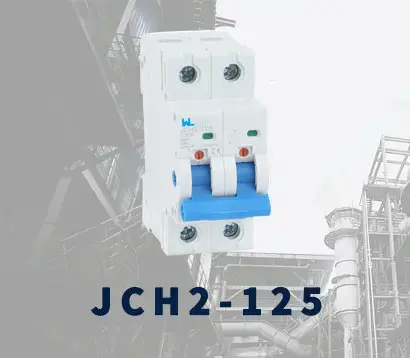 JCH2-125
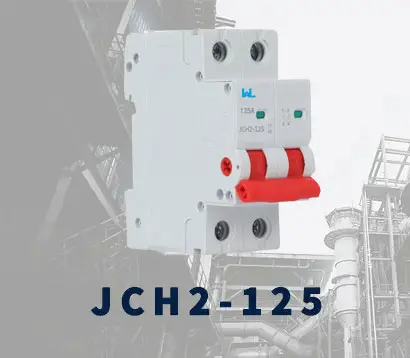 JCH2-125
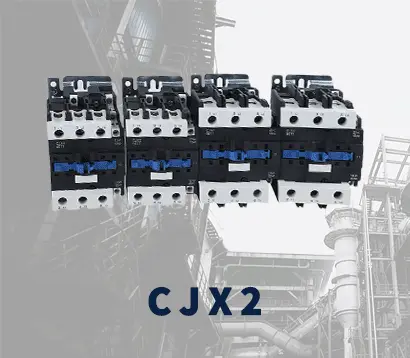 CJX2
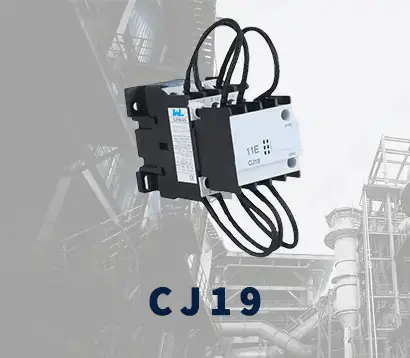 CJ19
 JCMCU
 JCHA
 JCSD-40
 JCSD-60
 JCSP-40
 JCSP-60
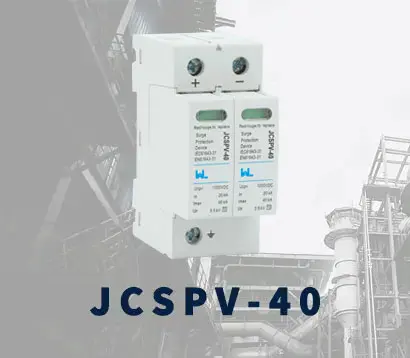 JCSPV
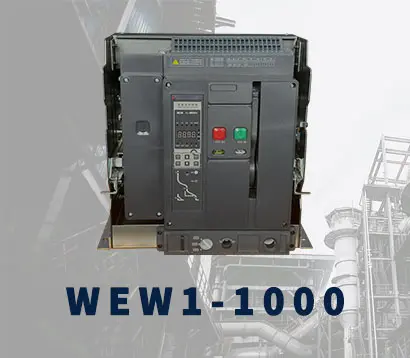 WEW1-1000
 WEW1-1600
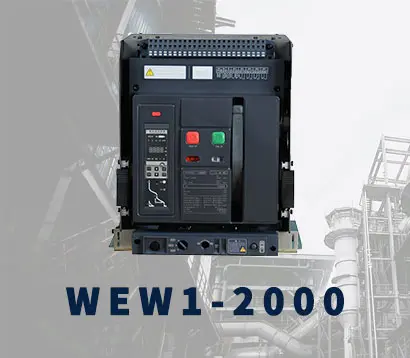 WEW1-2000
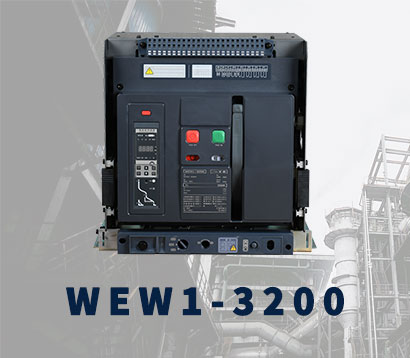 WEW1-3200
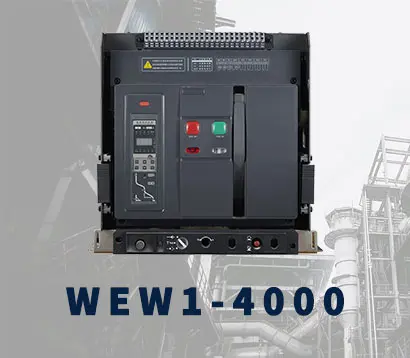 WEW1-4000
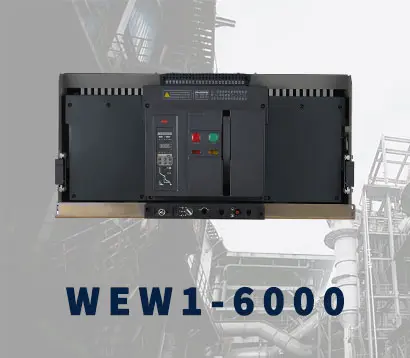 WEW1-6300
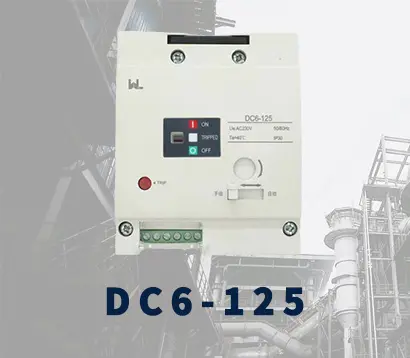 DC6-125
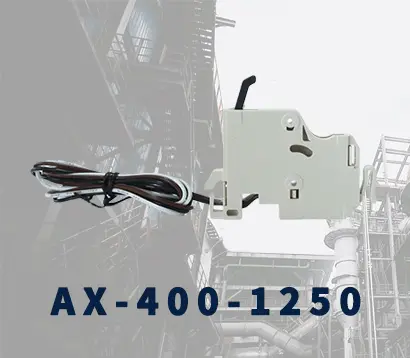 AX-400-1250
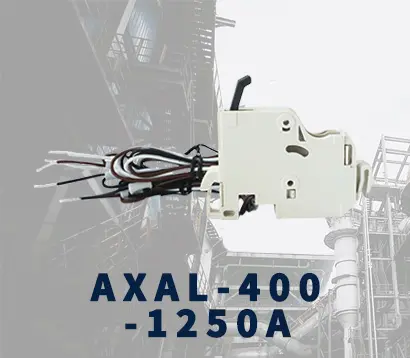 AXAL-400-1250A
 AL-400-1250
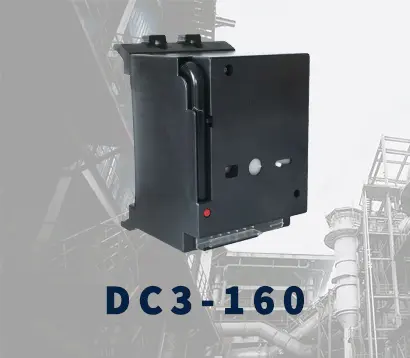 DC3-160
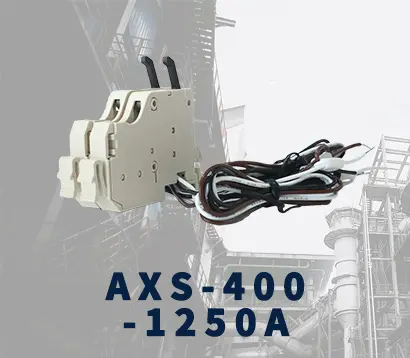 AXS-400-1250A
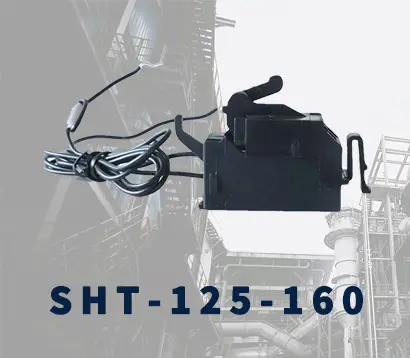 SHT-125-160
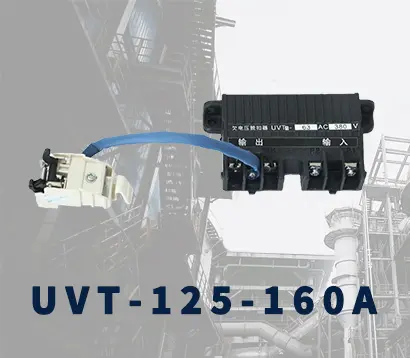 UVT-125-160A
 P-250A-3P-A
 400-3P/4P terminal cover
 1250-3Pmccb accessories busbar
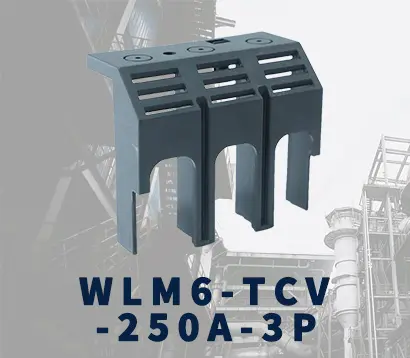 250-3P terminal conver
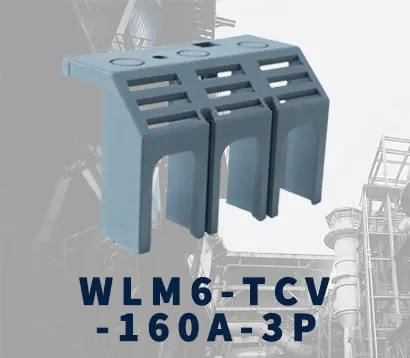 WLM6-TCV-160A-3P
 WLM6-MIP-250A
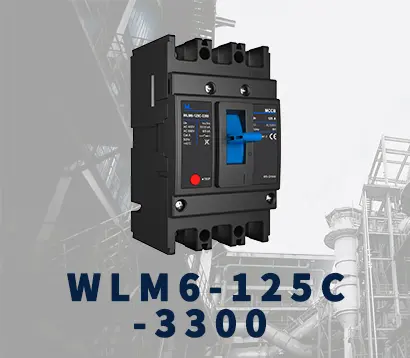 WLM6-125A-3300 3P/4P
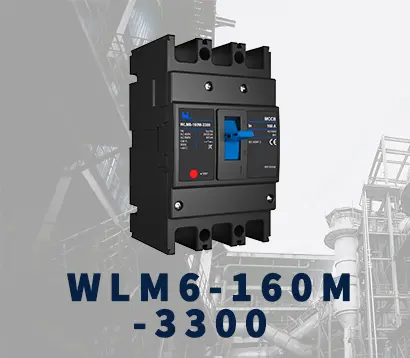 WLM6-160A-3300 3P/4P
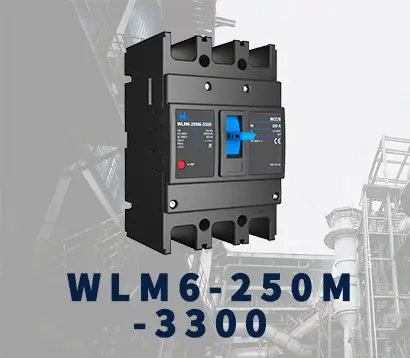 WLM6-250A-3300 3P/4P
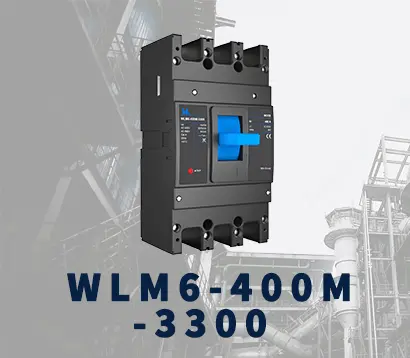 WLM6-400A-3300 3P/4P
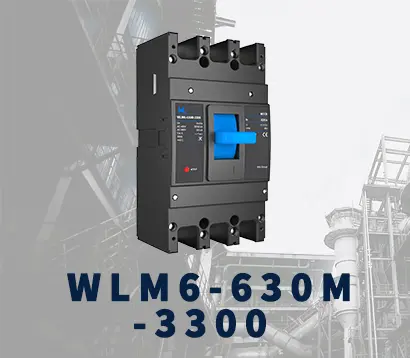 WLM6-630A-3300 3P/4P
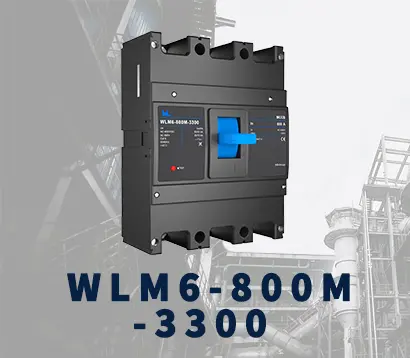 WLM6-800A-3300 3P/4P
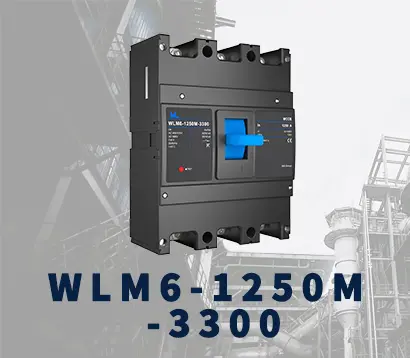 WLM6-1250A-3300 3P/4P
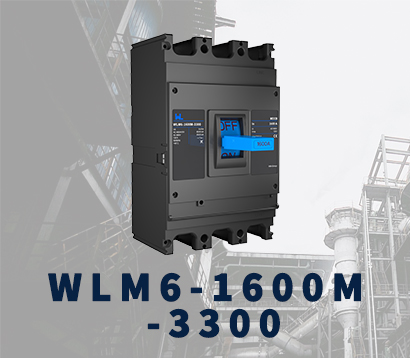 WLM6-1600A-3300 3P/4P
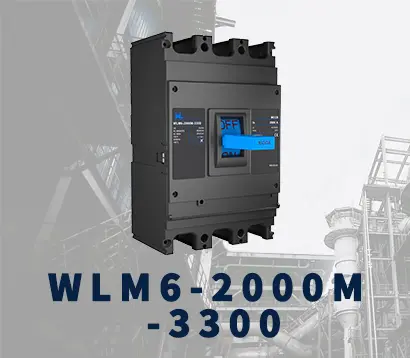 WLM6-2000A 3P/4P
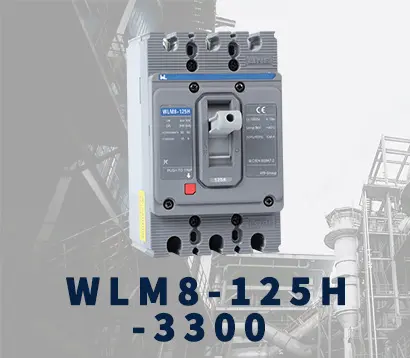 WLM8-125H-3300
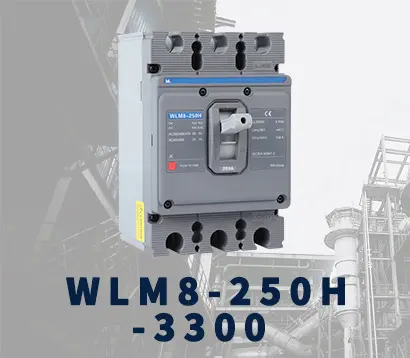 WLM8-250H-3300
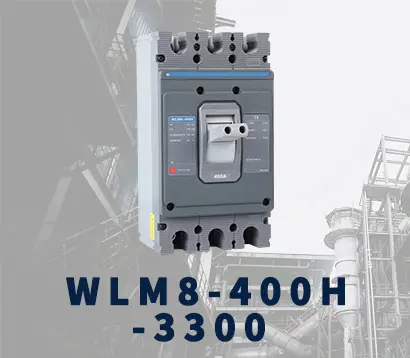 WLM8-400H-3300
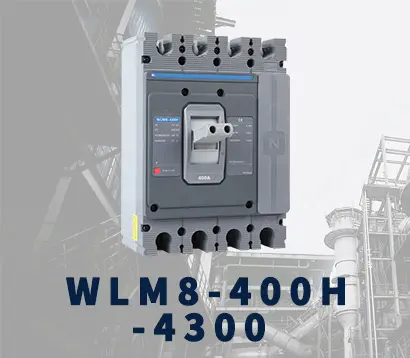 WLM8-400H-4300
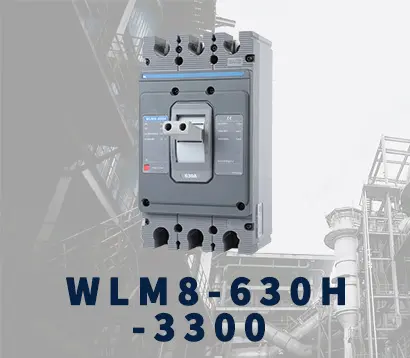 WLM8-630H-3300
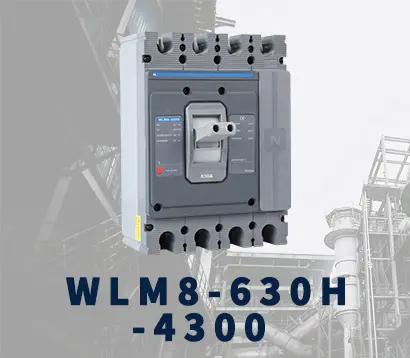 WLM8-630H-4300
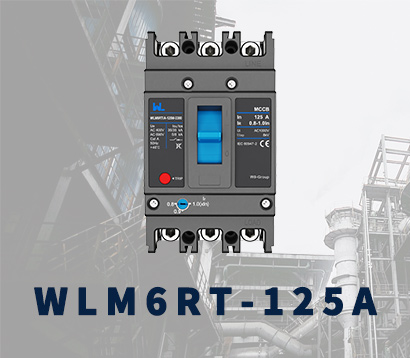 WLM6RT-125A
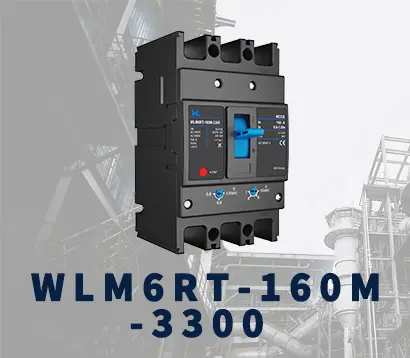 WLM6RT-160A
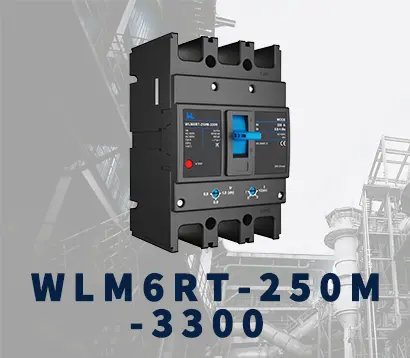 WLM6RT-250A
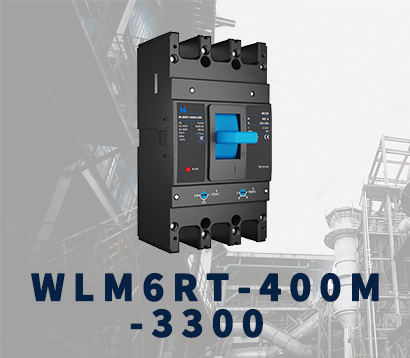 WLM6RT-400A
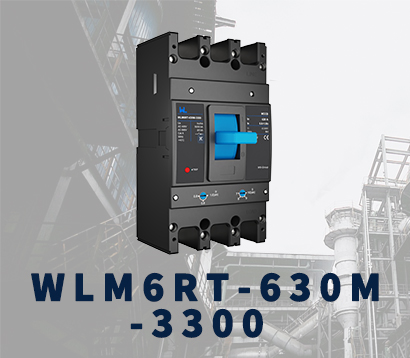 WLM6RT-630A
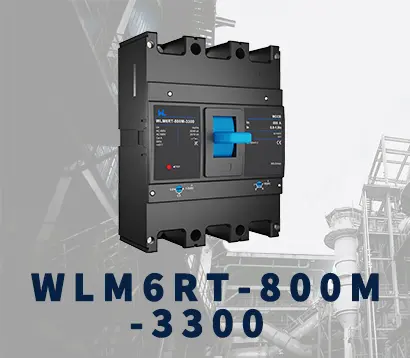 WLM6RT-800A
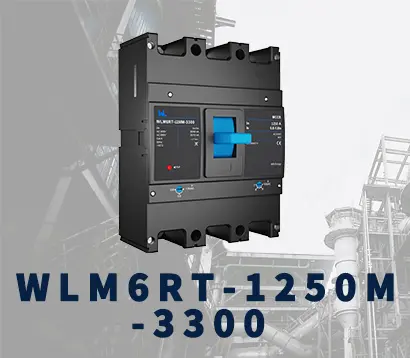 WLM6RT-1250A
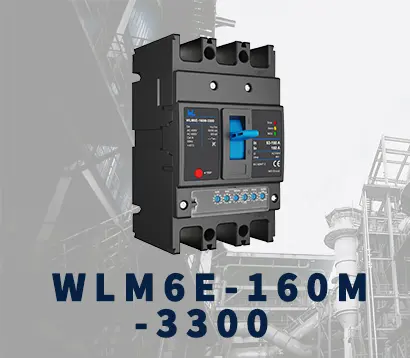 WLM6E-160A-3300 3P
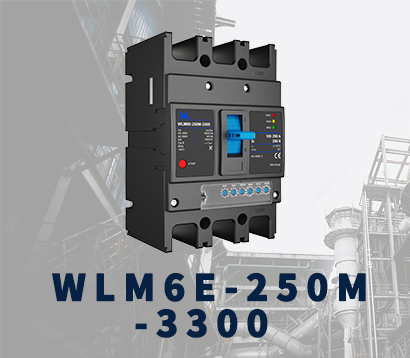 WLM6E-250A-3300
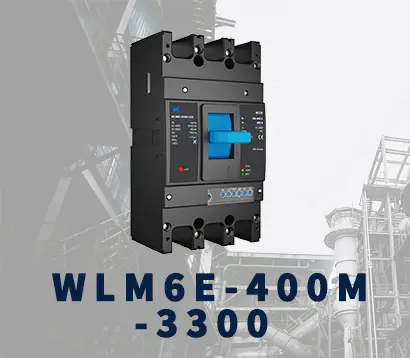 WLM6E-400A-3300 3P/4P
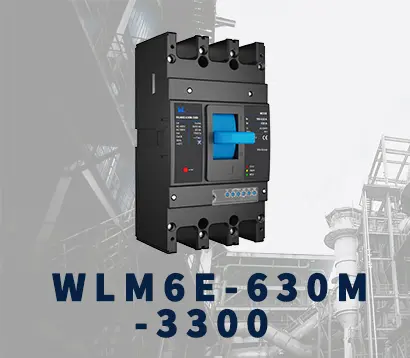 WLM6E-630A-3300
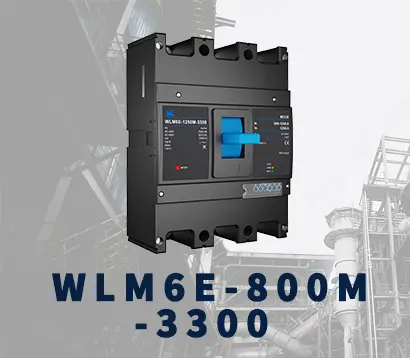 WLM6E-800A-3300 3P/4P
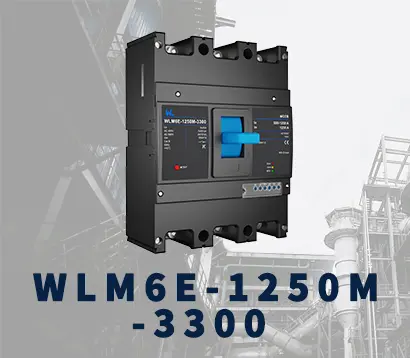 WLM6E-1250A-3300
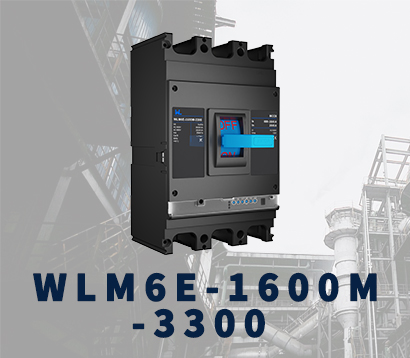 WLM6E-1600-3300 3P/4P
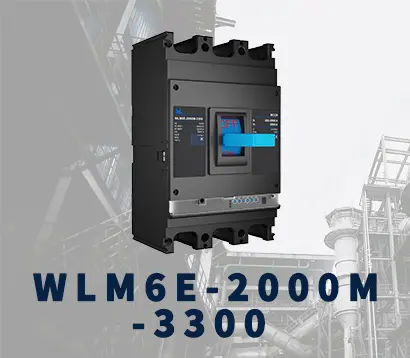 WLM6E-2000A-3300 3P/4P
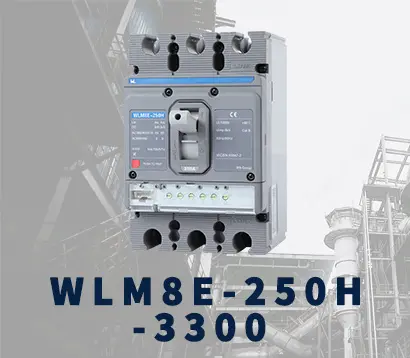 WLM8E-250H-3300
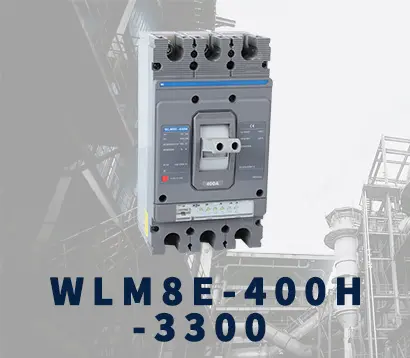 WLM8E-400H-3300
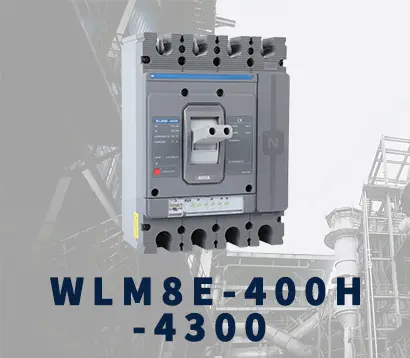 WLM8E-400H-4300
 WLM8E-630H-3300
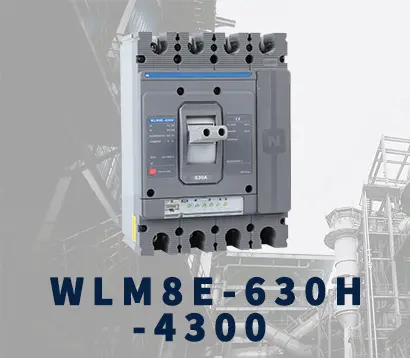 WLM8E-630H-4300
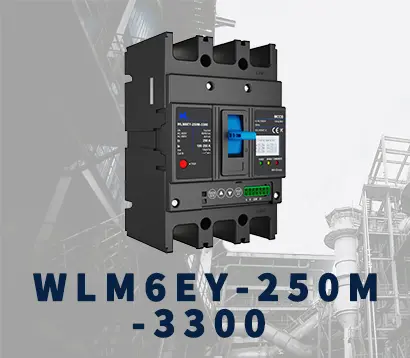 WLM6EY-250-3300 3P/4P
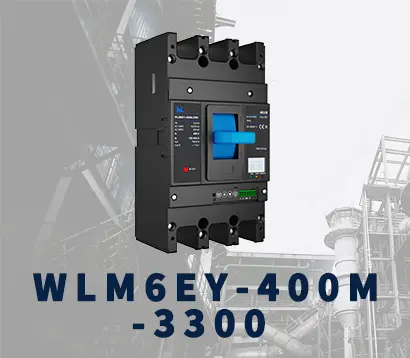 WLM6EY-400 3P/4P
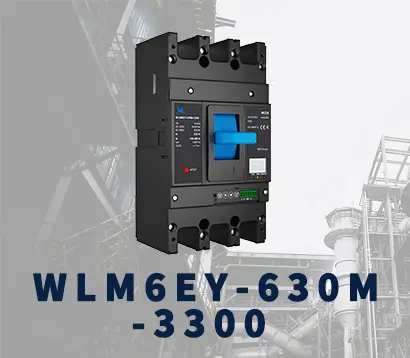 WLM6EY-630 3P/4P
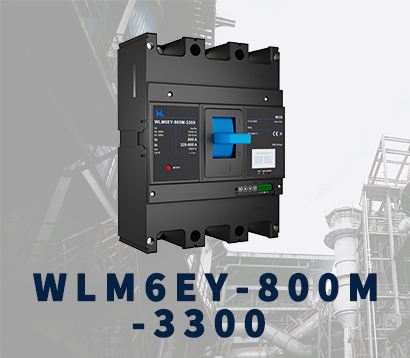 WLM6EY-800A 3P/4P
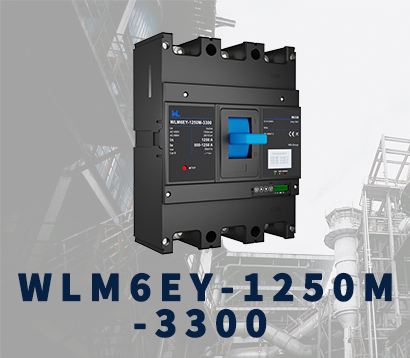 WLM6EY-1250A 3P/4P
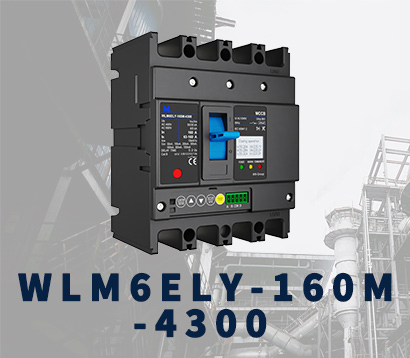 WLM6ELY-160A
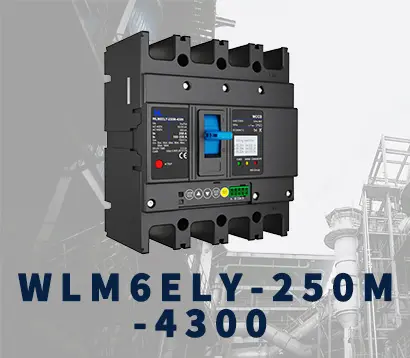 WLM6ELY-250A
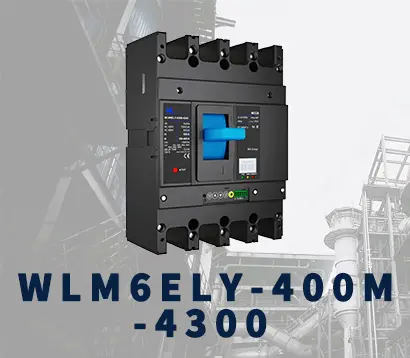 WLM6ELY-400A
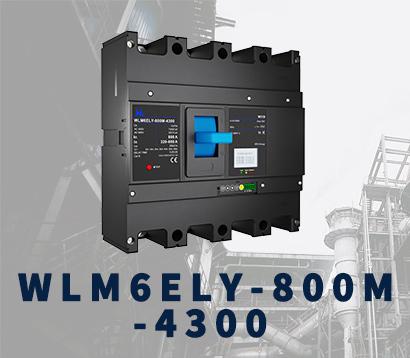 WLM6ELY-800A
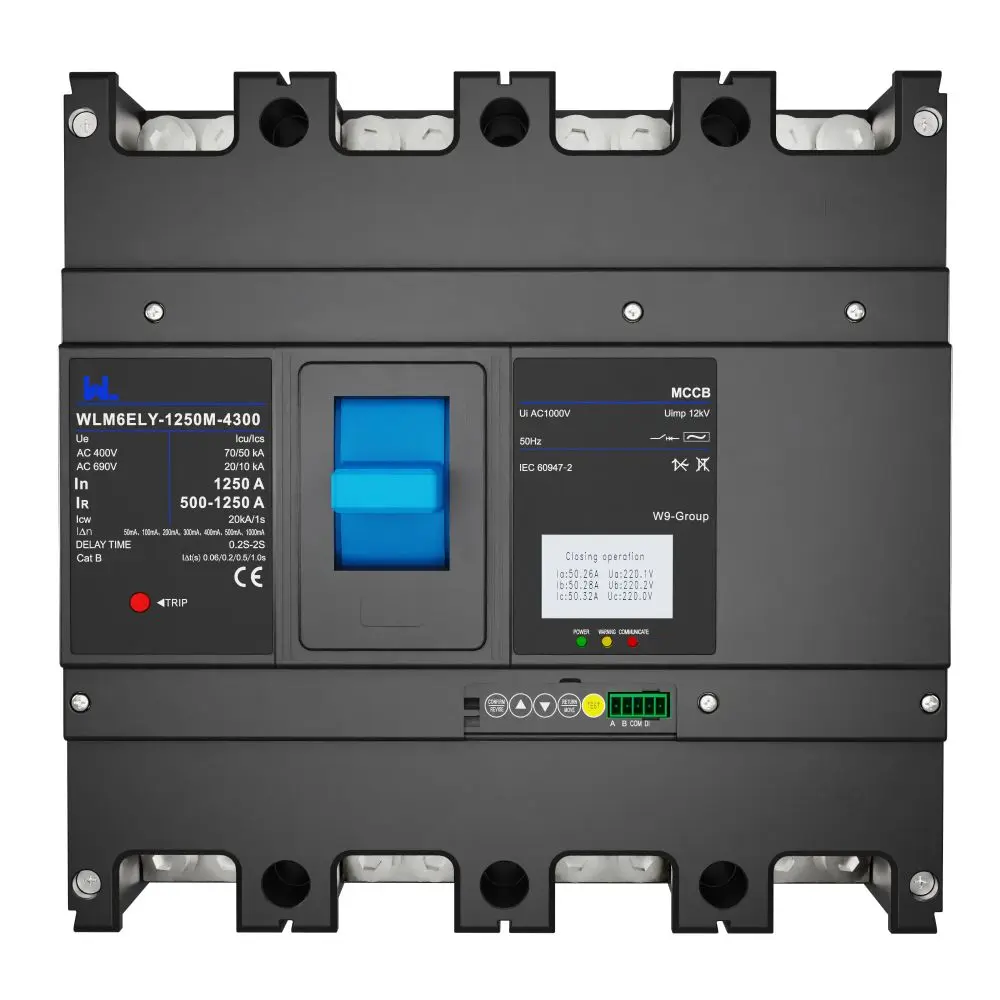 WLM6ELY-1250A
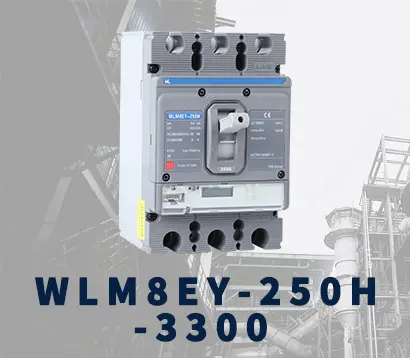 WLM8EY-250H-3300
 WLM8EY-400H-3300
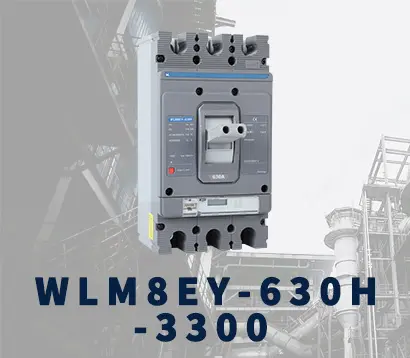 WLM8EY-630H-3300
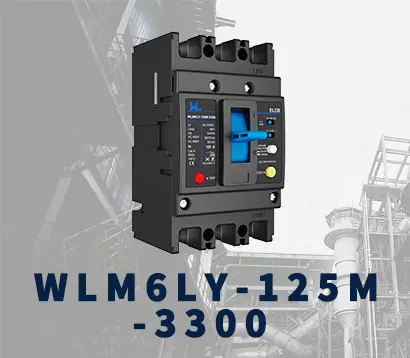 WLM6LY-125A
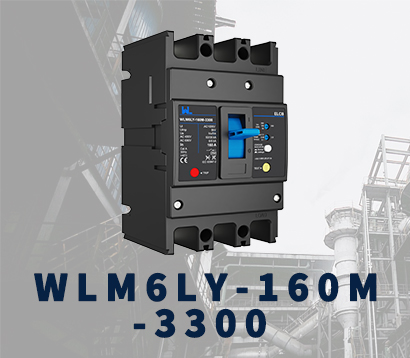 WLM6L-160A
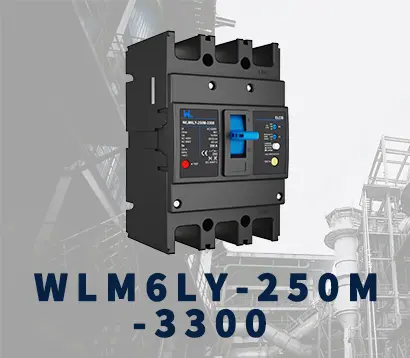 WLM6LY-250A
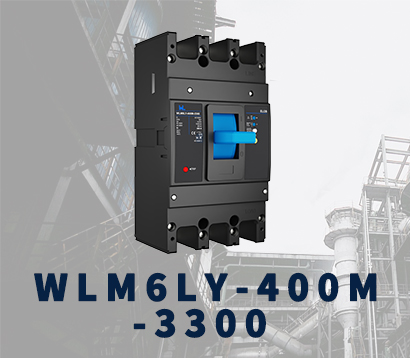 WLM6LY-400A
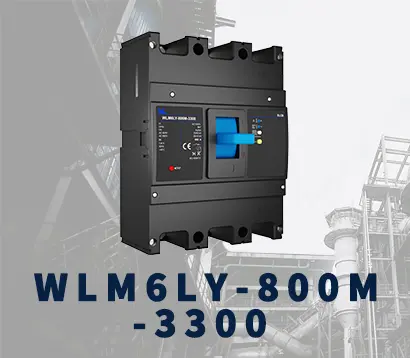 WLM6LY-800A
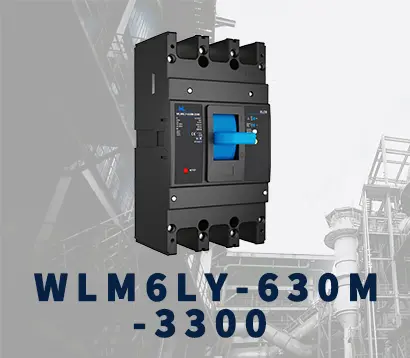 WLM6LY-630A
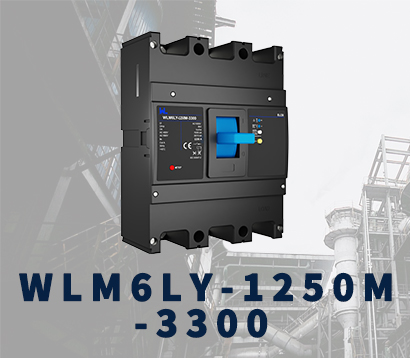 WLM6LY-1250A
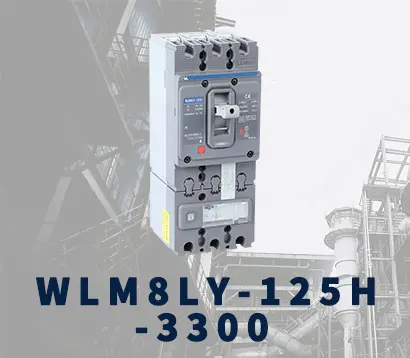 WLM8LY-125H-3300
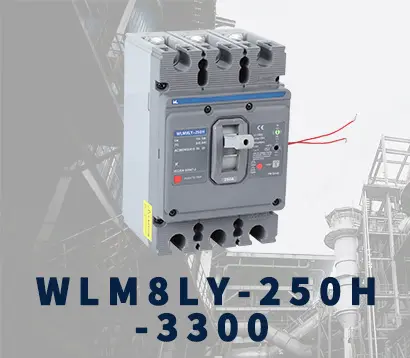 WLM8LY-250H-3300
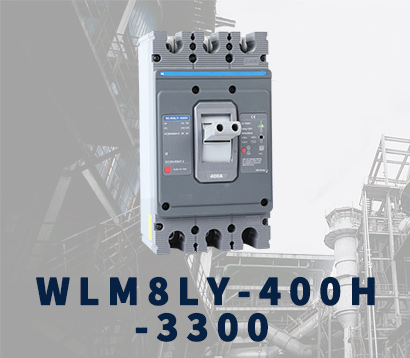 WLM8LY-400H-3300
 WLM8LY-630H-3300
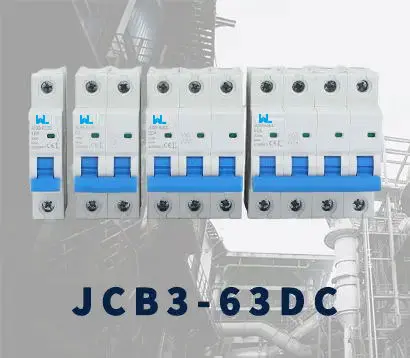 JCB3-63DC
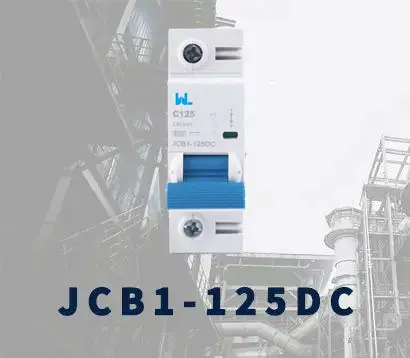 JCB1-125DC
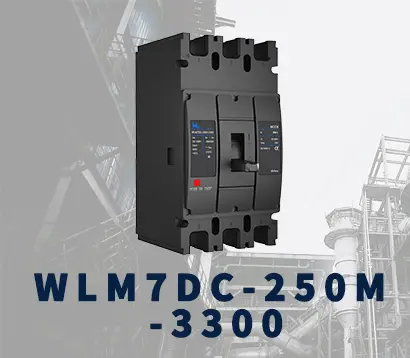 WLM7DC-250A-2300 2P/3P
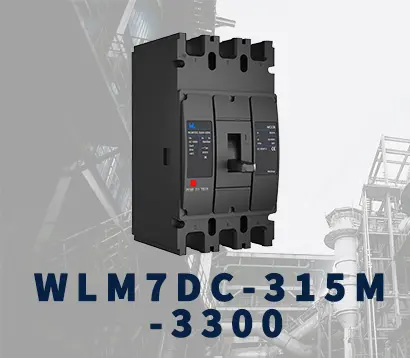 WLM7DC-315A-3300 2P/3P
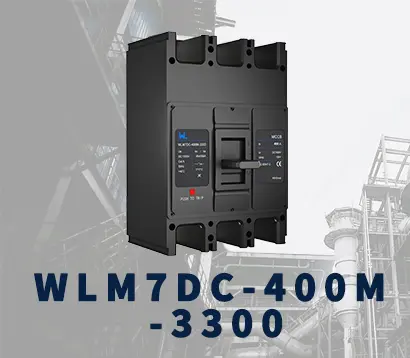 WLM7DC-400A-2300 2P/3P
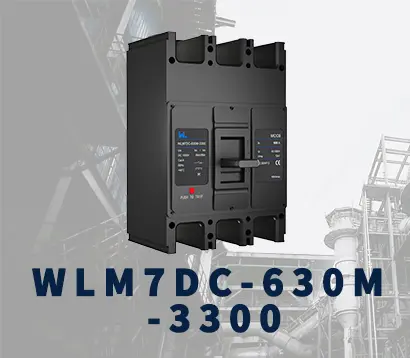 WLM7DC-630A-3300 3P
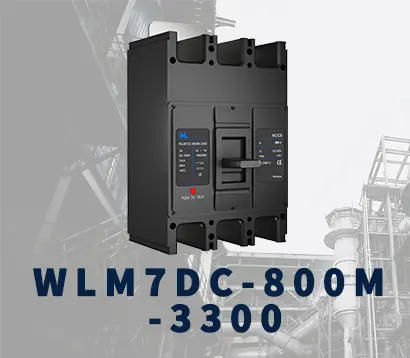 WLM7DC-800A-2300 2P/3P
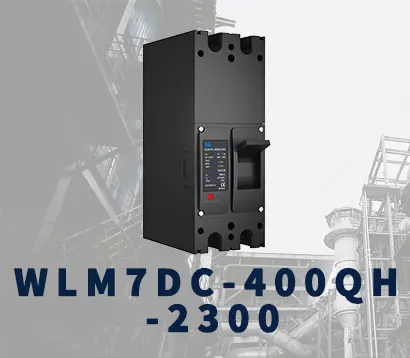 WLM7DC-400A 2300
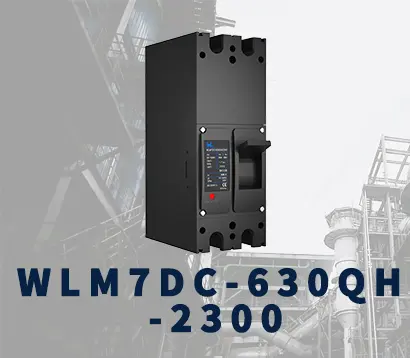 WLM7DC-630A-2300 2P
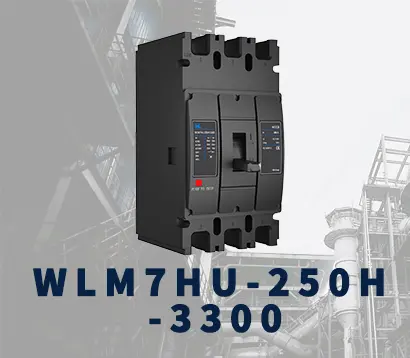 WLM7HU-250-3300 3P
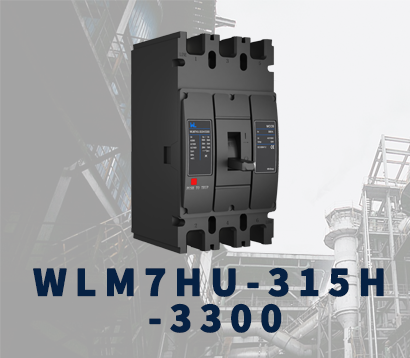 WLM7HU-315-3300 3P
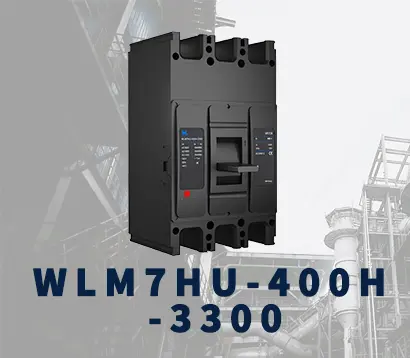 WLM7HU-400-3300 3P
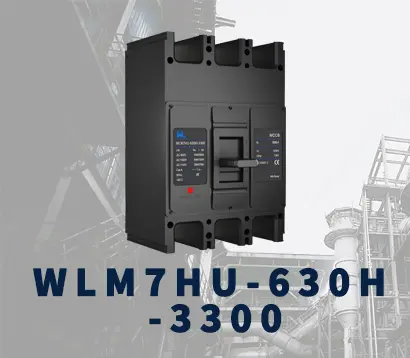 WLM7HU-630-3300 3P
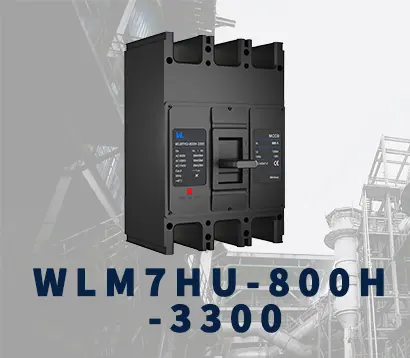 WLM7HU-800-3300 3P
 PV-1500V/250A
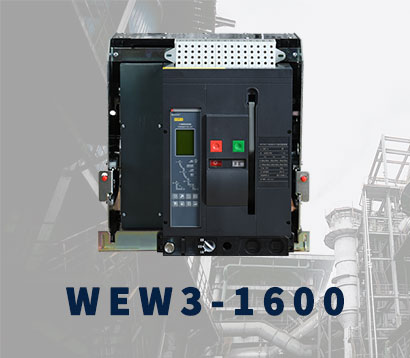 WEW3-1600
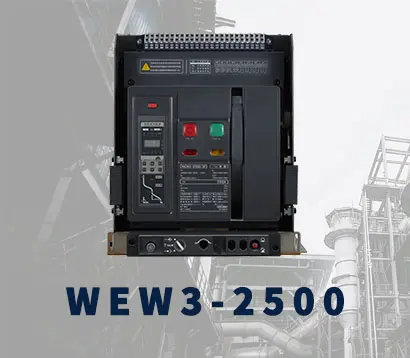 WEW3-2500
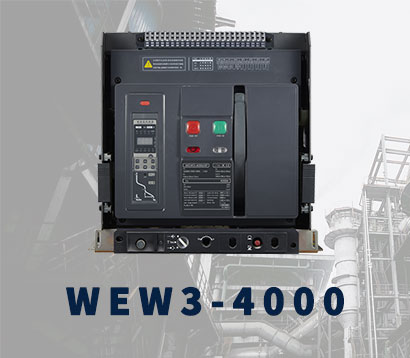 WEW3-4000
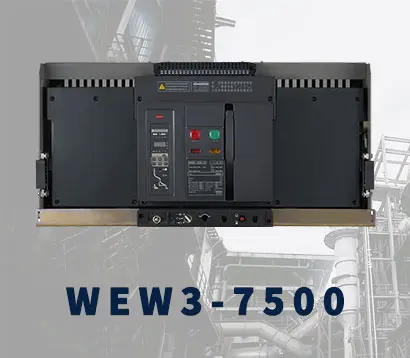 WEW3-7500






How to Choose the Right Electrical MCCB in 2026
Choosing an Electrical Mccb in 2026 is not a checkbox exercise. It is a decision about how a circuit responds when current rises, equipment fails, or operating conditions change. A unit that fits the panel may still be unsuitable for the load. That mismatch can bring nuisance trips, excessive downtime, or inadequate protection.
Start with the system’s voltage, rated current, prospective short-circuit current, and required breaking capacity. Then examine trip characteristics, pole configuration, installation conditions, and coordination with upstream and downstream devices. A compact workshop panel and a high-demand commercial distribution board do not face the same stresses. Small details matter, including ambient temperature, cable size, and available space for maintenance.
The right choice depends on verified data, not a product name alone. Compare manufacturer datasheets, confirm the device meets applicable standards, and have a qualified electrical professional review the design. Do not assume that a higher current rating automatically means better protection. It may not. This guide explains the practical checks behind selecting an MCCB, the questions to ask suppliers, and the trade-offs worth revisiting before purchase. Some installations have imperfect records; that uncertainty should be addressed, not ignored.
Understand What an MCCB Does and Where It Fits
How to Choose the Right Electrical MCCB in 2026
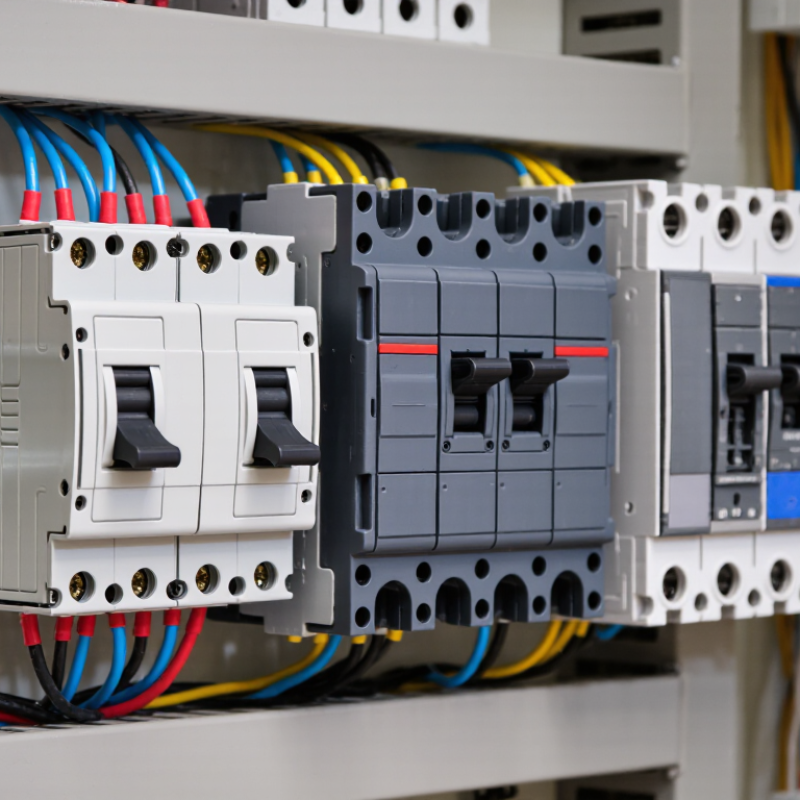
An electrical molded-case circuit breaker (MCCB) protects a circuit from overloads and short circuits. It typically sits in a low-voltage distribution board, protecting feeders that supply machinery, HVAC systems, or subpanels. Compared with smaller circuit breakers, many MCCBs handle higher currents and offer adjustable trip settings. The exact capability depends on the device and installation. It is not a cure-all.
The stakes are practical. NFPA’s Home Electrical Fires report estimates that U.S. fire departments responded to an annual average of 46,700 home fires involving electrical failure or malfunction from 2015 to 2019. An MCCB cannot prevent every electrical fire, but correctly selected protection can help limit fault damage. In real installations, matching the breaker’s interrupting rating to the available fault current matters as much as choosing its current rating. This part is easy to overlook.
Tips: Check the load current, conductor size, fault level, and coordination with upstream and downstream devices. Review the manufacturer’s trip curves and the applicable installation rules with a qualified electrical professional. Leave room for operating conditions, too; a hot enclosure or continuous load can change performance. One caution: choosing a breaker by amperage alone is tempting, but it can leave a system poorly protected.
How to Choose the Right Electrical MCCB in 2026 - Understand What an MCCB Does and Where It Fits
| Selection Dimension | What the MCCB Does | How to Choose | Practical Check |
|---|---|---|---|
| Role in the electrical system | A molded-case circuit breaker protects a circuit from overloads and short circuits. Depending on its design, it can also provide isolation and switching. | Use an MCCB where a circuit needs a higher current rating or greater fault-interrupting capability than a typical miniature circuit breaker provides. | Confirm that the device is suitable for the intended function and installation; do not assume every MCCB is suitable for isolation. |
| System voltage and frequency | The breaker is designed to operate within specified electrical system limits. | Match its rated operational voltage and frequency to the system. Check the applicable ratings for the number of poles and the grounding arrangement. | Compare the breaker’s voltage rating with the system’s nominal voltage and follow the manufacturer’s installation instructions. |
| Continuous load current | The thermal or electronic trip function responds to sustained current above its configured or rated level. | Determine the calculated load current and select a suitable breaker frame and trip rating. Account for conductor ampacity, ambient temperature, enclosure conditions, and applicable electrical codes. | Do not select a breaker based only on the equipment’s peak or nameplate current; verify the complete circuit design. |
| Interrupting capacity | The breaker interrupts short-circuit current up to its specified breaking capacity under stated test conditions. | Use a short-circuit study or other approved fault-current calculation to establish the prospective fault current at the installation point. | Ensure the breaker’s interrupting rating at the applicable voltage is not less than the available fault current, unless a verified series-rated arrangement is used. |
| Trip-unit type | Thermal-magnetic trip units typically provide thermal overload protection and magnetic short-circuit protection. Electronic trip units can offer adjustable settings and additional protection functions. | Choose a trip unit that provides the required protection functions and adjustment range. Electronic features may be useful where coordination or monitoring requirements are more demanding. | Set and verify trip adjustments using a protection study and qualified commissioning procedures; avoid settings that exceed conductor or equipment limits. |
| Pole configuration | Poles open and close the circuit conductors as designed for the breaker. | Select a pole configuration appropriate to the supply and application, such as three-pole service for many three-phase circuits. Neutral switching requirements depend on the system and local rules. | Check the wiring diagram, neutral arrangement, and applicable code before choosing the pole count. |
| Coordination and selectivity | Coordination aims to limit an electrical fault’s interruption to the protective device nearest the fault where practicable. | Compare upstream and downstream time-current characteristics and manufacturer coordination data for the actual devices and settings. | Do not assume selectivity from breaker ratings alone; verify it for the expected fault-current range. |
| Installation and environment | Performance and permissible ratings can be affected by mounting, enclosure, ambient conditions, and connection method. | Check dimensions, terminal type, conductor range, mounting orientation, enclosure rating, temperature limits, and any required derating. | Use the breaker’s technical documentation and the panel’s requirements to confirm fit and thermal suitability. |
| Application fit | MCCBs are commonly used in distribution boards, feeder circuits, and equipment protection, depending on their ratings and approvals. | Confirm that the breaker is approved for the intended equipment and application, including any motor, generator, or special-load requirements. | For motor circuits, coordinate the MCCB with the motor starter, overload protection, starting current, and applicable standards. |
| Standards and verification | Standards define test requirements, ratings, and conditions for circuit breakers in their intended markets. | Choose a device certified or listed to the standards required by the installation jurisdiction and project specification. | Have a qualified electrical professional verify ratings, protection settings, compatibility, and local code compliance before energizing. |
Note: MCCB ratings and protection settings are application-specific. Confirm all selections against the device documentation, system calculations, and applicable electrical codes.
Related Posts
-
Top Tips for Using Square D MCCB Effectively?
-
What is a Microprocessor Based MCCB and Its Benefits for Buyers?
-
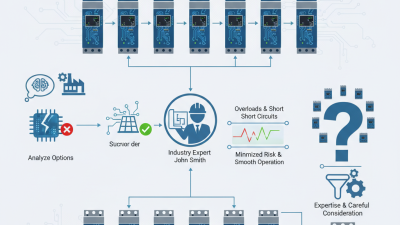
Top 10 DC MCCB Models for Reliable Electrical Protection
-
2026 Best MCCB Breaker Options for Global Buyers?
-

How to Choose the Right Electrical MCCB in 2026?
-
Exploring the Future of Thermal Magnetic MCCB at the 138th China Import and Export Fair in 2025