What is a Microprocessor Based MCCB and Its Benefits for Buyers?
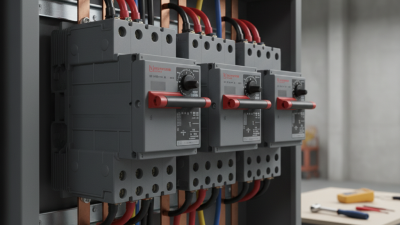
Microprocessor Based MCCBs, or Molded Case Circuit Breakers, represent a significant advancement in electrical protection technology. Utilizing microprocessor technology, these devices offer enhanced precision and functionality. They monitor electrical systems in real-time, ensuring that any abnormal condition triggers immediate protection.
These MCCBs are designed to provide various benefits for buyers. Their intelligent features allow for fine-tuned settings and easy integration with modern smart grids. Users can access detailed reports, making it easier to analyze system performance and troubleshoot issues. The reliability of Microprocessor Based MCCBs stems from their ability to adapt to specific application needs, often proving more effective than traditional circuit breakers.
However, the transition to microprocessor-based technology may raise questions. Some users may feel overwhelmed by the complexities of digital systems. It is essential to seek professional guidance to fully leverage these advanced features. This consideration ensures that buyers receive optimal value from their investment while minimizing potential challenges and mistakes.
What is a Microprocessor Based MCCB?
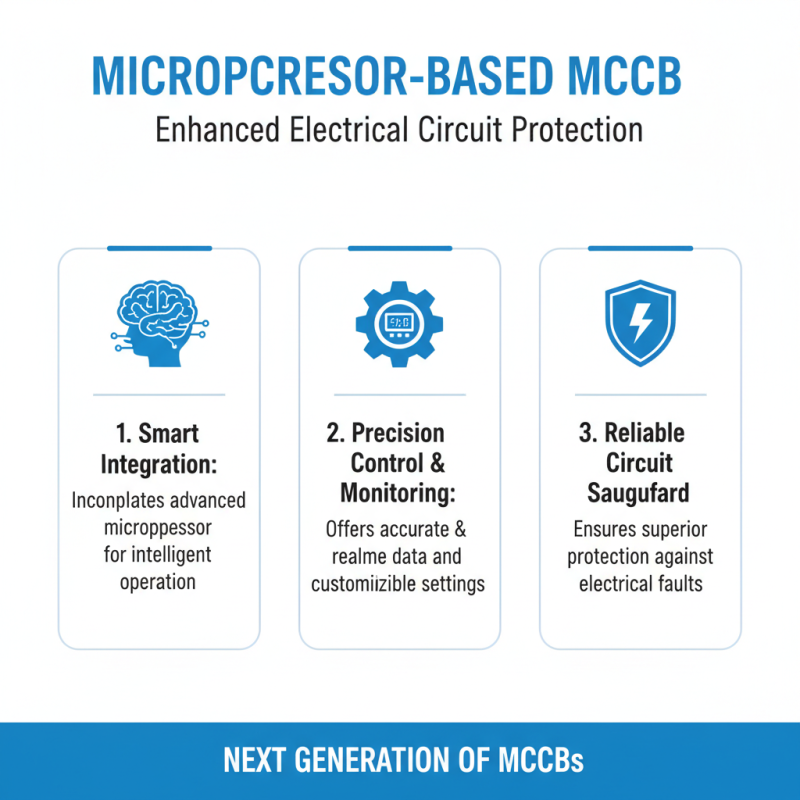
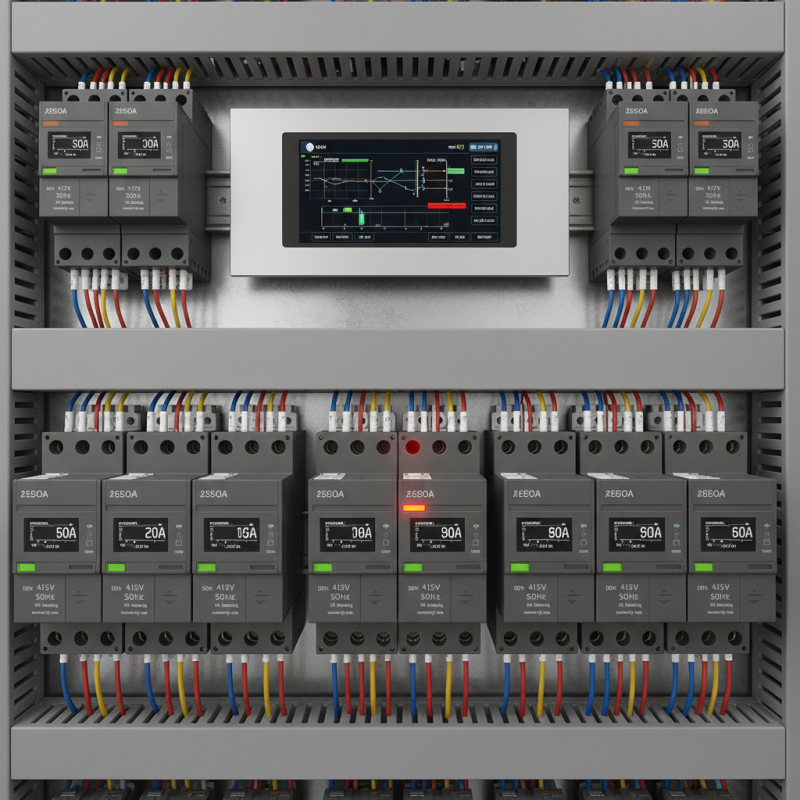
A microprocessor-based molded case circuit breaker (MCCB) is a sophisticated device. It integrates microprocessor technology for enhanced functionality. Unlike traditional thermal-magnetic breakers, it offers precise control and monitoring. This innovation ensures reliable protection for electrical circuits.
The microprocessor analyzes real-time data to detect faults. It can respond to overloads and short circuits swiftly. The accuracy of these devices helps in minimizing false trips. Users can customize settings based on specific requirements. This flexibility can save costs and improve safety.
Potential buyers should consider the benefits carefully. While microprocessor-based MCCBs are more advanced, they may require careful installation and programming. Users need to be trained to leverage all functionalities. Understanding their complexity can enhance reliability. Users should reflect on whether the investment aligns with their long-term needs.
Key Features of Microprocessor Based MCCBs
Microprocessor-based molded case circuit breakers (MCCBs) offer advanced features that enhance electrical safety and reliability. One key feature is precise fault detection. These devices monitor electrical currents actively, identifying issues like overloads or short circuits quickly. This quick response minimizes damage and improves system uptime.
Another advantage is their programmable settings. Microprocessor-based MCCBs allow customization of trip settings according to specific applications. This flexibility is beneficial for diverse environments, ensuring safety tailored to individual needs.
Users can set unique curves for different types of loads, optimizing protection.
In addition, real-time monitoring is crucial. Many models provide data about operational performance. This feature helps in predictive maintenance. Unfortunately, these devices may require more initial investment and technical understanding.
Users should weigh these factors carefully before deciding. The potential for reduced downtime usually justifies the cost in the long run.
Benefits of Microprocessor Based MCCBs for Buyers
Microprocessor-based Molded Case Circuit Breakers (MCCBs) are revolutionizing electrical systems. One significant benefit is enhanced precision in fault detection. Reports indicate a 30% increase in fault identification accuracy compared to traditional MCCBs. This allows for faster responses, reducing potential equipment damage.
Another crucial advantage is their ability to provide real-time monitoring. Microprocessor-based MCCBs can transmit data about current load conditions. This proactive approach aids in decision-making and preventive maintenance. Studies show this can reduce downtime by up to 25%. However, some trade-offs exist. The initial investment is higher, and users may face a learning curve.
Reliability is another key factor. These devices offer self-diagnostic capabilities. They can alert users about potential issues before they escalate. This reduced risk of system failure is supported by industry data showing a 40% decrease in malfunction rates. Yet, awareness of these devices' complexity is vital. Buyers must weigh the benefits against their operational readiness.
Cost Comparison: Microprocessor Based vs. Traditional MCCBs
Microprocessor-based MCCBs bring distinct advantages over traditional models. They offer enhanced precision in fault detection and diagnostics. This increased accuracy can lead to reduced downtime in operations. In contrast, traditional MCCBs might not provide real-time monitoring, causing potential delays in identifying issues. While microprocessor-based options are often more expensive upfront, their long-term efficiency can outweigh initial costs.
Cost comparison shows that microprocessor-based MCCBs can lead to savings in maintenance. These devices typically require less frequent servicing due to their advanced monitoring features. Traditional MCCBs may incur higher costs due to manual checks and maintenance schedules. Moreover, the ability to analyze performance data helps prevent costly breakdowns. However, buyers must consider their specific needs and installation environments before making decisions.
In an evolving market, understanding the long-term value is crucial. While the initial investment for microprocessor-based models seems higher, it can lead to overall cost savings. Traditional models might seem budget-friendly, but they often result in greater unexpected costs. It's essential for buyers to evaluate performance against budget constraints, rather than relying solely on sticker price.
Cost Comparison: Microprocessor Based vs. Traditional MCCBs
This chart illustrates the average cost comparison between Microprocessor Based MCCBs and Traditional MCCBs. The Microprocessor Based MCCB typically costs around $300, while the Traditional MCCB averages about $150. This shows a significant price difference, which may reflect the added functionalities and benefits that Microprocessor Based MCCBs offer to buyers.
Applications of Microprocessor Based MCCBs in Various Industries
Microprocessor-based Molded Case Circuit Breakers (MCCBs)
play a vital role in various industries. Their precision and reliability lead to enhanced protection for electrical circuits.
According to a recent report by the International Energy Agency,
the use of MCCBs in industrial applications has increased by 35%
over the last five years. This trend highlights the growing importance of efficient electrical management systems.
In manufacturing, these devices ensure equipment protection and minimizing downtime.
Facilities using microprocessor-based MCCBs can reduce operational costs significantly.
Reports suggest that companies observe up to a 20% decrease in incident-related expenses.
The increased accuracy in monitoring load conditions aids in avoiding potentially hazardous overloads.
However, businesses must remain vigilant about regular inspections and updates.
In industries like construction, these MCCBs adapt to dynamic environments, proving reliability amidst changing loads and power fluctuations.
The renewable energy sector also sees substantial application of microprocessor-based MCCBs.
These devices effectively manage the integration of solar and wind energy into the grid.
Studies indicate a potential increase in energy efficiency by 15%
when using advanced MCCBs compared to traditional models. Still, the investment in technology can be a barrier for smaller firms.
A reflection on balancing cost and innovation is essential for broader adaptation.

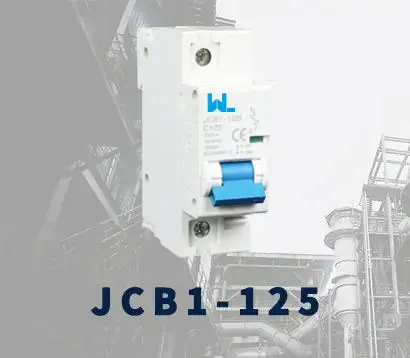 JCB1-125
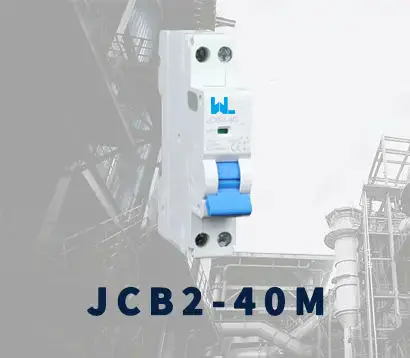 JCB2-40M
 JCB3-63DC
 JCB3-80H
 JCB3-80M
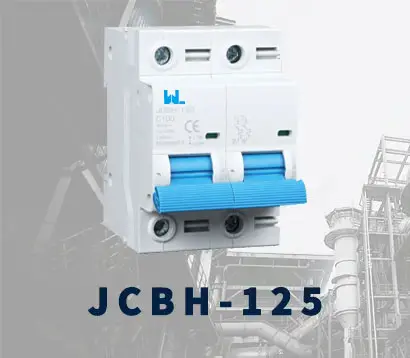 JCBH-125
 JC80-2P
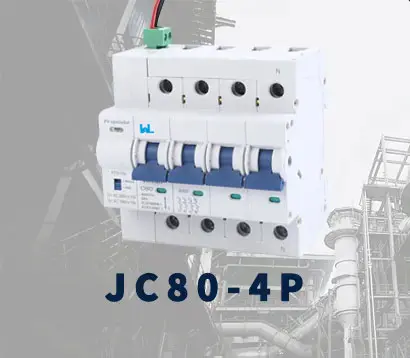 JC80-4P
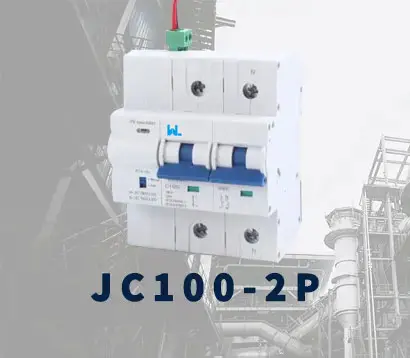 JC125-2P
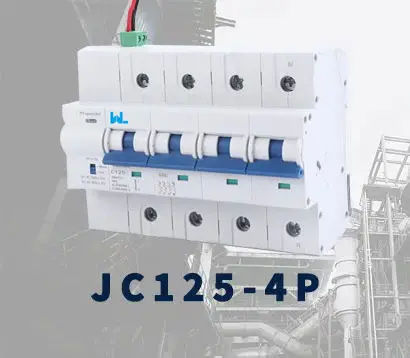 JC125-4P
 JCMX
JCMX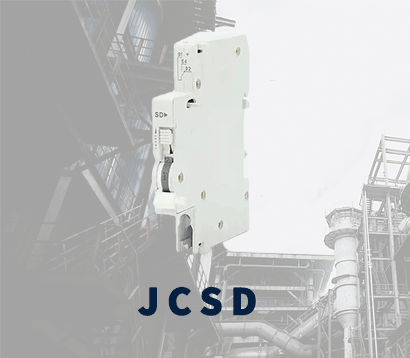 JCSD
JCSD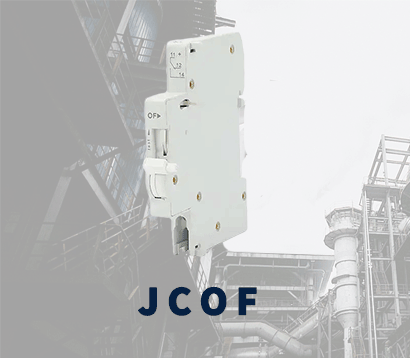 JCOF
JCOF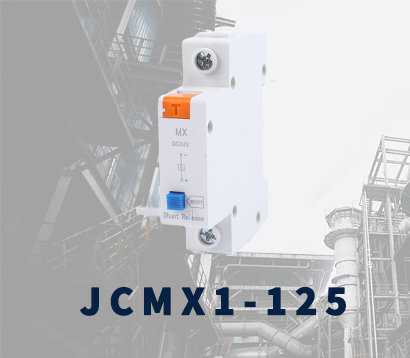 JCMX1-125
 JCOF1-125
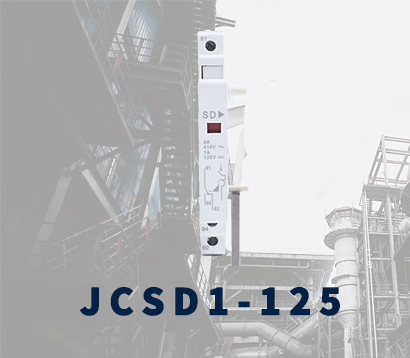 JCSD1-125
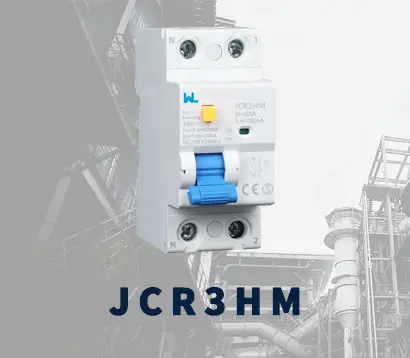 JCR3HM
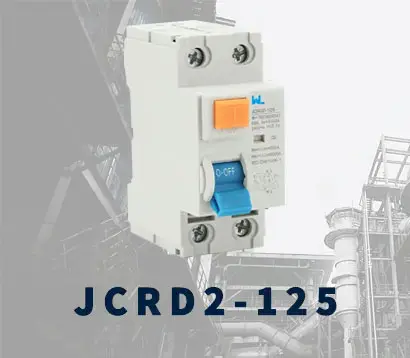 JCRD2-125
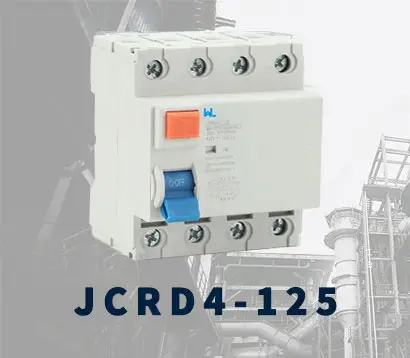 JCRD4-125
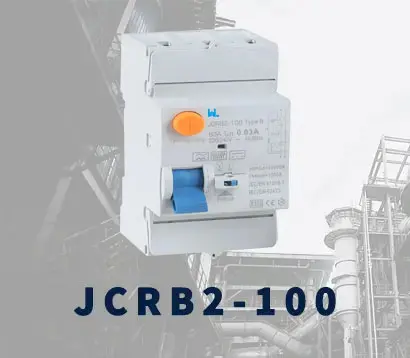 JCRB2-100
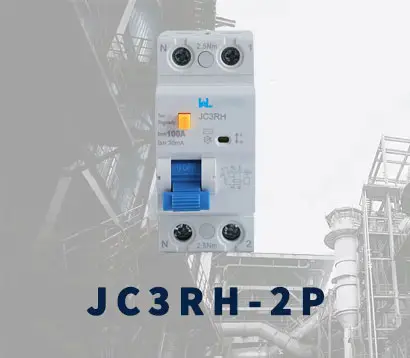 JC3RH-2P
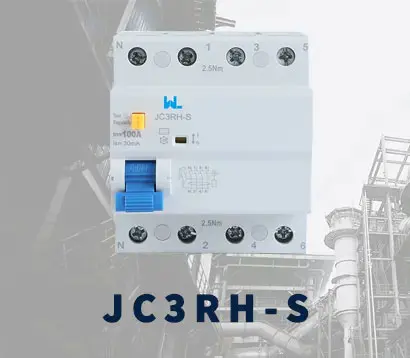 JC3RH-S
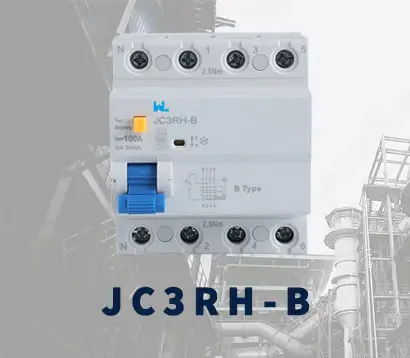 JC3RH-B
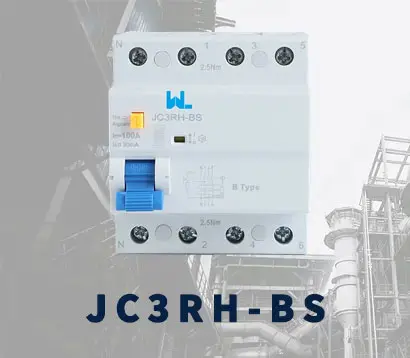 JC3RH-BS
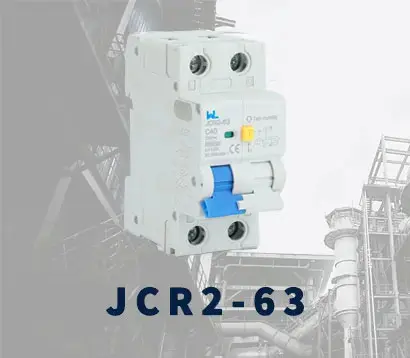 JCR2-63
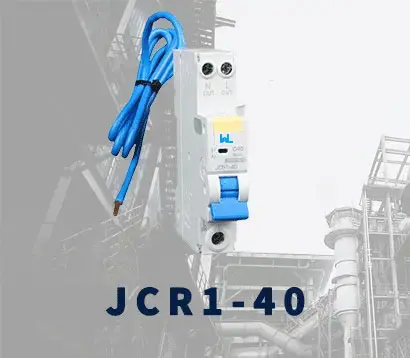 JCR1-40
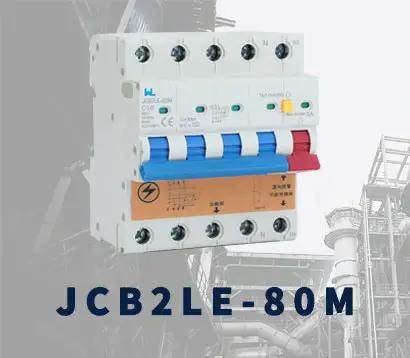 JCB2LE-80M
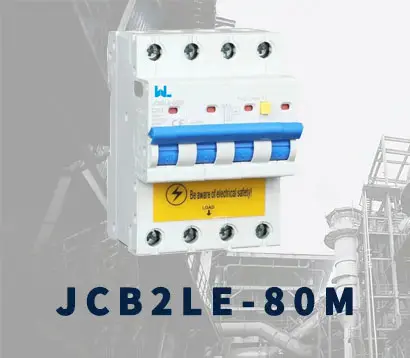 JCB2LE-80M
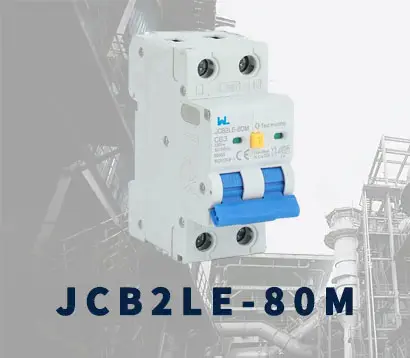 JCB2LE-80M
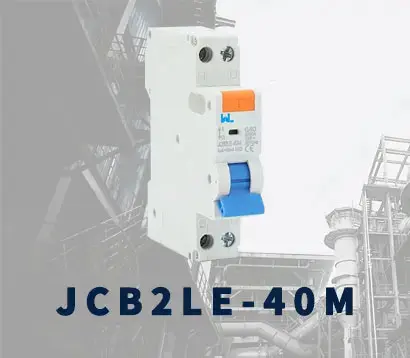 JCB2LE-40M
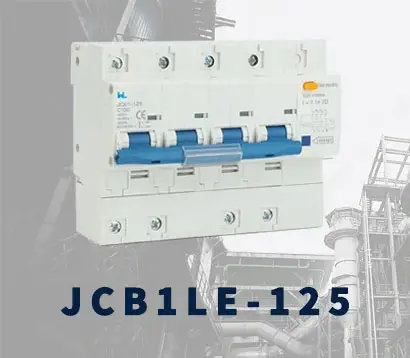 JCB1LE-125
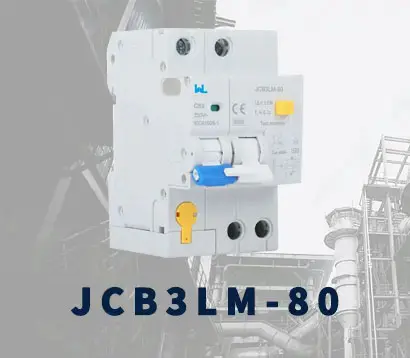 JCB3LM-80
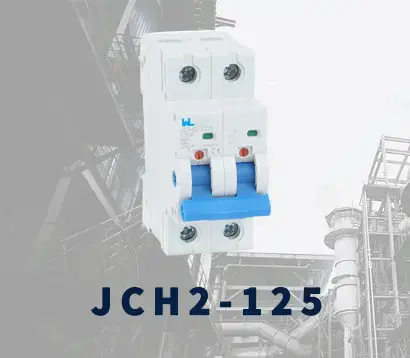 JCH2-125
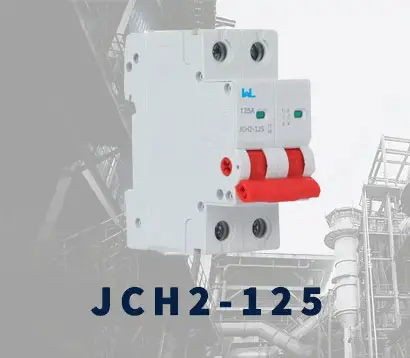 JCH2-125
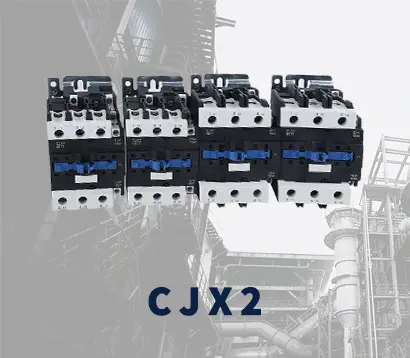 CJX2
CJX2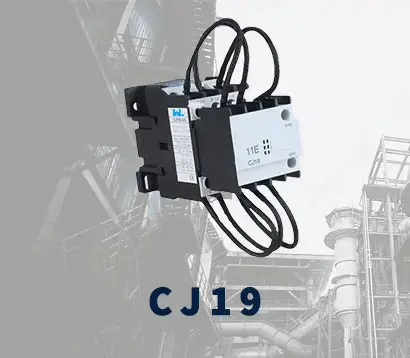 CJ19
CJ19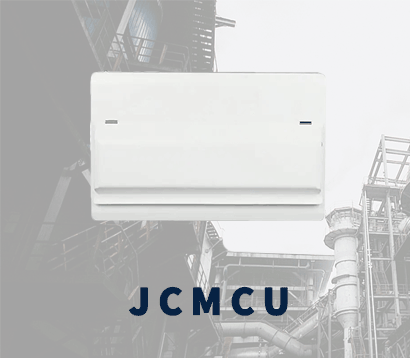 JCMCU
JCMCU JCHA
JCHA JCSD-40
 JCSD-60
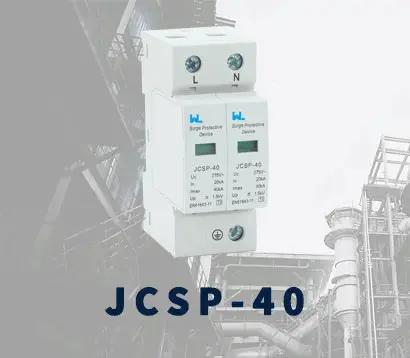 JCSP-40
 JCSP-60
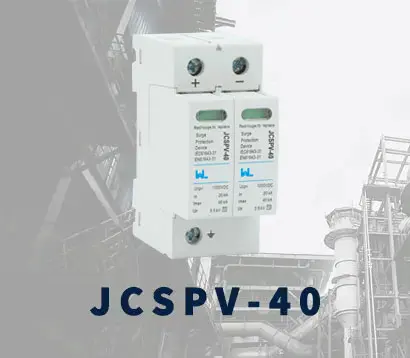 JCSPV
JCSPV WEW1-1000
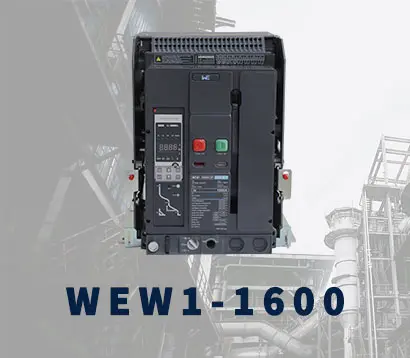 WEW1-1600
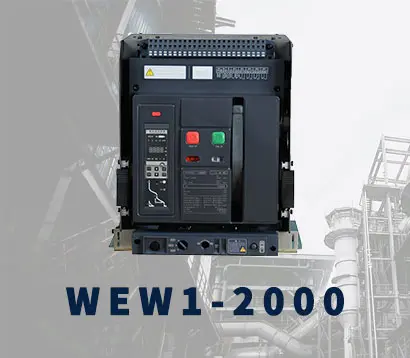 WEW1-2000
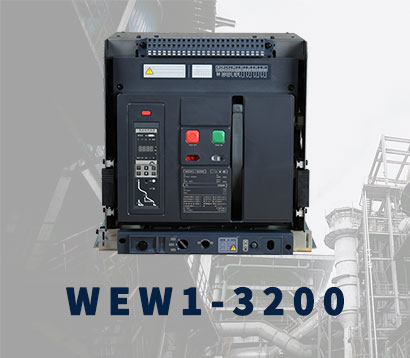 WEW1-3200
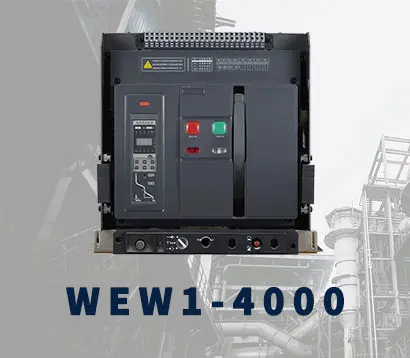 WEW1-4000
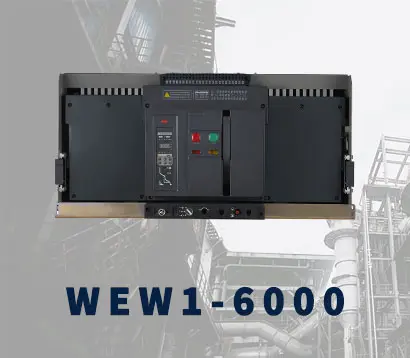 WEW1-6300
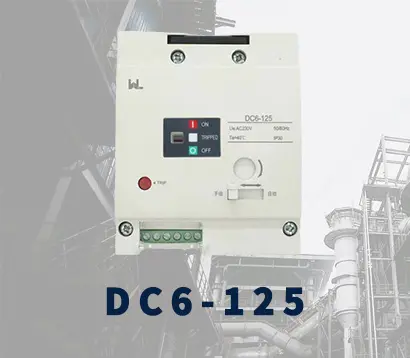 DC6-125
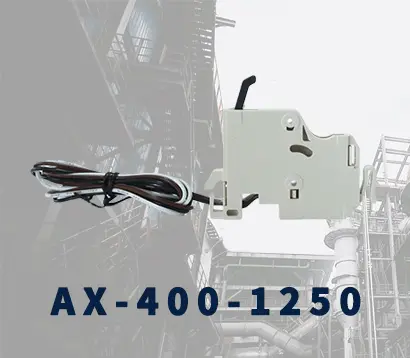 AX-400-1250
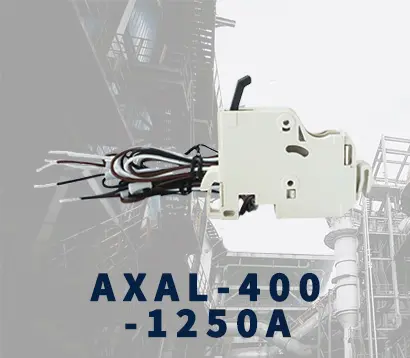 AXAL-400-1250A
 AL-400-1250
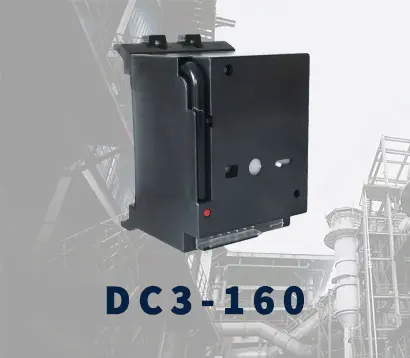 DC3-160
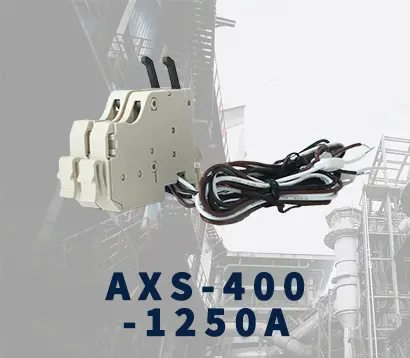 AXS-400-1250A
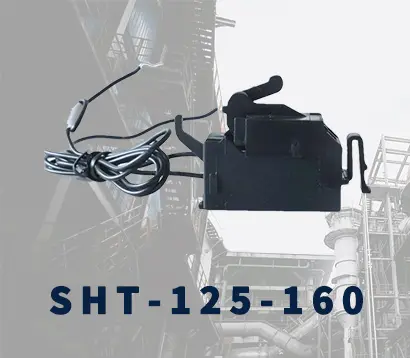 SHT-125-160
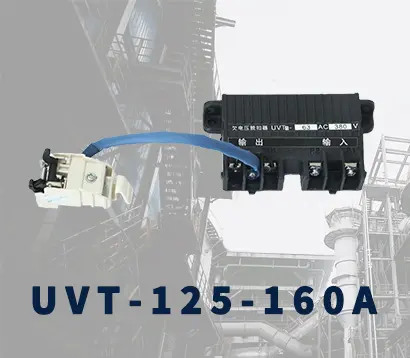 UVT-125-160A
 P-250A-3P-A
 400-3P/4P terminal cover
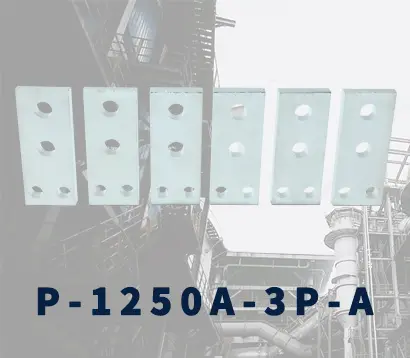 1250-3Pmccb accessories busbar
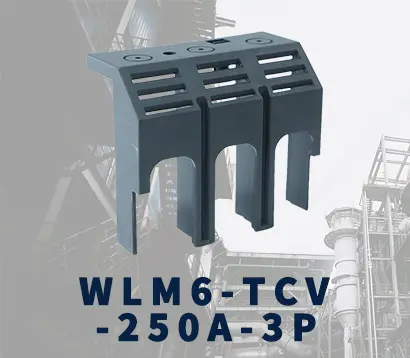 250-3P terminal conver
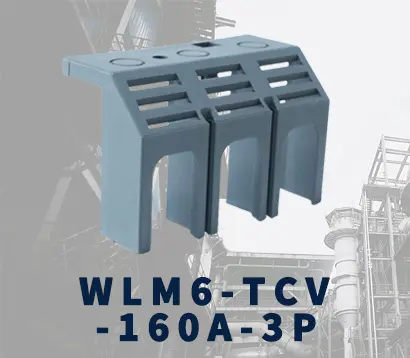 WLM6-TCV-160A-3P
 WLM6-MIP-250A
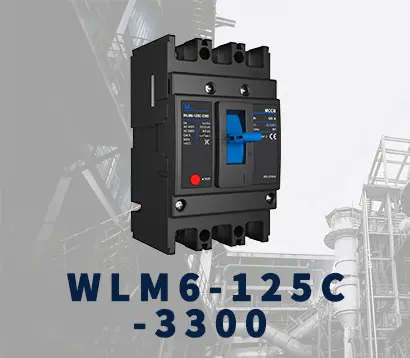 WLM6-125A-3300 3P/4P
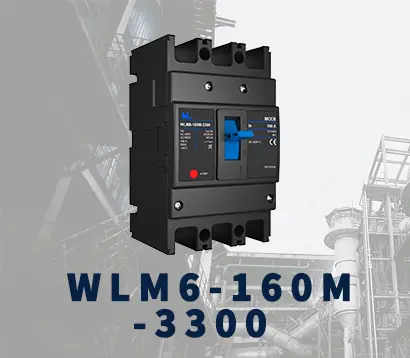 WLM6-160A-3300 3P/4P
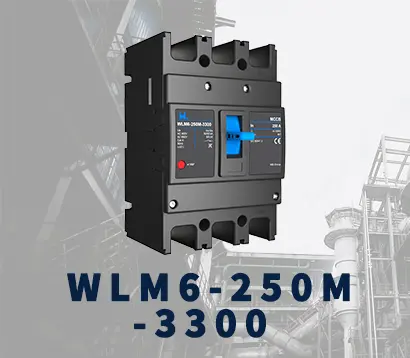 WLM6-250A-3300 3P/4P
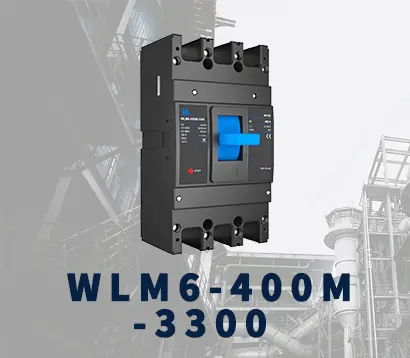 WLM6-400A-3300 3P/4P
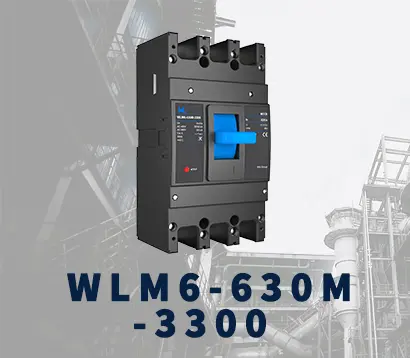 WLM6-630A-3300 3P/4P
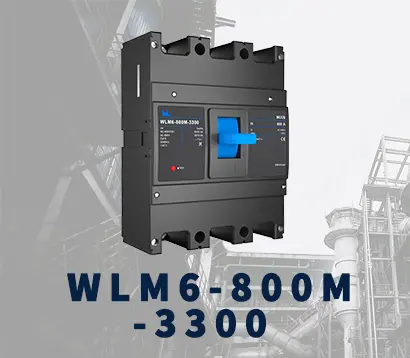 WLM6-800A-3300 3P/4P
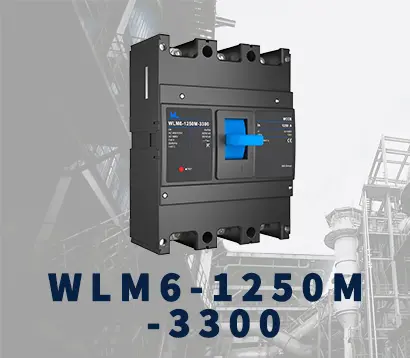 WLM6-1250A-3300 3P/4P
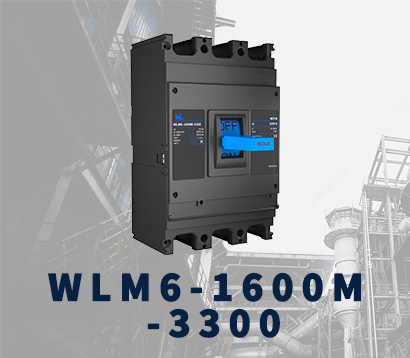 WLM6-1600A-3300 3P/4P
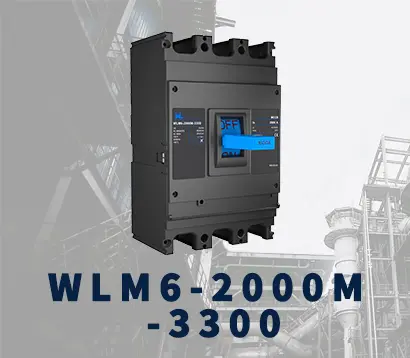 WLM6-2000A 3P/4P
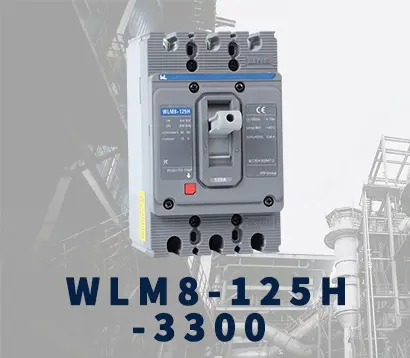 WLM8-125H-3300
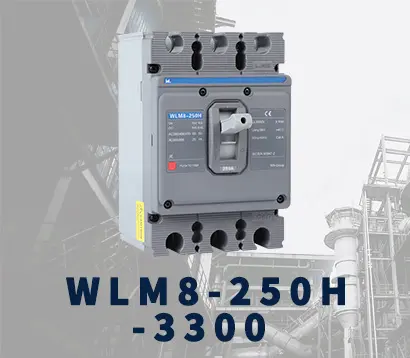 WLM8-250H-3300
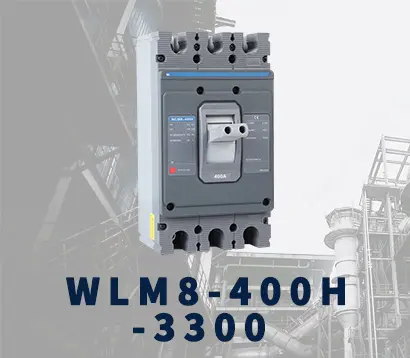 WLM8-400H-3300
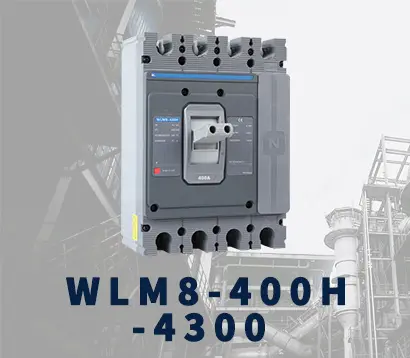 WLM8-400H-4300
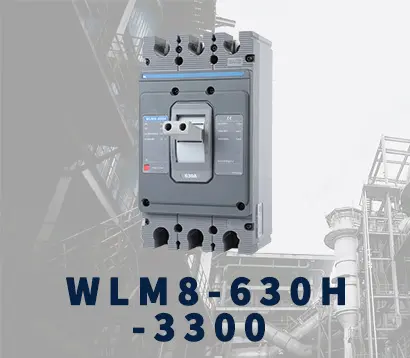 WLM8-630H-3300
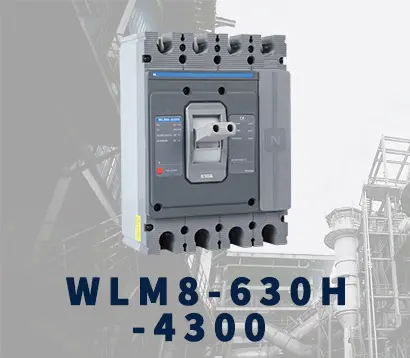 WLM8-630H-4300
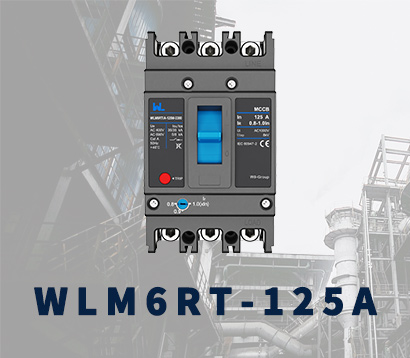 WLM6RT-125A
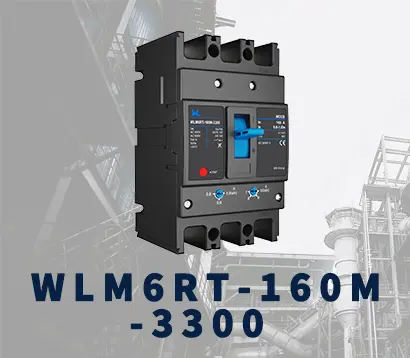 WLM6RT-160A
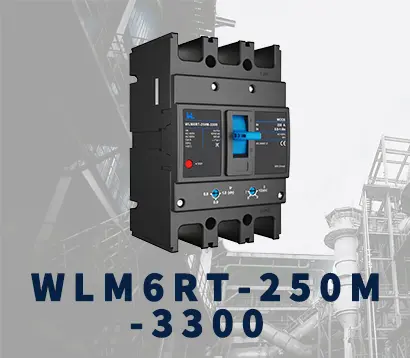 WLM6RT-250A
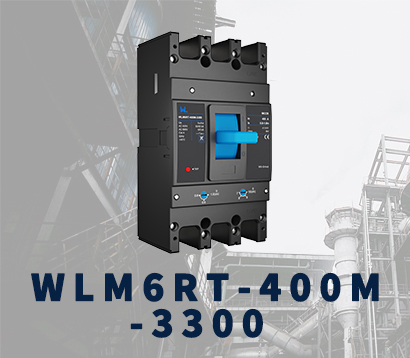 WLM6RT-400A
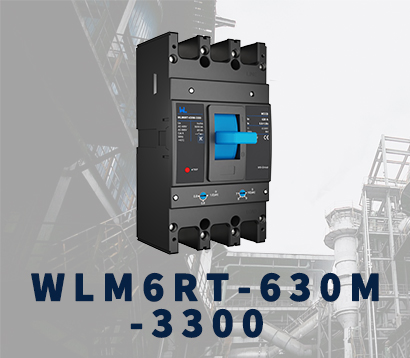 WLM6RT-630A
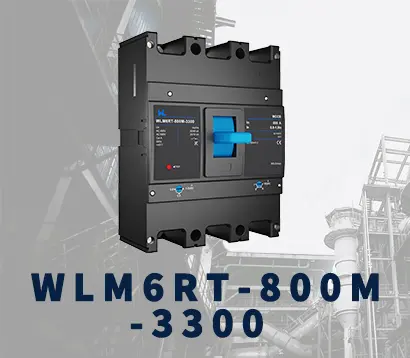 WLM6RT-800A
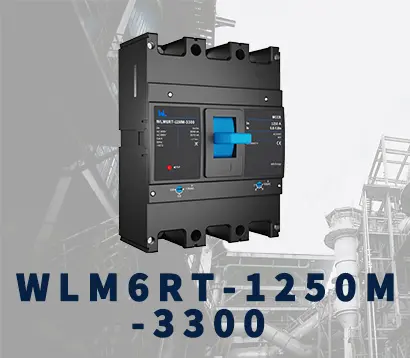 WLM6RT-1250A
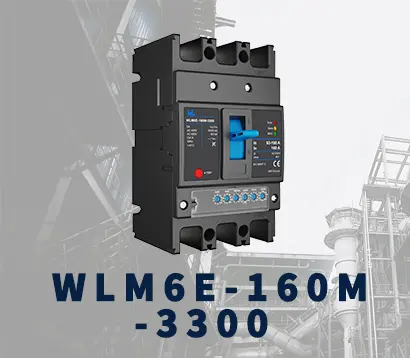 WLM6E-160A-3300 3P
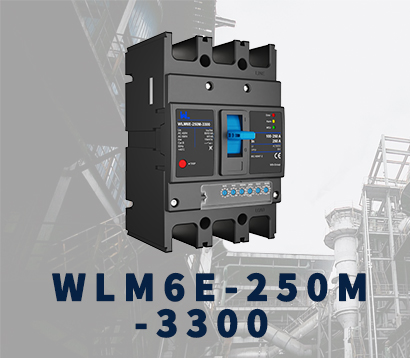 WLM6E-250A-3300
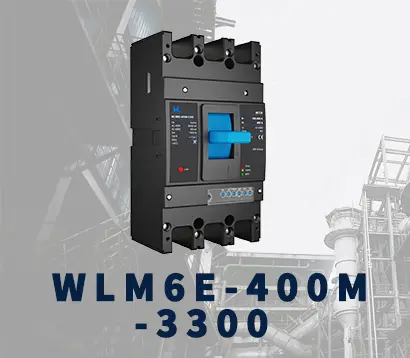 WLM6E-400A-3300 3P/4P
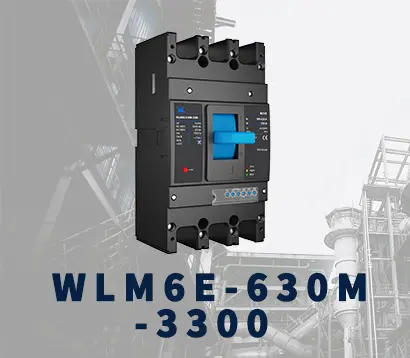 WLM6E-630A-3300
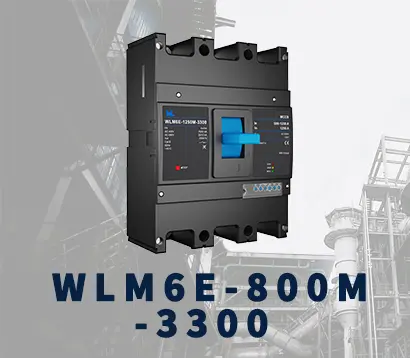 WLM6E-800A-3300 3P/4P
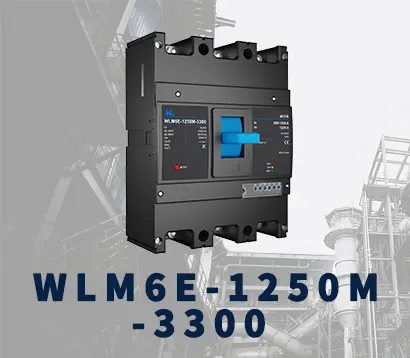 WLM6E-1250A-3300
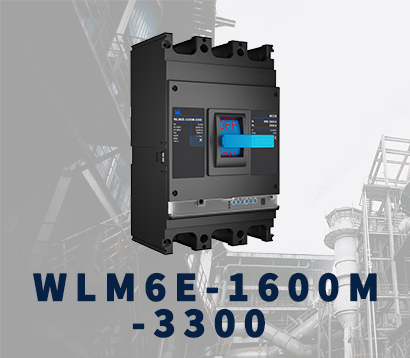 WLM6E-1600-3300 3P/4P
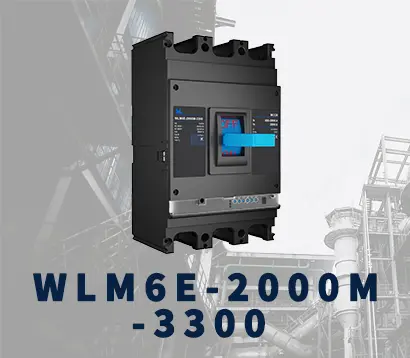 WLM6E-2000A-3300 3P/4P
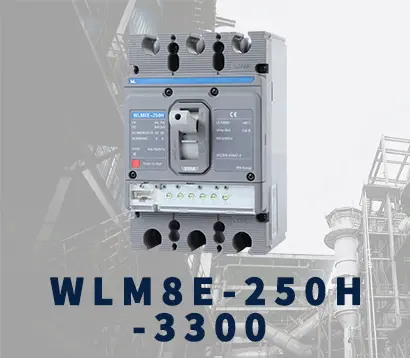 WLM8E-250H-3300
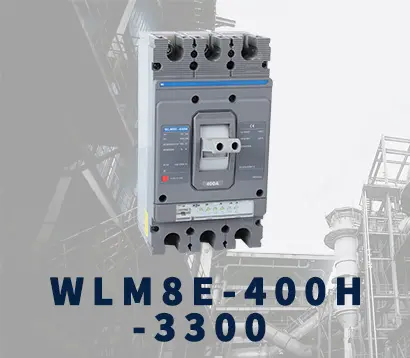 WLM8E-400H-3300
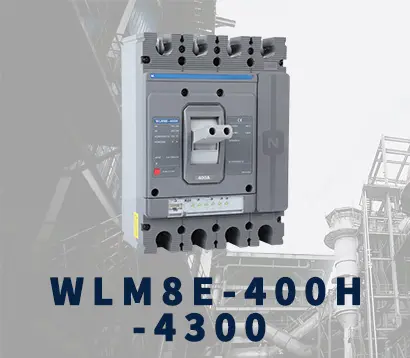 WLM8E-400H-4300
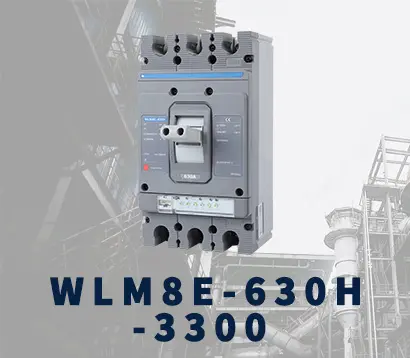 WLM8E-630H-3300
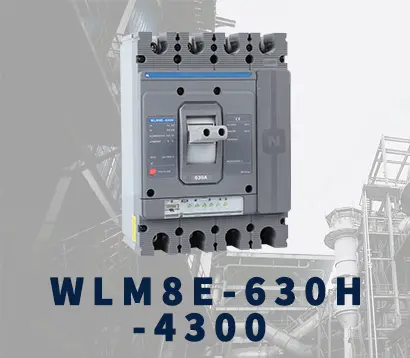 WLM8E-630H-4300
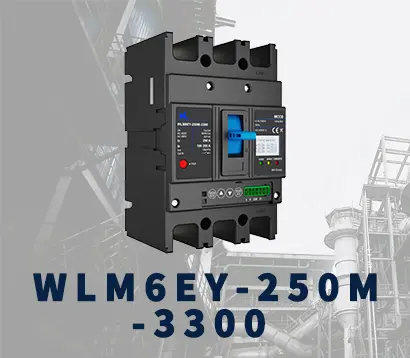 WLM6EY-250-3300 3P/4P
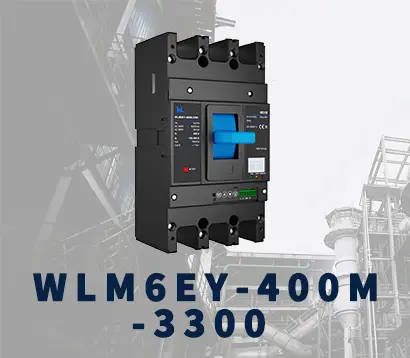 WLM6EY-400 3P/4P
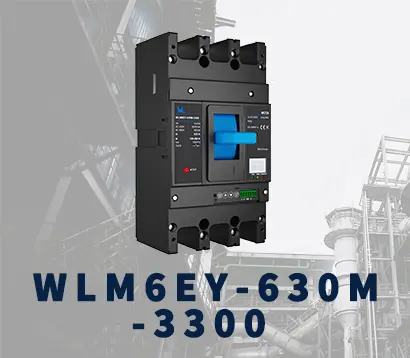 WLM6EY-630 3P/4P
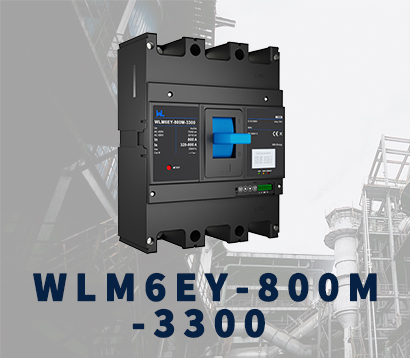 WLM6EY-800A 3P/4P
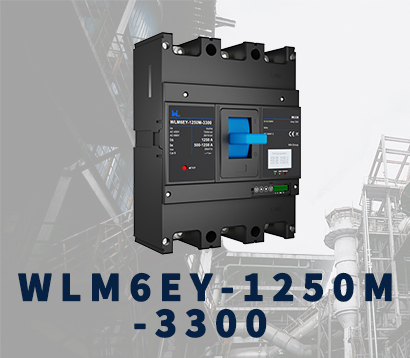 WLM6EY-1250A 3P/4P
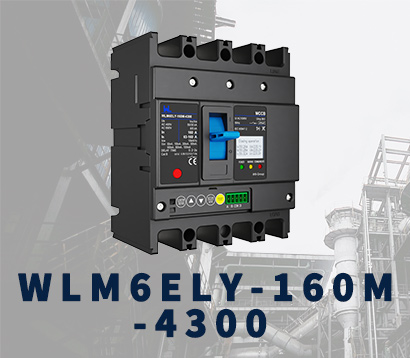 WLM6ELY-160A
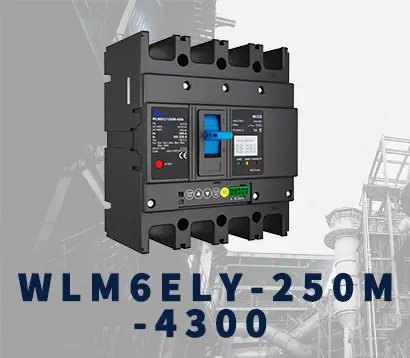 WLM6ELY-250A
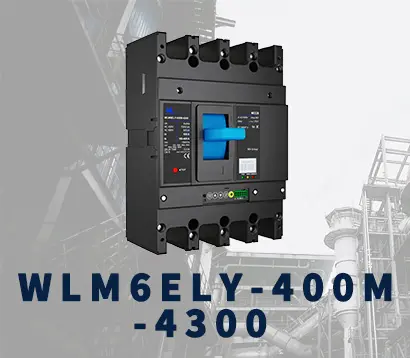 WLM6ELY-400A
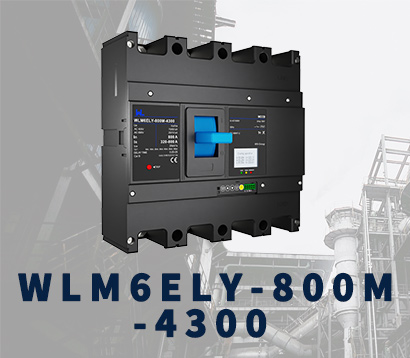 WLM6ELY-800A
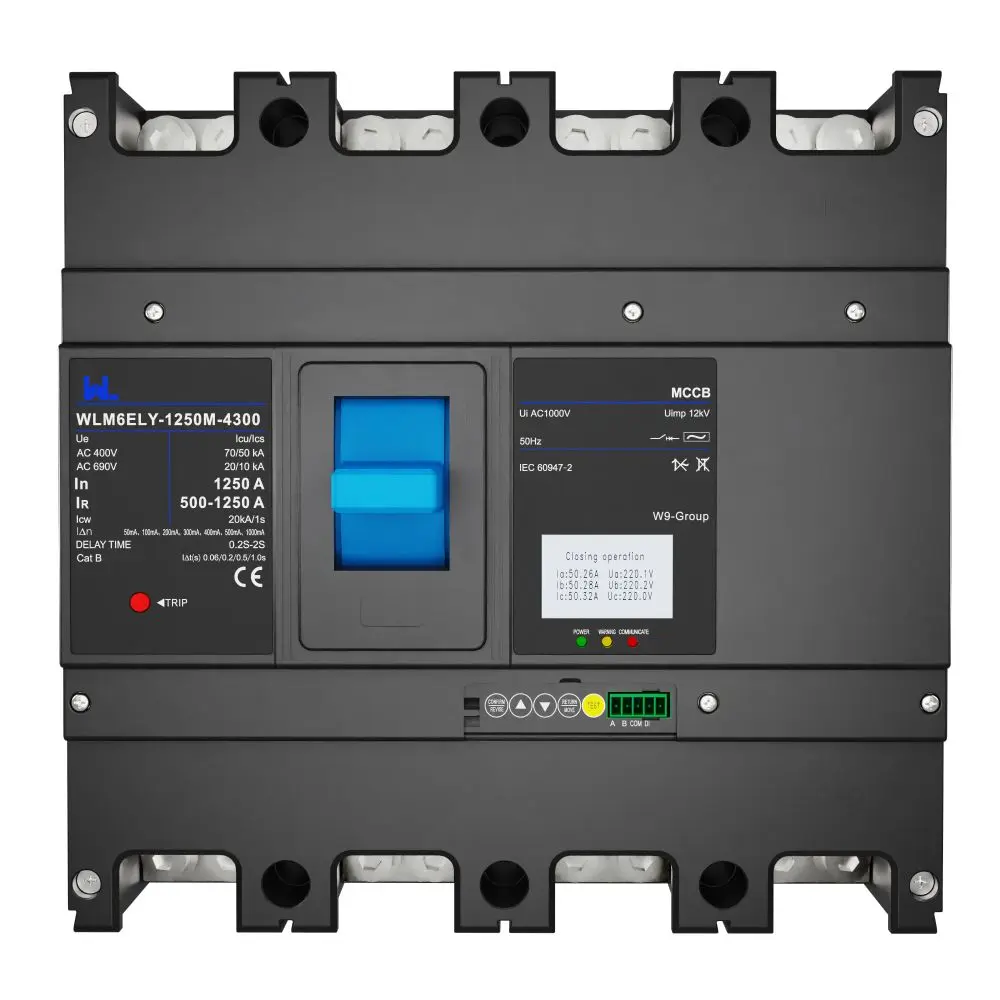 WLM6ELY-1250A
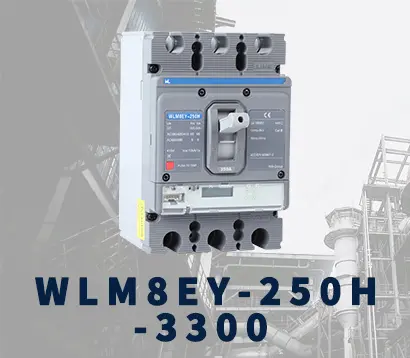 WLM8EY-250H-3300
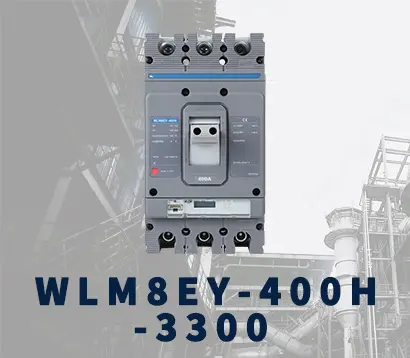 WLM8EY-400H-3300
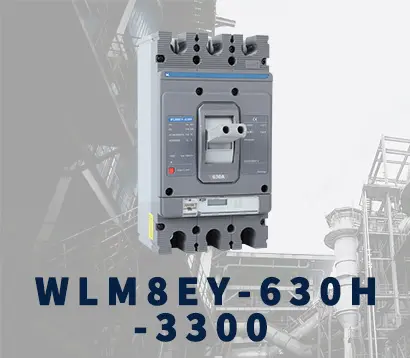 WLM8EY-630H-3300
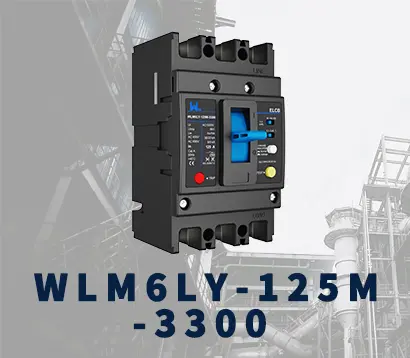 WLM6LY-125A
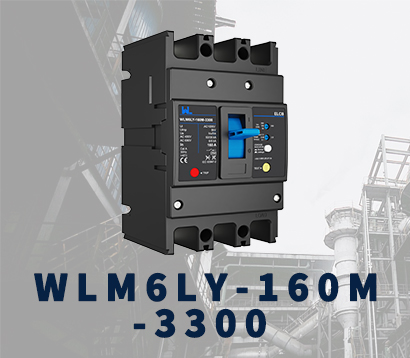 WLM6L-160A
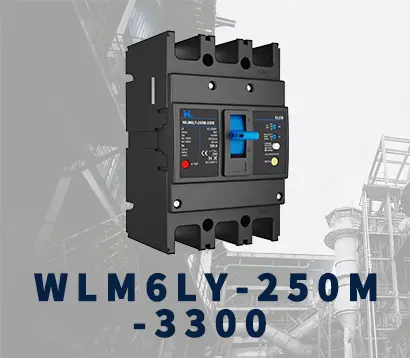 WLM6LY-250A
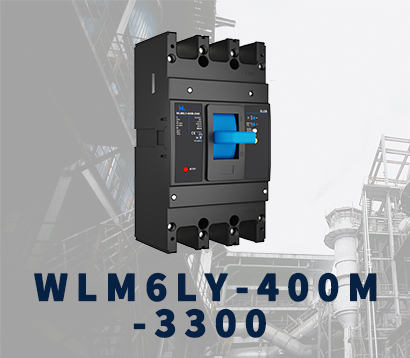 WLM6LY-400A
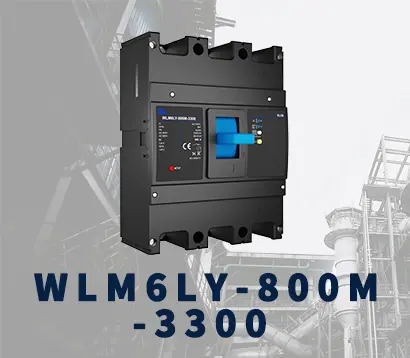 WLM6LY-800A
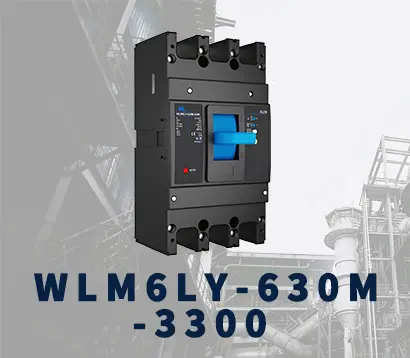 WLM6LY-630A
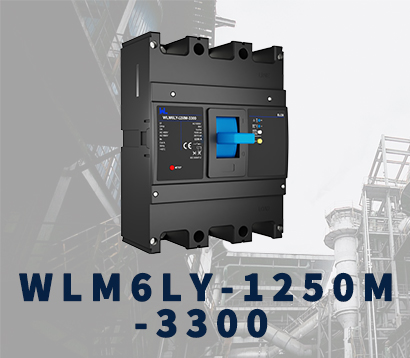 WLM6LY-1250A
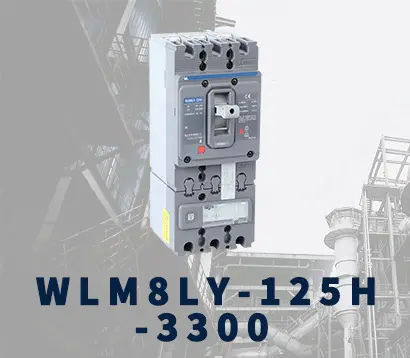 WLM8LY-125H-3300
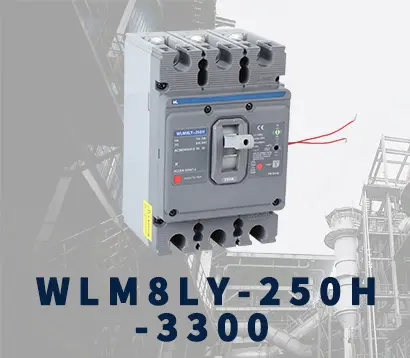 WLM8LY-250H-3300
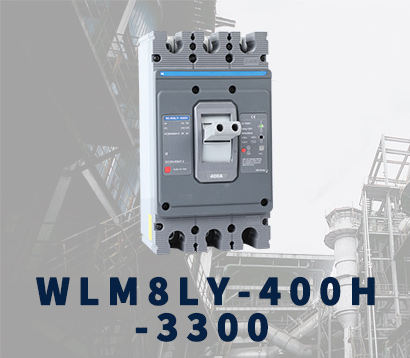 WLM8LY-400H-3300
 WLM8LY-630H-3300
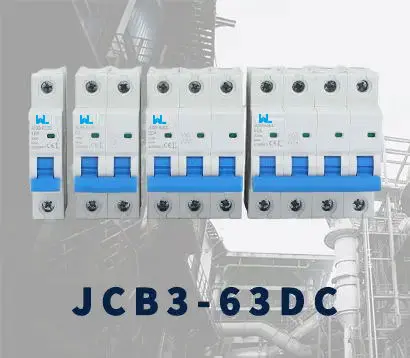 JCB3-63DC
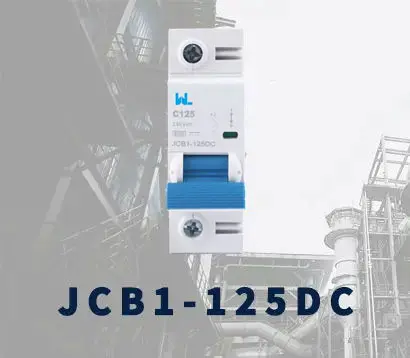 JCB1-125DC
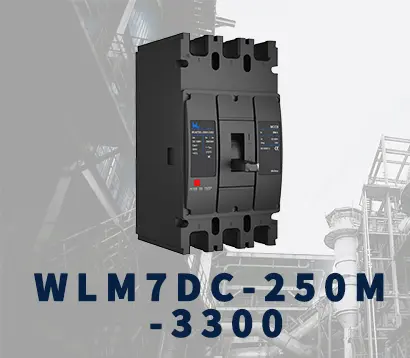 WLM7DC-250A-2300 2P/3P
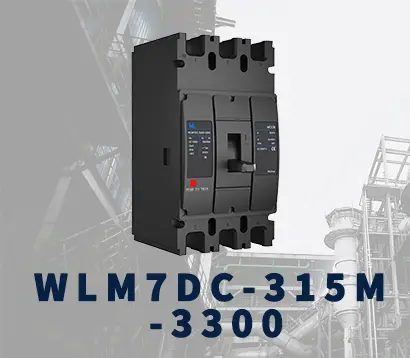 WLM7DC-315A-3300 2P/3P
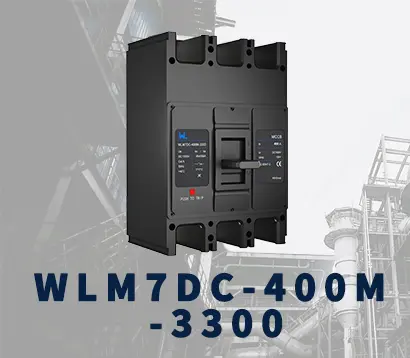 WLM7DC-400A-2300 2P/3P
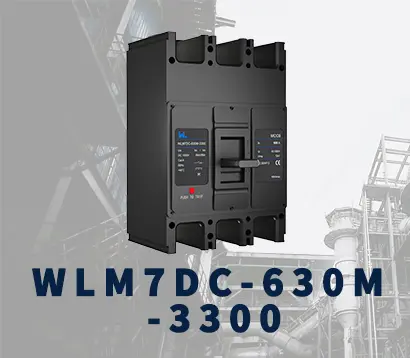 WLM7DC-630A-3300 3P
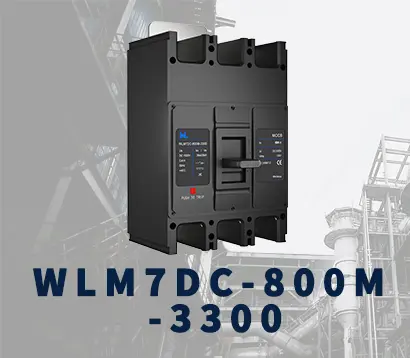 WLM7DC-800A-2300 2P/3P
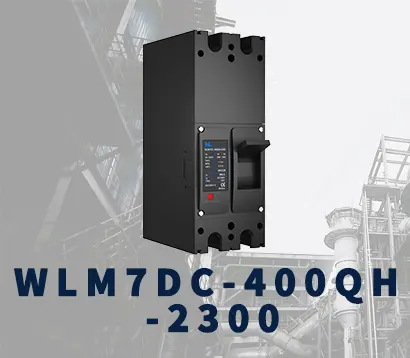 WLM7DC-400A 2300
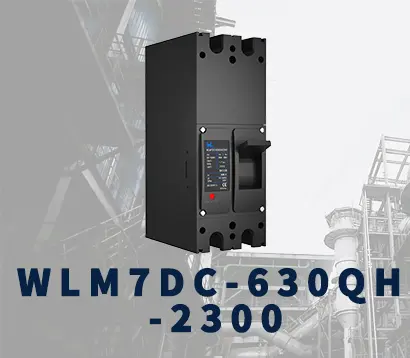 WLM7DC-630A-2300 2P
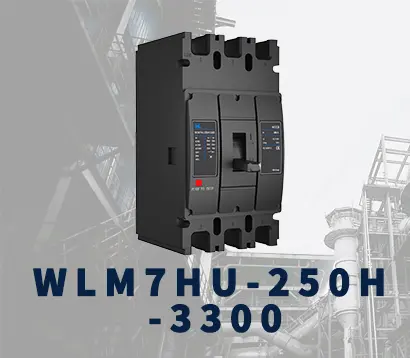 WLM7HU-250-3300 3P
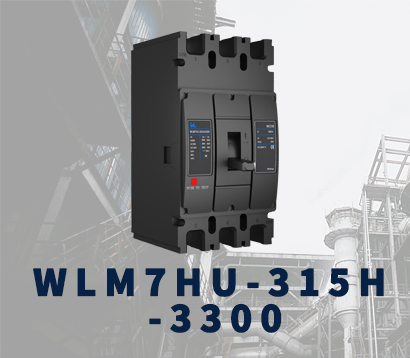 WLM7HU-315-3300 3P
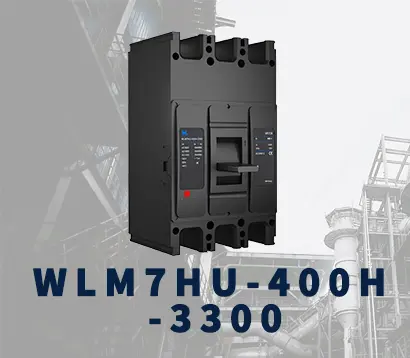 WLM7HU-400-3300 3P
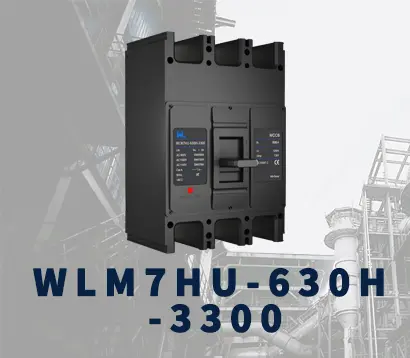 WLM7HU-630-3300 3P
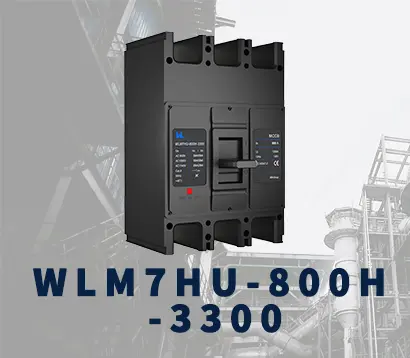 WLM7HU-800-3300 3P
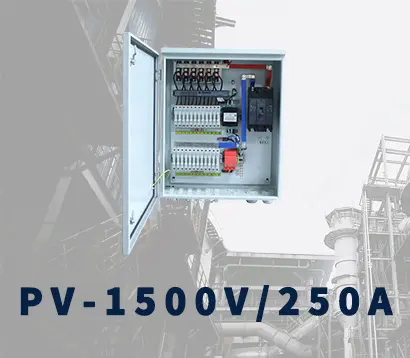 PV-1500V/250A
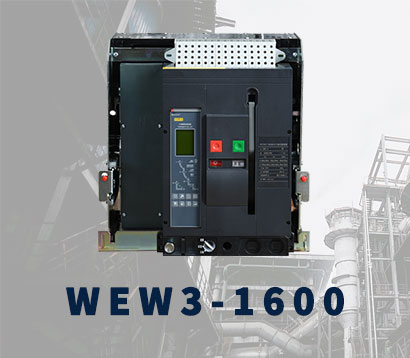 WEW3-1600
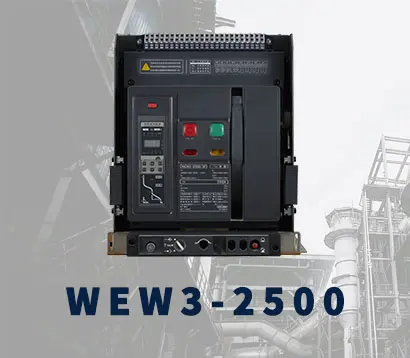 WEW3-2500
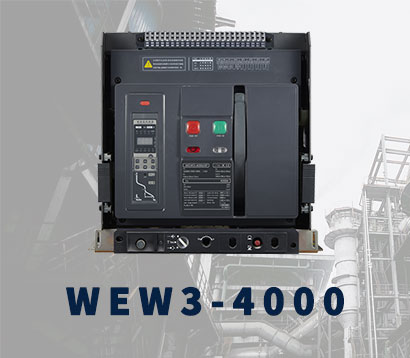 WEW3-4000
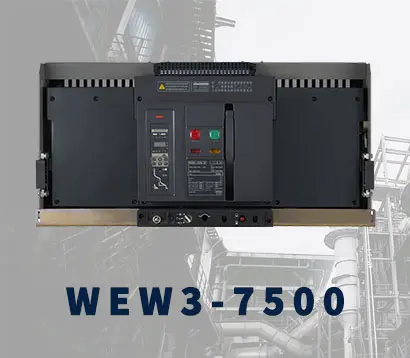 WEW3-7500