
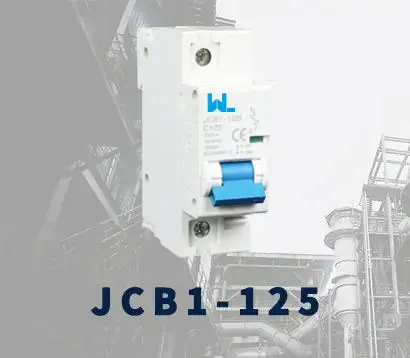
 JCB1-125
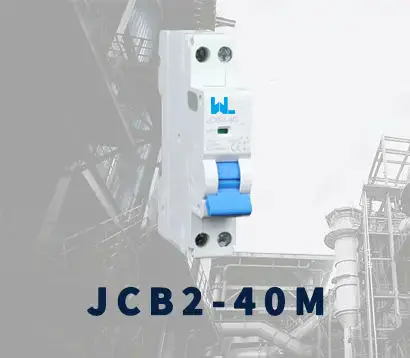 JCB2-40M
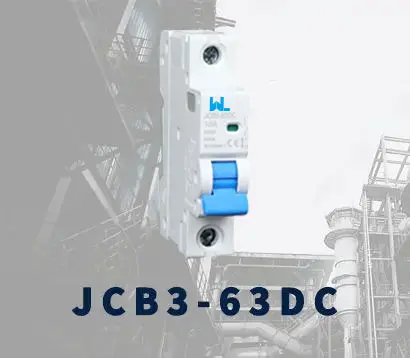 JCB3-63DC
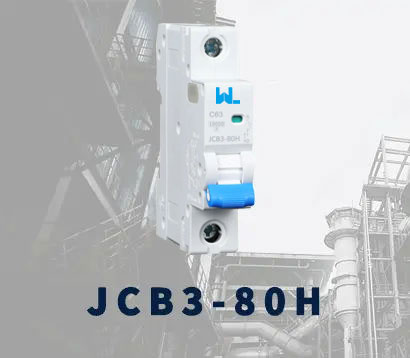 JCB3-80H
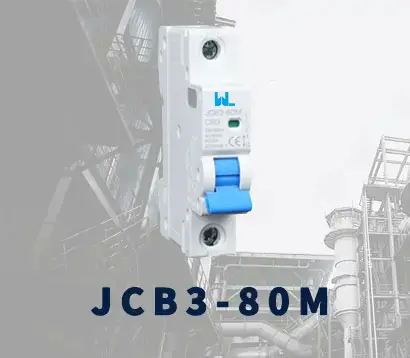 JCB3-80M
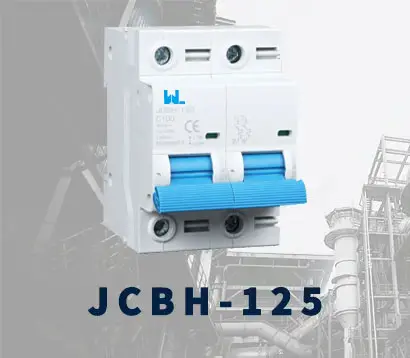 JCBH-125
 JC80-2P
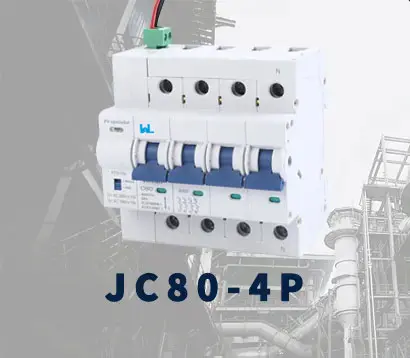 JC80-4P
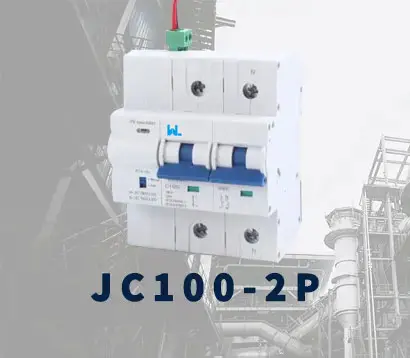 JC125-2P
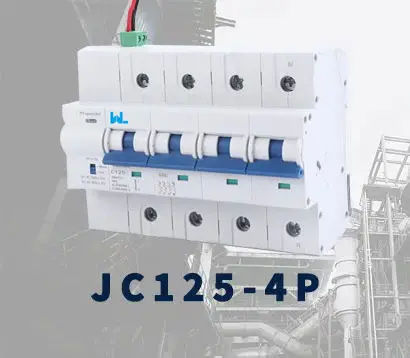 JC125-4P
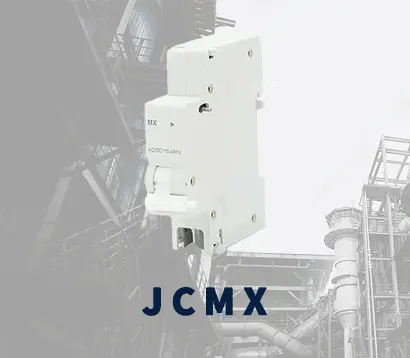 JCMX
JCMX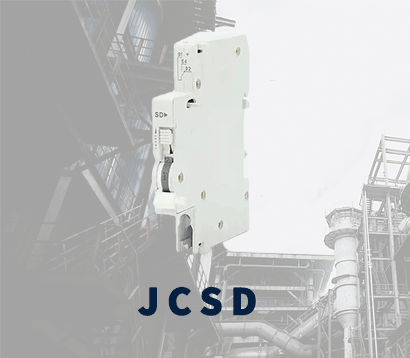 JCSD
JCSD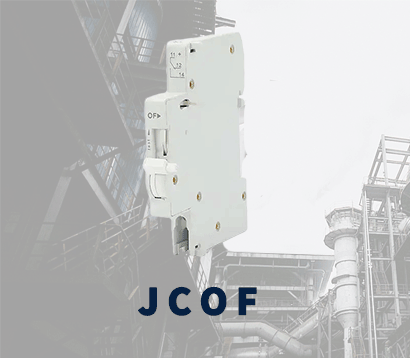 JCOF
JCOF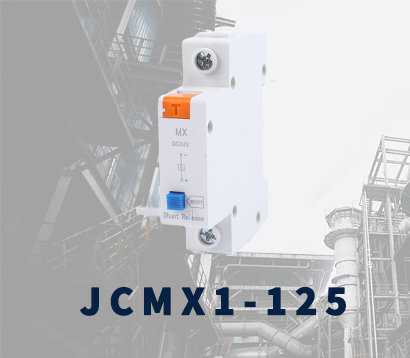 JCMX1-125
 JCOF1-125
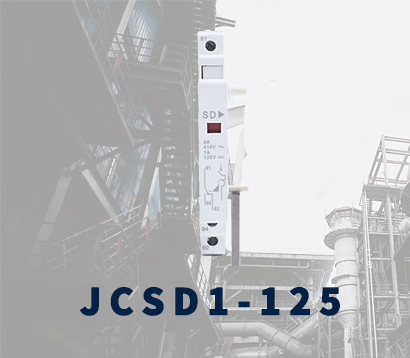 JCSD1-125
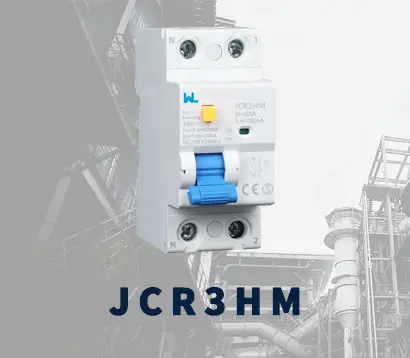 JCR3HM
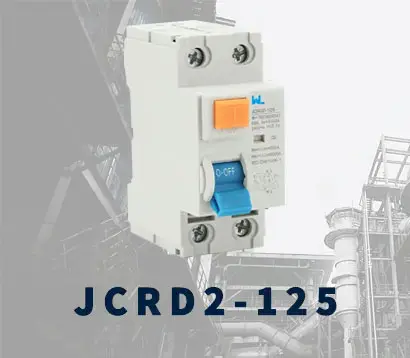 JCRD2-125
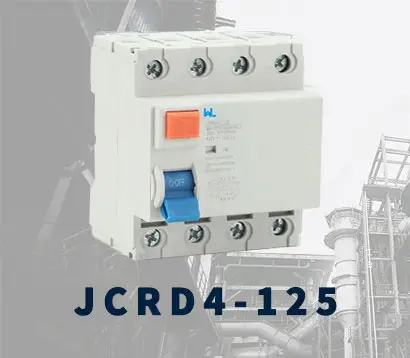 JCRD4-125
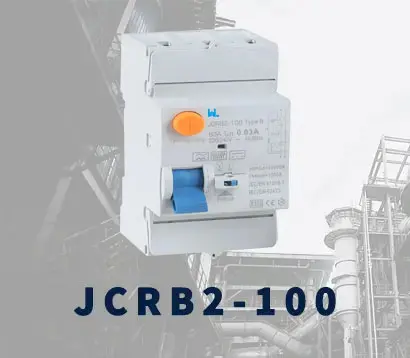 JCRB2-100
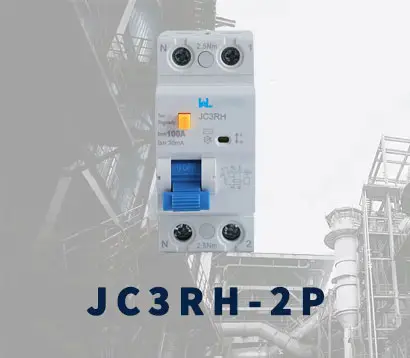 JC3RH-2P
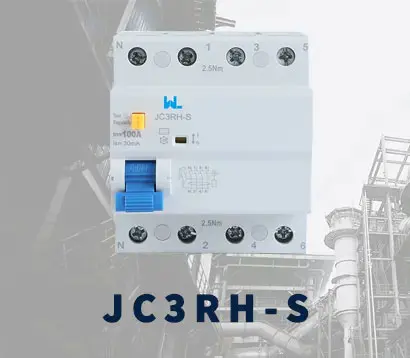 JC3RH-S
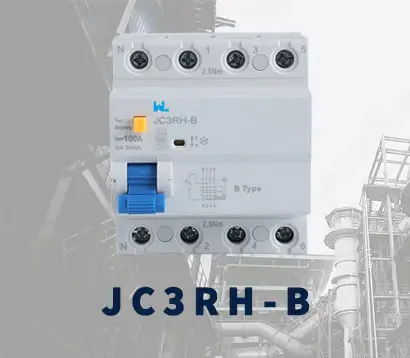 JC3RH-B
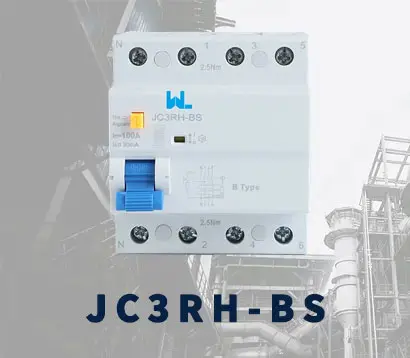 JC3RH-BS
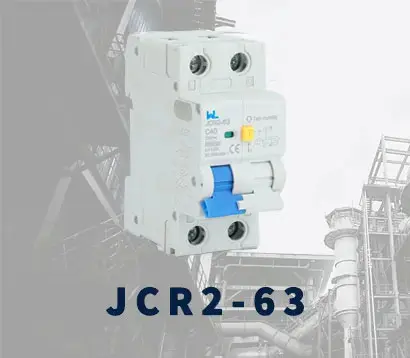 JCR2-63
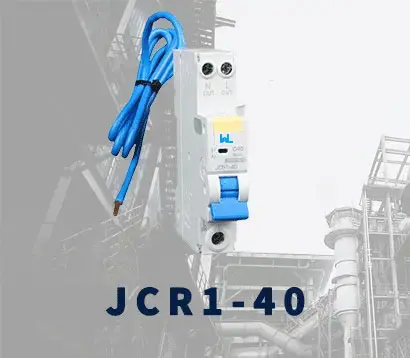 JCR1-40
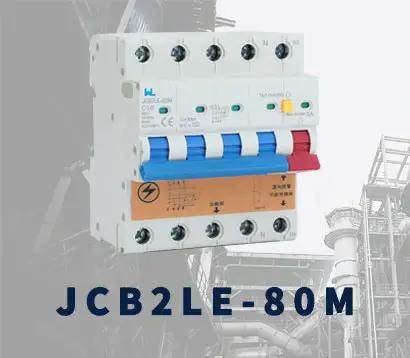 JCB2LE-80M
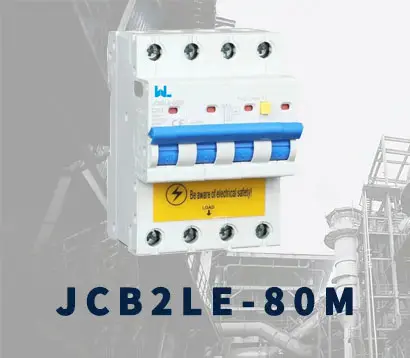 JCB2LE-80M
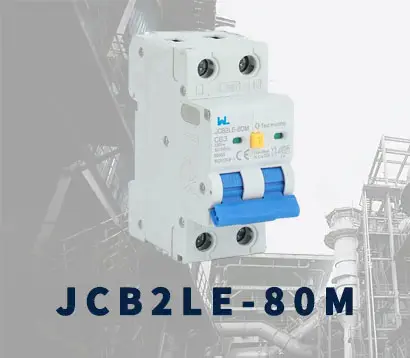 JCB2LE-80M
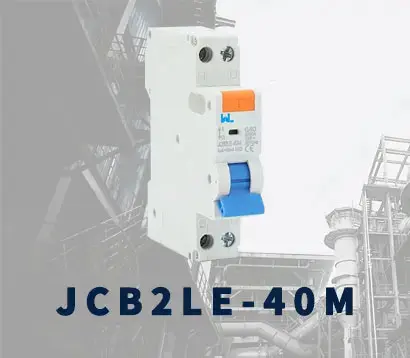 JCB2LE-40M
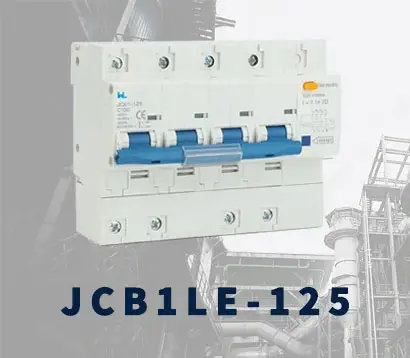 JCB1LE-125
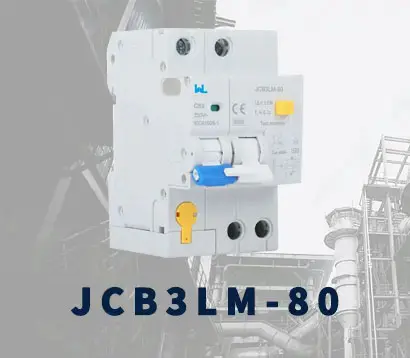 JCB3LM-80
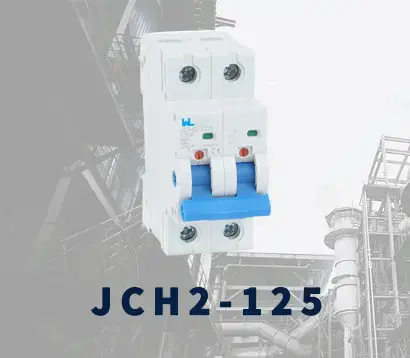 JCH2-125
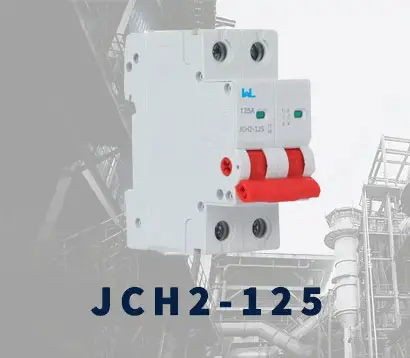 JCH2-125
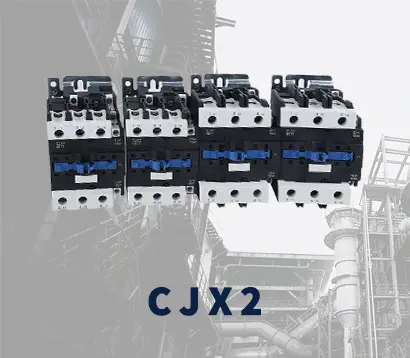 CJX2
CJX2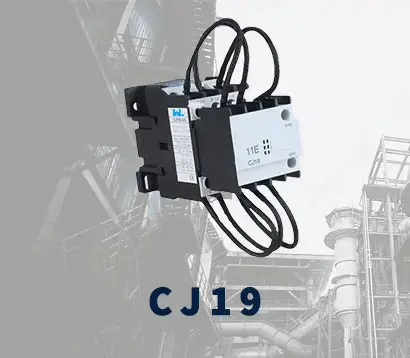 CJ19
CJ19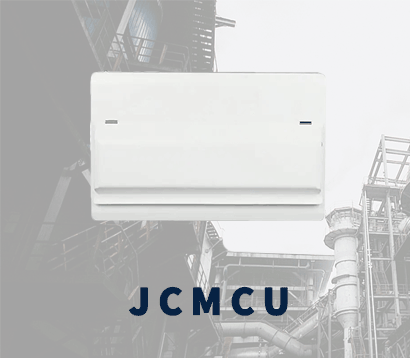 JCMCU
JCMCU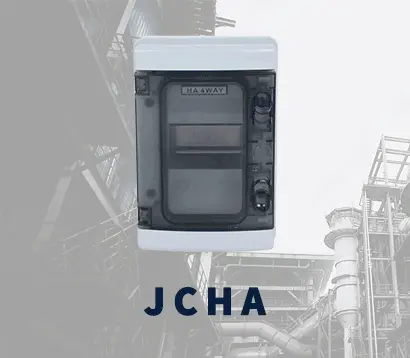 JCHA
JCHA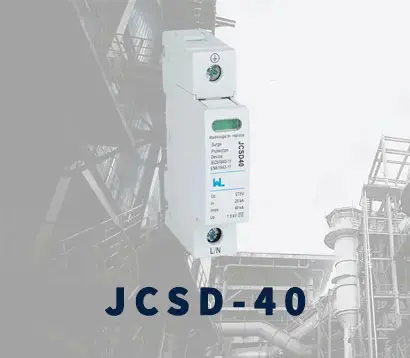 JCSD-40
 JCSD-60
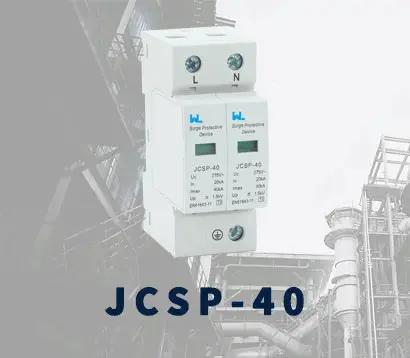 JCSP-40
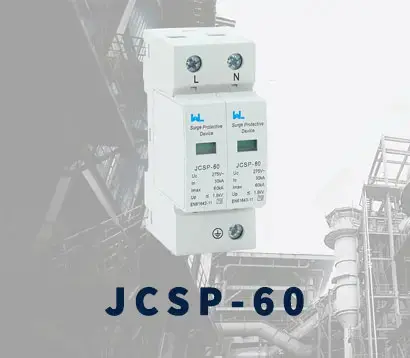 JCSP-60
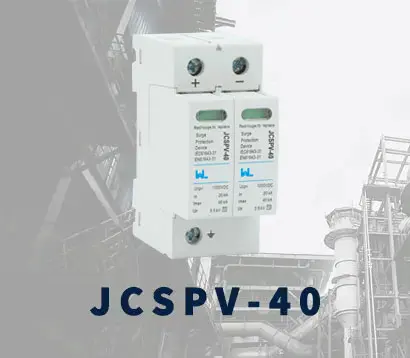 JCSPV
JCSPV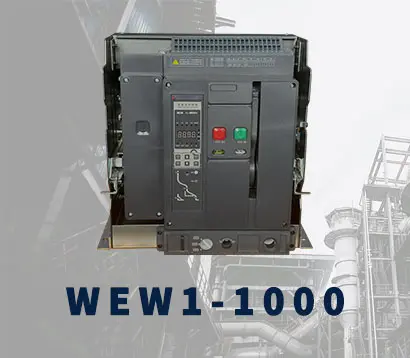 WEW1-1000
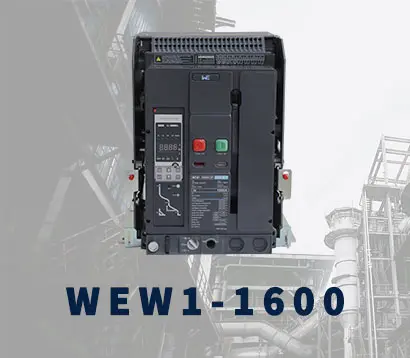 WEW1-1600
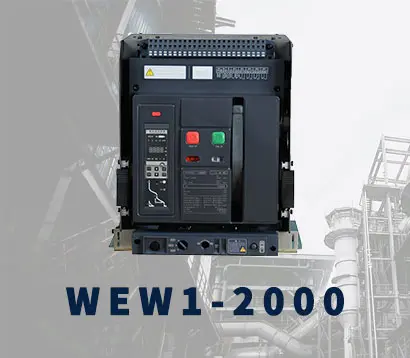 WEW1-2000
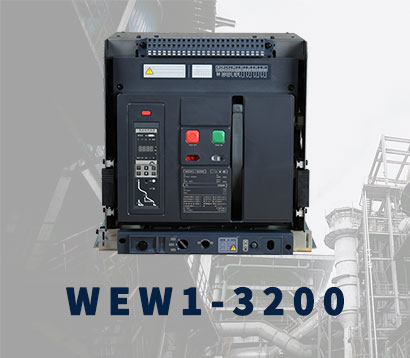 WEW1-3200
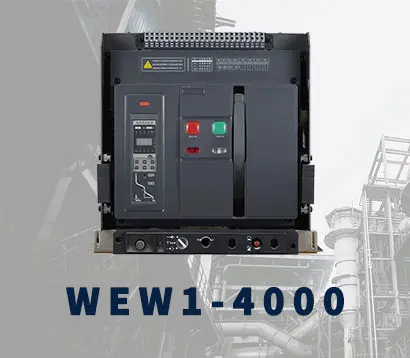 WEW1-4000
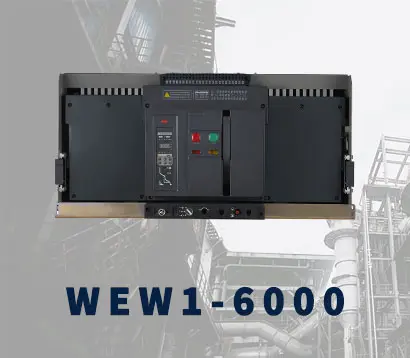 WEW1-6300
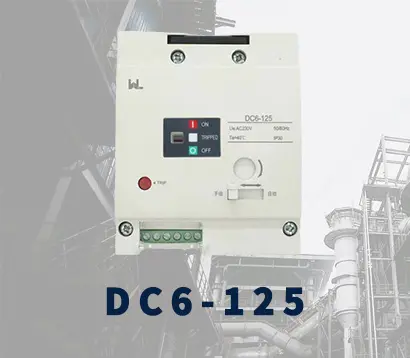 DC6-125
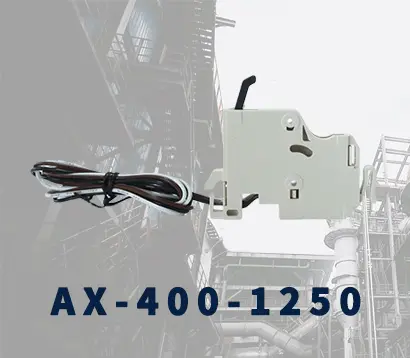 AX-400-1250
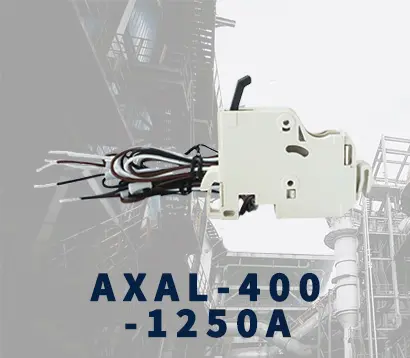 AXAL-400-1250A
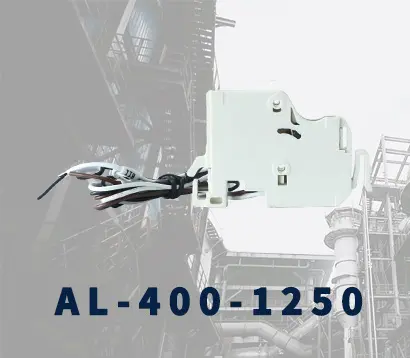 AL-400-1250
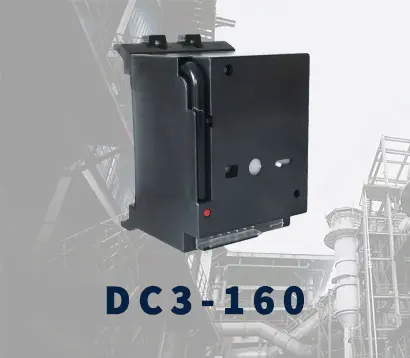 DC3-160
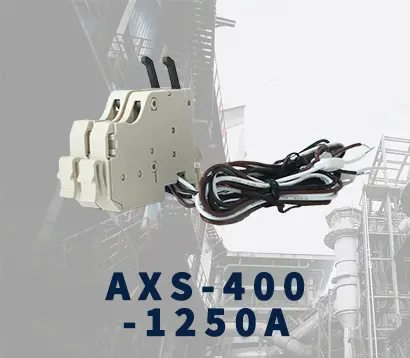 AXS-400-1250A
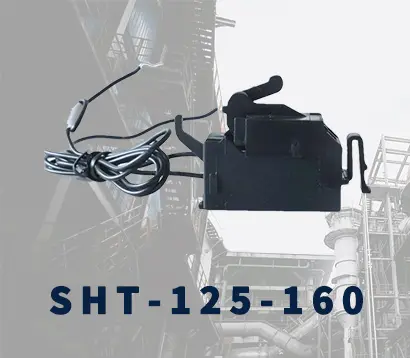 SHT-125-160
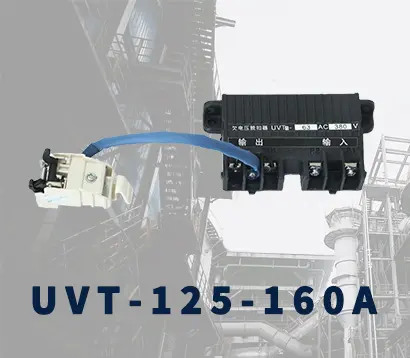 UVT-125-160A
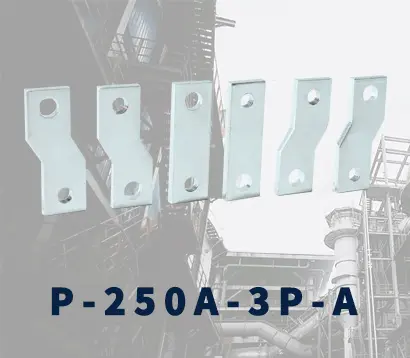 P-250A-3P-A
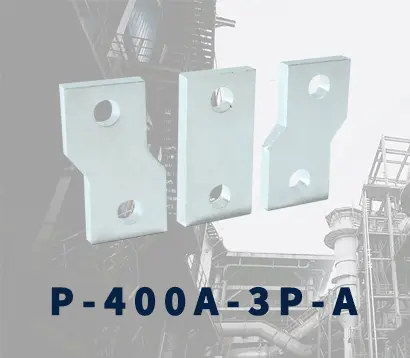 400-3P/4P terminal cover
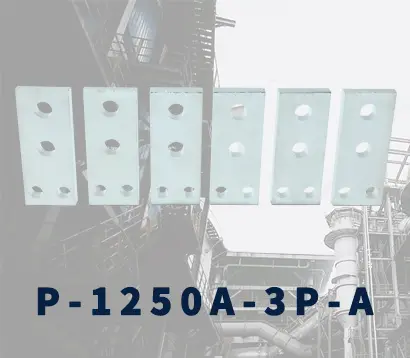 1250-3Pmccb accessories busbar
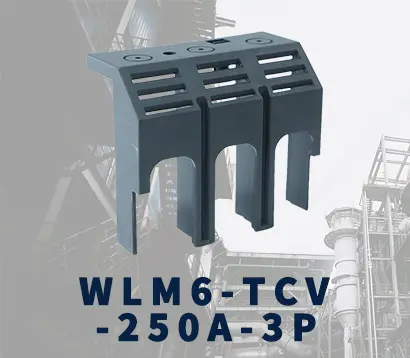 250-3P terminal conver
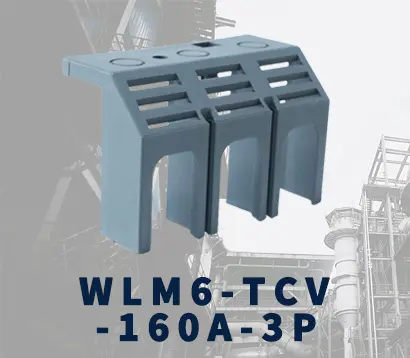 WLM6-TCV-160A-3P
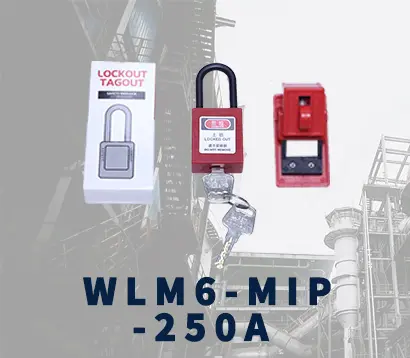 WLM6-MIP-250A
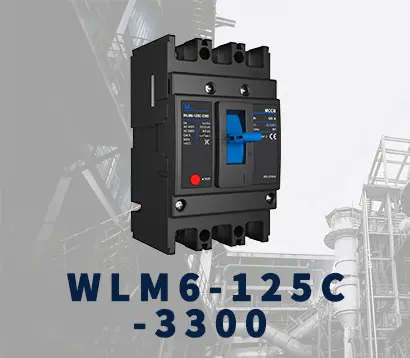 WLM6-125A-3300 3P/4P
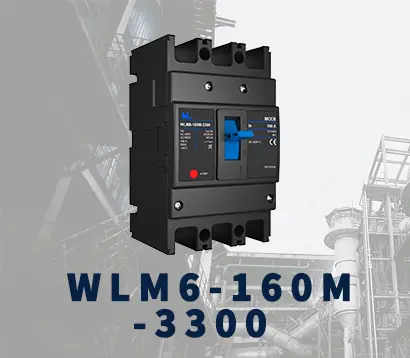 WLM6-160A-3300 3P/4P
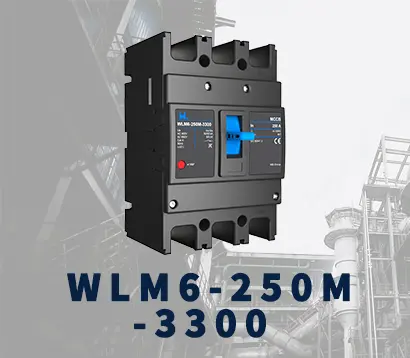 WLM6-250A-3300 3P/4P
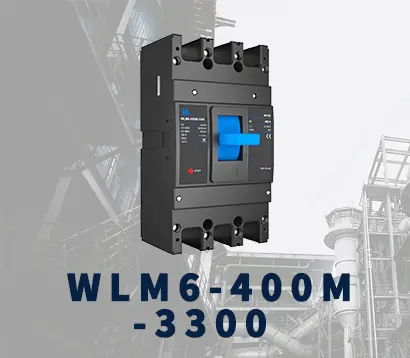 WLM6-400A-3300 3P/4P
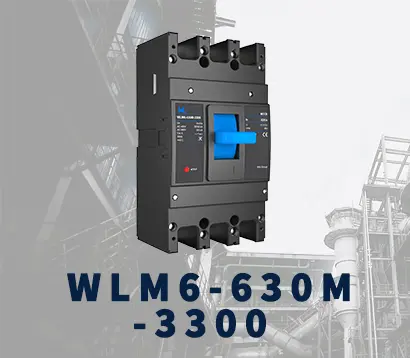 WLM6-630A-3300 3P/4P
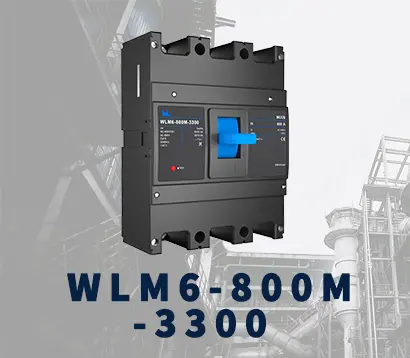 WLM6-800A-3300 3P/4P
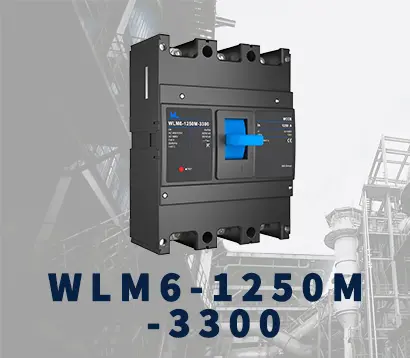 WLM6-1250A-3300 3P/4P
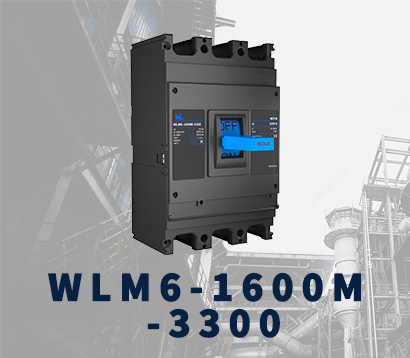 WLM6-1600A-3300 3P/4P
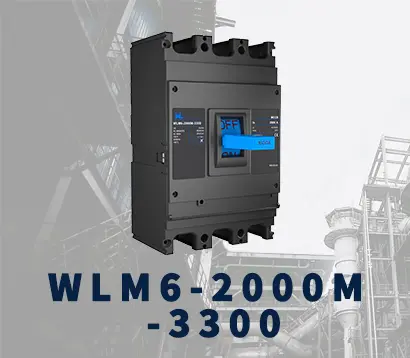 WLM6-2000A 3P/4P
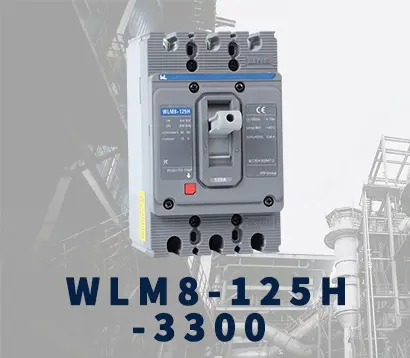 WLM8-125H-3300
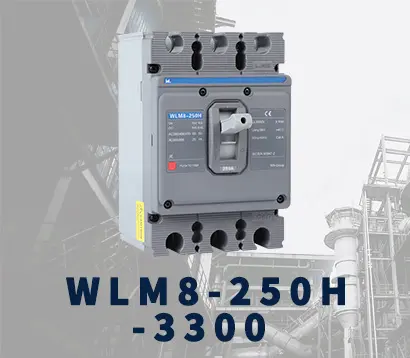 WLM8-250H-3300
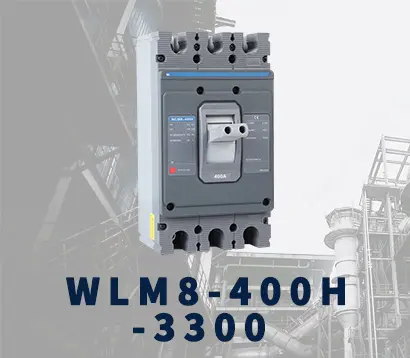 WLM8-400H-3300
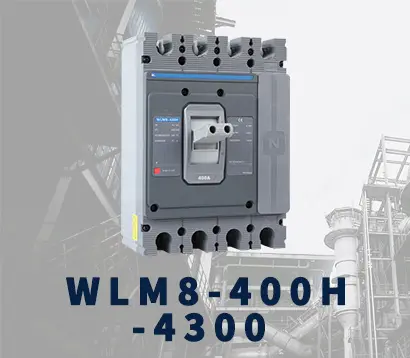 WLM8-400H-4300
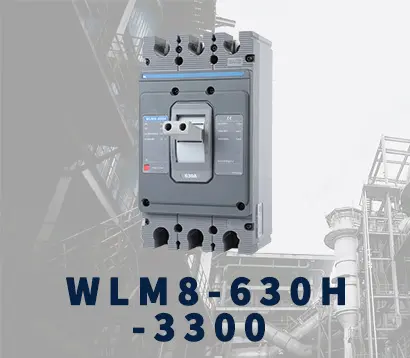 WLM8-630H-3300
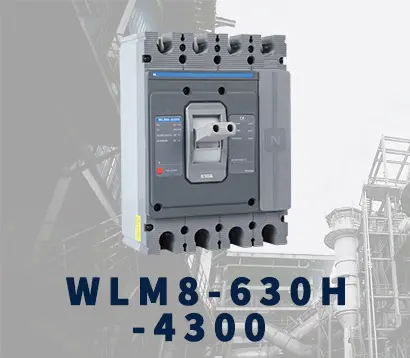 WLM8-630H-4300
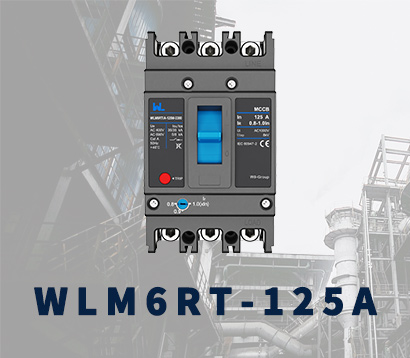 WLM6RT-125A
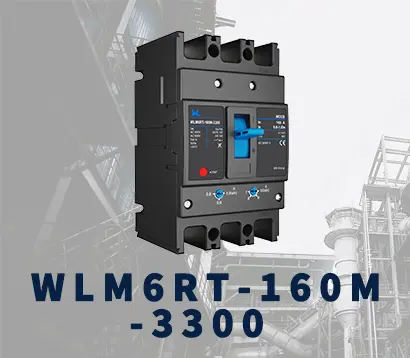 WLM6RT-160A
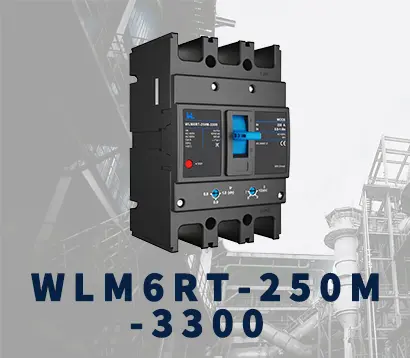 WLM6RT-250A
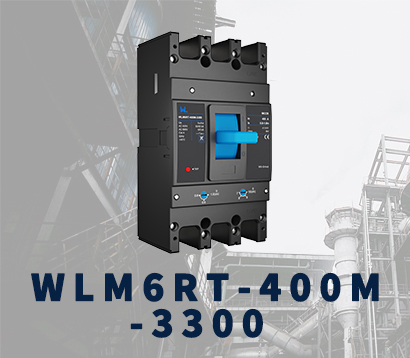 WLM6RT-400A
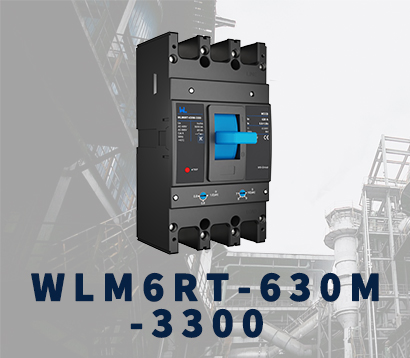 WLM6RT-630A
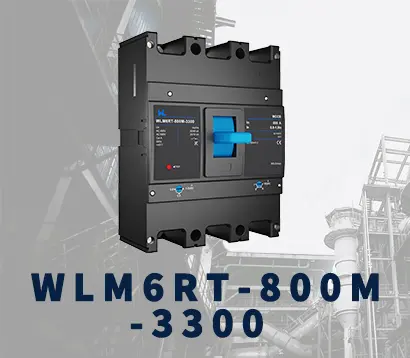 WLM6RT-800A
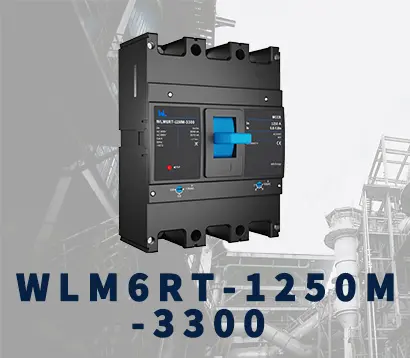 WLM6RT-1250A
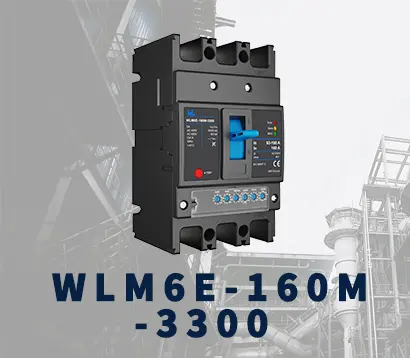 WLM6E-160A-3300 3P
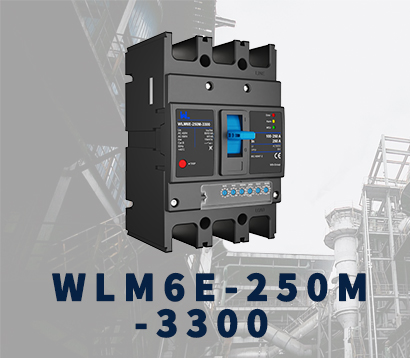 WLM6E-250A-3300
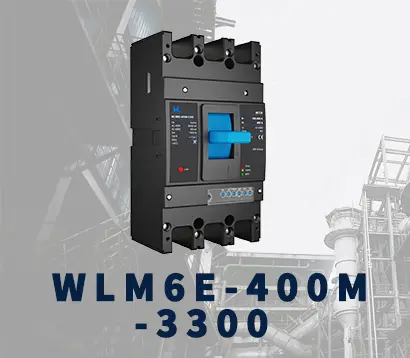 WLM6E-400A-3300 3P/4P
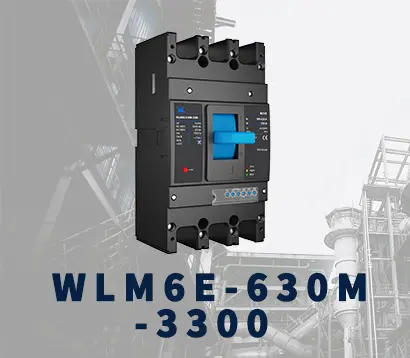 WLM6E-630A-3300
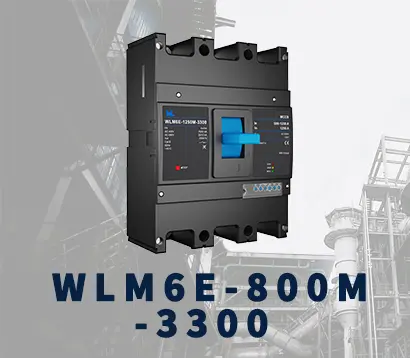 WLM6E-800A-3300 3P/4P
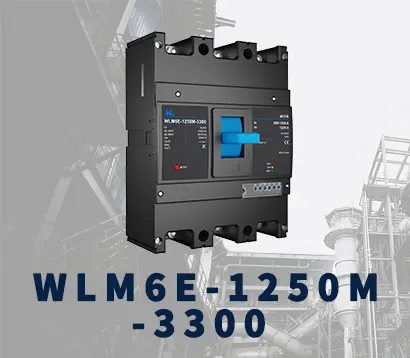 WLM6E-1250A-3300
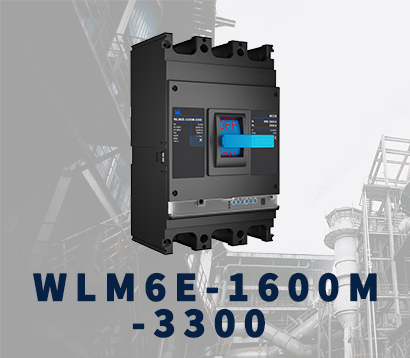 WLM6E-1600-3300 3P/4P
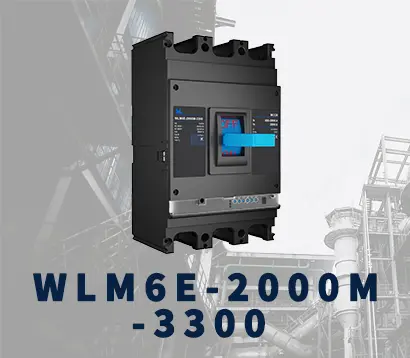 WLM6E-2000A-3300 3P/4P
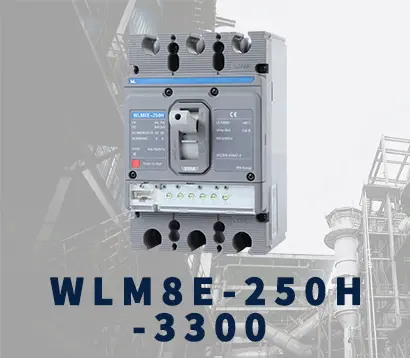 WLM8E-250H-3300
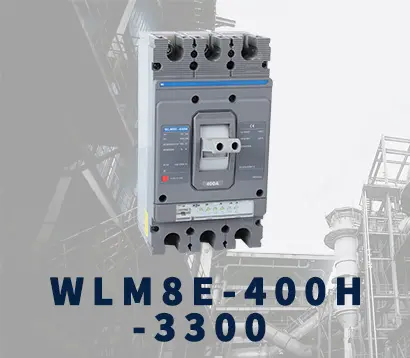 WLM8E-400H-3300
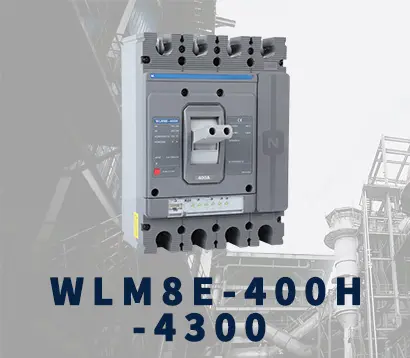 WLM8E-400H-4300
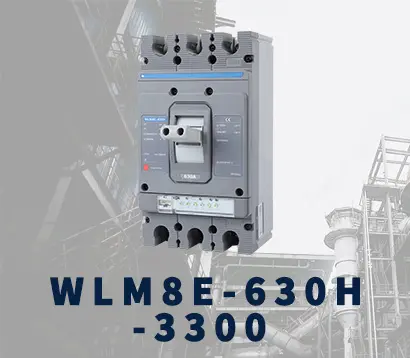 WLM8E-630H-3300
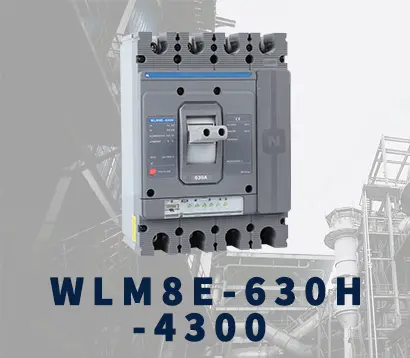 WLM8E-630H-4300
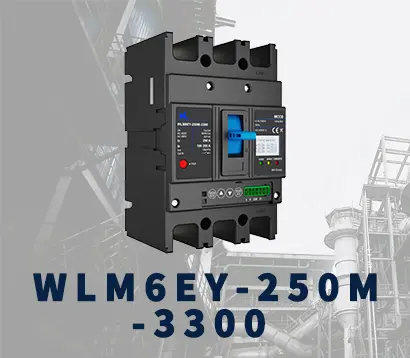 WLM6EY-250-3300 3P/4P
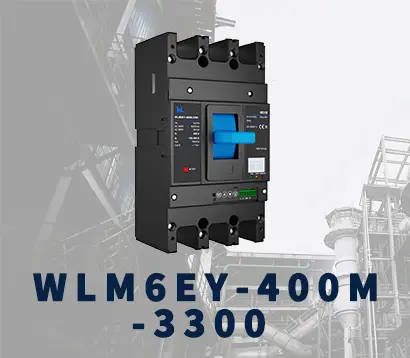 WLM6EY-400 3P/4P
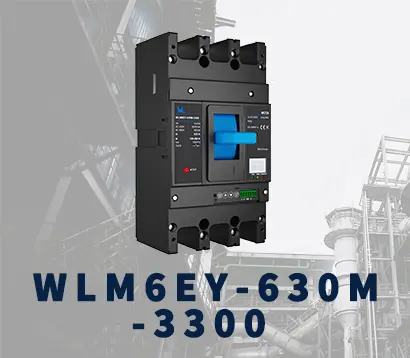 WLM6EY-630 3P/4P
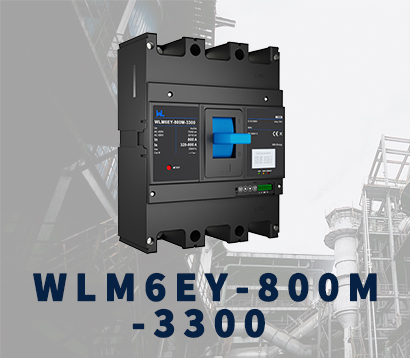 WLM6EY-800A 3P/4P
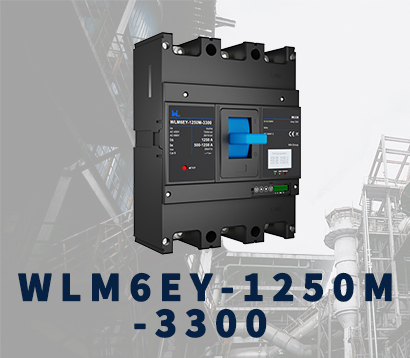 WLM6EY-1250A 3P/4P
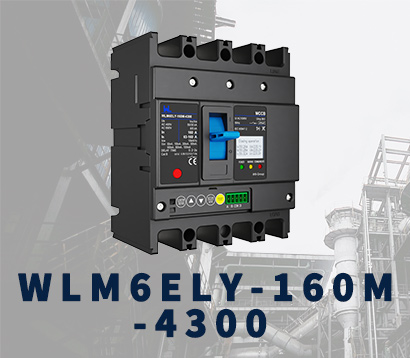 WLM6ELY-160A
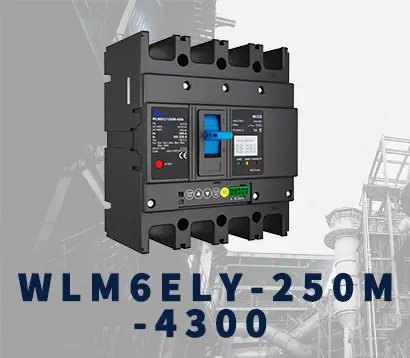 WLM6ELY-250A
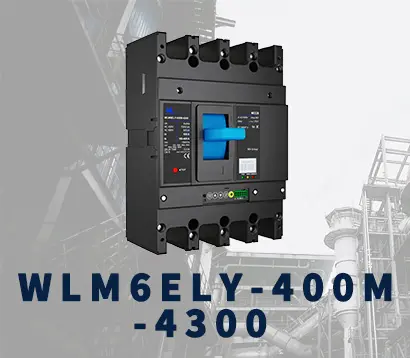 WLM6ELY-400A
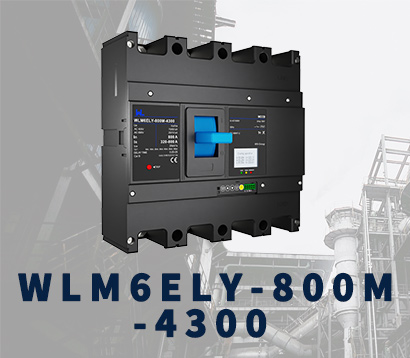 WLM6ELY-800A
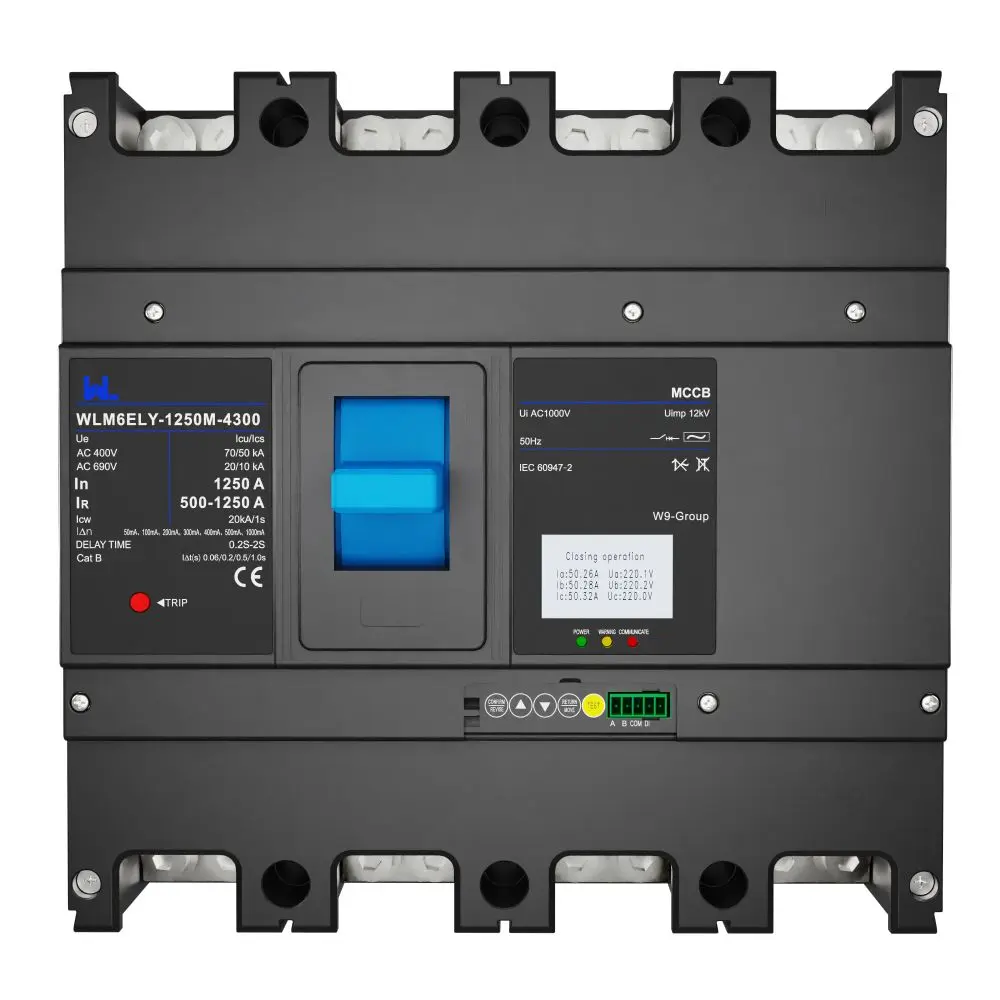 WLM6ELY-1250A
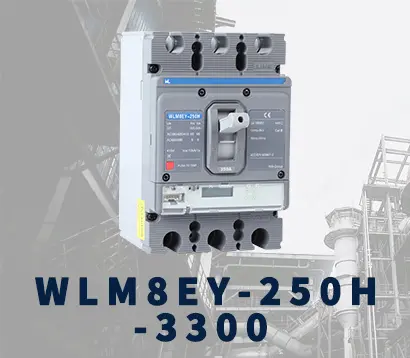 WLM8EY-250H-3300
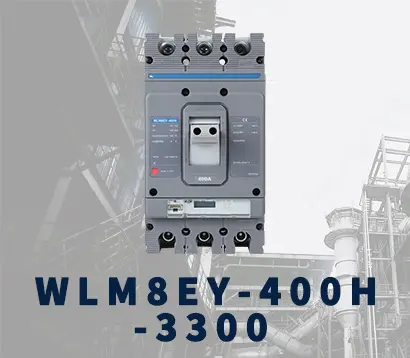 WLM8EY-400H-3300
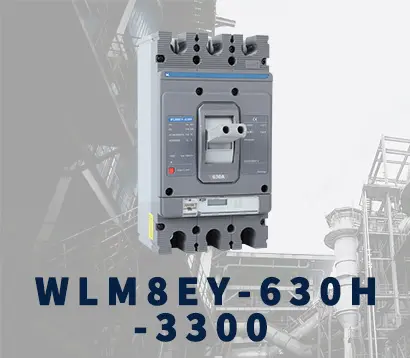 WLM8EY-630H-3300
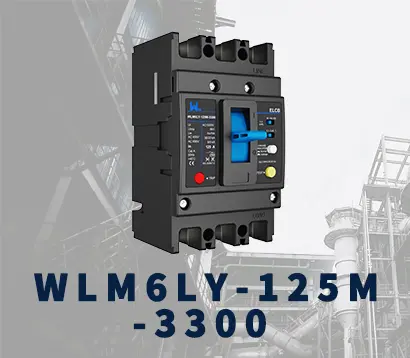 WLM6LY-125A
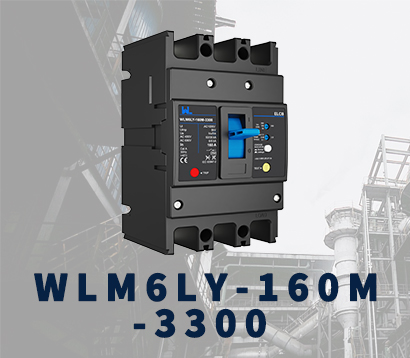 WLM6L-160A
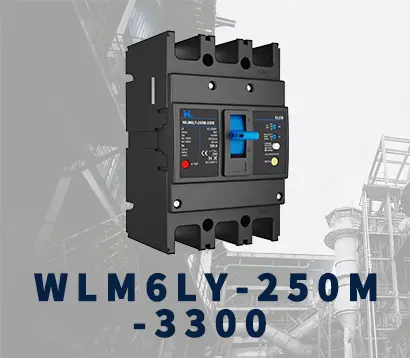 WLM6LY-250A
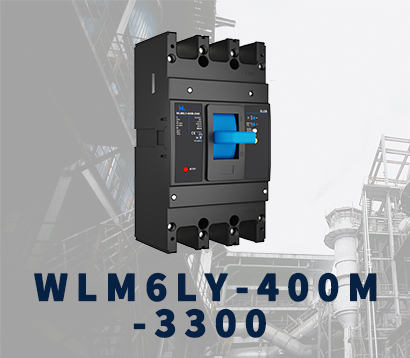 WLM6LY-400A
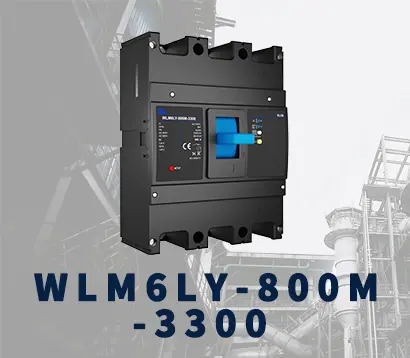 WLM6LY-800A
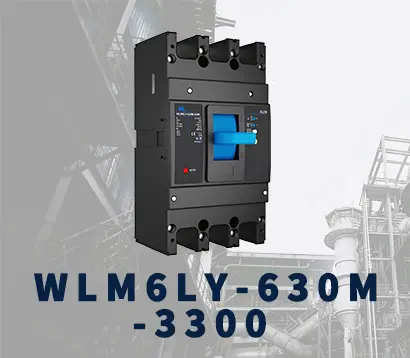 WLM6LY-630A
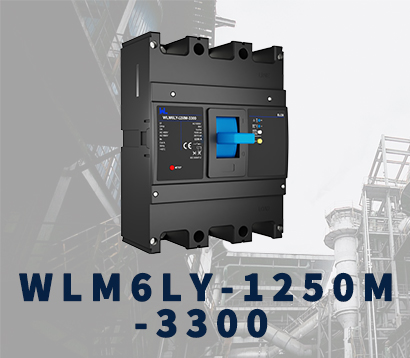 WLM6LY-1250A
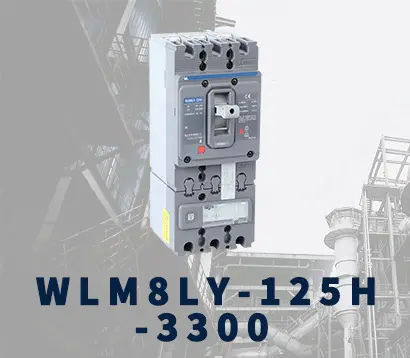 WLM8LY-125H-3300
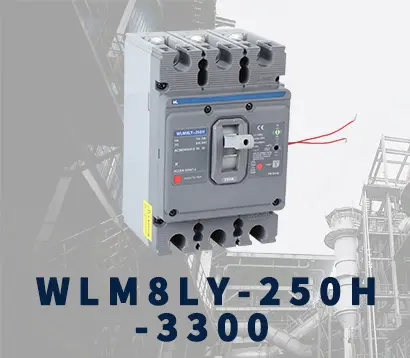 WLM8LY-250H-3300
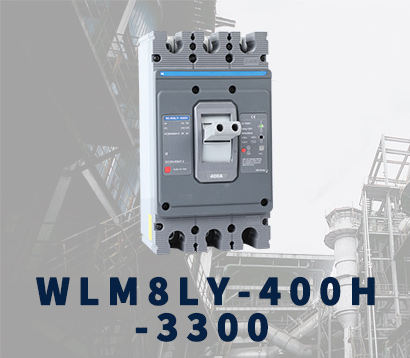 WLM8LY-400H-3300
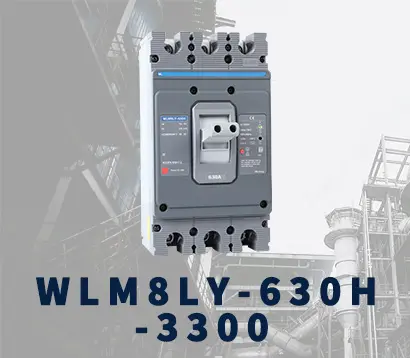 WLM8LY-630H-3300
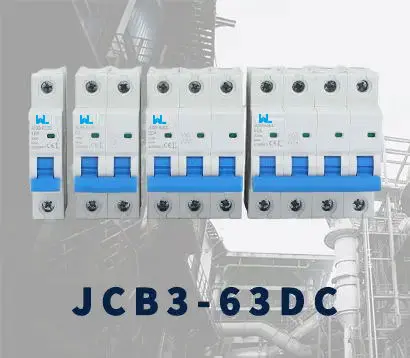 JCB3-63DC
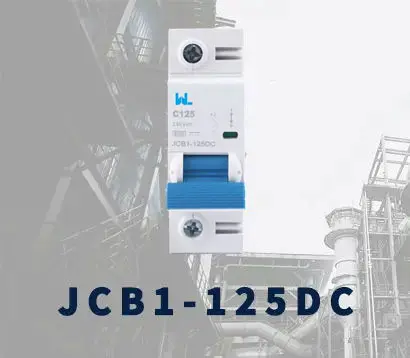 JCB1-125DC
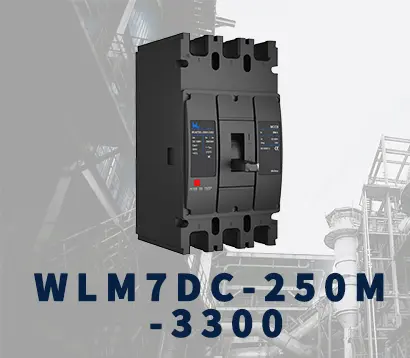 WLM7DC-250A-2300 2P/3P
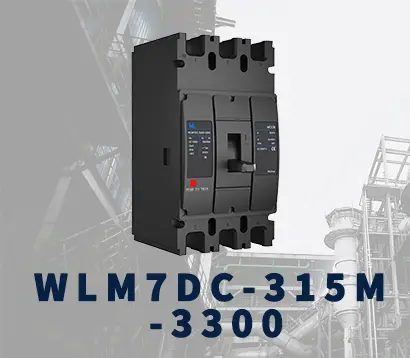 WLM7DC-315A-3300 2P/3P
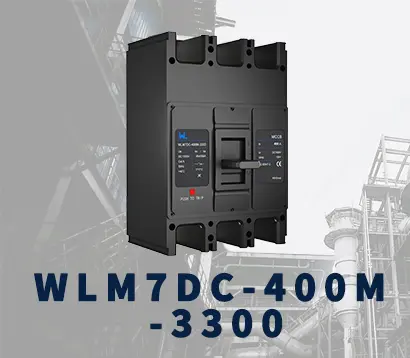 WLM7DC-400A-2300 2P/3P
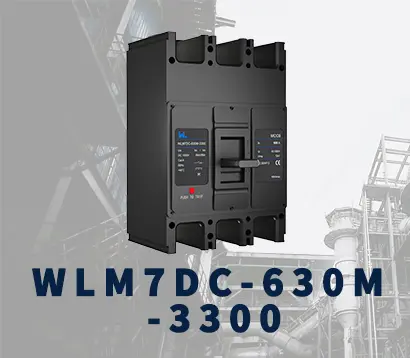 WLM7DC-630A-3300 3P
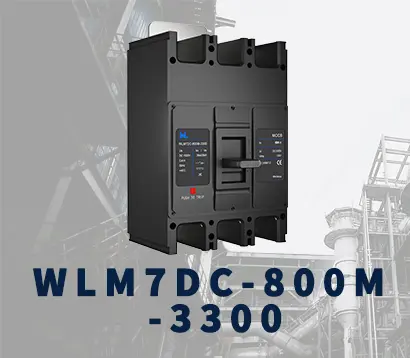 WLM7DC-800A-2300 2P/3P
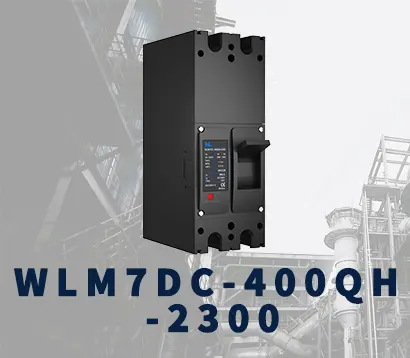 WLM7DC-400A 2300
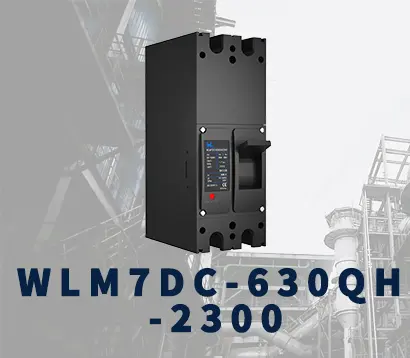 WLM7DC-630A-2300 2P
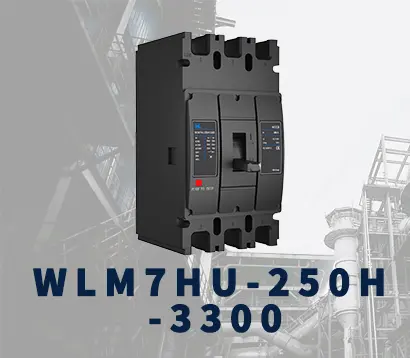 WLM7HU-250-3300 3P
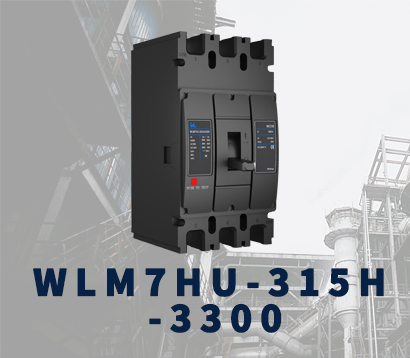 WLM7HU-315-3300 3P
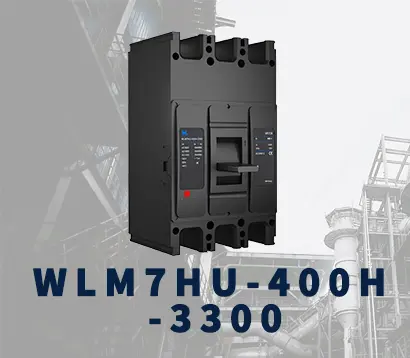 WLM7HU-400-3300 3P
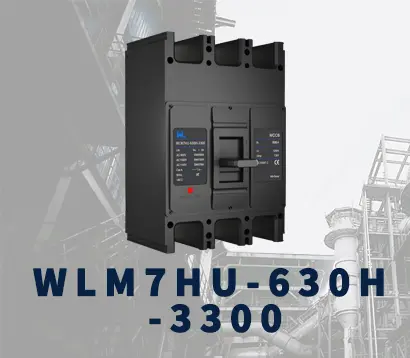 WLM7HU-630-3300 3P
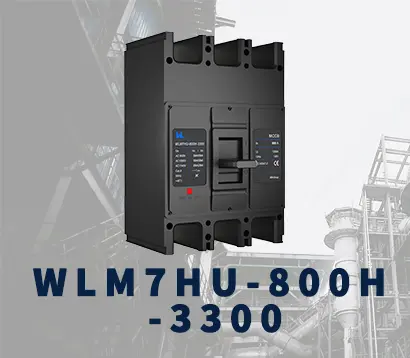 WLM7HU-800-3300 3P
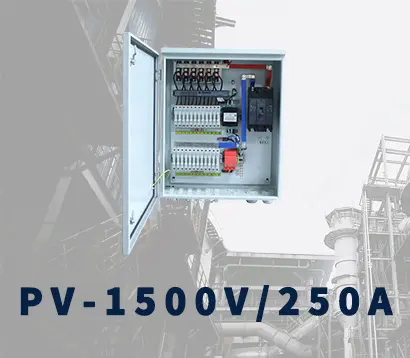 PV-1500V/250A
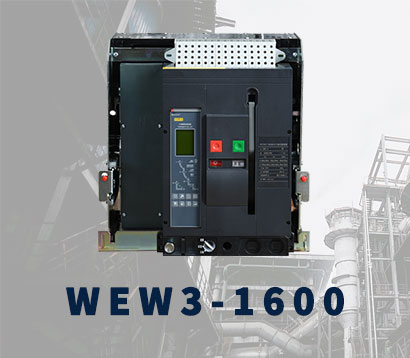 WEW3-1600
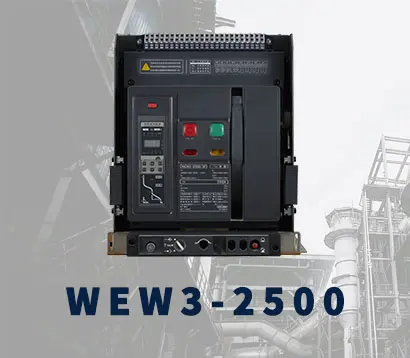 WEW3-2500
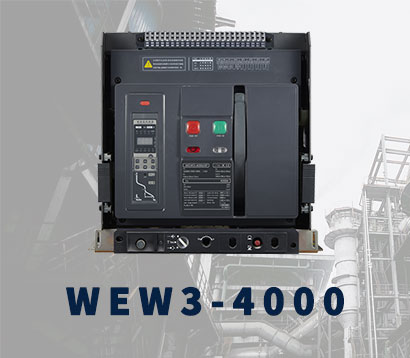 WEW3-4000
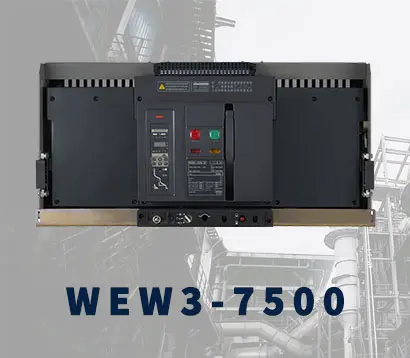 WEW3-7500





2026 Best MCCB Molded Case Circuit Breaker Suppliers?
Choosing a supplier for an Mccb Molded Case Circuit Breaker is a practical engineering decision. The right device must fit the panel, interrupt available fault current, and coordinate with upstream protection. A low purchase price means little if ratings, documentation, or lead times do not match the project.
Demand is changing the market. The International Energy Agency’s Electricity 2024 report projects global electricity demand will grow by about 3.4% annually from 2024 through 2026. IEA Executive Director Fatih Birol has described this shift as the “Age of Electricity.” Grand View Research’s circuit breaker market analysis also tracks the sector across product types and end-use industries. These reports offer useful context, but they do not verify any individual supplier’s product claims.
Details matter. Check rated current, breaking capacity, pole configuration, trip-unit options, certifications, test records, and warranty terms. Ask for clear datasheets and confirm that the model suits the intended application. A neat catalog is not proof of performance. Supplier quality can vary between product lines, and even established brands may have regional differences in availability or support. That deserves a second look.
This guide compares suppliers using product range, technical transparency, service, and market presence. It is a starting point, not a substitute for engineering review. Verify every specification against the project requirements.
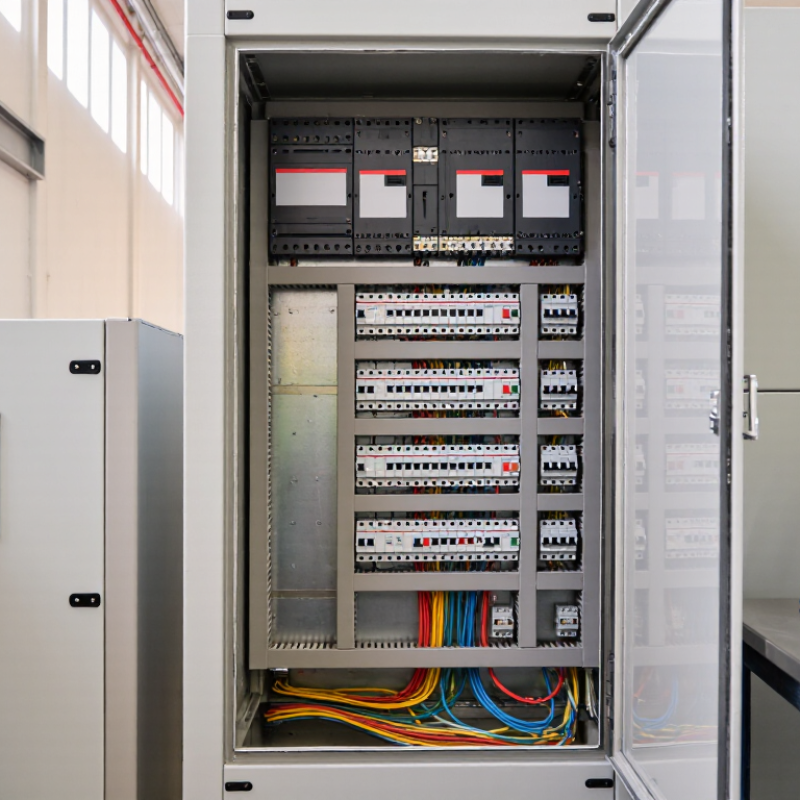
What Is an MCCB and What Role Does It Play in Electrical Protection?
An MCCB, or molded case circuit breaker, is a resettable protective device for low-voltage circuits. It opens the circuit when sustained overloads or short circuits create unsafe current. Inside a control panel, its contacts separate and interrupt current before conductors overheat. Many models use thermal-magnetic or electronic trip mechanisms, with adjustable settings for different loads. It can also serve as a manual disconnect. That distinction matters: an MCCB does not, by itself, provide complete protection against electric shock.
IEC 60947-2:2024 addresses circuit breakers for systems up to 1,000 V AC or 1,500 V DC. This helps define the equipment’s technical context, but selecting a breaker still requires checking system voltage, available fault current, cable capacity, and coordination with upstream devices. NFPA’s analysis of U.S. home fires from 2015–2019 estimated 32,620 annual fires involving electrical distribution or lighting equipment. That figure covers many causes, not MCCB failures alone. Protection is a system, not a single box.
Tips: Match the breaker’s rating to the protected conductors and verify its interrupting capacity against the site’s prospective fault current. Check trip settings during commissioning and after major load changes. A label can look right. The calculation may not be. Have a qualified electrical professional confirm the design against applicable standards.
Related Posts
-

10 Tips for Buying China Molded Case Circuit Breakers
-
Top 5 Microprocessor Based MCCB for Global Buyers?
-
How to Choose the Right Square D MCCB for Your Needs?
-
Top 5 Microprocessor Based MCCB Features You Should Know?
-
Unmatched Excellence in Manufacturing Best China Molded Case Circuit Breakers for Global Standards
-
Understanding Common Issues Faced with Best MCCB Moulded Case Circuit Breakers