10 Tips for Buying China Molded Case Circuit Breakers
Buying a China Molded Case Circuit Breaker requires more than comparing prices, amperage, or delivery dates. The device may sit inside a dusty factory panel, protecting motors, cables, and people during a sudden fault. Small specification errors can create expensive consequences.
The International Energy Agency’s Electricity 2024 report expects global electricity demand to grow strongly through 2026. That expansion increases the need for dependable low-voltage protection equipment. Meanwhile, MarketsandMarkets’ Circuit Breaker Market forecasts continued growth across industrial, commercial, and renewable-energy applications. These reports show momentum, but market growth does not guarantee product quality. That assumption is risky.
Dr. Jianhua Liu, a China low-voltage protection specialist, explains: “A breaker is only dependable when its ratings, installation, and testing work together.” Buyers should verify the rated current, breaking capacity, voltage, trip characteristics, temperature performance, and certification records. IEC 60947-2 remains a key reference for low-voltage circuit-breaker requirements. However, compliance documents still need careful checking against the exact model.
Look beyond the catalogue.
A reliable supplier should provide traceable test reports, clear nameplate markings, factory inspection records, and consistent technical support. Installation conditions matter too. A 400-ampere breaker in a hot enclosure may not deliver its advertised performance without derating. We often focus on the purchase price and overlook maintenance access, spare-trip units, and response time.
This guide presents ten practical tips for evaluating manufacturers, specifications, safety evidence, and total ownership cost. Some recommendations may seem obvious. In real projects, obvious steps are still missed.
Define MCCB Ratings: Voltage, Current, Poles, and IEC 60947-2 Compliance
When buying a China molded case circuit breaker, define its ratings before comparing price or appearance. Rated operational voltage, or Ue, must match the system voltage. A 400 V panel needs a breaker designed for that duty, not merely one labeled “up to 400 V.” Check insulation voltage and impulse withstand ratings when the installation faces surges or long cable runs.
Current selection requires more than reading the largest number on the label. Confirm the rated current, frame size, and trip range against the conductor capacity and expected load. A 250 A frame may use a 160 A trip unit. That difference matters. Also examine the short-circuit ratings, including Icu and Ics, at the actual operating voltage. Ics is especially useful because it reflects service continuity after a fault test. Numbers can mislead.
Pole configuration should follow the circuit design. Two poles may suit single-phase equipment, while three poles usually serve three-phase loads. Four-pole versions can switch the neutral, but the neutral pole may require specific switching behavior. Verify this detail with the schematic. IEC 60947-2 compliance should be supported by current test reports, marking, and traceable documentation, not a copied certificate image. In procurement reviews, missing test conditions often reveal weak verification. I once treated a certificate number as enough evidence; it was not. Check the authority, test voltage, current, and product configuration carefully. alldieweil
10 Tips for Buying China Molded Case Circuit Breakers: Understanding MCCB Ratings
The chart shows representative MCCB rating combinations commonly used in low-voltage distribution: rated current (In), rated operational voltage (Ue), and the number of poles. IEC 60947-2 compliance is a standard requirement that should be verified through the product declaration, test documentation, and marking; it cannot be determined from current or voltage alone.
Verify Breaking Capacity: Compare Icu and Ics Values in kA
When buying a molded case circuit breaker, verify its breaking capacity before comparing price or frame size. Icu is the ultimate short-circuit breaking capacity, measured in kA at a specified voltage. It indicates the highest fault current the breaker can interrupt safely under test conditions. Ics is the service breaking capacity. It reflects the breaker’s ability to interrupt repeated faults and remain usable afterward. A higher Icu does not always mean better daily protection. Check both values.
Tips: Match the breaker’s Icu with the prospective short-circuit current at the installation point. For example, a panel may face 25 kA at 400 V, while the incoming supply can produce more fault energy. Never compare kA ratings without checking voltage, frequency, pole configuration, and test conditions. Ask for current test documentation, not only a catalog number.
In practical inspections, I also examine terminal temperature, enclosure space, and cable length. These details affect real installation performance. A breaker rated 36 kA at 415 V may not provide the same protection at another voltage. Ics is often expressed as a percentage of Icu, such as 50% or 100%. A 100% Ics rating can be valuable where service continuity matters, such as workshops or data rooms. Still, the rating alone is not enough. Confirm coordination with upstream and downstream devices, and review the manufacturer’s technical data carefully. Mistakes happen when buyers read only the largest kA figure.
Check Thermal-Magnetic Trip Accuracy and Adjustable Protection Ranges
When buying China molded case circuit breakers, inspect thermal-magnetic trip accuracy before comparing prices. The thermal element should respond predictably to prolonged overloads. The magnetic element should trip quickly during short-circuit conditions. Small errors matter.
Ask for test data showing actual trip points, not only nominal ratings. Compare these results with the stated current range and applicable technical standards. A breaker marked 400 A may not protect equipment properly if its thermal trip operates too late. Check the label, adjustment dial, and calibration record together.
Adjustable protection ranges are useful when equipment loads change, but adjustment is not automatically better. Verify the long-time, short-time, and instantaneous settings, where applicable. Each setting should have clear increments and documented tolerances. A narrow adjustment range may leave no practical margin for motor starting currents. A wide range may encourage unsafe, casual changes.
During evaluation, request samples for secondary injection or primary current testing. Measure trip behavior at different ambient temperatures, because heat can affect thermal response. Inspect terminal torque instructions and enclosure condition as well. I have seen purchasing teams focus on the dial and overlook factory calibration. That mistake is easy to repeat. Independent verification is worthwhile for critical panels, even when the supplied report appears complete. One more check helps.
10 Tips for Buying China Molded Case Circuit Breakers - Check Thermal-Magnetic Trip Accuracy and Adjustable Protection Ranges
| No. | Buying Checkpoint | Technical Data to Confirm | Typical Requirement or Range | Recommended Verification | Buyer Result |
|---|---|---|---|---|---|
| 1 | Confirm the applicable standard | Product standard, rated voltage, frequency, insulation voltage, and pollution category. | For low-voltage MCCBs, IEC 60947-2 is a commonly specified product standard. GB/T 14048.2 is the corresponding Chinese low-voltage circuit-breaker standard framework. | Request the complete technical datasheet, test report, and declaration showing the exact model and configuration. | Pass only when the documents match the supplied breaker. |
| 2 | Match the continuous current rating | Rated uninterrupted current, frame size, ambient-temperature rating, and conductor compatibility. | Select the trip rating so that the setting is not above the protected cable or equipment ampacity. Common industrial MCCB ratings cover approximately 16 A to 1,600 A, depending on the frame. | Compare the breaker rating with the load calculation, cable ampacity, installation method, ambient temperature, and derating requirements. | Correct sizing without nuisance tripping or inadequate cable protection. |
| 3 | Check thermal overload accuracy | Long-time thermal trip current, reference ambient temperature, time-current curve, and tolerance. | Thermal elements respond to sustained overcurrent and are affected by ambient temperature. The exact trip tolerance and test conditions must be stated in the manufacturer’s report and applicable standard. | Obtain a calibrated primary-current injection report covering overload points, trip time, test temperature, pole configuration, and acceptance limits. | Verified thermal protection at the intended operating current. |
| 4 | Evaluate magnetic instantaneous protection | Instantaneous pickup current, magnetic trip tolerance, short-circuit test current, and response time. | Thermal-magnetic breakers normally use a fixed or selectable instantaneous pickup. The pickup must be high enough to tolerate normal inrush but low enough to clear short circuits promptly. | Review the time-current curve and verify the instantaneous pickup using a suitable high-current injection or approved trip-test method. | Stable fault clearing with acceptable inrush tolerance. |
| 5 | Check adjustable protection ranges | Adjustable long-time pickup, short-time pickup, instantaneous pickup, and short-time delay, where provided. | Typical adjustable long-time pickup may be expressed as a percentage of the breaker sensor or rated current, such as 0.8–1.0×In. Actual ranges vary by design and must not be assumed. | Confirm every dial position, adjustment step, tolerance, sealing method, and whether the setting is field-adjustable or factory-fixed. | Useful adjustment for the actual load and coordination study. |
| 6 | Verify short-circuit capacity | Rated ultimate short-circuit breaking capacity (Icu), service short-circuit breaking capacity (Ics), voltage, frequency, and pole arrangement. | Icu and Ics are declared at specific voltage and power-factor conditions. Ics is commonly stated as a percentage of Icu, but the declared value must be checked for the exact model. | Compare the prospective short-circuit current at the installation point with the breaker’s certified Icu and Ics at the actual system voltage. | Safe interruption at the installation fault level. |
| 7 | Review selectivity and coordination | Time-current curves, upstream/downstream breaker settings, short-time delay, energy let-through, and backup protection. | Selective coordination depends on the complete combination of breakers, cable impedance, settings, and available fault current; a current rating comparison alone is insufficient. | Request tested selectivity or cascading tables for the proposed combination, or complete a coordination study using certified curves. | Reduced outages through correct discrimination. |
| 8 | Check temperature and altitude derating | Reference ambient temperature, enclosure temperature, altitude correction, humidity, and installation orientation. | Many breakers use a reference ambient temperature such as 40 °C, but the declared value is product-specific. Above approximately 2,000 m elevation, insulation and cooling corrections may be required. | Ask for derating tables and confirm the actual panel temperature, mounting position, ventilation, altitude, and number of adjacent devices. | Reliable operation under real installation conditions. |
| 9 | Inspect mechanical and electrical construction | Pole count, terminal type, creepage and clearance, operating mechanism, insulation, accessories, and enclosure dimensions. | Common configurations include 2-pole, 3-pole, and 4-pole breakers. Terminal torque, conductor size, accessory voltage, and mounting dimensions must match the panel design. | Check dimensional drawings, terminal markings, torque values, accessory wiring diagrams, material declarations, and sample assembly quality. | Installation fit and dependable connection quality. |
| 10 | Require production testing and traceability | Calibration records, dielectric test, insulation resistance, contact resistance, mechanical operation, trip test, serial or batch traceability. | A documented inspection plan should identify test equipment, calibration status, sampling level or 100% test requirement, acceptance criteria, and corrective-action procedure. | Use a pre-shipment inspection plan and test a representative sample or every unit according to the project risk and purchase specification. | Documented quality and easier after-sales traceability. |
Assess Safety Certifications: CCC, UL 489, and ISO 9001 Manufacturing Controls
When buying China-made molded case circuit breakers, safety certification deserves more than a logo check. CCC approval confirms compliance with China’s compulsory product requirements, but verify the certificate number, product range, rated current, and actual manufacturing site. UL 489 evaluates molded case circuit breakers through requirements for construction, temperature rise, endurance, and short-circuit performance. The certificate must match the exact frame size and trip unit. A similar-looking model is not enough. ISO 9001 is different: it certifies manufacturing controls, not breaker safety. The ISO Survey 2022 recorded more than 1.2 million ISO 9001 certificates worldwide, showing its broad use, but also its limited product-specific meaning.
Tip: Request current certificates, test reports, and a traceability sample before purchase. Check whether the test report covers the declared interrupting rating, pole arrangement, and operating voltage. Ask for calibration records and inspection plans from the same production site. In practice, paperwork can look perfect while a shipment contains inconsistent markings or loose terminal screws. That possibility deserves attention.
Tip: Compare certificate details with the nameplate, carton label, and technical drawing. For higher-risk panels, require sample testing and independent verification. Industry failure investigations often identify poor connections, overheating, or incorrect ratings as practical hazards; certification cannot correct improper installation. I would not treat ISO 9001 alone as proof of electrical performance. Reliable purchasing combines CCC or UL 489 evidence, controlled production records, and physical inspection before acceptance.
Compare Lifecycle Value: 80% Continuous Loading, Warranty, Testing, and Support
10 Tips for Buying China Molded Case Circuit Breakers
Compare lifecycle value, not only the purchase price. A lower-cost breaker may require earlier replacement or more inspection time. Ask whether the unit supports 80% continuous loading under your actual ambient temperature. This figure is useful, but it is not universal. Cable size, enclosure heat, altitude, and terminal torque can change performance. I have seen installations run hotter than expected because the panel had poor ventilation. That detail is easy to miss.
Tip 1: Request test records for overload, short-circuit, insulation, and temperature-rise performance. The documents should identify the model, test date, applicable standard, and laboratory details.
Tip 2: Examine the warranty carefully. Check its duration, covered components, evidence requirements, and replacement process. A long warranty means little if response times are unclear. Ask who handles technical questions after delivery.
Tip 3: Confirm support before ordering samples. Request installation guidance, wiring diagrams, spare-part availability, and fault-analysis assistance. Test several units under realistic load conditions, rather than trusting one successful sample. Record terminal temperatures after continuous operation. Small differences may reveal loose connections or uneven calibration. I would also keep a small reserve stock, although that increases holding costs. The best decision balances purchase price, energy losses, downtime risk, testing effort, and dependable support across the breaker’s service life.
Related Posts
-
Unmatched Excellence in Manufacturing Best China Molded Case Circuit Breakers for Global Standards
-
Understanding Common Issues Faced with Best MCCB Moulded Case Circuit Breakers
-
Understanding the Importance of MCCB: How Molded Case Circuit Breakers Ensure Electrical Safety
-

Top 5 Tips for Sourcing China Molded Case Circuit Breaker at Canton Fair?
-
Why Choose MCCB Moulded Case Circuit Breakers for Your Needs?
-
Why Choose MCCB Moulded Case Circuit Breaker for Your Needs?

JCB1-125
JCB2-40M
JCB3-63DC
JCB3-80H
JCB3-80M
JCBH-125
JC125-4P
JCMX
JCSD
JCOF
JCMX1-125
JCOF1-125
JCSD1-125
JCR3HM
JCRD2-125
JCRD4-125
JCRB2-100
JC3RH-2P
JC3RH-S
JC3RH-B
JC3RH-BS
JCR2-63
JCR1-40
JCB2LE-80M
JCB2LE-80M
JCB2LE-80M
JCB2LE-40M
JCB1LE-125
JCB3LM-80
JCH2-125
JCH2-125
CJX2
CJ19
JCMCU
JCHA
JCSD-40
JCSD-60
JCSP-40
JCSP-60
JCSPV
WEW1-1000
WEW1-1600
WEW1-2000
WEW1-3200
WEW1-4000
WEW1-6300
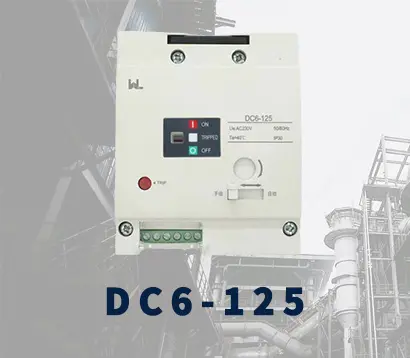
DC6-125
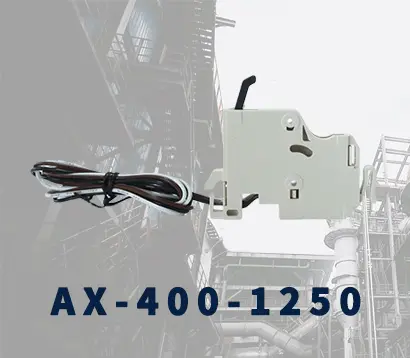
AX-400-1250
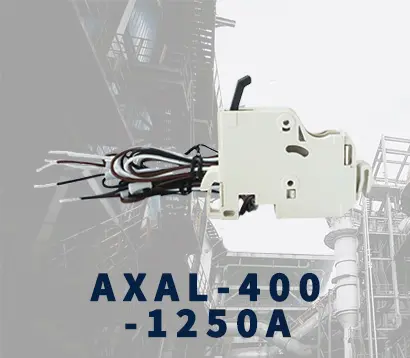
AXAL-400-1250A
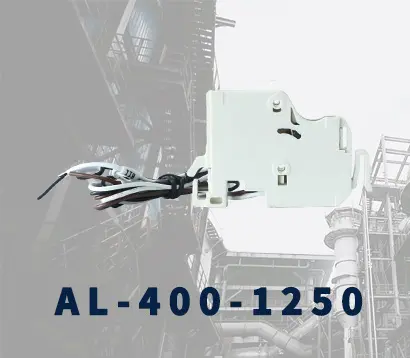
AL-400-1250
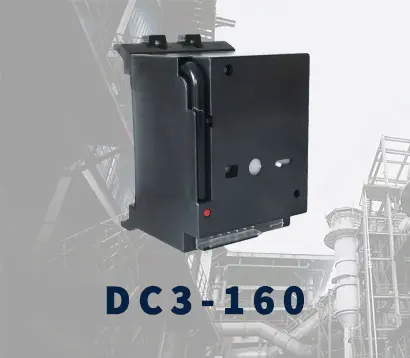
DC3-160
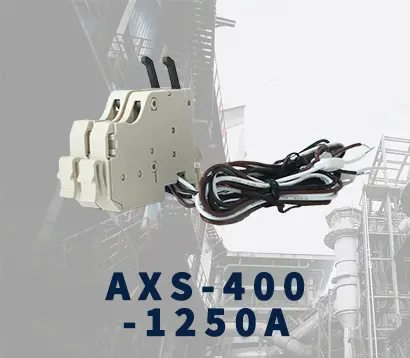
AXS-400-1250A
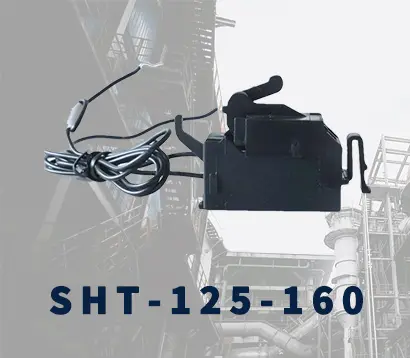
SHT-125-160
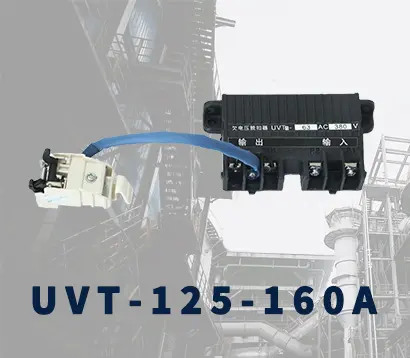
UVT-125-160A
P-250A-3P-A
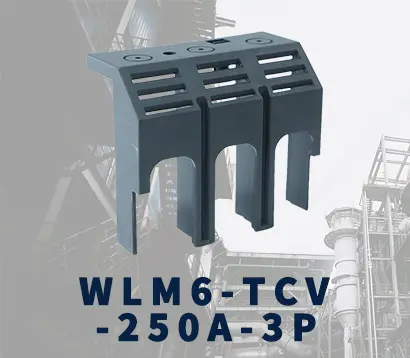
400-3P/4P terminal cover
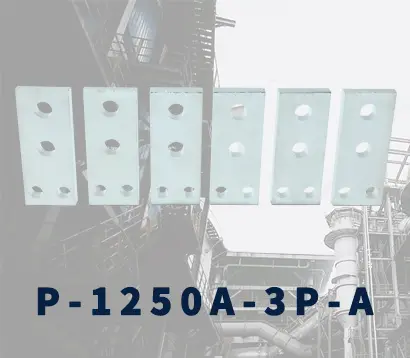
1250-3Pmccb accessories busbar
250-3P terminal conver
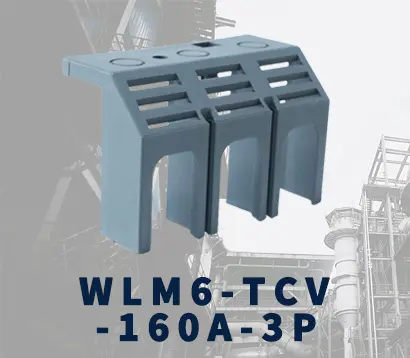
WLM6-TCV-160A-3P
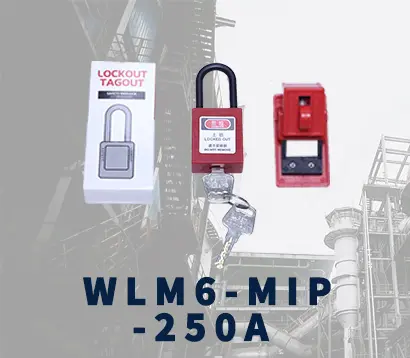
WLM6-MIP-250A
WLM6-125A-3300 3P/4P
WLM6-160A-3300 3P/4P
WLM6-250A-3300 3P/4P
WLM6-400A-3300 3P/4P
WLM6-630A-3300 3P/4P
WLM6-800A-3300 3P/4P
WLM6-1250A-3300 3P/4P
WLM6-1600A-3300 3P/4P
WLM6-2000A 3P/4P
WLM8-125H-3300
WLM8-250H-3300
WLM8-400H-3300
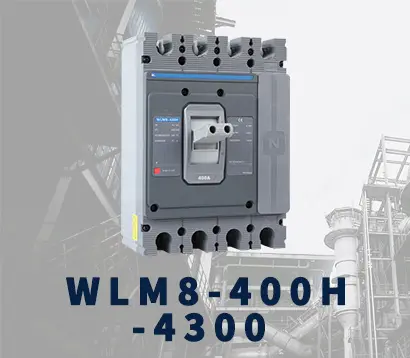
WLM8-400H-4300
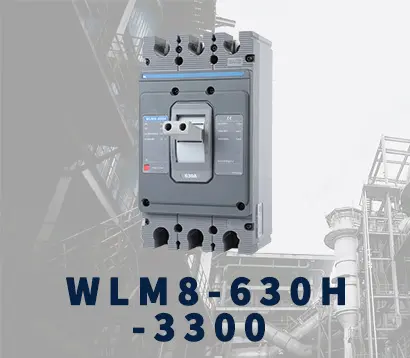
WLM8-630H-3300
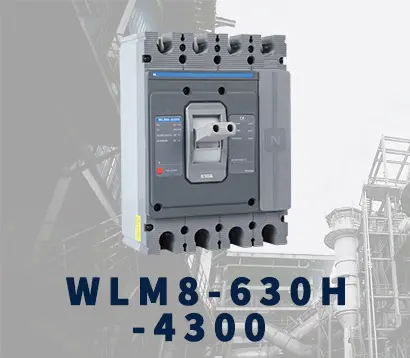
WLM8-630H-4300
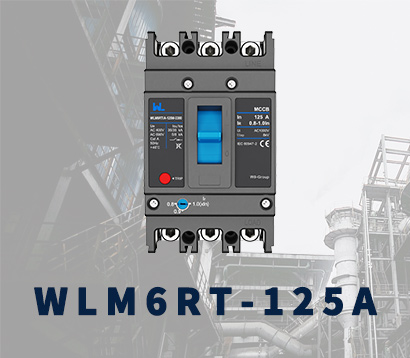
WLM6RT-125A
WLM6RT-160A
WLM6RT-250A
WLM6RT-400A
WLM6RT-630A
WLM6RT-800A
WLM6RT-1250A
WLM6E-160A-3300 3P
WLM6E-250A-3300
WLM6E-400A-3300 3P/4P
WLM6E-630A-3300
WLM6E-800A-3300 3P/4P
WLM6E-1250A-3300
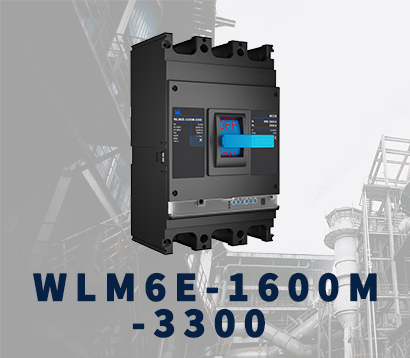
WLM6E-1600-3300 3P/4P
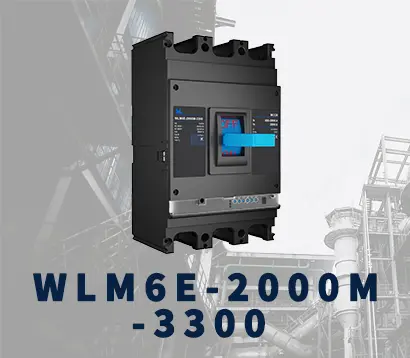
WLM6E-2000A-3300 3P/4P
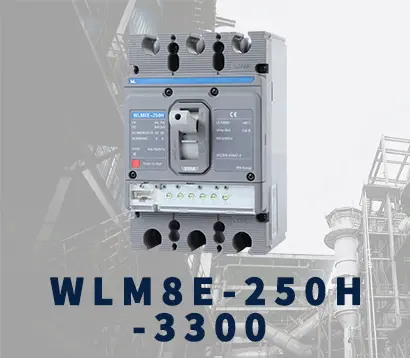
WLM8E-250H-3300
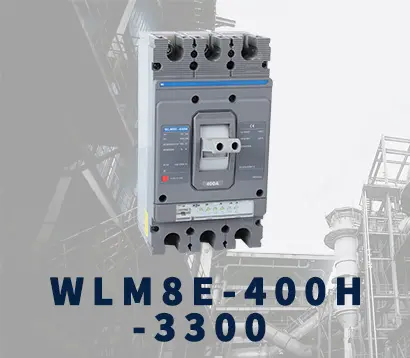
WLM8E-400H-3300
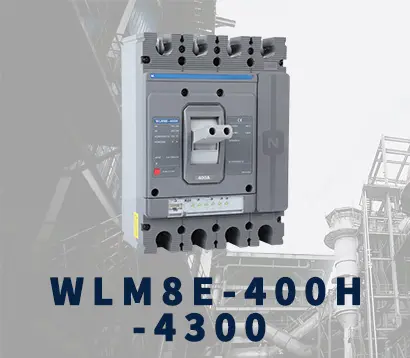
WLM8E-400H-4300
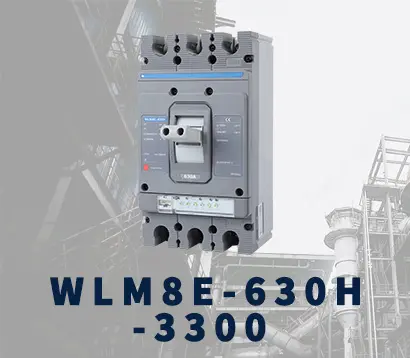
WLM8E-630H-3300
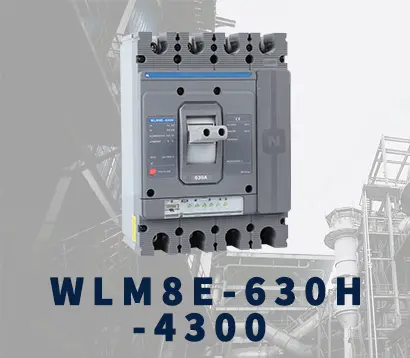
WLM8E-630H-4300
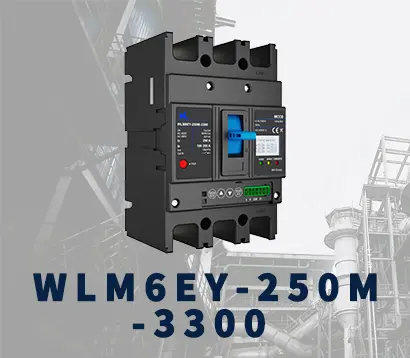
WLM6EY-250-3300 3P/4P
WLM6EY-400 3P/4P
WLM6EY-630 3P/4P
WLM6EY-800A 3P/4P
WLM6EY-1250A 3P/4P
WLM6ELY-160A
WLM6ELY-250A
WLM6ELY-400A
WLM6ELY-800A
WLM6ELY-1250A
WLM8EY-250H-3300
WLM8EY-400H-3300
WLM8EY-630H-3300
WLM6LY-125A
WLM6L-160A
WLM6LY-250A
WLM6LY-400A
WLM6LY-800A
WLM6LY-630A
WLM6LY-1250A
WLM8LY-125H-3300
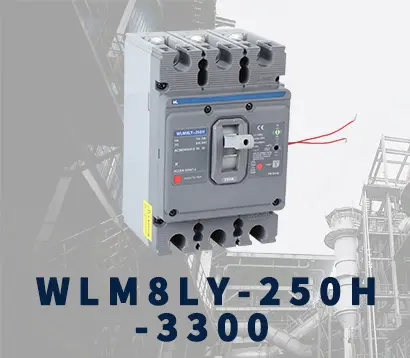
WLM8LY-250H-3300
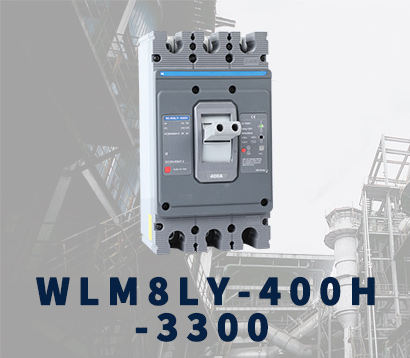
WLM8LY-400H-3300
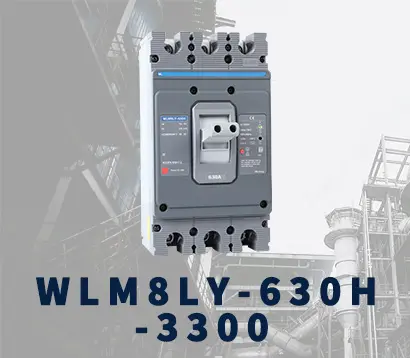
WLM8LY-630H-3300
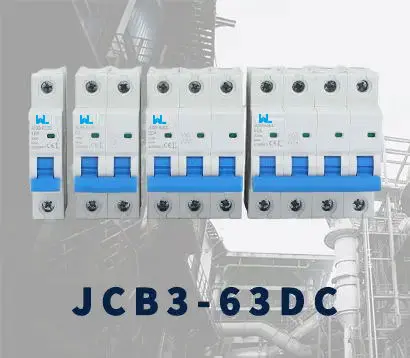
JCB3-63DC
JCB1-125DC
WLM7DC-250A-2300 2P/3P
WLM7DC-315A-3300 2P/3P
WLM7DC-400A-2300 2P/3P
WLM7DC-630A-3300 3P
WLM7DC-800A-2300 2P/3P
WLM7DC-400A 2300
WLM7DC-630A-2300 2P
WLM7HU-250-3300 3P
WLM7HU-315-3300 3P
WLM7HU-400-3300 3P
WLM7HU-630-3300 3P
WLM7HU-800-3300 3P
PV-1500V/250A
WEW3-1600
WEW3-2500
WEW3-4000
WEW3-7500