Why Choose MCCB Moulded Case Circuit Breaker for Your Needs?
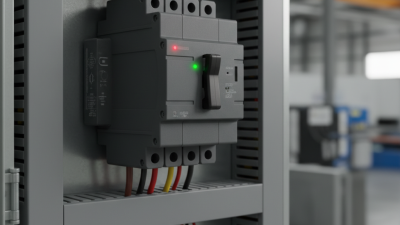
When it comes to electrical safety, the choice of circuit breakers is vital. Industry expert Dr. John Harris once stated, "In modern electrical systems, MCCB Moulded Case Circuit Breakers play a critical role in ensuring reliability and safety.” His insight reflects the growing recognition of MCCB Moulded Case Circuit Breakers in various applications.
MCCBs provide essential protection against overloads and short circuits. They are designed for higher current ratings, making them ideal for industrial and commercial settings. The reliability of these circuit breakers is evident in their robust construction, which withstands harsh conditions. However, not all MCCBs are created equal. Selecting the right one requires understanding specific needs and applications.
Choosing the right MCCB can be challenging. Factors such as settings and load requirements must be considered. There is always room for improvement in understanding how to maximize the benefits of these devices. Any oversight could lead to insufficient protection, which is not an option in critical installations. Ultimately, appreciating the value of MCCB Moulded Case Circuit Breakers involves recognizing their importance in our electrical infrastructure.
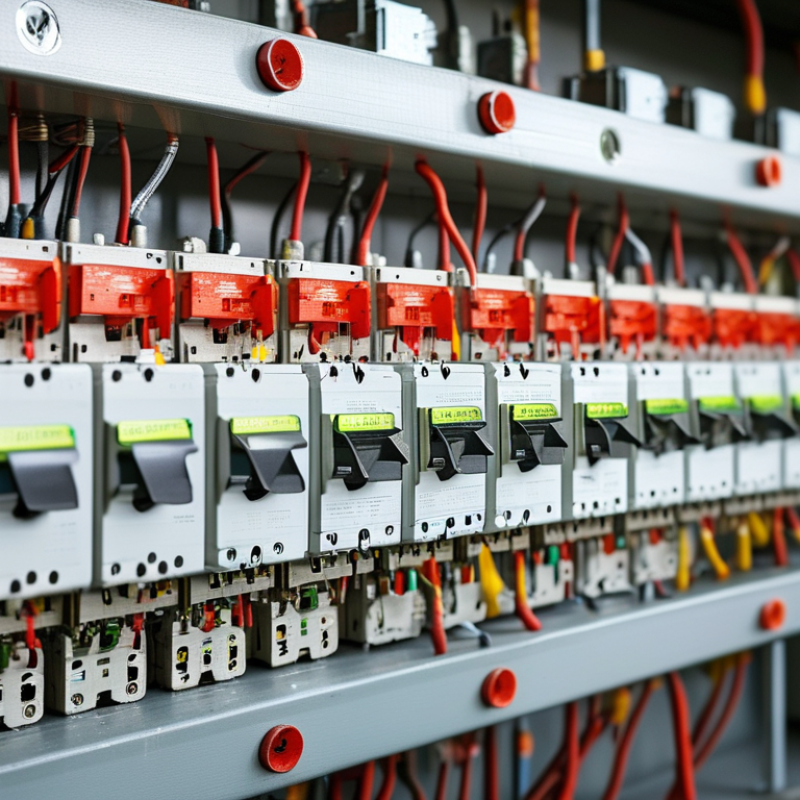
Key Features of MCCB Moulded Case Circuit Breakers: An Overview
Moulded Case Circuit Breakers (MCCBs) are critical in modern electrical systems. They provide comprehensive protection against overloads and short circuits. Industry studies show that MCCBs can reduce electrical failure risks by up to 30%. This statistic highlights their significance in safeguarding both equipment and personnel.
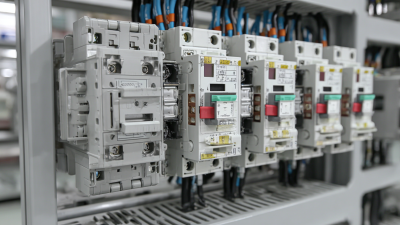
Key features of MCCBs include adjustable settings, thermal and magnetic trip mechanisms, and compact construction. Their adjustable trip settings allow for customized protection based on the specific load requirements of a facility. Furthermore, the thermal trip mechanism responds to overloads, while the magnetic trip activates in short circuit situations. This dual protection method enhances reliability.
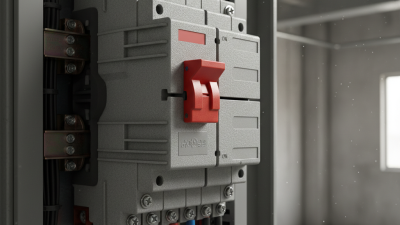
When considering MCCBs, durability is also essential. Reports indicate that high-quality MCCBs can withstand harsh environmental conditions, providing longevity and reliability. However, it's crucial to acknowledge that improper selection can lead to performance issues. Not understanding the load characteristics can result in nuisance tripping or inadequate protection. Investing time in understanding these factors can lead to smarter, more reliable electrical systems.
Comparison of MCCB Performance with Other Circuit Breakers in Industry
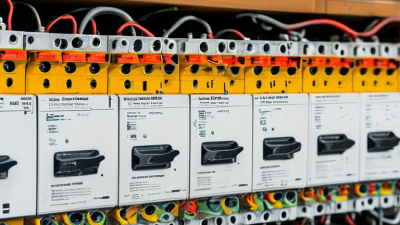
When evaluating circuit breakers, the performance of MCCBs stands out in various ways. MCCBs offer significant advantages over air circuit breakers (ACBs) and miniature circuit breakers (MCBs). According to a recent industry report, MCCBs have a current rating capacity ranging from 100A to 2500A, making them suitable for heavy industrial applications. While ACBs excel in high voltage environments, they often come with higher costs and more complex installations. In contrast, MCBs may struggle to manage higher loads effectively, leading to tripping issues.
MCCBs provide superior thermal and magnetic protection. Reports suggest that their ability to handle overloads can reduce downtime by up to 25%. However, improper selection based on load requirements may lead to confusion. It's essential to ensure that the MCCB's rating aligns with your operational needs.
Tips: Regularly review your circuit load characteristics. Over time, demand may change, leading to inadequate protection. Additionally, consider seeking professional advice for installation and maintenance to enhance reliability. Evaluating performance data is vital, yet ensuring proper usage is equally crucial for optimal results.
Why Choose MCCB Moulded Case Circuit Breaker for Your Needs? - Comparison of MCCB Performance with Other Circuit Breakers in Industry
| Feature |
MCCB |
MCB |
RCCB |
| Current Rating |
Up to 2500 A |
Up to 63 A |
Up to 100 A |
| Protection Type |
Overload & Short Circuit |
Overload & Short Circuit |
Earth Fault Protection |
| Tripping Mechanism |
Thermal & Magnetic |
Thermal & Magnetic |
Electromechanical |
| Application |
Industrial & Commercial |
Residential & Light Commercial |
Residential & Commercial |
| Installation Type |
Panel Mounted |
DIN Rail Mounted |
Panel Mounted |
| Cost |
Higher |
Lower |
Moderate |
Statistical Analysis: Reliability and Failure Rates of MCCBs
Moulded Case Circuit Breakers (MCCBs) have proven to be crucial in managing electrical systems. Recent statistical analysis highlights their reliability and failure rates. Studies indicate that the failure rate for MCCBs is approximately 0.5% per year, significantly lower than other circuit protection devices. This reliability increases their adoption in various industrial applications.
Data shows that failure typically occurs due to thermal overload or mechanical issues. A report from the International Electrotechnical Commission noted that 80% of failures happen in older models. It emphasizes the need for regular maintenance and timely upgrades. Even with continuous advances, some models may not meet current safety standards.
When considering an MCCB, one should assess its specifications in relation to specific application demands. Factors like environmental conditions and load types matter greatly. An improperly rated MCCB can lead to unexpected failures. Thus, it’s essential to match the device to the exact needs of your system. This careful approach enhances both safety and performance.
Why Choose MCCB Moulded Case Circuit Breaker for Your Needs?
This chart illustrates the failure rates of different models of MCCB Moulded Case Circuit Breakers. Selecting a reliable MCCB can significantly reduce the risk of electrical failures and improve overall system safety.
Cost-Benefit Analysis of Implementing MCCBs in Electrical Systems
Moulded Case Circuit Breakers (MCCBs) offer a compelling cost-benefit advantage for electrical systems. In environments where reliability is crucial, MCCBs provide robust protection against overloads and short circuits. These devices ensure minimal downtime, which is vital for businesses relying on continuous operations.
Implementing MCCBs may require a higher initial investment compared to fuses or miniature circuit breakers. However, the long-term savings often outweigh this upfront cost. The extended lifespan of MCCBs reduces replacement frequency. Their advanced features, like adjustable settings and remote monitoring, enhance operational efficiency over time.
Consider also the potential costs related to downtime and equipment damage. An efficient MCCB can mitigate these risks by swiftly interrupting faults. The effectiveness of these breakers can be influenced by installation practices and maintenance schedules. Missteps in these areas might lead to hurdles that need addressing.
By weighing these factors, professionals can gain insights into the real value MCCBs bring to the table.
Regulatory Standards and Compliance for MCCBs Across Different Regions
Molded Case Circuit Breakers (MCCBs) are essential for ensuring electrical safety. They must adhere to various regulatory standards, which vary across regions. For example, in North America, MCCBs must comply with UL 489 standards. The National Electrical Code (NEC) also provides guidelines for installation and usage.
In Europe, the IEC 60947-2 standard governs MCCB compliance. This ensures that devices can withstand specific fault currents. Reports indicate that stringent adherence to these regulations is vital. In 2021, improper installations led to approximately $3 billion in losses across various sectors.
Asia is not exempt from regulatory protocols. Countries like Japan enforce their own standards, which consider seismological factors. This highlights the importance of local regulations in MCCB design. Companies must remain aware of these compliance requirements to avoid regulatory issues. The evolving nature of these standards means constant learning is necessary for professionals in the field.

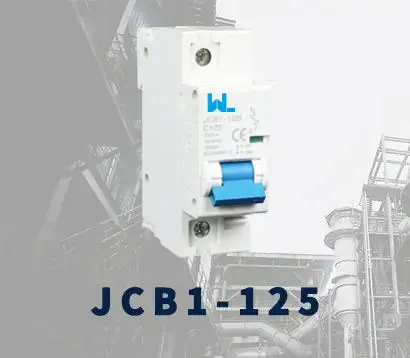 JCB1-125
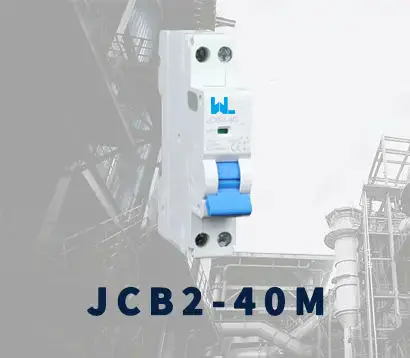 JCB2-40M
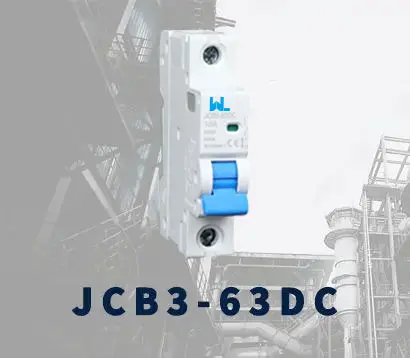 JCB3-63DC
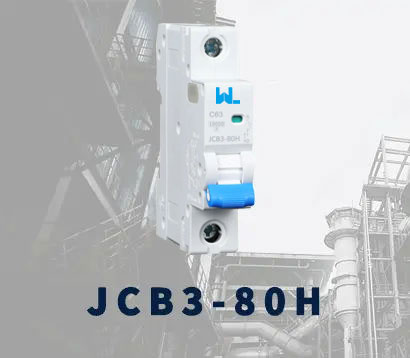 JCB3-80H
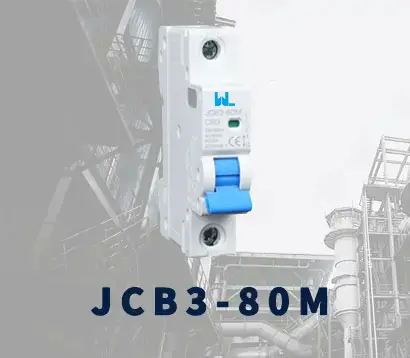 JCB3-80M
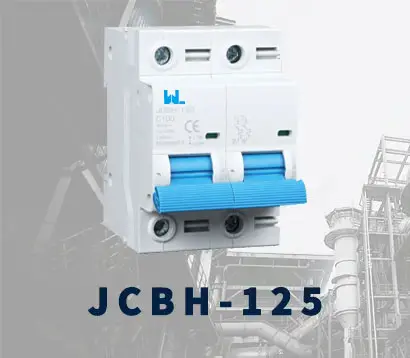 JCBH-125
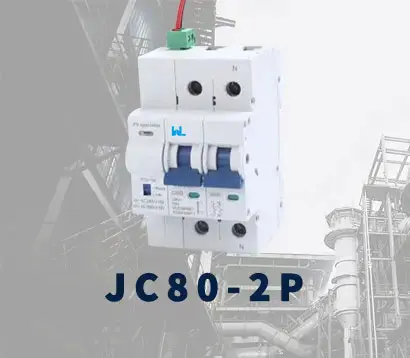 JC80-2P
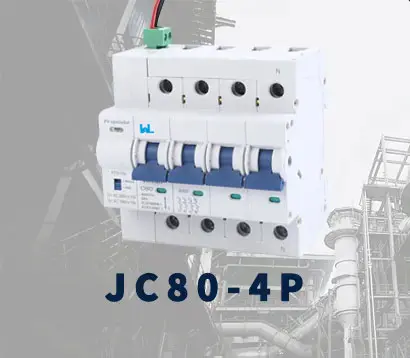 JC80-4P
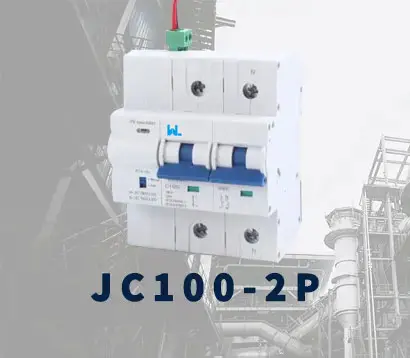 JC125-2P
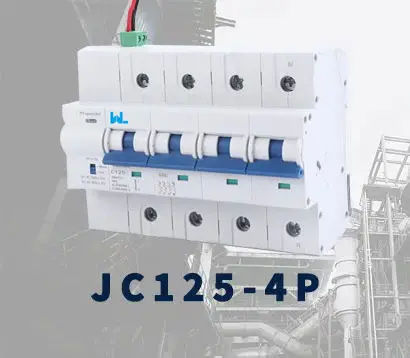 JC125-4P
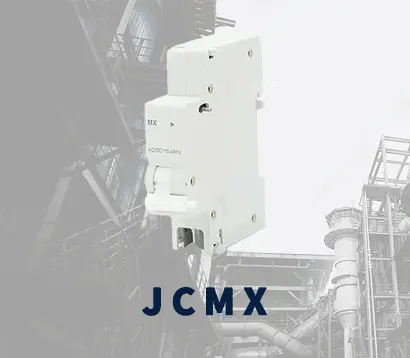 JCMX
JCMX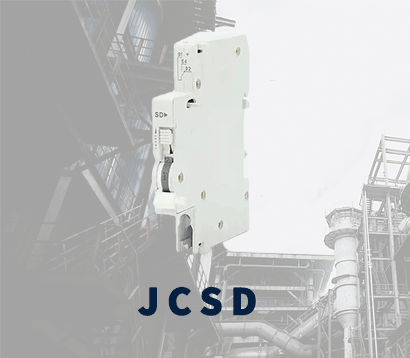 JCSD
JCSD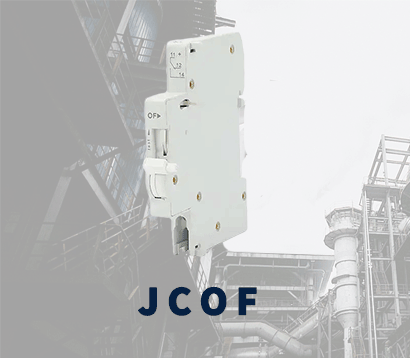 JCOF
JCOF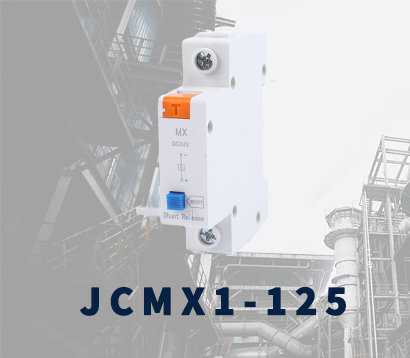 JCMX1-125
 JCOF1-125
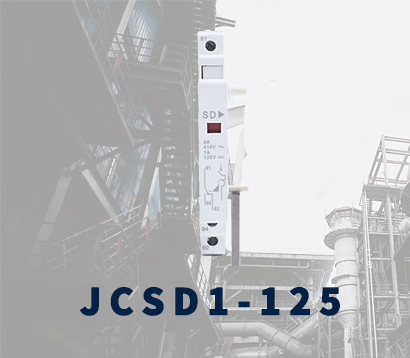 JCSD1-125
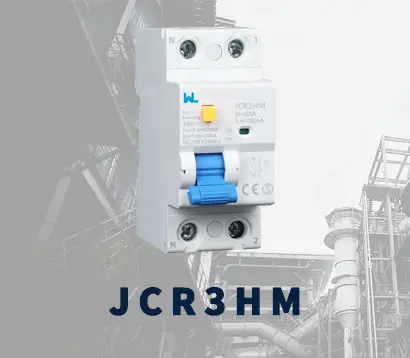 JCR3HM
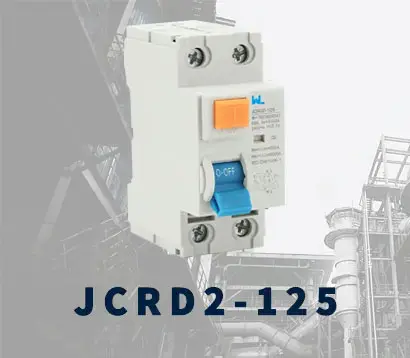 JCRD2-125
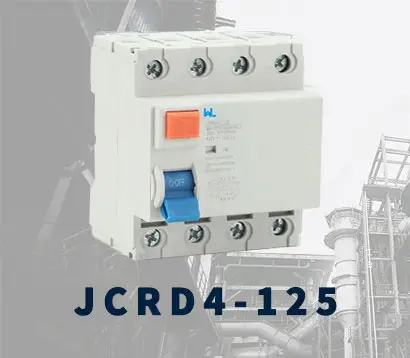 JCRD4-125
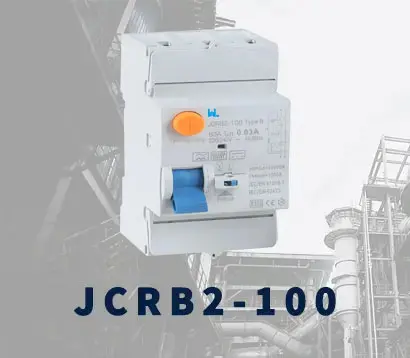 JCRB2-100
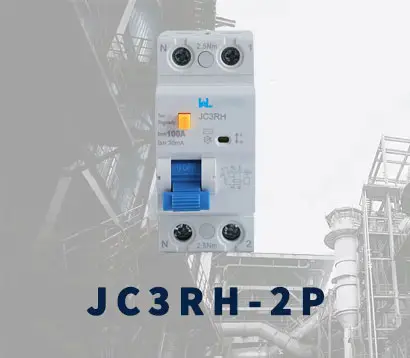 JC3RH-2P
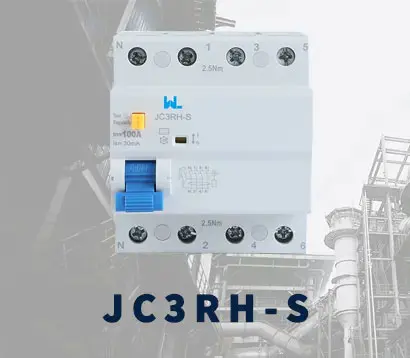 JC3RH-S
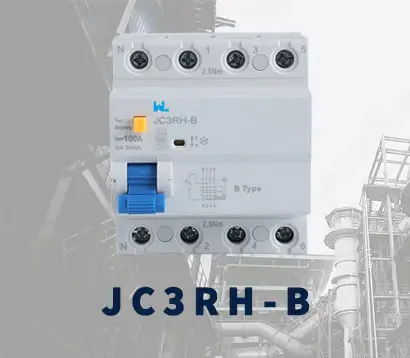 JC3RH-B
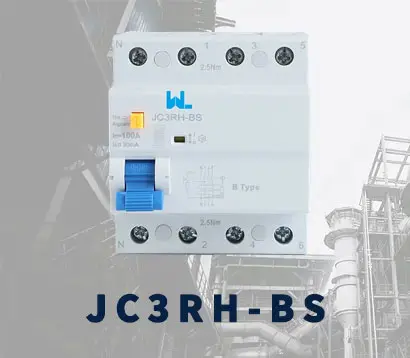 JC3RH-BS
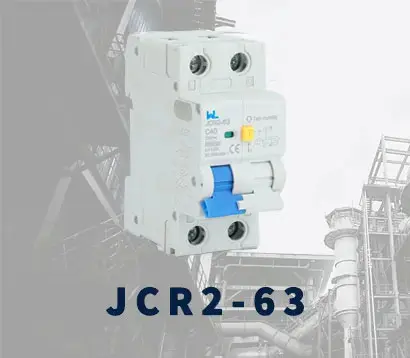 JCR2-63
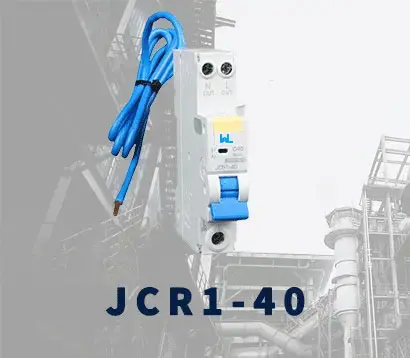 JCR1-40
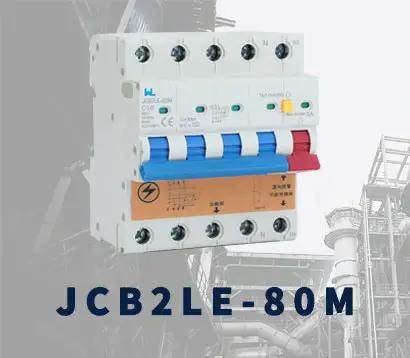 JCB2LE-80M
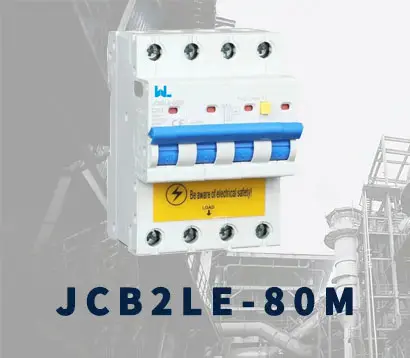 JCB2LE-80M
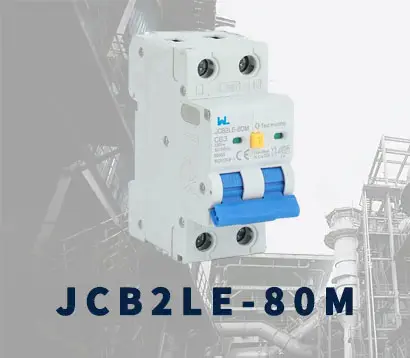 JCB2LE-80M
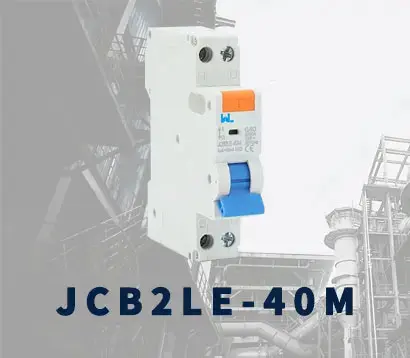 JCB2LE-40M
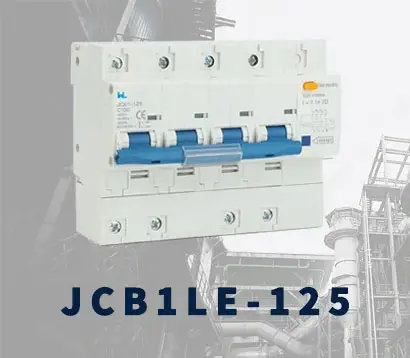 JCB1LE-125
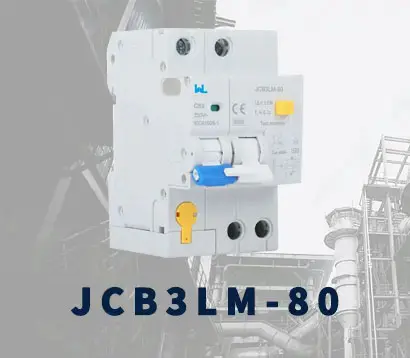 JCB3LM-80
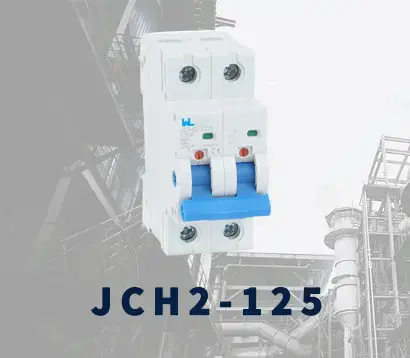 JCH2-125
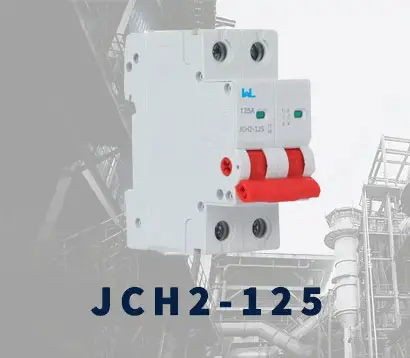 JCH2-125
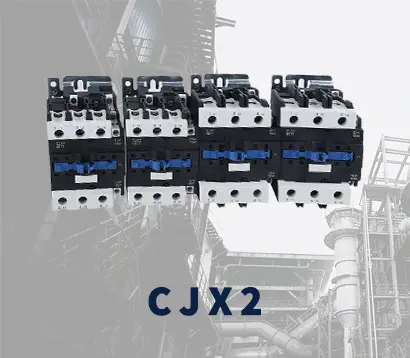 CJX2
CJX2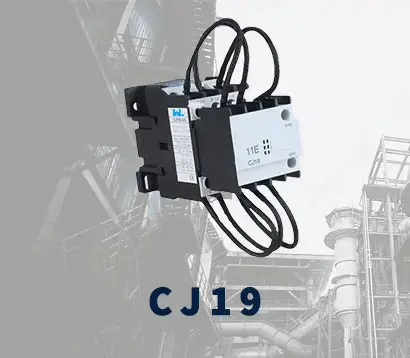 CJ19
CJ19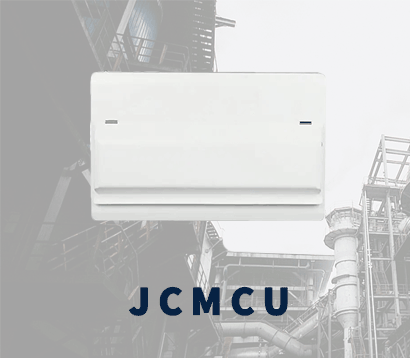 JCMCU
JCMCU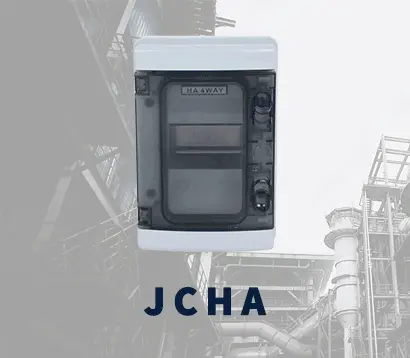 JCHA
JCHA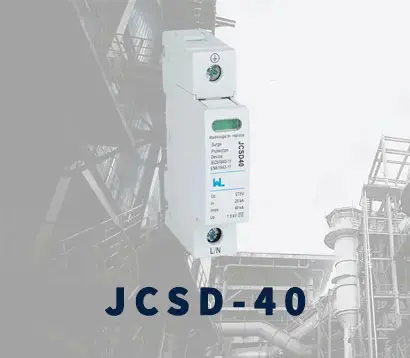 JCSD-40
 JCSD-60
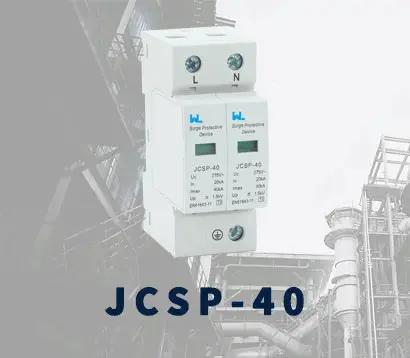 JCSP-40
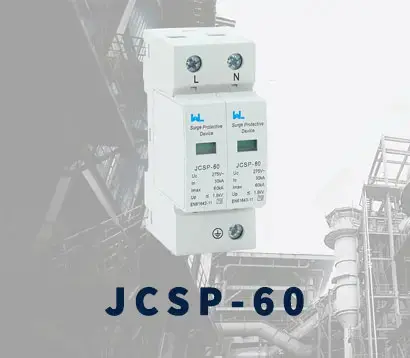 JCSP-60
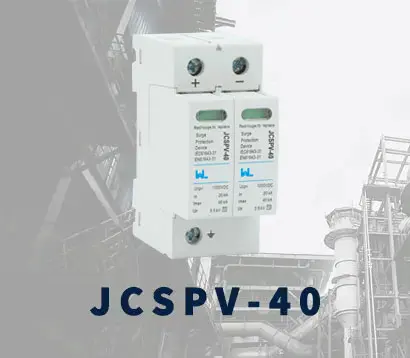 JCSPV
JCSPV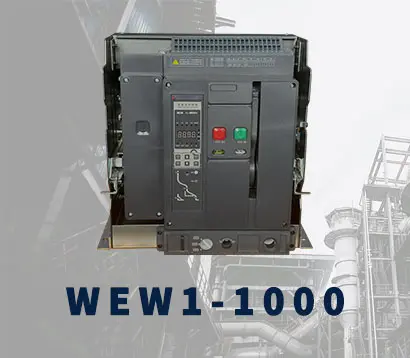 WEW1-1000
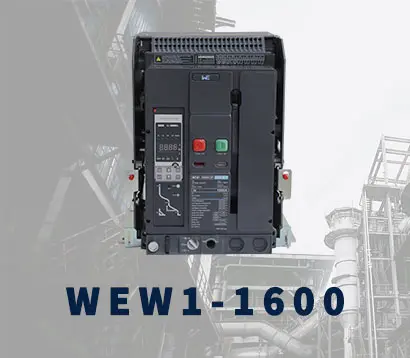 WEW1-1600
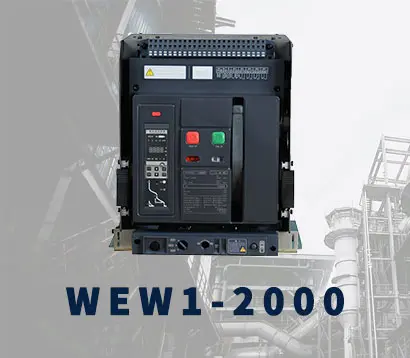 WEW1-2000
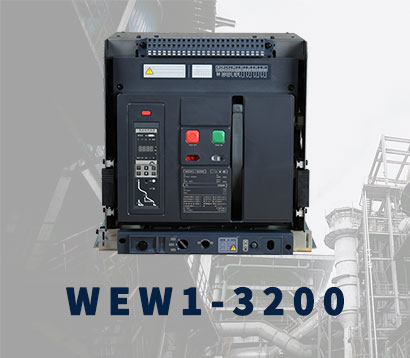 WEW1-3200
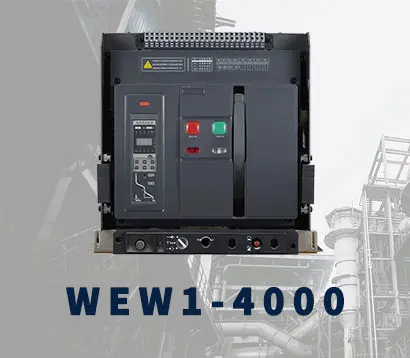 WEW1-4000
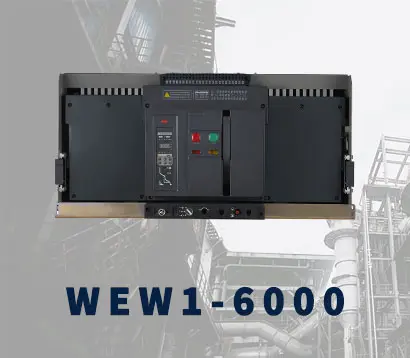 WEW1-6300
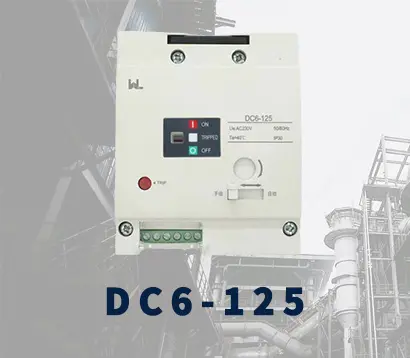 DC6-125
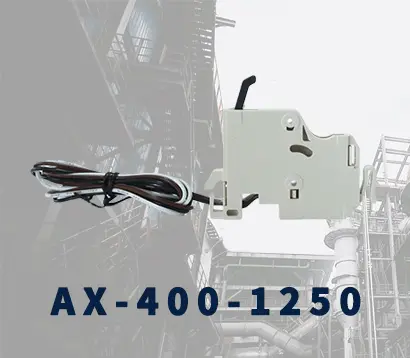 AX-400-1250
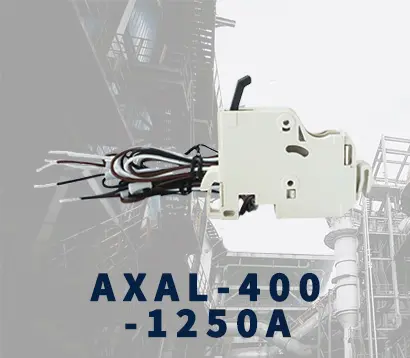 AXAL-400-1250A
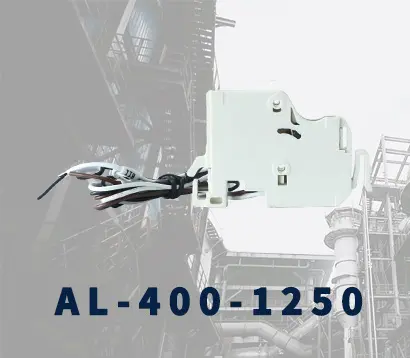 AL-400-1250
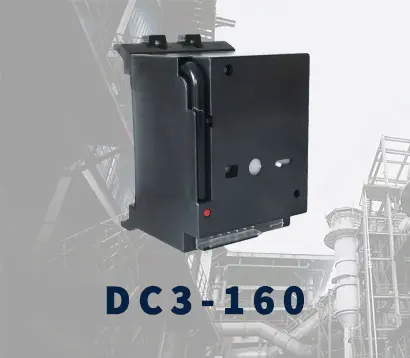 DC3-160
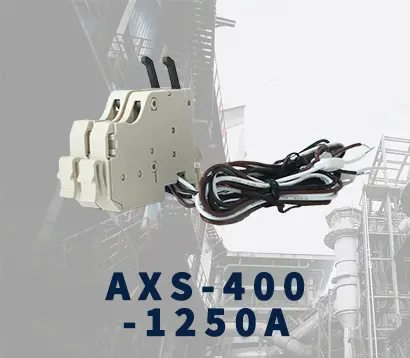 AXS-400-1250A
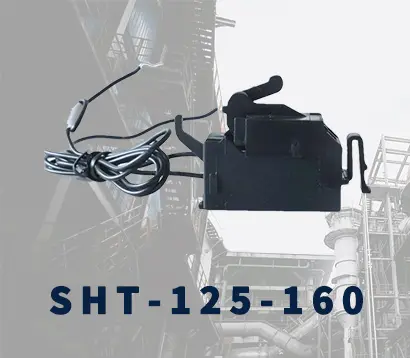 SHT-125-160
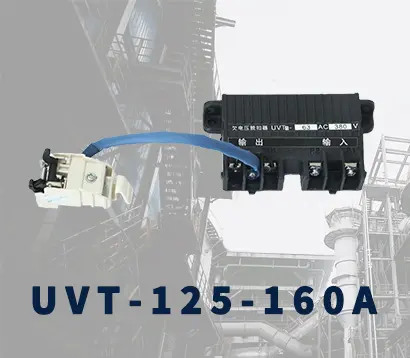 UVT-125-160A
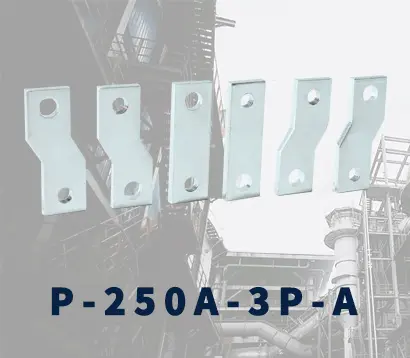 P-250A-3P-A
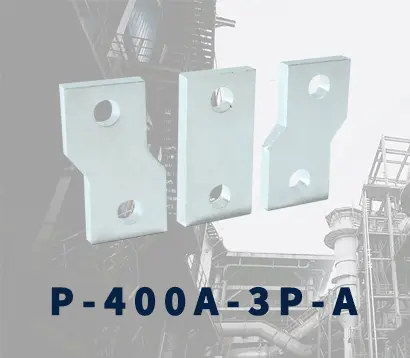 400-3P/4P terminal cover
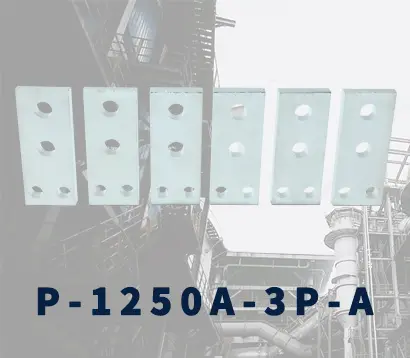 1250-3Pmccb accessories busbar
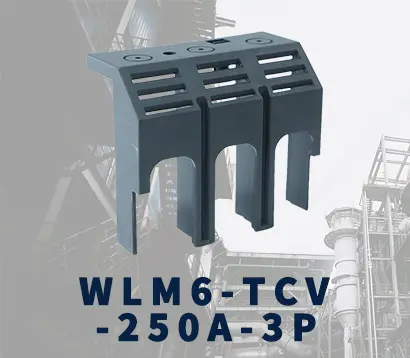 250-3P terminal conver
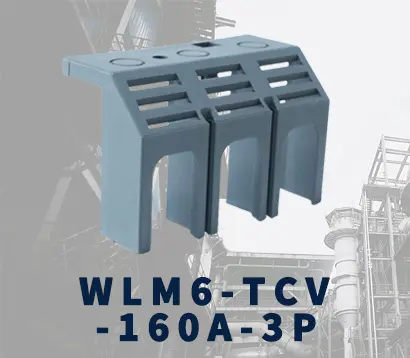 WLM6-TCV-160A-3P
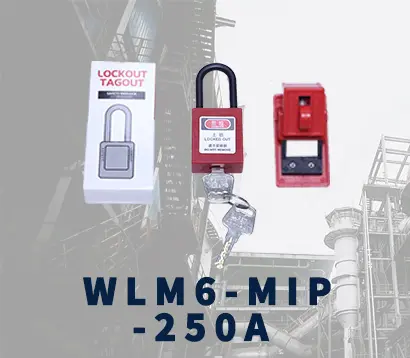 WLM6-MIP-250A
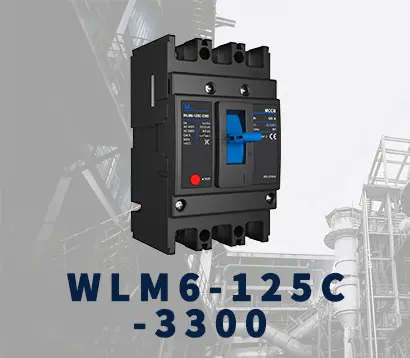 WLM6-125A-3300 3P/4P
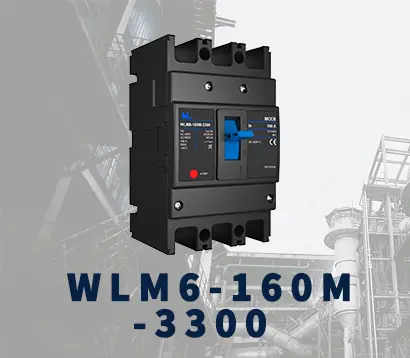 WLM6-160A-3300 3P/4P
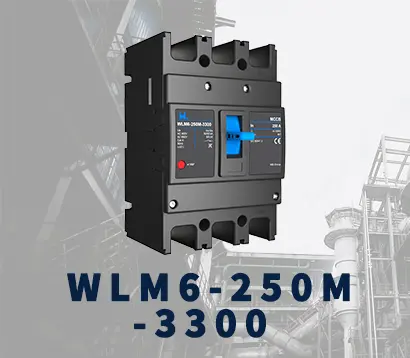 WLM6-250A-3300 3P/4P
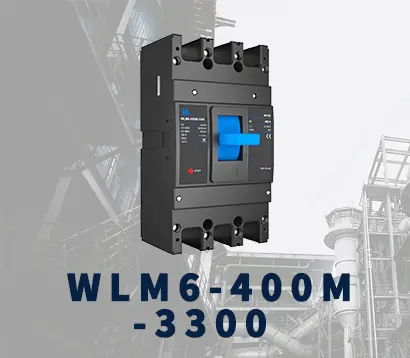 WLM6-400A-3300 3P/4P
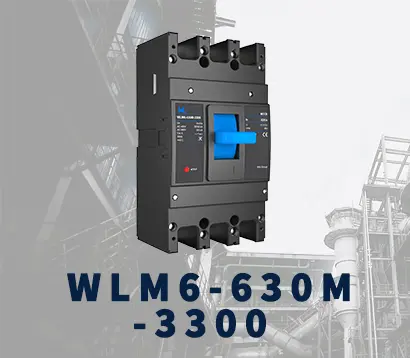 WLM6-630A-3300 3P/4P
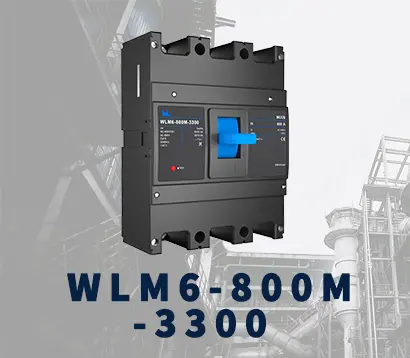 WLM6-800A-3300 3P/4P
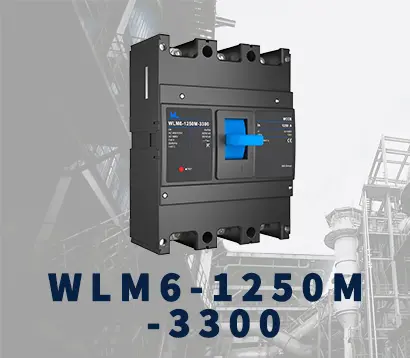 WLM6-1250A-3300 3P/4P
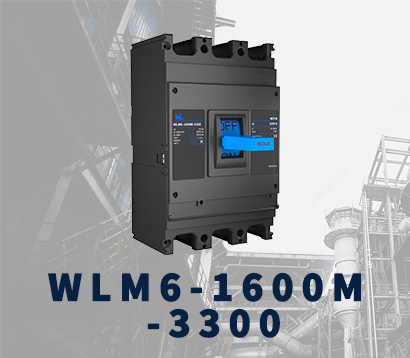 WLM6-1600A-3300 3P/4P
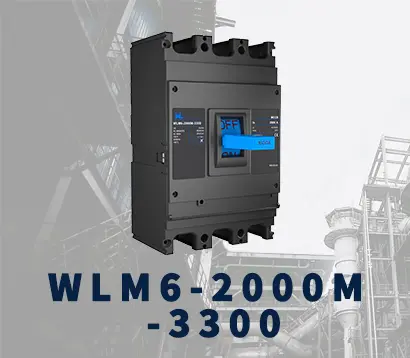 WLM6-2000A 3P/4P
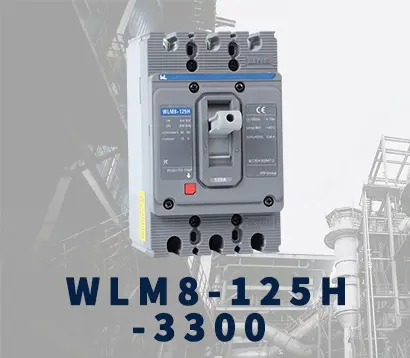 WLM8-125H-3300
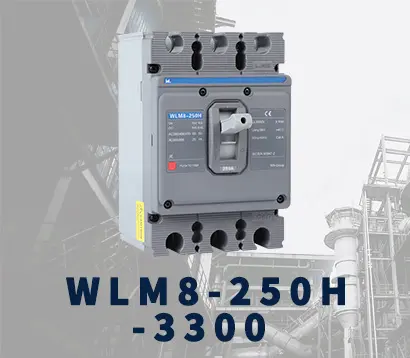 WLM8-250H-3300
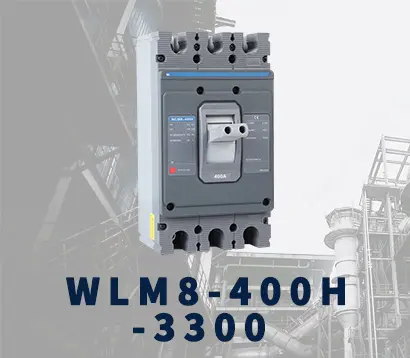 WLM8-400H-3300
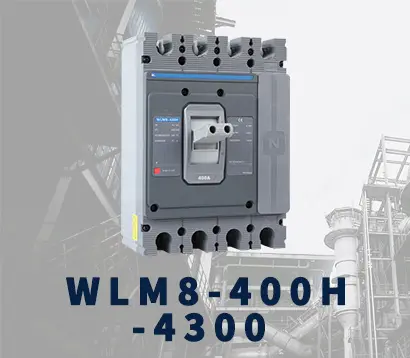 WLM8-400H-4300
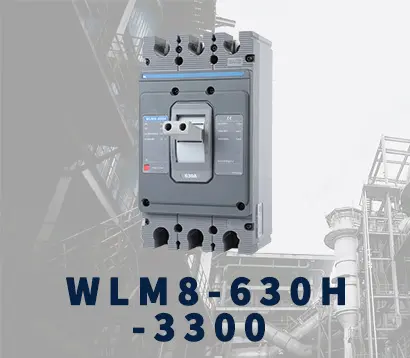 WLM8-630H-3300
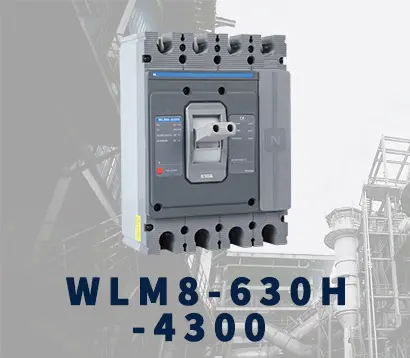 WLM8-630H-4300
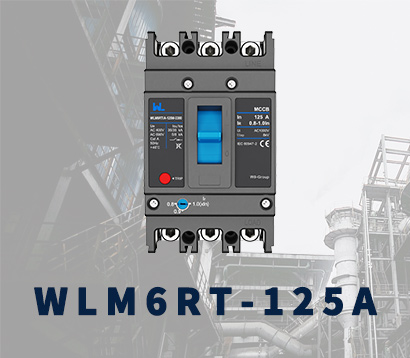 WLM6RT-125A
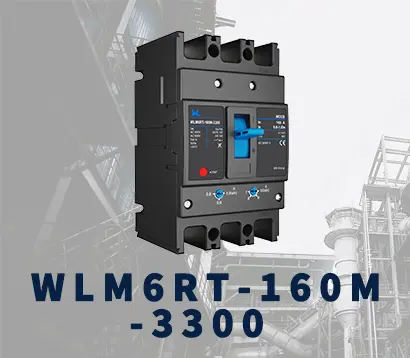 WLM6RT-160A
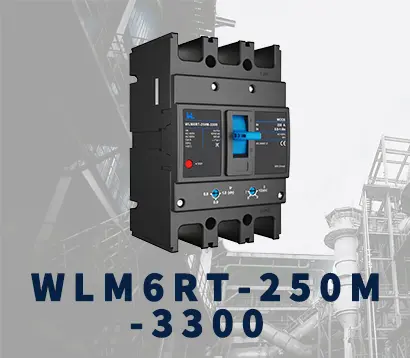 WLM6RT-250A
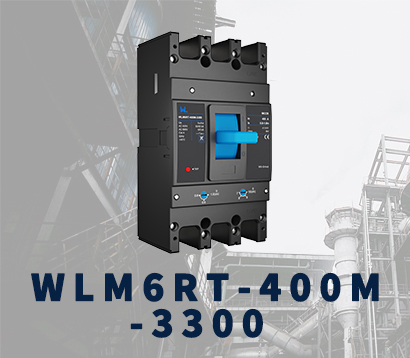 WLM6RT-400A
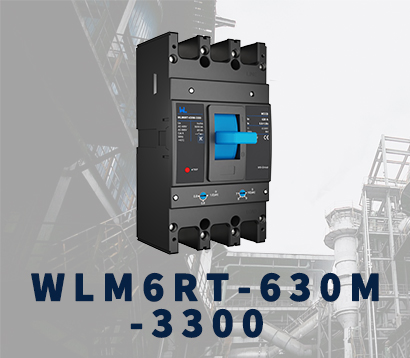 WLM6RT-630A
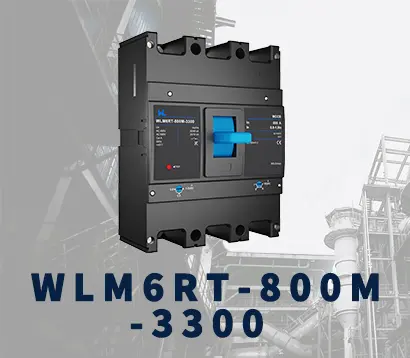 WLM6RT-800A
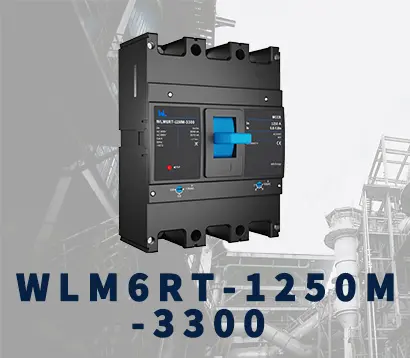 WLM6RT-1250A
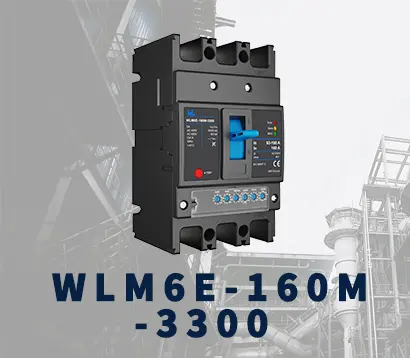 WLM6E-160A-3300 3P
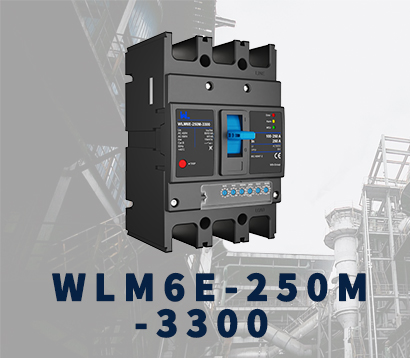 WLM6E-250A-3300
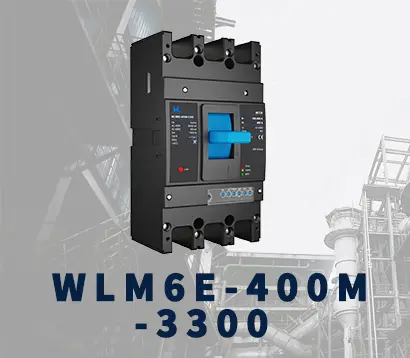 WLM6E-400A-3300 3P/4P
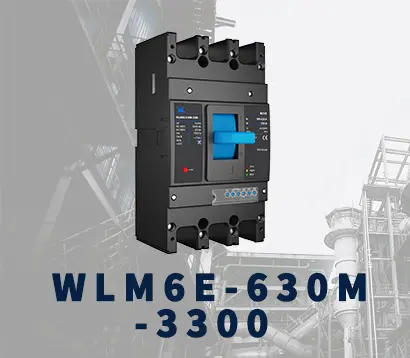 WLM6E-630A-3300
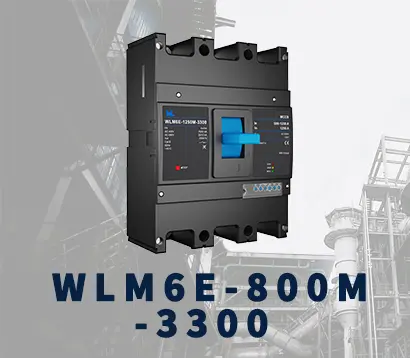 WLM6E-800A-3300 3P/4P
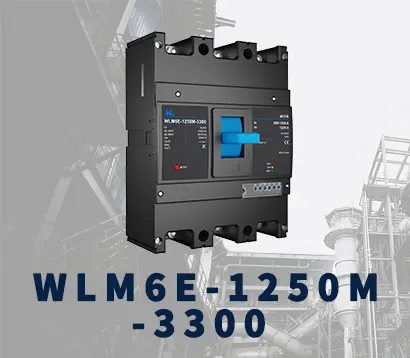 WLM6E-1250A-3300
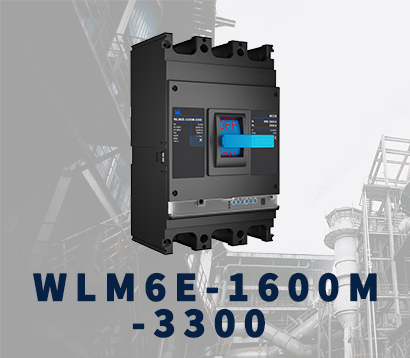 WLM6E-1600-3300 3P/4P
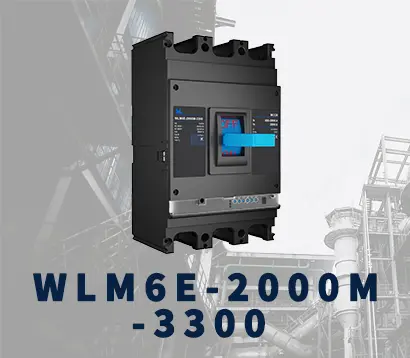 WLM6E-2000A-3300 3P/4P
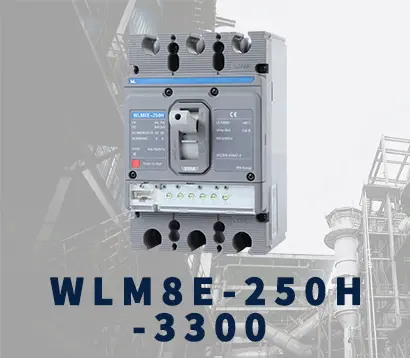 WLM8E-250H-3300
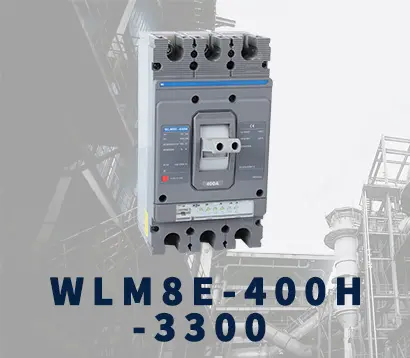 WLM8E-400H-3300
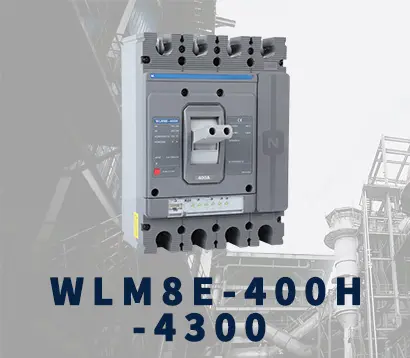 WLM8E-400H-4300
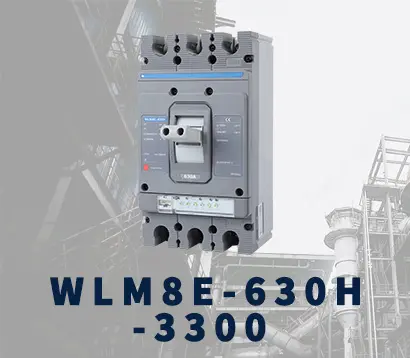 WLM8E-630H-3300
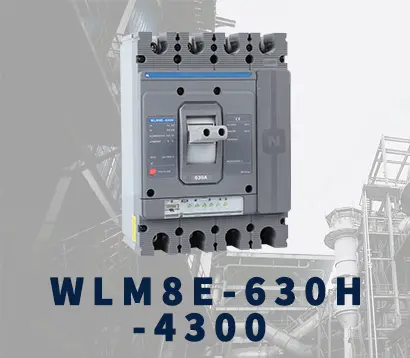 WLM8E-630H-4300
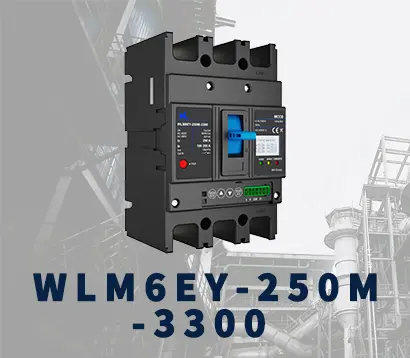 WLM6EY-250-3300 3P/4P
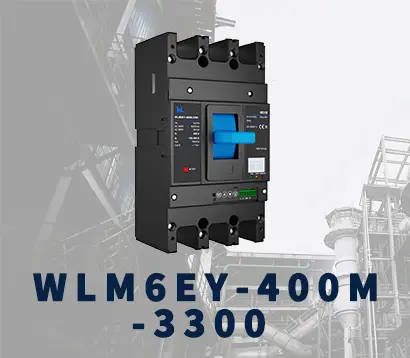 WLM6EY-400 3P/4P
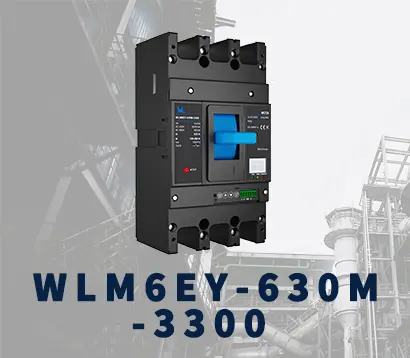 WLM6EY-630 3P/4P
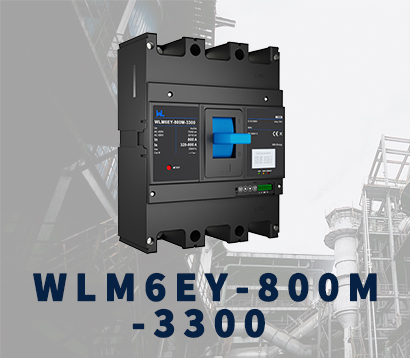 WLM6EY-800A 3P/4P
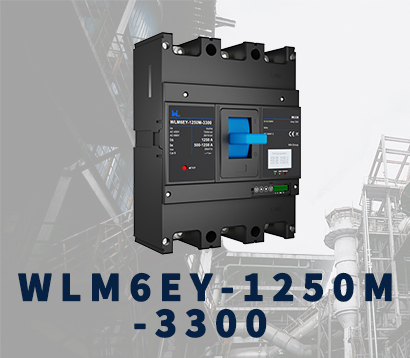 WLM6EY-1250A 3P/4P
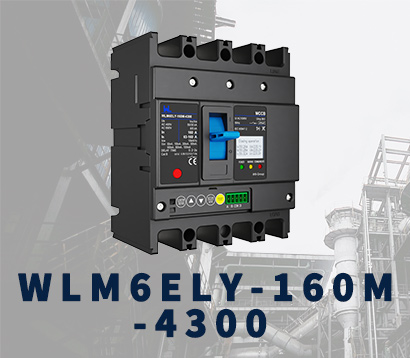 WLM6ELY-160A
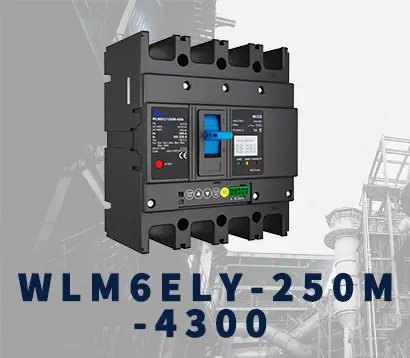 WLM6ELY-250A
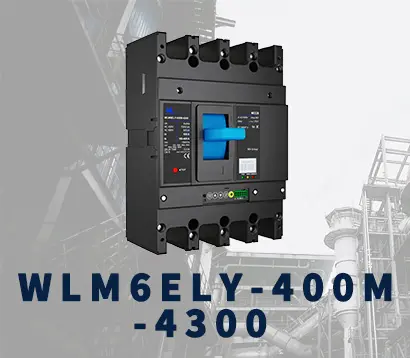 WLM6ELY-400A
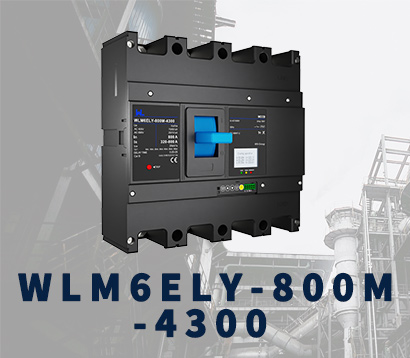 WLM6ELY-800A
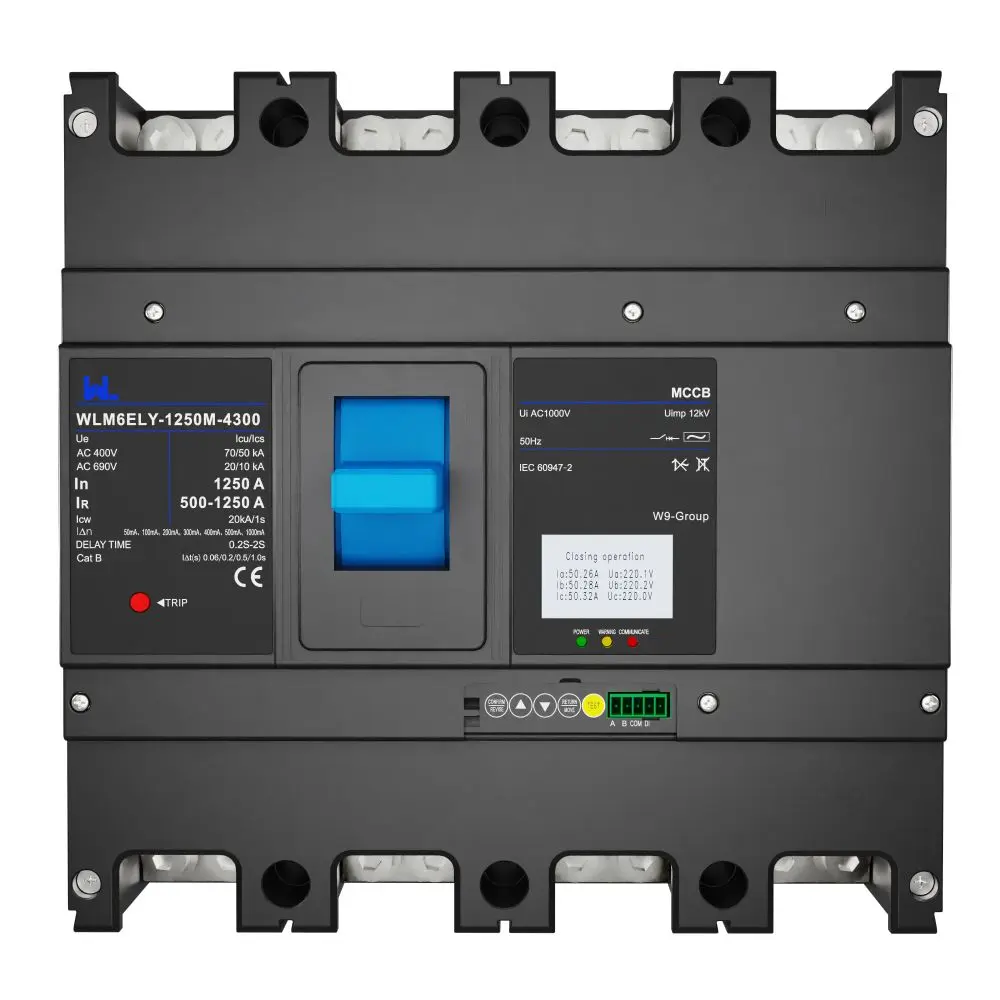 WLM6ELY-1250A
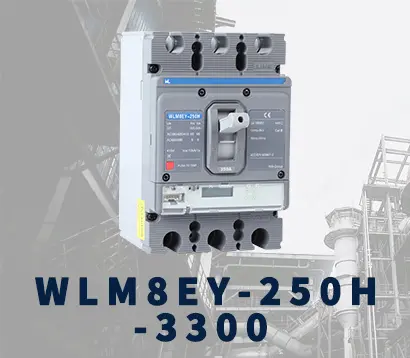 WLM8EY-250H-3300
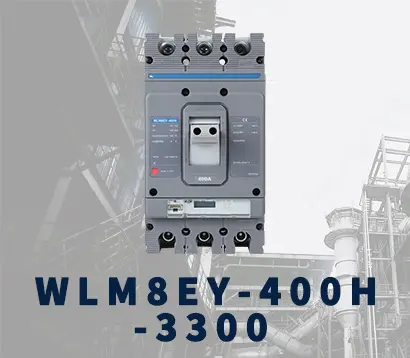 WLM8EY-400H-3300
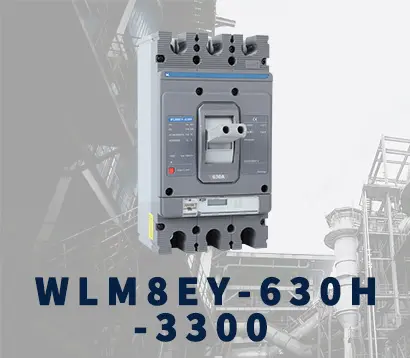 WLM8EY-630H-3300
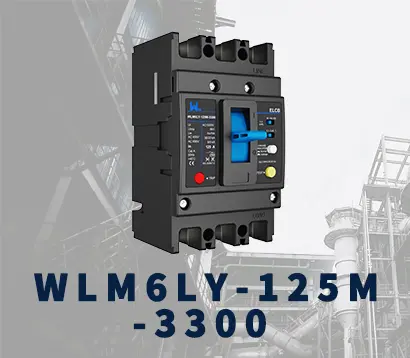 WLM6LY-125A
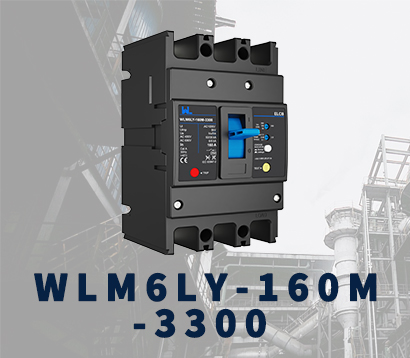 WLM6L-160A
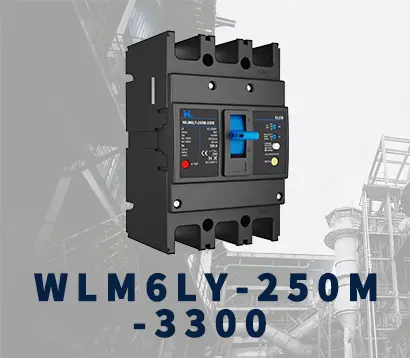 WLM6LY-250A
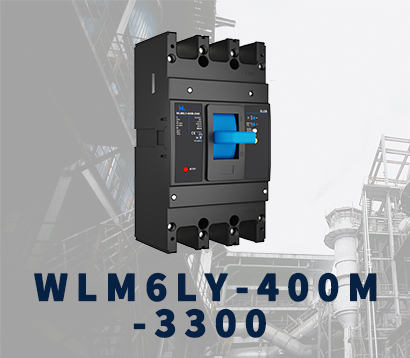 WLM6LY-400A
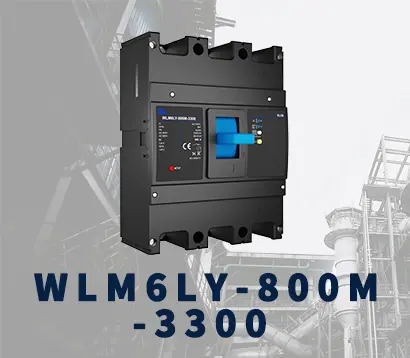 WLM6LY-800A
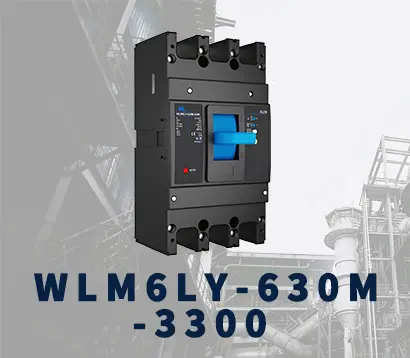 WLM6LY-630A
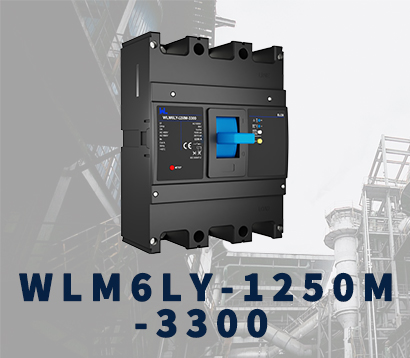 WLM6LY-1250A
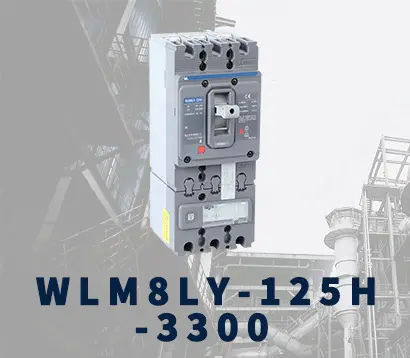 WLM8LY-125H-3300
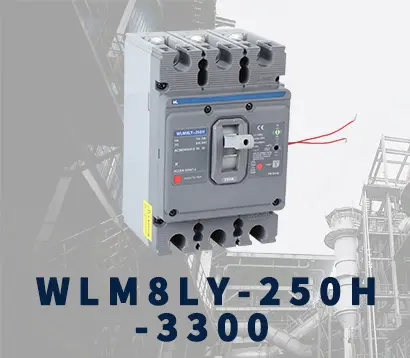 WLM8LY-250H-3300
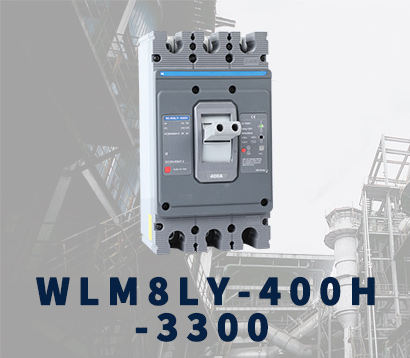 WLM8LY-400H-3300
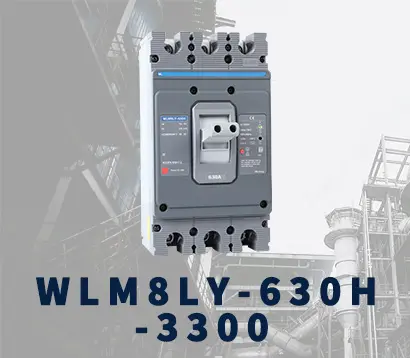 WLM8LY-630H-3300
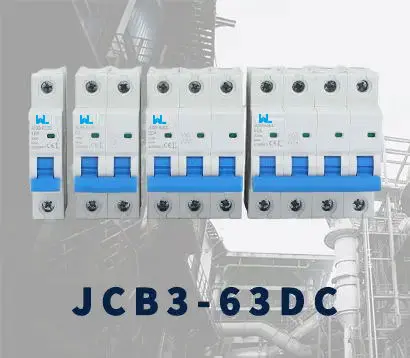 JCB3-63DC
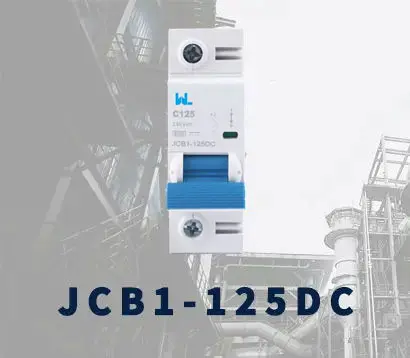 JCB1-125DC
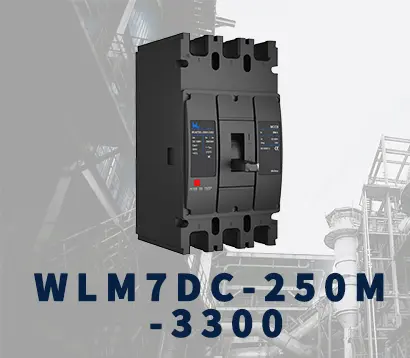 WLM7DC-250A-2300 2P/3P
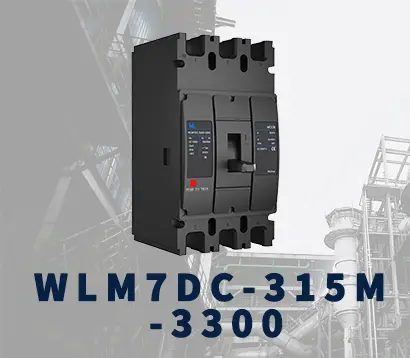 WLM7DC-315A-3300 2P/3P
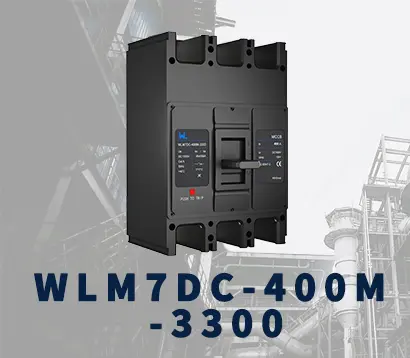 WLM7DC-400A-2300 2P/3P
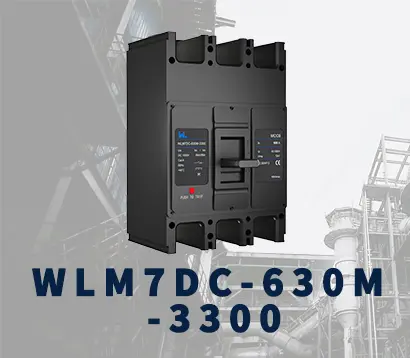 WLM7DC-630A-3300 3P
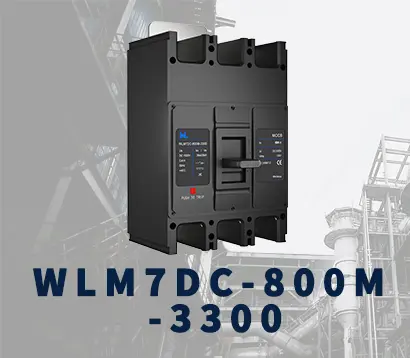 WLM7DC-800A-2300 2P/3P
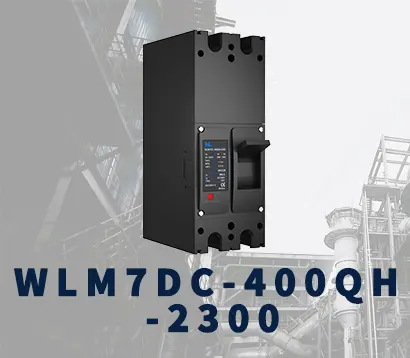 WLM7DC-400A 2300
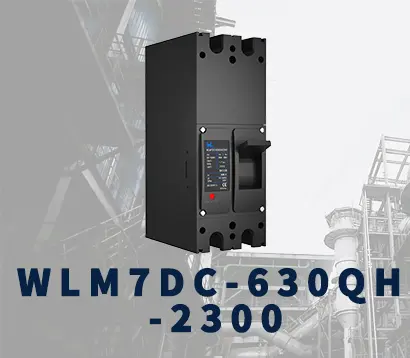 WLM7DC-630A-2300 2P
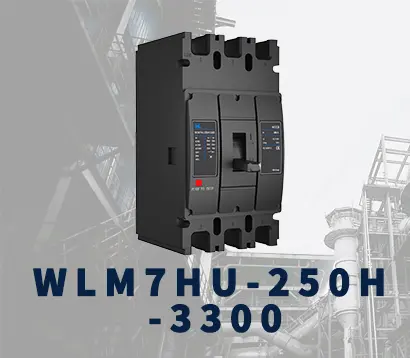 WLM7HU-250-3300 3P
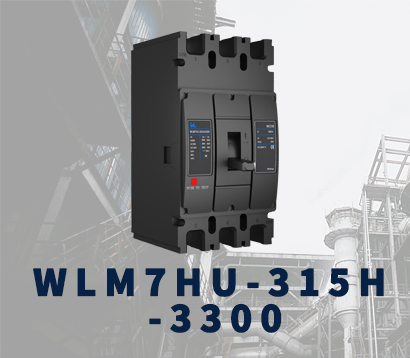 WLM7HU-315-3300 3P
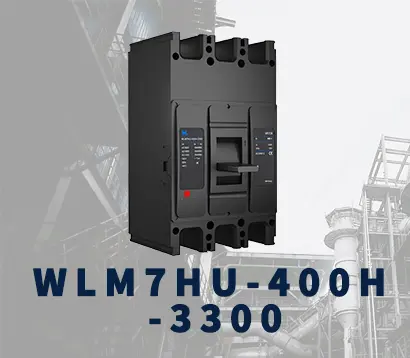 WLM7HU-400-3300 3P
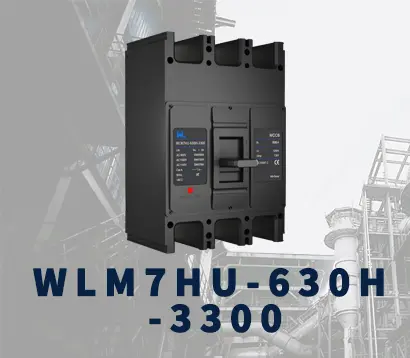 WLM7HU-630-3300 3P
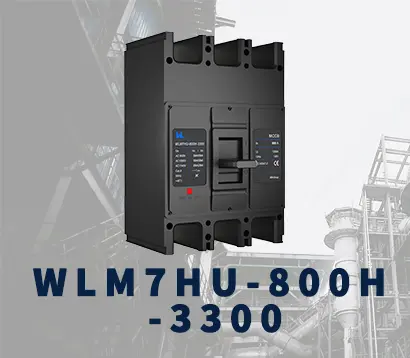 WLM7HU-800-3300 3P
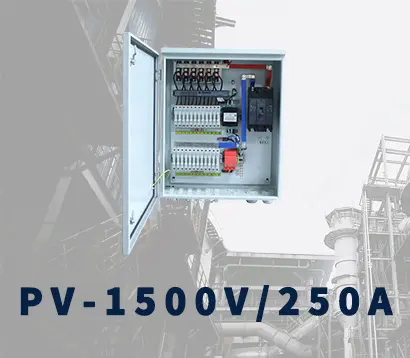 PV-1500V/250A
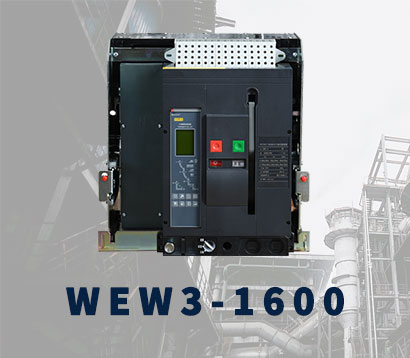 WEW3-1600
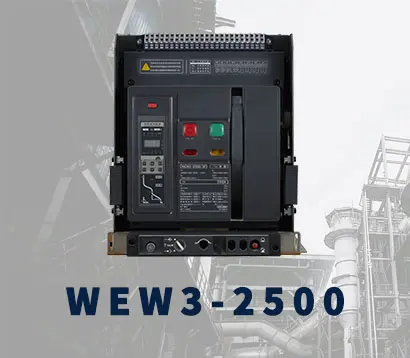 WEW3-2500
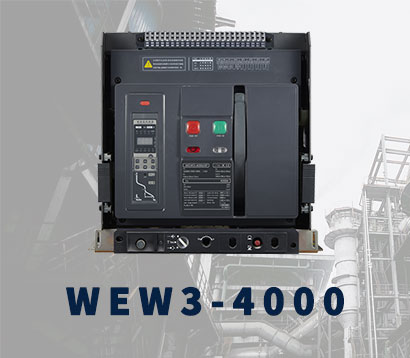 WEW3-4000
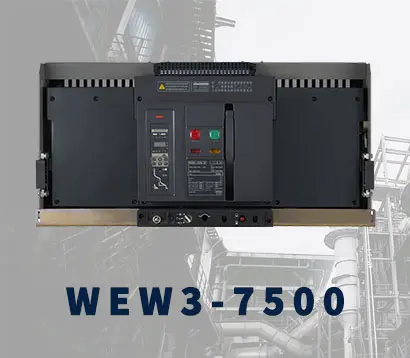 WEW3-7500