How to Choose the Right MCCB Circuit Breaker for Your Needs?
Choosing the right MCCB circuit breaker can significantly impact electrical system safety and efficiency. Experts in the field emphasize its importance. John Smith, a renowned electrical engineer, states, "Selecting the right MCCB circuit breaker is crucial for optimal protection and performance."
MCCB circuit breakers protect electrical circuits from overloads and short circuits. Understanding the specifications and applications is vital. Factors like voltage ratings, current ratings, and interrupting capacities all play essential roles. Many users overlook these details, leading to potential failures and safety risks.
In a market flooded with options, making informed choices isn’t easy. Users often feel overwhelmed by technical jargon. However, knowledge about operational environments and specific applications can guide decisions. Take time to evaluate each component’s performance features. A well-chosen MCCB circuit breaker not only safeguards equipment but also enhances overall operational reliability.
Understanding the Basics of MCCB Circuit Breakers
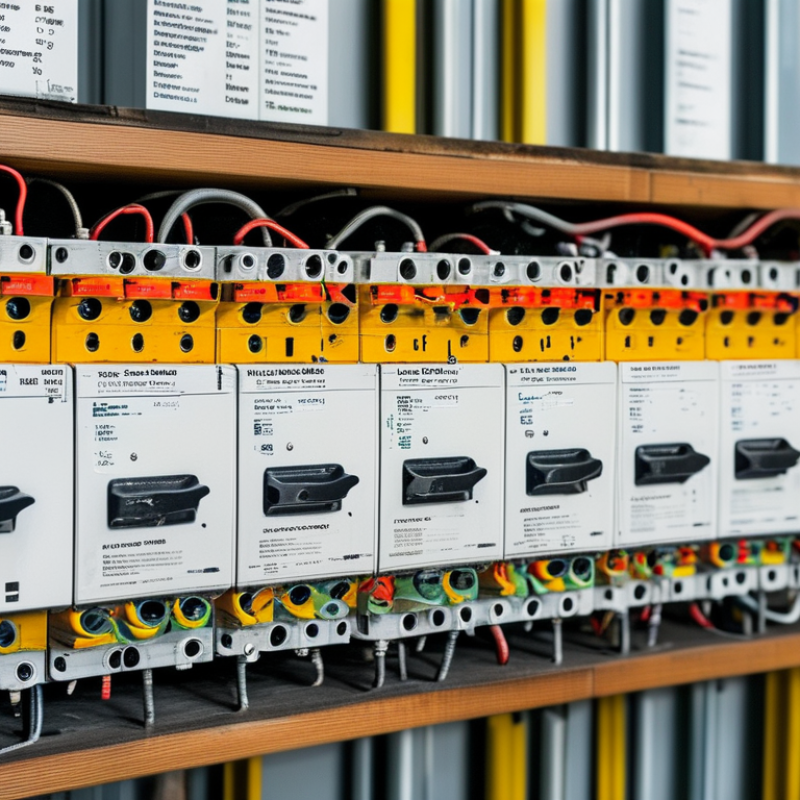
MCCB (Molded Case Circuit Breaker) circuit breakers play a critical role in electrical safety. They protect electrical circuits by automatically interrupting the flow of current in case of overload or short circuits. The choice of the right MCCB is influenced by several factors including load capacity and environmental conditions.
According to the latest industry reports, the global MCCB market is projected to reach USD 8.2 billion by 2027, growing at a CAGR of 6.2% during the forecast period. This growth is primarily driven by increasing demand for industrial automation and renewable energy systems. Understanding the specific requirements of your electrical systems is vital. For instance, the ambient temperature and potential exposure to dust or moisture can significantly impact the performance of the MCCB.
Additionally, the rated current of the circuit breaker should match your system's load requirements. Oversizing or undersizing can lead to inefficient operation. A high-quality MCCB can endure multiple fault conditions before failure, but improper selection may decrease reliability. Industry standards (like IEC 60947-2) help guide the selection process, but careful evaluation of individual needs remains essential. Users often overlook these details, leading to costly mistakes that could have been avoided with the right information.
Identifying Your Power Requirements for MCCB Selection
When selecting a Molded Case Circuit Breaker (MCCB), understanding your power requirements is crucial. A well-defined power demand helps prevent overloading and protects your electrical systems. According to the International Electrotechnical Commission (IEC), a circuit breaker should be chosen based on the load it will manage. Common peak loads should be evaluated to ensure adequate protection.
Consider the total amperage of your devices. For example, if your equipment draws an average of 50 A, selecting an MCCB rated at 63 A might be suitable. This accounts for potential surges and avoids nuisance trips. In the industrial sector, nearly 30% of users report selecting breakers that are either under or over-rated, leading to performance issues.
Voltage ratings are also significant. Ensure the MCCB’s voltage matches your circuit’s requirements. The National Electrical Manufacturers Association (NEMA) emphasizes that proper voltage alignment enhances safety and efficiency. An inadequately rated device can lead to failures or electrical fires, which is a grave concern. Therefore, thorough assessment of your power needs is essential.
Evaluating the Voltage and Current Ratings of MCCBs
When selecting an MCCB (Molded Case Circuit Breaker), understanding voltage and current ratings is crucial. These ratings determine how well the MCCB functions in various electrical systems. The voltage rating indicates the maximum voltage the breaker can safely handle. A mismatched voltage can lead to breaker failure. Therefore, choose a voltage rating that aligns closely with your system requirement. If you're working with a 480V system, select an MCCB rated for at least that voltage level.
Current ratings are equally important. They indicate the maximum load the circuit breaker can carry without tripping. If the load exceeds this rating, the breaker will trip. For instance, if your system often operates near its maximum capacity, consider a breaker with a higher current rating. This avoids nuisance tripping but remember, oversizing can also lead to inadequate protection. Aim for a balance that considers both your load needs and safety.
Many users underestimate the complexity of selecting an appropriate MCCB. Some may feel overwhelmed by the options available. This is understandable. However, careful evaluation of voltage and current ratings can simplify the decision. Simplistically aiming for higher ratings might lead to safety issues or increased costs. Reflecting on your specific electrical demands will guide you in making informed choices.
Considering Environmental Factors in MCCB Selection
When selecting a Molded Case Circuit Breaker (MCCB), environmental factors play a critical role. Temperature, humidity, and possible exposure to corrosive substances can significantly affect the performance of circuit breakers. A report by the International Electrotechnical Commission (IEC) indicates that MCCBs operating in high humidity can have a decreased short-circuit protection level. This can lead to potential failures if not considered.
Furthermore, the ambient temperature is paramount in making your choice. The National Electrical Code (NEC) states that for every 10°C above 30°C, the thermal ratings of equipment can change. Breakers operating in extreme temperatures often require de-rating. Corrosion resistant materials may also be necessary for installations near marine environments or industrial sites.
The degree of dust and smoke presence is another factor. MCCBs in high-dust areas can accumulate particles that affect their operation. This necessitates regular maintenance and cleaning to ensure reliability. While industry standards guide these selections, exceptions can occur. Testing with real conditions is sometimes essential to validate performance claims. Selecting the right MCCB is not only about specifications; it's about understanding the environment where it will operate.
Assessing Additional Features and Safety Standards for MCCBs
When selecting an MCCB, safety features are paramount. The ability to withstand short circuits is crucial. Check the interrupting capacity; it indicates how much fault current the device can handle. Higher interrupting ratings are essential for industrial settings. Look for indicators such as trip settings and adjustable features. These customization options help tailor the device to your specific application needs.
Consider safety certifications as well. Standards like UL or IEC signify that the MCCB meets rigorous testing requirements. Devices with these certifications ensure reliable protection in various environments. An MCCB that has advanced thermal and magnetic protection features is preferable. These capabilities enhance the breaker’s reliability. Another aspect to consider is the panel layout and overall symmetry of the installation. A poorly arranged setup may lead to accessibility issues for maintenance.
One must also account for future expansions. As facilities evolve, so do their electrical needs. An MCCB that is adaptable can save costs and ensure safety long-term. Regular reviews of the chosen equipment against current standards are necessary. The fast-paced electrical regulations may introduce new safety measures. Reflecting on these factors will lead to a more informed decision on MCCB selection.
How to Choose the Right MCCB Circuit Breaker for Your Needs?
This chart illustrates the assessment of various features and safety standards for MCCBs, focusing on current rating, pole configuration, and additional features such as adjustable settings and integrated surge protection.

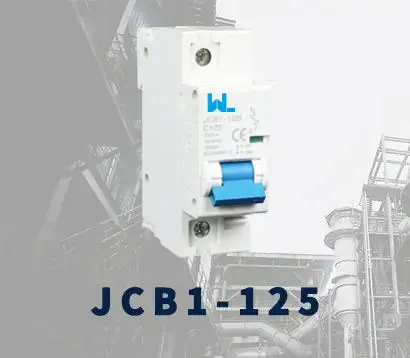 JCB1-125
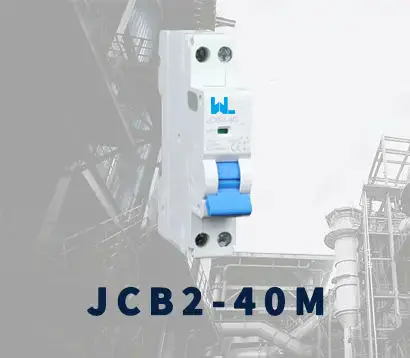 JCB2-40M
 JCB3-63DC
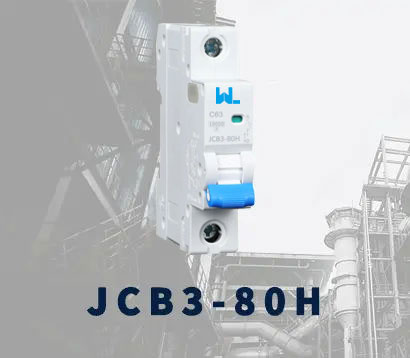 JCB3-80H
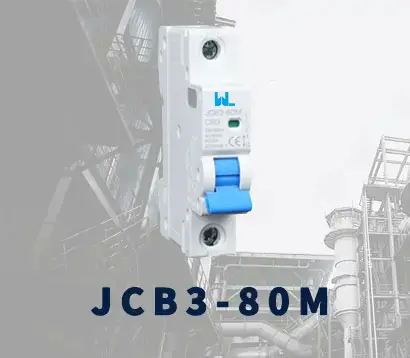 JCB3-80M
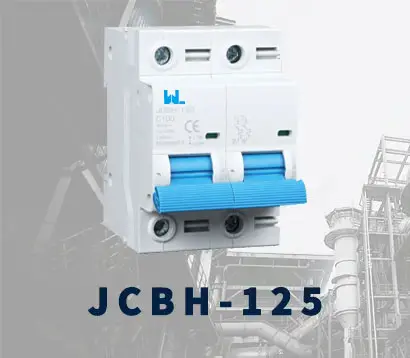 JCBH-125
 JC80-2P
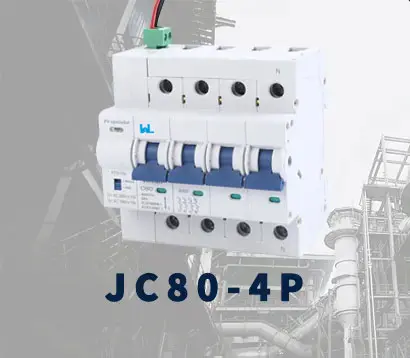 JC80-4P
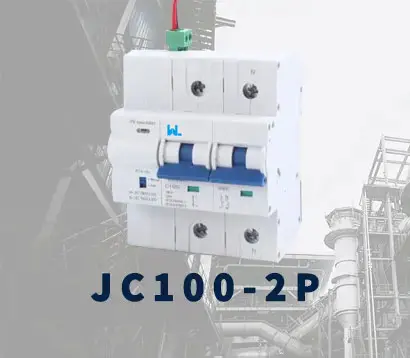 JC125-2P
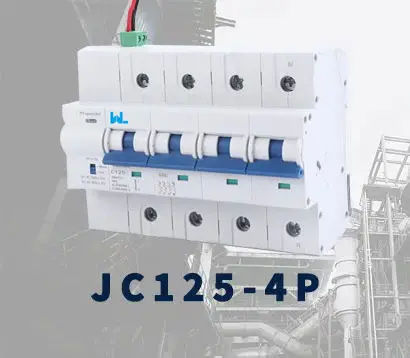 JC125-4P
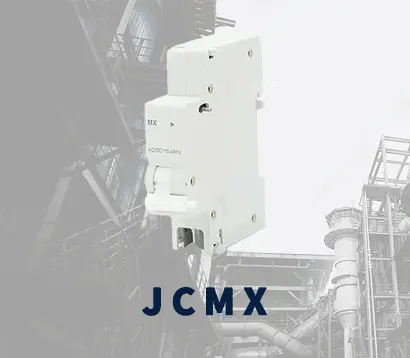 JCMX
JCMX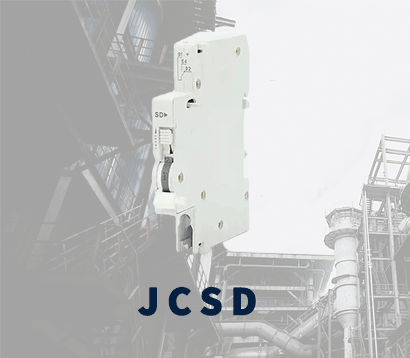 JCSD
JCSD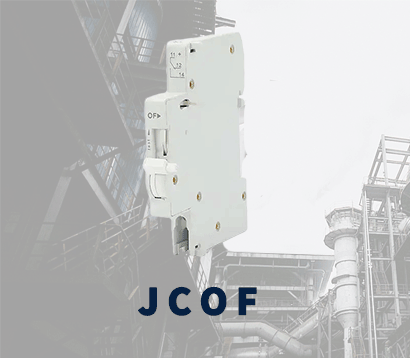 JCOF
JCOF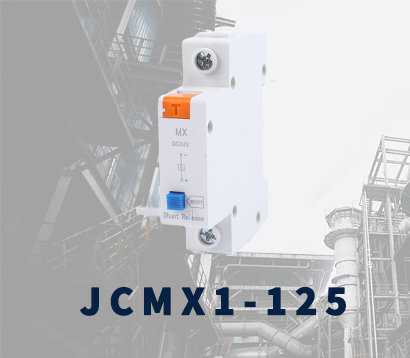 JCMX1-125
 JCOF1-125
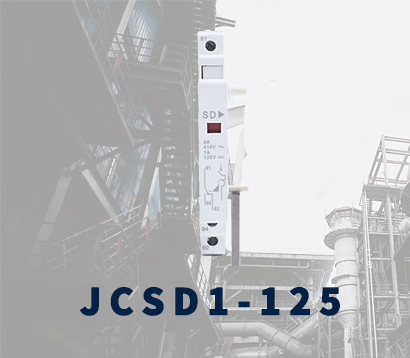 JCSD1-125
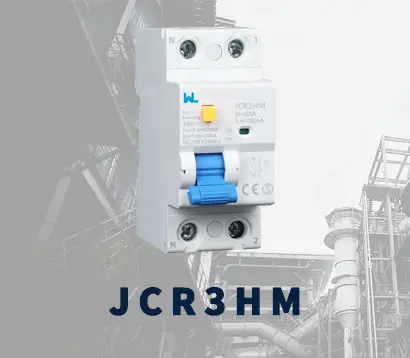 JCR3HM
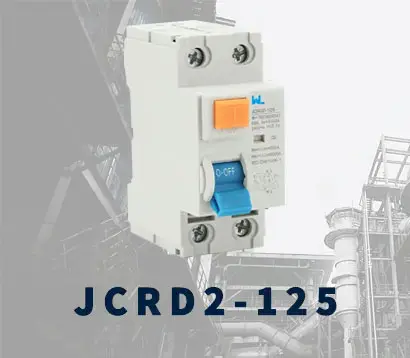 JCRD2-125
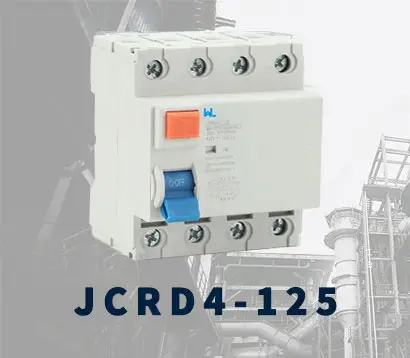 JCRD4-125
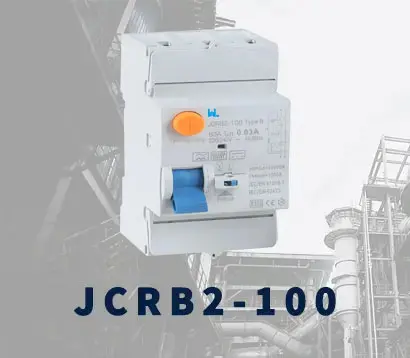 JCRB2-100
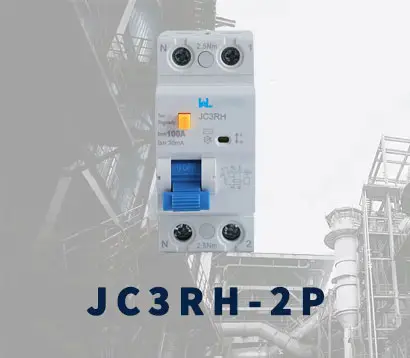 JC3RH-2P
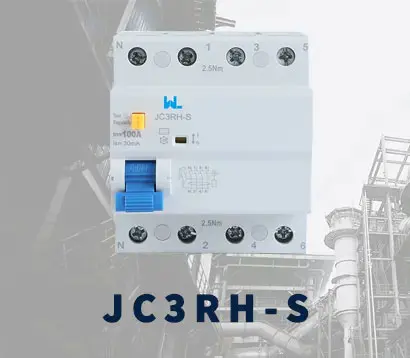 JC3RH-S
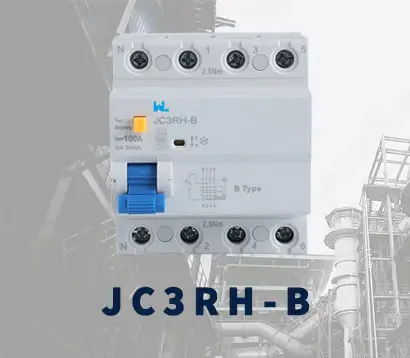 JC3RH-B
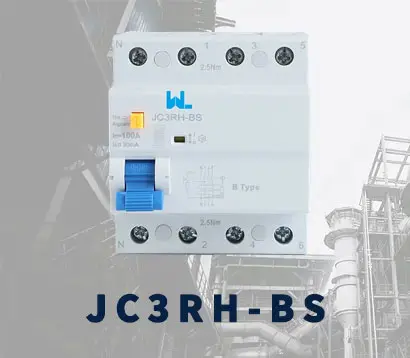 JC3RH-BS
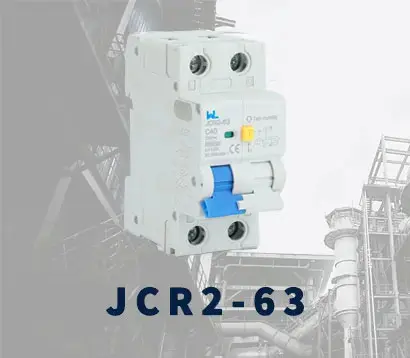 JCR2-63
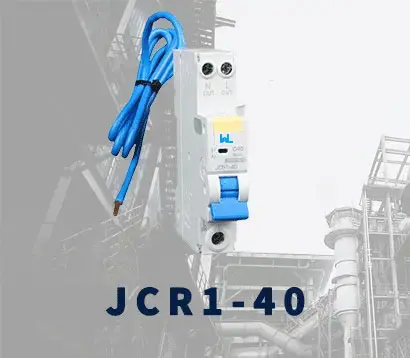 JCR1-40
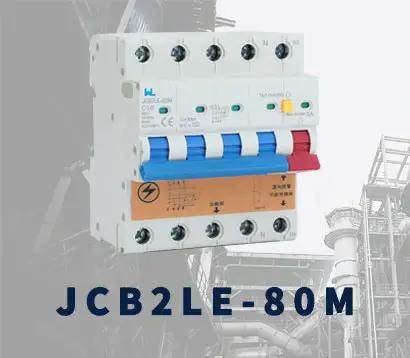 JCB2LE-80M
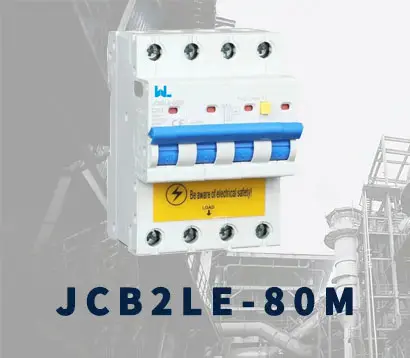 JCB2LE-80M
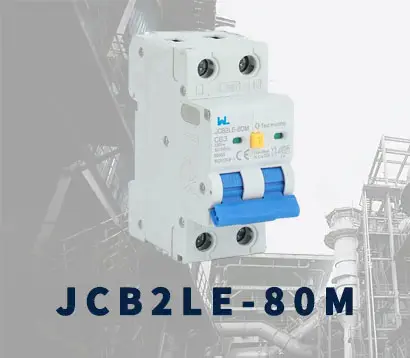 JCB2LE-80M
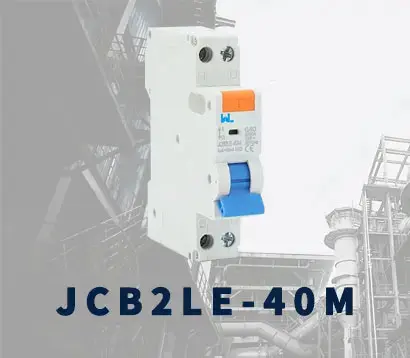 JCB2LE-40M
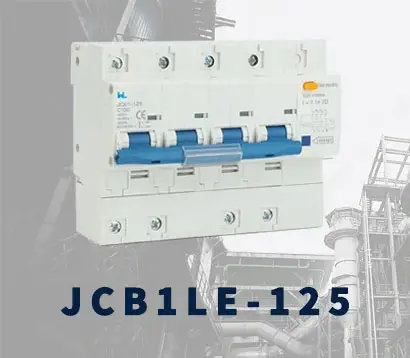 JCB1LE-125
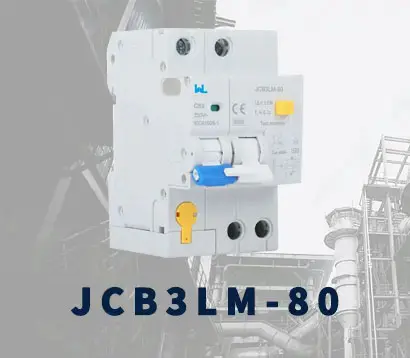 JCB3LM-80
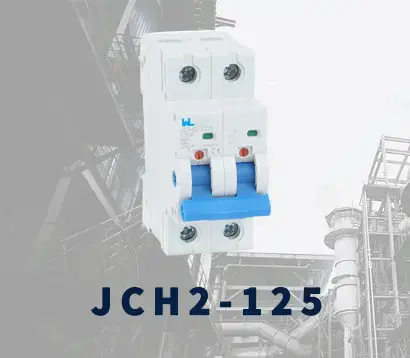 JCH2-125
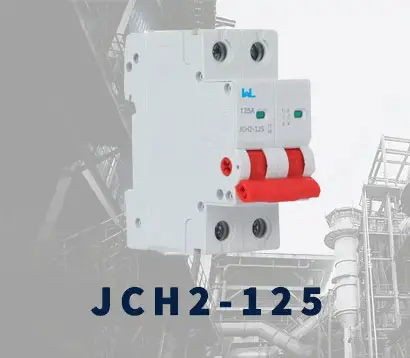 JCH2-125
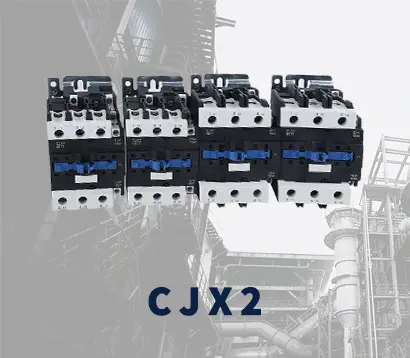 CJX2
CJX2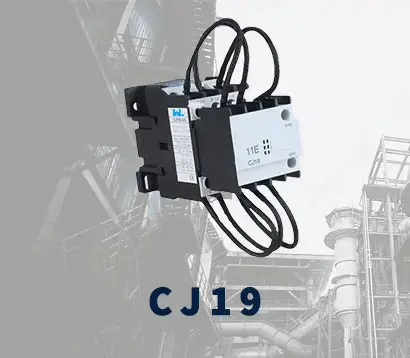 CJ19
CJ19 JCMCU
JCMCU JCHA
JCHA JCSD-40
 JCSD-60
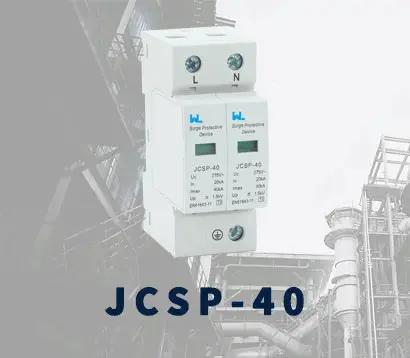 JCSP-40
 JCSP-60
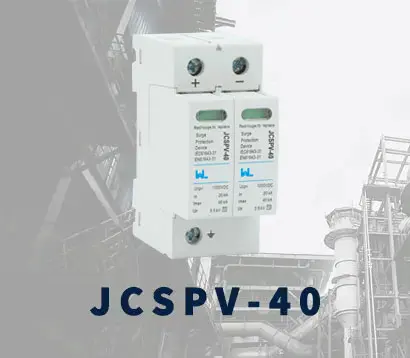 JCSPV
JCSPV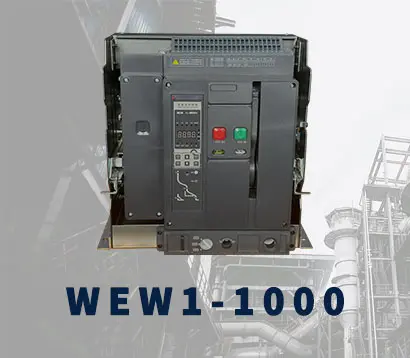 WEW1-1000
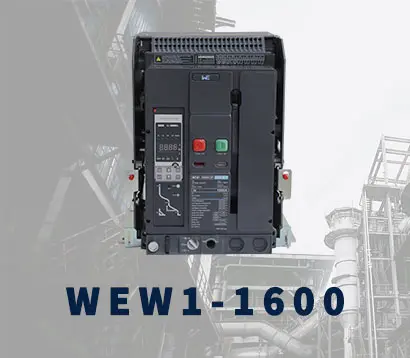 WEW1-1600
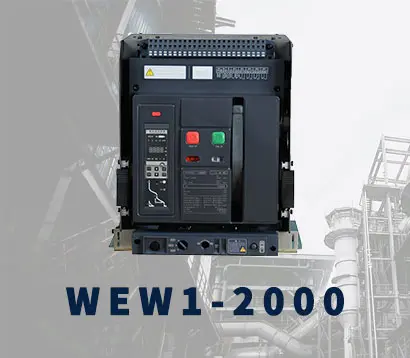 WEW1-2000
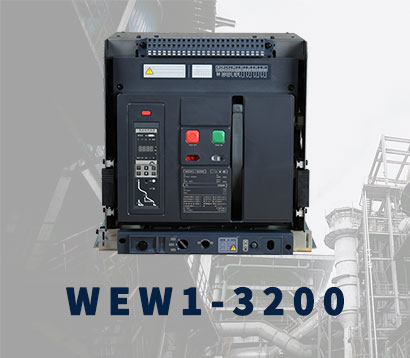 WEW1-3200
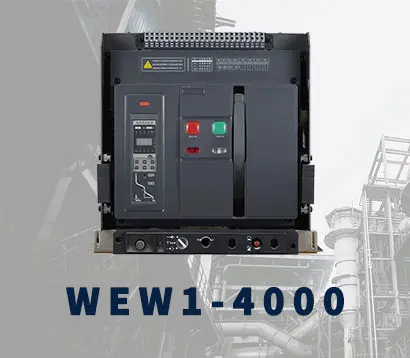 WEW1-4000
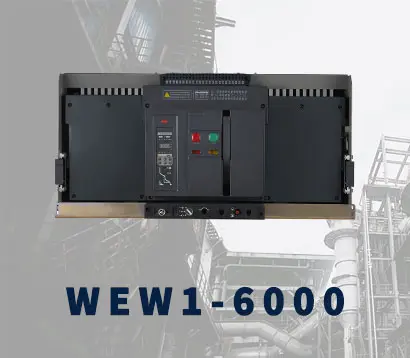 WEW1-6300
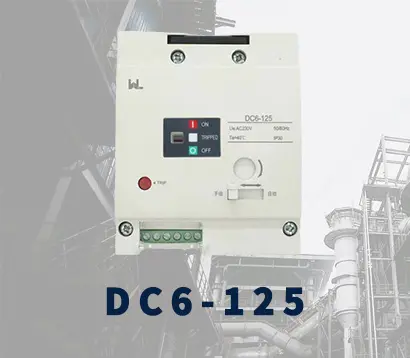 DC6-125
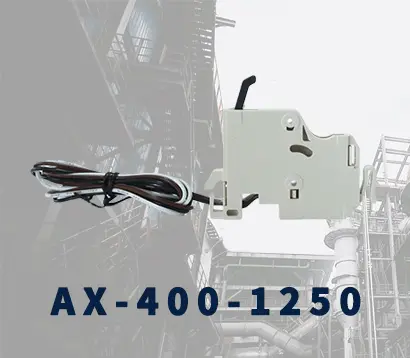 AX-400-1250
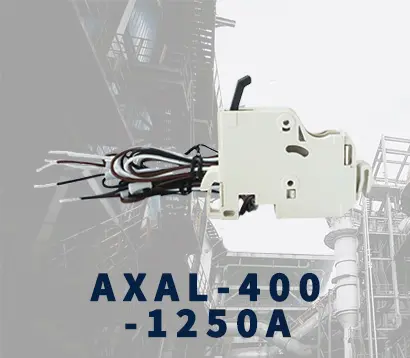 AXAL-400-1250A
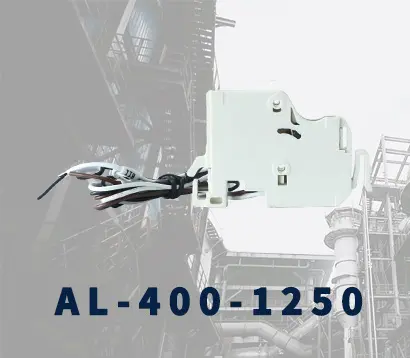 AL-400-1250
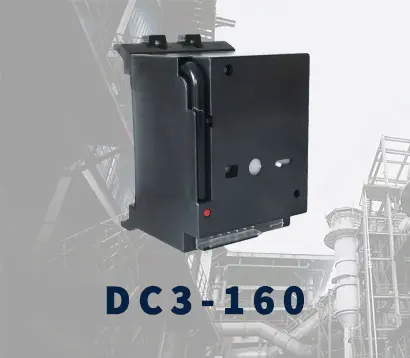 DC3-160
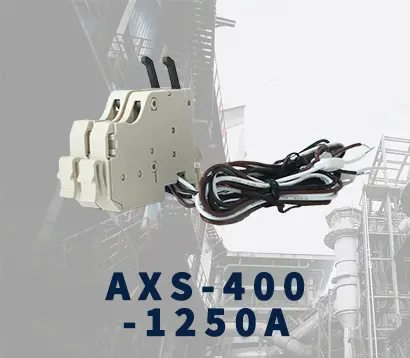 AXS-400-1250A
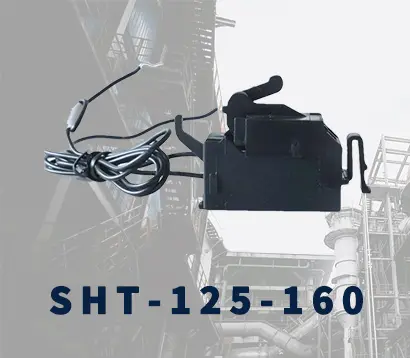 SHT-125-160
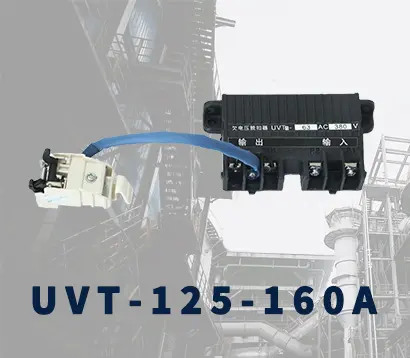 UVT-125-160A
 P-250A-3P-A
 400-3P/4P terminal cover
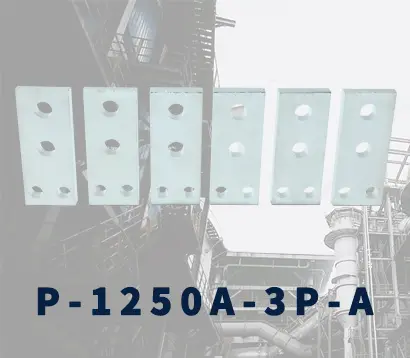 1250-3Pmccb accessories busbar
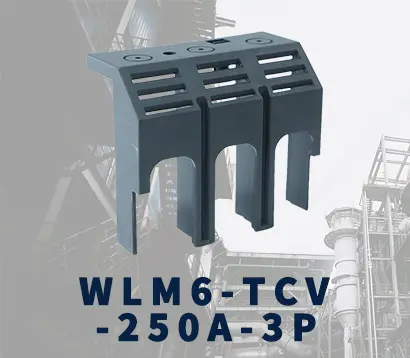 250-3P terminal conver
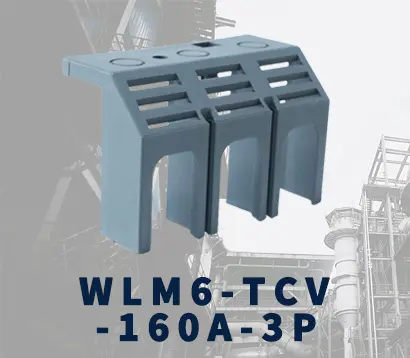 WLM6-TCV-160A-3P
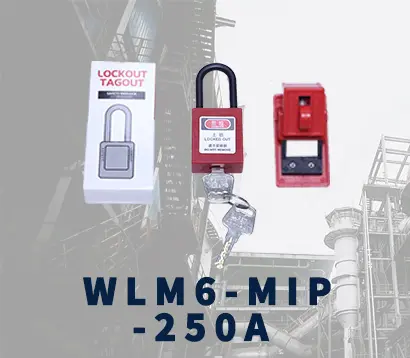 WLM6-MIP-250A
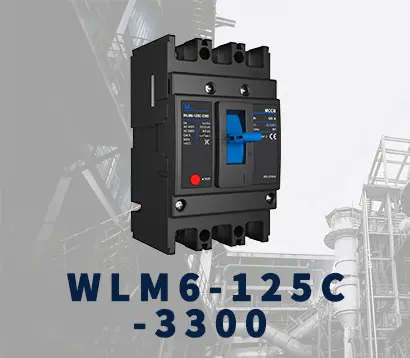 WLM6-125A-3300 3P/4P
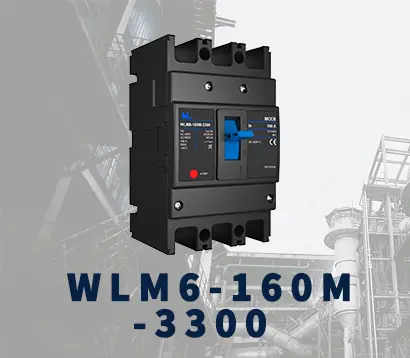 WLM6-160A-3300 3P/4P
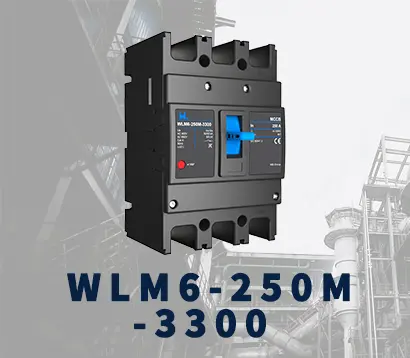 WLM6-250A-3300 3P/4P
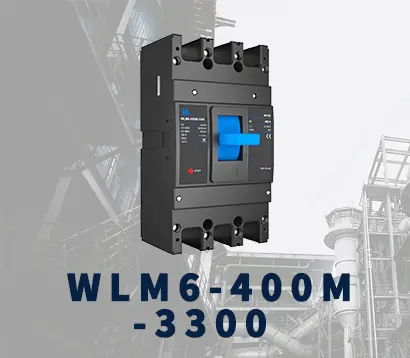 WLM6-400A-3300 3P/4P
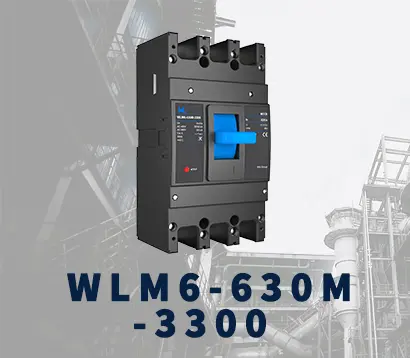 WLM6-630A-3300 3P/4P
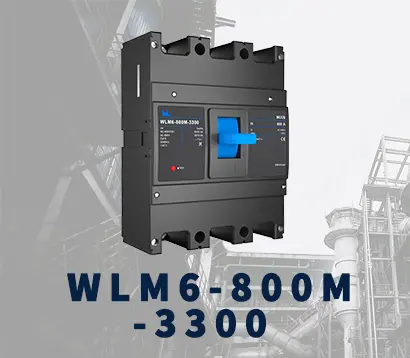 WLM6-800A-3300 3P/4P
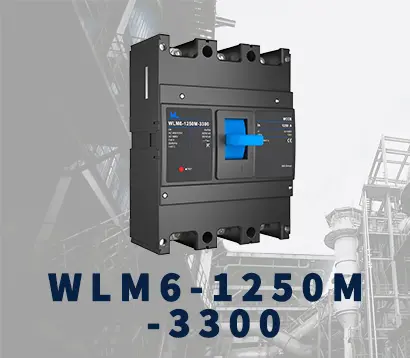 WLM6-1250A-3300 3P/4P
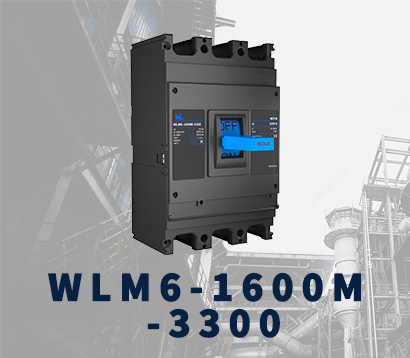 WLM6-1600A-3300 3P/4P
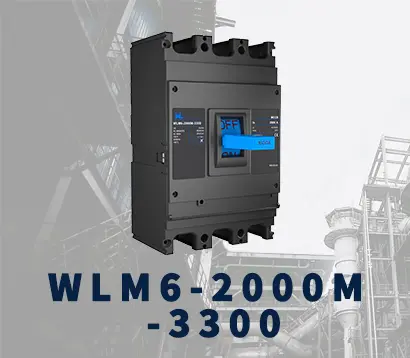 WLM6-2000A 3P/4P
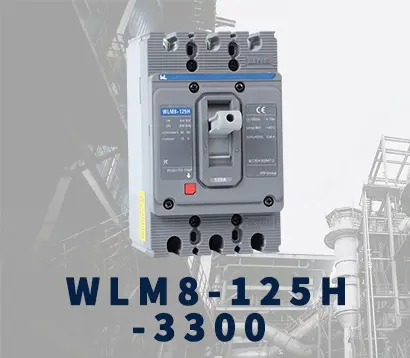 WLM8-125H-3300
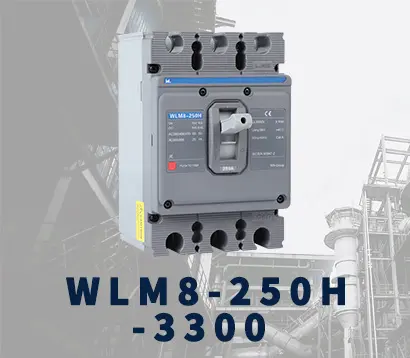 WLM8-250H-3300
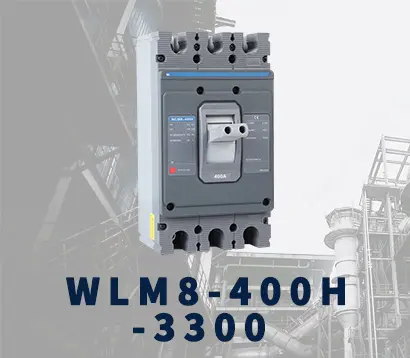 WLM8-400H-3300
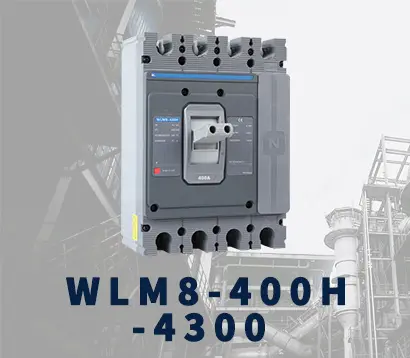 WLM8-400H-4300
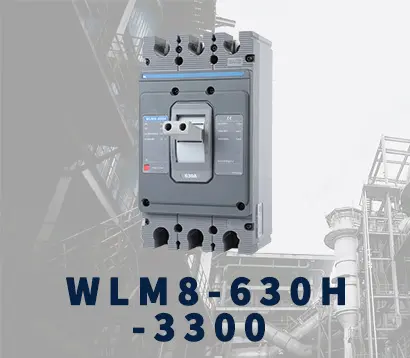 WLM8-630H-3300
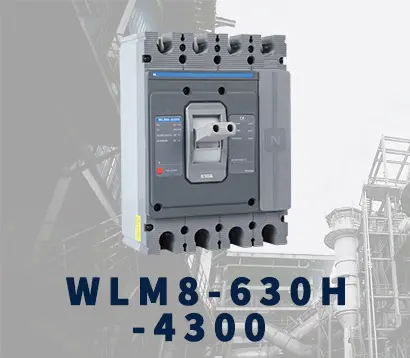 WLM8-630H-4300
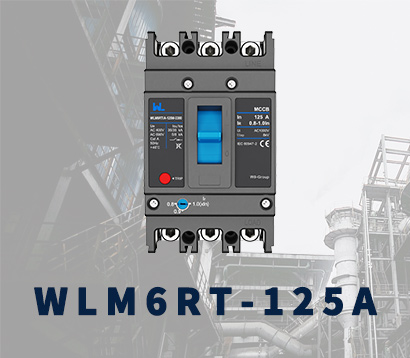 WLM6RT-125A
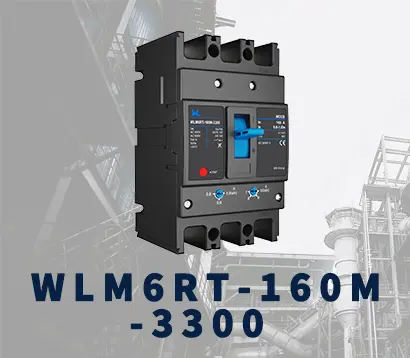 WLM6RT-160A
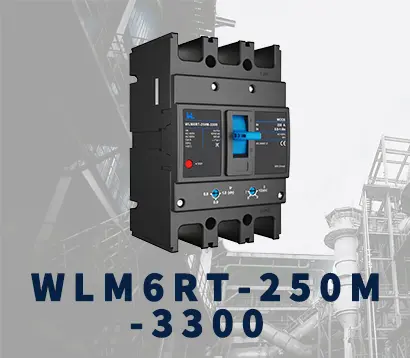 WLM6RT-250A
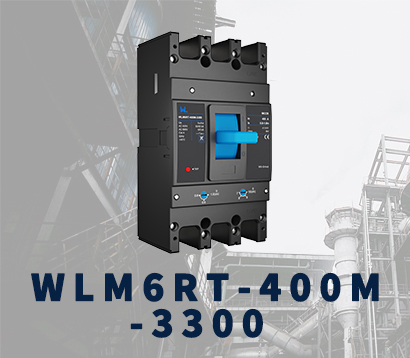 WLM6RT-400A
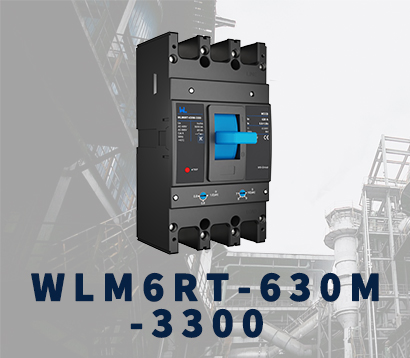 WLM6RT-630A
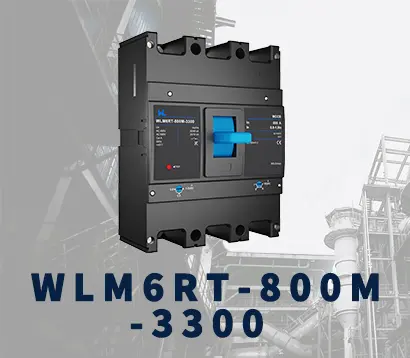 WLM6RT-800A
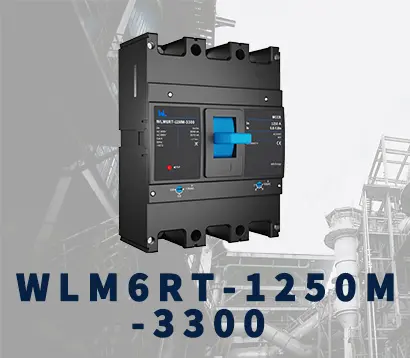 WLM6RT-1250A
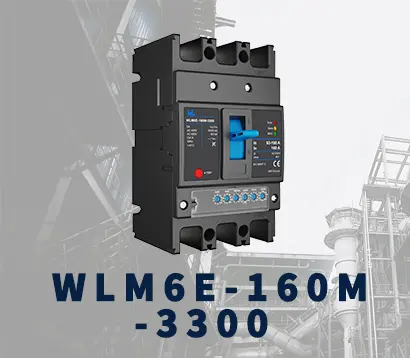 WLM6E-160A-3300 3P
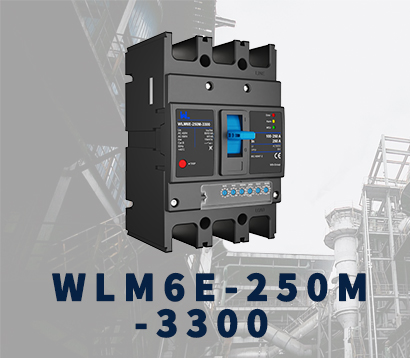 WLM6E-250A-3300
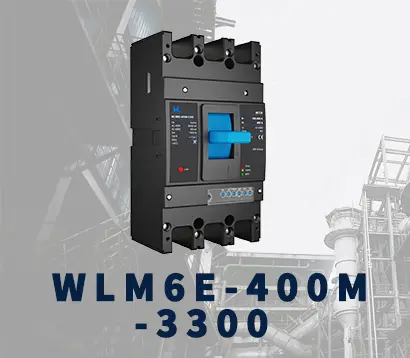 WLM6E-400A-3300 3P/4P
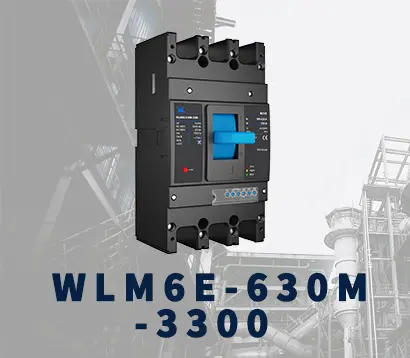 WLM6E-630A-3300
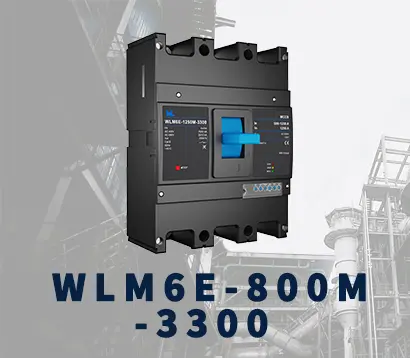 WLM6E-800A-3300 3P/4P
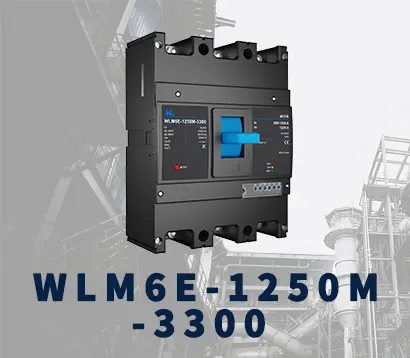 WLM6E-1250A-3300
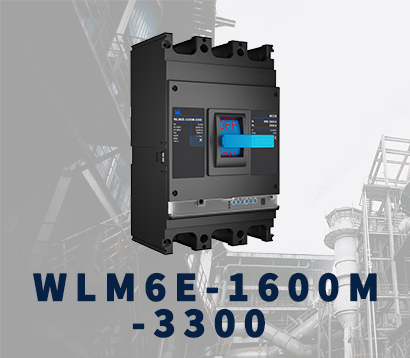 WLM6E-1600-3300 3P/4P
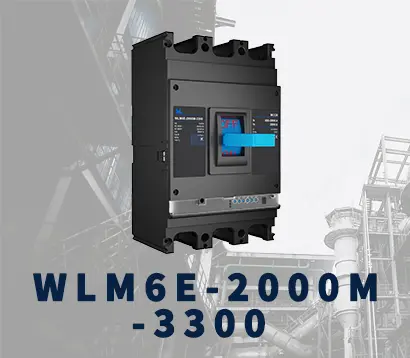 WLM6E-2000A-3300 3P/4P
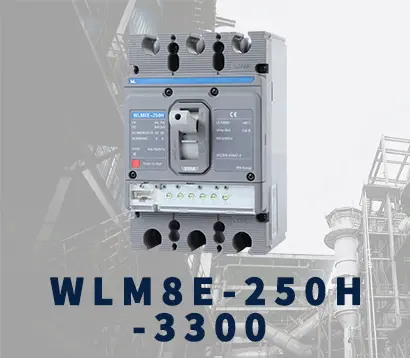 WLM8E-250H-3300
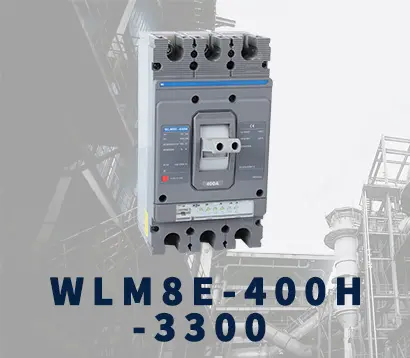 WLM8E-400H-3300
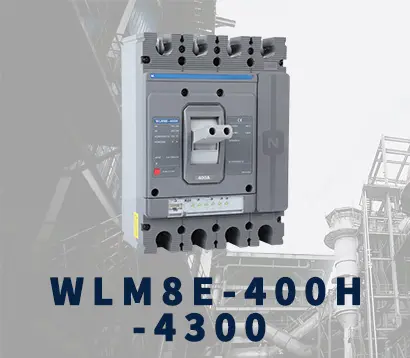 WLM8E-400H-4300
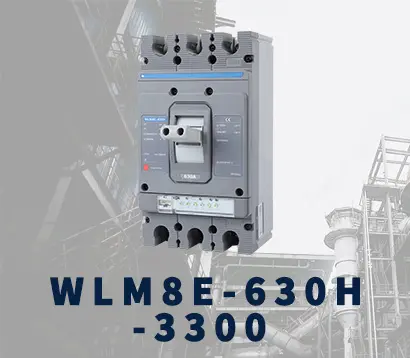 WLM8E-630H-3300
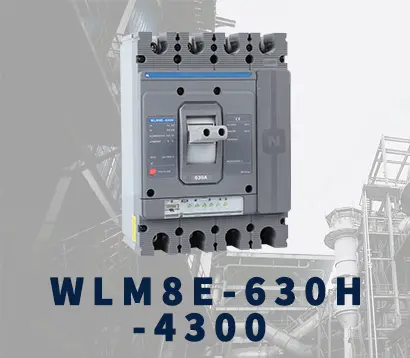 WLM8E-630H-4300
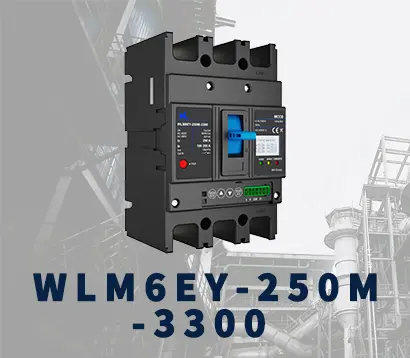 WLM6EY-250-3300 3P/4P
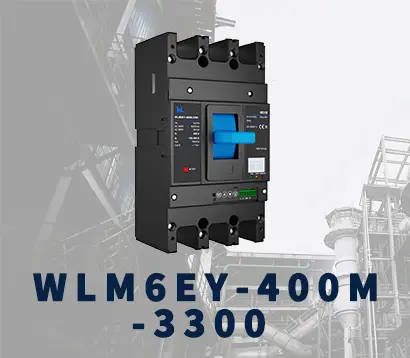 WLM6EY-400 3P/4P
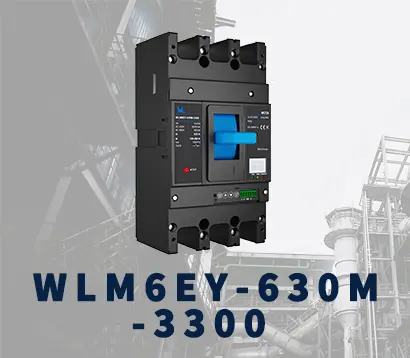 WLM6EY-630 3P/4P
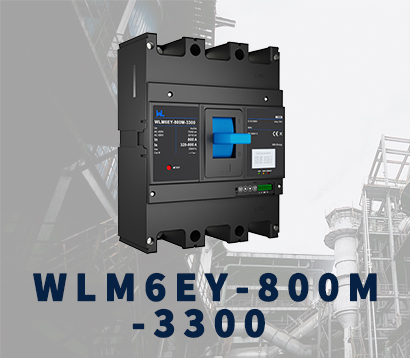 WLM6EY-800A 3P/4P
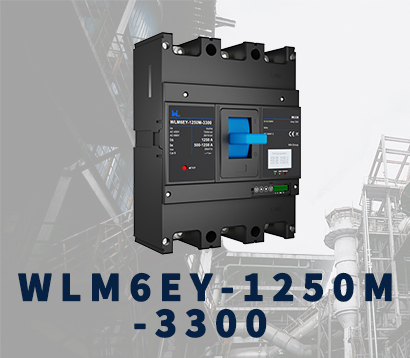 WLM6EY-1250A 3P/4P
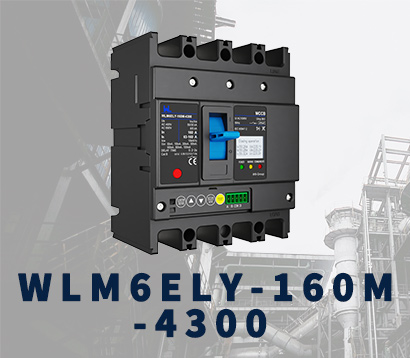 WLM6ELY-160A
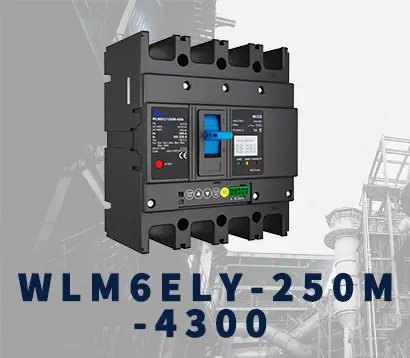 WLM6ELY-250A
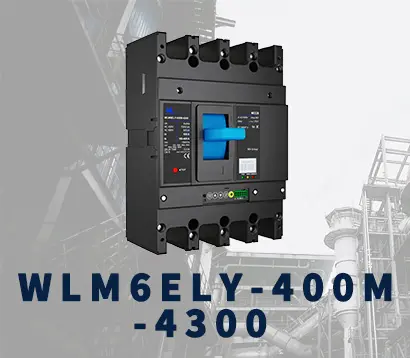 WLM6ELY-400A
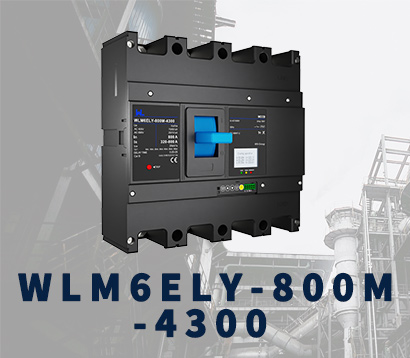 WLM6ELY-800A
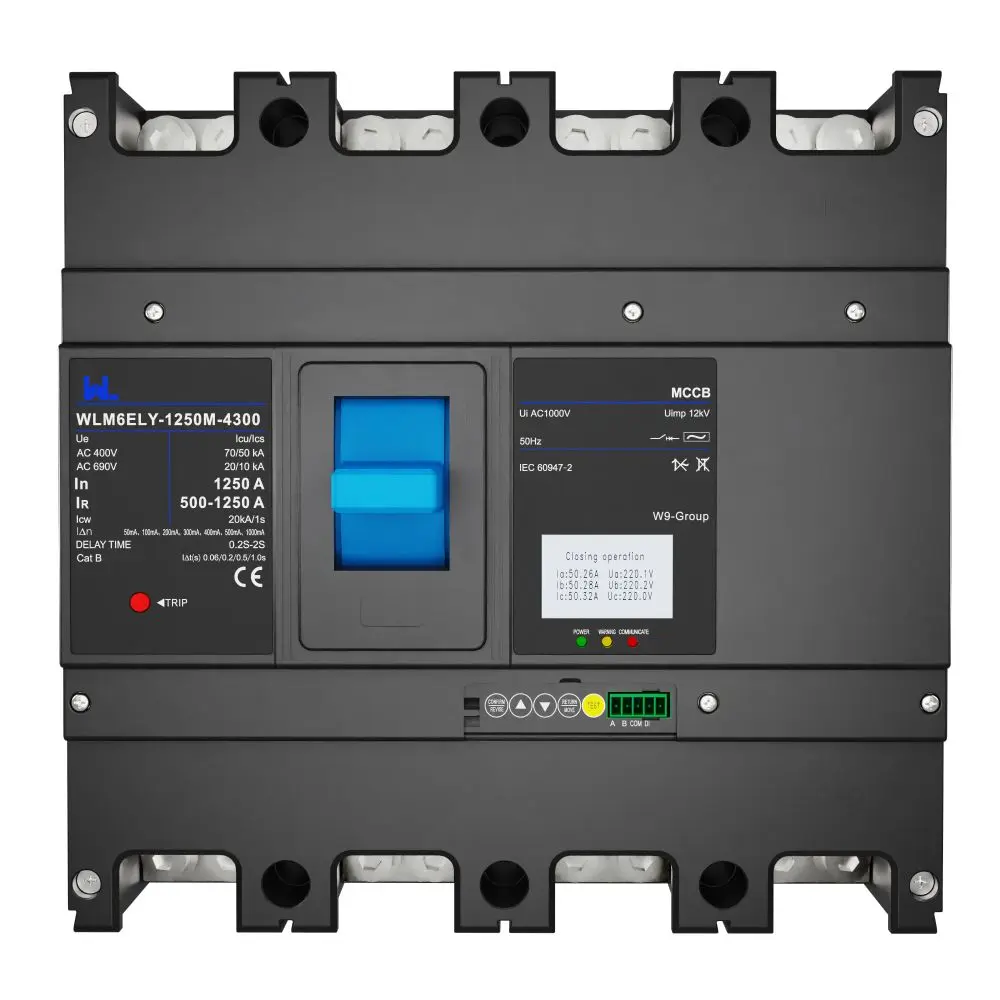 WLM6ELY-1250A
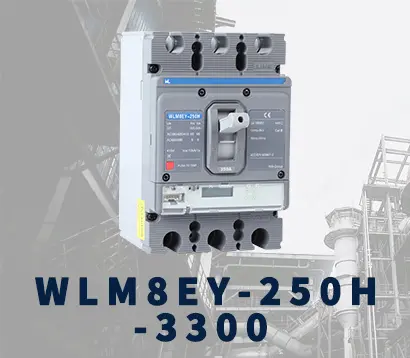 WLM8EY-250H-3300
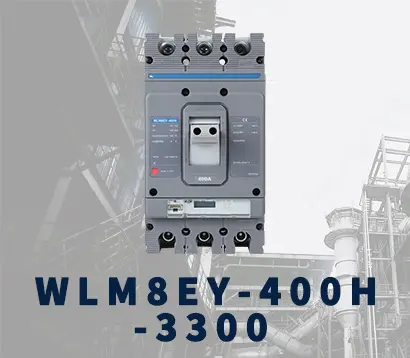 WLM8EY-400H-3300
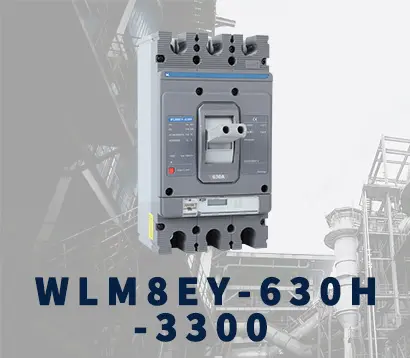 WLM8EY-630H-3300
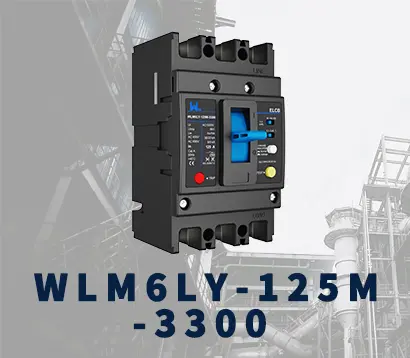 WLM6LY-125A
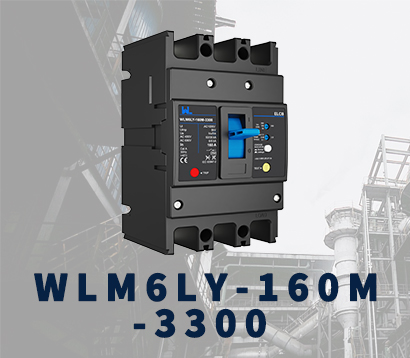 WLM6L-160A
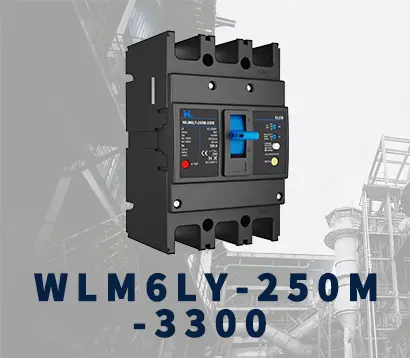 WLM6LY-250A
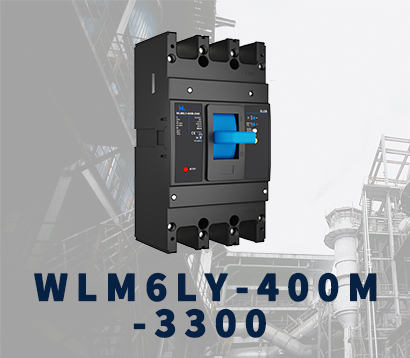 WLM6LY-400A
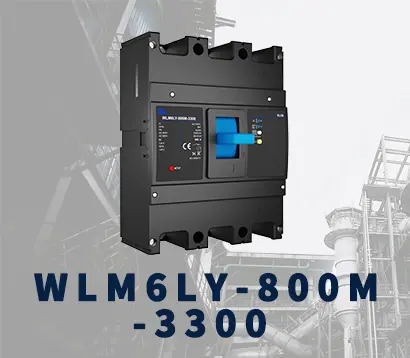 WLM6LY-800A
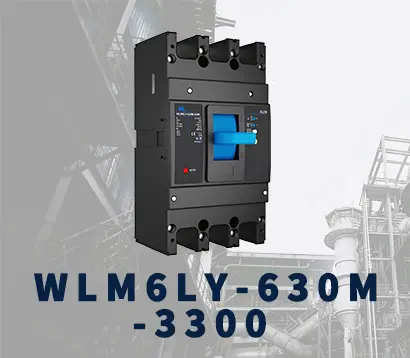 WLM6LY-630A
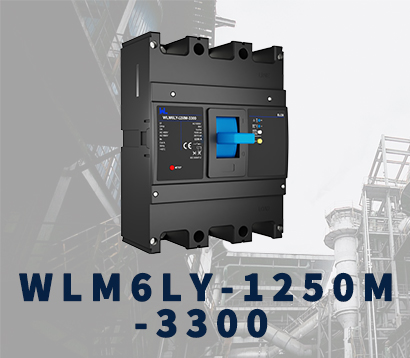 WLM6LY-1250A
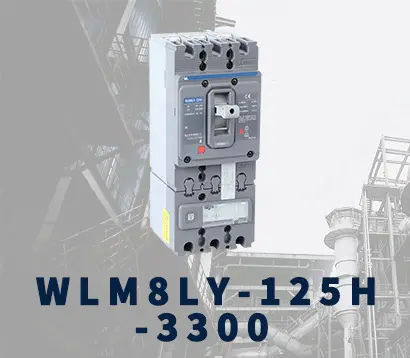 WLM8LY-125H-3300
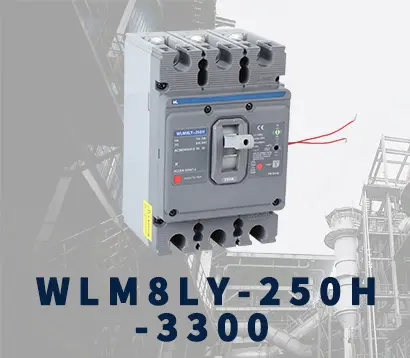 WLM8LY-250H-3300
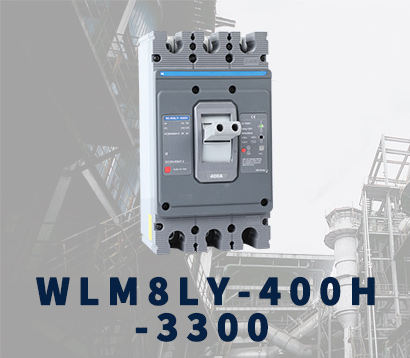 WLM8LY-400H-3300
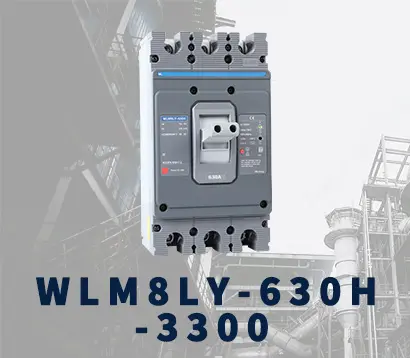 WLM8LY-630H-3300
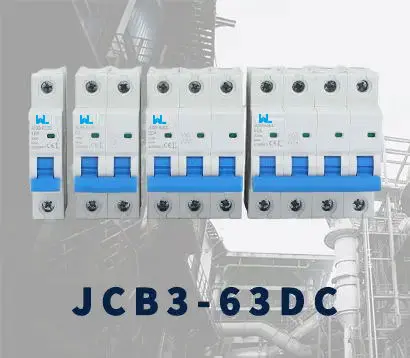 JCB3-63DC
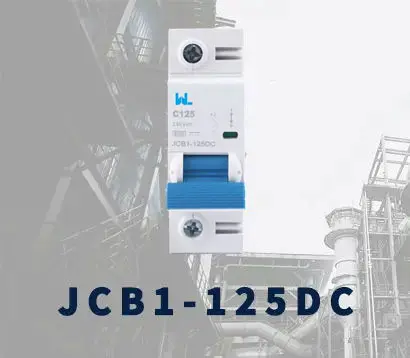 JCB1-125DC
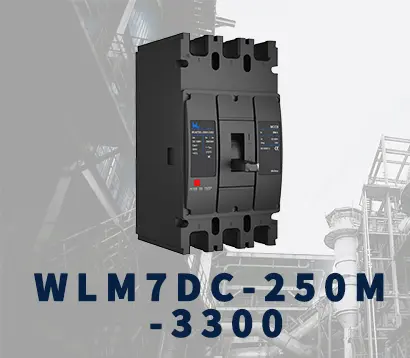 WLM7DC-250A-2300 2P/3P
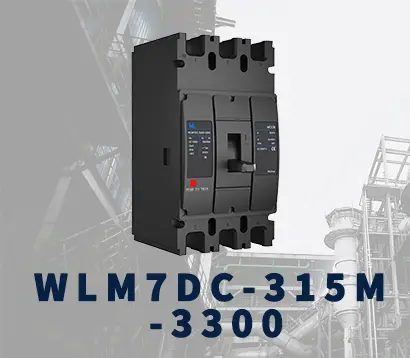 WLM7DC-315A-3300 2P/3P
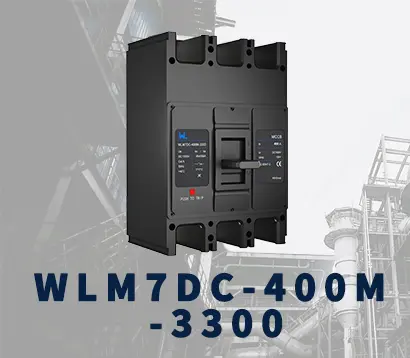 WLM7DC-400A-2300 2P/3P
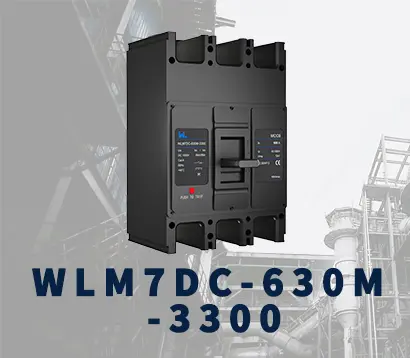 WLM7DC-630A-3300 3P
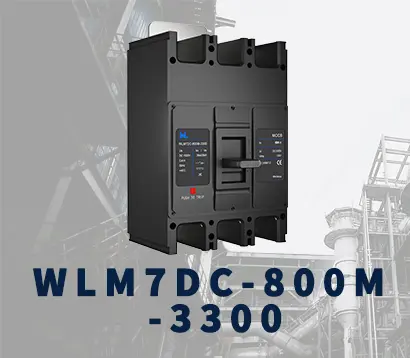 WLM7DC-800A-2300 2P/3P
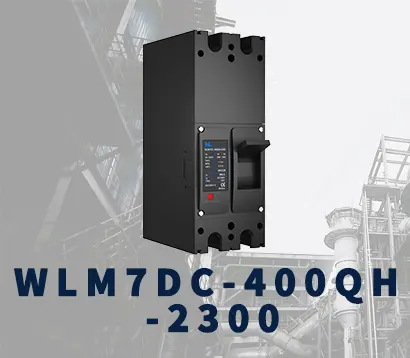 WLM7DC-400A 2300
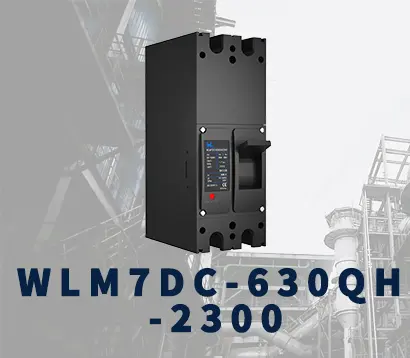 WLM7DC-630A-2300 2P
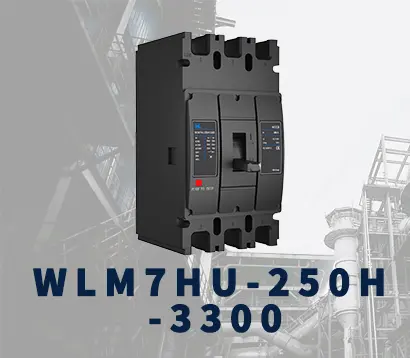 WLM7HU-250-3300 3P
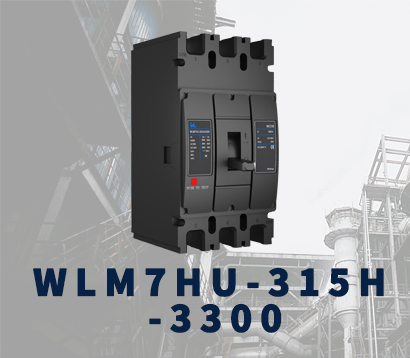 WLM7HU-315-3300 3P
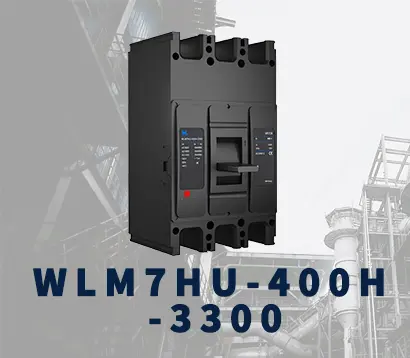 WLM7HU-400-3300 3P
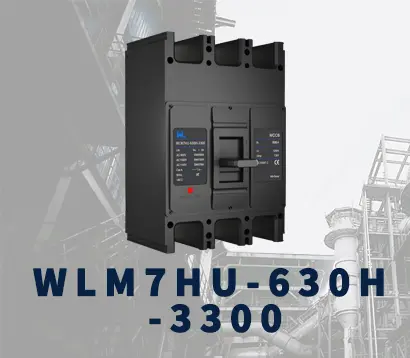 WLM7HU-630-3300 3P
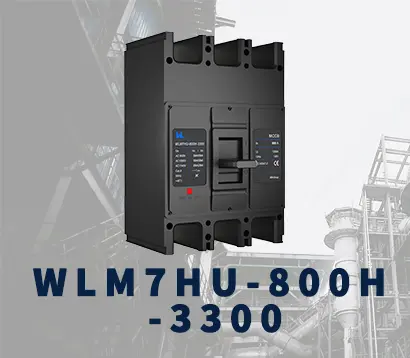 WLM7HU-800-3300 3P
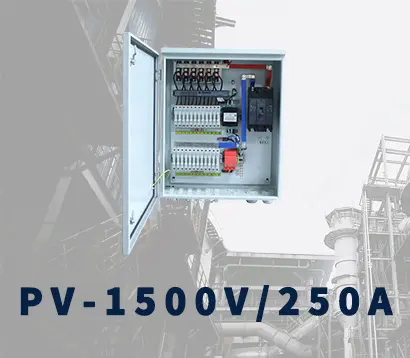 PV-1500V/250A
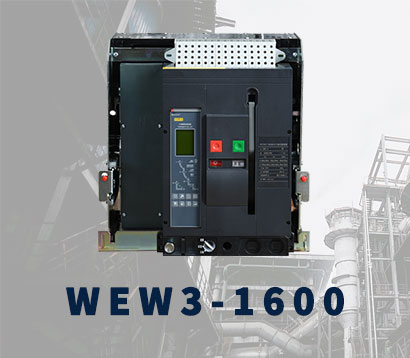 WEW3-1600
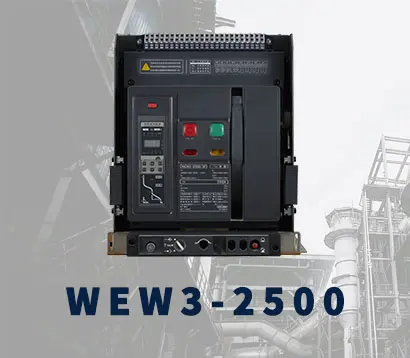 WEW3-2500
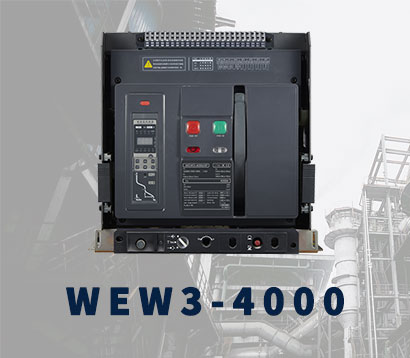 WEW3-4000
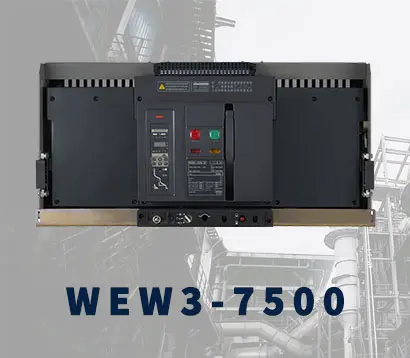 WEW3-7500