2026 Best Molded Case Breaker Types for Buyers?
Choosing a Molded Case Breaker in 2026 takes more than matching an amperage number. Buyers must consider system voltage, available fault current, load profile, installation conditions, and maintenance needs. The International Energy Agency’s Electricity 2024 report projects global electricity demand will grow by an average of 3.4% annually from 2024 through 2026. That forecast is not a breaker-market estimate, but it highlights why dependable protection matters as electrical loads expand.
Details matter. IEC 60947-2 sets requirements for low-voltage circuit breakers, including molded-case designs. Buyers can use the relevant standard and manufacturer test documentation to check whether a device suits its intended application. Compare rated current, interrupting capacity, pole configuration, trip characteristics, and coordination with upstream and downstream equipment. A compact breaker in a warm panel may behave differently from the same model in a cooler enclosure. Small details count.
This guide compares common types, including thermal-magnetic, electronic-trip, and adjustable breakers, and explains where their features may fit. It also looks at selection trade-offs, product ratings, and practical questions to raise with manufacturers or qualified electrical professionals. A higher interrupting rating is not automatically the best choice. Nor does a familiar brand remove the need to verify specifications. There is no universal winner. The final selection should follow the equipment data, system conditions, and applicable installation requirements—then be checked again before purchase.
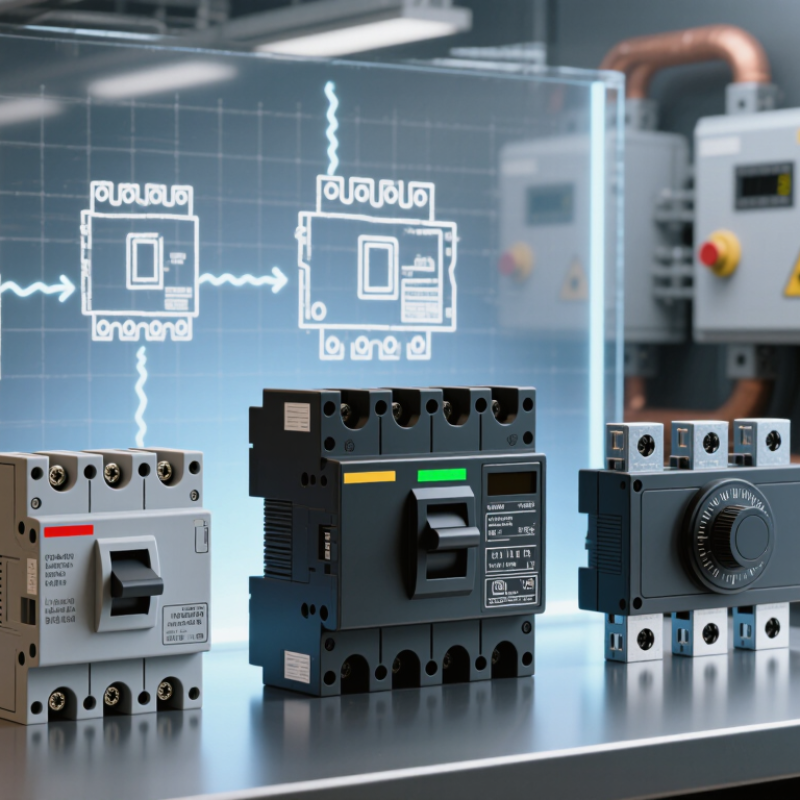
How IEC 60947-2 Covers MCCBs up to 1,000 V AC and 1,500 V DC
For 2026 buyers, IEC 60947-2:2024 sets an important voltage boundary for low-voltage circuit-breakers. It covers equipment rated up to 1,000 V AC or 1,500 V DC. That scope includes many molded case circuit breakers, but it does not guarantee suitability for every panel. Check rated voltage, breaking capacity, trip settings, and operating conditions against the installation.
AC and DC ratings are not interchangeable. DC arcs can be harder to interrupt, so confirm the breaker’s tested DC rating, pole arrangement, and permitted wiring configuration. Check the label and technical documentation. A familiar case size proves little. IEC compliance describes product requirements; it does not replace a short-circuit study or coordination review.
The need for careful selection is growing alongside electrification. The International Energy Agency’s Renewables 2024 report records 510 GW of renewable capacity added worldwide in 2023, nearly 50% more than in 2022. That figure measures generation capacity, not MCCB demand, but it points to more varied electrical installations. Buyers should match the breaker to the actual system voltage and fault level, then verify performance under expected temperature and enclosure conditions. Catalog figures can look reassuring; site conditions sometimes tell a less tidy story.
Thermal-Magnetic MCCBs: Fixed Overload and Short-Circuit Protection
Thermal-magnetic MCCBs combine two protective actions in one compact device. A bimetal element responds to sustained overloads, while a magnetic trip reacts rapidly to high short-circuit currents. With a fixed trip curve, these responses are set by the breaker’s design rather than adjusted in the field. That makes selection important: compare the breaker’s current rating and trip characteristics with cable capacity, expected fault current, and downstream equipment. IEC 60947-2 provides the key performance framework for industrial circuit breakers; a rating alone does not confirm suitable coordination.
NFPA’s Electrical Fires in U.S. Homes report found an annual average of 46,700 home fires involving electrical failure or malfunction from 2015 to 2019. That figure is not specific to MCCBs, and a breaker cannot prevent every electrical fire. Still, it reinforces why overload and fault protection deserve careful attention. Check ambient temperature and enclosure conditions, since heat can affect thermal response. Fixed settings also leave less room for fine-tuning selectivity between upstream and downstream devices. That can be a real limitation. Review manufacturer trip curves and have a qualified professional verify the installation against the actual load and fault study.
Electronic-Trip MCCBs: Adjustable LSI and LSIG Protection Options
Electronic-trip MCCBs give buyers more control over how a circuit responds to overloads and faults. LSI units provide adjustable long-time, short-time, and instantaneous protection. LSIG adds ground-fault protection. This lets an engineer coordinate a feeder breaker with downstream devices, rather than relying only on fixed trip settings. In practice, settings should reflect cable capacity, load profiles, and measured fault levels. A dial is not a design study.
The need for careful coordination is growing in power-dense facilities. Lawrence Berkeley National Laboratory’s 2024 United States Data Center Energy Usage Report estimates that U.S. data centers used 176 TWh in 2023, about 4.4% of national electricity use. It projects 325–580 TWh by 2028. That context makes adjustable protection relevant, but does not prove that one trip option suits every installation. A poorly chosen setting can delay clearing or cause nuisance trips. Review coordination studies, verify ground-fault requirements, and test settings during commissioning. Small details matter: a motor’s starting current, a long feeder, or a shared neutral can change the protection decision. A qualified engineer should document the final settings and revisit them when loads change.
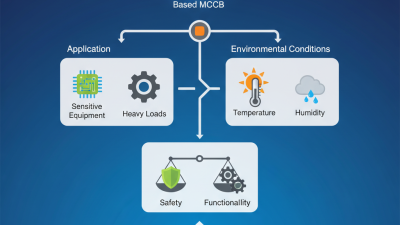
2026 Best Molded Case Breaker Types for Buyers: Electronic-Trip MCCBs
Compare common protection functions across thermal-magnetic and electronic-trip MCCBs.
Function counts represent typical configurations: thermal-magnetic breakers provide overload and instantaneous short-circuit protection; LSI adds short-time protection; LSIG adds ground-fault protection. Available adjustments and functions vary by breaker model and rating.
Current-Limiting MCCBs: Compare Interrupting Ratings in kA
2026 Best Molded Case Breaker Types for Buyers?
Current-Limiting MCCBs: Compare Interrupting Ratings in kA
A current-limiting MCCB should be selected against the prospective short-circuit current at its installation point. Compare that value with the breaker’s interrupting rating at the system voltage, not just its frame size. A 25 kA rating cannot safely cover a 30 kA fault. That gap matters.
IEC 60947-2:2024 distinguishes ultimate breaking capacity, Icu, from service breaking capacity, Ics. The standard expresses Ics as 25%, 50%, 75%, or 100% of Icu. For example, a breaker rated 36 kA Icu with 75% Ics has 27 kA service capacity. These figures describe tested performance, not a promise that every fault leaves equipment undamaged.
Current limitation also depends on peak let-through current and energy, not kA alone. Check the device’s published let-through curves at the expected voltage and fault level. A 50 kA-rated unit may limit damaging peak current more effectively than another 50 kA unit. Still, coordination with downstream breakers can become tricky. I would verify selectivity tables and actual system calculations before choosing. A tidy rating is not the whole story.
Buyer Selection: Match Poles, Amps, and Icu/Ics or UL 489 Ratings
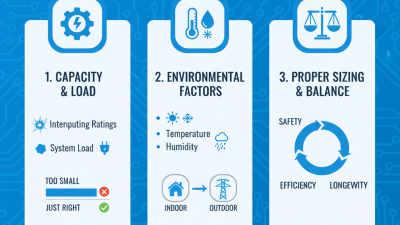
Molded-case circuit breakers should be selected from the system outward, not by frame size alone. Match poles to the supply. A three-phase feeder commonly uses three poles. Neutral switching depends on system design and applicable requirements. Choose an ampere rating and trip characteristics that protect the connected conductors and suit the load. Check the equipment nameplate, conductor size, and operating conditions. A familiar rating is not automatically the right one.
Short-circuit capacity needs equal care. For IEC-rated devices, compare Icu and Ics with the prospective fault current at the stated voltage. Icu is the ultimate breaking capacity; Ics indicates service breaking capacity after interruption testing. For UL 489 devices, check the marked interrupting rating at the applicable voltage against available fault current. These rating systems are not interchangeable. A selection may appear correct because its amp rating matches, yet still have an insufficient voltage-specific interrupting rating.
Tips: Before ordering, record poles, system voltage, continuous load, conductor limits, and available fault current in one checklist. Confirm terminal and enclosure compatibility, too. If fault-current data is uncertain, have a qualified electrical professional verify it rather than guessing. A tidy checklist helps, but the selection still deserves a second look.

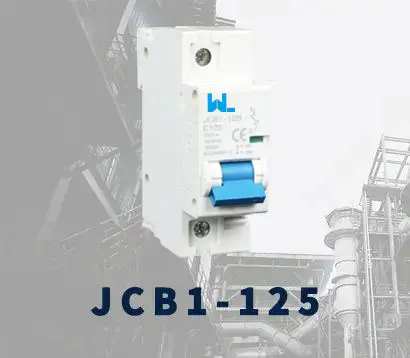 JCB1-125
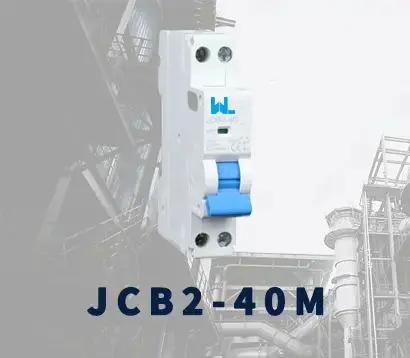 JCB2-40M
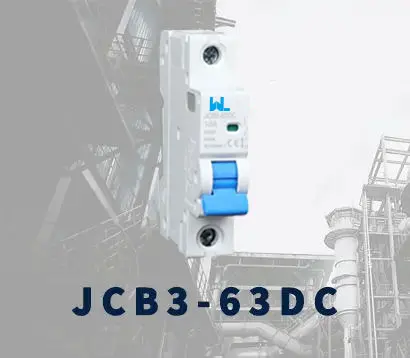 JCB3-63DC
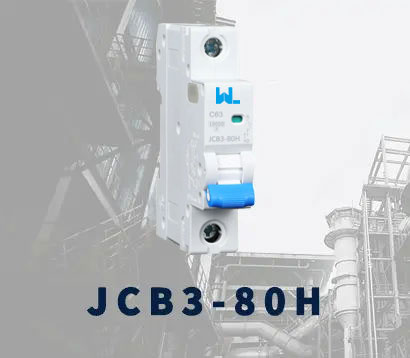 JCB3-80H
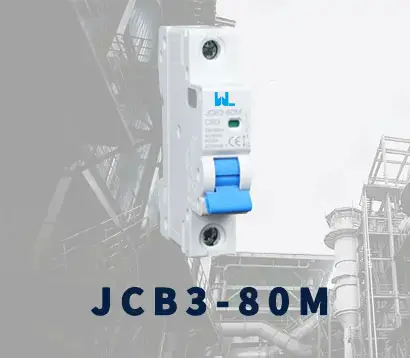 JCB3-80M
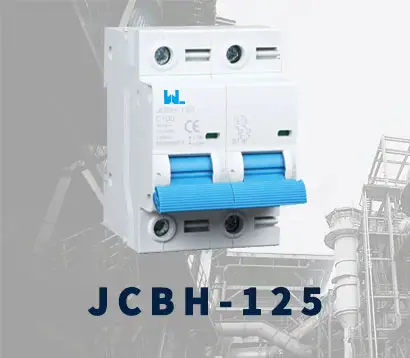 JCBH-125
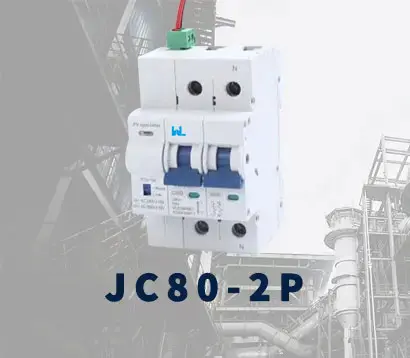 JC80-2P
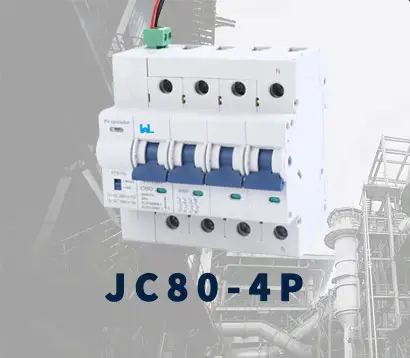 JC80-4P
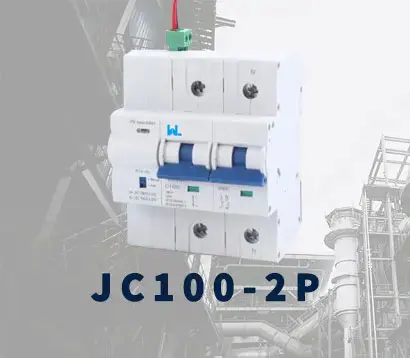 JC125-2P
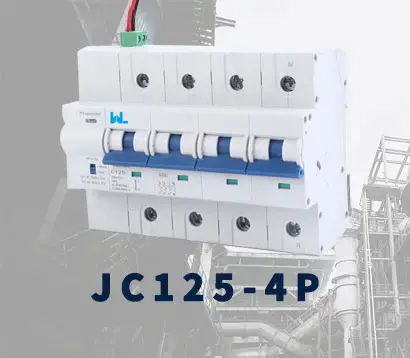 JC125-4P
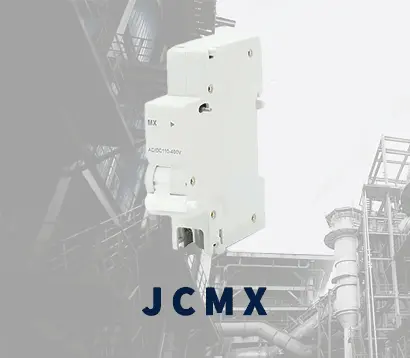 JCMX
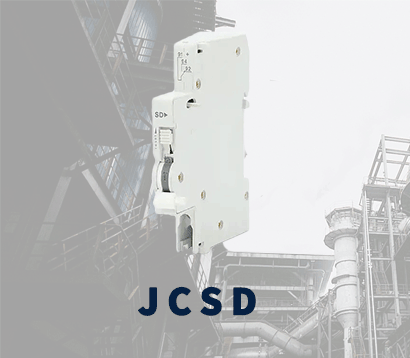 JCSD
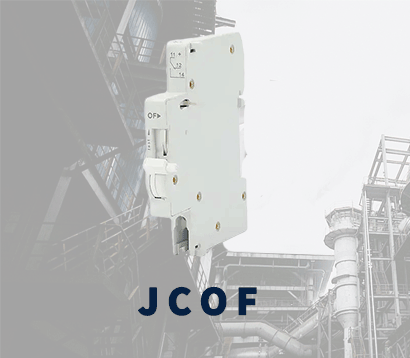 JCOF
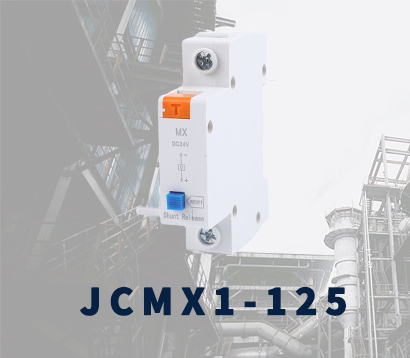 JCMX1-125
 JCOF1-125
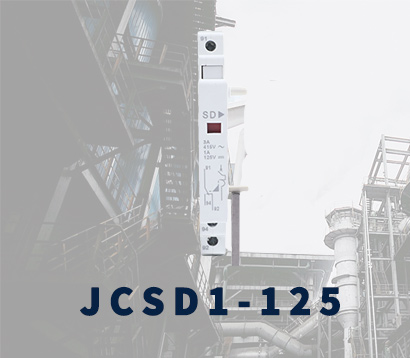 JCSD1-125
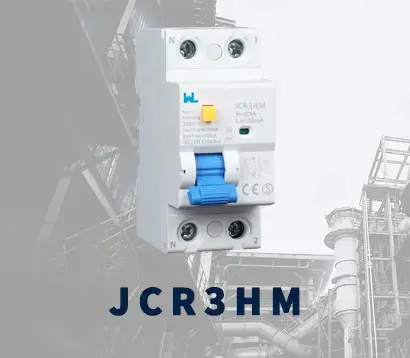 JCR3HM
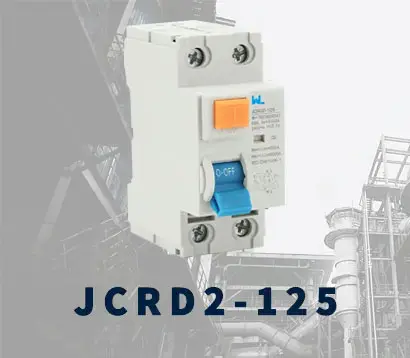 JCRD2-125
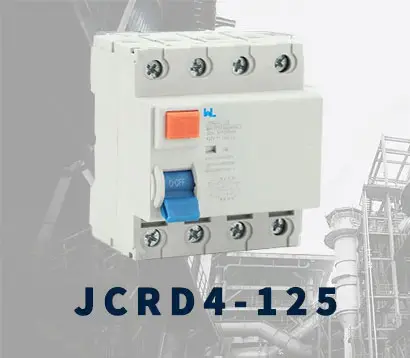 JCRD4-125
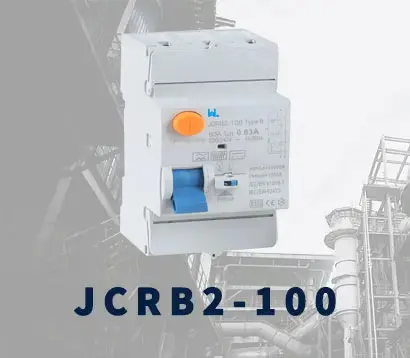 JCRB2-100
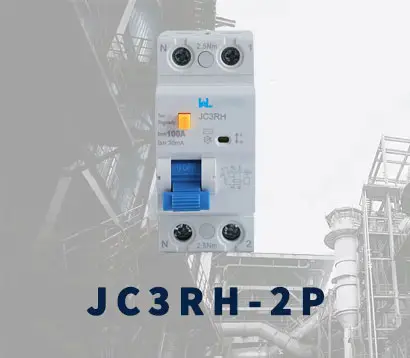 JC3RH-2P
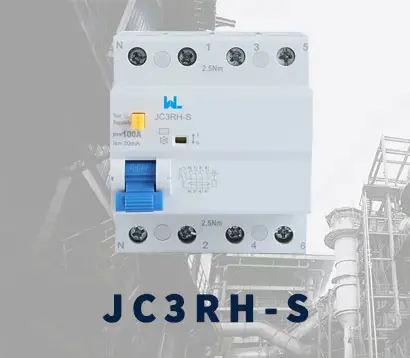 JC3RH-S
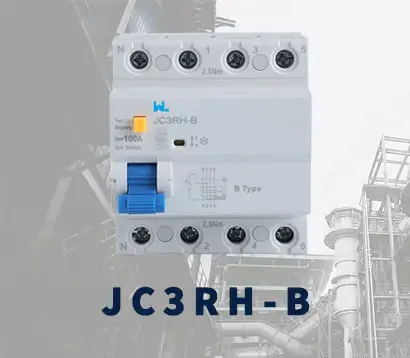 JC3RH-B
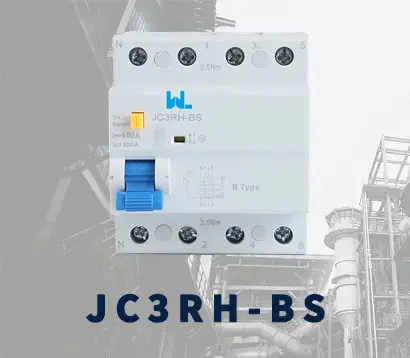 JC3RH-BS
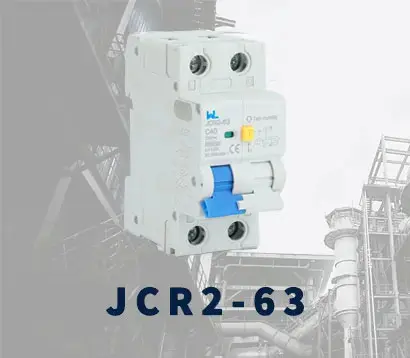 JCR2-63
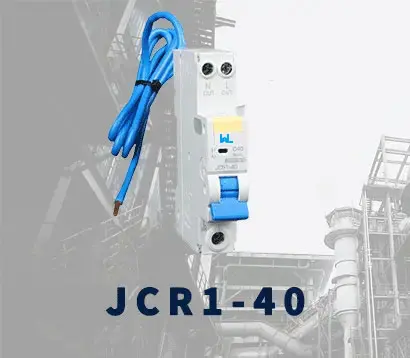 JCR1-40
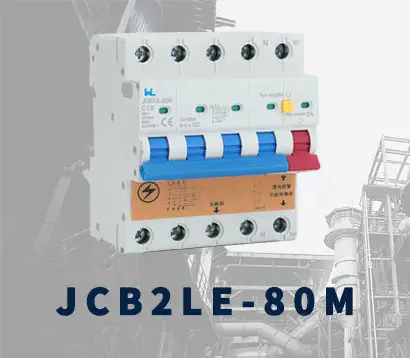 JCB2LE-80M
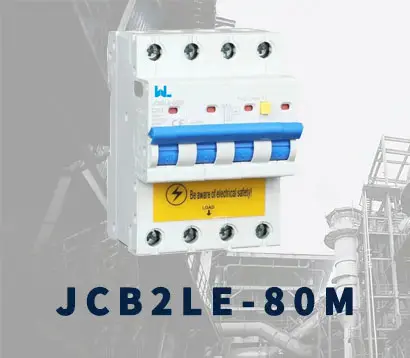 JCB2LE-80M
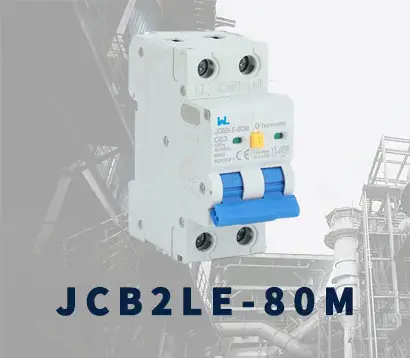 JCB2LE-80M
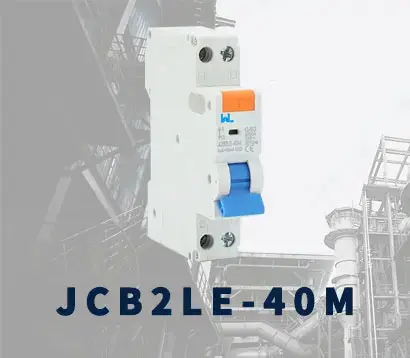 JCB2LE-40M
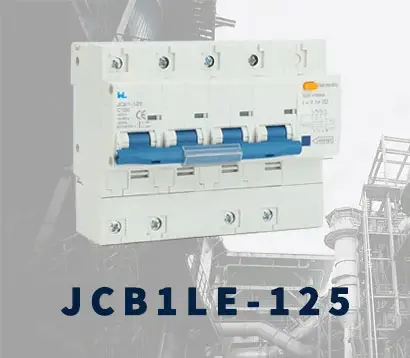 JCB1LE-125
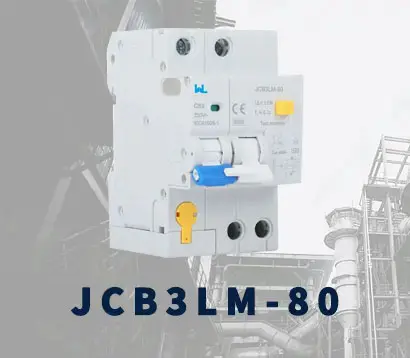 JCB3LM-80
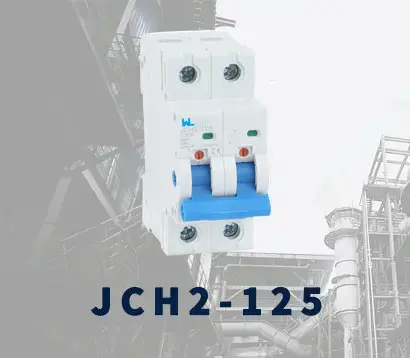 JCH2-125
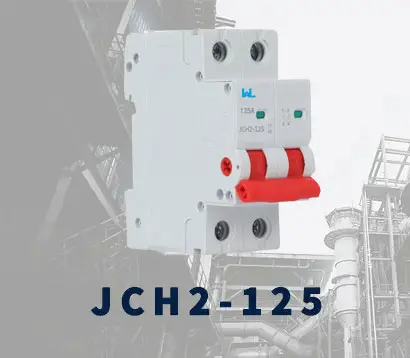 JCH2-125
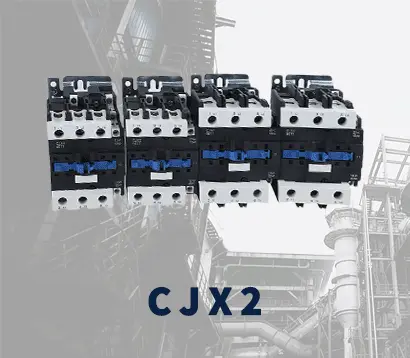 CJX2
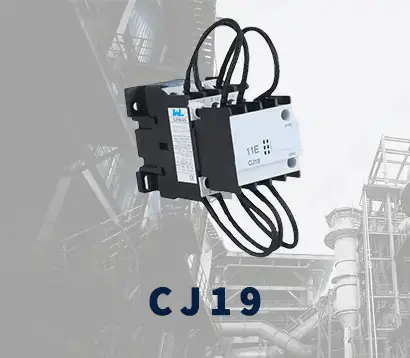 CJ19
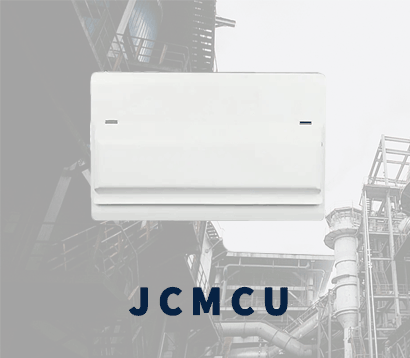 JCMCU
 JCHA
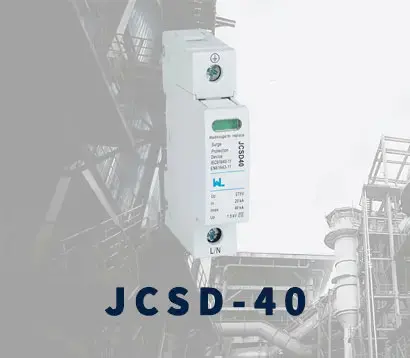 JCSD-40
 JCSD-60
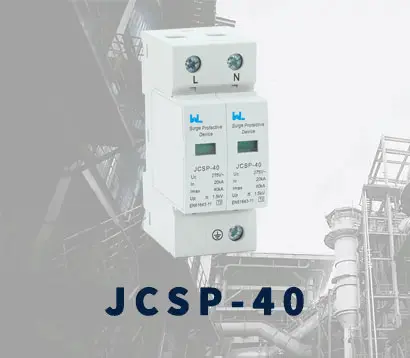 JCSP-40
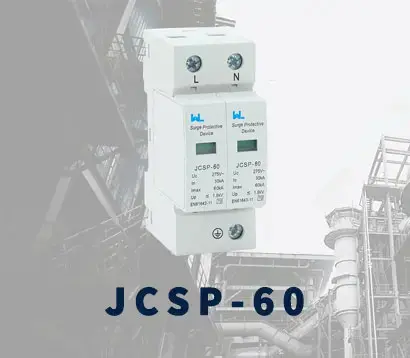 JCSP-60
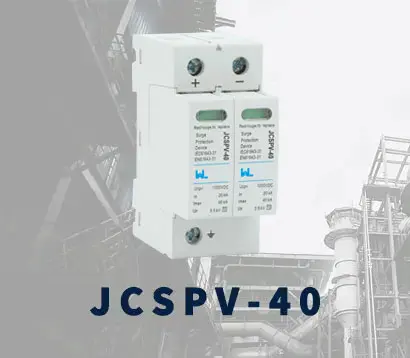 JCSPV
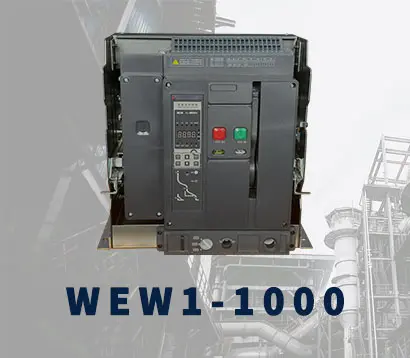 WEW1-1000
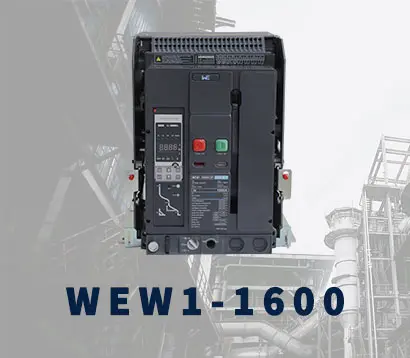 WEW1-1600
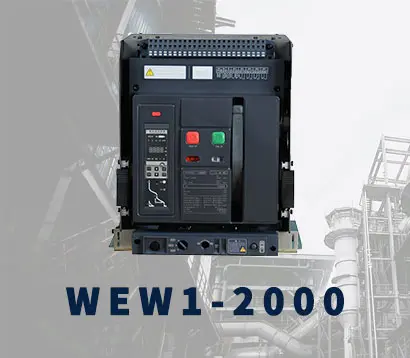 WEW1-2000
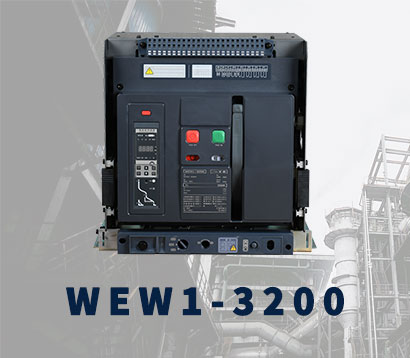 WEW1-3200
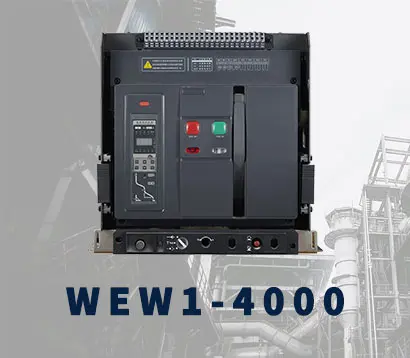 WEW1-4000
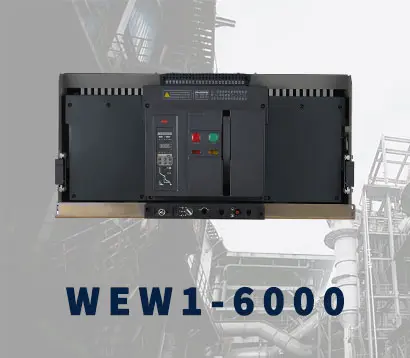 WEW1-6300
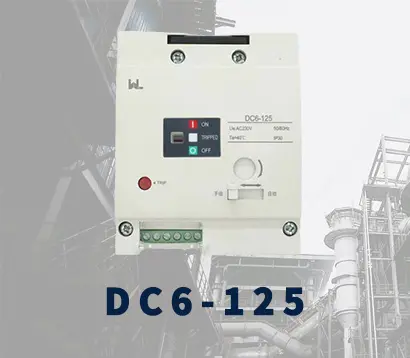 DC6-125
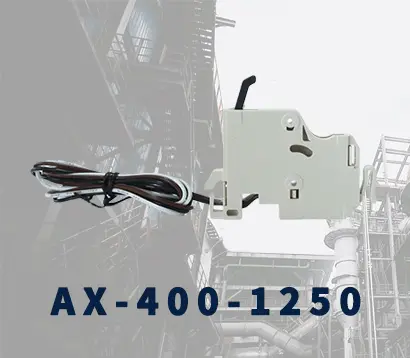 AX-400-1250
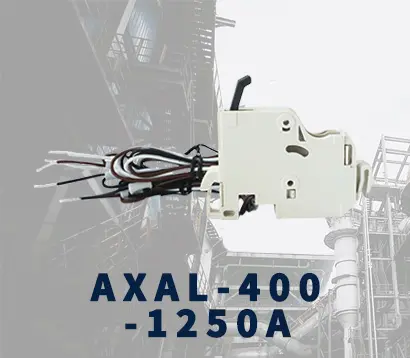 AXAL-400-1250A
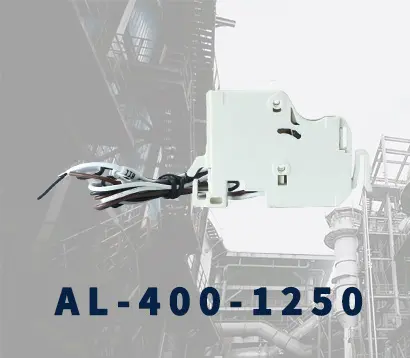 AL-400-1250
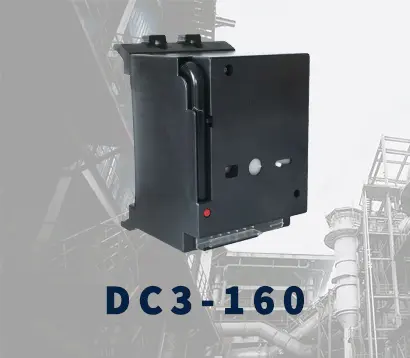 DC3-160
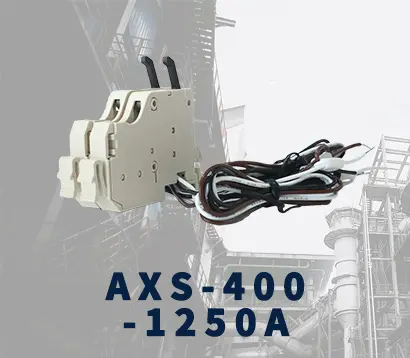 AXS-400-1250A
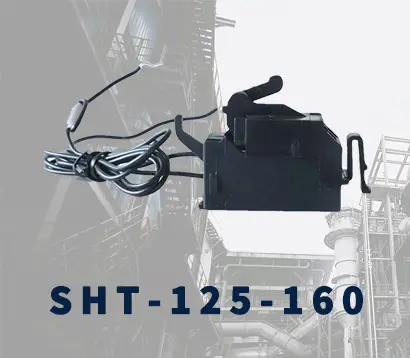 SHT-125-160
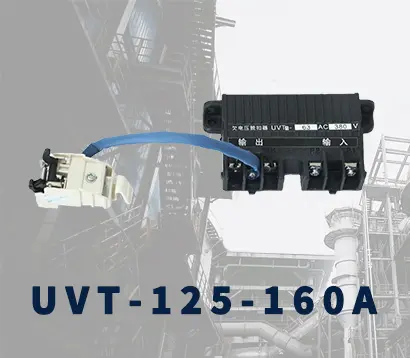 UVT-125-160A
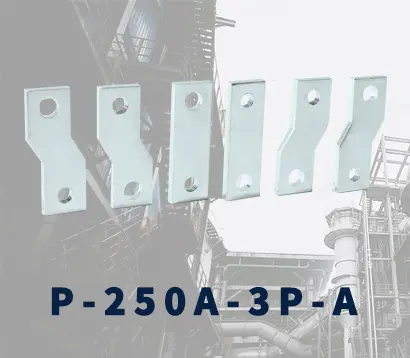 P-250A-3P-A
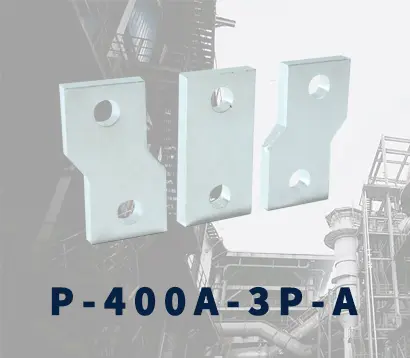 400-3P/4P terminal cover
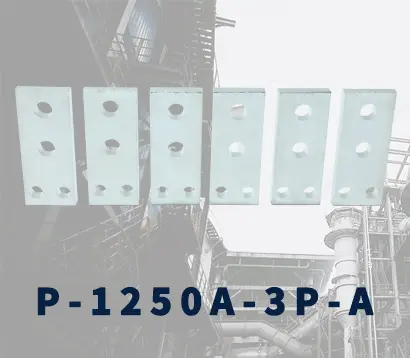 1250-3Pmccb accessories busbar
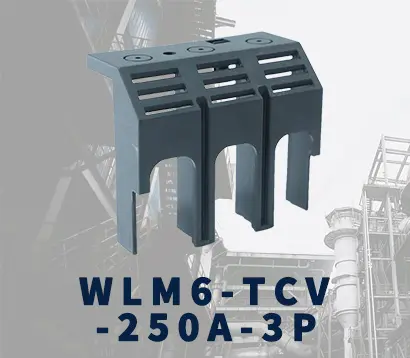 250-3P terminal conver
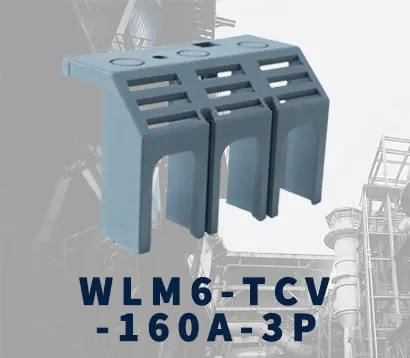 WLM6-TCV-160A-3P
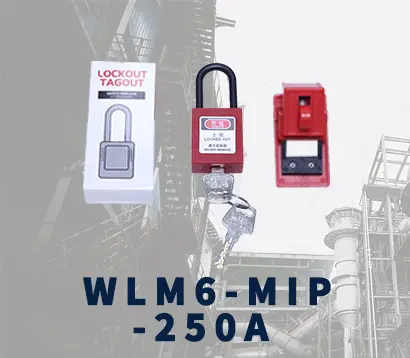 WLM6-MIP-250A
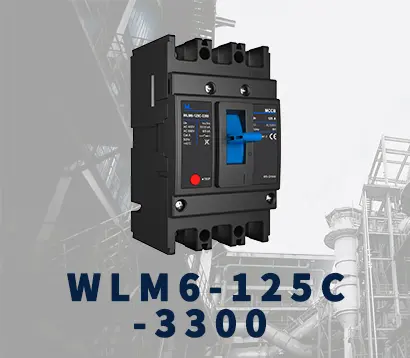 WLM6-125A-3300 3P/4P
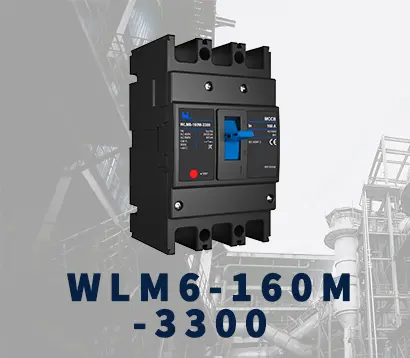 WLM6-160A-3300 3P/4P
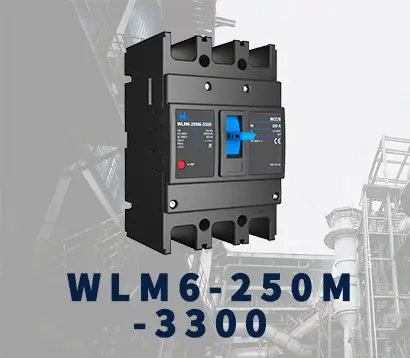 WLM6-250A-3300 3P/4P
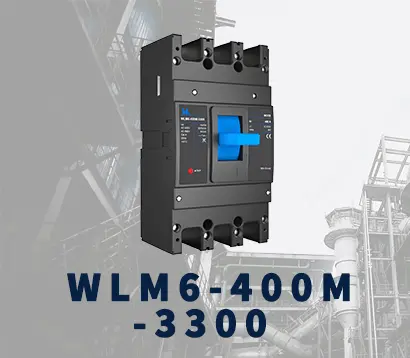 WLM6-400A-3300 3P/4P
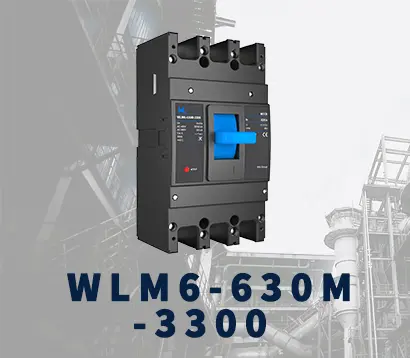 WLM6-630A-3300 3P/4P
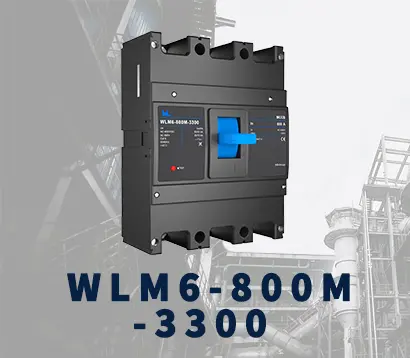 WLM6-800A-3300 3P/4P
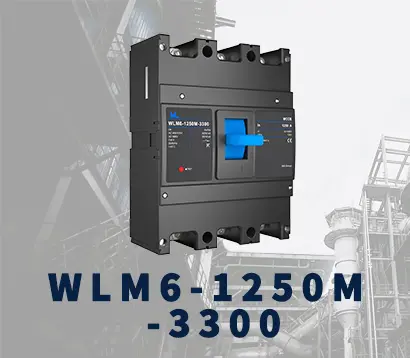 WLM6-1250A-3300 3P/4P
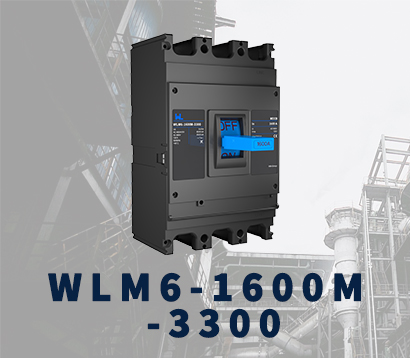 WLM6-1600A-3300 3P/4P
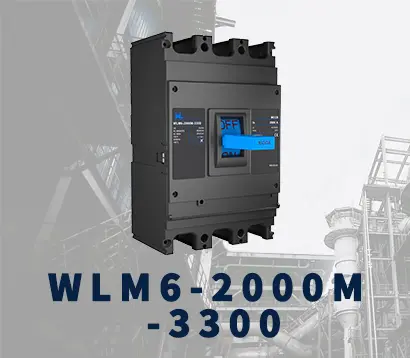 WLM6-2000A 3P/4P
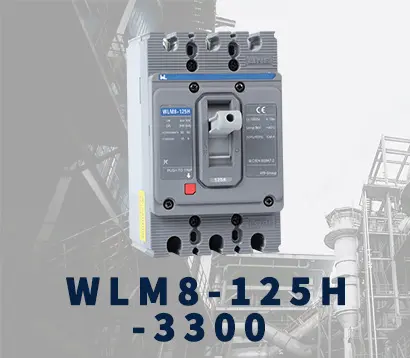 WLM8-125H-3300
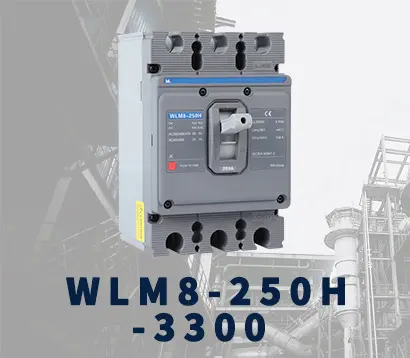 WLM8-250H-3300
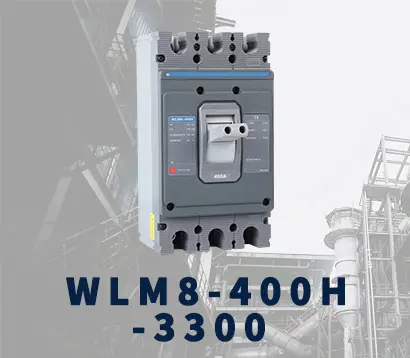 WLM8-400H-3300
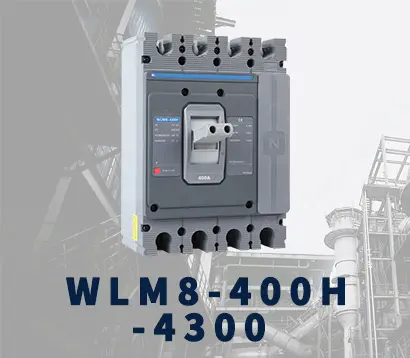 WLM8-400H-4300
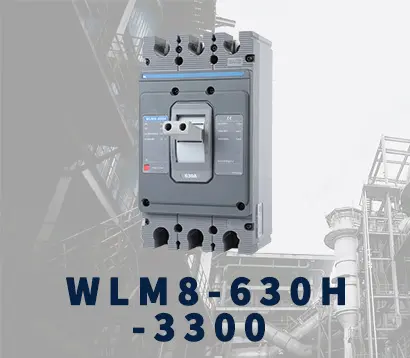 WLM8-630H-3300
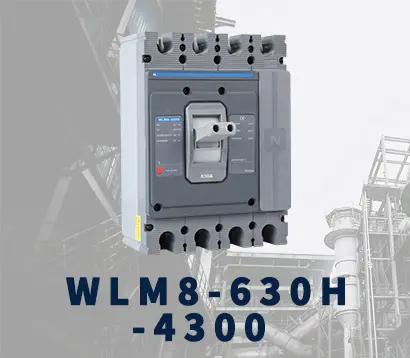 WLM8-630H-4300
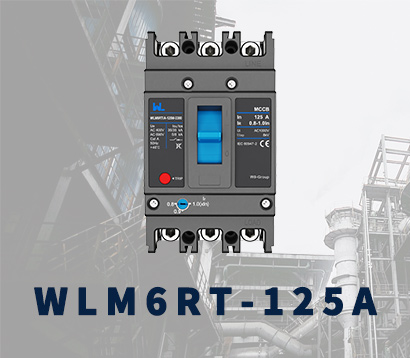 WLM6RT-125A
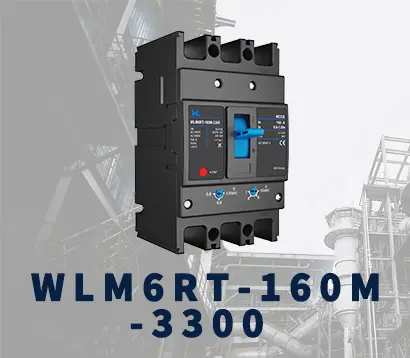 WLM6RT-160A
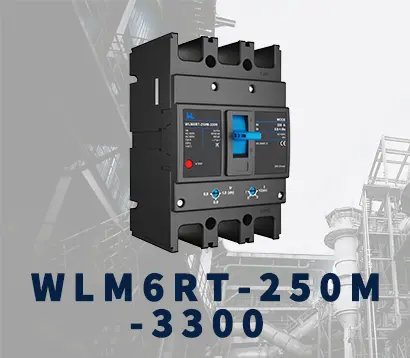 WLM6RT-250A
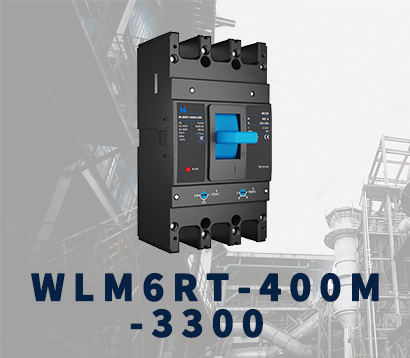 WLM6RT-400A
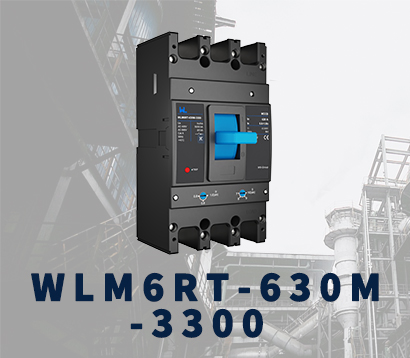 WLM6RT-630A
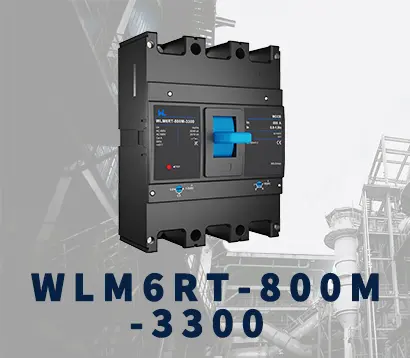 WLM6RT-800A
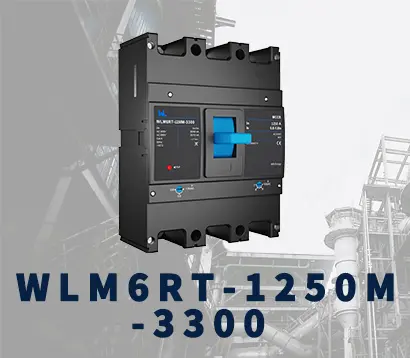 WLM6RT-1250A
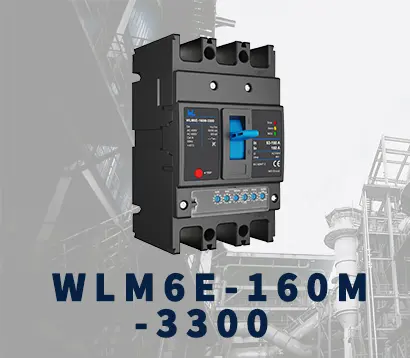 WLM6E-160A-3300 3P
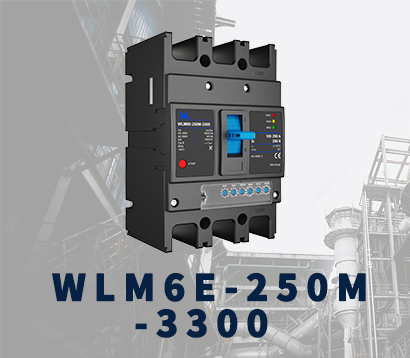 WLM6E-250A-3300
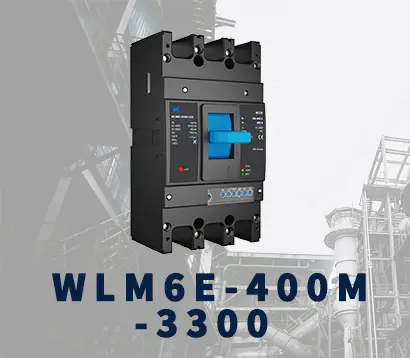 WLM6E-400A-3300 3P/4P
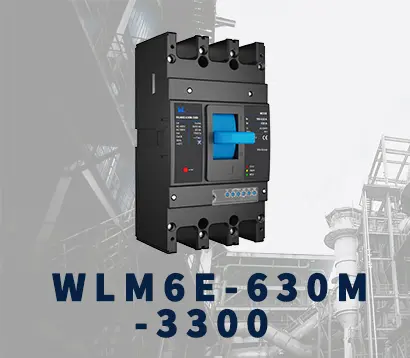 WLM6E-630A-3300
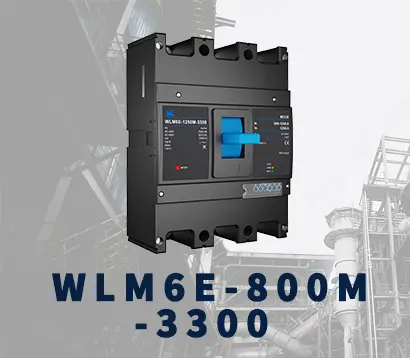 WLM6E-800A-3300 3P/4P
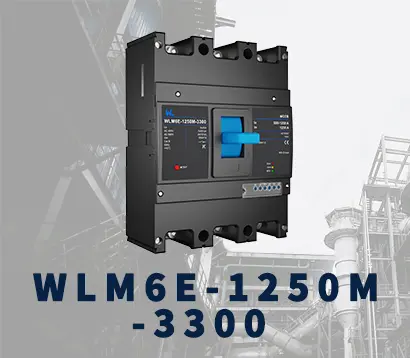 WLM6E-1250A-3300
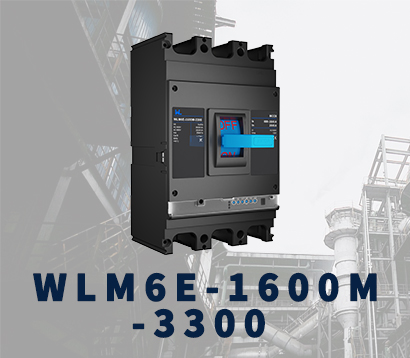 WLM6E-1600-3300 3P/4P
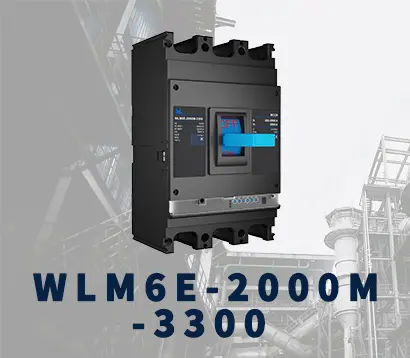 WLM6E-2000A-3300 3P/4P
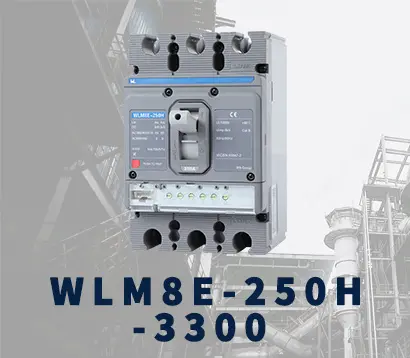 WLM8E-250H-3300
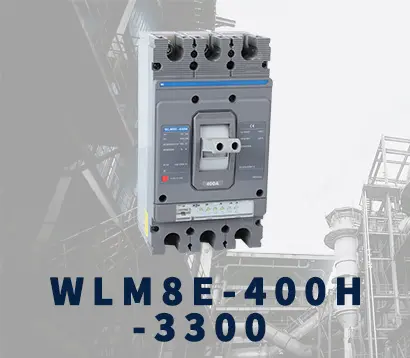 WLM8E-400H-3300
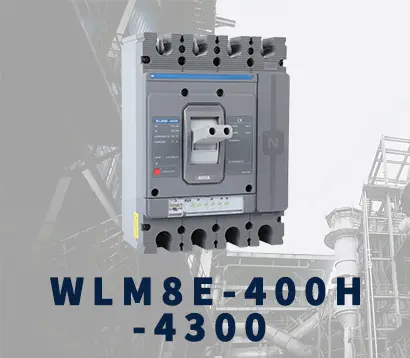 WLM8E-400H-4300
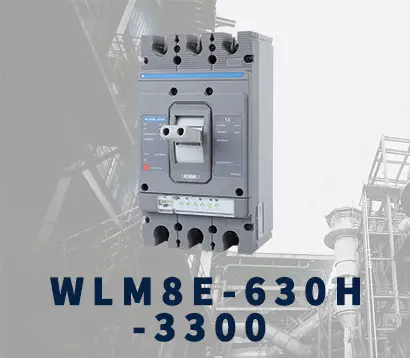 WLM8E-630H-3300
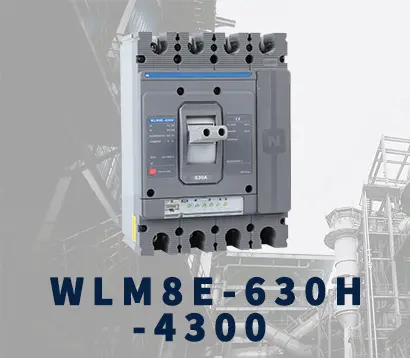 WLM8E-630H-4300
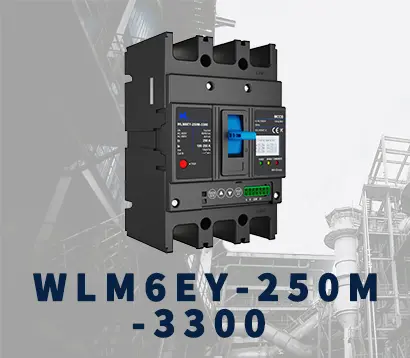 WLM6EY-250-3300 3P/4P
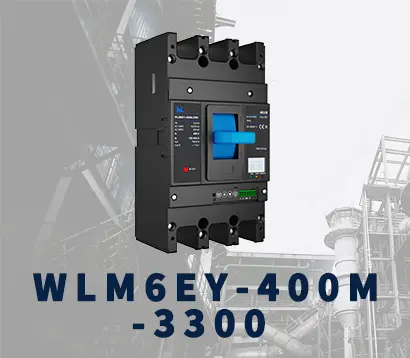 WLM6EY-400 3P/4P
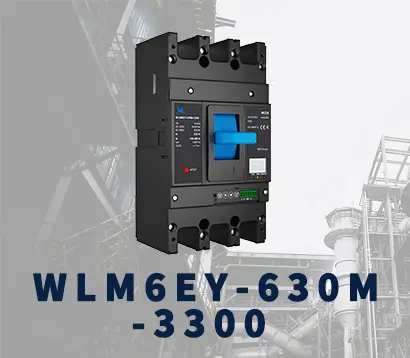 WLM6EY-630 3P/4P
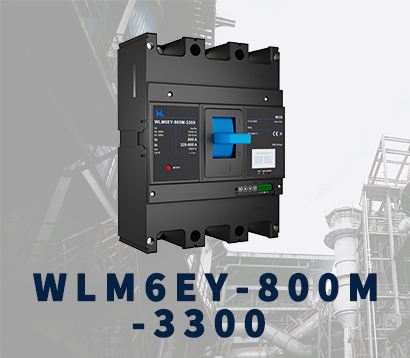 WLM6EY-800A 3P/4P
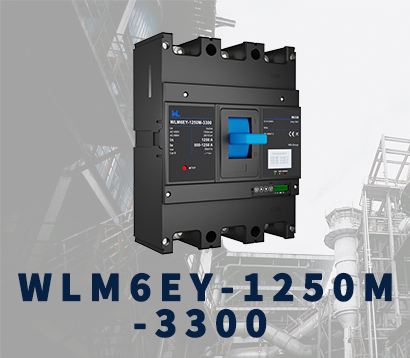 WLM6EY-1250A 3P/4P
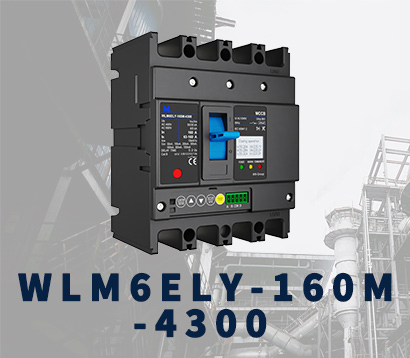 WLM6ELY-160A
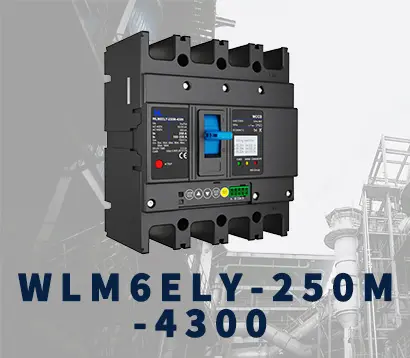 WLM6ELY-250A
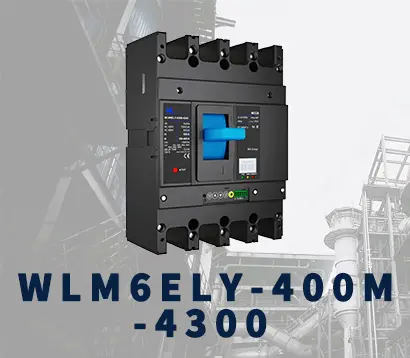 WLM6ELY-400A
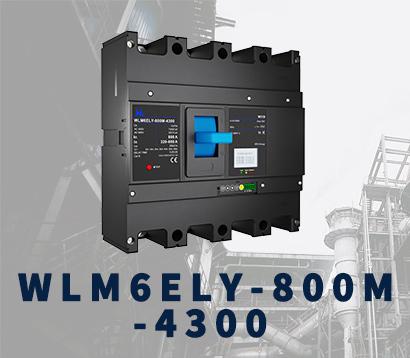 WLM6ELY-800A
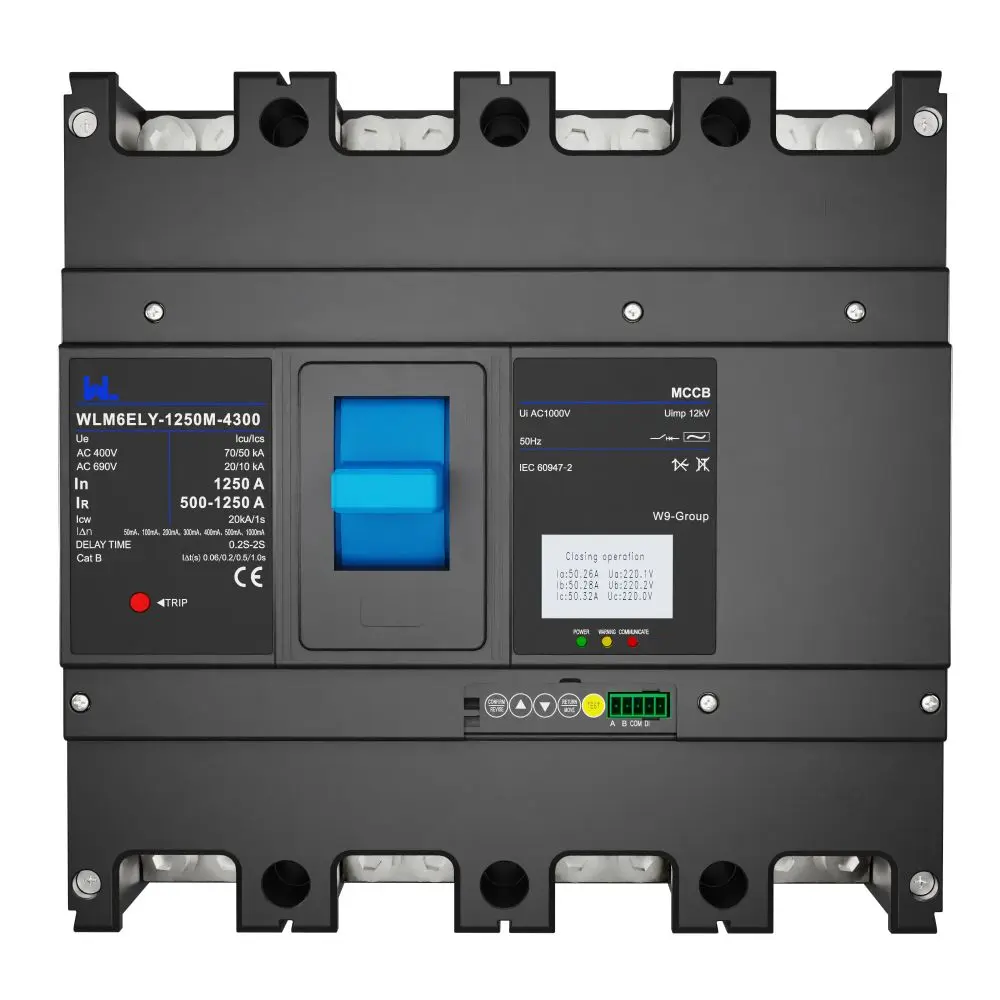 WLM6ELY-1250A
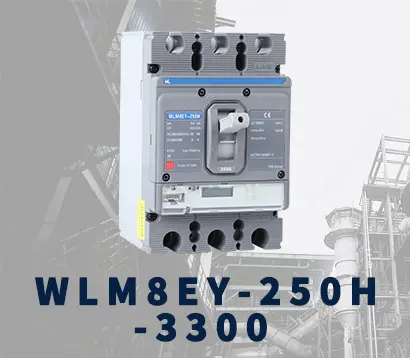 WLM8EY-250H-3300
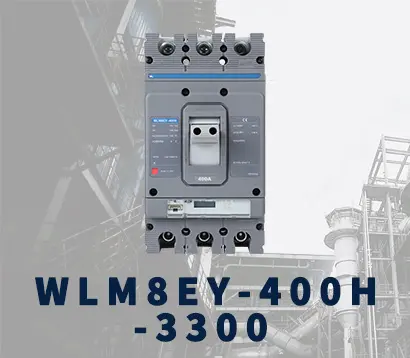 WLM8EY-400H-3300
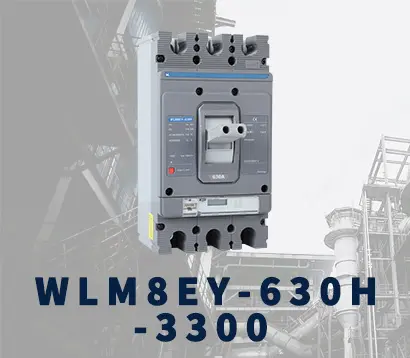 WLM8EY-630H-3300
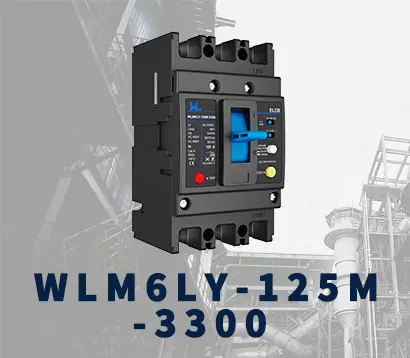 WLM6LY-125A
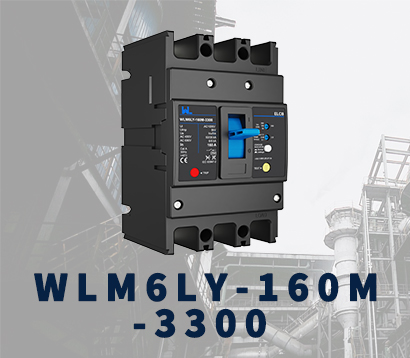 WLM6L-160A
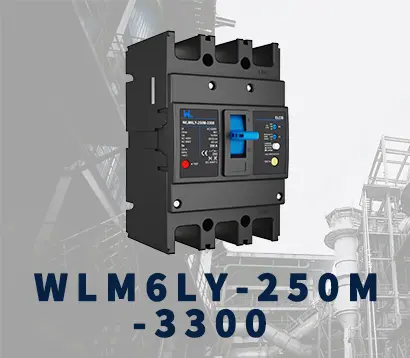 WLM6LY-250A
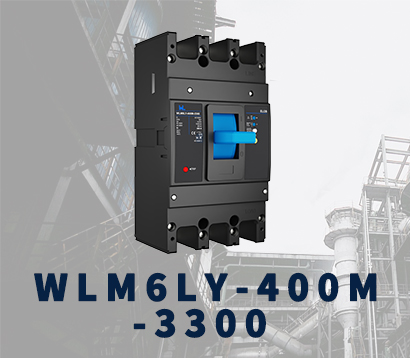 WLM6LY-400A
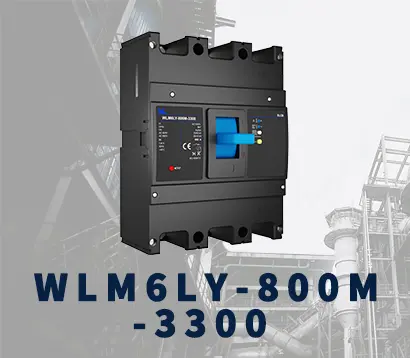 WLM6LY-800A
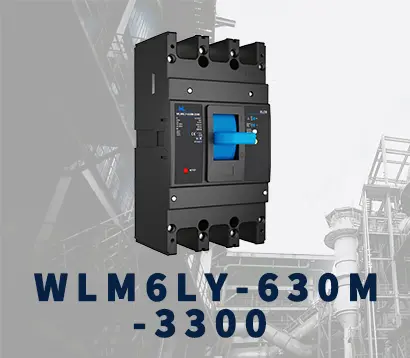 WLM6LY-630A
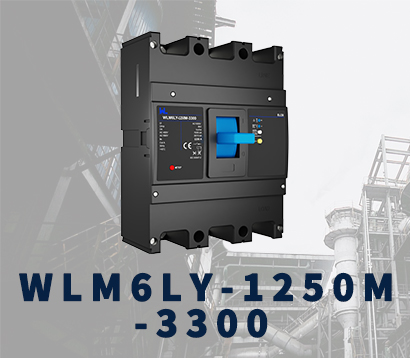 WLM6LY-1250A
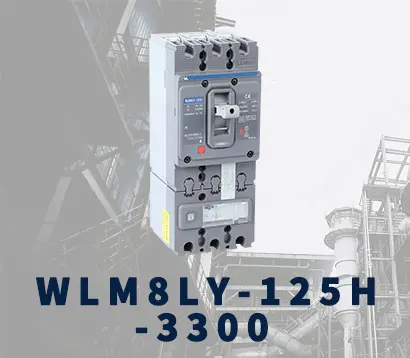 WLM8LY-125H-3300
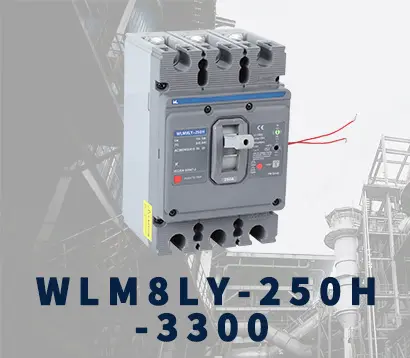 WLM8LY-250H-3300
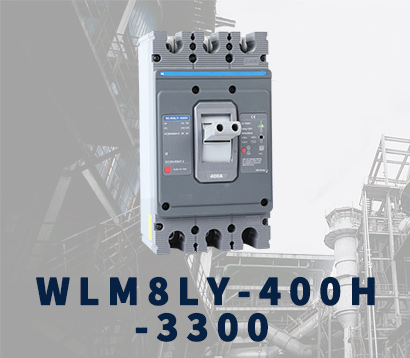 WLM8LY-400H-3300
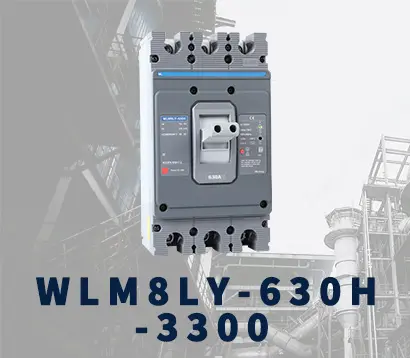 WLM8LY-630H-3300
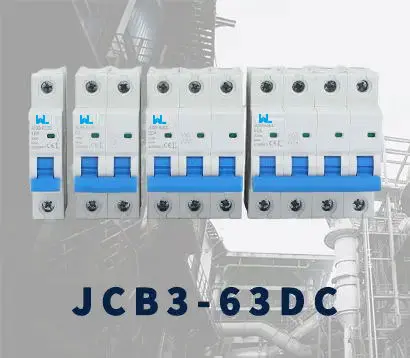 JCB3-63DC
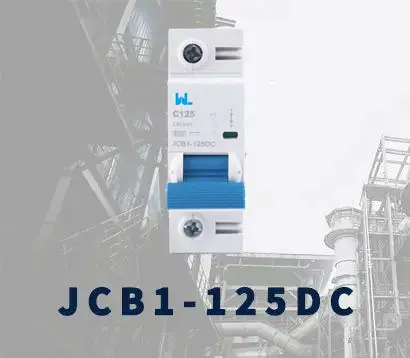 JCB1-125DC
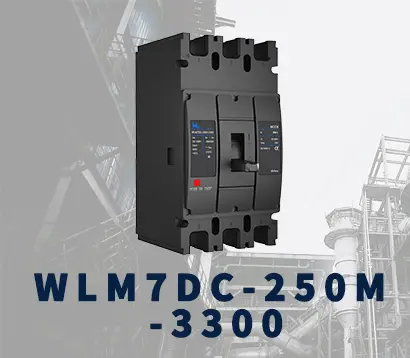 WLM7DC-250A-2300 2P/3P
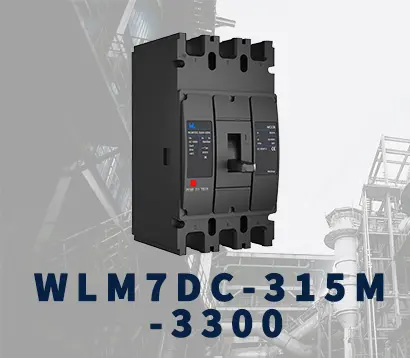 WLM7DC-315A-3300 2P/3P
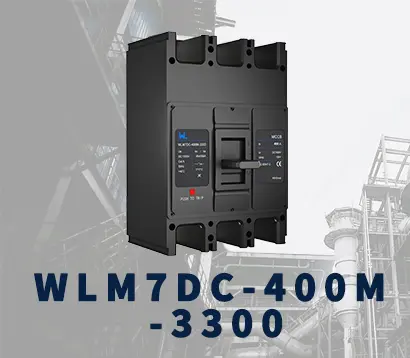 WLM7DC-400A-2300 2P/3P
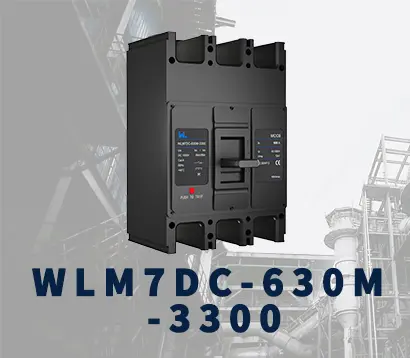 WLM7DC-630A-3300 3P
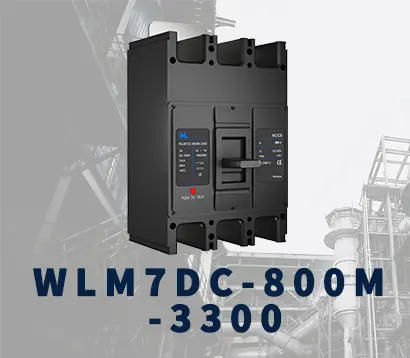 WLM7DC-800A-2300 2P/3P
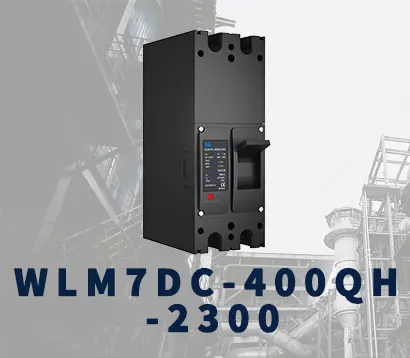 WLM7DC-400A 2300
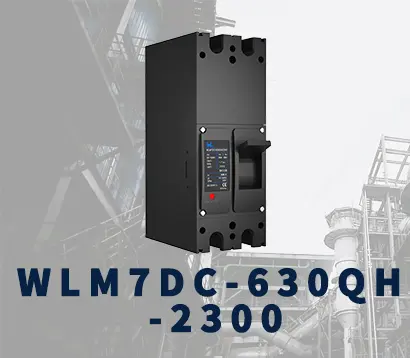 WLM7DC-630A-2300 2P
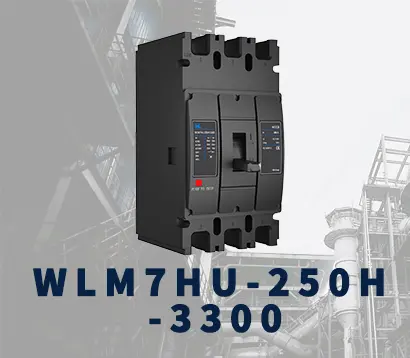 WLM7HU-250-3300 3P
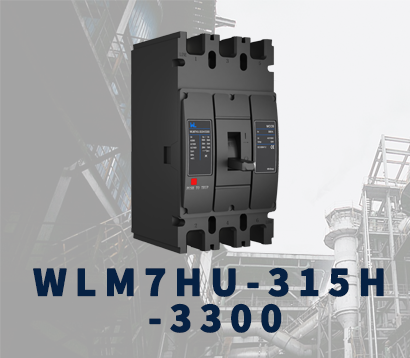 WLM7HU-315-3300 3P
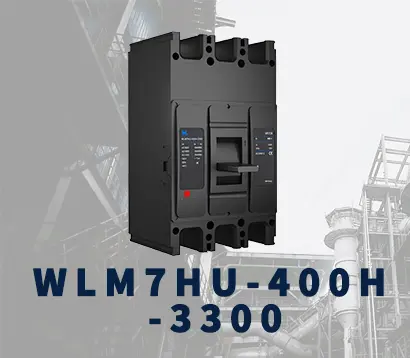 WLM7HU-400-3300 3P
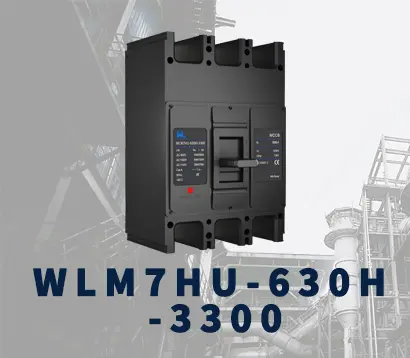 WLM7HU-630-3300 3P
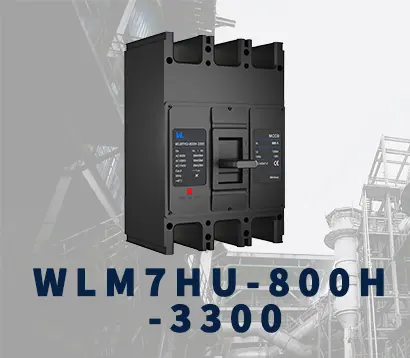 WLM7HU-800-3300 3P
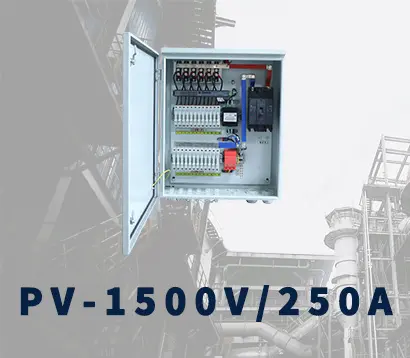 PV-1500V/250A
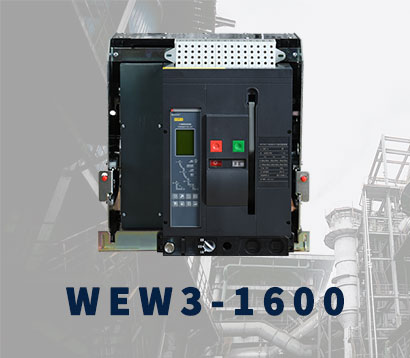 WEW3-1600
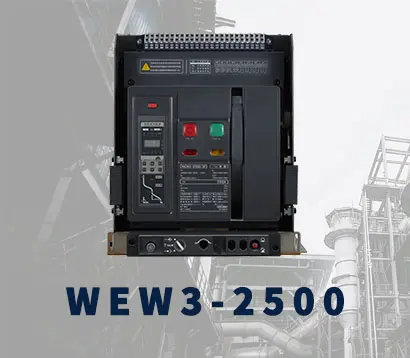 WEW3-2500
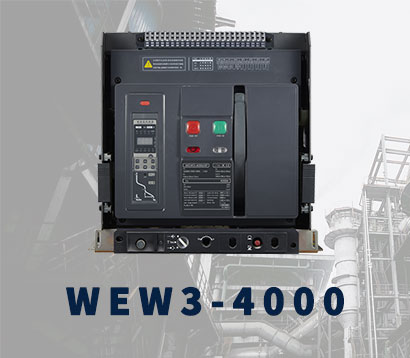 WEW3-4000
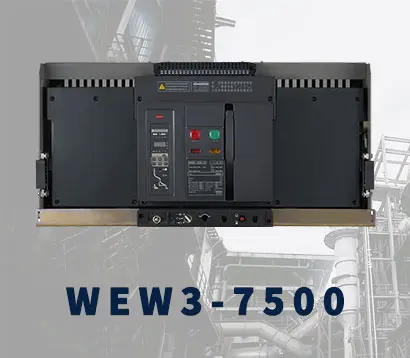 WEW3-7500