Top 10 MCCB Breaker Manufacturers for Global Buyers
Choosing the right Mccb Breaker manufacturer is a protection decision, not merely a purchasing exercise. Global buyers must examine breaking capacity, rated current, trip technology, enclosure quality, and documented testing. A reliable supplier should provide clear datasheets, calibration information, factory traceability, and responsive technical support. Certifications matter, but they do not replace application knowledge.
Jim Dollard, an electrical safety educator, offers a practical reminder: “Safety is not a slogan; it is a practice.” His point fits every Mccb Breaker selection. A device protecting a hotel distribution board faces different demands from one serving a factory motor line or a solar installation. This guide compares ten manufacturers through technical performance, product consistency, international availability, service capability, and buyer feedback. It also considers compliance with recognized standards, including IEC 60947-2 and applicable regional requirements.
No ranking is perfect. Markets change. Product ranges differ. Some manufacturers excel in compact breakers, while others provide stronger industrial coordination studies. A familiar brand may still be unsuitable for a harsh environment or an undersized panel. Buyers should verify short-circuit levels, ambient temperature, pole configuration, and maintenance access before ordering. Small details matter. A poorly matched trip setting can cause nuisance interruptions or leave equipment inadequately protected. The companies featured here represent strong options, but engineers should confirm every recommendation against their drawings, risk assessment, and local installation rules. That final review is sometimes skipped. It should not be.
MCCB Basics and Their Role in Modern Electrical Protection
MCCB Basics and Their Role in Modern Electrical Protection
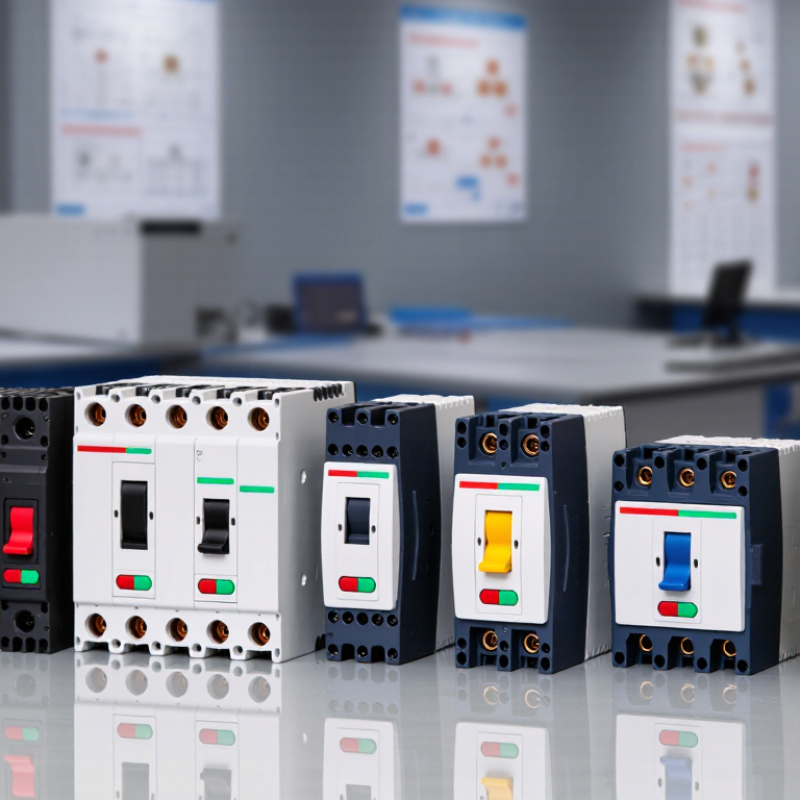
A molded case circuit breaker protects low-voltage systems from overloads and short circuits. Its thermal trip responds to sustained heat, while its magnetic trip reacts quickly to fault current. This dual action helps protect cables, switchboards, motors, and connected equipment. Some models also offer adjustable trip settings, making coordination easier across complex installations.
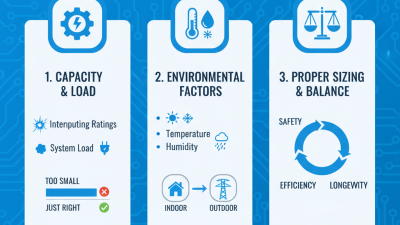
In practical panel inspections, incorrect settings remain a common weakness. A breaker may have a suitable current rating but poor coordination with downstream devices. Engineers should check the system voltage, continuous load, prospective short-circuit current, and cable capacity. The interrupting rating must exceed the available fault current at the installation point. Compliance with IEC 60947-2 or applicable local standards also supports dependable selection. A larger frame is not automatically safer.
Tips: Compare the breaker rating with the conductor size. Confirm terminal temperature limits. Test trip functions during scheduled maintenance. Keep clear records of settings and inspection dates. Small details matter. Selection should reflect real operating conditions, not only catalog figures. Temperature, enclosure space, dust, and frequent switching can change performance. Designers sometimes overlook these factors, then discover nuisance trips or delayed protection. Review the design with a qualified professional before energizing the panel.
Key Criteria for Evaluating Global MCCB Manufacturers
When evaluating global MCCB manufacturers, start with verifiable performance, not attractive catalog images. Check compliance with IEC 60947-2 or the required regional standard. Request type-test reports from accredited laboratories. Confirm rated current, breaking capacity, Icu, and Ics under defined conditions. A 400 A breaker may perform differently at high ambient temperatures. Installation details matter.
Manufacturing experience should be visible in production records and quality controls. Ask how the factory manages contact materials, insulation parts, torque settings, and final-trip testing. Serial-number traceability is essential when equipment serves hospitals, factories, or data centers. Review sample units before approving large orders. Test thermal and magnetic trips with calibrated equipment. Small details matter.
Technical support also reveals supplier reliability. Evaluate response times, spare-parts availability, warranty terms, and documentation quality. Clear drawings should show terminal sizes, accessories, and mounting dimensions. A stable distributor network can reduce downtime across multiple countries. However, no supplier is flawless. A polished certificate may not reflect every production batch. Audits, repeat testing, and honest discussions about failure rates are still necessary. The cheapest quotation often excludes commissioning support, replacement logistics, or training. Ask difficult questions early.
Profiles of the Top 10 MCCB Breaker Manufacturers
The leading ten MCCB breaker manufacturers differ in design focus, testing depth, and regional service strength. One specializes in compact breakers for commercial panels, using clear trip indicators and tool-friendly terminals. Another targets heavy industrial sites, with reinforced housings and adjustable long-time protection. These differences matter when a dusty workshop, a humid plant, or a crowded switchboard defines the application.
A third manufacturer emphasizes high breaking capacity for demanding distribution networks. A fourth develops electronic trip units with event records and adjustable thresholds. Another focuses on photovoltaic and battery installations, where temperature changes can affect protection performance. One profile stands out for modular accessories, including auxiliary contacts and shunt releases. A further supplier supports marine and transport projects with vibration-tested construction. The remaining manufacturers compete through fast regional delivery, multilingual documentation, or flexible private-label production.
Look beyond catalog ratings. A reliable supplier should provide traceable test reports, clear installation instructions, and consistent dimensional data. Ask how each model performs after repeated short-circuit interruptions. Request samples when enclosure space is limited. Small details matter.
Field experience also reveals weaknesses. Some adjustable trip units are difficult to calibrate without specialized tools. Certain terminals feel secure but accept fewer cable sizes than expected. A manufacturer may claim global support, yet local spare parts remain slow. Buyers should verify certification scope, warranty terms, ambient-temperature derating, and after-sales response before placing volume orders. The strongest profile is not always the cheapest one; it is the one that remains predictable under real operating conditions.
Product Standards, Performance Ratings, and Customization Options
Top 10 MCCB Breaker Manufacturers for Global Buyers
Product Standards, Performance Ratings, and Customization Options
Global buyers should compare MCCB manufacturers through verified standards, not catalog claims alone. IEC 60947-2 and UL 489 are common references, but regional certification requirements may differ. Request current test reports, factory quality records, and traceable production data before approval.
Performance ratings need careful interpretation. The frame size shows the breaker’s physical capacity, while the rated current defines its continuous operating limit. Short-circuit ratings, such as Icu and Ics, indicate interruption performance under fault conditions. They are not interchangeable. Voltage, frequency, pole configuration, ambient temperature, and installation altitude also affect selection. Small details matter.
Customization can include adjustable thermal-magnetic trips, electronic protection units, auxiliary contacts, alarm contacts, shunt trips, undervoltage releases, and rotary handles. Enclosure dimensions and terminal arrangements may also require modification. Ask whether customized parts retain the original certification. This point is often overlooked.
Check coordination data with upstream fuses, contactors, and downstream breakers. Poor selectivity can create unnecessary shutdowns. A practical test plan should include temperature-rise checks, mechanical endurance, insulation verification, and short-circuit validation. Real projects are rarely perfect. Some specifications change late, and a convenient substitute may weaken protection. Reconfirm every rating after customization.

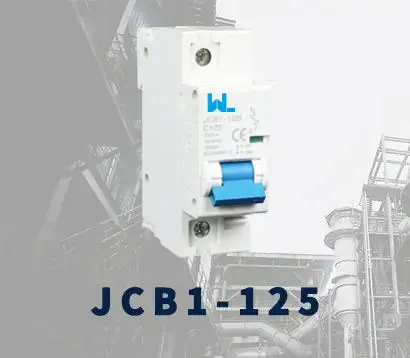 JCB1-125
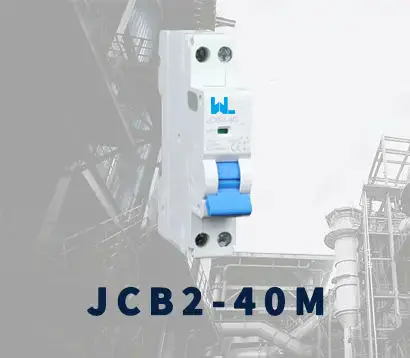 JCB2-40M
 JCB3-63DC
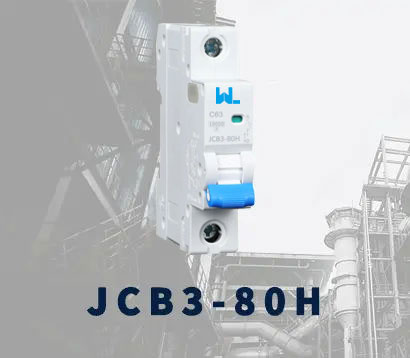 JCB3-80H
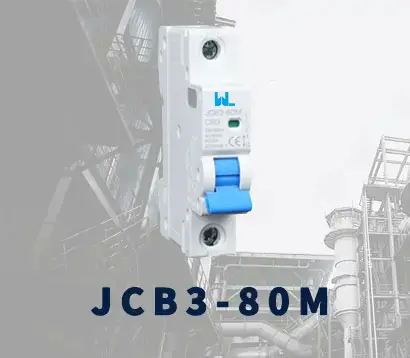 JCB3-80M
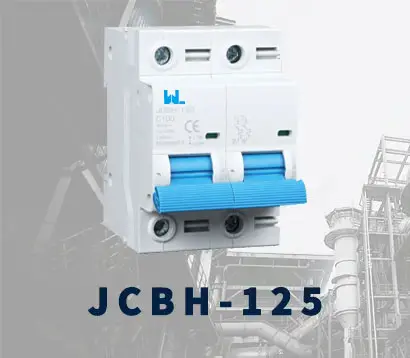 JCBH-125
 JC80-2P
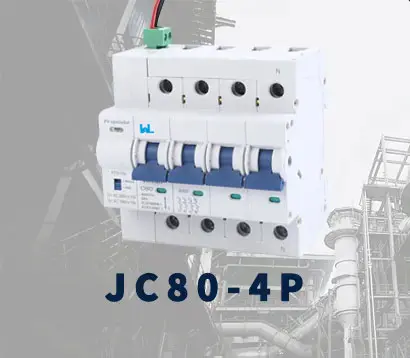 JC80-4P
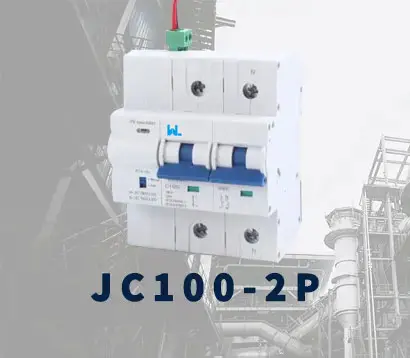 JC125-2P
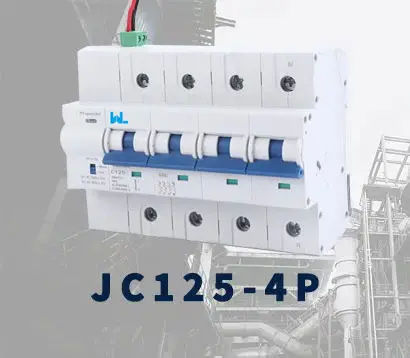 JC125-4P
 JCMX
JCMX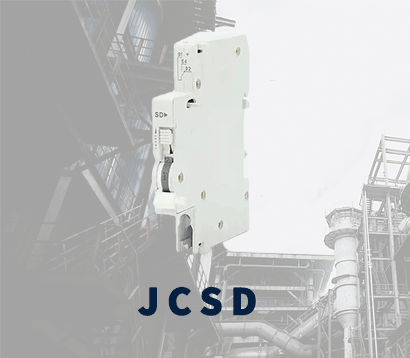 JCSD
JCSD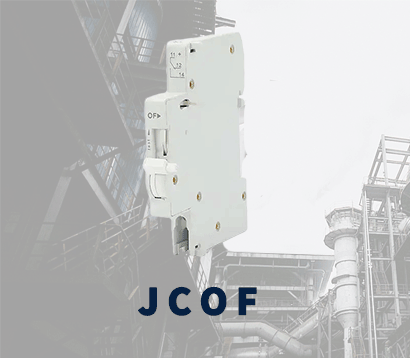 JCOF
JCOF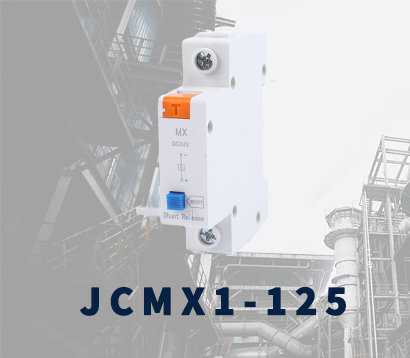 JCMX1-125
 JCOF1-125
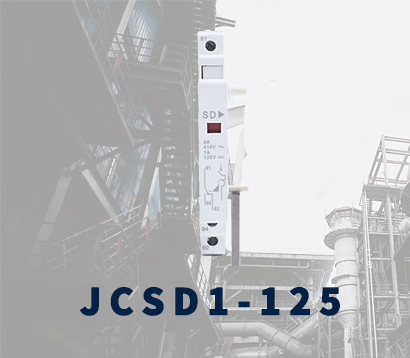 JCSD1-125
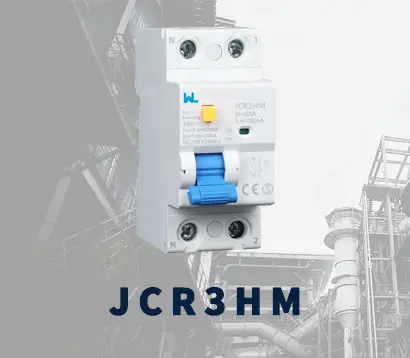 JCR3HM
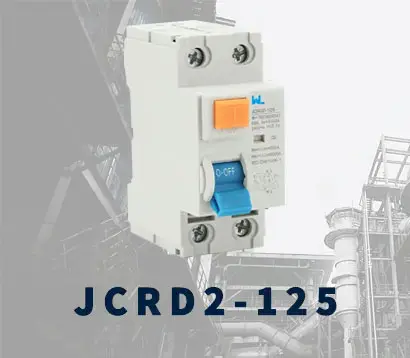 JCRD2-125
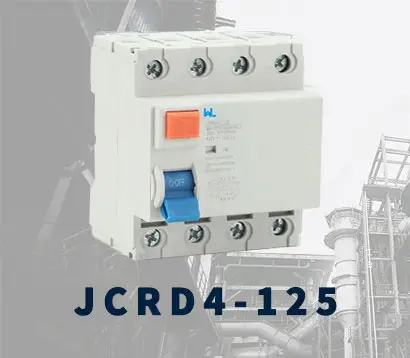 JCRD4-125
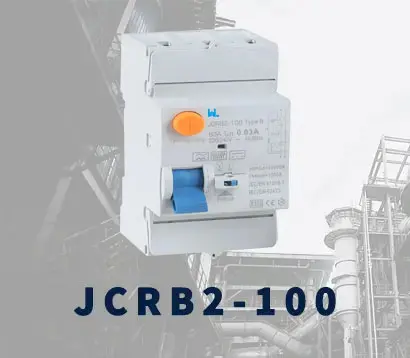 JCRB2-100
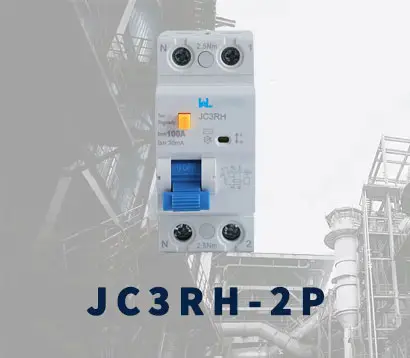 JC3RH-2P
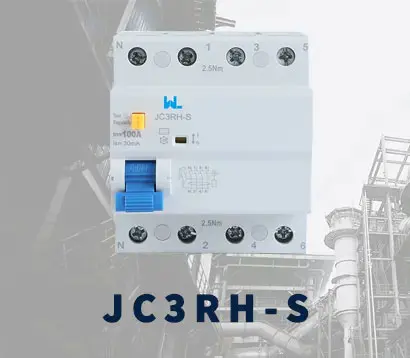 JC3RH-S
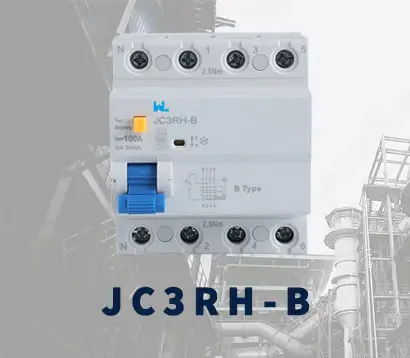 JC3RH-B
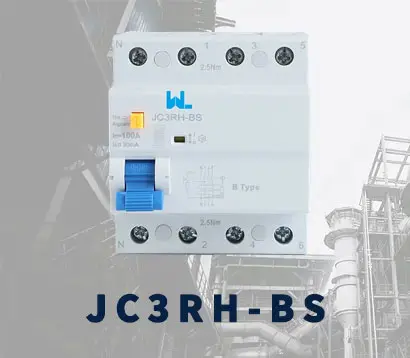 JC3RH-BS
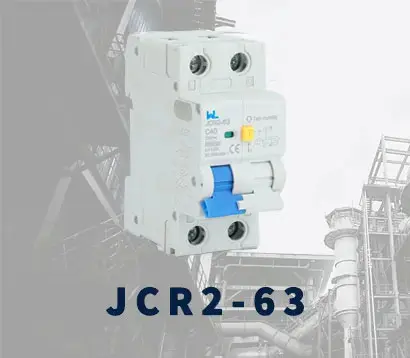 JCR2-63
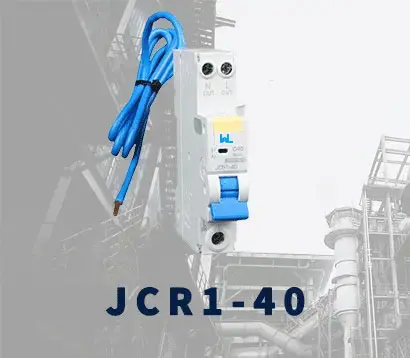 JCR1-40
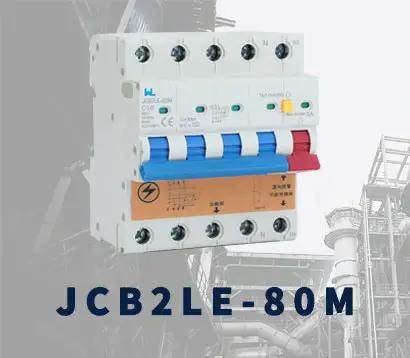 JCB2LE-80M
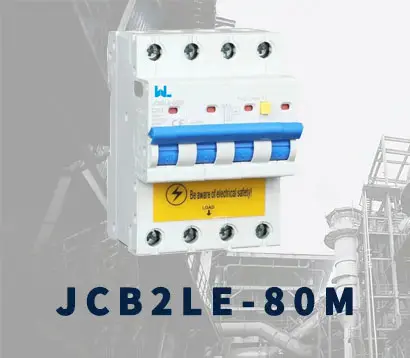 JCB2LE-80M
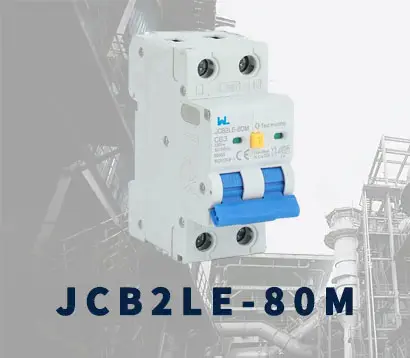 JCB2LE-80M
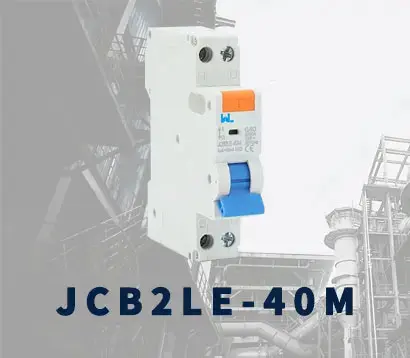 JCB2LE-40M
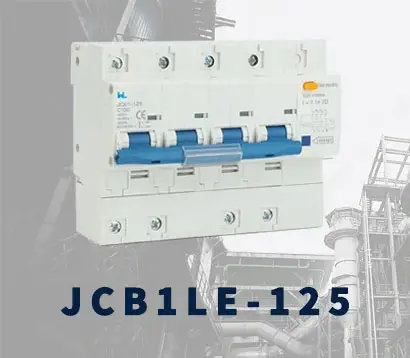 JCB1LE-125
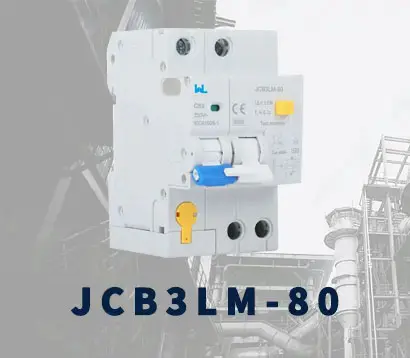 JCB3LM-80
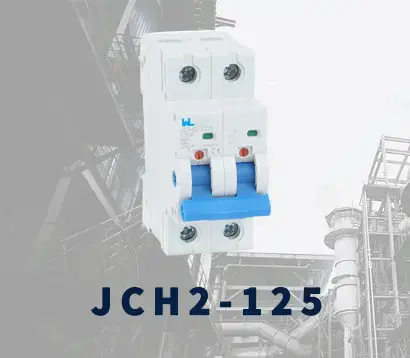 JCH2-125
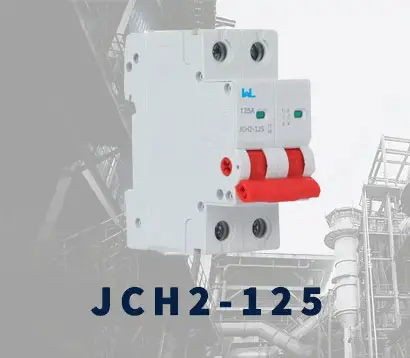 JCH2-125
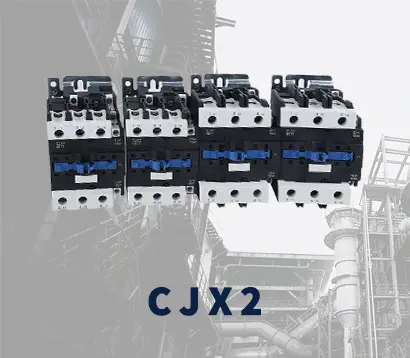 CJX2
CJX2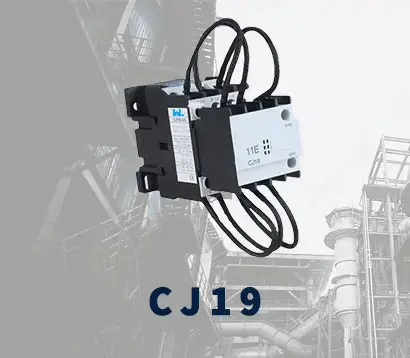 CJ19
CJ19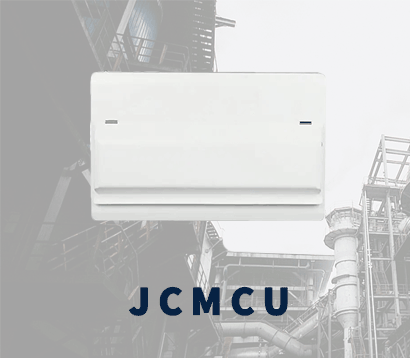 JCMCU
JCMCU JCHA
JCHA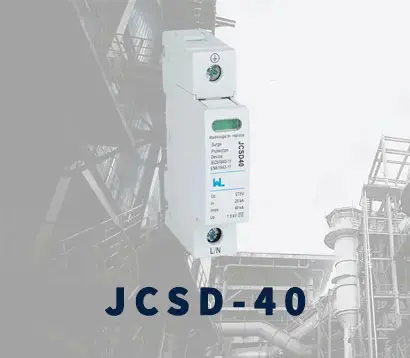 JCSD-40
 JCSD-60
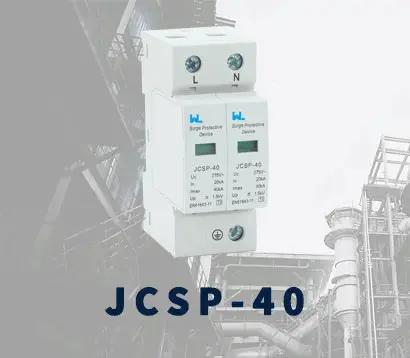 JCSP-40
 JCSP-60
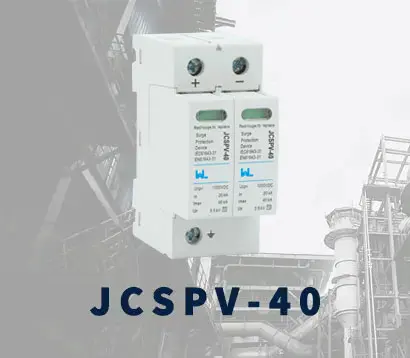 JCSPV
JCSPV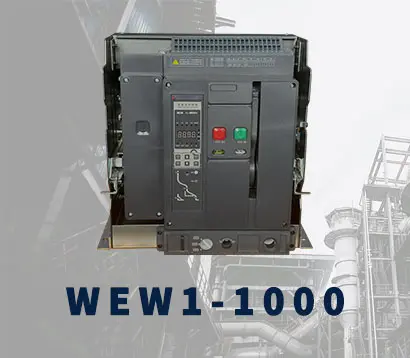 WEW1-1000
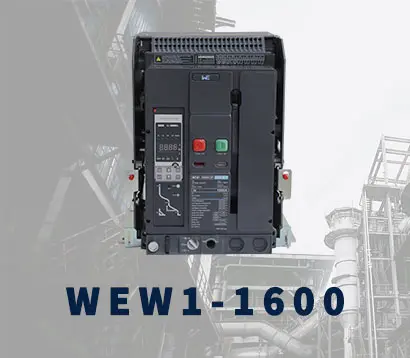 WEW1-1600
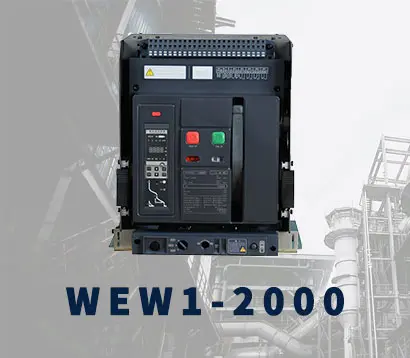 WEW1-2000
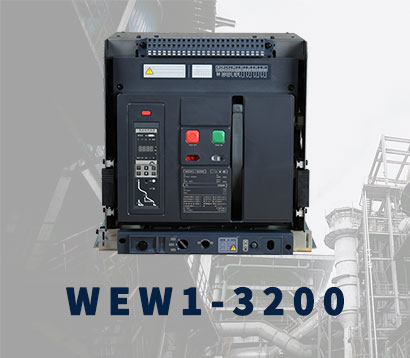 WEW1-3200
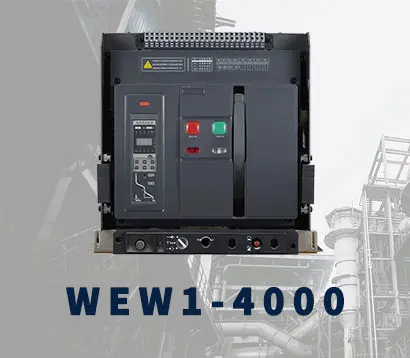 WEW1-4000
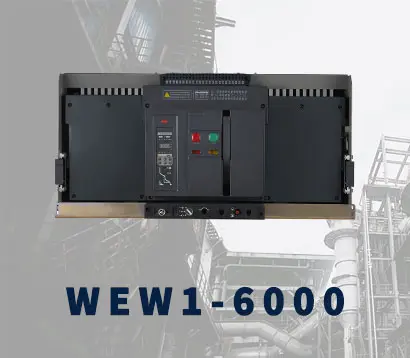 WEW1-6300
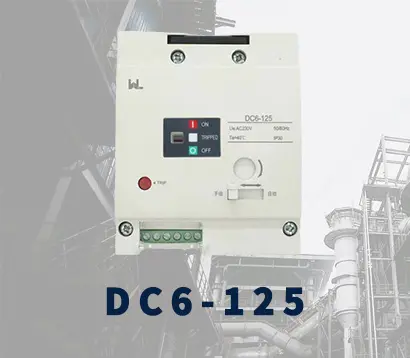 DC6-125
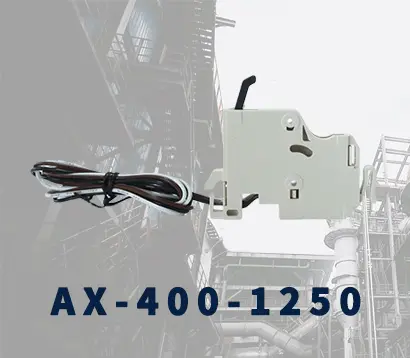 AX-400-1250
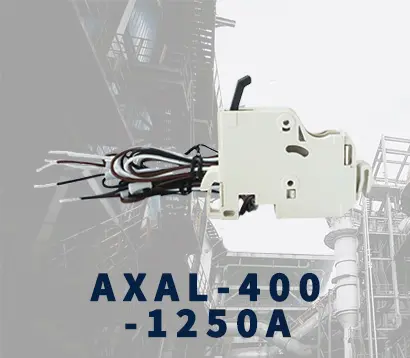 AXAL-400-1250A
 AL-400-1250
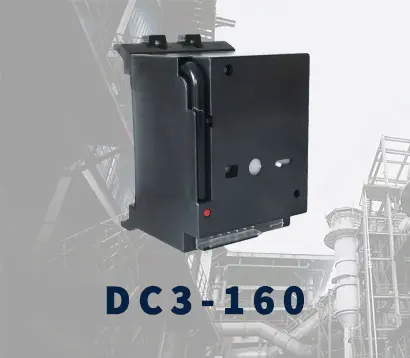 DC3-160
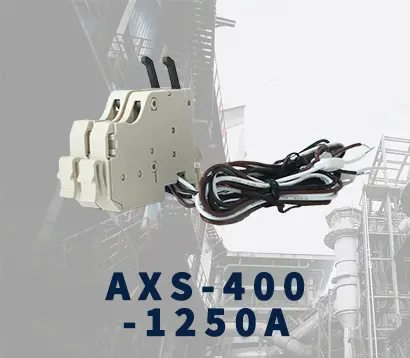 AXS-400-1250A
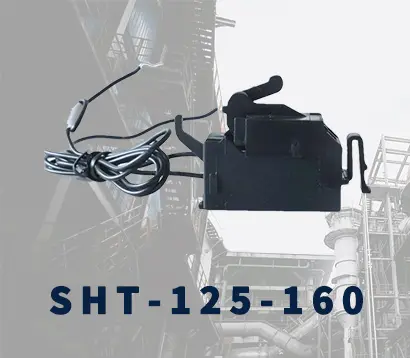 SHT-125-160
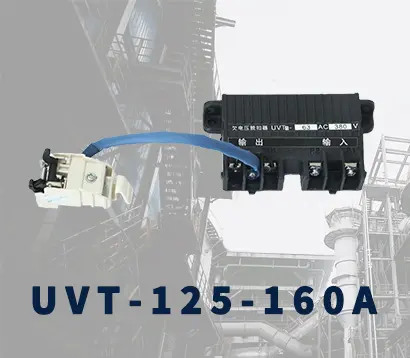 UVT-125-160A
 P-250A-3P-A
 400-3P/4P terminal cover
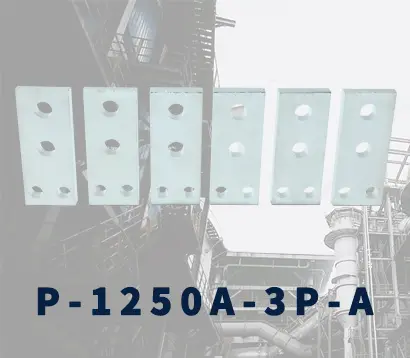 1250-3Pmccb accessories busbar
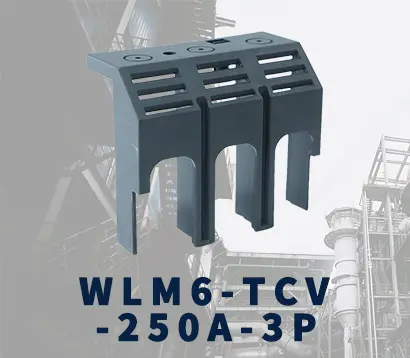 250-3P terminal conver
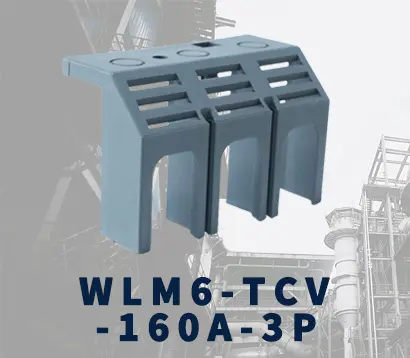 WLM6-TCV-160A-3P
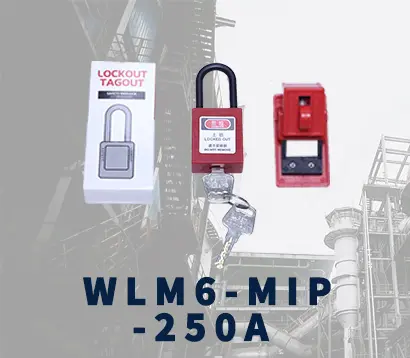 WLM6-MIP-250A
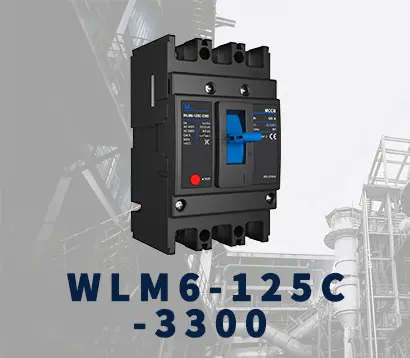 WLM6-125A-3300 3P/4P
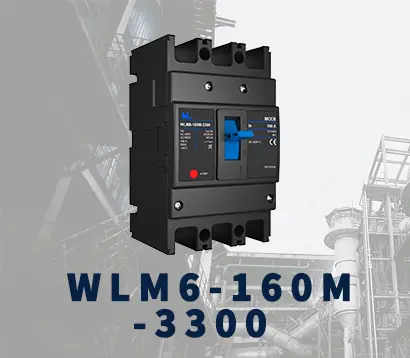 WLM6-160A-3300 3P/4P
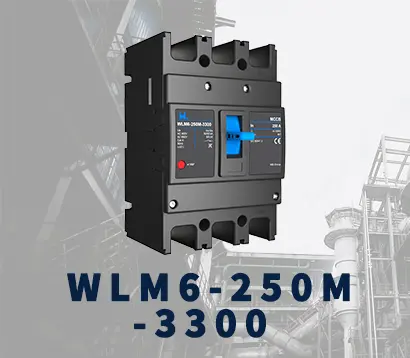 WLM6-250A-3300 3P/4P
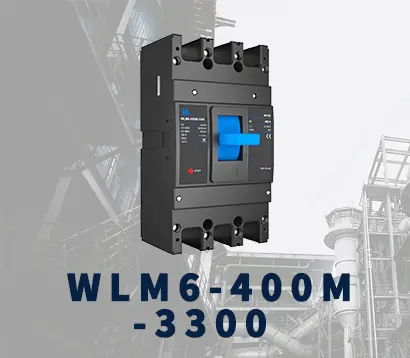 WLM6-400A-3300 3P/4P
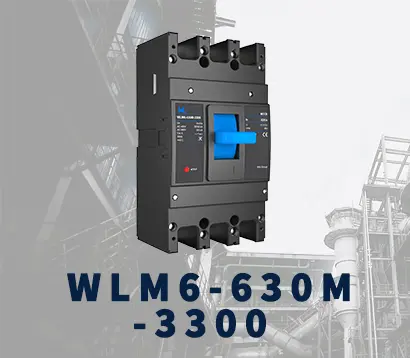 WLM6-630A-3300 3P/4P
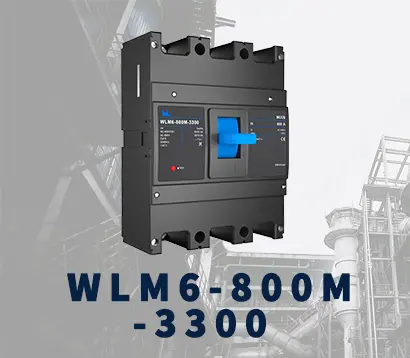 WLM6-800A-3300 3P/4P
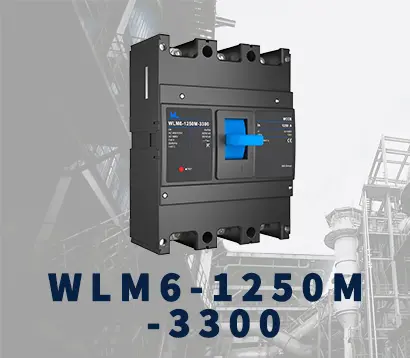 WLM6-1250A-3300 3P/4P
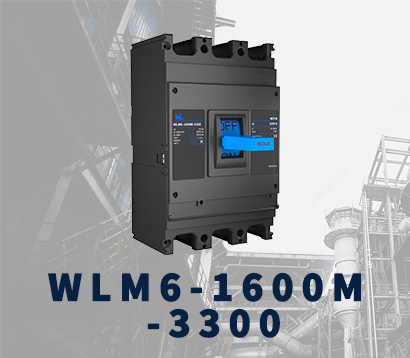 WLM6-1600A-3300 3P/4P
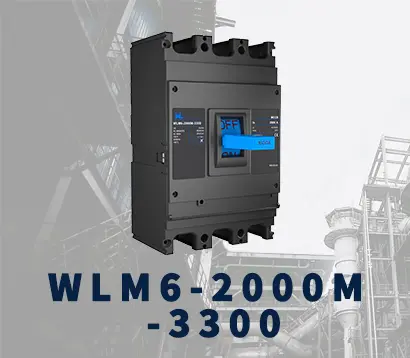 WLM6-2000A 3P/4P
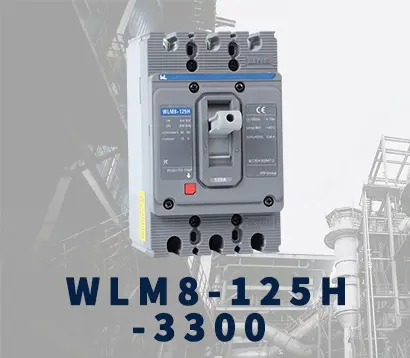 WLM8-125H-3300
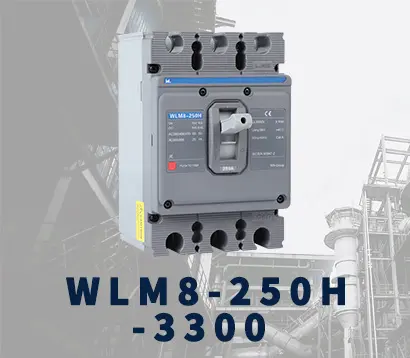 WLM8-250H-3300
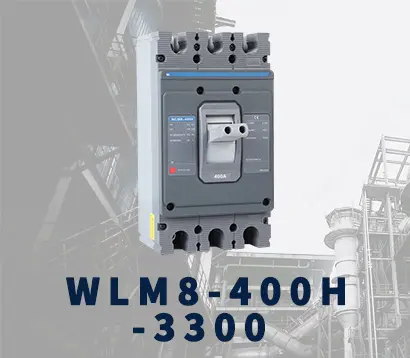 WLM8-400H-3300
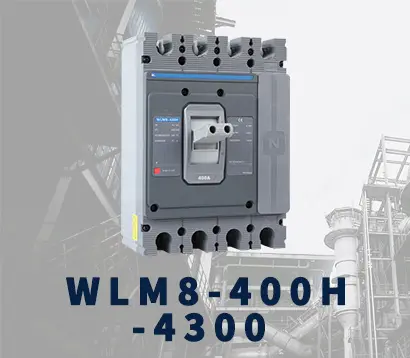 WLM8-400H-4300
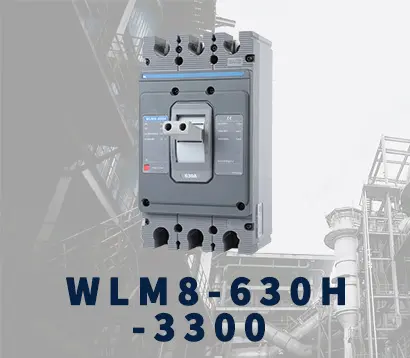 WLM8-630H-3300
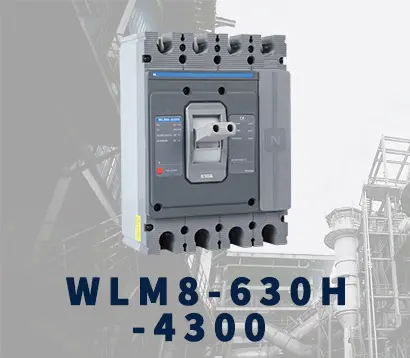 WLM8-630H-4300
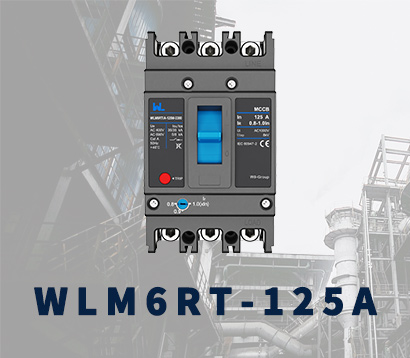 WLM6RT-125A
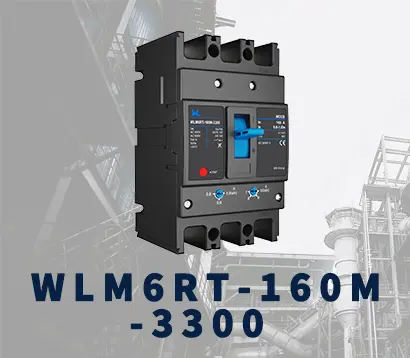 WLM6RT-160A
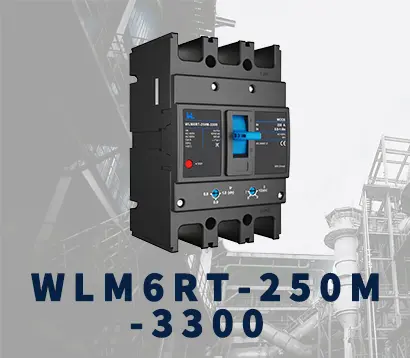 WLM6RT-250A
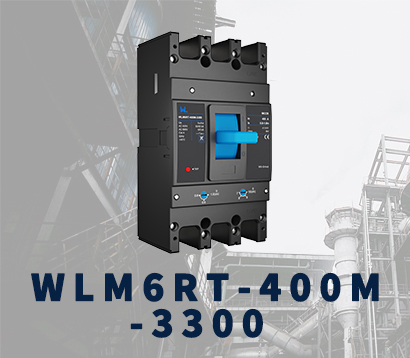 WLM6RT-400A
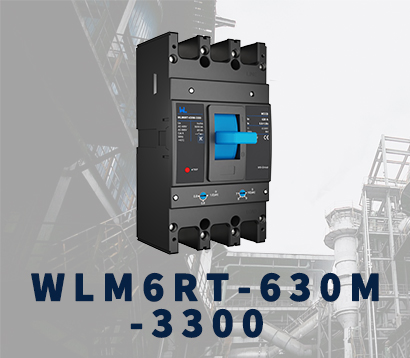 WLM6RT-630A
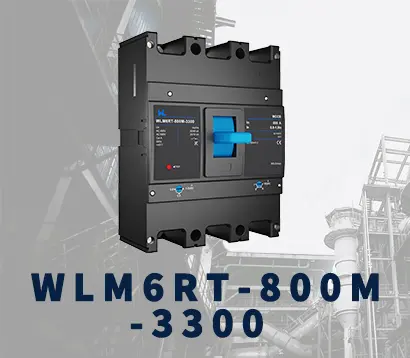 WLM6RT-800A
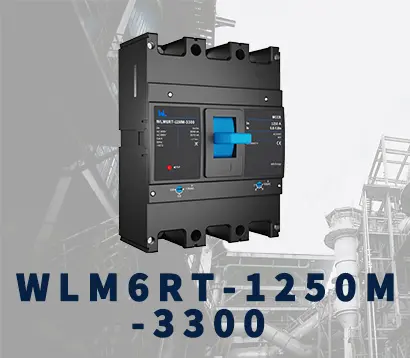 WLM6RT-1250A
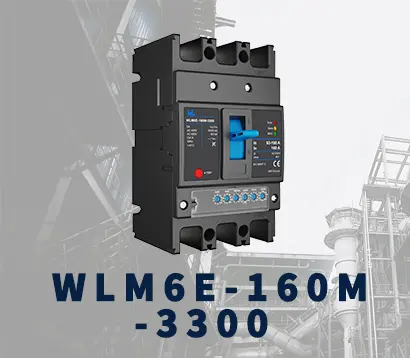 WLM6E-160A-3300 3P
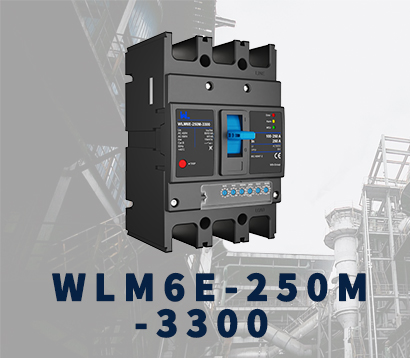 WLM6E-250A-3300
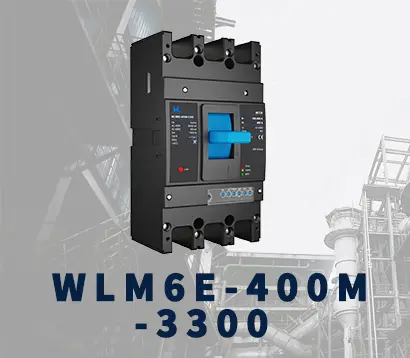 WLM6E-400A-3300 3P/4P
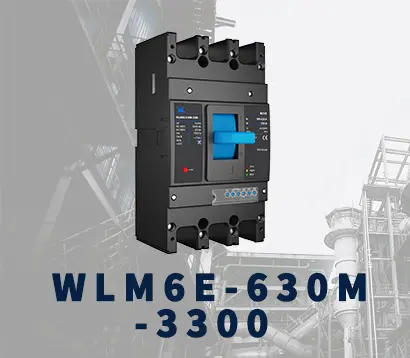 WLM6E-630A-3300
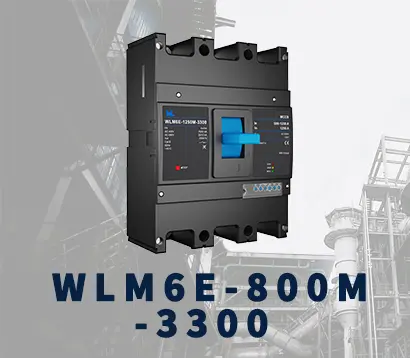 WLM6E-800A-3300 3P/4P
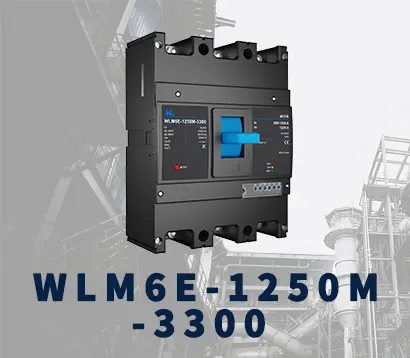 WLM6E-1250A-3300
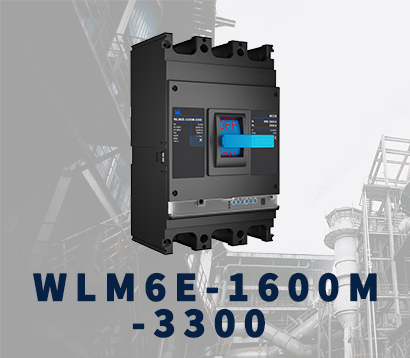 WLM6E-1600-3300 3P/4P
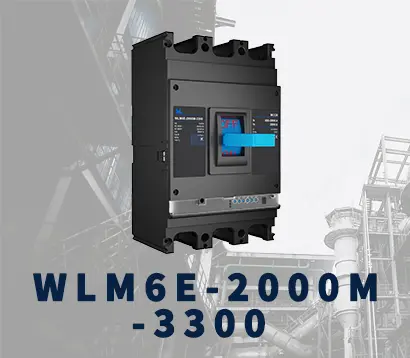 WLM6E-2000A-3300 3P/4P
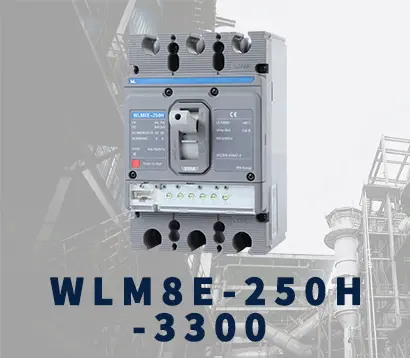 WLM8E-250H-3300
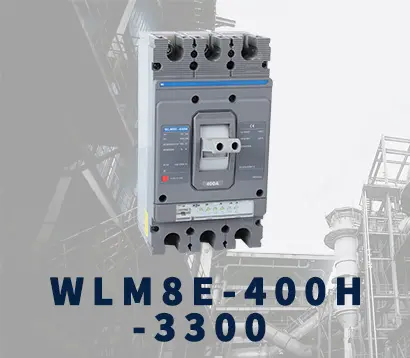 WLM8E-400H-3300
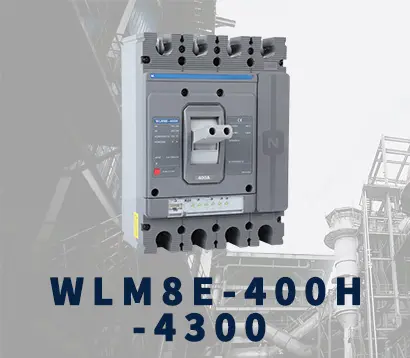 WLM8E-400H-4300
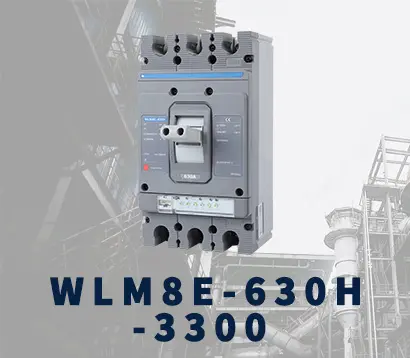 WLM8E-630H-3300
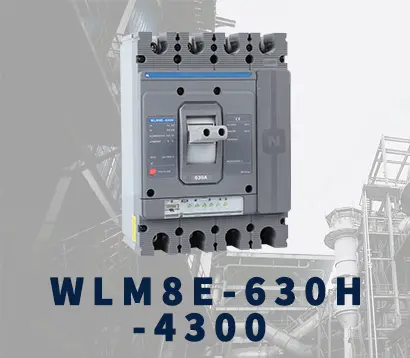 WLM8E-630H-4300
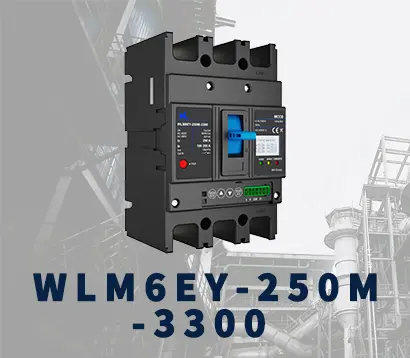 WLM6EY-250-3300 3P/4P
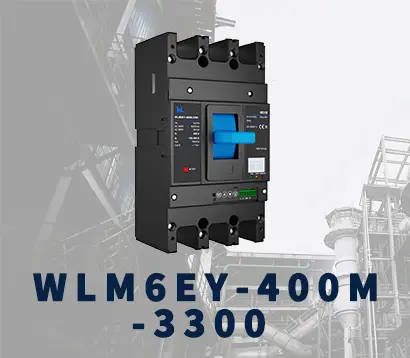 WLM6EY-400 3P/4P
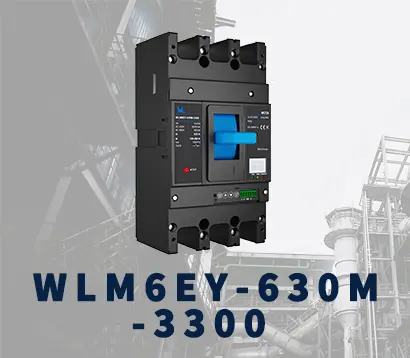 WLM6EY-630 3P/4P
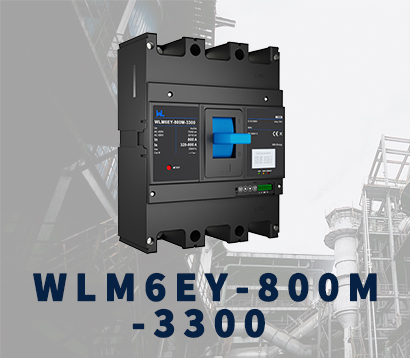 WLM6EY-800A 3P/4P
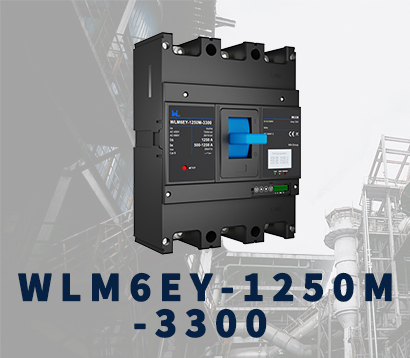 WLM6EY-1250A 3P/4P
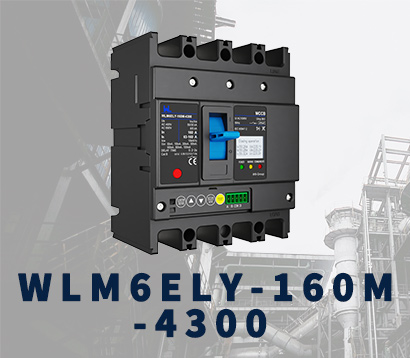 WLM6ELY-160A
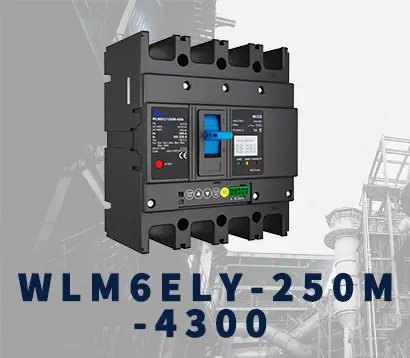 WLM6ELY-250A
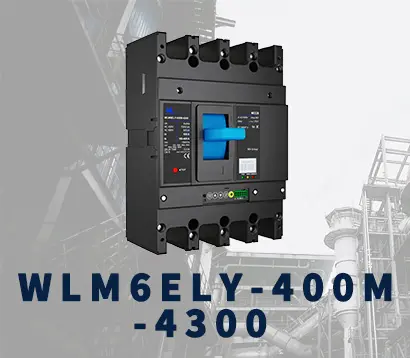 WLM6ELY-400A
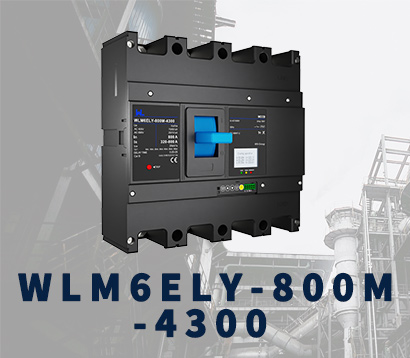 WLM6ELY-800A
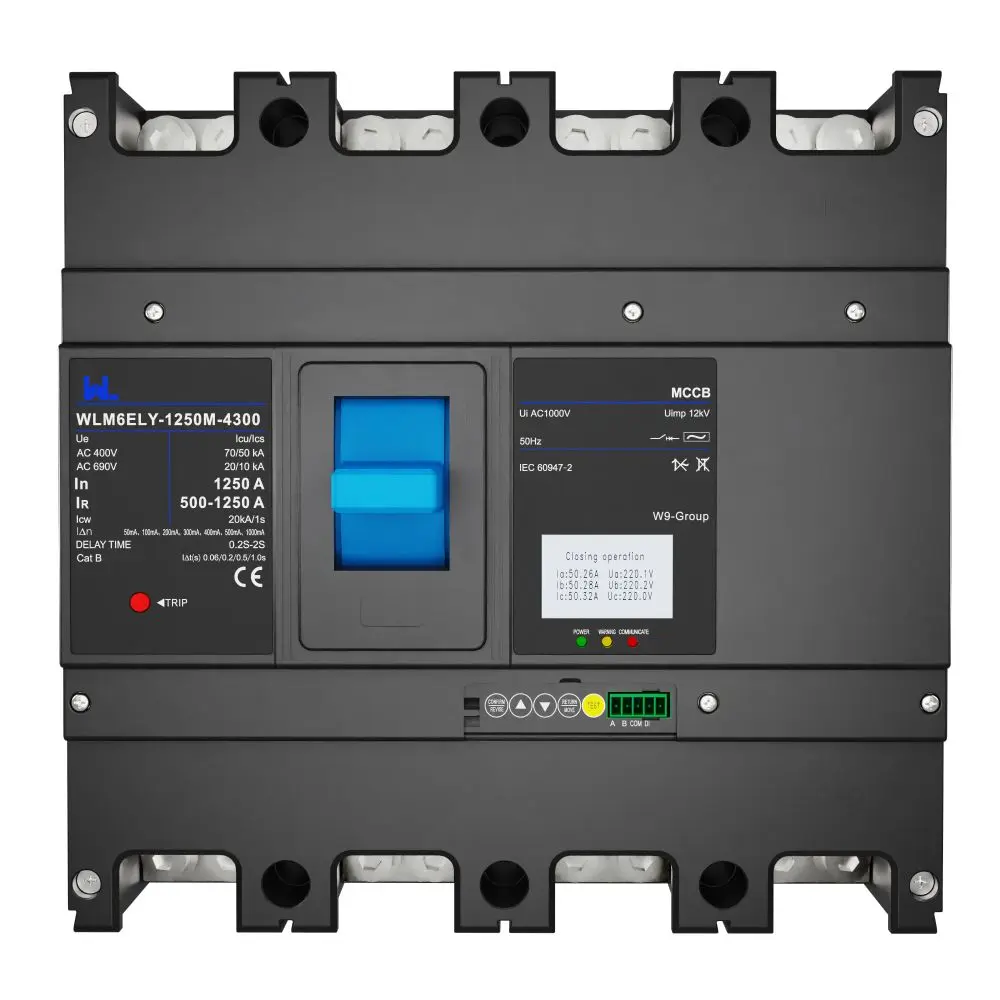 WLM6ELY-1250A
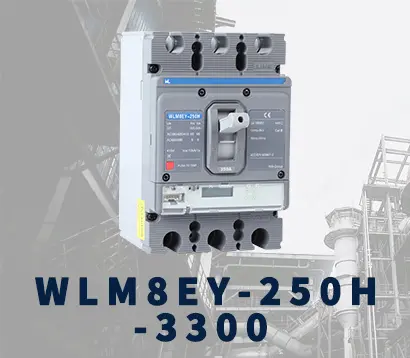 WLM8EY-250H-3300
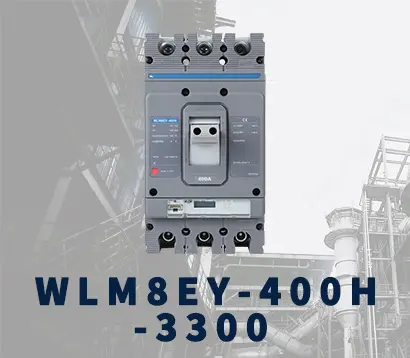 WLM8EY-400H-3300
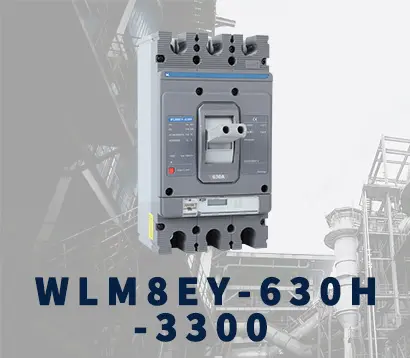 WLM8EY-630H-3300
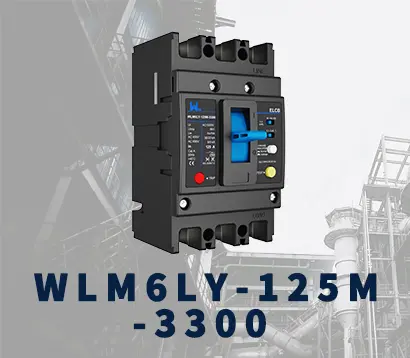 WLM6LY-125A
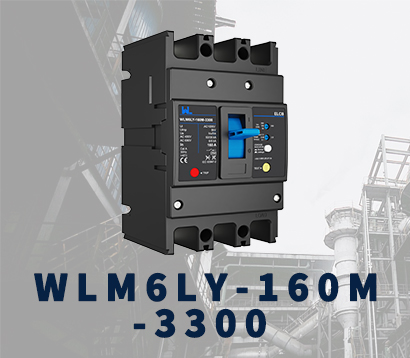 WLM6L-160A
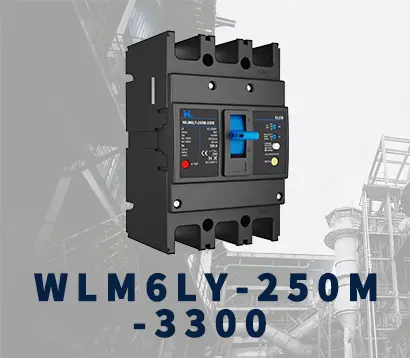 WLM6LY-250A
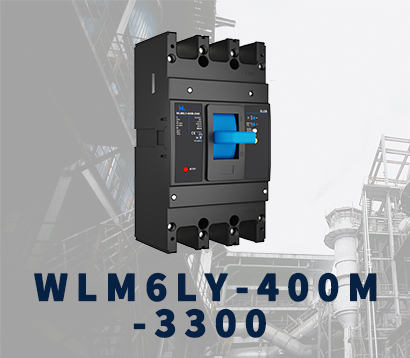 WLM6LY-400A
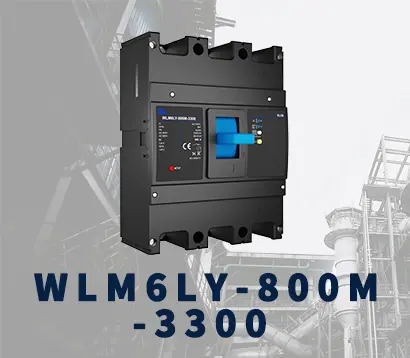 WLM6LY-800A
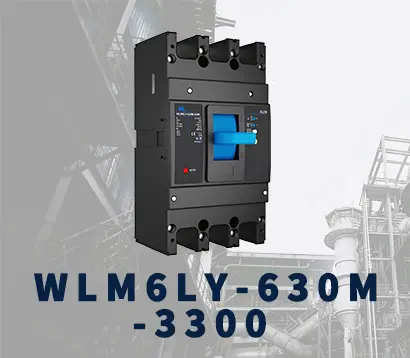 WLM6LY-630A
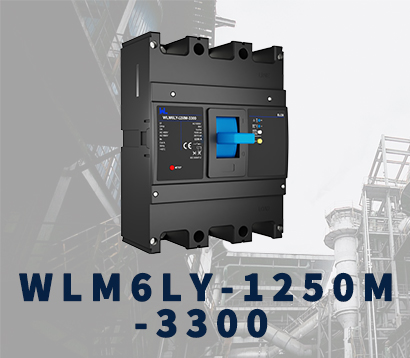 WLM6LY-1250A
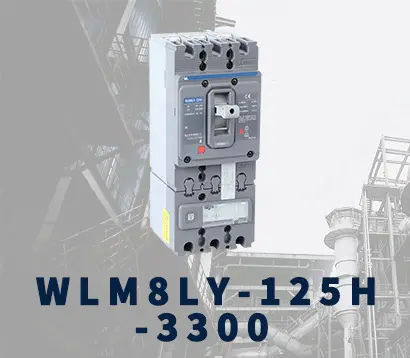 WLM8LY-125H-3300
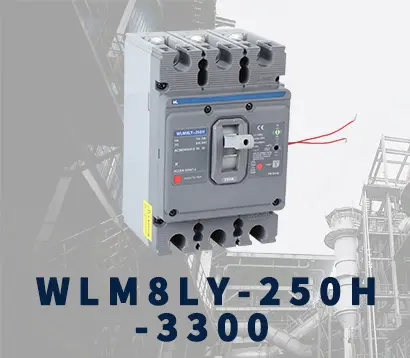 WLM8LY-250H-3300
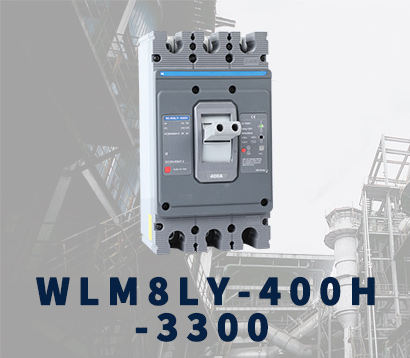 WLM8LY-400H-3300
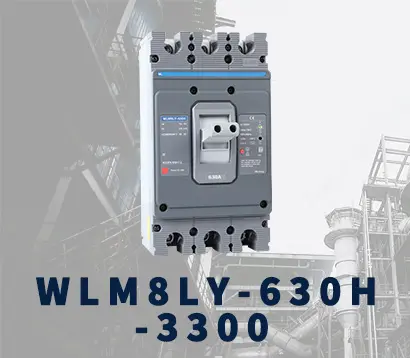 WLM8LY-630H-3300
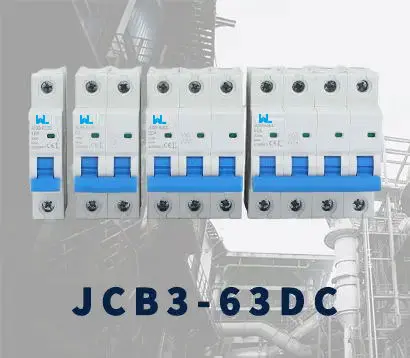 JCB3-63DC
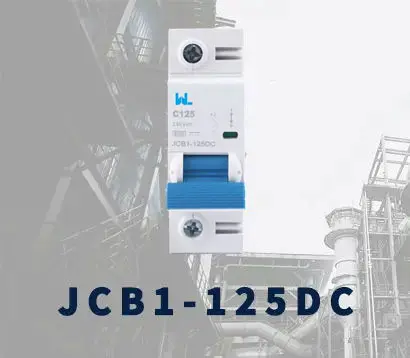 JCB1-125DC
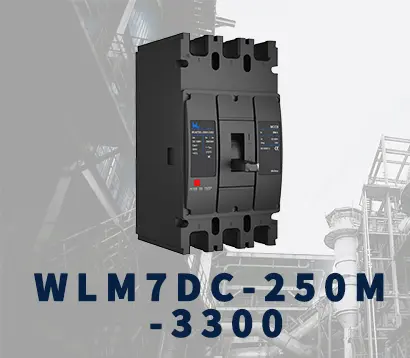 WLM7DC-250A-2300 2P/3P
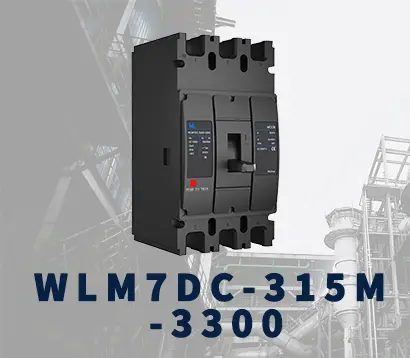 WLM7DC-315A-3300 2P/3P
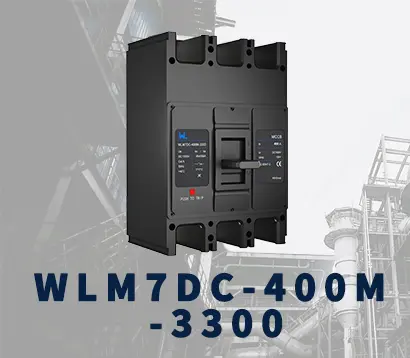 WLM7DC-400A-2300 2P/3P
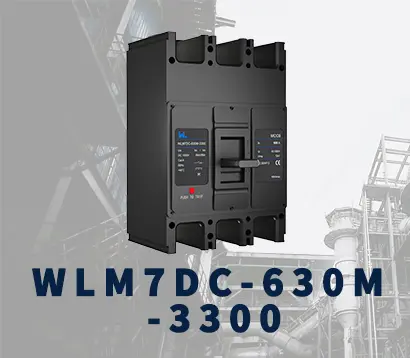 WLM7DC-630A-3300 3P
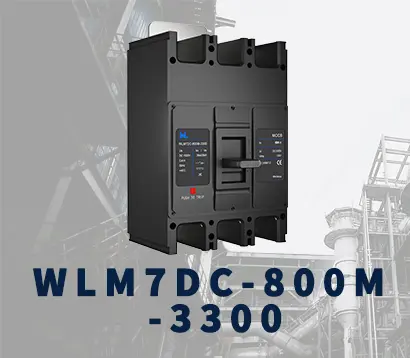 WLM7DC-800A-2300 2P/3P
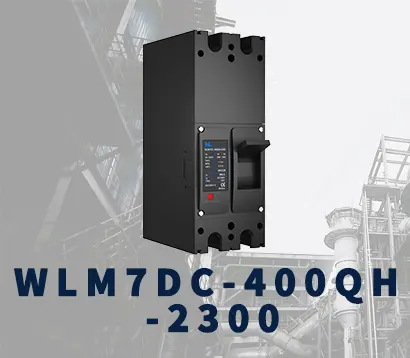 WLM7DC-400A 2300
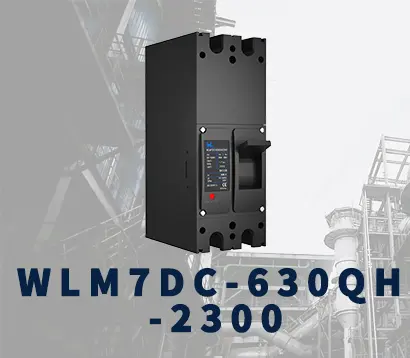 WLM7DC-630A-2300 2P
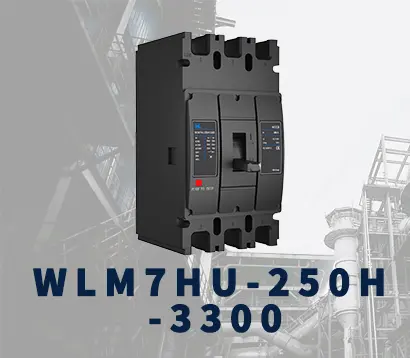 WLM7HU-250-3300 3P
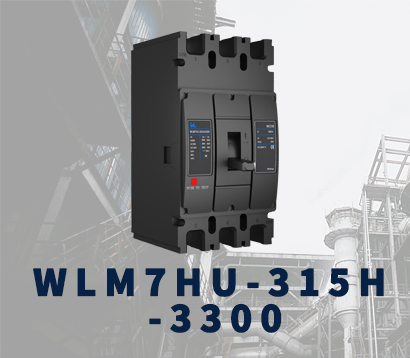 WLM7HU-315-3300 3P
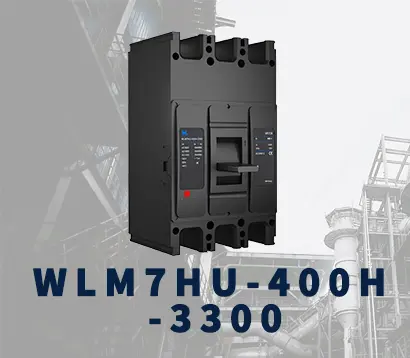 WLM7HU-400-3300 3P
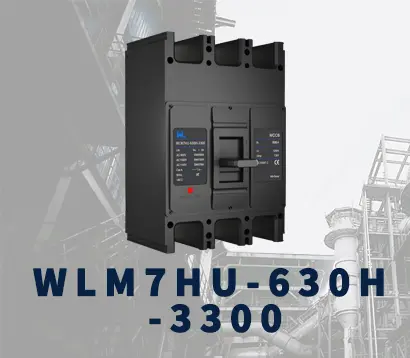 WLM7HU-630-3300 3P
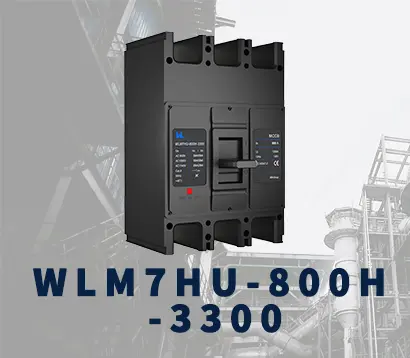 WLM7HU-800-3300 3P
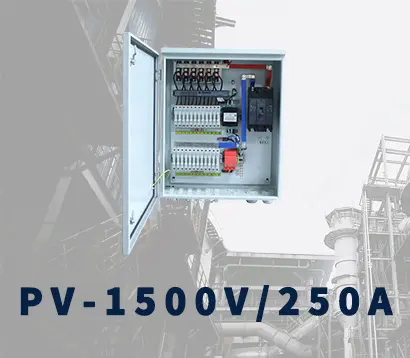 PV-1500V/250A
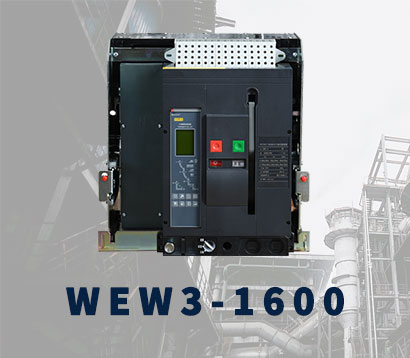 WEW3-1600
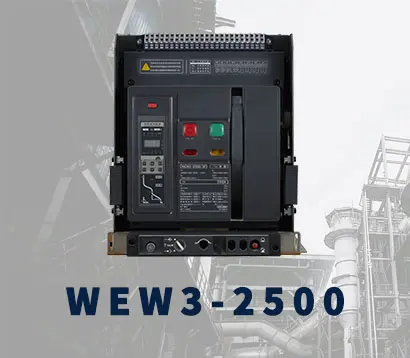 WEW3-2500
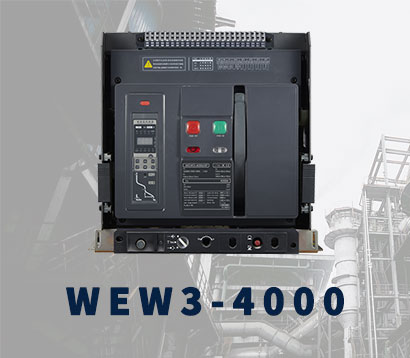 WEW3-4000
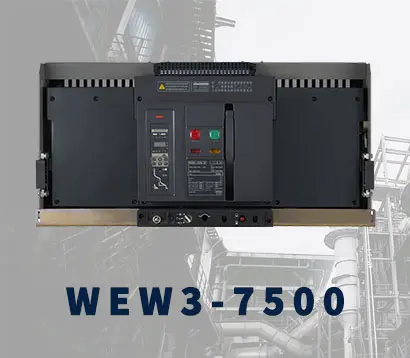 WEW3-7500