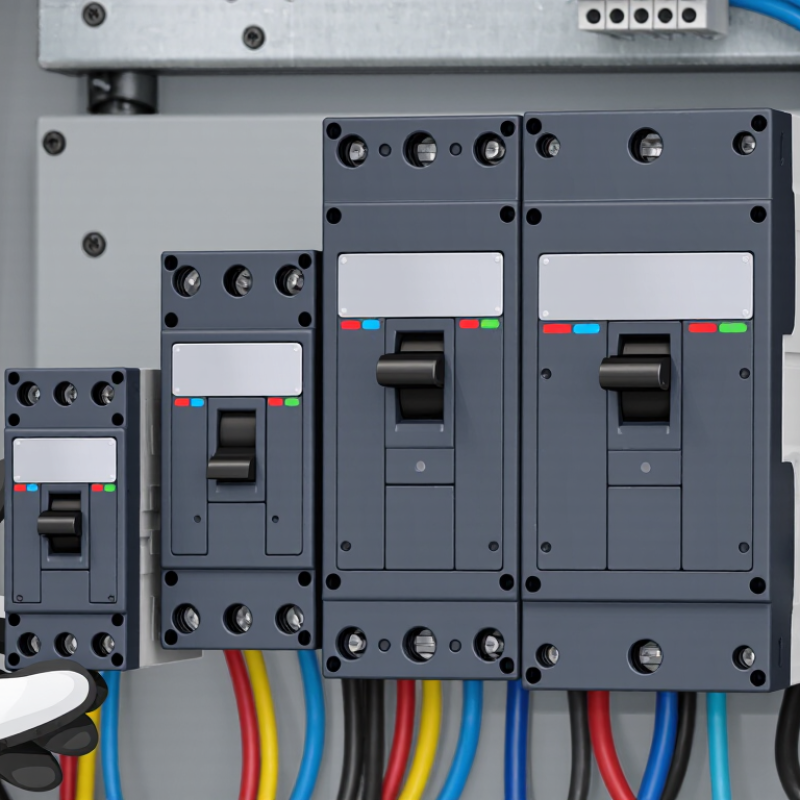
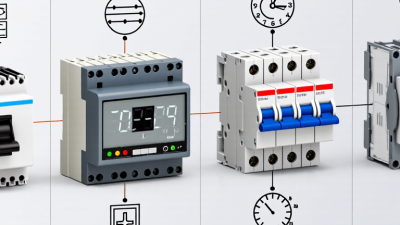
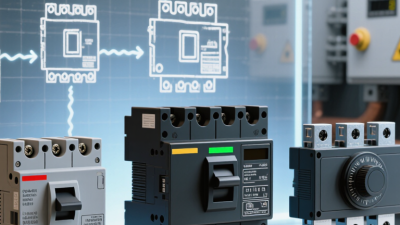
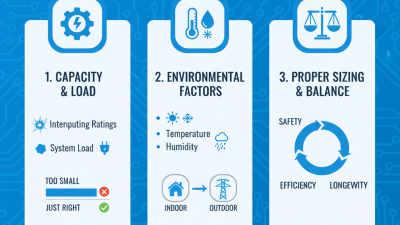
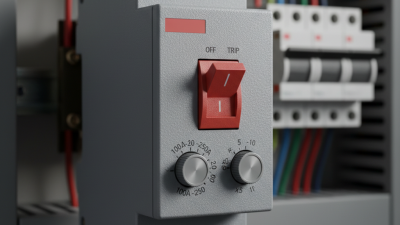
For global buyers, selecting a Molded Breaker is not just a matter of comparing ampere ratings. The right choice must suit the installation, expected fault current, operating environment, and maintenance plan. A unit mounted inside a warm, crowded panel faces different conditions from one protecting equipment in a dusty workshop. Small details matter.
The International Energy Agency’s Electricity 2024 report says global electricity demand rose 2.2% in 2023. It projects average annual growth of 3.4% from 2024 through 2026. These figures describe electricity demand, not molded-case circuit-breaker sales; they offer context, not a market-size forecast. IEA Executive Director Fatih Birol has described the wider shift as “the Age of Electricity.” That is relevant context, though it is not a technical endorsement of any breaker type.
For product evaluation, IEC 60947-2 provides a key reference for low-voltage circuit-breakers. Buyers should also compare breaking capacity, trip characteristics, pole configuration, accessories, and documented test results. A datasheet alone is not enough. Supplier support and clear product traceability matter too. One limitation deserves honesty: no source material was provided to verify a quotation from a Molded Breaker industry specialist, so attributing one here would risk inventing a claim. This guide instead focuses on checkable standards and practical selection criteria, while recognizing that specifications still need to be matched to each application.
How IEC 60947-2 Defines MCCB Breaking Capacities: Icu and Ics
IEC 60947-2:2024 distinguishes Icu, the rated ultimate short-circuit breaking capacity, from Ics, the rated service short-circuit breaking capacity. Both are stated in kiloamperes at a specified operating voltage. Icu indicates the fault current a breaker can interrupt under the standard’s test conditions; it does not, by itself, promise continued service afterward. Ics uses a test sequence intended to assess service capability after interruption. The standard expresses Ics as a percentage of Icu, with rated values commonly set at 25%, 50%, 75%, or 100%. The distinction matters. Not interchangeable.
For global buyers, compare the site’s prospective short-circuit current with the breaker’s capacity at the actual system voltage. A 36 kA rating at one voltage cannot be assumed to apply at another. Choose Ics with continuity needs in mind: a critical process may need a higher service capacity than a lightly loaded branch circuit. IEC 60947-2:2024 is the primary reference for these ratings; check the device’s declared values and test conditions, not just the largest kA figure on a catalogue page. A tidy number can still mislead.
Tips: Confirm voltage, poles, and available fault current with the installation design. Then check Icu and Ics together. If the consequences of downtime are unclear, pause and review the assumption with a qualified engineer.
MCCB Breaking Capacities Under IEC 60947-2: Icu and Ics
Illustrative comparison for a 40 kA Icu. IEC 60947-2 expresses Ics as a percentage of Icu, with preferred ratios of 25%, 50%, 75%, and 100%. The Ics values shown are calculated examples, not product ratings.
Icu is the rated ultimate short-circuit breaking capacity; Ics is the rated service short-circuit breaking capacity. Check the selected MCCB’s rated values at the applicable operating voltage and installation conditions.
Which MCCB Trip Types Protect Against Overloads, Short Circuits, and Ground Faults?
For overload protection, a thermal-magnetic MCCB uses a heat-responsive element to trip on sustained excess current. Its magnetic element reacts rapidly to high short-circuit current. Electronic trip units can add adjustable long-time, short-time, and instantaneous settings. Some also provide ground-fault protection by detecting current imbalance; not every MCCB includes this function.
The stakes are real. NFPA’s Home Electrical Fires report estimated 46,700 U.S. home fires annually involving electrical failure or malfunction during 2015–2019. MCCBs are not a standalone fire safeguard, but correctly selected and coordinated protection can help limit electrical damage. Match the trip curve to conductor capacity, expected fault current, and downstream devices. IEC 60947-2 provides requirements for low-voltage circuit-breakers, but the equipment’s actual trip settings still need engineering review. A frequent mistake is choosing a rating from normal load alone. That can leave weak protection during faults.
Tips: Check the available fault current at the installation point. Confirm ground-fault detection is required and supported by the chosen trip unit. Record settings and verify coordination after changes. Small details matter. NFPA figures describe U.S. homes, so they should not be treated as a universal risk estimate.
How Pole Count and 16–1,600 A Ratings Shape MCCB Selection
Molded case circuit breakers are selected by more than their ampere rating. Pole count must match the circuit: two-pole units commonly serve single-phase systems, while three-pole units protect three-phase loads. Four-pole models can also switch the neutral where the system design requires it. That choice matters. A breaker with the wrong pole arrangement may leave part of the circuit inadequately isolated.
The 16–1,600 A range covers very different applications, from smaller branch circuits to substantial distribution feeders. It is not a single interchangeable product range. A 16 A rating may suit a modest load, while a 1,600 A frame requires careful coordination with busbars, cables, and upstream protection. Check the breaker’s trip settings, not just its frame rating. Also verify its interrupting capacity against the available fault current at the installation point.
In practice, compare the expected load with conductor capacity, ambient temperature, enclosure conditions, and starting currents. A motor can draw a brief surge that affects trip selection. So can a warm, crowded panel. Pole count and current rating narrow the options, but they do not finish the job. Selection charts are useful, though they can make a complex installation look simpler than it is. Confirm the design with qualified electrical professionals and the applicable equipment documentation.
How IEC 60947-2 and UL 489 Guide Global MCCB Compliance
2026 Best Molded Breaker Types for Global Buyers
How IEC 60947-2 and UL 489 Guide Global MCCB Compliance
For global buyers, an MCCB’s frame size is only part of the decision. IEC 60947-2 and UL 489 provide different paths for evaluating low-voltage circuit breakers. IEC requirements are widely used in international markets, while UL 489 is commonly specified in North America. They are not interchangeable labels. Details matter.
Check the exact breaker configuration, not just the product family. Compare rated operational voltage, current, frequency, and short-circuit breaking capacity against the installation. A 400 V system with a high fault level needs different verification from a small distribution panel. Trip settings, terminal arrangements, and accessories also affect suitability. Confirm that test reports and certification records match the offered model and ratings.
A practical review includes the destination market and the equipment around the breaker. Confirm applicable standard editions, local acceptance requirements, enclosure conditions, and ambient temperature with the project’s qualified engineer. Do not assume an IEC-compliant unit automatically meets a UL 489 specification, or the reverse. Paperwork can look complete while covering a different frame or accessory set. That detail is easy to miss. Recheck it before procurement.
How 1,000 V AC and 1,500 V DC Limits Affect MCCB Applications
2026 Best Molded Breaker Types for Global Buyers
How 1,000 V AC and 1,500 V DC Limits Affect MCCB Applications
A 1,000 V AC or 1,500 V DC marking is a maximum operating-voltage limit, not a universal promise of suitability. Buyers should confirm the exact rating on the breaker’s technical sheet. A solar array, industrial drive, and building feeder can each present different fault conditions. The breaker’s rated voltage, interrupting capacity, pole arrangement, and wiring instructions must match the actual system. DC deserves extra care. Its arc can be harder to extinguish because current may not naturally cross zero. Some breakers require poles connected in series, and some are polarity-sensitive. Never assume the AC configuration transfers directly.
A field detail that is easy to miss: long cable runs can change the fault current reaching the breaker. That matters when checking interrupting capacity. Ask for application-specific documentation, especially for high-voltage DC circuits. I have seen voltage ratings treated like simple labels; they are not. The installation still needs coordination with upstream protection and a qualified review. One uncomfortable question remains: are the site’s real operating conditions documented, or merely estimated?

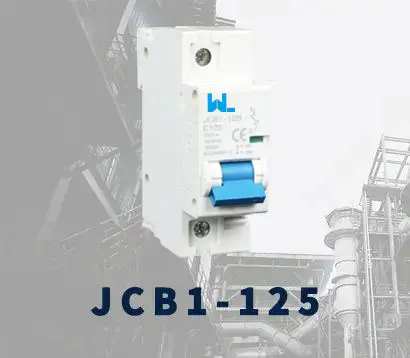 JCB1-125
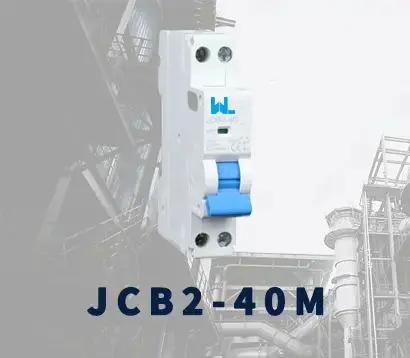 JCB2-40M
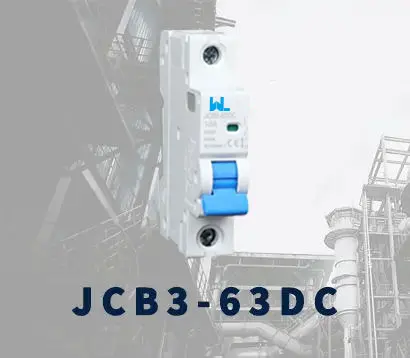 JCB3-63DC
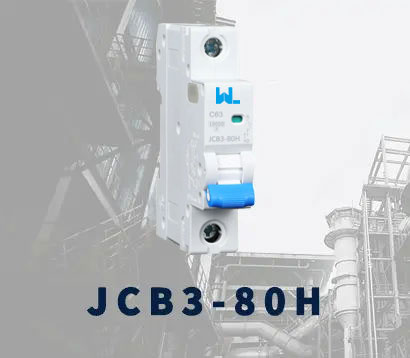 JCB3-80H
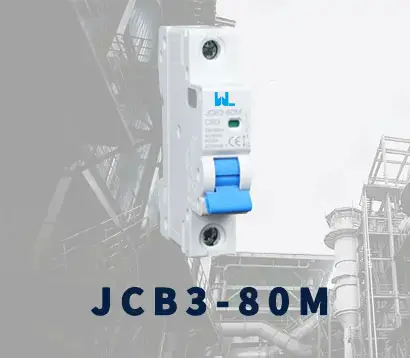 JCB3-80M
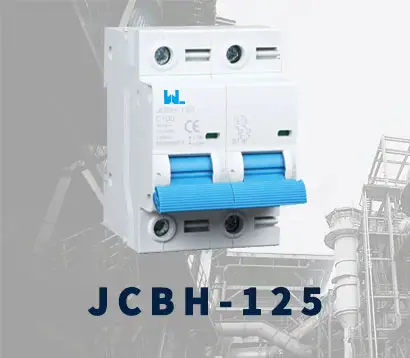 JCBH-125
 JC80-2P
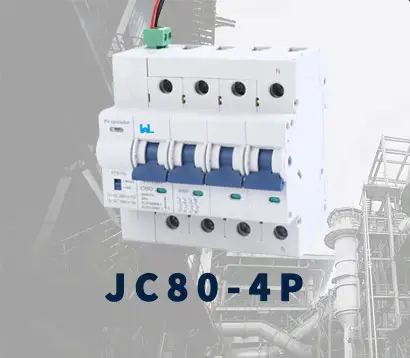 JC80-4P
 JC125-2P
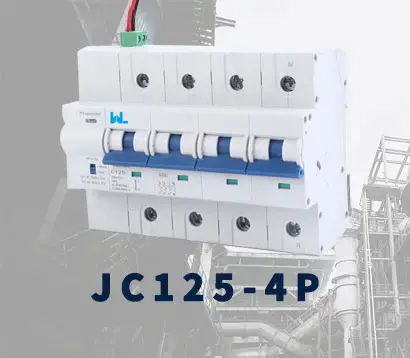 JC125-4P
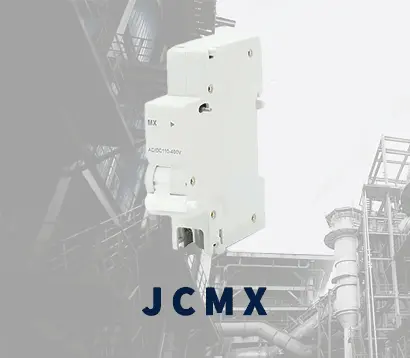 JCMX
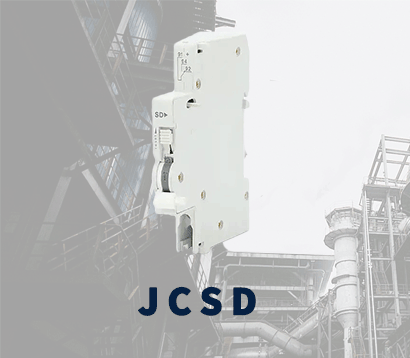 JCSD
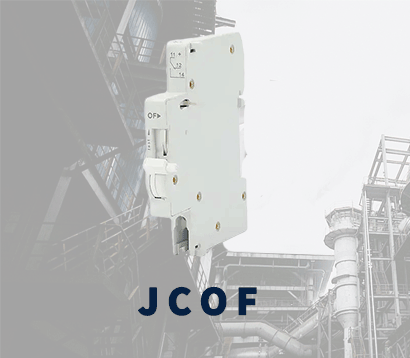 JCOF
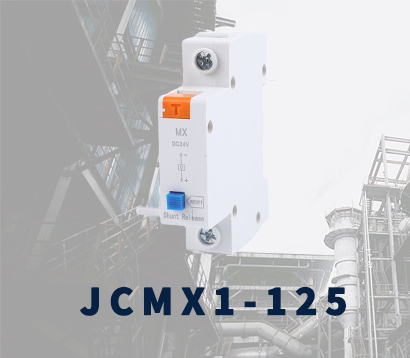 JCMX1-125
 JCOF1-125
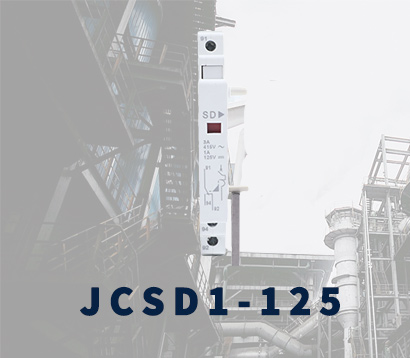 JCSD1-125
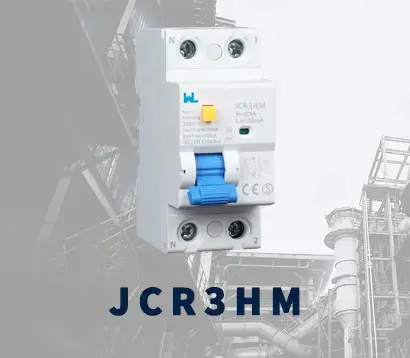 JCR3HM
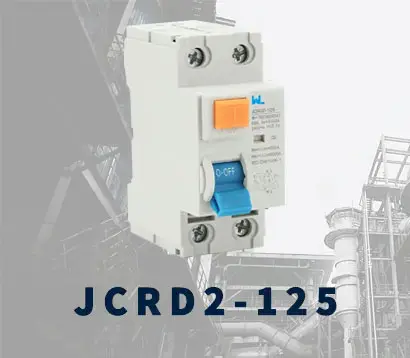 JCRD2-125
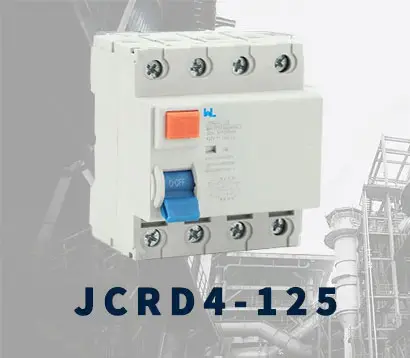 JCRD4-125
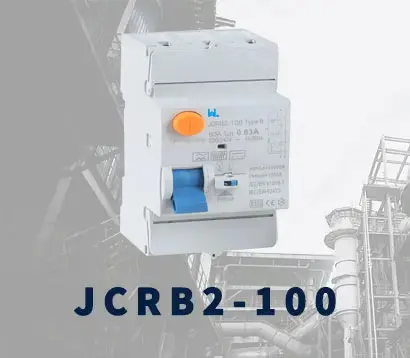 JCRB2-100
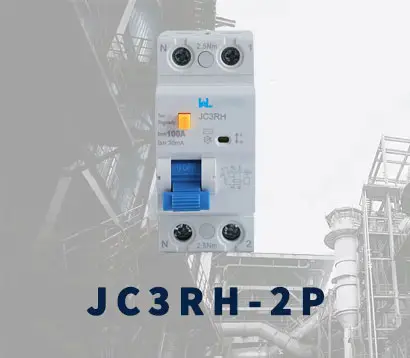 JC3RH-2P
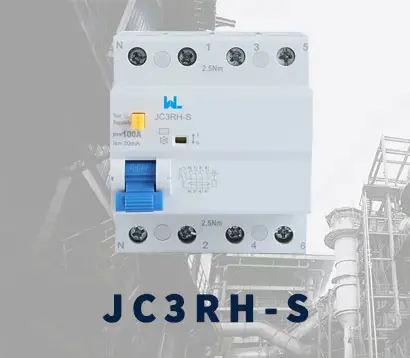 JC3RH-S
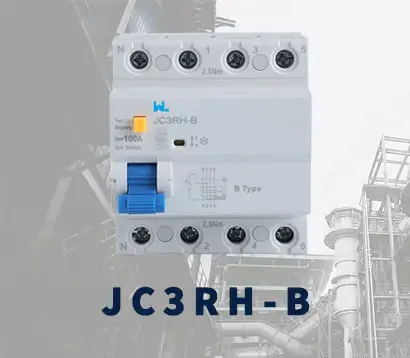 JC3RH-B
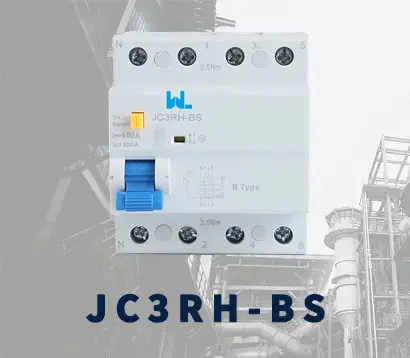 JC3RH-BS
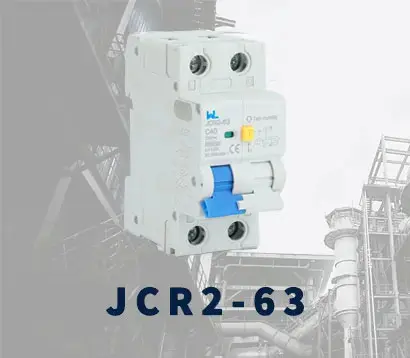 JCR2-63
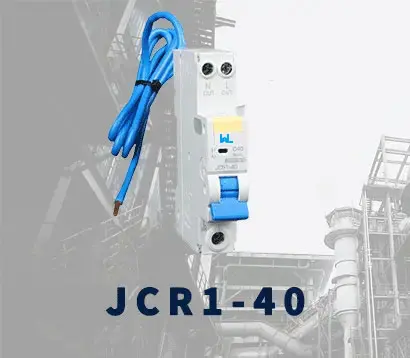 JCR1-40
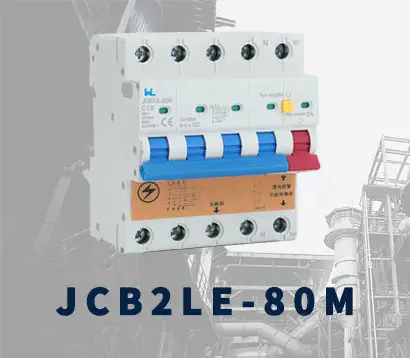 JCB2LE-80M
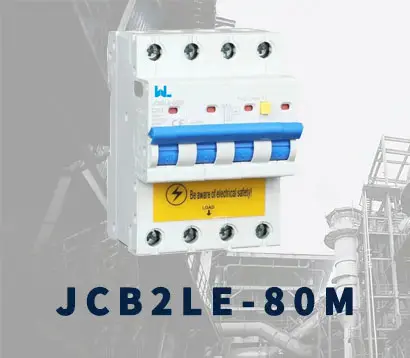 JCB2LE-80M
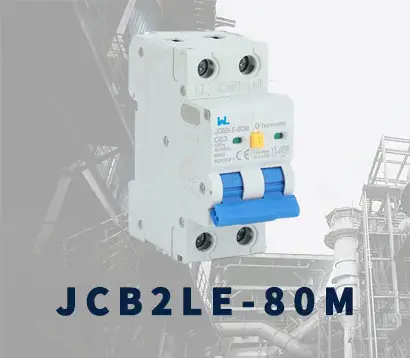 JCB2LE-80M
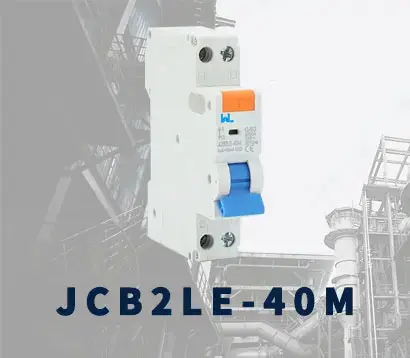 JCB2LE-40M
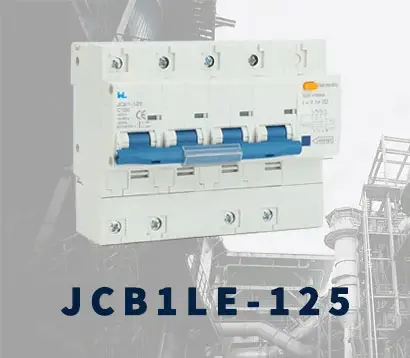 JCB1LE-125
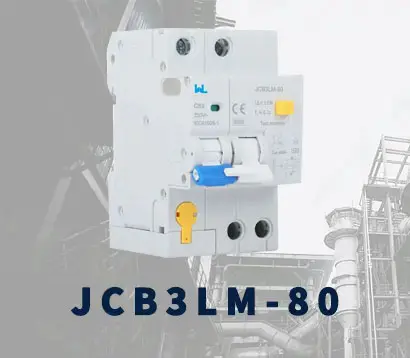 JCB3LM-80
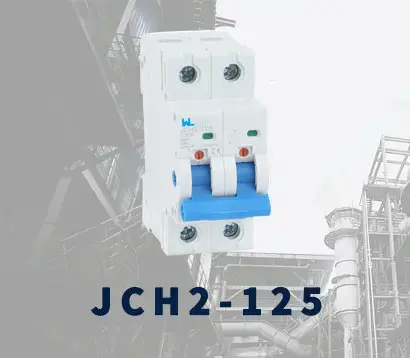 JCH2-125
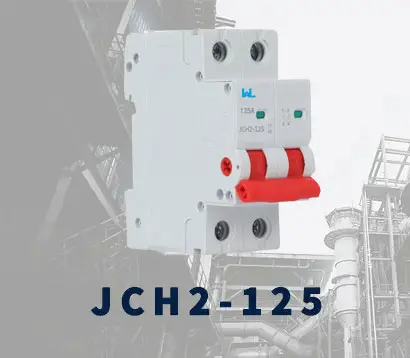 JCH2-125
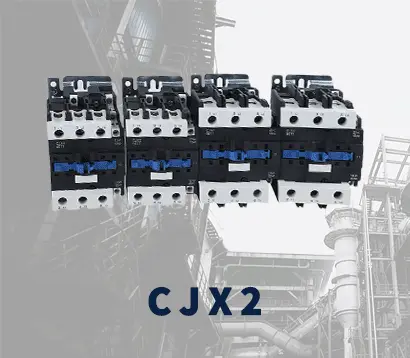 CJX2
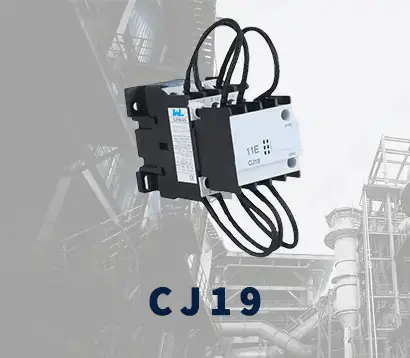 CJ19
 JCMCU
 JCHA
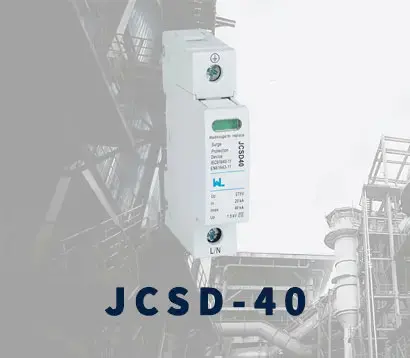 JCSD-40
 JCSD-60
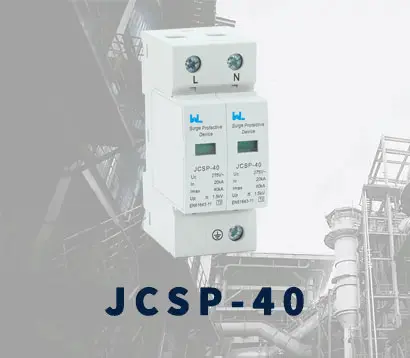 JCSP-40
 JCSP-60
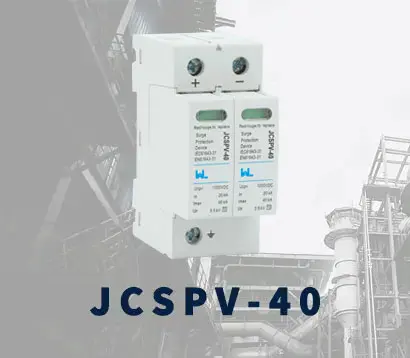 JCSPV
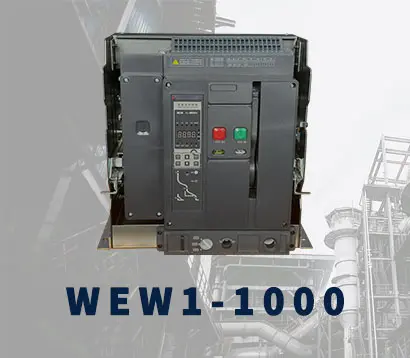 WEW1-1000
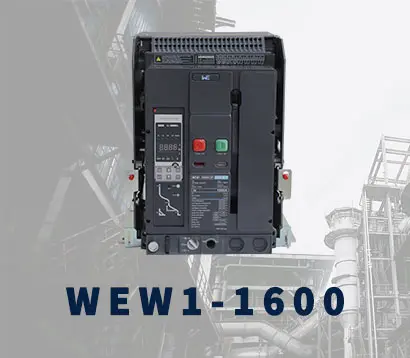 WEW1-1600
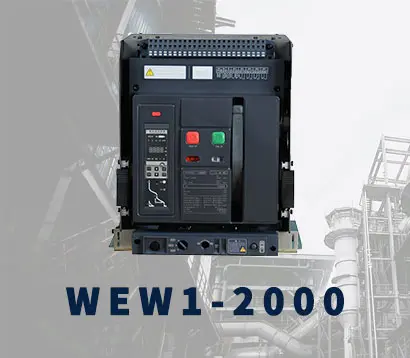 WEW1-2000
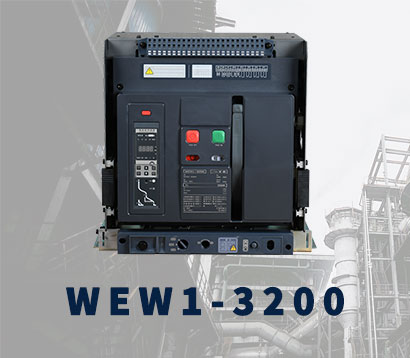 WEW1-3200
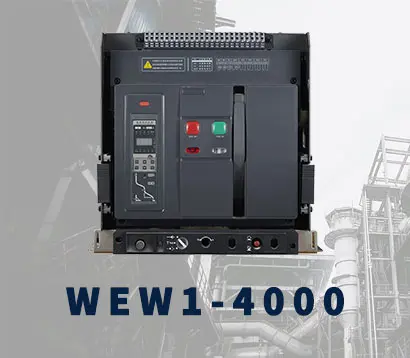 WEW1-4000
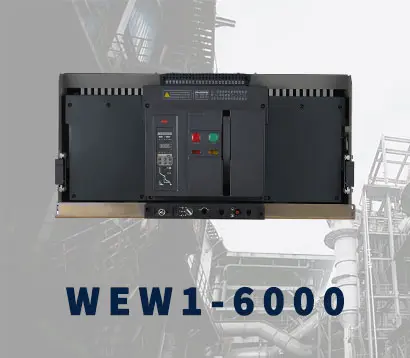 WEW1-6300
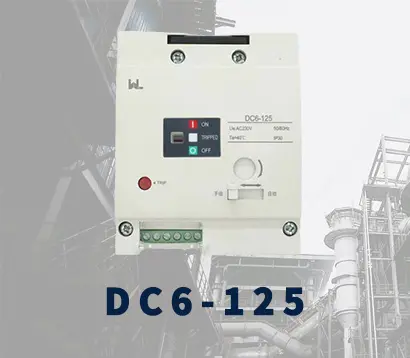 DC6-125
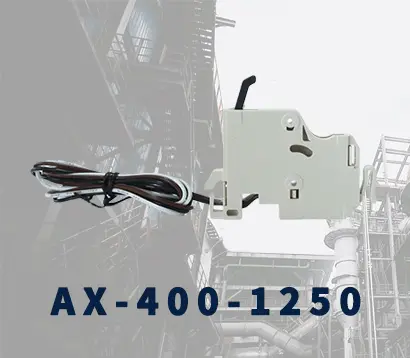 AX-400-1250
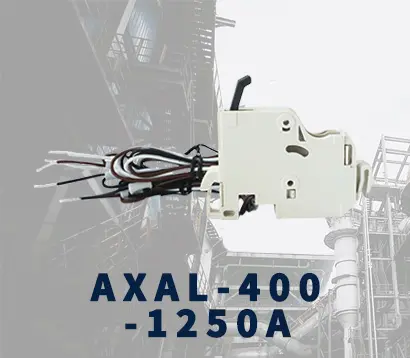 AXAL-400-1250A
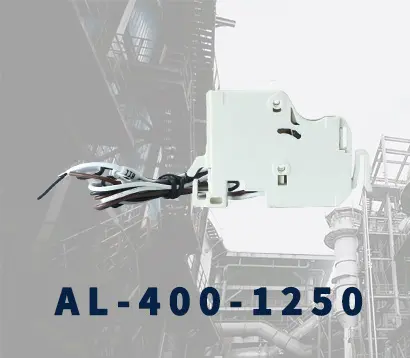 AL-400-1250
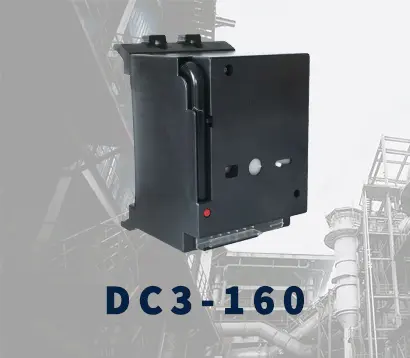 DC3-160
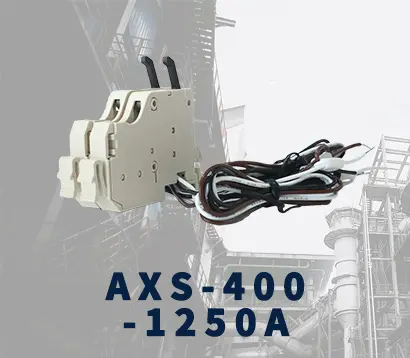 AXS-400-1250A
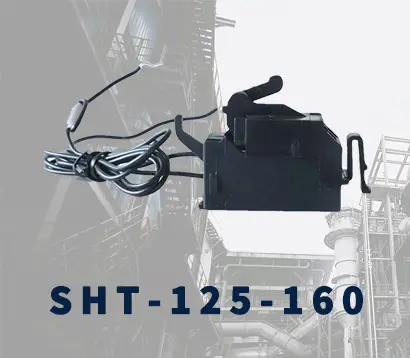 SHT-125-160
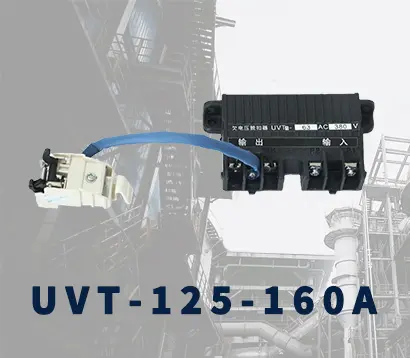 UVT-125-160A
 P-250A-3P-A
 400-3P/4P terminal cover
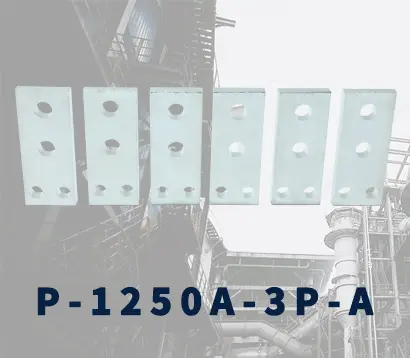 1250-3Pmccb accessories busbar
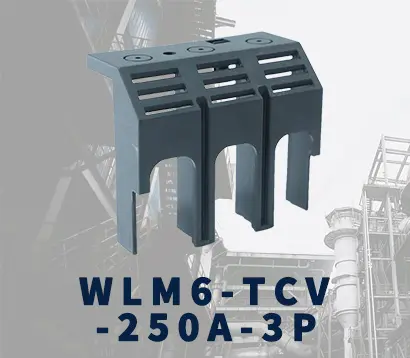 250-3P terminal conver
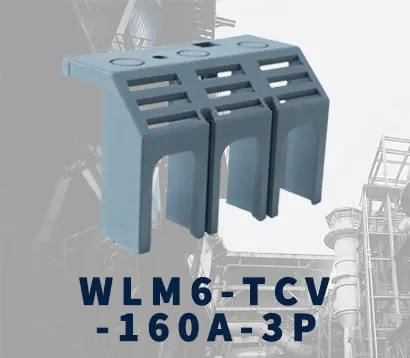 WLM6-TCV-160A-3P
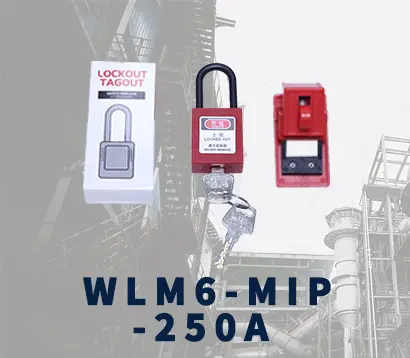 WLM6-MIP-250A
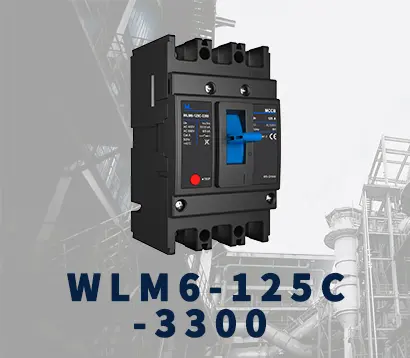 WLM6-125A-3300 3P/4P
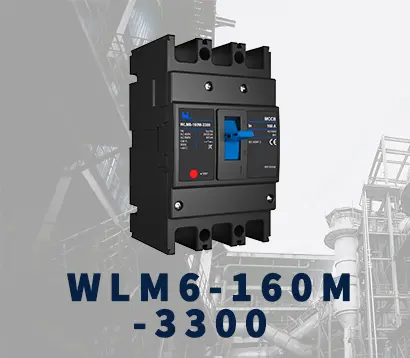 WLM6-160A-3300 3P/4P
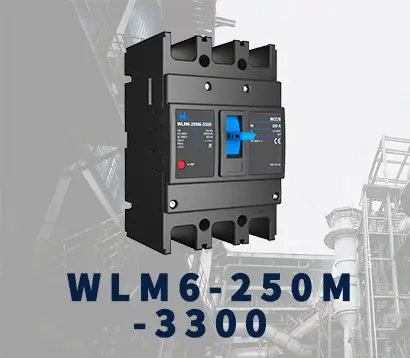 WLM6-250A-3300 3P/4P
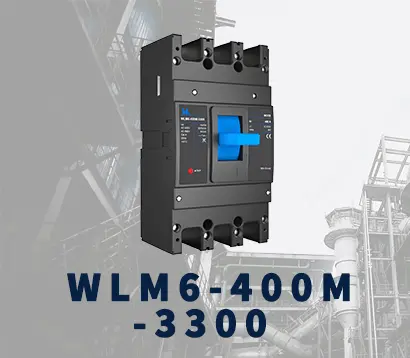 WLM6-400A-3300 3P/4P
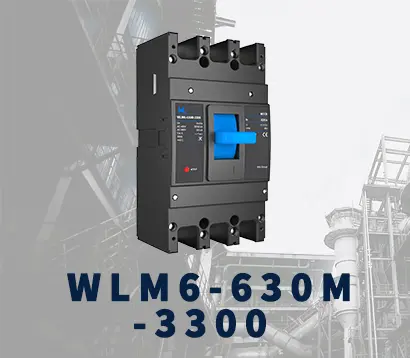 WLM6-630A-3300 3P/4P
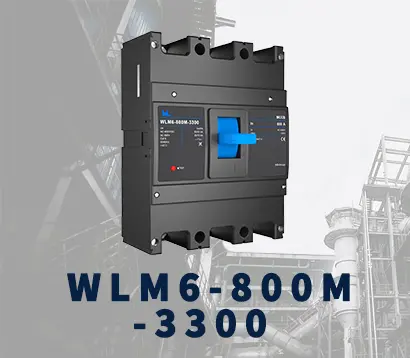 WLM6-800A-3300 3P/4P
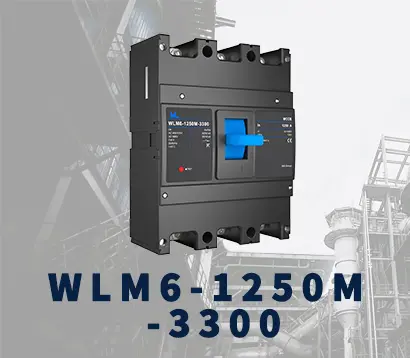 WLM6-1250A-3300 3P/4P
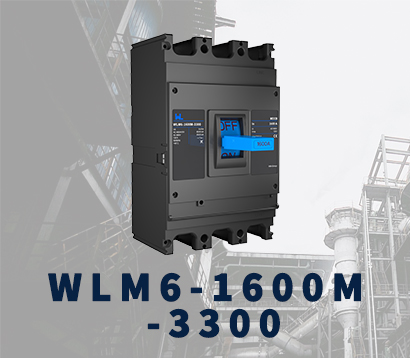 WLM6-1600A-3300 3P/4P
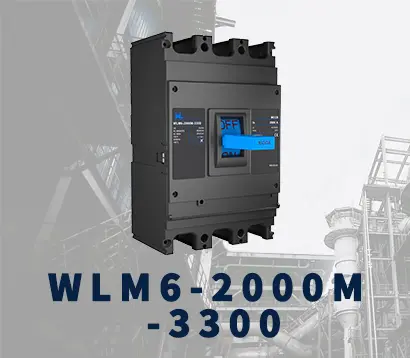 WLM6-2000A 3P/4P
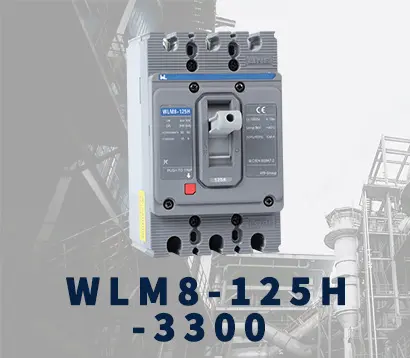 WLM8-125H-3300
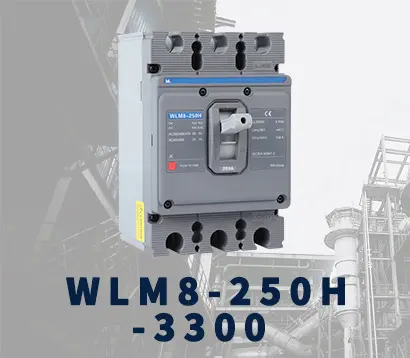 WLM8-250H-3300
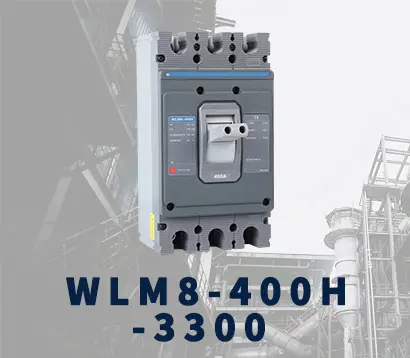 WLM8-400H-3300
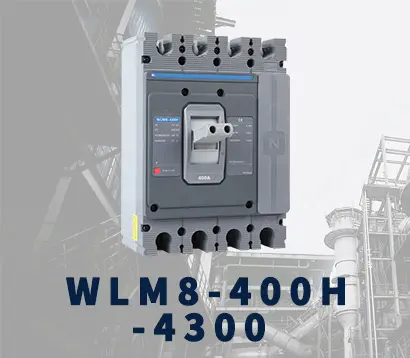 WLM8-400H-4300
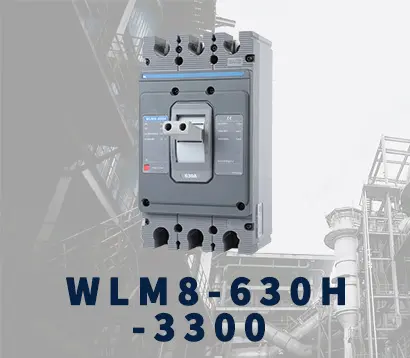 WLM8-630H-3300
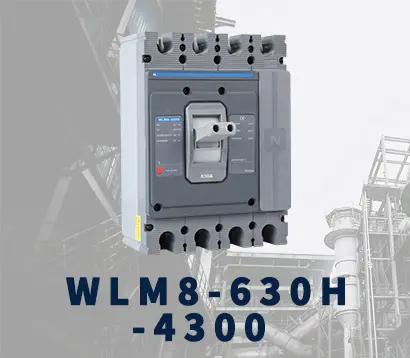 WLM8-630H-4300
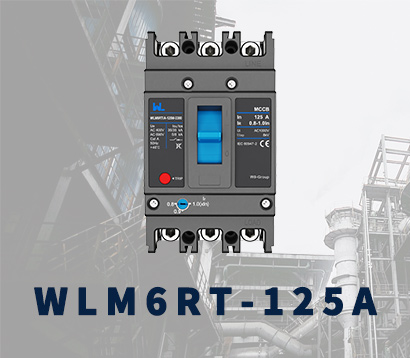 WLM6RT-125A
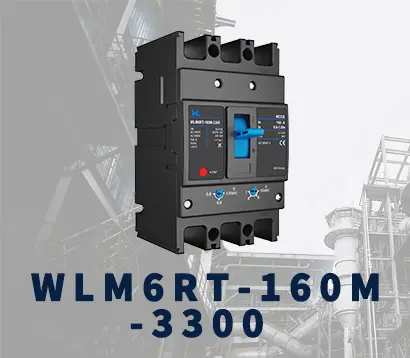 WLM6RT-160A
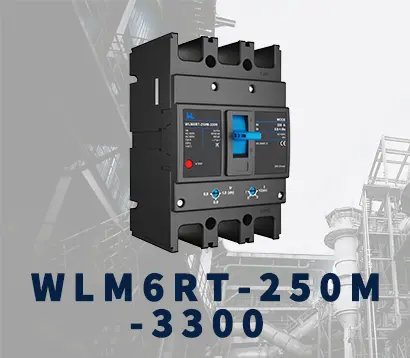 WLM6RT-250A
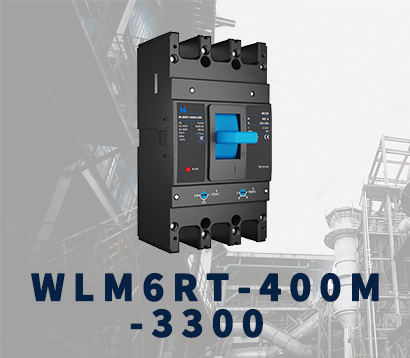 WLM6RT-400A
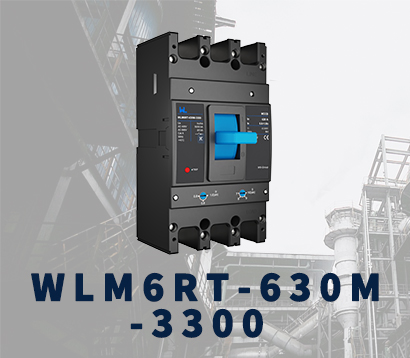 WLM6RT-630A
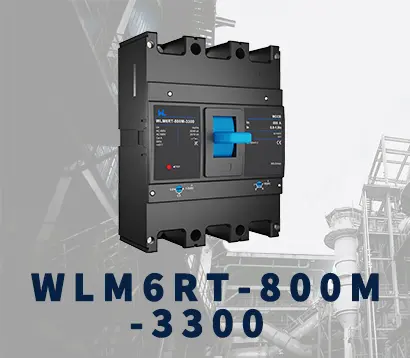 WLM6RT-800A
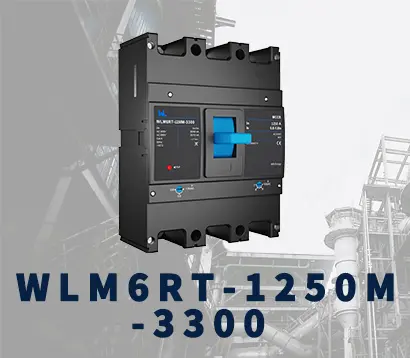 WLM6RT-1250A
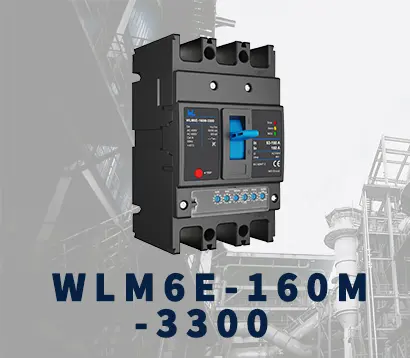 WLM6E-160A-3300 3P
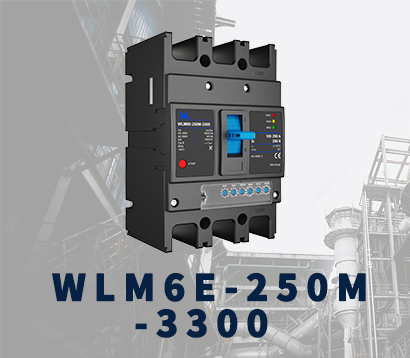 WLM6E-250A-3300
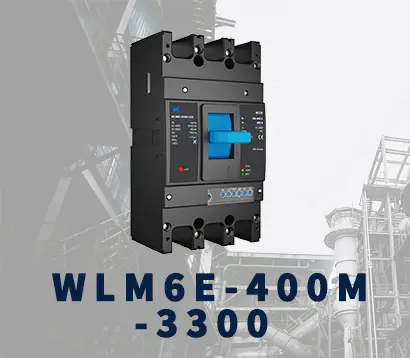 WLM6E-400A-3300 3P/4P
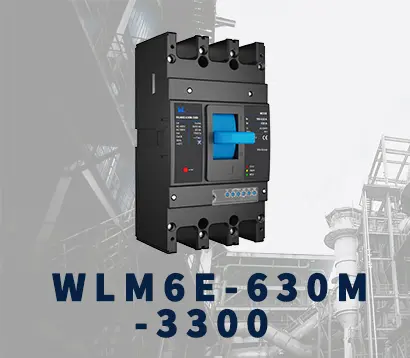 WLM6E-630A-3300
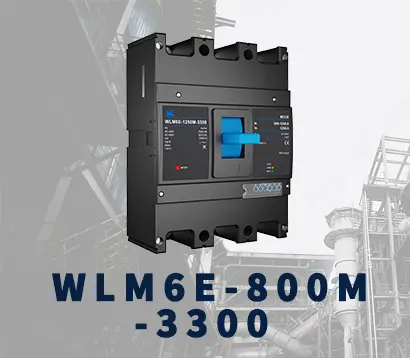 WLM6E-800A-3300 3P/4P
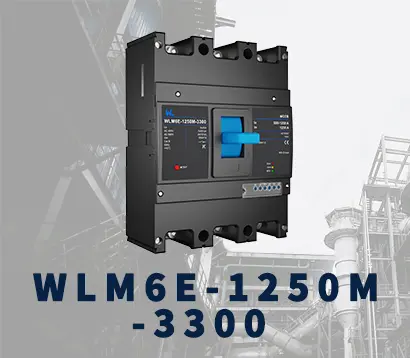 WLM6E-1250A-3300
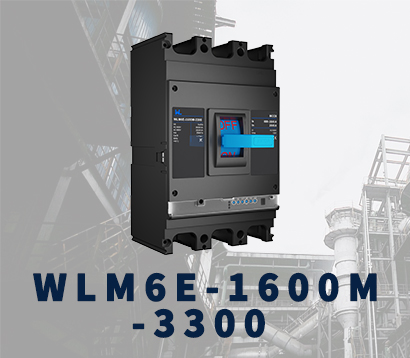 WLM6E-1600-3300 3P/4P
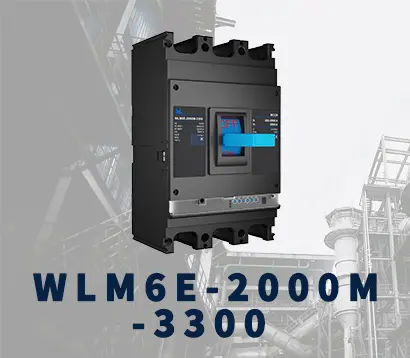 WLM6E-2000A-3300 3P/4P
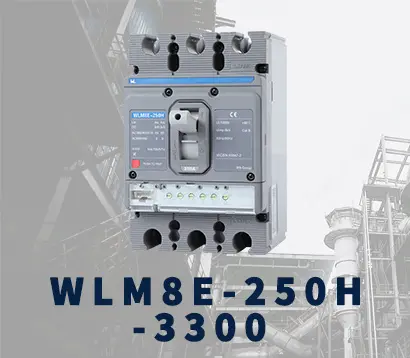 WLM8E-250H-3300
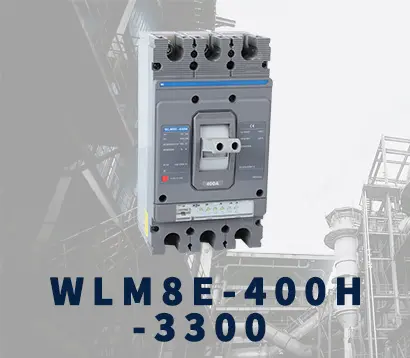 WLM8E-400H-3300
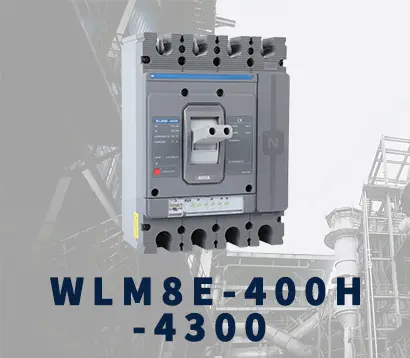 WLM8E-400H-4300
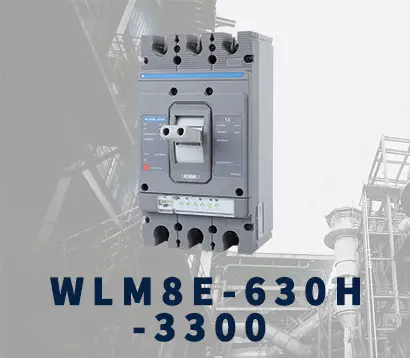 WLM8E-630H-3300
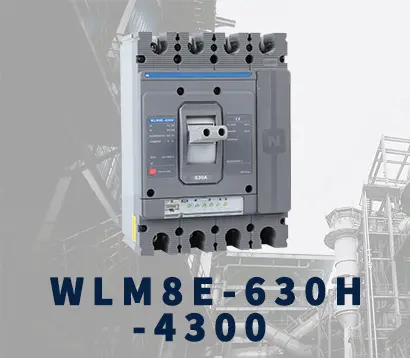 WLM8E-630H-4300
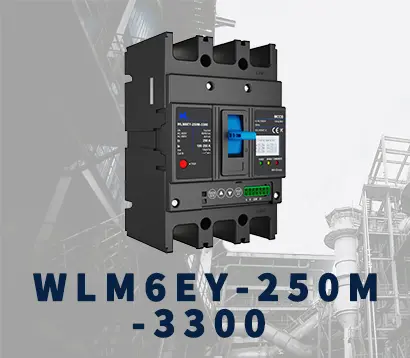 WLM6EY-250-3300 3P/4P
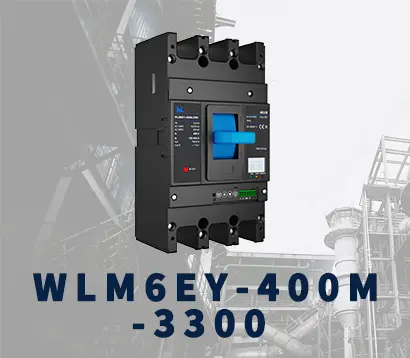 WLM6EY-400 3P/4P
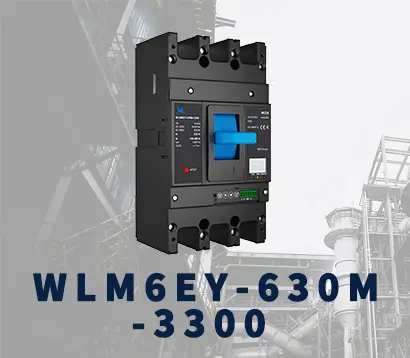 WLM6EY-630 3P/4P
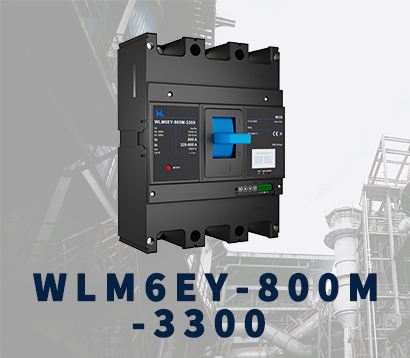 WLM6EY-800A 3P/4P
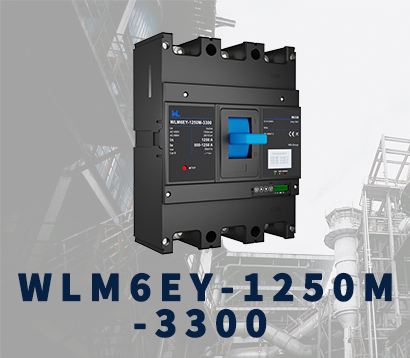 WLM6EY-1250A 3P/4P
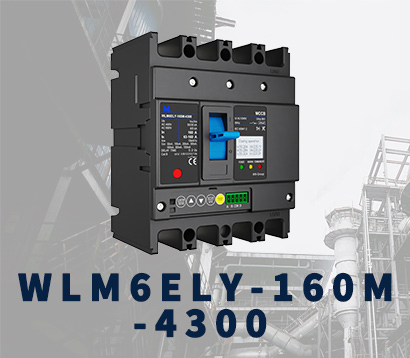 WLM6ELY-160A
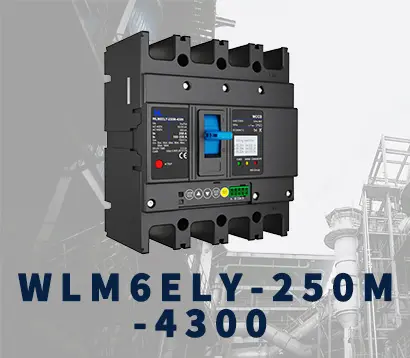 WLM6ELY-250A
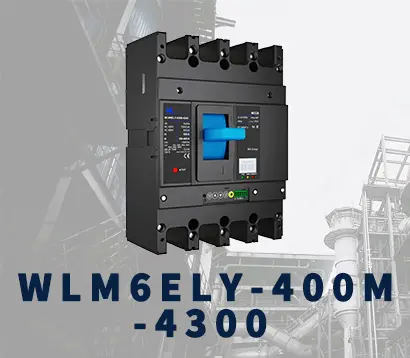 WLM6ELY-400A
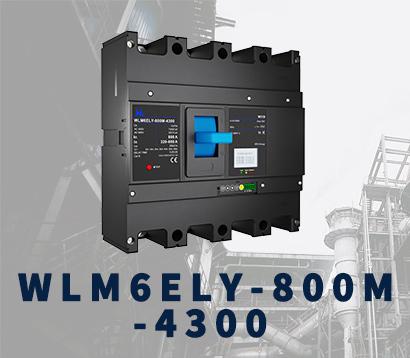 WLM6ELY-800A
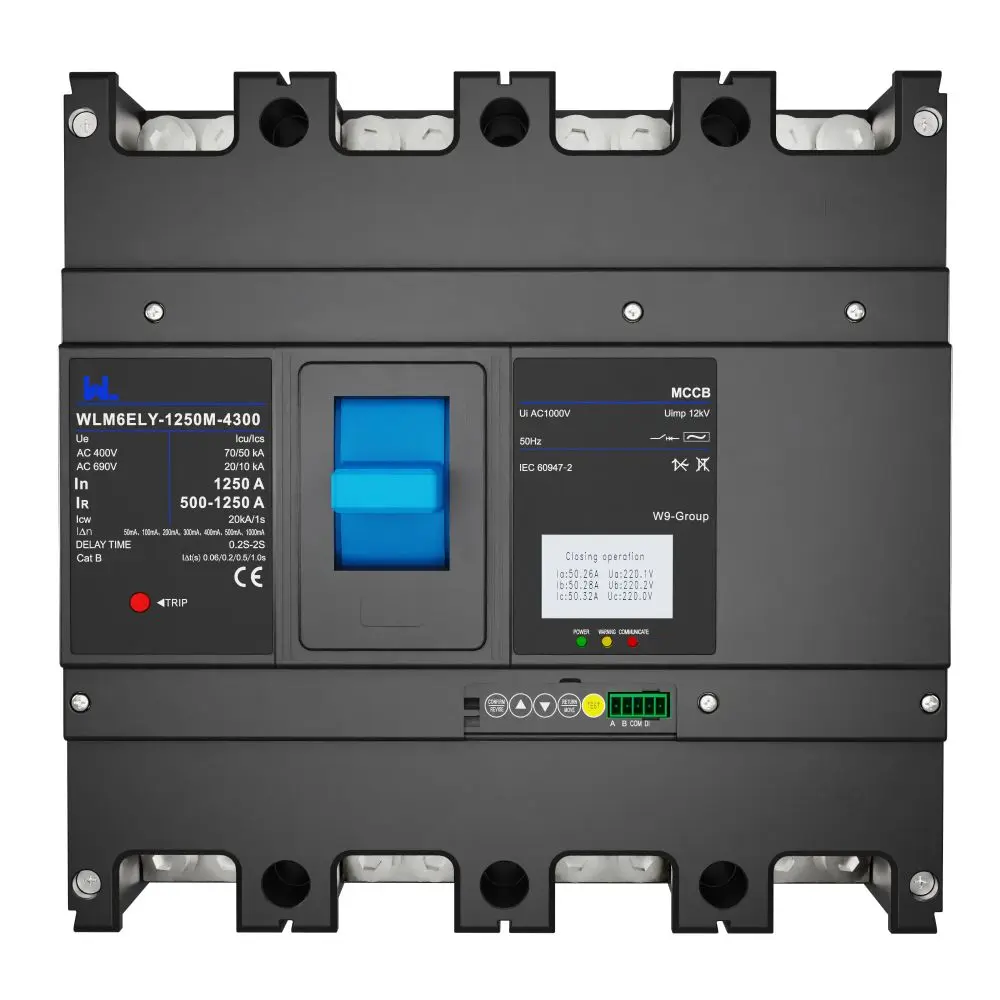 WLM6ELY-1250A
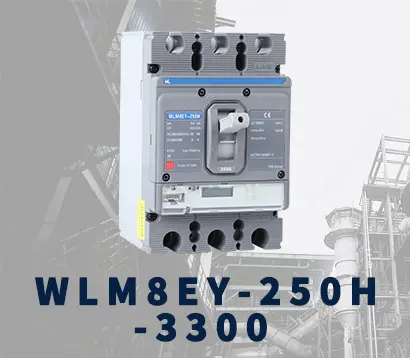 WLM8EY-250H-3300
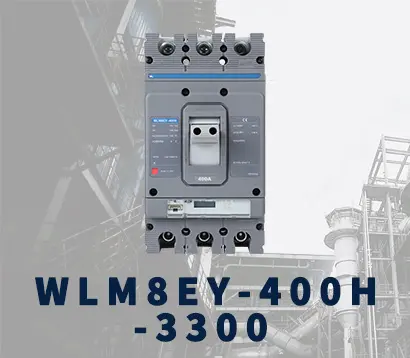 WLM8EY-400H-3300
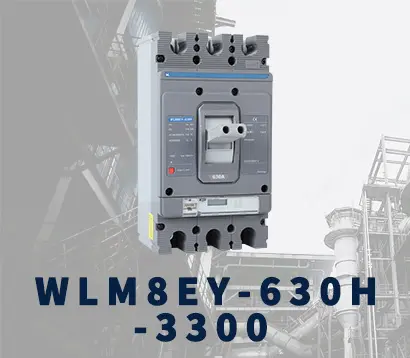 WLM8EY-630H-3300
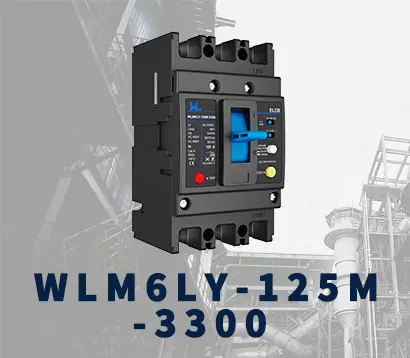 WLM6LY-125A
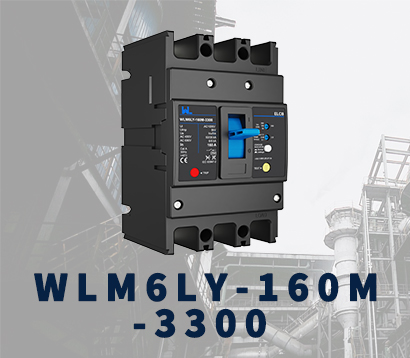 WLM6L-160A
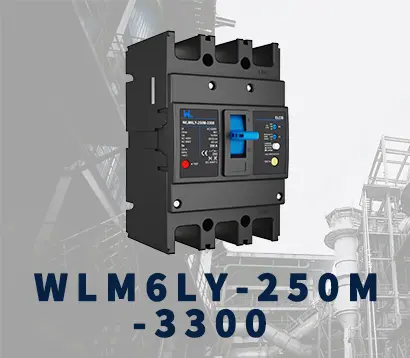 WLM6LY-250A
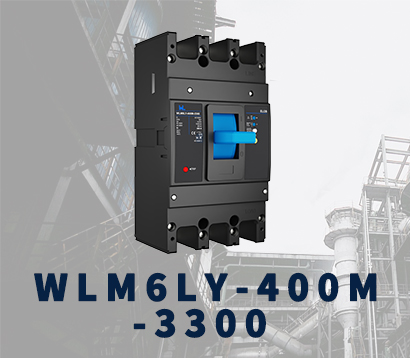 WLM6LY-400A
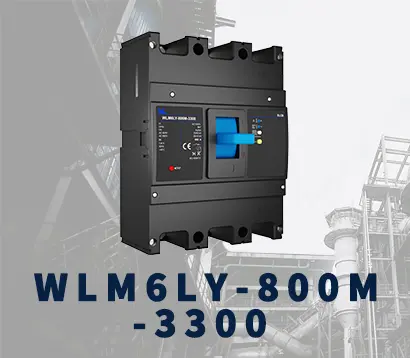 WLM6LY-800A
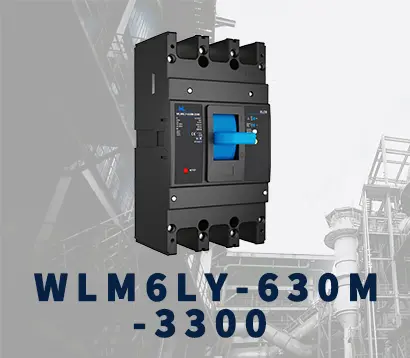 WLM6LY-630A
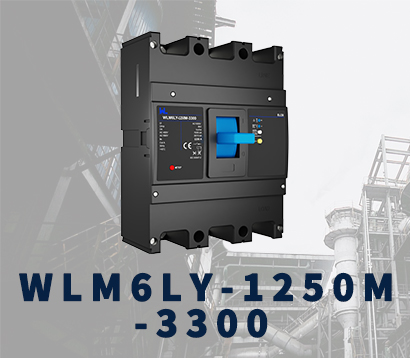 WLM6LY-1250A
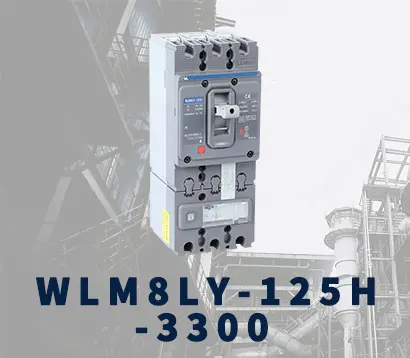 WLM8LY-125H-3300
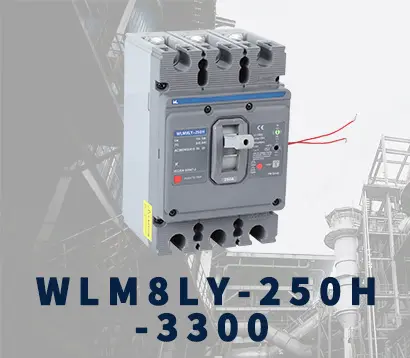 WLM8LY-250H-3300
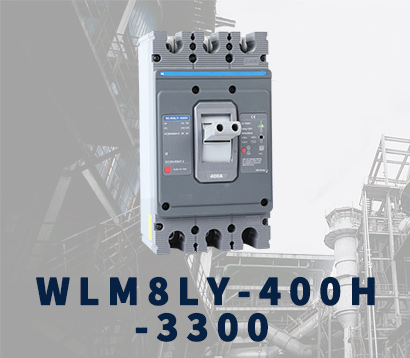 WLM8LY-400H-3300
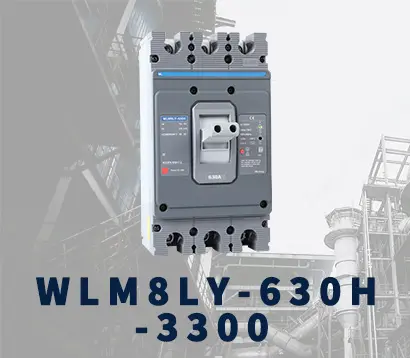 WLM8LY-630H-3300
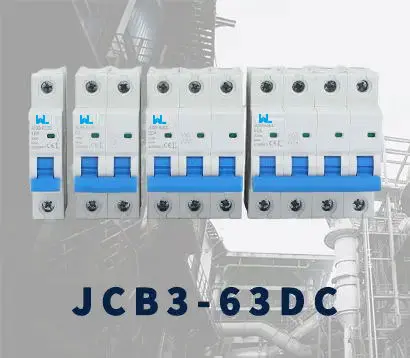 JCB3-63DC
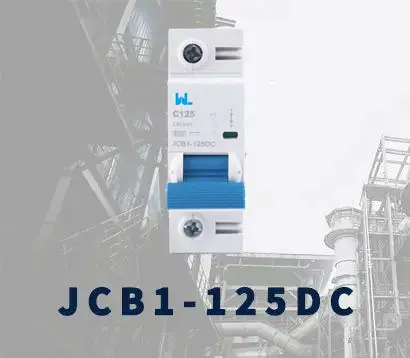 JCB1-125DC
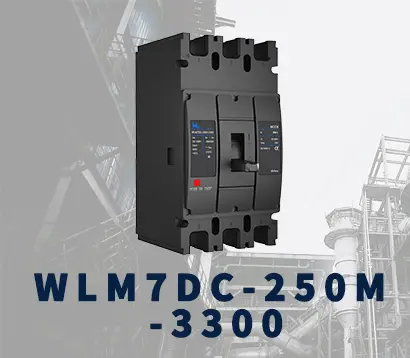 WLM7DC-250A-2300 2P/3P
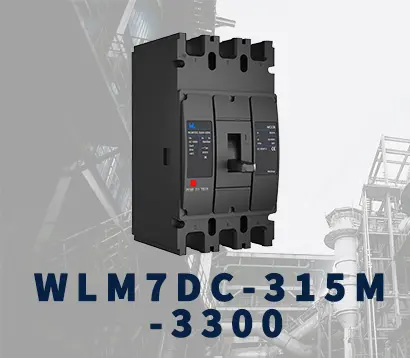 WLM7DC-315A-3300 2P/3P
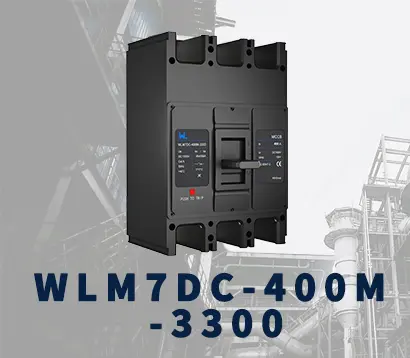 WLM7DC-400A-2300 2P/3P
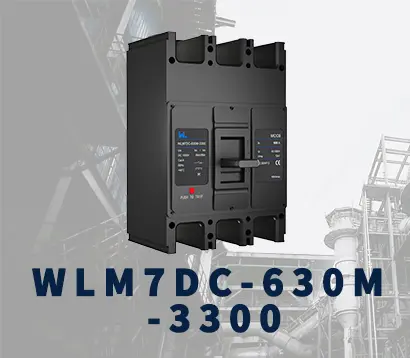 WLM7DC-630A-3300 3P
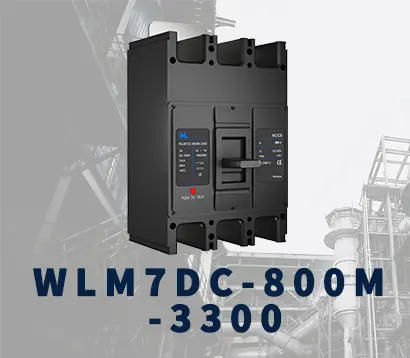 WLM7DC-800A-2300 2P/3P
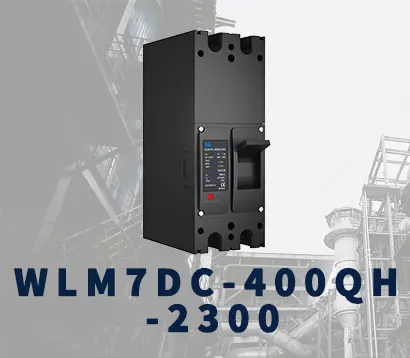 WLM7DC-400A 2300
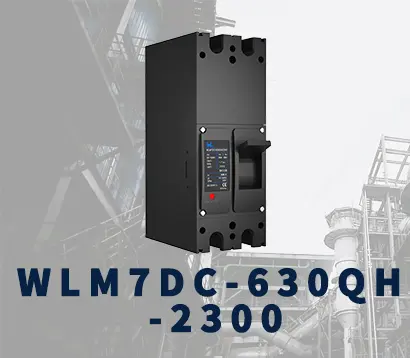 WLM7DC-630A-2300 2P
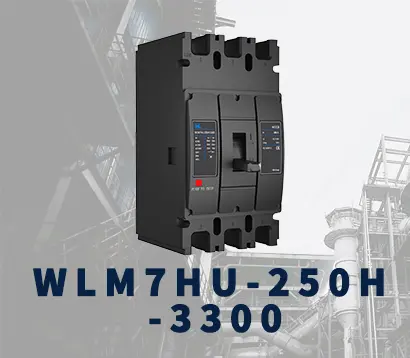 WLM7HU-250-3300 3P
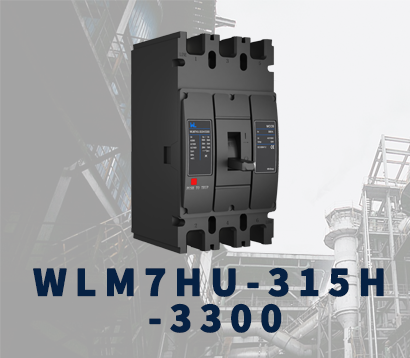 WLM7HU-315-3300 3P
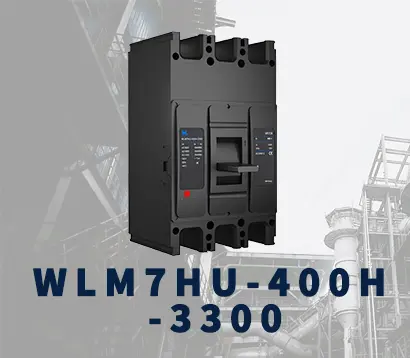 WLM7HU-400-3300 3P
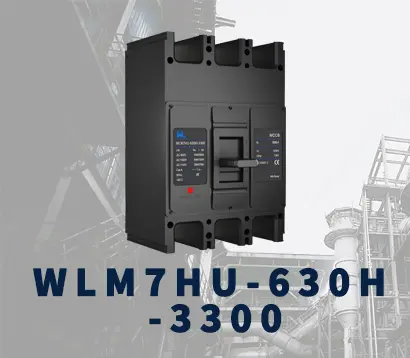 WLM7HU-630-3300 3P
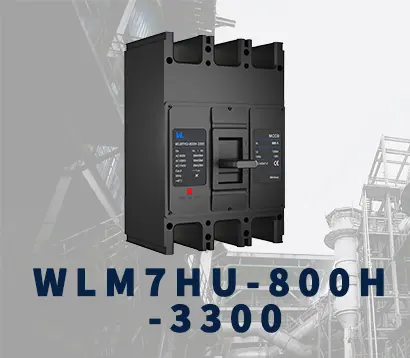 WLM7HU-800-3300 3P
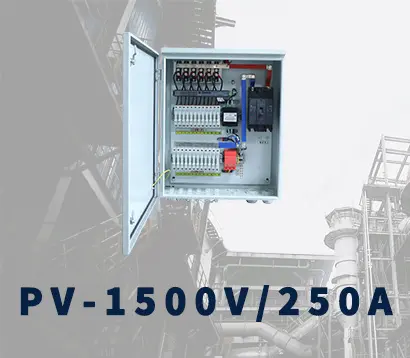 PV-1500V/250A
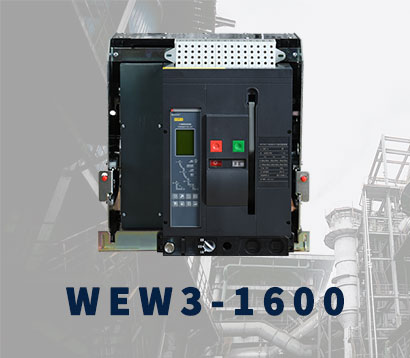 WEW3-1600
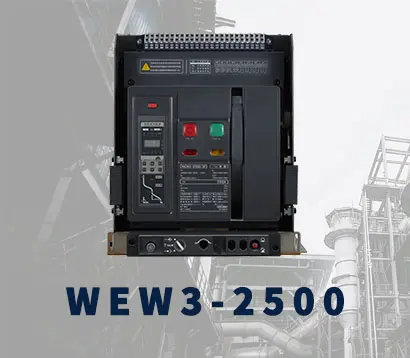 WEW3-2500
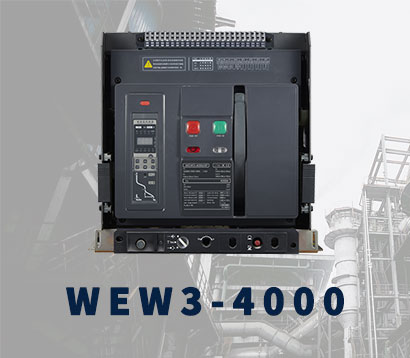 WEW3-4000
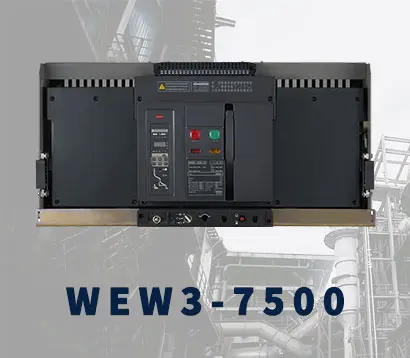 WEW3-7500