What Are the Top Molded Case Breaker Types in 2026?
In 2026, choosing a Molded Case Breaker is not just a matter of comparing ampere ratings. A breaker must suit the circuit, expected fault current, enclosure, and operating conditions. A unit installed beside a warm motor control panel may face different demands from one protecting a lightly loaded branch circuit. Small details matter. Sometimes, the nameplate gets more attention than the installation.
This guide compares common molded case breaker types, including thermal-magnetic, electronic-trip, current-limiting, and adjustable-trip models. It explains where their features can help and what buyers should verify before selecting equipment. Electrical educator Mike Holt’s safety guidance can be paraphrased this way: “Choose protection based on verified circuit conditions, not convenience.” This is a paraphrase, not a direct quotation. Readers should confirm product ratings and trip characteristics against manufacturer documentation and qualified engineering review.
The “top” type depends on the job. A compact thermal-magnetic breaker may suit a straightforward application, while an electronic-trip model can offer more precise adjustment and monitoring options. Current-limiting designs may reduce let-through energy under specified conditions. Yet no category is automatically best. Selection still depends on system voltage, available fault current, load behavior, coordination needs, and the installation environment. That judgment can be less tidy than a product comparison suggests. This overview offers a practical starting point, not a substitute for project-specific design review.
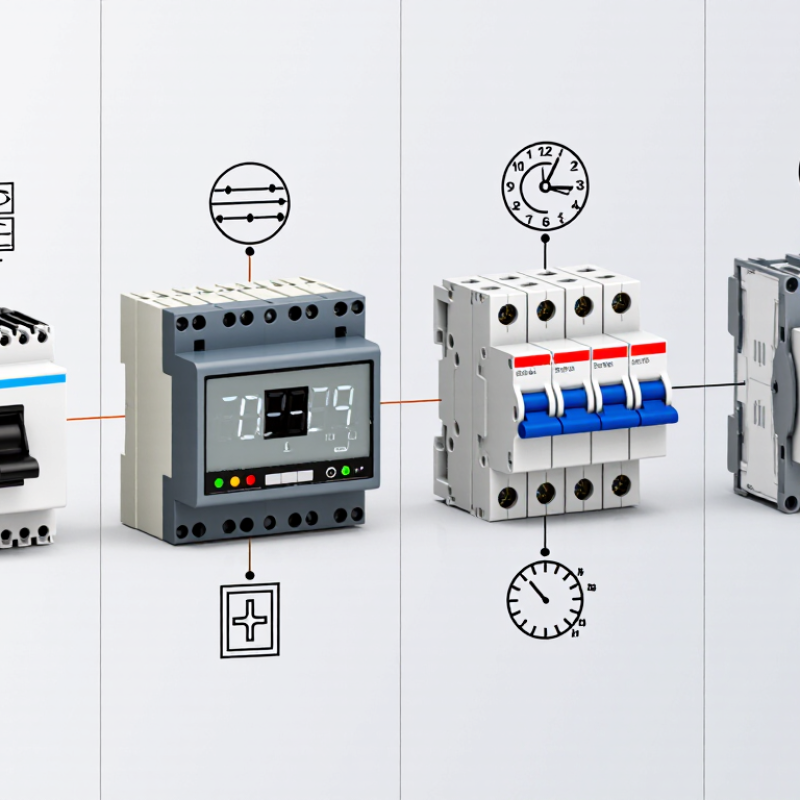
Molded Case Circuit Breakers: Core Design and Operating Principles
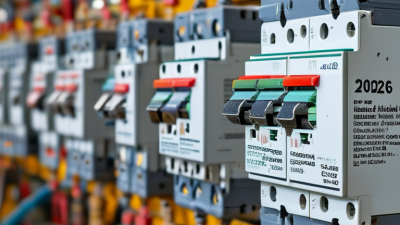
A molded case circuit breaker (MCCB) combines switching and overcurrent protection in one enclosed device. Its molded insulating case supports internal parts and helps shield them from dust and accidental contact. Inside, fixed and moving contacts carry current. An arc chute helps cool and divide the arc when contacts separate. The frame size sets a practical range of current ratings, but it does not alone determine suitability.
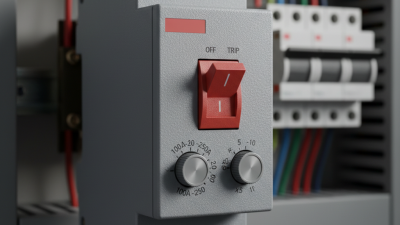
During normal operation, the contacts remain closed. If current rises too high, the trip mechanism releases them. Thermal-magnetic models use a heated bimetal element for sustained overloads and a magnetic element for rapid, high-current faults. Electronic-trip models use sensors and adjustable settings to detect abnormal current. Neither type suits every installation. Trip curves, interrupting rating, system voltage, and expected fault current all matter.
Tips: Check the circuit’s load, conductor size, and available fault current before selecting an MCCB. Review the trip settings and coordination with upstream and downstream devices. Small details, such as enclosure temperature, can affect performance. Selection can seem straightforward, but assumptions about future loads deserve a second look.
Main MCCB Types by Trip Unit and Protection Technology
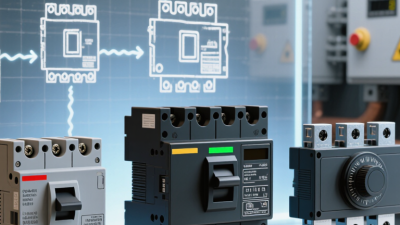
MCCBs differ most in how their trip unit detects a fault. Thermal-magnetic units pair a bimetal element for sustained overloads with a magnetic release for short circuits. They are simple and familiar. Electronic trip units use current sensors and adjustable settings, often covering long-time, short-time, instantaneous, and ground-fault protection. The right choice depends on load behavior, fault levels, and coordination with upstream devices.
IEA’s Electricity 2024 report says global electricity demand grew 2.2% in 2023 and forecasts average annual growth of 3.4% from 2024 to 2026. That rising demand makes accurate protection settings more important, particularly where motors, chargers, or changing loads share a panel. Ground-fault protection may be built into an electronic trip unit or provided through a compatible accessory; it is not standard on every MCCB. Check the device’s published curves and installation instructions.
Thermal-magnetic types can suit straightforward feeders, while electronic units help when settings must be coordinated across several breakers. Yet more adjustment does not automatically mean better protection. A poorly chosen delay can leave cables exposed, and a setting copied from another panel may not fit. The boundary is not always tidy: actual selection needs the available fault-current data and a qualified review of the system.
Specialized MCCBs for Industrial, Commercial, and Renewable Energy Systems
In 2026, molded case circuit breakers should match the system, not just its current rating. Industrial plants often use adjustable thermal-magnetic or electronic-trip MCCBs to manage motor starts, feeder faults, and coordination between protection devices. Commercial buildings commonly need compact breakers with suitable interrupting capacity and settings for distribution panels. Details matter: a trip curve that suits a pump may cause nuisance trips on another load.
Renewable installations bring different demands. The IEA’s Renewables 2024 report projects nearly 5,500 GW of new renewable power capacity between 2024 and 2030. Solar arrays and battery systems can involve DC circuits, where ordinary AC ratings are not a safe substitute. Specify an MCCB explicitly rated for the circuit’s DC voltage and fault current, and check polarity requirements, ambient-temperature derating, and coordination with upstream protection. The choice is not always neat; actual installation conditions can change the calculation.
Tips: Check the equipment label and technical datasheet, then compare the breaker’s voltage, continuous-current, and interrupting ratings with the design. Confirm settings against measured or calculated load conditions. For renewable systems, verify DC suitability rather than relying on appearance. Include maintenance access, too. A breaker that is difficult to inspect may be overlooked.
What Are the Top Molded Case Breaker Types in 2026?
Representative voltage classes for specialized MCCBs used in commercial, industrial, and renewable energy systems.
These values represent example system-voltage classes, not universal breaker ratings. Confirm each breaker’s rated operational voltage and interrupting capacity for the specific AC or DC installation.
How to Compare and Select MCCB Types for 2026 Applications
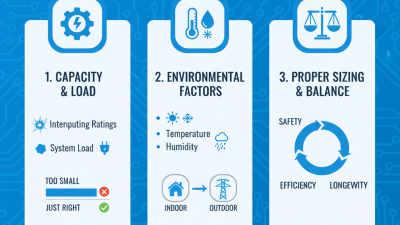
For 2026 applications, compare molded case circuit breakers by trip technology, fault rating, and coordination needs. Thermal-magnetic units suit many straightforward feeder circuits, while electronic-trip models offer finer adjustment and monitoring options. Fixed-trip designs can simplify stable loads; adjustable settings help accommodate changing equipment. Current-limiting models may reduce let-through energy, but their performance must match the available fault current. The IEC 60947-2 standard provides a key reference for low-voltage circuit-breaker requirements. A useful starting point.
The IEA’s Electricity 2024 report projects global electricity demand will grow by about 3.4% annually through 2026. For growing loads, check rated current and voltage, pole count, and interrupting capacity at the installation point. Then verify trip settings against cable limits and upstream and downstream devices. The U.S. Department of Energy and Lawrence Berkeley National Laboratory estimated data centers used 4.4% of U.S. electricity in 2023, with demand potentially reaching 6.7–12% by 2028. That makes fault protection and coordination especially important in expanding facilities.
Real panels are messier. Ambient heat, enclosure ventilation, and future load changes can affect selection; a spreadsheet alone may miss them. Check manufacturer-neutral test documentation and have a qualified engineer verify the final design.

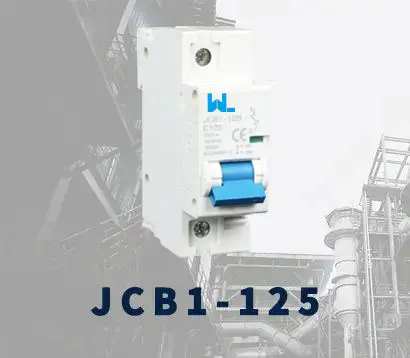 JCB1-125
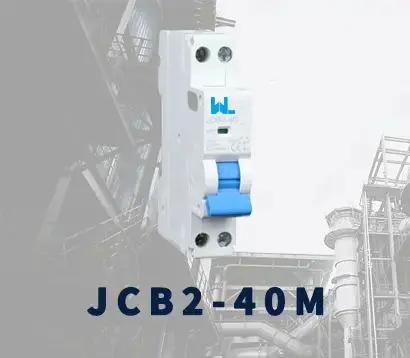 JCB2-40M
 JCB3-63DC
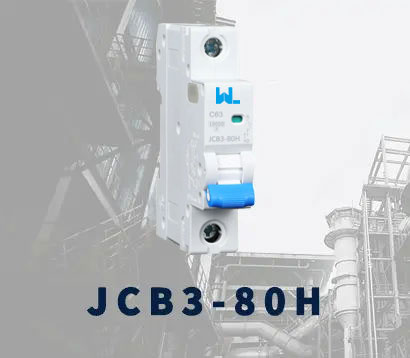 JCB3-80H
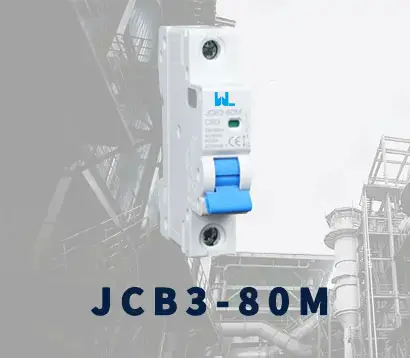 JCB3-80M
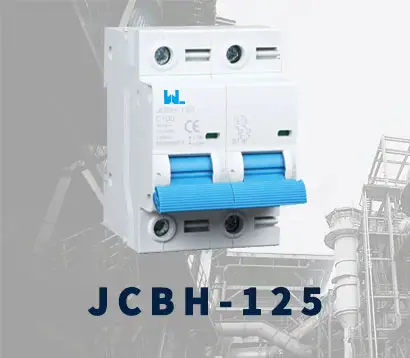 JCBH-125
 JC80-2P
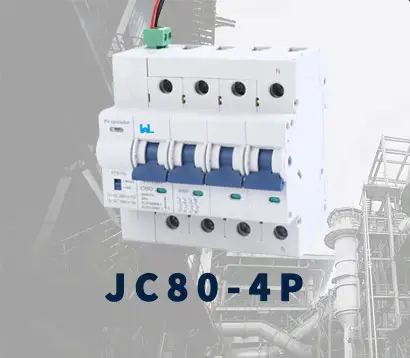 JC80-4P
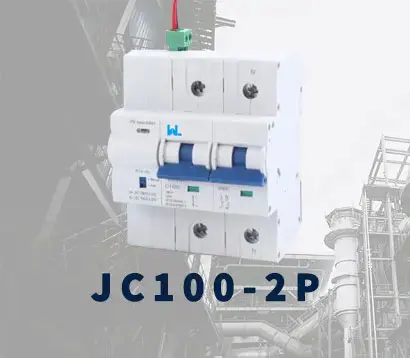 JC125-2P
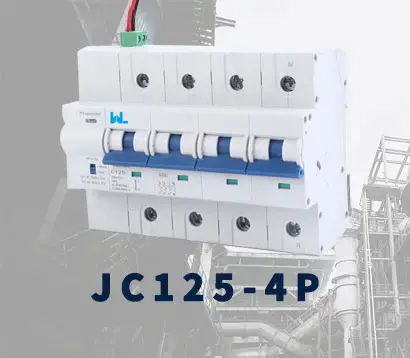 JC125-4P
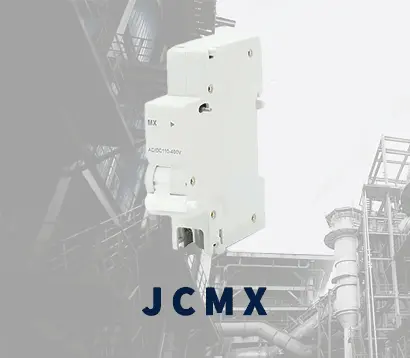 JCMX
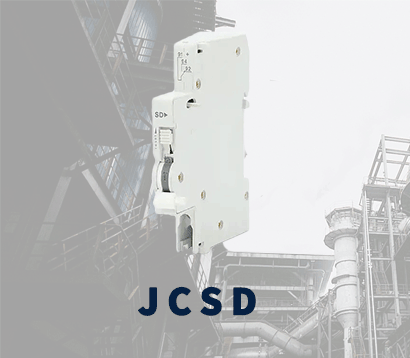 JCSD
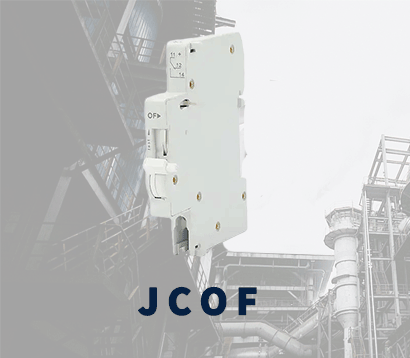 JCOF
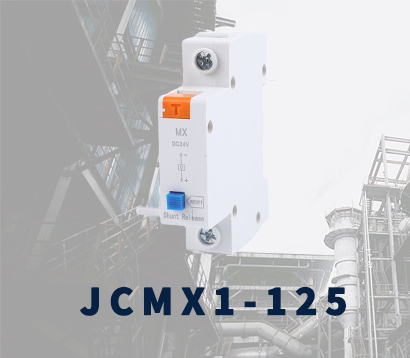 JCMX1-125
 JCOF1-125
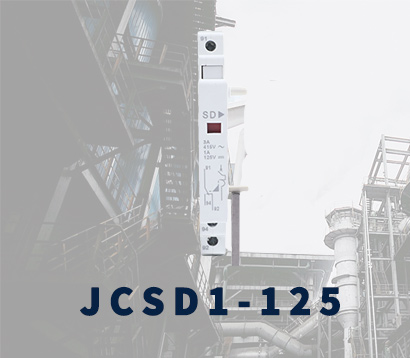 JCSD1-125
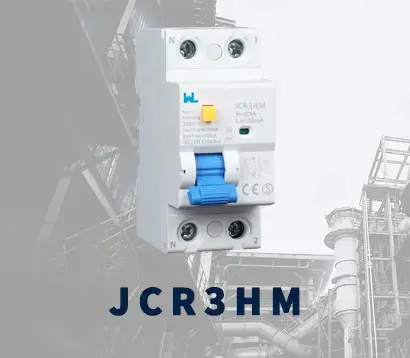 JCR3HM
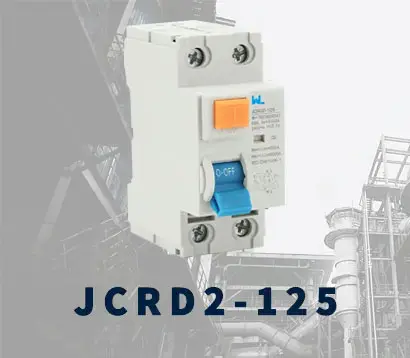 JCRD2-125
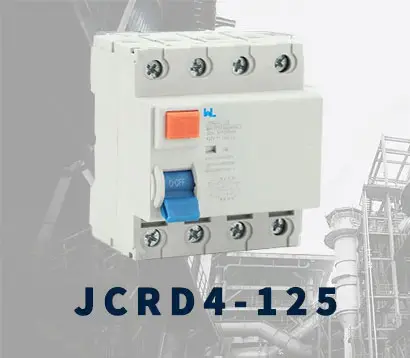 JCRD4-125
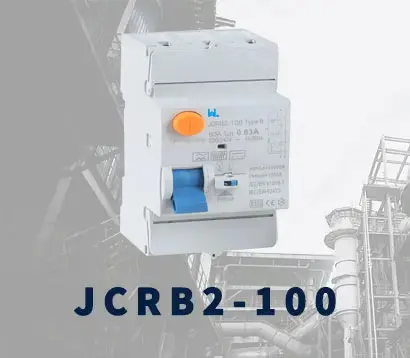 JCRB2-100
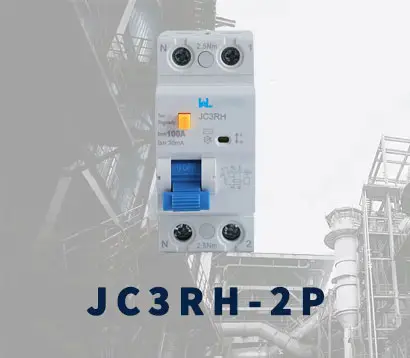 JC3RH-2P
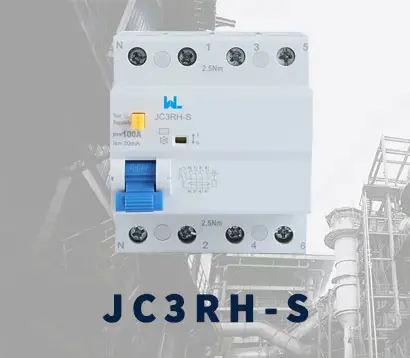 JC3RH-S
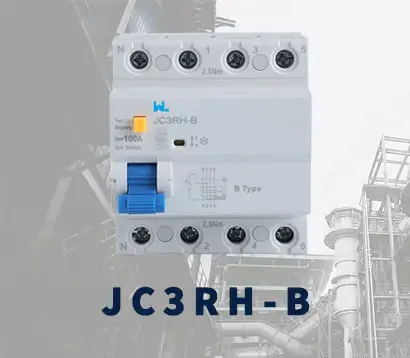 JC3RH-B
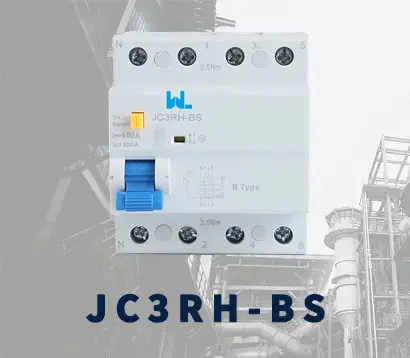 JC3RH-BS
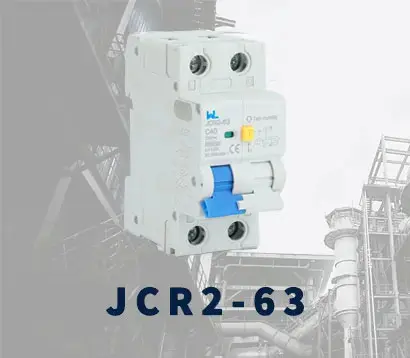 JCR2-63
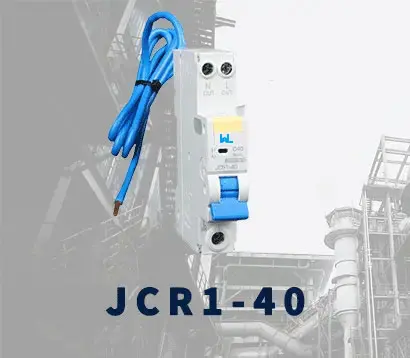 JCR1-40
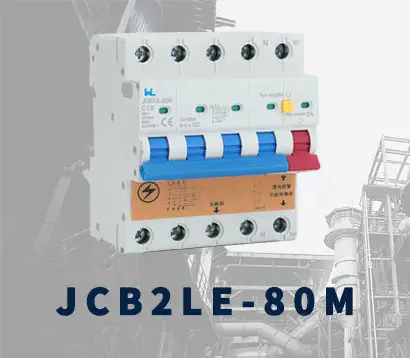 JCB2LE-80M
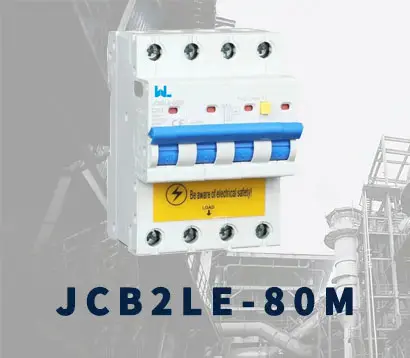 JCB2LE-80M
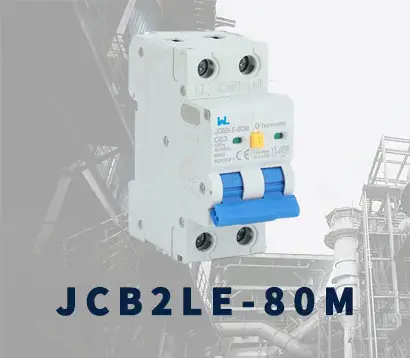 JCB2LE-80M
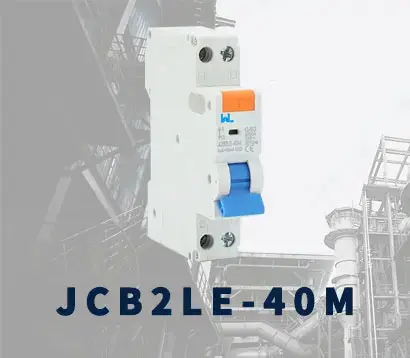 JCB2LE-40M
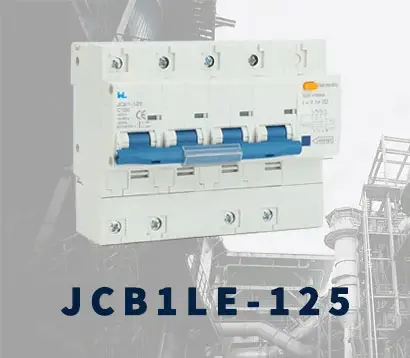 JCB1LE-125
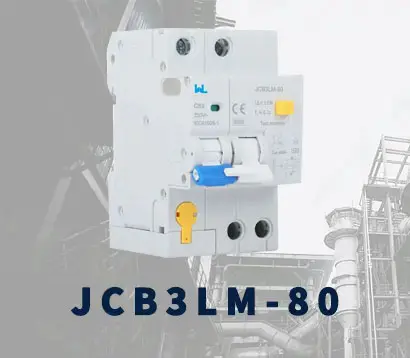 JCB3LM-80
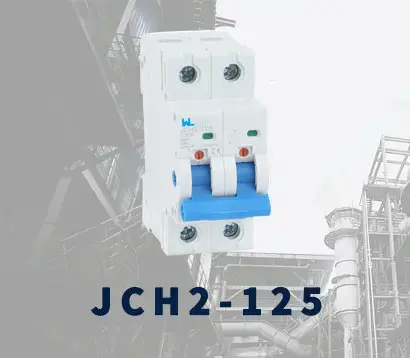 JCH2-125
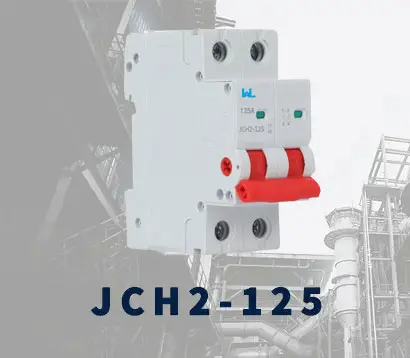 JCH2-125
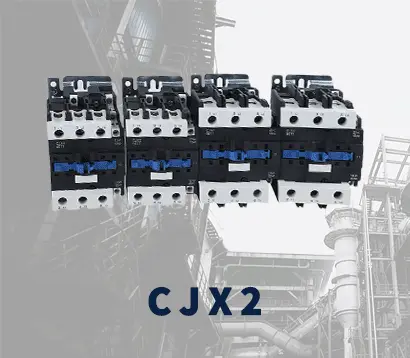 CJX2
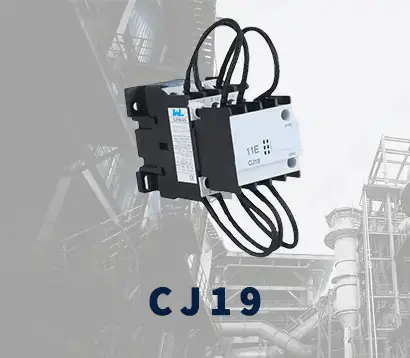 CJ19
 JCMCU
 JCHA
 JCSD-40
 JCSD-60
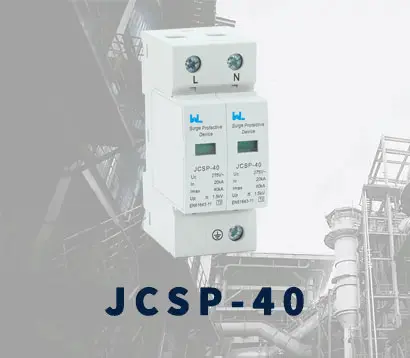 JCSP-40
 JCSP-60
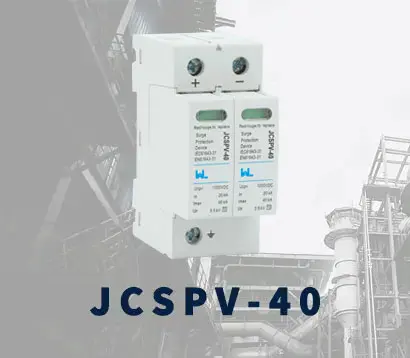 JCSPV
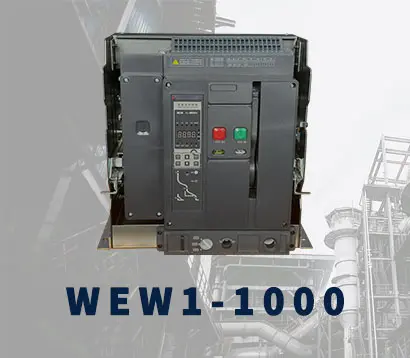 WEW1-1000
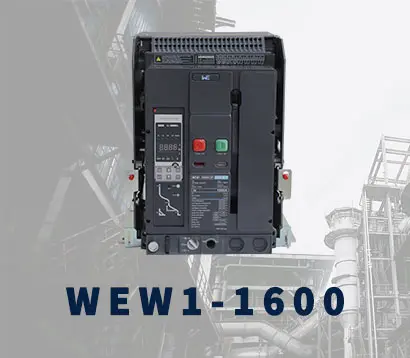 WEW1-1600
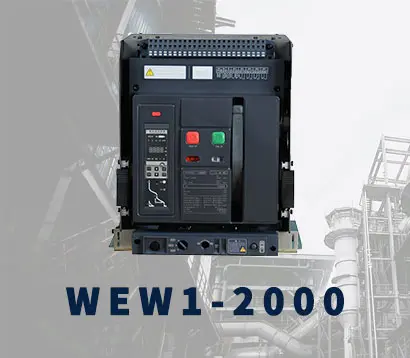 WEW1-2000
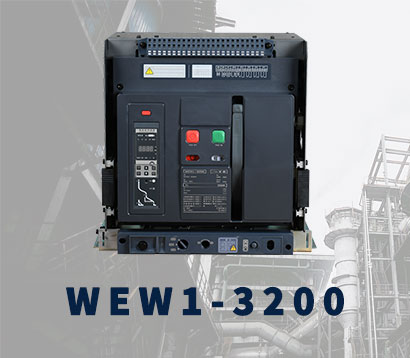 WEW1-3200
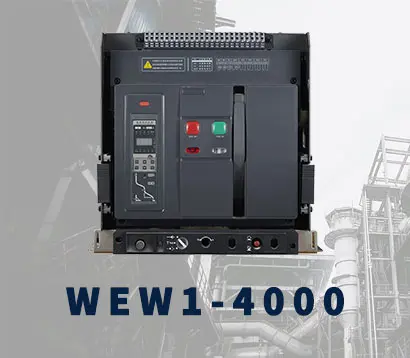 WEW1-4000
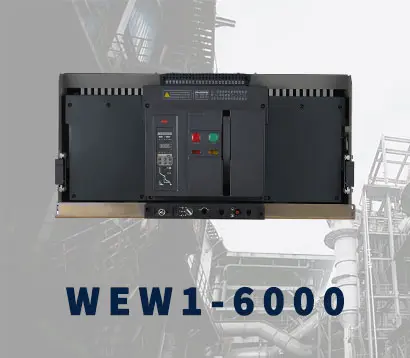 WEW1-6300
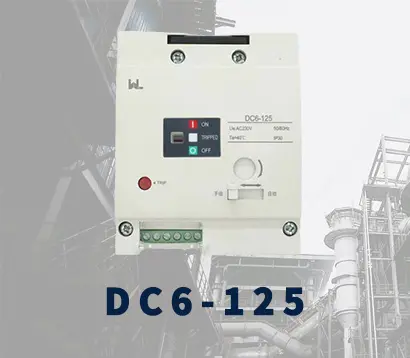 DC6-125
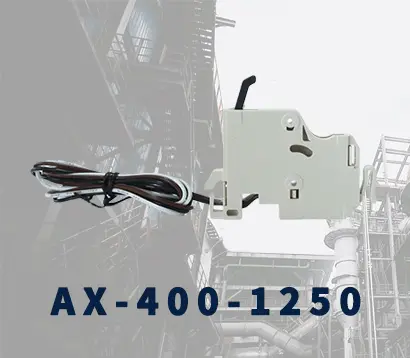 AX-400-1250
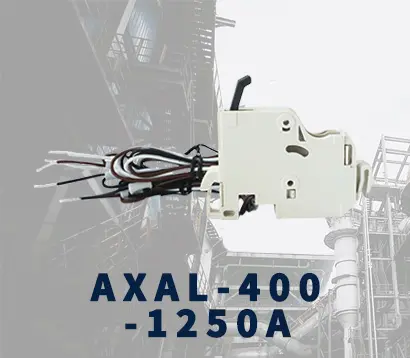 AXAL-400-1250A
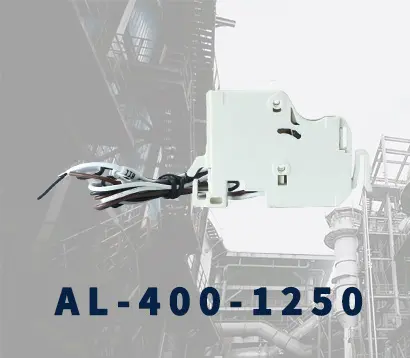 AL-400-1250
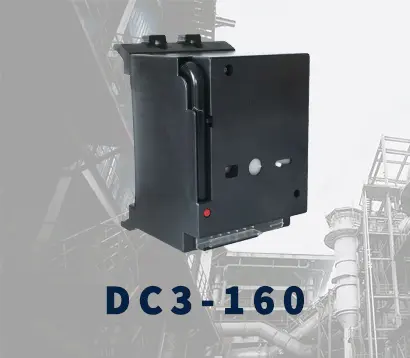 DC3-160
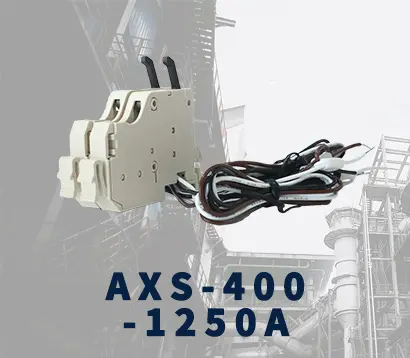 AXS-400-1250A
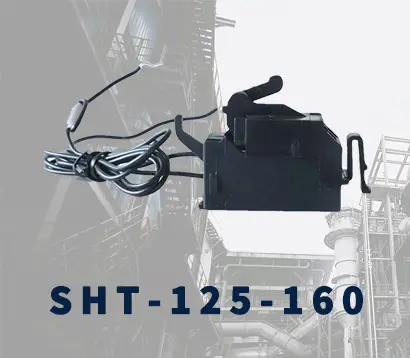 SHT-125-160
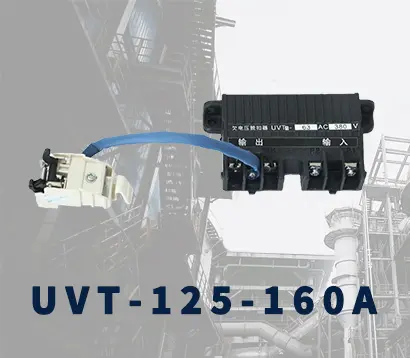 UVT-125-160A
 P-250A-3P-A
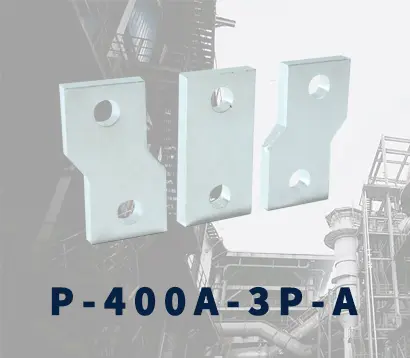 400-3P/4P terminal cover
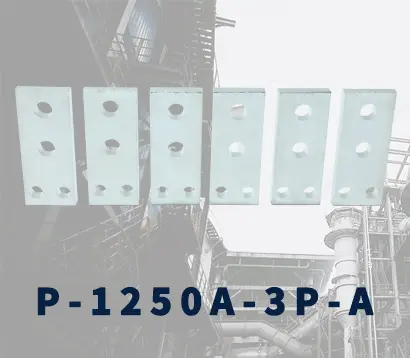 1250-3Pmccb accessories busbar
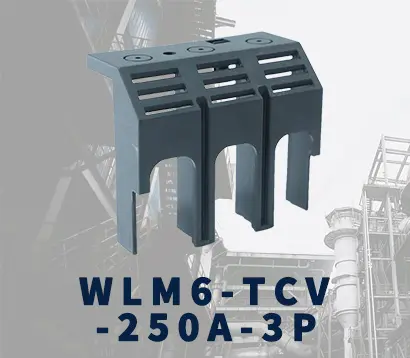 250-3P terminal conver
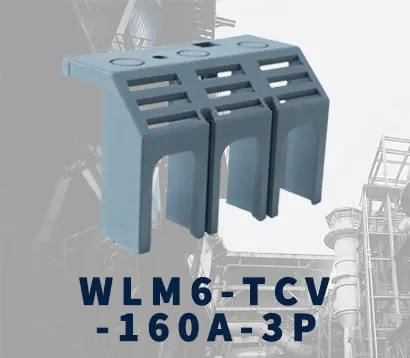 WLM6-TCV-160A-3P
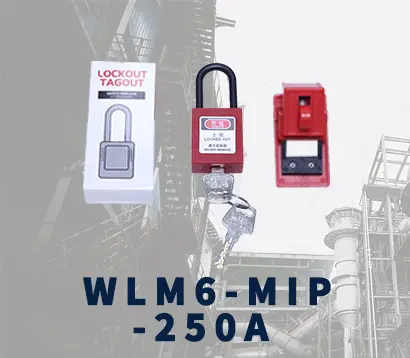 WLM6-MIP-250A
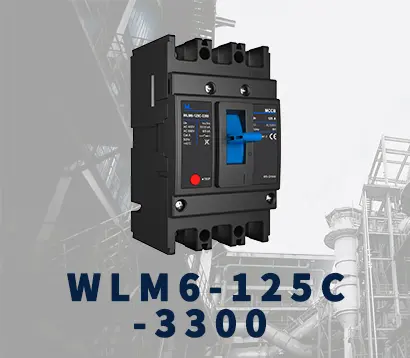 WLM6-125A-3300 3P/4P
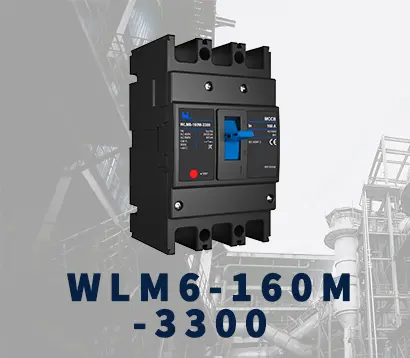 WLM6-160A-3300 3P/4P
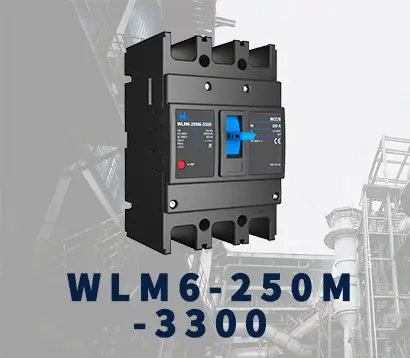 WLM6-250A-3300 3P/4P
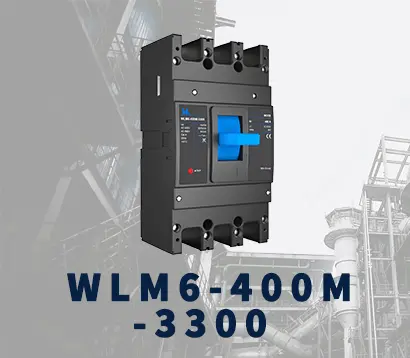 WLM6-400A-3300 3P/4P
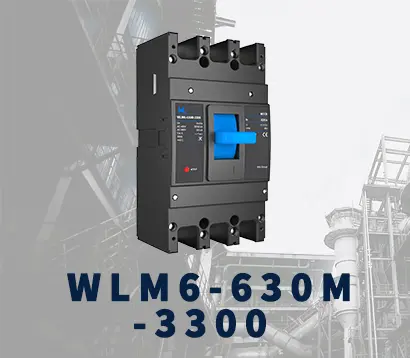 WLM6-630A-3300 3P/4P
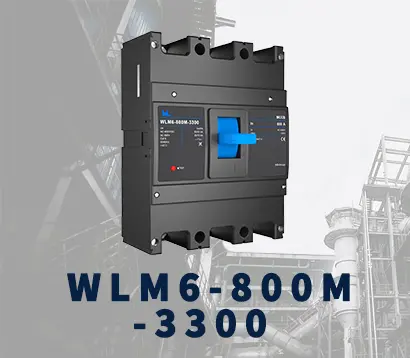 WLM6-800A-3300 3P/4P
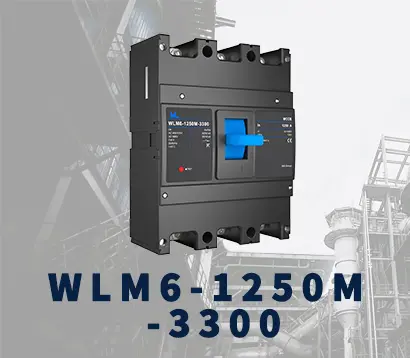 WLM6-1250A-3300 3P/4P
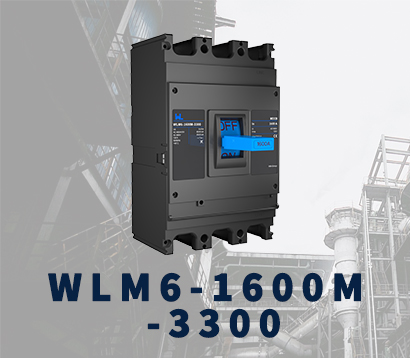 WLM6-1600A-3300 3P/4P
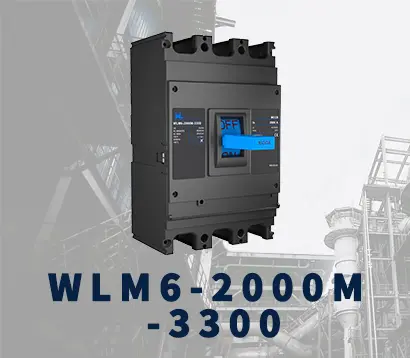 WLM6-2000A 3P/4P
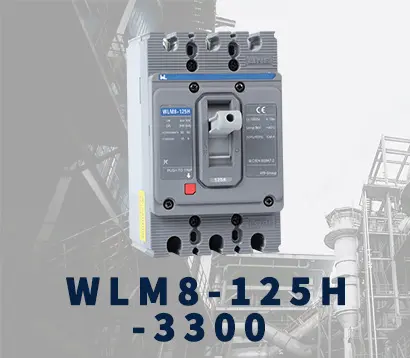 WLM8-125H-3300
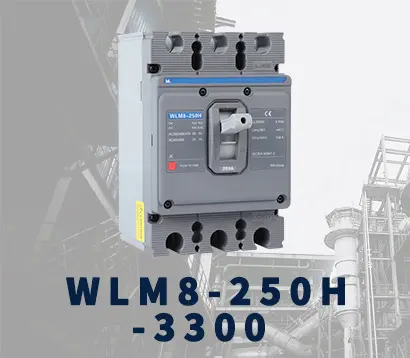 WLM8-250H-3300
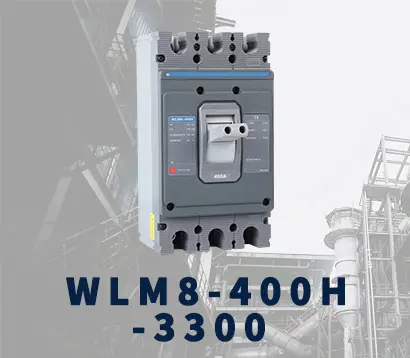 WLM8-400H-3300
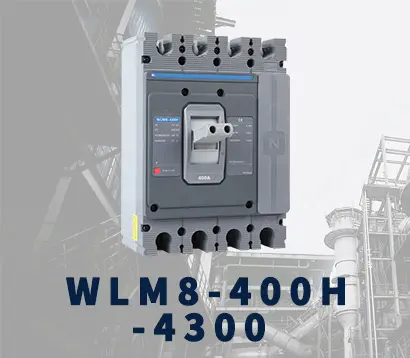 WLM8-400H-4300
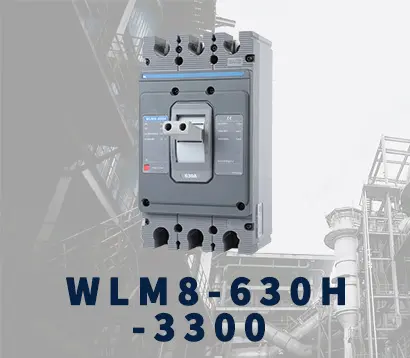 WLM8-630H-3300
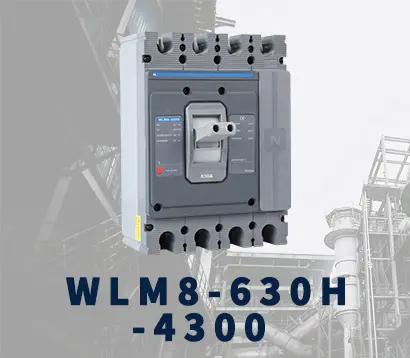 WLM8-630H-4300
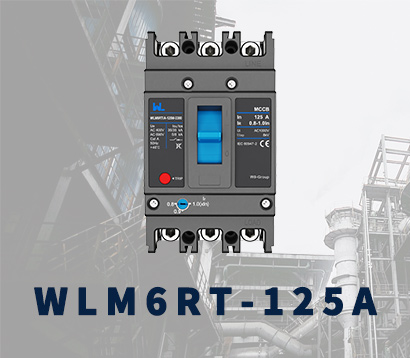 WLM6RT-125A
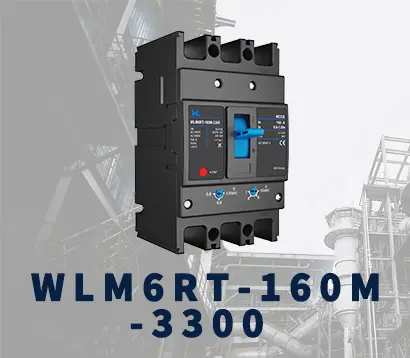 WLM6RT-160A
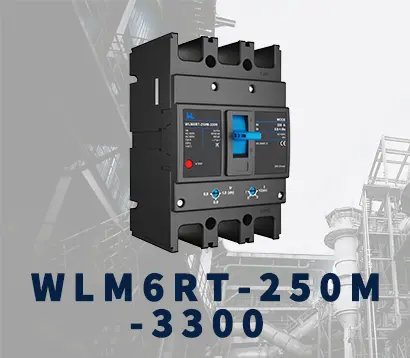 WLM6RT-250A
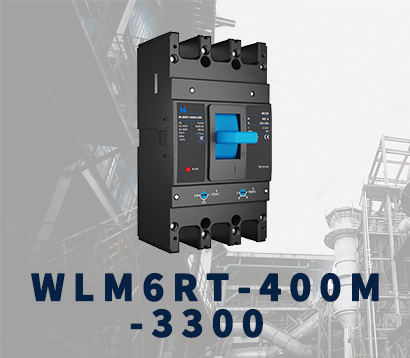 WLM6RT-400A
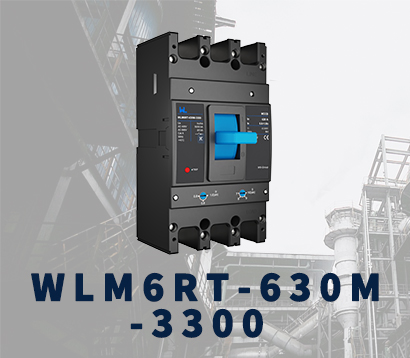 WLM6RT-630A
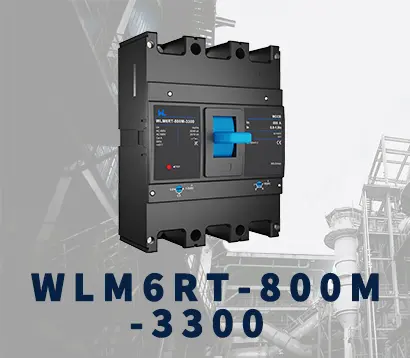 WLM6RT-800A
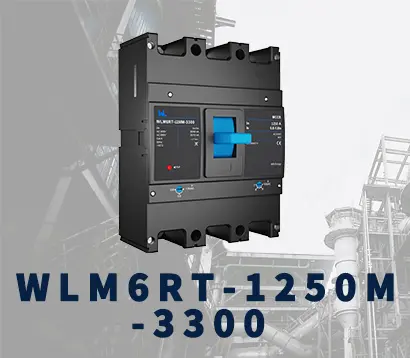 WLM6RT-1250A
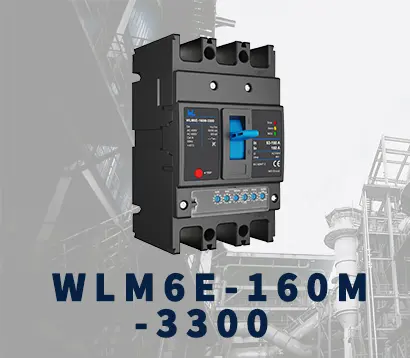 WLM6E-160A-3300 3P
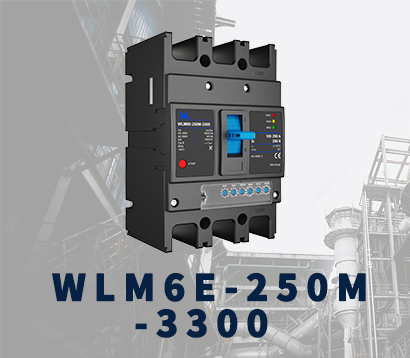 WLM6E-250A-3300
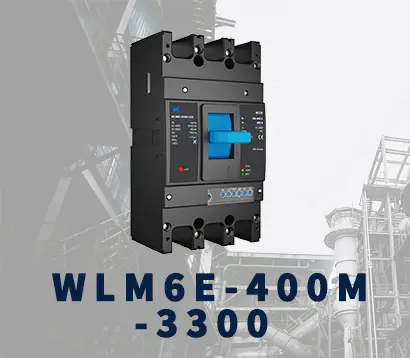 WLM6E-400A-3300 3P/4P
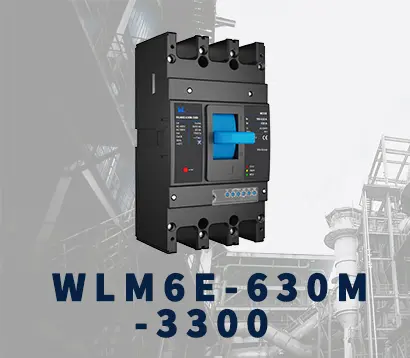 WLM6E-630A-3300
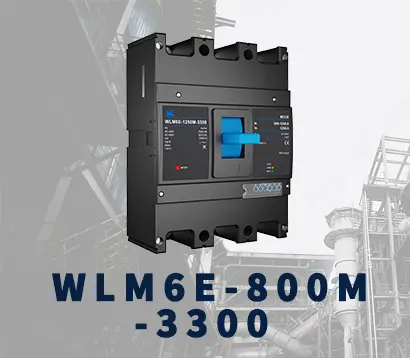 WLM6E-800A-3300 3P/4P
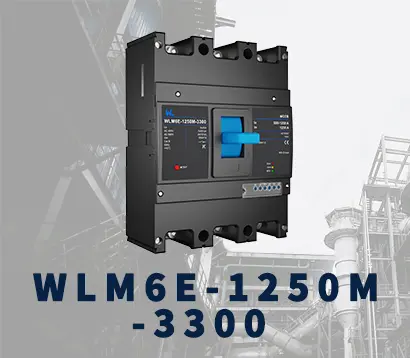 WLM6E-1250A-3300
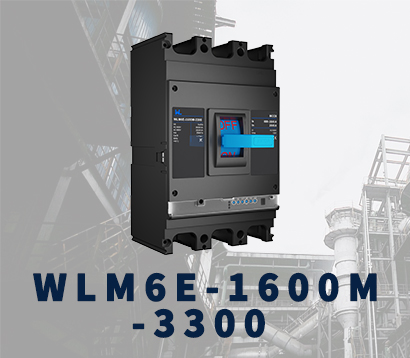 WLM6E-1600-3300 3P/4P
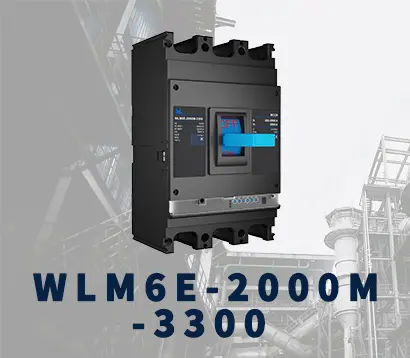 WLM6E-2000A-3300 3P/4P
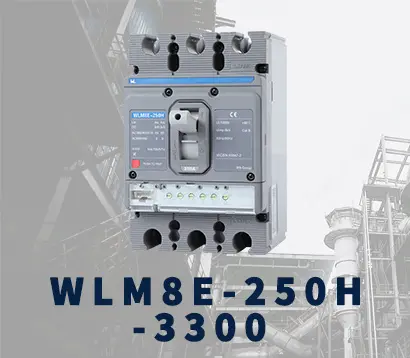 WLM8E-250H-3300
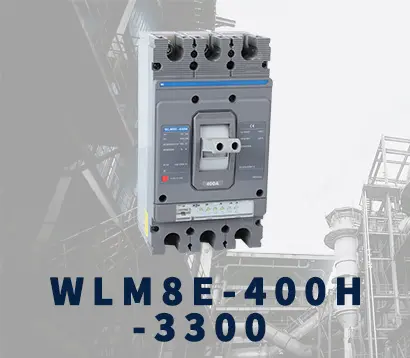 WLM8E-400H-3300
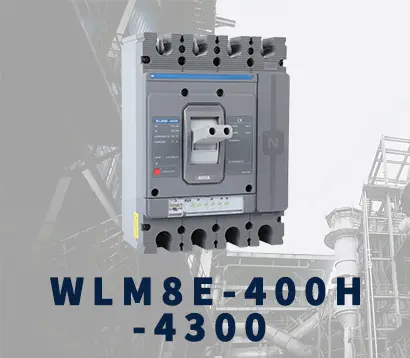 WLM8E-400H-4300
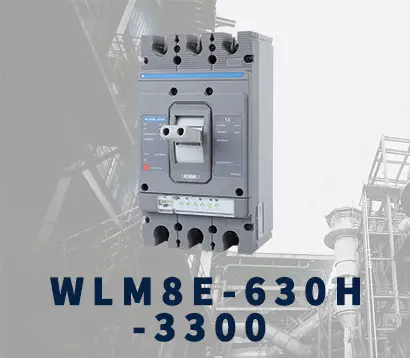 WLM8E-630H-3300
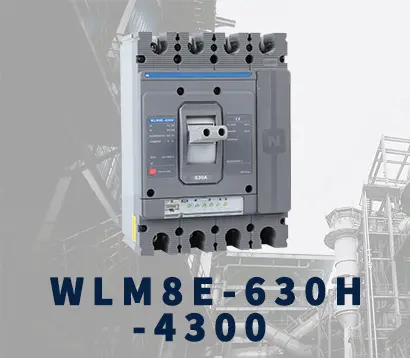 WLM8E-630H-4300
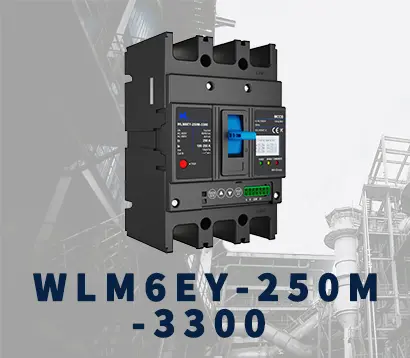 WLM6EY-250-3300 3P/4P
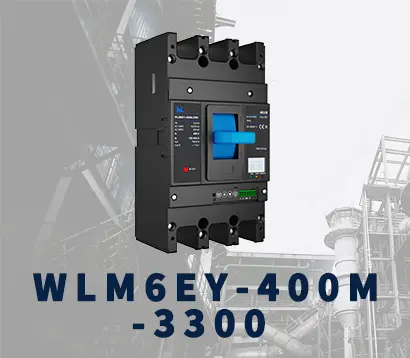 WLM6EY-400 3P/4P
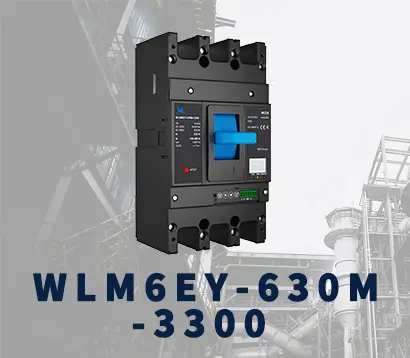 WLM6EY-630 3P/4P
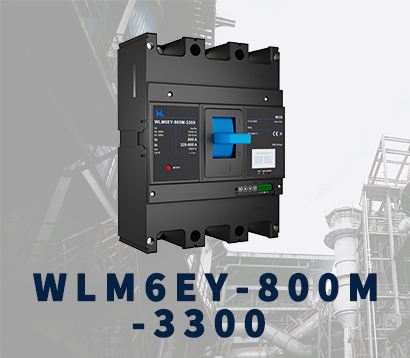 WLM6EY-800A 3P/4P
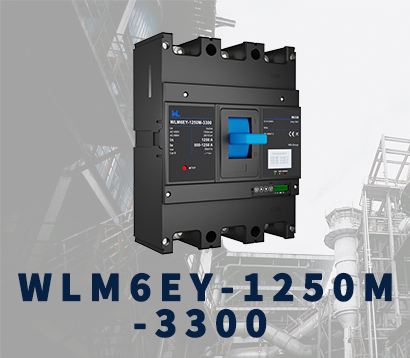 WLM6EY-1250A 3P/4P
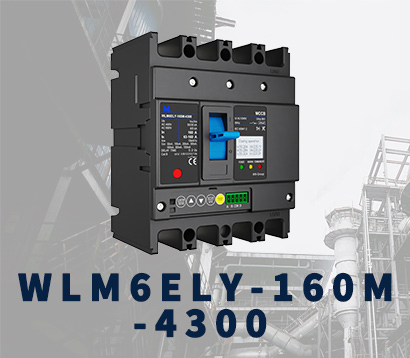 WLM6ELY-160A
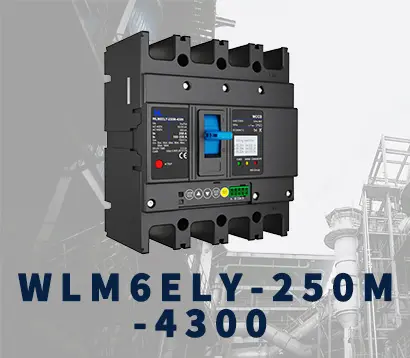 WLM6ELY-250A
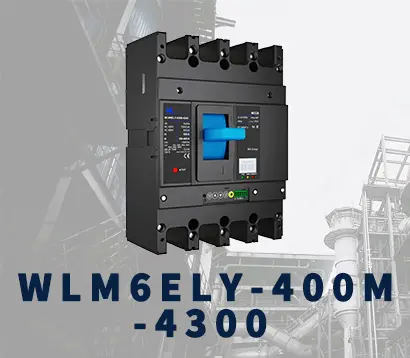 WLM6ELY-400A
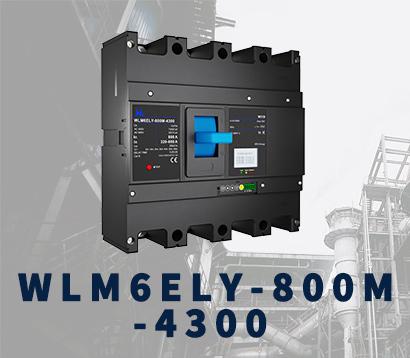 WLM6ELY-800A
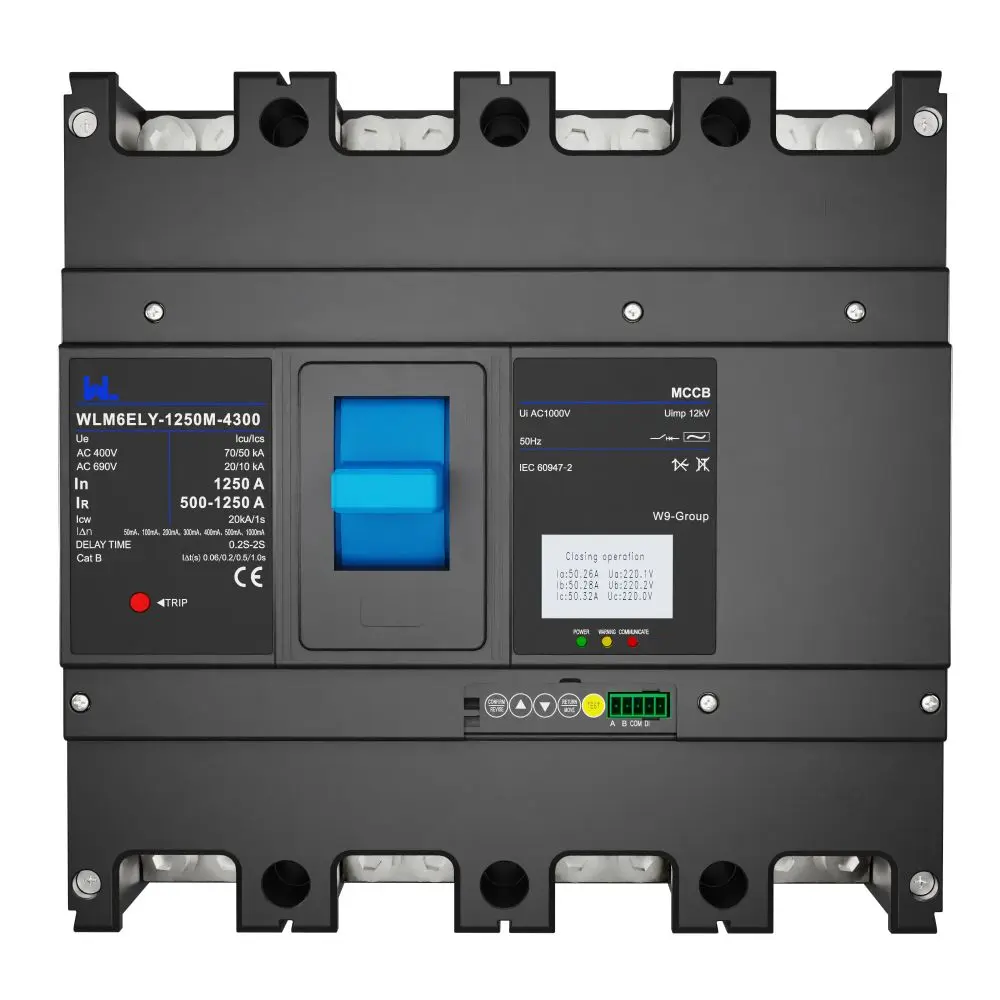 WLM6ELY-1250A
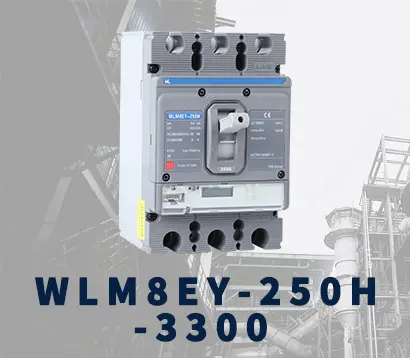 WLM8EY-250H-3300
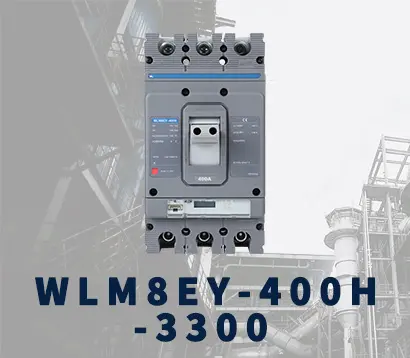 WLM8EY-400H-3300
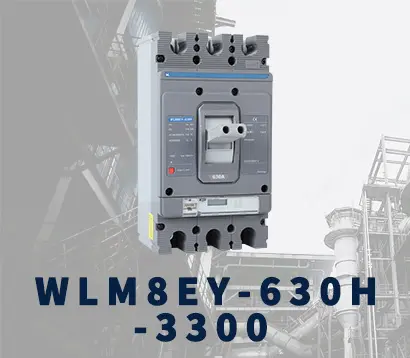 WLM8EY-630H-3300
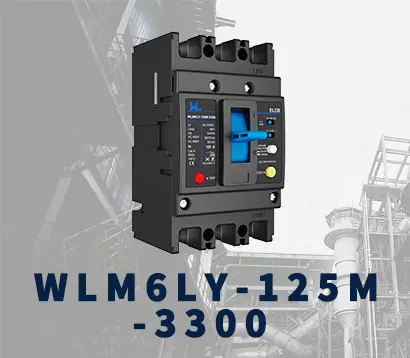 WLM6LY-125A
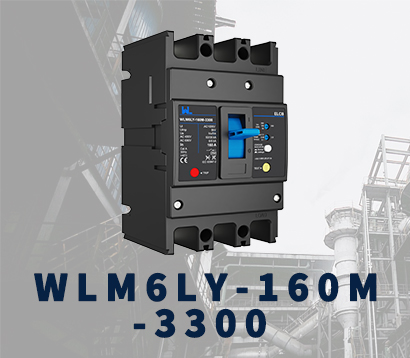 WLM6L-160A
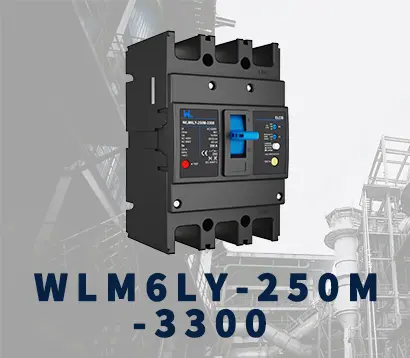 WLM6LY-250A
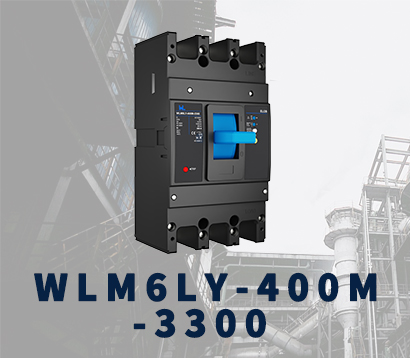 WLM6LY-400A
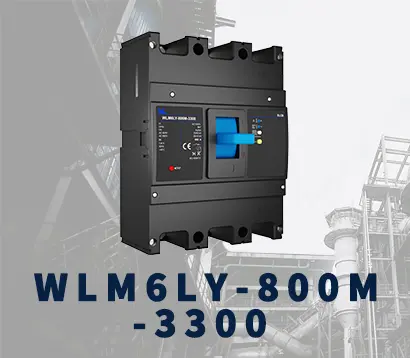 WLM6LY-800A
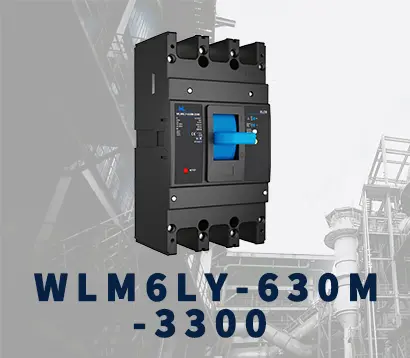 WLM6LY-630A
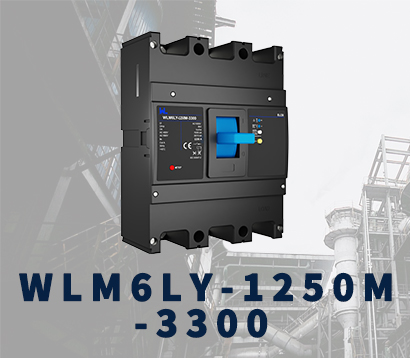 WLM6LY-1250A
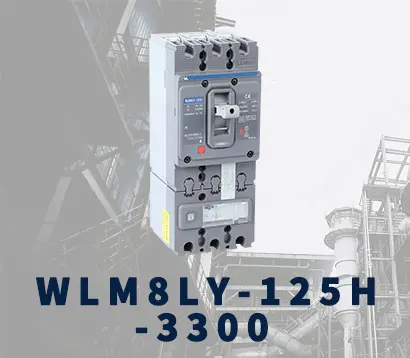 WLM8LY-125H-3300
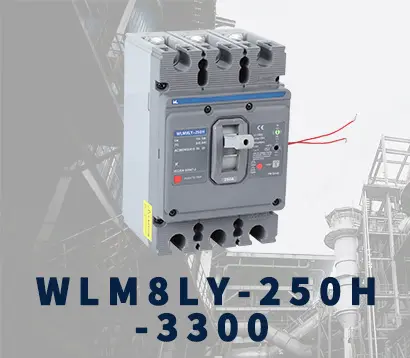 WLM8LY-250H-3300
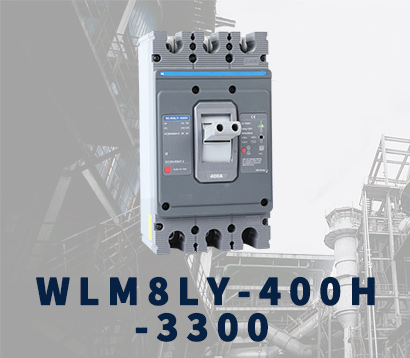 WLM8LY-400H-3300
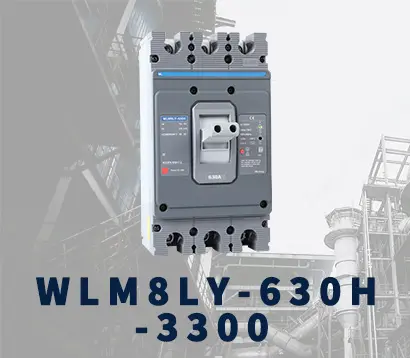 WLM8LY-630H-3300
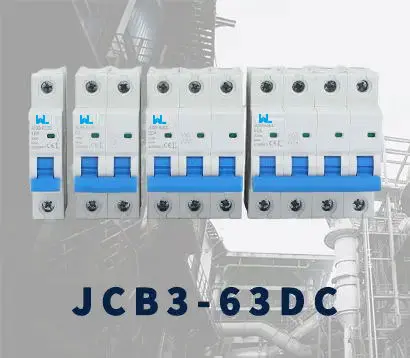 JCB3-63DC
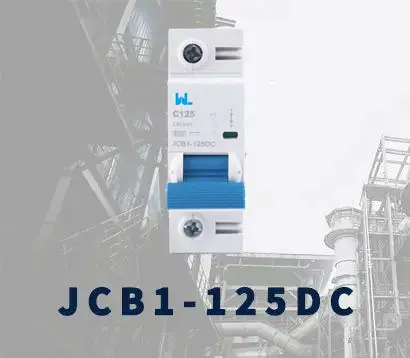 JCB1-125DC
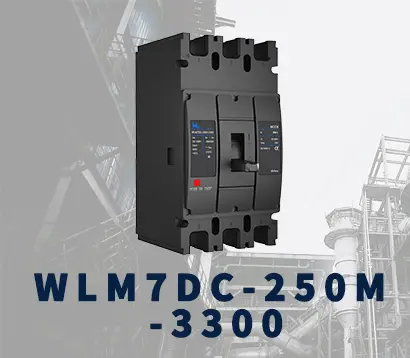 WLM7DC-250A-2300 2P/3P
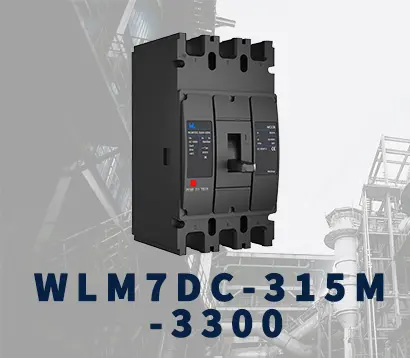 WLM7DC-315A-3300 2P/3P
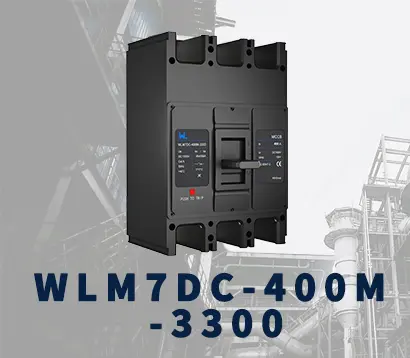 WLM7DC-400A-2300 2P/3P
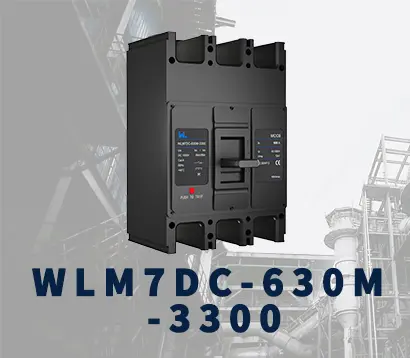 WLM7DC-630A-3300 3P
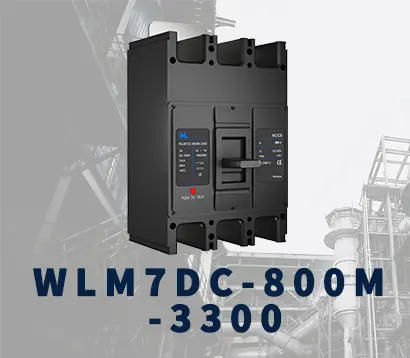 WLM7DC-800A-2300 2P/3P
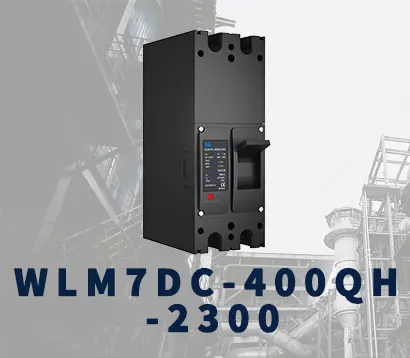 WLM7DC-400A 2300
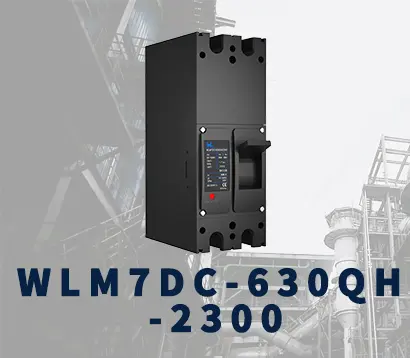 WLM7DC-630A-2300 2P
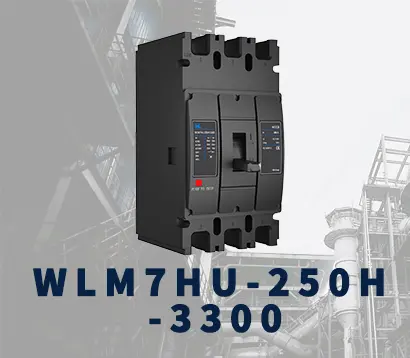 WLM7HU-250-3300 3P
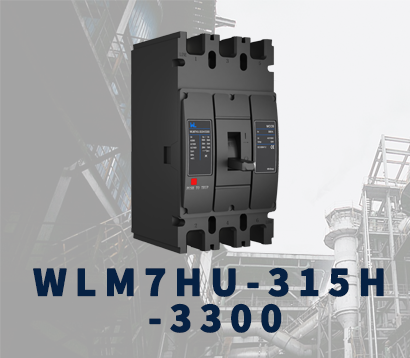 WLM7HU-315-3300 3P
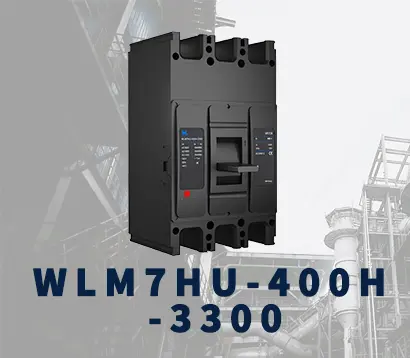 WLM7HU-400-3300 3P
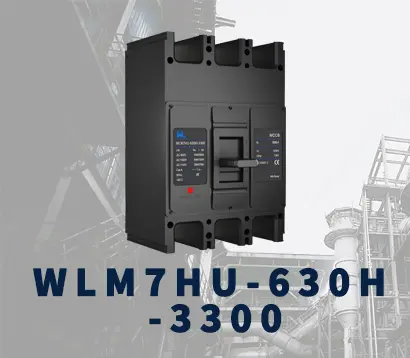 WLM7HU-630-3300 3P
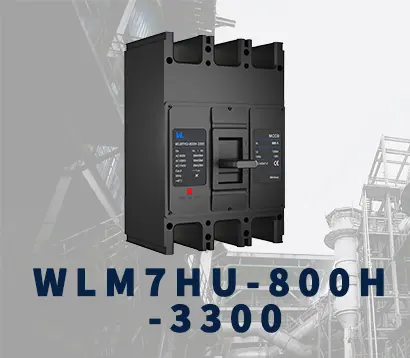 WLM7HU-800-3300 3P
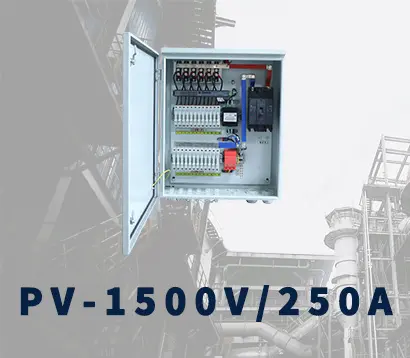 PV-1500V/250A
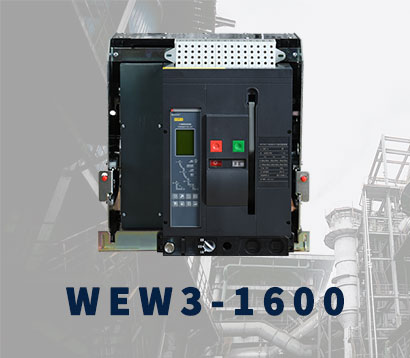 WEW3-1600
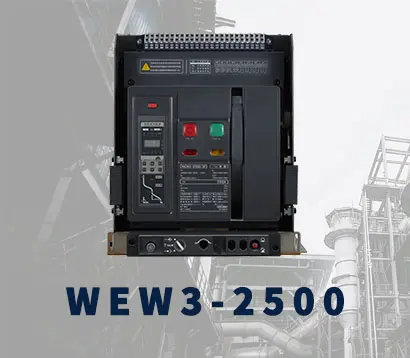 WEW3-2500
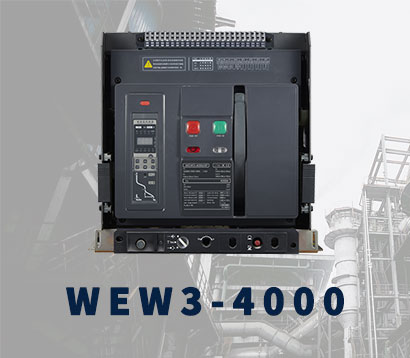 WEW3-4000
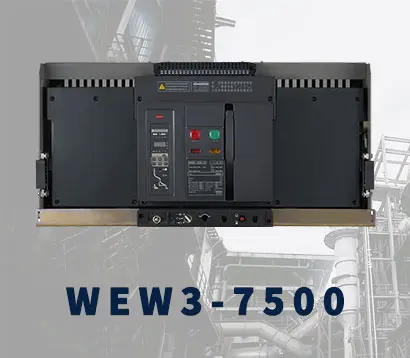 WEW3-7500