
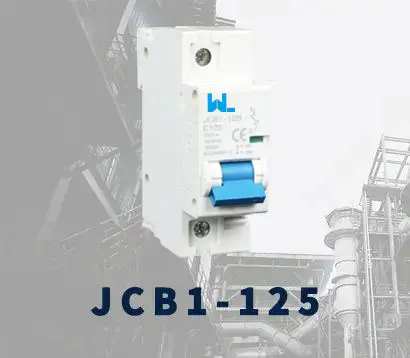
 JCB1-125
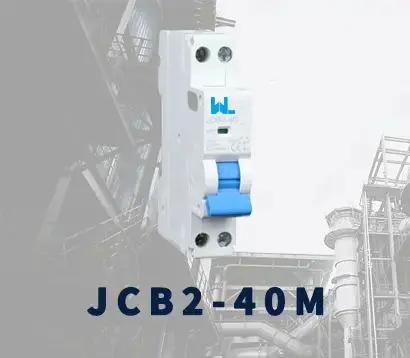 JCB2-40M
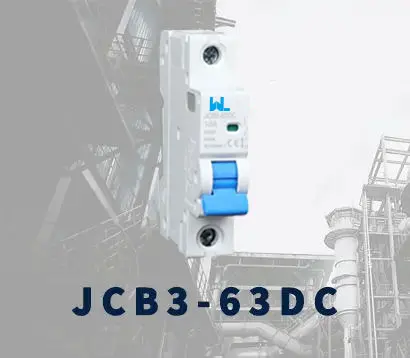 JCB3-63DC
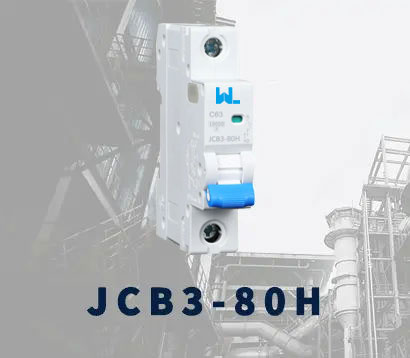 JCB3-80H
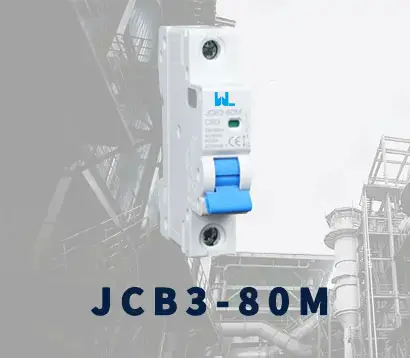 JCB3-80M
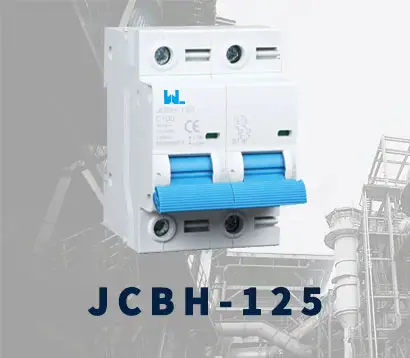 JCBH-125
 JC80-2P
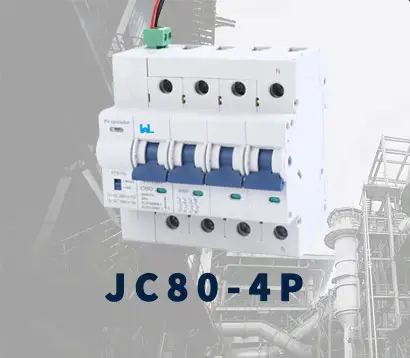 JC80-4P
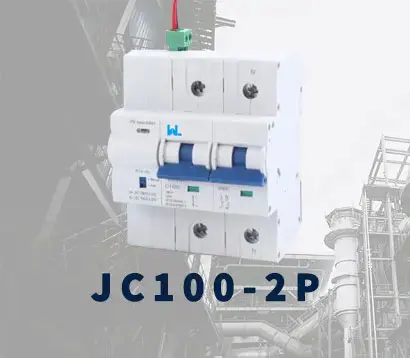 JC125-2P
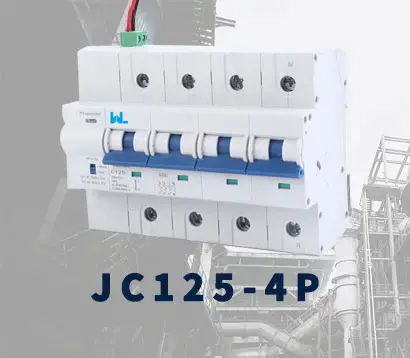 JC125-4P
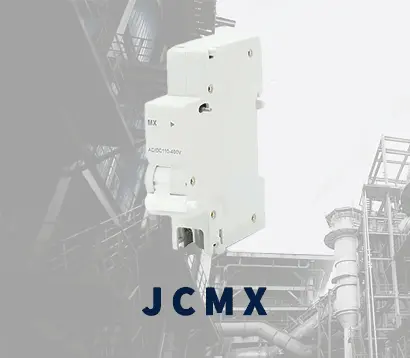 JCMX
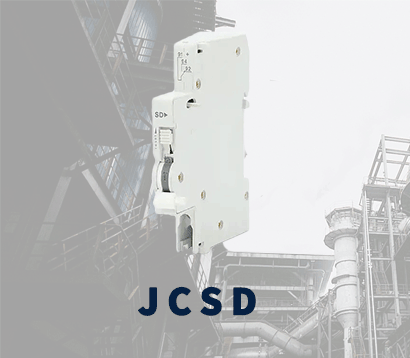 JCSD
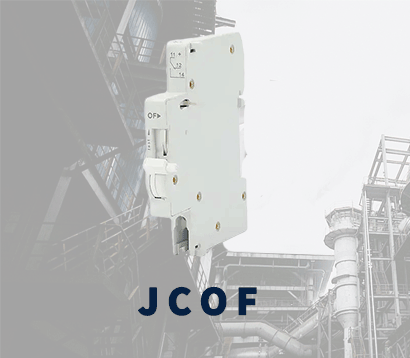 JCOF
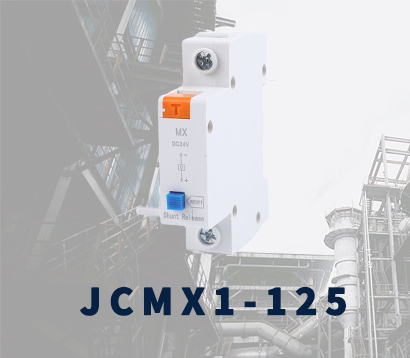 JCMX1-125
 JCOF1-125
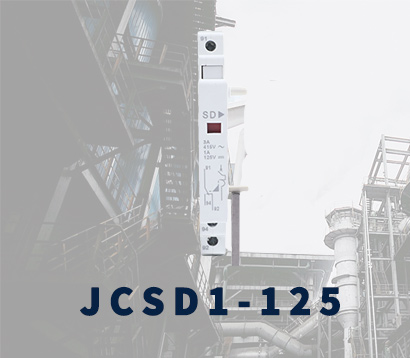 JCSD1-125
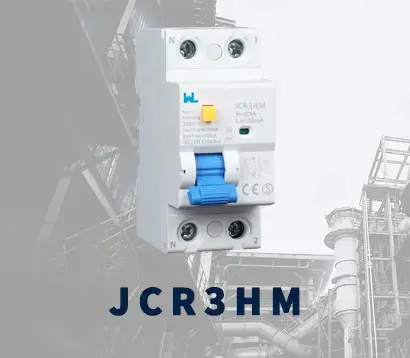 JCR3HM
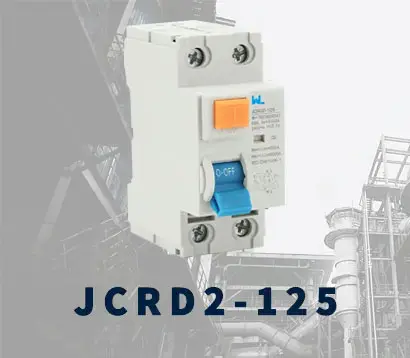 JCRD2-125
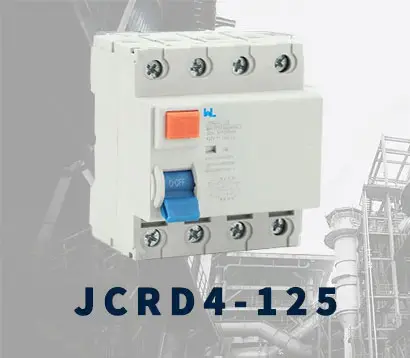 JCRD4-125
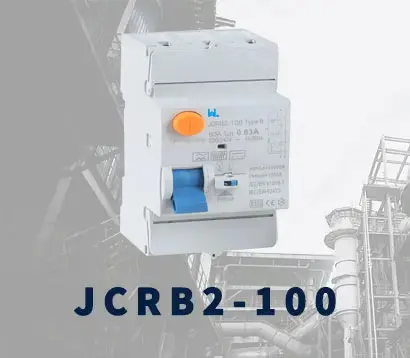 JCRB2-100
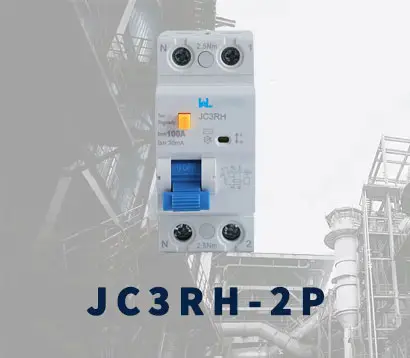 JC3RH-2P
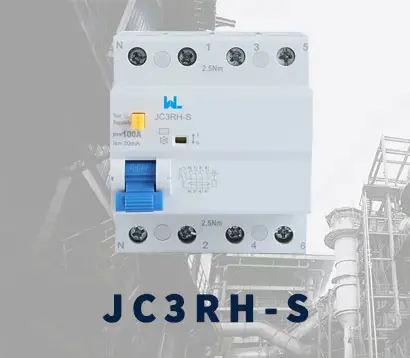 JC3RH-S
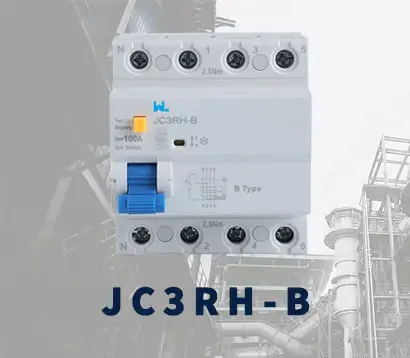 JC3RH-B
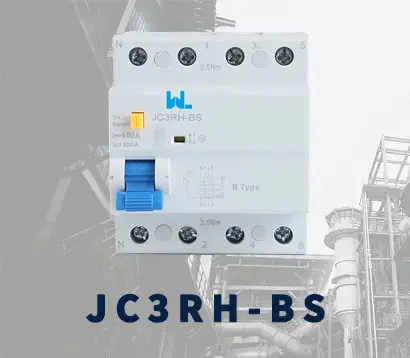 JC3RH-BS
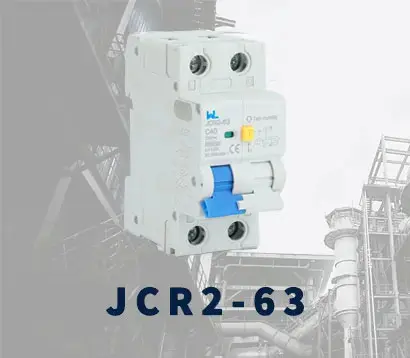 JCR2-63
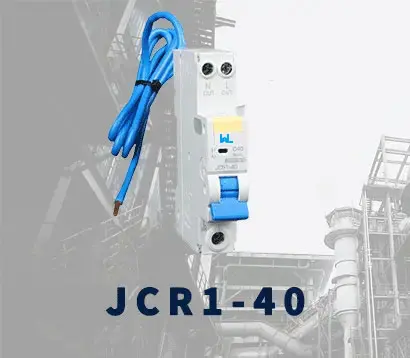 JCR1-40
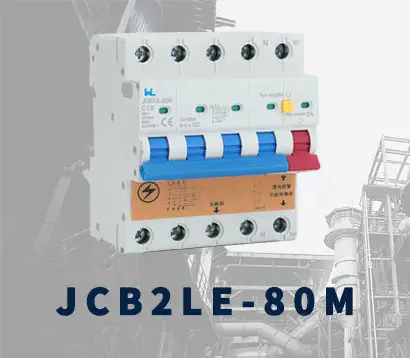 JCB2LE-80M
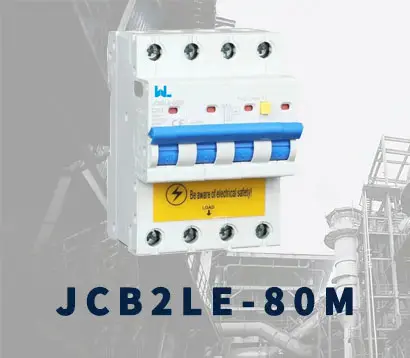 JCB2LE-80M
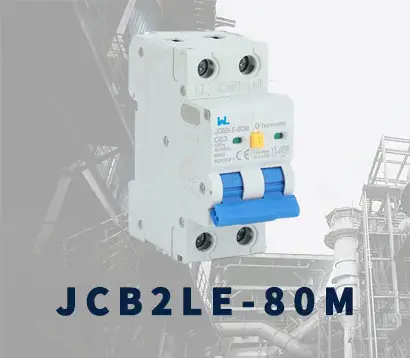 JCB2LE-80M
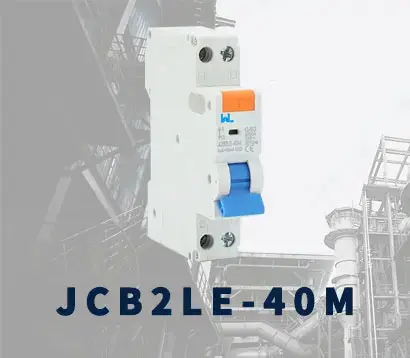 JCB2LE-40M
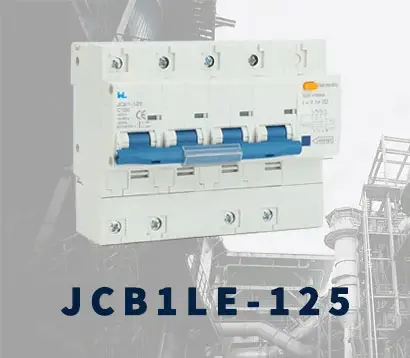 JCB1LE-125
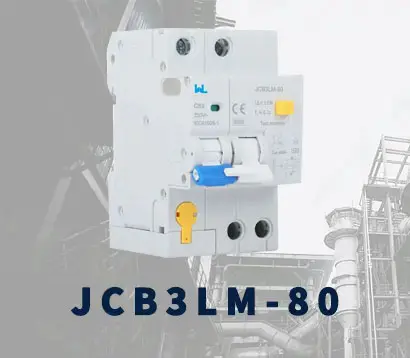 JCB3LM-80
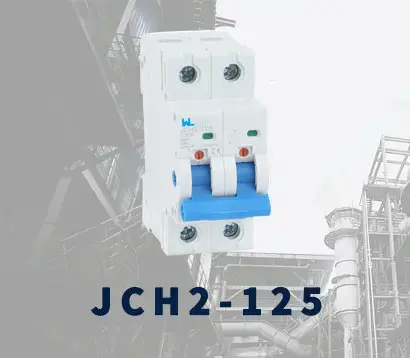 JCH2-125
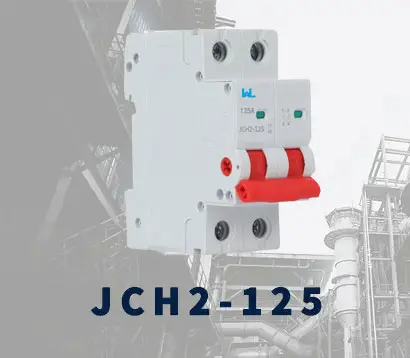 JCH2-125
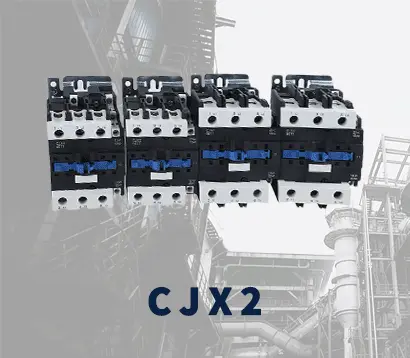 CJX2
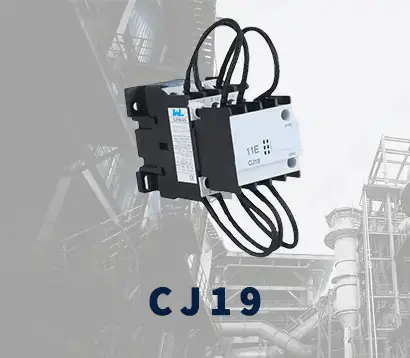 CJ19
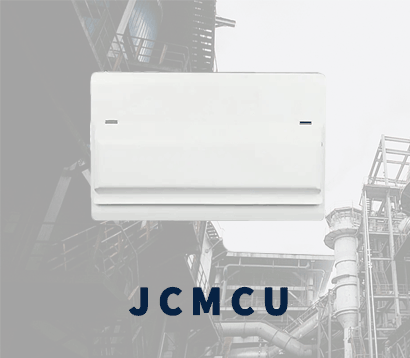 JCMCU
 JCHA
 JCSD-40
 JCSD-60
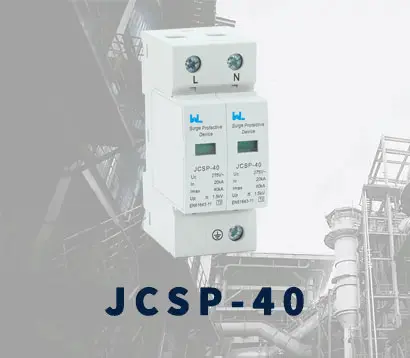 JCSP-40
 JCSP-60
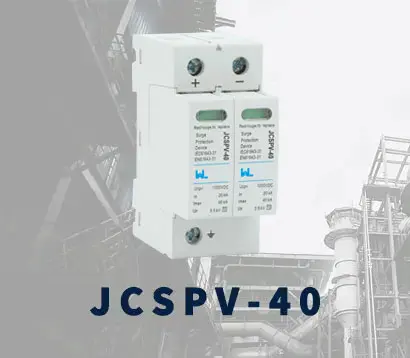 JCSPV
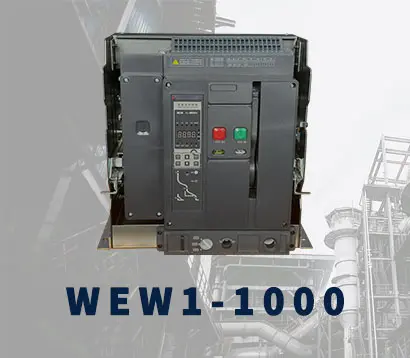 WEW1-1000
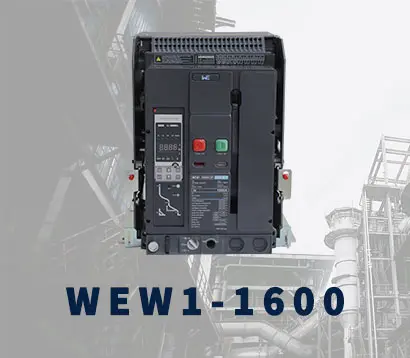 WEW1-1600
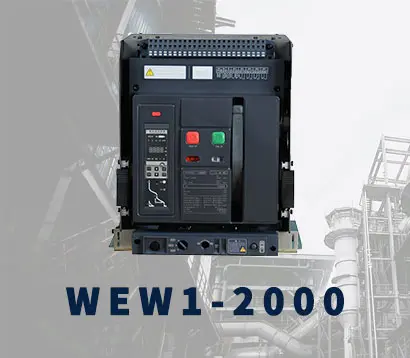 WEW1-2000
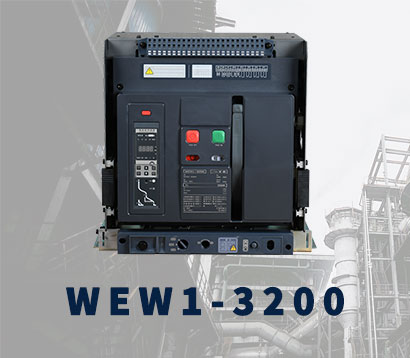 WEW1-3200
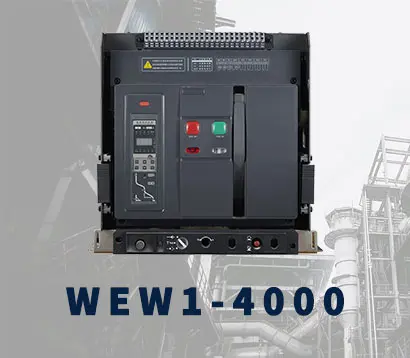 WEW1-4000
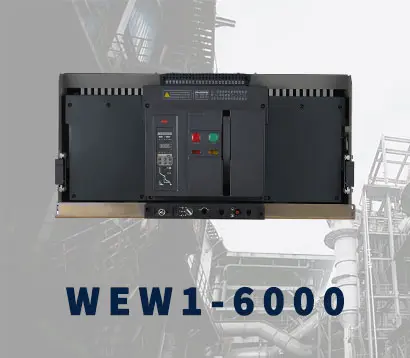 WEW1-6300
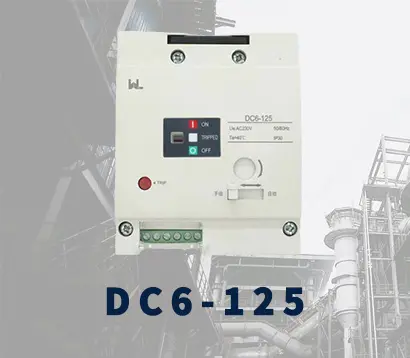 DC6-125
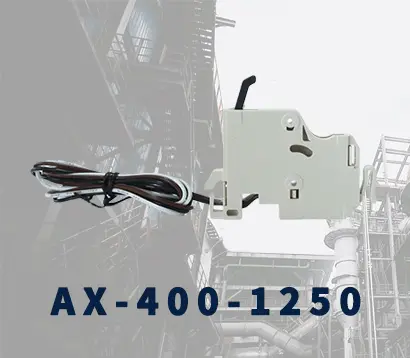 AX-400-1250
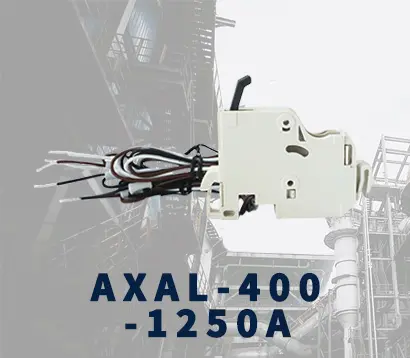 AXAL-400-1250A
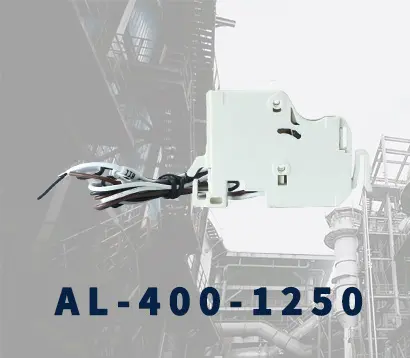 AL-400-1250
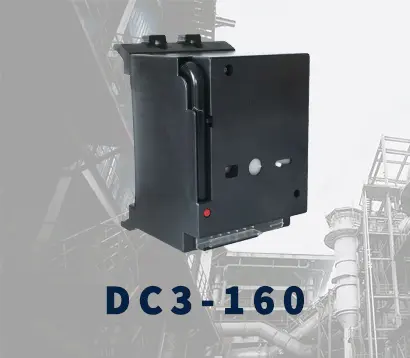 DC3-160
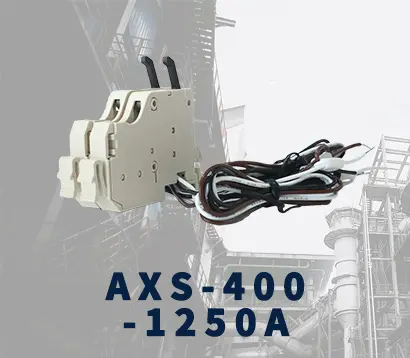 AXS-400-1250A
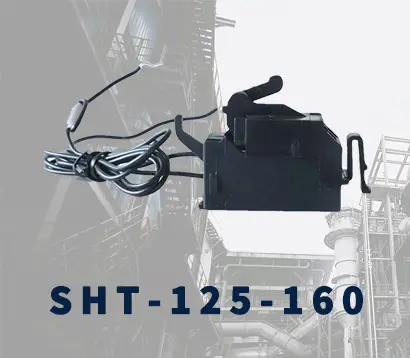 SHT-125-160
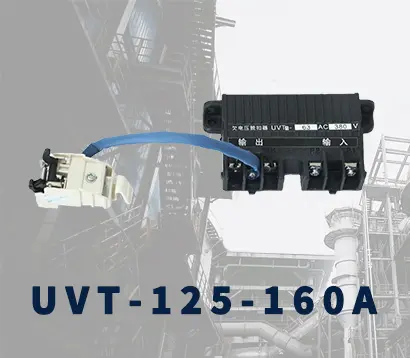 UVT-125-160A
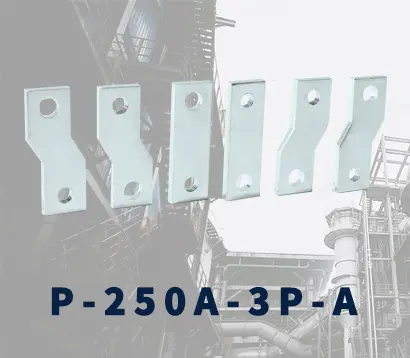 P-250A-3P-A
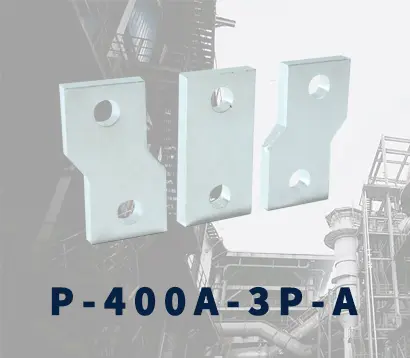 400-3P/4P terminal cover
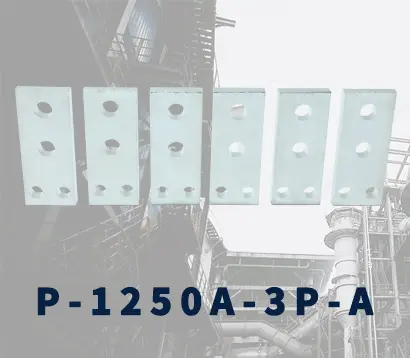 1250-3Pmccb accessories busbar
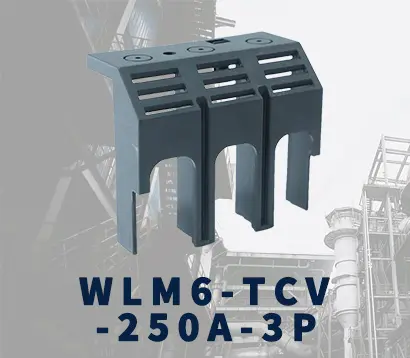 250-3P terminal conver
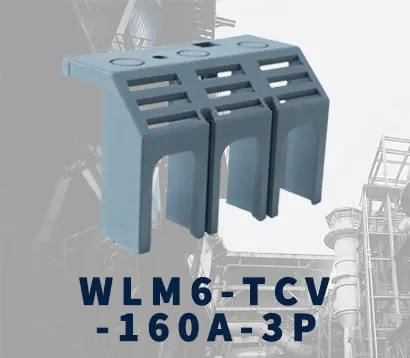 WLM6-TCV-160A-3P
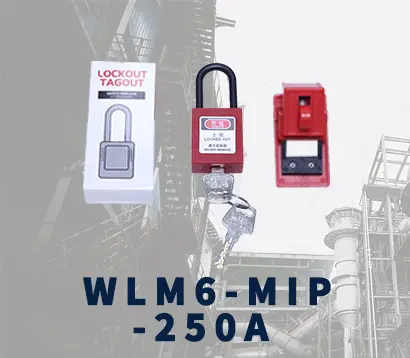 WLM6-MIP-250A
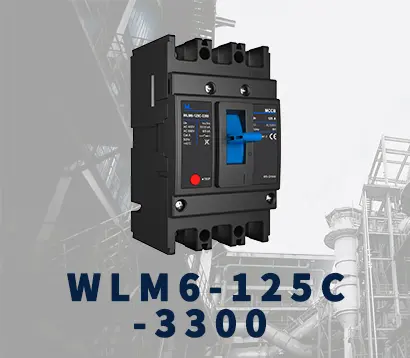 WLM6-125A-3300 3P/4P
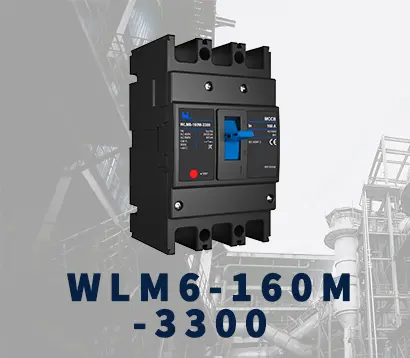 WLM6-160A-3300 3P/4P
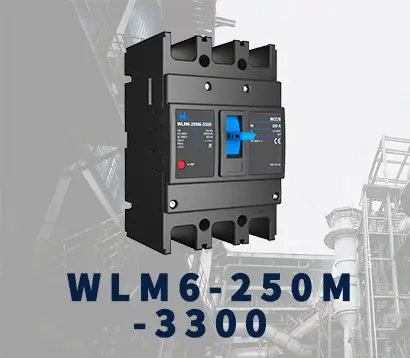 WLM6-250A-3300 3P/4P
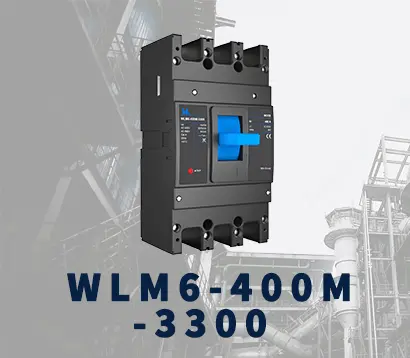 WLM6-400A-3300 3P/4P
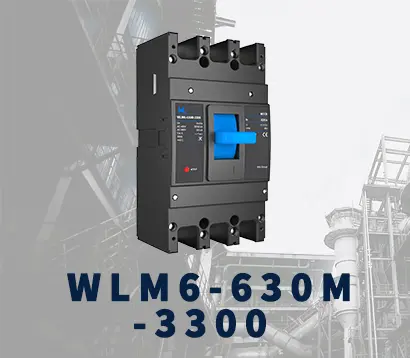 WLM6-630A-3300 3P/4P
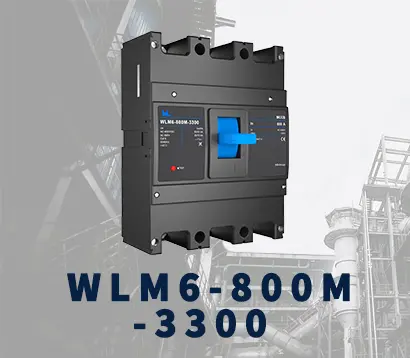 WLM6-800A-3300 3P/4P
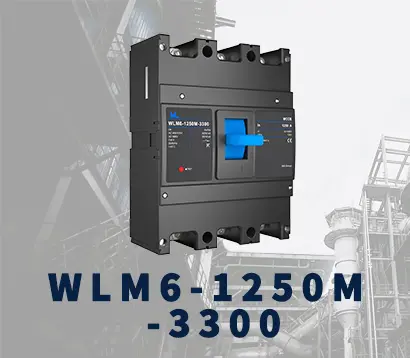 WLM6-1250A-3300 3P/4P
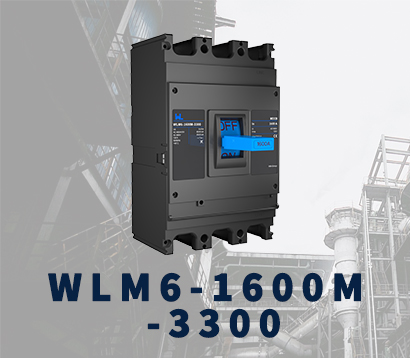 WLM6-1600A-3300 3P/4P
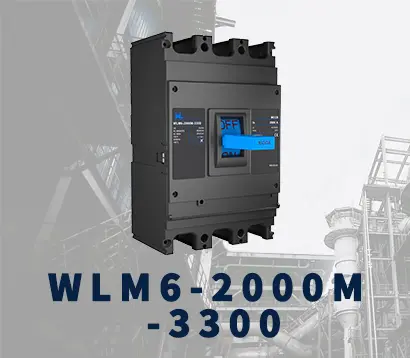 WLM6-2000A 3P/4P
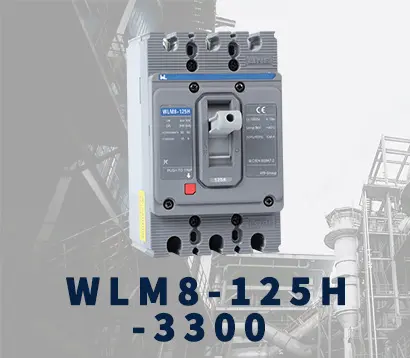 WLM8-125H-3300
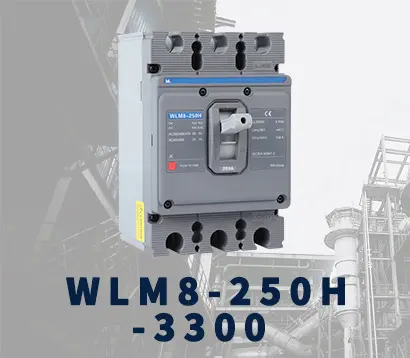 WLM8-250H-3300
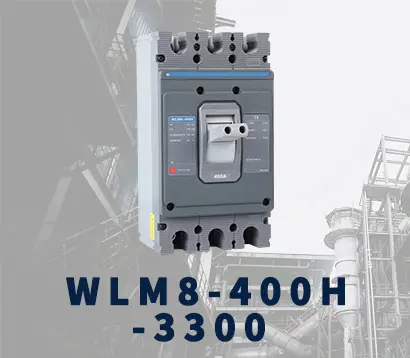 WLM8-400H-3300
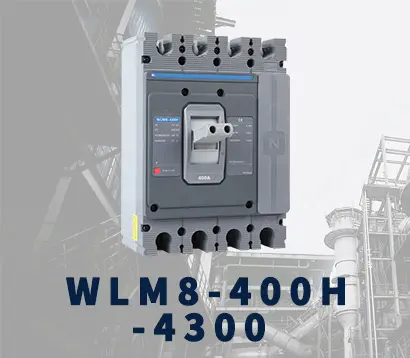 WLM8-400H-4300
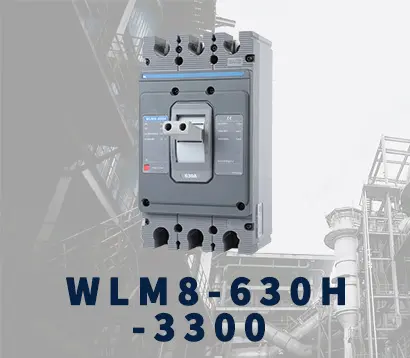 WLM8-630H-3300
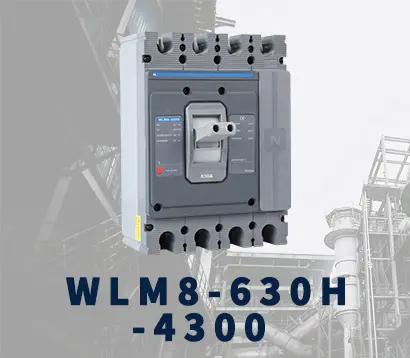 WLM8-630H-4300
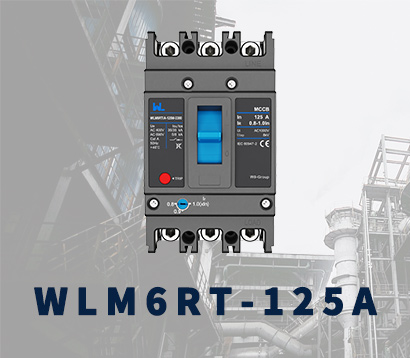 WLM6RT-125A
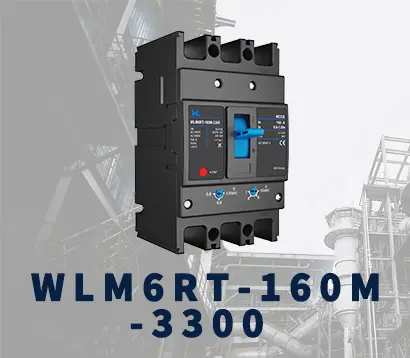 WLM6RT-160A
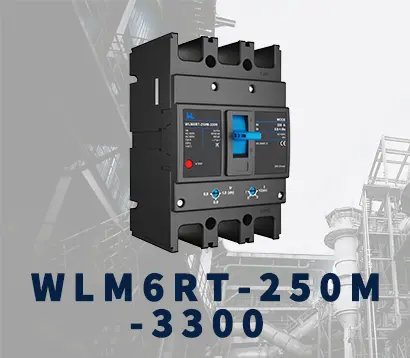 WLM6RT-250A
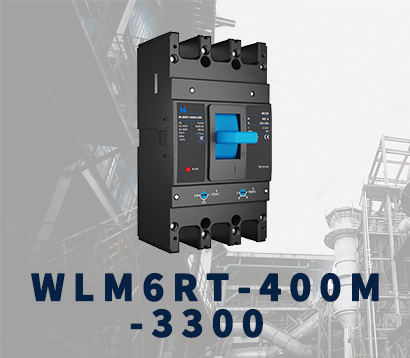 WLM6RT-400A
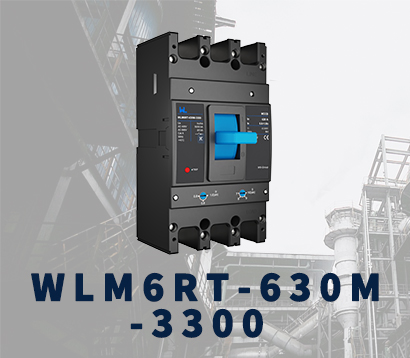 WLM6RT-630A
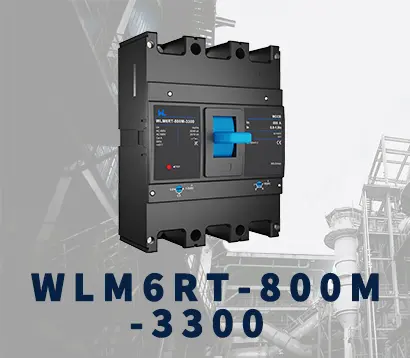 WLM6RT-800A
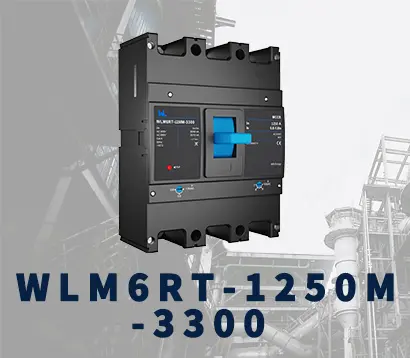 WLM6RT-1250A
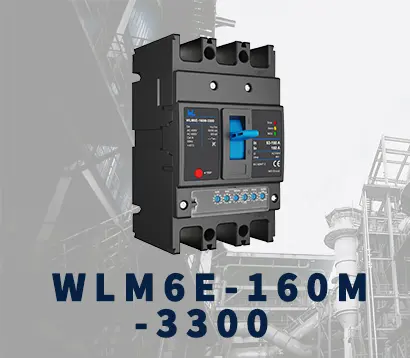 WLM6E-160A-3300 3P
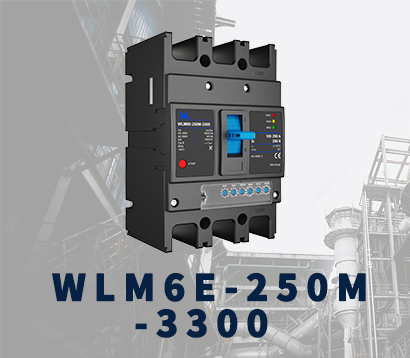 WLM6E-250A-3300
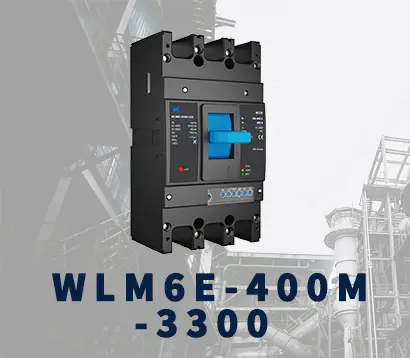 WLM6E-400A-3300 3P/4P
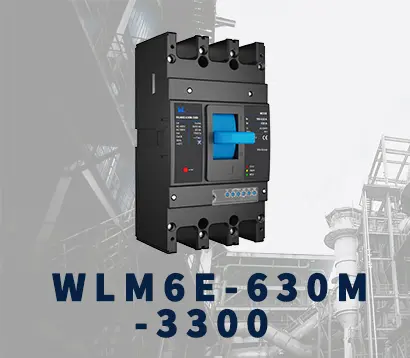 WLM6E-630A-3300
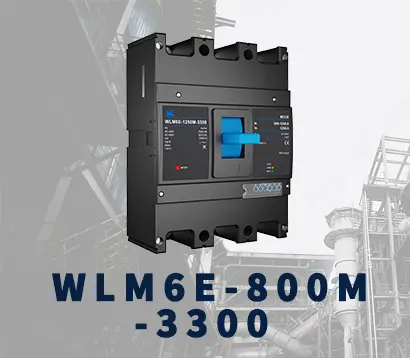 WLM6E-800A-3300 3P/4P
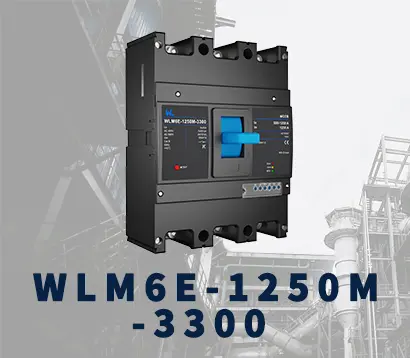 WLM6E-1250A-3300
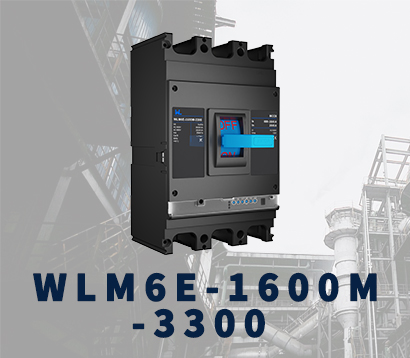 WLM6E-1600-3300 3P/4P
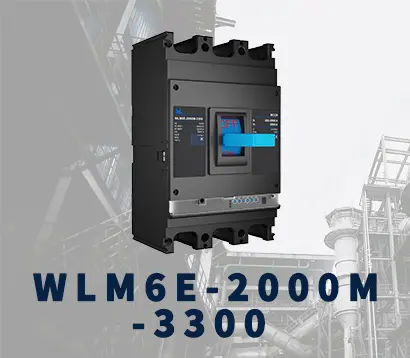 WLM6E-2000A-3300 3P/4P
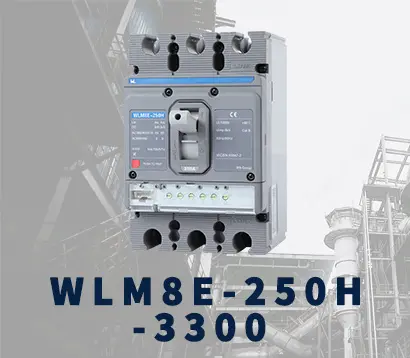 WLM8E-250H-3300
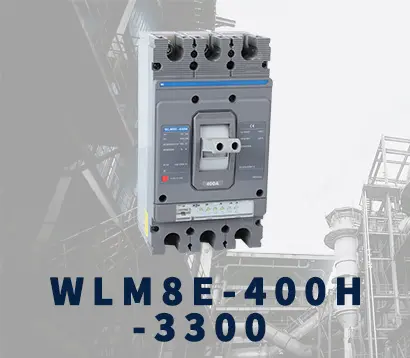 WLM8E-400H-3300
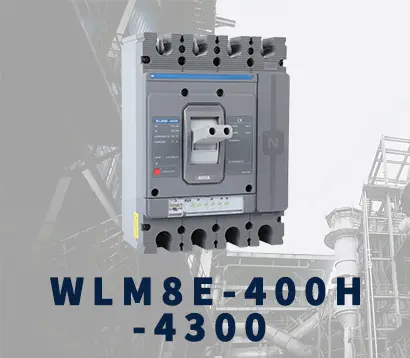 WLM8E-400H-4300
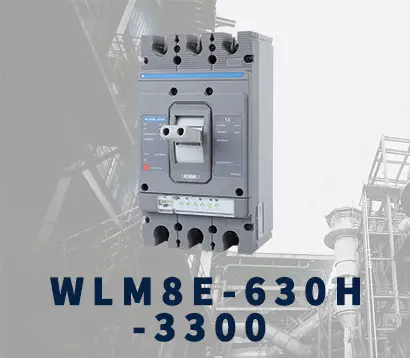 WLM8E-630H-3300
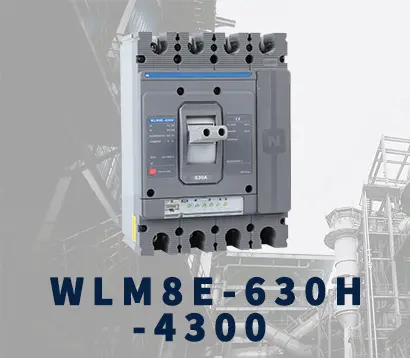 WLM8E-630H-4300
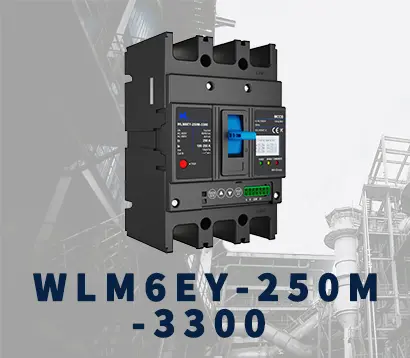 WLM6EY-250-3300 3P/4P
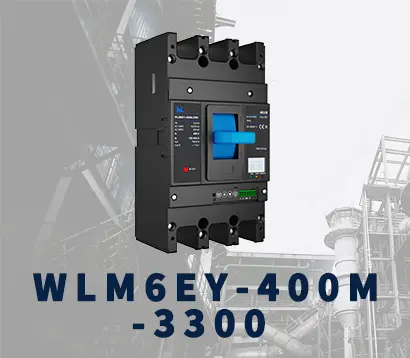 WLM6EY-400 3P/4P
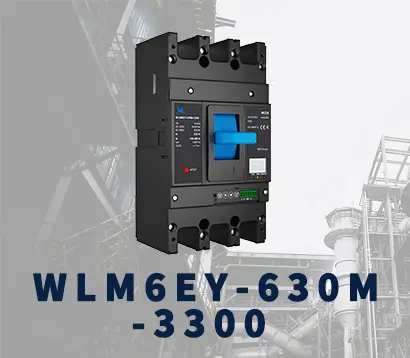 WLM6EY-630 3P/4P
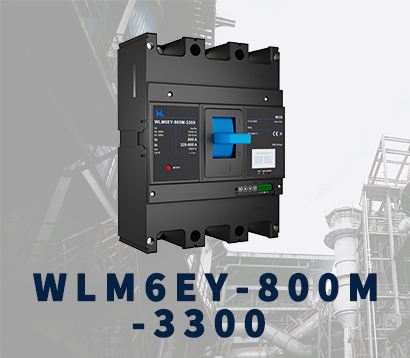 WLM6EY-800A 3P/4P
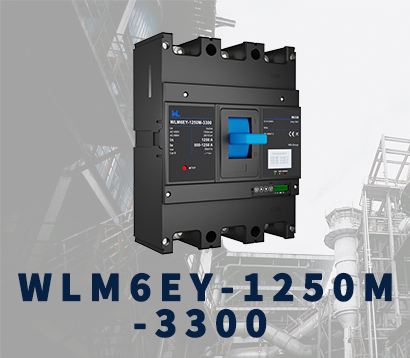 WLM6EY-1250A 3P/4P
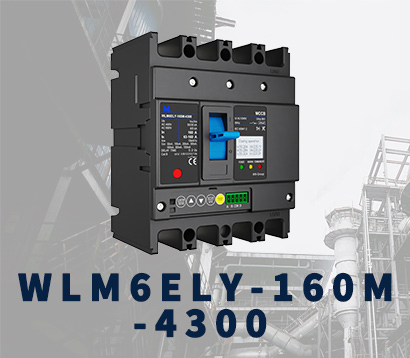 WLM6ELY-160A
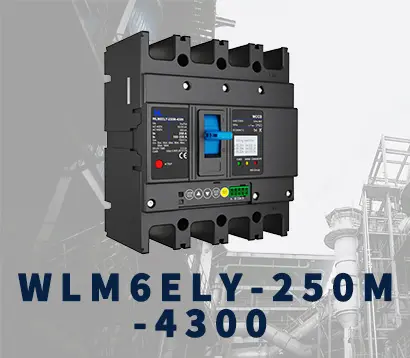 WLM6ELY-250A
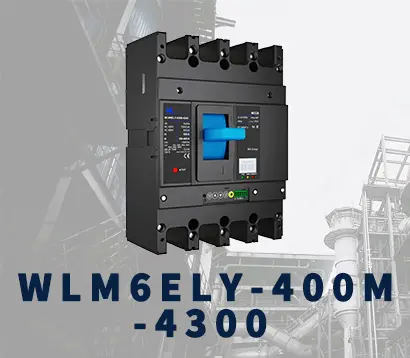 WLM6ELY-400A
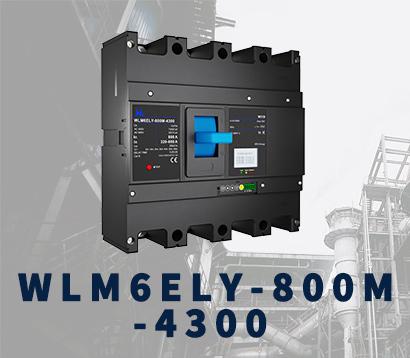 WLM6ELY-800A
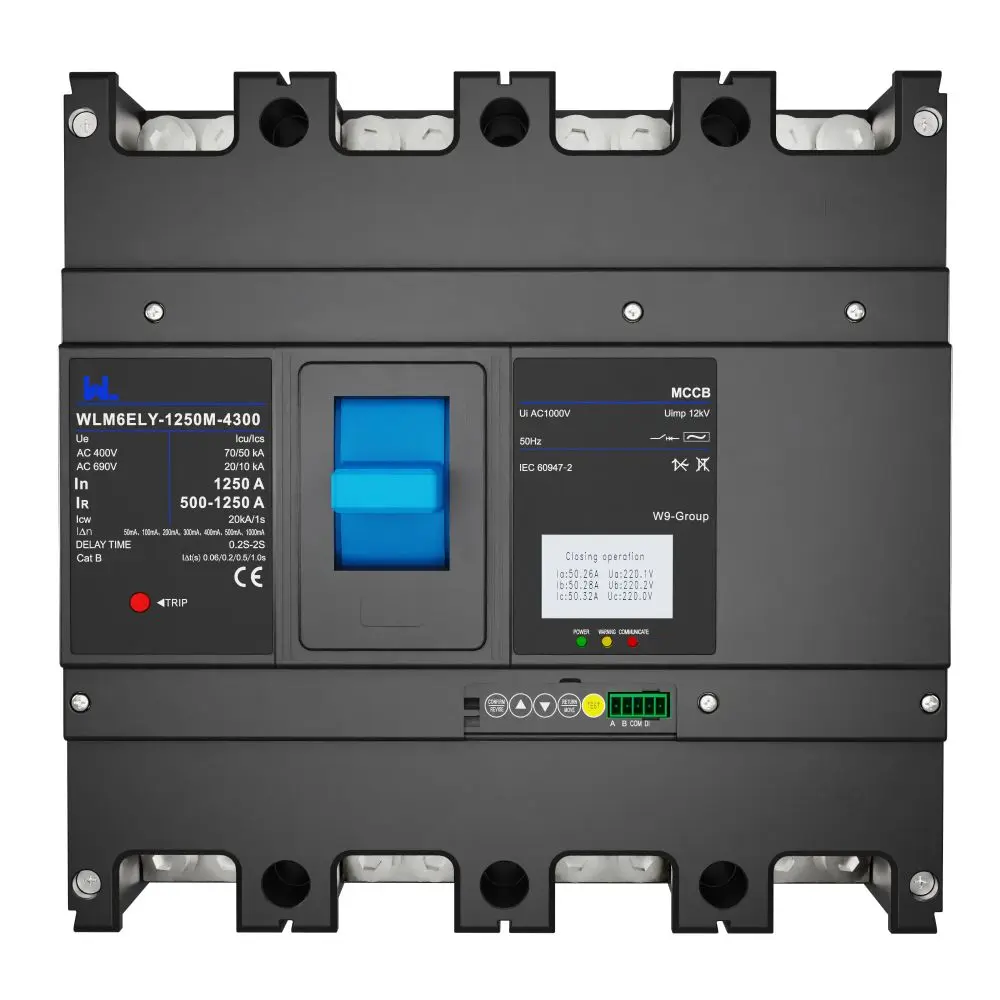 WLM6ELY-1250A
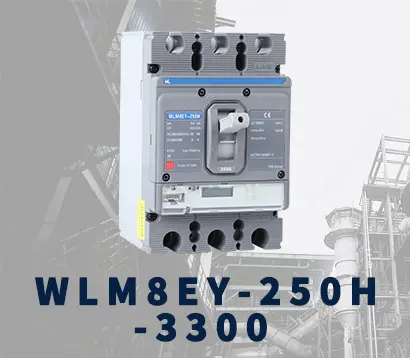 WLM8EY-250H-3300
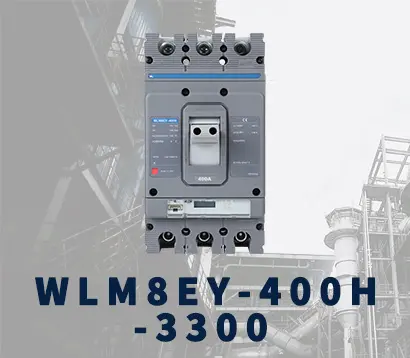 WLM8EY-400H-3300
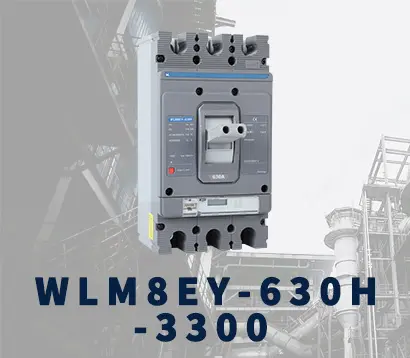 WLM8EY-630H-3300
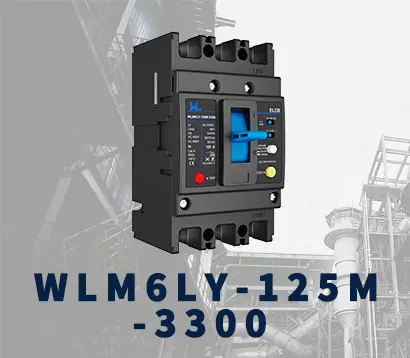 WLM6LY-125A
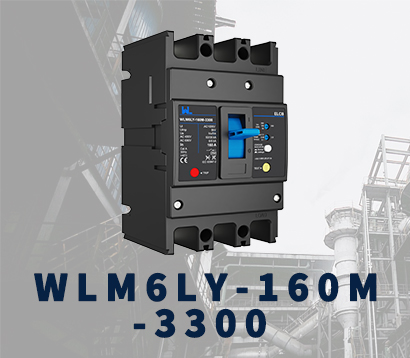 WLM6L-160A
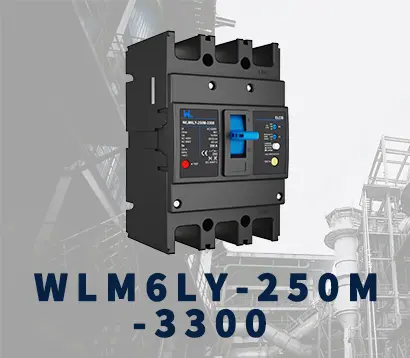 WLM6LY-250A
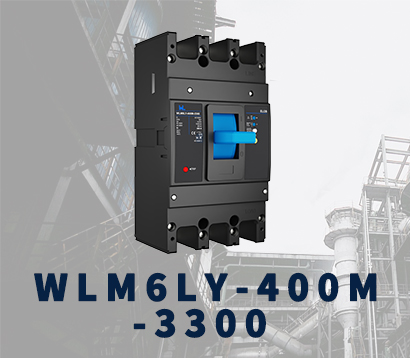 WLM6LY-400A
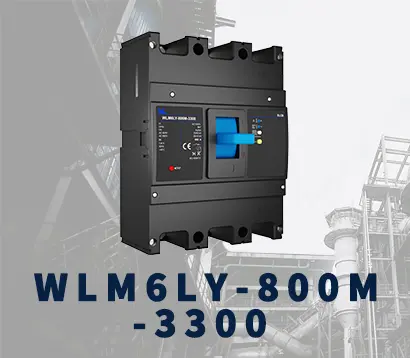 WLM6LY-800A
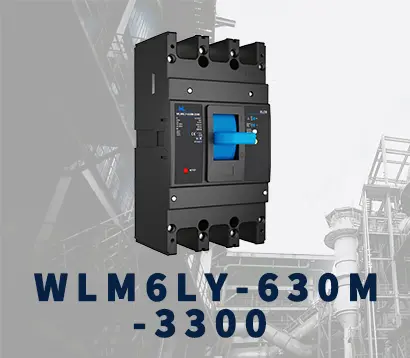 WLM6LY-630A
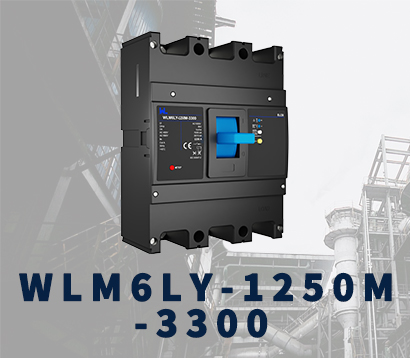 WLM6LY-1250A
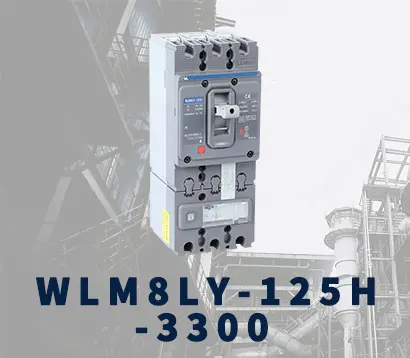 WLM8LY-125H-3300
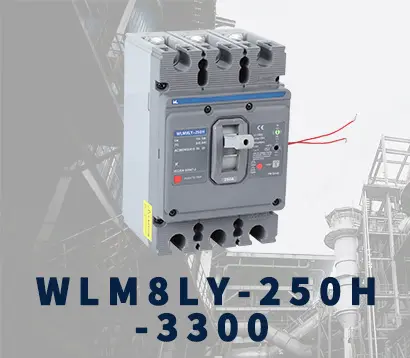 WLM8LY-250H-3300
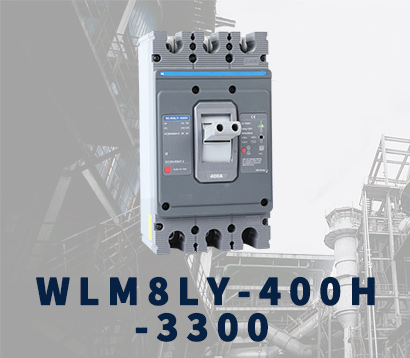 WLM8LY-400H-3300
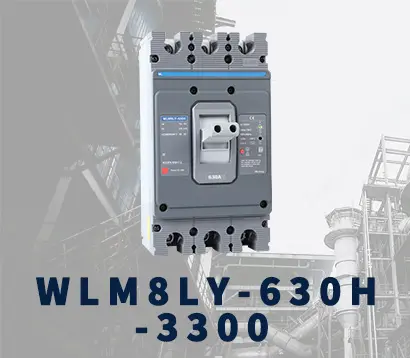 WLM8LY-630H-3300
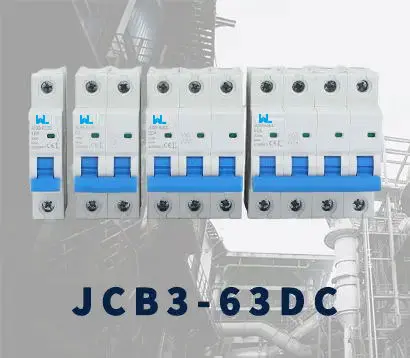 JCB3-63DC
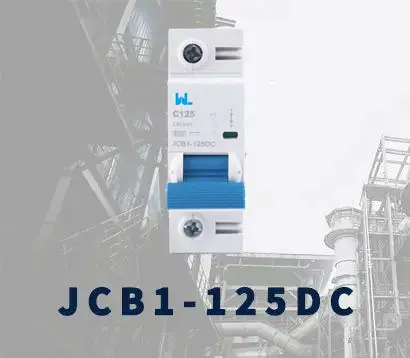 JCB1-125DC
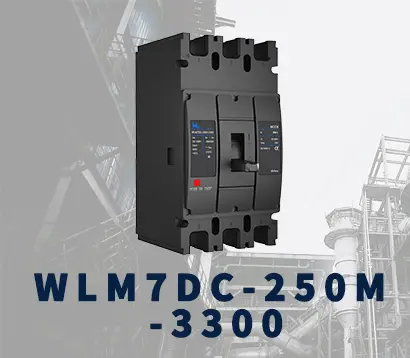 WLM7DC-250A-2300 2P/3P
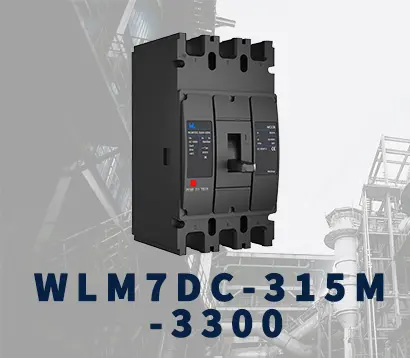 WLM7DC-315A-3300 2P/3P
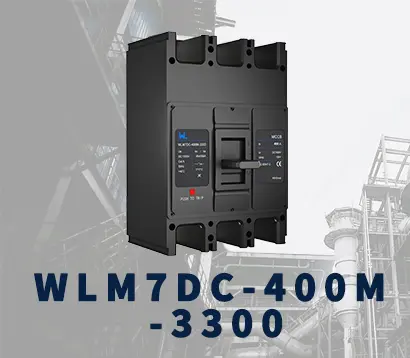 WLM7DC-400A-2300 2P/3P
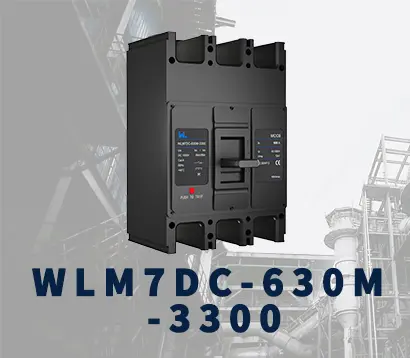 WLM7DC-630A-3300 3P
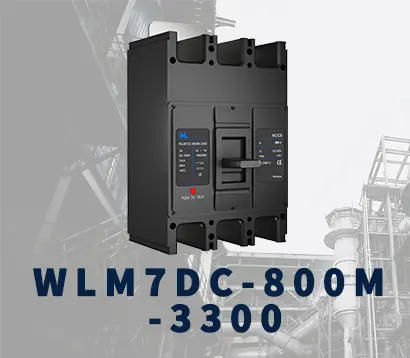 WLM7DC-800A-2300 2P/3P
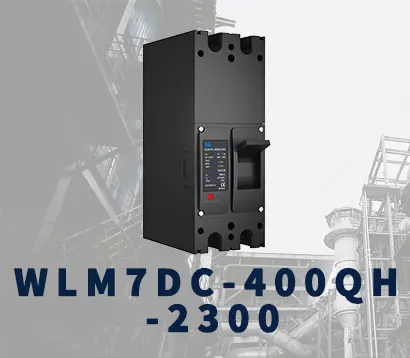 WLM7DC-400A 2300
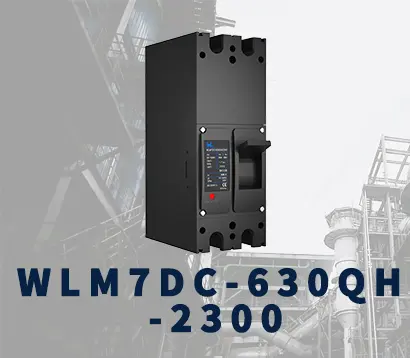 WLM7DC-630A-2300 2P
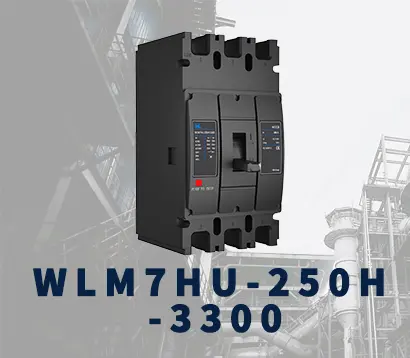 WLM7HU-250-3300 3P
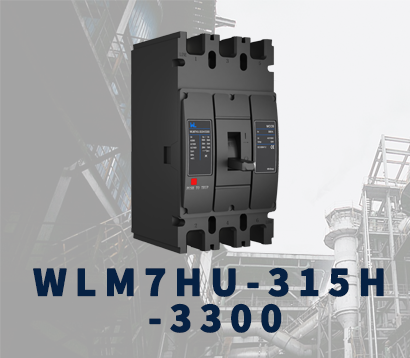 WLM7HU-315-3300 3P
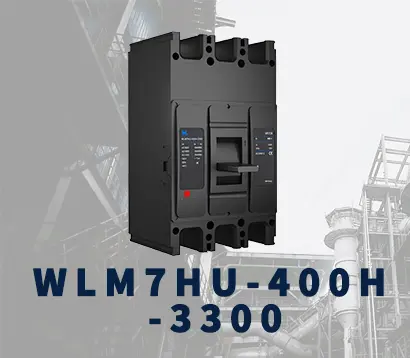 WLM7HU-400-3300 3P
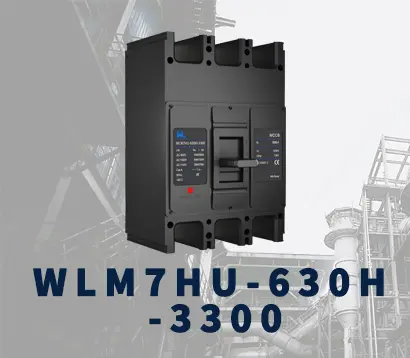 WLM7HU-630-3300 3P
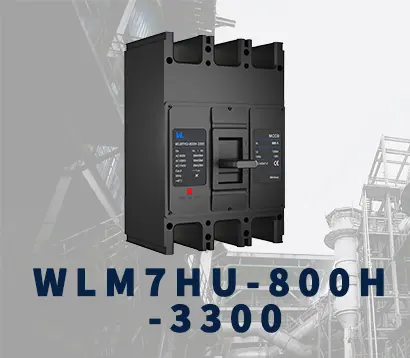 WLM7HU-800-3300 3P
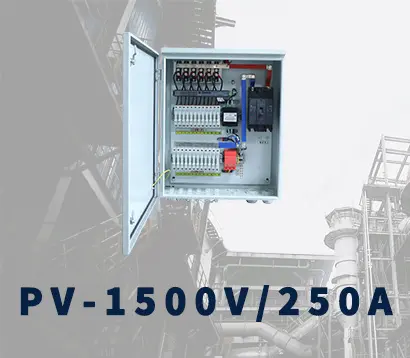 PV-1500V/250A
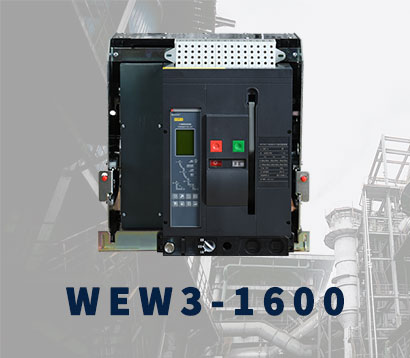 WEW3-1600
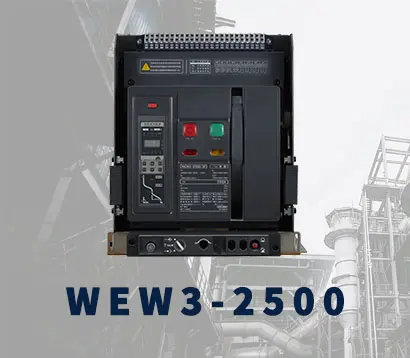 WEW3-2500
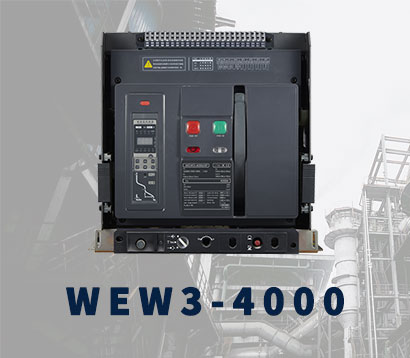 WEW3-4000
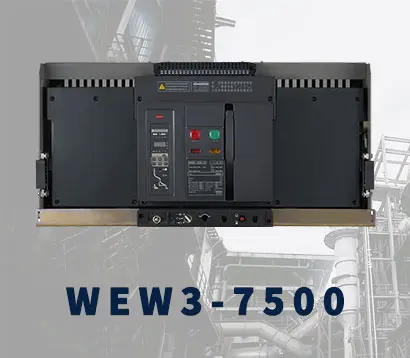 WEW3-7500






What Are the Top ACB Breaker Types in 2026?
Selecting an Acb Breaker in 2026 means matching protection to the installation, not simply choosing the largest frame. The International Energy Agency’s Electricity 2024 report forecasts global electricity demand growth averaging 3.4% annually from 2024 through 2026. That trend puts more attention on dependable low-voltage distribution in factories, commercial buildings, and data centers. The report does not measure ACB sales, so it should be treated as market context, not proof of which breaker type leads.
The comparison ahead focuses on practical categories: fixed and draw-out designs, electronic-trip models, and breakers with monitoring or communication features. Fixed units suit installations where space and straightforward servicing matter. Draw-out units can be withdrawn for inspection, which may simplify maintenance in critical switchboards. Electronic trip systems offer adjustable protection settings, but they still require correct coordination and commissioning. IEC 60947-2:2024 provides the international product requirements for low-voltage circuit-breakers; buyers should check that a model’s ratings and test documentation suit the intended application. The stakes are practical. A premium feature is not automatically a better fit. One caution: “top” varies by fault level, operating conditions, maintenance capacity, and project budget. This guide compares those trade-offs without pretending one type wins every installation.
Main Classification Systems for ACB Breakers in 2026
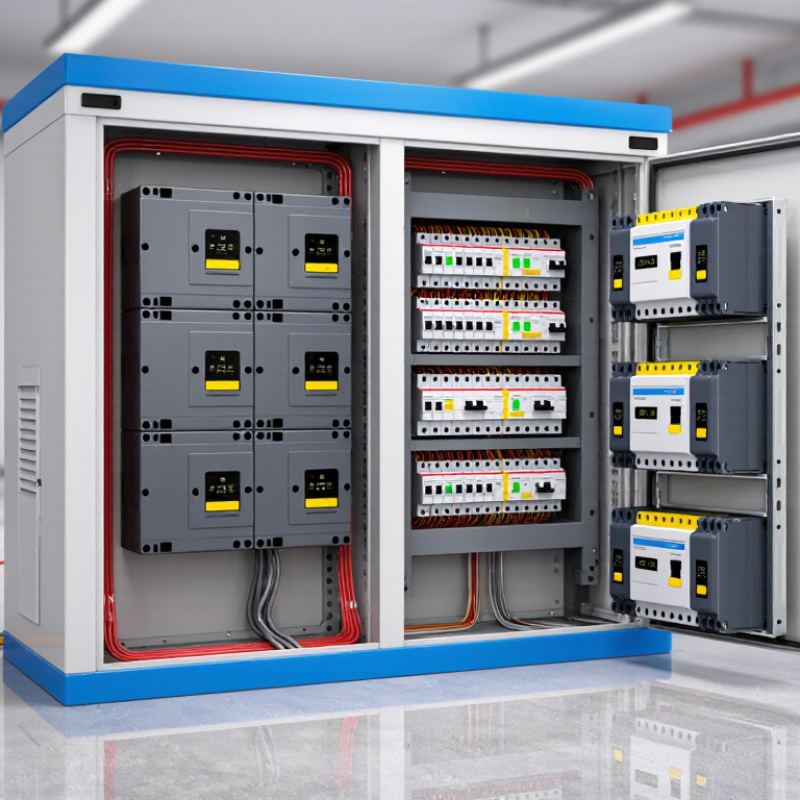
Air circuit breakers are classified in several ways, and these systems describe different features rather than competing product categories. A cabinet label may list mounting style, pole count, and trip-unit functions together. That is normal.
One practical classification is installation type: fixed or draw-out. A fixed ACB stays bolted in place, while a draw-out unit can be withdrawn from its cradle for inspection or replacement. Draw-out designs are common where service access matters. They still require correct isolation procedures. Another system counts poles, commonly three-pole or four-pole, depending on the circuit and neutral arrangement. Pole count should match the electrical design, not just the panel space.
ACBs are also grouped by rated current, short-circuit breaking capacity, and protection functions. The trip unit may provide overcurrent, short-circuit, and ground-fault protection, depending on its configuration. Check the actual ratings and settings. A high current rating alone does not prove that a breaker suits a particular installation. In practice, these categories can overlap, and catalog descriptions are not always easy to compare. I would verify the nameplate, coordination study, and equipment documentation before selection; even careful checks can miss a detail.
Related Posts
-
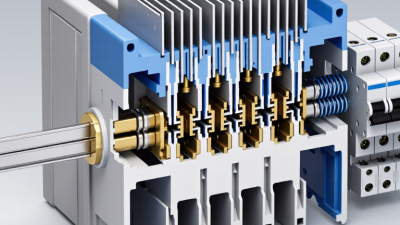
What Is an Air Circuit Breaker and How Does It Work?
-
7 Air Breaker Circuit Breaker Buying Tips
-
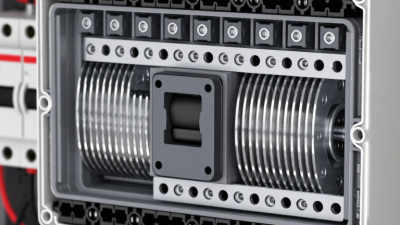
What Is a China Air Circuit Breaker and How Does It Work?
-
7 Tips for Choosing the Right ACB Breaker?
-
How to Choose a Top Air Circuit Breaker Factory in 2026?
-

Evaluating Air Circuit Breakers: Key Differences Between Leading Brands in 2023