
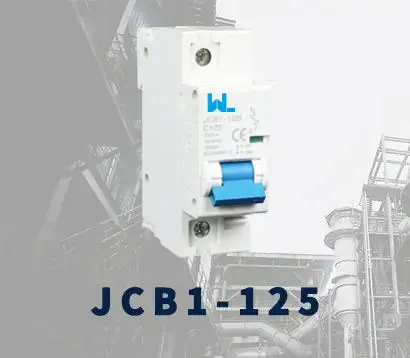
 JCB1-125
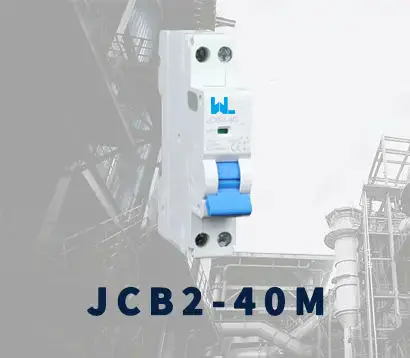 JCB2-40M
 JCB3-63DC
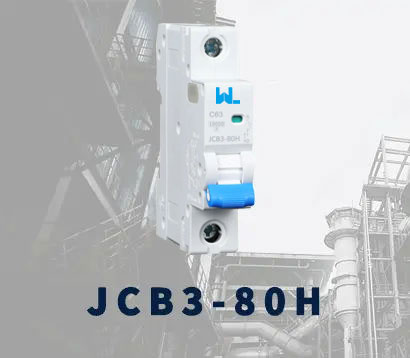 JCB3-80H
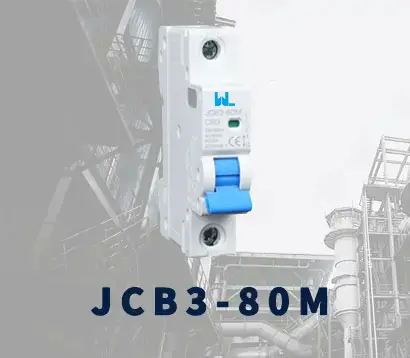 JCB3-80M
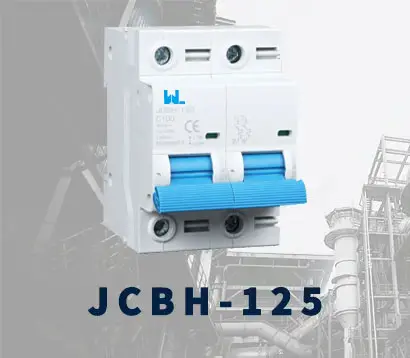 JCBH-125
 JC80-2P
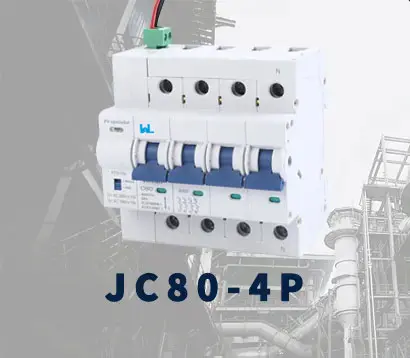 JC80-4P
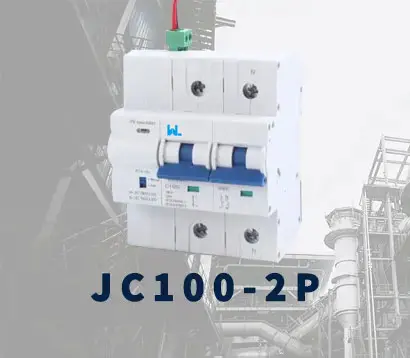 JC125-2P
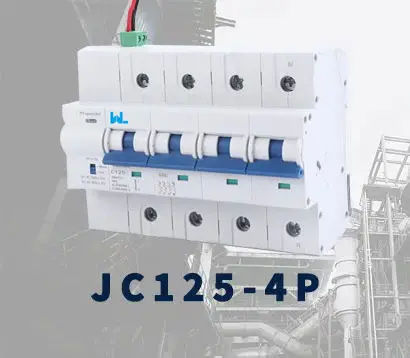 JC125-4P
 JCMX
JCMX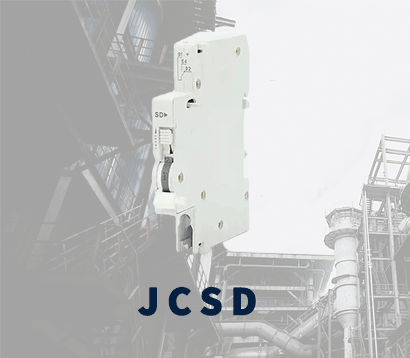 JCSD
JCSD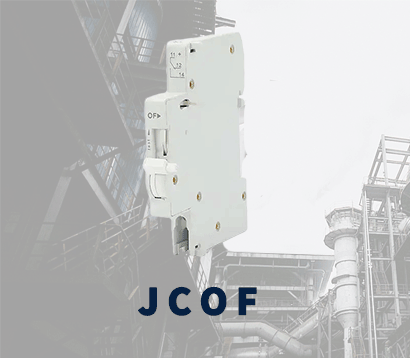 JCOF
JCOF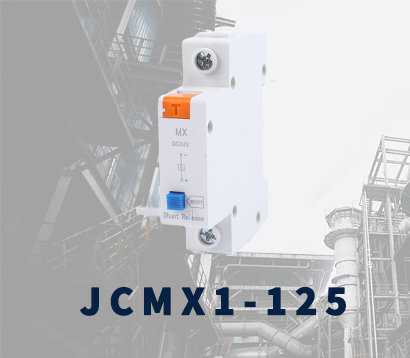 JCMX1-125
 JCOF1-125
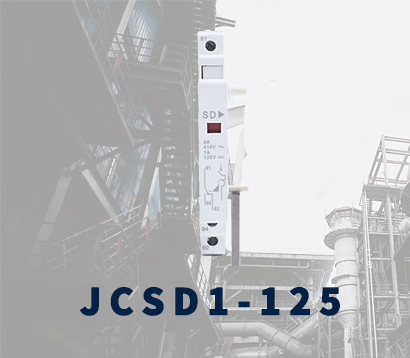 JCSD1-125
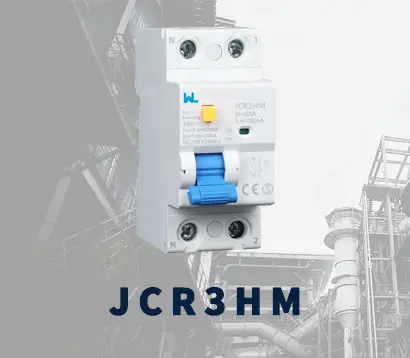 JCR3HM
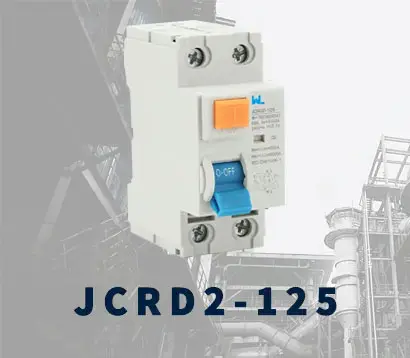 JCRD2-125
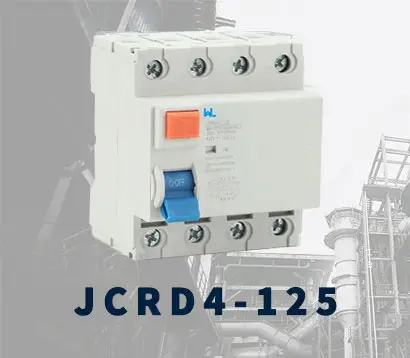 JCRD4-125
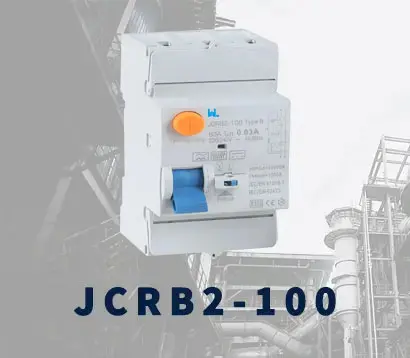 JCRB2-100
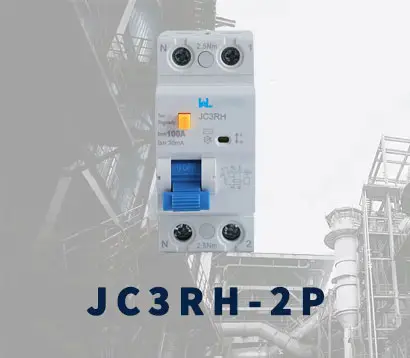 JC3RH-2P
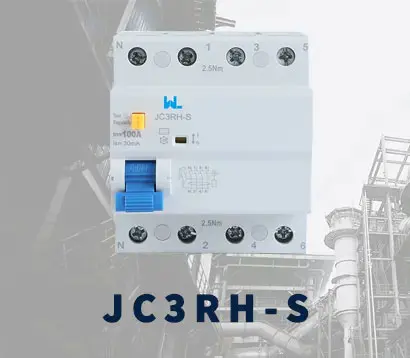 JC3RH-S
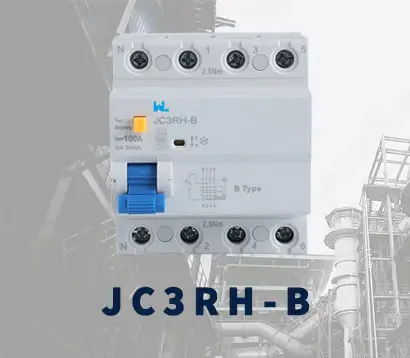 JC3RH-B
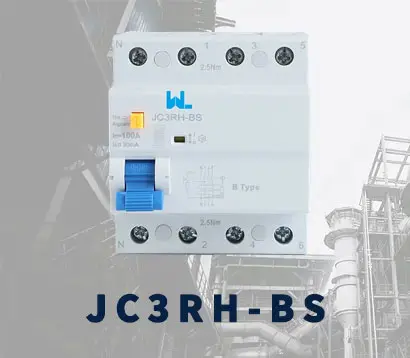 JC3RH-BS
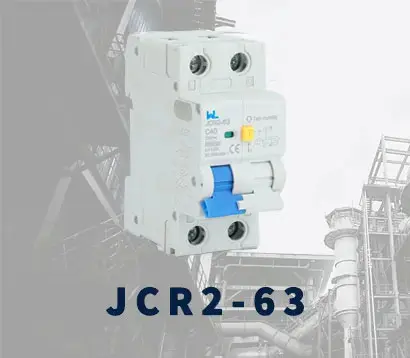 JCR2-63
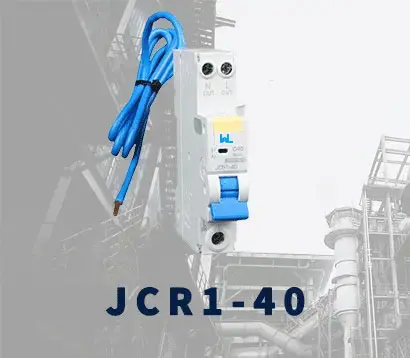 JCR1-40
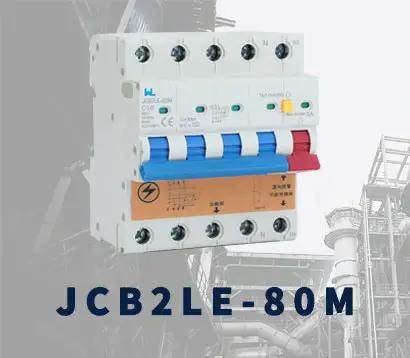 JCB2LE-80M
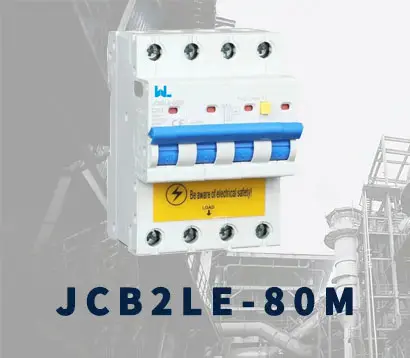 JCB2LE-80M
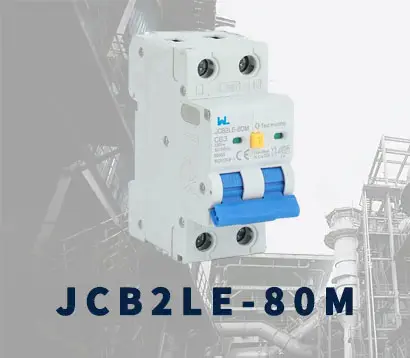 JCB2LE-80M
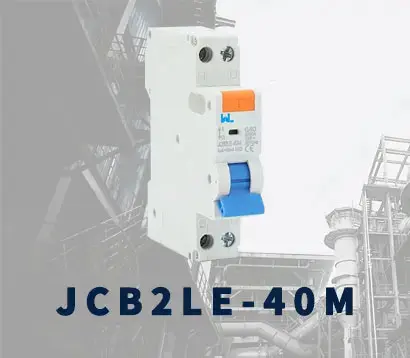 JCB2LE-40M
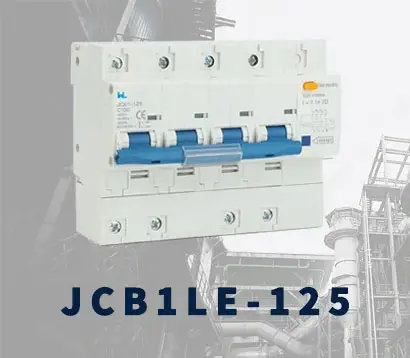 JCB1LE-125
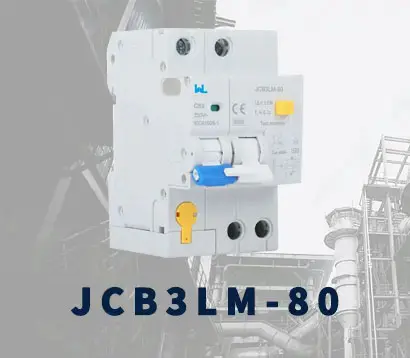 JCB3LM-80
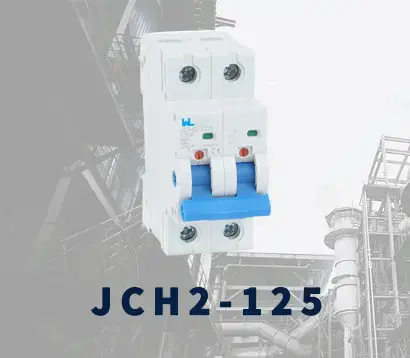 JCH2-125
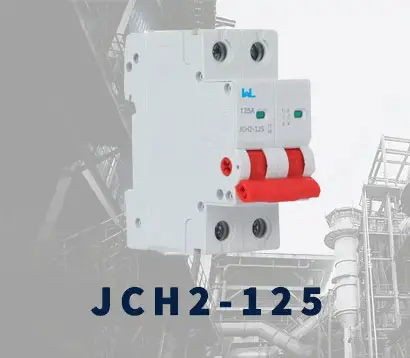 JCH2-125
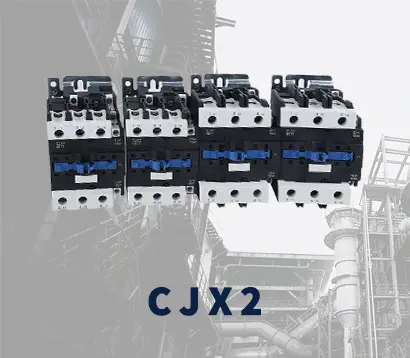 CJX2
CJX2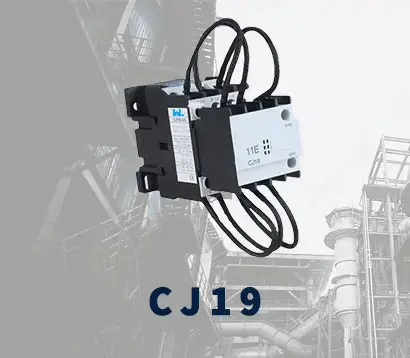 CJ19
CJ19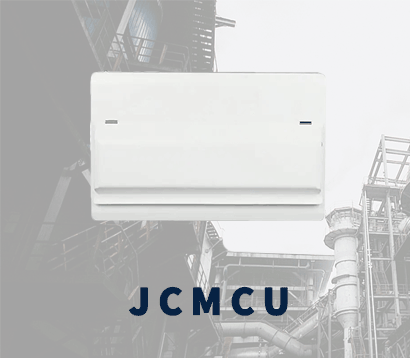 JCMCU
JCMCU JCHA
JCHA JCSD-40
 JCSD-60
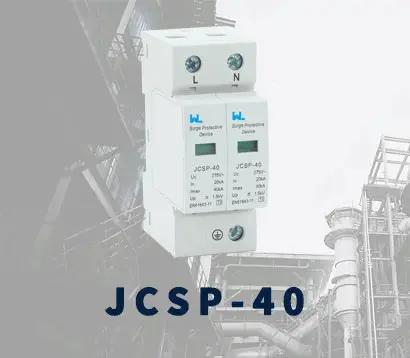 JCSP-40
 JCSP-60
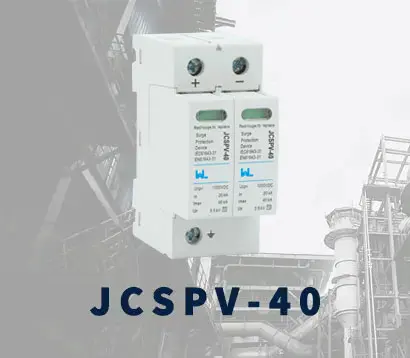 JCSPV
JCSPV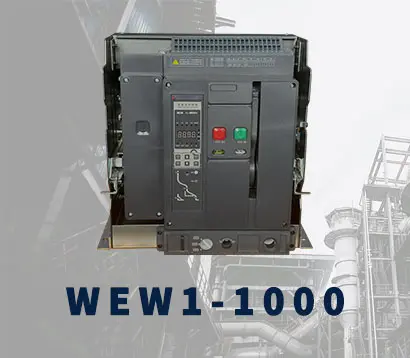 WEW1-1000
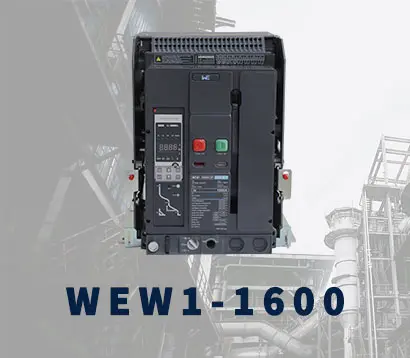 WEW1-1600
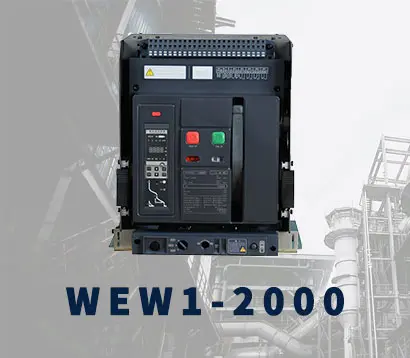 WEW1-2000
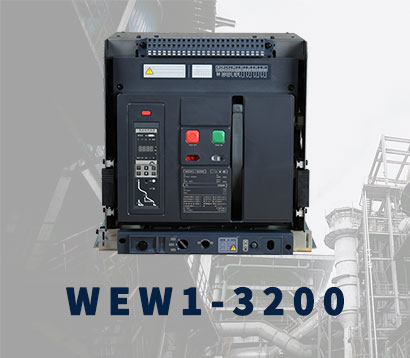 WEW1-3200
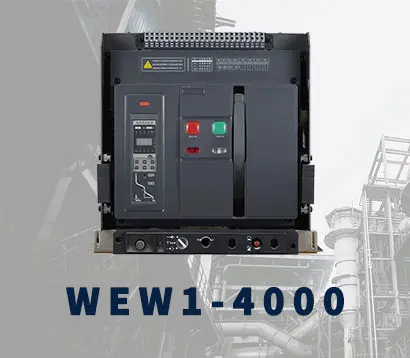 WEW1-4000
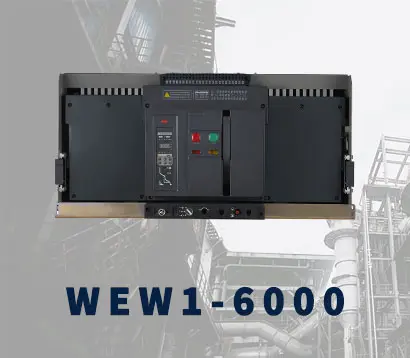 WEW1-6300
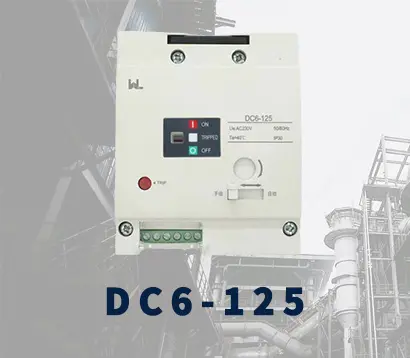 DC6-125
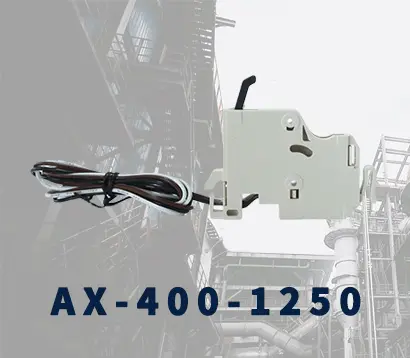 AX-400-1250
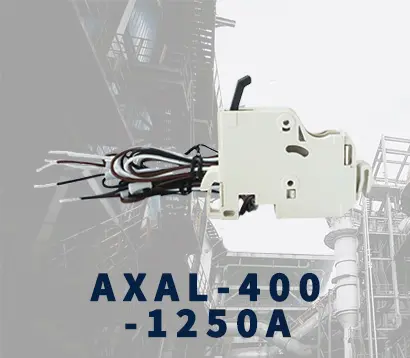 AXAL-400-1250A
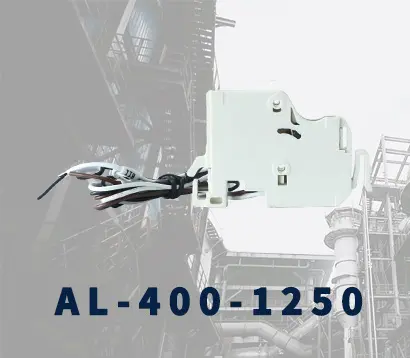 AL-400-1250
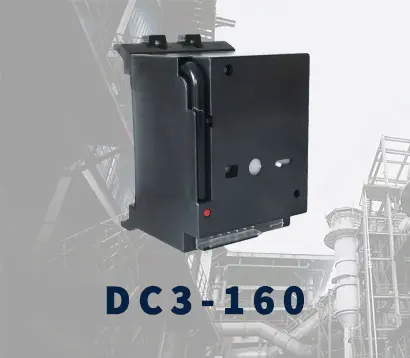 DC3-160
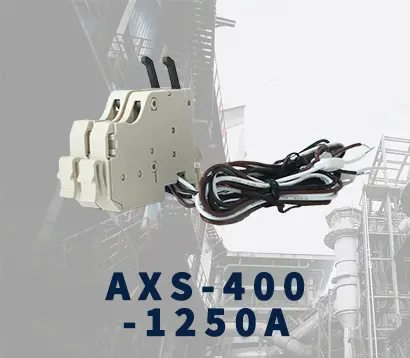 AXS-400-1250A
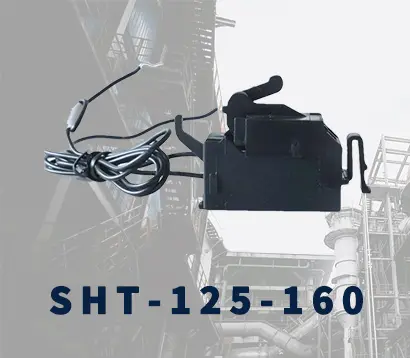 SHT-125-160
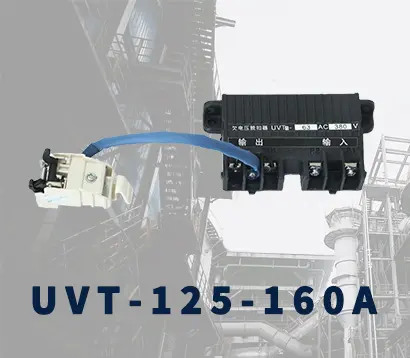 UVT-125-160A
 P-250A-3P-A
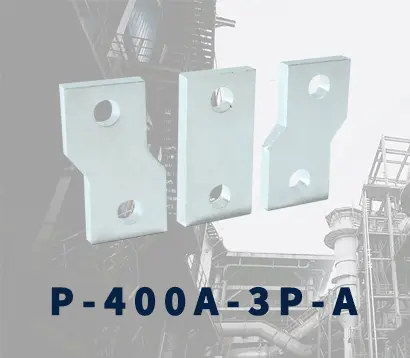 400-3P/4P terminal cover
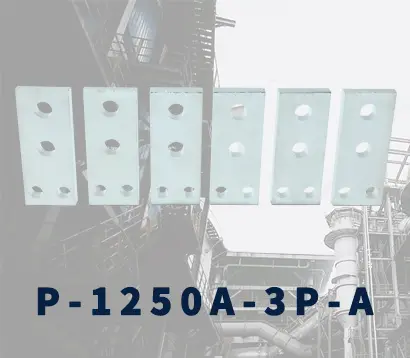 1250-3Pmccb accessories busbar
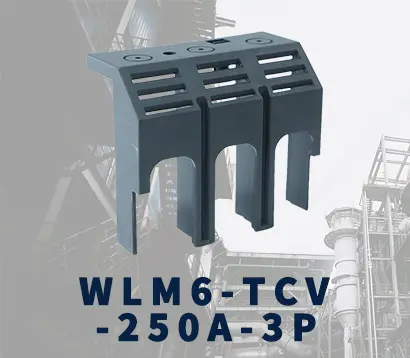 250-3P terminal conver
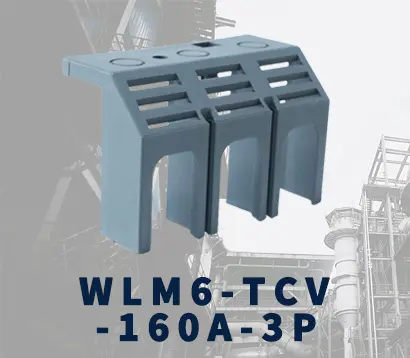 WLM6-TCV-160A-3P
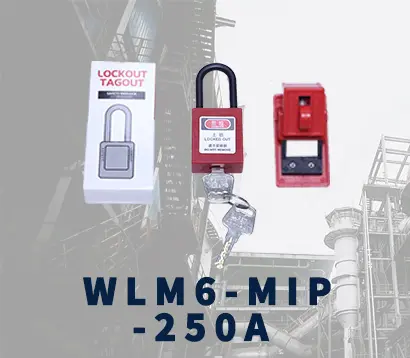 WLM6-MIP-250A
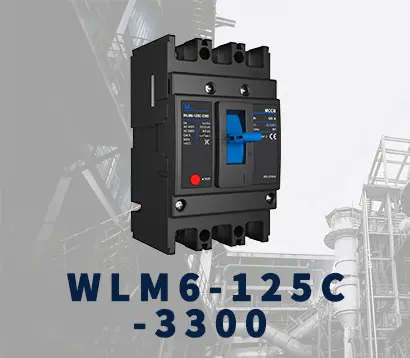 WLM6-125A-3300 3P/4P
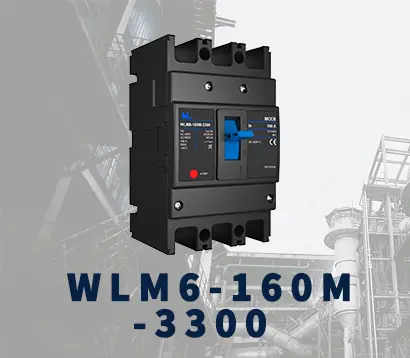 WLM6-160A-3300 3P/4P
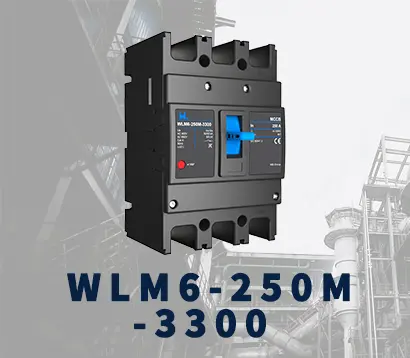 WLM6-250A-3300 3P/4P
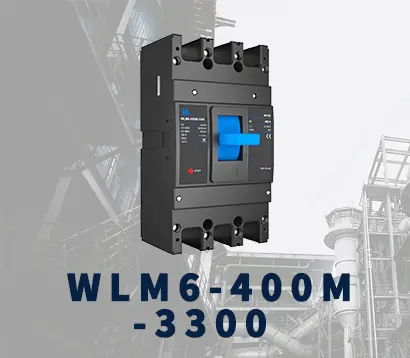 WLM6-400A-3300 3P/4P
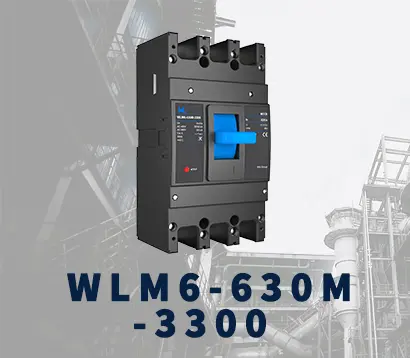 WLM6-630A-3300 3P/4P
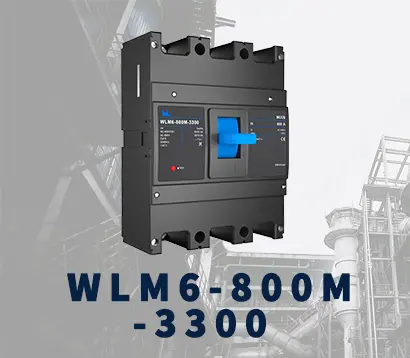 WLM6-800A-3300 3P/4P
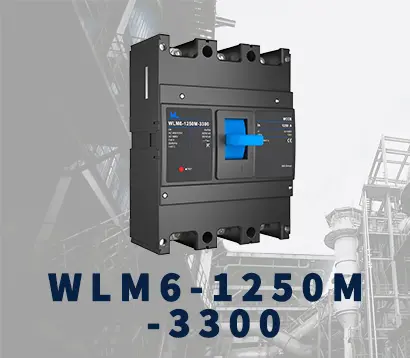 WLM6-1250A-3300 3P/4P
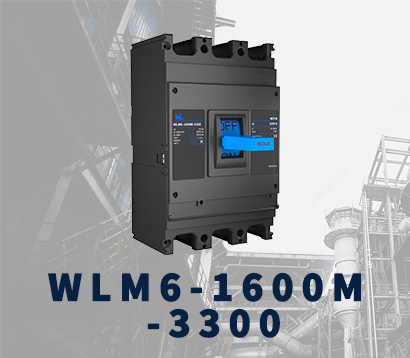 WLM6-1600A-3300 3P/4P
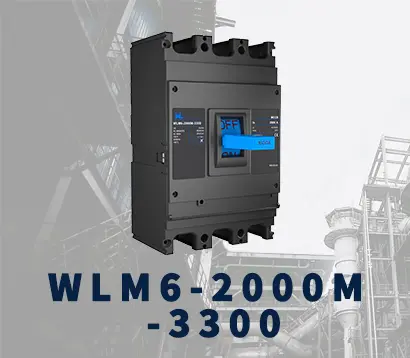 WLM6-2000A 3P/4P
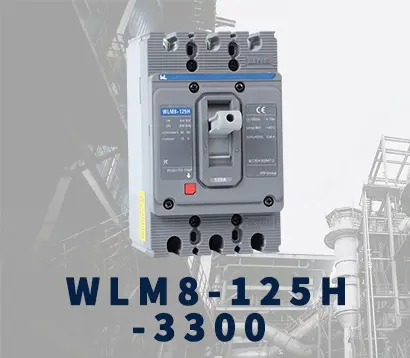 WLM8-125H-3300
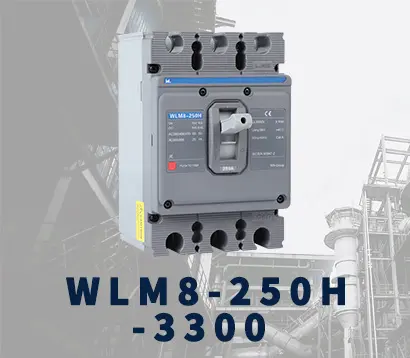 WLM8-250H-3300
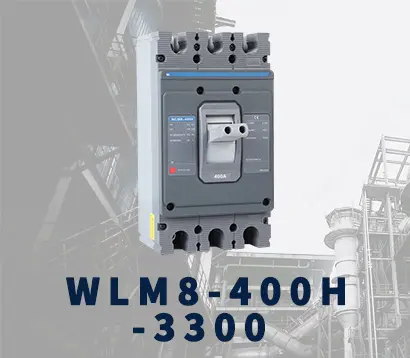 WLM8-400H-3300
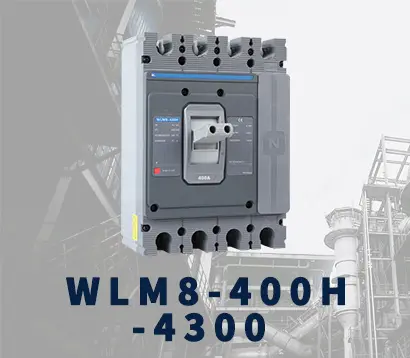 WLM8-400H-4300
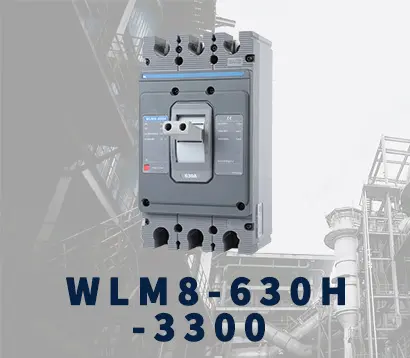 WLM8-630H-3300
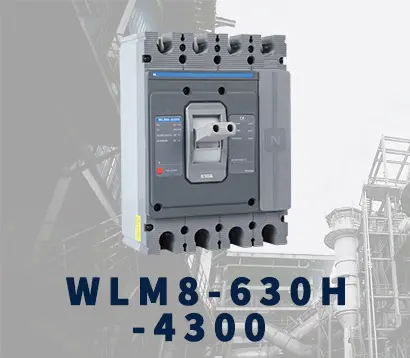 WLM8-630H-4300
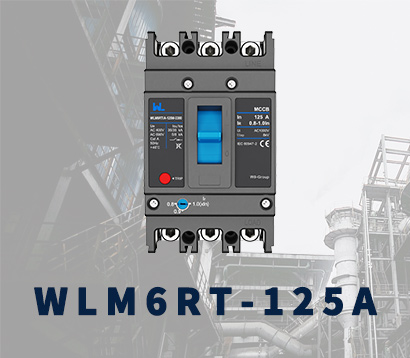 WLM6RT-125A
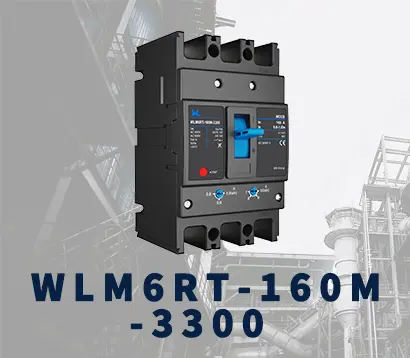 WLM6RT-160A
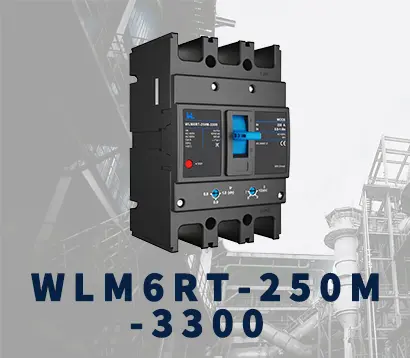 WLM6RT-250A
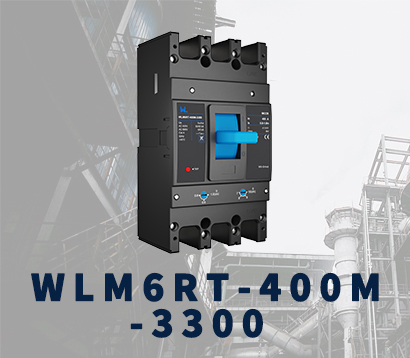 WLM6RT-400A
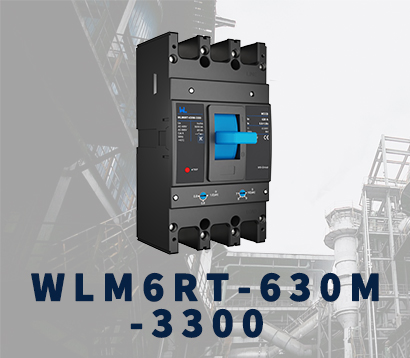 WLM6RT-630A
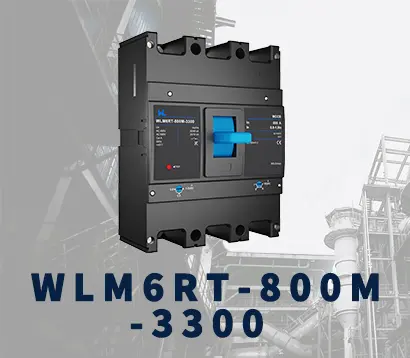 WLM6RT-800A
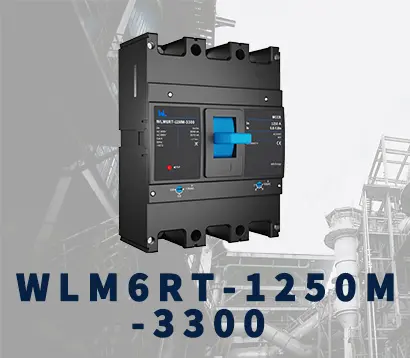 WLM6RT-1250A
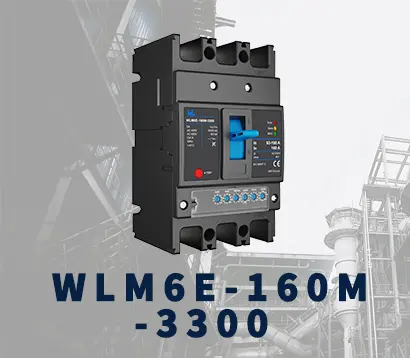 WLM6E-160A-3300 3P
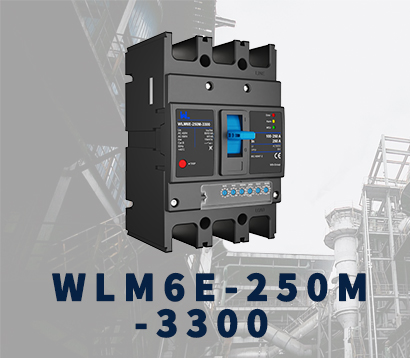 WLM6E-250A-3300
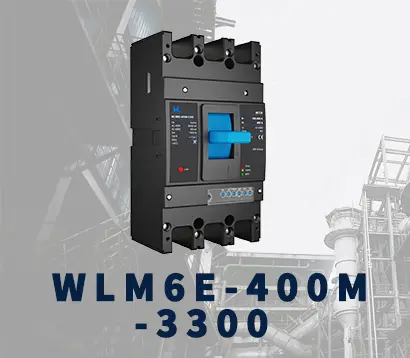 WLM6E-400A-3300 3P/4P
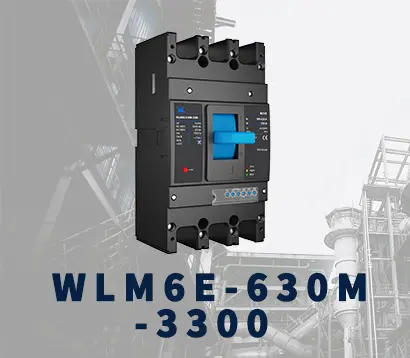 WLM6E-630A-3300
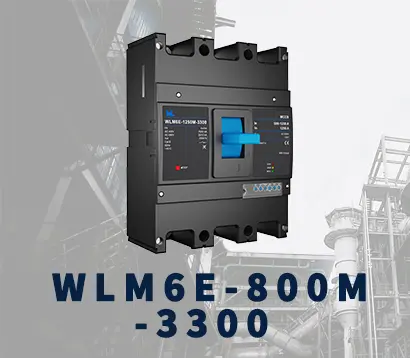 WLM6E-800A-3300 3P/4P
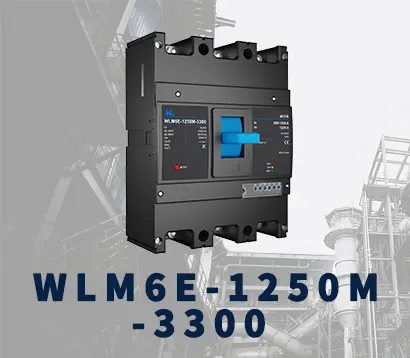 WLM6E-1250A-3300
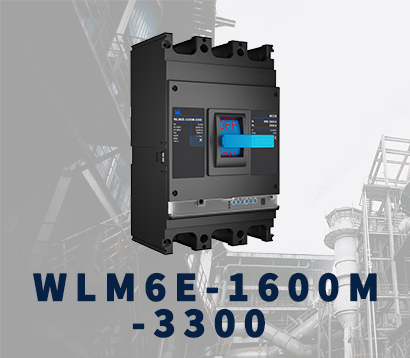 WLM6E-1600-3300 3P/4P
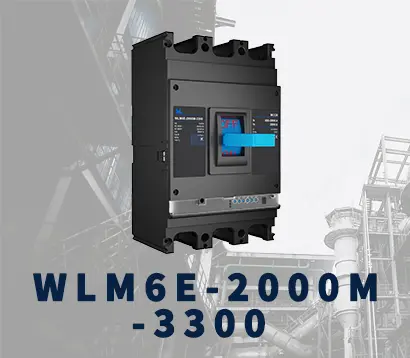 WLM6E-2000A-3300 3P/4P
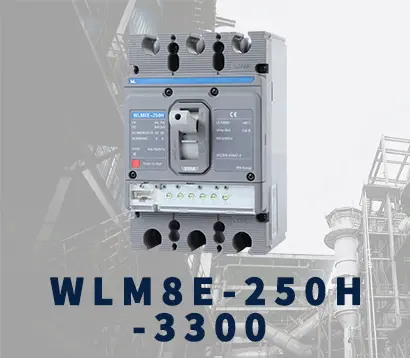 WLM8E-250H-3300
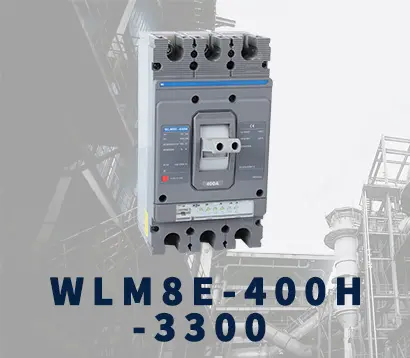 WLM8E-400H-3300
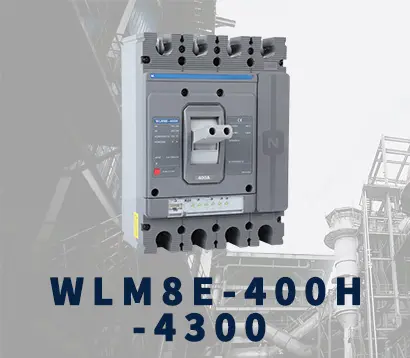 WLM8E-400H-4300
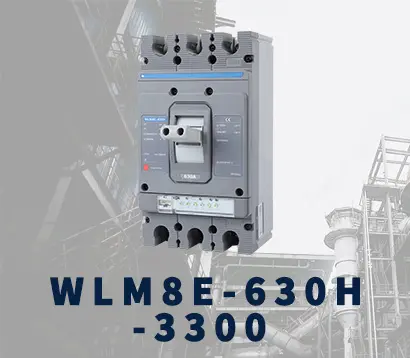 WLM8E-630H-3300
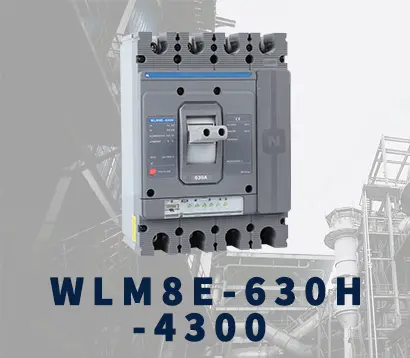 WLM8E-630H-4300
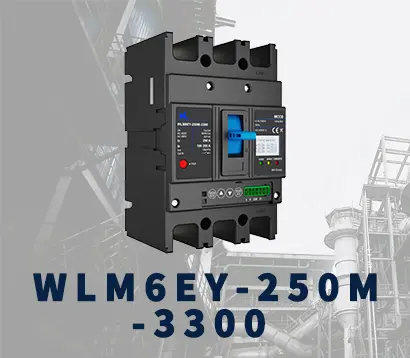 WLM6EY-250-3300 3P/4P
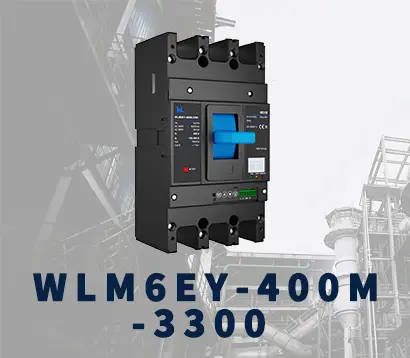 WLM6EY-400 3P/4P
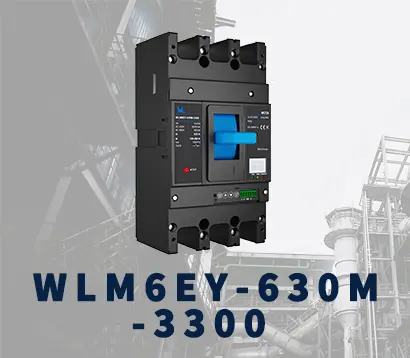 WLM6EY-630 3P/4P
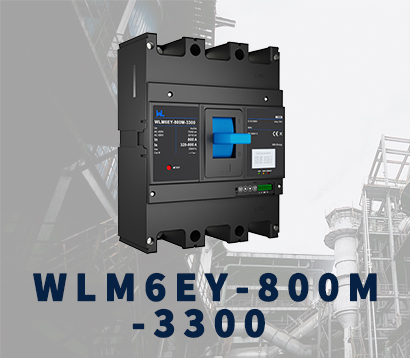 WLM6EY-800A 3P/4P
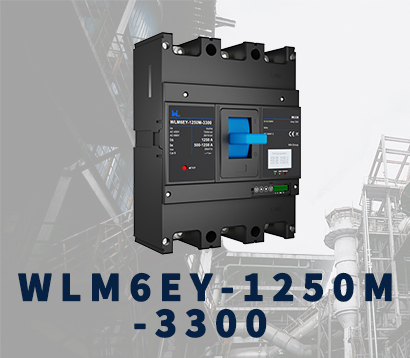 WLM6EY-1250A 3P/4P
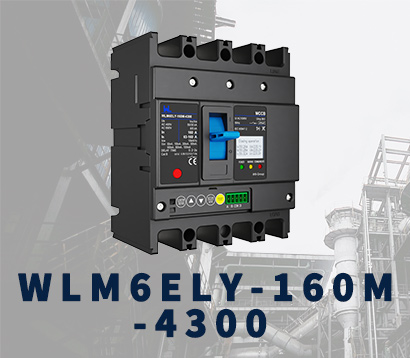 WLM6ELY-160A
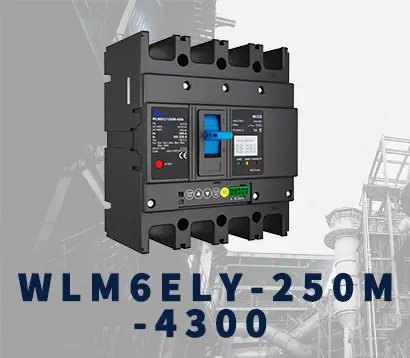 WLM6ELY-250A
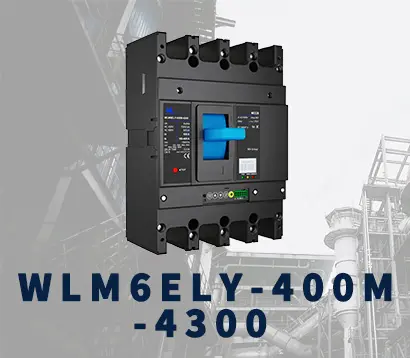 WLM6ELY-400A
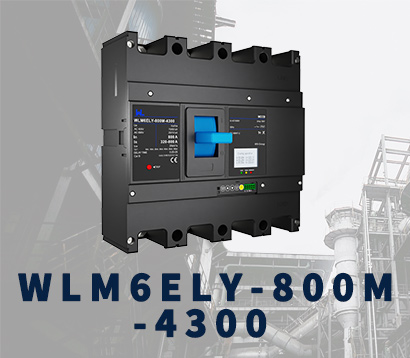 WLM6ELY-800A
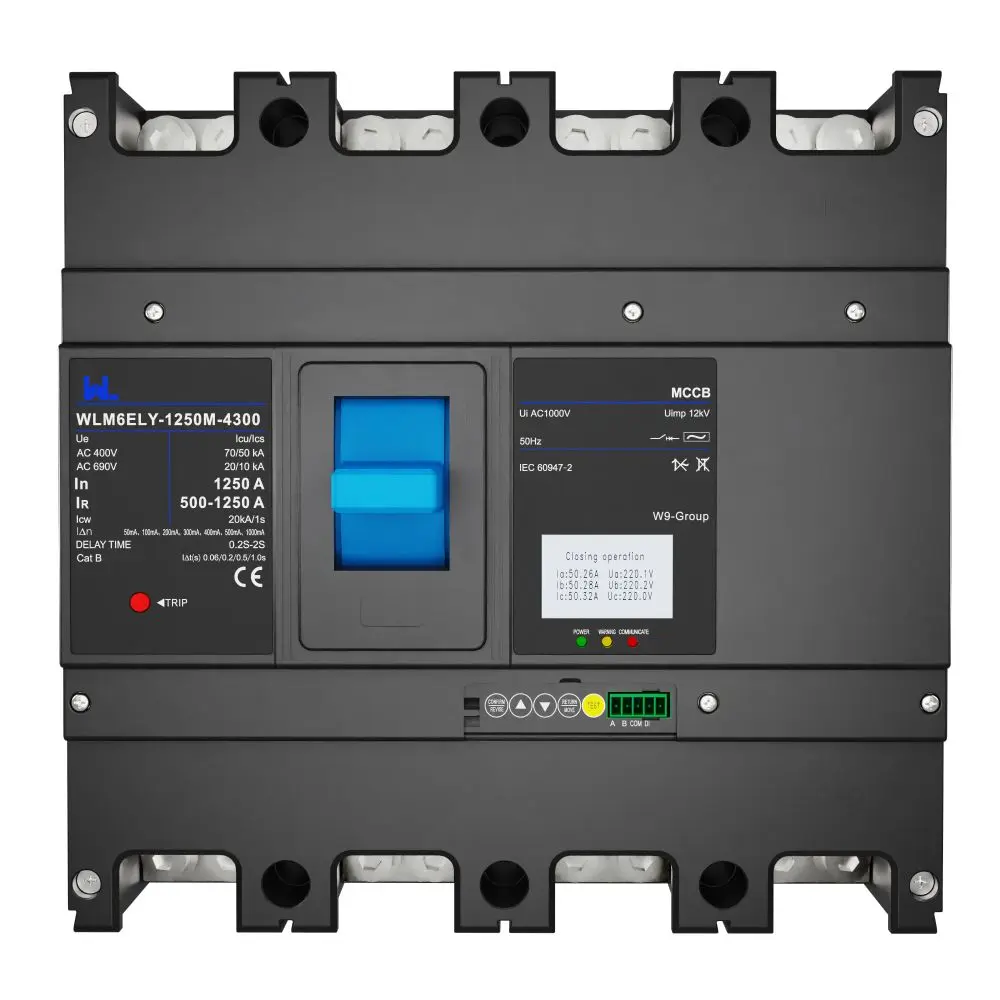 WLM6ELY-1250A
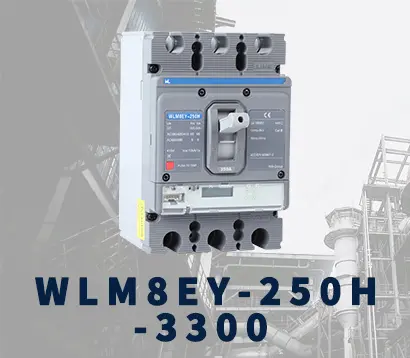 WLM8EY-250H-3300
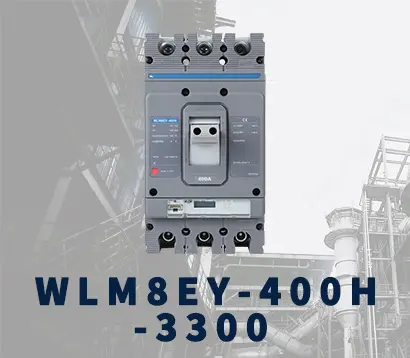 WLM8EY-400H-3300
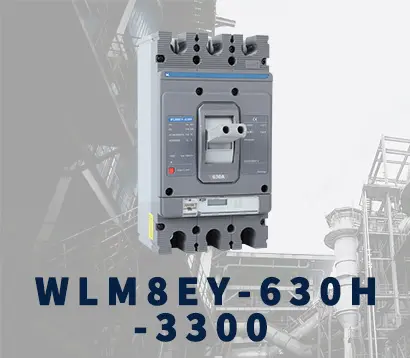 WLM8EY-630H-3300
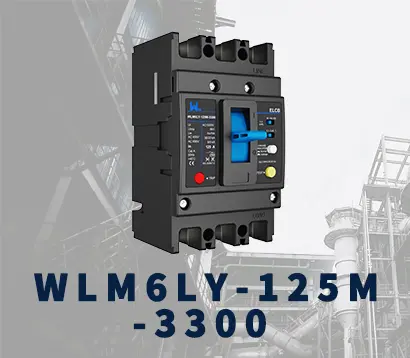 WLM6LY-125A
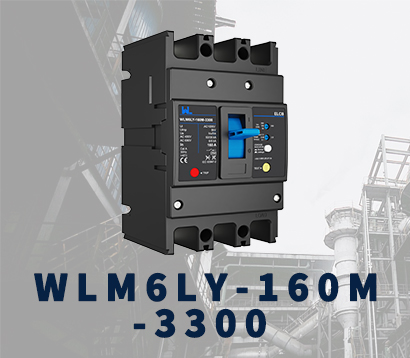 WLM6L-160A
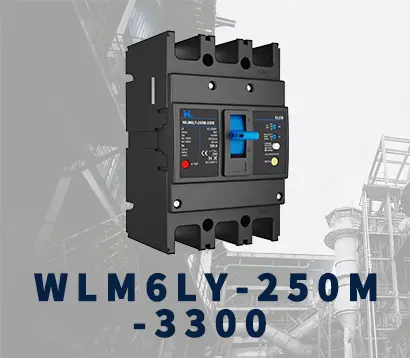 WLM6LY-250A
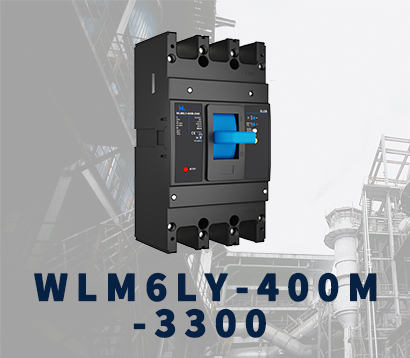 WLM6LY-400A
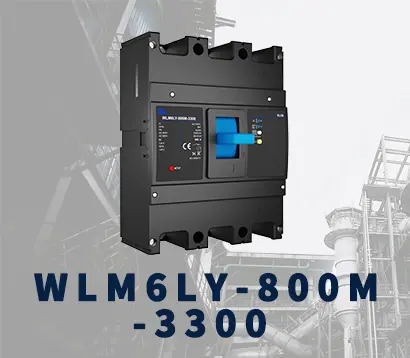 WLM6LY-800A
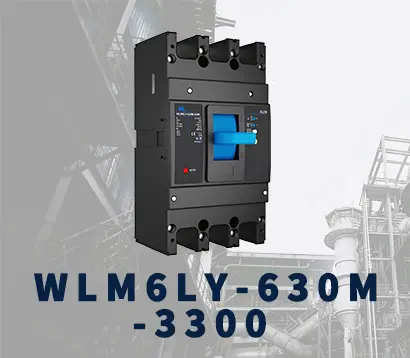 WLM6LY-630A
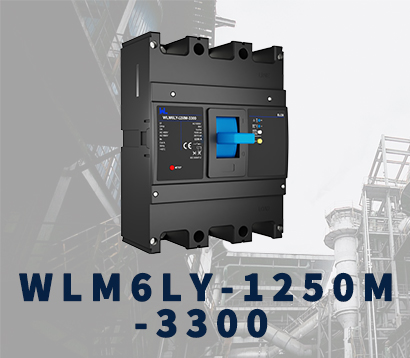 WLM6LY-1250A
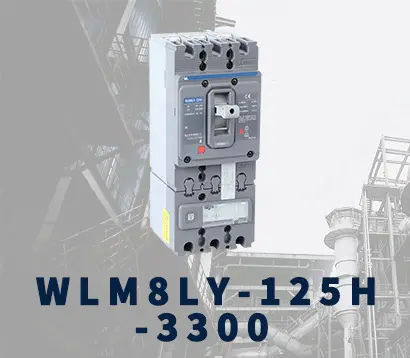 WLM8LY-125H-3300
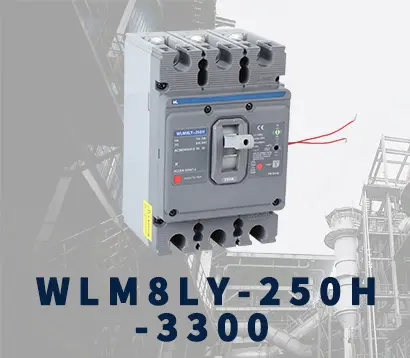 WLM8LY-250H-3300
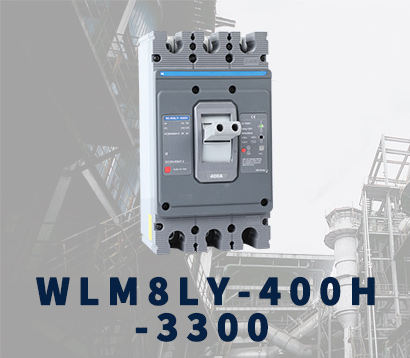 WLM8LY-400H-3300
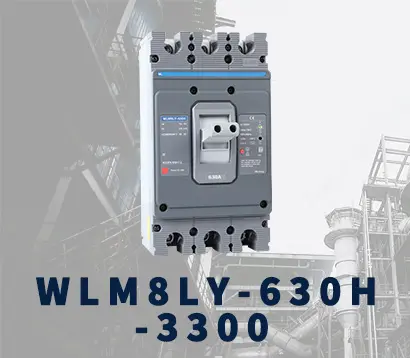 WLM8LY-630H-3300
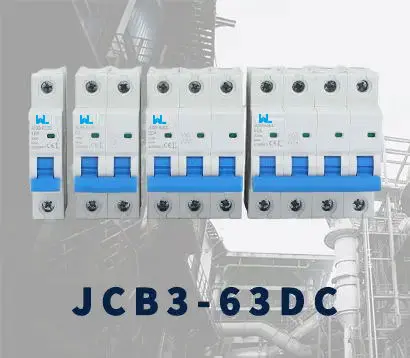 JCB3-63DC
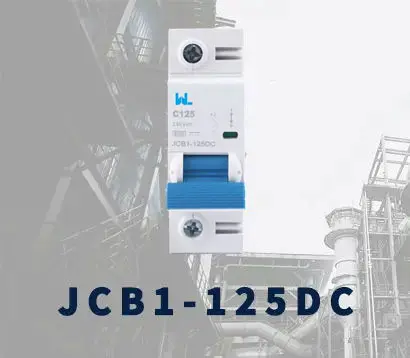 JCB1-125DC
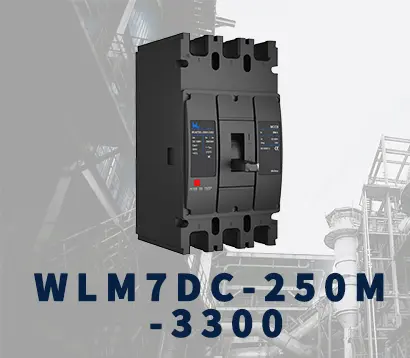 WLM7DC-250A-2300 2P/3P
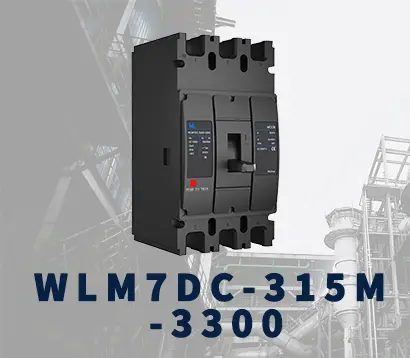 WLM7DC-315A-3300 2P/3P
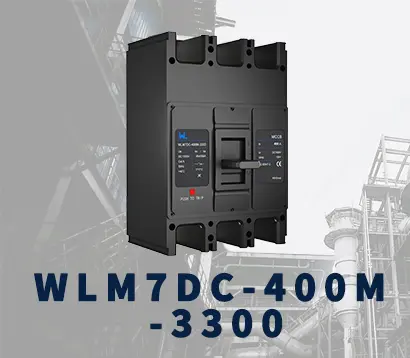 WLM7DC-400A-2300 2P/3P
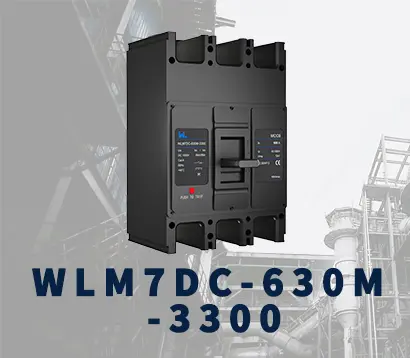 WLM7DC-630A-3300 3P
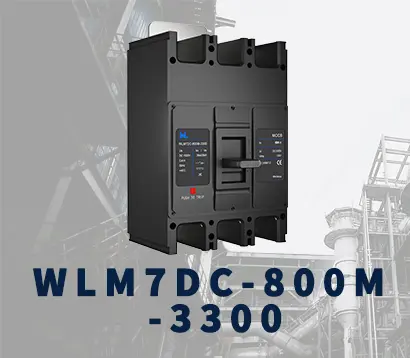 WLM7DC-800A-2300 2P/3P
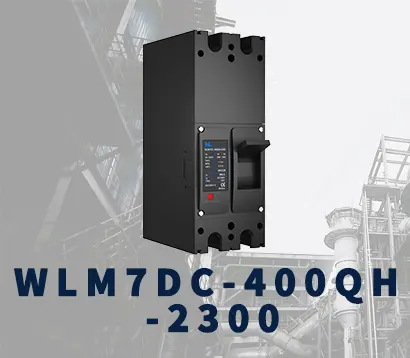 WLM7DC-400A 2300
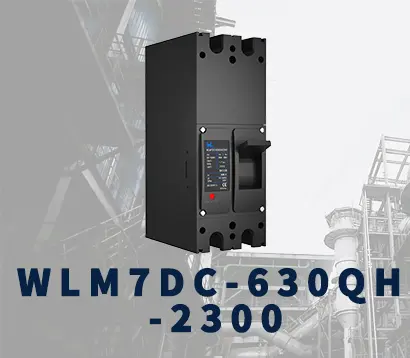 WLM7DC-630A-2300 2P
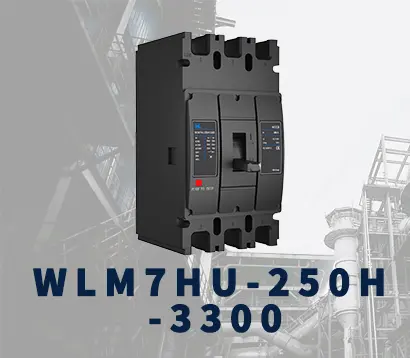 WLM7HU-250-3300 3P
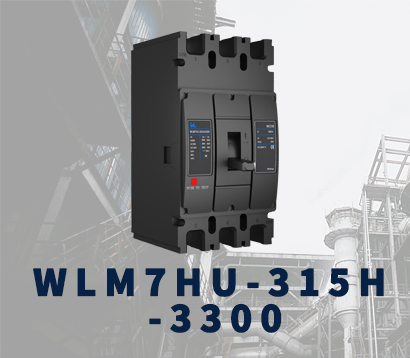 WLM7HU-315-3300 3P
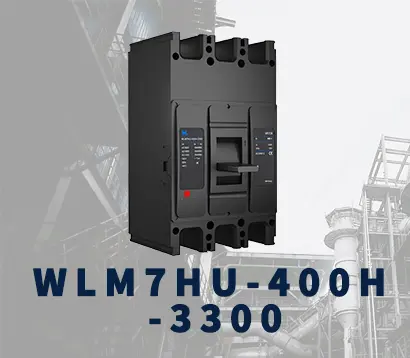 WLM7HU-400-3300 3P
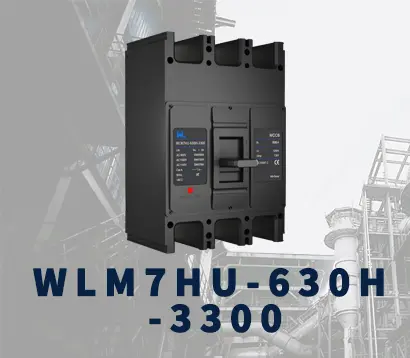 WLM7HU-630-3300 3P
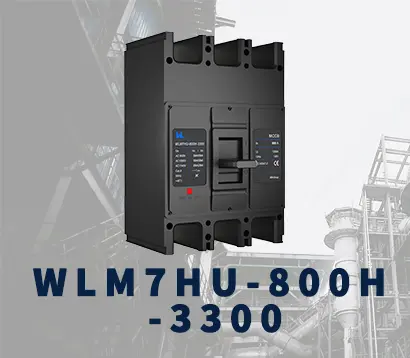 WLM7HU-800-3300 3P
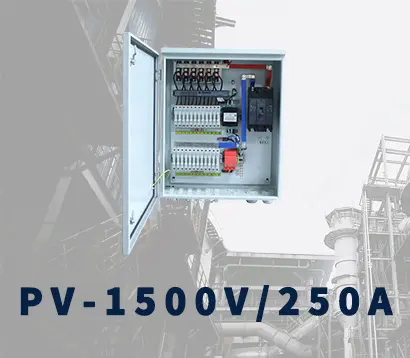 PV-1500V/250A
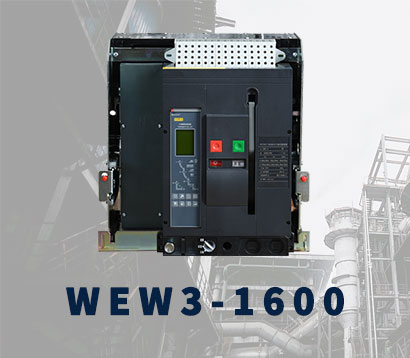 WEW3-1600
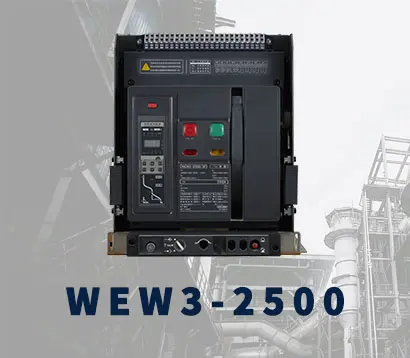 WEW3-2500
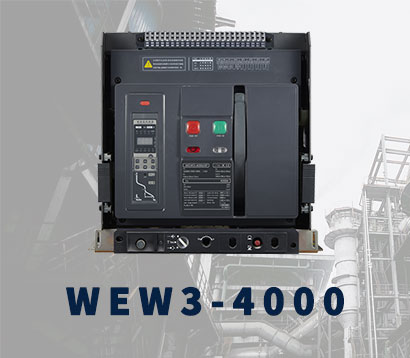 WEW3-4000
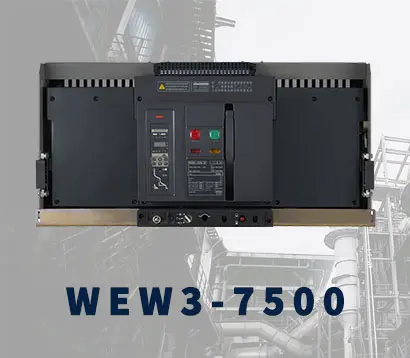 WEW3-7500





7 Tips for Choosing the Right ACB Breaker?
Choosing an Acb Breaker is not a matter of picking the largest frame that fits. The right choice depends on system voltage, expected fault current, load profile, installation conditions, and coordination with upstream and downstream protection. Small details matter. A warm switchboard, a motor’s starting current, or a crowded cable compartment can change the decision.
The International Energy Agency’s Electricity 2024 report projected global electricity demand growth of about 4% in 2024, highlighting rising pressure on power systems. That figure is not an ACB market statistic, but it reinforces why reliable distribution design matters. IEC 60947-2 provides a key technical reference for low-voltage circuit breakers, including air circuit breakers. Electrical educator Mike Holt’s practical guidance can be summed up simply: “A breaker protects conductors from overcurrent, not every piece of connected equipment.” Verify the exact protection requirements against the system design and applicable manufacturer documentation.
The seven tips ahead focus on rated current, breaking capacity, trip-unit settings, selectivity, operating environment, maintenance, and credible certification. Check the nameplate. Review the fault study. Confirm coordination rather than assuming two devices will work together. A common mistake is choosing by amperage alone; I have seen that shortcut leave important questions unanswered. It is not a complete selection method. A qualified engineer should validate calculations before installation or replacement, especially where fault levels or critical loads are involved.

Define the ACB’s System Voltage: IEC 60947-2 Covers Up to 1,000 V AC
Tip 1: Define the ACB’s system voltage before comparing frame sizes or trip units. IEC 60947-2 covers low-voltage circuit-breakers up to 1,000 V AC. That limit does not automatically make every breaker suitable. Record the installation’s nominal voltage, maximum operating voltage, frequency, and earthing arrangement. A 400 V system may experience voltage variation, so checking only the nameplate value is insufficient. Do not guess.
Tip 2: Match the breaker’s rated operational voltage, or Ue, with the real circuit voltage. The selected ACB should meet or exceed the highest expected operating value. Also review rated insulation voltage, Ui, because clearances and insulation coordination affect safe performance. In a plant inspection, I would compare drawings, transformer data, and measured voltage. Documents can be outdated. That is an uncomfortable but common weakness.
Tip 3: Confirm the system voltage at the installation point, not only at the main incoming panel. Long feeders, transformers, generators, and transfer systems can create different operating conditions. Check whether the ACB will work at 50 or 60 Hz, as applicable. Then verify short-circuit ratings, temperature derating, and altitude requirements separately. Voltage selection is only one part of the decision, but it is the foundation. A technically correct choice still fails if field data remains incomplete.
Related Posts
-

What is the Best Acb Breaker for Global Buyers?
-

Top 10 Air Breaker Products for Global Buyers in 2026?
-

Evaluating Air Circuit Breakers: Key Differences Between Leading Brands in 2023
-

2026 Top ACB Breaker Suppliers for Global Buyers
-

Top Quality Acb Breaker Solutions for Global Buyers?
-
Discover the Best China Molded Case Circuit Breaker Options for Your Needs?