
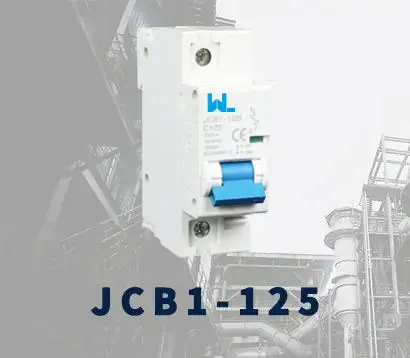
 JCB1-125
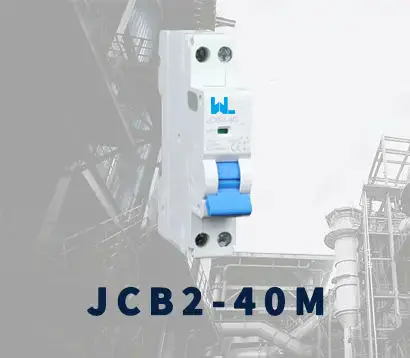 JCB2-40M
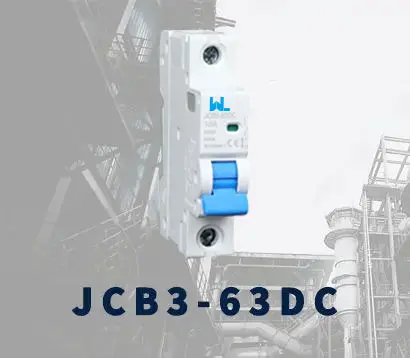 JCB3-63DC
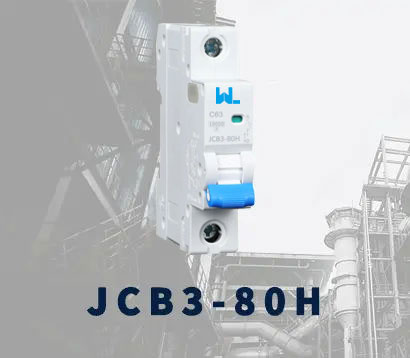 JCB3-80H
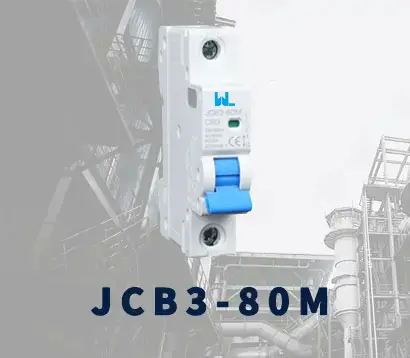 JCB3-80M
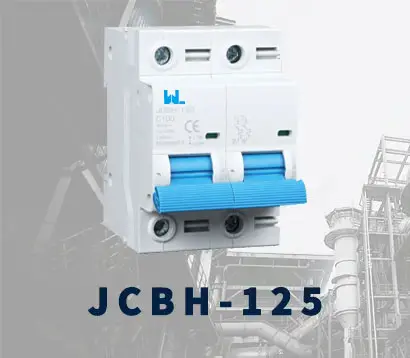 JCBH-125
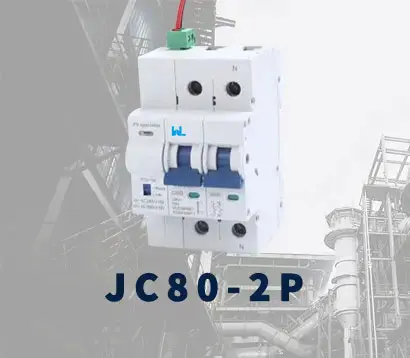 JC80-2P
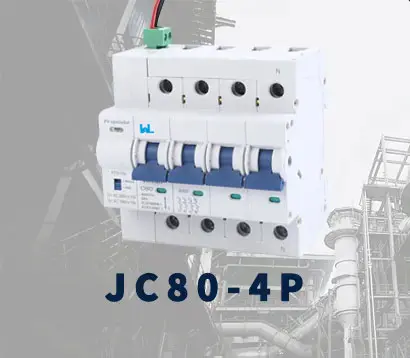 JC80-4P
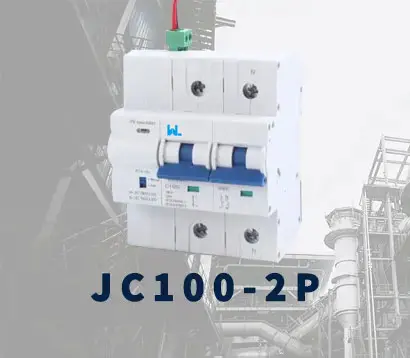 JC125-2P
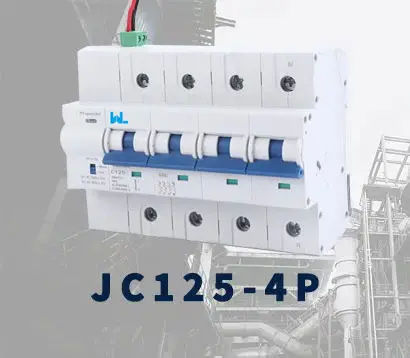 JC125-4P
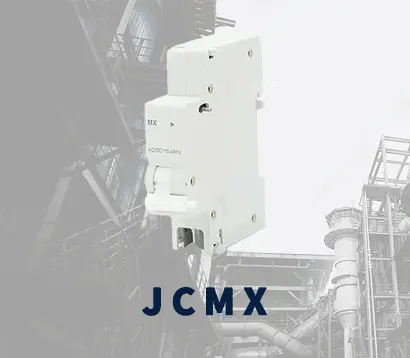 JCMX
JCMX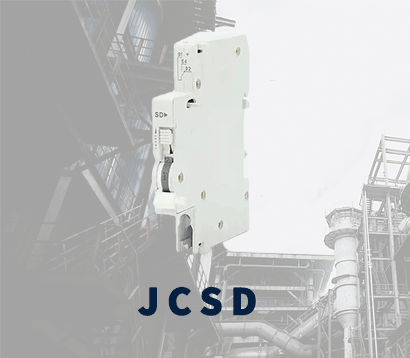 JCSD
JCSD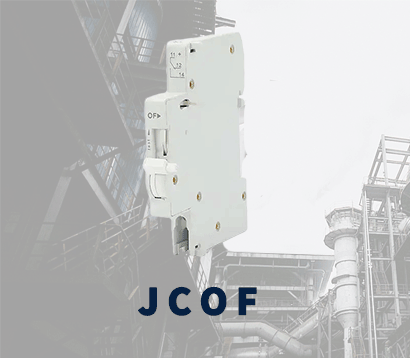 JCOF
JCOF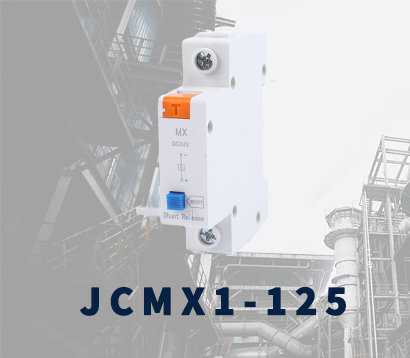 JCMX1-125
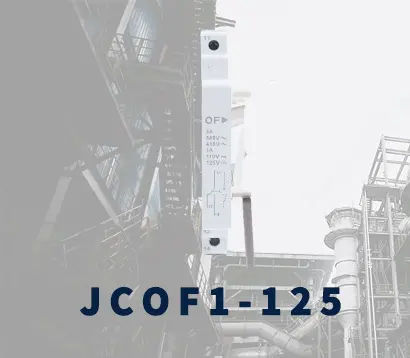 JCOF1-125
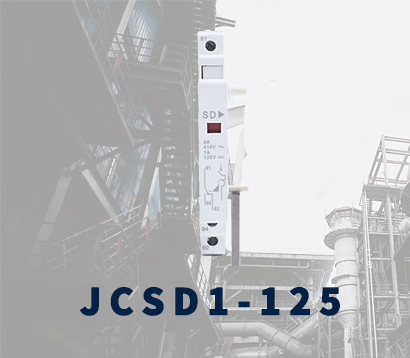 JCSD1-125
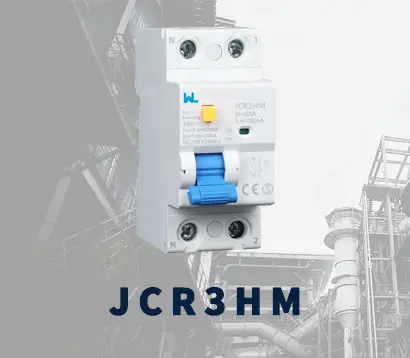 JCR3HM
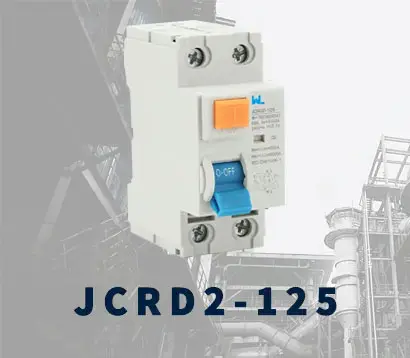 JCRD2-125
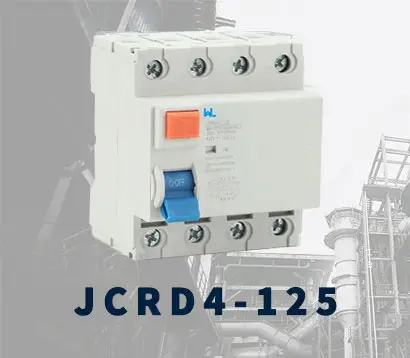 JCRD4-125
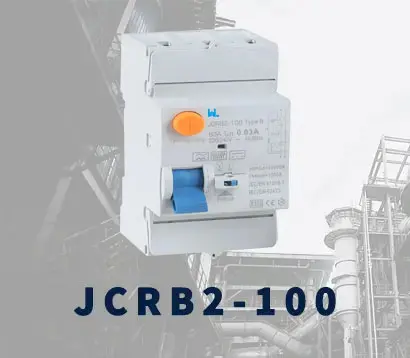 JCRB2-100
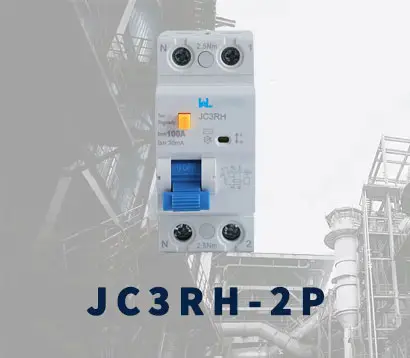 JC3RH-2P
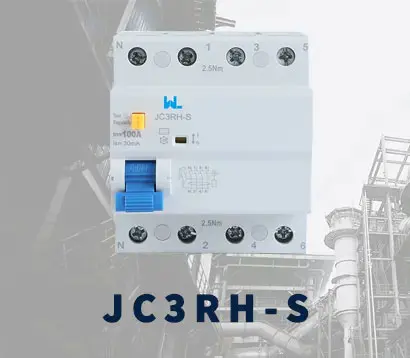 JC3RH-S
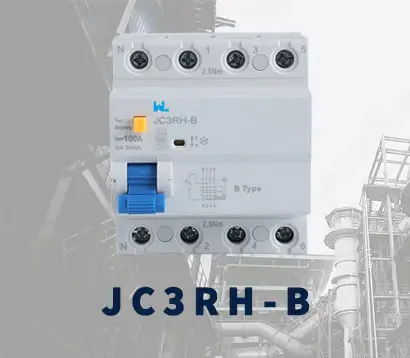 JC3RH-B
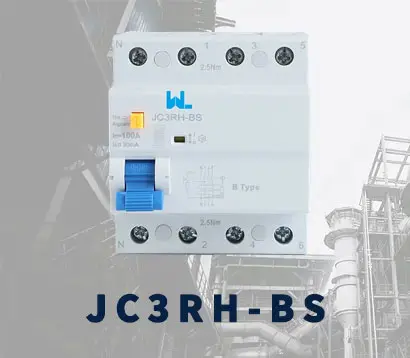 JC3RH-BS
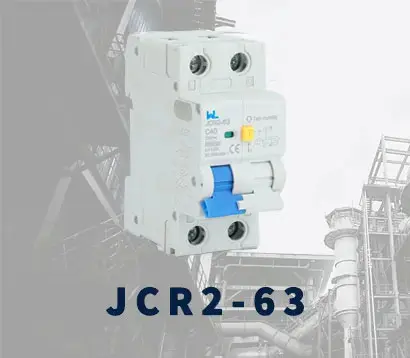 JCR2-63
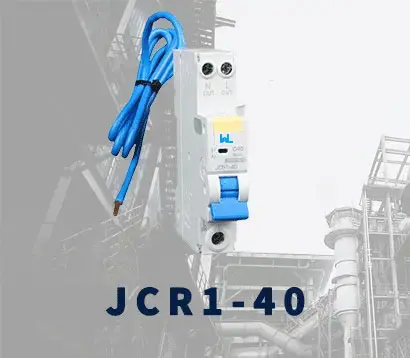 JCR1-40
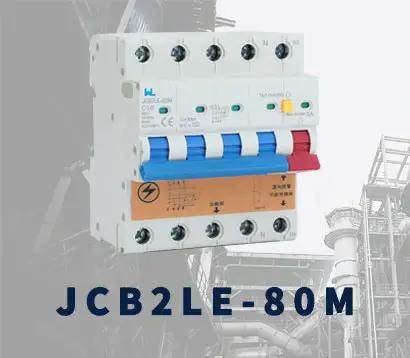 JCB2LE-80M
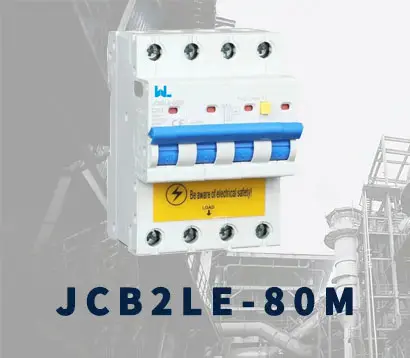 JCB2LE-80M
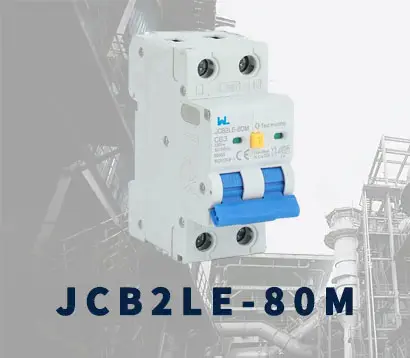 JCB2LE-80M
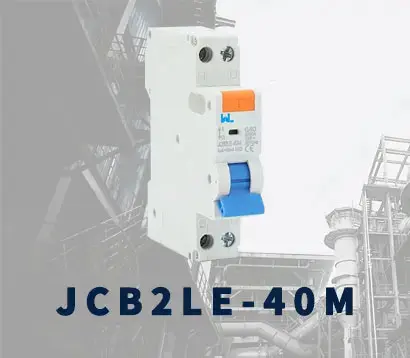 JCB2LE-40M
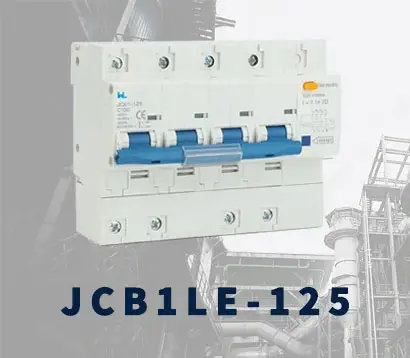 JCB1LE-125
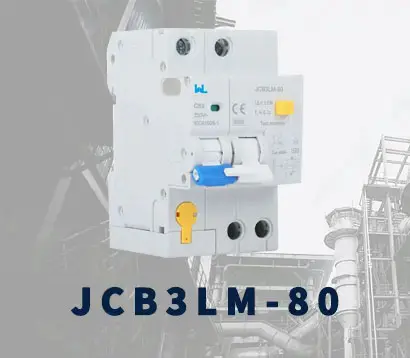 JCB3LM-80
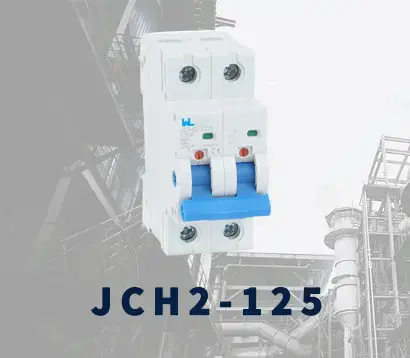 JCH2-125
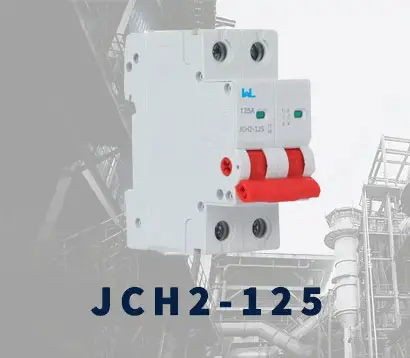 JCH2-125
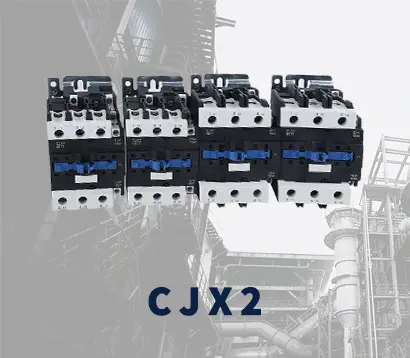 CJX2
CJX2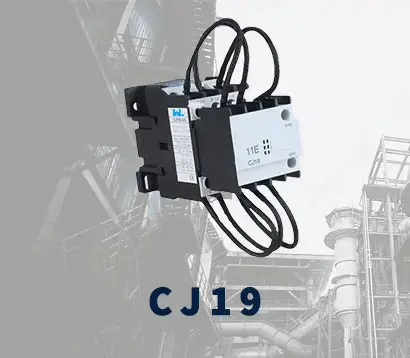 CJ19
CJ19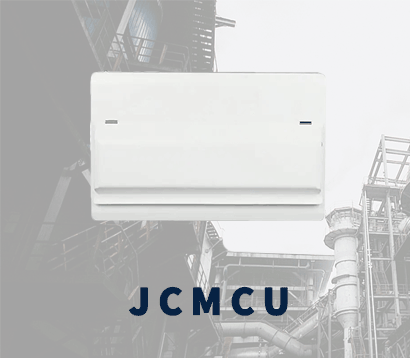 JCMCU
JCMCU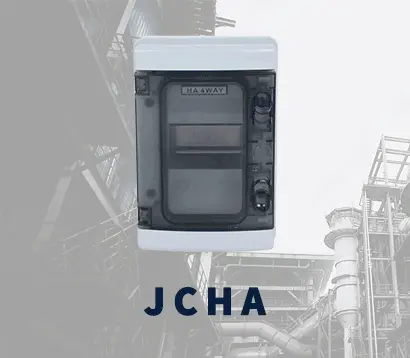 JCHA
JCHA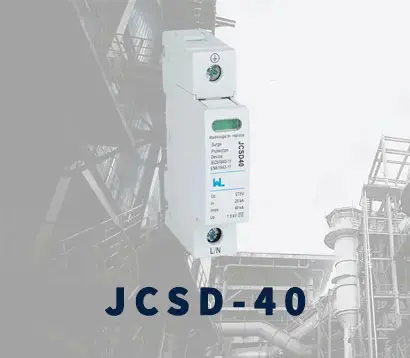 JCSD-40
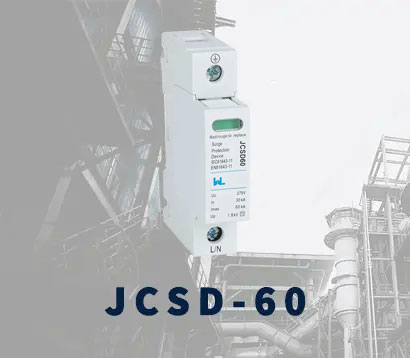 JCSD-60
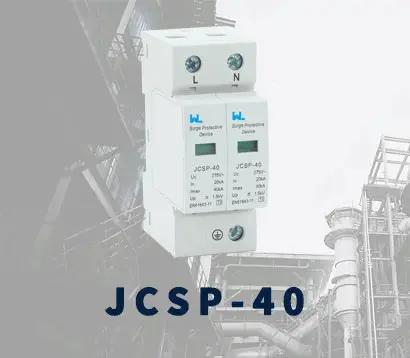 JCSP-40
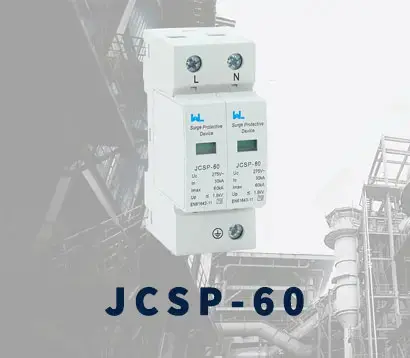 JCSP-60
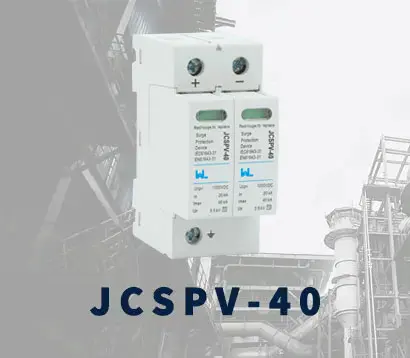 JCSPV
JCSPV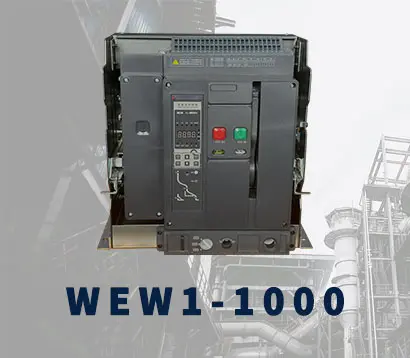 WEW1-1000
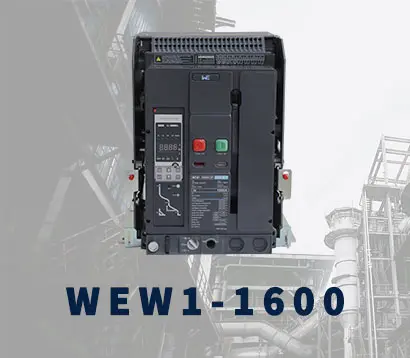 WEW1-1600
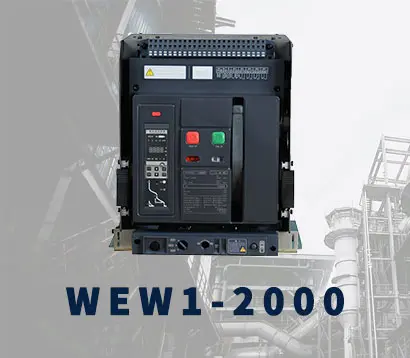 WEW1-2000
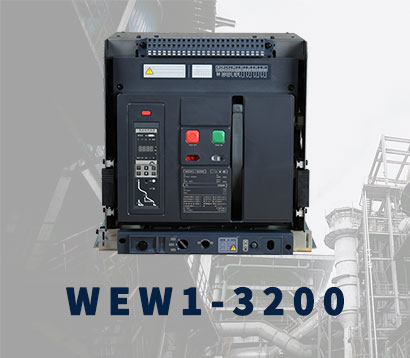 WEW1-3200
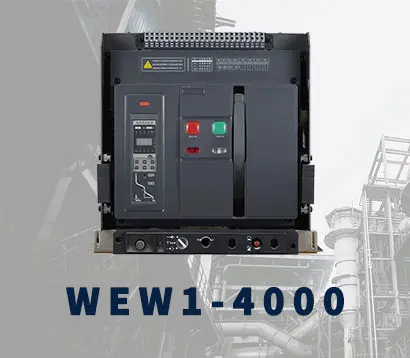 WEW1-4000
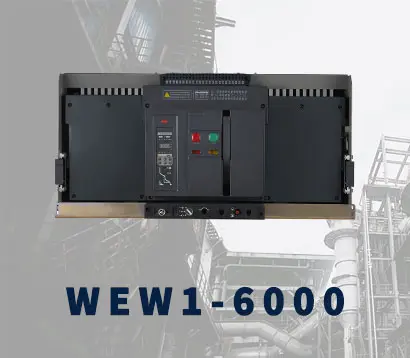 WEW1-6300
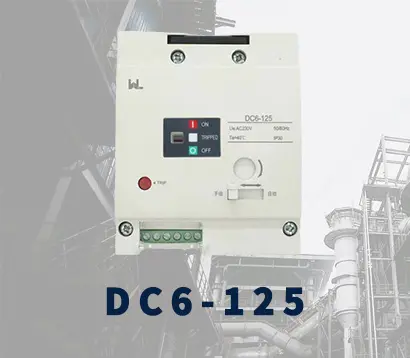 DC6-125
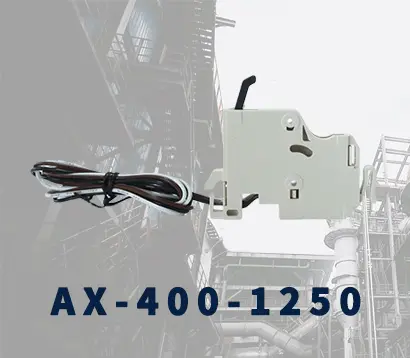 AX-400-1250
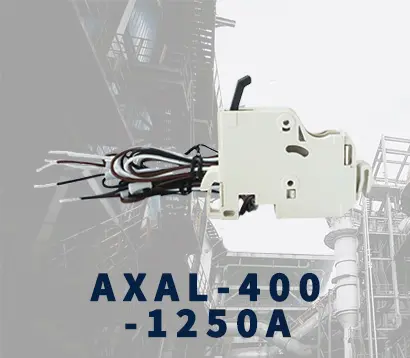 AXAL-400-1250A
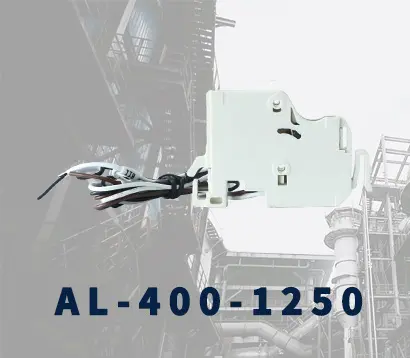 AL-400-1250
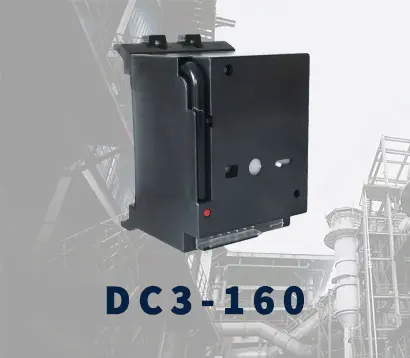 DC3-160
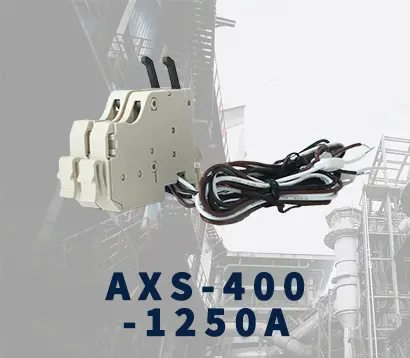 AXS-400-1250A
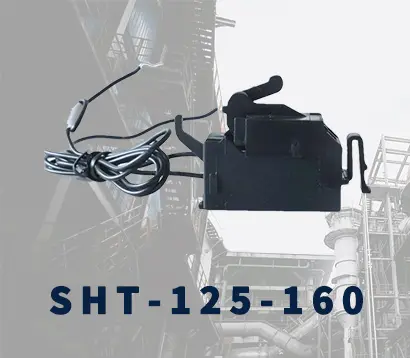 SHT-125-160
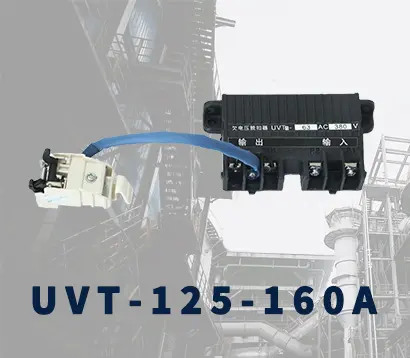 UVT-125-160A
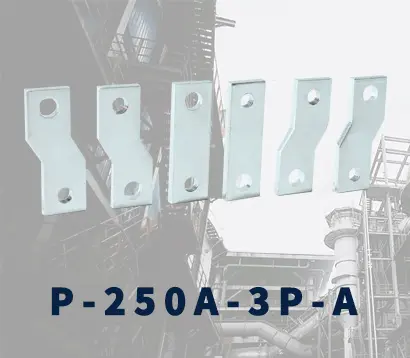 P-250A-3P-A
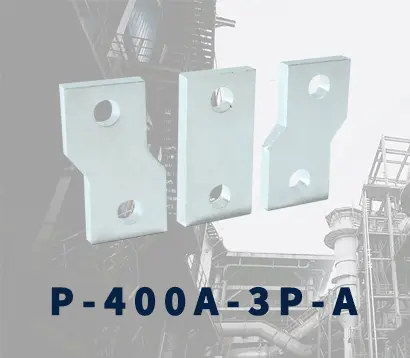 400-3P/4P terminal cover
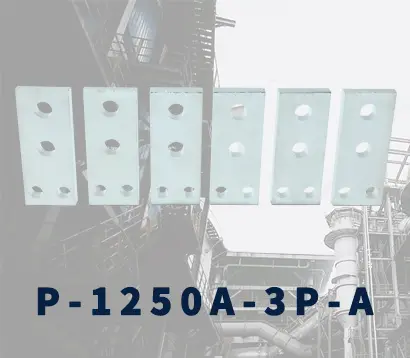 1250-3Pmccb accessories busbar
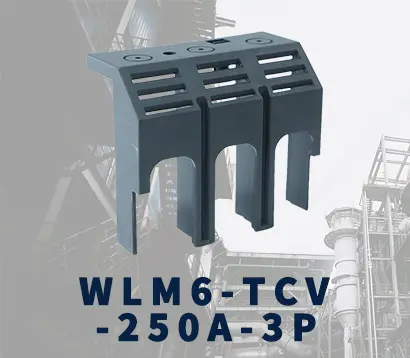 250-3P terminal conver
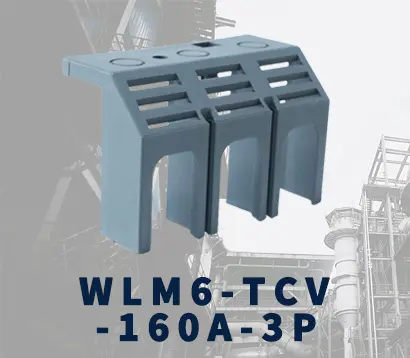 WLM6-TCV-160A-3P
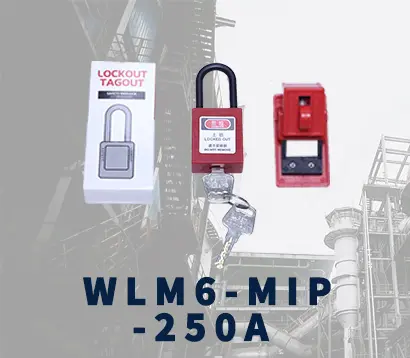 WLM6-MIP-250A
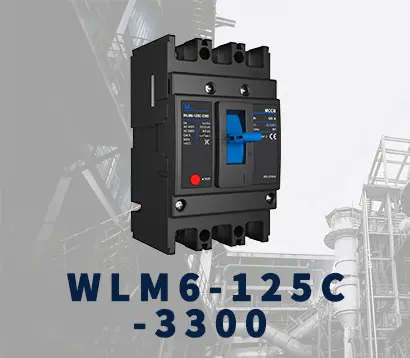 WLM6-125A-3300 3P/4P
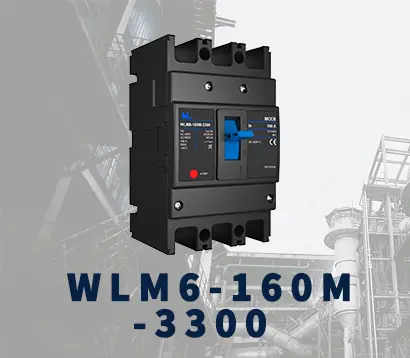 WLM6-160A-3300 3P/4P
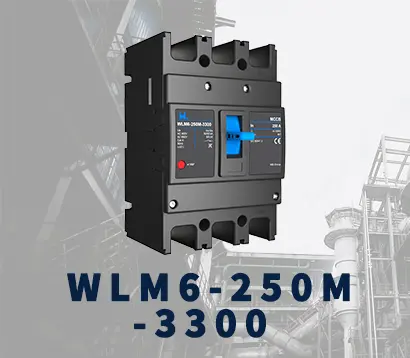 WLM6-250A-3300 3P/4P
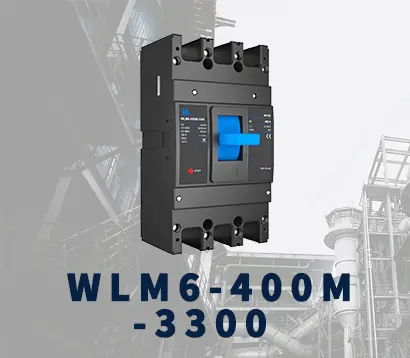 WLM6-400A-3300 3P/4P
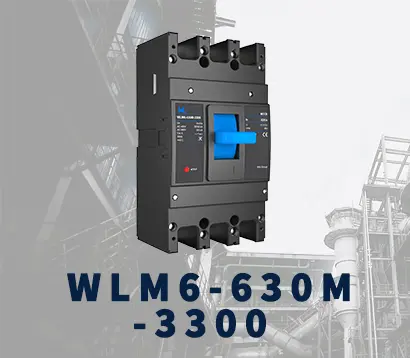 WLM6-630A-3300 3P/4P
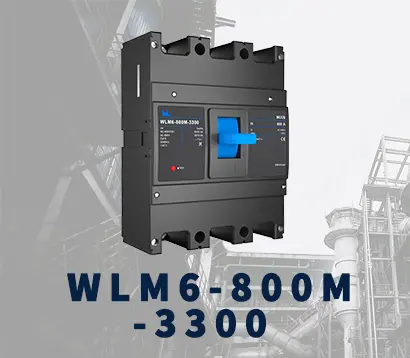 WLM6-800A-3300 3P/4P
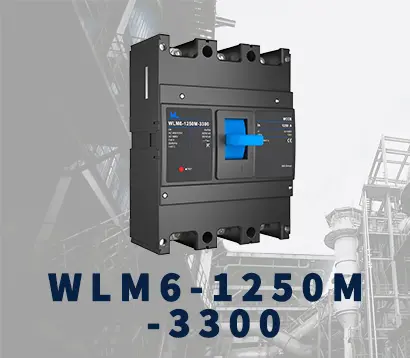 WLM6-1250A-3300 3P/4P
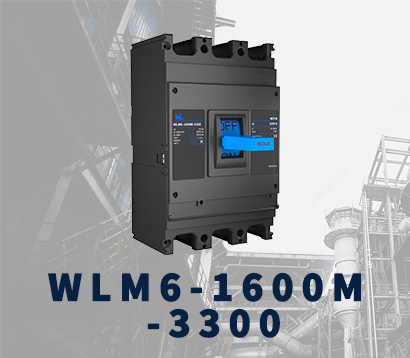 WLM6-1600A-3300 3P/4P
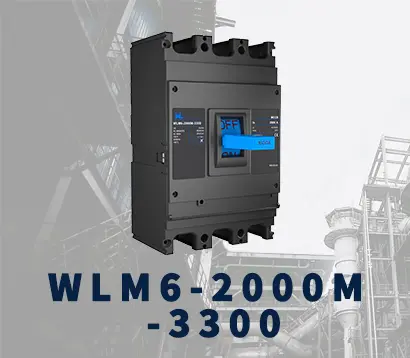 WLM6-2000A 3P/4P
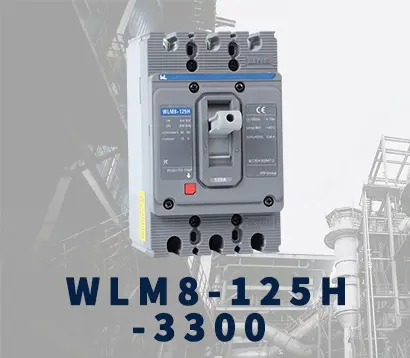 WLM8-125H-3300
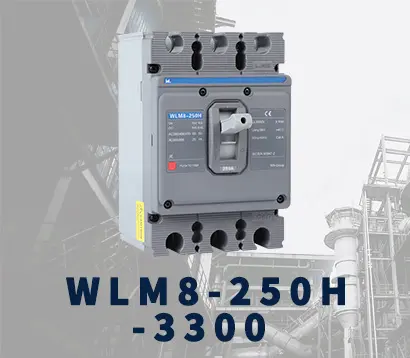 WLM8-250H-3300
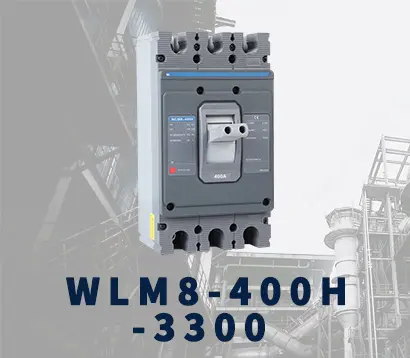 WLM8-400H-3300
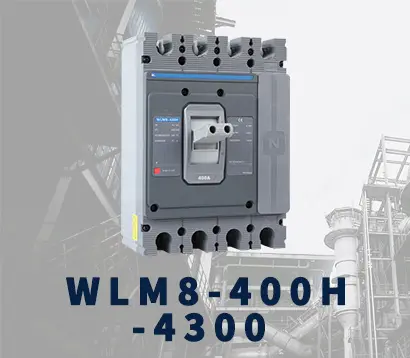 WLM8-400H-4300
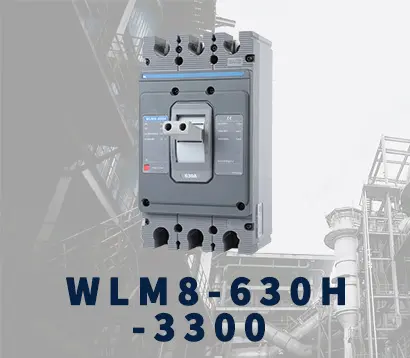 WLM8-630H-3300
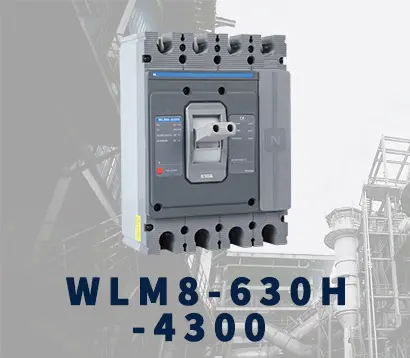 WLM8-630H-4300
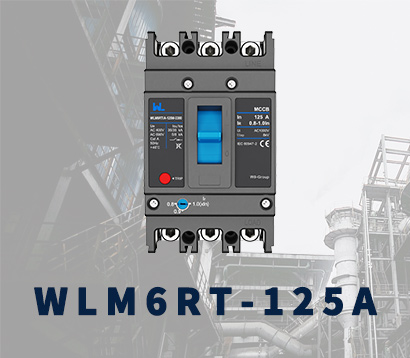 WLM6RT-125A
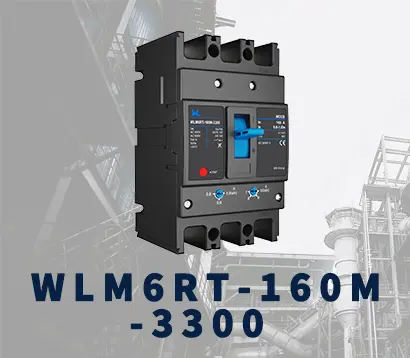 WLM6RT-160A
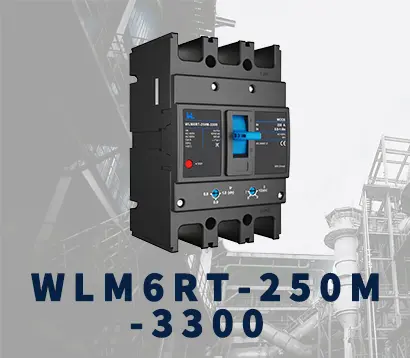 WLM6RT-250A
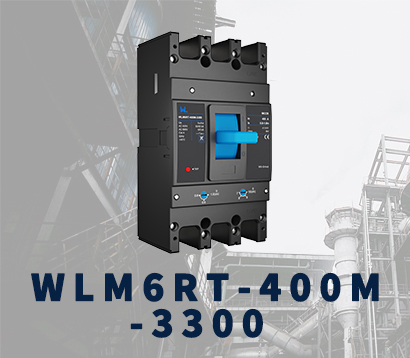 WLM6RT-400A
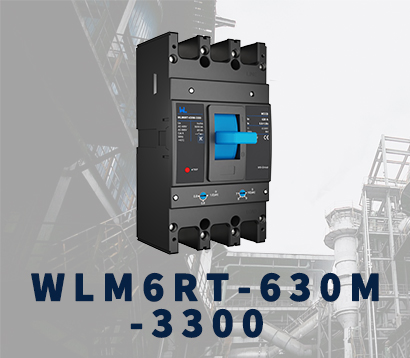 WLM6RT-630A
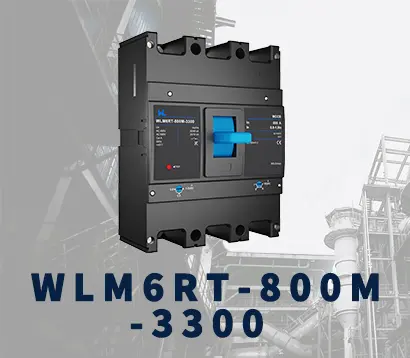 WLM6RT-800A
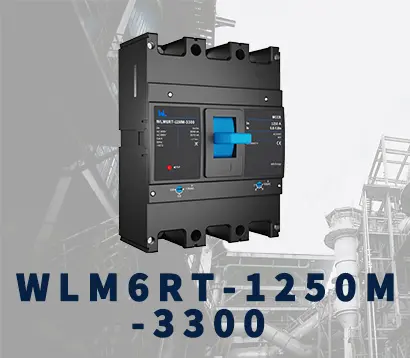 WLM6RT-1250A
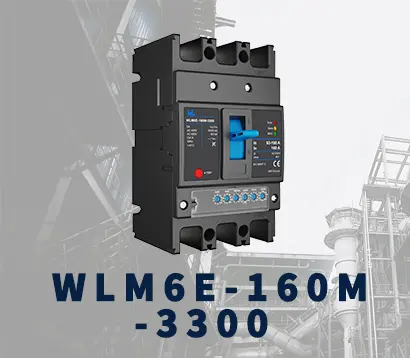 WLM6E-160A-3300 3P
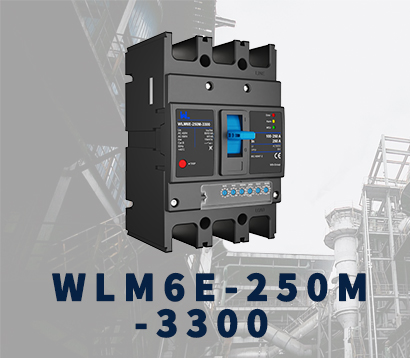 WLM6E-250A-3300
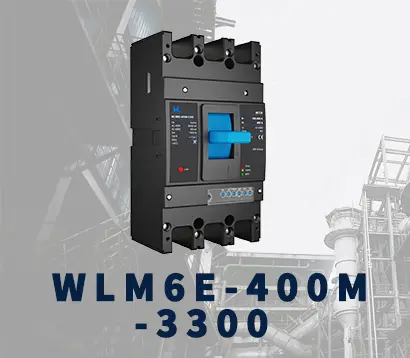 WLM6E-400A-3300 3P/4P
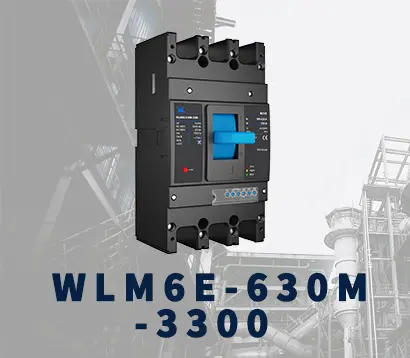 WLM6E-630A-3300
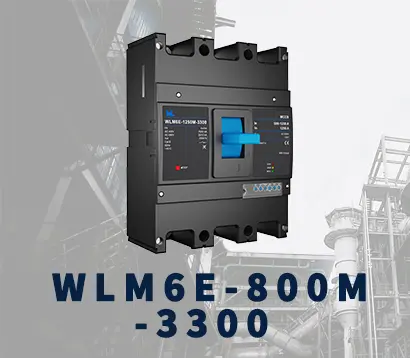 WLM6E-800A-3300 3P/4P
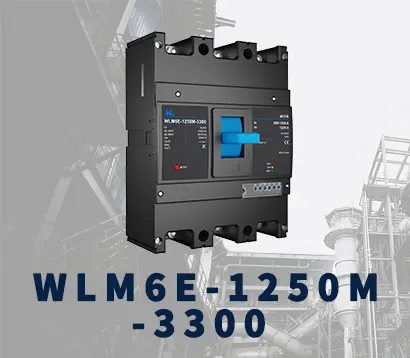 WLM6E-1250A-3300
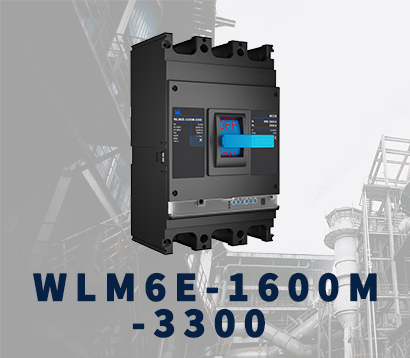 WLM6E-1600-3300 3P/4P
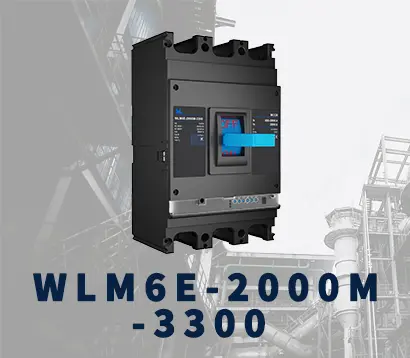 WLM6E-2000A-3300 3P/4P
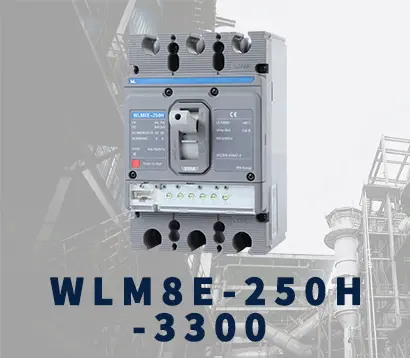 WLM8E-250H-3300
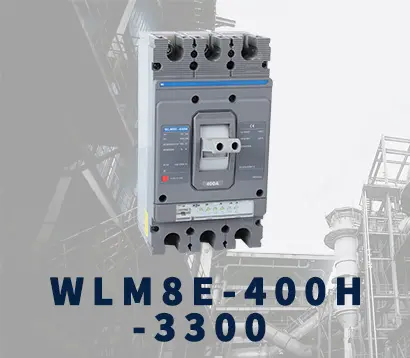 WLM8E-400H-3300
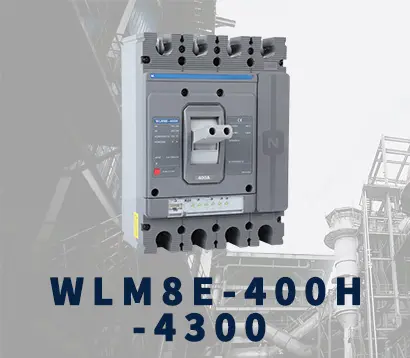 WLM8E-400H-4300
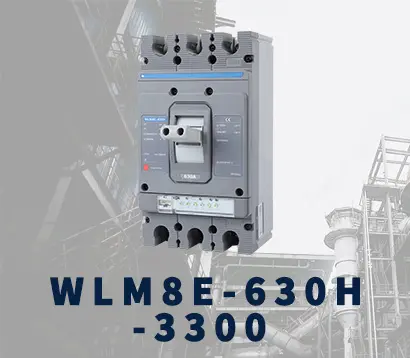 WLM8E-630H-3300
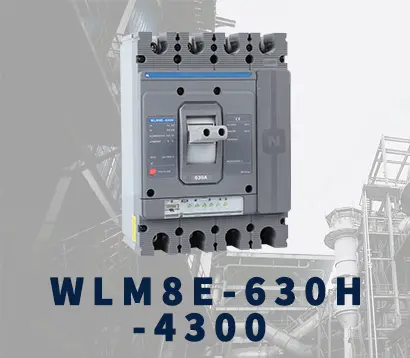 WLM8E-630H-4300
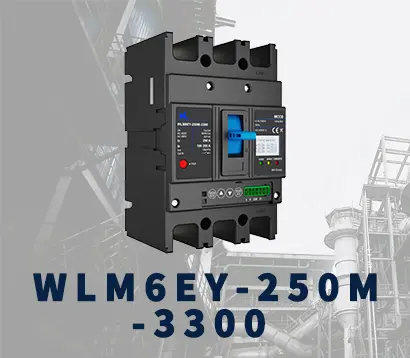 WLM6EY-250-3300 3P/4P
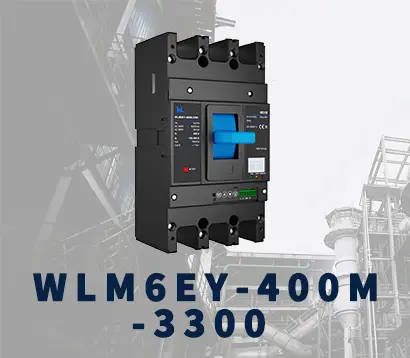 WLM6EY-400 3P/4P
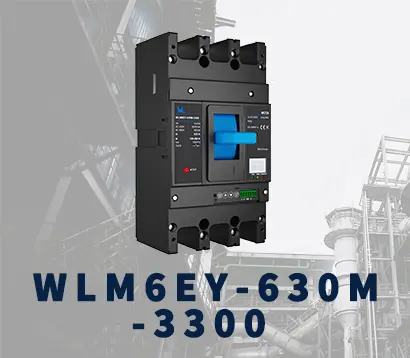 WLM6EY-630 3P/4P
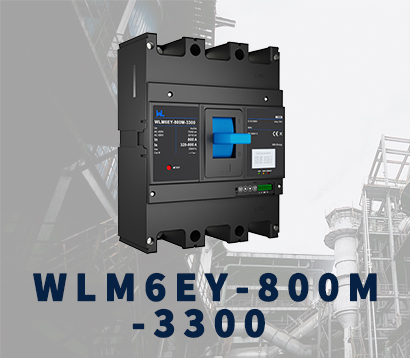 WLM6EY-800A 3P/4P
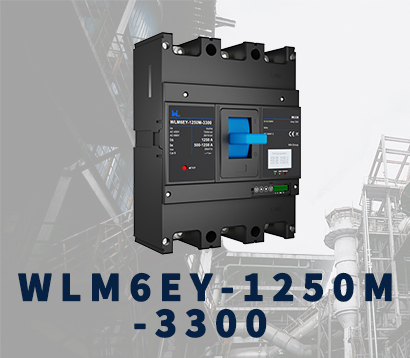 WLM6EY-1250A 3P/4P
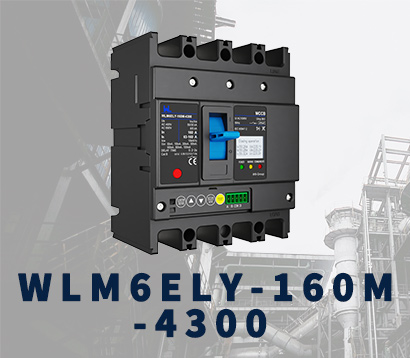 WLM6ELY-160A
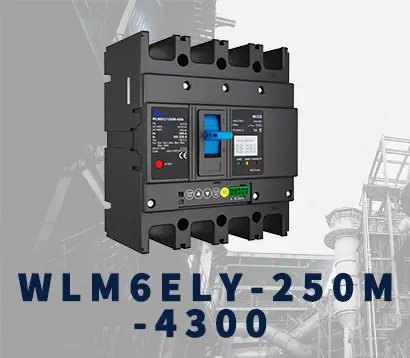 WLM6ELY-250A
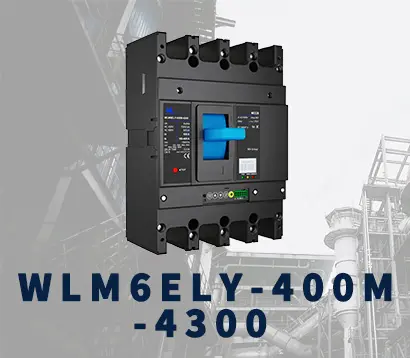 WLM6ELY-400A
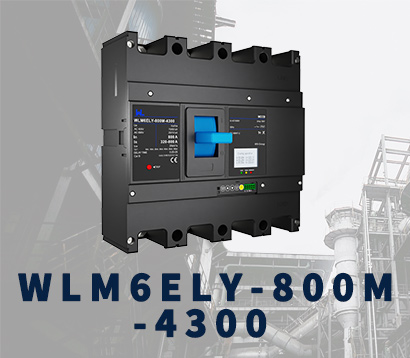 WLM6ELY-800A
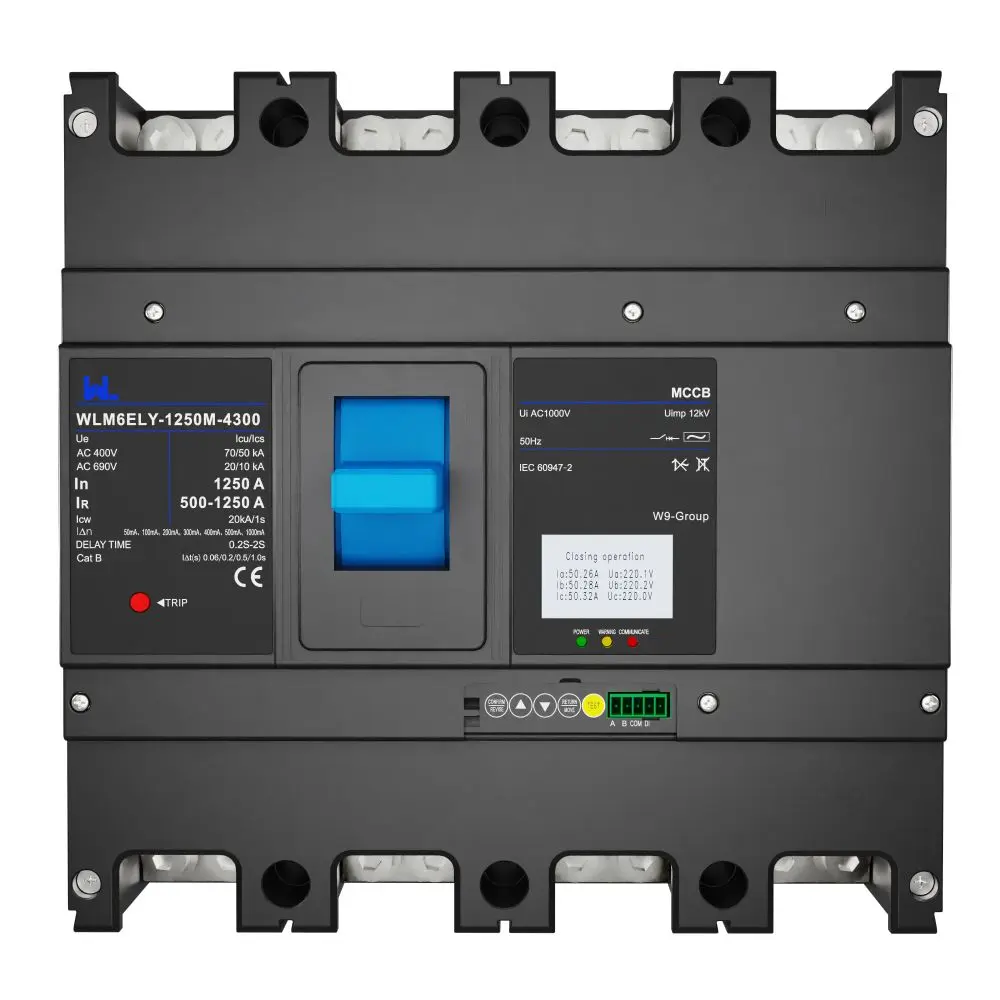 WLM6ELY-1250A
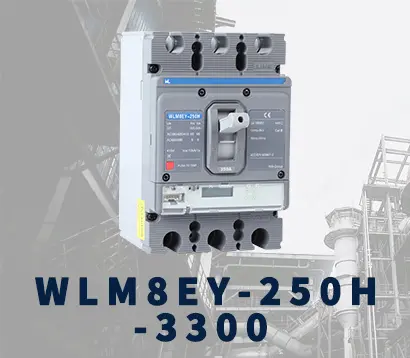 WLM8EY-250H-3300
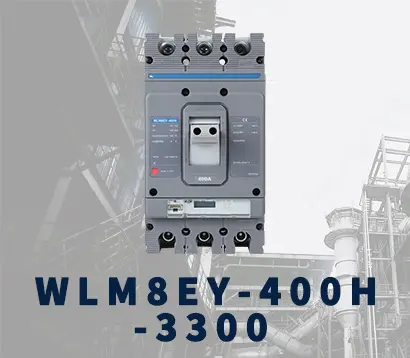 WLM8EY-400H-3300
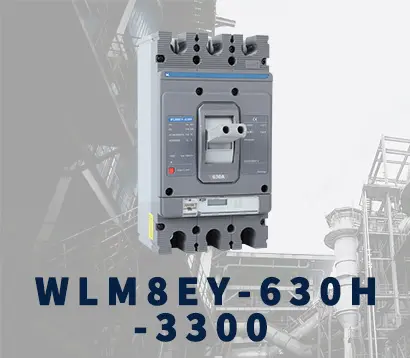 WLM8EY-630H-3300
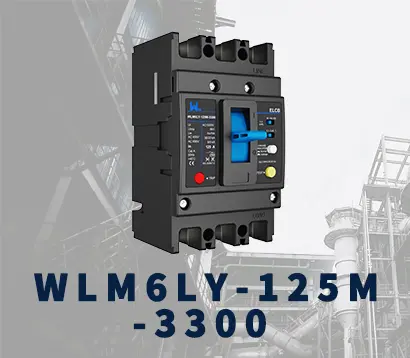 WLM6LY-125A
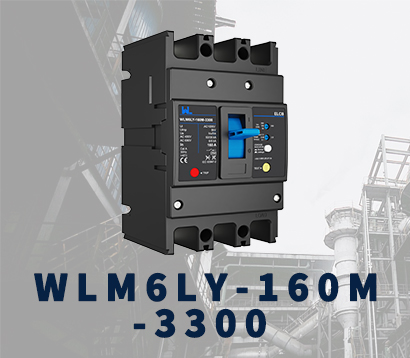 WLM6L-160A
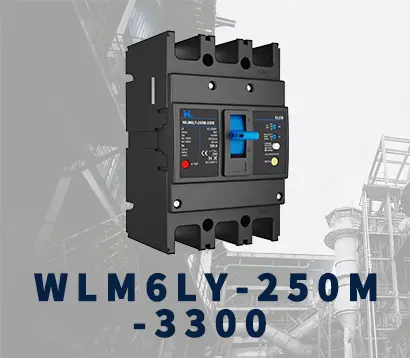 WLM6LY-250A
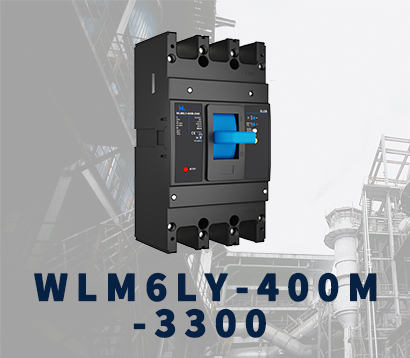 WLM6LY-400A
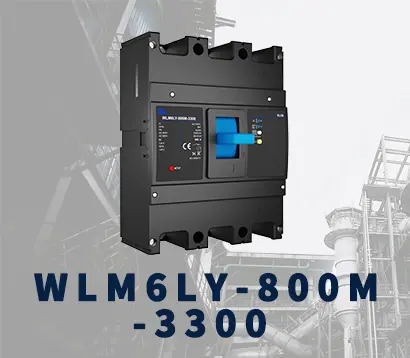 WLM6LY-800A
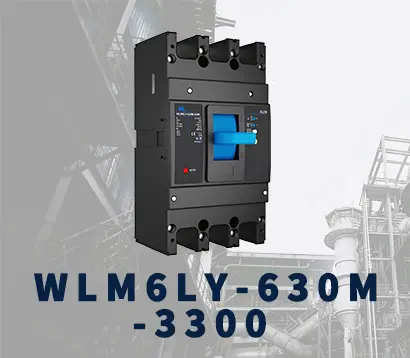 WLM6LY-630A
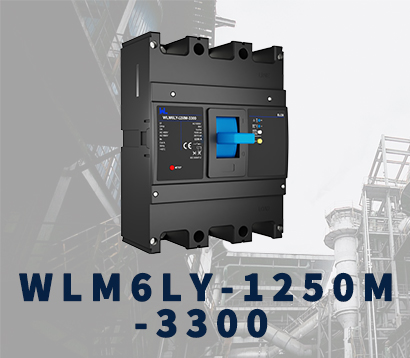 WLM6LY-1250A
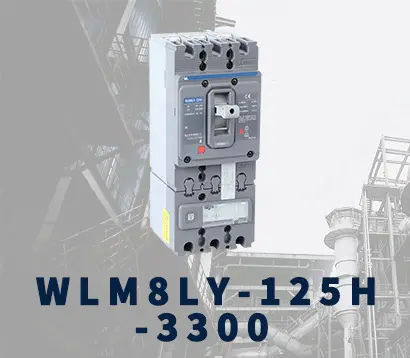 WLM8LY-125H-3300
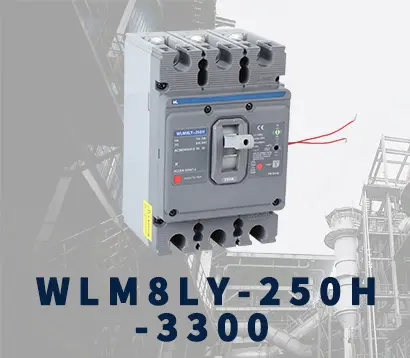 WLM8LY-250H-3300
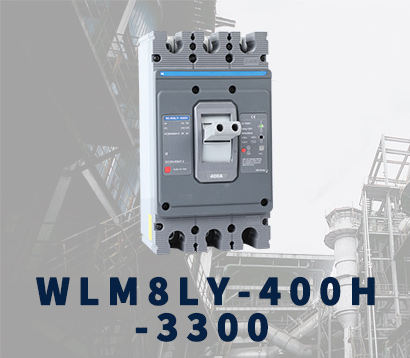 WLM8LY-400H-3300
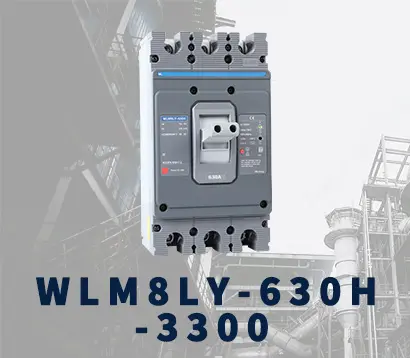 WLM8LY-630H-3300
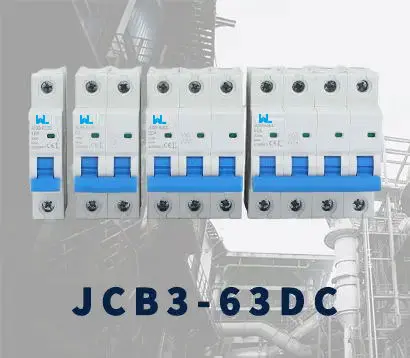 JCB3-63DC
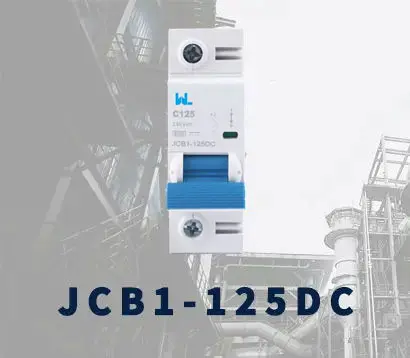 JCB1-125DC
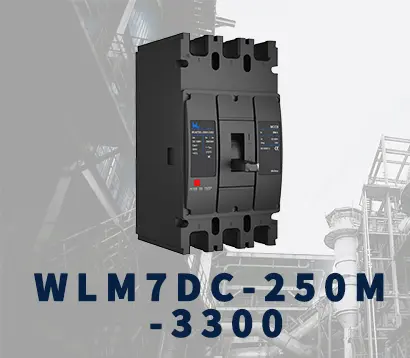 WLM7DC-250A-2300 2P/3P
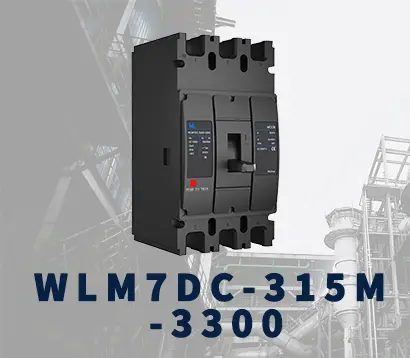 WLM7DC-315A-3300 2P/3P
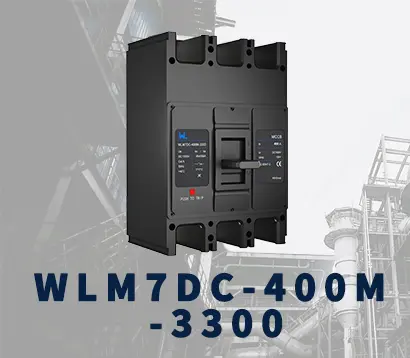 WLM7DC-400A-2300 2P/3P
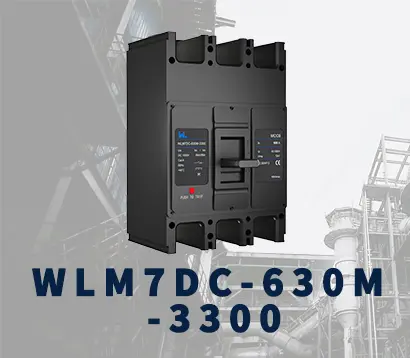 WLM7DC-630A-3300 3P
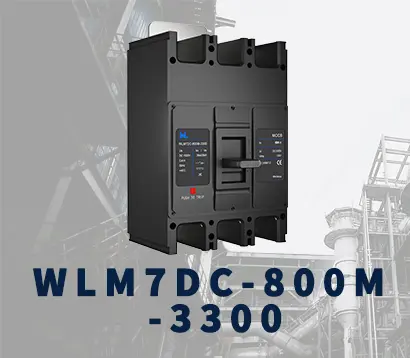 WLM7DC-800A-2300 2P/3P
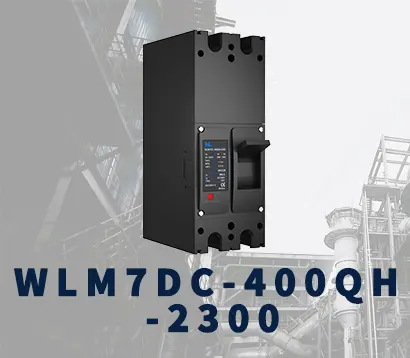 WLM7DC-400A 2300
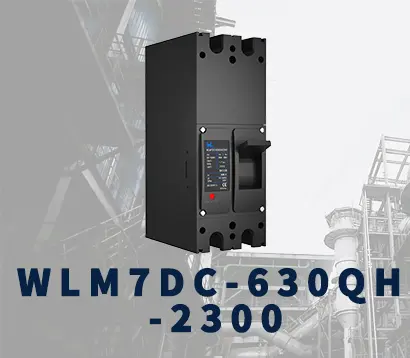 WLM7DC-630A-2300 2P
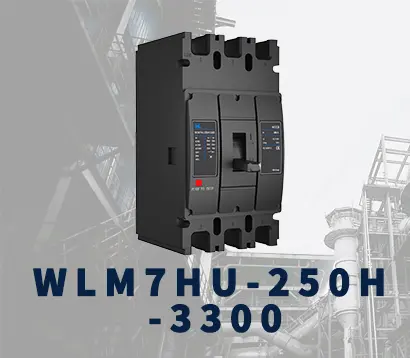 WLM7HU-250-3300 3P
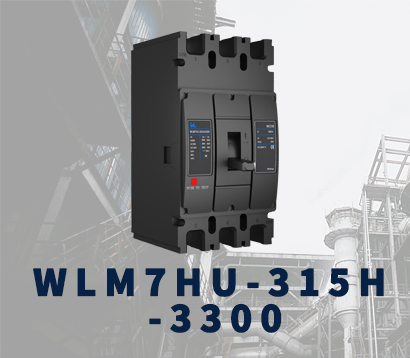 WLM7HU-315-3300 3P
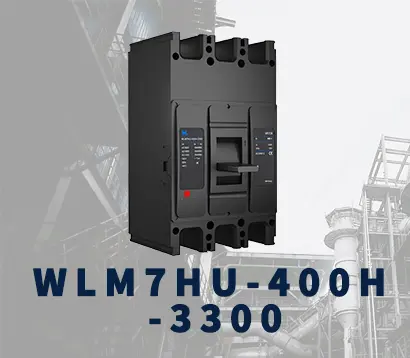 WLM7HU-400-3300 3P
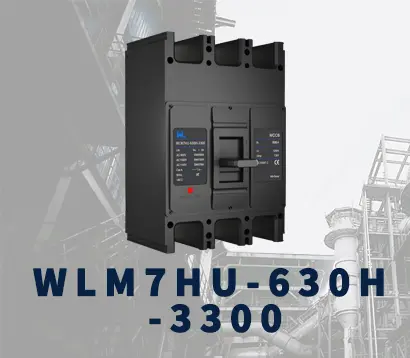 WLM7HU-630-3300 3P
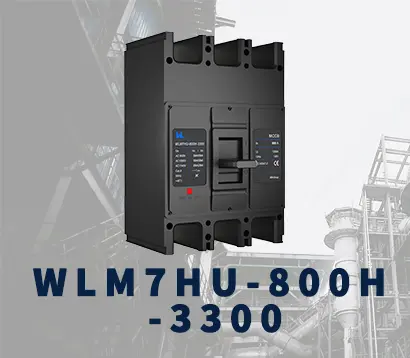 WLM7HU-800-3300 3P
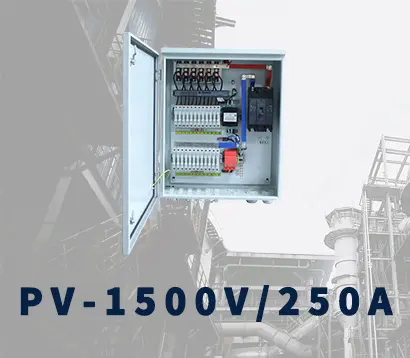 PV-1500V/250A
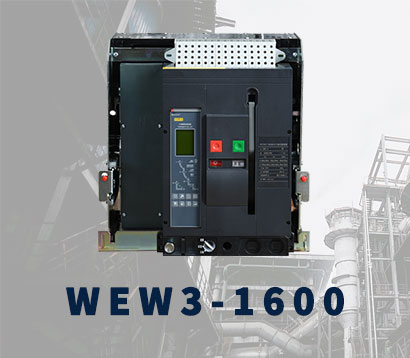 WEW3-1600
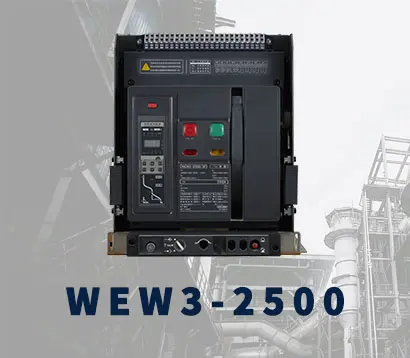 WEW3-2500
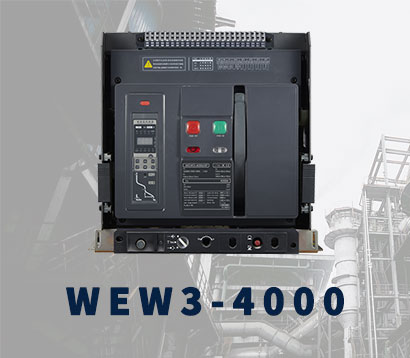 WEW3-4000
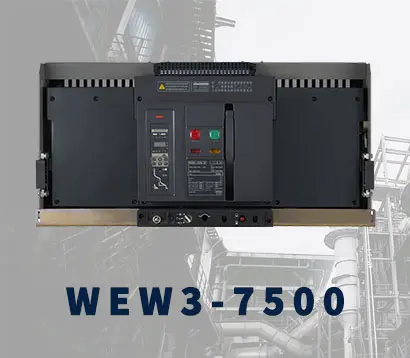 WEW3-7500





2026 Best China Molded Case Circuit Breaker Manufacturers?
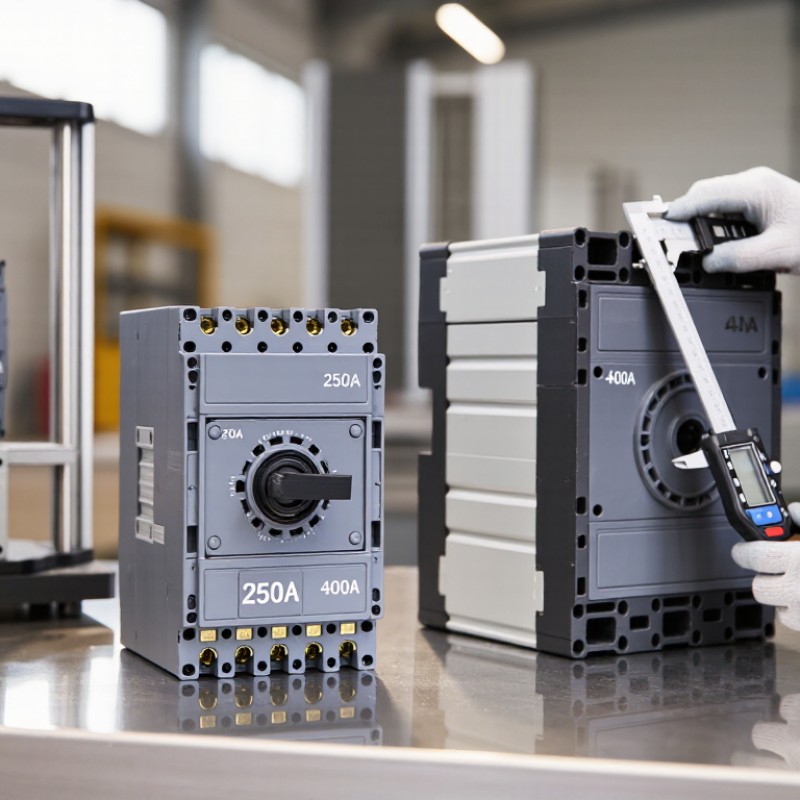
Choosing the best China Molded Case Circuit Breaker manufacturers in 2026 requires more than comparing prices or catalog photographs. Buyers must examine product consistency, testing procedures, technical support, and long-term service. A reliable supplier should provide clear ratings, such as 250A or 400A frame sizes, adjustable trip settings, and documented performance under demanding conditions.
This guide introduces leading Chinese manufacturers through practical evaluation criteria. It considers IEC 60947-2 compliance, factory quality systems, inspection records, customization capability, and export experience. It also examines whether suppliers can support thermal-magnetic and electronic trip units for industrial, commercial, and renewable-energy applications. Physical details matter. A serious evaluation may include checking terminal strength, enclosure quality, label durability, and sample performance during overload testing.
Not every polished website reflects strong manufacturing control. That deserves attention. Supplier claims should be verified through current certificates, test reports, production audits, and customer references. In some cases, public information remains incomplete, so a final ranking may require direct communication and independent inspection. This is an unavoidable limitation, not a reason to ignore the comparison.
The following outline helps engineers, distributors, and project buyers compare China MCCB suppliers more responsibly. It balances technical evidence with delivery capability, after-sales response, and total ownership cost. The “best” manufacturer may differ by application, region, and required certification. Careful verification remains essential before placing a large order.
What Is a Molded Case Circuit Breaker and How Does It Work?
What Is a Molded Case Circuit Breaker and How Does It Work?
A molded case circuit breaker, or MCCB, protects low-voltage circuits from overloads and short circuits. Its insulated molded housing separates live parts from users and equipment. Inside, a thermal trip responds to sustained overcurrent. A magnetic or electronic trip reacts to sudden fault current. The mechanism opens the contacts, while the arc chute divides and cools the electrical arc.
The process happens quickly, but not magically. Correct current rating, interrupting capacity, and trip settings must match the installation. IEC 60947-2 provides the main performance framework for industrial MCCBs. Field testing also matters. Loose terminals can create heat before the breaker detects a fault. That detail is easy to miss. A poorly selected breaker may operate safely yet disconnect too often.
Demand is expanding with modern power systems. The International Energy Agency reported 510 GW of renewable capacity additions in 2023, nearly 50% higher than in 2022. These projects require dependable protection across inverters, distribution panels, and motor loads. A 2024 circuit-breaker market assessment by Grand View Research also identifies industrial expansion and grid investment as key growth factors. However, market forecasts are not installation instructions. Site temperature, cable size, available fault current, and maintenance conditions still control real performance. Engineers should verify test certificates, production traceability, and routine inspection records before approving an MCCB for service.
2026 Best China Molded Case Circuit Breaker Manufacturers? - What Is a Molded Case Circuit Breaker and How Does It Work?
Manufacturer-neutral technical comparison for evaluating molded case circuit breakers manufactured in China. The specifications below are commonly used industry reference values and should always be confirmed against the selected product’s test report, datasheet, and certification documents.
| Evaluation Dimension | Technical Reference | Typical MCCB Data | How It Works or Why It Matters | Recommended Verification Point |
|---|---|---|---|---|
| Product Definition | Molded Case Circuit Breaker | Low-voltage circuit protection device | An MCCB combines a molded insulating enclosure, current-carrying contacts, an arc-extinguishing system, and a trip mechanism in one compact assembly. | Confirm the product category, rated insulation voltage, rated operational voltage, and applicable product standard. |
| Primary International Standard | IEC 60947-2 | Low-voltage circuit-breakers | This standard covers construction, performance, temperature-rise, dielectric, short-circuit, and endurance requirements for industrial circuit breakers. | Request a valid IEC 60947-2 test report or certificate matching the exact frame size and trip-unit configuration. |
| North American Standard | UL 489 | Molded-case circuit breakers and circuit-breaker enclosures | UL 489 is commonly required for circuit breakers intended for many installations in the United States and Canada. | Check whether the exact model is certified, not merely that the manufacturer has a general quality certificate. |
| Rated Operational Voltage | Ue | Commonly up to 690 V AC for industrial IEC applications | The breaker must be selected for the system voltage. Its interruption and insulation performance can vary with voltage and pole configuration. | Verify the AC or DC voltage rating, frequency, number of poles, and any voltage-dependent breaking-capacity limitations. |
| Rated Current Range | In | Common product ranges from approximately 16 A to 1,600 A | Rated current is the continuous current the breaker can carry under specified reference conditions without exceeding its temperature-rise limits. | Confirm the rated current, frame size, ambient-temperature derating, conductor size, and terminal temperature rating. |
| Frame Size | Rated frame current | Typical frame families include 63 A, 125 A, 250 A, 400 A, 630 A, 800 A, 1,250 A, and 1,600 A classes | A frame size defines the mechanical and thermal platform. Different trip ratings may be available within the same frame. | Check the relationship between frame current, plug-in rating, adjustable trip range, and accessory compatibility. |
| Short-Circuit Breaking Capacity | Icu and Ics under IEC 60947-2 | Common values range from approximately 10 kA to 100 kA, depending on voltage and model | Icu is the ultimate short-circuit breaking capacity. Ics is the service short-circuit breaking capacity and indicates performance after specified short-circuit tests. | Compare Icu and Ics at the actual system voltage, power factor, frequency, and pole configuration. |
| Thermal Protection | Overload protection | Inverse-time response using a thermal element or electronic measurement | During an overload, the trip mechanism operates more slowly at lower overcurrents and faster at higher overcurrents, helping protect conductors and equipment. | Review the long-time pickup setting, time-current curve, ambient compensation, and coordination requirements. |
| Magnetic Protection | Instantaneous short-circuit protection | Fixed or adjustable instantaneous pickup | A magnetic trip responds rapidly to high fault current and opens the contacts to limit equipment damage and arc energy. | Confirm the instantaneous pickup range and compatibility with motor starting, transformer energization, and selective coordination. |
| Electronic Trip Unit | Advanced protection and measurement | Long-time, short-time, instantaneous, and ground-fault functions may be available | Electronic trip units measure current through sensors and calculate trip conditions more precisely than basic thermal-magnetic mechanisms. | Verify adjustment ranges, accuracy, self-testing, communication options, event records, and auxiliary power requirements. |
| Number of Poles | Electrical system configuration | Commonly 2-pole, 3-pole, and 4-pole versions | Three-pole breakers are widely used in three-phase systems. Four-pole versions can switch the neutral when required by the installation design. | Confirm pole arrangement, neutral-pole protection, neutral switching method, and suitability for the earthing system. |
| Contact and Arc System | Interrupting mechanism | Main contacts, arcing contacts, arc runners, and arc chutes | When a fault occurs, the contacts separate and the arc chute divides, cools, and de-ionizes the arc so current can be interrupted safely. | Review short-circuit test evidence, contact wear indicators, arc-chute construction, and maintenance instructions. |
| Trip Mechanism | Stored-energy opening mechanism | Thermal-magnetic or electronic release with manual operating handle | The trip unit releases the mechanism, which separates the contacts independently of the operator’s handle speed during a fault. | Check trip-free operation, mechanical endurance, electrical endurance, and reset behavior after a trip. |
| Selectivity and Coordination | Protection-system coordination | Time-current curves and short-circuit coordination tables required | Proper coordination allows the breaker closest to the fault to trip first, reducing unnecessary shutdowns in upstream circuits. | Request coordination data for the complete protection system rather than evaluating the MCCB in isolation. |
| Accessories | Control, signaling, and remote operation | Auxiliary contacts, alarm contacts, shunt trips, undervoltage releases, motor operators, and interlocks | Accessories allow status monitoring, emergency tripping, undervoltage protection, automatic transfer, and remote switching. | Verify accessory voltage, wiring terminals, installation position, service life, and compatibility with the breaker frame. |
| Installation Types | Mounting arrangement | Fixed, plug-in, and draw-out configurations | Fixed breakers are permanently connected. Plug-in and draw-out designs can simplify inspection, replacement, and maintenance. | Confirm terminal orientation, busbar spacing, withdrawal positions, safety shutters, and enclosure dimensions. |
| Typical Applications | Commercial, industrial, and infrastructure systems | Distribution panels, motor feeders, generators, transformers, photovoltaic systems, and data-center power systems | MCCBs protect cables, busbars, motors, generators, and other low-voltage equipment against overloads and short circuits. | Match the breaker’s trip curve, breaking capacity, environmental rating, and application-specific requirements. |
| Environmental Conditions | Operating environment | Typical indoor products are specified around 40°C reference ambient; derating may apply above or below the reference condition | Temperature, altitude, humidity, dust, vibration, and corrosive gases can affect continuous-current capacity and insulation performance. | Check temperature derating, altitude limits, pollution degree, IP requirements of the enclosure, and tropicalization options. |
| Product Documentation | Technical compliance evidence | Datasheet, instruction manual, dimensional drawing, wiring diagram, time-current curve, and test documentation | Complete documentation enables electrical design, installation, inspection, maintenance, and compliance verification. | Ensure documents identify the exact model, revision, ratings, accessories, certification scope, and test conditions. |
| Quality Assessment for Supplier Selection | Manufacturer capability without brand ranking | Design verification, production testing, traceability, quality control, and after-sales technical support | A reliable supplier should demonstrate repeatable manufacturing control and provide consistent performance across production batches. | Evaluate factory audit results, routine-test records, calibration systems, incoming-material control, warranty terms, and spare-parts support. |
Related Posts
-
2026 Top China Molded Case Circuit Breaker Types?
-
2026 Best MCCB Molded Case Circuit Breaker Suppliers?
-
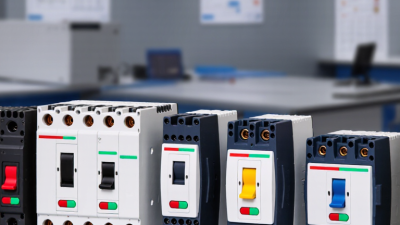
Top 10 MCCB Breaker Manufacturers for Global Buyers
-

Top 5 Tips for Sourcing China Molded Case Circuit Breaker at Canton Fair?
-
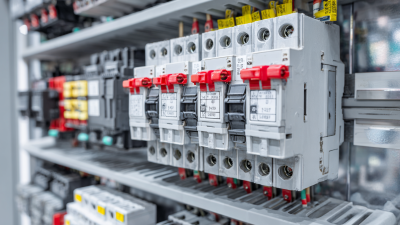
Exploring Future Trends in After Sales Support and Repair Costs for Best Molded Case Breakers
-
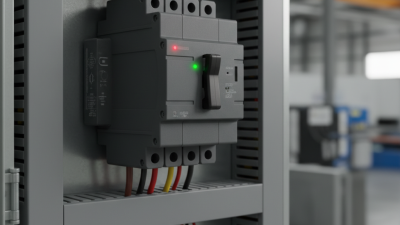
Why Choose MCCB Moulded Case Circuit Breakers for Your Needs?