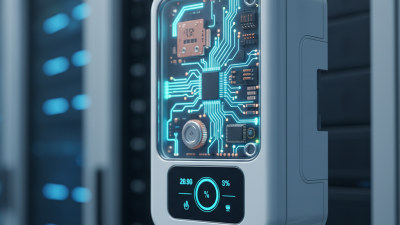
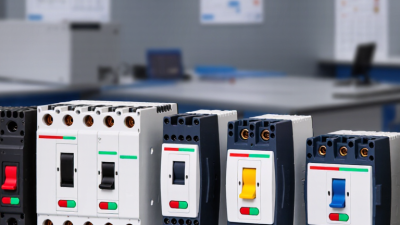
Why Choose an Electronic Circuit Breaker?
Why Choose an Electronic Circuit Breaker?
Electrical systems are becoming faster, denser, and more connected. Data centers, solar inverters, battery storage, and factory automation all demand precise protection. The International Energy Agency reported that data centers consumed about 460 TWh of electricity globally in 2022. Their demand could exceed 1,000 TWh by 2026. A small fault can therefore interrupt critical equipment within milliseconds.
An Electronic Circuit Breaker offers more than simple thermal protection. It can detect current changes electronically, respond quickly, and provide adjustable trip settings. Some models also record fault events, support remote monitoring, and coordinate protection across several circuits. These features help engineers identify a short circuit before a damaged cable becomes a larger operational problem. IEC 60947-2 provides the key international framework for low-voltage circuit-breakers, including performance and testing requirements. Compliance still requires careful product selection. Labels alone are not enough.
Dr. Edmund O. Schweitzer III, a pioneer in digital power-system protection, repeatedly stresses a practical principle: “Protection must be fast, selective, and dependable.” That principle explains the growing interest in electronic protection. However, an Electronic Circuit Breaker is not a magic shield. Incorrect settings, poor installation, and weak coordination can still create dangerous blind spots. This is where many projects fall short. Engineers should compare interrupting capacity, response time, communication options, environmental ratings, and lifecycle support. The best choice protects people, equipment, and uptime together. Sometimes, the most advanced device is not the right one. The right device is the one that performs reliably when the lights suddenly go out.
What Is an Electronic Circuit Breaker?
Why Choose an Electronic Circuit Breaker?
What Is an Electronic Circuit Breaker?
An electronic circuit breaker protects a circuit through sensors and a digital trip unit. It measures current continuously, rather than relying only on heat and magnetic force. When current rises abnormally, the device can trip within milliseconds. It may also record overloads, short circuits, and operating conditions.
The International Energy Agency’s Electricity 2024 report projects global electricity demand will grow by an average of 3.2% annually from 2024 to 2026. More connected equipment means more complex load patterns inside buildings. Electronic breakers can respond to these changes with adjustable protection settings and measurable data. This helps technicians investigate a warm terminal, repeated nuisance trips, or an unbalanced phase. In practical panel inspections, that information can save time. Still, electronic protection is not automatically better for every installation. Incorrect settings can create a false sense of safety.
Tips: Check the breaker’s rated current, interrupting capacity, sensing range, and communication functions. Have qualified personnel coordinate settings with cable size and upstream protection. Keep records of trip events. Small details matter.
The National Fire Protection Association reports that electrical distribution and lighting equipment remains a significant factor in reported home fires. An electronic breaker cannot prevent every electrical failure. It can, however, improve detection and support faster maintenance decisions. This technology deserves careful setup, not blind trust.
How Does an Electronic Circuit Breaker Work?
Why Choose an Electronic Circuit Breaker?
How Does an Electronic Circuit Breaker Work?
An electronic circuit breaker continuously measures current through sensors. These sensors detect overloads, short circuits, and unusual current changes. A control unit compares each reading with programmed protection limits. When the current becomes unsafe, it sends a trip signal within milliseconds. The switching device then interrupts the circuit. Some designs use power semiconductors, while others combine electronic control with mechanical contacts.
The process is precise. It can identify gradual overloads before excessive heat damages wiring. It can also react quickly to a sudden fault. Many units record fault data, such as current level and trip time. This information helps technicians inspect loose terminals, damaged insulation, or overloaded equipment. During maintenance, a technician may test the breaker with simulated fault conditions. The response should match its rated settings.
Small details matter.
A poor connection can create heat without triggering an immediate trip. Environmental temperature can also affect measurements. Electronic protection is not magic. It still needs correct installation, suitable ratings, and regular testing. I would not assume a faster trip always provides better protection. An overly sensitive setting may interrupt essential equipment unnecessarily. The boundary between safety and nuisance tripping requires careful adjustment. Experiences from field inspections often reveal this: the breaker worked correctly, but the surrounding wiring did not.
What Advantages Does Electronic Protection Provide?
Why Choose an Electronic Circuit Breaker?
What Advantages Does Electronic Protection Provide?
Electronic protection measures current continuously through sensors and control circuits. It can detect overloads, short circuits, and unusual current patterns quickly. This response helps reduce heat in conductors and limits stress on connected equipment.
The settings can be adjusted for different loads. A motor, lighting circuit, and sensitive control panel rarely need identical protection. Electronic breakers can provide adjustable pickup levels, time delays, and selective coordination. This helps the nearest protective device trip first, keeping more of the installation energized. Some models also record fault conditions and provide trip indicators. That information can shorten troubleshooting time.
Useful data matters.
In practical panel testing, clear fault records often reveal loose connections or repeated overloads. Electronic protection can also support remote status signals, which improves maintenance planning and reduces unnecessary inspections. However, it is not magic. Incorrect settings may delay a trip or cause nuisance interruptions. Sensors can drift, and control electronics require suitable environmental protection. Regular testing remains necessary, especially in dusty, hot, or vibrating locations. That trade-off deserves attention. Mechanical breakers may appear simpler, while electronic units offer greater precision and visibility. The better choice depends on load behavior, coordination requirements, available maintenance skills, and the consequences of downtime. A carefully verified setting is more valuable than a long feature list.
Which Applications Suit Electronic Circuit Breakers?
Electronic circuit breakers suit applications requiring fast, repeatable protection and precise control. They monitor current electronically instead of relying only on heat and magnetic force. This makes them useful in control cabinets, factory machinery, battery storage systems, and sensitive DC equipment. A fault can be detected quickly, limiting damage to wiring and connected loads.
They also fit systems with changing operating conditions. Adjustable trip settings can support motors, LED lighting, communication equipment, and power supplies with different start-up currents. In a data room, selective protection may disconnect one faulty branch while keeping other equipment energized. In renewable energy systems, electronic protection can help manage fluctuating current from batteries or inverters. Remote status signals are another practical advantage. Technicians can identify a tripped circuit without opening every cabinet.
However, electronic circuit breakers are not automatically the best choice. The sensing unit needs a stable power supply, and poor configuration can create nuisance trips. Heat, electromagnetic interference, and installation errors may also affect performance. Real-world commissioning often reveals this gap: the breaker works correctly, but the settings do not match the actual load. Careful measurement is essential. Engineers should review fault levels, inrush current, ambient temperature, and coordination with upstream devices. For simple, low-cost circuits, a conventional breaker may remain more practical. The application decides.
How Should You Select an Electronic Circuit Breaker?
Selecting an electronic circuit breaker starts with the actual circuit, not the product label. Start with the system voltage, continuous current, and expected inrush current. A motor, heater, and control cabinet create very different electrical conditions. Check the required interrupting capacity against the highest possible fault current. This detail protects equipment when a short circuit occurs.
Review the breaker’s trip behavior carefully. Adjustable overload settings can improve coordination between upstream and downstream protection. Digital monitoring may also show current, temperature, or trip history. Useful data.
Consider ambient temperature, enclosure size, vibration, dust, and available cooling. Electronic devices can require derating in hot cabinets. Confirm terminal capacity and wiring compatibility before installation. During field evaluations, I have seen correctly rated breakers trip early because heat was trapped around the device. That mistake is easy to miss.
Compare response time with the load’s tolerance. Sensitive control equipment may need faster protection, while temporary motor surges require suitable delay. Verify compliance with applicable electrical standards and the manufacturer’s test data. Do not select a breaker only because its current rating looks convenient. Installation quality matters as much as selection. A loose connection, poor ventilation, or incorrect setting can undermine reliable protection. Recheck the settings after commissioning, especially when the load changes.

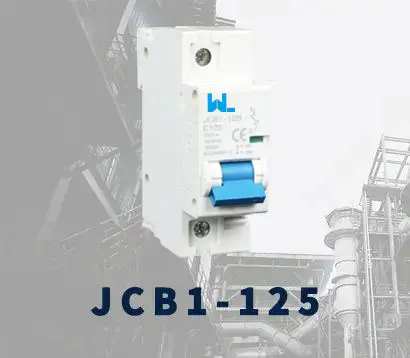 JCB1-125
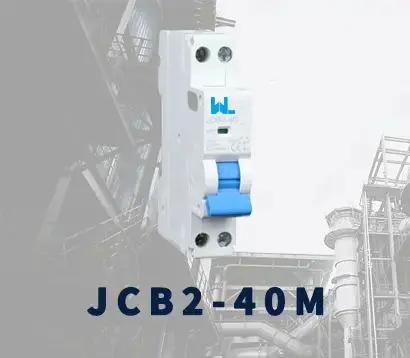 JCB2-40M
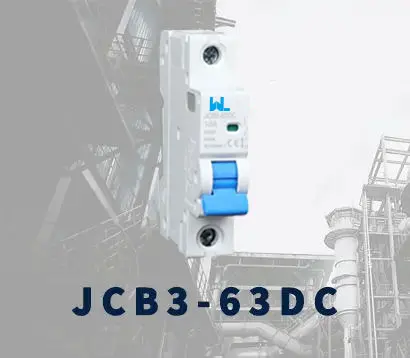 JCB3-63DC
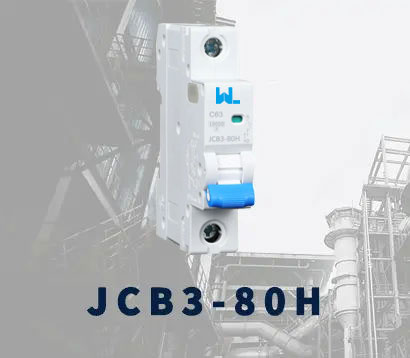 JCB3-80H
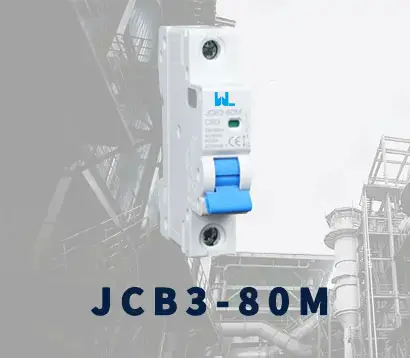 JCB3-80M
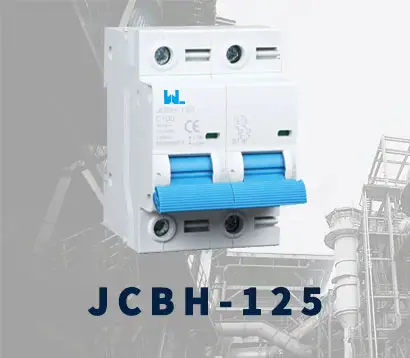 JCBH-125
 JC80-2P
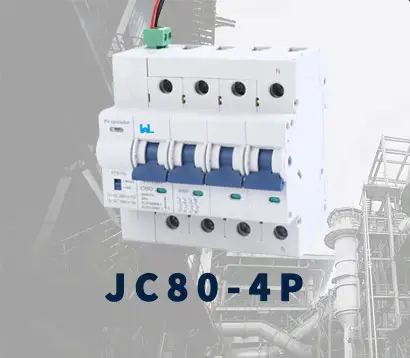 JC80-4P
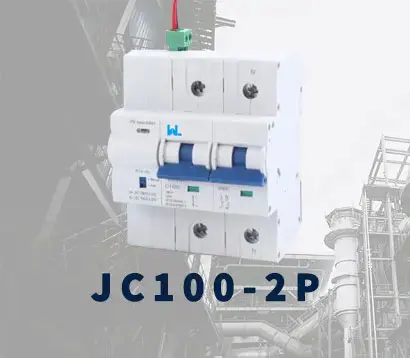 JC125-2P
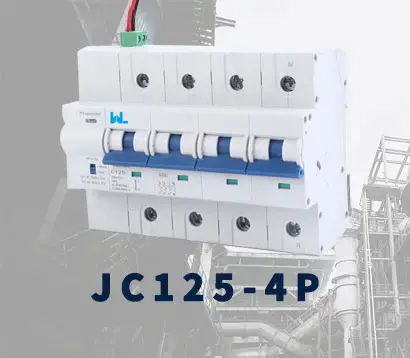 JC125-4P
 JCMX
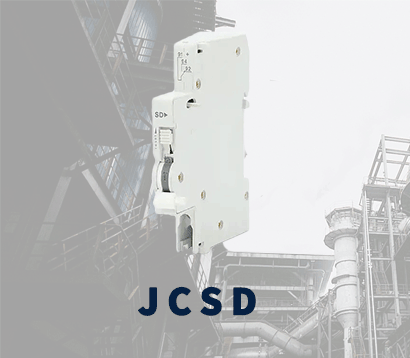 JCSD
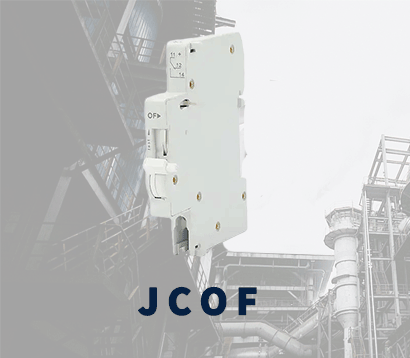 JCOF
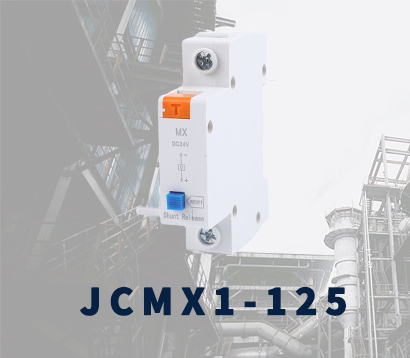 JCMX1-125
 JCOF1-125
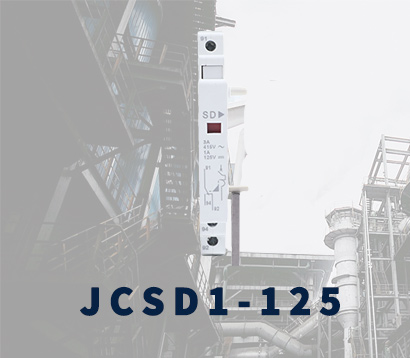 JCSD1-125
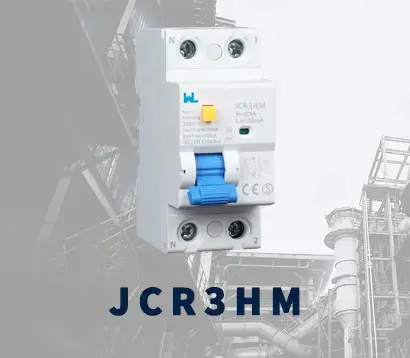 JCR3HM
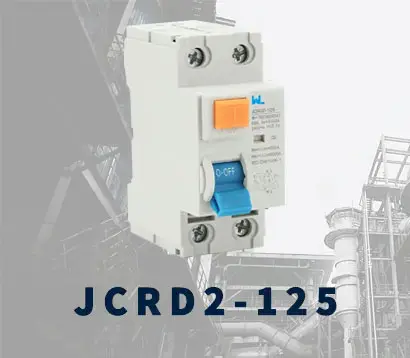 JCRD2-125
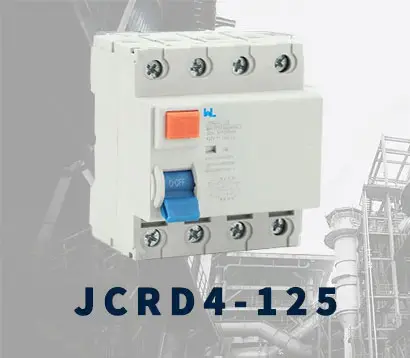 JCRD4-125
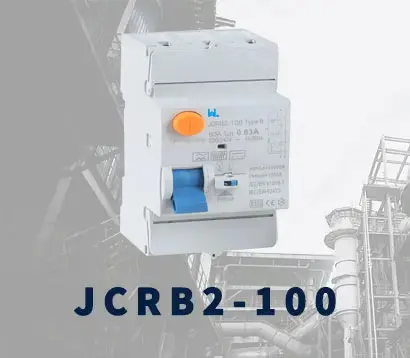 JCRB2-100
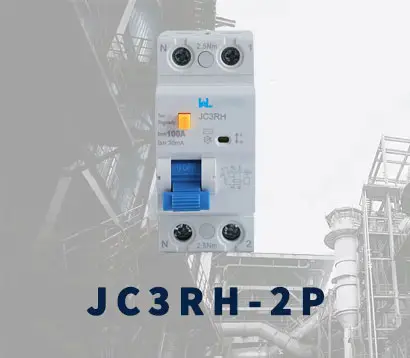 JC3RH-2P
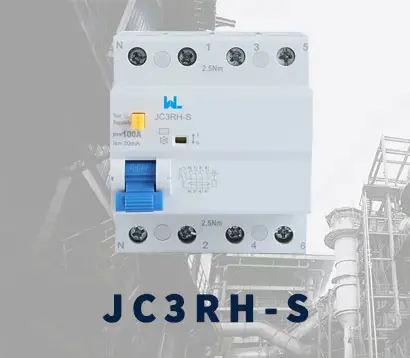 JC3RH-S
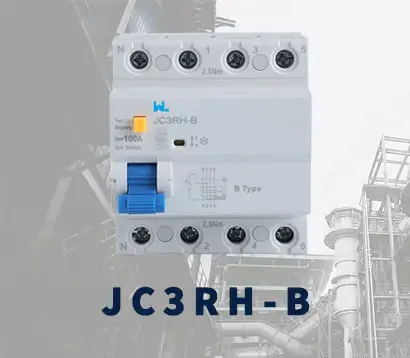 JC3RH-B
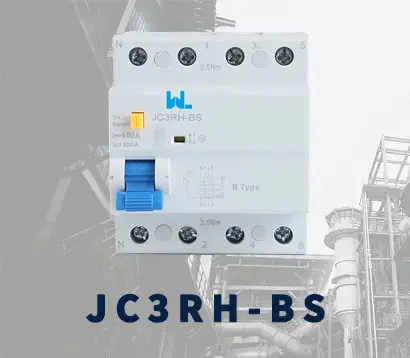 JC3RH-BS
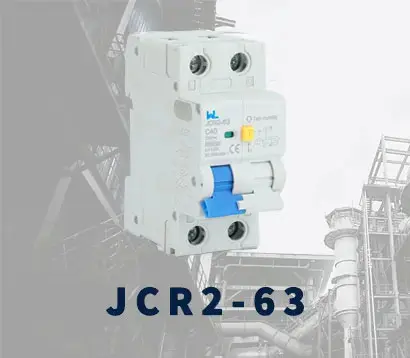 JCR2-63
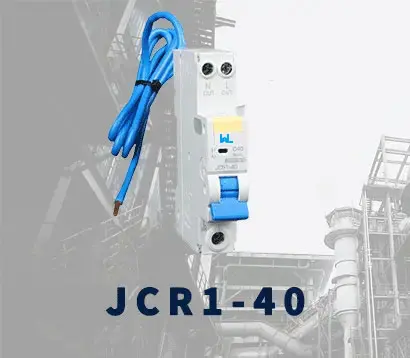 JCR1-40
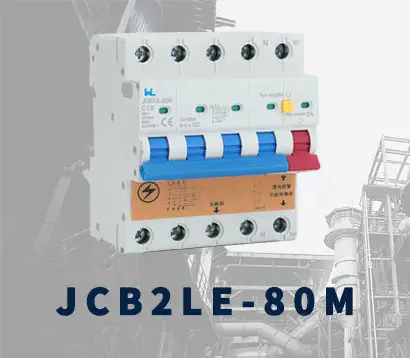 JCB2LE-80M
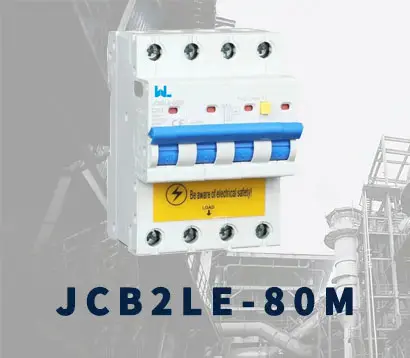 JCB2LE-80M
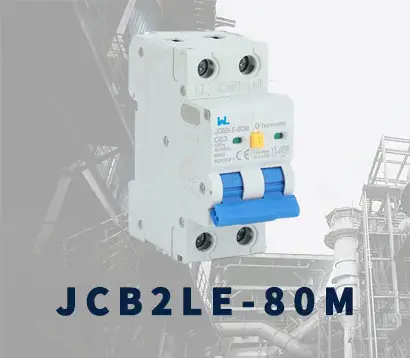 JCB2LE-80M
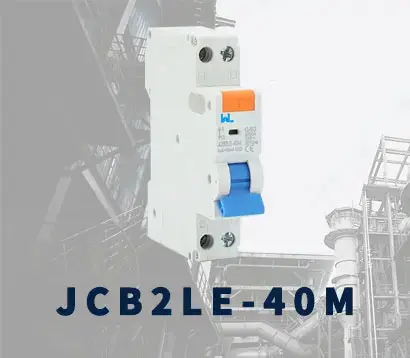 JCB2LE-40M
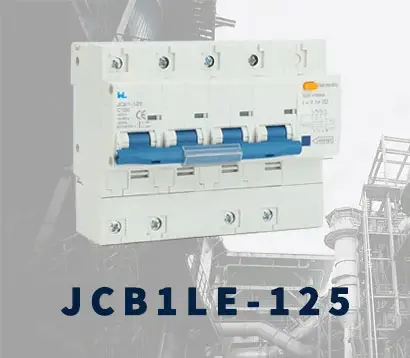 JCB1LE-125
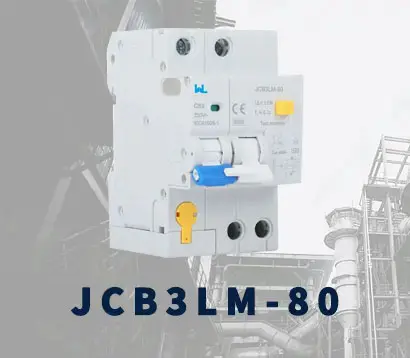 JCB3LM-80
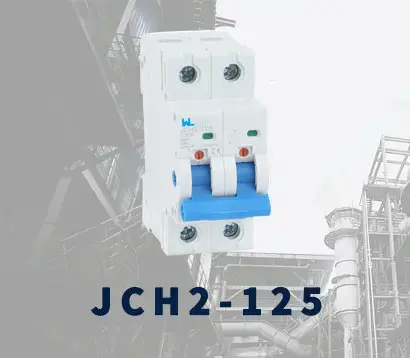 JCH2-125
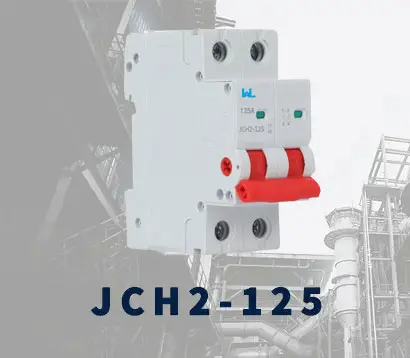 JCH2-125
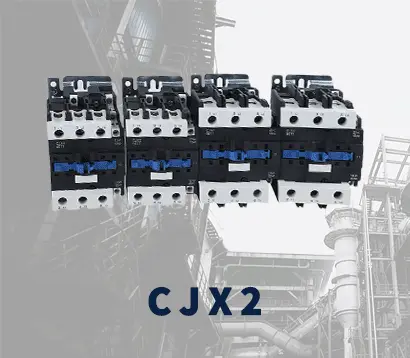 CJX2
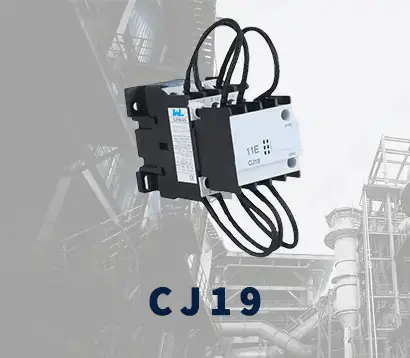 CJ19
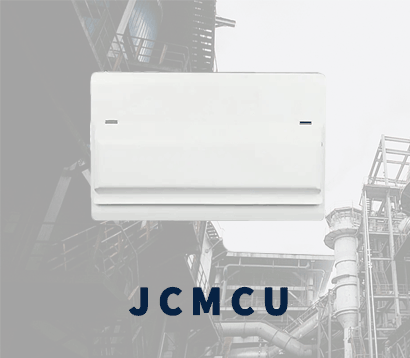 JCMCU
 JCHA
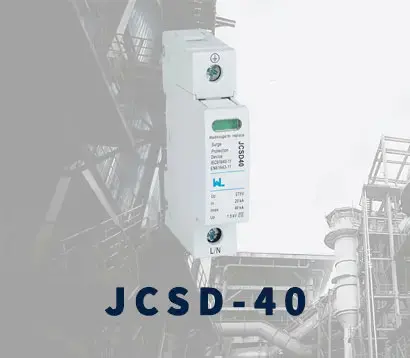 JCSD-40
 JCSD-60
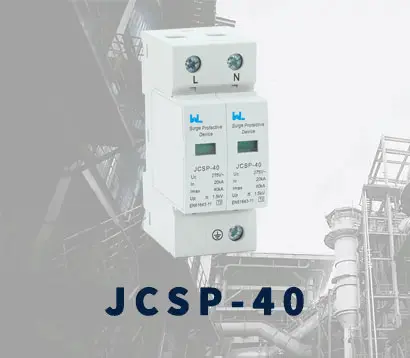 JCSP-40
 JCSP-60
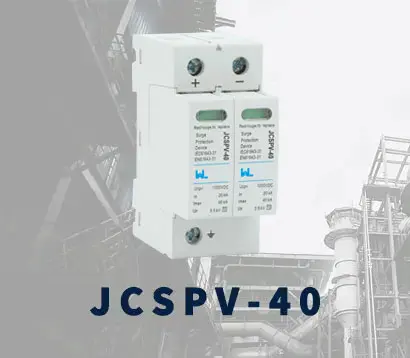 JCSPV
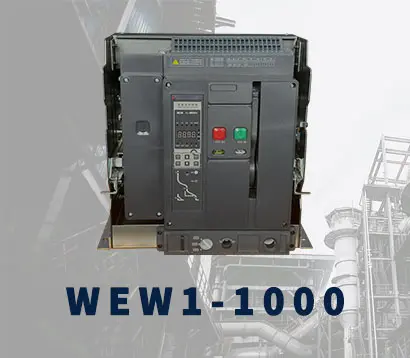 WEW1-1000
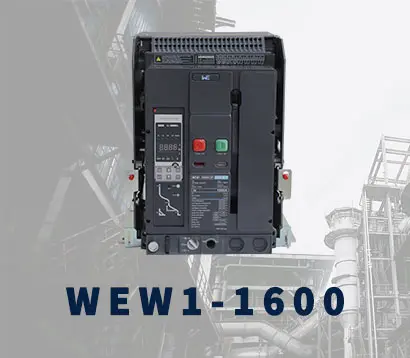 WEW1-1600
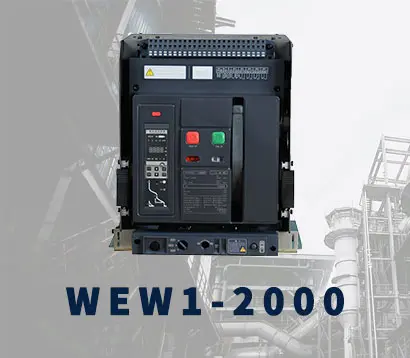 WEW1-2000
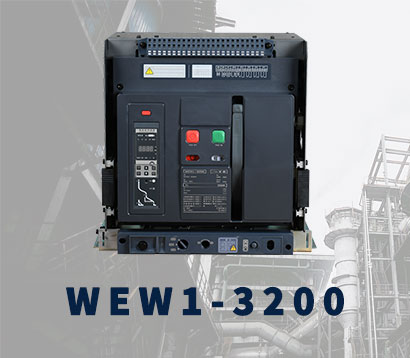 WEW1-3200
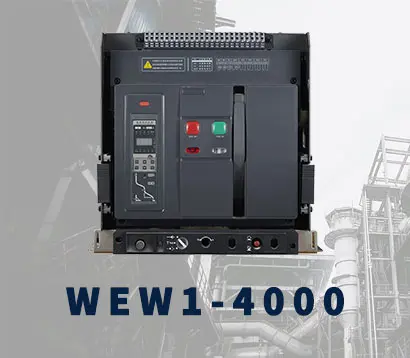 WEW1-4000
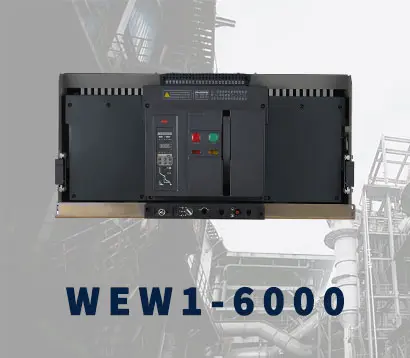 WEW1-6300
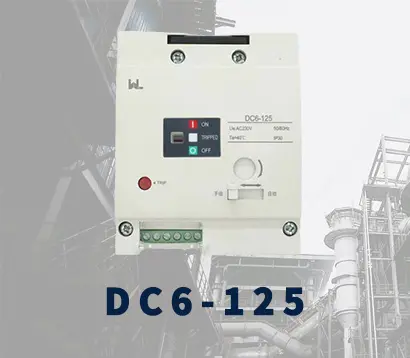 DC6-125
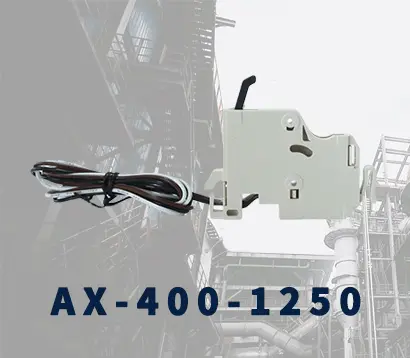 AX-400-1250
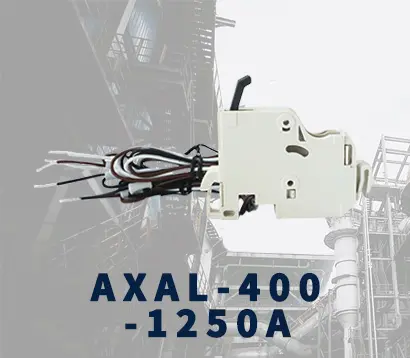 AXAL-400-1250A
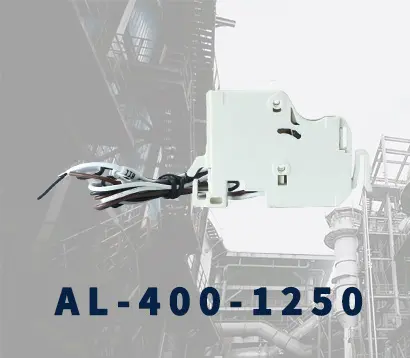 AL-400-1250
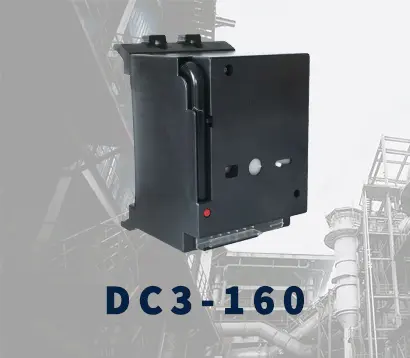 DC3-160
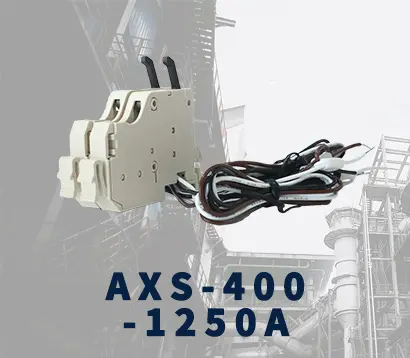 AXS-400-1250A
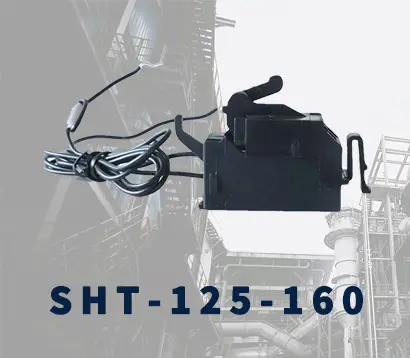 SHT-125-160
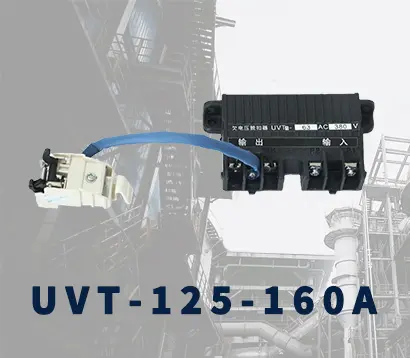 UVT-125-160A
 P-250A-3P-A
 400-3P/4P terminal cover
 1250-3Pmccb accessories busbar
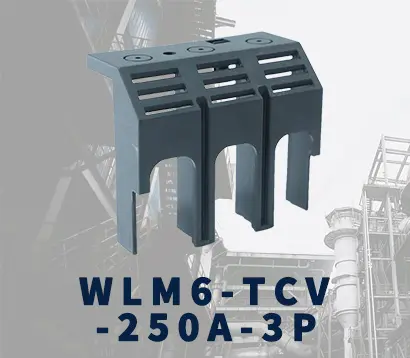 250-3P terminal conver
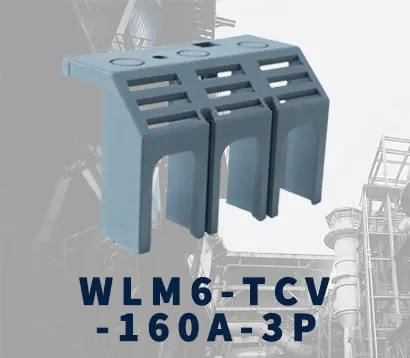 WLM6-TCV-160A-3P
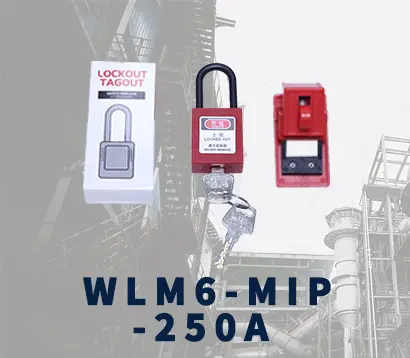 WLM6-MIP-250A
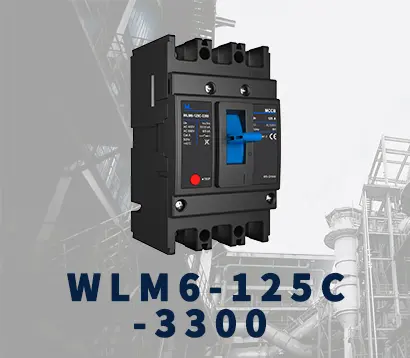 WLM6-125A-3300 3P/4P
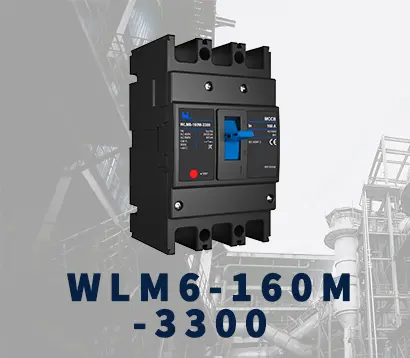 WLM6-160A-3300 3P/4P
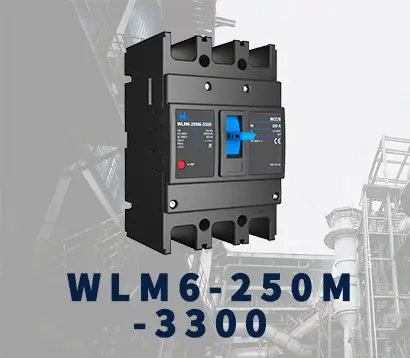 WLM6-250A-3300 3P/4P
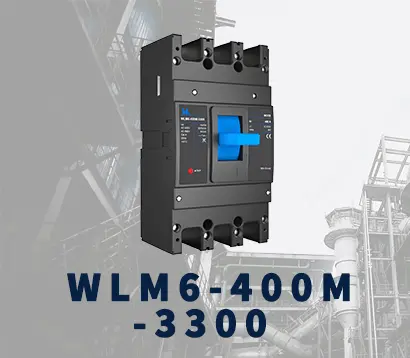 WLM6-400A-3300 3P/4P
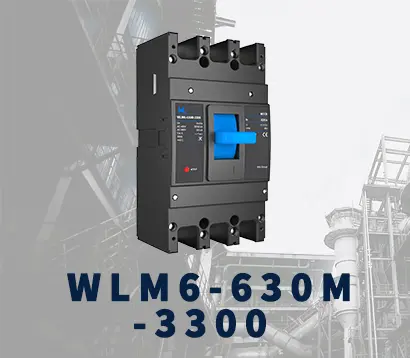 WLM6-630A-3300 3P/4P
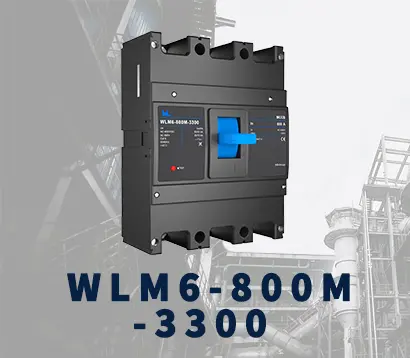 WLM6-800A-3300 3P/4P
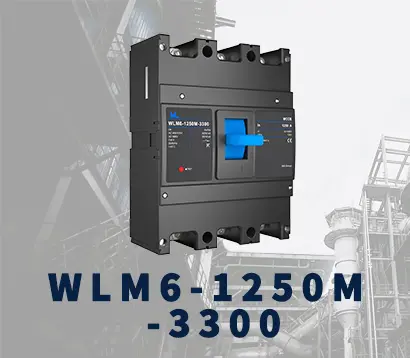 WLM6-1250A-3300 3P/4P
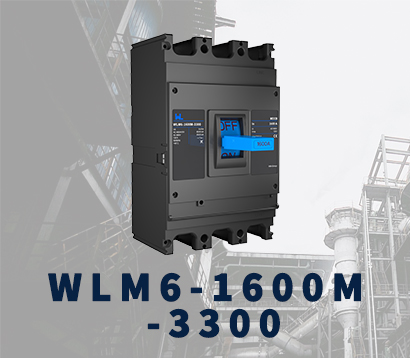 WLM6-1600A-3300 3P/4P
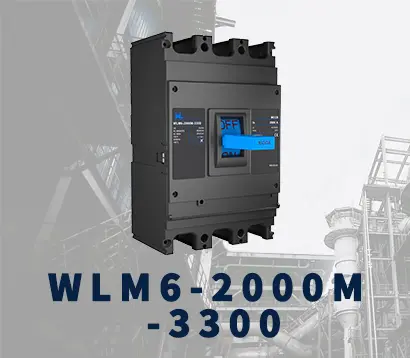 WLM6-2000A 3P/4P
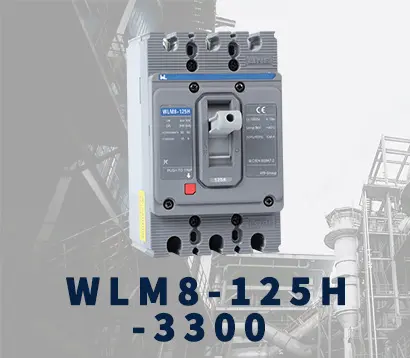 WLM8-125H-3300
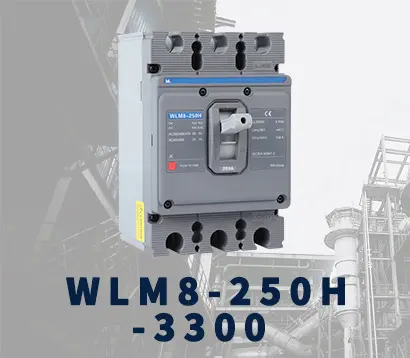 WLM8-250H-3300
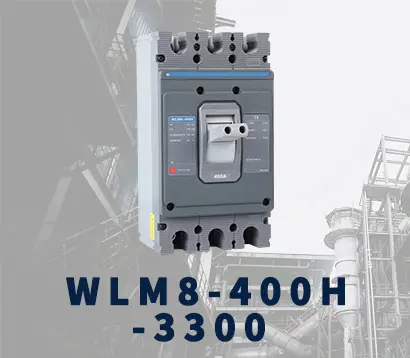 WLM8-400H-3300
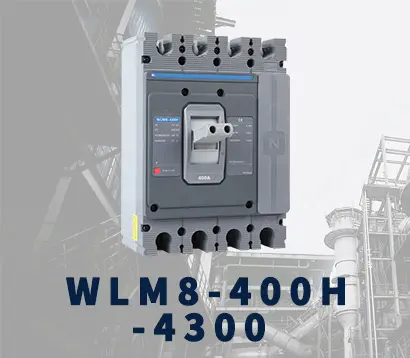 WLM8-400H-4300
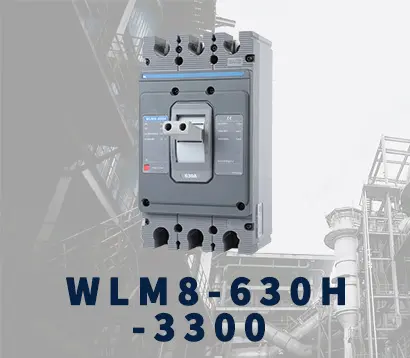 WLM8-630H-3300
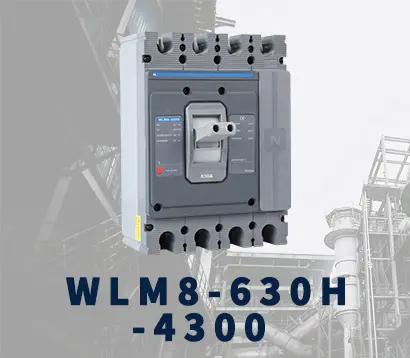 WLM8-630H-4300
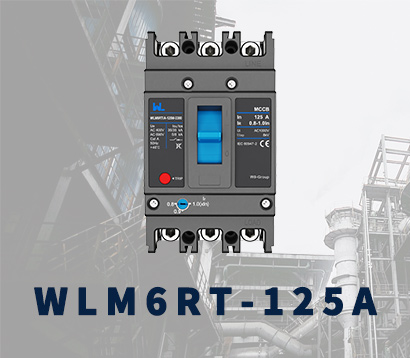 WLM6RT-125A
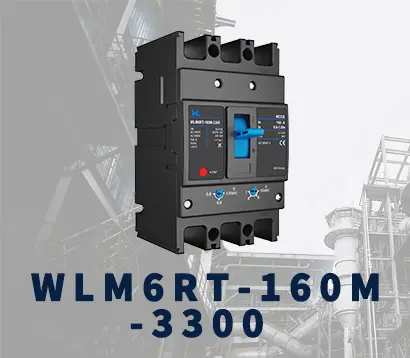 WLM6RT-160A
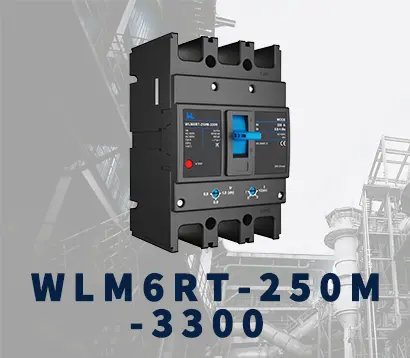 WLM6RT-250A
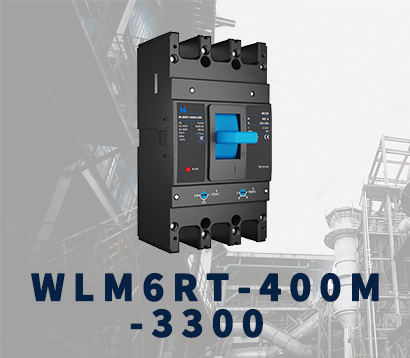 WLM6RT-400A
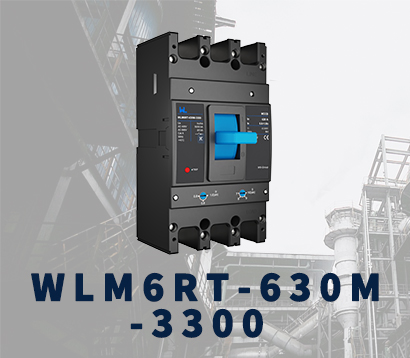 WLM6RT-630A
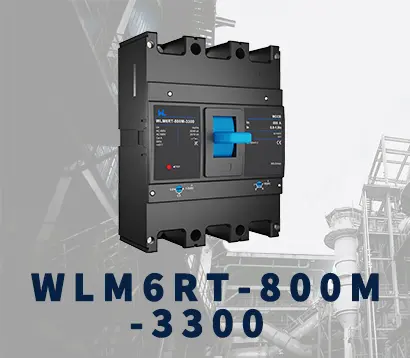 WLM6RT-800A
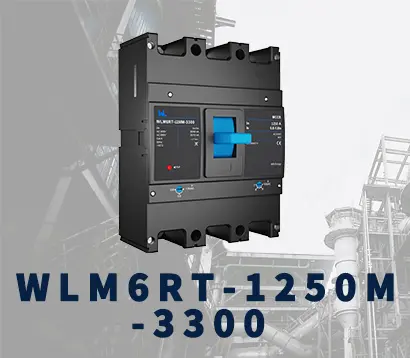 WLM6RT-1250A
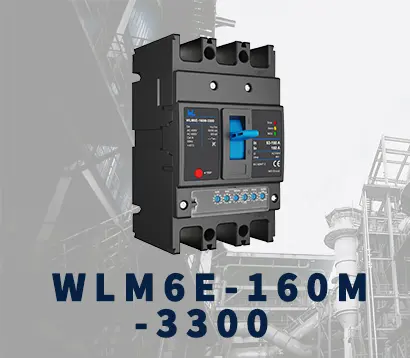 WLM6E-160A-3300 3P
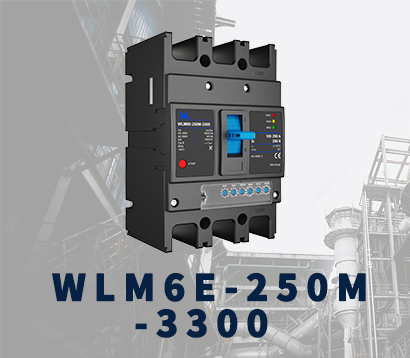 WLM6E-250A-3300
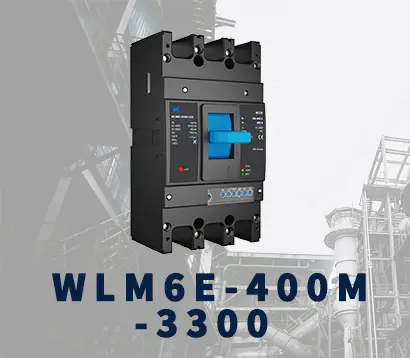 WLM6E-400A-3300 3P/4P
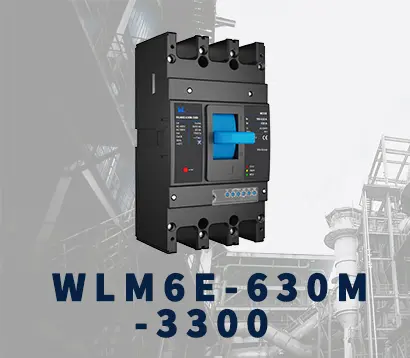 WLM6E-630A-3300
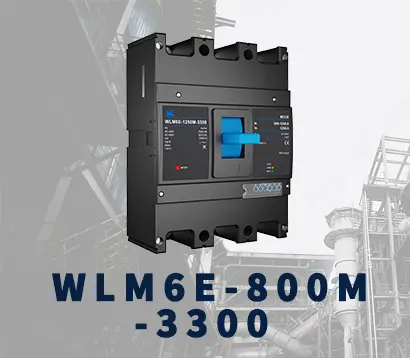 WLM6E-800A-3300 3P/4P
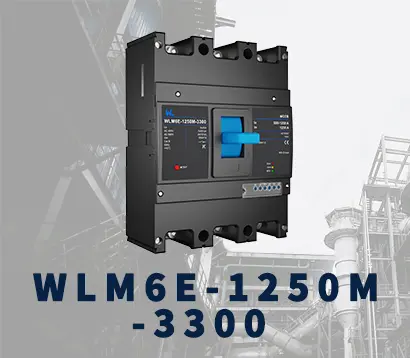 WLM6E-1250A-3300
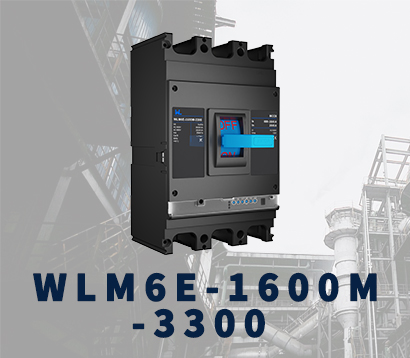 WLM6E-1600-3300 3P/4P
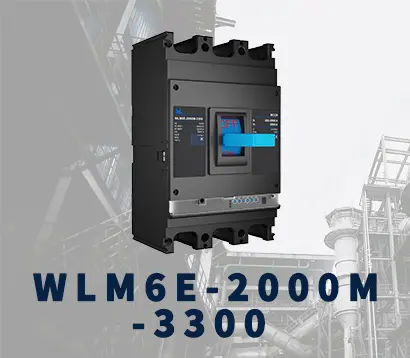 WLM6E-2000A-3300 3P/4P
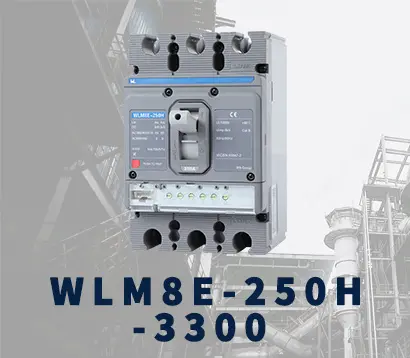 WLM8E-250H-3300
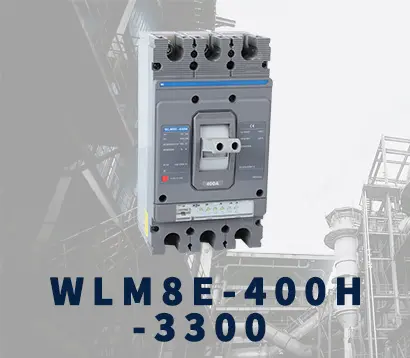 WLM8E-400H-3300
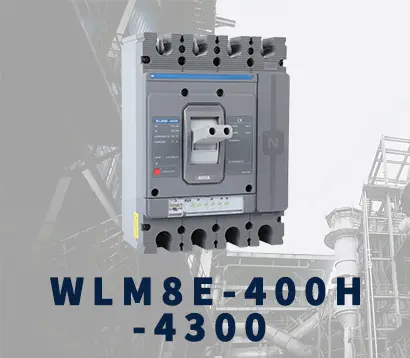 WLM8E-400H-4300
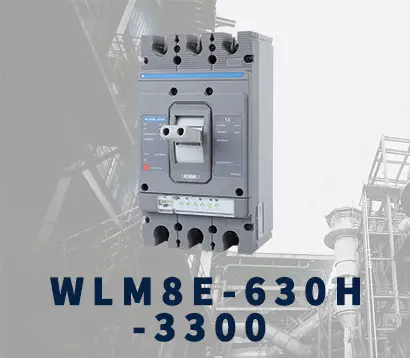 WLM8E-630H-3300
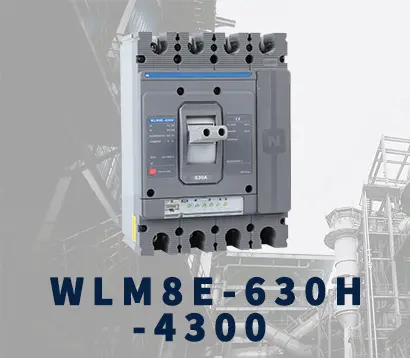 WLM8E-630H-4300
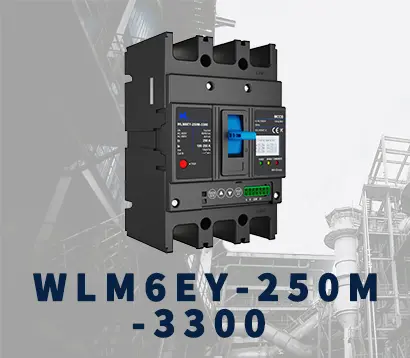 WLM6EY-250-3300 3P/4P
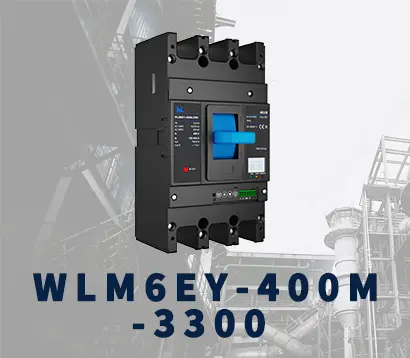 WLM6EY-400 3P/4P
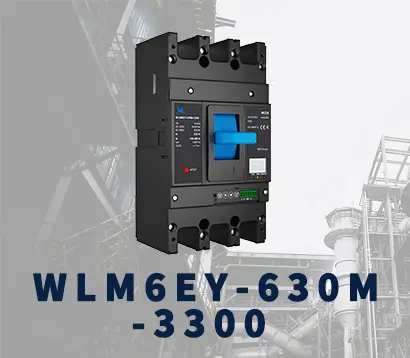 WLM6EY-630 3P/4P
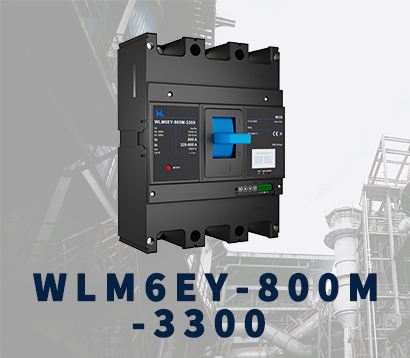 WLM6EY-800A 3P/4P
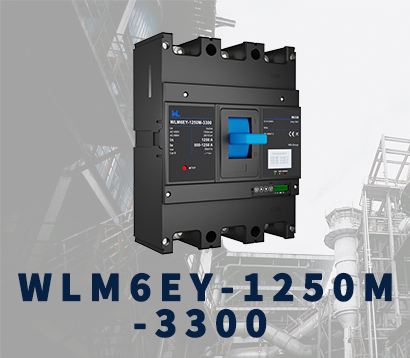 WLM6EY-1250A 3P/4P
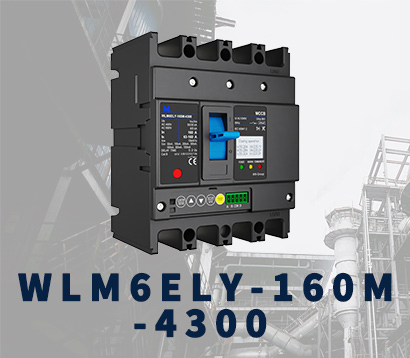 WLM6ELY-160A
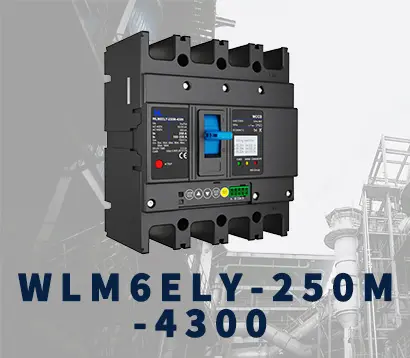 WLM6ELY-250A
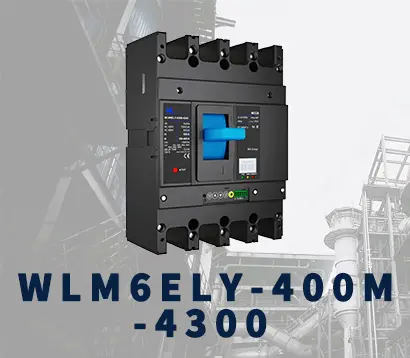 WLM6ELY-400A
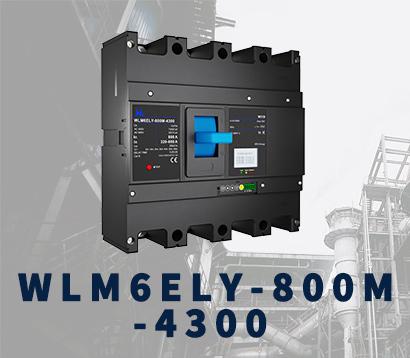 WLM6ELY-800A
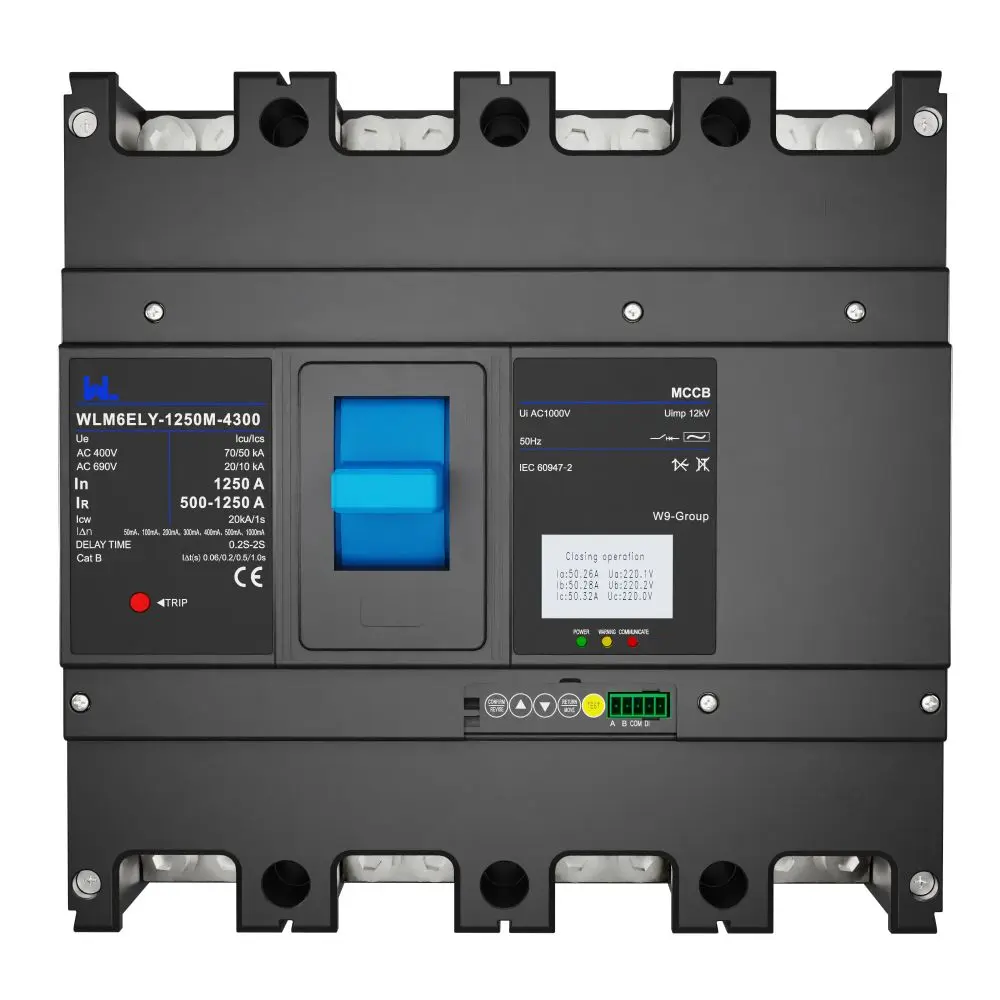 WLM6ELY-1250A
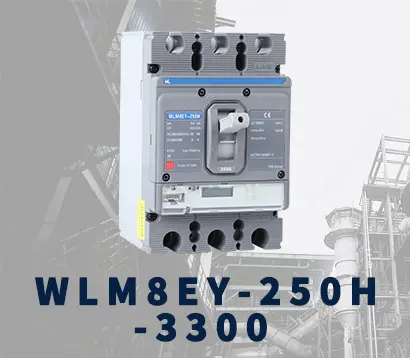 WLM8EY-250H-3300
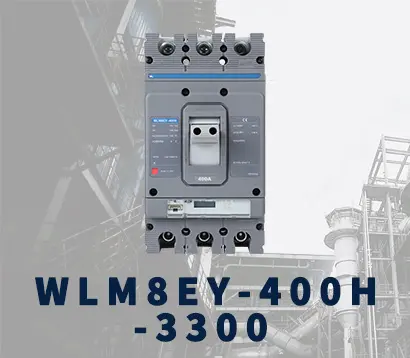 WLM8EY-400H-3300
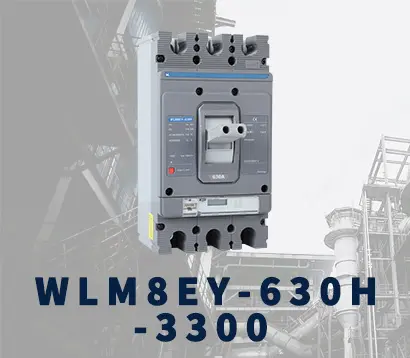 WLM8EY-630H-3300
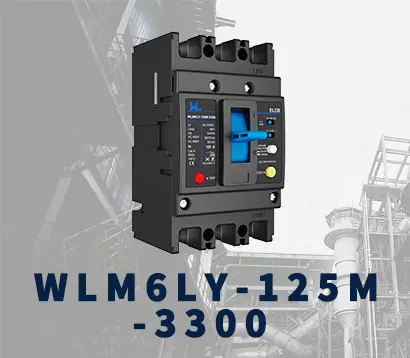 WLM6LY-125A
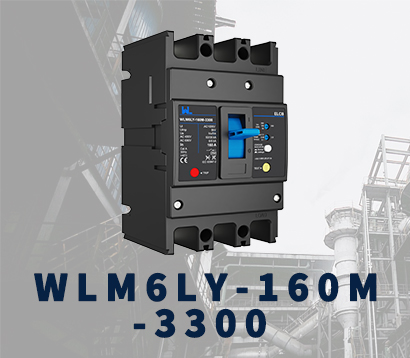 WLM6L-160A
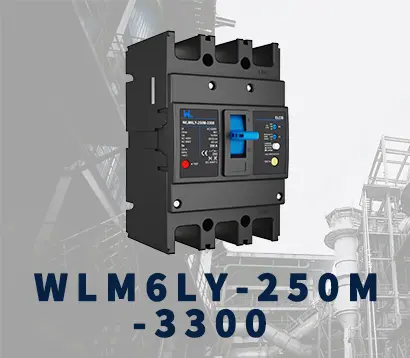 WLM6LY-250A
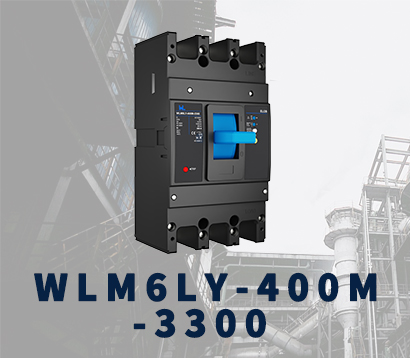 WLM6LY-400A
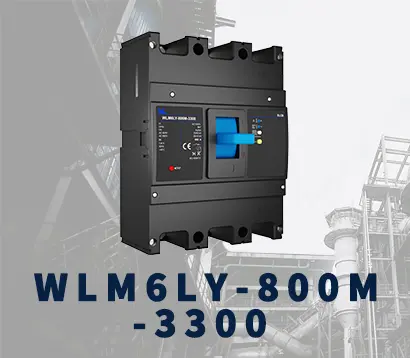 WLM6LY-800A
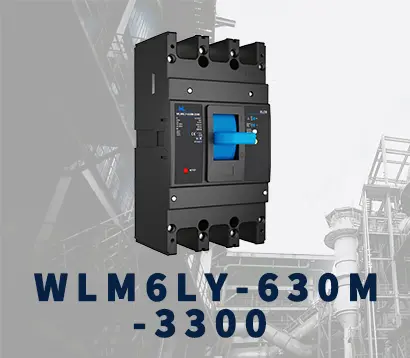 WLM6LY-630A
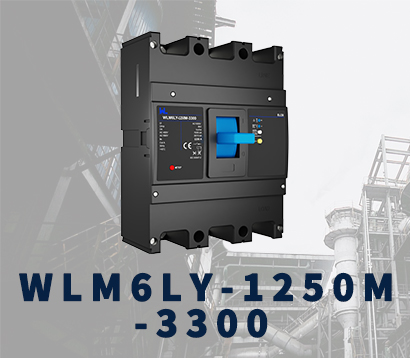 WLM6LY-1250A
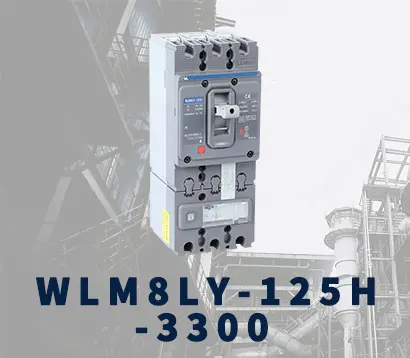 WLM8LY-125H-3300
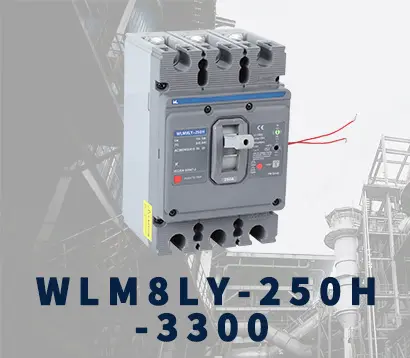 WLM8LY-250H-3300
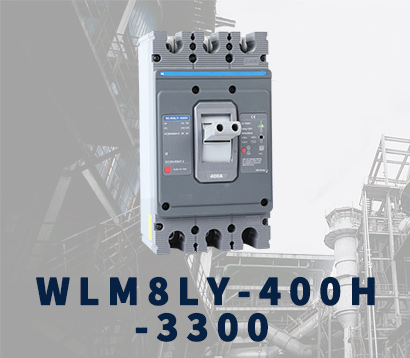 WLM8LY-400H-3300
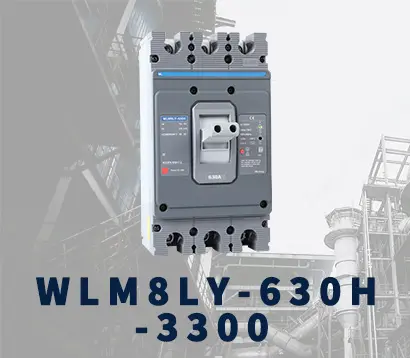 WLM8LY-630H-3300
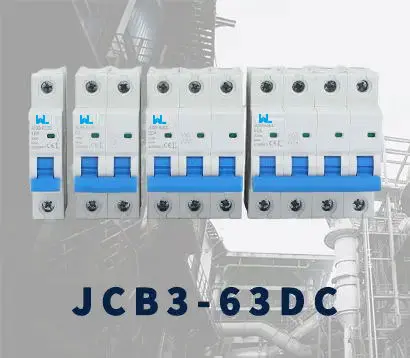 JCB3-63DC
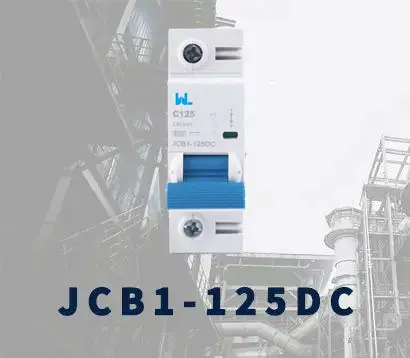 JCB1-125DC
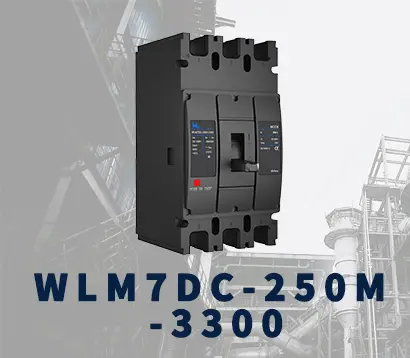 WLM7DC-250A-2300 2P/3P
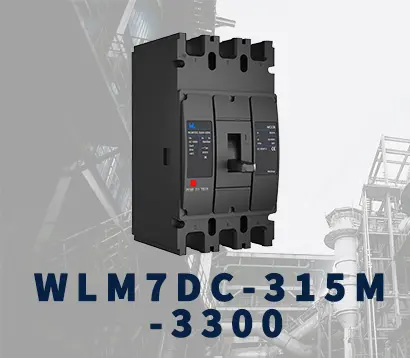 WLM7DC-315A-3300 2P/3P
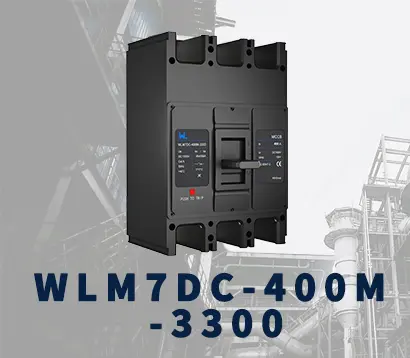 WLM7DC-400A-2300 2P/3P
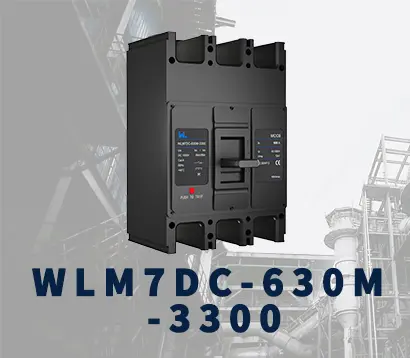 WLM7DC-630A-3300 3P
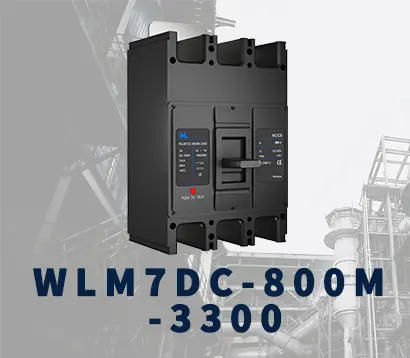 WLM7DC-800A-2300 2P/3P
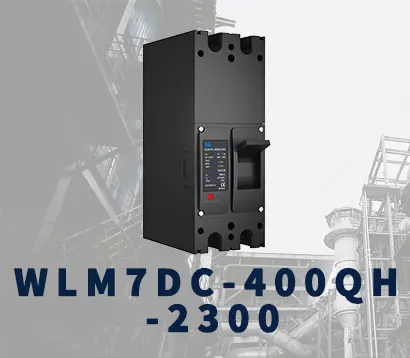 WLM7DC-400A 2300
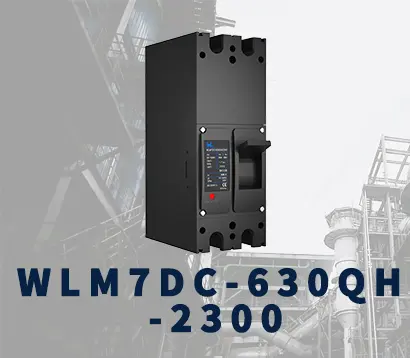 WLM7DC-630A-2300 2P
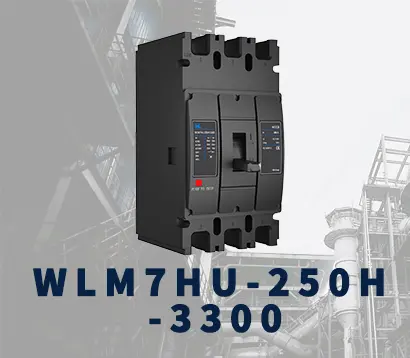 WLM7HU-250-3300 3P
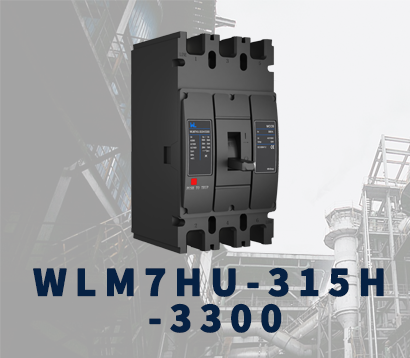 WLM7HU-315-3300 3P
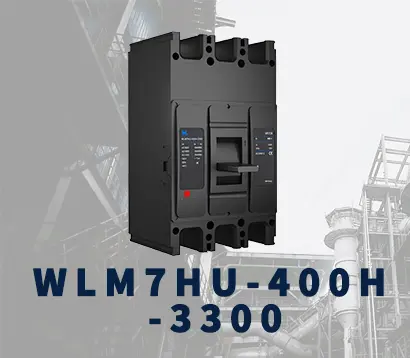 WLM7HU-400-3300 3P
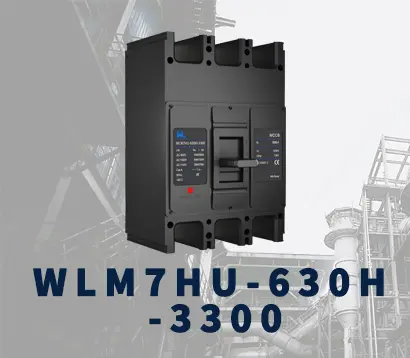 WLM7HU-630-3300 3P
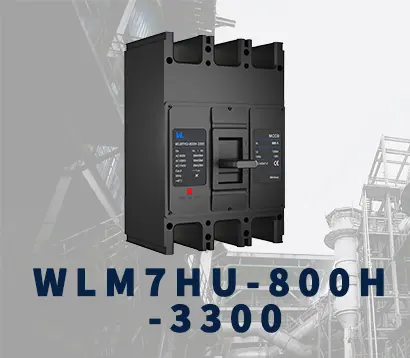 WLM7HU-800-3300 3P
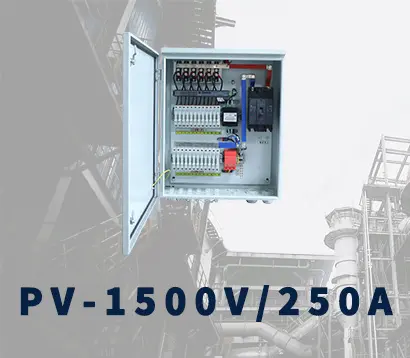 PV-1500V/250A
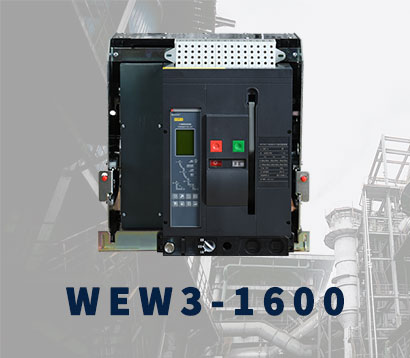 WEW3-1600
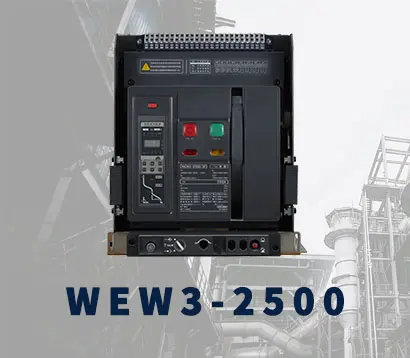 WEW3-2500
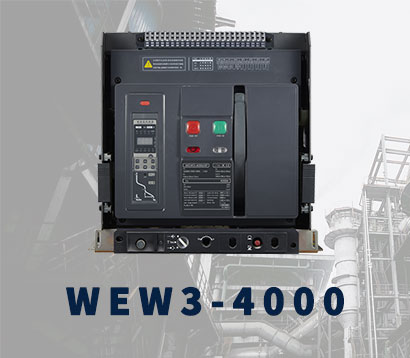 WEW3-4000
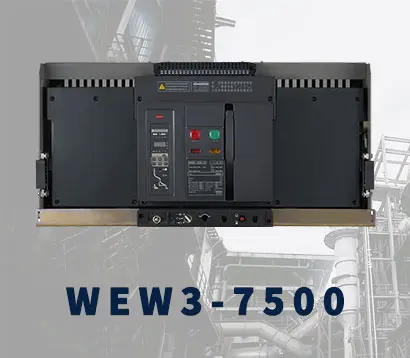 WEW3-7500