
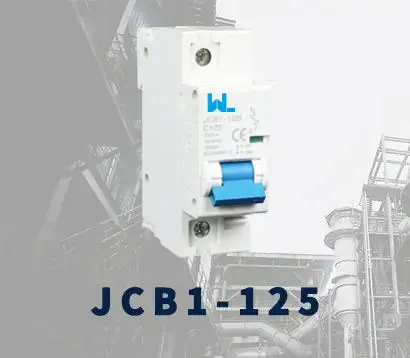
 JCB1-125
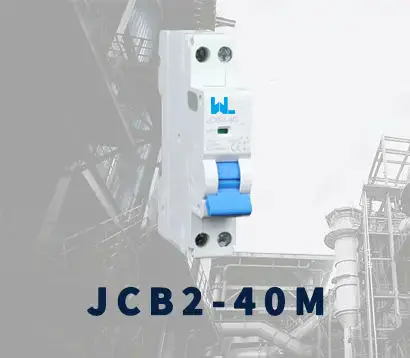 JCB2-40M
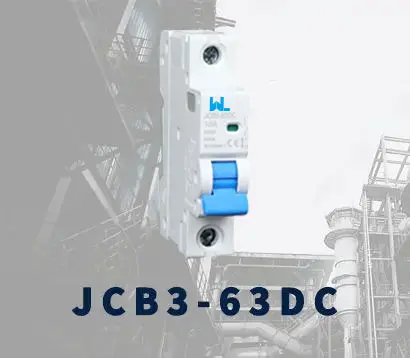 JCB3-63DC
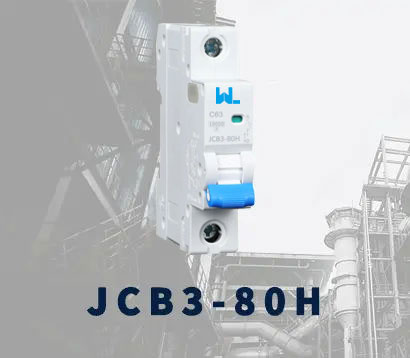 JCB3-80H
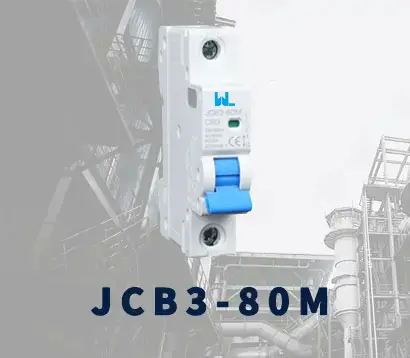 JCB3-80M
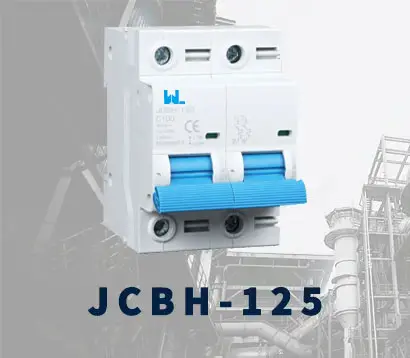 JCBH-125
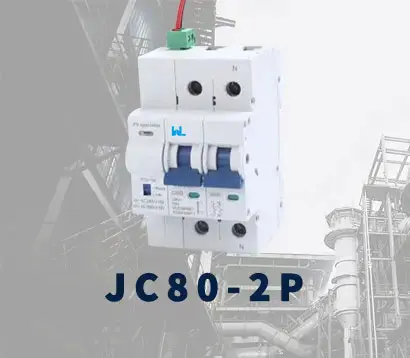 JC80-2P
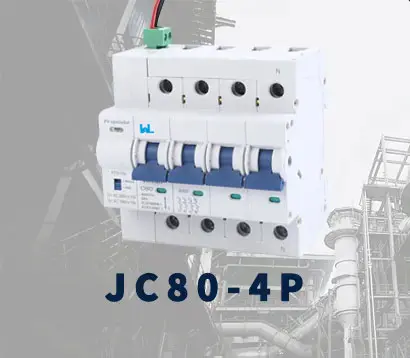 JC80-4P
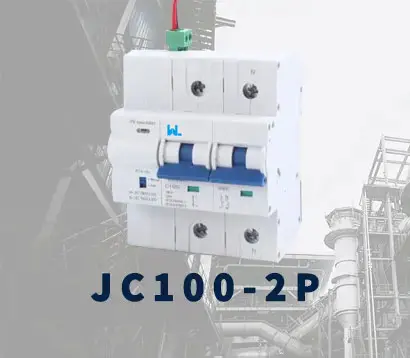 JC125-2P
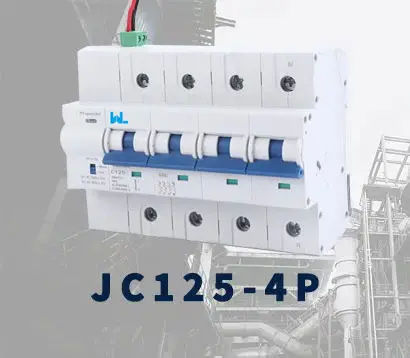 JC125-4P
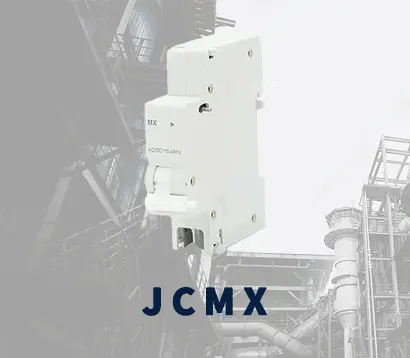 JCMX
JCMX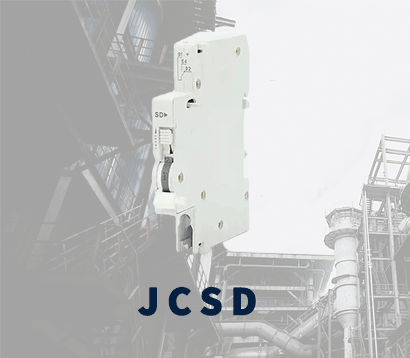 JCSD
JCSD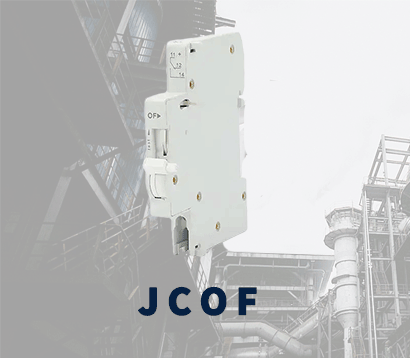 JCOF
JCOF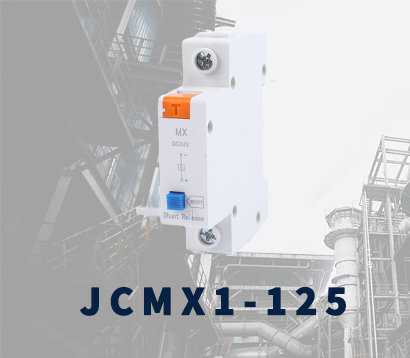 JCMX1-125
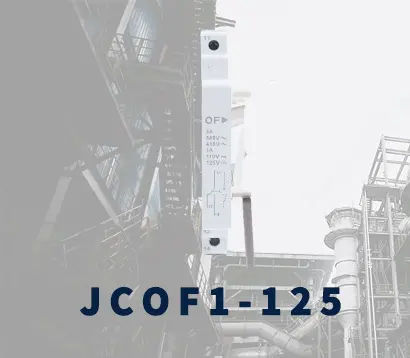 JCOF1-125
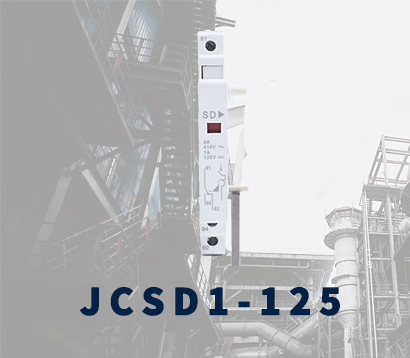 JCSD1-125
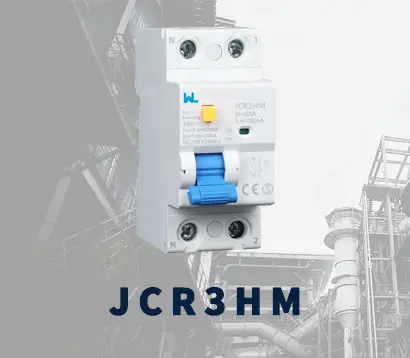 JCR3HM
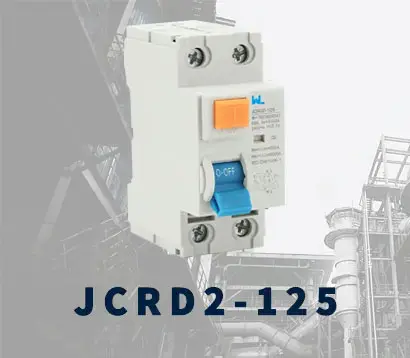 JCRD2-125
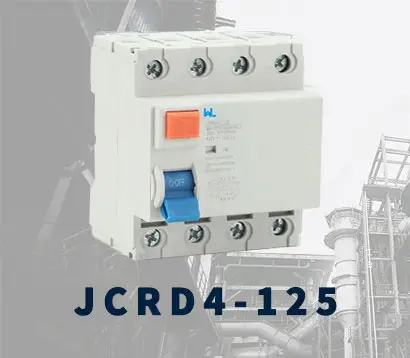 JCRD4-125
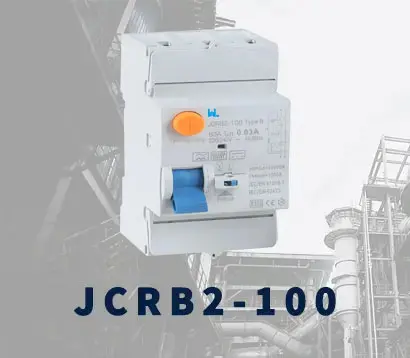 JCRB2-100
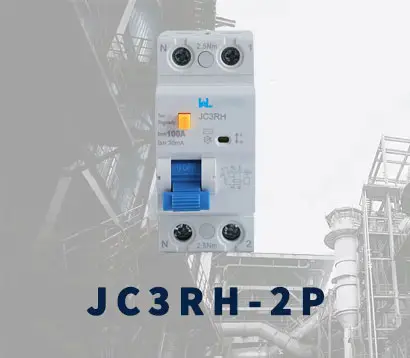 JC3RH-2P
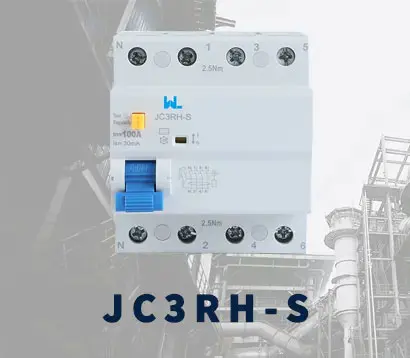 JC3RH-S
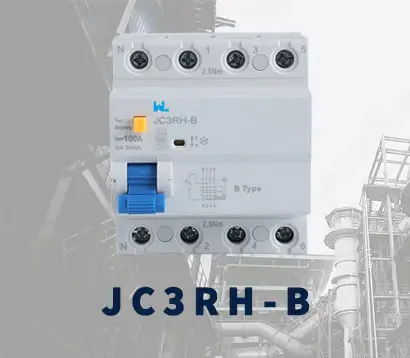 JC3RH-B
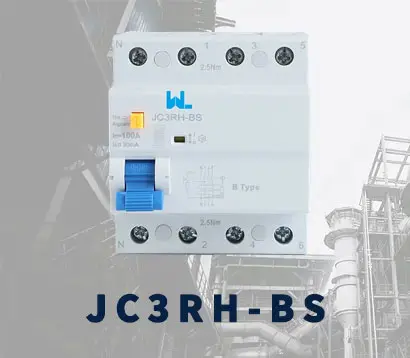 JC3RH-BS
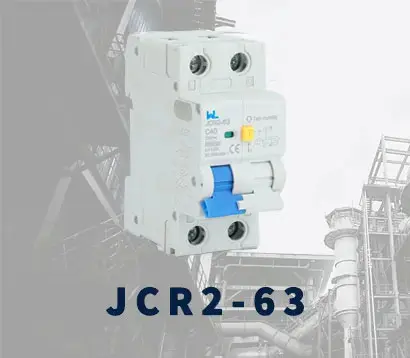 JCR2-63
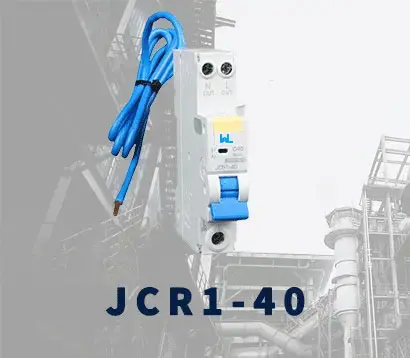 JCR1-40
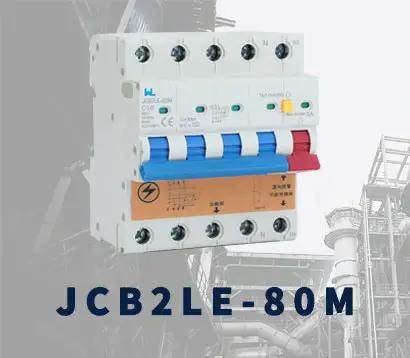 JCB2LE-80M
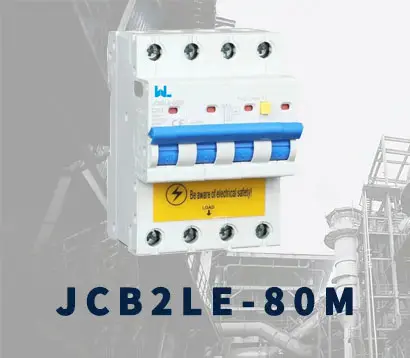 JCB2LE-80M
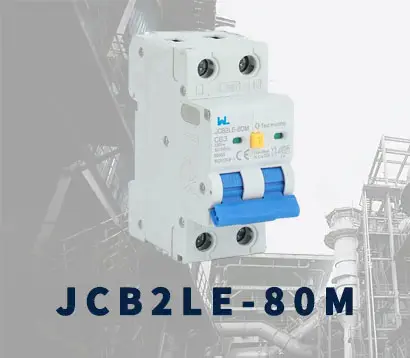 JCB2LE-80M
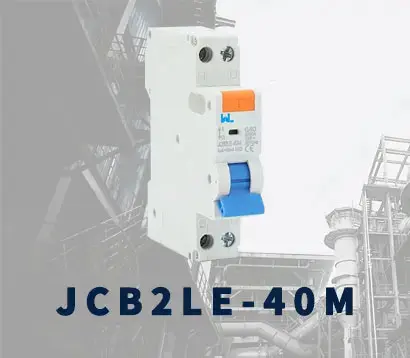 JCB2LE-40M
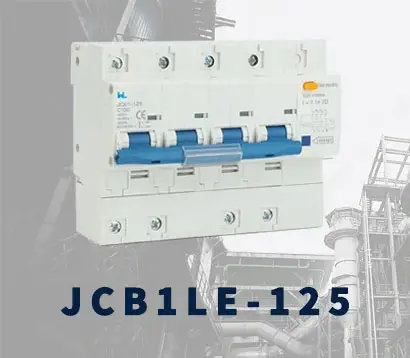 JCB1LE-125
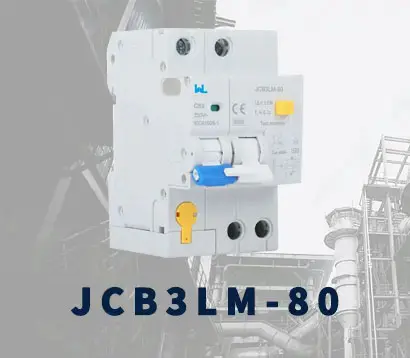 JCB3LM-80
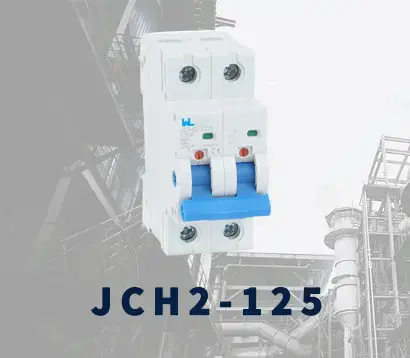 JCH2-125
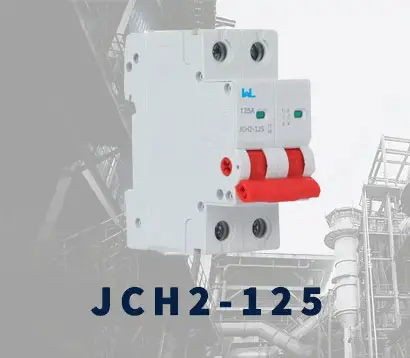 JCH2-125
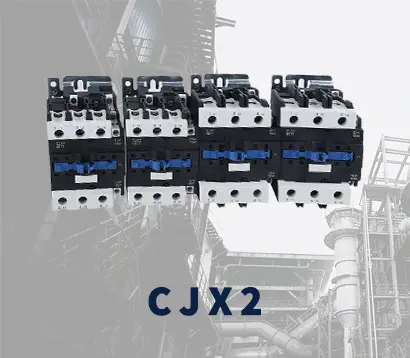 CJX2
CJX2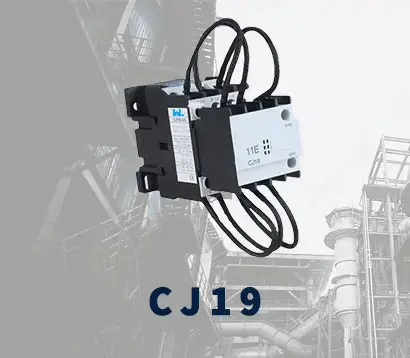 CJ19
CJ19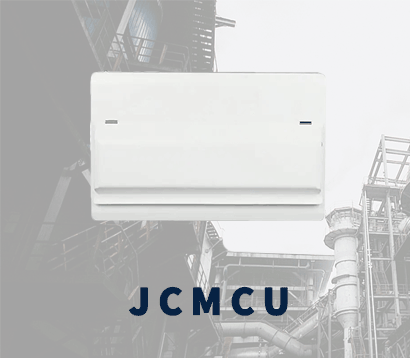 JCMCU
JCMCU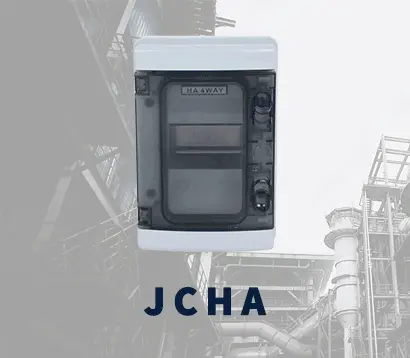 JCHA
JCHA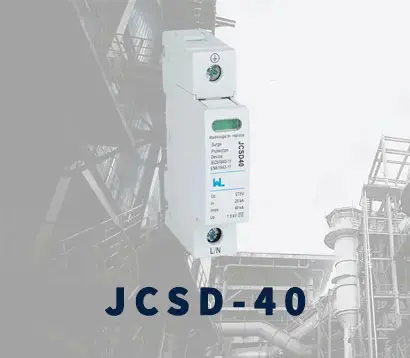 JCSD-40
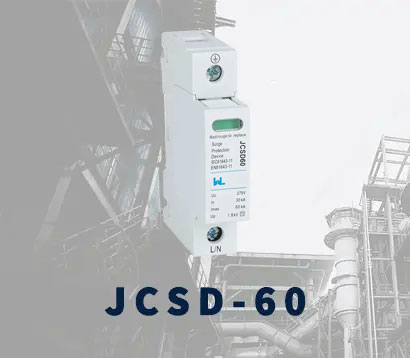 JCSD-60
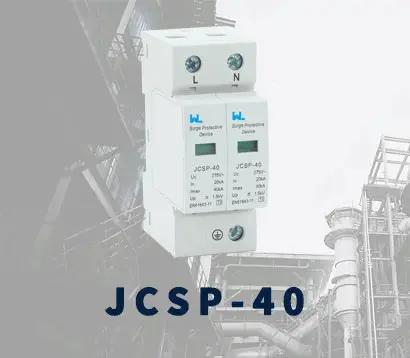 JCSP-40
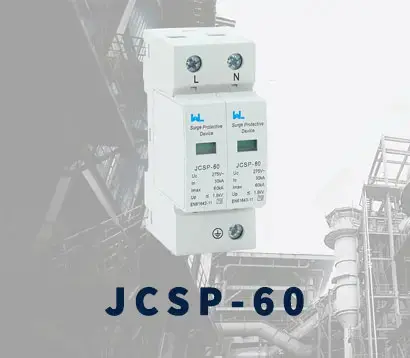 JCSP-60
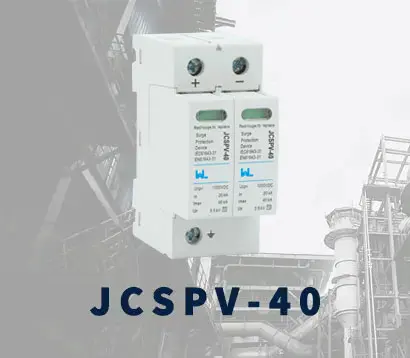 JCSPV
JCSPV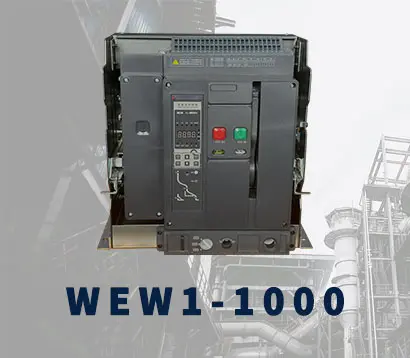 WEW1-1000
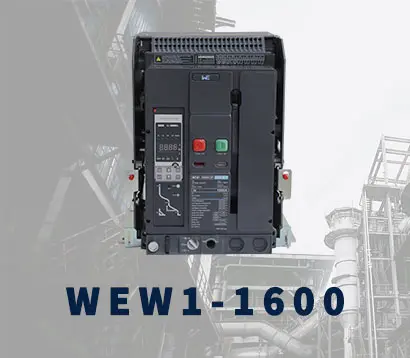 WEW1-1600
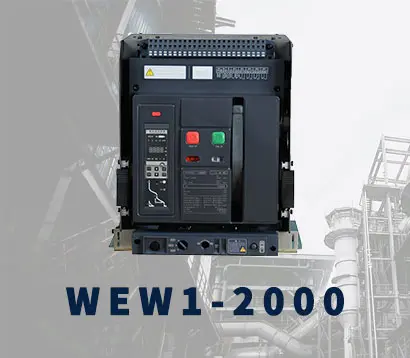 WEW1-2000
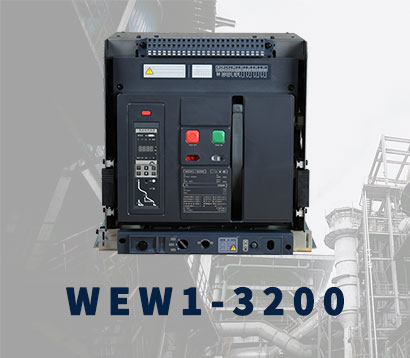 WEW1-3200
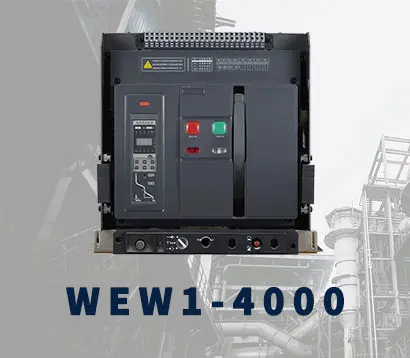 WEW1-4000
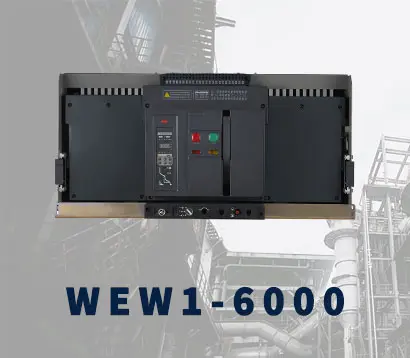 WEW1-6300
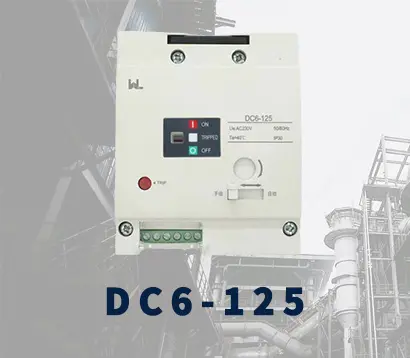 DC6-125
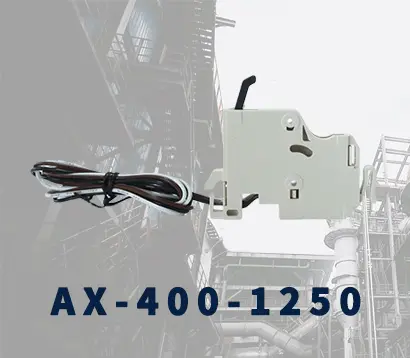 AX-400-1250
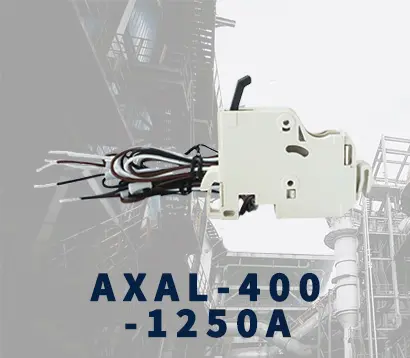 AXAL-400-1250A
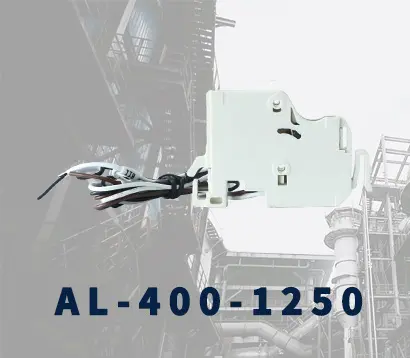 AL-400-1250
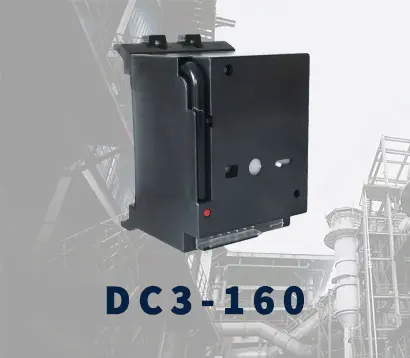 DC3-160
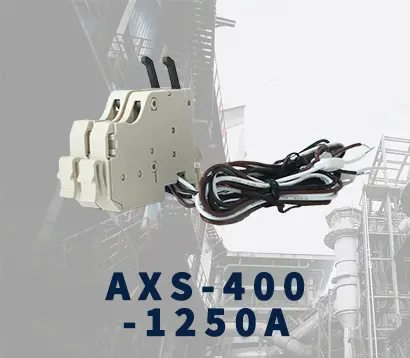 AXS-400-1250A
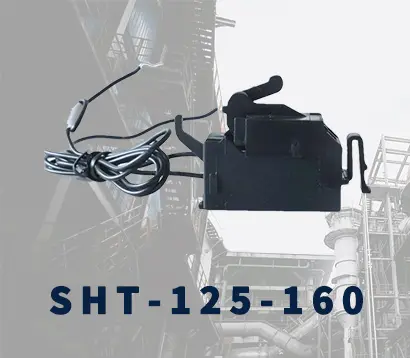 SHT-125-160
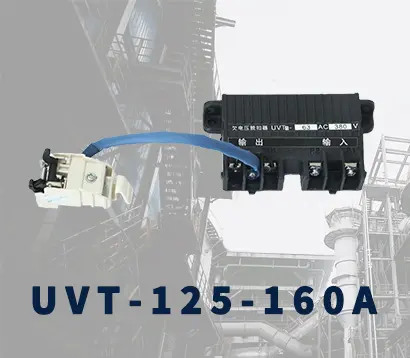 UVT-125-160A
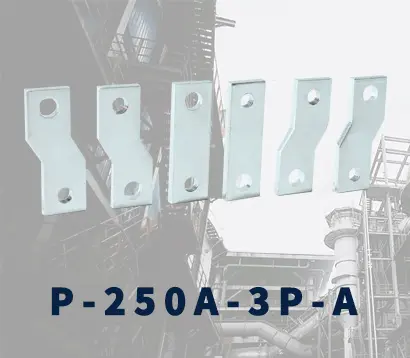 P-250A-3P-A
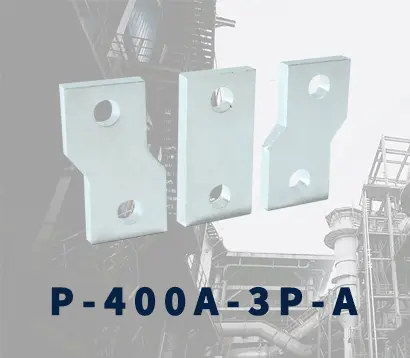 400-3P/4P terminal cover
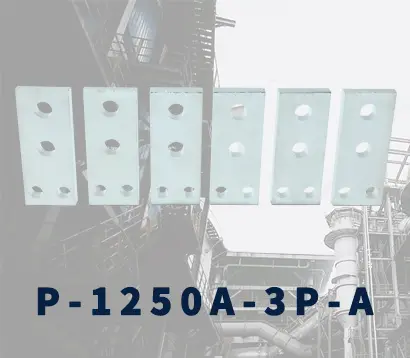 1250-3Pmccb accessories busbar
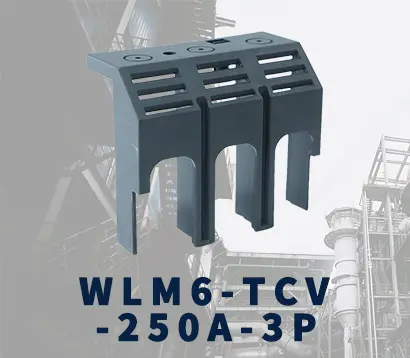 250-3P terminal conver
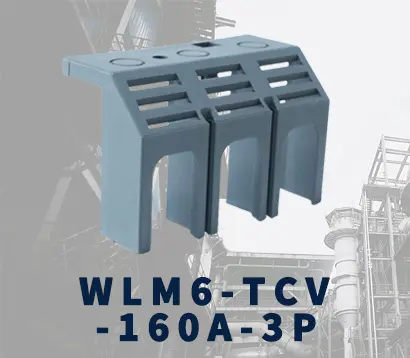 WLM6-TCV-160A-3P
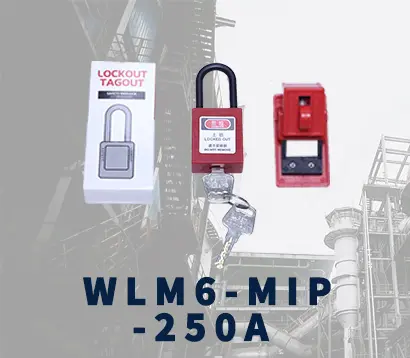 WLM6-MIP-250A
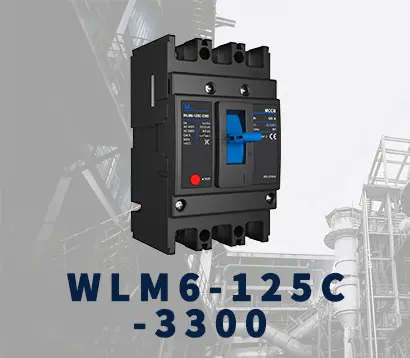 WLM6-125A-3300 3P/4P
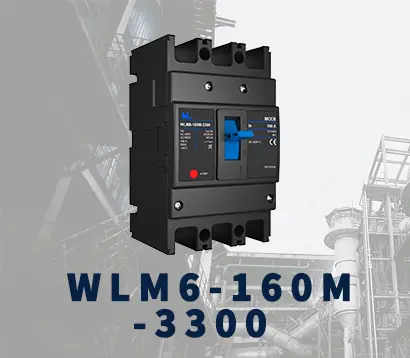 WLM6-160A-3300 3P/4P
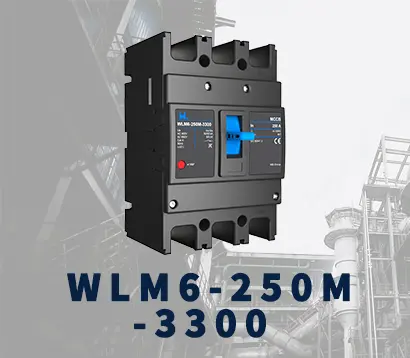 WLM6-250A-3300 3P/4P
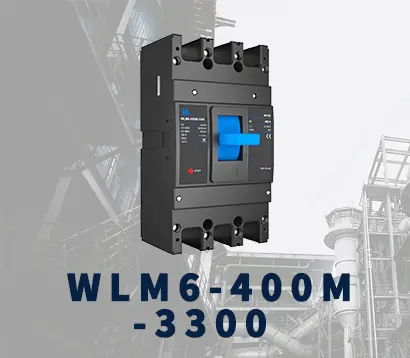 WLM6-400A-3300 3P/4P
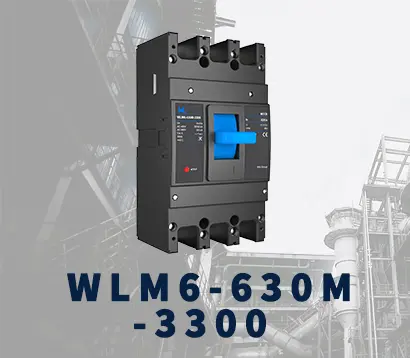 WLM6-630A-3300 3P/4P
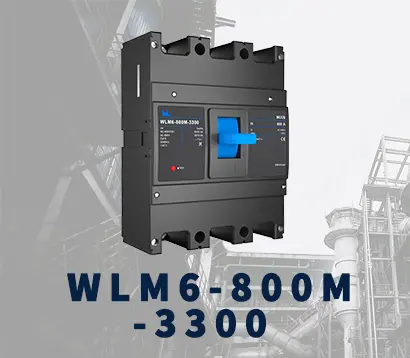 WLM6-800A-3300 3P/4P
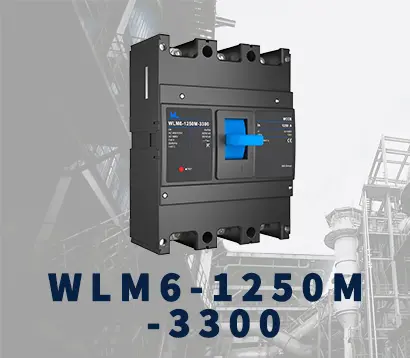 WLM6-1250A-3300 3P/4P
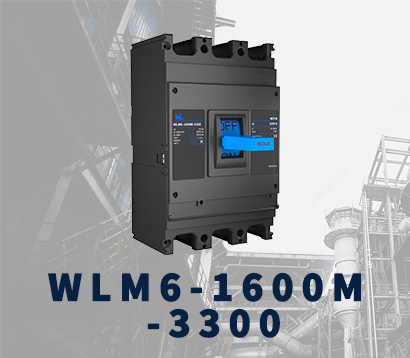 WLM6-1600A-3300 3P/4P
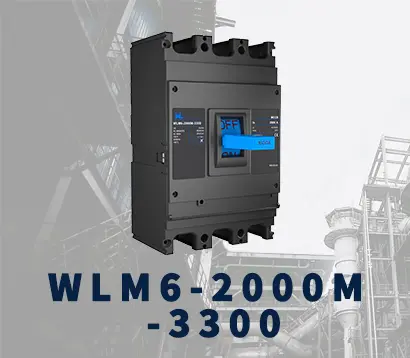 WLM6-2000A 3P/4P
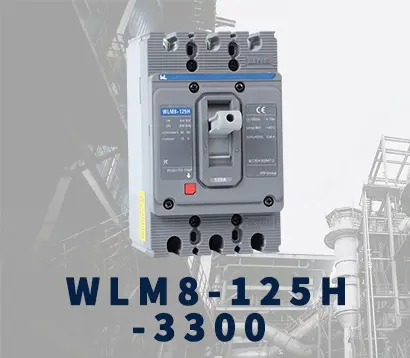 WLM8-125H-3300
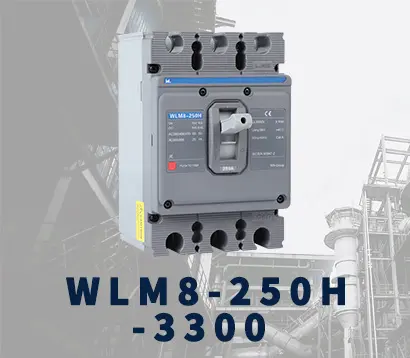 WLM8-250H-3300
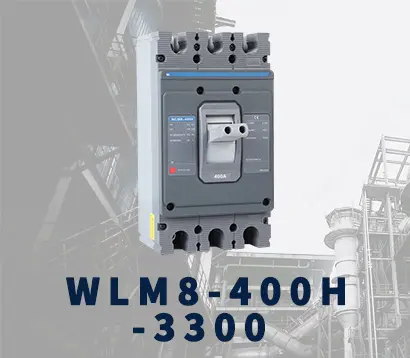 WLM8-400H-3300
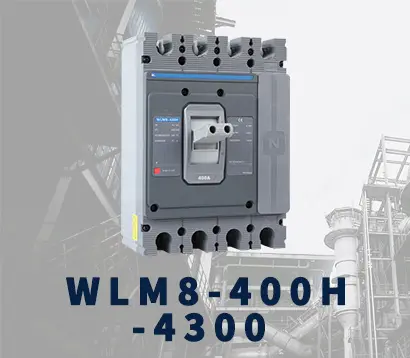 WLM8-400H-4300
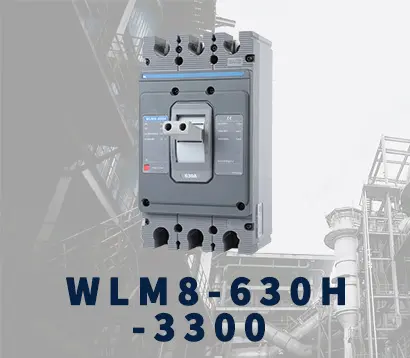 WLM8-630H-3300
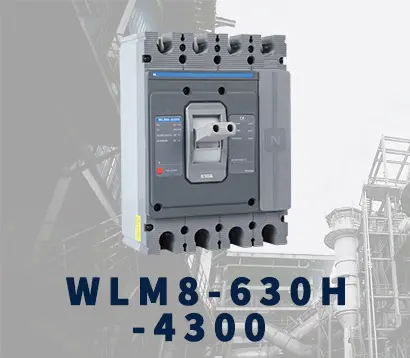 WLM8-630H-4300
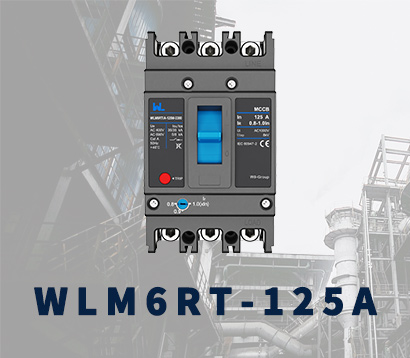 WLM6RT-125A
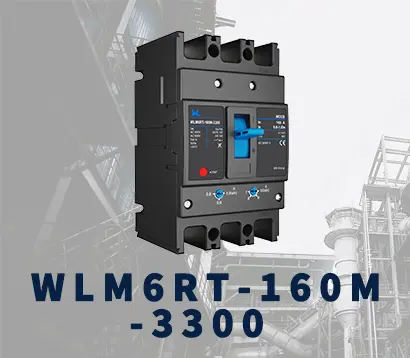 WLM6RT-160A
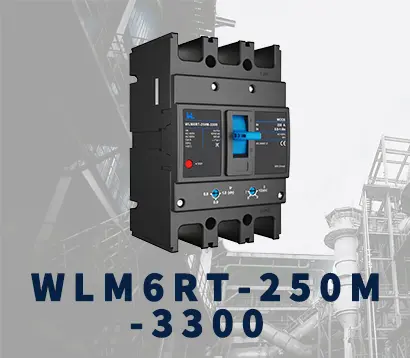 WLM6RT-250A
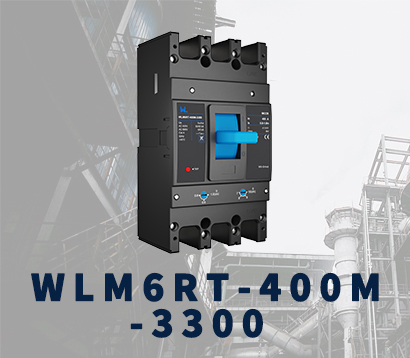 WLM6RT-400A
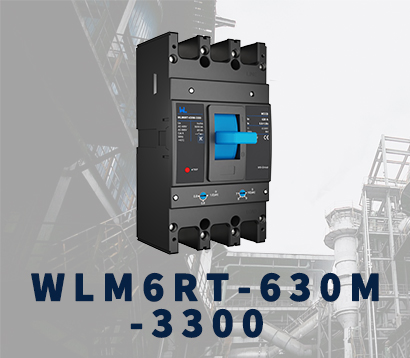 WLM6RT-630A
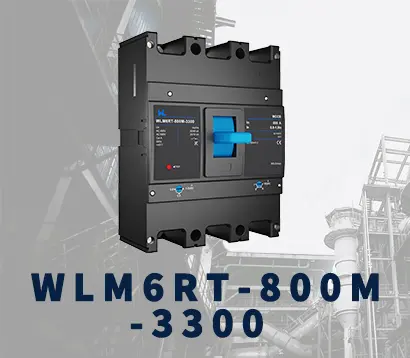 WLM6RT-800A
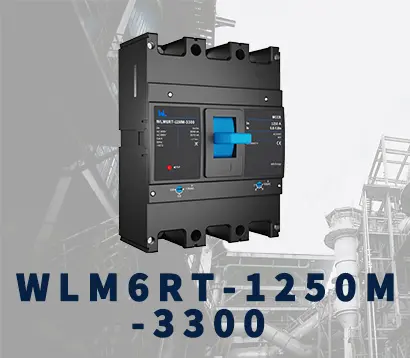 WLM6RT-1250A
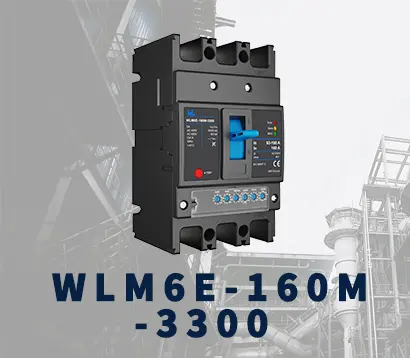 WLM6E-160A-3300 3P
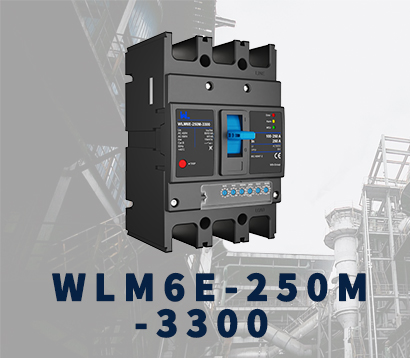 WLM6E-250A-3300
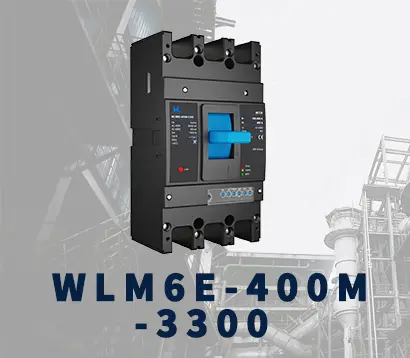 WLM6E-400A-3300 3P/4P
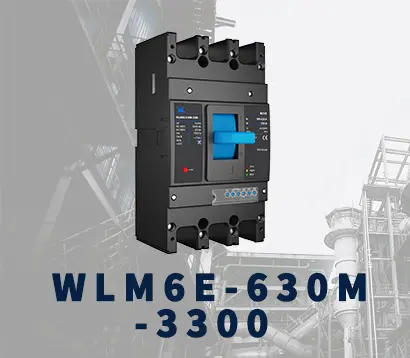 WLM6E-630A-3300
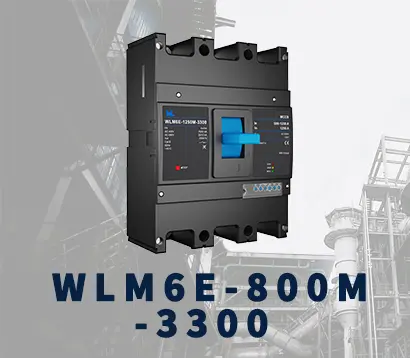 WLM6E-800A-3300 3P/4P
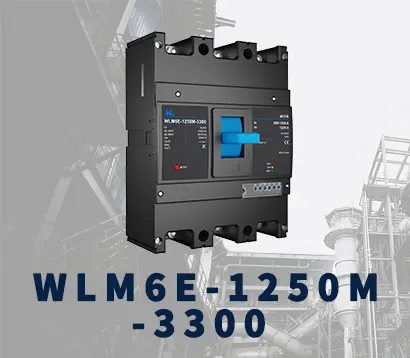 WLM6E-1250A-3300
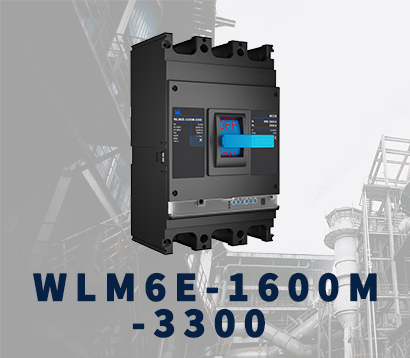 WLM6E-1600-3300 3P/4P
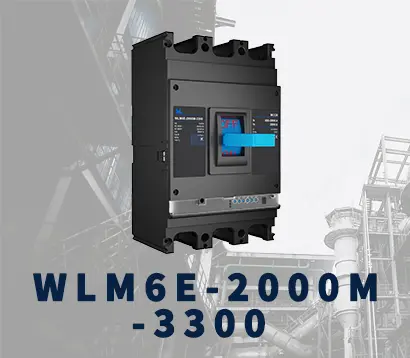 WLM6E-2000A-3300 3P/4P
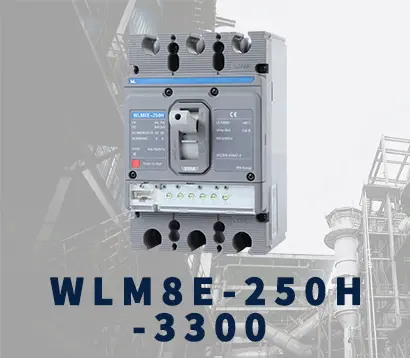 WLM8E-250H-3300
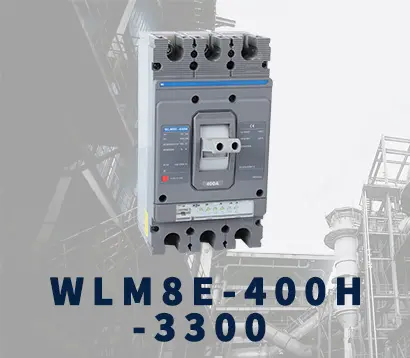 WLM8E-400H-3300
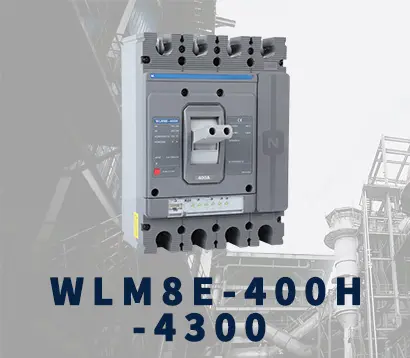 WLM8E-400H-4300
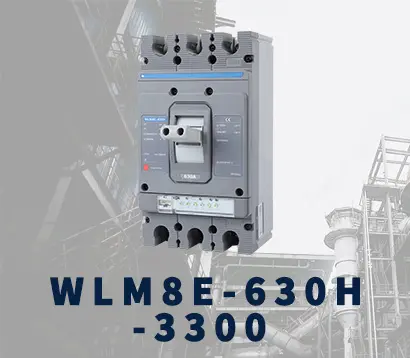 WLM8E-630H-3300
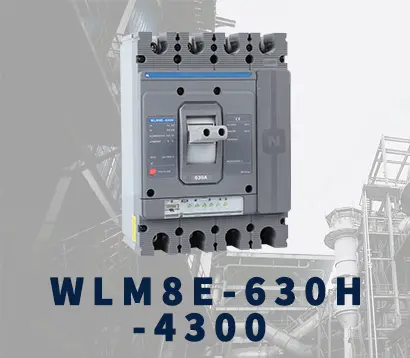 WLM8E-630H-4300
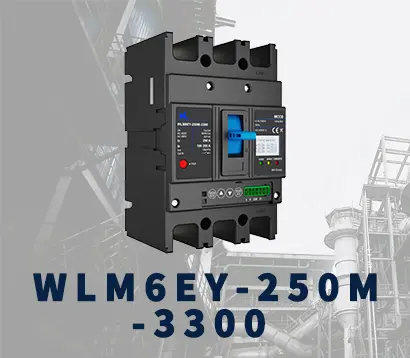 WLM6EY-250-3300 3P/4P
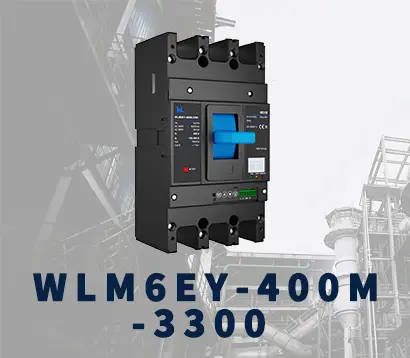 WLM6EY-400 3P/4P
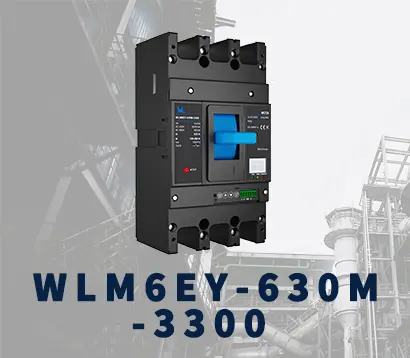 WLM6EY-630 3P/4P
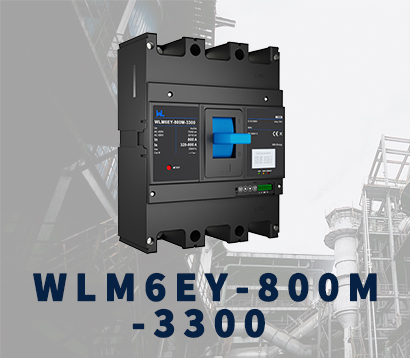 WLM6EY-800A 3P/4P
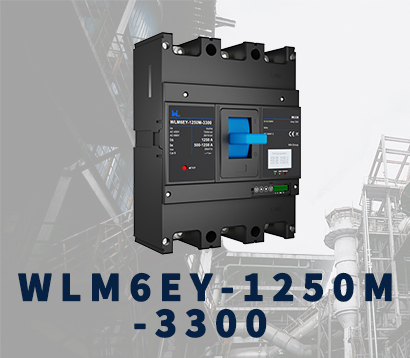 WLM6EY-1250A 3P/4P
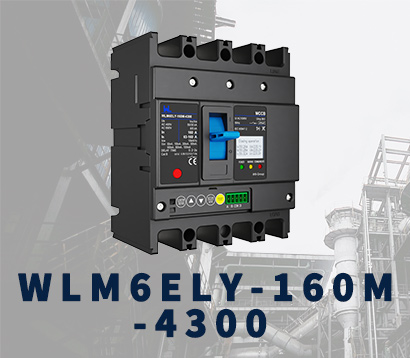 WLM6ELY-160A
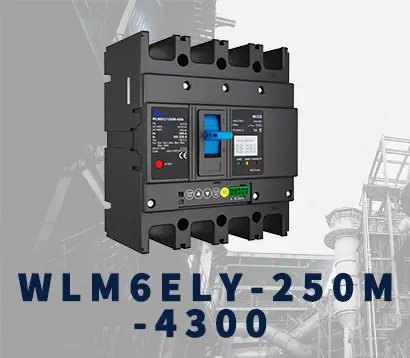 WLM6ELY-250A
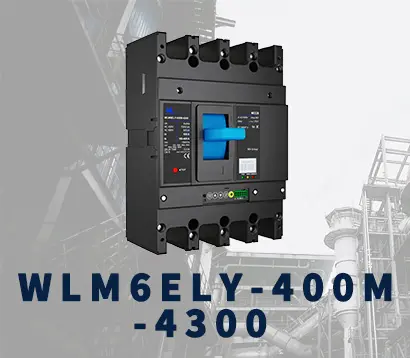 WLM6ELY-400A
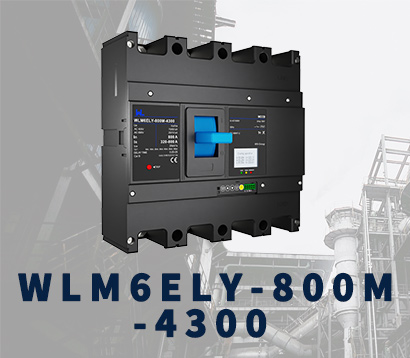 WLM6ELY-800A
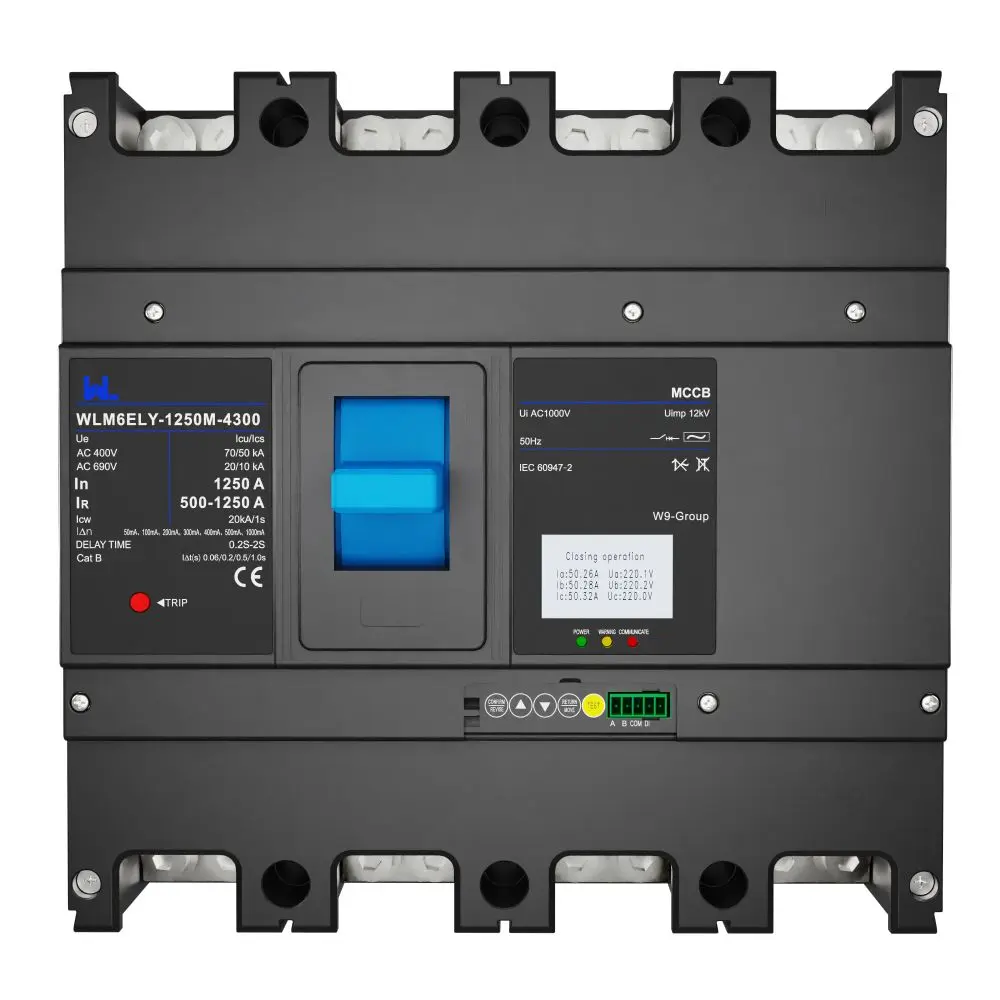 WLM6ELY-1250A
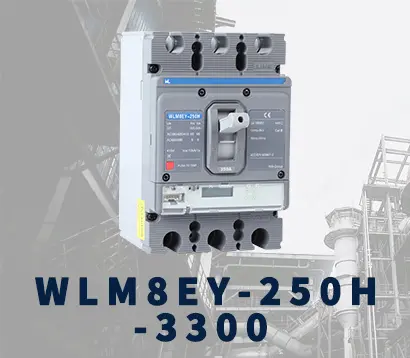 WLM8EY-250H-3300
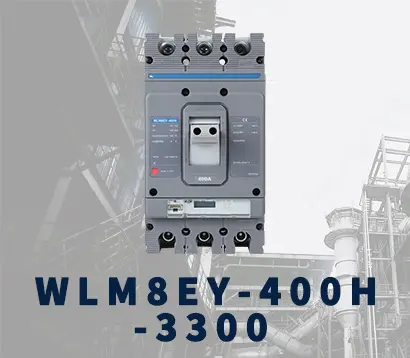 WLM8EY-400H-3300
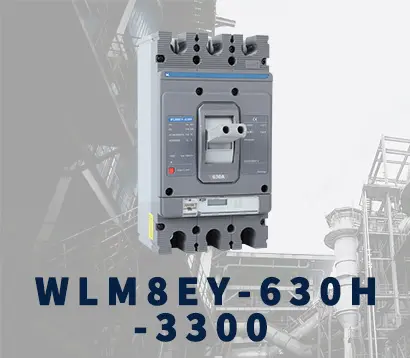 WLM8EY-630H-3300
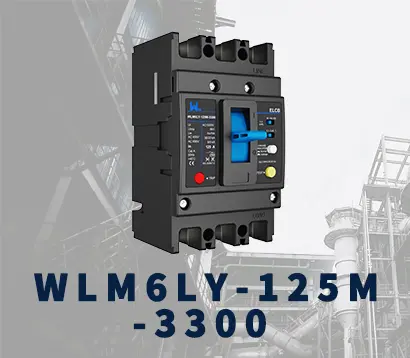 WLM6LY-125A
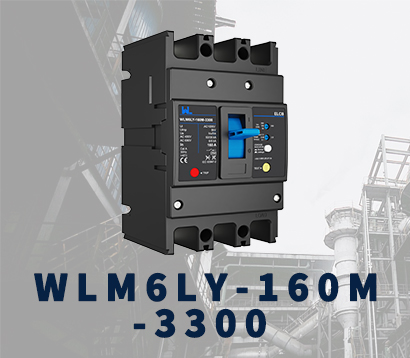 WLM6L-160A
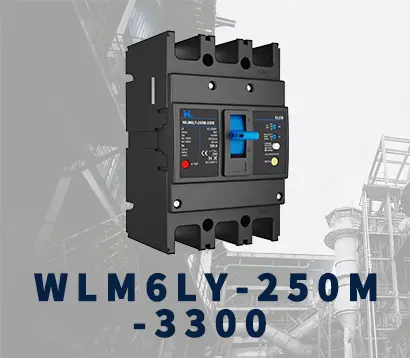 WLM6LY-250A
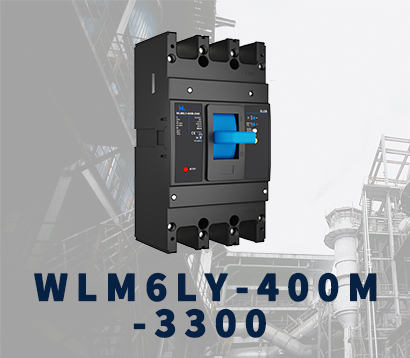 WLM6LY-400A
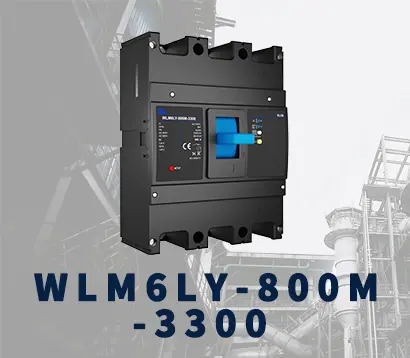 WLM6LY-800A
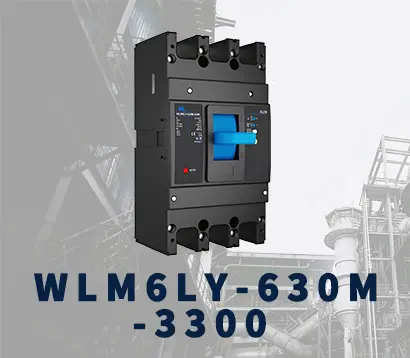 WLM6LY-630A
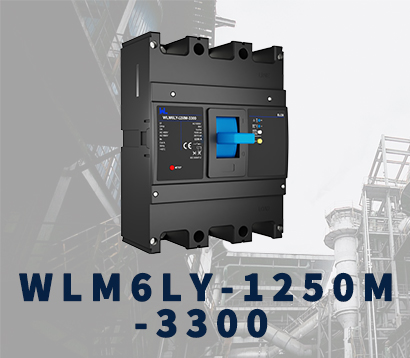 WLM6LY-1250A
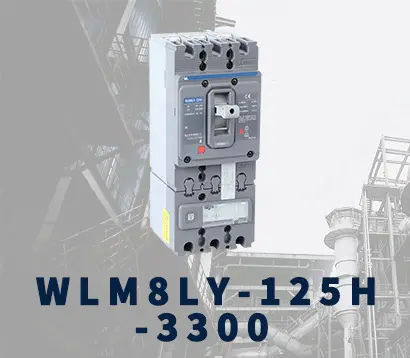 WLM8LY-125H-3300
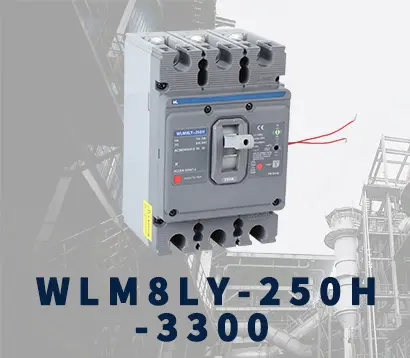 WLM8LY-250H-3300
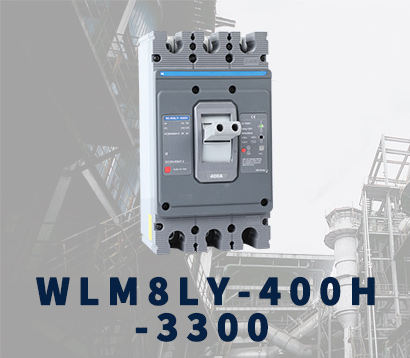 WLM8LY-400H-3300
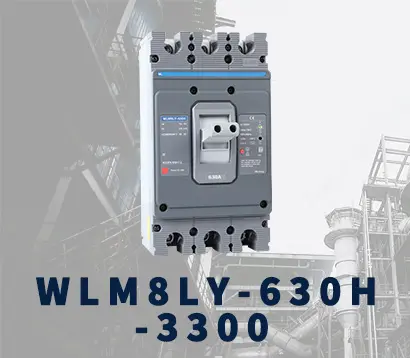 WLM8LY-630H-3300
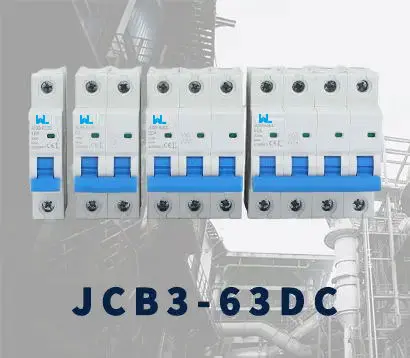 JCB3-63DC
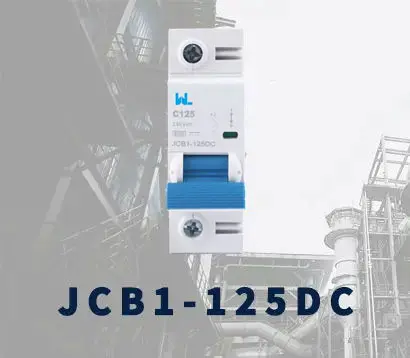 JCB1-125DC
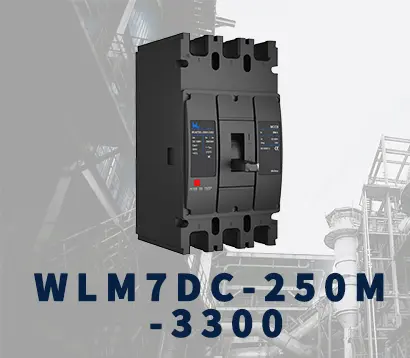 WLM7DC-250A-2300 2P/3P
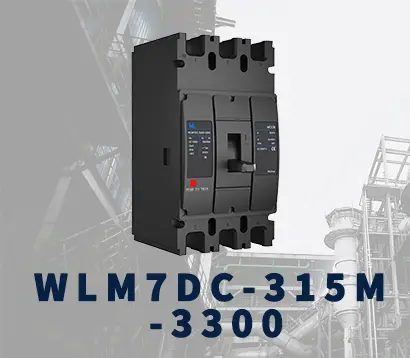 WLM7DC-315A-3300 2P/3P
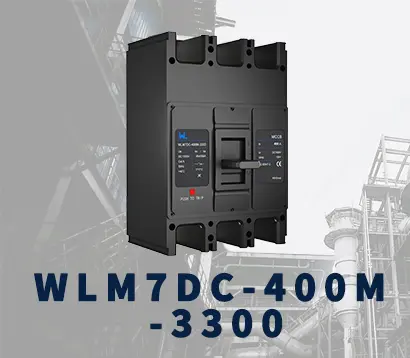 WLM7DC-400A-2300 2P/3P
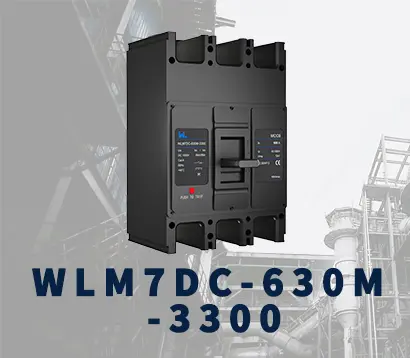 WLM7DC-630A-3300 3P
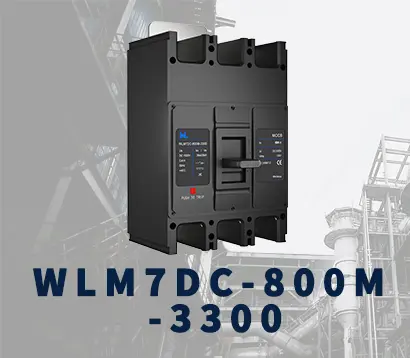 WLM7DC-800A-2300 2P/3P
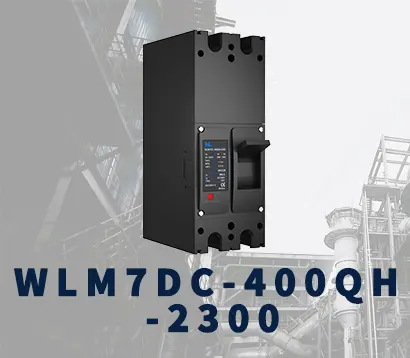 WLM7DC-400A 2300
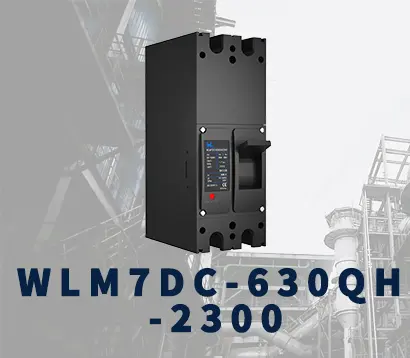 WLM7DC-630A-2300 2P
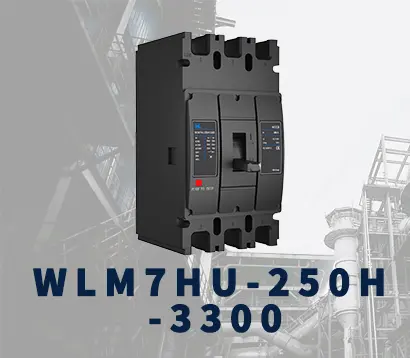 WLM7HU-250-3300 3P
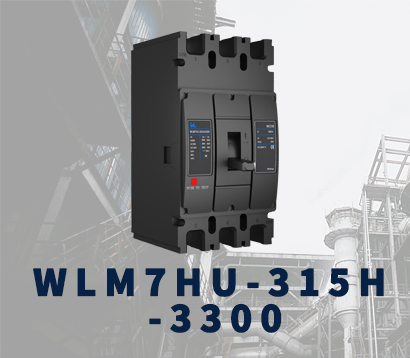 WLM7HU-315-3300 3P
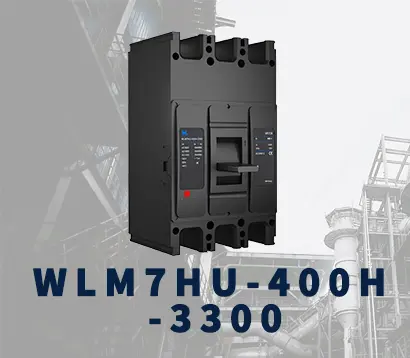 WLM7HU-400-3300 3P
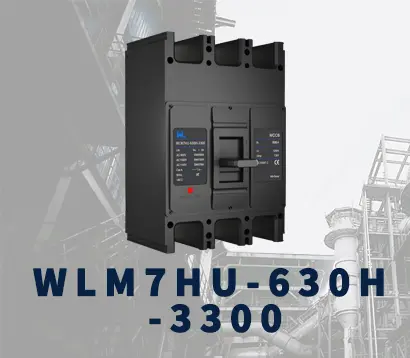 WLM7HU-630-3300 3P
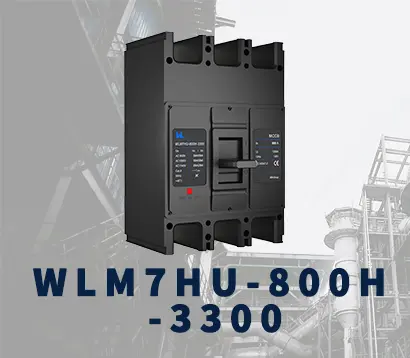 WLM7HU-800-3300 3P
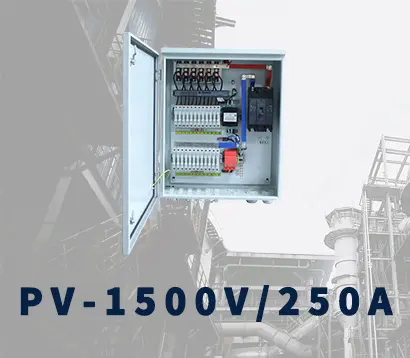 PV-1500V/250A
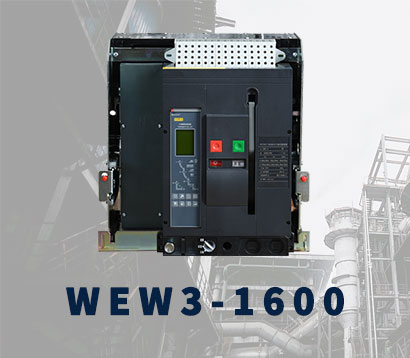 WEW3-1600
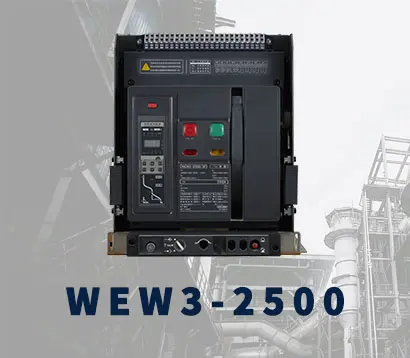 WEW3-2500
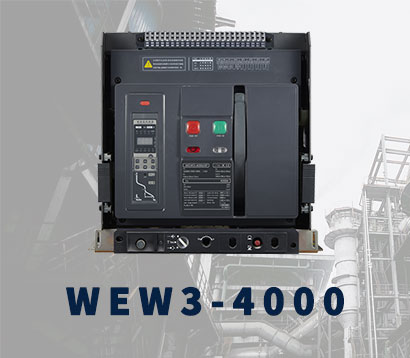 WEW3-4000
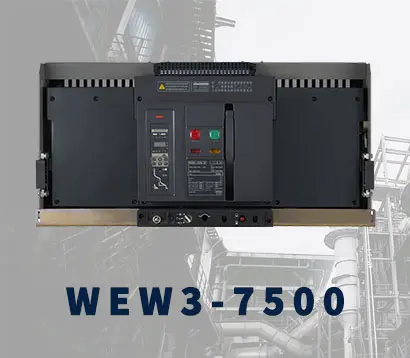 WEW3-7500





2026 Top Air Breaker Innovations That Will Change the Industry?
In the ever-evolving electric sector, the Air Breaker industry stands on the brink of a significant transformation. Renowned expert Dr. Melanie Carter, a leading authority on circuit protection, emphasizes, "Innovation in air breakers is crucial for safer and more efficient power distribution." As technologies advance, air breaker systems are integrating smarter features that enhance operational safety and reliability.
New innovations aim to tackle long-standing challenges. For example, the introduction of real-time monitoring systems allows for better fault detection. These advancements could significantly reduce downtime and maintenance costs. However, as we embrace these changes, we must also question their implications. Are we fully prepared for the complexity they bring?
The future is bright yet uncertain. Industry leaders must pivot to adapt. There is a fine line between adopting new technologies and facing unforeseen consequences. The Air Breaker market is on the edge of a new era. Everyone involved will need to navigate this uncertain journey with caution and foresight.

Innovations in Smart Air Breakers: Enhancing Efficiency and Safety
The air breaker industry is evolving rapidly. Smart air breakers are at the forefront of this change. They enhance efficiency and safety through innovative technology. For instance, some models now feature real-time monitoring capabilities. This allows users to observe performance metrics live. The integration of IoT makes it possible to collect data from multiple sources. This data helps identify potential issues before they escalate.
Smart air breakers can also improve energy management. They identify patterns in electricity usage. By understanding these patterns, businesses can optimize their energy consumption. However, implementing this technology is not without challenges. Not all facilities are equipped to support advanced features. Training staff can also be a hurdle. Workers may need time to adapt to new systems.
Despite these issues, the benefits are clear. Improved safety measures reduce the risk of electrical accidents. Automated systems minimize human error. As more innovations arise, the potential for industry transformation grows. Ecosystems that embrace these technologies will likely lead the way. Yet, the path to full adoption may require patience and adjustments. This evolution won't happen overnight.
Related Posts
-

Top 10 Benefits of Using MCCB Molded Case Circuit Breakers in Electrical Systems?
-

7 Best Molded Case Circuit Breakers for Optimal Circuit Protection
-

What are the Advantages of Air Circuit Breakers in 2026?
-
2025 Market Insights: The Future of Best Thermal Magnetic Circuit Breakers
-
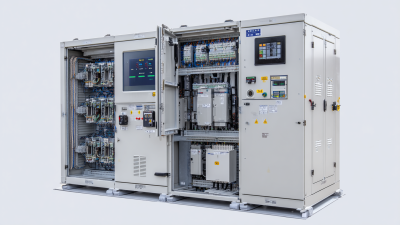
Innovative Applications of China Air Circuit Breaker in Modern Electrical Infrastructure
-
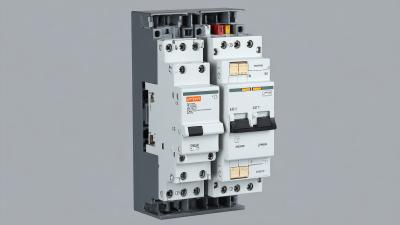
Understanding the Importance of MCCB Moulded Case Circuit Breakers in Modern Electrical Systems