How to Choose the Best Molded Case Breaker for Your Needs?
Choosing the right Molded Case Breaker (MCB) can be a daunting task. Many factors are involved. According to industry expert John Smith, “A good Molded Case Breaker is more than just a choice; it’s a safety investment.” Understanding your specific needs is essential for making an informed decision.
Molded Case Breakers protect electrical systems and ensure safety. Each application requires a unique solution. Consider the voltage, current rating, and environmental conditions. Each detail influences the efficiency of your MCB. It's crucial to reflect on your requirements before finalizing your choice.
Take time to familiarize yourself with different brands and specifications. Some products may promise reliability but fall short. A Molded Case Breaker should be both effective and trustworthy. Research thoroughly and consult experts if needed. Sometimes, what seems like the perfect option may not suit your system. Choices must be made carefully, with respect to both performance and reliability.
Understanding Molded Case Breakers: Types and Applications
Molded case breakers (MCBs) are crucial for electrical safety. They protect your circuits from overloads and short circuits. MCB types include thermal-magnetic and electronic models. Each type serves distinct applications, tailored to specific needs. Thermal-magnetic MCBs are popular for general use. They respond to overheating and short circuits. Electronic MCBs offer more precision. They are ideal for sensitive electronic equipment.
When selecting an MCB, consider your application. Are you protecting a residential system, or do you need one for industrial use? Each environment demands different specifications. For instance, an industrial setting may require higher current ratings. In contrast, residential settings often need lower ratings. It's essential to match the MCB's capacity with your system's requirements.
Many users overlook the importance of proper sizing. An oversized breaker won't trip during overload, risking equipment damage. Conversely, a breaker that's too small may trip frequently, causing unnecessary downtime. Research the devices you plan to protect. Ensure that the total load is within the breaker's rating. Proper understanding of these factors is vital to ensuring operational safety.
How to Choose the Best Molded Case Breaker for Your Needs?
This chart represents various features considered when choosing the best molded case breaker according to their importance level. Current rating is the most crucial feature, followed by trip type and voltage rating.
Key Factors to Consider When Selecting a Molded Case Breaker
When selecting a molded case breaker (MCB), several key factors must be considered. First, assess the specific electrical load requirements of your application. The National Electrical Manufacturers Association (NEMA) indicates that the correct ampere rating is crucial. An overload of capacity can lead to premature failure or safety hazards. MCBs are available in various ratings, so it is important to match the device to your needs.
Another critical aspect is the type of protection required. MCBs provide different types of protection, including overload and short-circuit protection. According to industry data, nearly 60% of electrical failures are due to inadequate protection mechanisms. Careful consideration of these protection features can enhance overall safety and efficiency. Tip: Evaluate the operating environment as well; factors like temperature and humidity can affect performance.
Installation and maintenance considerations also play a significant role. Improper installation can lead to significant performance issues. Regular maintenance checks are recommended to ensure reliability. Research shows that about 30% of MCB failures are due to poor maintenance practices. Tip: Utilize a checklist for routine maintenance to help identify potential issues early.
Evaluating the Electrical Ratings of Molded Case Breakers
When selecting molded case breakers, understanding electrical ratings is crucial. These ratings reflect how much current a breaker can handle safely. Most molded case breakers are rated between 15A to 1,600A. Knowing the correct amperage is essential to avoid overloading and potential failures. According to industry reports, 30% of electrical failures stem from incorrect breaker sizing.
Voltage ratings are another key factor. Molded case breakers usually have ratings of 240V, 480V, or higher. It’s necessary to match the voltage rating with your application. Misalignment can lead to extensive equipment damage. Data from electrical safety organizations indicates that improper breaker choices can increase operational risks by 25%.
Consider short-circuit and interrupting ratings as well. This rating defines how much fault current a breaker can interrupt safely. Factors such as system grounding and fault currents can complicate this choice. Reports show that 20% of power system failures relate to inadequate interrupting capacity. Regular evaluations of these ratings can help ensure the reliability of your electrical systems.
How to Choose the Best Molded Case Breaker for Your Needs? - Evaluating the Electrical Ratings of Molded Case Breakers
| Rating Type |
Voltage (V) |
Current Rating (A) |
Interrupting Rating (kA) |
Frame Size |
Features |
| Standard Duty |
480 |
100 |
65 |
A |
Manual Reset |
| Heavy Duty |
600 |
200 |
85 |
B |
Adjustable Trip Settings |
| Industrial Use |
480 |
400 |
100 |
C |
Smart Protection Features |
| Commercial Use |
240 |
150 |
50 |
A |
Ground Fault Protection |
| Residential Use |
120 |
50 |
22 |
A |
Arc Fault Detection |
Assessing Size and Mounting Options for Your Specific Needs
When selecting a molded case breaker, size and mounting options are crucial. Consider the space you have available. A compact breaker can fit well in tight panels. Ensure your choice aligns with your installation area. Verify the dimensions carefully before making a decision. Sometimes, a larger unit may offer more features but can complicate installation.
Mounting options are just as vital. Wall-mounted breakers provide easy access for maintenance. However, if you have limited wall space, consider din rail mounting. This method saves space and keeps your setup organized. Think about accessibility; a poorly positioned breaker can lead to operational challenges.
Assessing your needs requires reflection. Are you prioritizing ease of access or saving space? Your priorities can change based on your setup. Evaluate your current and future needs. A breaker that fits today may not meet tomorrow's demands. Always be open to re-evaluating your choices.
Comparing Cost and Quality Among Different Brands and Models
When selecting a molded case breaker, understanding the balance between cost and quality is crucial. Different brands and models present various features and price points. Some breakers are more affordable but may lack advanced protection features. Others are pricier, often offering better reliability and ratings. It is essential to evaluate your needs against these options.
Look into the specific requirements of your electrical system. Ensure that the breaker can handle your load capacity. Sometimes, a lower-priced model might be tempting, but could lead to failures in critical situations. Comparing user reviews can provide insights into the real-world performance of different models.
Another factor to consider is the warranty and support offered by manufacturers. A more extended warranty may indicate confidence in the product quality. However, don’t overlook that exceptional customer service can add value. Reflect on potential issues you might face with support. A good product isn't solely defined by its features, but also by how well the company stands behind it.

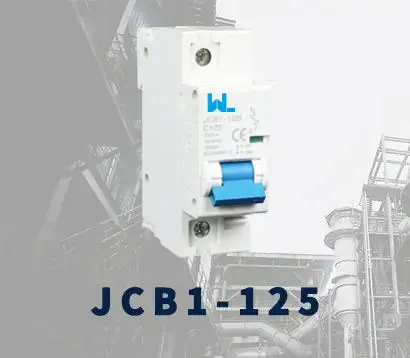 JCB1-125
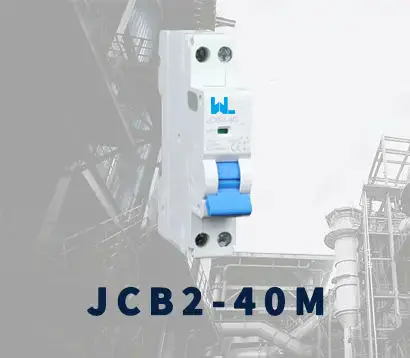 JCB2-40M
 JCB3-63DC
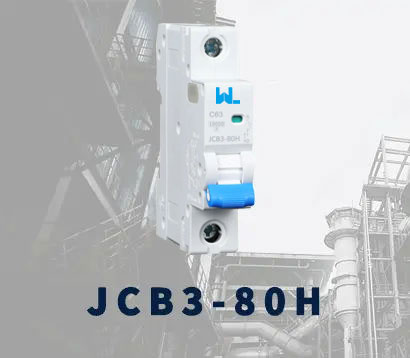 JCB3-80H
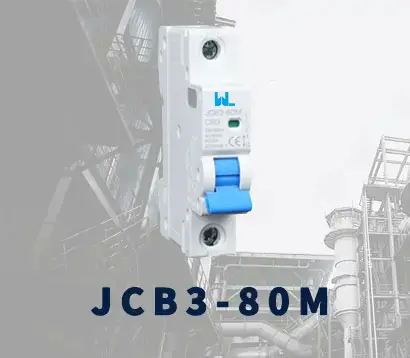 JCB3-80M
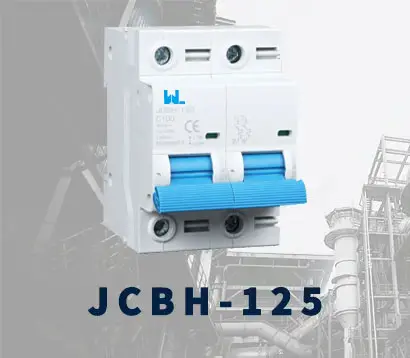 JCBH-125
 JC80-2P
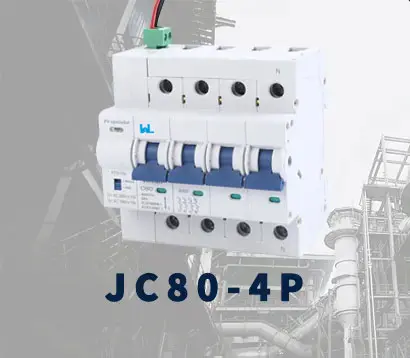 JC80-4P
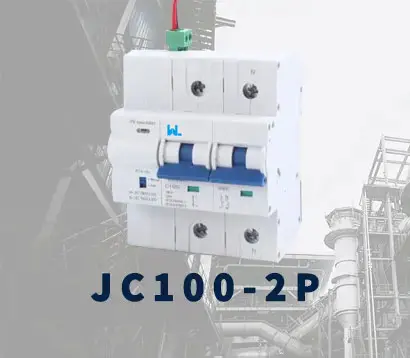 JC125-2P
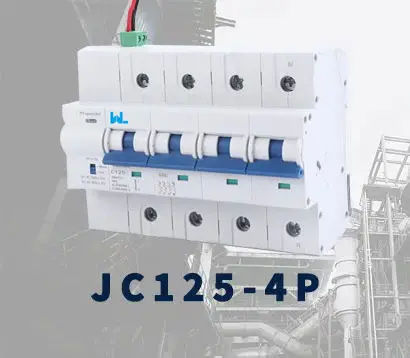 JC125-4P
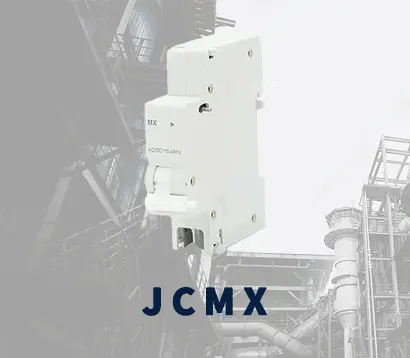 JCMX
JCMX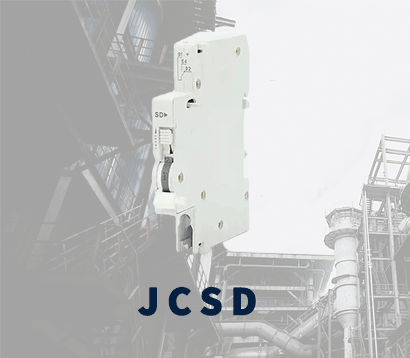 JCSD
JCSD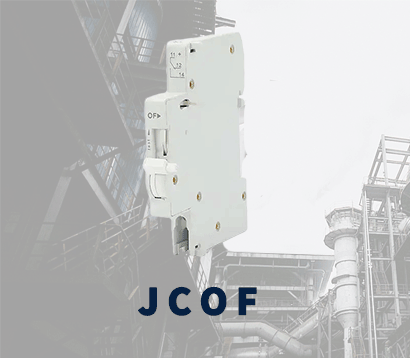 JCOF
JCOF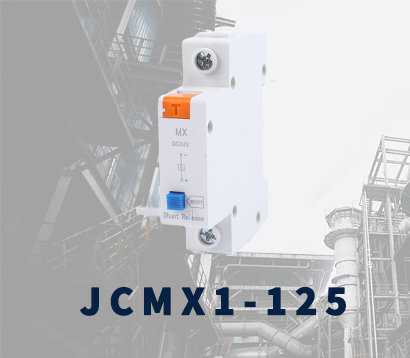 JCMX1-125
 JCOF1-125
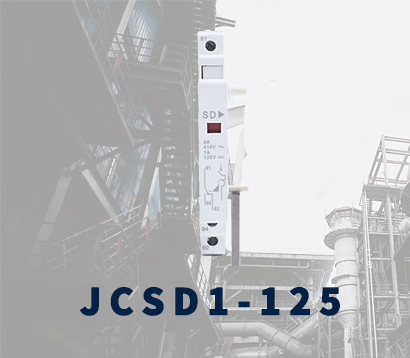 JCSD1-125
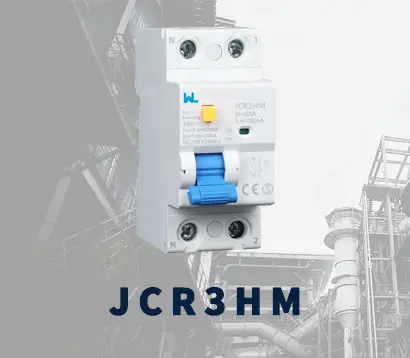 JCR3HM
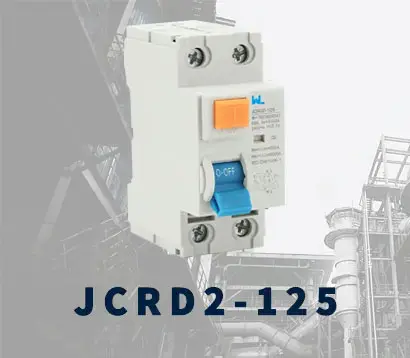 JCRD2-125
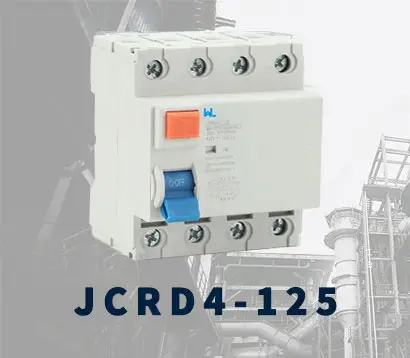 JCRD4-125
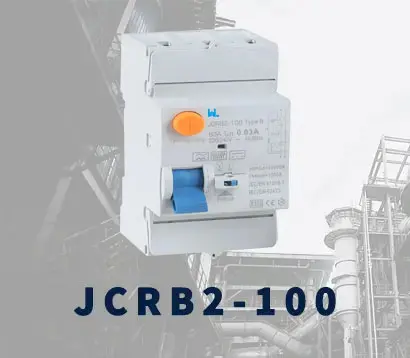 JCRB2-100
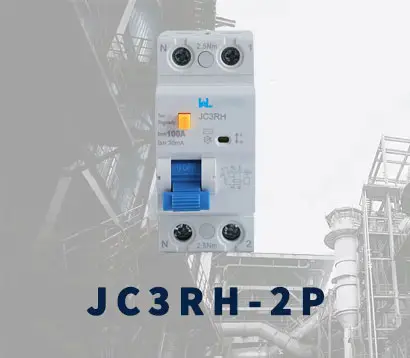 JC3RH-2P
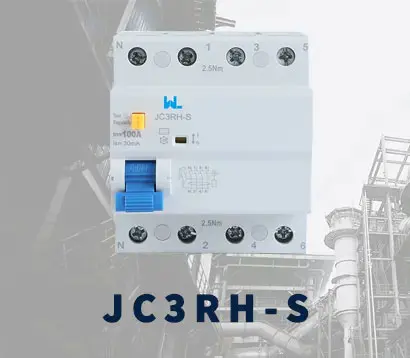 JC3RH-S
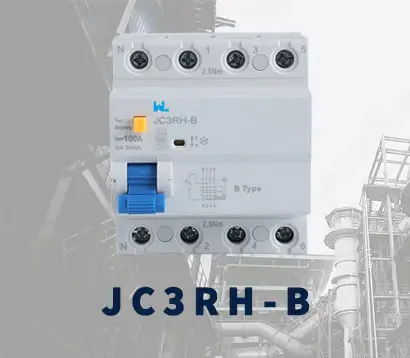 JC3RH-B
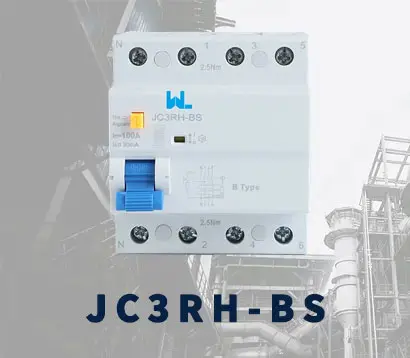 JC3RH-BS
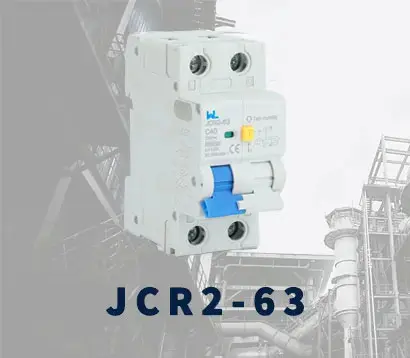 JCR2-63
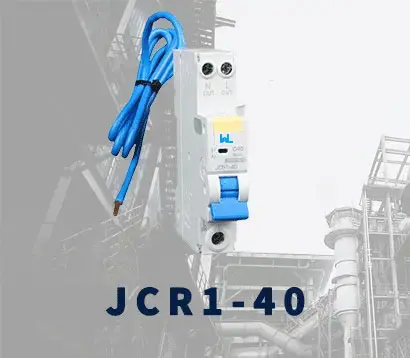 JCR1-40
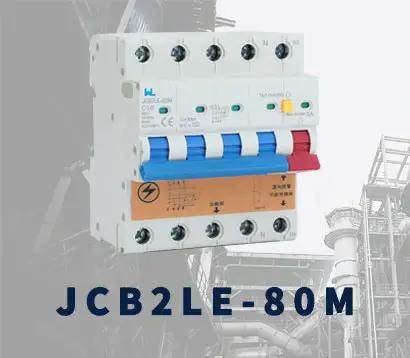 JCB2LE-80M
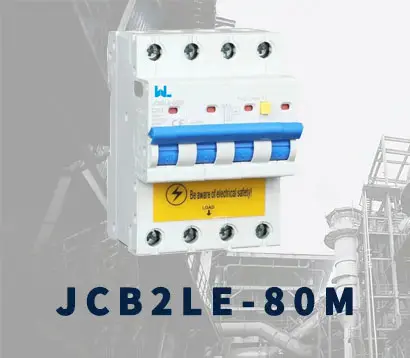 JCB2LE-80M
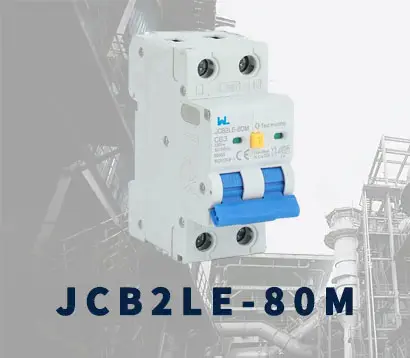 JCB2LE-80M
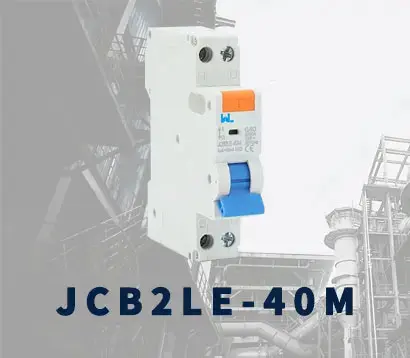 JCB2LE-40M
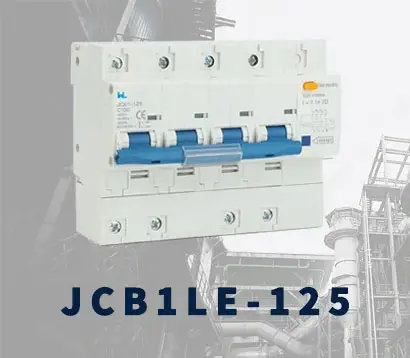 JCB1LE-125
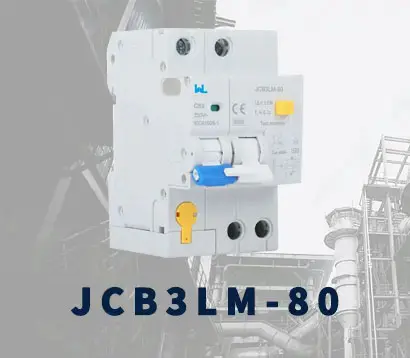 JCB3LM-80
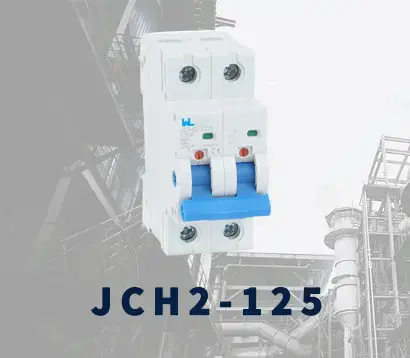 JCH2-125
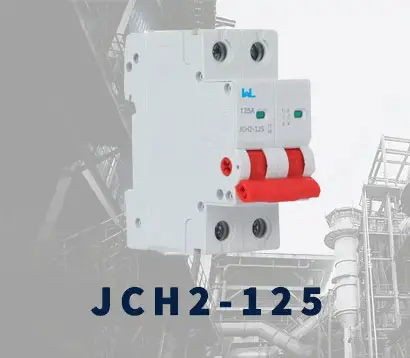 JCH2-125
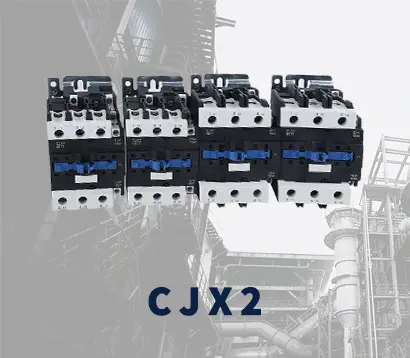 CJX2
CJX2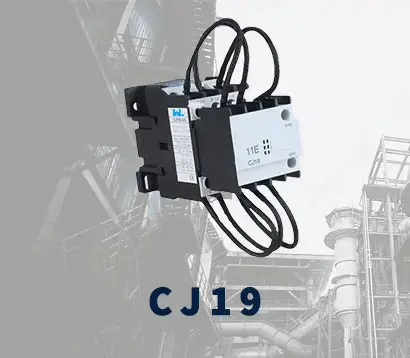 CJ19
CJ19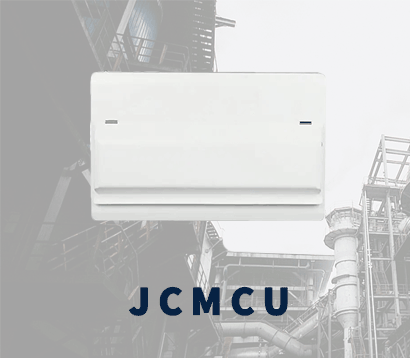 JCMCU
JCMCU JCHA
JCHA JCSD-40
 JCSD-60
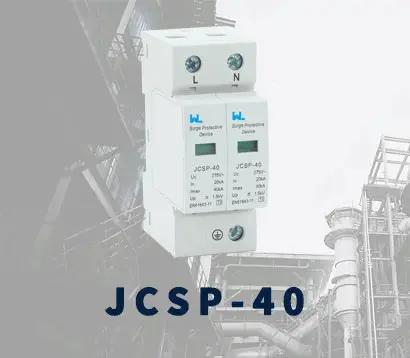 JCSP-40
 JCSP-60
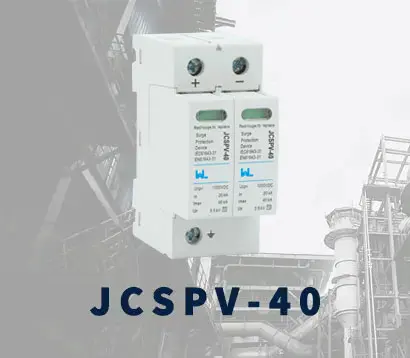 JCSPV
JCSPV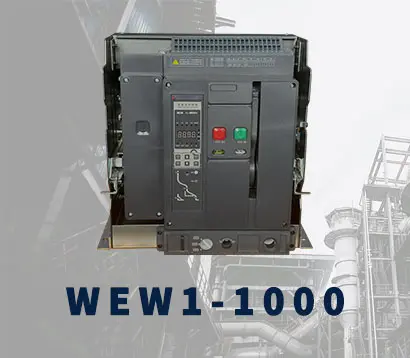 WEW1-1000
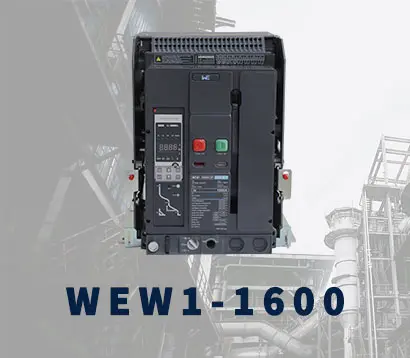 WEW1-1600
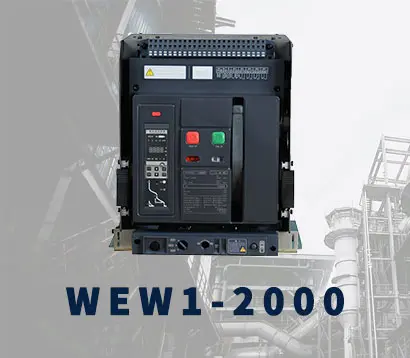 WEW1-2000
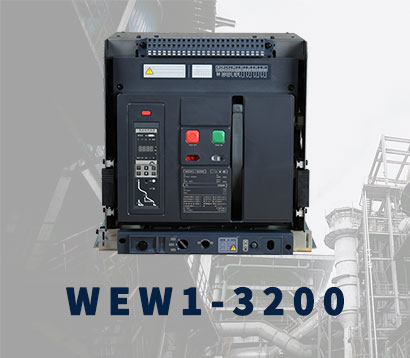 WEW1-3200
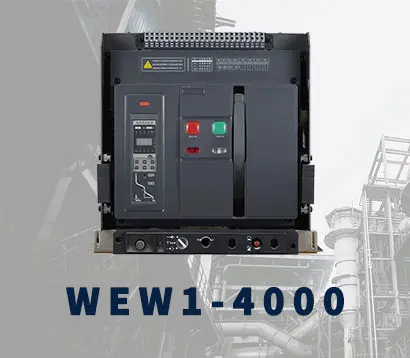 WEW1-4000
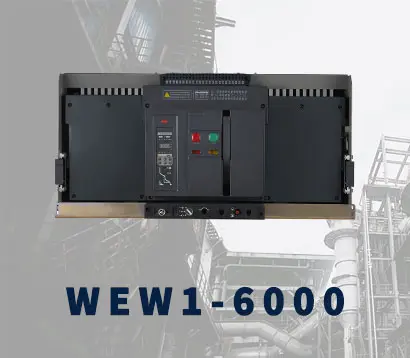 WEW1-6300
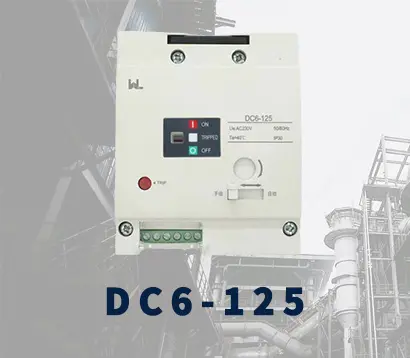 DC6-125
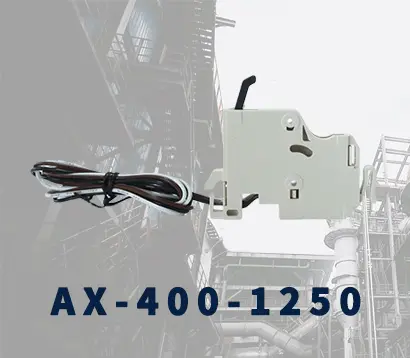 AX-400-1250
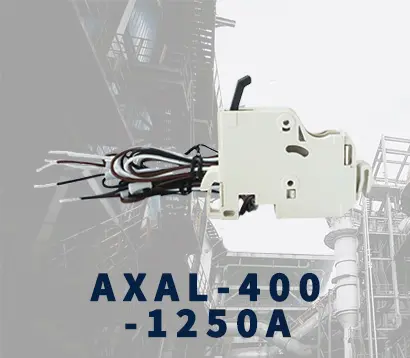 AXAL-400-1250A
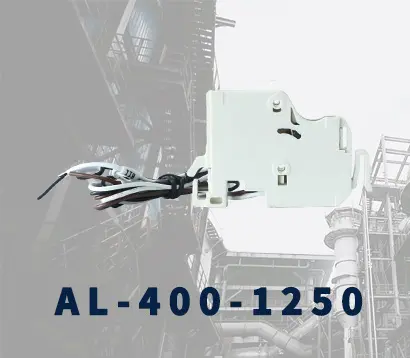 AL-400-1250
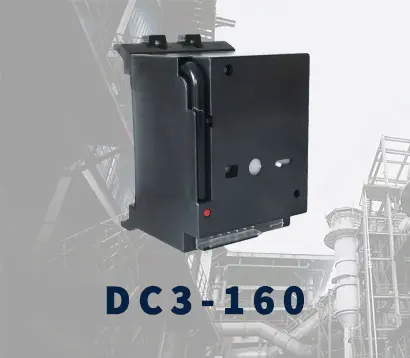 DC3-160
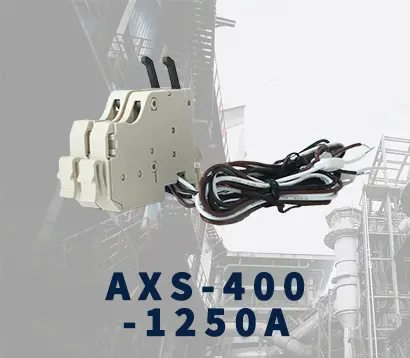 AXS-400-1250A
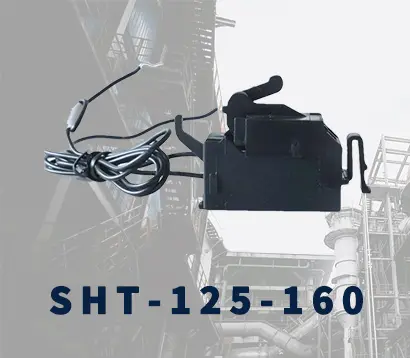 SHT-125-160
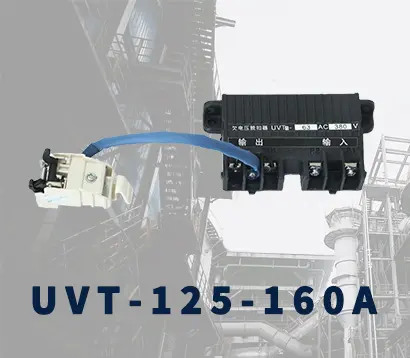 UVT-125-160A
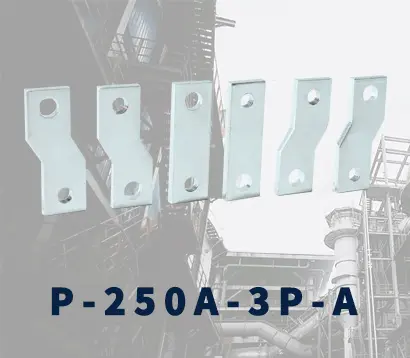 P-250A-3P-A
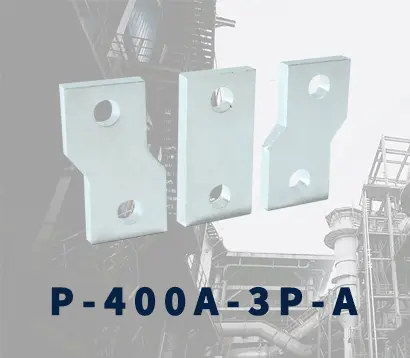 400-3P/4P terminal cover
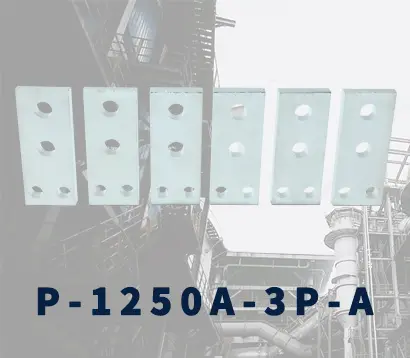 1250-3Pmccb accessories busbar
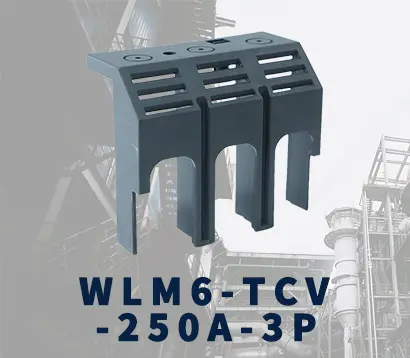 250-3P terminal conver
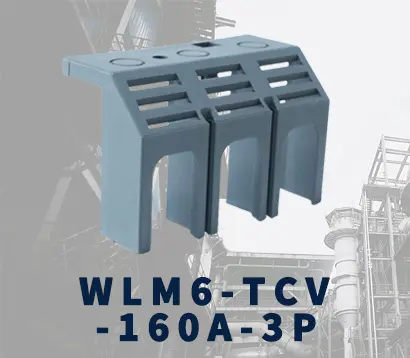 WLM6-TCV-160A-3P
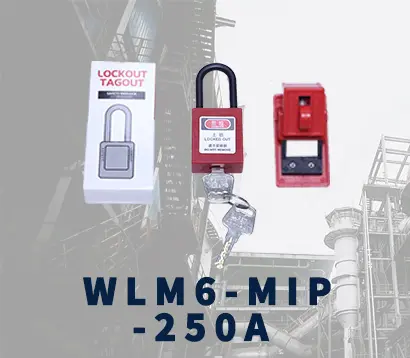 WLM6-MIP-250A
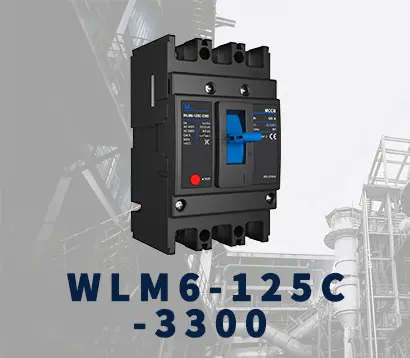 WLM6-125A-3300 3P/4P
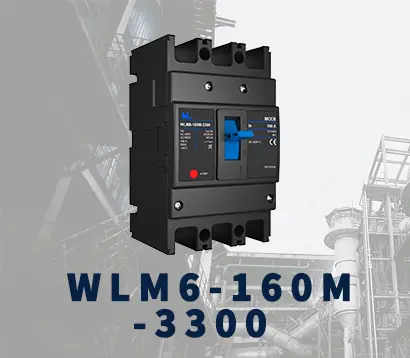 WLM6-160A-3300 3P/4P
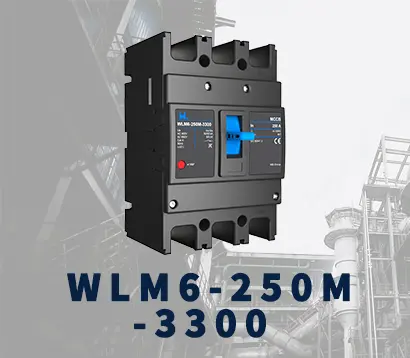 WLM6-250A-3300 3P/4P
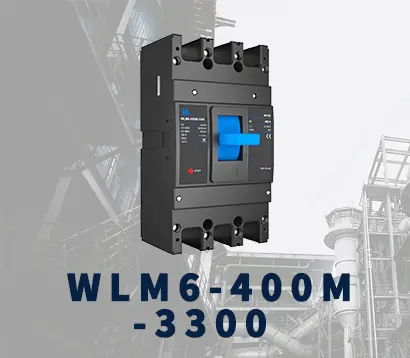 WLM6-400A-3300 3P/4P
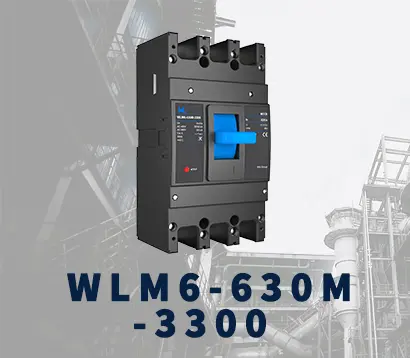 WLM6-630A-3300 3P/4P
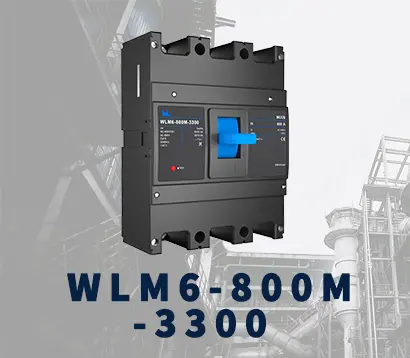 WLM6-800A-3300 3P/4P
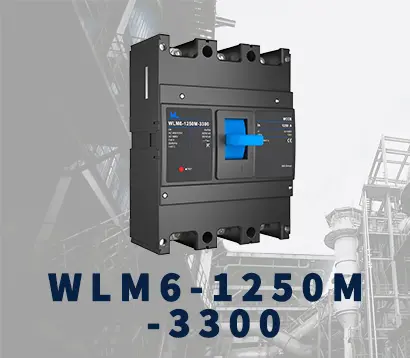 WLM6-1250A-3300 3P/4P
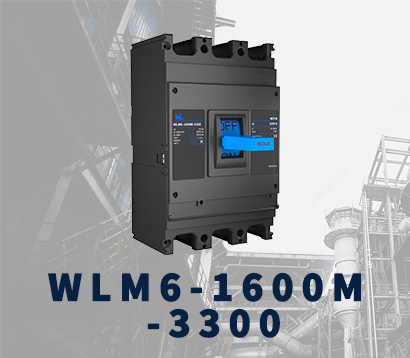 WLM6-1600A-3300 3P/4P
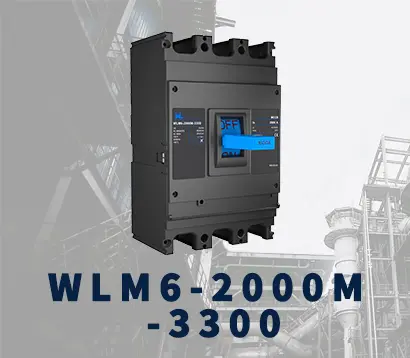 WLM6-2000A 3P/4P
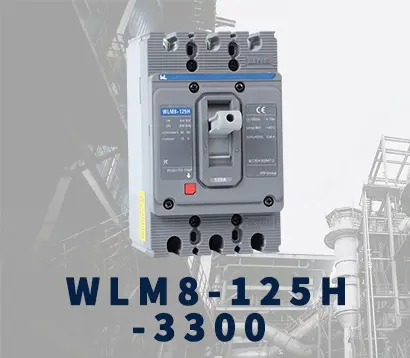 WLM8-125H-3300
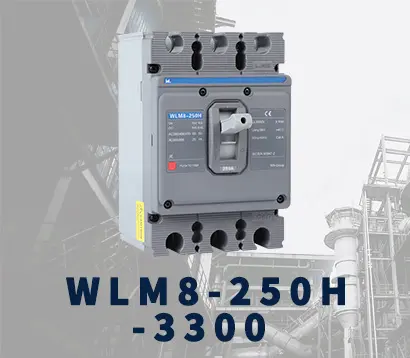 WLM8-250H-3300
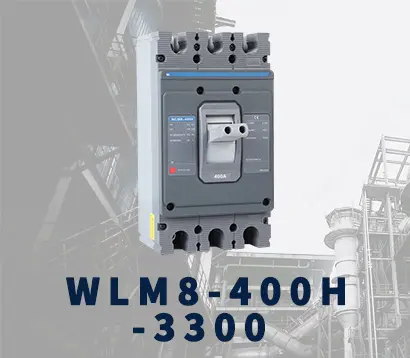 WLM8-400H-3300
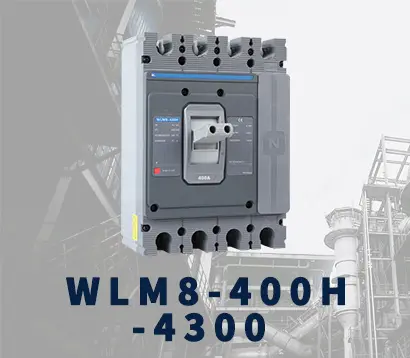 WLM8-400H-4300
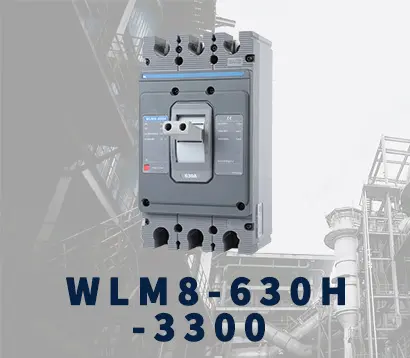 WLM8-630H-3300
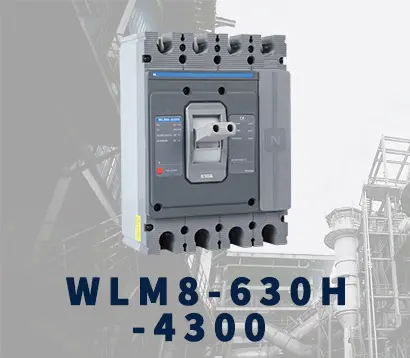 WLM8-630H-4300
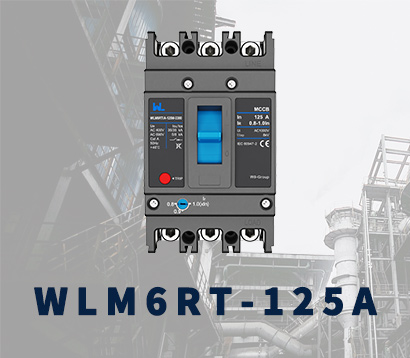 WLM6RT-125A
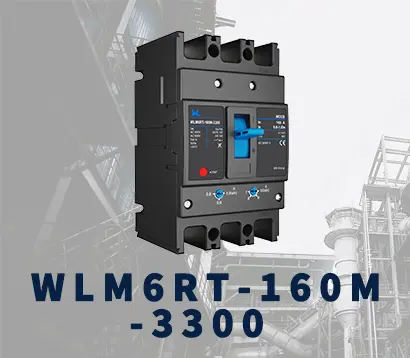 WLM6RT-160A
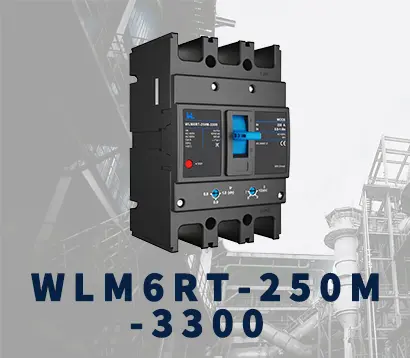 WLM6RT-250A
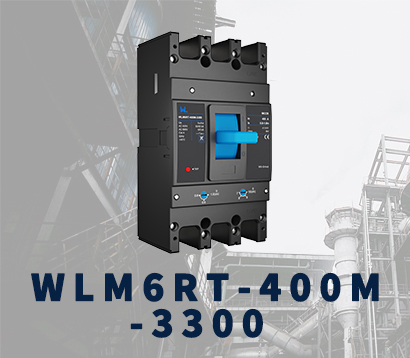 WLM6RT-400A
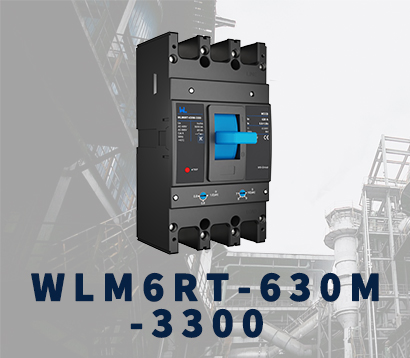 WLM6RT-630A
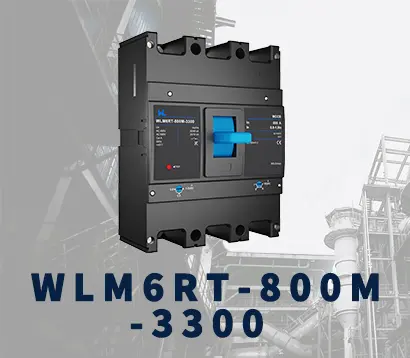 WLM6RT-800A
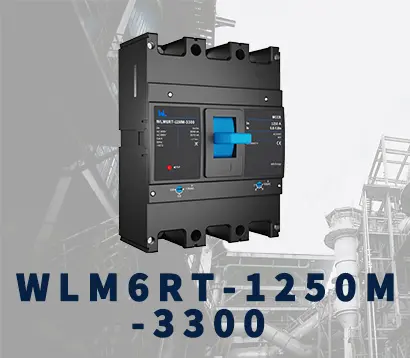 WLM6RT-1250A
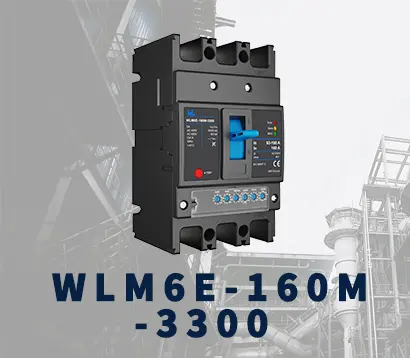 WLM6E-160A-3300 3P
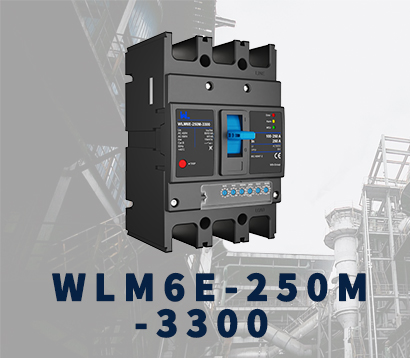 WLM6E-250A-3300
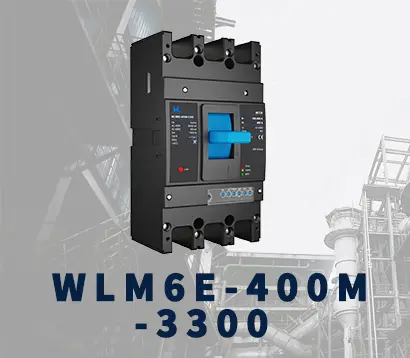 WLM6E-400A-3300 3P/4P
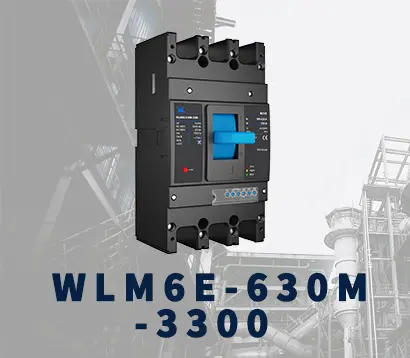 WLM6E-630A-3300
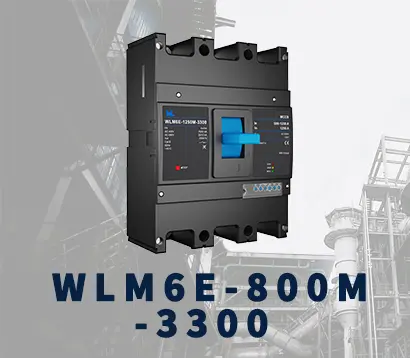 WLM6E-800A-3300 3P/4P
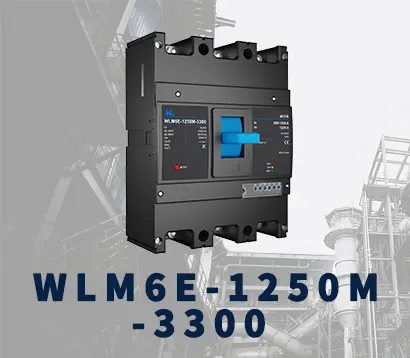 WLM6E-1250A-3300
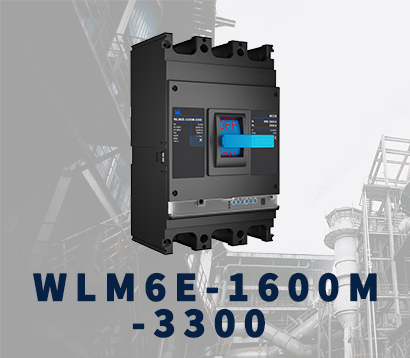 WLM6E-1600-3300 3P/4P
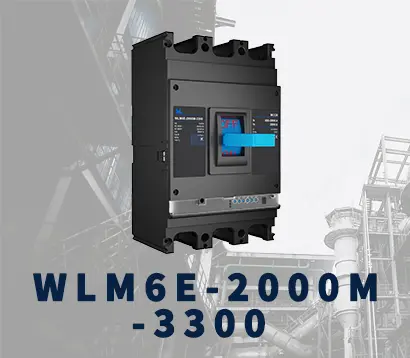 WLM6E-2000A-3300 3P/4P
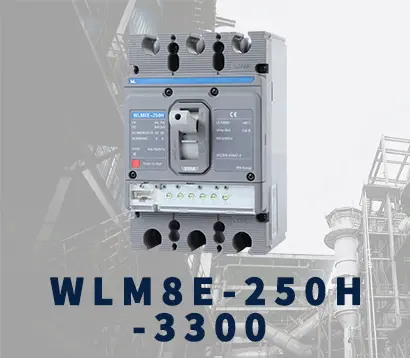 WLM8E-250H-3300
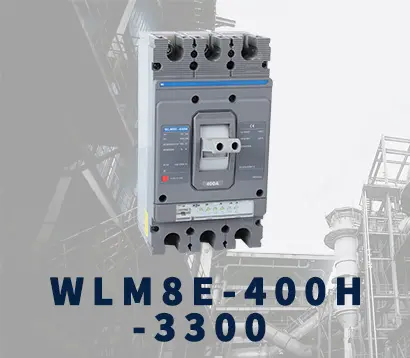 WLM8E-400H-3300
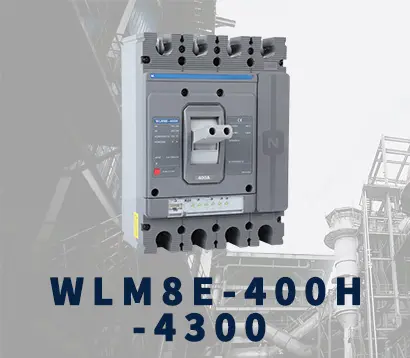 WLM8E-400H-4300
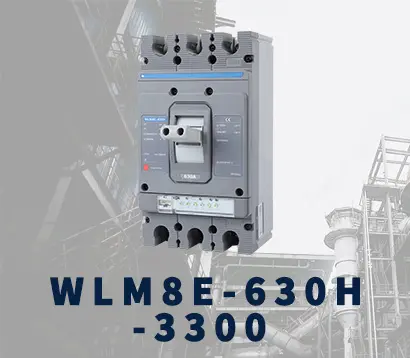 WLM8E-630H-3300
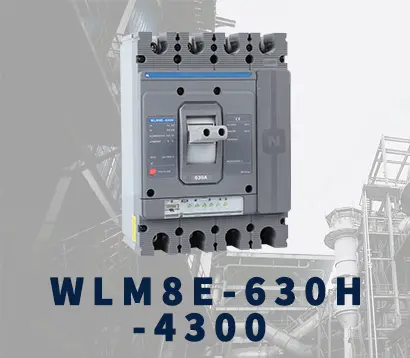 WLM8E-630H-4300
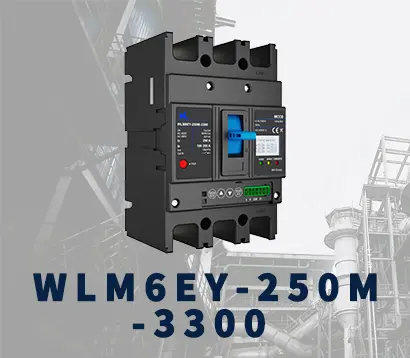 WLM6EY-250-3300 3P/4P
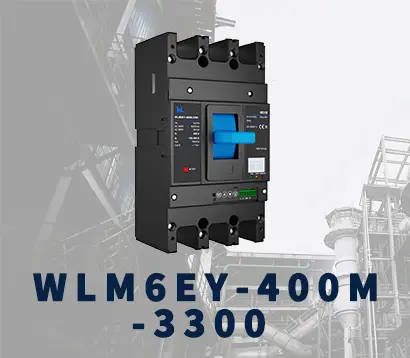 WLM6EY-400 3P/4P
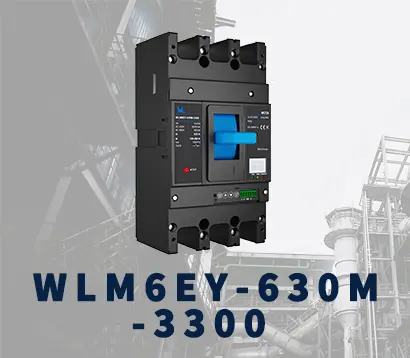 WLM6EY-630 3P/4P
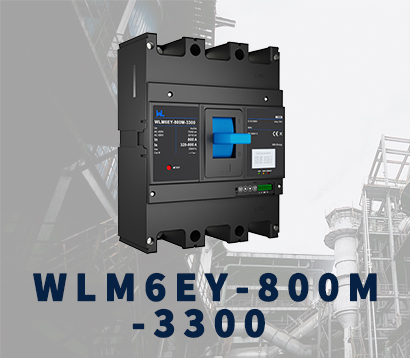 WLM6EY-800A 3P/4P
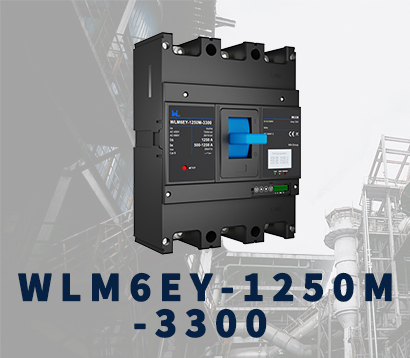 WLM6EY-1250A 3P/4P
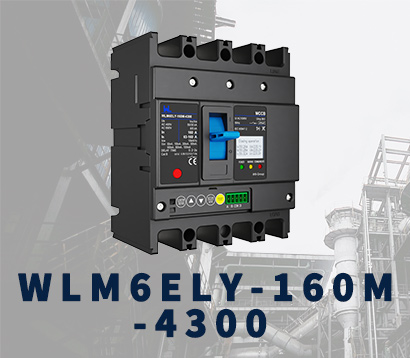 WLM6ELY-160A
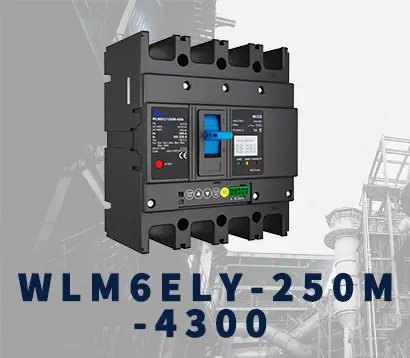 WLM6ELY-250A
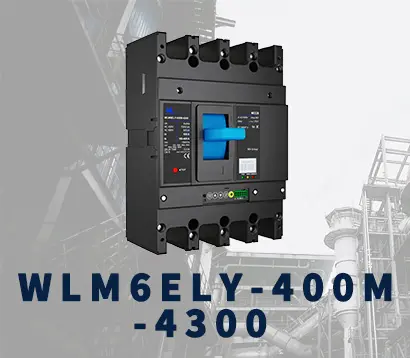 WLM6ELY-400A
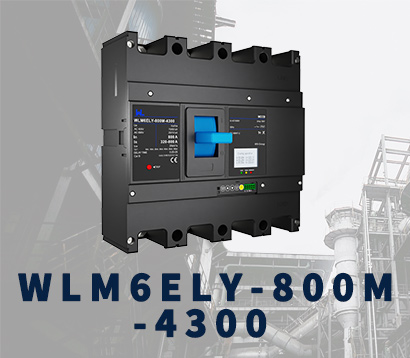 WLM6ELY-800A
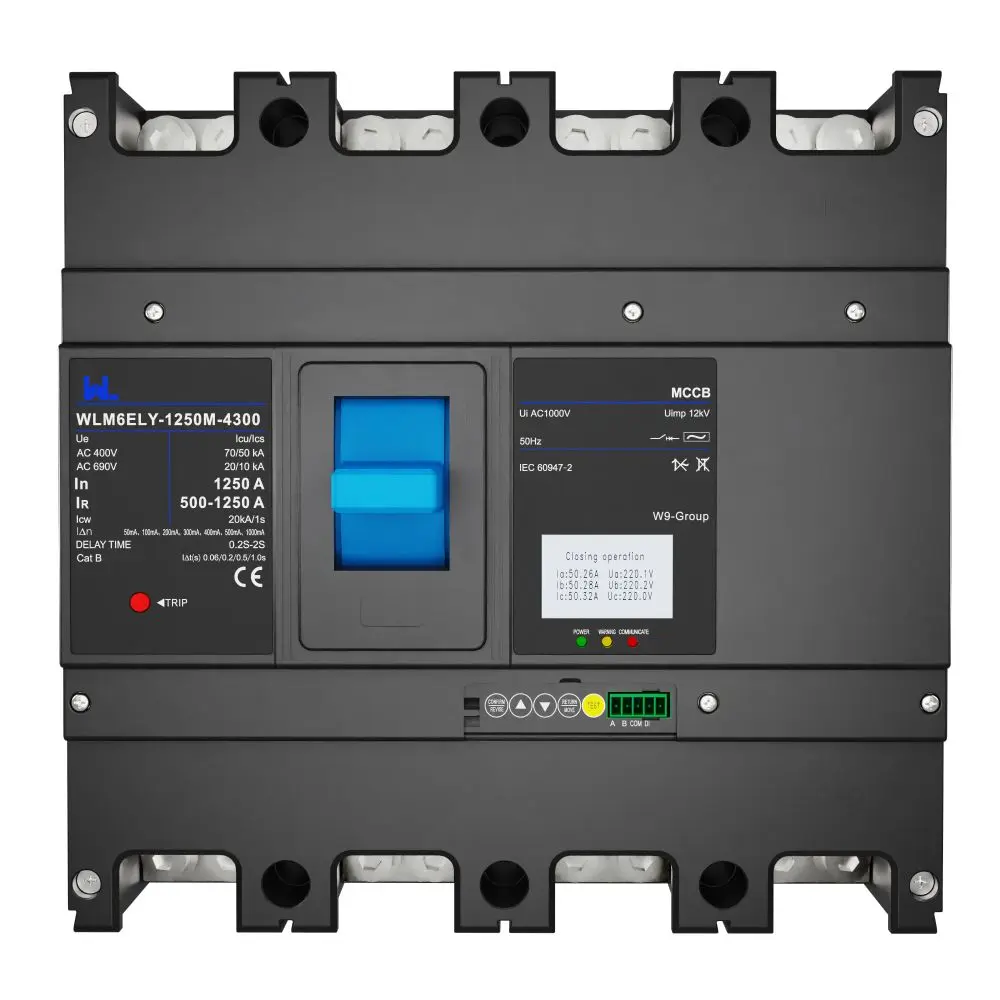 WLM6ELY-1250A
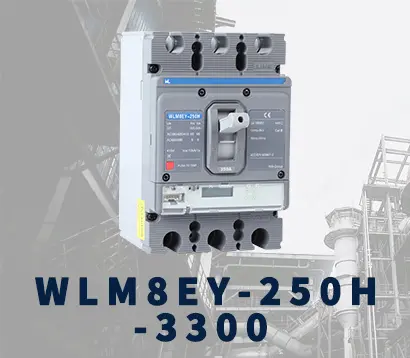 WLM8EY-250H-3300
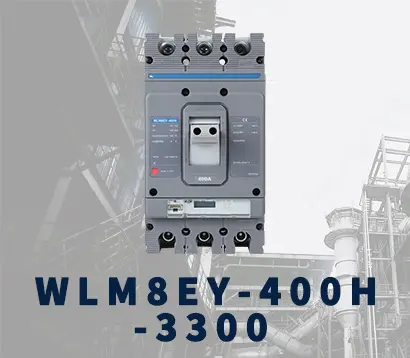 WLM8EY-400H-3300
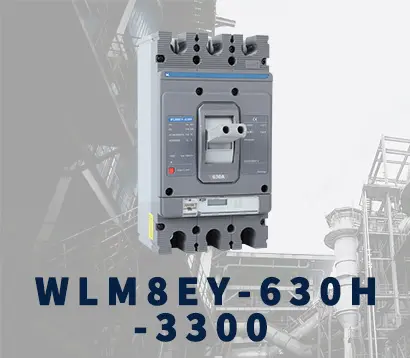 WLM8EY-630H-3300
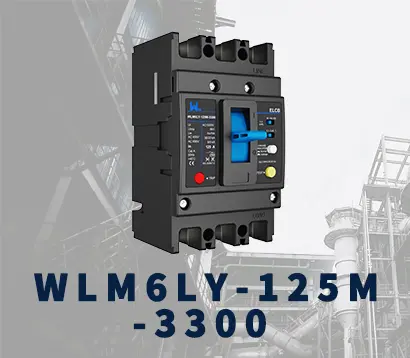 WLM6LY-125A
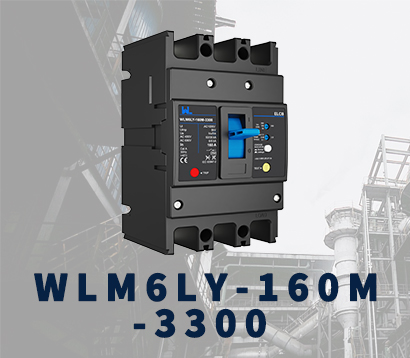 WLM6L-160A
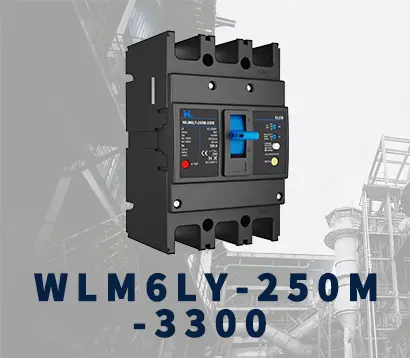 WLM6LY-250A
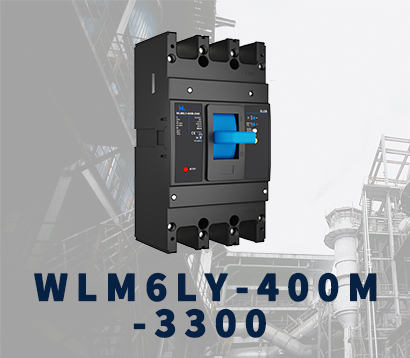 WLM6LY-400A
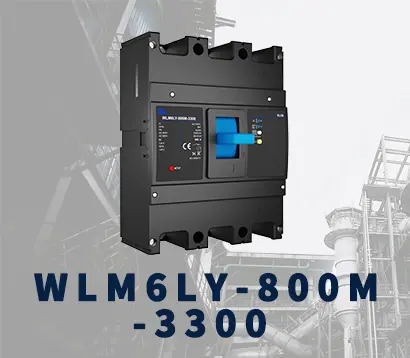 WLM6LY-800A
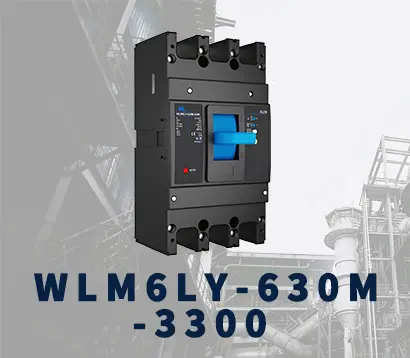 WLM6LY-630A
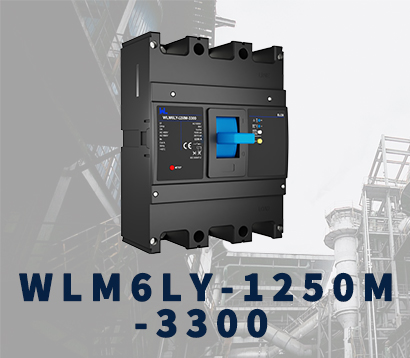 WLM6LY-1250A
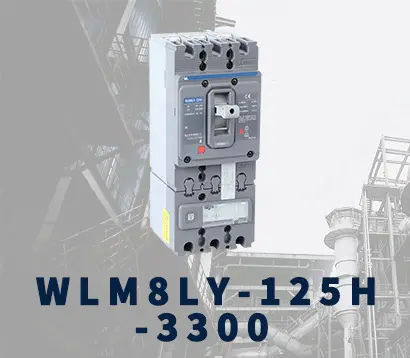 WLM8LY-125H-3300
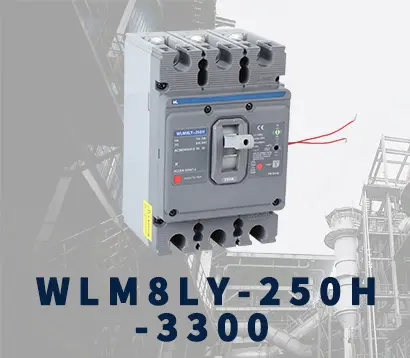 WLM8LY-250H-3300
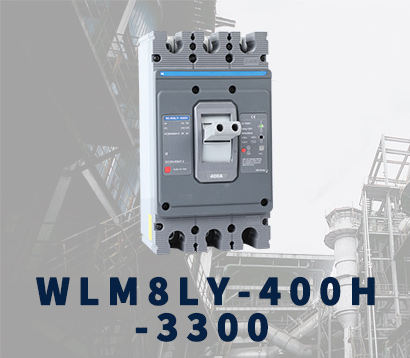 WLM8LY-400H-3300
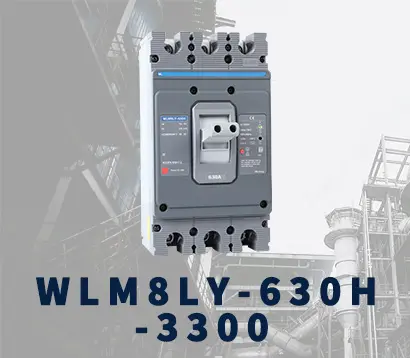 WLM8LY-630H-3300
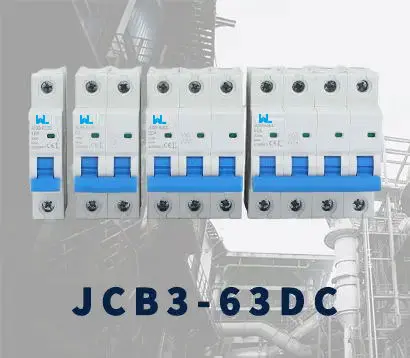 JCB3-63DC
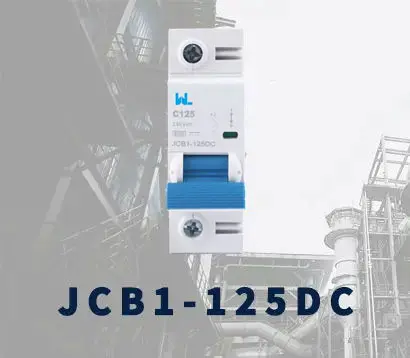 JCB1-125DC
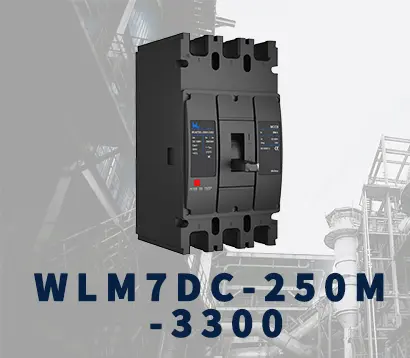 WLM7DC-250A-2300 2P/3P
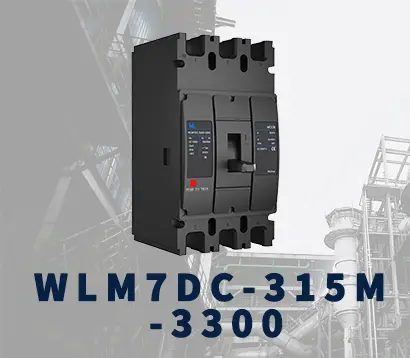 WLM7DC-315A-3300 2P/3P
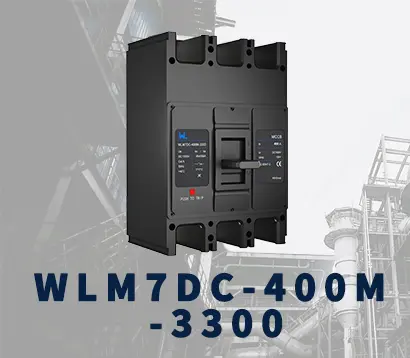 WLM7DC-400A-2300 2P/3P
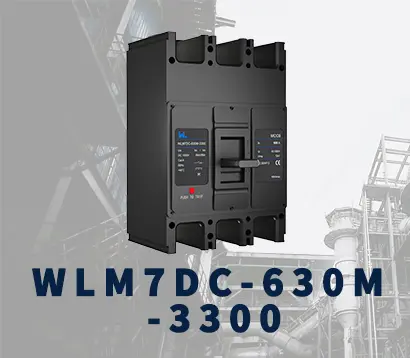 WLM7DC-630A-3300 3P
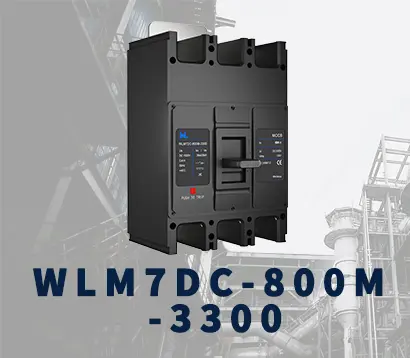 WLM7DC-800A-2300 2P/3P
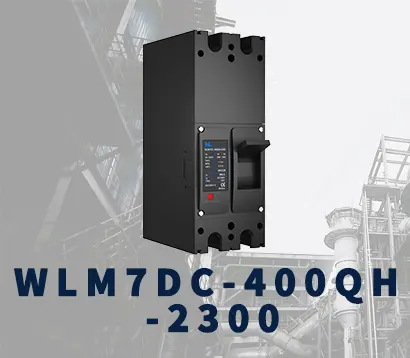 WLM7DC-400A 2300
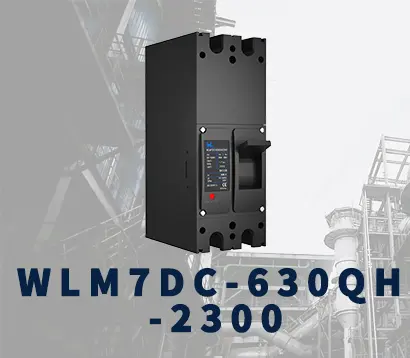 WLM7DC-630A-2300 2P
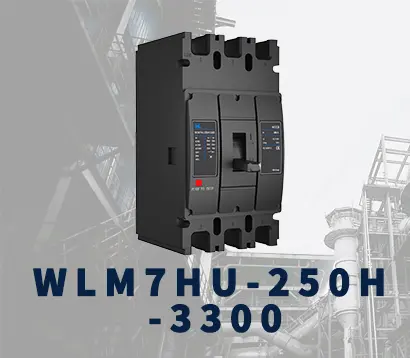 WLM7HU-250-3300 3P
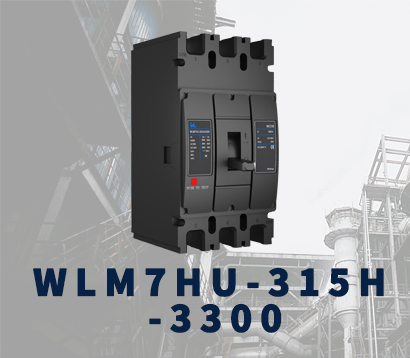 WLM7HU-315-3300 3P
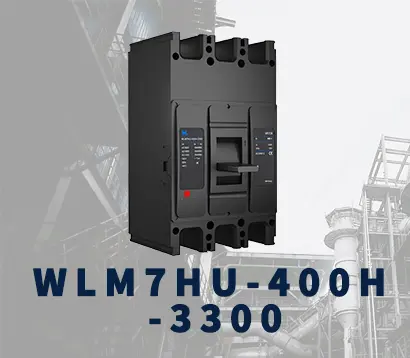 WLM7HU-400-3300 3P
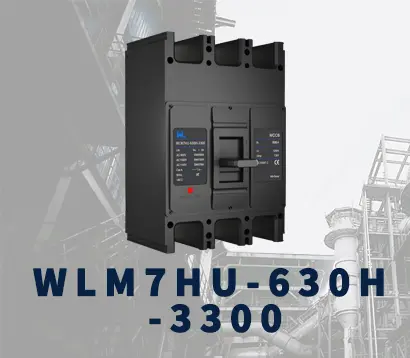 WLM7HU-630-3300 3P
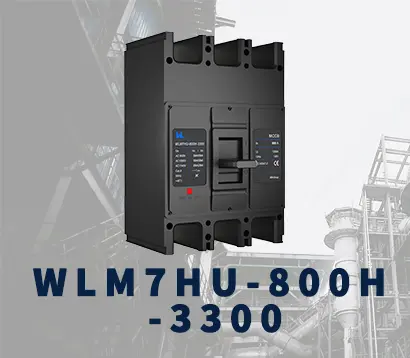 WLM7HU-800-3300 3P
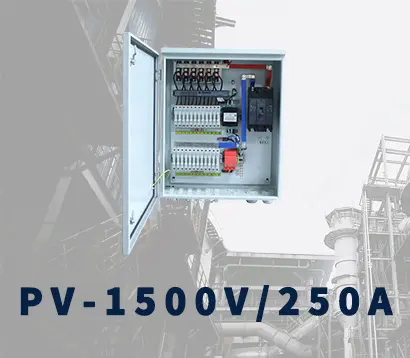 PV-1500V/250A
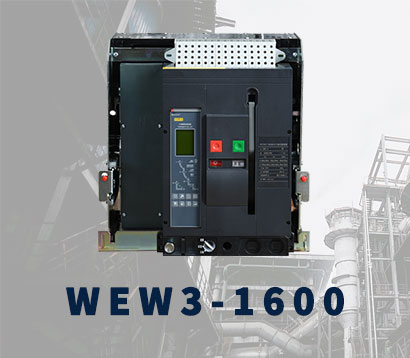 WEW3-1600
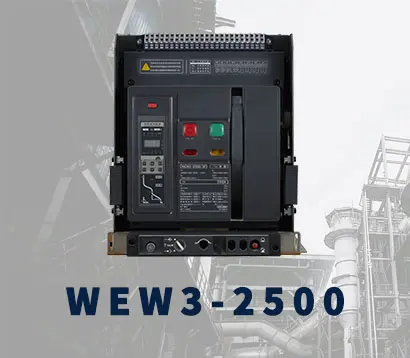 WEW3-2500
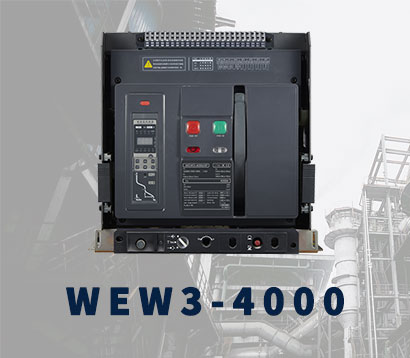 WEW3-4000
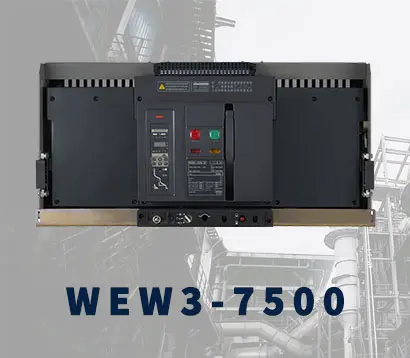 WEW3-7500