
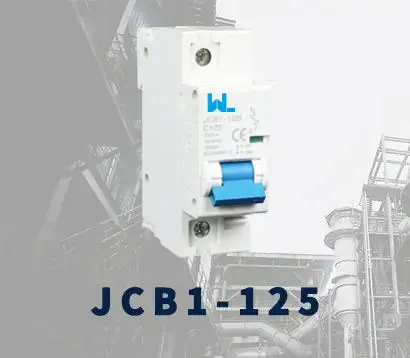
 JCB1-125
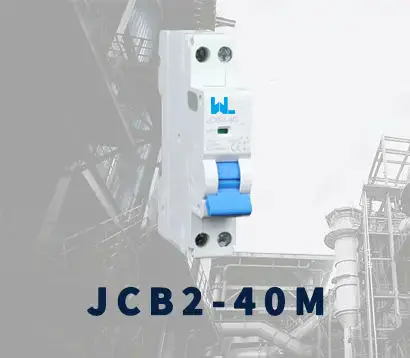 JCB2-40M
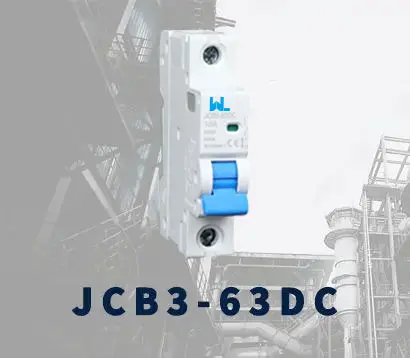 JCB3-63DC
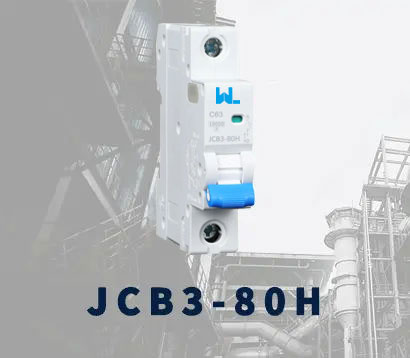 JCB3-80H
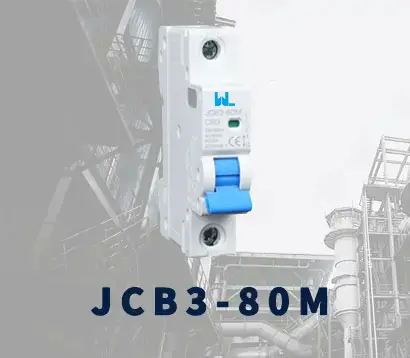 JCB3-80M
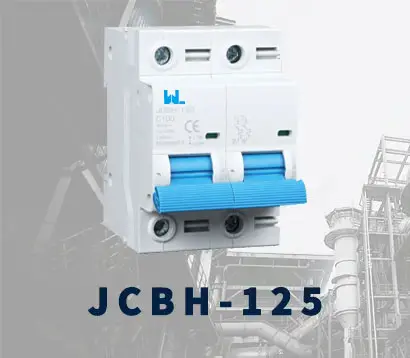 JCBH-125
 JC80-2P
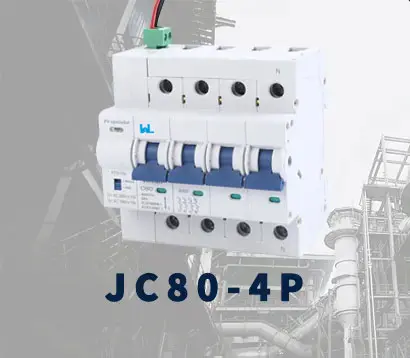 JC80-4P
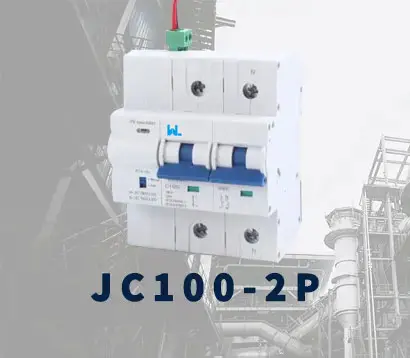 JC125-2P
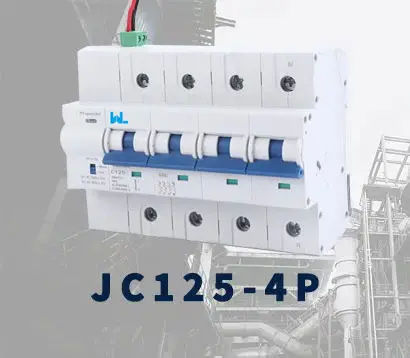 JC125-4P
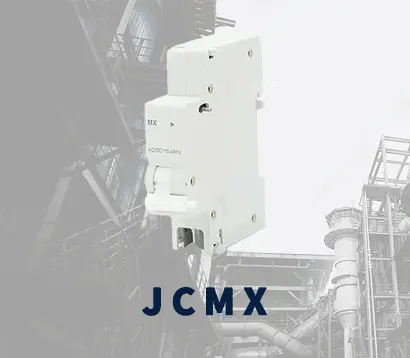 JCMX
JCMX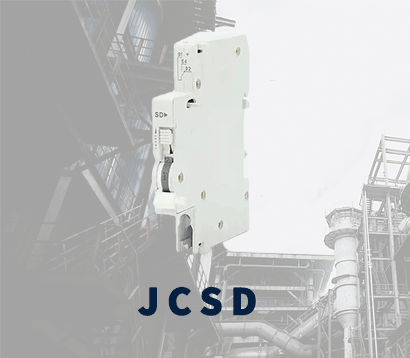 JCSD
JCSD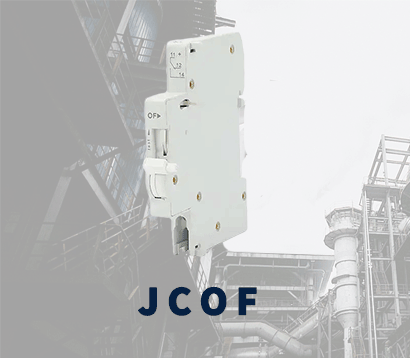 JCOF
JCOF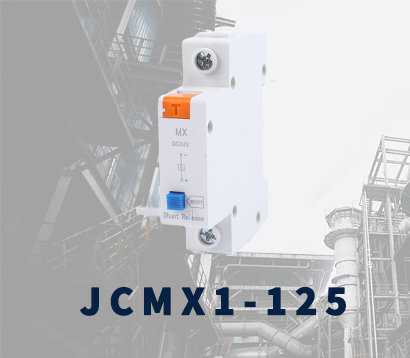 JCMX1-125
 JCOF1-125
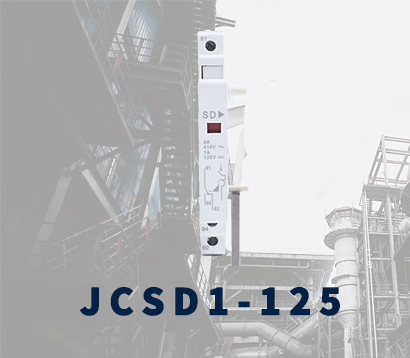 JCSD1-125
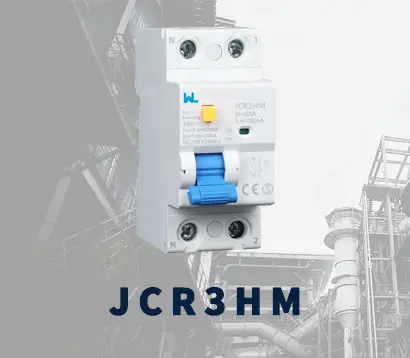 JCR3HM
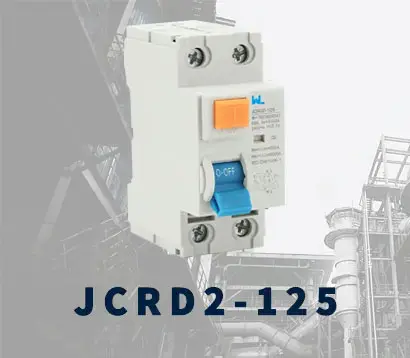 JCRD2-125
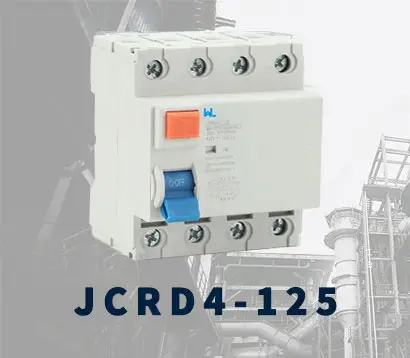 JCRD4-125
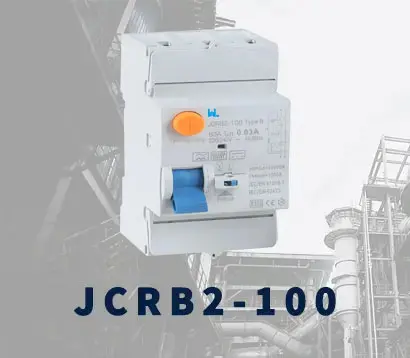 JCRB2-100
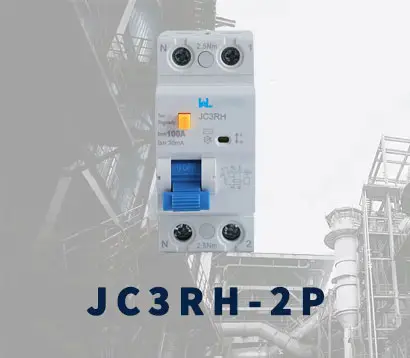 JC3RH-2P
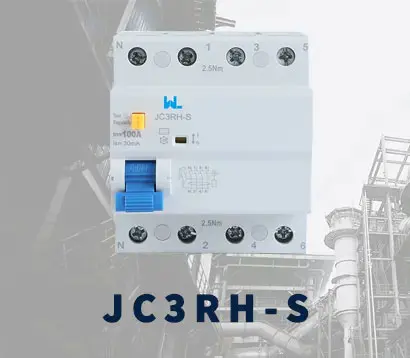 JC3RH-S
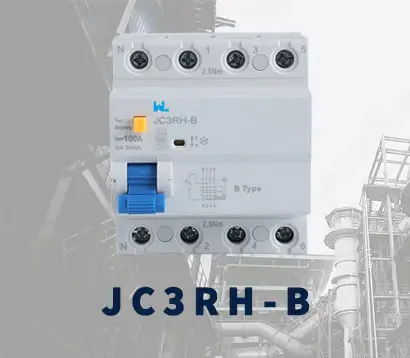 JC3RH-B
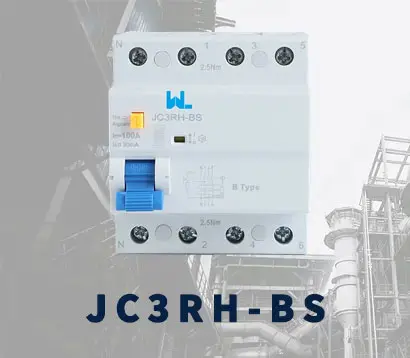 JC3RH-BS
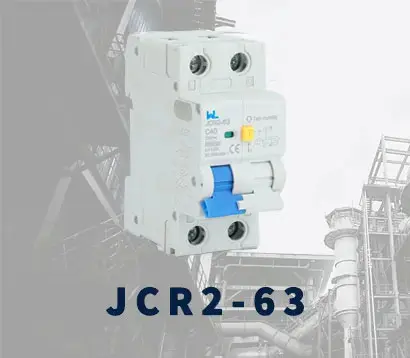 JCR2-63
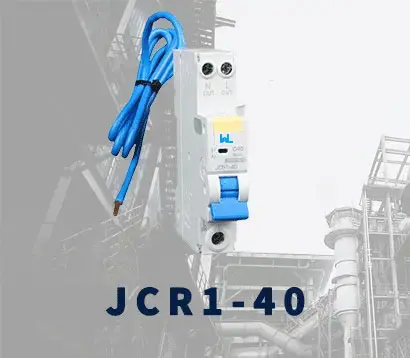 JCR1-40
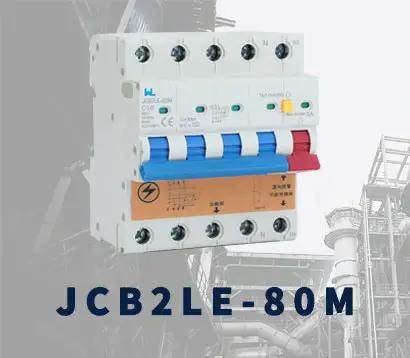 JCB2LE-80M
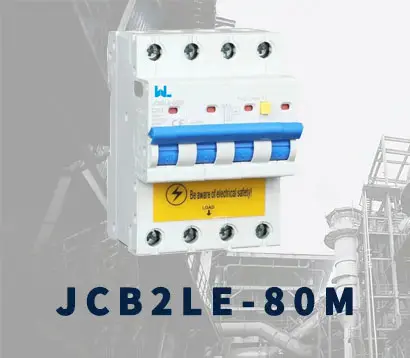 JCB2LE-80M
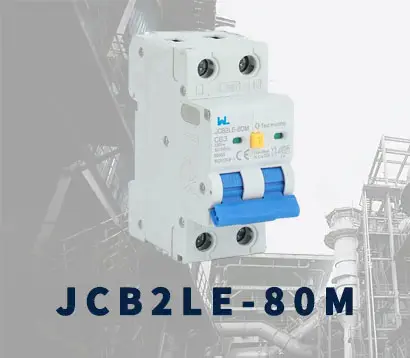 JCB2LE-80M
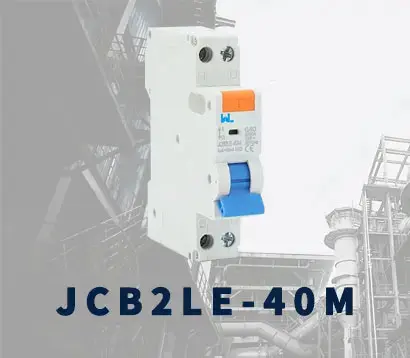 JCB2LE-40M
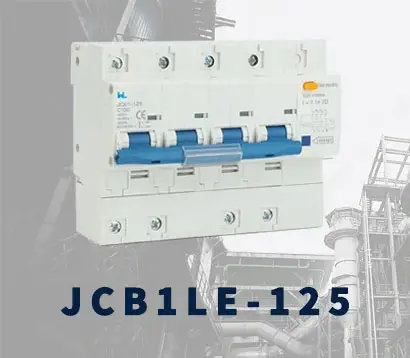 JCB1LE-125
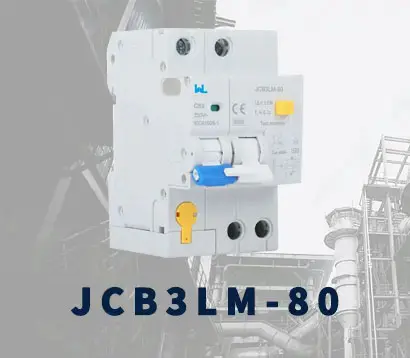 JCB3LM-80
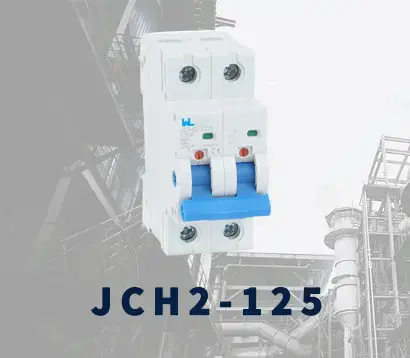 JCH2-125
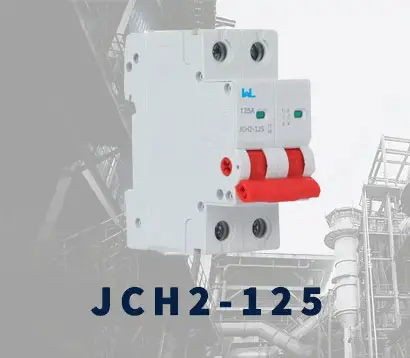 JCH2-125
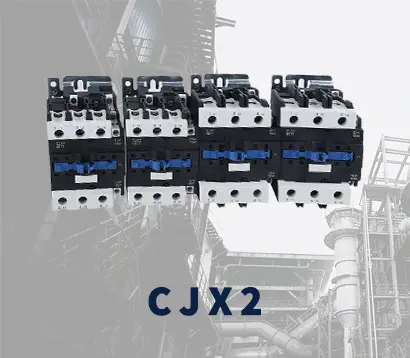 CJX2
CJX2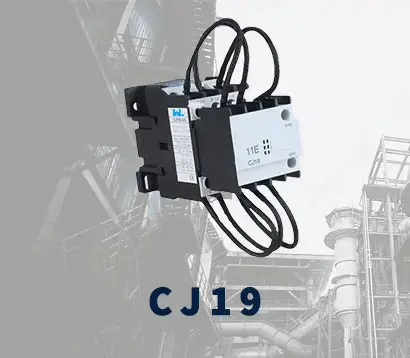 CJ19
CJ19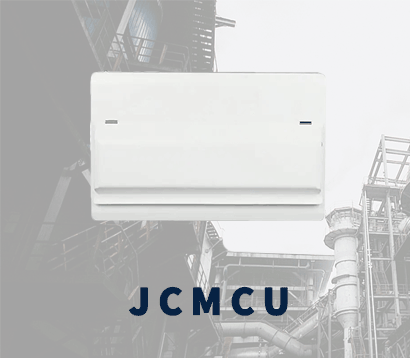 JCMCU
JCMCU JCHA
JCHA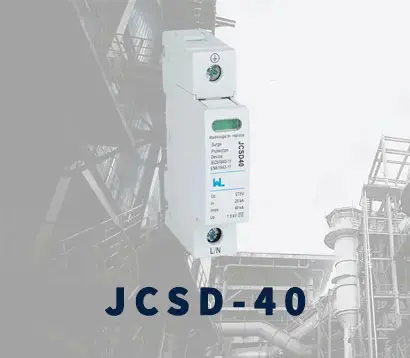 JCSD-40
 JCSD-60
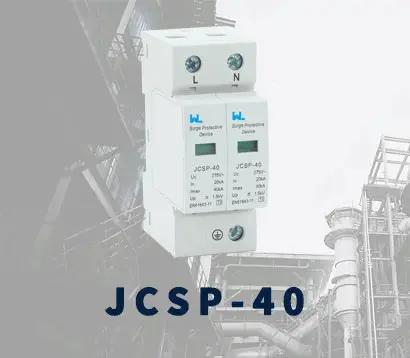 JCSP-40
 JCSP-60
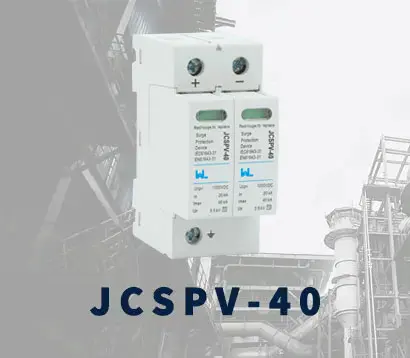 JCSPV
JCSPV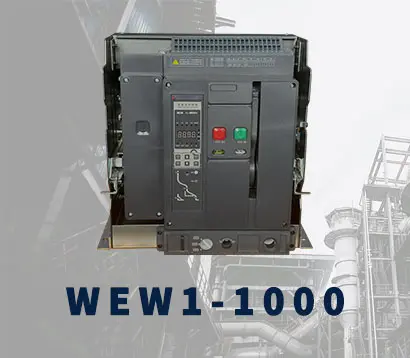 WEW1-1000
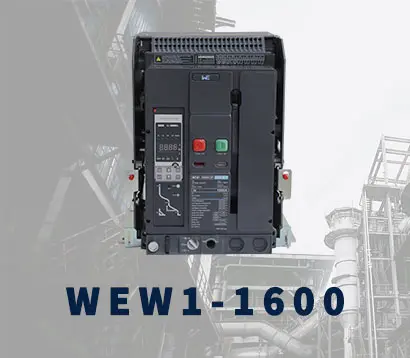 WEW1-1600
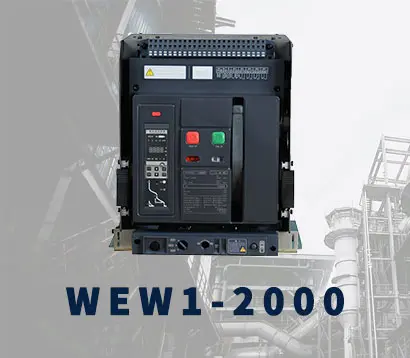 WEW1-2000
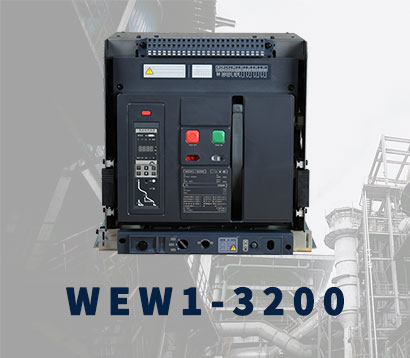 WEW1-3200
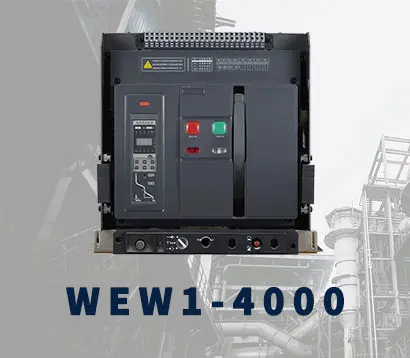 WEW1-4000
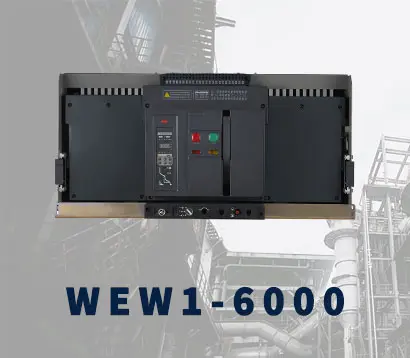 WEW1-6300
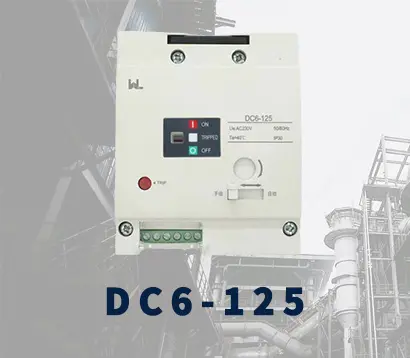 DC6-125
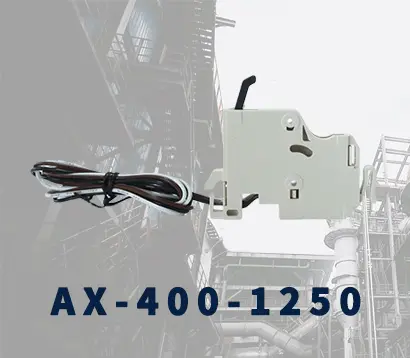 AX-400-1250
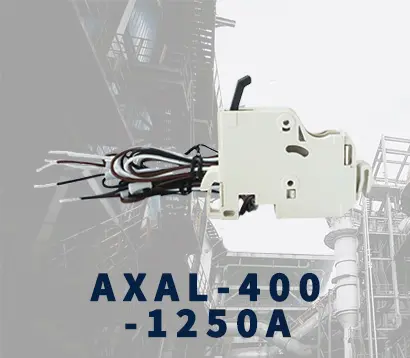 AXAL-400-1250A
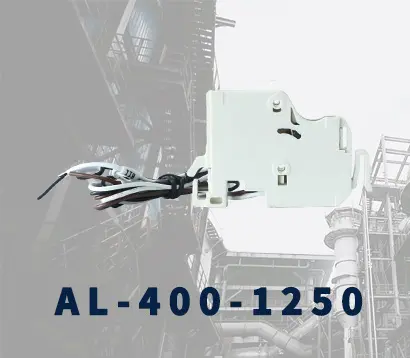 AL-400-1250
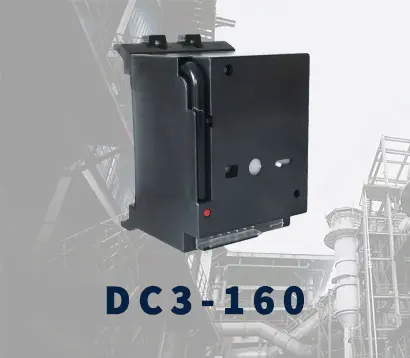 DC3-160
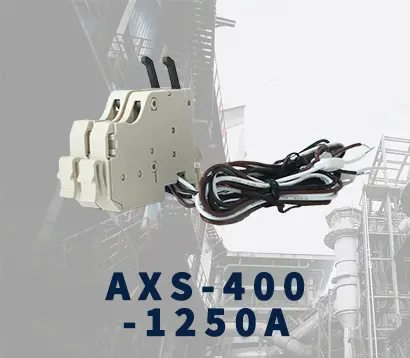 AXS-400-1250A
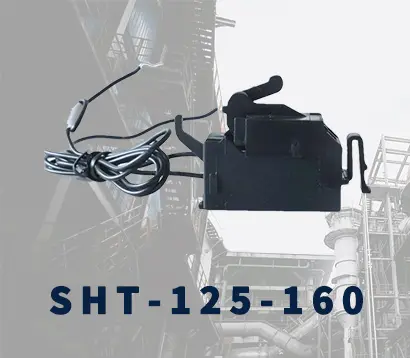 SHT-125-160
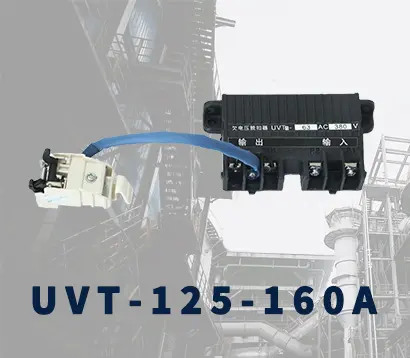 UVT-125-160A
 P-250A-3P-A
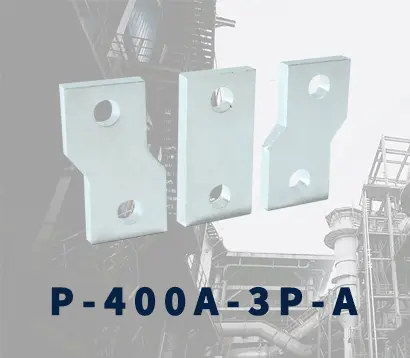 400-3P/4P terminal cover
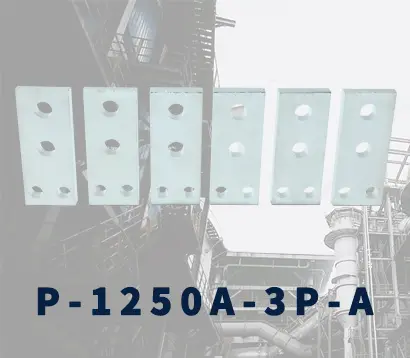 1250-3Pmccb accessories busbar
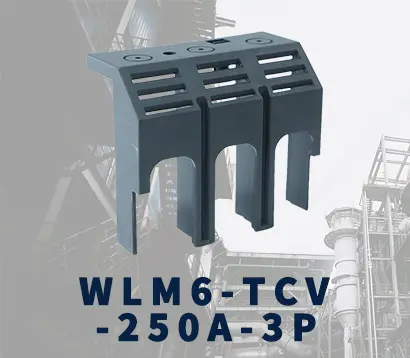 250-3P terminal conver
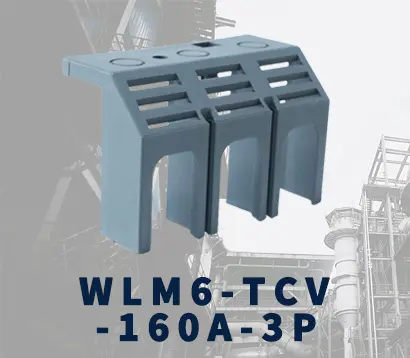 WLM6-TCV-160A-3P
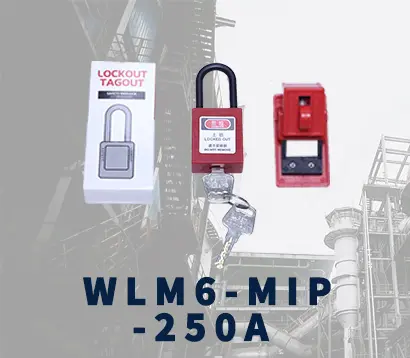 WLM6-MIP-250A
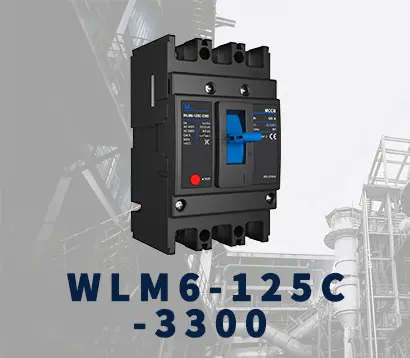 WLM6-125A-3300 3P/4P
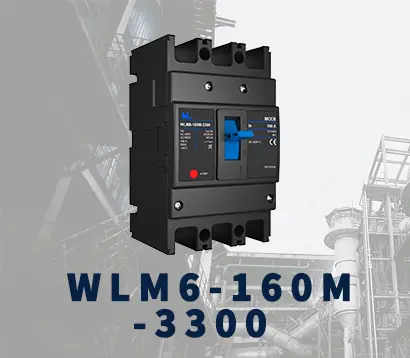 WLM6-160A-3300 3P/4P
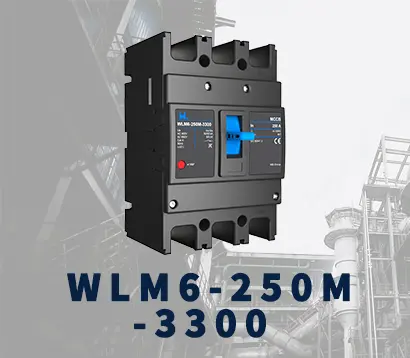 WLM6-250A-3300 3P/4P
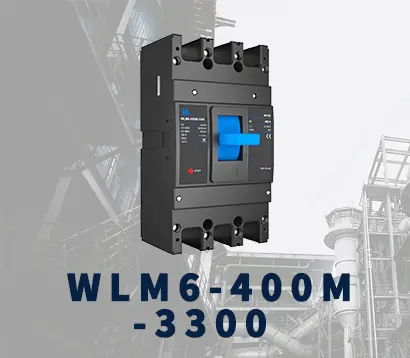 WLM6-400A-3300 3P/4P
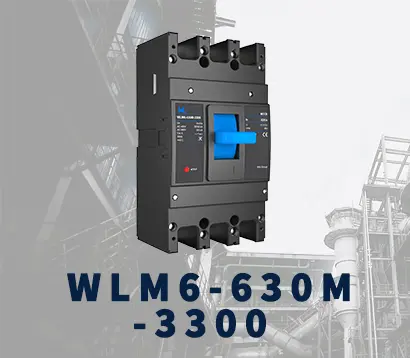 WLM6-630A-3300 3P/4P
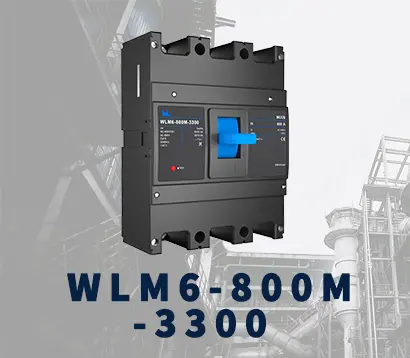 WLM6-800A-3300 3P/4P
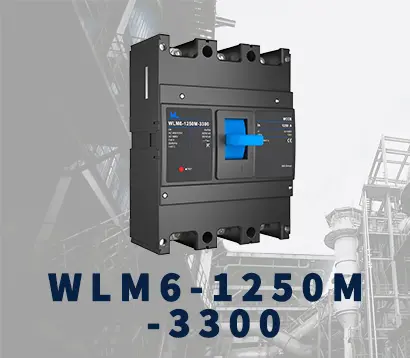 WLM6-1250A-3300 3P/4P
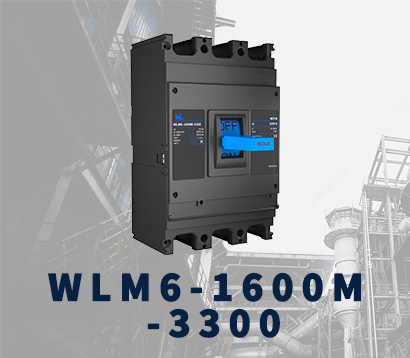 WLM6-1600A-3300 3P/4P
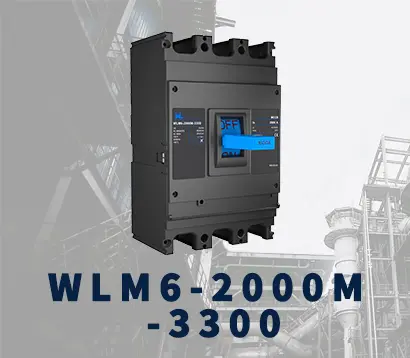 WLM6-2000A 3P/4P
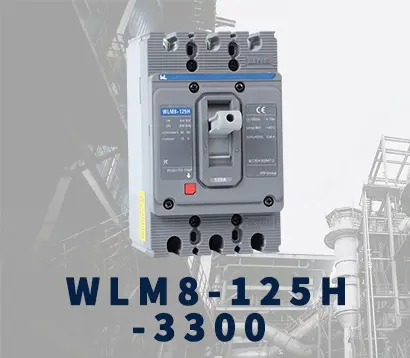 WLM8-125H-3300
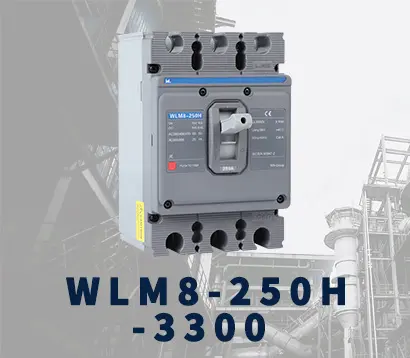 WLM8-250H-3300
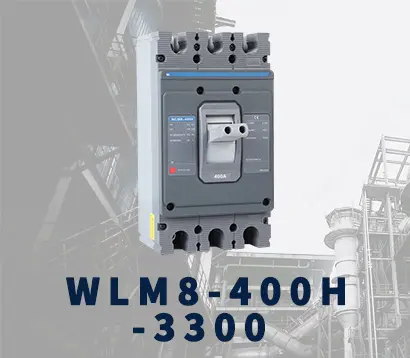 WLM8-400H-3300
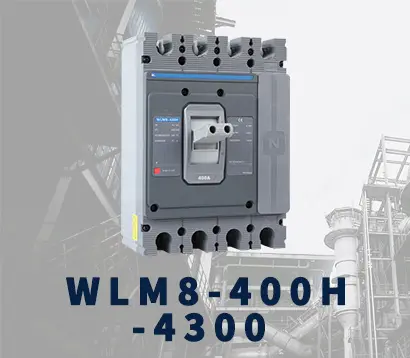 WLM8-400H-4300
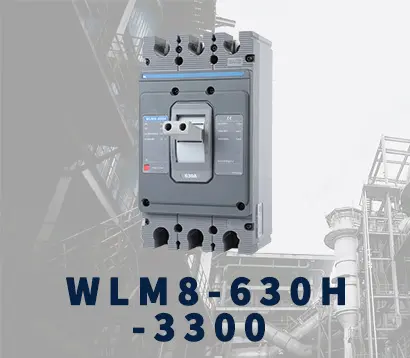 WLM8-630H-3300
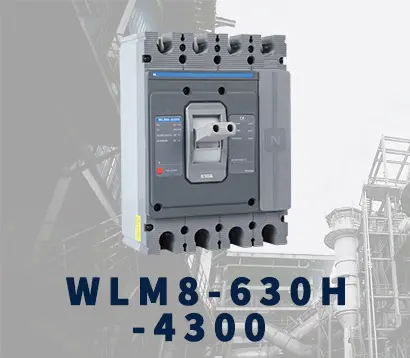 WLM8-630H-4300
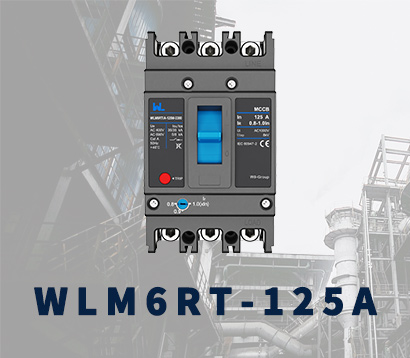 WLM6RT-125A
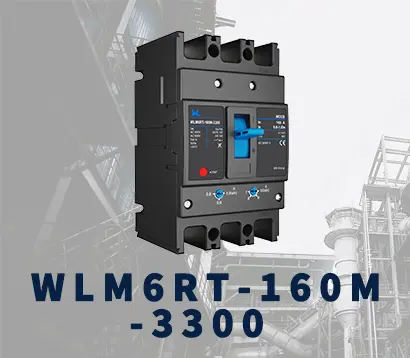 WLM6RT-160A
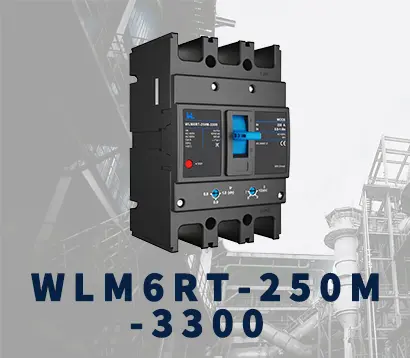 WLM6RT-250A
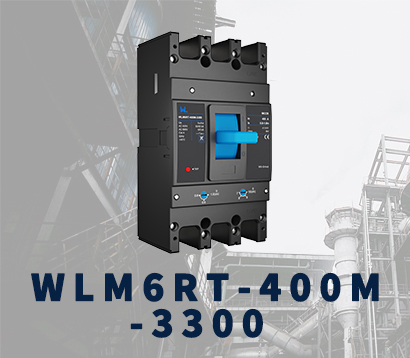 WLM6RT-400A
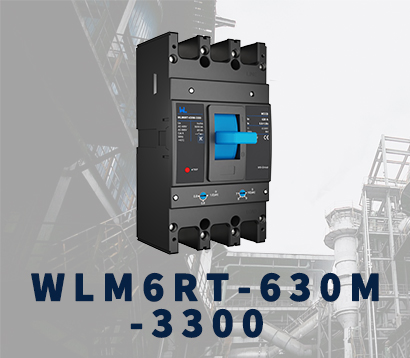 WLM6RT-630A
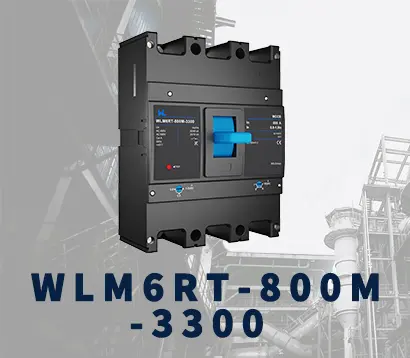 WLM6RT-800A
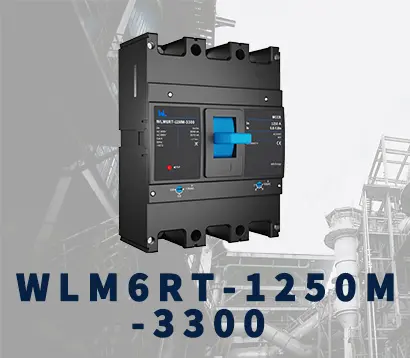 WLM6RT-1250A
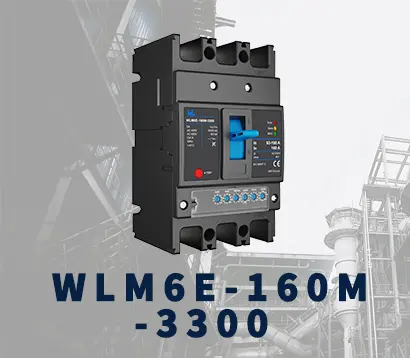 WLM6E-160A-3300 3P
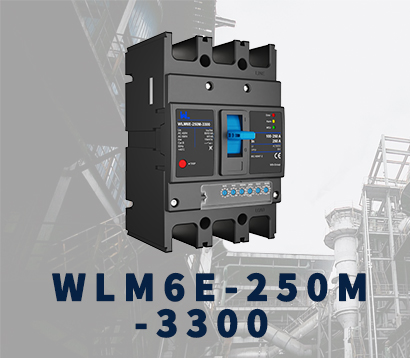 WLM6E-250A-3300
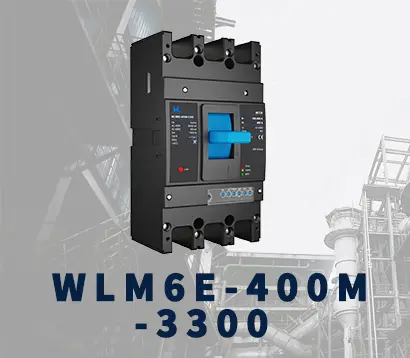 WLM6E-400A-3300 3P/4P
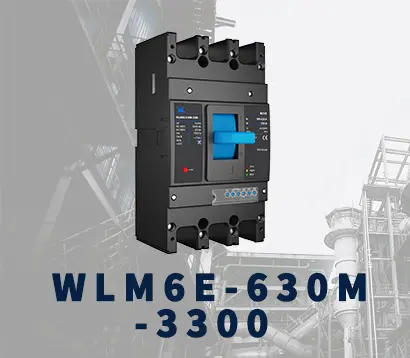 WLM6E-630A-3300
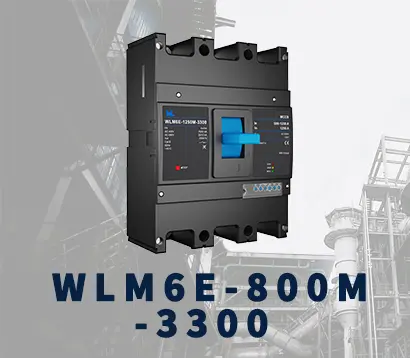 WLM6E-800A-3300 3P/4P
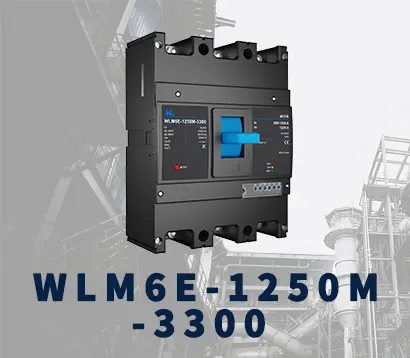 WLM6E-1250A-3300
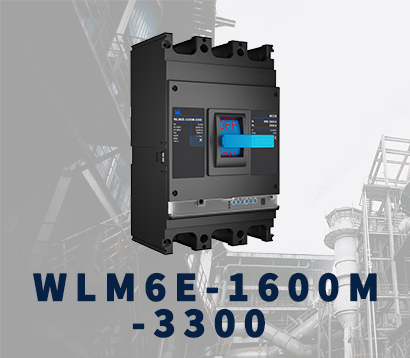 WLM6E-1600-3300 3P/4P
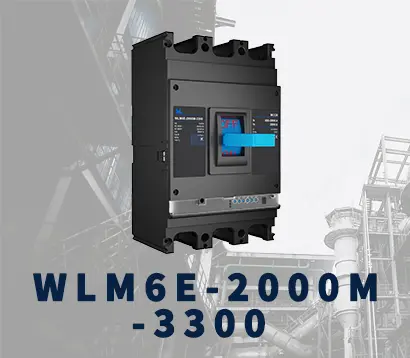 WLM6E-2000A-3300 3P/4P
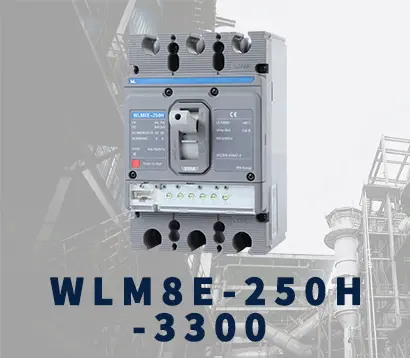 WLM8E-250H-3300
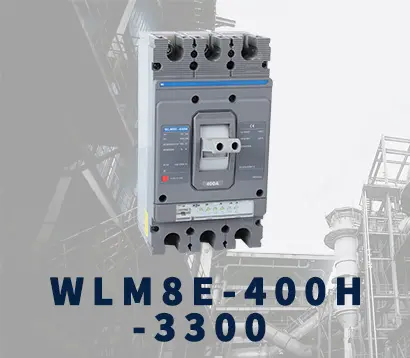 WLM8E-400H-3300
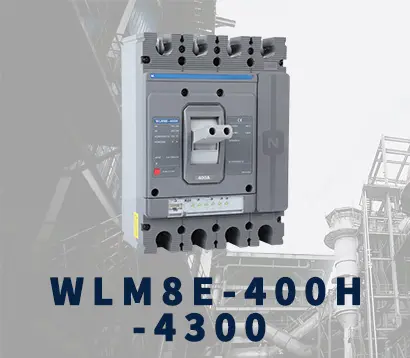 WLM8E-400H-4300
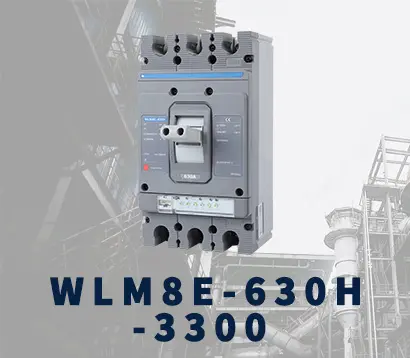 WLM8E-630H-3300
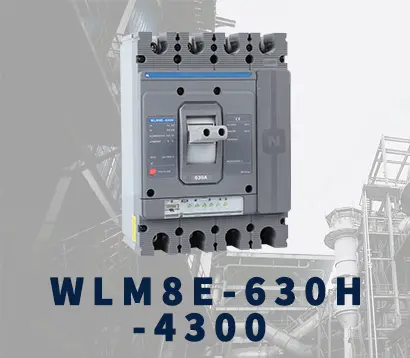 WLM8E-630H-4300
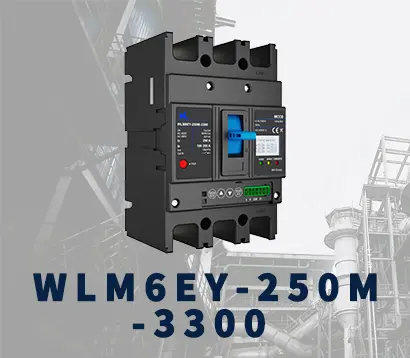 WLM6EY-250-3300 3P/4P
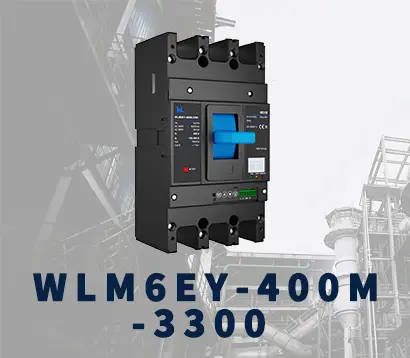 WLM6EY-400 3P/4P
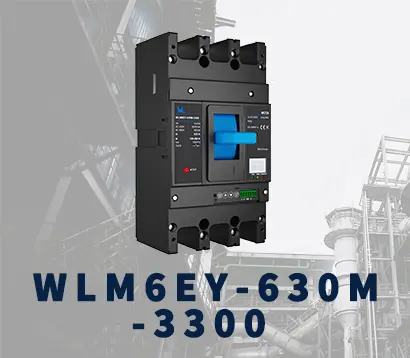 WLM6EY-630 3P/4P
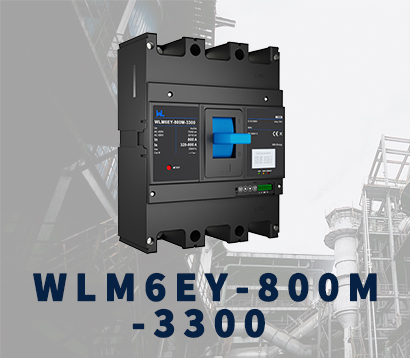 WLM6EY-800A 3P/4P
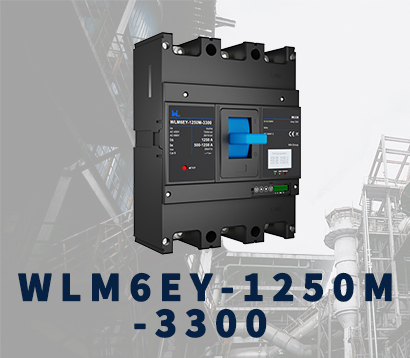 WLM6EY-1250A 3P/4P
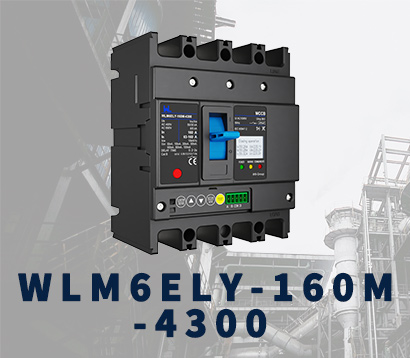 WLM6ELY-160A
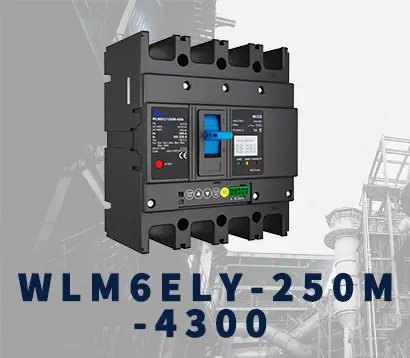 WLM6ELY-250A
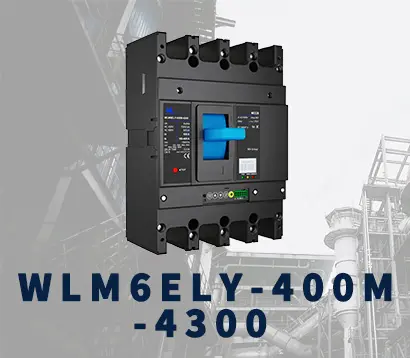 WLM6ELY-400A
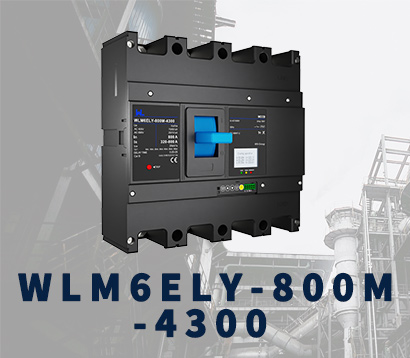 WLM6ELY-800A
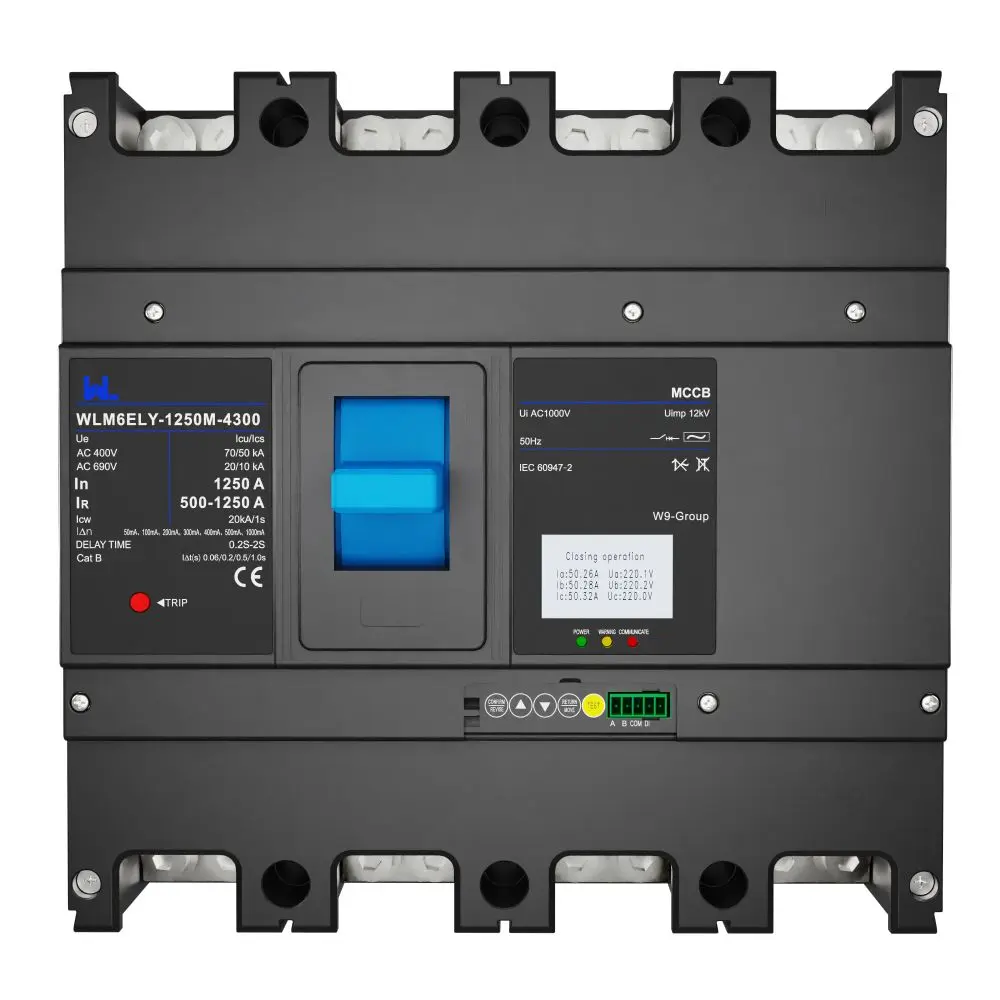 WLM6ELY-1250A
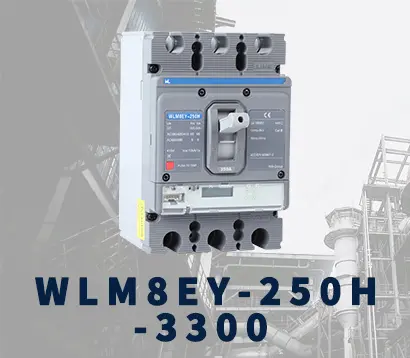 WLM8EY-250H-3300
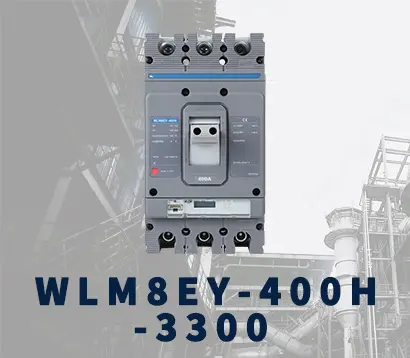 WLM8EY-400H-3300
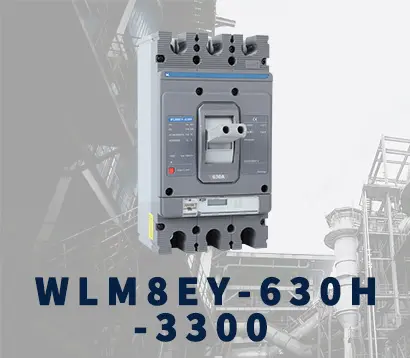 WLM8EY-630H-3300
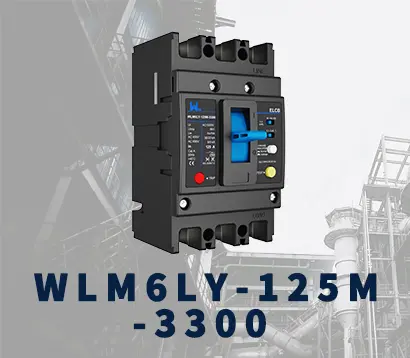 WLM6LY-125A
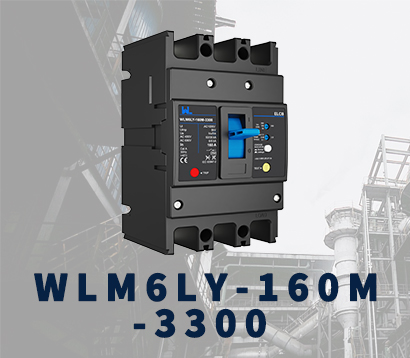 WLM6L-160A
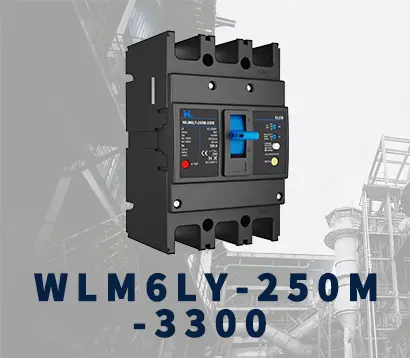 WLM6LY-250A
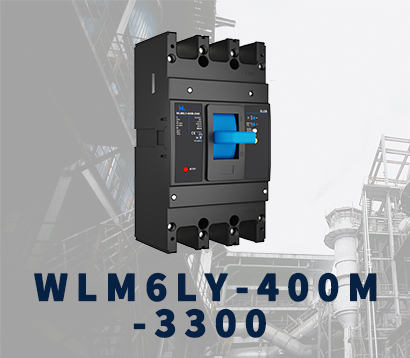 WLM6LY-400A
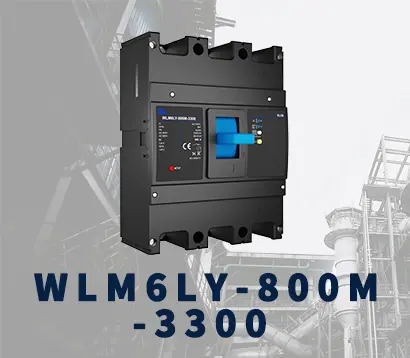 WLM6LY-800A
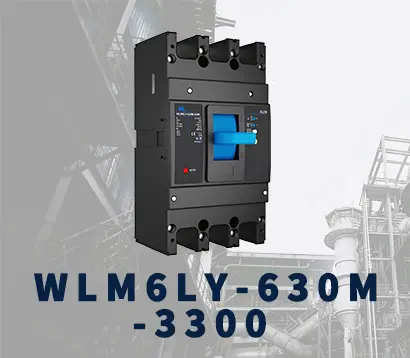 WLM6LY-630A
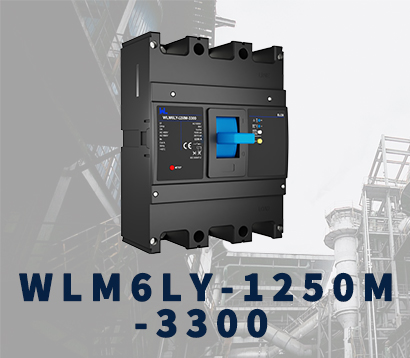 WLM6LY-1250A
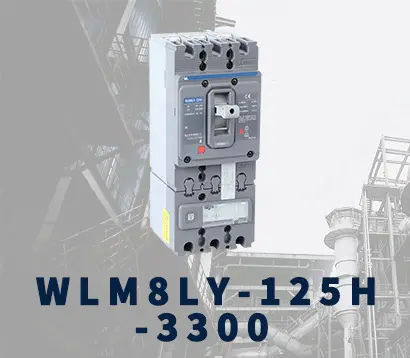 WLM8LY-125H-3300
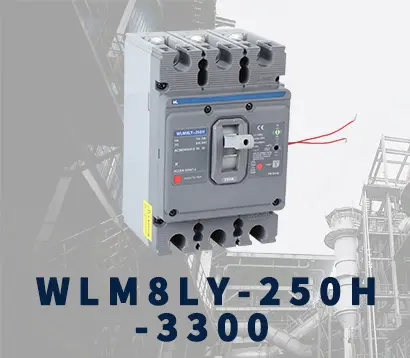 WLM8LY-250H-3300
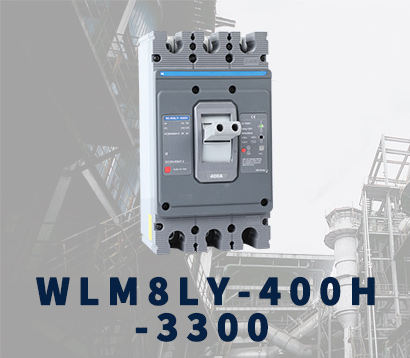 WLM8LY-400H-3300
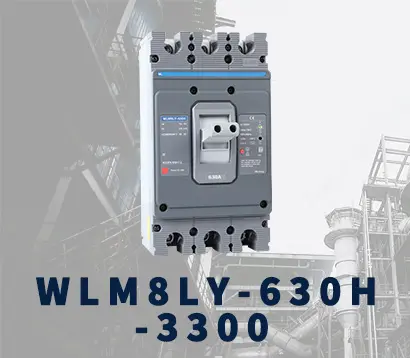 WLM8LY-630H-3300
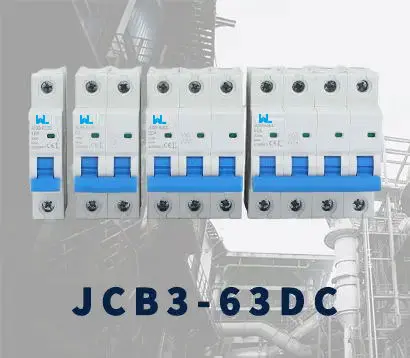 JCB3-63DC
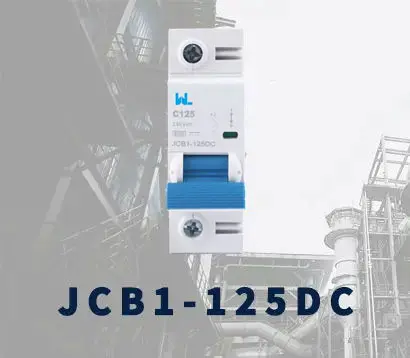 JCB1-125DC
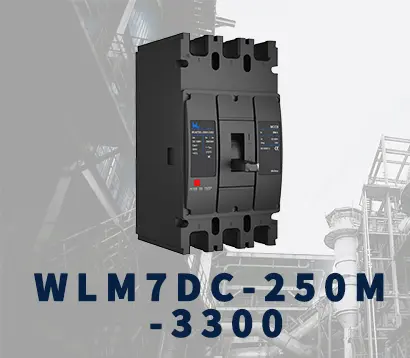 WLM7DC-250A-2300 2P/3P
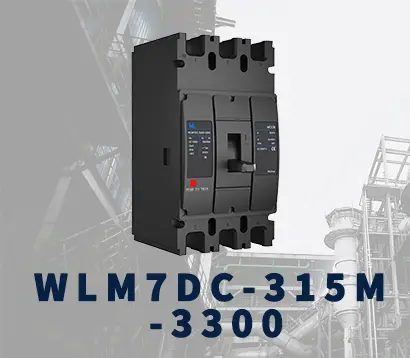 WLM7DC-315A-3300 2P/3P
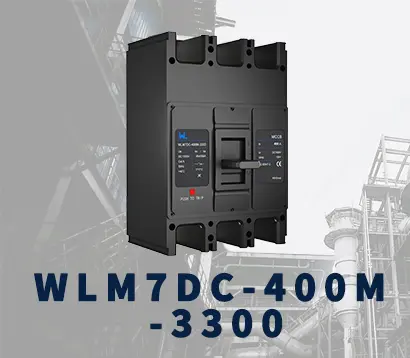 WLM7DC-400A-2300 2P/3P
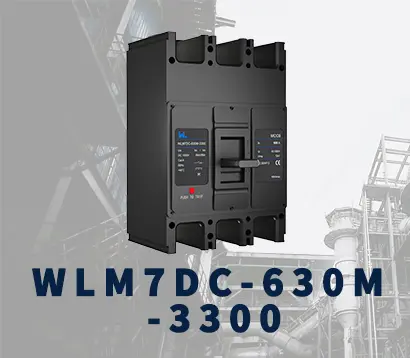 WLM7DC-630A-3300 3P
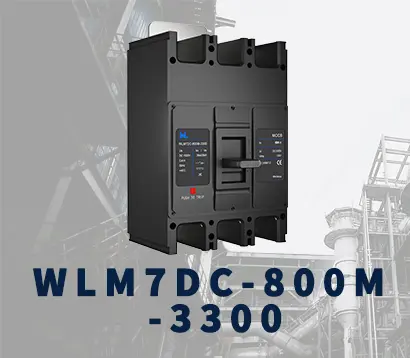 WLM7DC-800A-2300 2P/3P
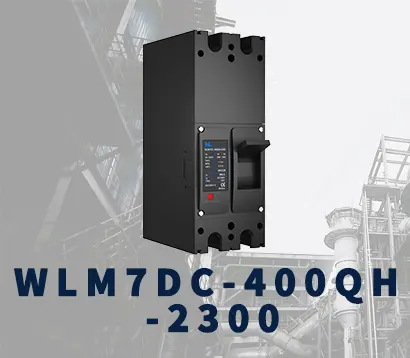 WLM7DC-400A 2300
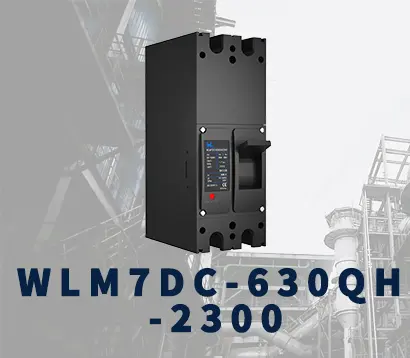 WLM7DC-630A-2300 2P
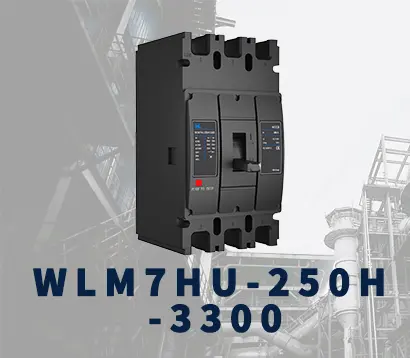 WLM7HU-250-3300 3P
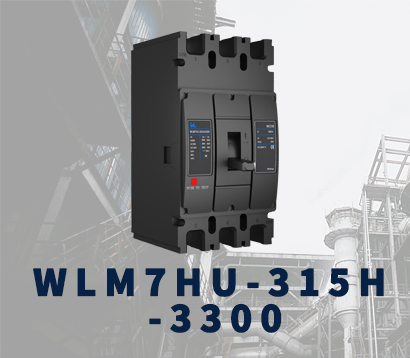 WLM7HU-315-3300 3P
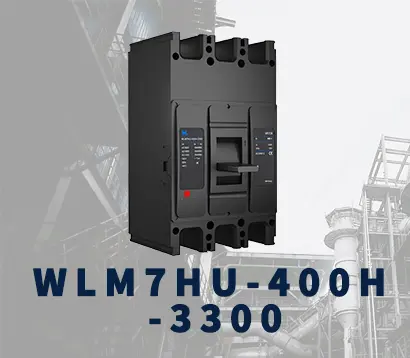 WLM7HU-400-3300 3P
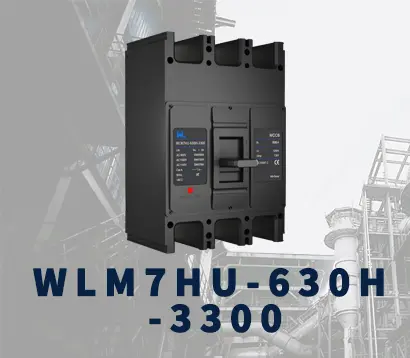 WLM7HU-630-3300 3P
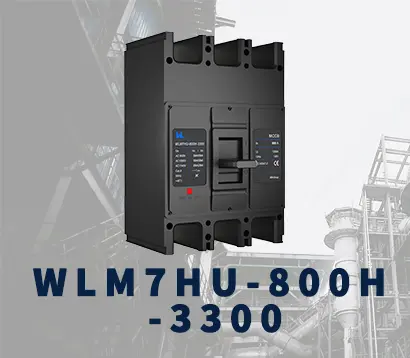 WLM7HU-800-3300 3P
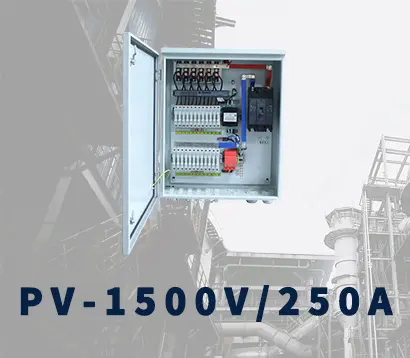 PV-1500V/250A
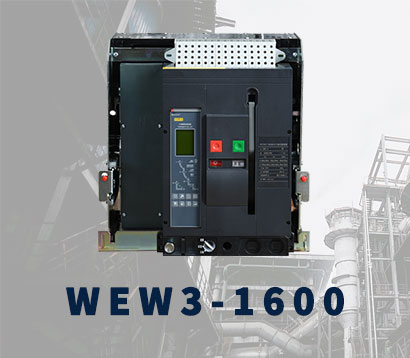 WEW3-1600
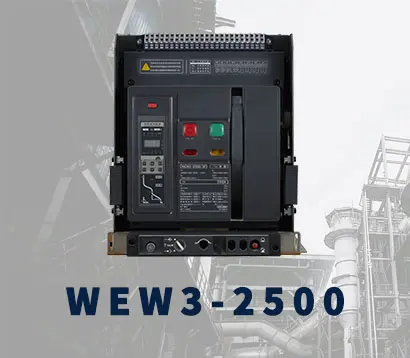 WEW3-2500
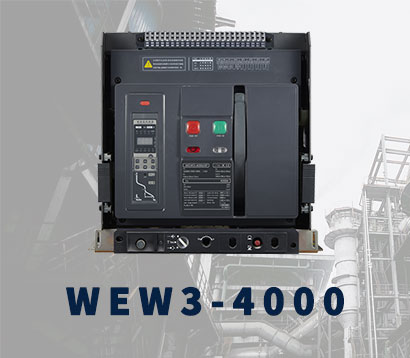 WEW3-4000
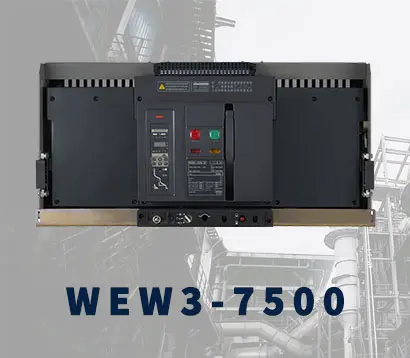 WEW3-7500





Top 10 Tips to Choose the Right Low Voltage Circuit Breaker for Your Needs?
Choosing the right Low Voltage Circuit Breaker is crucial for your electrical system. These devices protect your circuits from overload and short circuits, ensuring safety and reliability. With the vast array of options available, it can feel overwhelming. Making a poor choice might lead to circuit failures or even hazards.
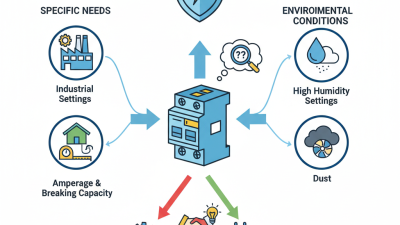
It’s essential to consider your specific needs. The right Low Voltage Circuit Breaker should align with your electrical load, voltage requirements, and safety standards. Engaging with reputable manufacturers can provide valuable insights. They bring expertise and authority, helping you avoid potential mistakes.
Keep in mind that only the appropriate product can deliver optimal performance. Think about your long-term needs as well. The complexity of your electrical system may require deeper reflection on your choices. You want a solution that is both efficient and safe. When navigating this selection process, always prioritize reliability and function. It may take time to find the best match, but it is worth the effort for your peace of mind.
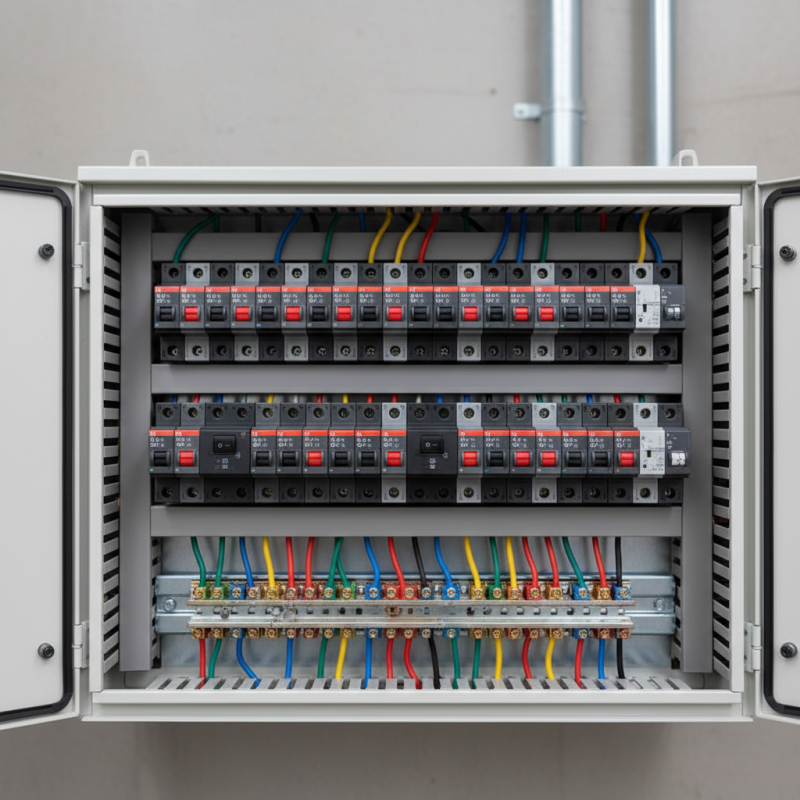
Key Considerations for Selecting Low Voltage Circuit Breakers
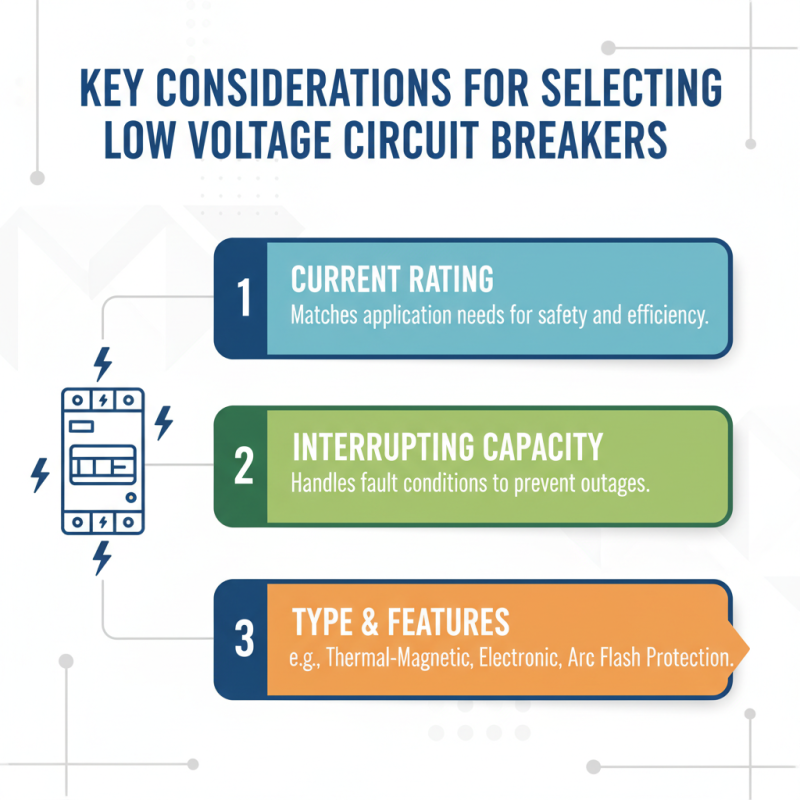
When selecting low voltage circuit breakers, it’s important to consider various factors. Start with the current rating required for your specific application. An adequate rating ensures safety and efficiency. Pay attention to the interrupting capacity. This determines the breaker's ability to handle fault conditions. Choosing an appropriate capacity can prevent system-wide outages.
Another essential consideration is the breaker’s configuration. Options include single-pole or multi-pole designs. Ensure compatibility with your electrical system layout. Make sure that the mounting style fits your installation space. Not every circuit breaker will suit every environment.
Also, think about additional features. Circuit breakers may have built-in surge protection or be designed for specific applications. While these features can enhance safety, they may also add complexity. It’s crucial to weigh the benefits against your actual needs. Lastly, consult an experienced electrician when uncertain. They can provide invaluable insights tailored to your unique needs.
Related Posts
-
Top 10 Things You Need to Know About Electric Main Breaker?
-
Exploring the Unique Features and Applications of Best Thermal Magnetic Circuit Breakers with Practical Usage Tips
-

2026 Top Low Voltage Circuit Breaker Trends and Insights?
-
Exploring Unique Alternatives to the Best Low Voltage Circuit Breaker for Your Electrical Needs
-
How to Choose the Right Molded Case Circuit Breaker MCCB?
-
How to Choose the Right Molded Case Circuit Breaker for Your Electrical Needs