How to Choose the Right MCCB Moulded Case Circuit Breaker?
Choosing the right MCCB moulded case circuit breaker is crucial for ensuring electrical safety and reliability. An MCCB is designed to protect electrical circuits from overloads and faults. Its correct selection can prevent costly damages and enhance operational efficiency. However, many users often underestimate its importance.
When selecting an MCCB moulded case circuit breaker, several factors must be considered. Load current ratings, voltage ratings, and short-circuit current ratings play significant roles. Understanding these parameters can be challenging, especially for those new to electrical systems. It is essential to know the specific requirements of your application.
Many individuals overlook the distinct features of different MCCBs, such as adjustable settings or trip characteristics. This oversight can lead to improper selections and safety risks. One must reflect on their needs and the potential consequences of their choices. Proper research and understanding can make a difference in achieving optimal safety and performance. Thus, careful consideration is vital in this selection process.

Understanding the Purpose of MCCB Moulded Case Circuit Breakers
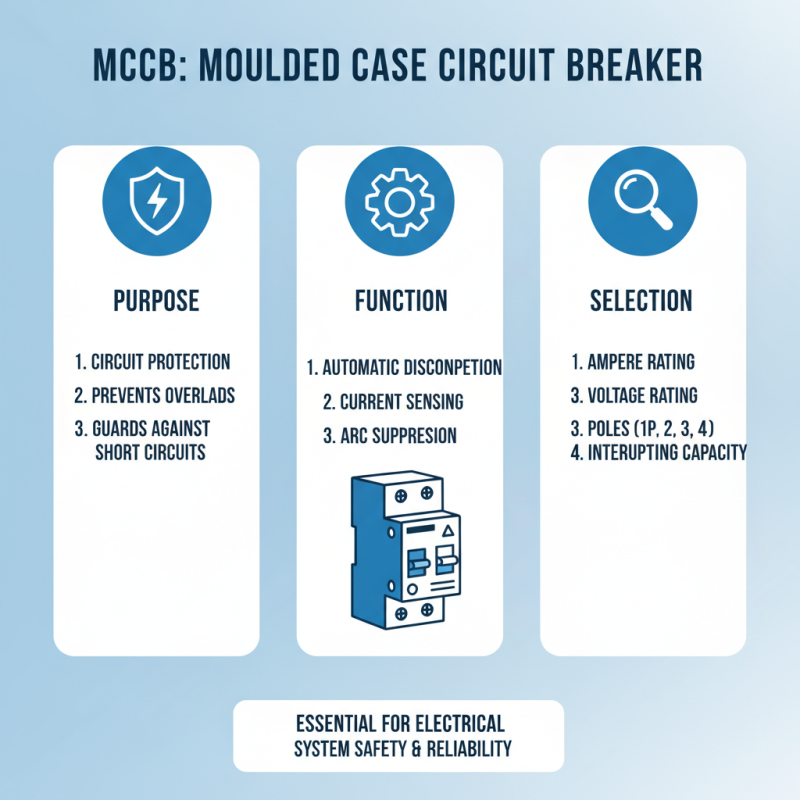
MCCB, or Moulded Case Circuit Breaker, plays a crucial role in electrical systems. These devices are designed to protect circuits from overloads and short circuits. Understanding their purpose helps you make informed decisions when selecting one for your needs.
MCCBs serve as essential safety devices. They automatically disconnect a circuit when it detects an unsafe condition. This prevents overheating and potential fire hazards. When choosing an MCCB, consider the electrical load. Ensure it matches your system’s requirements. Underestimating load capacity may lead to frequent tripping, disrupting operations. Overrating might result in insufficient protection.
Installation and maintenance of MCCBs also warrant attention. Proper installation is vital for functionality, but many overlook this aspect. Sometimes, a lack of regular inspections can lead to failures during critical moments. Adequate training for personnel handling these devices is necessary too. Without it, mistakes can occur, leading to serious issues. Reflecting on these factors is essential for enhancing electrical safety.
Key Factors to Consider When Selecting MCCB Ratings
When selecting a moulded case circuit breaker (MCCB), understanding its rating is crucial. The MCCB’s current rating typically ranges from 16A to 3200A. A key factor to consider is the load requirements of your electrical system. According to industry reports, overloading remains a common issue, leading to component failure in approximately 30% of cases. This highlights the importance of matching the MCCB rating to peak load demands.
Another essential consideration is the short-circuit protection rating. The International Electrotechnical Commission (IEC) emphasizes that short-circuit current can reach tens of thousands of amps. A suitable MCCB must be able to interrupt this effectively to prevent equipment damage. Devices with inadequate ratings may fail to operate during a fault, increasing the risk of fire or other hazards. Additionally, choosing the right trip settings—thermal and magnetic—is vital. Incorrect settings can result in nuisance tripping or, worse, failure to trip during overload conditions.
MCCB selection involves careful evaluation of these factors. Many professionals report feeling overwhelmed by the variety of options. They often overlook vital specifications that can impact safety and performance. Making informed decisions can significantly enhance the reliability of electrical systems. It’s a reflection of diligence, not just a checklist. Balancing the technical requirements with practical limitations is often challenging.
Evaluating Environmental Conditions for MCCB Installation
When evaluating environmental conditions for MCCB installation, attention to detail is crucial. The ambient temperature plays a significant role. For example, MCCBs should ideally operate between 20°C and 40°C. Operating conditions outside this range can lead to performance issues. A study revealed that devices exposed to temperatures above 40°C experience a 10% reduction in lifespan.
Humidity is another factor. Ideal environments have humidity levels below 85%. High humidity can lead to condensation on electrical components, increasing the risk of failure. Data indicates that over 30% of circuit breaker failures occur due to moisture issues. Additionally, dust and pollution can affect performance. Reports show that 15% of MCCB malfunctions stem from improper cleaning and maintenance in dusty environments.
Consider potential exposure to chemicals as well. Many MCCBs are sensitive to corrosive substances. Environments with high levels of industrial fumes or chemical runoff present risks that should not be overlooked. Each installation site deserves a tailored assessment, as neglecting these specifics can lead to increased downtime and costly repairs. Engaging in thoughtful planning now can save headaches later.
How to Choose the Right MCCB Moulded Case Circuit Breaker? - Evaluating Environmental Conditions for MCCB Installation
| Environmental Condition |
Recommended MCCB Features |
Typical Applications |
| Indoor Non-Hazardous |
Standard insulation, basic protective features |
Commercial buildings, offices |
| Indoor Hazardous (e.g., dust, humidity) |
Sealed enclosures, moisture and dust resistance |
Manufacturing plants, food processing |
| Outdoor |
UV resistant materials, protective enclosures |
Power distribution, solar installations |
| Extreme Temperatures |
High-temperature rating, thermal protection |
Industrial processes, outdoor installations in harsh climates |
| High Humidity |
Moisture-resistant features, anti-corrosion materials |
Water treatment facilities, coastal areas |
Assessing Load Requirements for Optimal MCCB Performance
Choosing the right Moulded Case Circuit Breaker (MCCB) requires a keen understanding of load requirements. Optimal performance hinges on accurately assessing the electrical load that will pass through the MCCB. This assessment is critical for ensuring the circuit breaker can handle peak demands without frequent tripping. According to industry reports, nearly 30% of electrical issues stem from improper load calculations. This underlines the need for precision in defining load characteristics.
Tip: Calculate both the continuous and peak loads. Continuous loads should not exceed 80% of the MCCB's rated capacity. This measure prevents overheating and prolongs the lifespan of the breaker.
Load requirements can vary significantly based on applications. For instance, industrial settings may experience higher inrush currents than residential setups. Unfortunately, many fail to factor these differences into their load assessments. This oversight can lead to equipment failure and costly downtime.
Tip: Consult with an electrical engineer to analyze load scenarios thoroughly. Engaging professionals can reveal hidden complexities that you might miss. Remember, an under-rated breaker could result in catastrophic failures. Always account for future expansion; planning ahead can save significant costs later on.
Assessing Load Requirements for Optimal MCCB Performance
Comparing Different Brands and Models of MCCBs in the Market
When selecting the right MCCB (Moulded Case Circuit Breaker), it's essential to compare various brands and models available in the market. Recent industry reports indicate a growth rate of 5% in the MCCB market, reflecting increasing demand for reliability and safety in electrical systems. Each manufacturer's MCCB offers distinct features. Some prioritize thermal protection, while others focus on short-circuit protection. Knowing your specific requirements is vital.
One notable trend is the rise in digital MCCBs that provide real-time monitoring. They can help prevent faults before they become serious issues. Research shows that digital breakers can reduce downtime by up to 30%. However, they often come at a premium price. Are these features worth the extra cost? Assessing your needs is crucial.
Tips: Consider the environment where the MCCB will be installed. Harsh conditions can influence the choice. Always check the rated current and interrupting capacity for compatibility with your setup. Don't overlook user feedback. It can reveal potential vulnerabilities in certain models. Make a list of features you value most. By understanding your priorities, you can avoid overspending on unnecessary features.

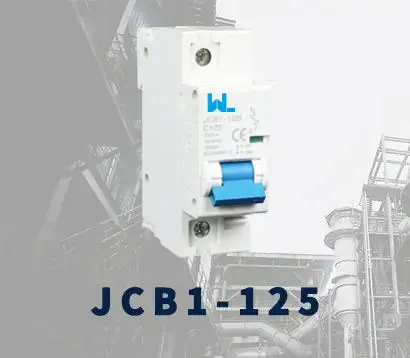 JCB1-125
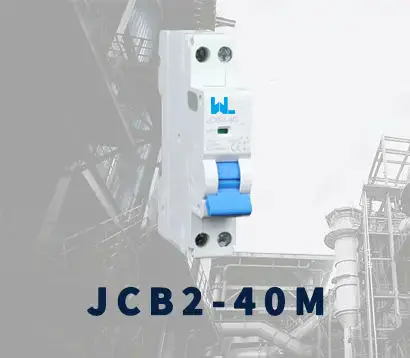 JCB2-40M
 JCB3-63DC
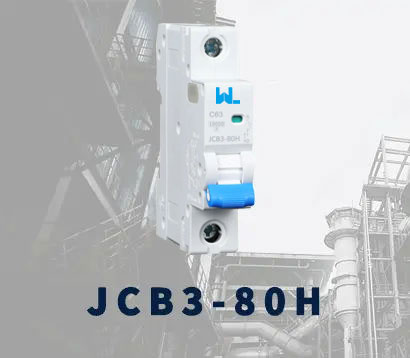 JCB3-80H
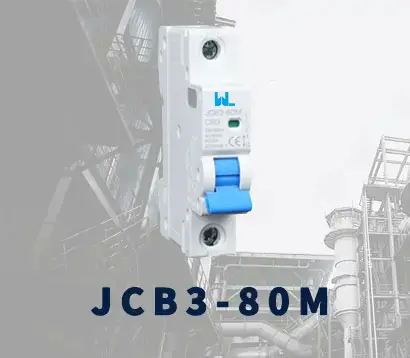 JCB3-80M
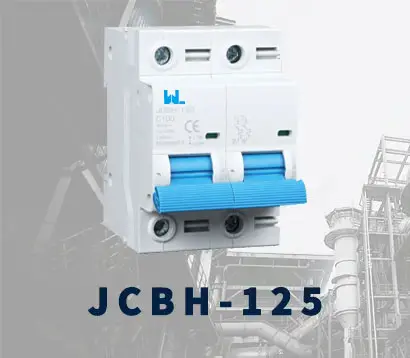 JCBH-125
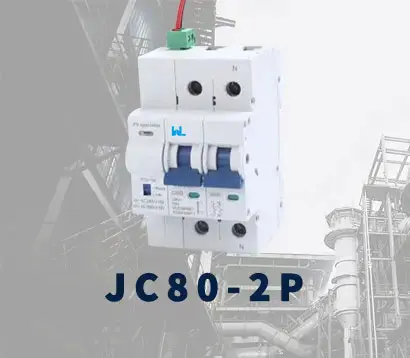 JC80-2P
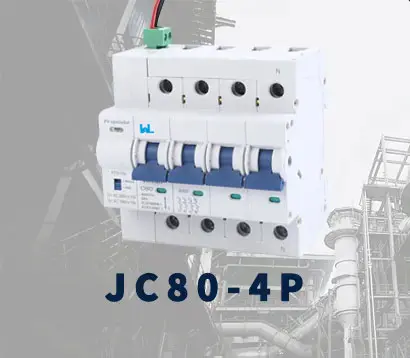 JC80-4P
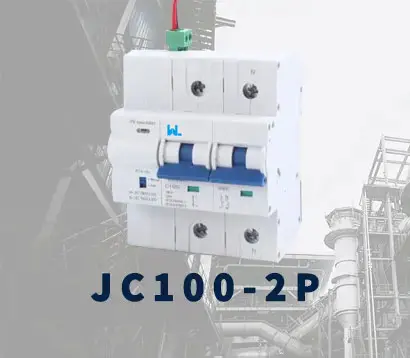 JC125-2P
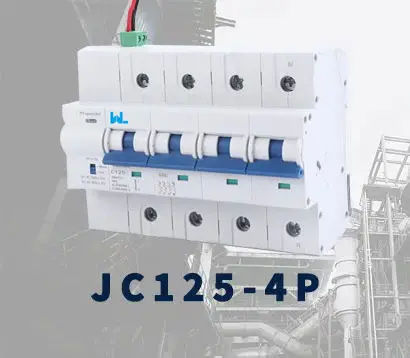 JC125-4P
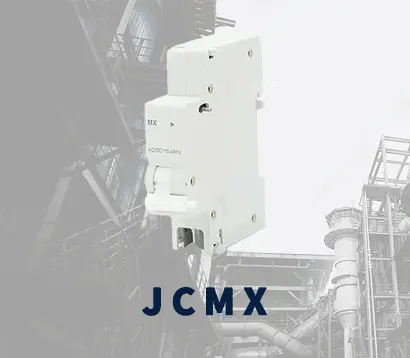 JCMX
JCMX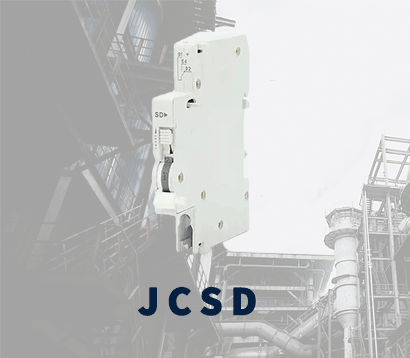 JCSD
JCSD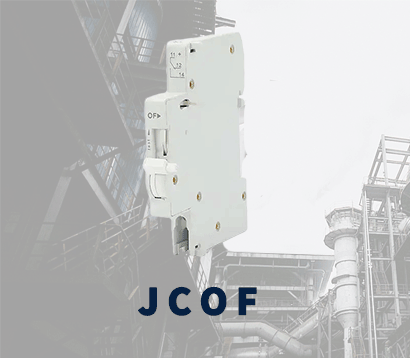 JCOF
JCOF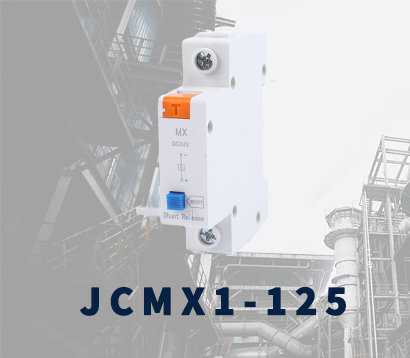 JCMX1-125
 JCOF1-125
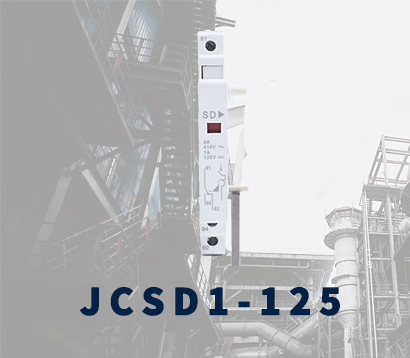 JCSD1-125
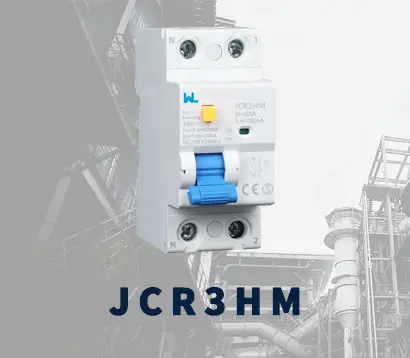 JCR3HM
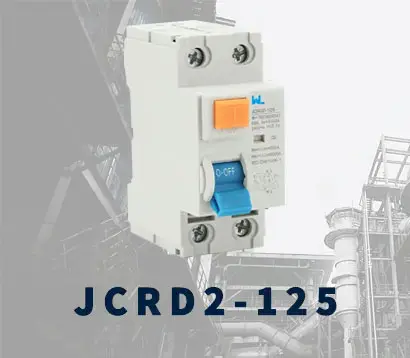 JCRD2-125
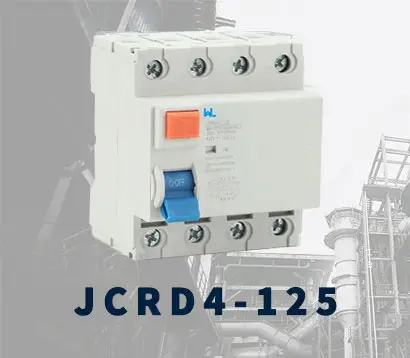 JCRD4-125
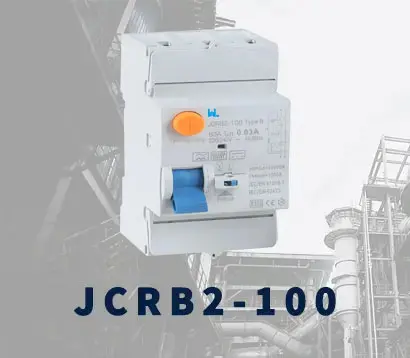 JCRB2-100
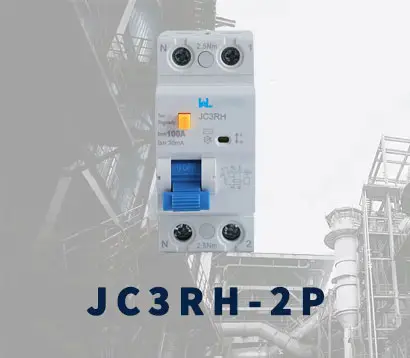 JC3RH-2P
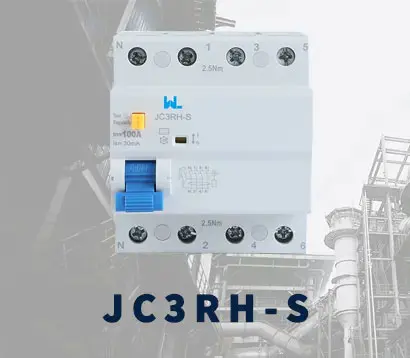 JC3RH-S
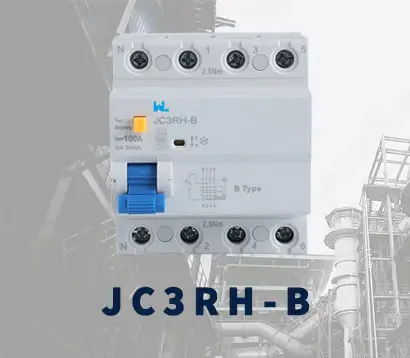 JC3RH-B
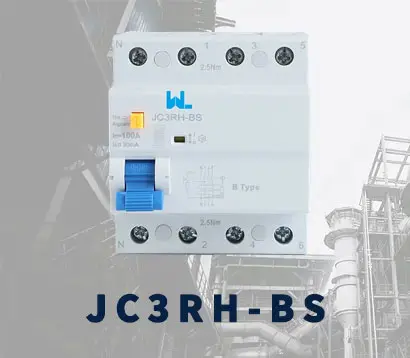 JC3RH-BS
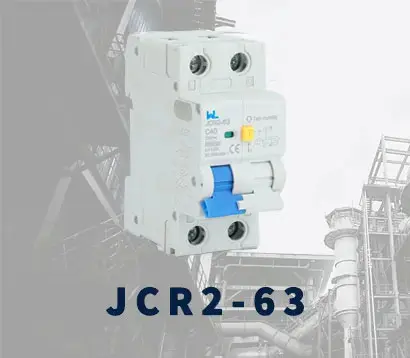 JCR2-63
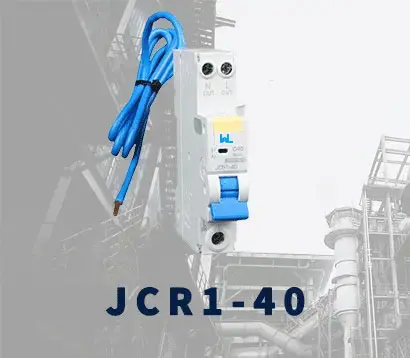 JCR1-40
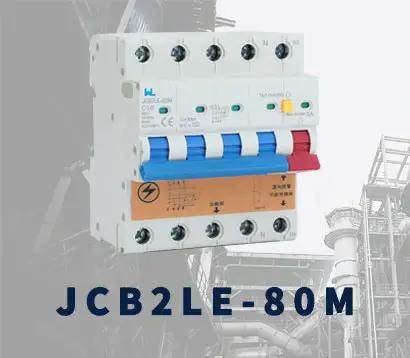 JCB2LE-80M
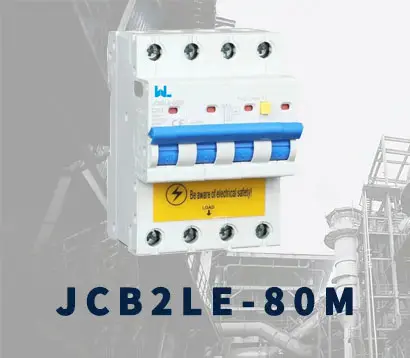 JCB2LE-80M
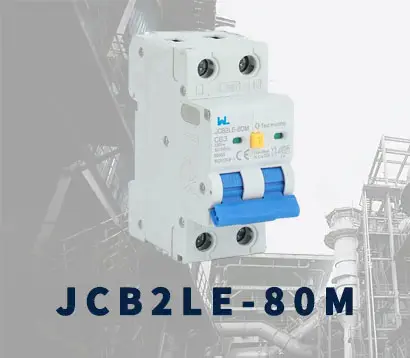 JCB2LE-80M
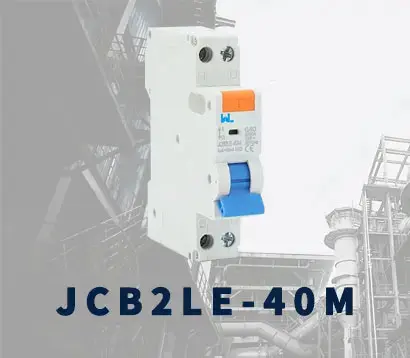 JCB2LE-40M
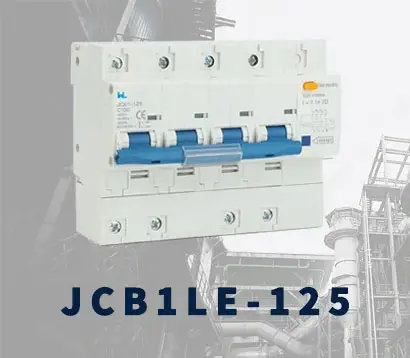 JCB1LE-125
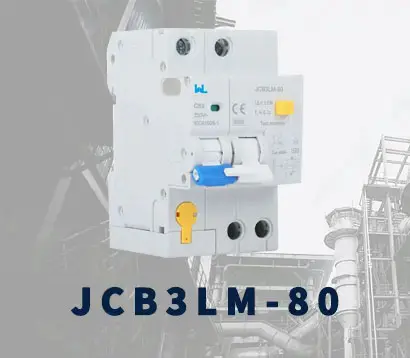 JCB3LM-80
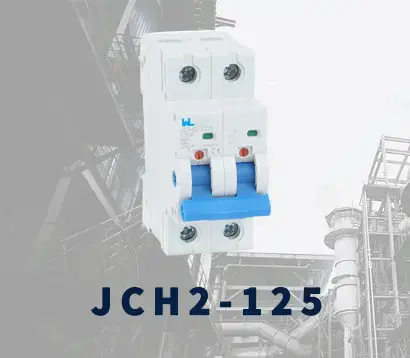 JCH2-125
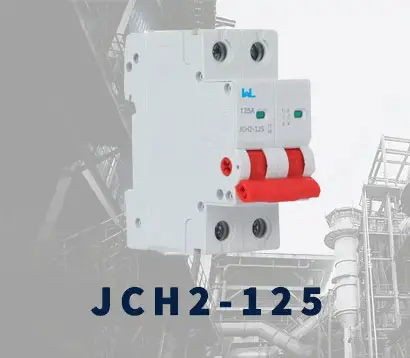 JCH2-125
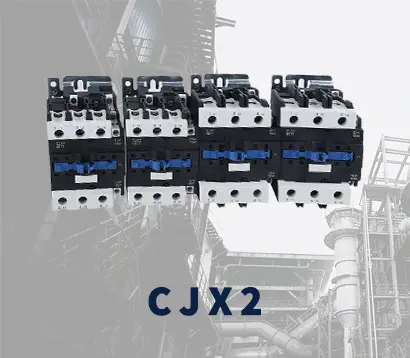 CJX2
CJX2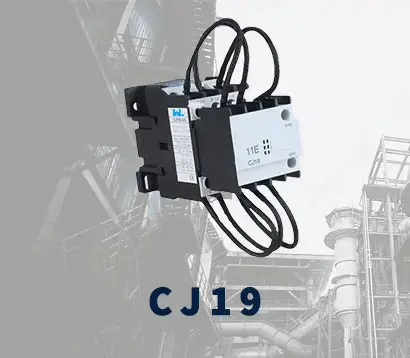 CJ19
CJ19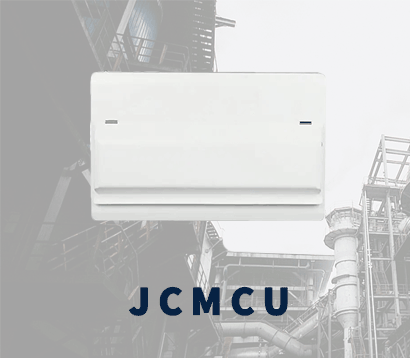 JCMCU
JCMCU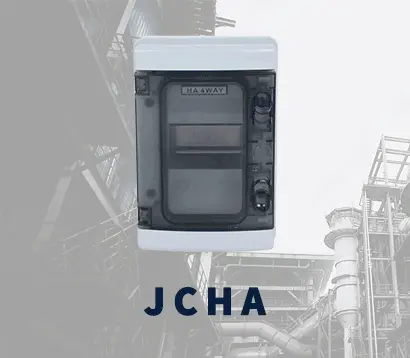 JCHA
JCHA JCSD-40
 JCSD-60
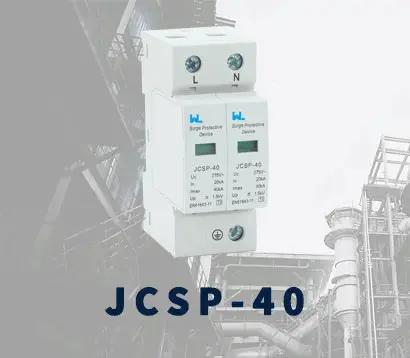 JCSP-40
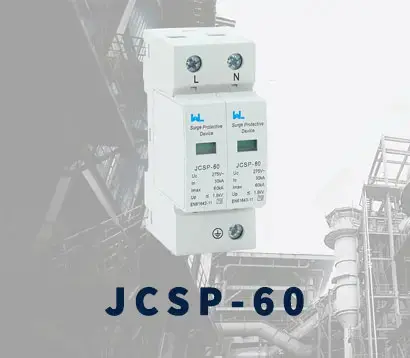 JCSP-60
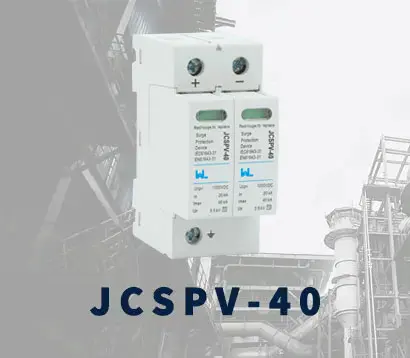 JCSPV
JCSPV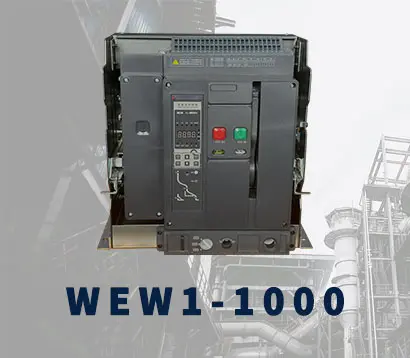 WEW1-1000
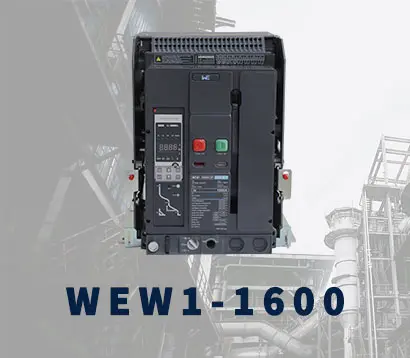 WEW1-1600
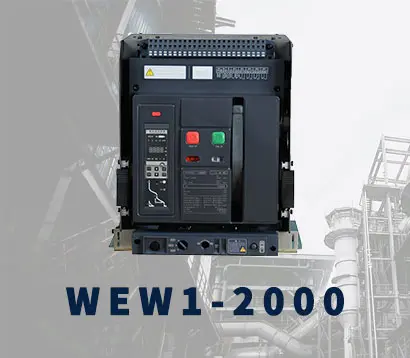 WEW1-2000
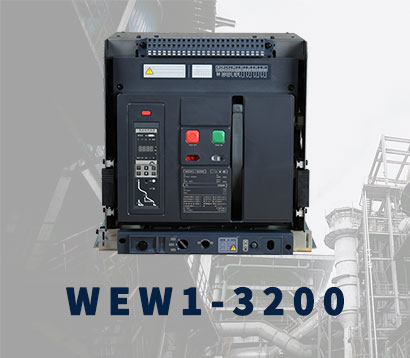 WEW1-3200
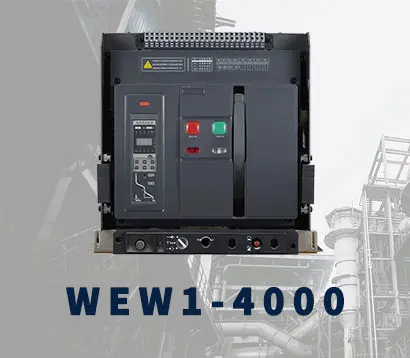 WEW1-4000
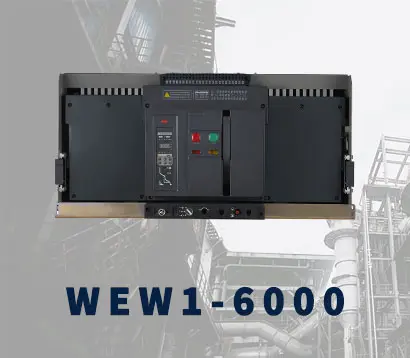 WEW1-6300
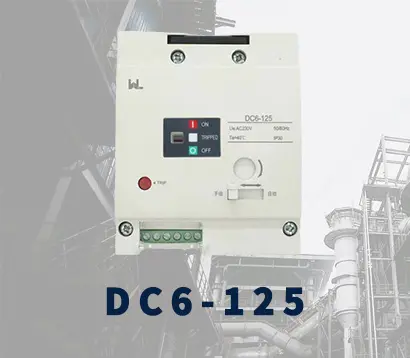 DC6-125
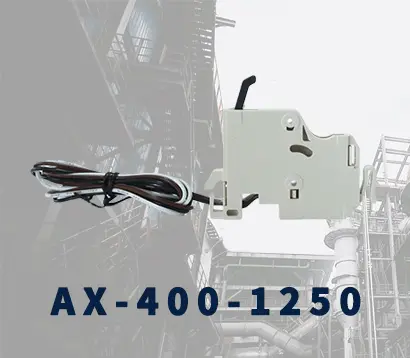 AX-400-1250
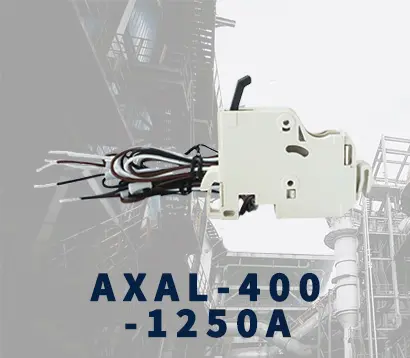 AXAL-400-1250A
 AL-400-1250
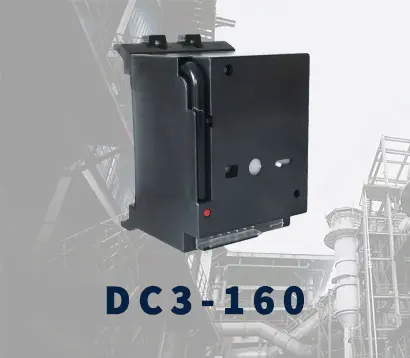 DC3-160
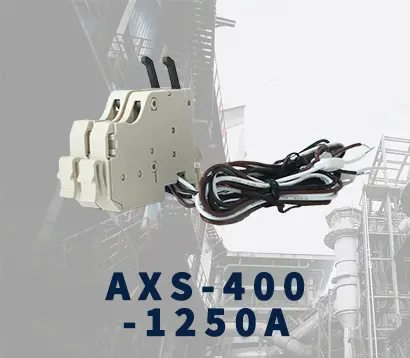 AXS-400-1250A
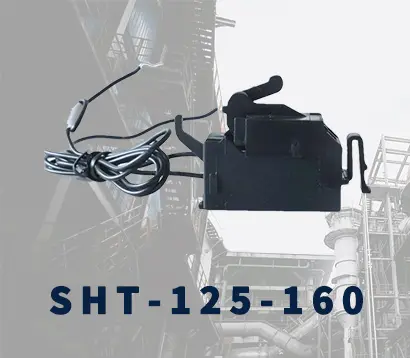 SHT-125-160
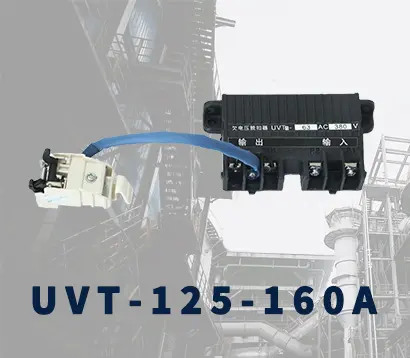 UVT-125-160A
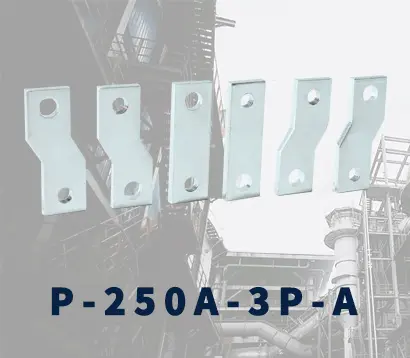 P-250A-3P-A
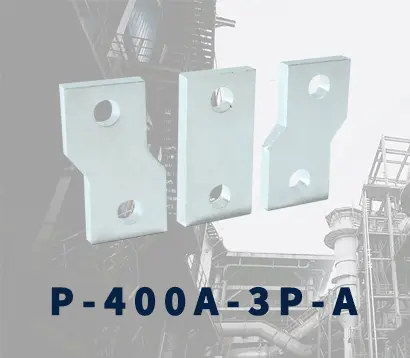 400-3P/4P terminal cover
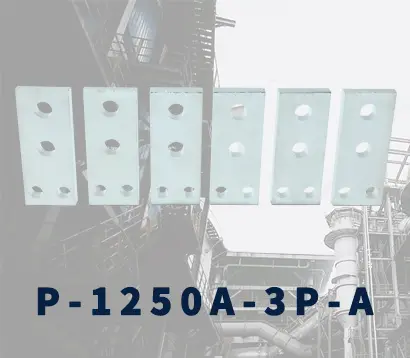 1250-3Pmccb accessories busbar
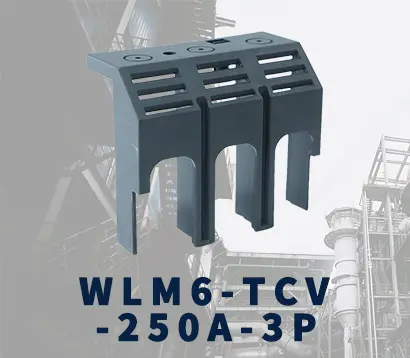 250-3P terminal conver
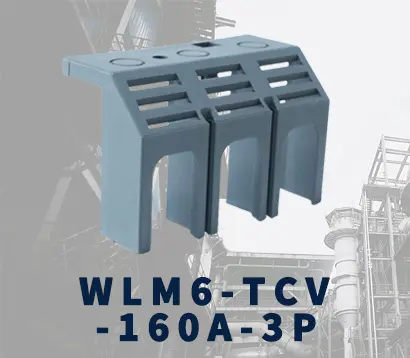 WLM6-TCV-160A-3P
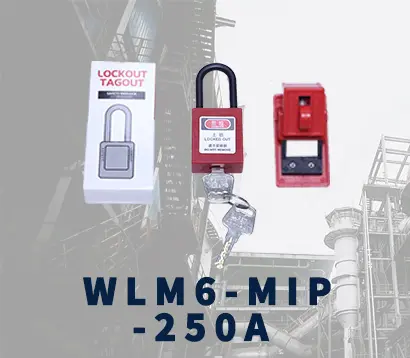 WLM6-MIP-250A
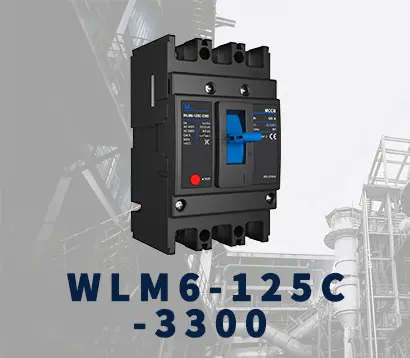 WLM6-125A-3300 3P/4P
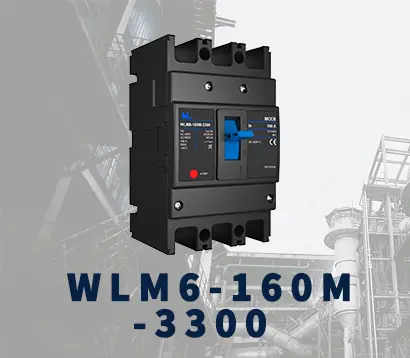 WLM6-160A-3300 3P/4P
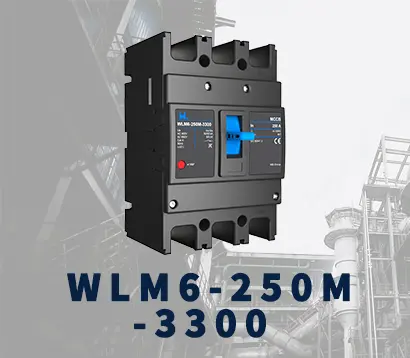 WLM6-250A-3300 3P/4P
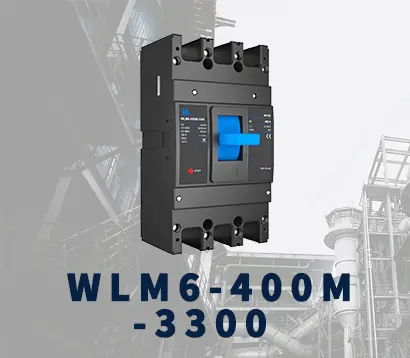 WLM6-400A-3300 3P/4P
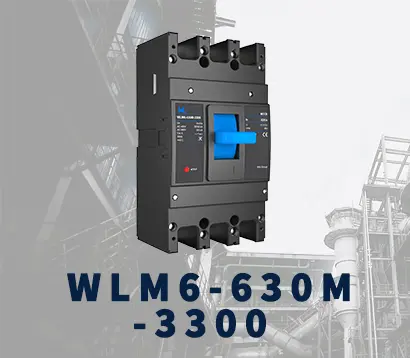 WLM6-630A-3300 3P/4P
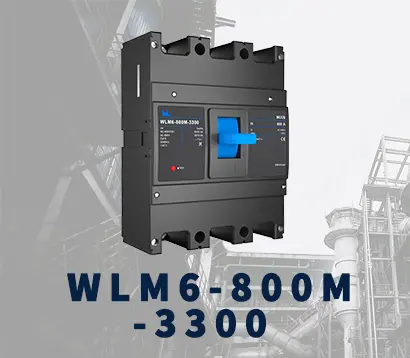 WLM6-800A-3300 3P/4P
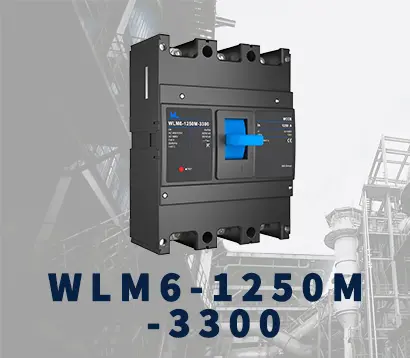 WLM6-1250A-3300 3P/4P
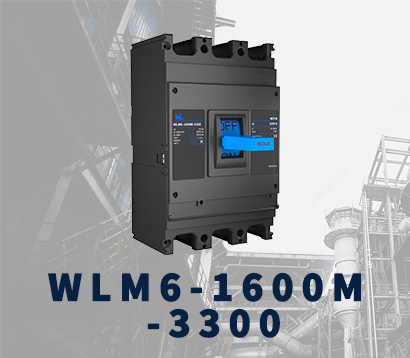 WLM6-1600A-3300 3P/4P
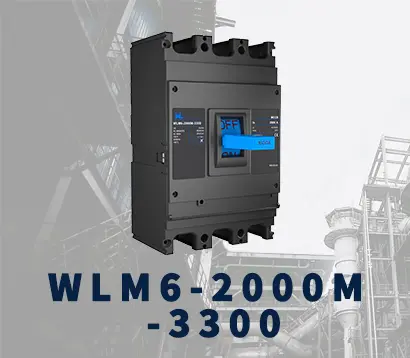 WLM6-2000A 3P/4P
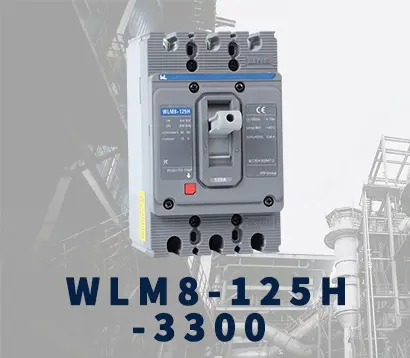 WLM8-125H-3300
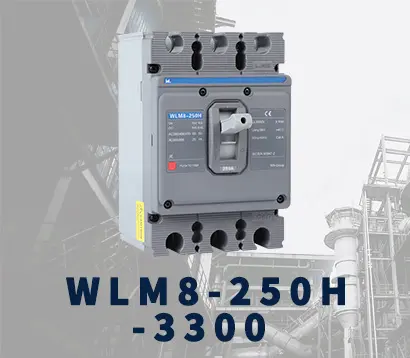 WLM8-250H-3300
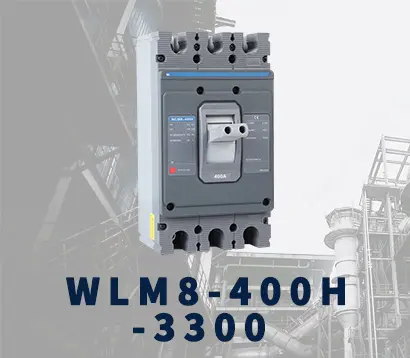 WLM8-400H-3300
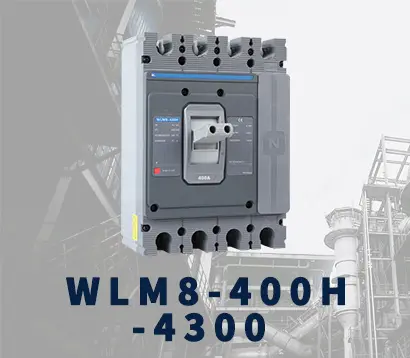 WLM8-400H-4300
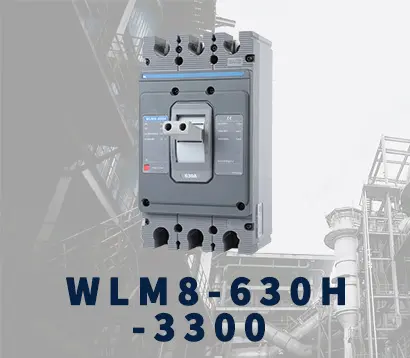 WLM8-630H-3300
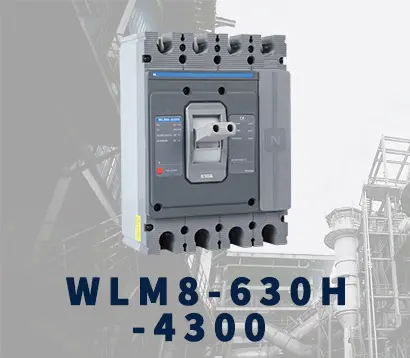 WLM8-630H-4300
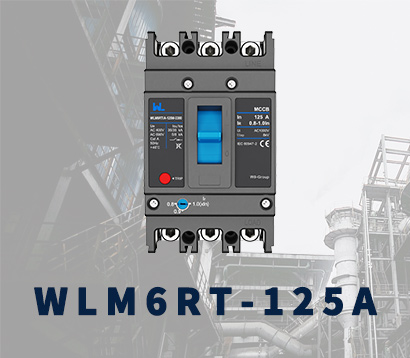 WLM6RT-125A
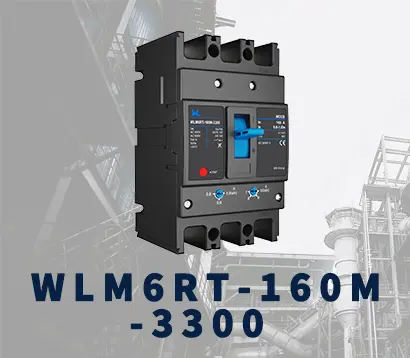 WLM6RT-160A
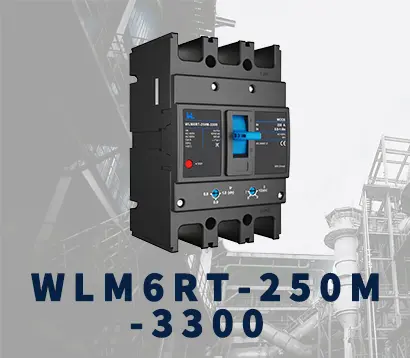 WLM6RT-250A
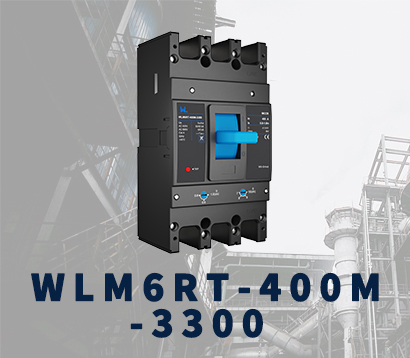 WLM6RT-400A
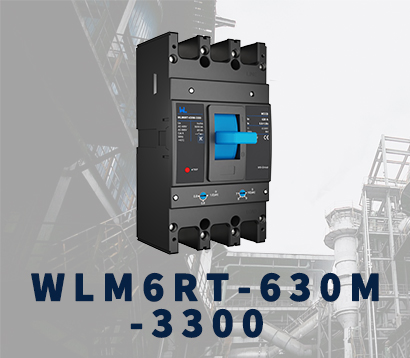 WLM6RT-630A
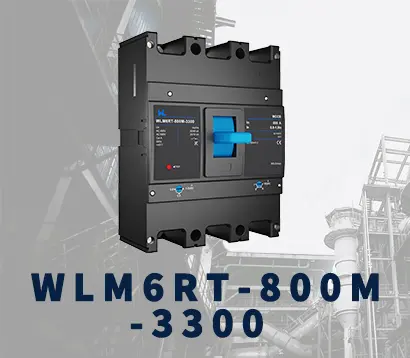 WLM6RT-800A
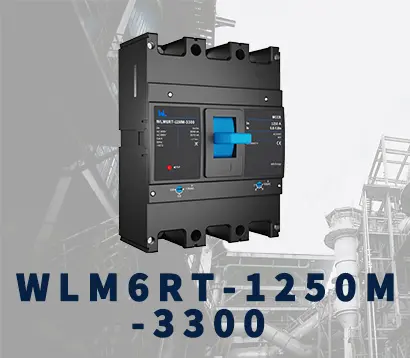 WLM6RT-1250A
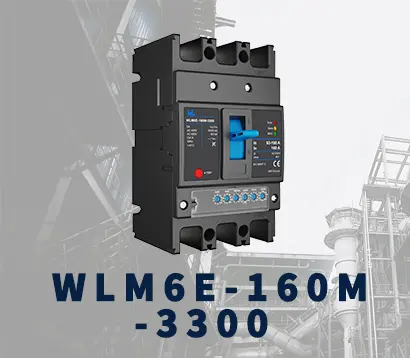 WLM6E-160A-3300 3P
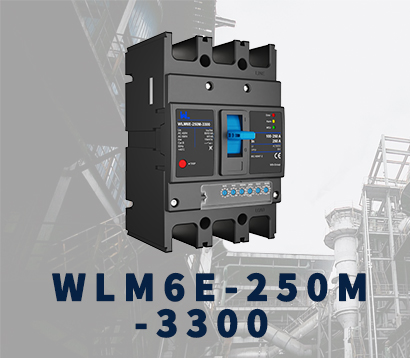 WLM6E-250A-3300
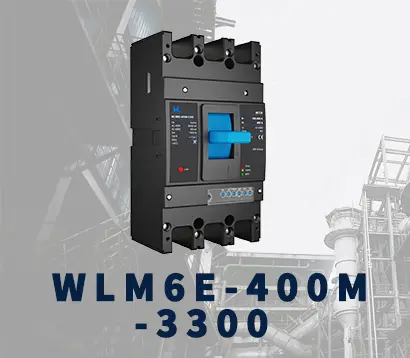 WLM6E-400A-3300 3P/4P
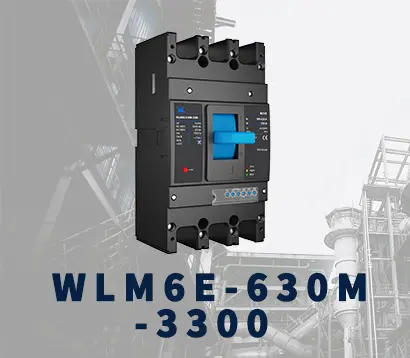 WLM6E-630A-3300
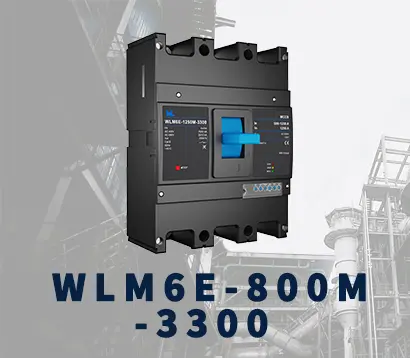 WLM6E-800A-3300 3P/4P
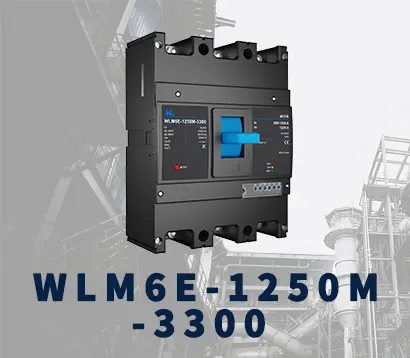 WLM6E-1250A-3300
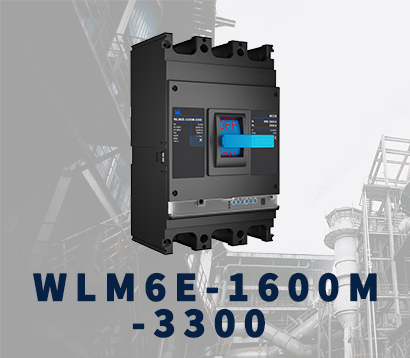 WLM6E-1600-3300 3P/4P
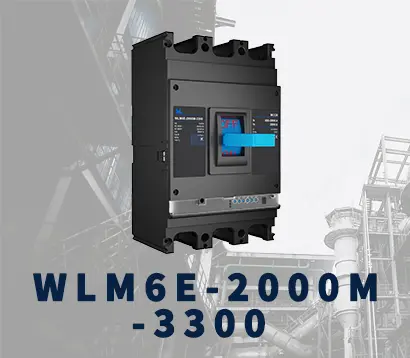 WLM6E-2000A-3300 3P/4P
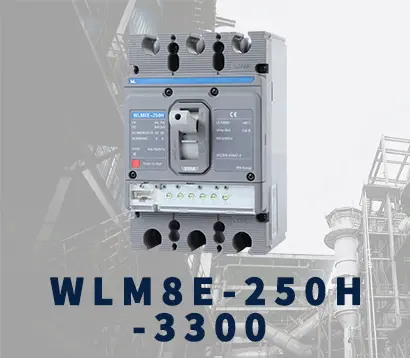 WLM8E-250H-3300
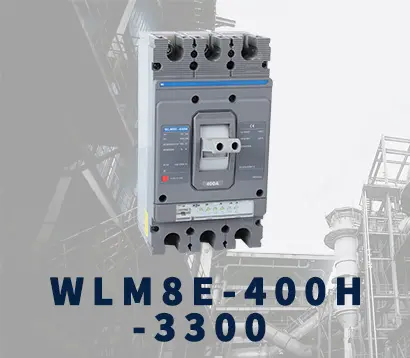 WLM8E-400H-3300
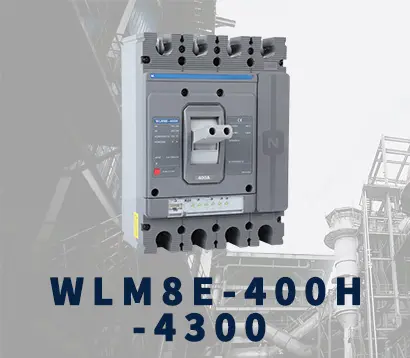 WLM8E-400H-4300
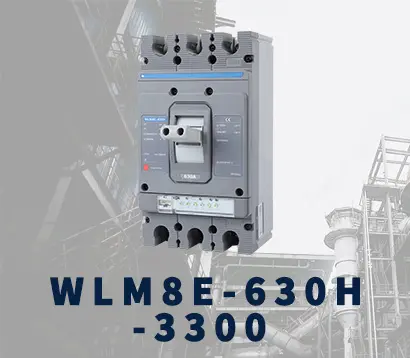 WLM8E-630H-3300
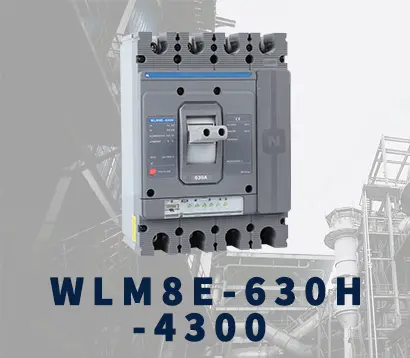 WLM8E-630H-4300
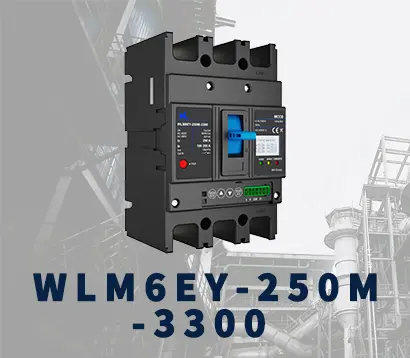 WLM6EY-250-3300 3P/4P
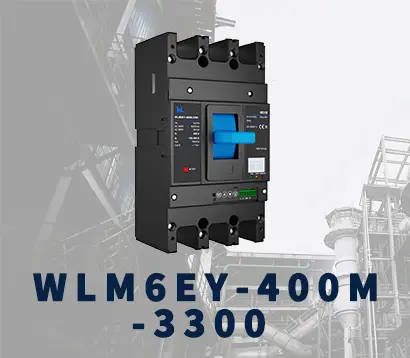 WLM6EY-400 3P/4P
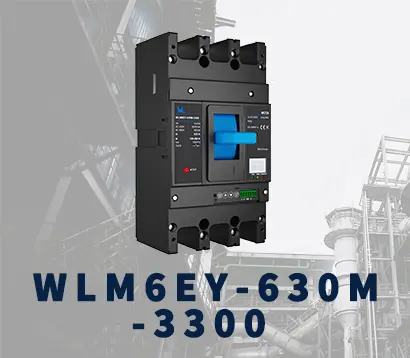 WLM6EY-630 3P/4P
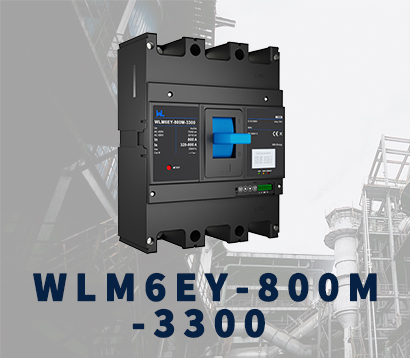 WLM6EY-800A 3P/4P
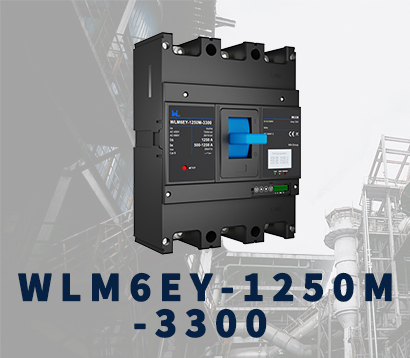 WLM6EY-1250A 3P/4P
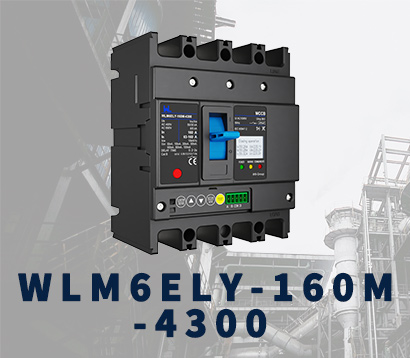 WLM6ELY-160A
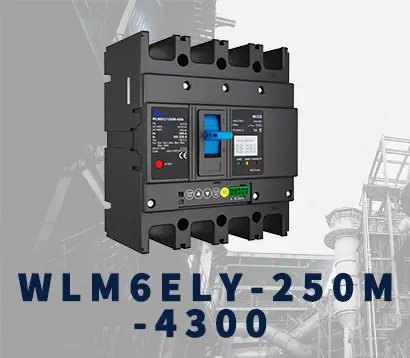 WLM6ELY-250A
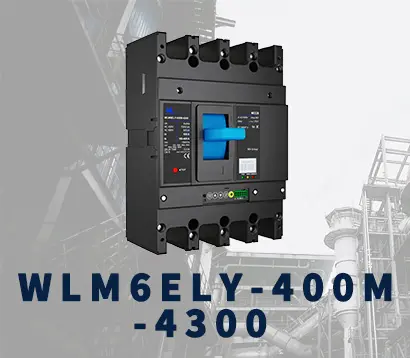 WLM6ELY-400A
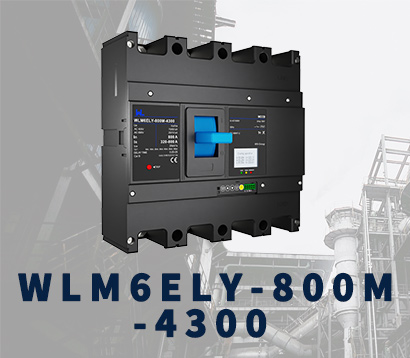 WLM6ELY-800A
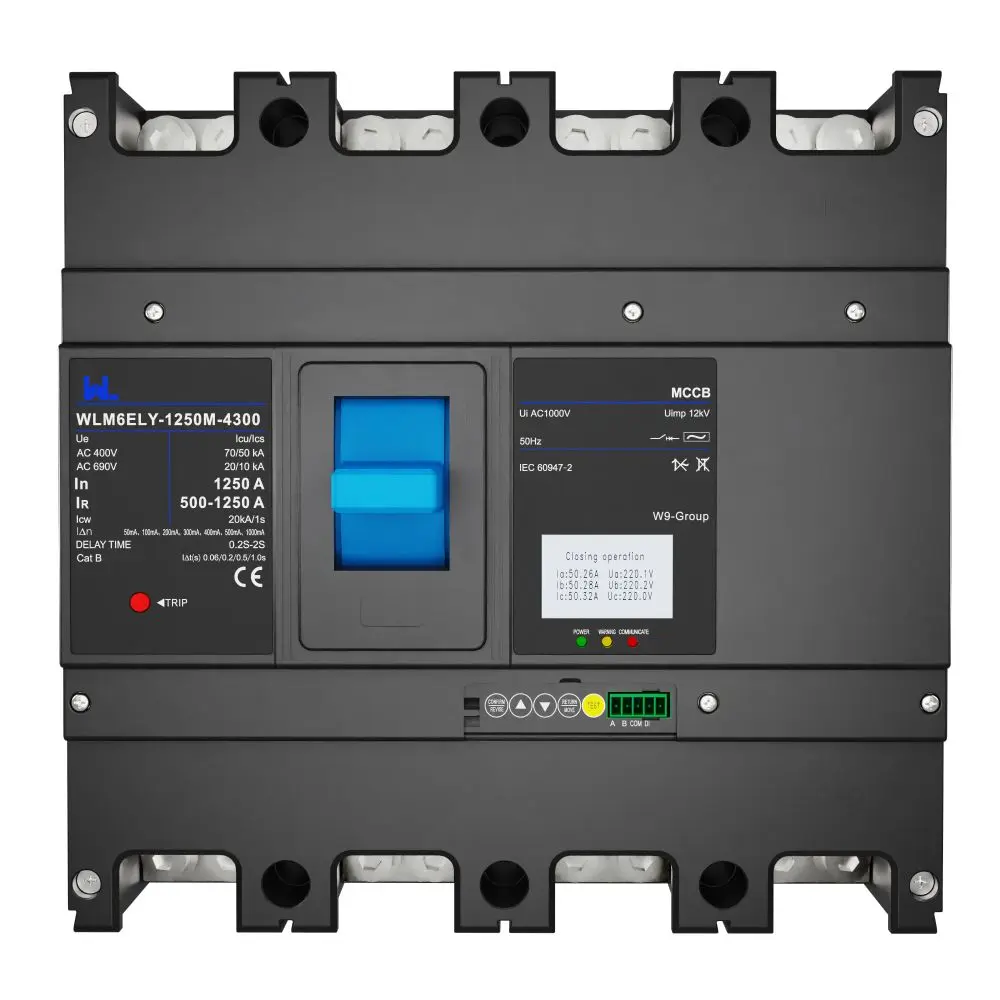 WLM6ELY-1250A
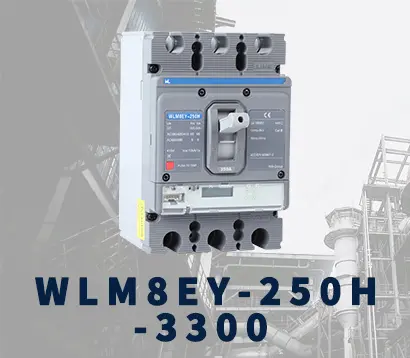 WLM8EY-250H-3300
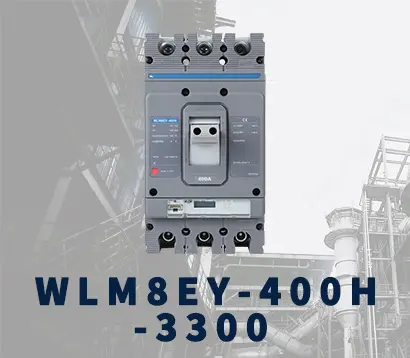 WLM8EY-400H-3300
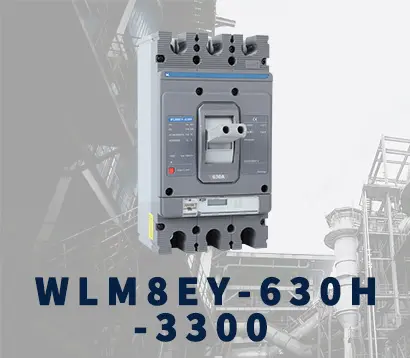 WLM8EY-630H-3300
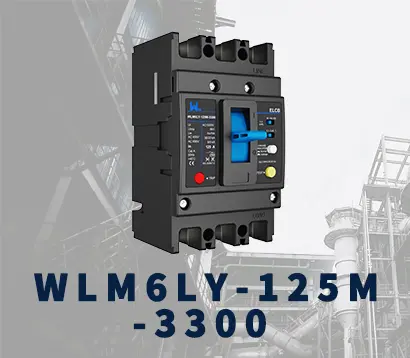 WLM6LY-125A
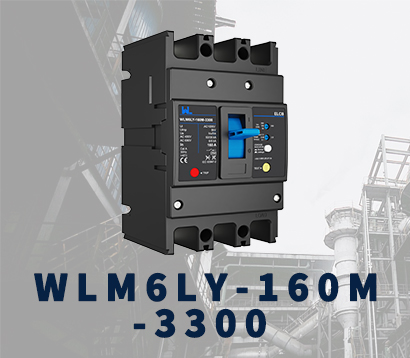 WLM6L-160A
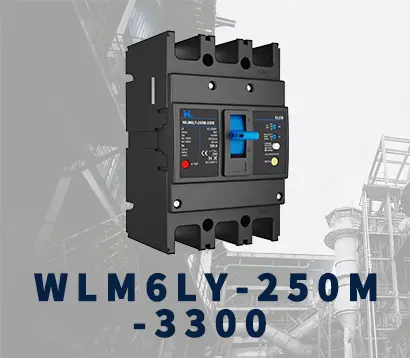 WLM6LY-250A
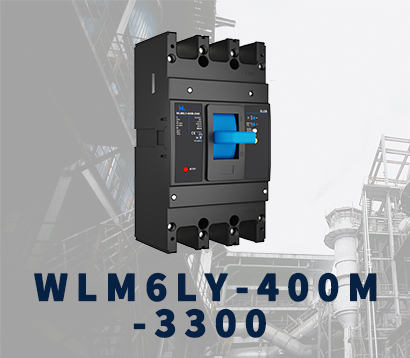 WLM6LY-400A
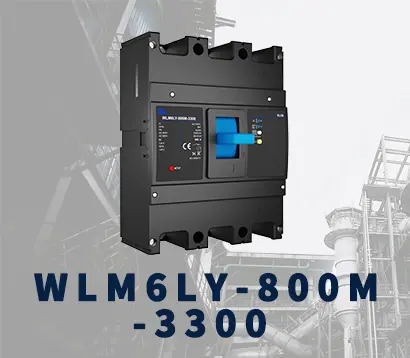 WLM6LY-800A
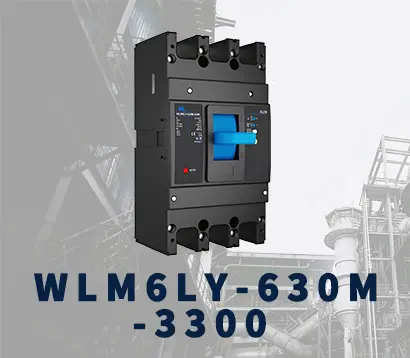 WLM6LY-630A
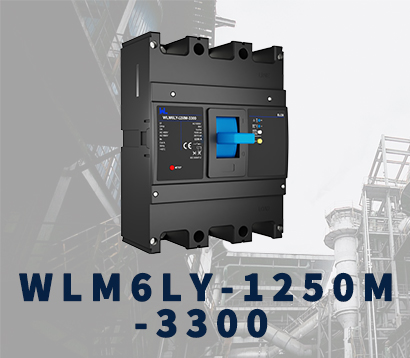 WLM6LY-1250A
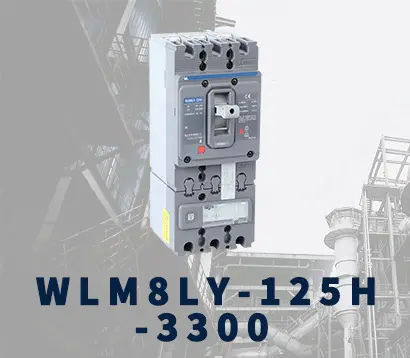 WLM8LY-125H-3300
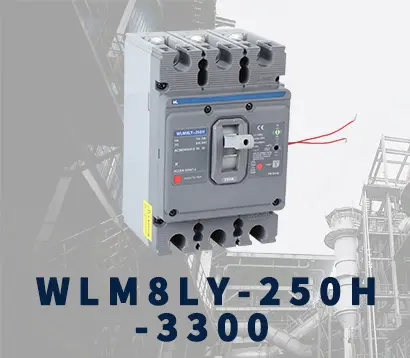 WLM8LY-250H-3300
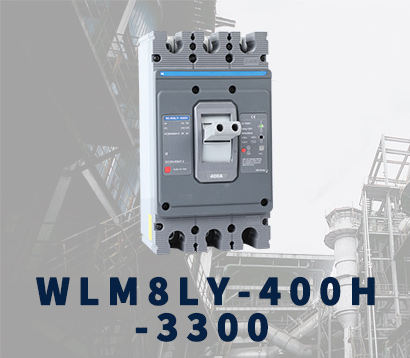 WLM8LY-400H-3300
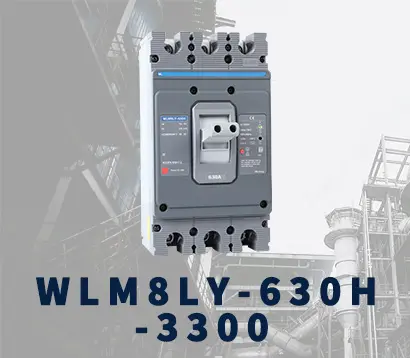 WLM8LY-630H-3300
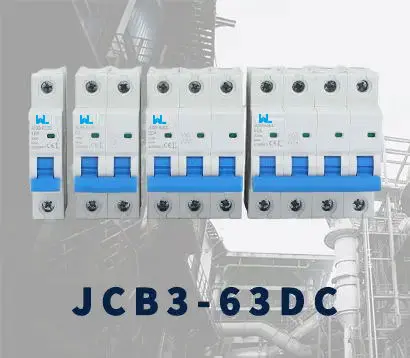 JCB3-63DC
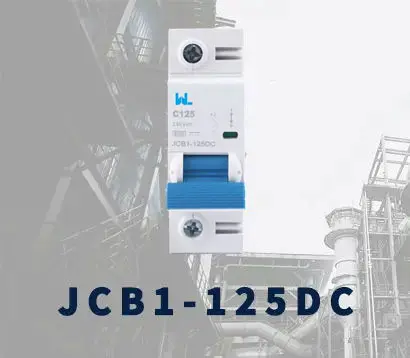 JCB1-125DC
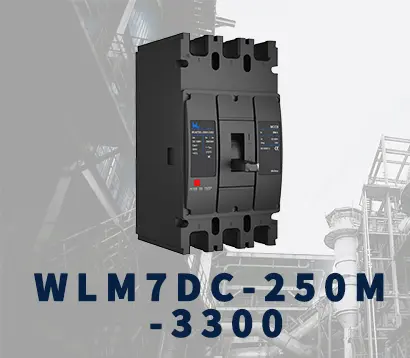 WLM7DC-250A-2300 2P/3P
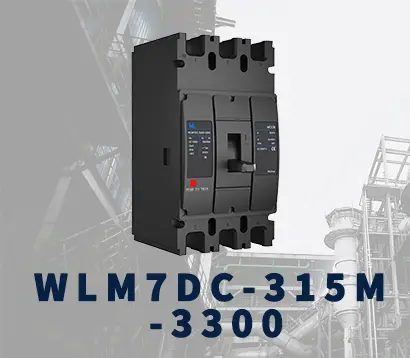 WLM7DC-315A-3300 2P/3P
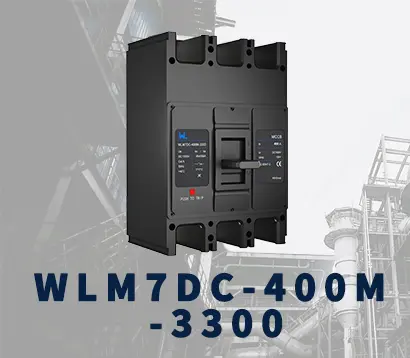 WLM7DC-400A-2300 2P/3P
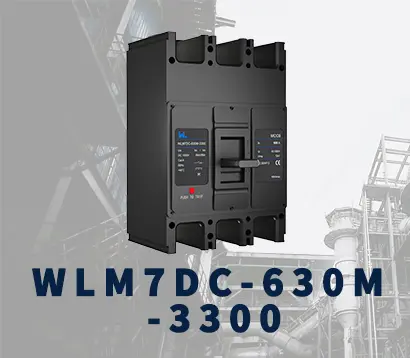 WLM7DC-630A-3300 3P
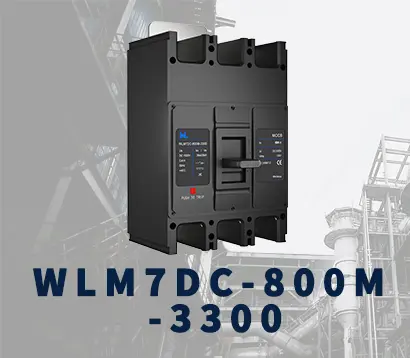 WLM7DC-800A-2300 2P/3P
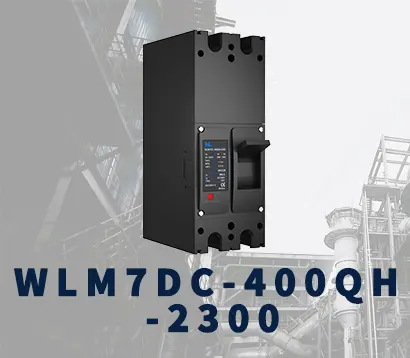 WLM7DC-400A 2300
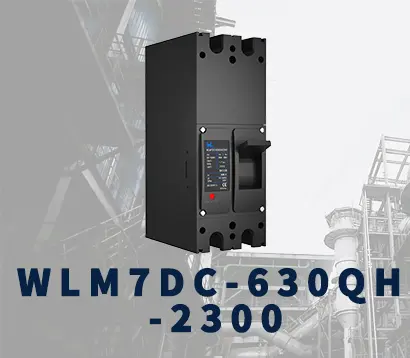 WLM7DC-630A-2300 2P
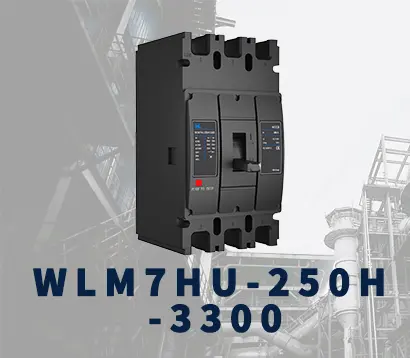 WLM7HU-250-3300 3P
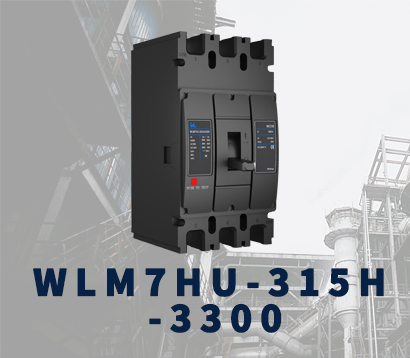 WLM7HU-315-3300 3P
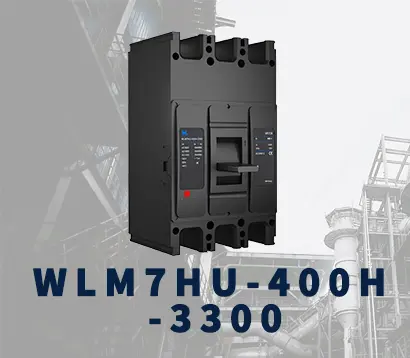 WLM7HU-400-3300 3P
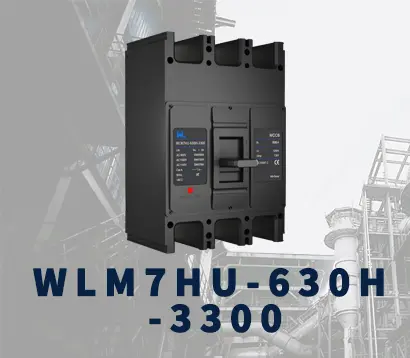 WLM7HU-630-3300 3P
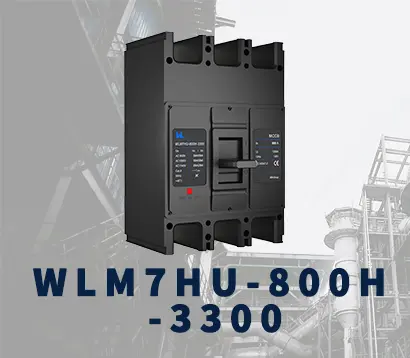 WLM7HU-800-3300 3P
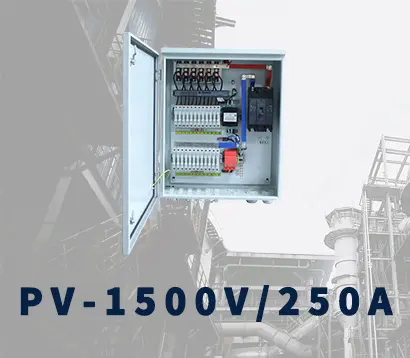 PV-1500V/250A
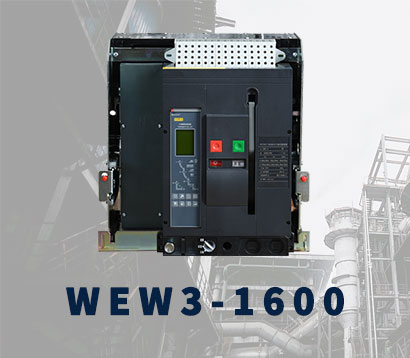 WEW3-1600
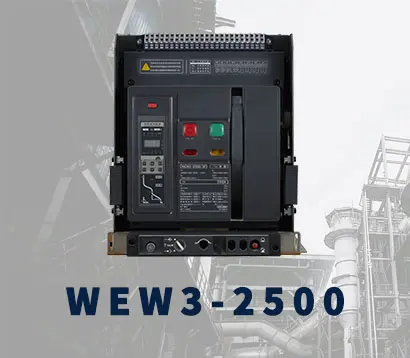 WEW3-2500
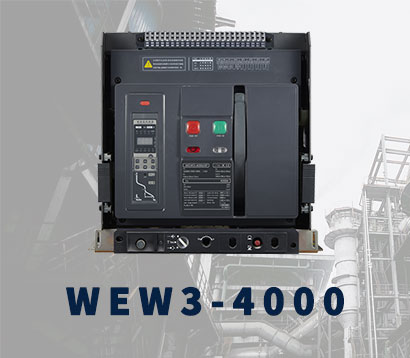 WEW3-4000
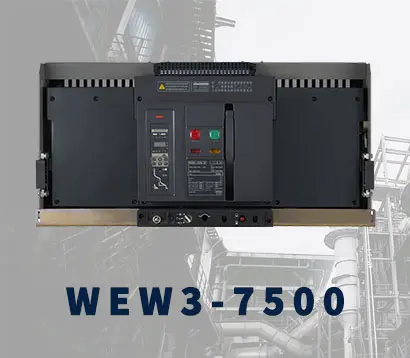 WEW3-7500