Top 10 Benefits of Using Thermal Magnetic Circuit Breakers for Electrical Safety
In the realm of electrical safety, Thermal Magnetic Circuit Breakers (TMCBs) stand out as essential components for modern electrical systems. According to the Electrical Safety Foundation International (ESFI), electrical failures account for nearly 23% of all home fires, emphasizing the dire need for reliable protective devices. TMCBs offer a dual protection mechanism, combining thermal overload protection with magnetic short-circuit protection, which makes them invaluable in safeguarding electrical circuits from potential hazards.
Expert in electrical systems safety, Dr. Emily Carter, notes, "The integration of thermal and magnetic protection in circuit breakers has significantly enhanced electrical safety and reliability." This statement highlights the evolutionary leap TMCBs represent in the industry, striking a balance between effective function and robust protection. Industry reports reveal that the adoption of TMCBs in residential and commercial applications has increased by over 30% in the last five years, driven by growing awareness of electrical safety measures and regulatory standards. As we explore the top ten benefits of using Thermal Magnetic Circuit Breakers, it becomes clear that they are not merely components, but rather pivotal fixtures in promoting safer electrical environments.
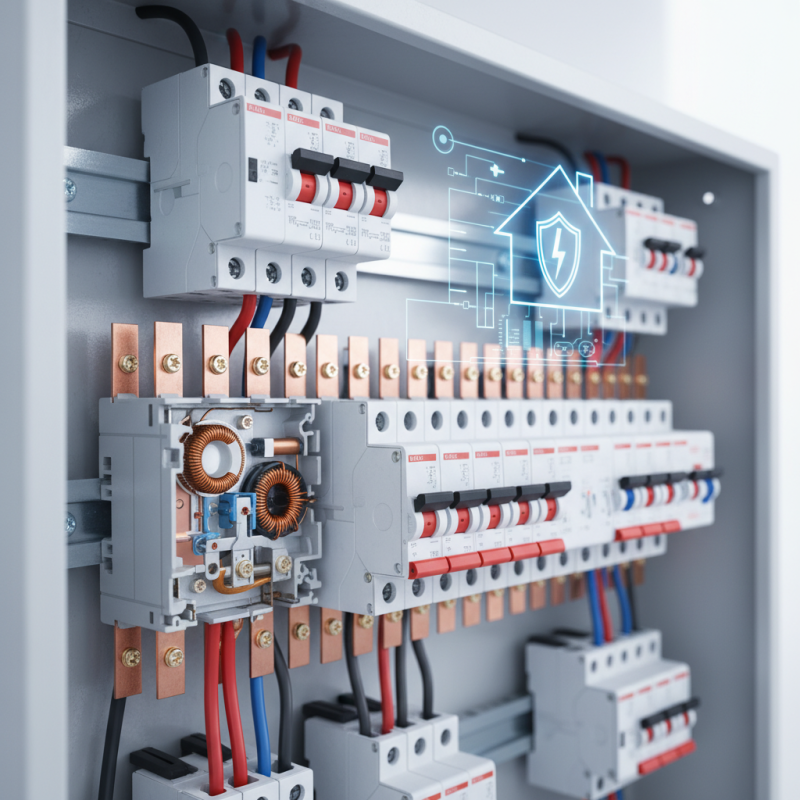
Overview of Thermal Magnetic Circuit Breakers and Their Functionality
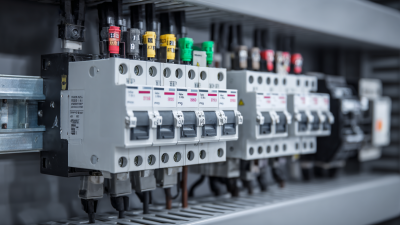
Thermal magnetic circuit breakers are essential components in modern electrical systems, designed to protect electrical circuits from overloads and short circuits. They combine two mechanisms to ensure safety: thermal and magnetic. The thermal element operates through a bimetallic strip that bends when heated by an overload current, eventually tripping the circuit. This provides a reliable way to prevent damage from excessive current over time. Conversely, the magnetic mechanism responds to rapid surges in current, such as those caused by short circuits, activating instantly to disrupt the circuit and prevent further hazards.
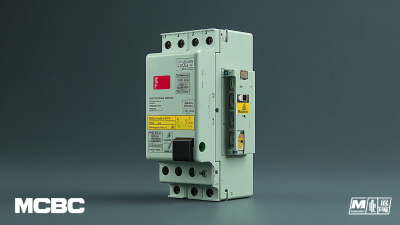
The functionality of thermal magnetic circuit breakers makes them highly favored in various applications, ranging from residential buildings to industrial installations. The dual-action design not only enhances electrical safety but also offers maintenance advantages, as they can be easily reset after tripping. Furthermore, their compact size and efficiency allow for optimized space usage in electrical panels, making them a practical choice for diverse installations. Overall, the integration of thermal and magnetic principles in these circuit breakers ensures robust protection and reliability in electrical safety protocols.
Key Advantages of Thermal Magnetic Circuit Breakers for Electrical Systems
Thermal magnetic circuit breakers are essential components in modern electrical systems, offering key advantages that significantly enhance electrical safety. One of the primary benefits of these devices is their dual protection mechanism. The thermal element provides overcurrent protection, while the magnetic element safeguards against short circuits. This two-pronged approach ensures that circuits remain safe under various loading conditions, effectively preventing potential hazards like electrical fires or equipment damage.
Another key advantage of thermal magnetic circuit breakers is their reliability and ease of use. They feature a resettable mechanism, allowing for quick restoration of power after a fault has been cleared. This not only minimizes downtime but also simplifies maintenance procedures. Additionally, they come in compact designs, making them suitable for various applications, from residential to industrial settings.
Their ability to provide precise and timely responses to electrical anomalies further enhances the overall reliability of electrical systems, ensuring uninterrupted power delivery while prioritizing user safety.
Comparison of Thermal Magnetic Circuit Breakers and Other Breaker Types
Thermal magnetic circuit breakers combine the functions of thermal protection and magnetic trip mechanisms, making them a popular choice in the electrical safety landscape. Compared to other circuit breaker types, such as standard thermal or solely magnetic breakers, thermal magnetic breakers provide a more well-rounded protection strategy. According to a report from the International Electrotechnical Commission (IEC), the multi-faceted approach of thermal magnetic breakers enables faster response times to overload and short-circuit conditions, reducing the risk of damage to electrical systems and enhancing overall safety.
In contrast, traditional thermal circuit breakers respond to overloads but can be slower in reacting to short-circuit scenarios, potentially allowing harmful conditions to develop. On the other hand, magnetic breakers respond swiftly to such scenarios but lack the sensitivity to gradual overloads. A study published in the Journal of Electrical Engineering indicates that systems integrating thermal magnetic circuit breakers show up to a 30% decrease in equipment failure rates compared to systems using only thermal or magnetic breakers. This adaptability not only improves safety but also reduces maintenance costs over time, making thermal magnetic options highly effective for both residential and industrial applications.
Safety Enhancements Provided by Thermal Magnetic Circuit Breakers
Thermal magnetic circuit breakers are essential components in modern electrical systems, providing dual protection mechanisms that significantly enhance safety. The thermal element of these breakers is designed to respond to prolonged overloads, effectively preventing potential overheating and electrical fires. By sensing the gradual increase in current, the thermal mechanism allows for a timely disconnection of the circuit, ensuring that excessive current does not lead to dangerous conditions.
On the other hand, the magnetic component responds instantaneously to short circuits, which can cause catastrophic damage within fractions of a second. This rapid response ability is crucial in protecting both equipment and personnel from the adverse effects of electrical faults. Together, these two features create a robust safety net, offering dual-layer protection that significantly reduces the risk of electrical hazards. The incorporation of thermal magnetic circuit breakers in electrical systems thus transforms safety measures, making environments more secure for users and minimizing potential damage from electrical failures.
Top 10 Benefits of Using Thermal Magnetic Circuit Breakers for Electrical Safety
Applications and Best Practices for Using Thermal Magnetic Circuit Breakers
Thermal magnetic circuit breakers are essential components in electrical systems, providing reliable protection against overcurrent faults. Their dual functionality allows them to safeguard circuits from both overload and short-circuit conditions. In practice, these breakers are used in various applications, including residential, commercial, and industrial settings. For instance, in residential buildings, they are typically installed in the main electrical panel to protect household wiring and prevent potential fire hazards caused by overloaded circuits. In industrial applications, they help to protect heavy machinery and prevent costly downtime caused by electrical faults.
Best practices for using thermal magnetic circuit breakers involve proper sizing and installation to ensure optimal protection. Selecting the right amperage rating based on the expected load is crucial. It is essential to consider both continuous and peak load conditions during selection. Additionally, proper installation techniques, such as ensuring secure connections and correct mounting, can significantly enhance the performance of these breakers. Regular maintenance, including routine testing and inspection, helps identify any potential issues before they lead to system failures, thereby ensuring the ongoing reliability of electrical installations. By following these best practices, users can maximize the effectiveness of thermal magnetic circuit breakers and enhance overall electrical safety.

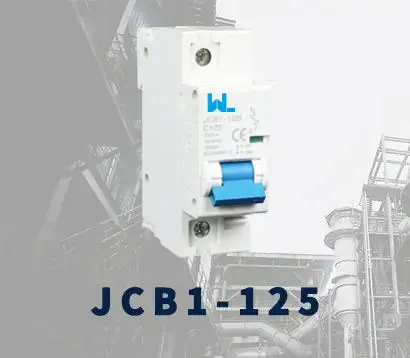 JCB1-125
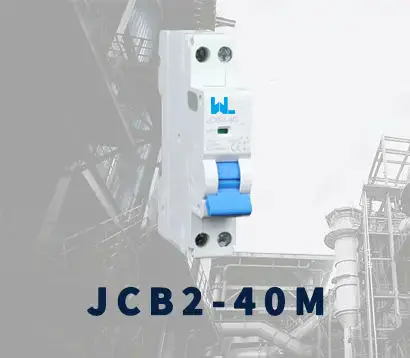 JCB2-40M
 JCB3-63DC
 JCB3-80H
 JCB3-80M
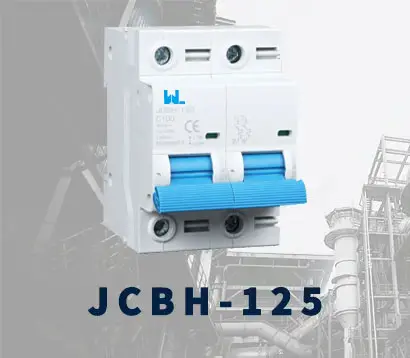 JCBH-125
 JC80-2P
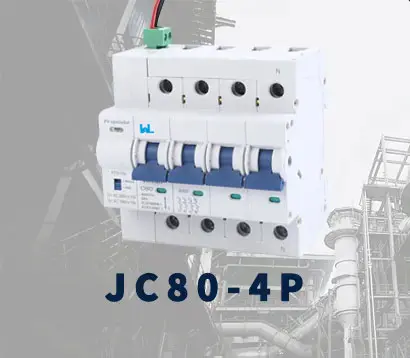 JC80-4P
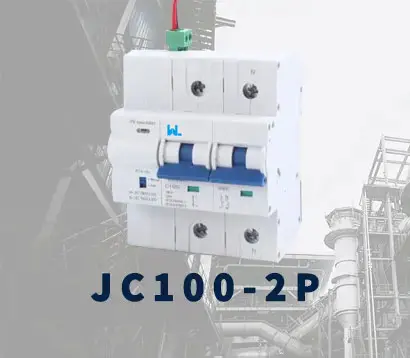 JC125-2P
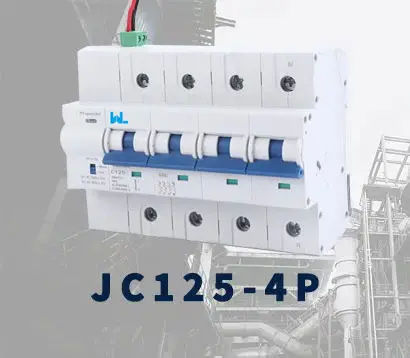 JC125-4P
 JCMX
JCMX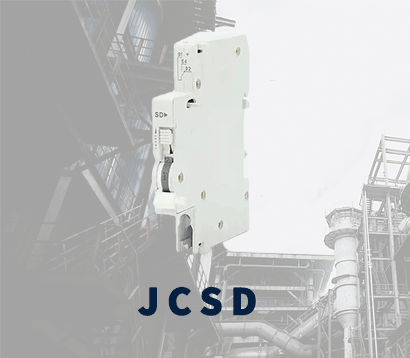 JCSD
JCSD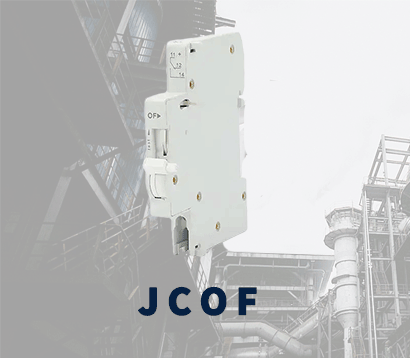 JCOF
JCOF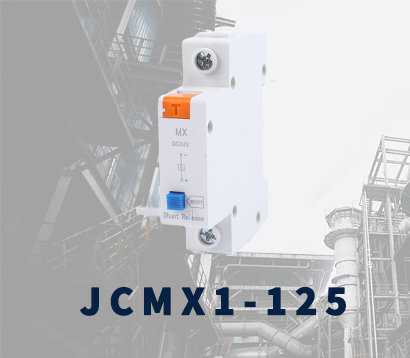 JCMX1-125
 JCOF1-125
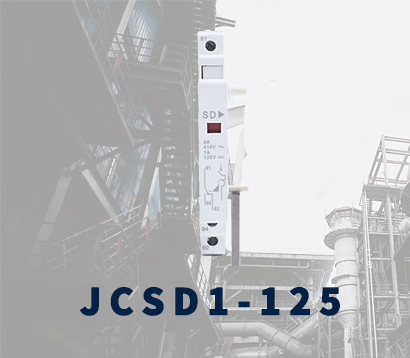 JCSD1-125
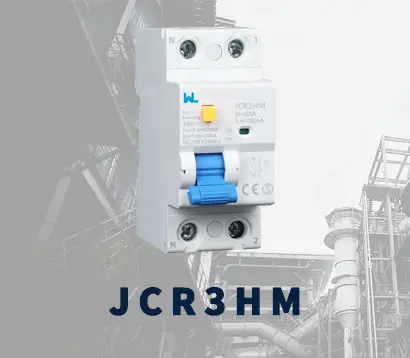 JCR3HM
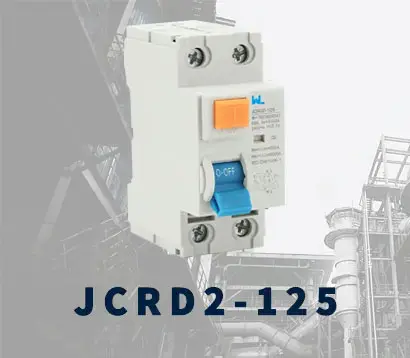 JCRD2-125
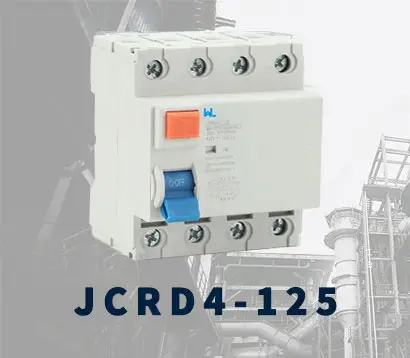 JCRD4-125
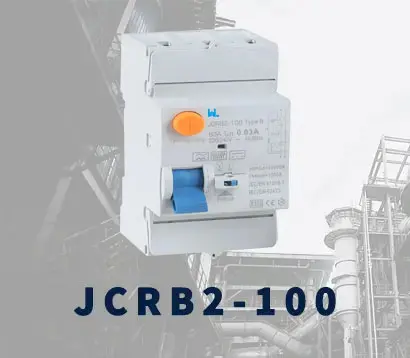 JCRB2-100
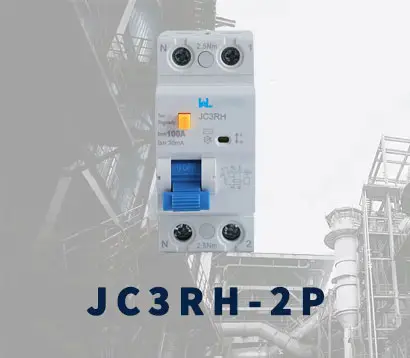 JC3RH-2P
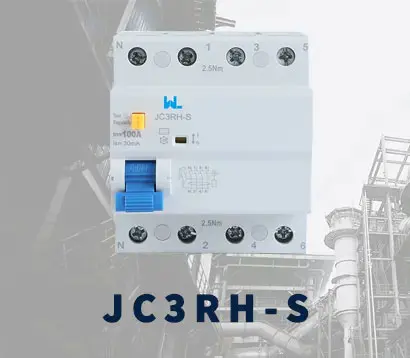 JC3RH-S
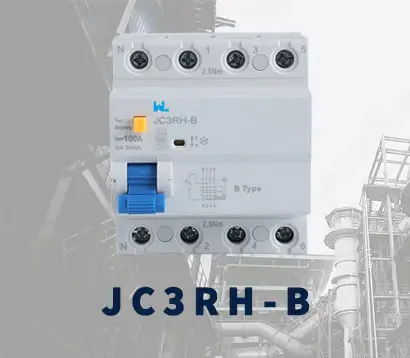 JC3RH-B
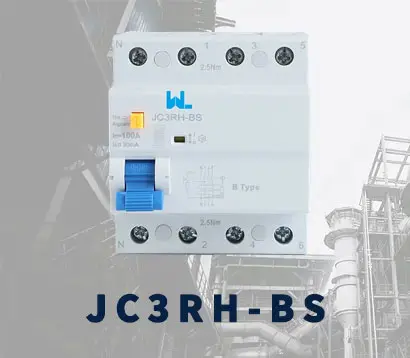 JC3RH-BS
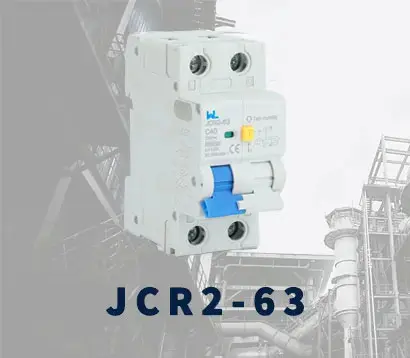 JCR2-63
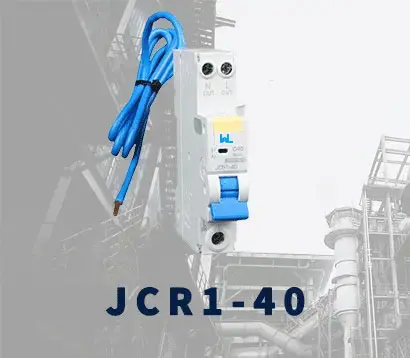 JCR1-40
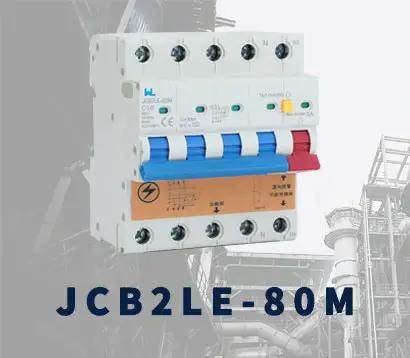 JCB2LE-80M
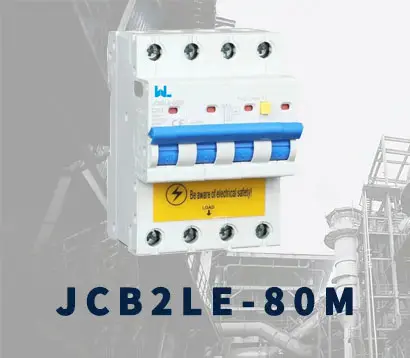 JCB2LE-80M
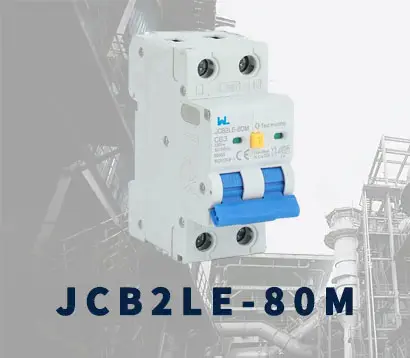 JCB2LE-80M
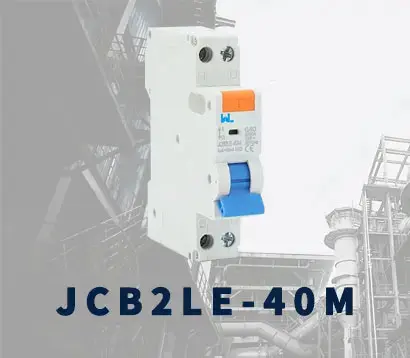 JCB2LE-40M
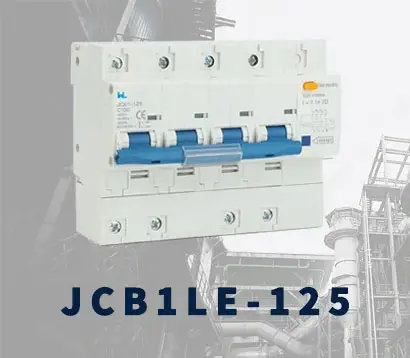 JCB1LE-125
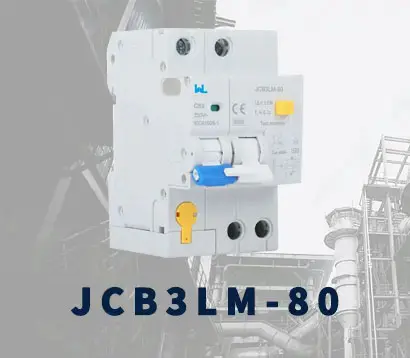 JCB3LM-80
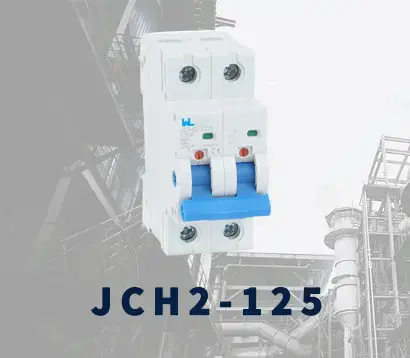 JCH2-125
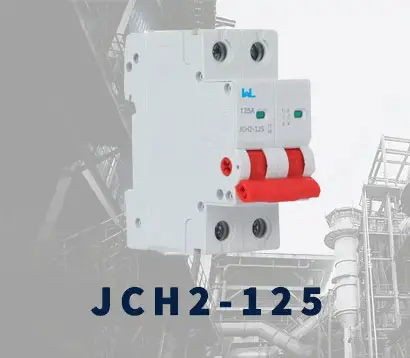 JCH2-125
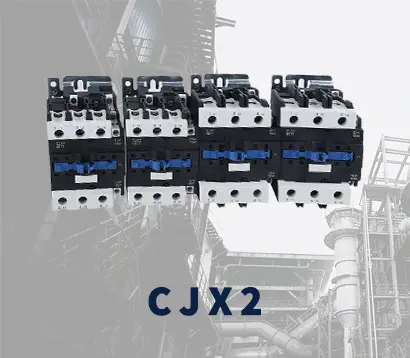 CJX2
CJX2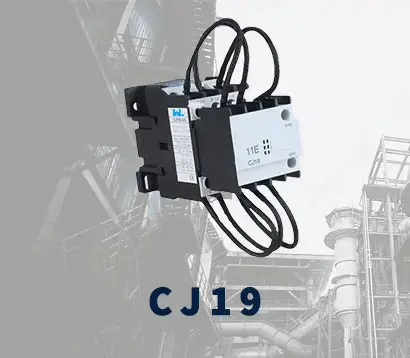 CJ19
CJ19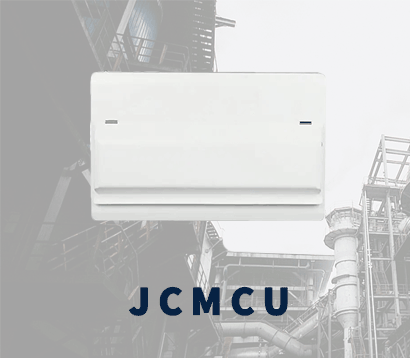 JCMCU
JCMCU JCHA
JCHA JCSD-40
 JCSD-60
 JCSP-40
 JCSP-60
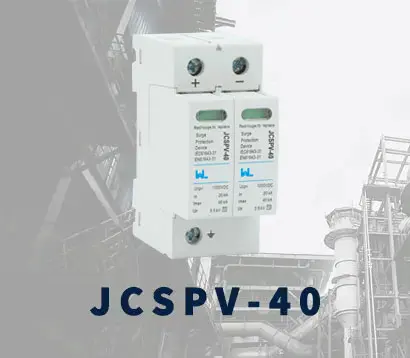 JCSPV
JCSPV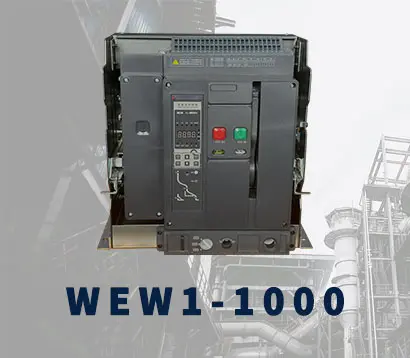 WEW1-1000
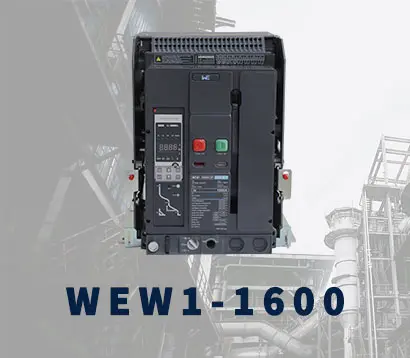 WEW1-1600
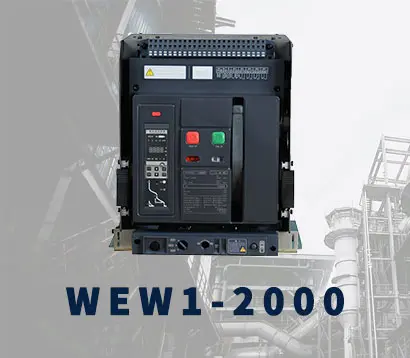 WEW1-2000
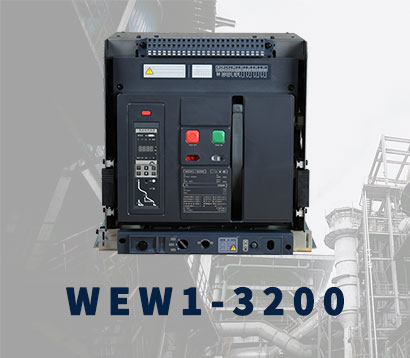 WEW1-3200
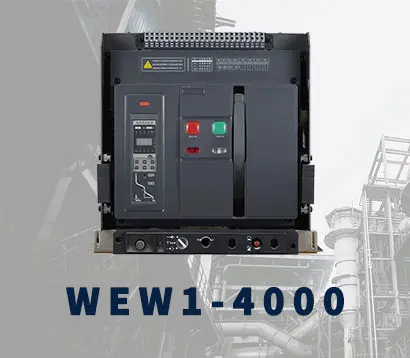 WEW1-4000
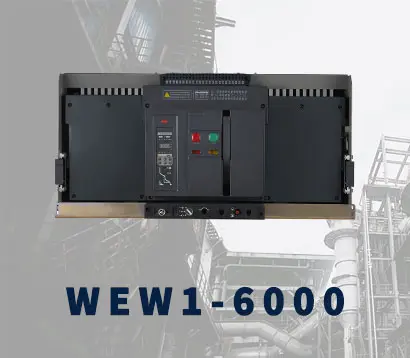 WEW1-6300
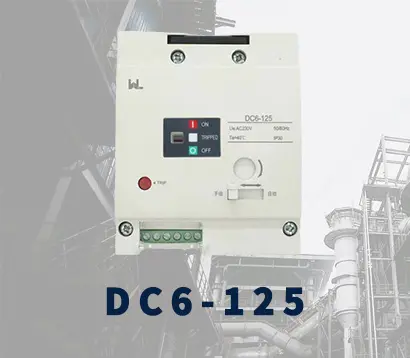 DC6-125
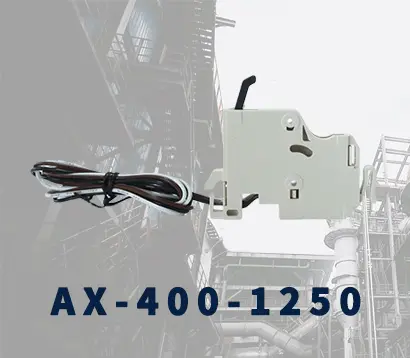 AX-400-1250
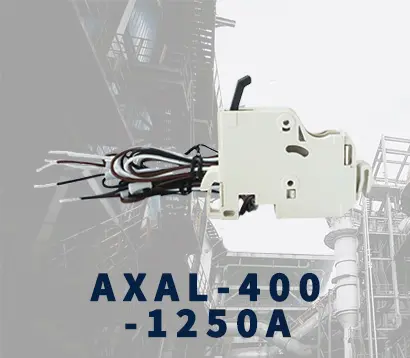 AXAL-400-1250A
 AL-400-1250
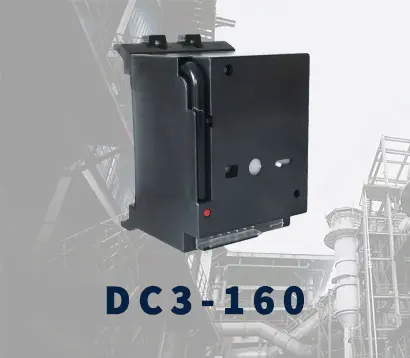 DC3-160
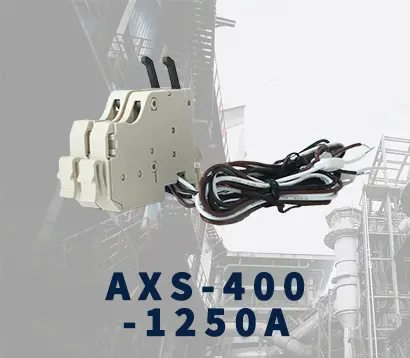 AXS-400-1250A
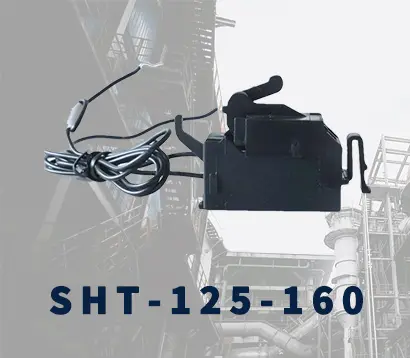 SHT-125-160
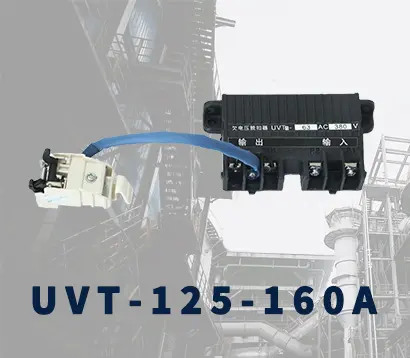 UVT-125-160A
 P-250A-3P-A
 400-3P/4P terminal cover
 1250-3Pmccb accessories busbar
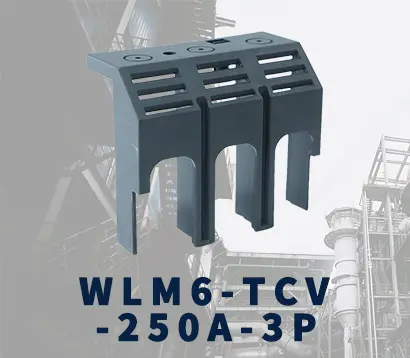 250-3P terminal conver
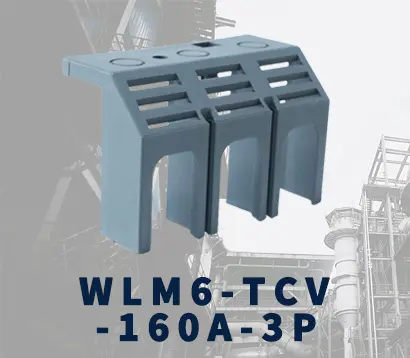 WLM6-TCV-160A-3P
 WLM6-MIP-250A
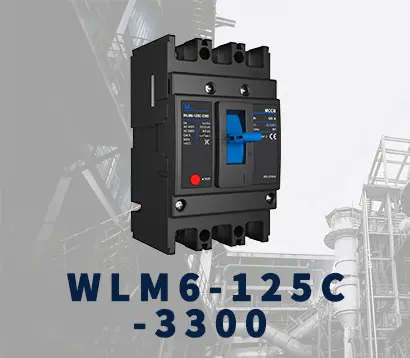 WLM6-125A-3300 3P/4P
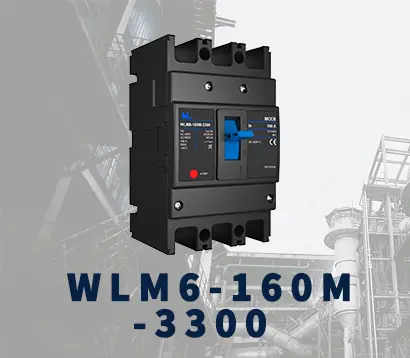 WLM6-160A-3300 3P/4P
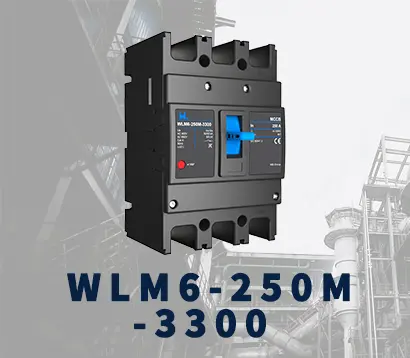 WLM6-250A-3300 3P/4P
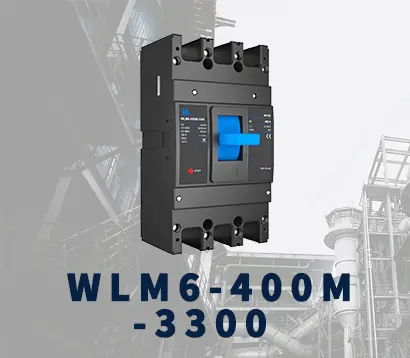 WLM6-400A-3300 3P/4P
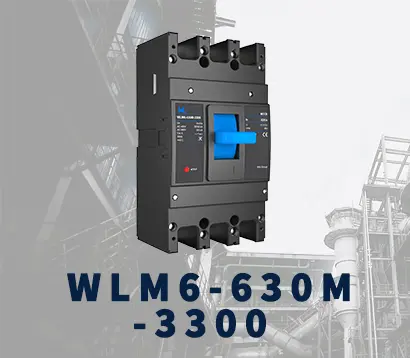 WLM6-630A-3300 3P/4P
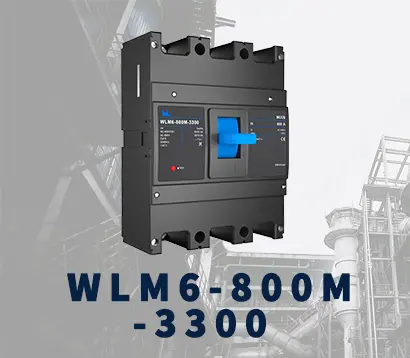 WLM6-800A-3300 3P/4P
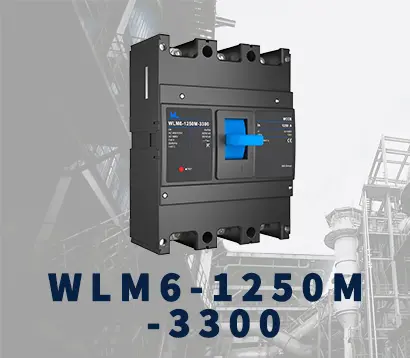 WLM6-1250A-3300 3P/4P
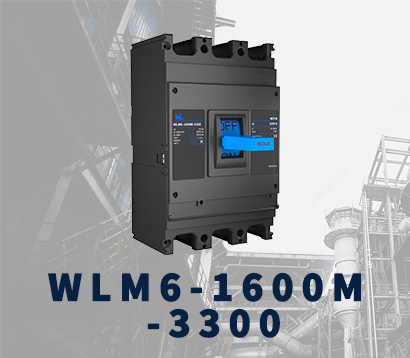 WLM6-1600A-3300 3P/4P
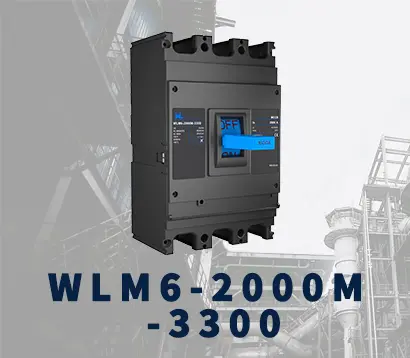 WLM6-2000A 3P/4P
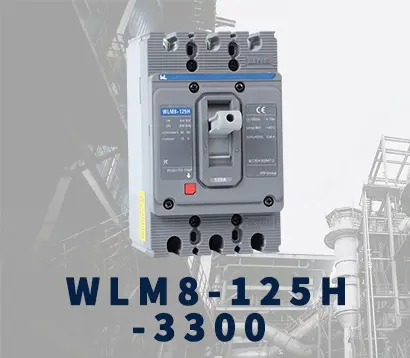 WLM8-125H-3300
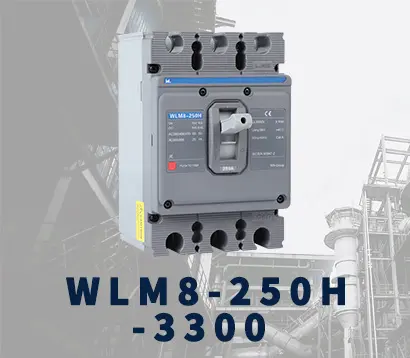 WLM8-250H-3300
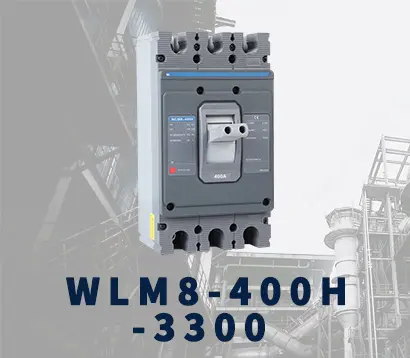 WLM8-400H-3300
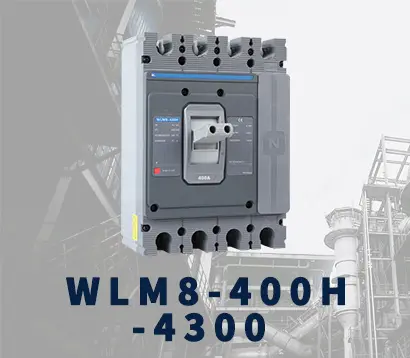 WLM8-400H-4300
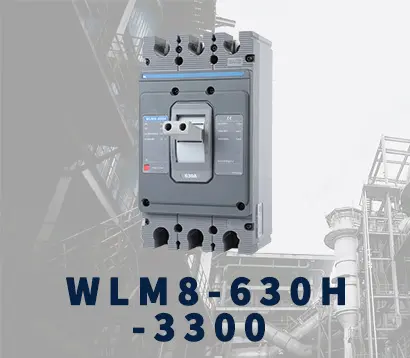 WLM8-630H-3300
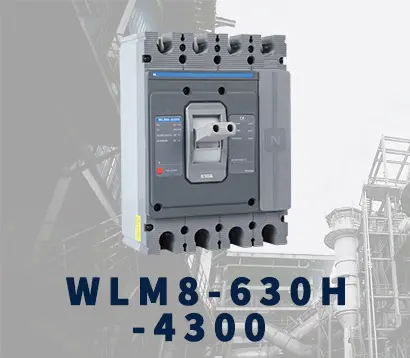 WLM8-630H-4300
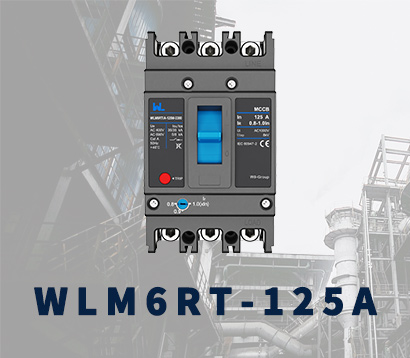 WLM6RT-125A
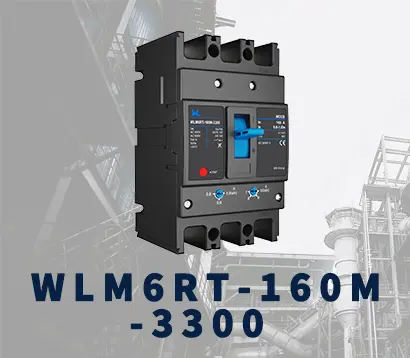 WLM6RT-160A
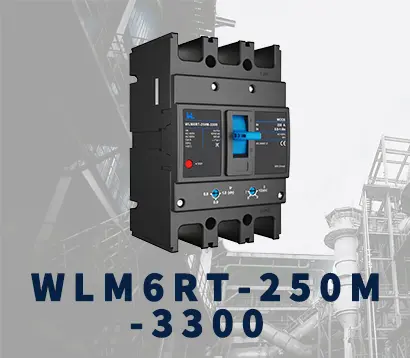 WLM6RT-250A
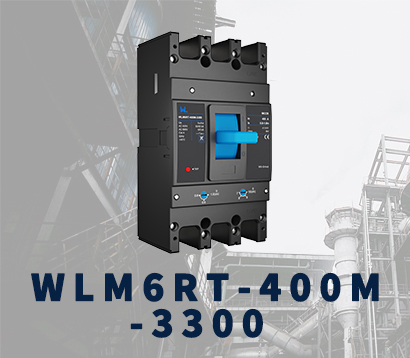 WLM6RT-400A
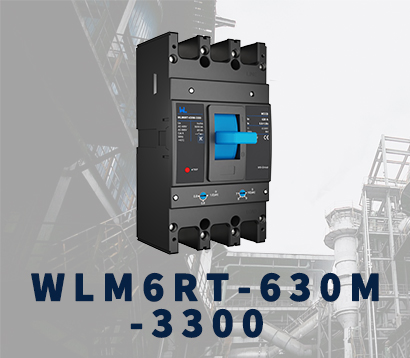 WLM6RT-630A
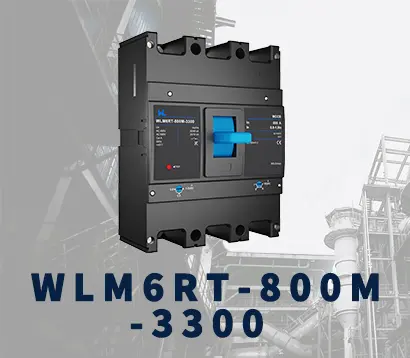 WLM6RT-800A
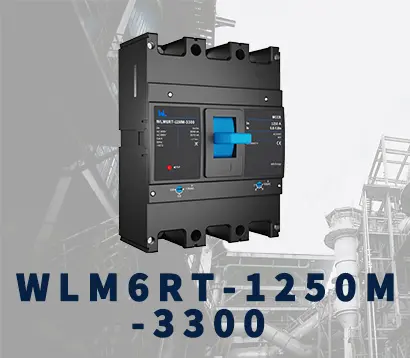 WLM6RT-1250A
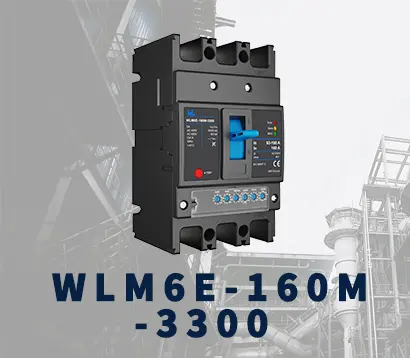 WLM6E-160A-3300 3P
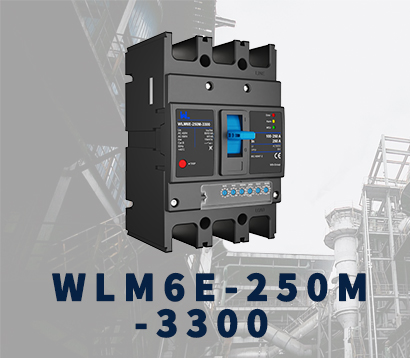 WLM6E-250A-3300
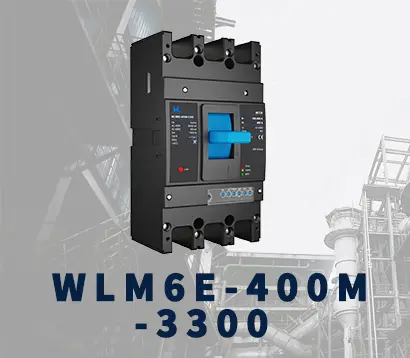 WLM6E-400A-3300 3P/4P
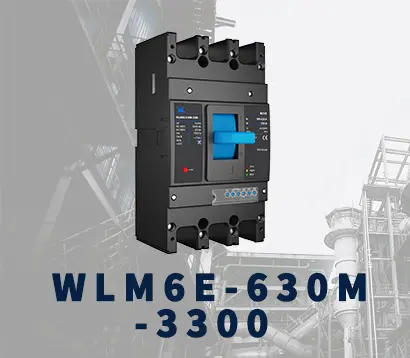 WLM6E-630A-3300
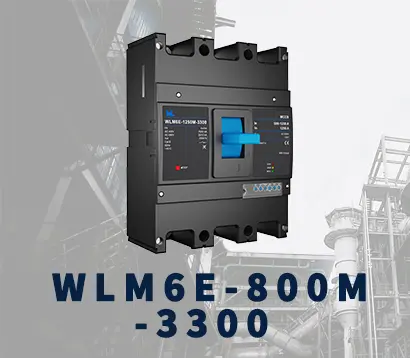 WLM6E-800A-3300 3P/4P
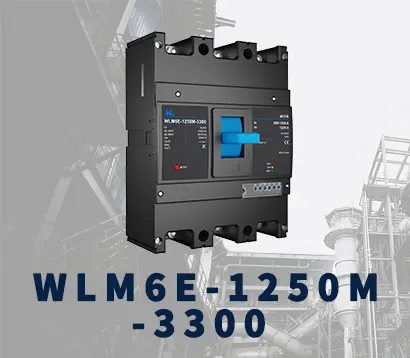 WLM6E-1250A-3300
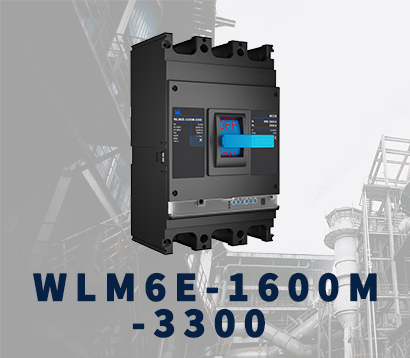 WLM6E-1600-3300 3P/4P
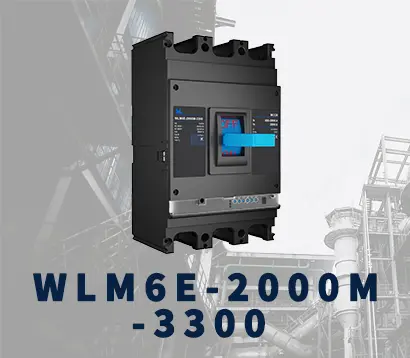 WLM6E-2000A-3300 3P/4P
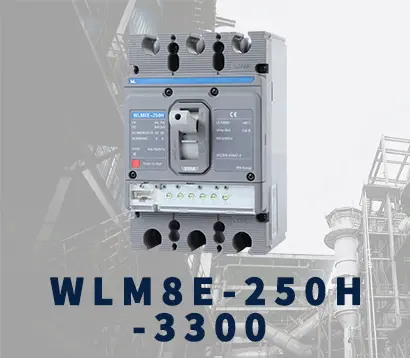 WLM8E-250H-3300
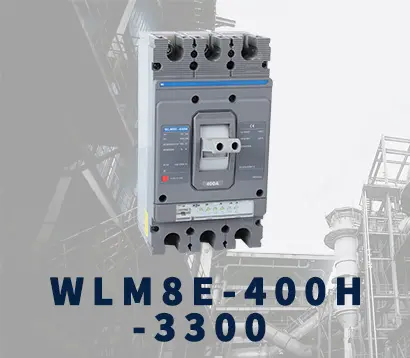 WLM8E-400H-3300
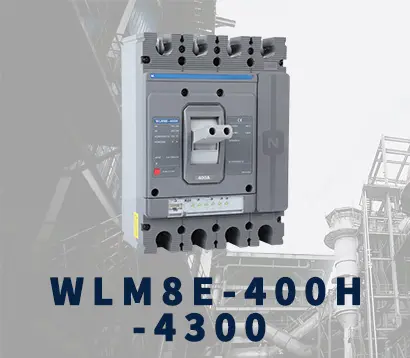 WLM8E-400H-4300
 WLM8E-630H-3300
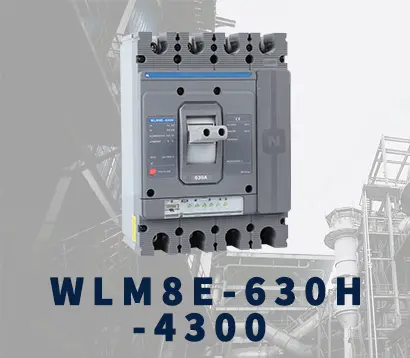 WLM8E-630H-4300
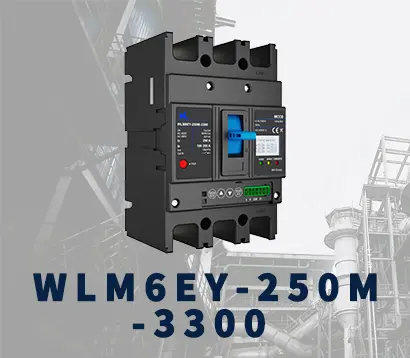 WLM6EY-250-3300 3P/4P
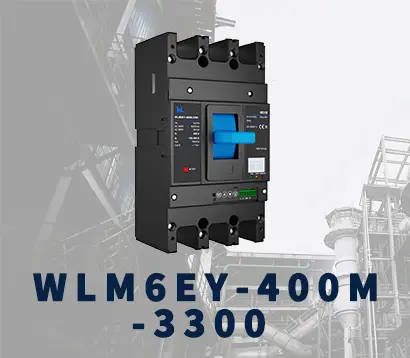 WLM6EY-400 3P/4P
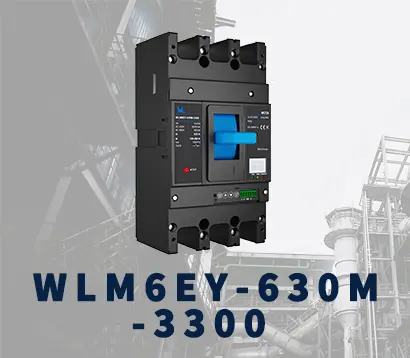 WLM6EY-630 3P/4P
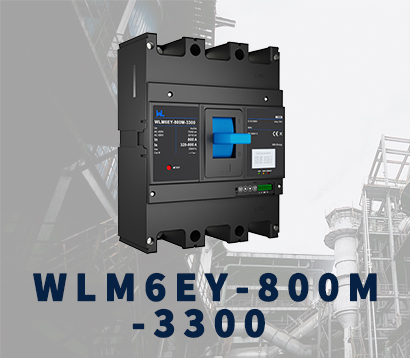 WLM6EY-800A 3P/4P
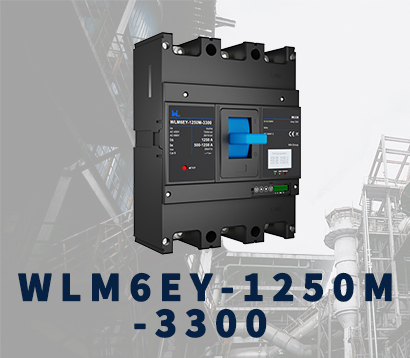 WLM6EY-1250A 3P/4P
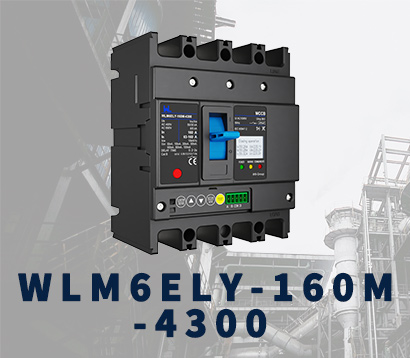 WLM6ELY-160A
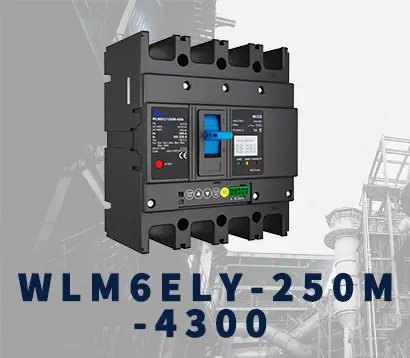 WLM6ELY-250A
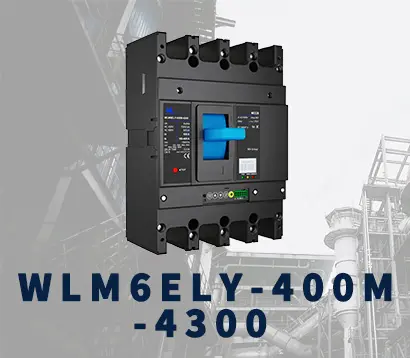 WLM6ELY-400A
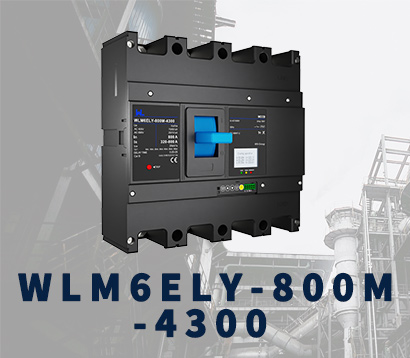 WLM6ELY-800A
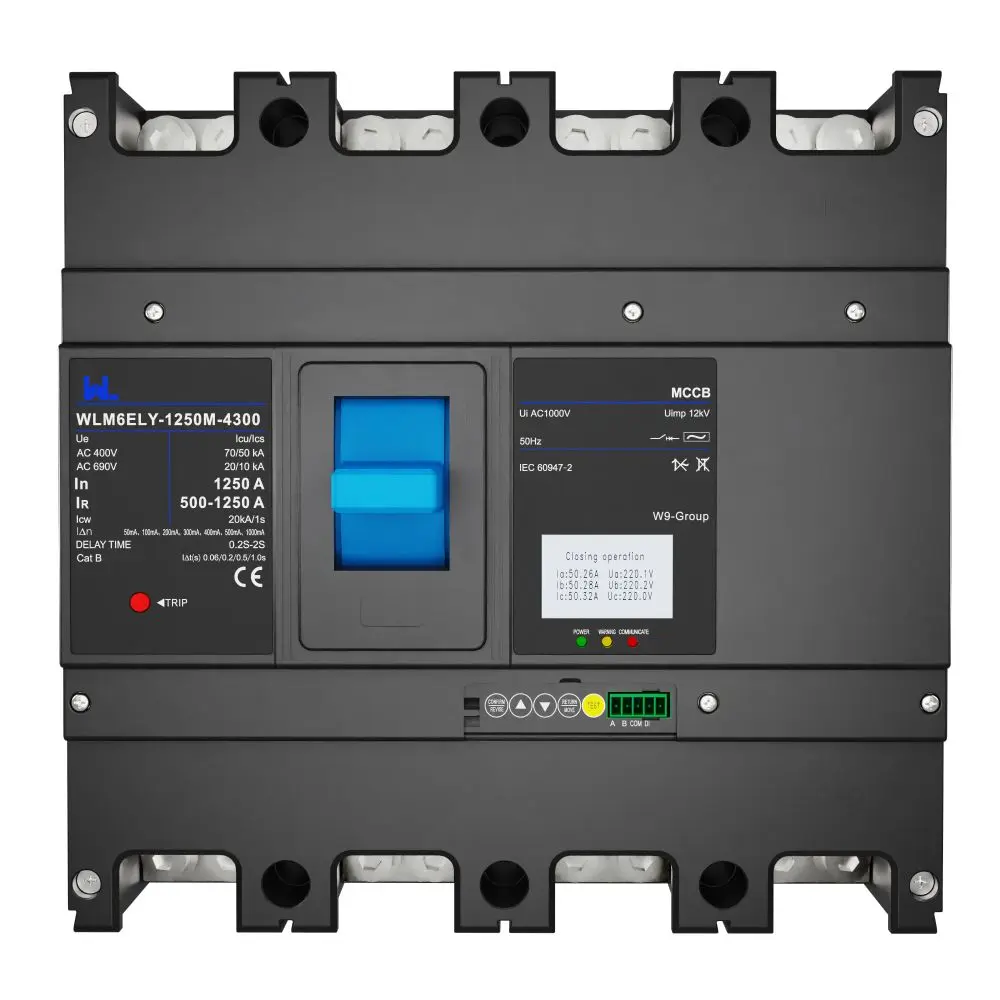 WLM6ELY-1250A
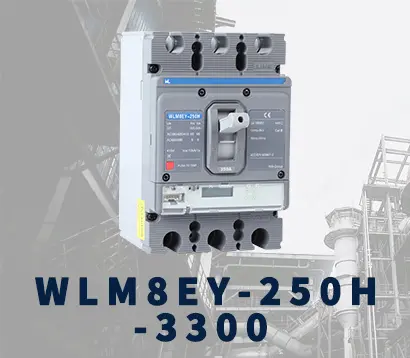 WLM8EY-250H-3300
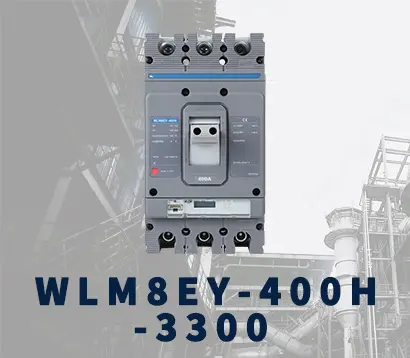 WLM8EY-400H-3300
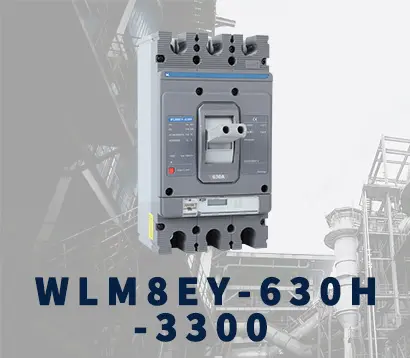 WLM8EY-630H-3300
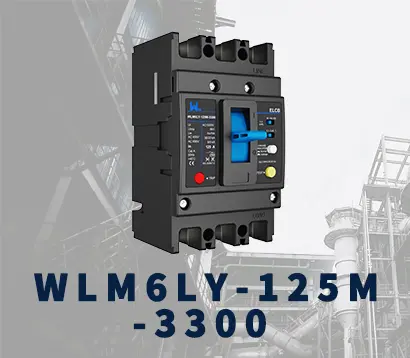 WLM6LY-125A
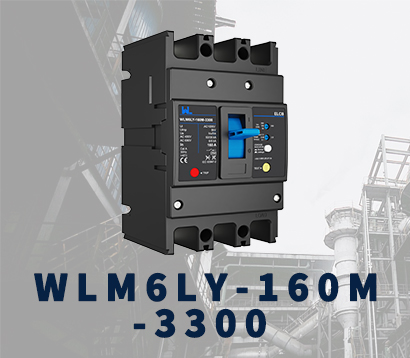 WLM6L-160A
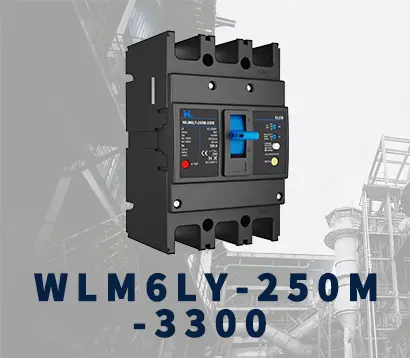 WLM6LY-250A
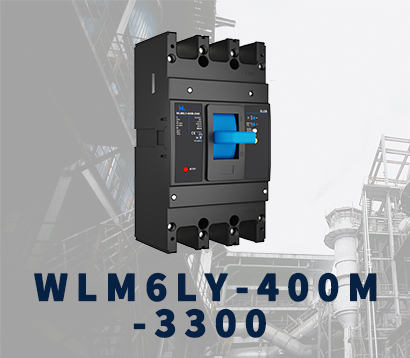 WLM6LY-400A
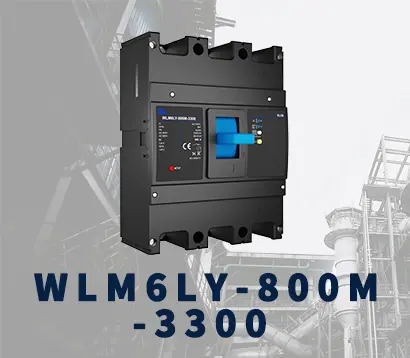 WLM6LY-800A
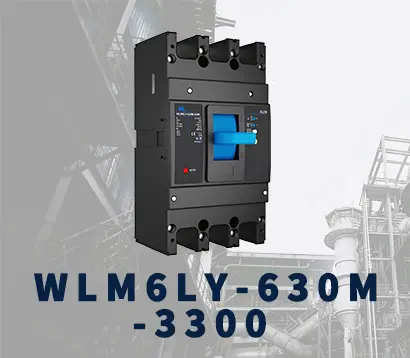 WLM6LY-630A
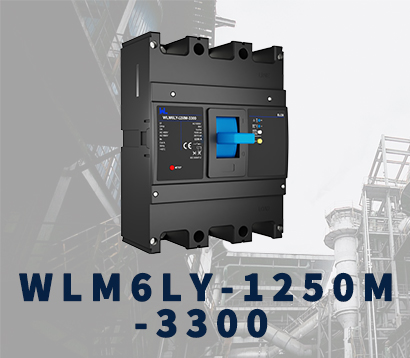 WLM6LY-1250A
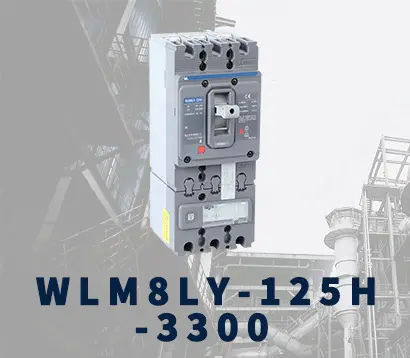 WLM8LY-125H-3300
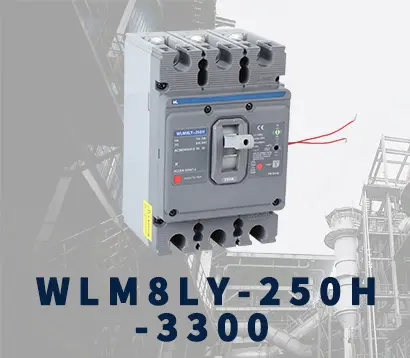 WLM8LY-250H-3300
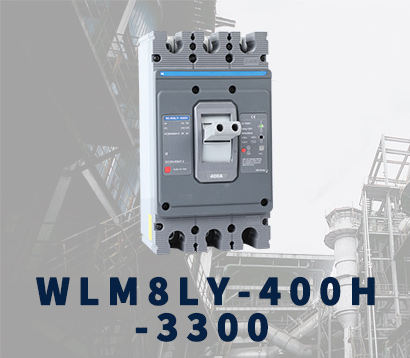 WLM8LY-400H-3300
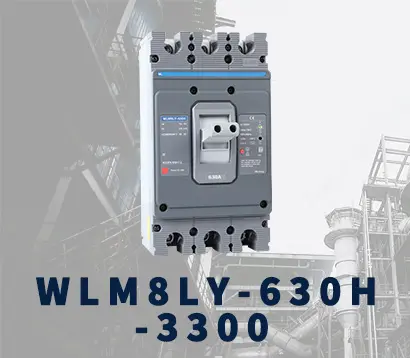 WLM8LY-630H-3300
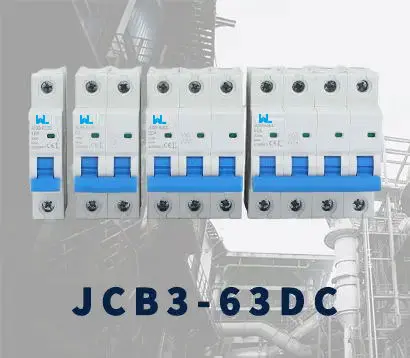 JCB3-63DC
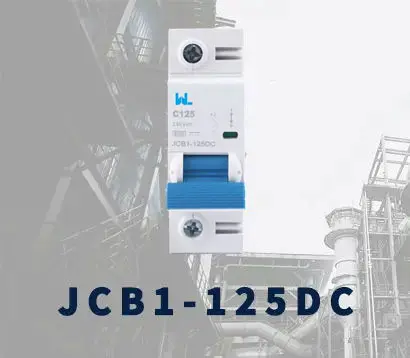 JCB1-125DC
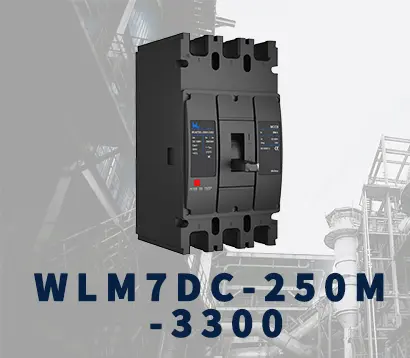 WLM7DC-250A-2300 2P/3P
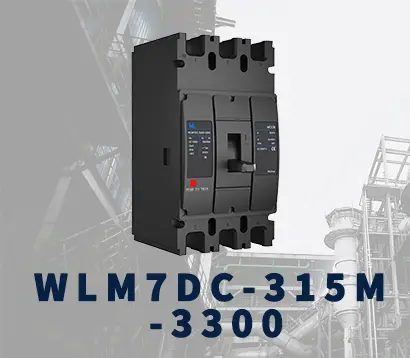 WLM7DC-315A-3300 2P/3P
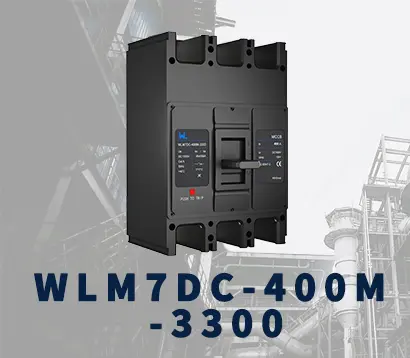 WLM7DC-400A-2300 2P/3P
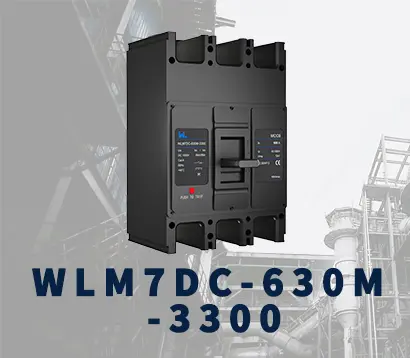 WLM7DC-630A-3300 3P
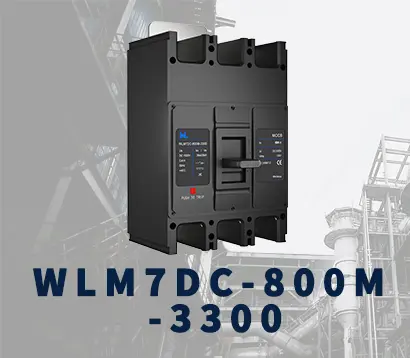 WLM7DC-800A-2300 2P/3P
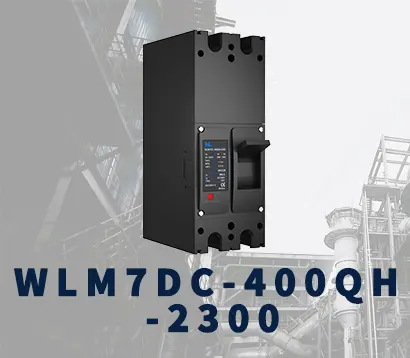 WLM7DC-400A 2300
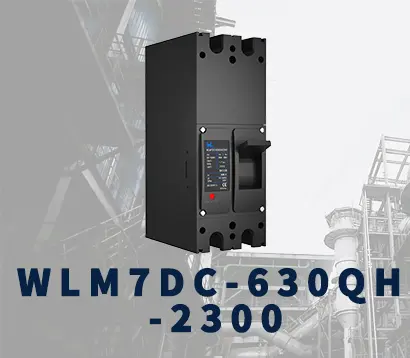 WLM7DC-630A-2300 2P
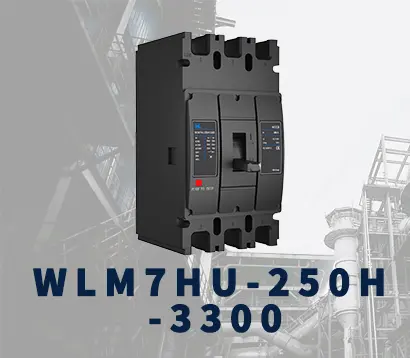 WLM7HU-250-3300 3P
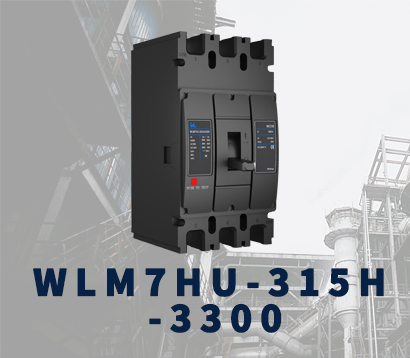 WLM7HU-315-3300 3P
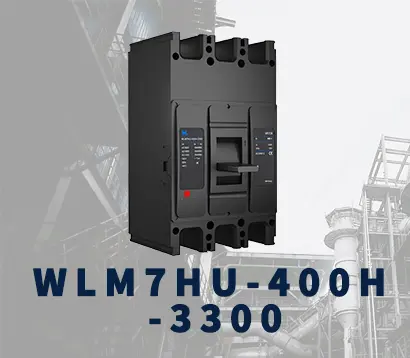 WLM7HU-400-3300 3P
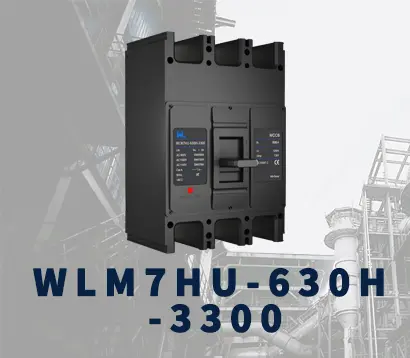 WLM7HU-630-3300 3P
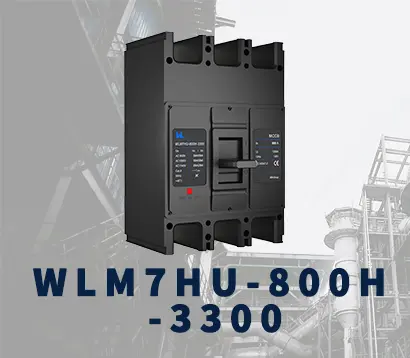 WLM7HU-800-3300 3P
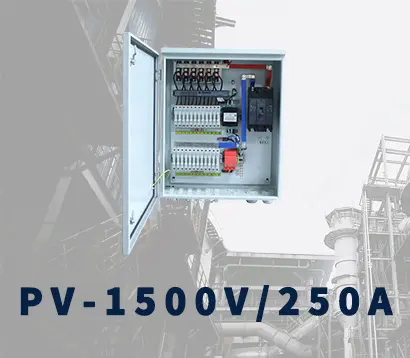 PV-1500V/250A
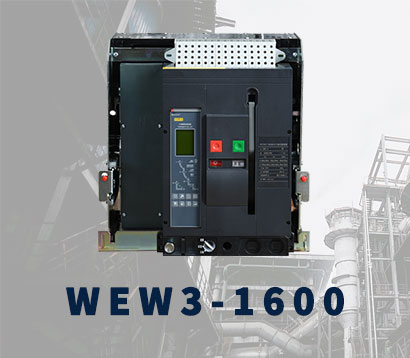 WEW3-1600
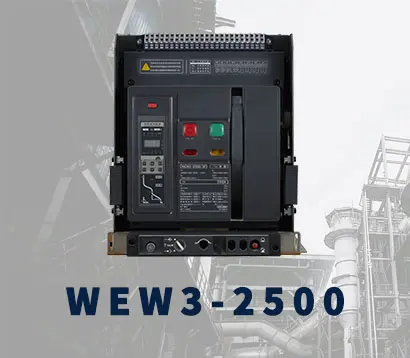 WEW3-2500
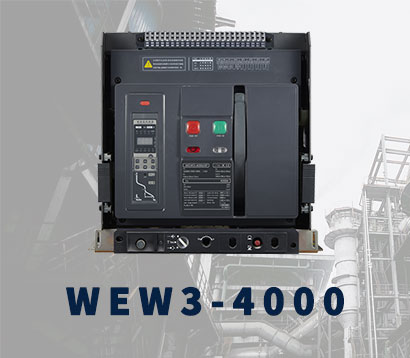 WEW3-4000
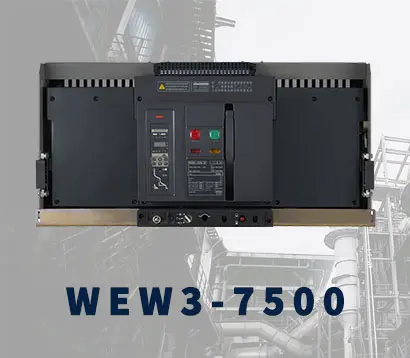 WEW3-7500