Top 10 Things You Need to Know About Electric Main Breaker?
Understanding your electric main breaker is essential for every homeowner. An electric main breaker connects your home to the power supply. It acts as a safety device, preventing overloads and potential hazards. This breaker can be intimidating, yet knowing its functions can empower you.
Many people overlook the importance of the electric main breaker. It's not just a switch; it's a crucial component of your electrical system. A malfunction could lead to serious issues. Regular inspection is often neglected, which can lead to dangerous situations. It’s vital to check for signs of wear or damage. You might even miss issues that can lead to fires.
Want to learn more? In this article, we will highlight ten key aspects of electric main breakers. We will explore their role, maintenance needs, and common misunderstandings. Knowledge can help ensure your safety and the efficiency of your electrical system.
What is an Electric Main Breaker and Its Function?
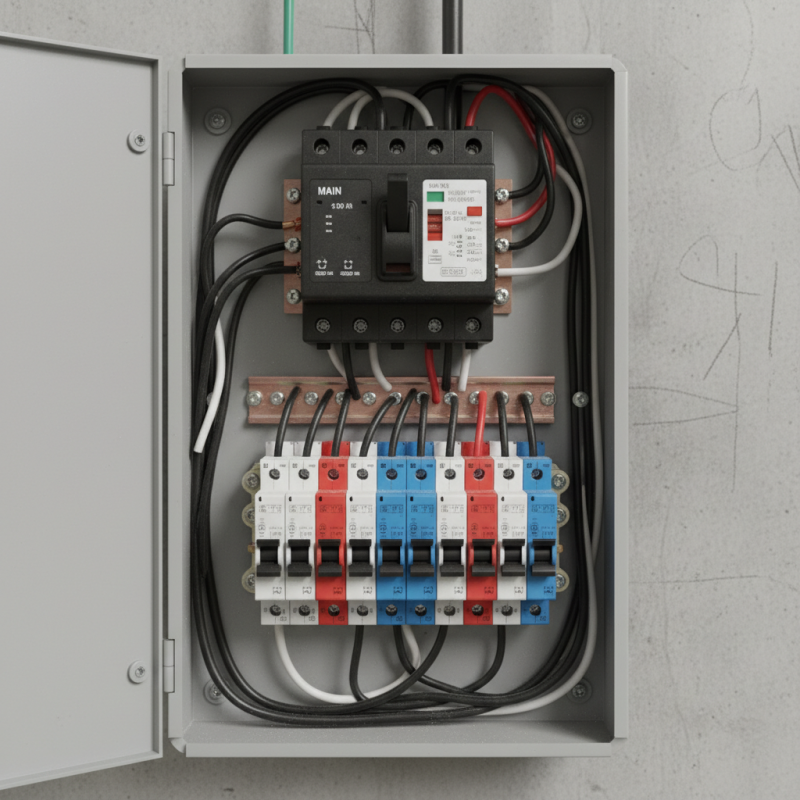
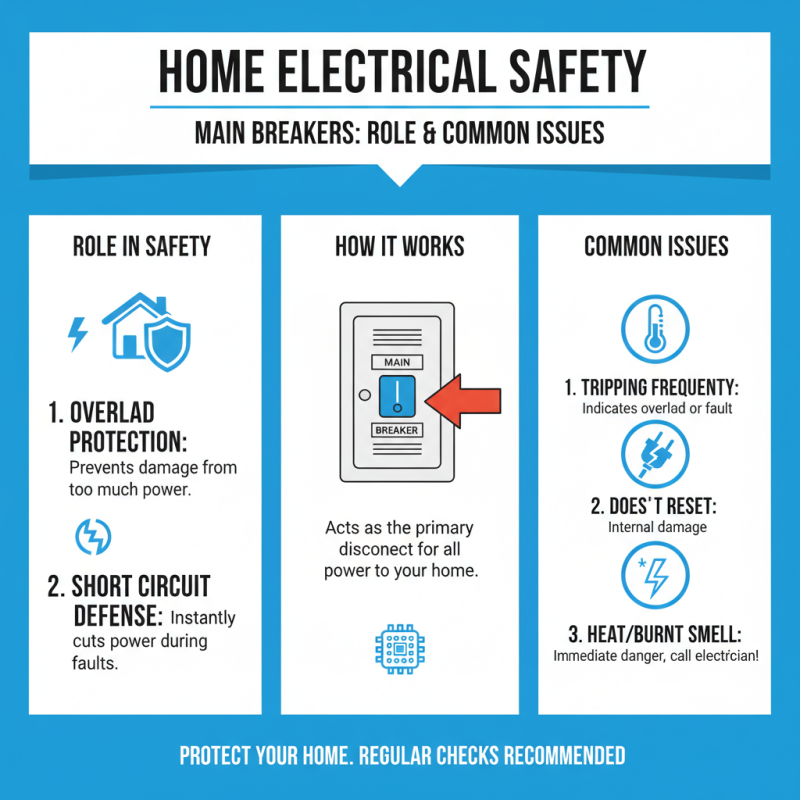
An electric main breaker is a crucial component in your home's electrical system. It acts as a switch that can shut off power to your entire home. This feature is essential for safety during maintenance or emergencies. When you engage the breaker, it interrupts the flow of electricity, safeguarding your home from potential hazards.
Tips: Regularly check the breaker for signs of wear. If it's hot or makes a buzzing noise, it may need replacement. Don't ignore these signs!
The main breaker also protects your circuits from overload. It prevents excess electrical current from damaging wiring or appliances. Understanding its function can help you make informed decisions about your electrical setup. An outdated breaker can lead to problems. It might trip often or fail to respond when needed.
Tips: Know your breaker's capacity. It should match your home's electrical needs. Consult a professional if you're unsure. Safety should always come first.
Understanding the Importance of Electric Main Breaker in a Home
Electric main breakers play a crucial role in modern homes. They act as the primary switch for your electrical system. This device ensures safety by preventing overloads and short circuits. According to the U.S. Fire Administration, over 47,000 home electrical fires were reported in a single year. These fires resulted in hundreds of fatalities and millions in damages. The main breaker is essential in reducing these risks.
Tips: Regularly inspect your main breaker for any signs of damage. Look for discoloration or unusual sounds. These can indicate potential issues.
If your home frequently experiences power fluctuations, it might be a sign of an overloaded circuit. A main breaker can help manage this load effectively. However, if it's not functioning properly, it may lead to serious safety hazards. Always consider getting a professional to evaluate your system periodically.
Tips: Keep your breaker accessible. In case of emergencies, you need quick access. Never block or clutter the area around your main breaker. Regular maintenance can extend its lifespan. Regular checks can save you future headaches.
Top 10 Things You Need to Know About Electric Main Breaker
| Aspect |
Description |
| Function |
Protects electrical circuits by shutting off power during overloads. |
| Location |
Typically found in basements or utility rooms in a home. |
| Types |
Main circuit breakers can be either single-pole or double-pole. |
| Amperage Ratings |
Common ratings include 100A, 150A, and 200A. |
| Resetting |
Can be reset manually after a trip, but should be done with caution. |
| Signs of Failure |
Frequent tripping or physical damage may indicate replacement is needed. |
| Safety Ratings |
Must meet local electrical code standards and safety certifications. |
| Installation |
Should be performed by a licensed electrician for safety reasons. |
| Maintenance |
Regular inspections can help prevent future issues and ensure safety. |
Key Features to Look for When Choosing an Electric Main Breaker
When selecting an electric main breaker, understanding key features is essential. Safety ratings are vital. Look for breakers with a minimum of 10,000 amperes interrupting capacity (AIC). According to the National Electrical Code, this capacity ensures safety during overloads. Breakers with higher AIC ratings provide extra protection against unexpected surges.
Consider the type of breaker. Standard breakers work for most residential applications, but ground fault circuit interrupters (GFCIs) and arc fault circuit interrupters (AFCIs) offer additional safety. Data from the Electrical Safety Foundation International indicates that GFCIs reduce electrocutions by 80%. This statistic underscores their importance in wet areas like bathrooms.
Tip: Always check compatibility with your electrical panel. A mismatch leads to malfunctions. Remember to assess the breaker’s warranty. A longer warranty often signifies better quality. Regular testing of your breaker is crucial too. This helps identify potential issues before they escalate. Not all electric main breakers perform reliably over time, leading to unexpected failures. Be diligent in your process.
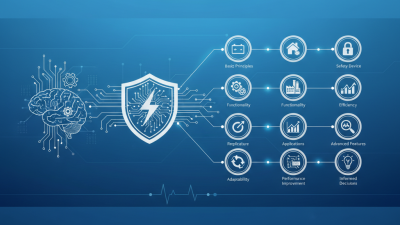
Top 10 Features to Consider When Choosing an Electric Main Breaker
Safety Tips for Installing and Maintaining Your Electric Main Breaker
When dealing with electric main breakers, safety is essential. A well-installed breaker can protect your home from electrical fires. Always refer to the user manual for guidance. Read it before starting any installation. Understand that mistakes happen. Not everyone gets it right the first time.
Wear protective gear while working. Insulated gloves and safety goggles are vital. Disconnect power to avoid shocks. Double-check that the power is off. It’s a small step that can save lives. If things feel overwhelming, don’t hesitate to ask for help. Electric work can be tricky, and the margin for error is slim.
Regular maintenance is crucial. Check for signs of wear and tear. Look for any burnt spots or unusual smells. If something feels off, trust your instinct. It might be time to replace parts. Don’t ignore these warning signs. Keeping your electric main breaker in good condition ensures safety and reliability. Stay alert, and always prioritize safety above all.
Common Issues and Troubleshooting Tips for Electric Main Breakers
Electric main breakers play a crucial role in residential safety. They protect your home from electrical overloads and short circuits. However, these devices can encounter common issues that may require attention.
One frequent problem is tripping. If your breaker trips often, it may indicate a circuit overload or a faulty appliance. Check if any device is drawing too much power. Sometimes, a simple reset can solve the issue. However, if it persists, further inspection is necessary. Look for signs of wear. Cracks or burns may signal a need for replacement.
Another common issue is the noisy breaker. If you hear buzzing or clicking sounds, don’t ignore them. This could indicate a loose connection or internal damage. Ignoring these signs might lead to more severe issues later. It’s wise to investigate the cause before things escalate. Always prioritize safety when dealing with electricity, and don't hesitate to consult a professional if needed.

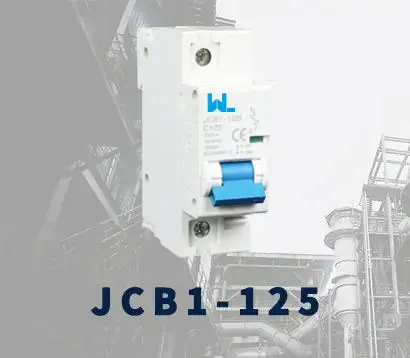 JCB1-125
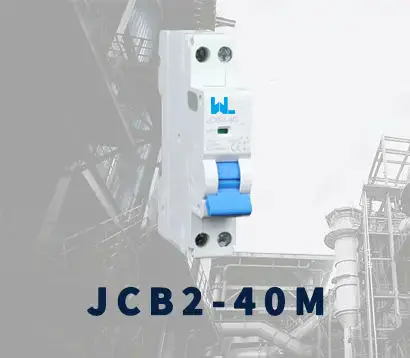 JCB2-40M
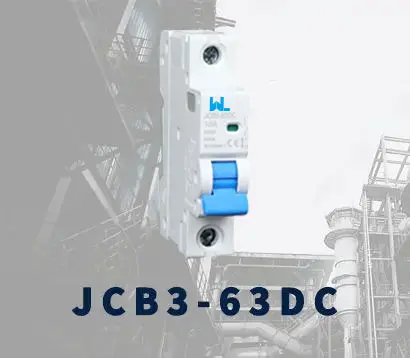 JCB3-63DC
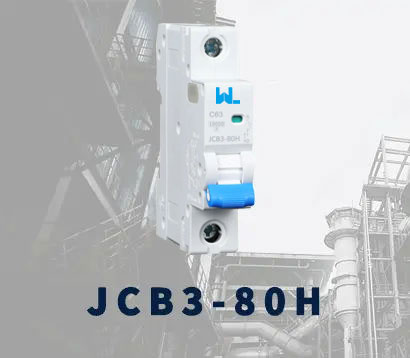 JCB3-80H
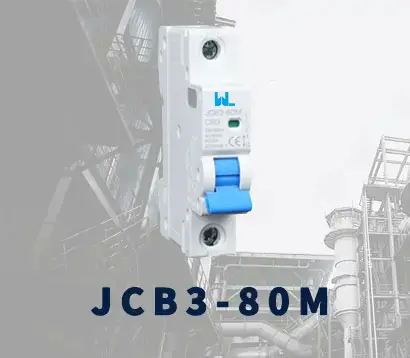 JCB3-80M
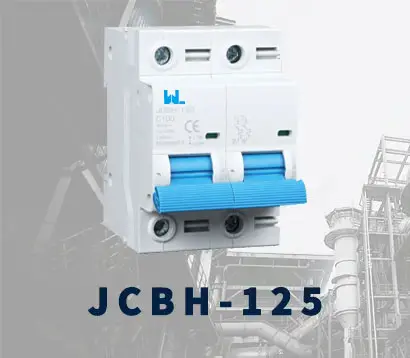 JCBH-125
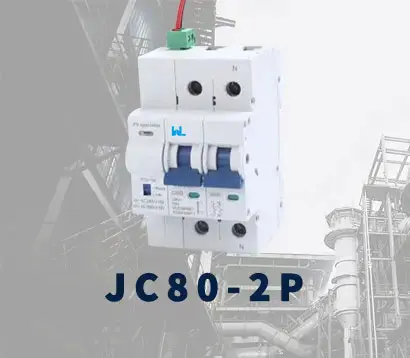 JC80-2P
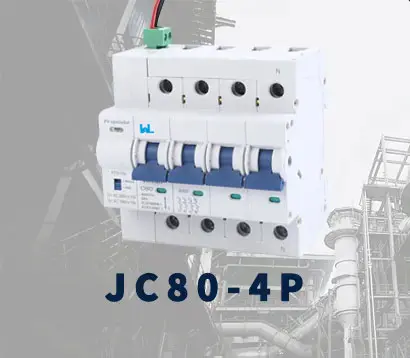 JC80-4P
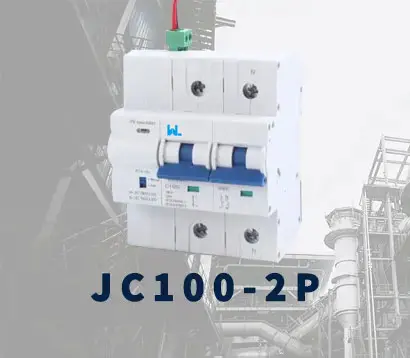 JC125-2P
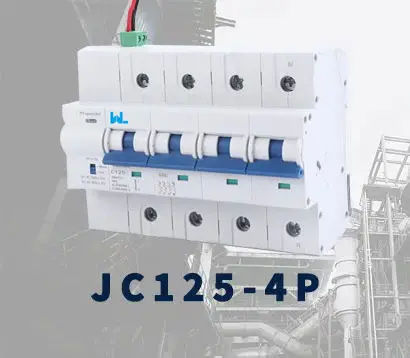 JC125-4P
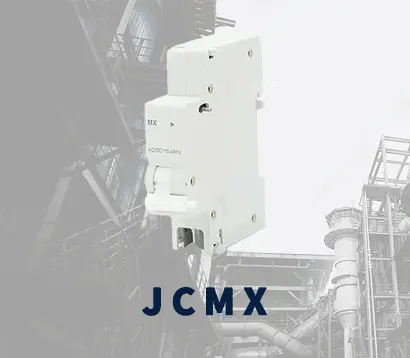 JCMX
JCMX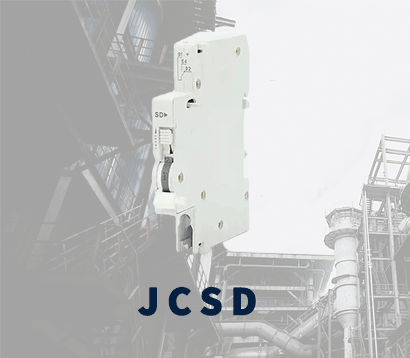 JCSD
JCSD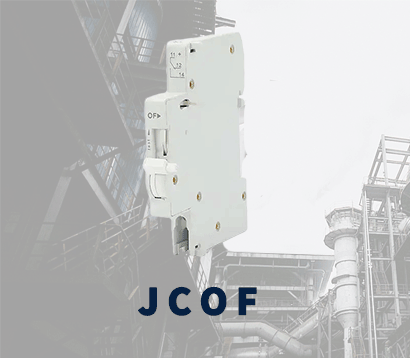 JCOF
JCOF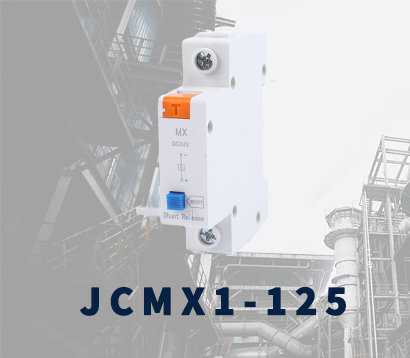 JCMX1-125
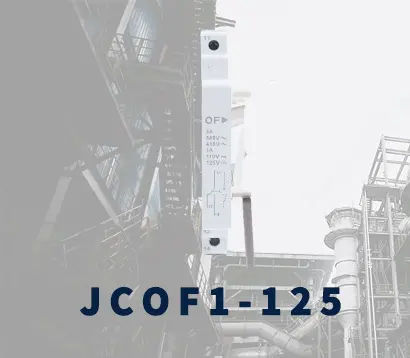 JCOF1-125
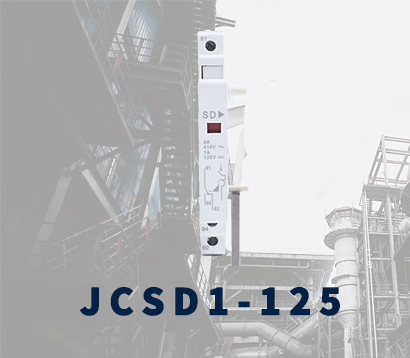 JCSD1-125
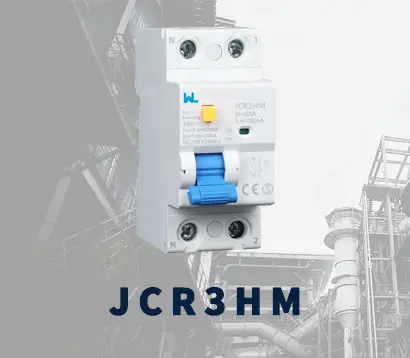 JCR3HM
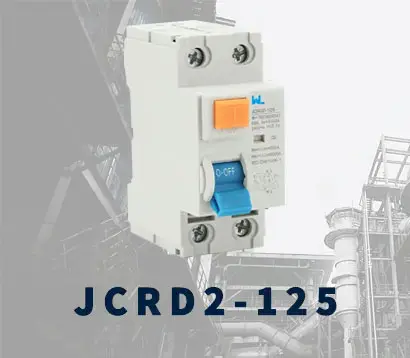 JCRD2-125
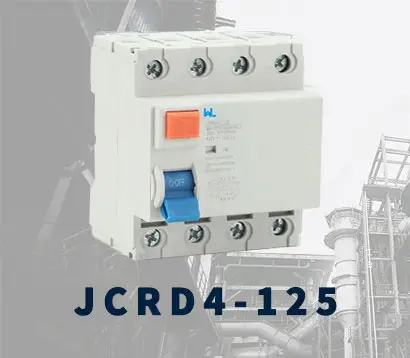 JCRD4-125
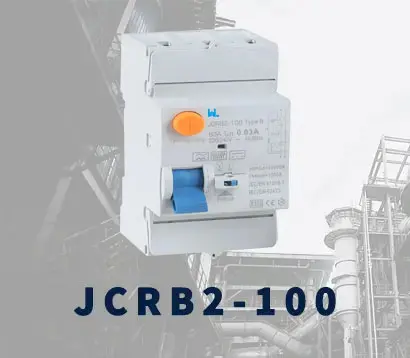 JCRB2-100
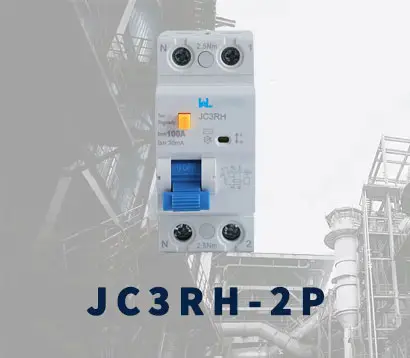 JC3RH-2P
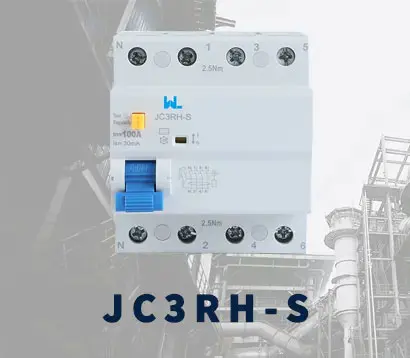 JC3RH-S
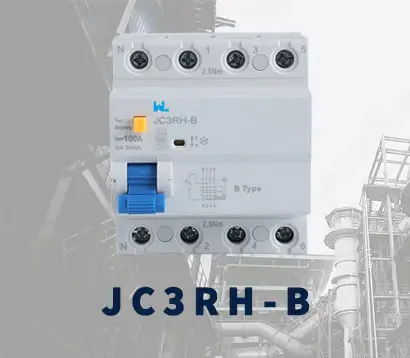 JC3RH-B
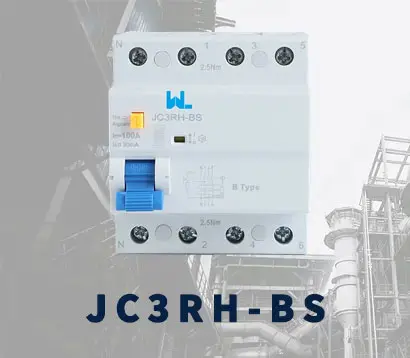 JC3RH-BS
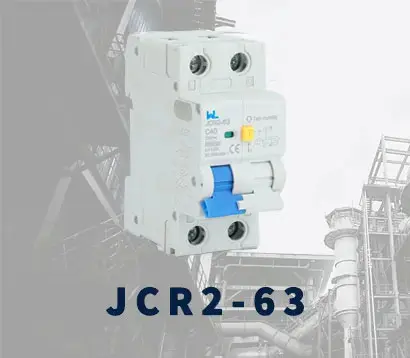 JCR2-63
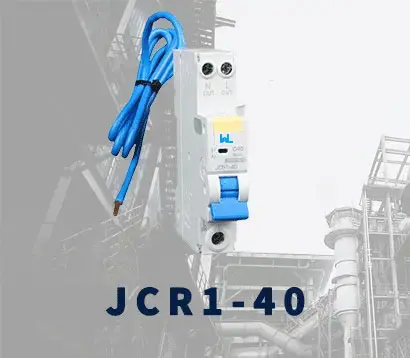 JCR1-40
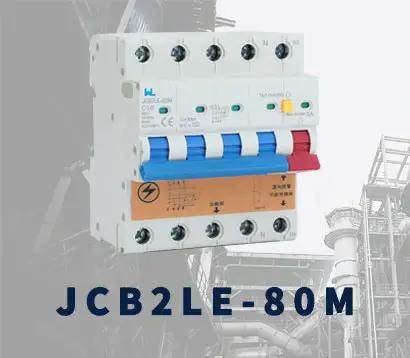 JCB2LE-80M
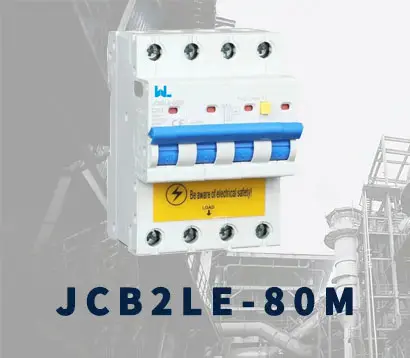 JCB2LE-80M
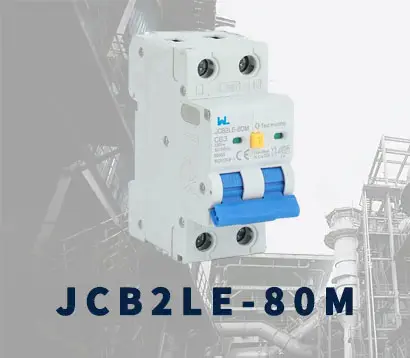 JCB2LE-80M
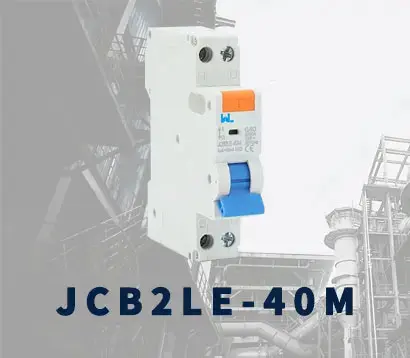 JCB2LE-40M
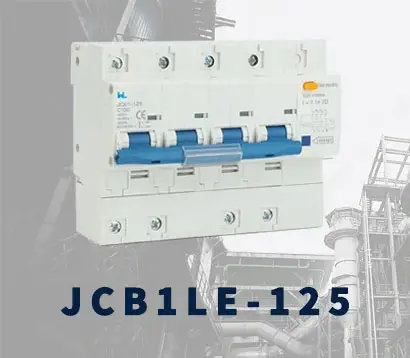 JCB1LE-125
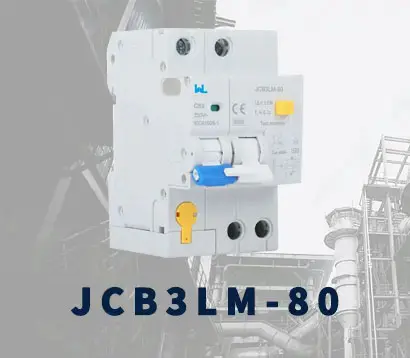 JCB3LM-80
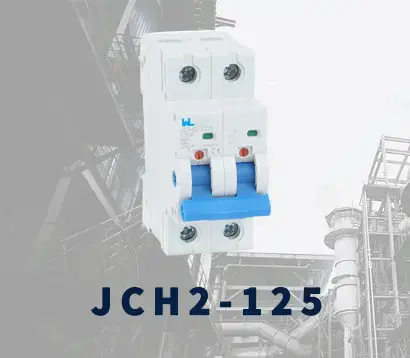 JCH2-125
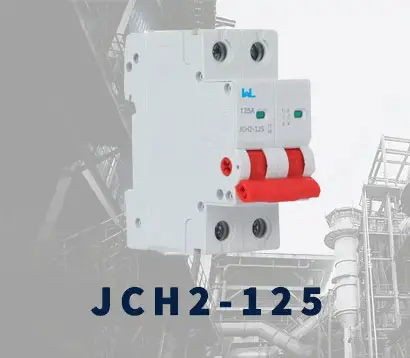 JCH2-125
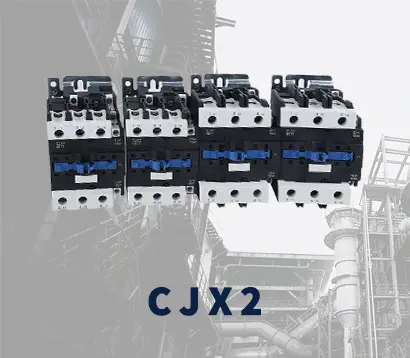 CJX2
CJX2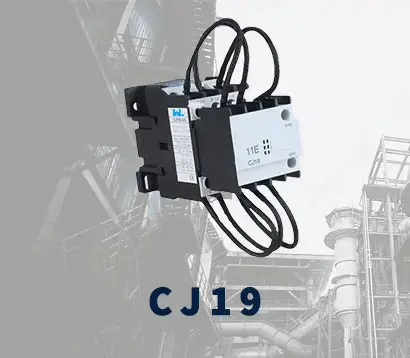 CJ19
CJ19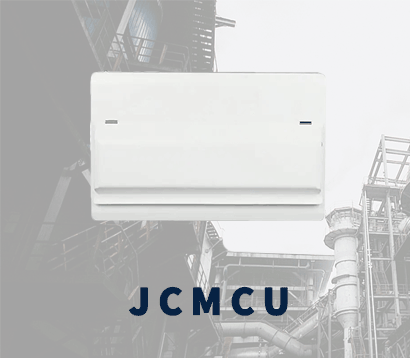 JCMCU
JCMCU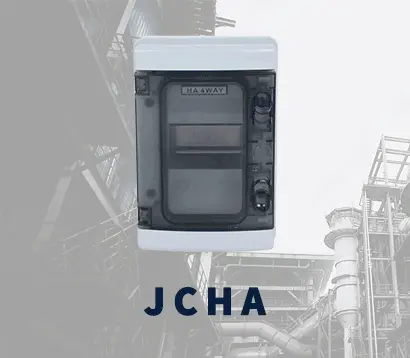 JCHA
JCHA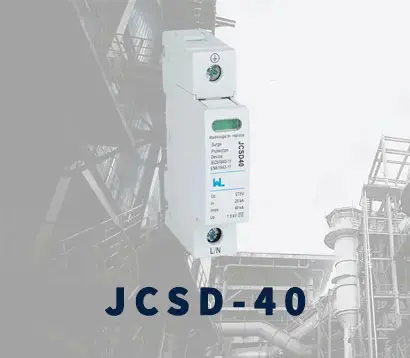 JCSD-40
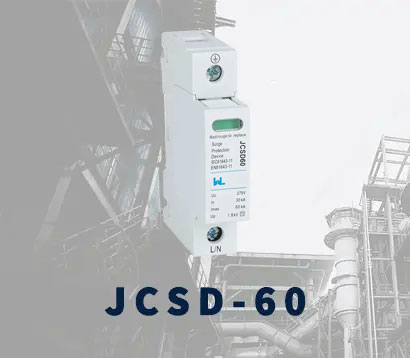 JCSD-60
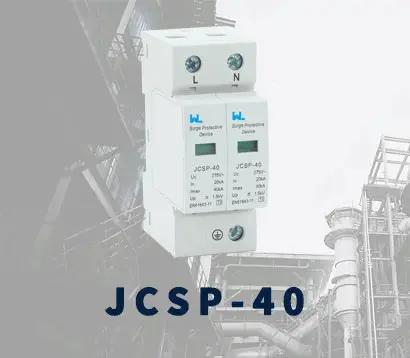 JCSP-40
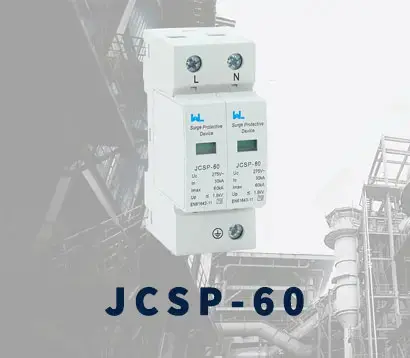 JCSP-60
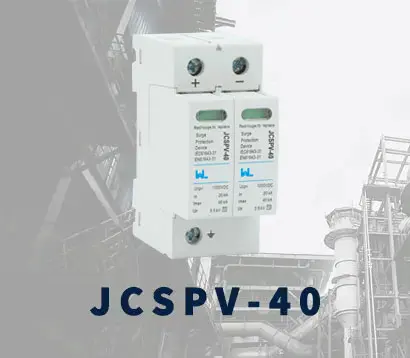 JCSPV
JCSPV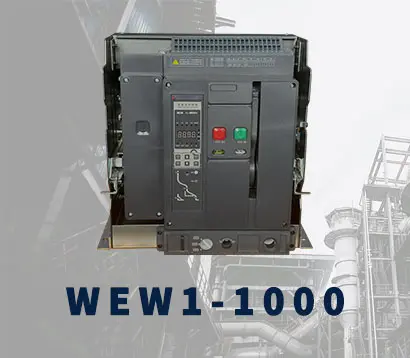 WEW1-1000
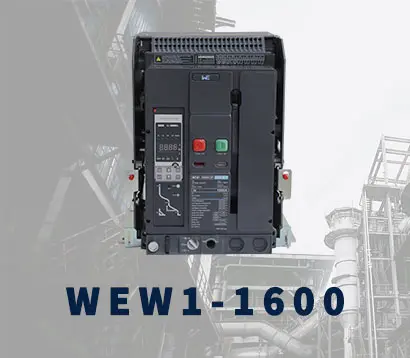 WEW1-1600
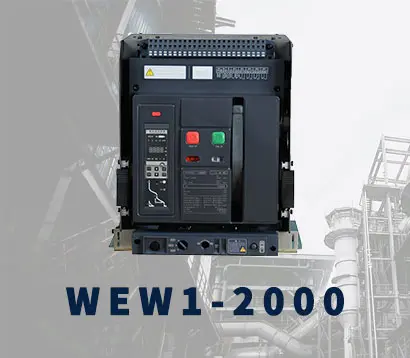 WEW1-2000
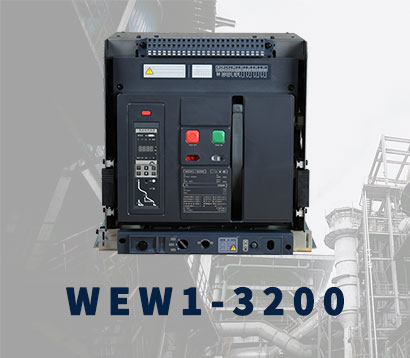 WEW1-3200
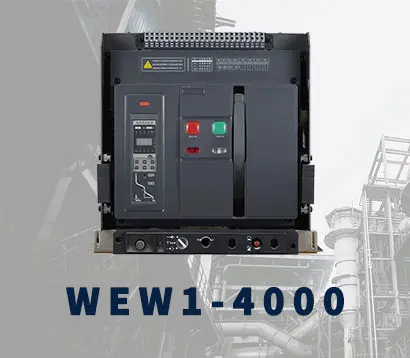 WEW1-4000
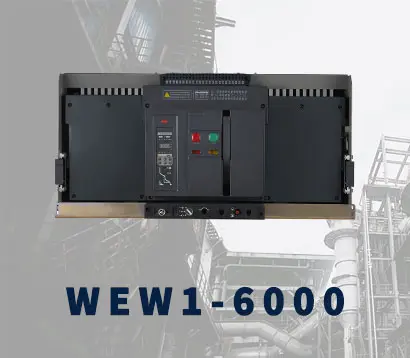 WEW1-6300
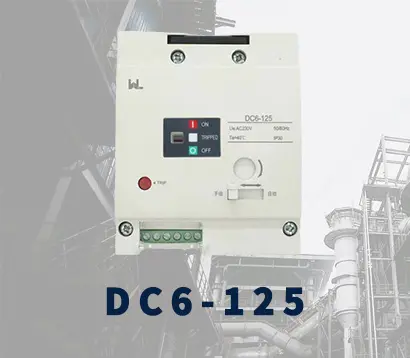 DC6-125
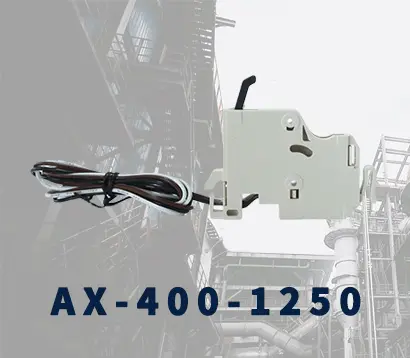 AX-400-1250
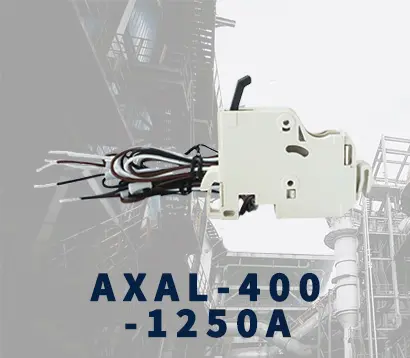 AXAL-400-1250A
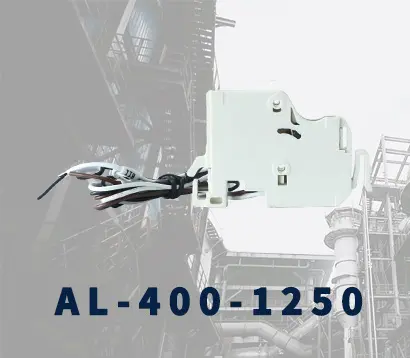 AL-400-1250
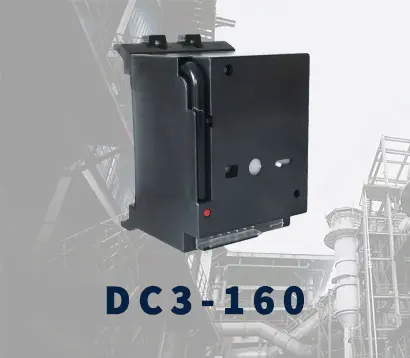 DC3-160
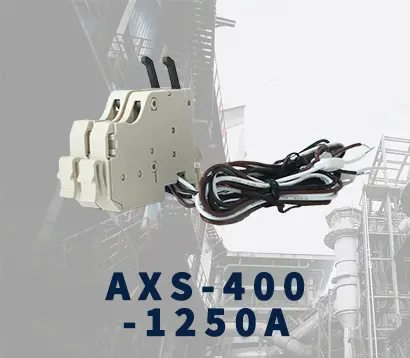 AXS-400-1250A
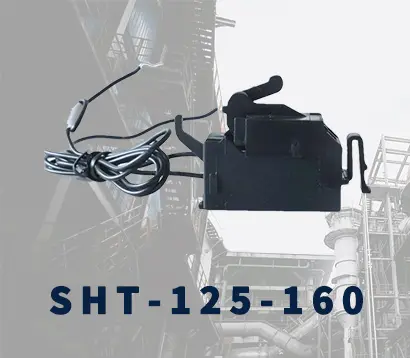 SHT-125-160
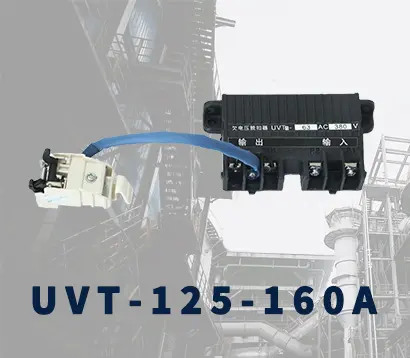 UVT-125-160A
 P-250A-3P-A
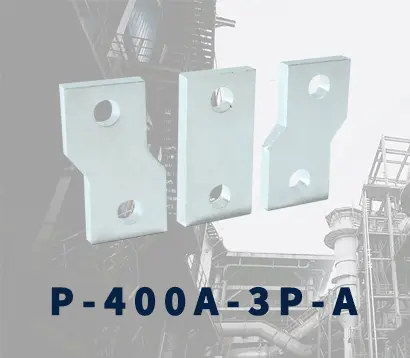 400-3P/4P terminal cover
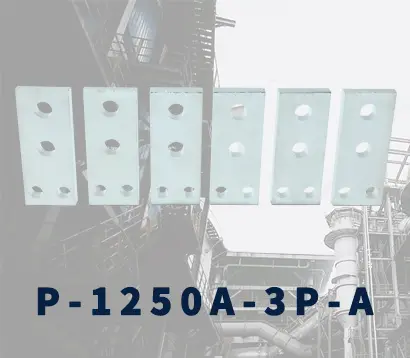 1250-3Pmccb accessories busbar
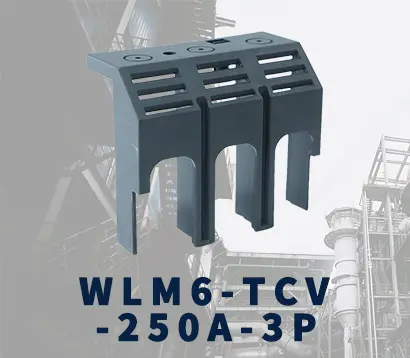 250-3P terminal conver
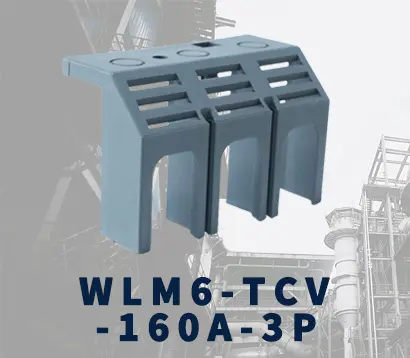 WLM6-TCV-160A-3P
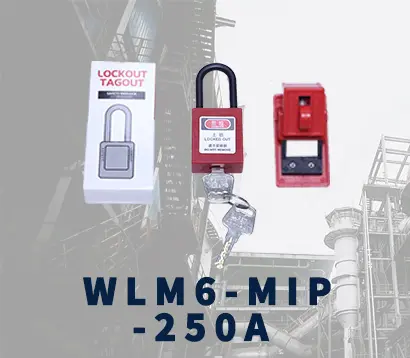 WLM6-MIP-250A
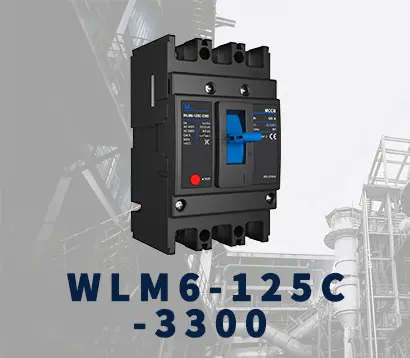 WLM6-125A-3300 3P/4P
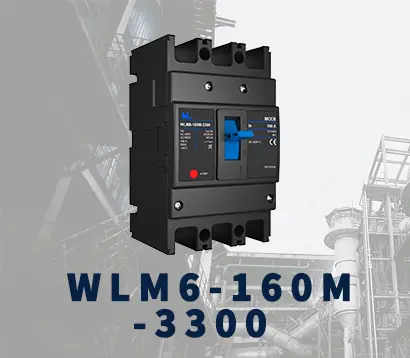 WLM6-160A-3300 3P/4P
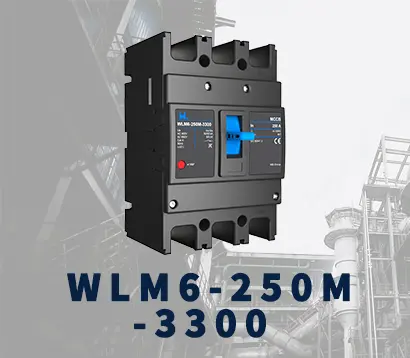 WLM6-250A-3300 3P/4P
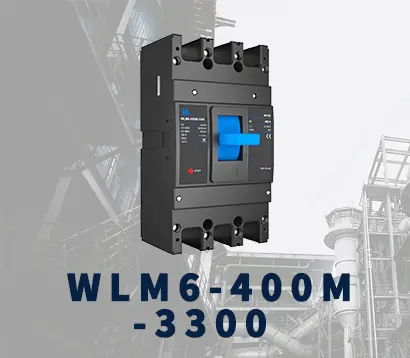 WLM6-400A-3300 3P/4P
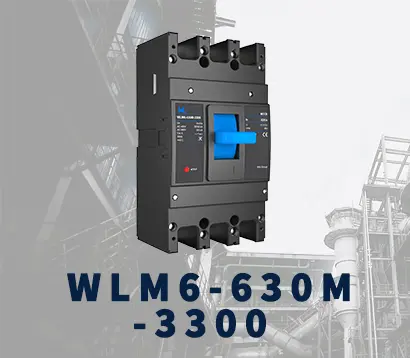 WLM6-630A-3300 3P/4P
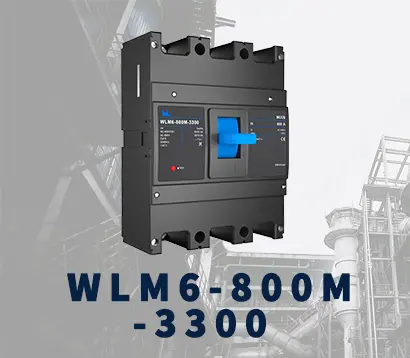 WLM6-800A-3300 3P/4P
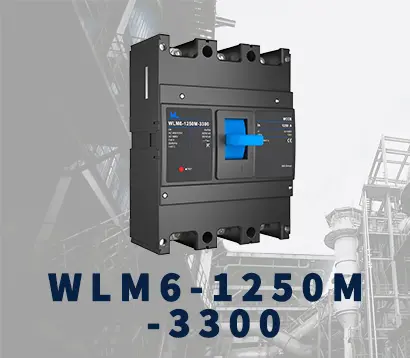 WLM6-1250A-3300 3P/4P
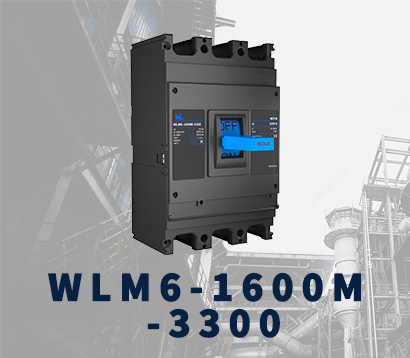 WLM6-1600A-3300 3P/4P
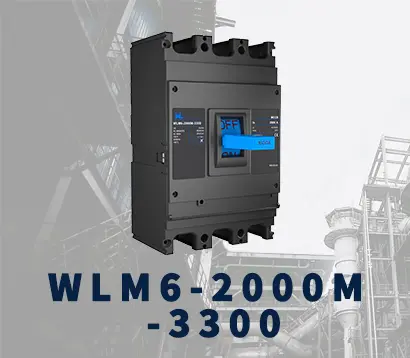 WLM6-2000A 3P/4P
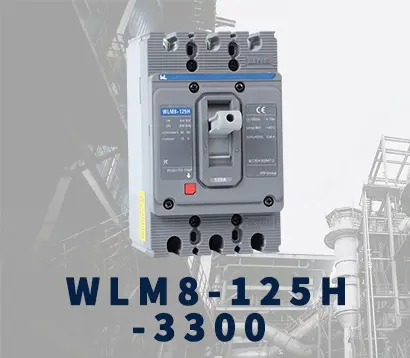 WLM8-125H-3300
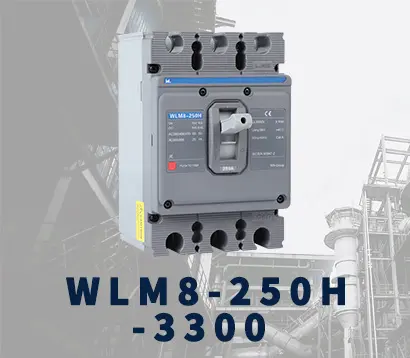 WLM8-250H-3300
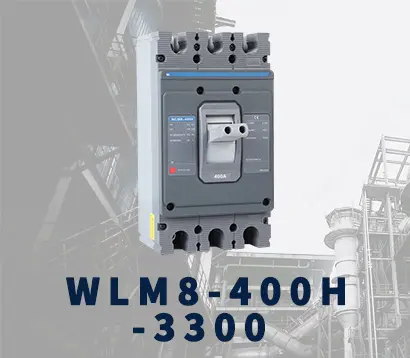 WLM8-400H-3300
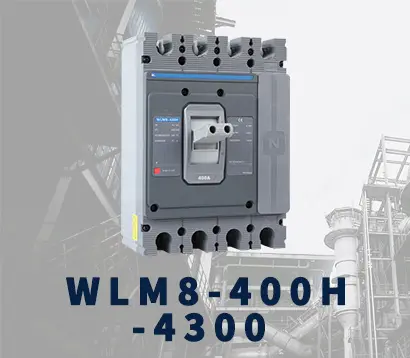 WLM8-400H-4300
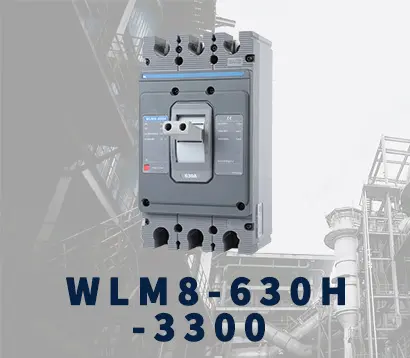 WLM8-630H-3300
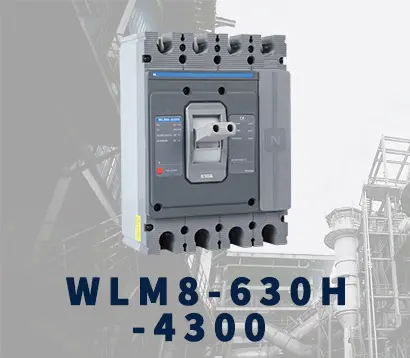 WLM8-630H-4300
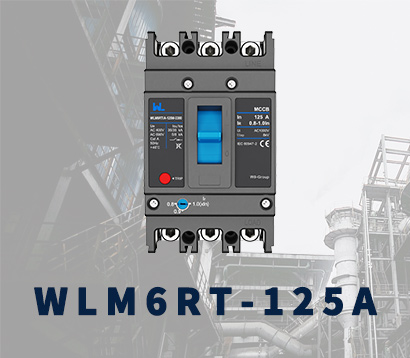 WLM6RT-125A
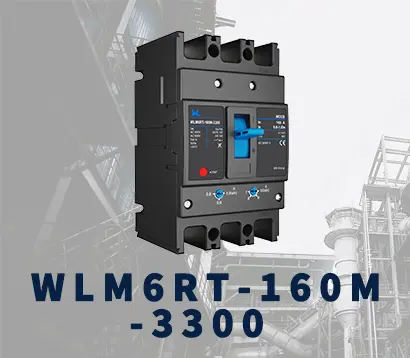 WLM6RT-160A
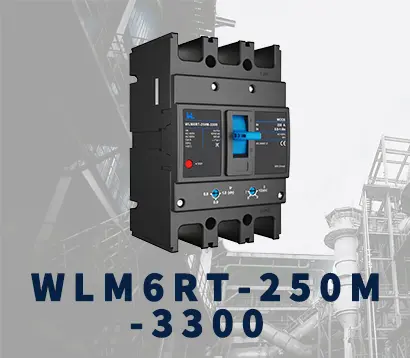 WLM6RT-250A
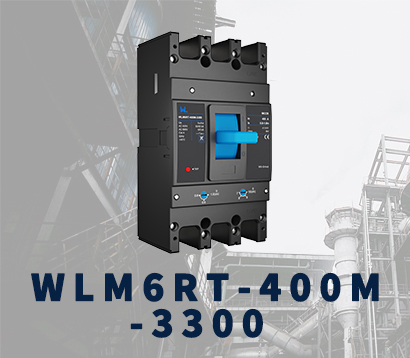 WLM6RT-400A
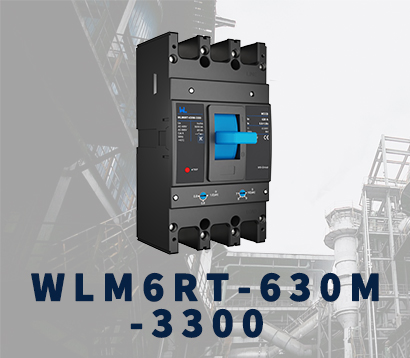 WLM6RT-630A
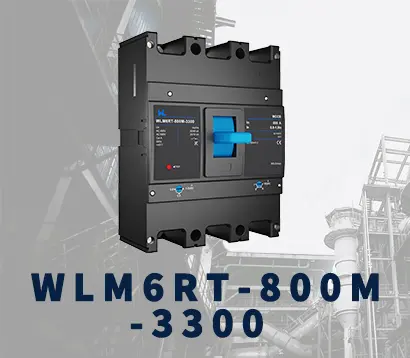 WLM6RT-800A
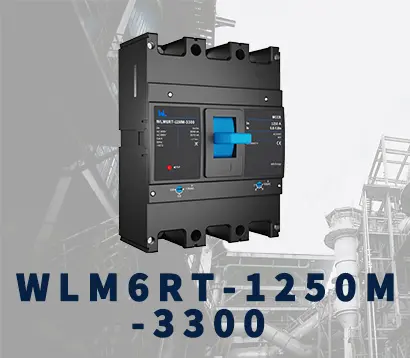 WLM6RT-1250A
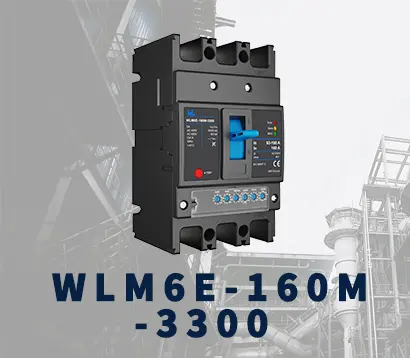 WLM6E-160A-3300 3P
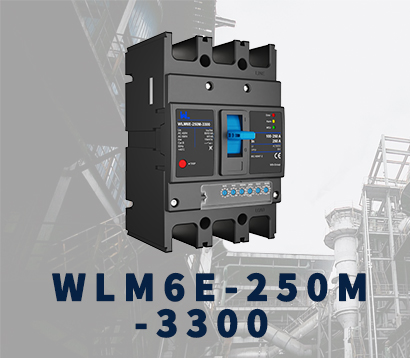 WLM6E-250A-3300
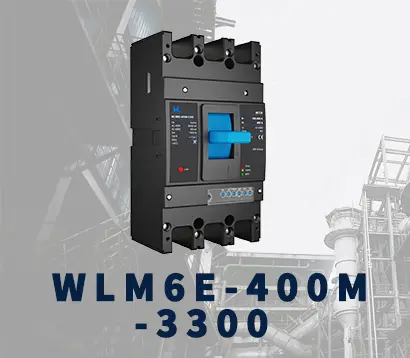 WLM6E-400A-3300 3P/4P
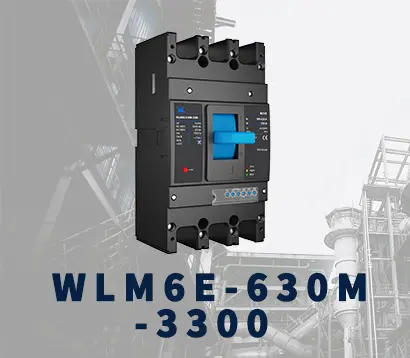 WLM6E-630A-3300
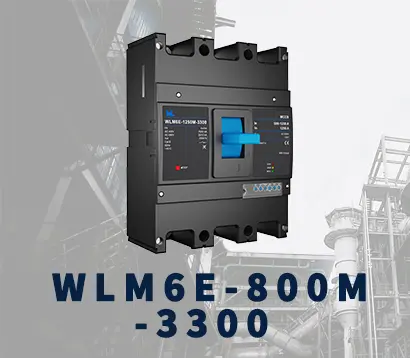 WLM6E-800A-3300 3P/4P
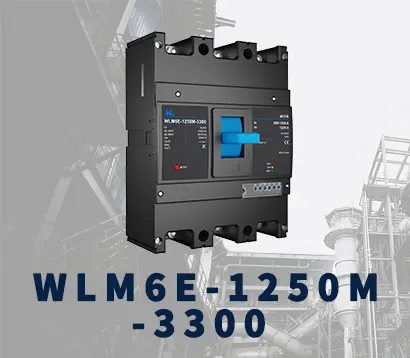 WLM6E-1250A-3300
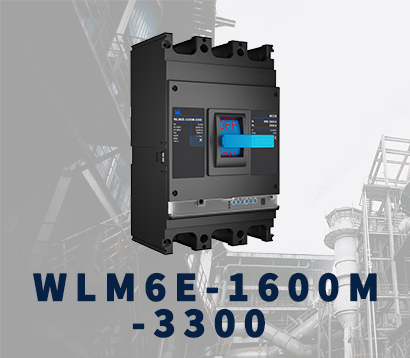 WLM6E-1600-3300 3P/4P
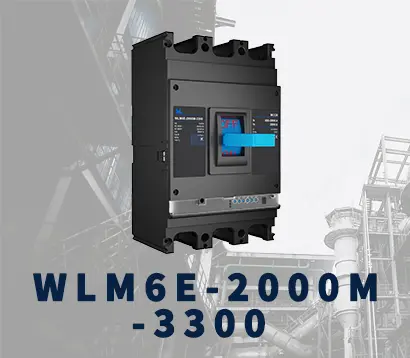 WLM6E-2000A-3300 3P/4P
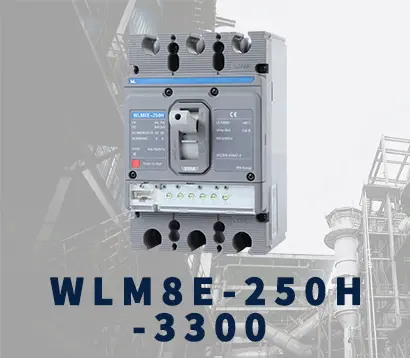 WLM8E-250H-3300
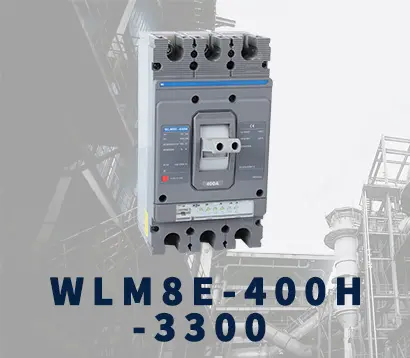 WLM8E-400H-3300
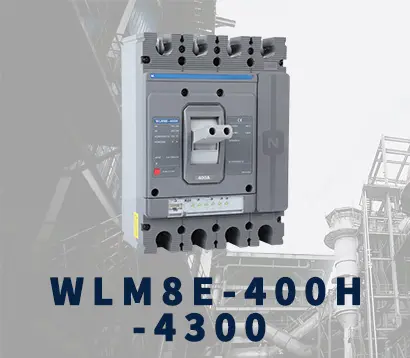 WLM8E-400H-4300
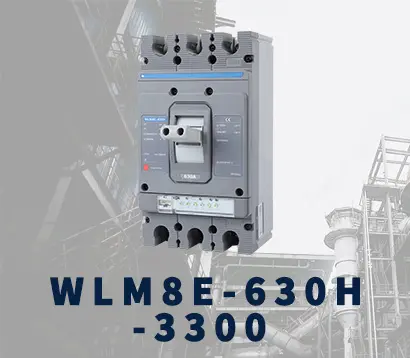 WLM8E-630H-3300
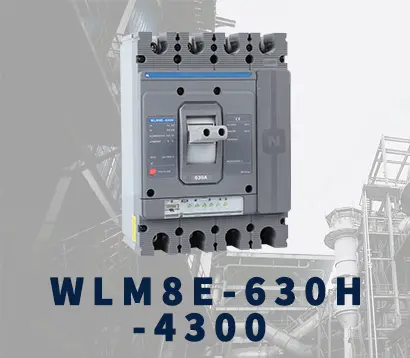 WLM8E-630H-4300
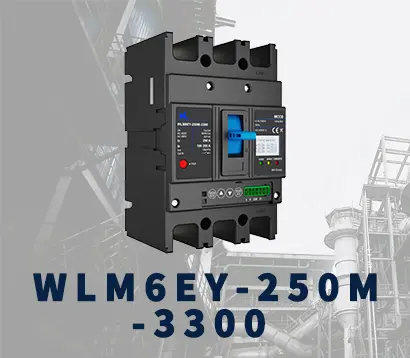 WLM6EY-250-3300 3P/4P
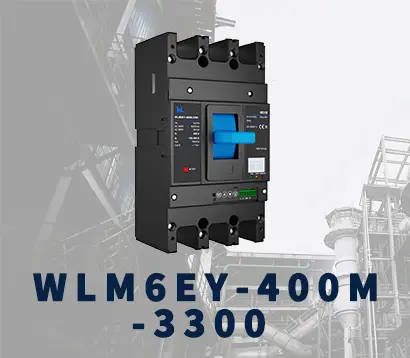 WLM6EY-400 3P/4P
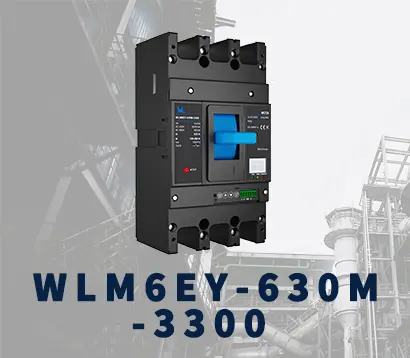 WLM6EY-630 3P/4P
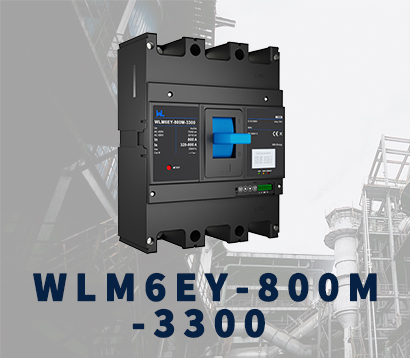 WLM6EY-800A 3P/4P
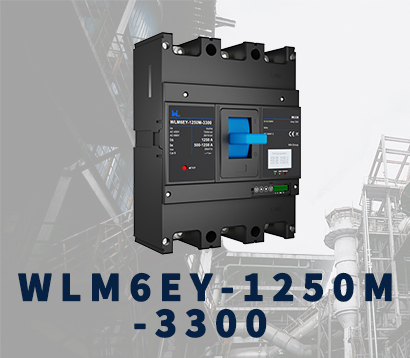 WLM6EY-1250A 3P/4P
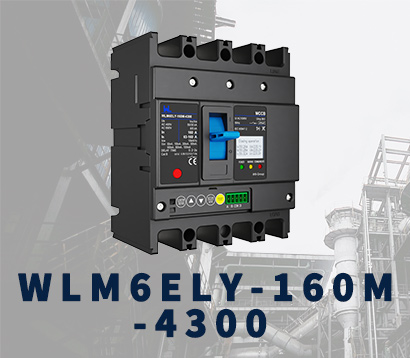 WLM6ELY-160A
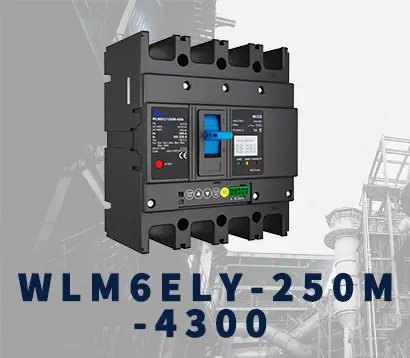 WLM6ELY-250A
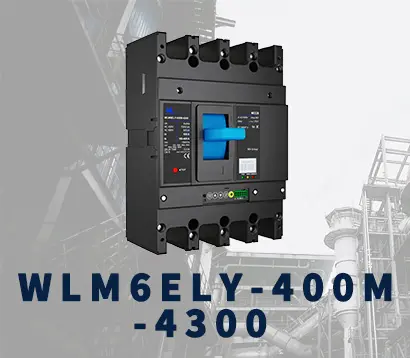 WLM6ELY-400A
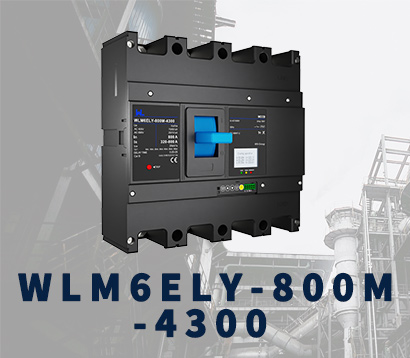 WLM6ELY-800A
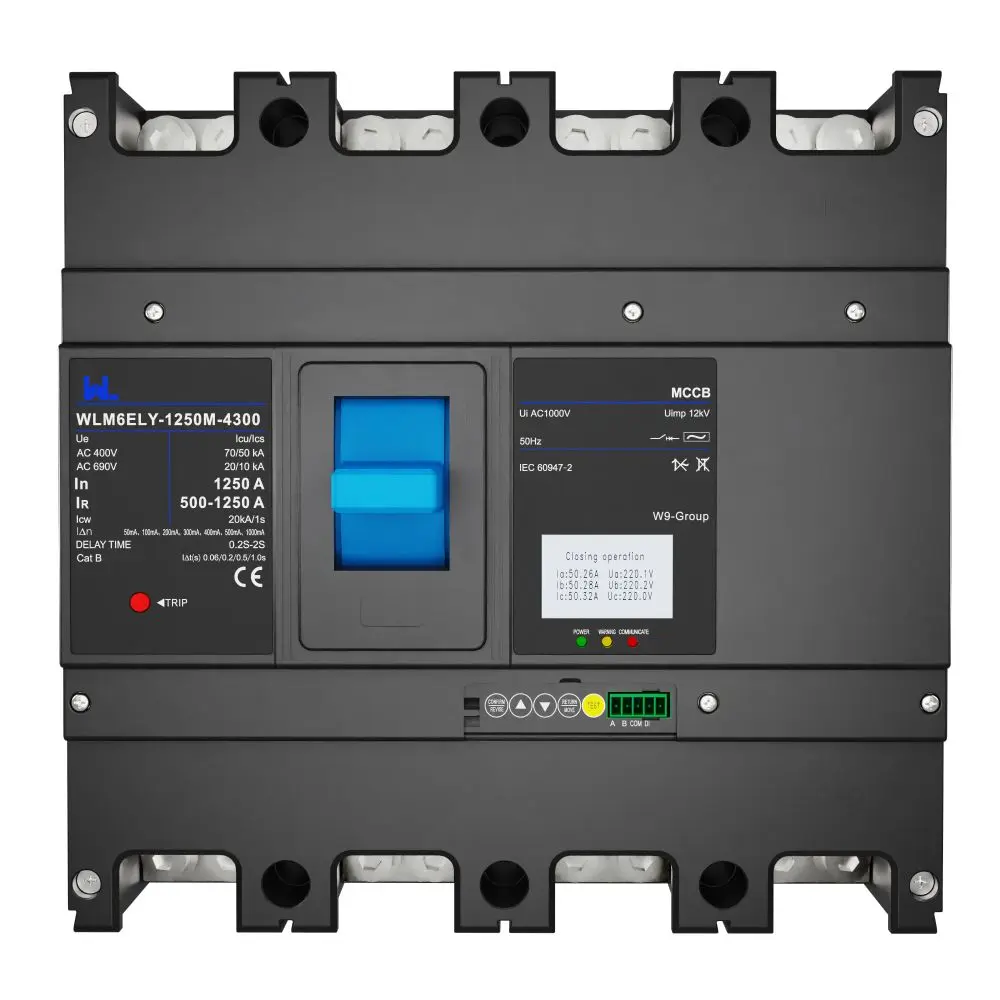 WLM6ELY-1250A
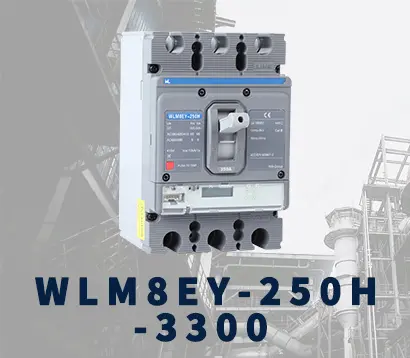 WLM8EY-250H-3300
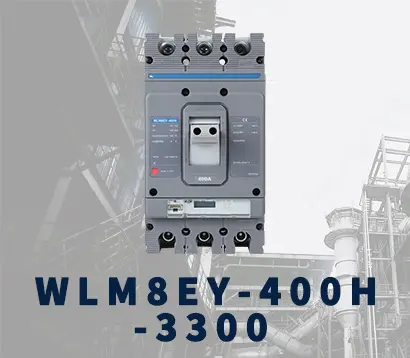 WLM8EY-400H-3300
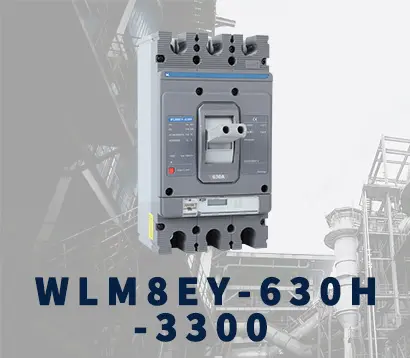 WLM8EY-630H-3300
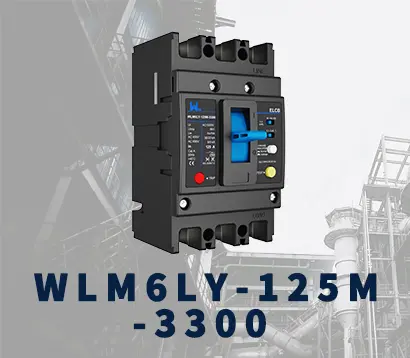 WLM6LY-125A
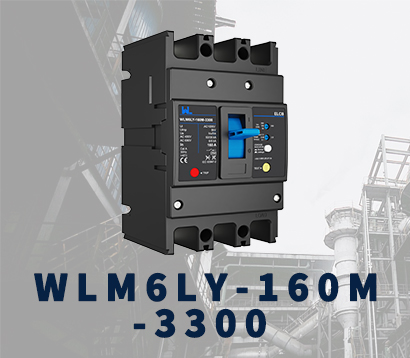 WLM6L-160A
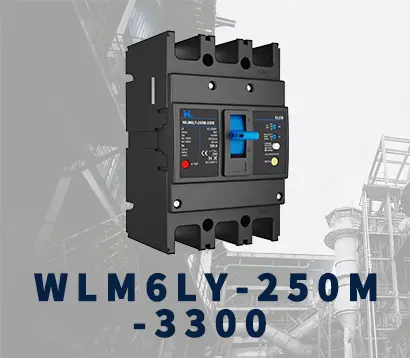 WLM6LY-250A
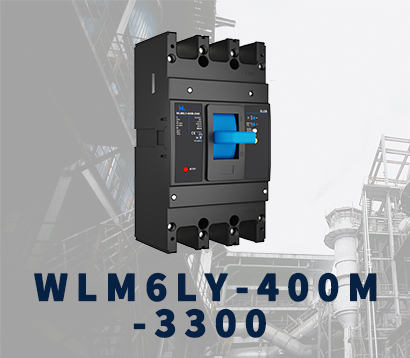 WLM6LY-400A
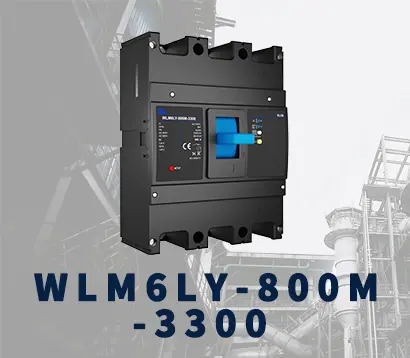 WLM6LY-800A
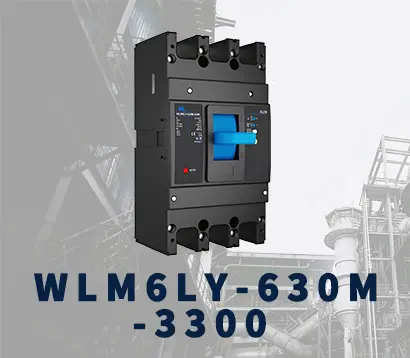 WLM6LY-630A
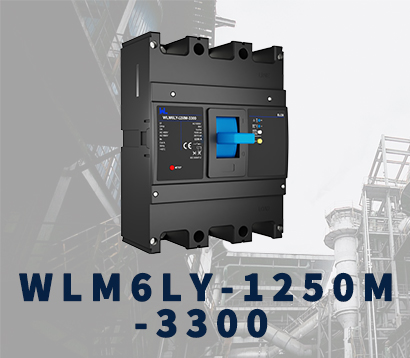 WLM6LY-1250A
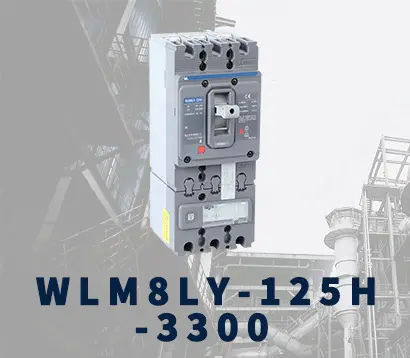 WLM8LY-125H-3300
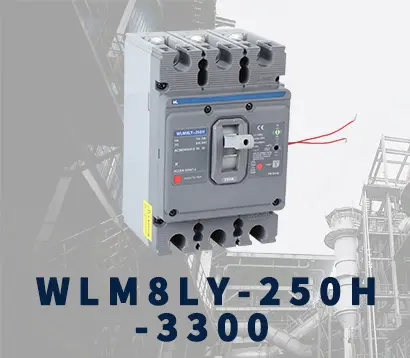 WLM8LY-250H-3300
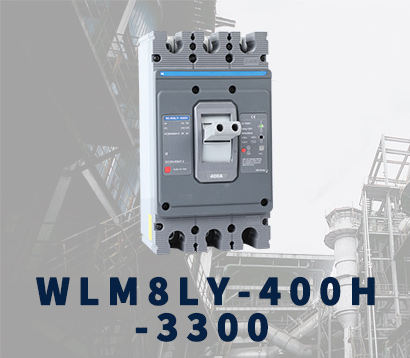 WLM8LY-400H-3300
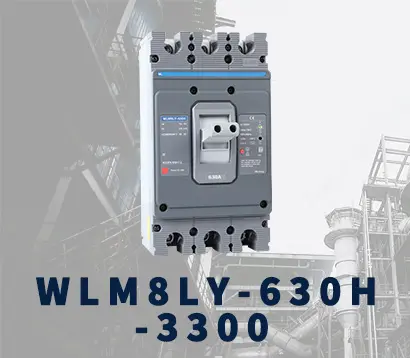 WLM8LY-630H-3300
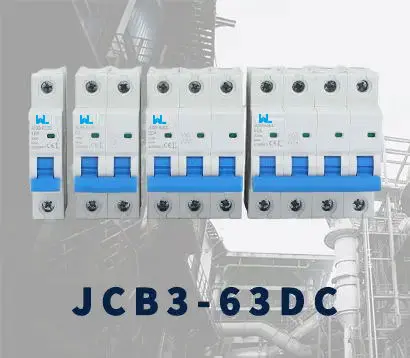 JCB3-63DC
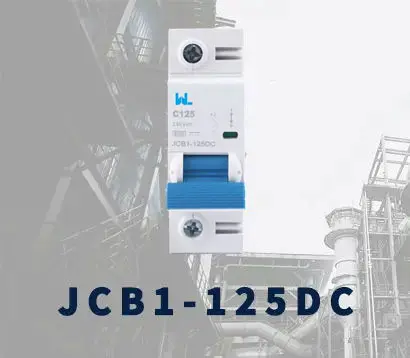 JCB1-125DC
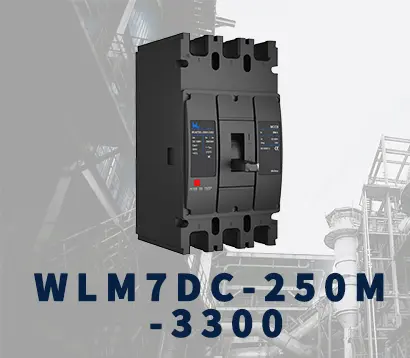 WLM7DC-250A-2300 2P/3P
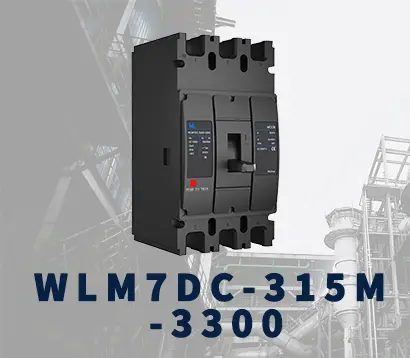 WLM7DC-315A-3300 2P/3P
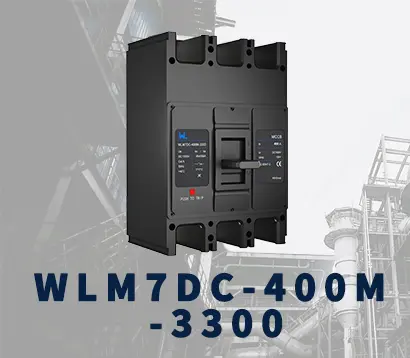 WLM7DC-400A-2300 2P/3P
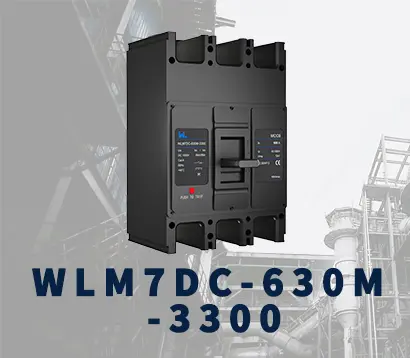 WLM7DC-630A-3300 3P
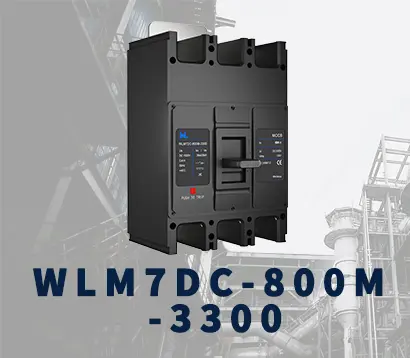 WLM7DC-800A-2300 2P/3P
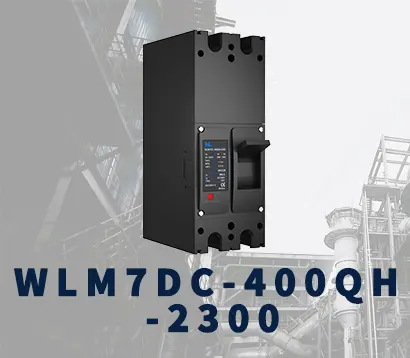 WLM7DC-400A 2300
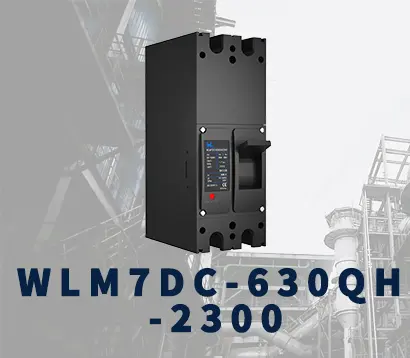 WLM7DC-630A-2300 2P
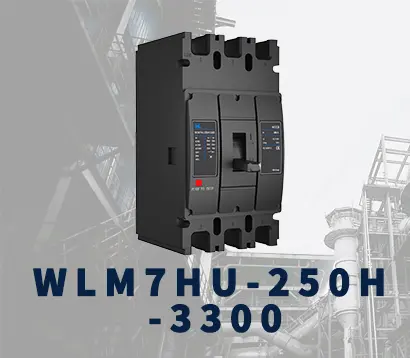 WLM7HU-250-3300 3P
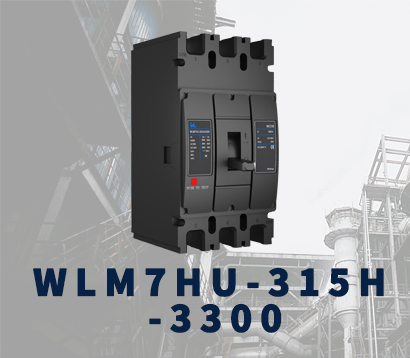 WLM7HU-315-3300 3P
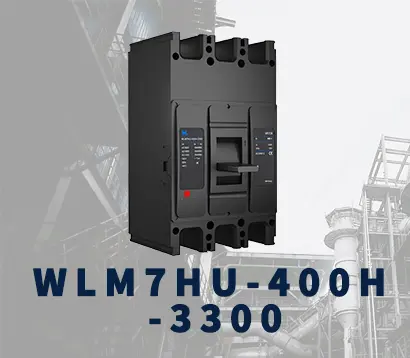 WLM7HU-400-3300 3P
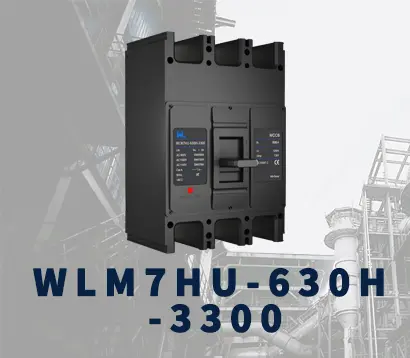 WLM7HU-630-3300 3P
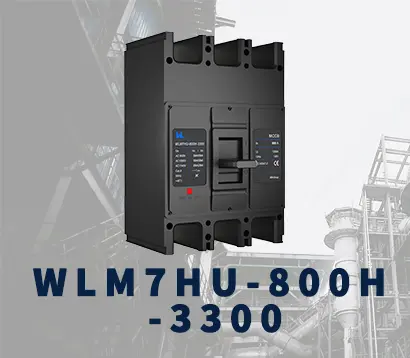 WLM7HU-800-3300 3P
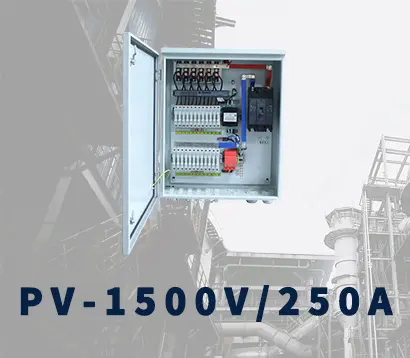 PV-1500V/250A
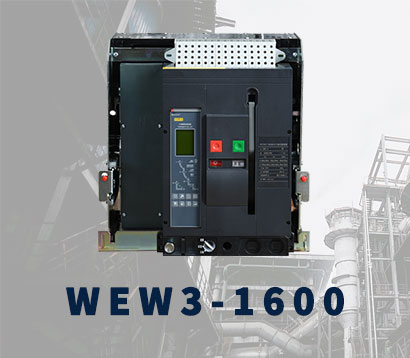 WEW3-1600
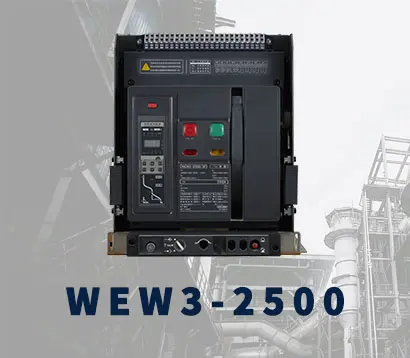 WEW3-2500
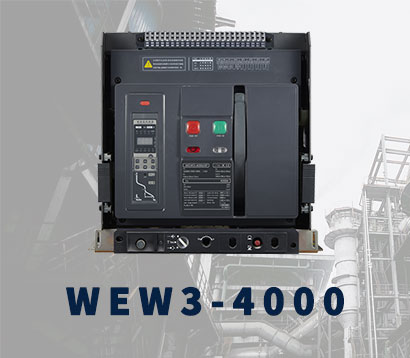 WEW3-4000
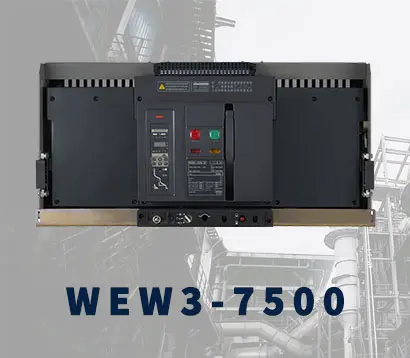 WEW3-7500