
 JCB1-125
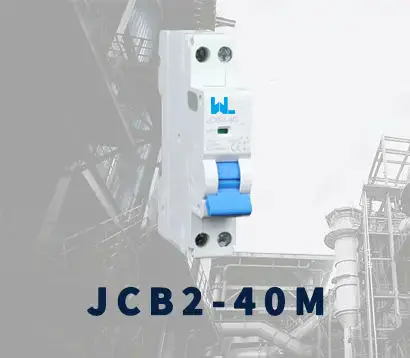 JCB2-40M
 JCB3-63DC
 JCB3-80H
 JCB3-80M
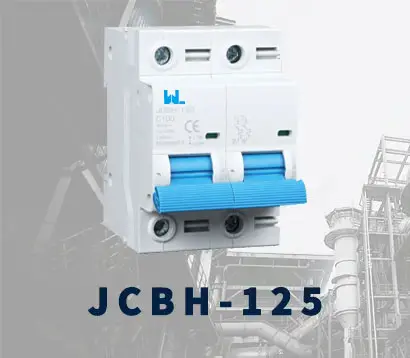 JCBH-125
 JC80-2P
 JC80-4P
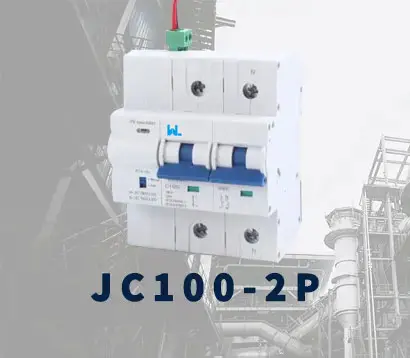 JC125-2P
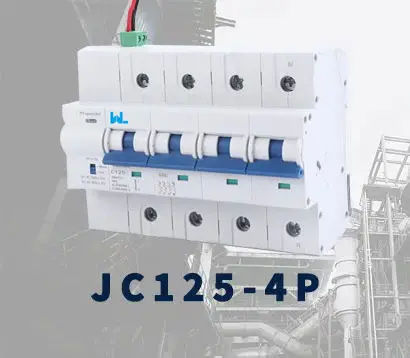 JC125-4P
 JCMX
JCMX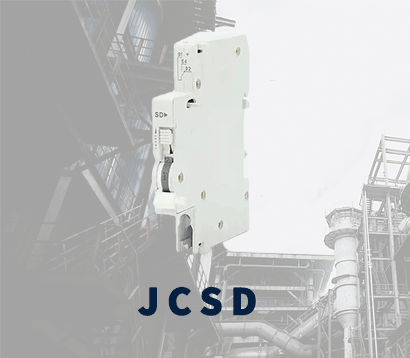 JCSD
JCSD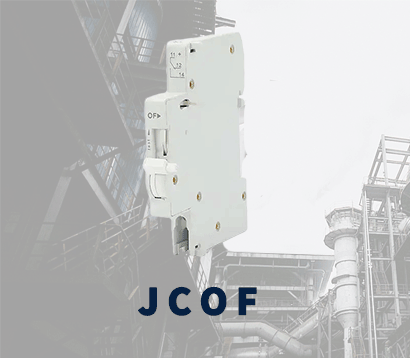 JCOF
JCOF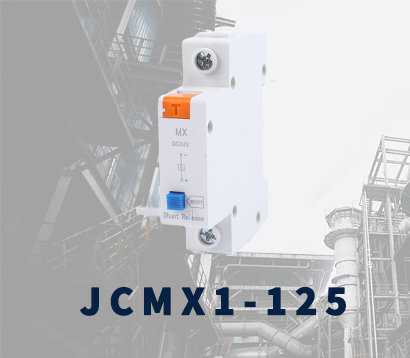 JCMX1-125
 JCOF1-125
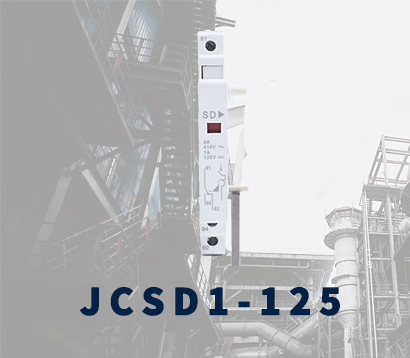 JCSD1-125
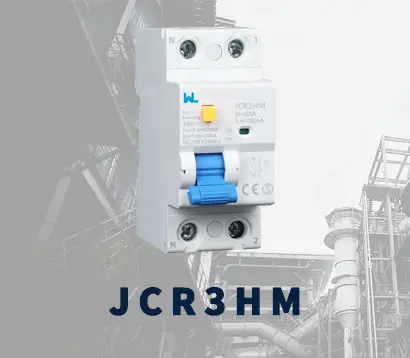 JCR3HM
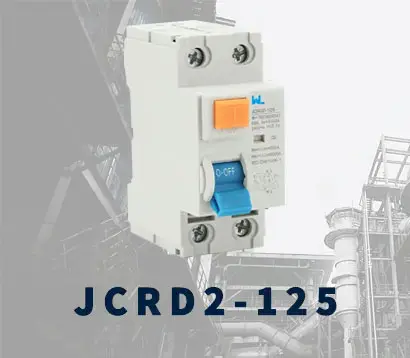 JCRD2-125
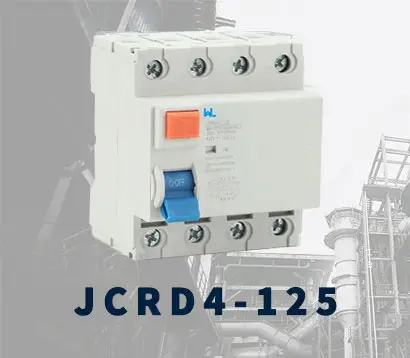 JCRD4-125
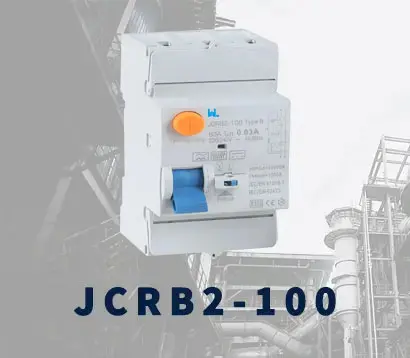 JCRB2-100
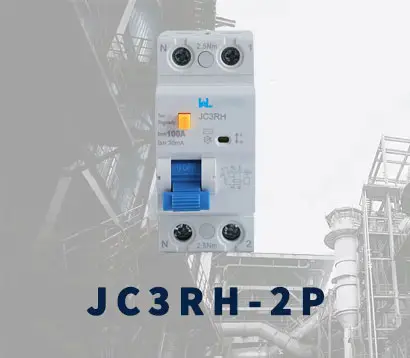 JC3RH-2P
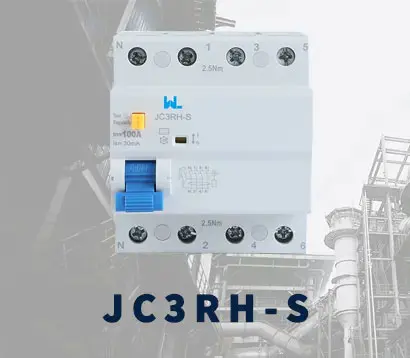 JC3RH-S
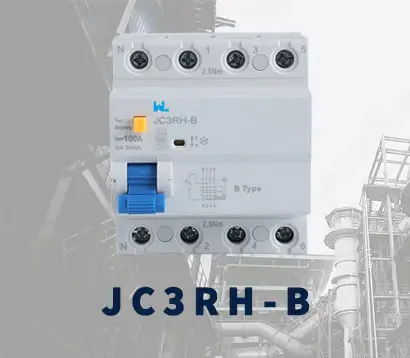 JC3RH-B
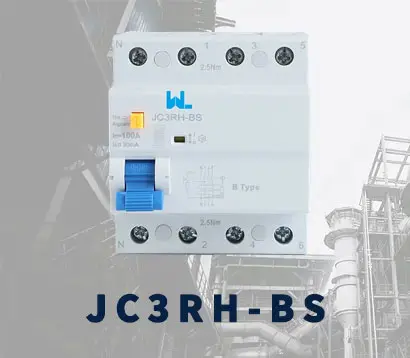 JC3RH-BS
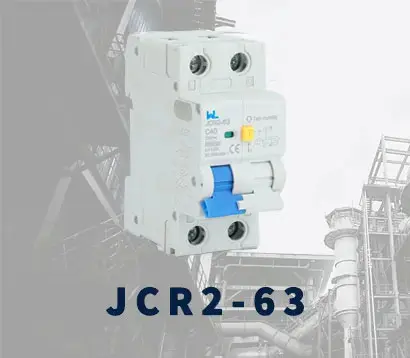 JCR2-63
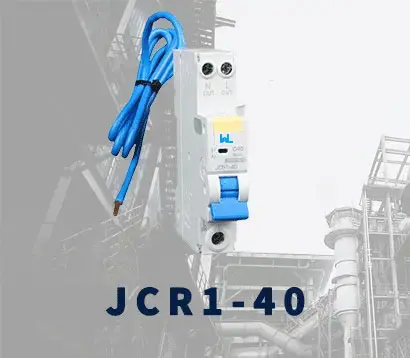 JCR1-40
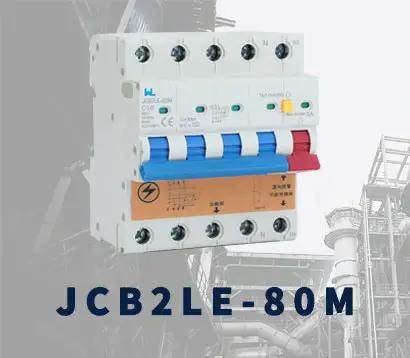 JCB2LE-80M
 JCB2LE-80M
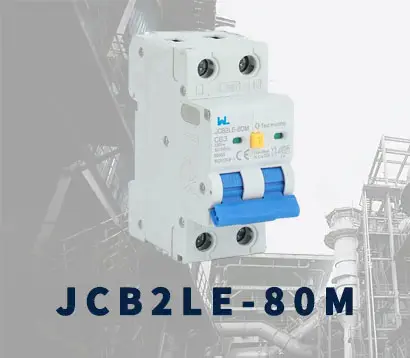 JCB2LE-80M
 JCB2LE-40M
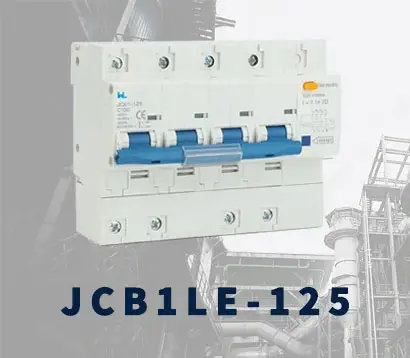 JCB1LE-125
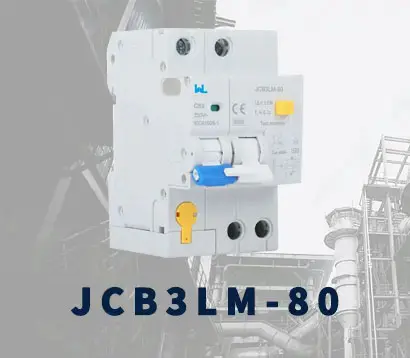 JCB3LM-80
 JCH2-125
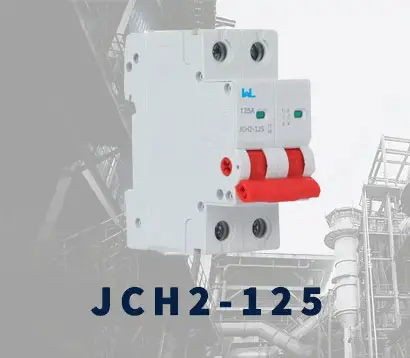 JCH2-125
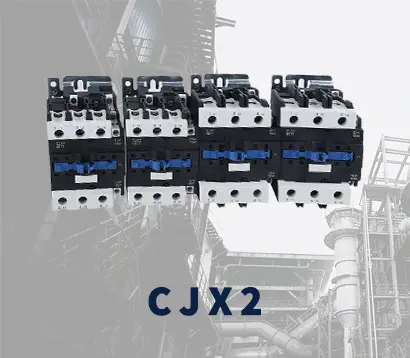 CJX2
CJX2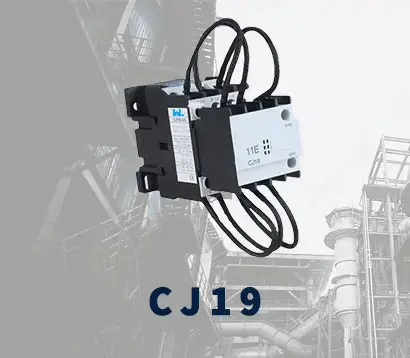 CJ19
CJ19 JCMCU
JCMCU JCHA
JCHA JCSD-40
 JCSD-60
 JCSP-40
 JCSP-60
 JCSPV
JCSPV WEW1-1000
 WEW1-1600
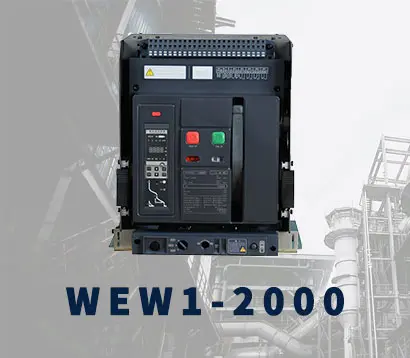 WEW1-2000
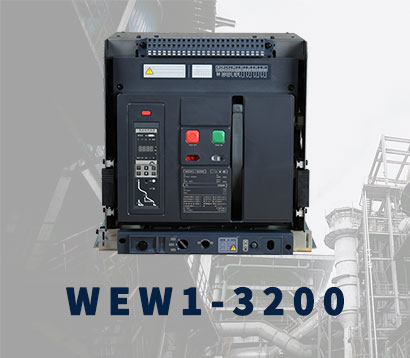 WEW1-3200
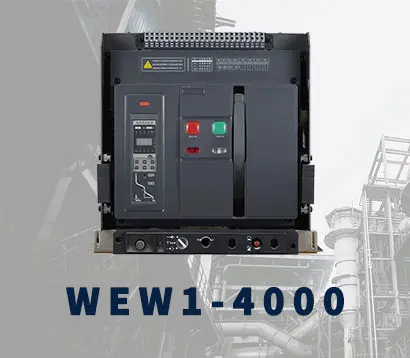 WEW1-4000
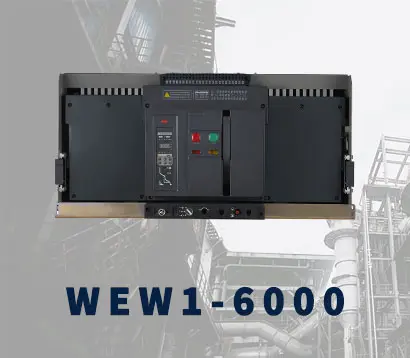 WEW1-6300
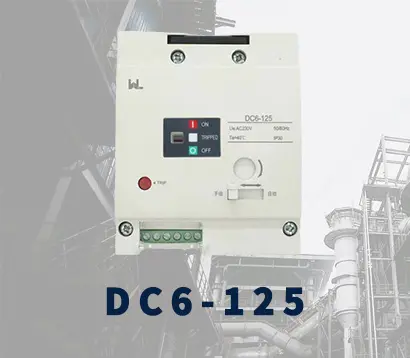 DC6-125
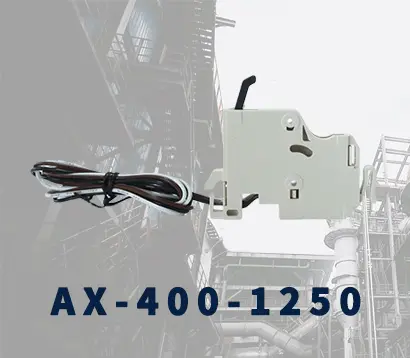 AX-400-1250
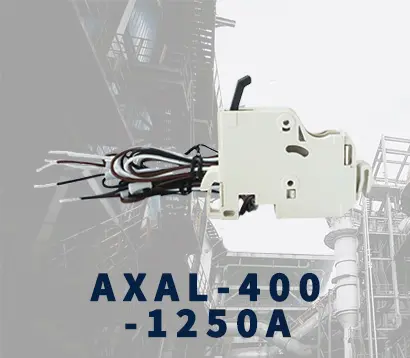 AXAL-400-1250A
 AL-400-1250
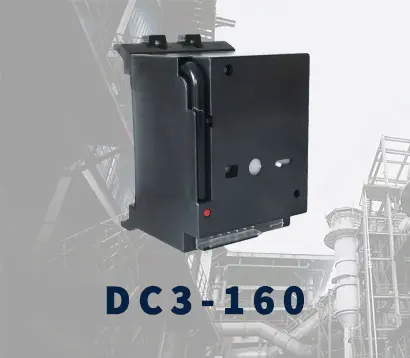 DC3-160
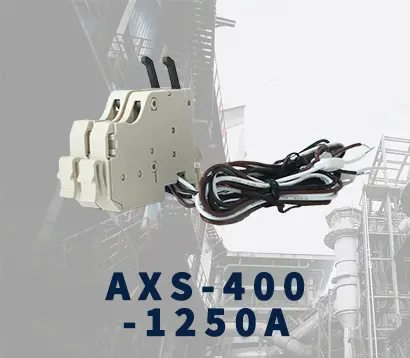 AXS-400-1250A
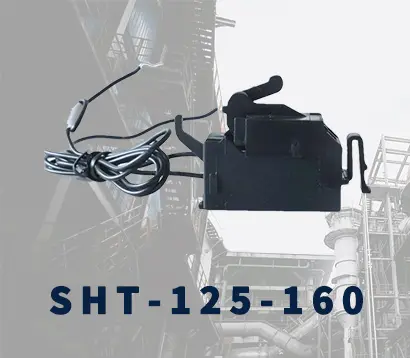 SHT-125-160
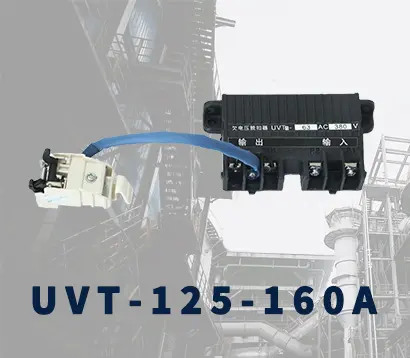 UVT-125-160A
 P-250A-3P-A
 400-3P/4P terminal cover
 1250-3Pmccb accessories busbar
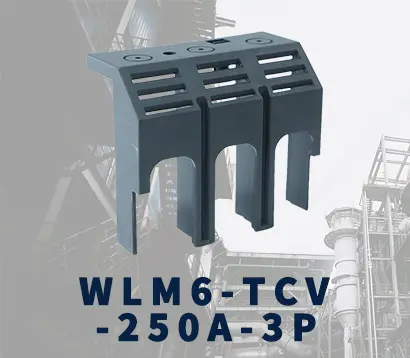 250-3P terminal conver
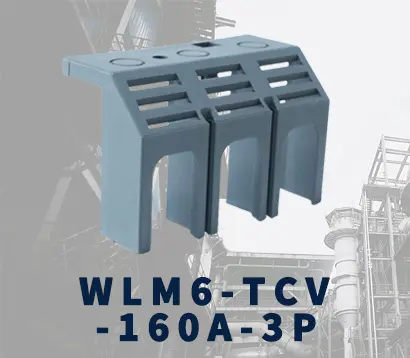 WLM6-TCV-160A-3P
 WLM6-MIP-250A
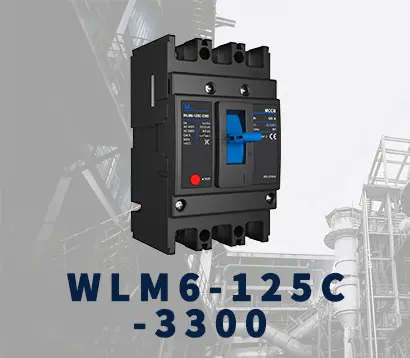 WLM6-125A-3300 3P/4P
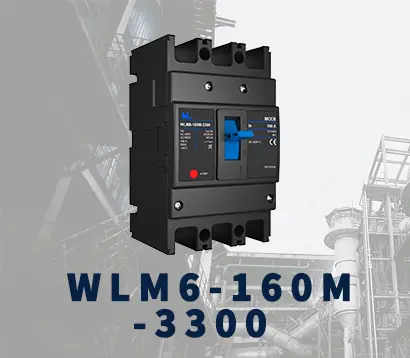 WLM6-160A-3300 3P/4P
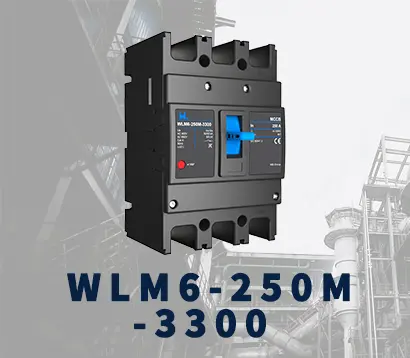 WLM6-250A-3300 3P/4P
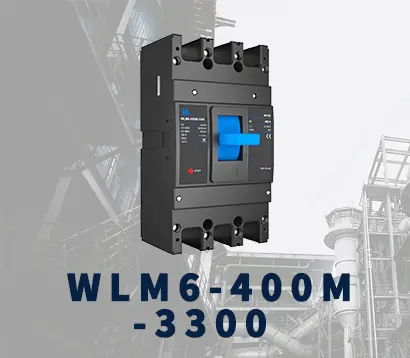 WLM6-400A-3300 3P/4P
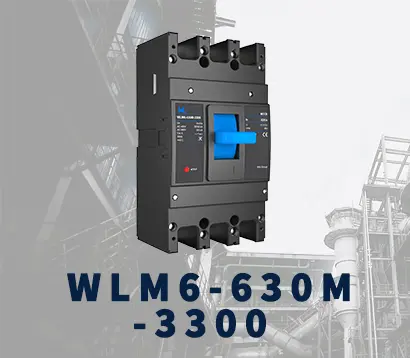 WLM6-630A-3300 3P/4P
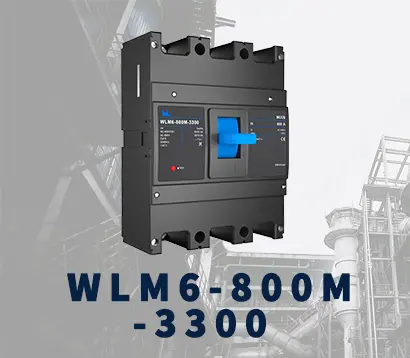 WLM6-800A-3300 3P/4P
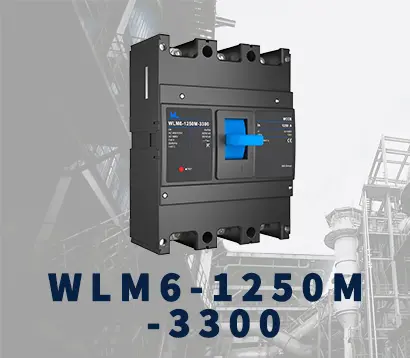 WLM6-1250A-3300 3P/4P
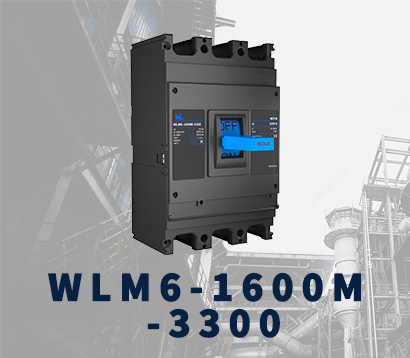 WLM6-1600A-3300 3P/4P
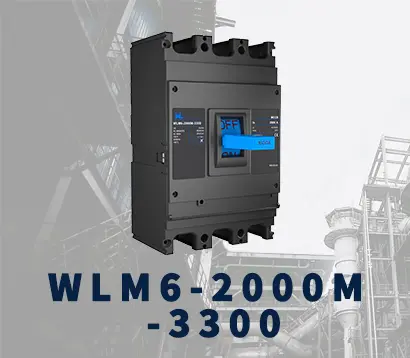 WLM6-2000A 3P/4P
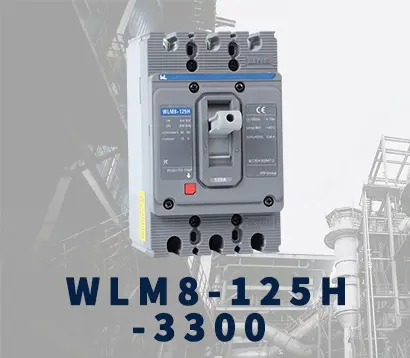 WLM8-125H-3300
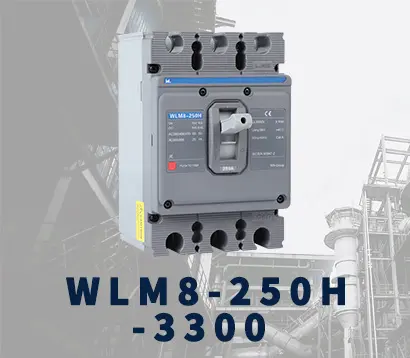 WLM8-250H-3300
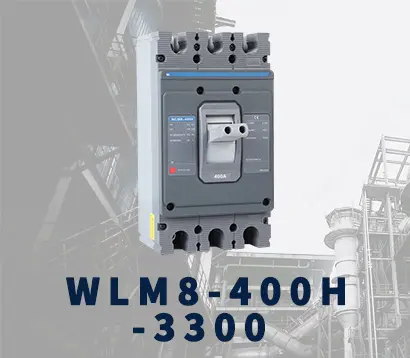 WLM8-400H-3300
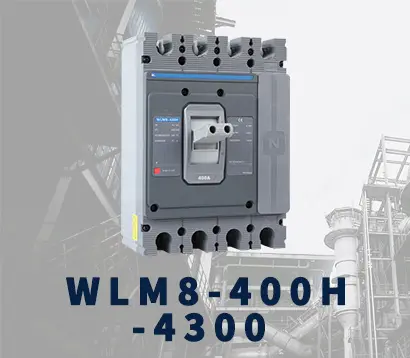 WLM8-400H-4300
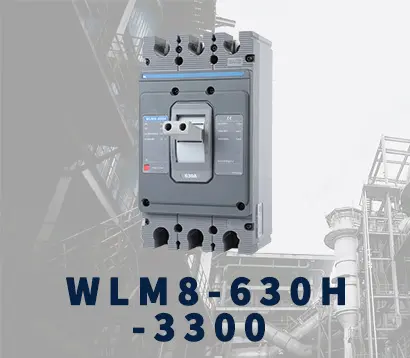 WLM8-630H-3300
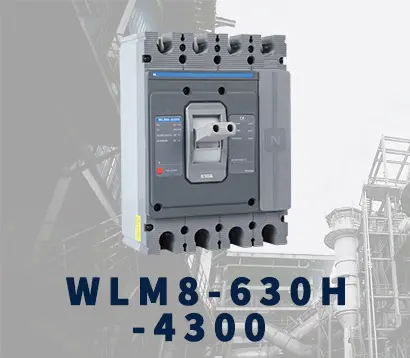 WLM8-630H-4300
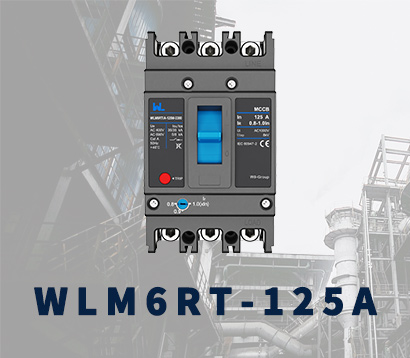 WLM6RT-125A
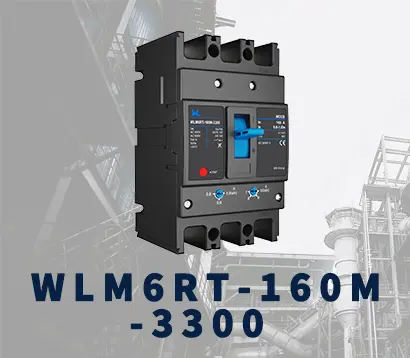 WLM6RT-160A
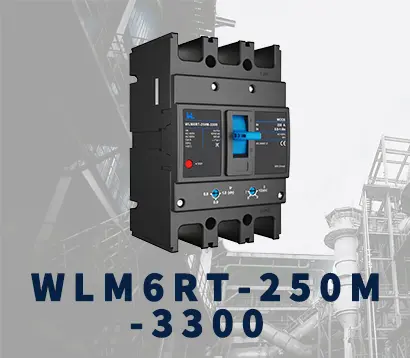 WLM6RT-250A
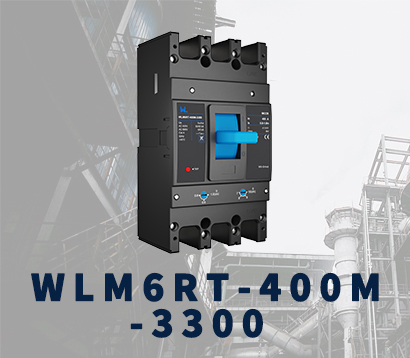 WLM6RT-400A
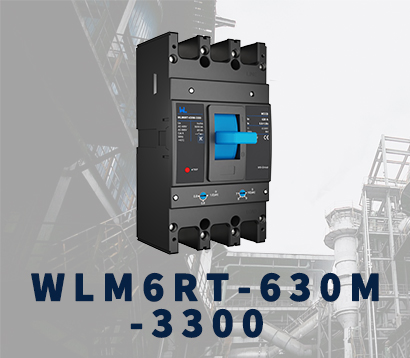 WLM6RT-630A
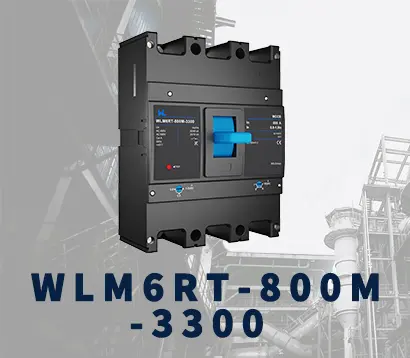 WLM6RT-800A
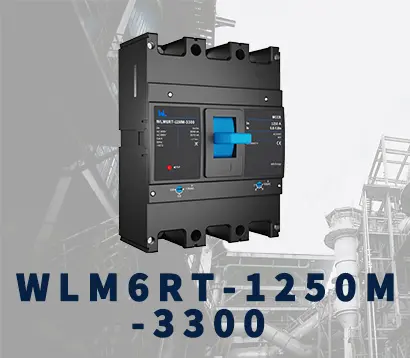 WLM6RT-1250A
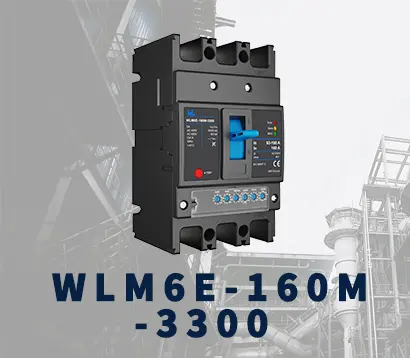 WLM6E-160A-3300 3P
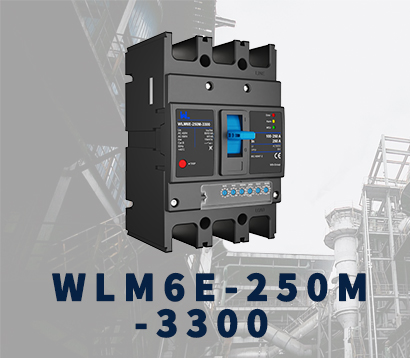 WLM6E-250A-3300
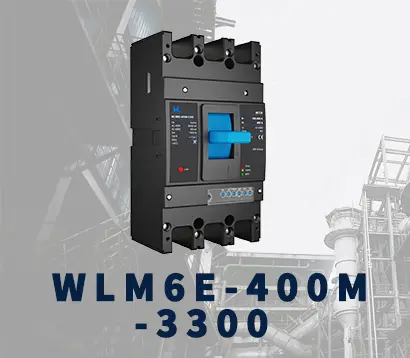 WLM6E-400A-3300 3P/4P
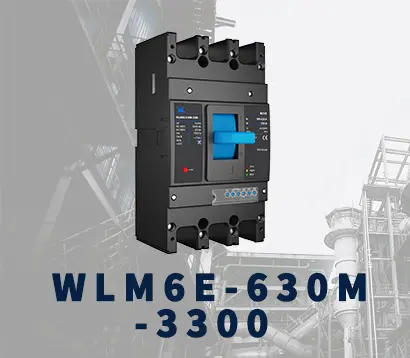 WLM6E-630A-3300
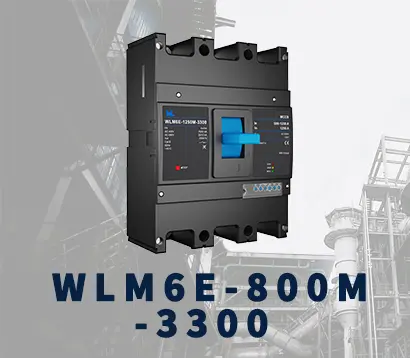 WLM6E-800A-3300 3P/4P
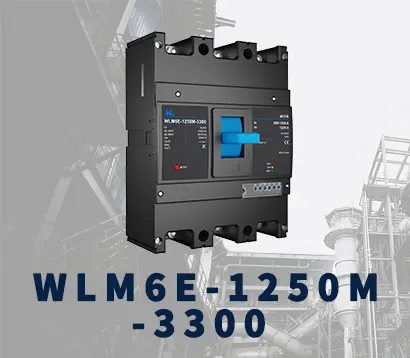 WLM6E-1250A-3300
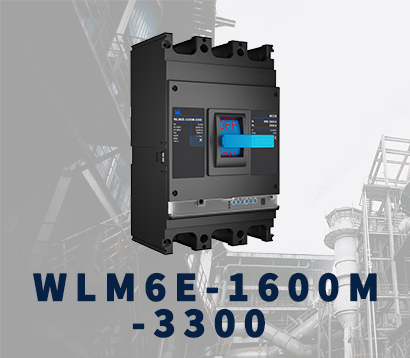 WLM6E-1600-3300 3P/4P
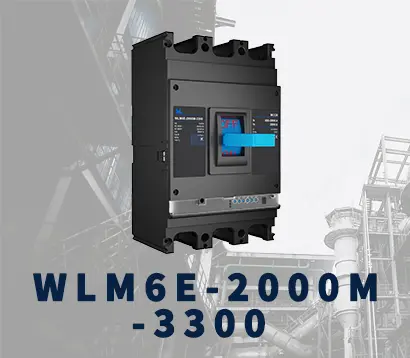 WLM6E-2000A-3300 3P/4P
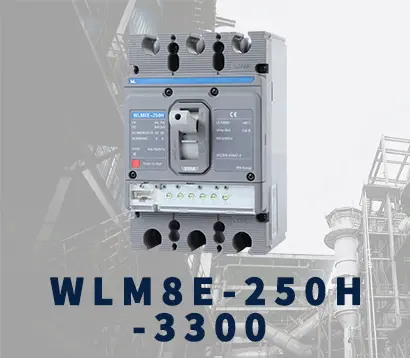 WLM8E-250H-3300
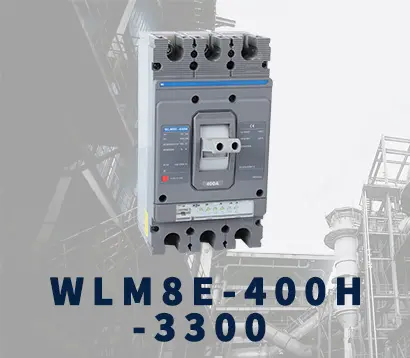 WLM8E-400H-3300
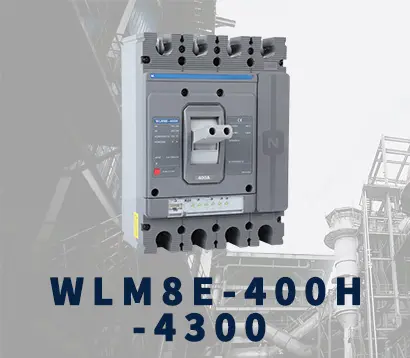 WLM8E-400H-4300
 WLM8E-630H-3300
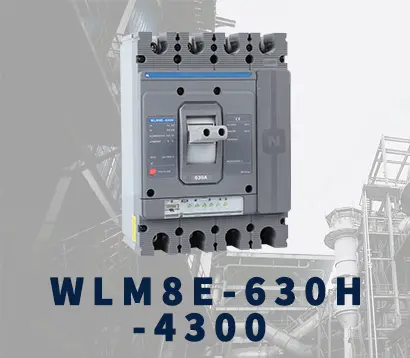 WLM8E-630H-4300
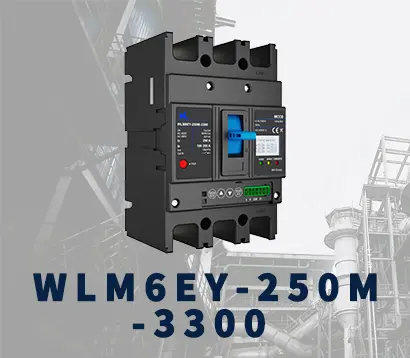 WLM6EY-250-3300 3P/4P
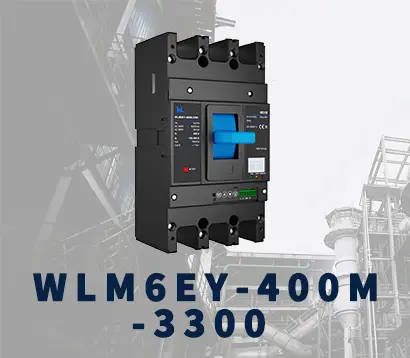 WLM6EY-400 3P/4P
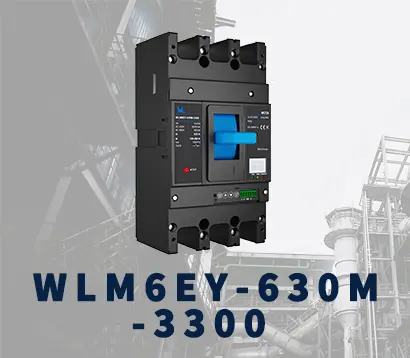 WLM6EY-630 3P/4P
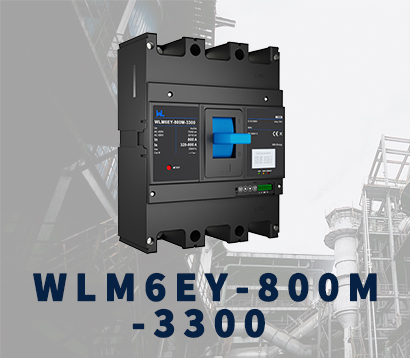 WLM6EY-800A 3P/4P
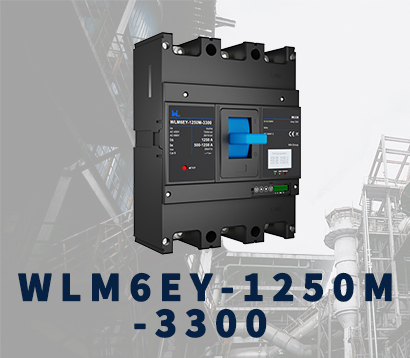 WLM6EY-1250A 3P/4P
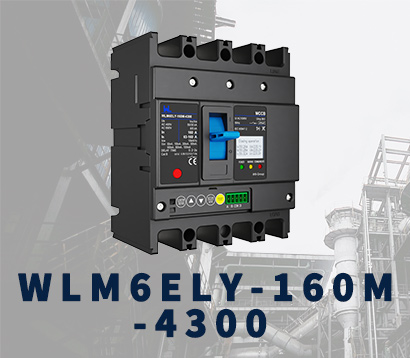 WLM6ELY-160A
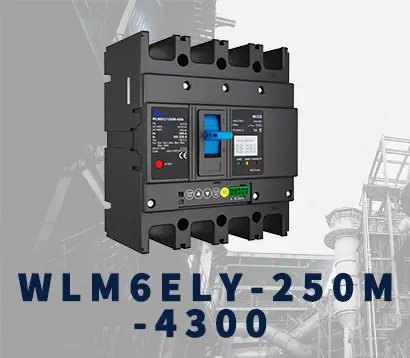 WLM6ELY-250A
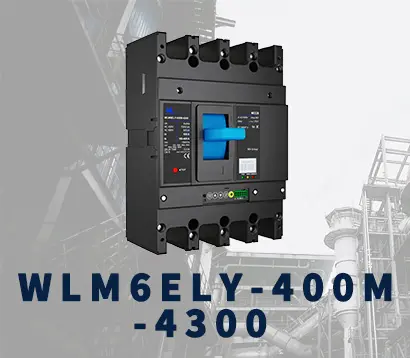 WLM6ELY-400A
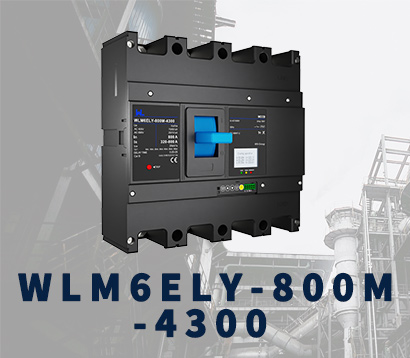 WLM6ELY-800A
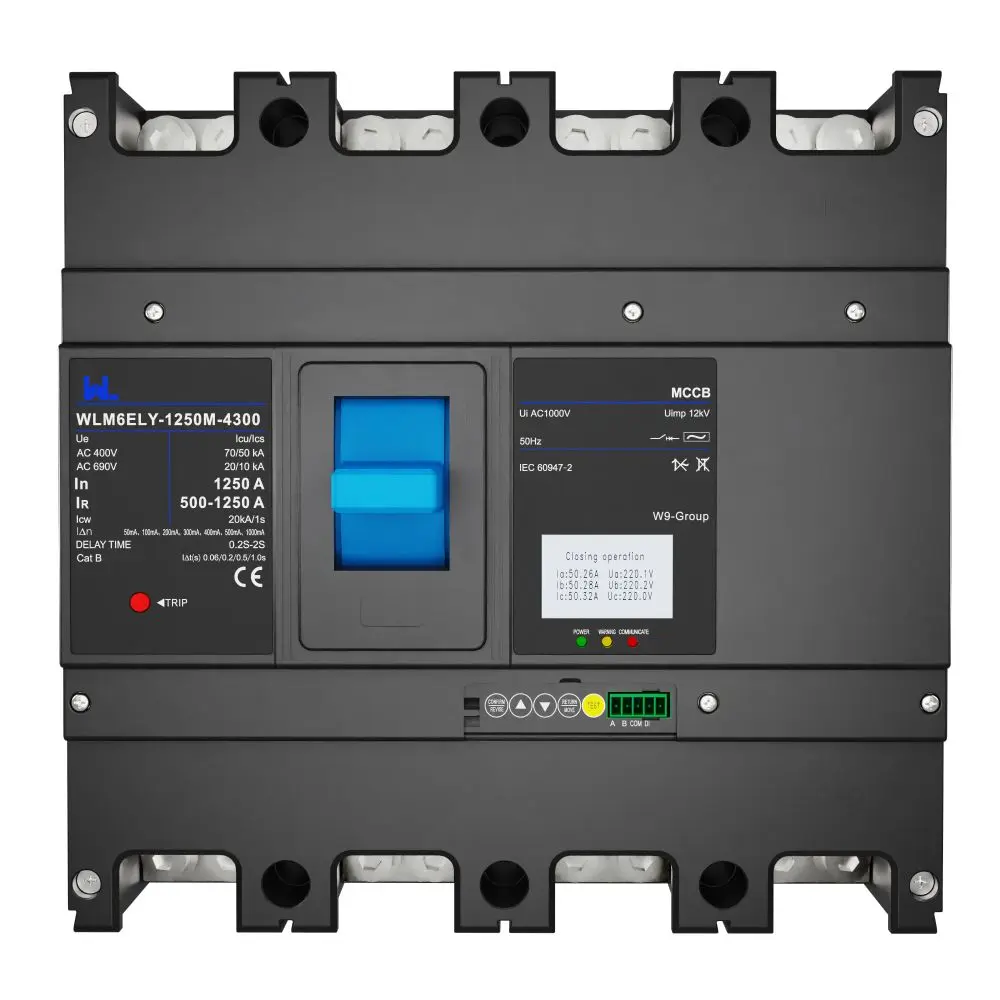 WLM6ELY-1250A
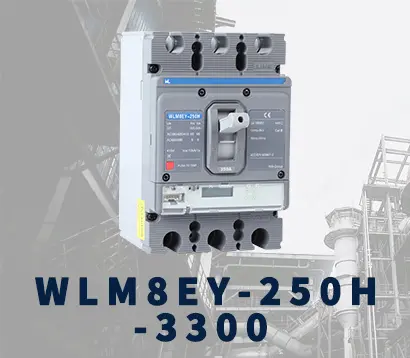 WLM8EY-250H-3300
 WLM8EY-400H-3300
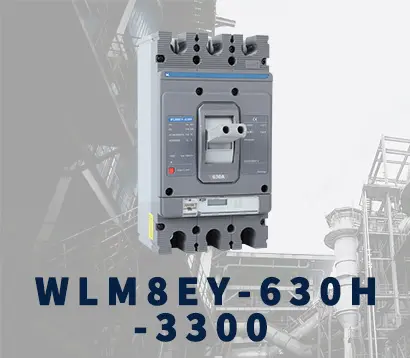 WLM8EY-630H-3300
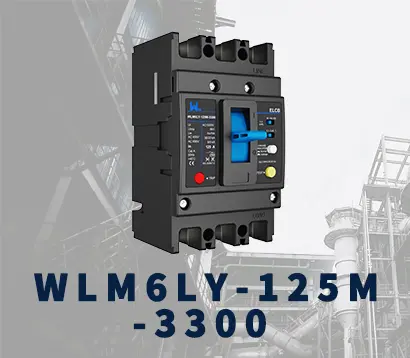 WLM6LY-125A
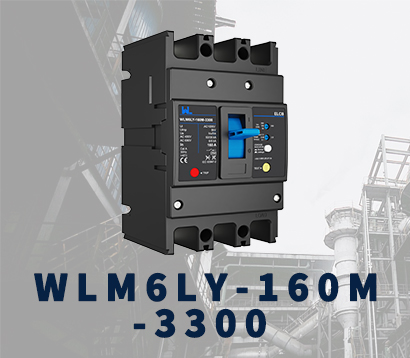 WLM6L-160A
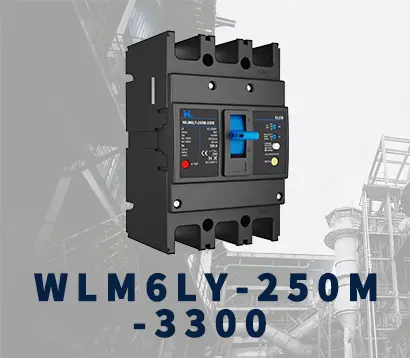 WLM6LY-250A
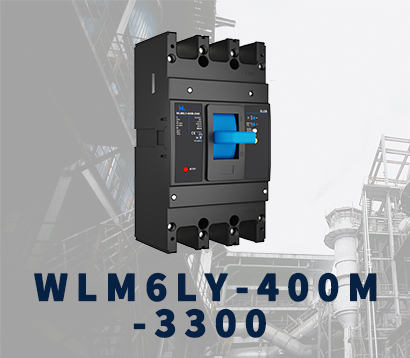 WLM6LY-400A
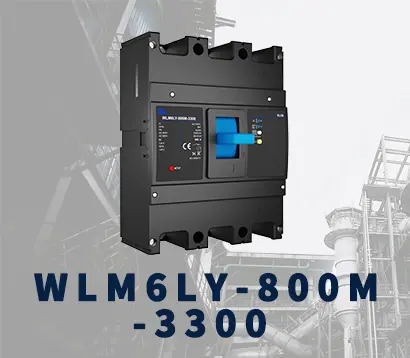 WLM6LY-800A
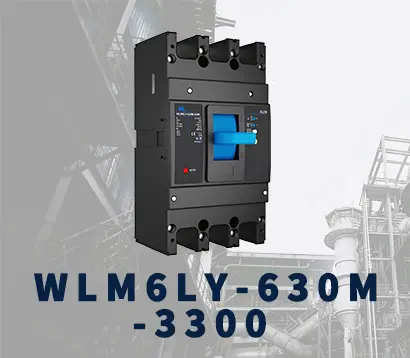 WLM6LY-630A
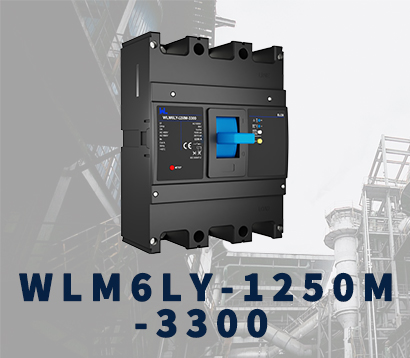 WLM6LY-1250A
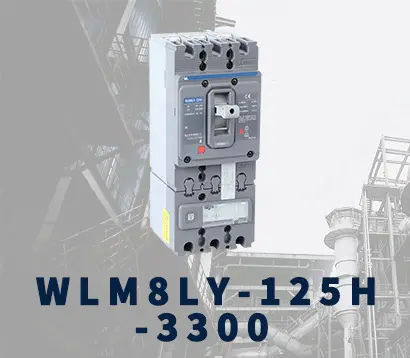 WLM8LY-125H-3300
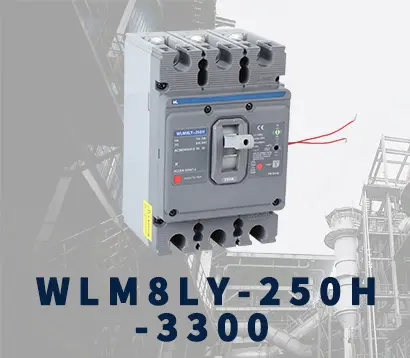 WLM8LY-250H-3300
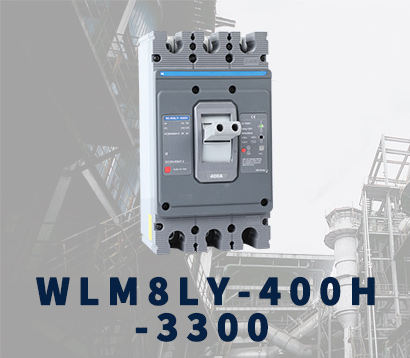 WLM8LY-400H-3300
 WLM8LY-630H-3300
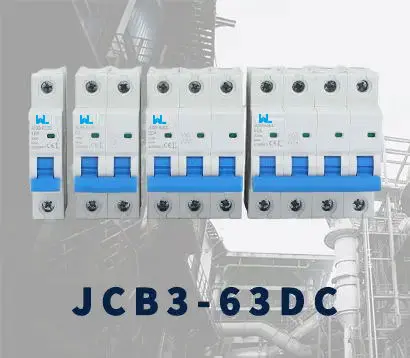 JCB3-63DC
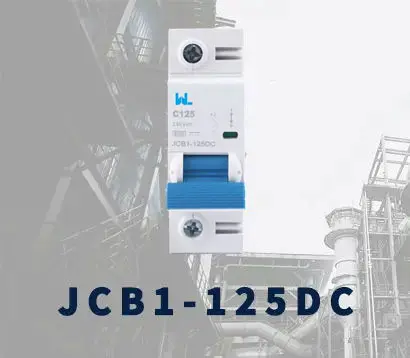 JCB1-125DC
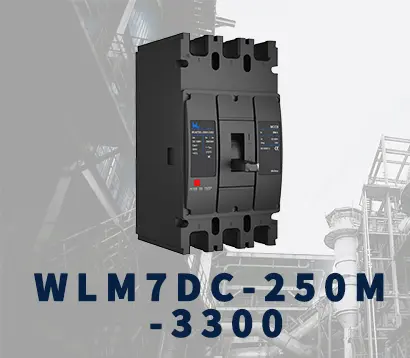 WLM7DC-250A-2300 2P/3P
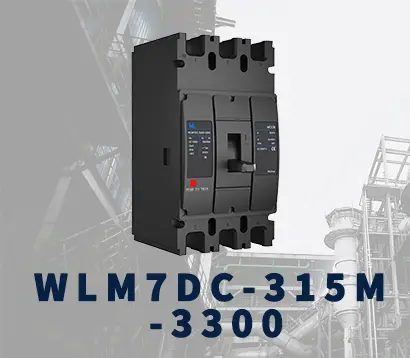 WLM7DC-315A-3300 2P/3P
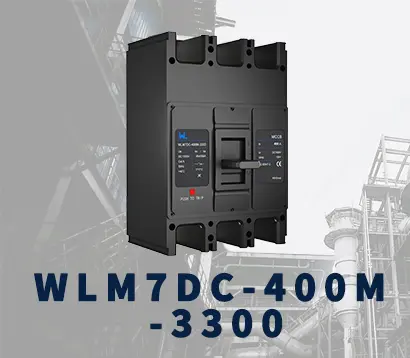 WLM7DC-400A-2300 2P/3P
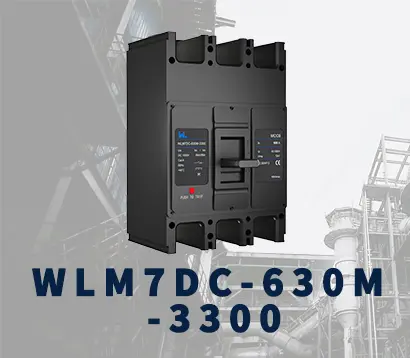 WLM7DC-630A-3300 3P
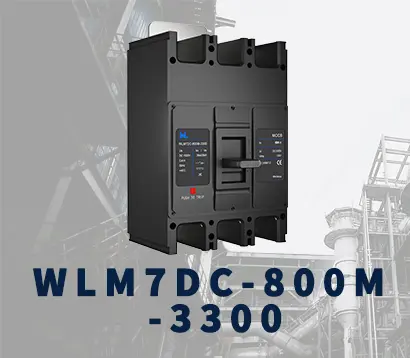 WLM7DC-800A-2300 2P/3P
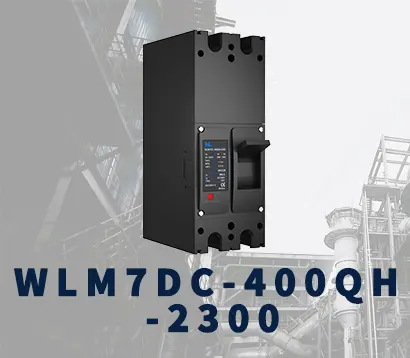 WLM7DC-400A 2300
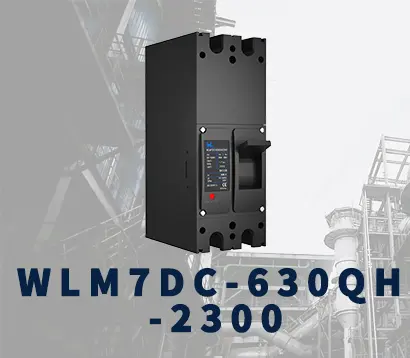 WLM7DC-630A-2300 2P
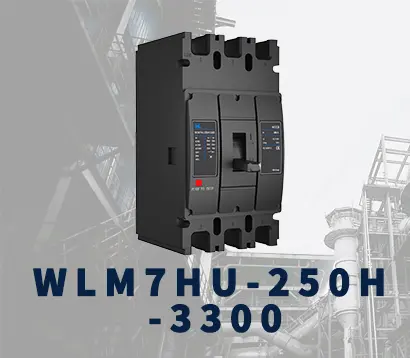 WLM7HU-250-3300 3P
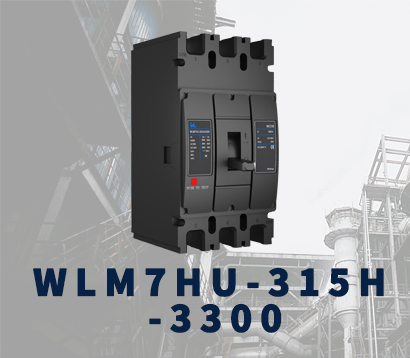 WLM7HU-315-3300 3P
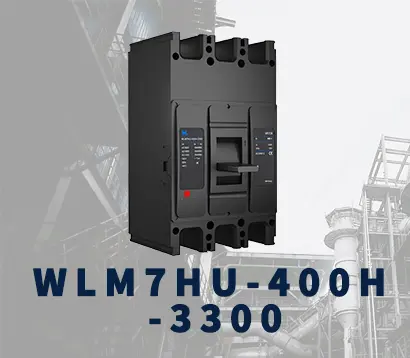 WLM7HU-400-3300 3P
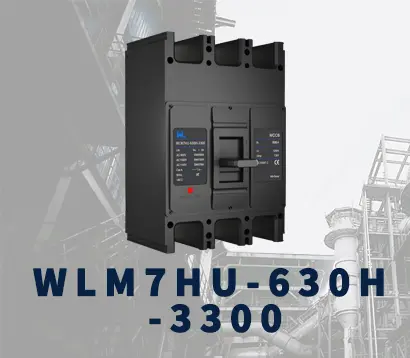 WLM7HU-630-3300 3P
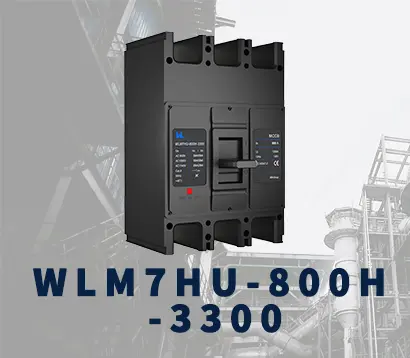 WLM7HU-800-3300 3P
 PV-1500V/250A
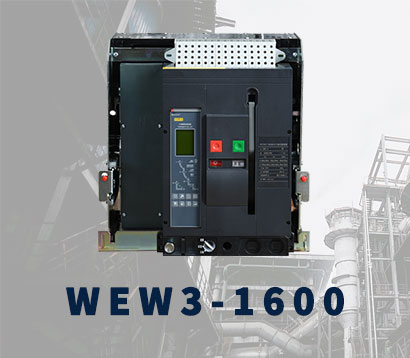 WEW3-1600
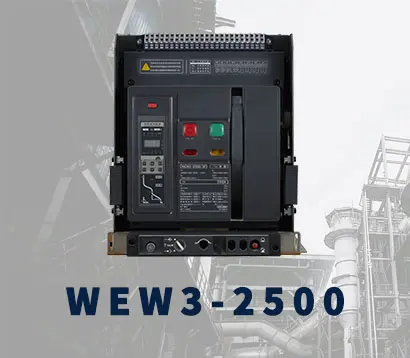 WEW3-2500
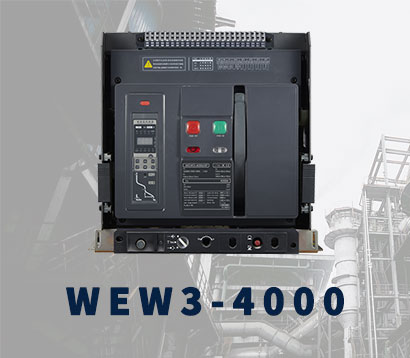 WEW3-4000
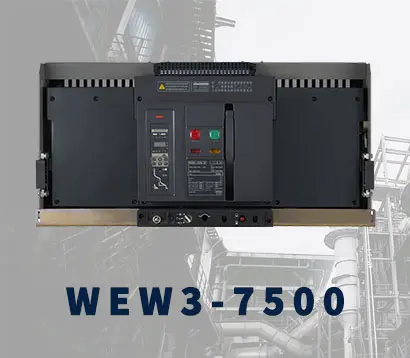 WEW3-7500





Top 10 Tips for Choosing the Right Thermal Magnetic Circuit Breaker
In an age where electrical safety and efficiency are paramount, selecting the right Thermal Magnetic Circuit Breaker (TMCB) is crucial for both residential and industrial applications. According to John Smith, a leading expert in electrical engineering, “The choice of a Thermal Magnetic Circuit Breaker can significantly impact the reliability and safety of your electrical systems.” This statement underscores the importance of understanding the various factors involved in the selection process of these essential components.
Thermal Magnetic Circuit Breakers serve a dual purpose: they provide overload protection through thermal mechanisms and short-circuit protection via magnetic mechanisms. As the demand for reliable electrical systems continues to grow, recognizing the nuances of TMCBs is vital. A well-chosen circuit breaker not only safeguards equipment but also can enhance overall system performance and longevity. In this guide, we will explore the top ten tips for selecting the right Thermal Magnetic Circuit Breaker, equipping you with the knowledge needed to make informed decisions that contribute positively to both safety and efficiency.
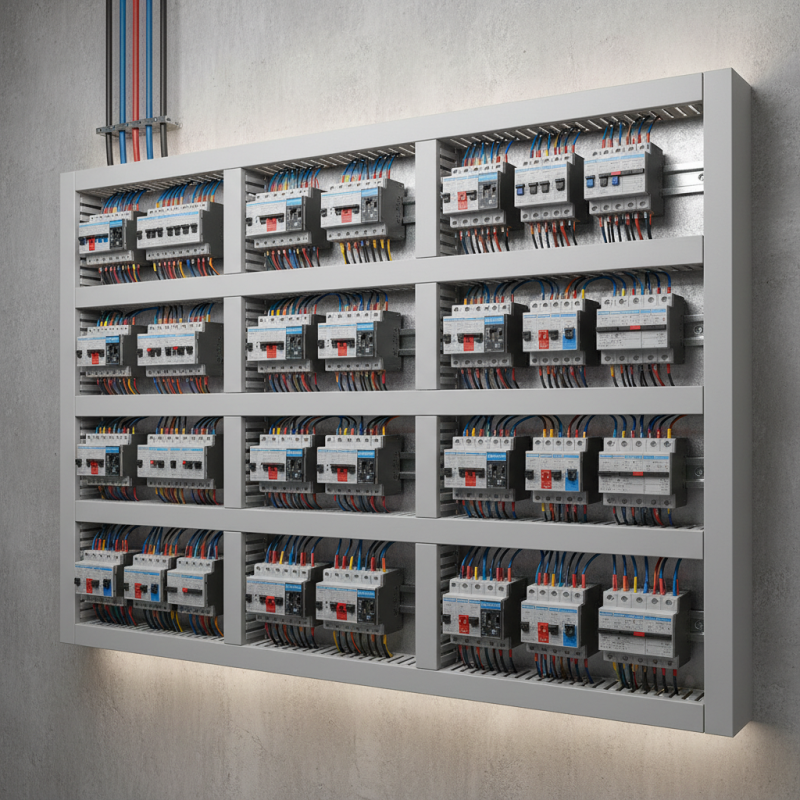
Understanding Thermal Magnetic Circuit Breakers and Their Functionality
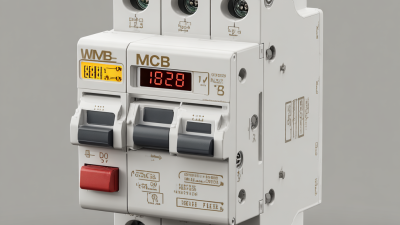
Thermal magnetic circuit breakers are essential devices designed to protect electrical circuits from overloads and short circuits. Their dual functionality combines thermal and magnetic protection: the thermal element reacts to gradual overload conditions, while the magnetic element responds to sudden surges. This two-pronged approach ensures reliable performance and safety in various electrical applications, making understanding their features crucial when selecting the right model for your needs.
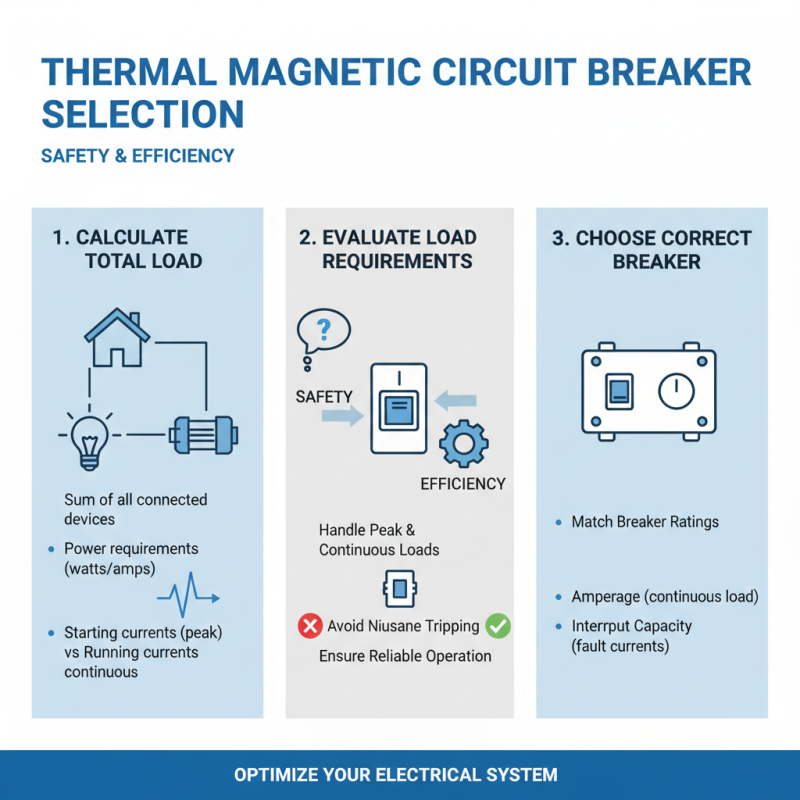
When choosing a thermal magnetic circuit breaker, consider the current ratings suitable for your specific applications. Ensure that the breaker's rating aligns with the load requirements; an underrated breaker may trip frequently, while an overrated one may not provide adequate protection. Additionally, assess the mounting options available, as installation space can significantly influence your choice.
Another important aspect to evaluate is the trip characteristics of the breaker. Different applications may require slow or fast trip responses based on the load type and sensitivity. Understanding these characteristics will help in selecting a breaker that offers optimal protection without unnecessary interruptions. By taking these factors into account, you can ensure that the thermal magnetic circuit breaker you select will effectively guard your electrical systems against potential hazards.
Related Posts
-
Understanding Thermal Magnetic Circuit Breakers: How They Protect Your Electrical Systems
-

Ultimate Guide to Understanding Molded Case Breakers for Your Electrical Needs
-
Understanding the Advantages of Using Electronic Circuit Breakers in Modern Electrical Systems
-

Understanding the Importance of Acb Circuit Breakers in Modern Electrical Systems
-
12 Reasons Why Best Electronic MCCB Should Be Your Top Choice
-

10 Amazing Reasons Why Electronic MCCBs Are Essential for Your Business