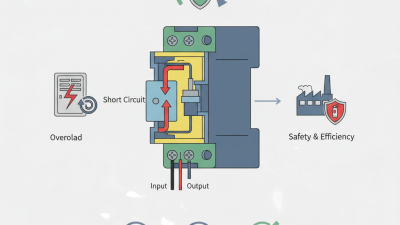
What is Thermal Magnetic Release MCCB and Its Benefits?
In the world of electrical safety, understanding the Thermal Magnetic Release MCCB is essential. Industry expert Dr. John Smith, a leading engineer in circuit protection, emphasizes, "Thermal Magnetic Release MCCBs offer indispensable protection in modern power systems." This protective device is designed to safeguard electrical circuits from overloads and short circuits effectively.
The Thermal Magnetic Release MCCB uses two mechanisms. The thermal portion responds to prolonged overcurrents, while the magnetic component acts quickly during short circuits. This unique combination ensures reliable performance. For companies investing in electrical solutions, integrating this technology can significantly enhance safety and compliance with industry standards.
However, not all Thermal Magnetic Release MCCBs are created equal. Quality differs among manufacturers. It's crucial to assess certifications and adherence to electrical codes. Inadequate attention to these details can lead to serious failures. Users must remain vigilant. Choosing the right MCCB requires thoughtful consideration and expert consultation. Engaging with knowledgeable professionals ensures that informed decisions are made, ultimately protecting lives and property.
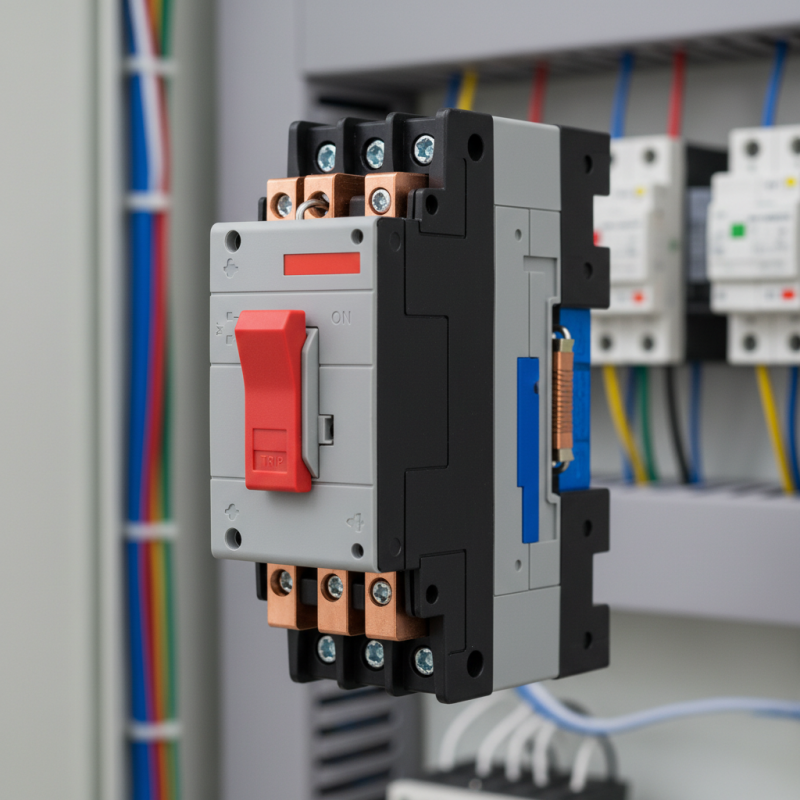
What Is Thermal Magnetic Release in MCCB Technology?
Thermal magnetic release is a crucial feature in
Molded Case Circuit Breakers (MCCBs). It combines thermal and magnetic protection.
The thermal element responds to continuous overloads, while the magnetic component reacts to short circuits.
This dual response protects electrical systems from damage and prevents fire hazards.
Using thermal magnetic release technology, a breaker can respond quickly in emergencies.
The thermal part gradually heats up, allowing for precise overload detection.
In contrast, the magnetic part provides instantaneous activation during short circuits.
This creates a reliable system, suitable for various applications.
While thermal magnetic release offers significant benefits, it's essential to consider its limitations.
Environmental factors can affect its performance. For instance, extremes in temperature may lead to false tripping.
Regular maintenance is vital for ensuring functionality. Users should remain aware of potential issues to maintain safety and performance.
The Functionality of Thermal Magnetic Release Mechanism in MCCBs
Thermal magnetic release mechanisms in molded case circuit breakers (MCCBs) are crucial for protecting electrical systems. These devices combine thermal and magnetic elements to ensure reliable performance under various conditions. The thermal component responds to prolonged overloads by heating a bimetallic strip, while the magnetic part reacts instantly to short circuits. This dual action ensures both temporary and permanent faults are addressed effectively.
According to industry reports, MCCBs with thermal magnetic release can reduce downtime significantly. A study by the International Electrotechnical Commission (IEC) noted a 30% increase in system reliability when utilizing these breakers. These devices can handle current ratings from 15 A to 3,200 A and often feature adjustable trip settings. Their versatility makes them suitable for diverse applications, from commercial to industrial sectors.
Tips: Regularly inspect thermal magnetic MCCBs to ensure optimal performance. Check for signs of wear and tear or corrosion. Over time, connections may loosen, affecting the device's reliability. Proper maintenance can enhance lifespan and efficiency, preventing unexpected failures during critical operations. Adjust trip settings according to load requirements to optimize protection.
Key Advantages of Using Thermal Magnetic MCCBs in Electrical Systems
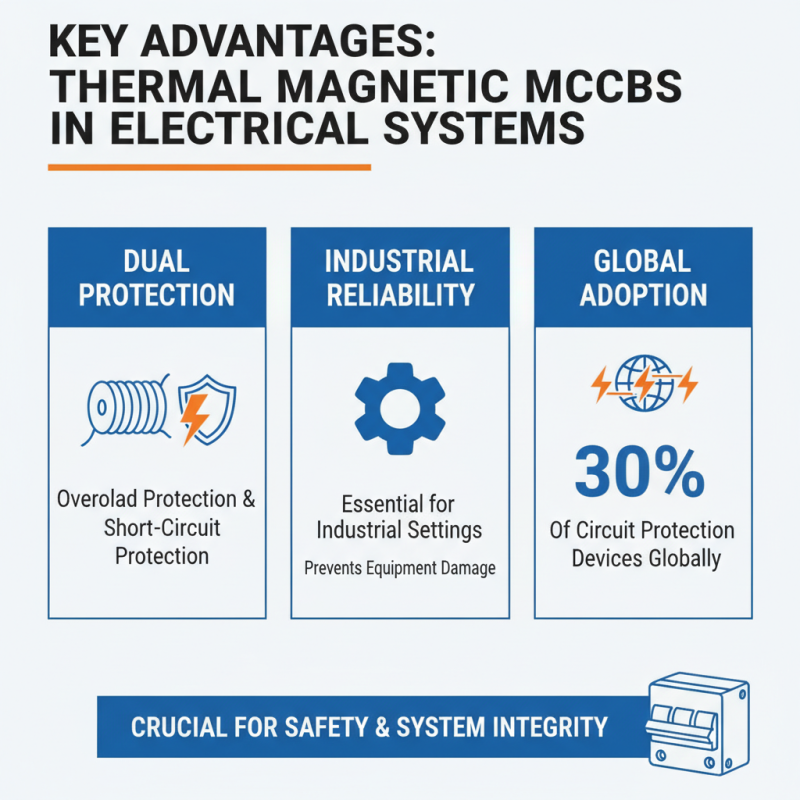
Thermal magnetic release MCCBs, or molded case circuit breakers, play a crucial role in electrical systems. They provide both overload protection and short-circuit protection, making them invaluable in industrial settings. According to industry reports, these MCCBs account for approximately 30% of circuit protection devices utilized globally. This shows their reliability and essential function in maintaining safety.
The key advantages of thermal magnetic MCCBs include their dual protection mechanism. The thermal element responds to overloads through heat, while the magnetic element reacts quickly to short circuits. This combination ensures swift disconnection, reducing damage and downtime. It is noteworthy that studies reveal systems equipped with thermal magnetic MCCBs can experience up to a 25% decrease in operational interruptions compared to those using fuses alone. Enhanced efficiency is a significant benefit, allowing for a smoother operation in varied electrical environments.
However, not all systems need these sophisticated devices. Evaluating the specific power requirements and potential loads is essential before implementation. Some installations may be better served with simpler protection devices. Ultimately, understanding each application's unique demands is crucial for optimal performance and reliability in electrical systems.
Comparative Analysis: Thermal Magnetic vs. Electronic Release MCCBs
Thermal magnetic release MCCBs (Molded Case Circuit Breakers) and electronic release MCCBs serve as vital components in electrical systems. Each type has unique characteristics that cater to different application needs. Thermal magnetic MCCBs utilize both thermal and magnetic mechanisms for protection. They trip based on temperature variations and sudden surges. This dual action makes them reliable for general applications.
On the other hand, electronic release MCCBs rely on advanced electronics for precise protection. They monitor current levels continuously, allowing for customizable settings. This level of precision comes with benefits, such as reduced nuisance trips. However, they might not perform as well in environments with high electromagnetic interference. This could be a concern in specific industrial settings.
Comparatively, thermal magnetic MCCBs require no external power source. They function independently and might be more suitable for environments where reliability is crucial. Yet, their response time can be slower in critical overcurrent situations. Users often face dilemmas in choosing between the two. The right choice truly depends on the specific requirements of the application and the conditions under which these devices operate.
Comparative Analysis of Thermal Magnetic and Electronic Release MCCBs
Industry Applications and Standards for Thermal Magnetic MCCBs
Thermal magnetic release molded case circuit breakers (MCCBs) have critical roles across various industries. They combine thermal and magnetic protection, ensuring equipment safety. These devices can handle overloads and short circuits. They respond swiftly to abnormal conditions, protecting machinery and personnel. From manufacturing to data centers, their applications abound.
In manufacturing, thermal magnetic MCCBs safeguard motors and generators. In commercial buildings, they protect lighting and HVAC systems. Standards like IEC and UL ensure these devices meet safety regulations. Compliance with such standards enhances reliability and performance. However, some users overlook regular maintenance, which can compromise effectiveness. Maintenance helps identify wear and tear, extending MCCB lifespan.
In terms of specialization, these circuit breakers offer different ratings and configurations. This means they can serve various electrical demands. Yet, selecting the right MCCB is not always straightforward. Users should assess specific needs, electrical loads, and installation environments. Misjudgments can lead to inadequate protection, risking equipment and safety. Proper training and guidance in choosing and installing MCCBs are vital for optimal performance.
What is Thermal Magnetic Release MCCB and Its Benefits? - Industry Applications and Standards for Thermal Magnetic MCCBs
| Dimension |
Description |
Applications |
Standards |
| Ratings |
Current ratings typically range from 16A to 4000A. |
Used in industrial, commercial, and residential electrical distribution. |
IEC 60947-2 |
| Voltage Levels |
Can operate at voltage levels up to 1000V AC. |
Applications in power distribution and motor control circuits. |
UL 489, CSA C22.2 |
| Trip Mechanism |
Combination of thermal and magnetic tripping mechanisms. |
Protection against overloads and short circuits. |
ISO 45001 |
| Benefits |
Reliable and efficient protection, easy to reset. |
Ideal for heavy industrial applications and commercial buildings. |
NFPA 70, NEC |
| Mounting Type |
Available in panel, DIN rail, and surface mount options. |
Flexible installation in various environments. |
IEC and ANSI standards compliance. |

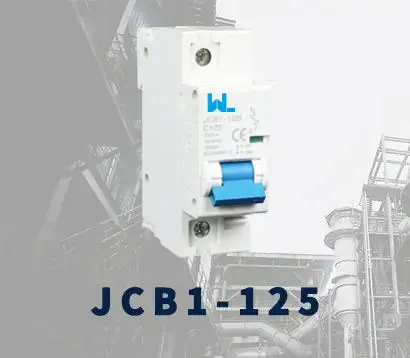 JCB1-125
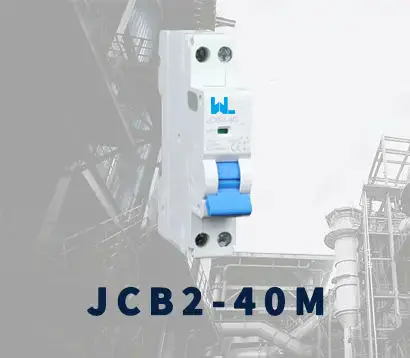 JCB2-40M
 JCB3-63DC
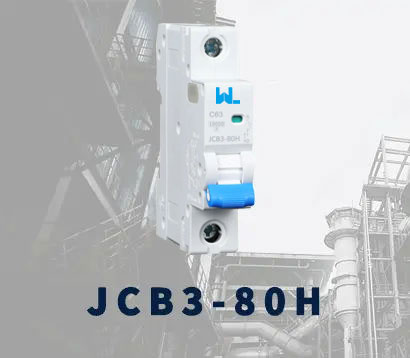 JCB3-80H
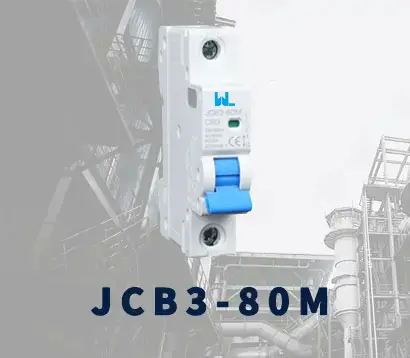 JCB3-80M
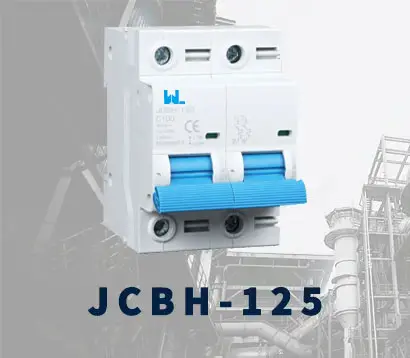 JCBH-125
 JC80-2P
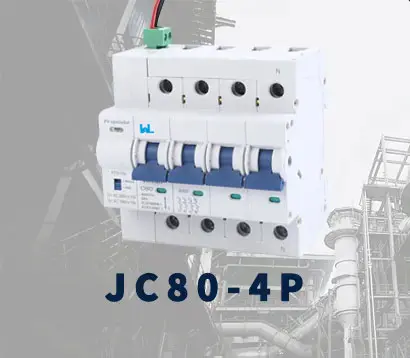 JC80-4P
 JC125-2P
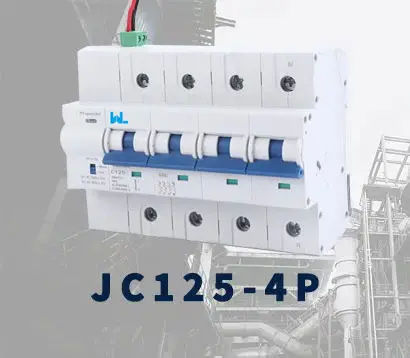 JC125-4P
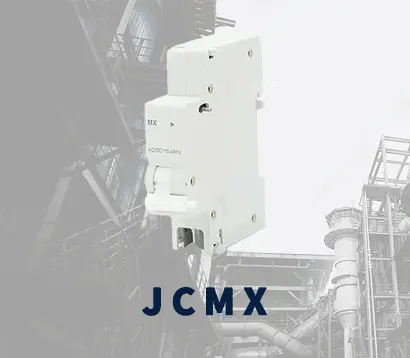 JCMX
JCMX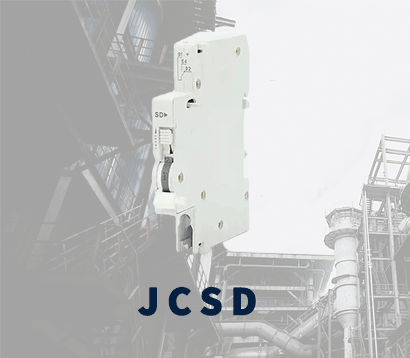 JCSD
JCSD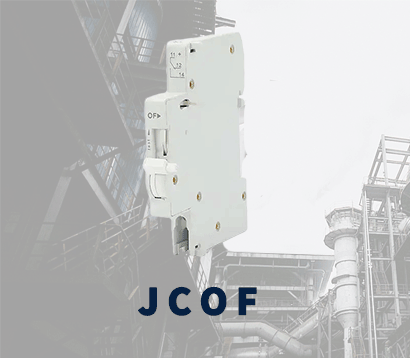 JCOF
JCOF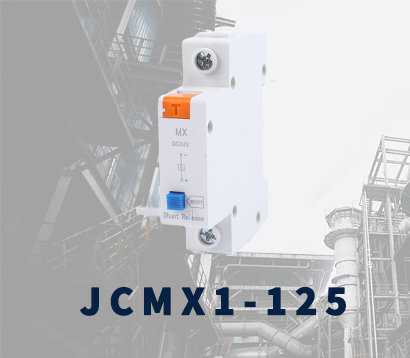 JCMX1-125
 JCOF1-125
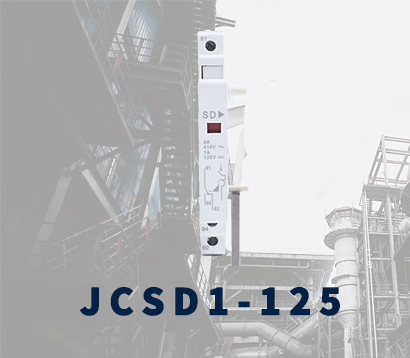 JCSD1-125
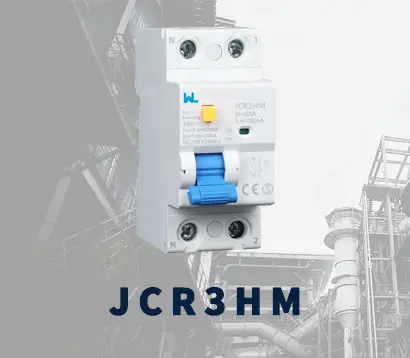 JCR3HM
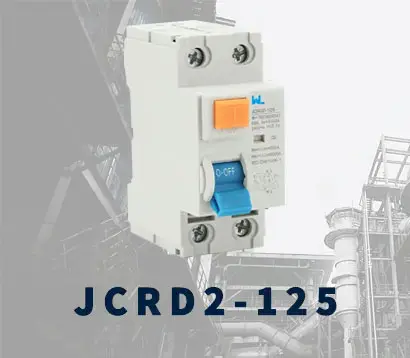 JCRD2-125
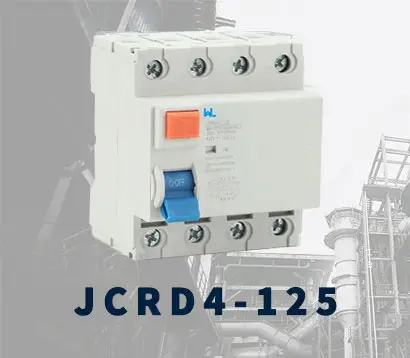 JCRD4-125
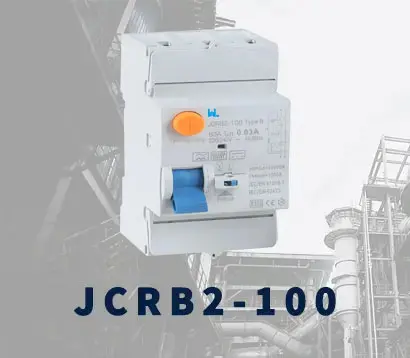 JCRB2-100
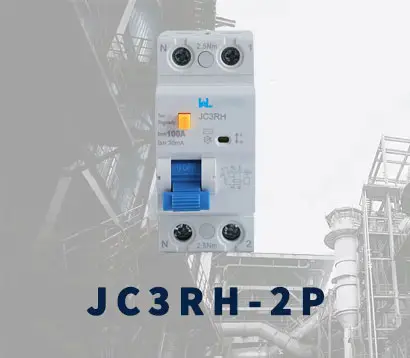 JC3RH-2P
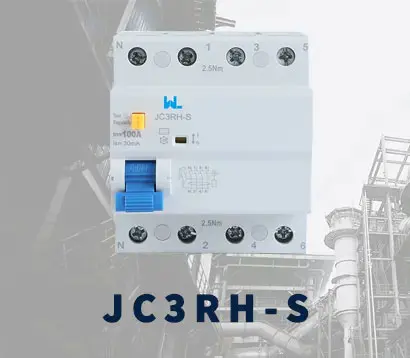 JC3RH-S
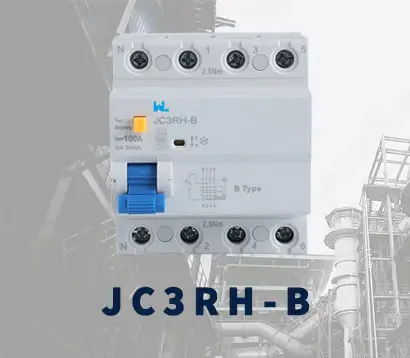 JC3RH-B
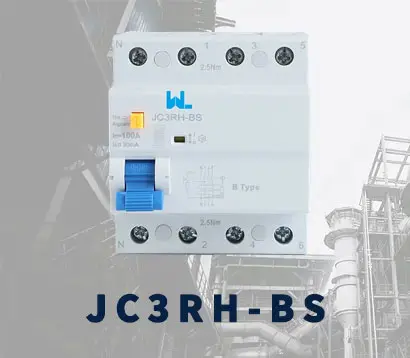 JC3RH-BS
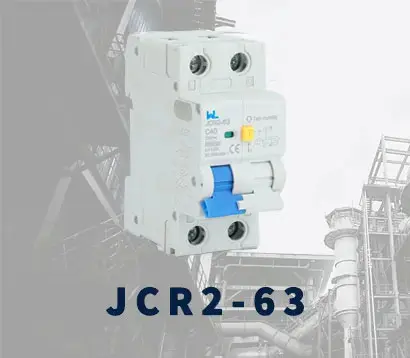 JCR2-63
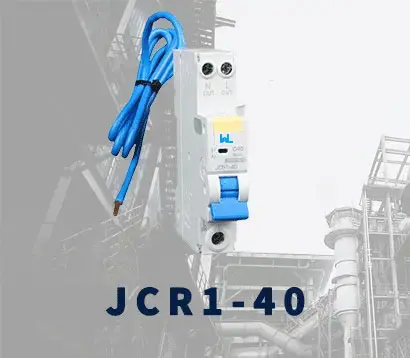 JCR1-40
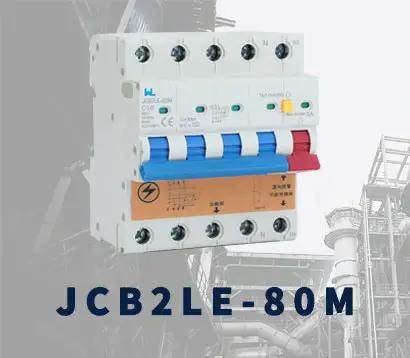 JCB2LE-80M
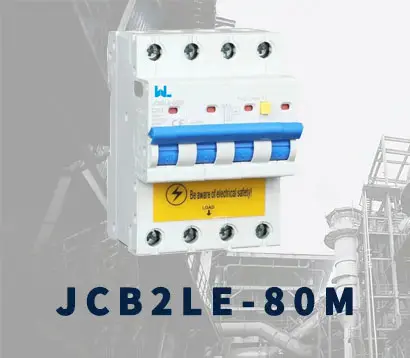 JCB2LE-80M
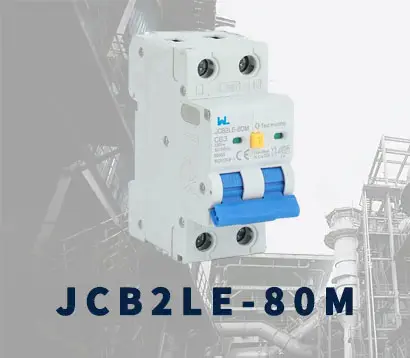 JCB2LE-80M
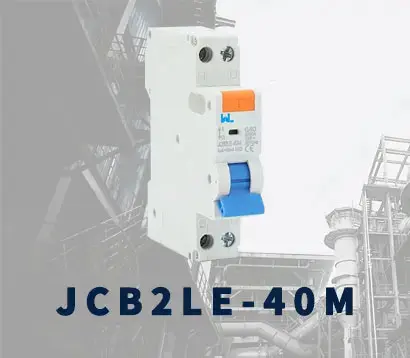 JCB2LE-40M
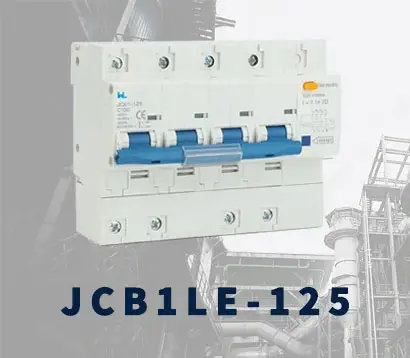 JCB1LE-125
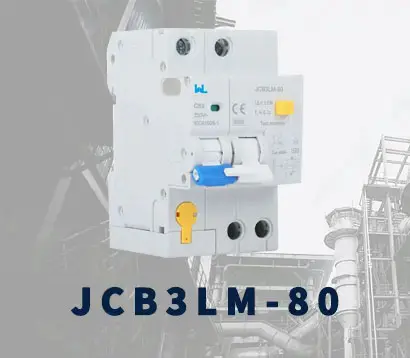 JCB3LM-80
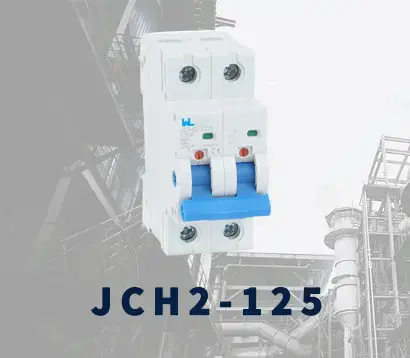 JCH2-125
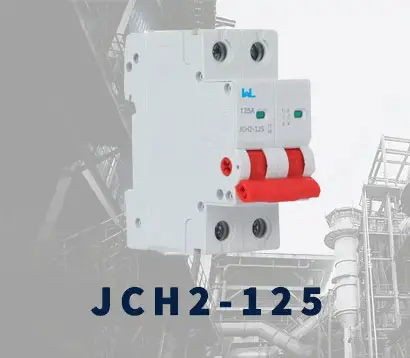 JCH2-125
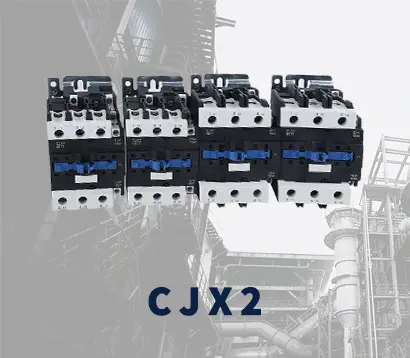 CJX2
CJX2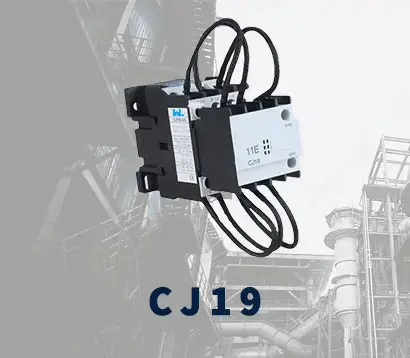 CJ19
CJ19 JCMCU
JCMCU JCHA
JCHA JCSD-40
 JCSD-60
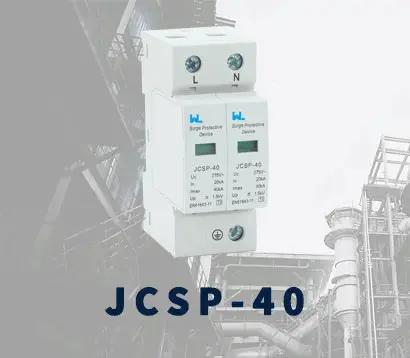 JCSP-40
 JCSP-60
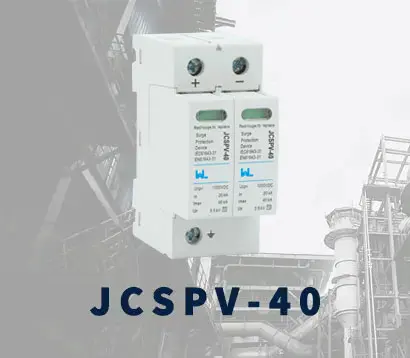 JCSPV
JCSPV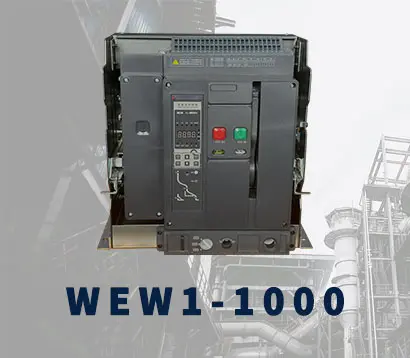 WEW1-1000
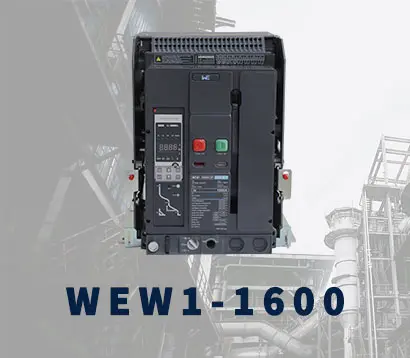 WEW1-1600
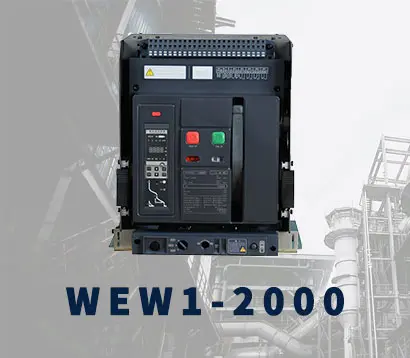 WEW1-2000
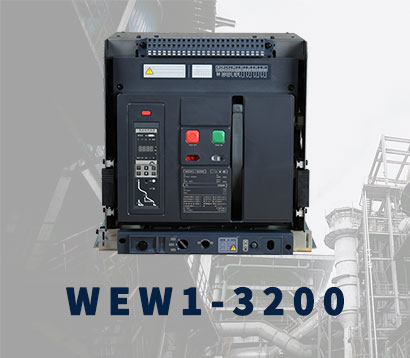 WEW1-3200
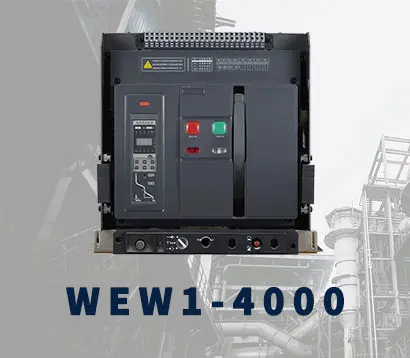 WEW1-4000
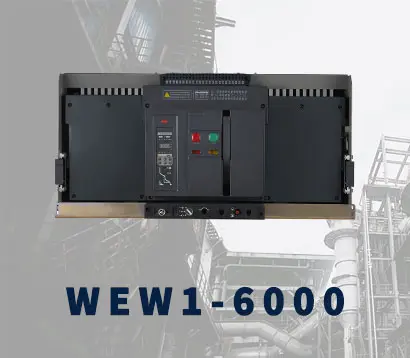 WEW1-6300
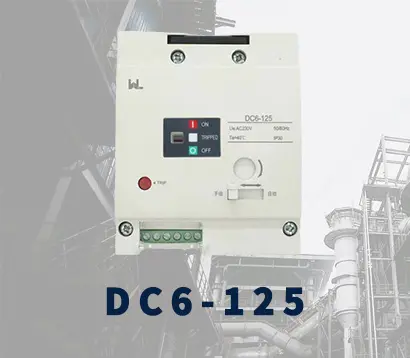 DC6-125
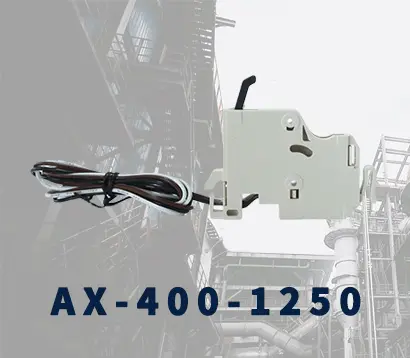 AX-400-1250
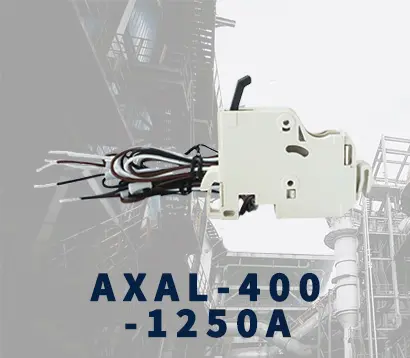 AXAL-400-1250A
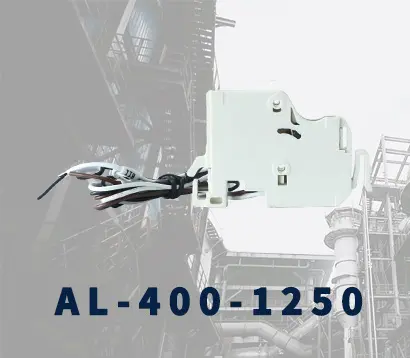 AL-400-1250
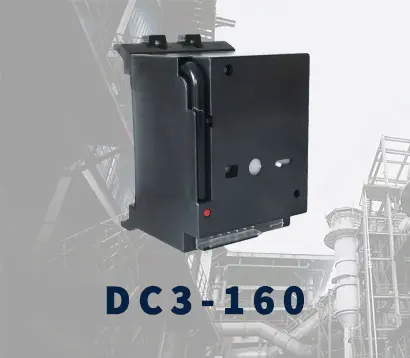 DC3-160
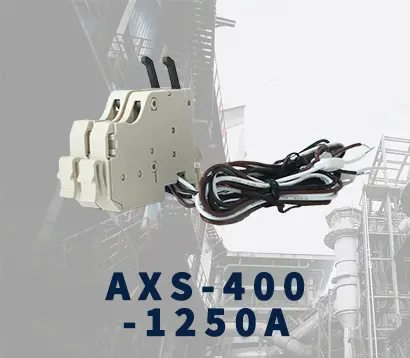 AXS-400-1250A
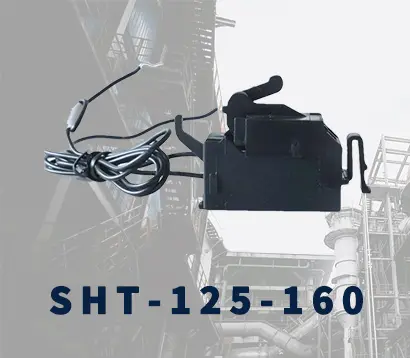 SHT-125-160
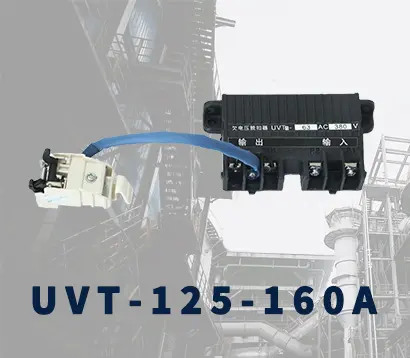 UVT-125-160A
 P-250A-3P-A
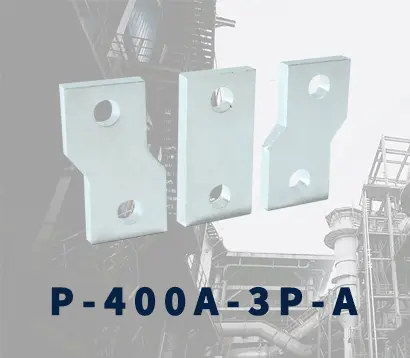 400-3P/4P terminal cover
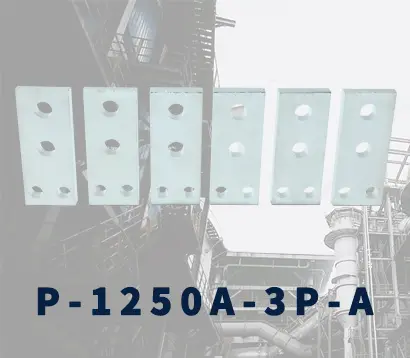 1250-3Pmccb accessories busbar
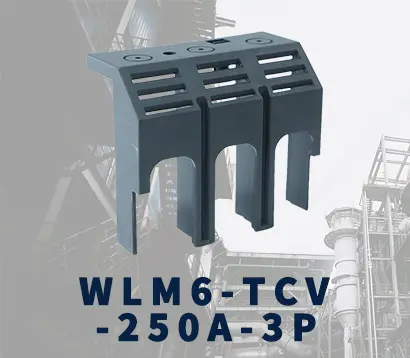 250-3P terminal conver
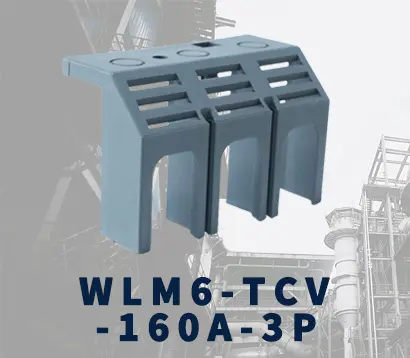 WLM6-TCV-160A-3P
 WLM6-MIP-250A
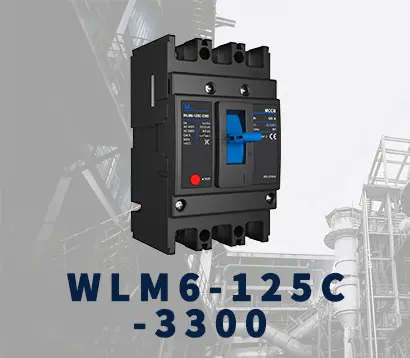 WLM6-125A-3300 3P/4P
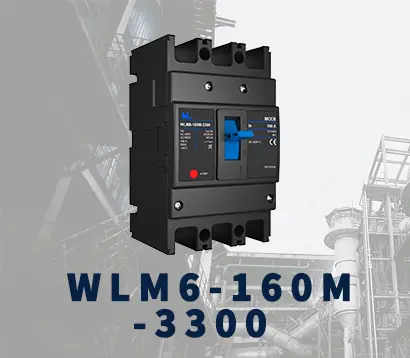 WLM6-160A-3300 3P/4P
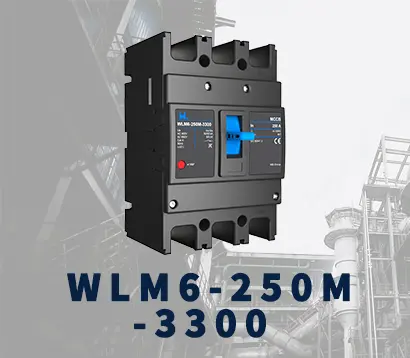 WLM6-250A-3300 3P/4P
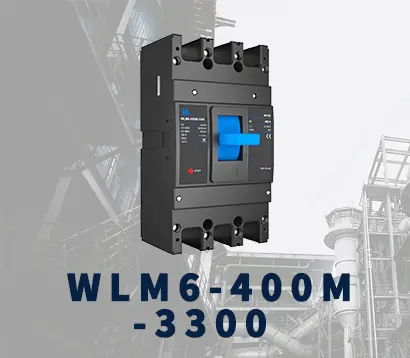 WLM6-400A-3300 3P/4P
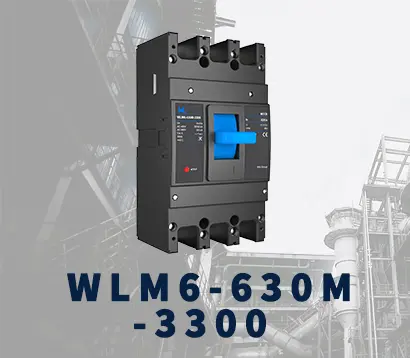 WLM6-630A-3300 3P/4P
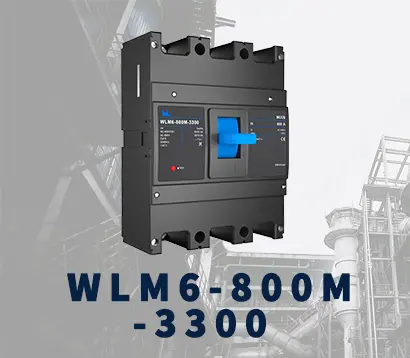 WLM6-800A-3300 3P/4P
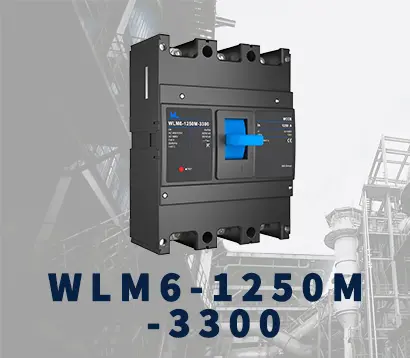 WLM6-1250A-3300 3P/4P
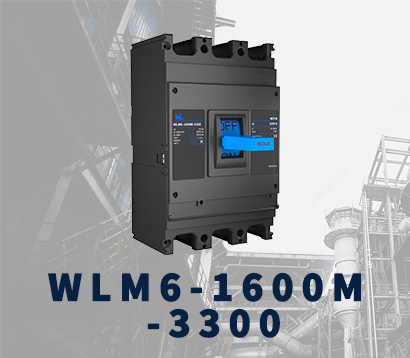 WLM6-1600A-3300 3P/4P
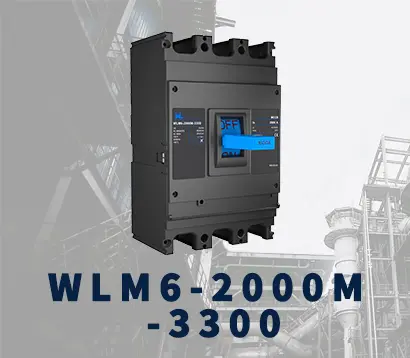 WLM6-2000A 3P/4P
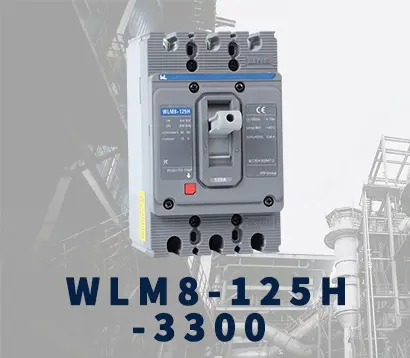 WLM8-125H-3300
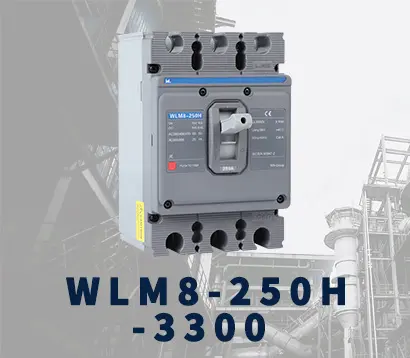 WLM8-250H-3300
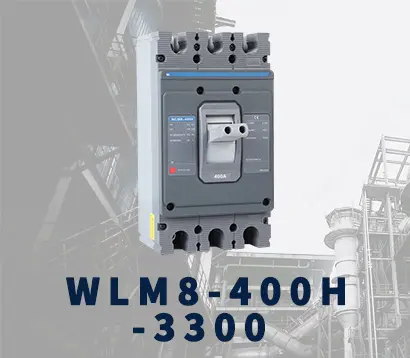 WLM8-400H-3300
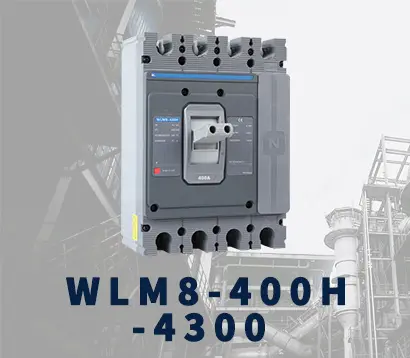 WLM8-400H-4300
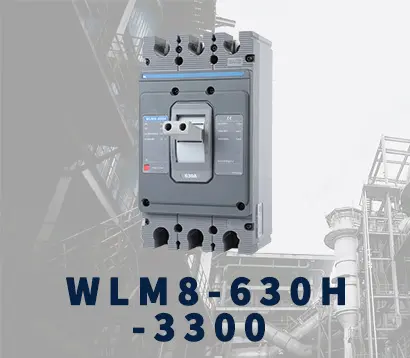 WLM8-630H-3300
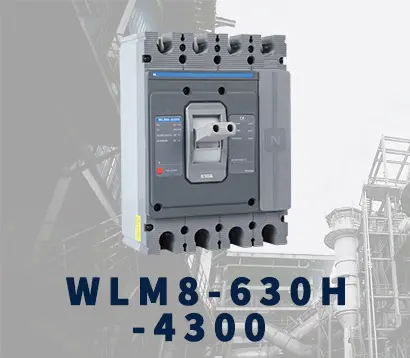 WLM8-630H-4300
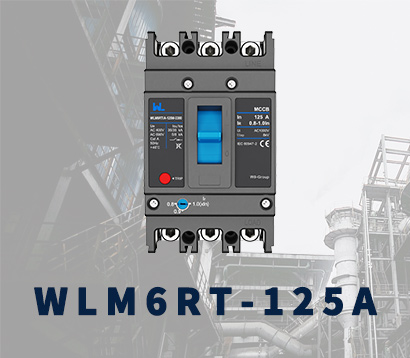 WLM6RT-125A
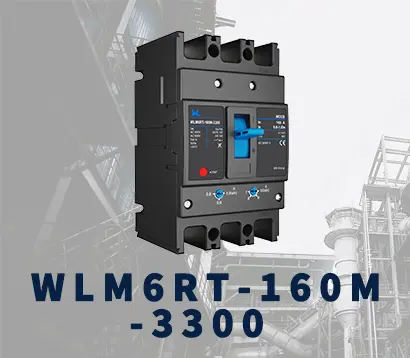 WLM6RT-160A
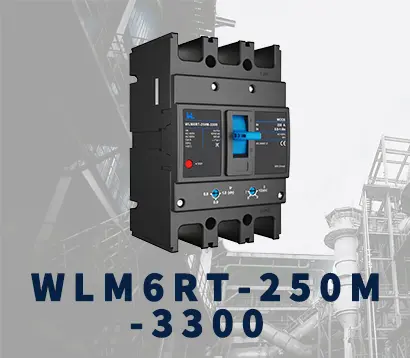 WLM6RT-250A
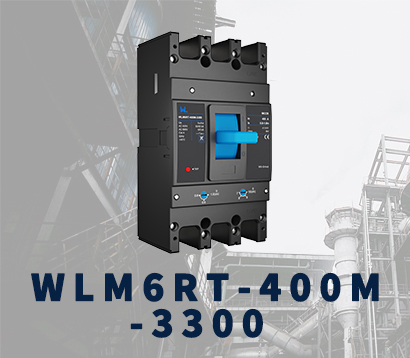 WLM6RT-400A
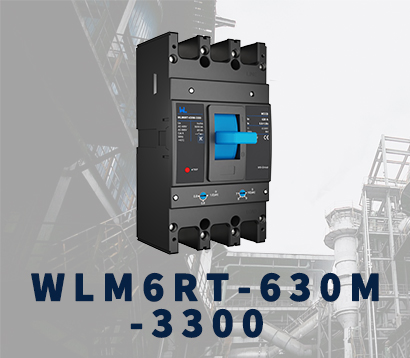 WLM6RT-630A
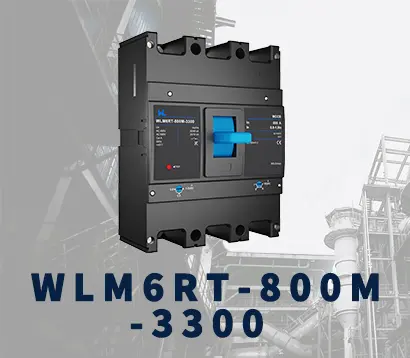 WLM6RT-800A
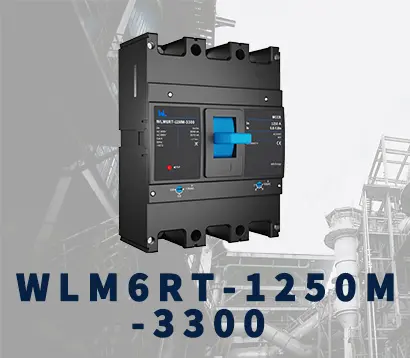 WLM6RT-1250A
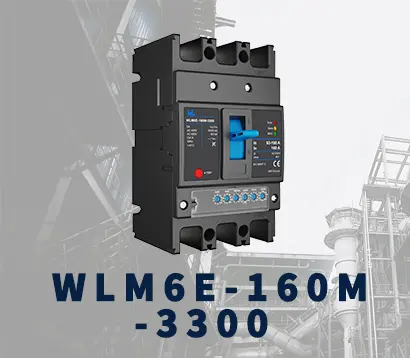 WLM6E-160A-3300 3P
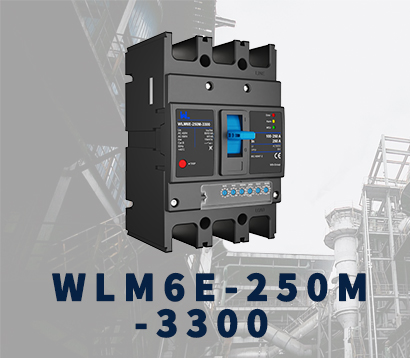 WLM6E-250A-3300
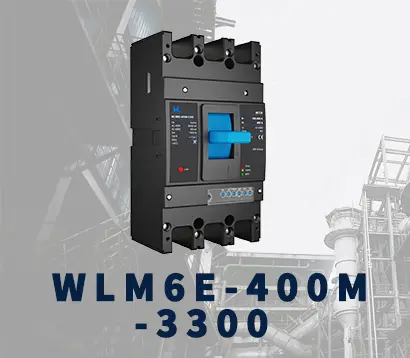 WLM6E-400A-3300 3P/4P
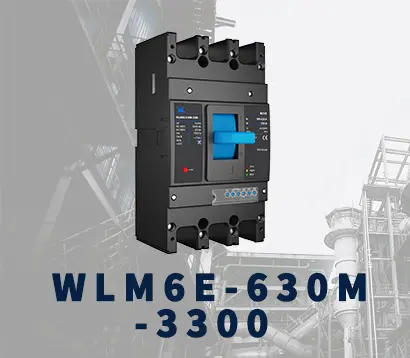 WLM6E-630A-3300
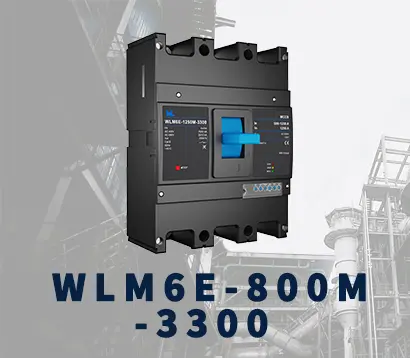 WLM6E-800A-3300 3P/4P
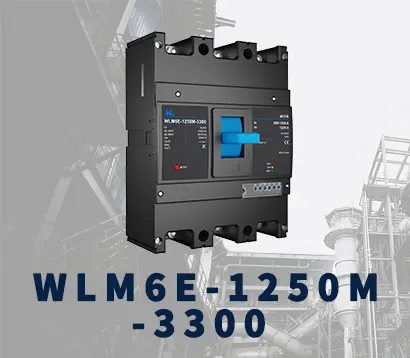 WLM6E-1250A-3300
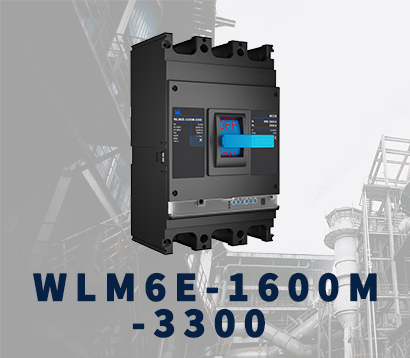 WLM6E-1600-3300 3P/4P
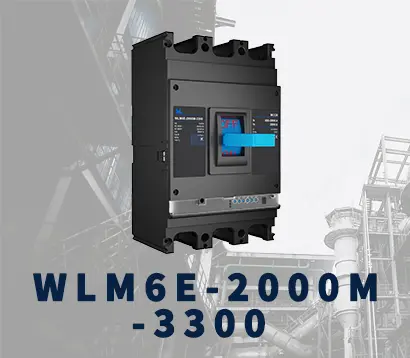 WLM6E-2000A-3300 3P/4P
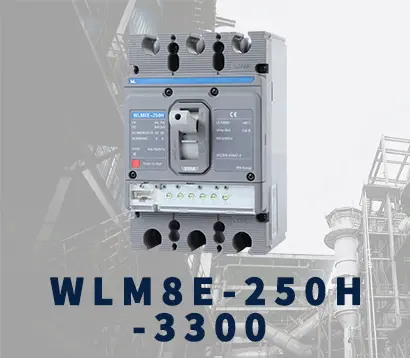 WLM8E-250H-3300
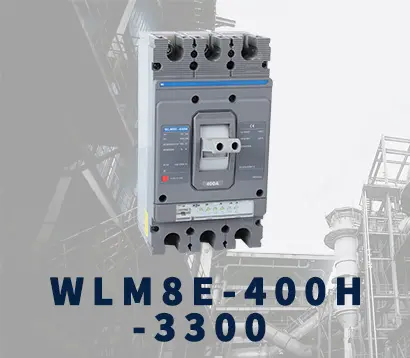 WLM8E-400H-3300
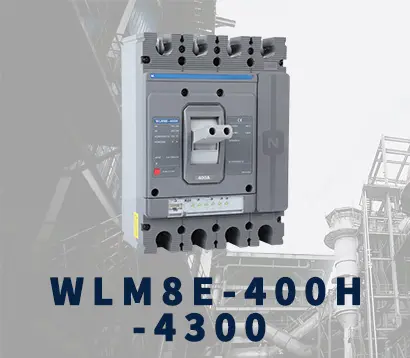 WLM8E-400H-4300
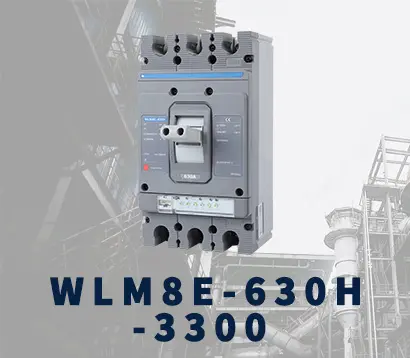 WLM8E-630H-3300
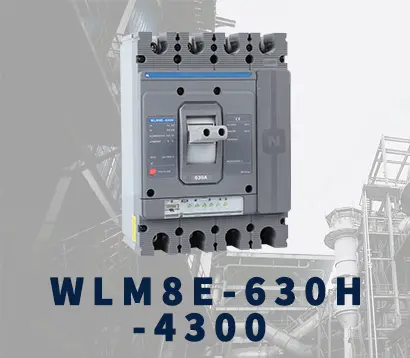 WLM8E-630H-4300
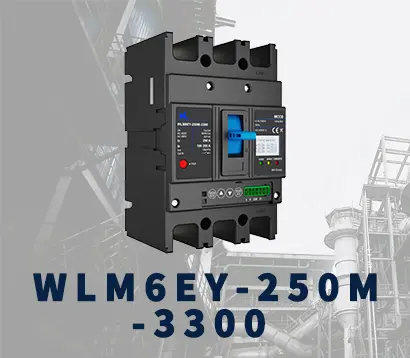 WLM6EY-250-3300 3P/4P
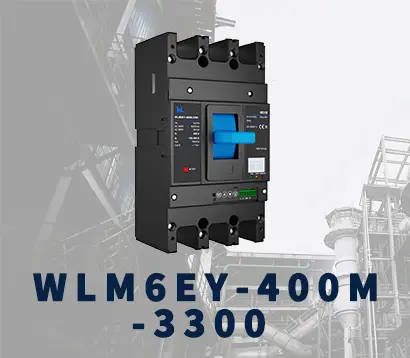 WLM6EY-400 3P/4P
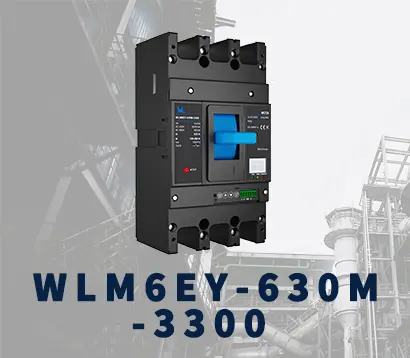 WLM6EY-630 3P/4P
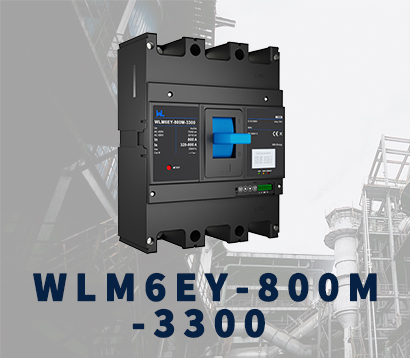 WLM6EY-800A 3P/4P
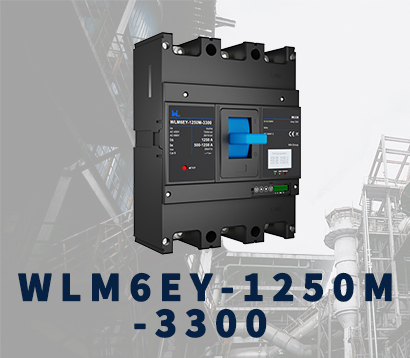 WLM6EY-1250A 3P/4P
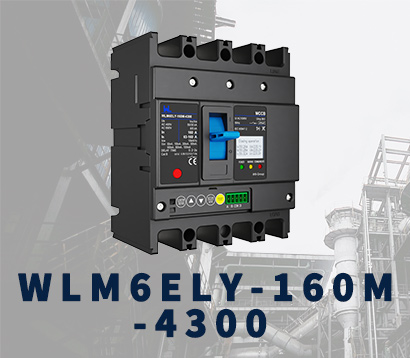 WLM6ELY-160A
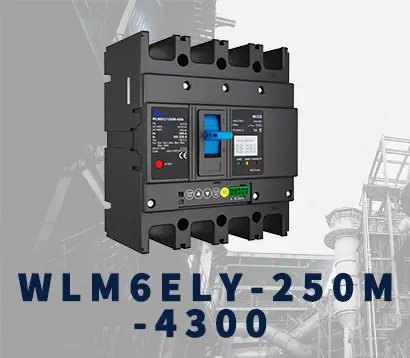 WLM6ELY-250A
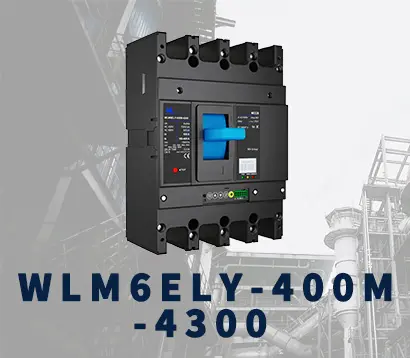 WLM6ELY-400A
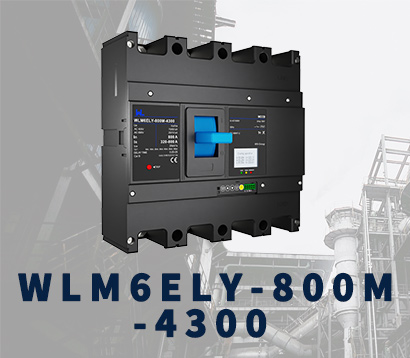 WLM6ELY-800A
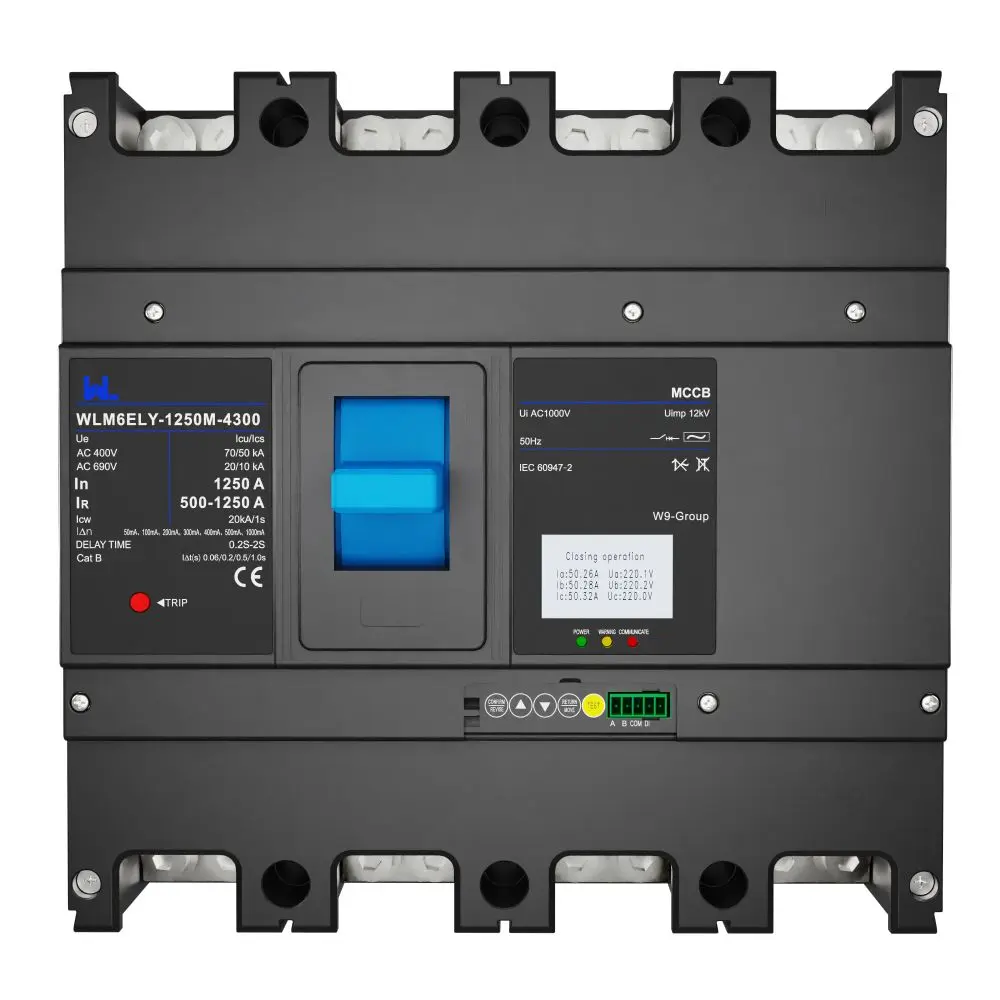 WLM6ELY-1250A
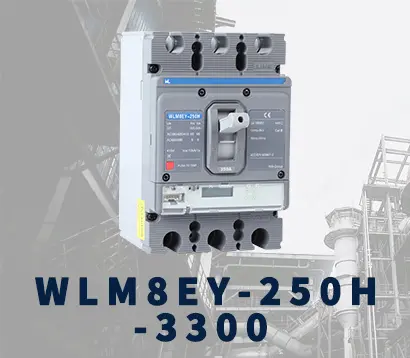 WLM8EY-250H-3300
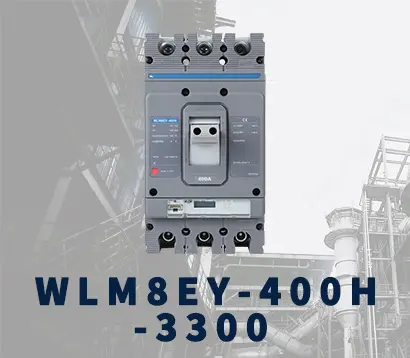 WLM8EY-400H-3300
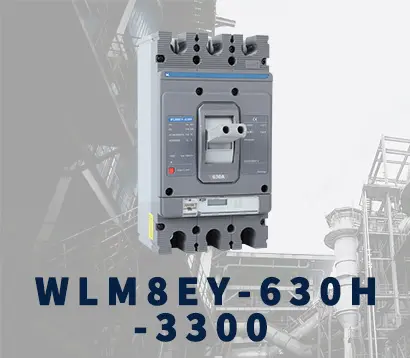 WLM8EY-630H-3300
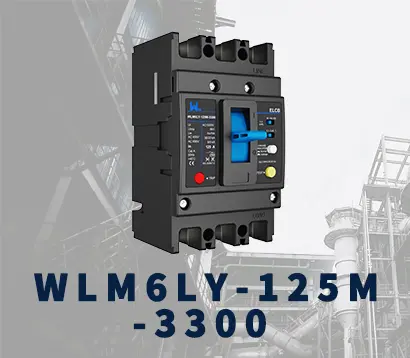 WLM6LY-125A
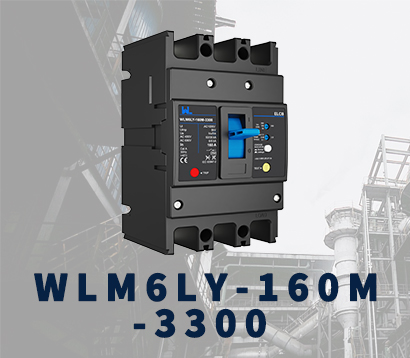 WLM6L-160A
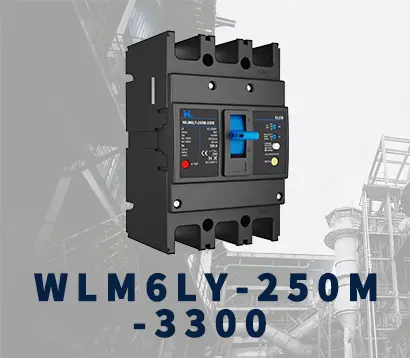 WLM6LY-250A
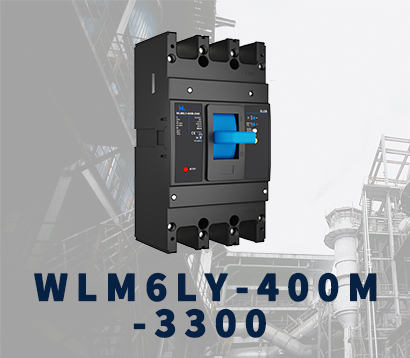 WLM6LY-400A
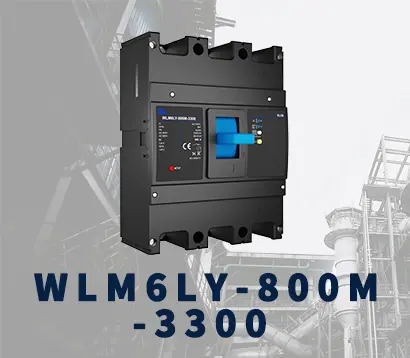 WLM6LY-800A
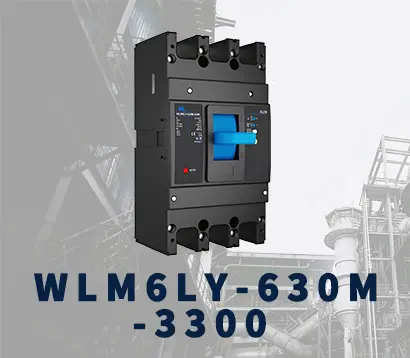 WLM6LY-630A
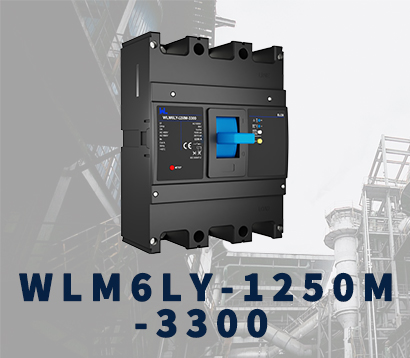 WLM6LY-1250A
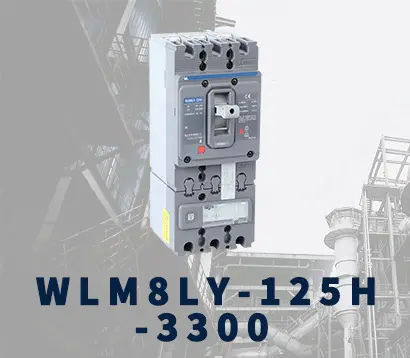 WLM8LY-125H-3300
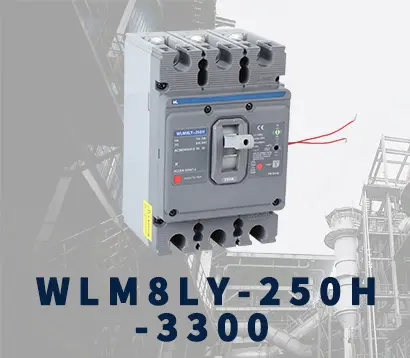 WLM8LY-250H-3300
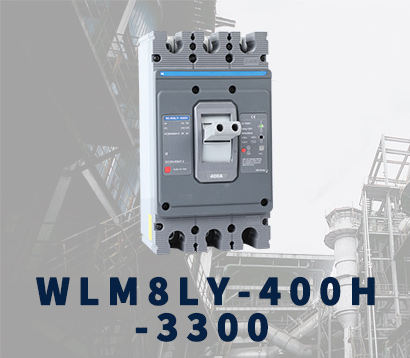 WLM8LY-400H-3300
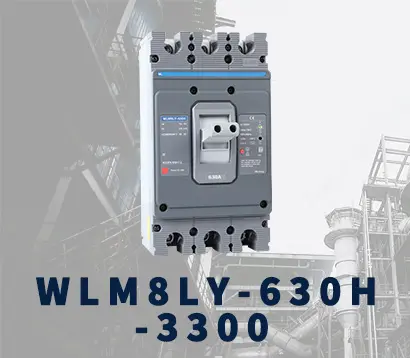 WLM8LY-630H-3300
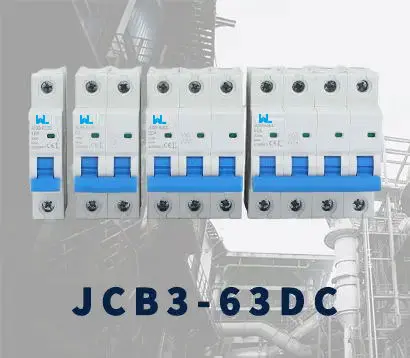 JCB3-63DC
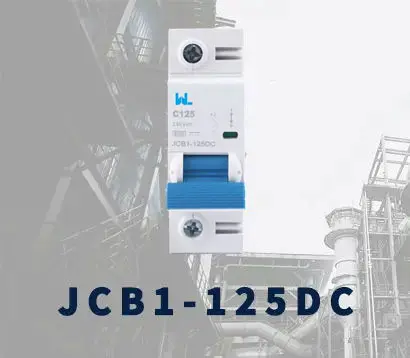 JCB1-125DC
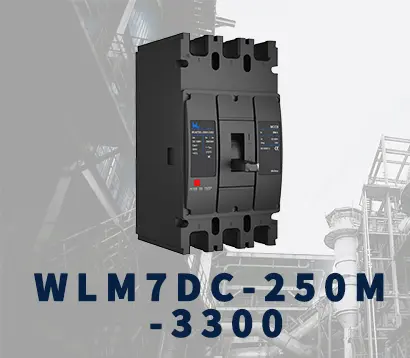 WLM7DC-250A-2300 2P/3P
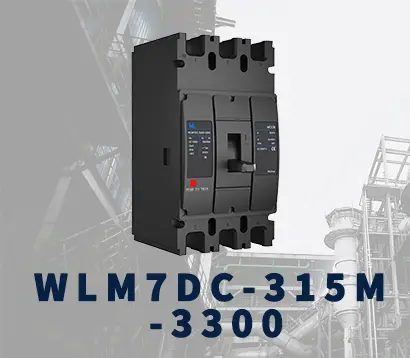 WLM7DC-315A-3300 2P/3P
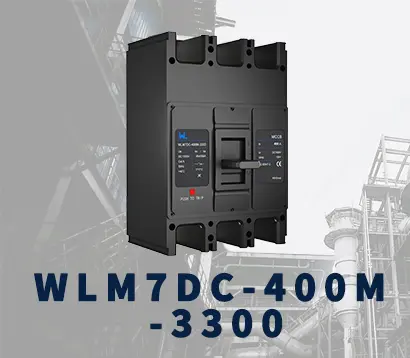 WLM7DC-400A-2300 2P/3P
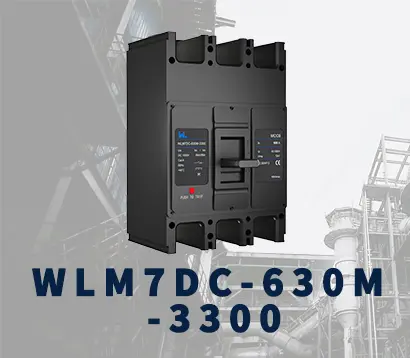 WLM7DC-630A-3300 3P
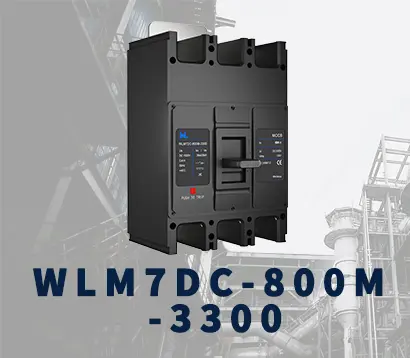 WLM7DC-800A-2300 2P/3P
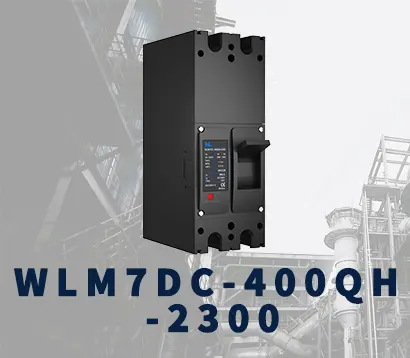 WLM7DC-400A 2300
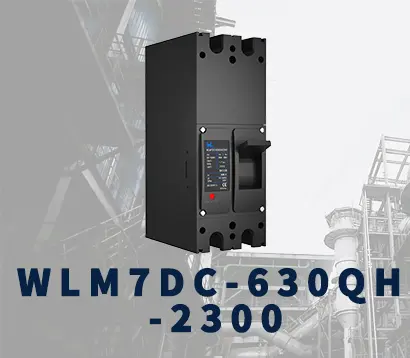 WLM7DC-630A-2300 2P
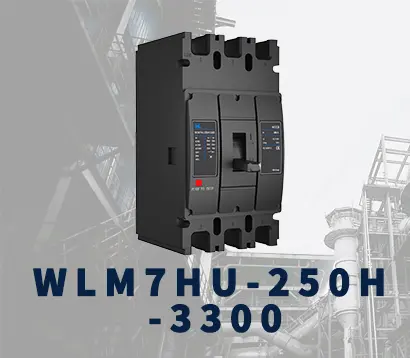 WLM7HU-250-3300 3P
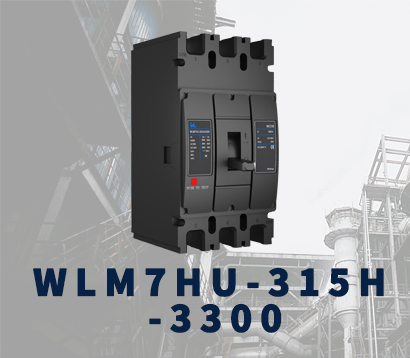 WLM7HU-315-3300 3P
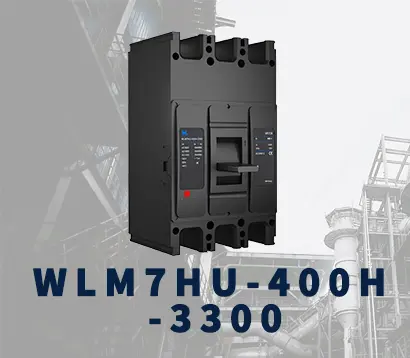 WLM7HU-400-3300 3P
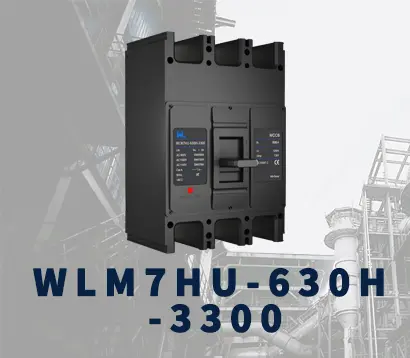 WLM7HU-630-3300 3P
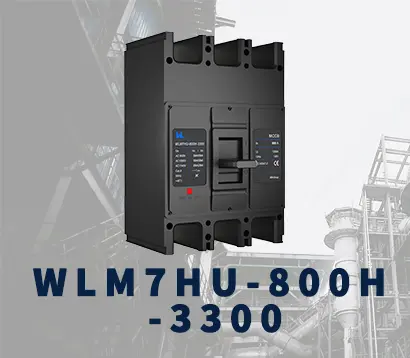 WLM7HU-800-3300 3P
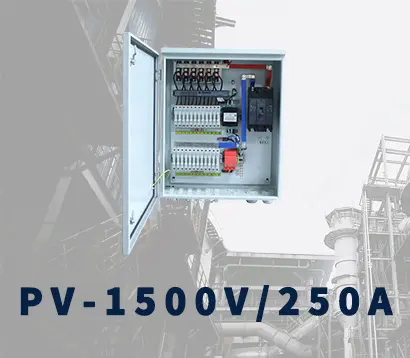 PV-1500V/250A
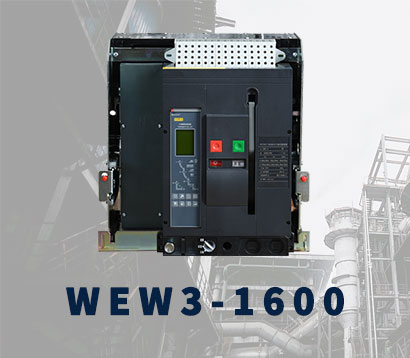 WEW3-1600
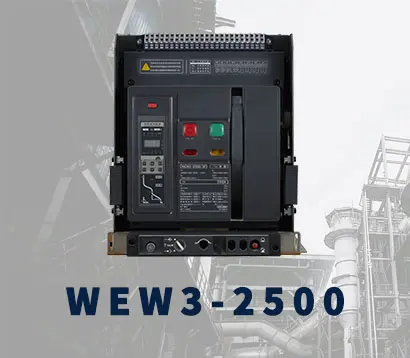 WEW3-2500
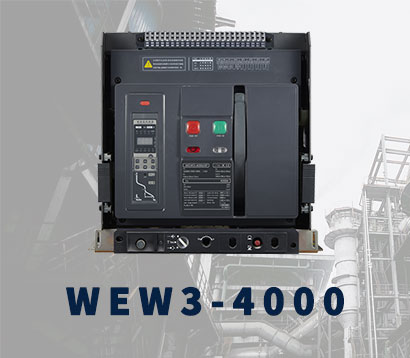 WEW3-4000
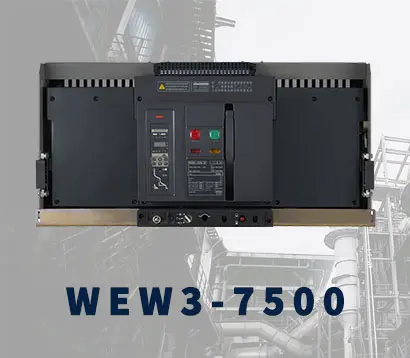 WEW3-7500