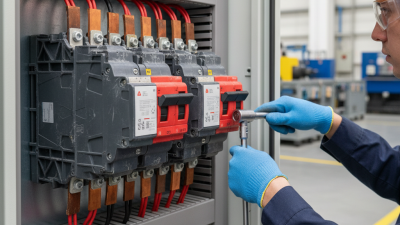
What is Thermal Magnetic Release MCCB and How Does It Work?
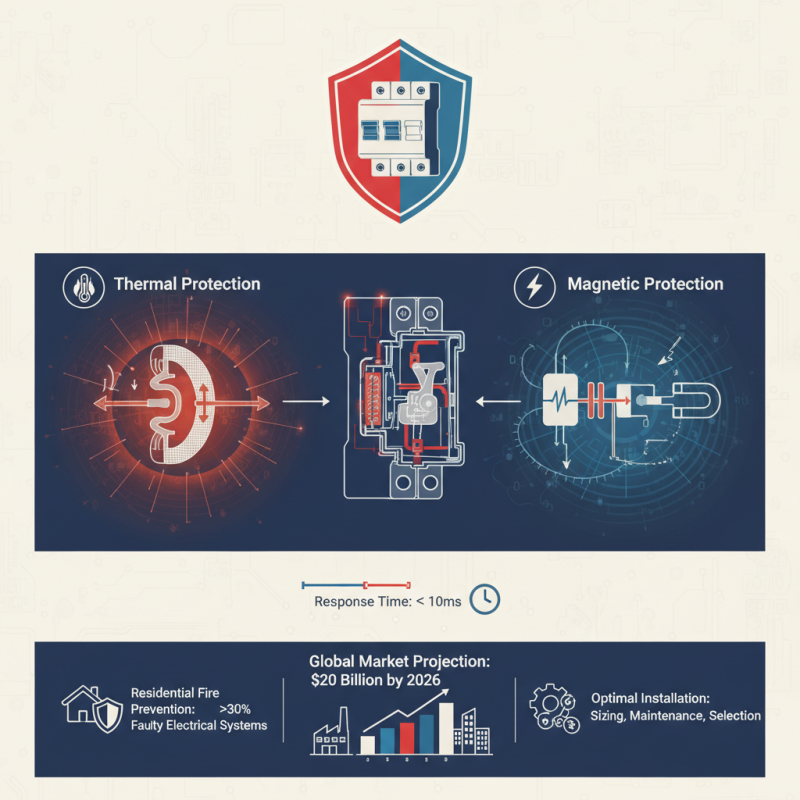
The Thermal Magnetic Release MCCB (Molded Case Circuit Breaker) plays a vital role in electrical safety and management. With the global market for circuit protection devices projected to reach USD 20 billion by 2026, understanding such technologies is crucial for both safety and efficiency. The Thermal Magnetic Release MCCB combines two key functions: thermal protection against overloads and magnetic protection against short circuits. This dual mechanism enhances reliability in various applications.
In many industries, the failure to use effective circuit breakers can lead to severe consequences. The National Fire Protection Association cites that faulty electrical systems account for over 30% of residential fires. This highlights the need for devices like the Thermal Magnetic Release MCCB. Their design allows for quick response times, often less than 10 milliseconds, essential for preventing equipment damage and ensuring personnel safety.
However, it’s imperative to acknowledge that not every installation of Thermal Magnetic Release MCCBs is optimal. Miscalculations in sizing or improper installations can compromise their effectiveness. Regular maintenance and careful consideration during selection can mitigate these issues. Thus, a deeper understanding of how these devices function is essential for optimizing their use in electrical infrastructure.
What is a Thermal Magnetic Release MCCB?
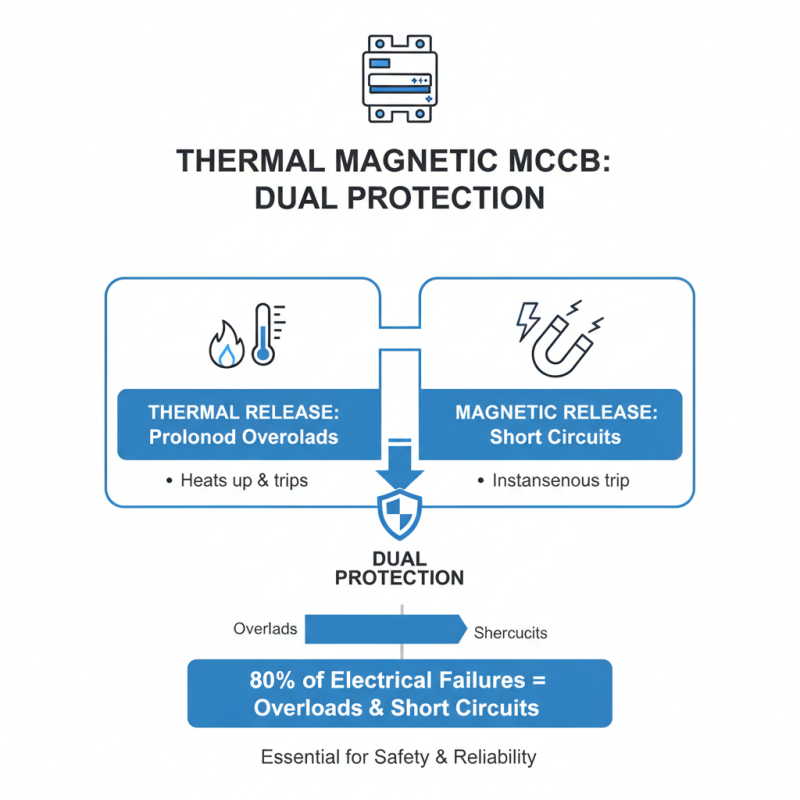
Thermal Magnetic Release Molded Case Circuit Breakers (MCCBs) offer dual protection through mechanical and thermal means. These devices are essential in various electrical applications, ensuring safety and reliability. The thermal component functions to detect prolonged overloads, while the magnetic component responds to short circuits. Reports show that around 80% of electrical failures are due to overloads and short circuits, highlighting the importance of this technology in modern systems.
MCCBs are designed to operate efficiently within specific parameters to ensure reliability. According to industry data, the typical reaction time for a thermal trip varies between 5 to 60 seconds, depending on the overload magnitude. This provides a critical time buffer for electrical systems under stress. The magnetic release, on the other hand, can react in milliseconds to cut off power during a short circuit, minimizing damage to equipment.
The combination of these two mechanisms makes MCCBs a popular choice for industrial and commercial applications. However, it is important to regularly test and maintain these devices. Without routine checks, their effectiveness can significantly diminish. Some professionals suggest that up to 30% of MCCBs may be underperforming due to lack of maintenance, posing potential risks to electrical safety. Implementing a proactive maintenance schedule can prevent such issues and lengthen the operational life of these crucial components.
Key Components of Thermal Magnetic Release MCCB
Thermal magnetic release molded case circuit breakers (MCCBs) are crucial in electrical systems. Their design enables protection against overloads and short circuits. One key component is the thermal trip mechanism. This mechanism uses a bimetallic strip that bends when it heats up. When the current exceeds a certain limit, the strip bends enough to trip the circuit.
Another important part is the magnetic trip. This component activates during a short circuit situation. It utilizes an electromagnet that generates a strong magnetic field. When current surges beyond a threshold, the electromagnet triggers the release mechanism. The speed of this action helps prevent severe damage to the installation.
Both components work together to provide reliable protection. However, proper maintenance is essential. Dust and moisture can impair performance. Regular checks can help ensure the MCCB functions properly. Users sometimes overlook these factors, leading to potential failures. Awareness of these components can improve safety and efficiency in electrical applications.
Thermal Magnetic Release MCCB - Key Components Analysis
How Thermal and Magnetic Mechanisms Function in MCCBs
Thermal Magnetic Release Molded Case Circuit Breakers (MCCBs) use two primary mechanisms:
thermal and magnetic. The thermal mechanism operates based on ambient temperature.
When the current exceeds the rated load, heat builds up in a bimetallic strip. This strip bends with increasing heat, eventually triggering a switch that interrupts the circuit.
This process is usually slow, allowing for momentary overloads without immediate disconnection.
The magnetic part of MCCBs reacts quickly to short circuits. When a surge in current occurs, a magnetic coil produces a strong magnetic field.
This field pulls a metal armature, which trips the circuit within milliseconds. This rapid response is crucial in preventing equipment damage or hazards.
The balance between thermal and magnetic responses leads to effective protection in electrical systems.
The efficiency of these mechanisms can sometimes lead to unintended tripping. Factors like ambient temperature or load conditions may affect performance.
In practice, it’s essential to regularly test MCCBs to ensure reliability. Not all MCCBs are equal.
Understanding their limits improves safety and efficiency in electrical installations.
Industry Standards and Ratings for Thermal Magnetic MCCBs
Thermal Magnetic Circuit Breakers (MCCBs) are essential for modern electrical systems. They are designed to provide both thermal and magnetic protection to circuits. Understanding industry standards and ratings for these devices is crucial for safety and reliability.
In the world of electrical equipment, standards like IEC and UL ensure MCCBs comply with safety regulations. These standards dictate performance metrics, including interrupting capacity and temperature ratings. MCCBs must withstand specific overload conditions without tripping incorrectly. High-quality devices maintain functionality even in extreme environments.
Choosing the correct rating is vital. Each MCCB has a specific load current rating that defines its operational limits. If an MCCB is underrated, it can lead to early failures. Alternatively, an overrated MCCB may not provide adequate protection. Assessing the application and environment ensures the right choice. An ideal MCCB balances performance and safety, protecting both equipment and personnel.
Applications and Benefits of Using Thermal Magnetic Release MCCBs
Thermal magnetic release MCCBs, or Molded Case Circuit Breakers, are crucial for electrical safety. They detect overloads and short circuits. By combining thermal and magnetic mechanisms, these devices offer reliable protection for electrical circuits. This technology minimizes downtime and enhances system longevity.
Applications of thermal magnetic MCCBs span various industries. They are common in commercial buildings, manufacturing plants, and data centers. In these settings, the need for continuous power is paramount. The ability to quickly disconnect during faults ensures safety. Additionally, these MCCBs can adapt to different settings, making them versatile.
The benefits of using thermal magnetic MCCBs are significant. They provide a reliable safety net against unexpected electrical faults. Also, they require minimal maintenance once installed. However, determining the right specifications can be challenging. Overlapping criteria often exist, leading to potential misapplications. Careful selection and installation are vital for optimal performance.

 JCB1-125
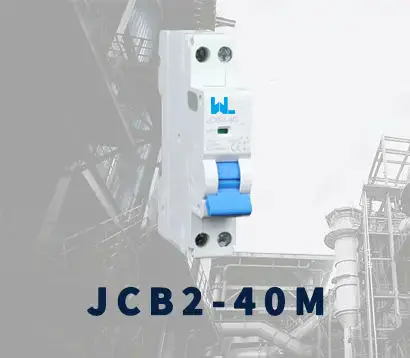 JCB2-40M
 JCB3-63DC
 JCB3-80H
 JCB3-80M
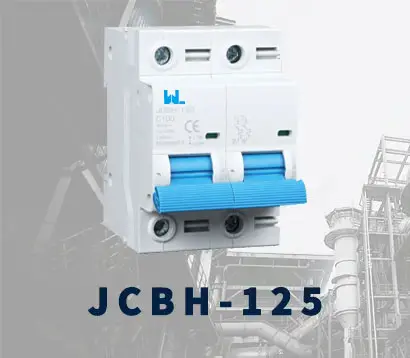 JCBH-125
 JC80-2P
 JC80-4P
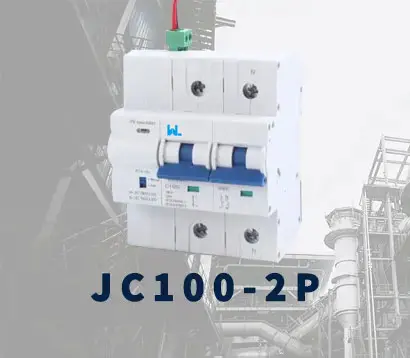 JC125-2P
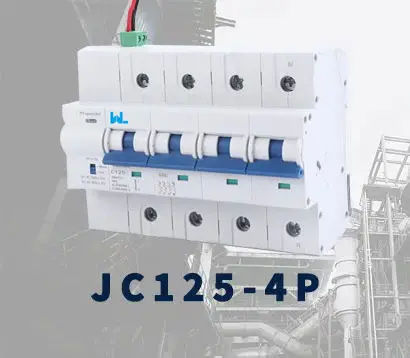 JC125-4P
 JCMX
JCMX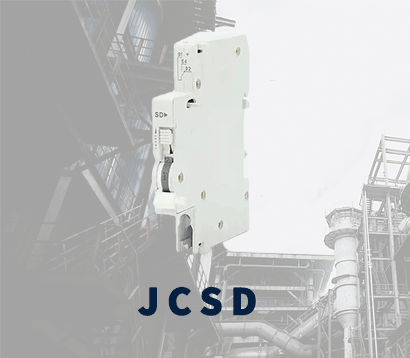 JCSD
JCSD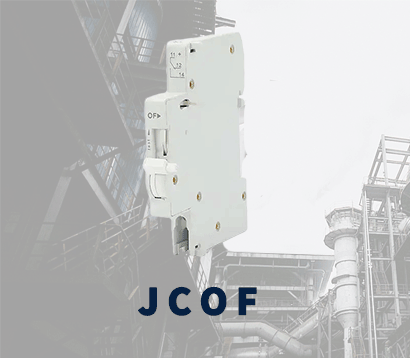 JCOF
JCOF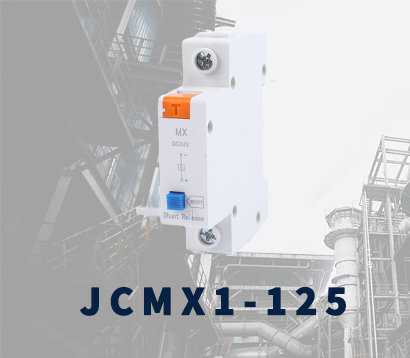 JCMX1-125
 JCOF1-125
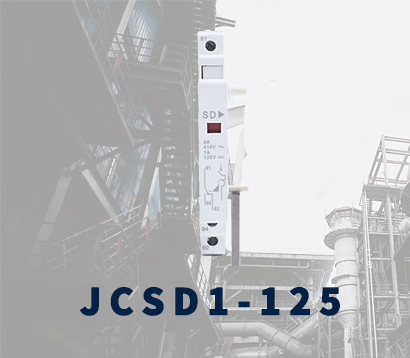 JCSD1-125
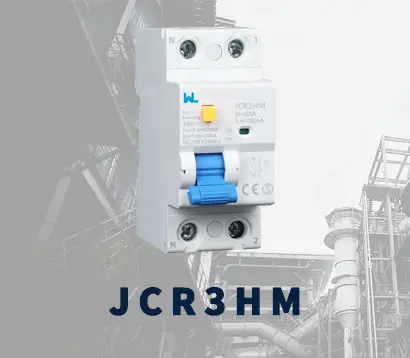 JCR3HM
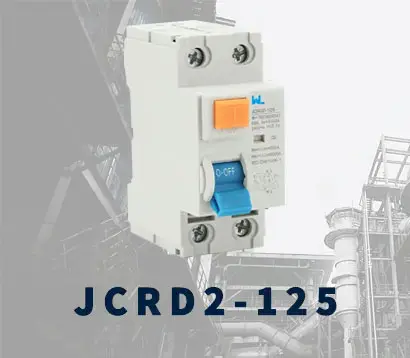 JCRD2-125
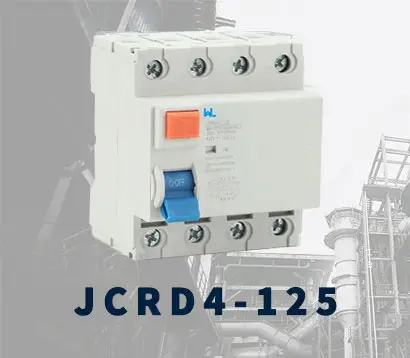 JCRD4-125
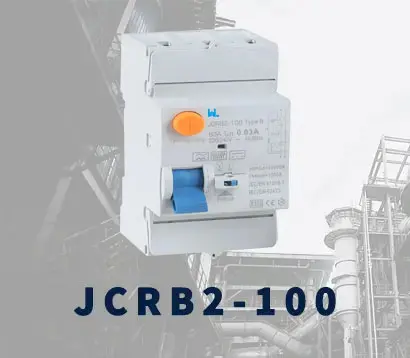 JCRB2-100
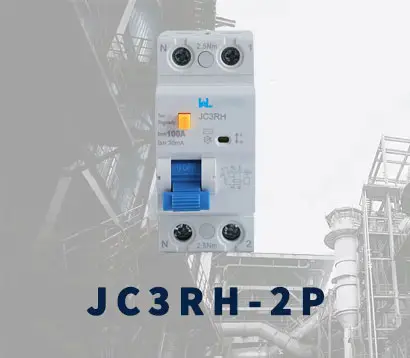 JC3RH-2P
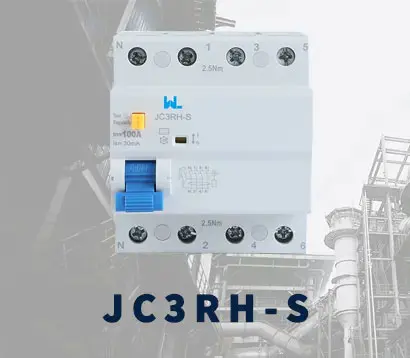 JC3RH-S
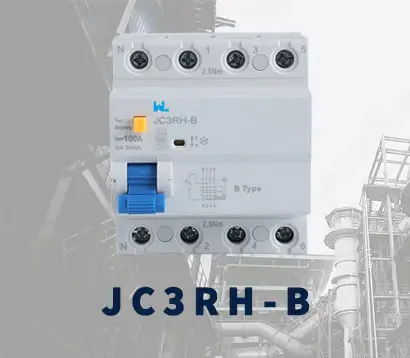 JC3RH-B
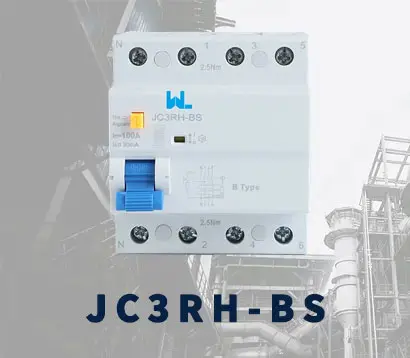 JC3RH-BS
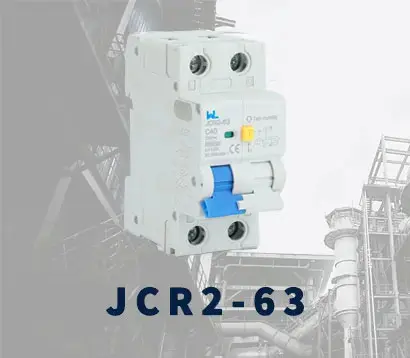 JCR2-63
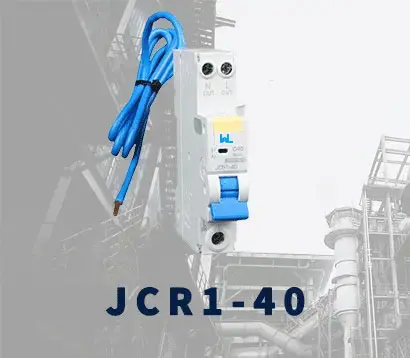 JCR1-40
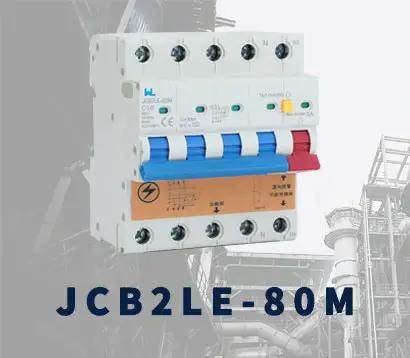 JCB2LE-80M
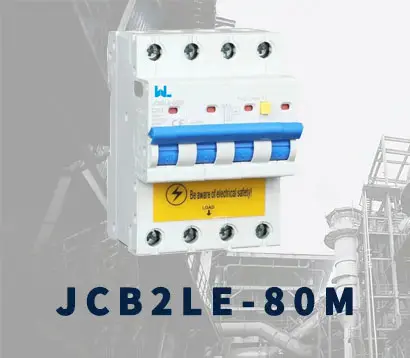 JCB2LE-80M
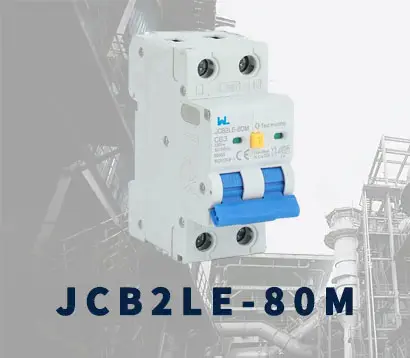 JCB2LE-80M
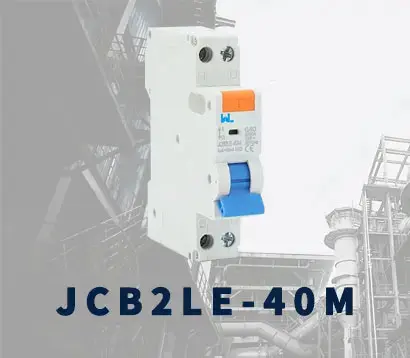 JCB2LE-40M
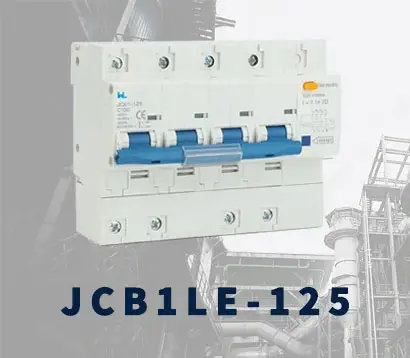 JCB1LE-125
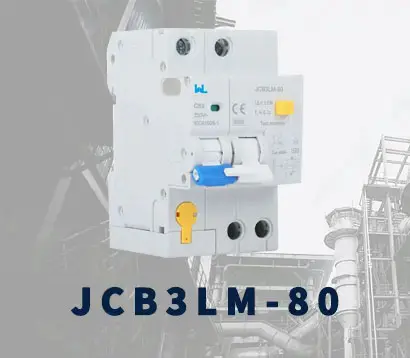 JCB3LM-80
 JCH2-125
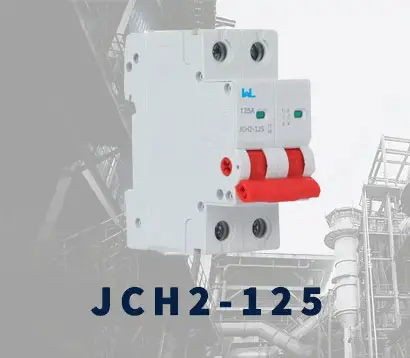 JCH2-125
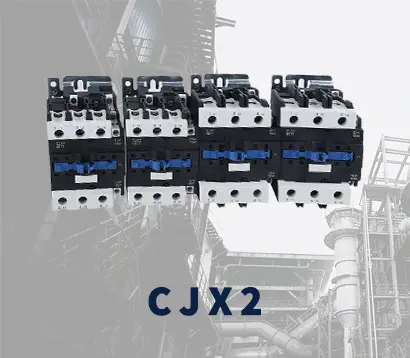 CJX2
CJX2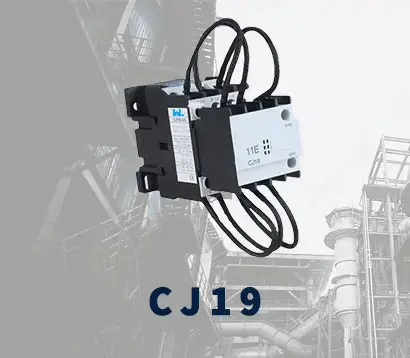 CJ19
CJ19 JCMCU
JCMCU JCHA
JCHA JCSD-40
 JCSD-60
 JCSP-40
 JCSP-60
 JCSPV
JCSPV WEW1-1000
 WEW1-1600
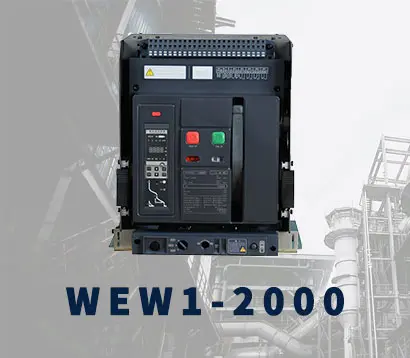 WEW1-2000
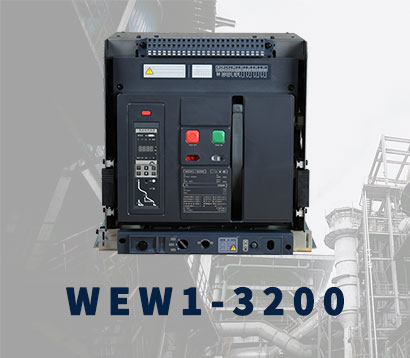 WEW1-3200
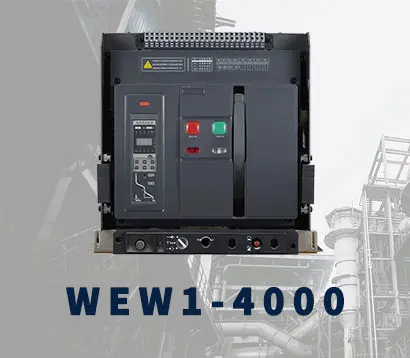 WEW1-4000
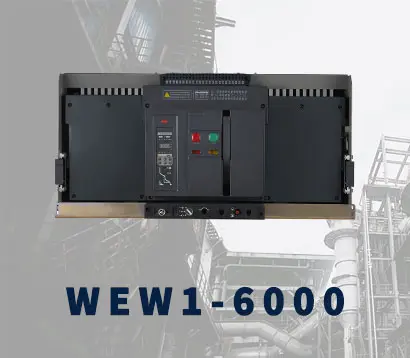 WEW1-6300
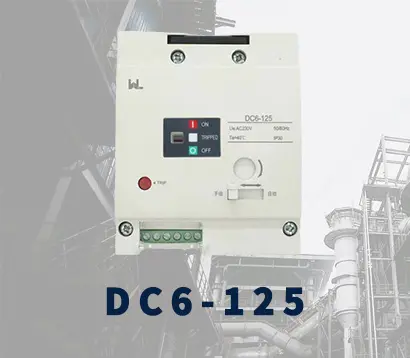 DC6-125
 AX-400-1250
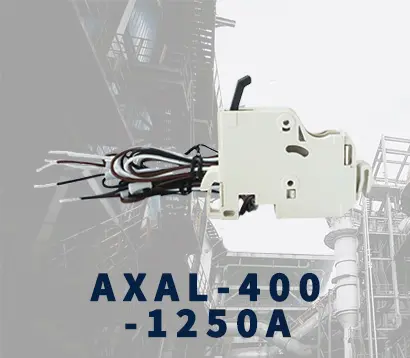 AXAL-400-1250A
 AL-400-1250
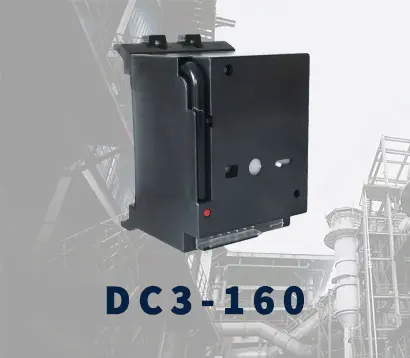 DC3-160
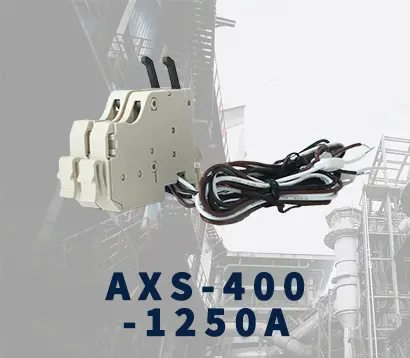 AXS-400-1250A
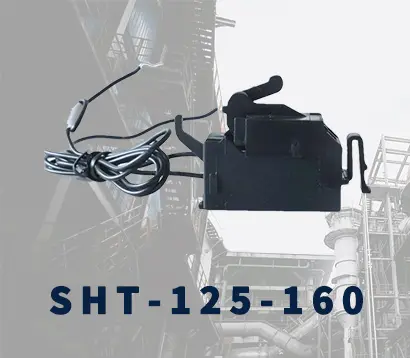 SHT-125-160
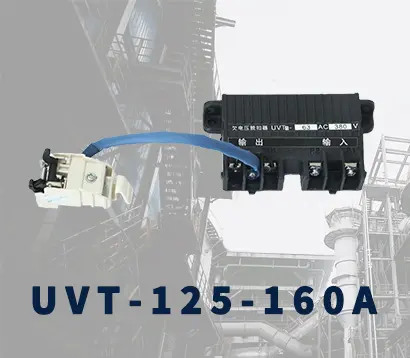 UVT-125-160A
 P-250A-3P-A
 400-3P/4P terminal cover
 1250-3Pmccb accessories busbar
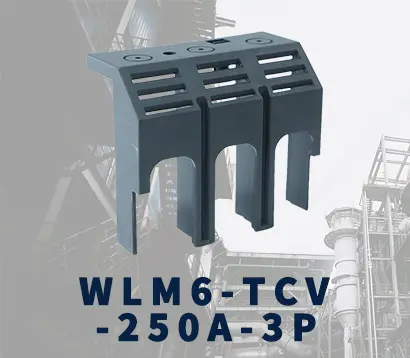 250-3P terminal conver
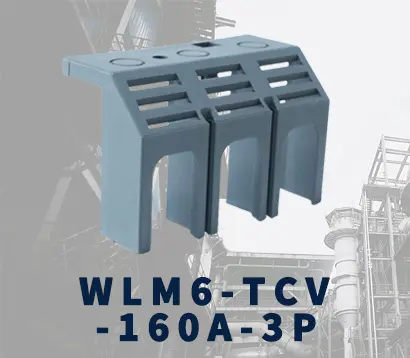 WLM6-TCV-160A-3P
 WLM6-MIP-250A
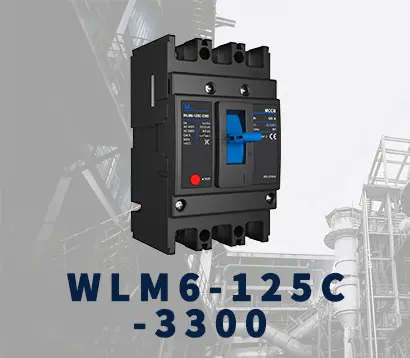 WLM6-125A-3300 3P/4P
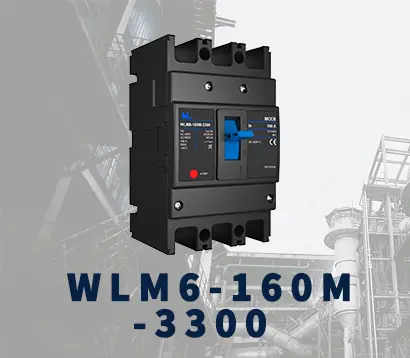 WLM6-160A-3300 3P/4P
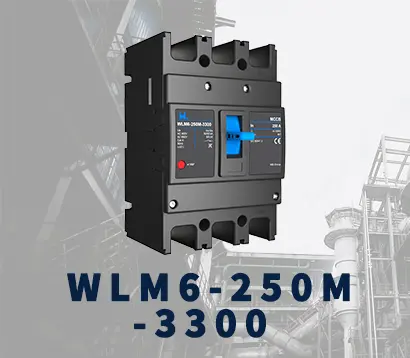 WLM6-250A-3300 3P/4P
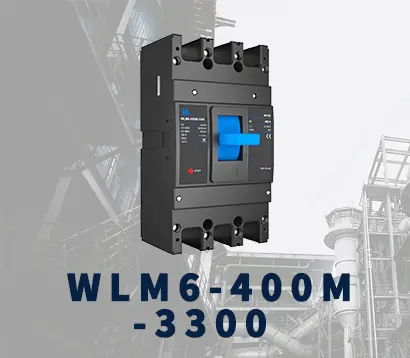 WLM6-400A-3300 3P/4P
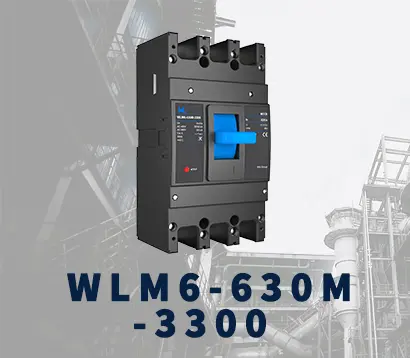 WLM6-630A-3300 3P/4P
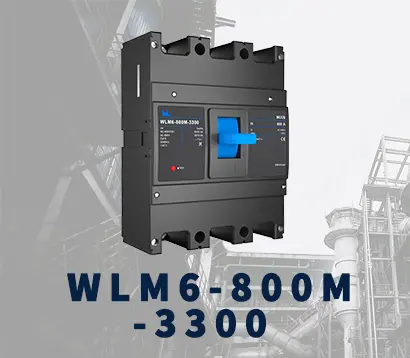 WLM6-800A-3300 3P/4P
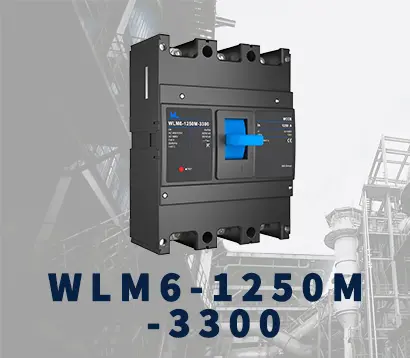 WLM6-1250A-3300 3P/4P
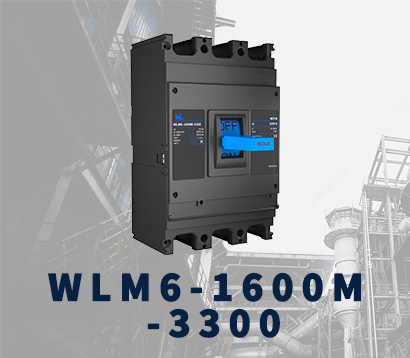 WLM6-1600A-3300 3P/4P
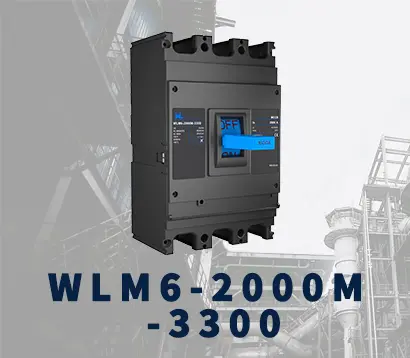 WLM6-2000A 3P/4P
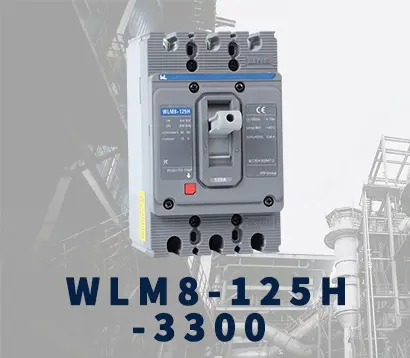 WLM8-125H-3300
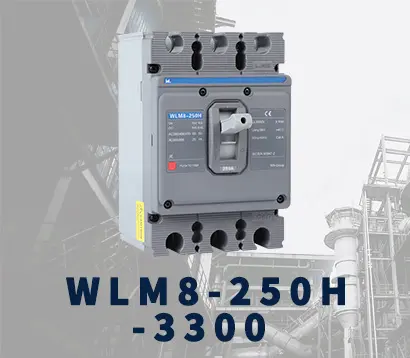 WLM8-250H-3300
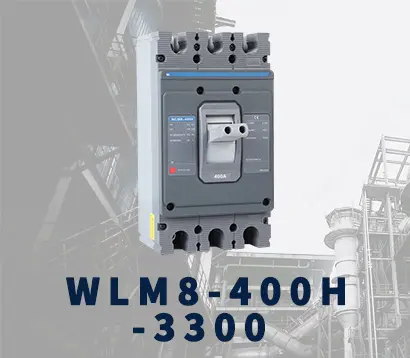 WLM8-400H-3300
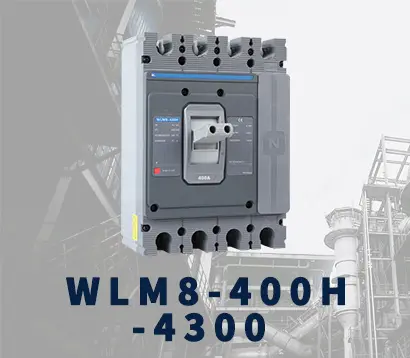 WLM8-400H-4300
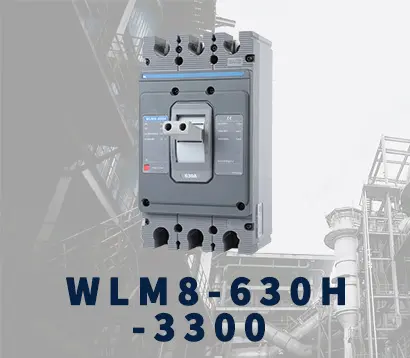 WLM8-630H-3300
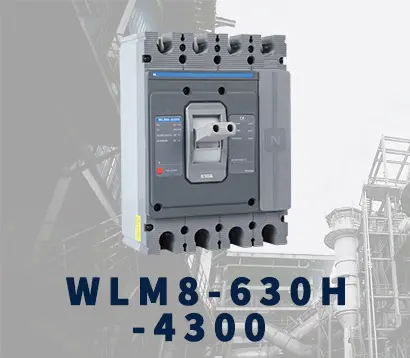 WLM8-630H-4300
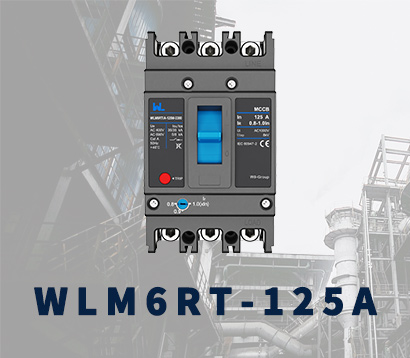 WLM6RT-125A
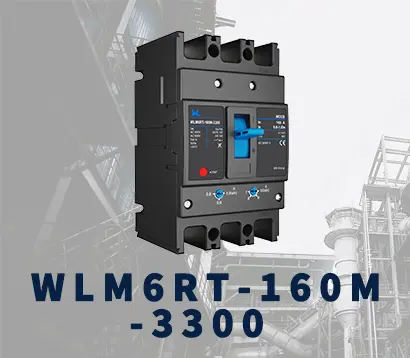 WLM6RT-160A
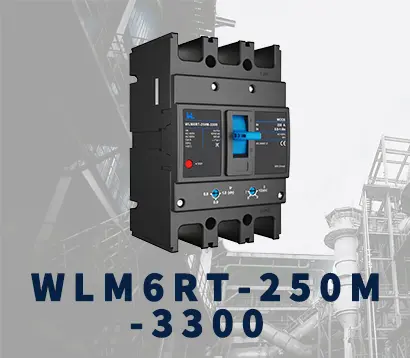 WLM6RT-250A
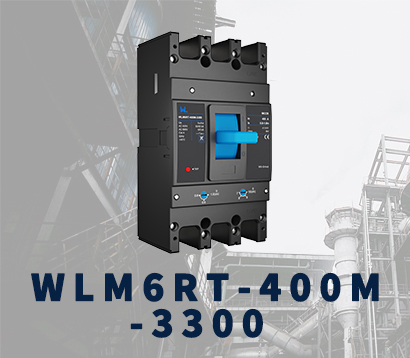 WLM6RT-400A
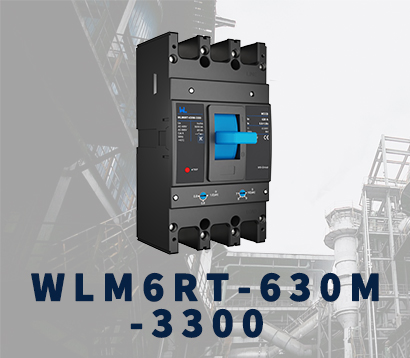 WLM6RT-630A
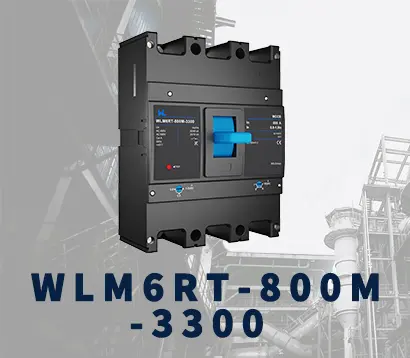 WLM6RT-800A
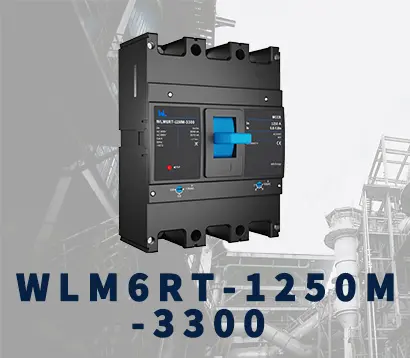 WLM6RT-1250A
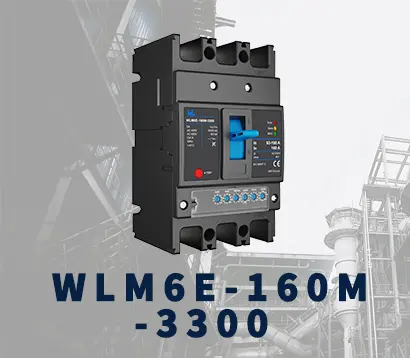 WLM6E-160A-3300 3P
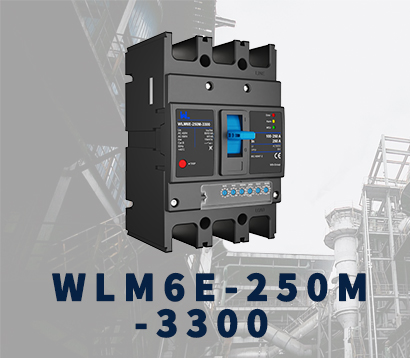 WLM6E-250A-3300
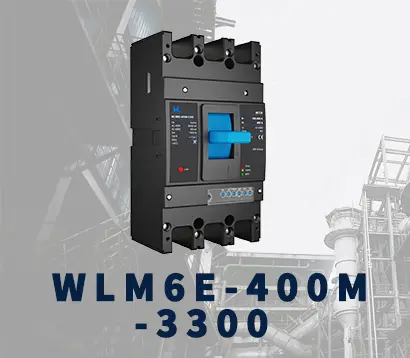 WLM6E-400A-3300 3P/4P
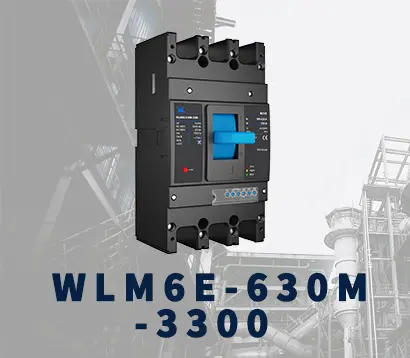 WLM6E-630A-3300
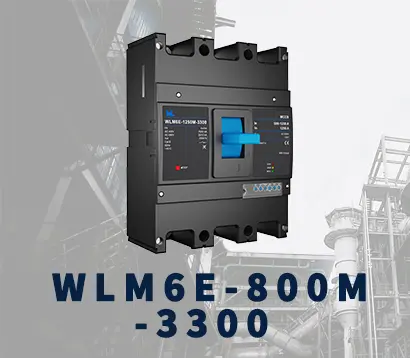 WLM6E-800A-3300 3P/4P
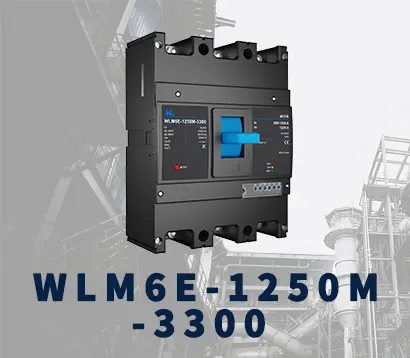 WLM6E-1250A-3300
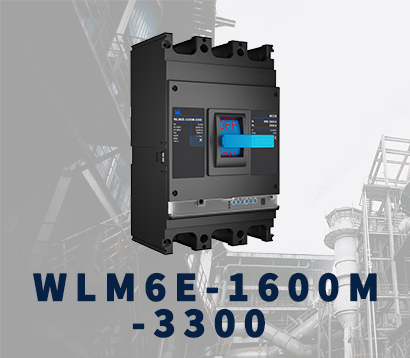 WLM6E-1600-3300 3P/4P
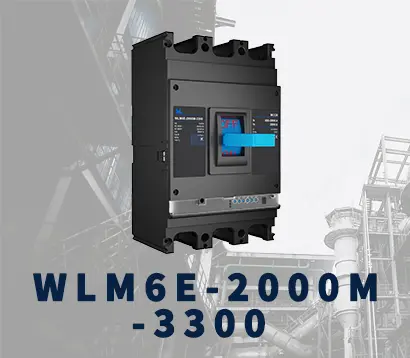 WLM6E-2000A-3300 3P/4P
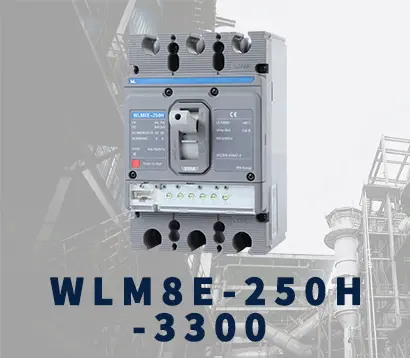 WLM8E-250H-3300
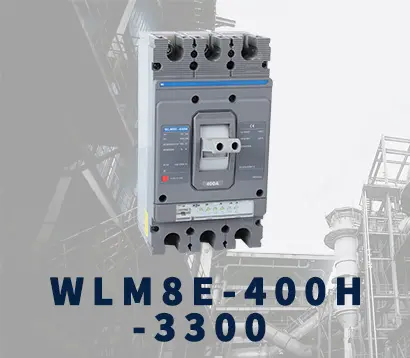 WLM8E-400H-3300
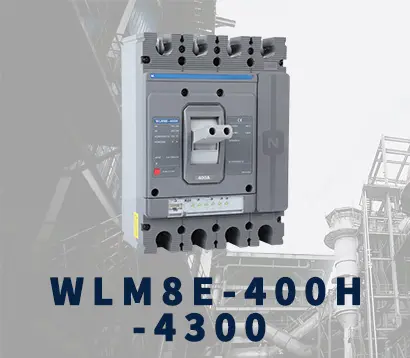 WLM8E-400H-4300
 WLM8E-630H-3300
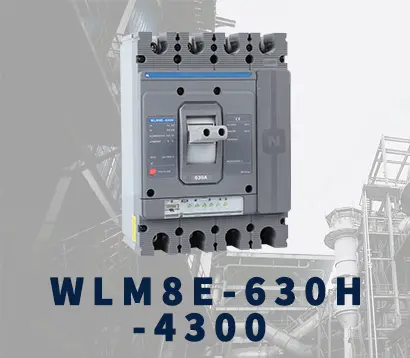 WLM8E-630H-4300
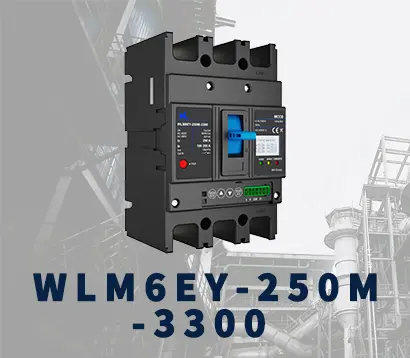 WLM6EY-250-3300 3P/4P
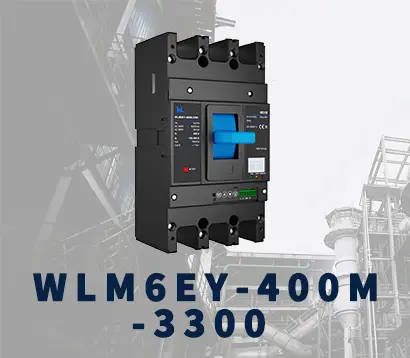 WLM6EY-400 3P/4P
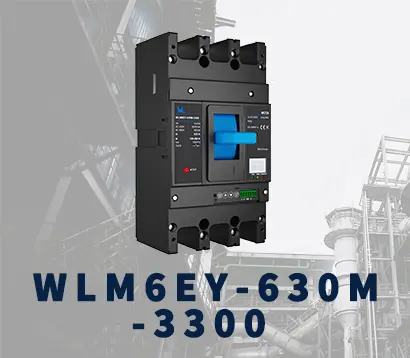 WLM6EY-630 3P/4P
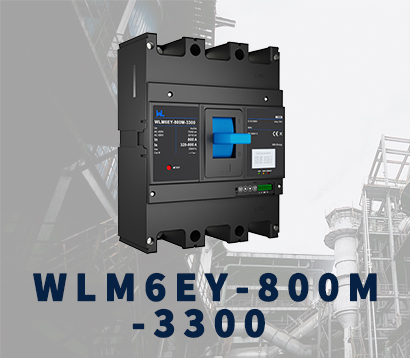 WLM6EY-800A 3P/4P
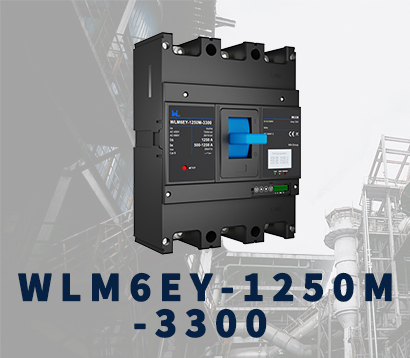 WLM6EY-1250A 3P/4P
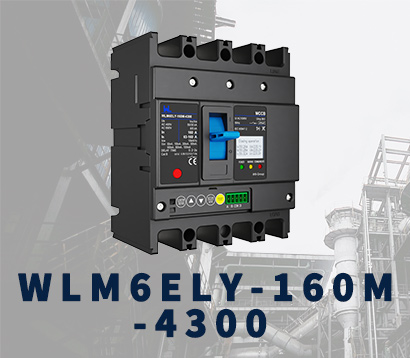 WLM6ELY-160A
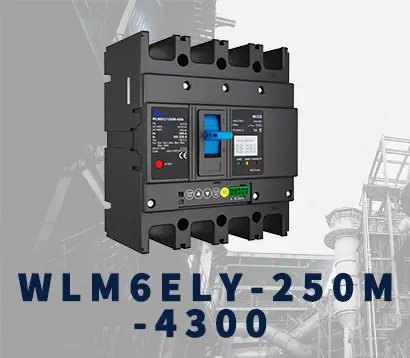 WLM6ELY-250A
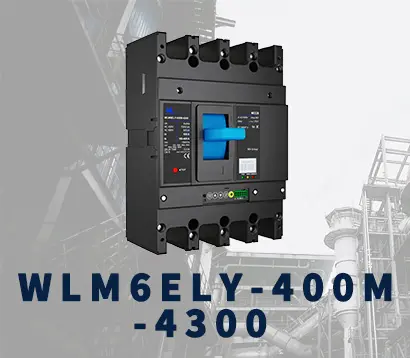 WLM6ELY-400A
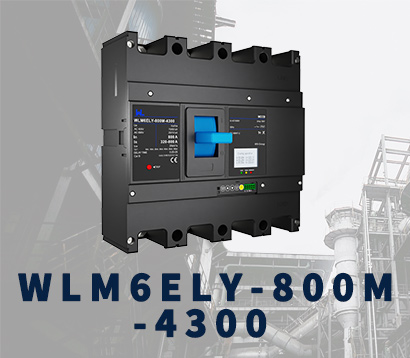 WLM6ELY-800A
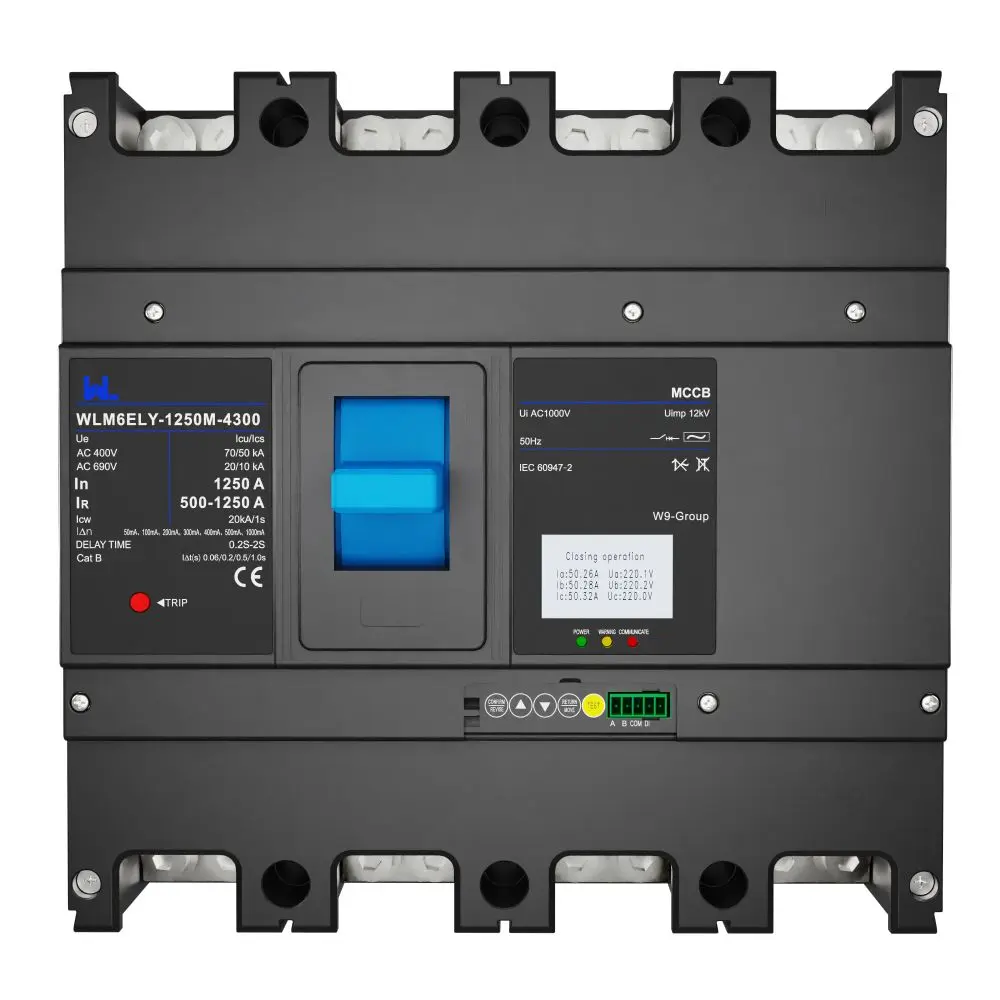 WLM6ELY-1250A
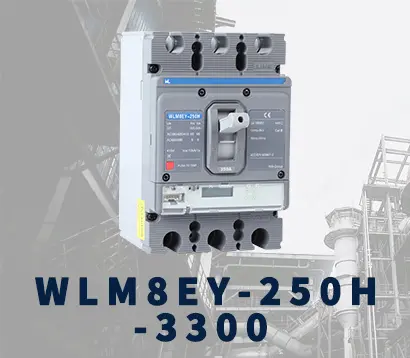 WLM8EY-250H-3300
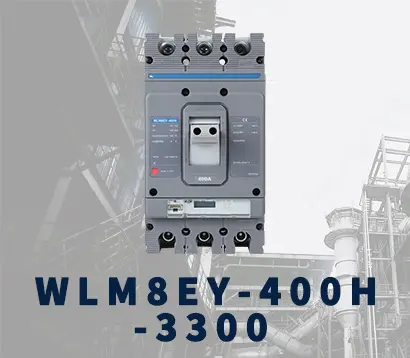 WLM8EY-400H-3300
 WLM8EY-630H-3300
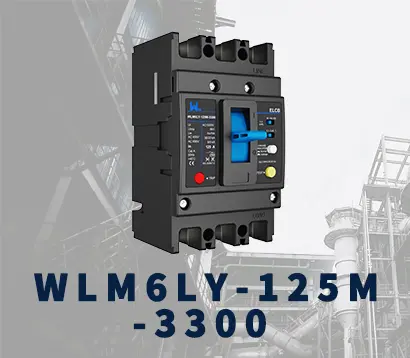 WLM6LY-125A
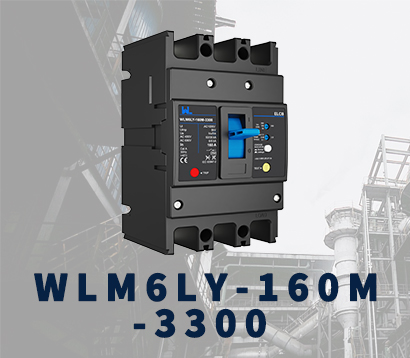 WLM6L-160A
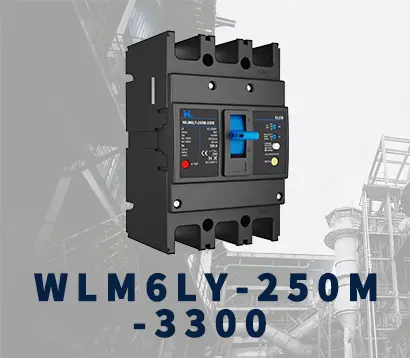 WLM6LY-250A
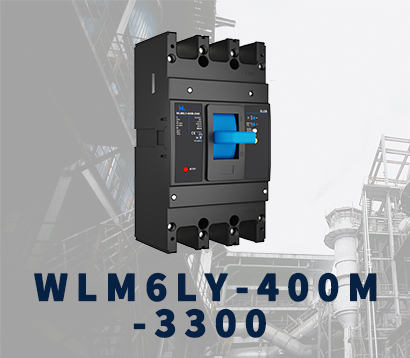 WLM6LY-400A
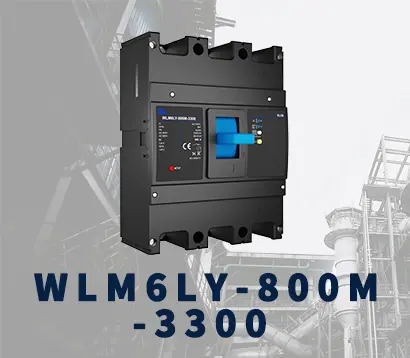 WLM6LY-800A
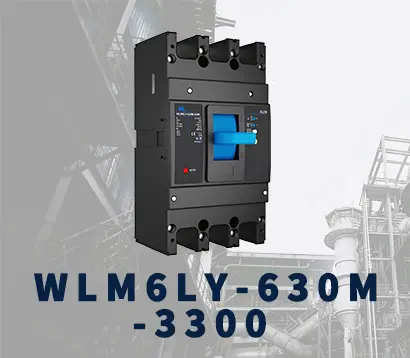 WLM6LY-630A
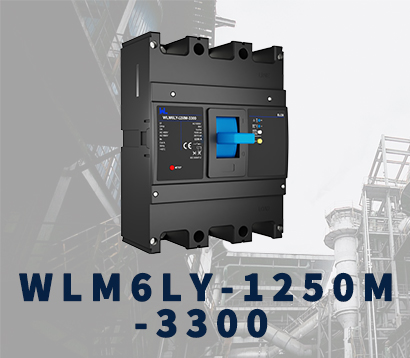 WLM6LY-1250A
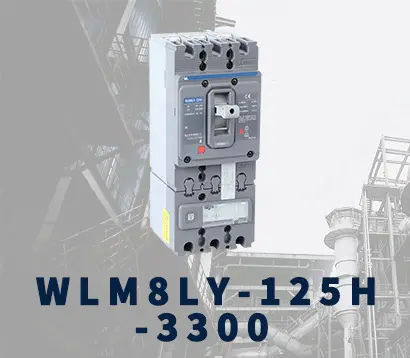 WLM8LY-125H-3300
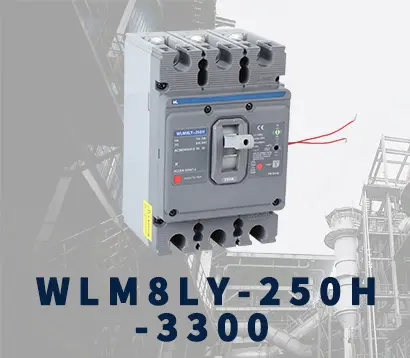 WLM8LY-250H-3300
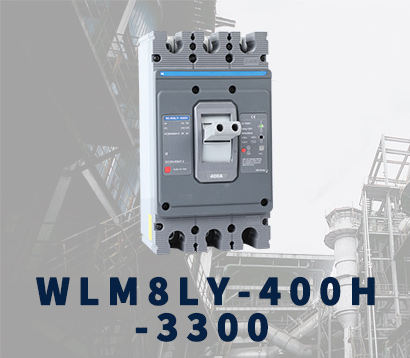 WLM8LY-400H-3300
 WLM8LY-630H-3300
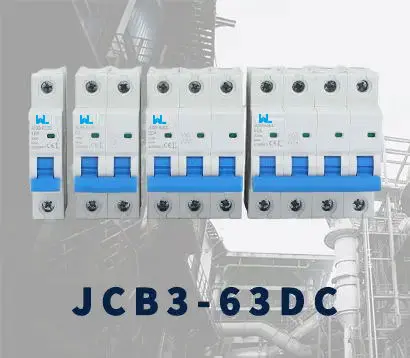 JCB3-63DC
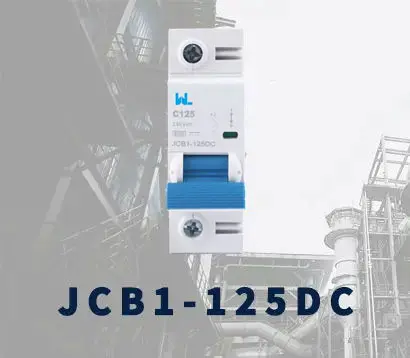 JCB1-125DC
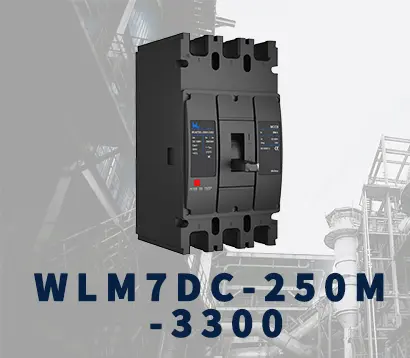 WLM7DC-250A-2300 2P/3P
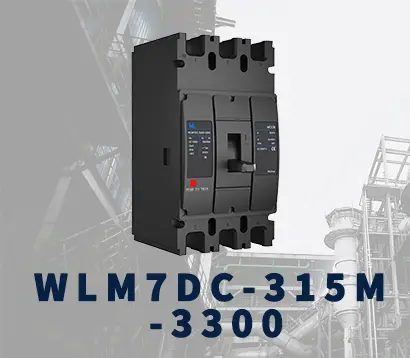 WLM7DC-315A-3300 2P/3P
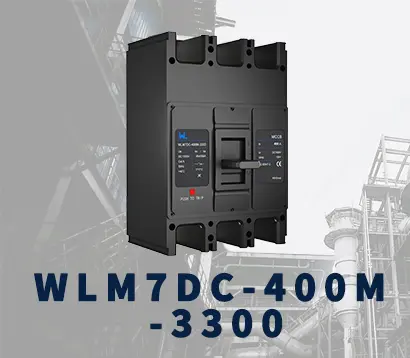 WLM7DC-400A-2300 2P/3P
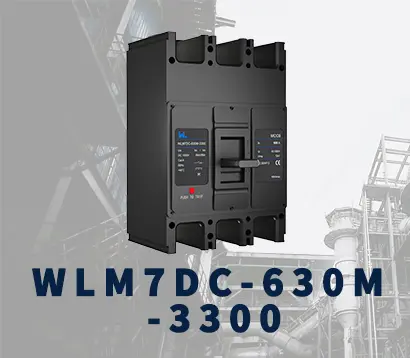 WLM7DC-630A-3300 3P
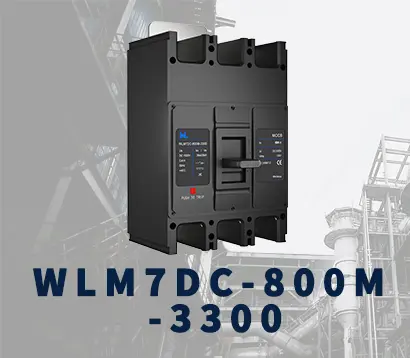 WLM7DC-800A-2300 2P/3P
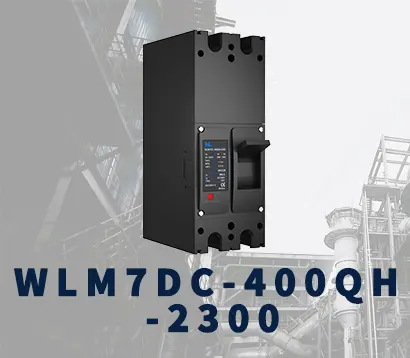 WLM7DC-400A 2300
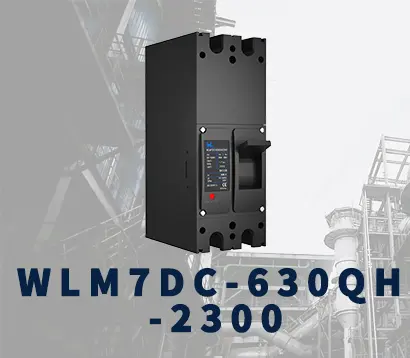 WLM7DC-630A-2300 2P
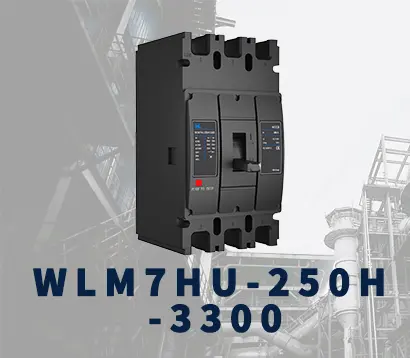 WLM7HU-250-3300 3P
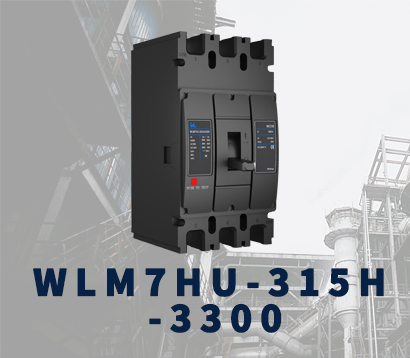 WLM7HU-315-3300 3P
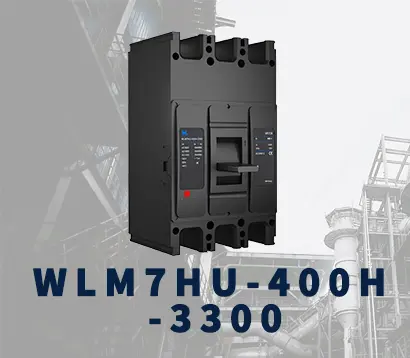 WLM7HU-400-3300 3P
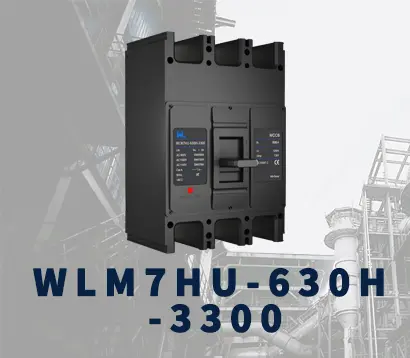 WLM7HU-630-3300 3P
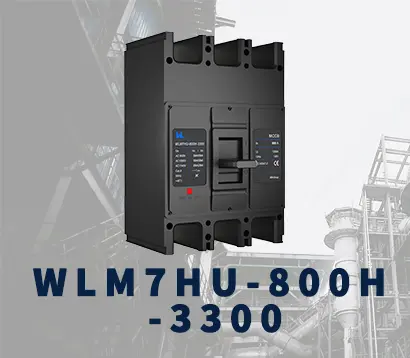 WLM7HU-800-3300 3P
 PV-1500V/250A
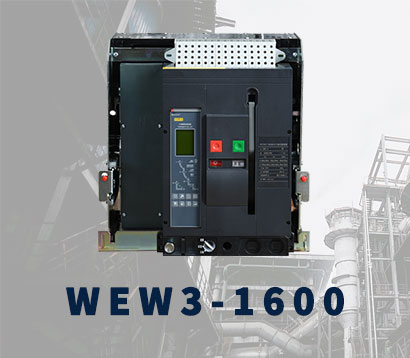 WEW3-1600
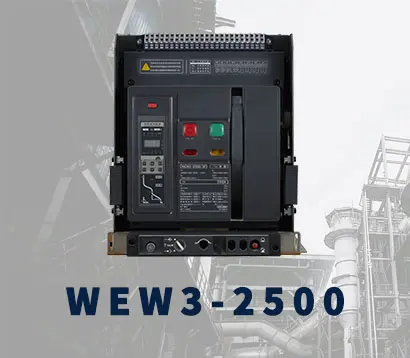 WEW3-2500
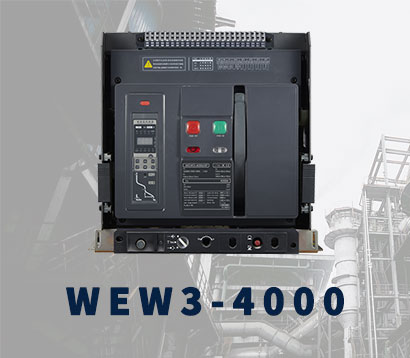 WEW3-4000
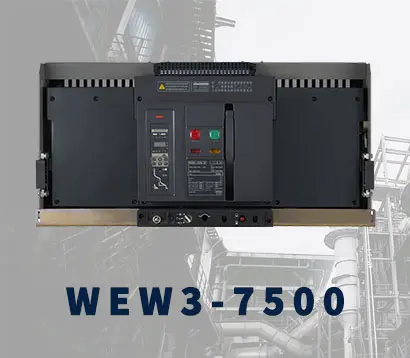 WEW3-7500