What is a Molded Case Breaker and How Does it Work?
In the world of electrical engineering, understanding a Molded Case Breaker is crucial. As John Smith, a leading expert in circuit protection, states, “The Molded Case Breaker is the backbone of modern electrical safety.” This device safeguards equipment and people from overloads and short circuits. Its design offers reliability and ease of use, making it a staple in industrial settings.
Molded Case Breakers come in various sizes and specifications. Each model caters to specific electrical needs. They are housed in durable casings that withstand harsh industrial environments. This ensures protection against physical damage and dust. Yet, many users overlook the importance of regular testing and maintenance. Ignoring these aspects can lead to equipment failure.
The intricate workings of a Molded Case Breaker involve electromagnetic and thermal triggers. The electromagnetic component responds to immediate surges, while the thermal element reacts to prolonged overloads. Balance is key. However, understanding this balance can be challenging for many. While some may feel confident in their knowledge, it is essential to continually educate oneself on the latest advancements in technology and safety standards.
What is a Molded Case Breaker?
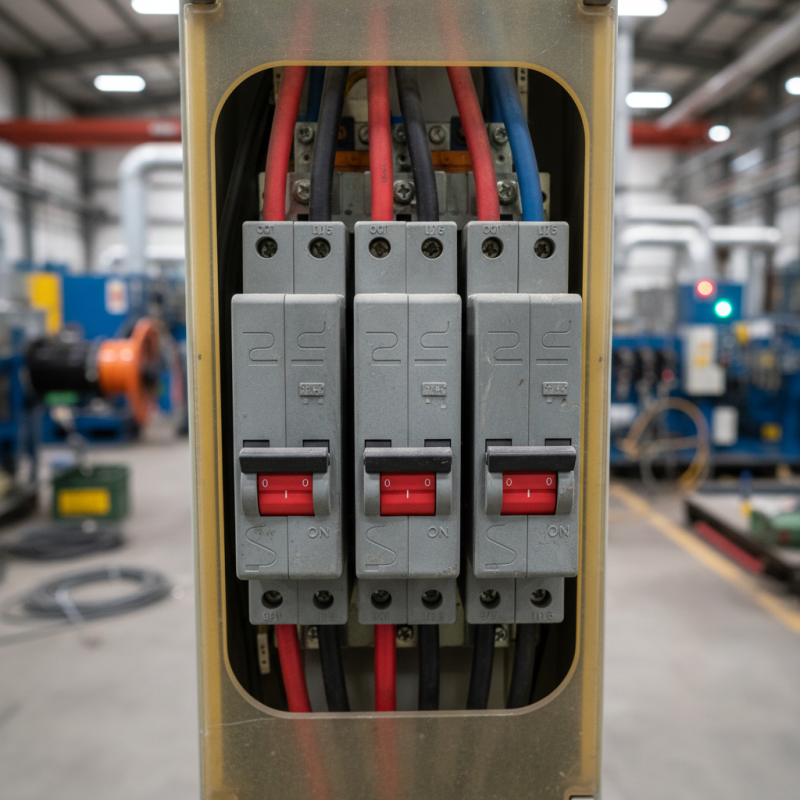
A molded case breaker (MCB) is an essential component in electrical systems. It protects circuits from overloads and short circuits. Unlike fuses, which must be replaced after a fault, MCBs can be reset. This feature makes them convenient for everyday use.
MCBs contain an electromagnetic mechanism that reacts quickly to high currents. When an overload occurs, the mechanism trips the circuit. Users often appreciate this feature, yet sometimes forget to reset it. This can lead to unnecessary downtime.
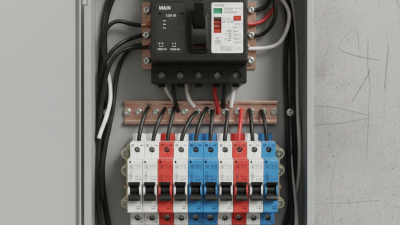
The design of molded case breakers allows them to fit into various panels. They come in different current ratings and trip settings. However, choosing the right one may require careful consideration. Some users may install MCBs without adequate knowledge, which can lead to mistakes. It's crucial to understand their ratings and functions to ensure safety and reliability.
Key Components of Molded Case Breakers
Molded case breakers are essential in electrical systems. They protect circuits from overloads and short circuits. Understanding their key components is crucial for proper application.
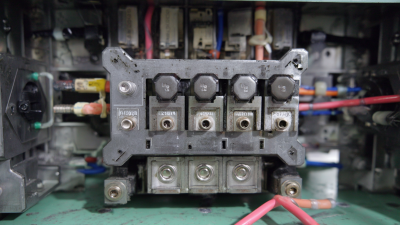
The main parts include the breaking mechanism, thermal trip element, and magnetic trip element. The breaking mechanism interrupts the circuit. This happens when it detects an overload. The thermal trip element senses current. It reacts slowly to gradual increases in temperature. Meanwhile, the magnetic trip element responds quickly to short circuits. It provides immediate protection.
Tips: Regular maintenance is vital. Check for any signs of wear. Ensure that connections are tight. This practice can prevent costly failures. Additionally, understanding load requirements is crucial. Overloading can lead to malfunction.
Another important aspect is testing the device. Periodically test the breaker to ensure it operates correctly. Many users forget about this step. This oversight can lead to serious safety issues. Stay proactive with your electrical equipment for the best performance.
Molded Case Breaker Current Ratings
How Molded Case Breakers Operate
Molded case breakers (MCBs) are essential components in electrical distribution systems. Their primary role is to protect circuits from overload and short circuits. They combine the functions of an overload relay and a circuit breaker. The design ensures safety and efficiency in various settings, from industrial environments to residential buildings.
MCBs operate by using a mechanism that senses current flow. When the current exceeds a preset level, the device trips to interrupt the circuit. There are thermal and magnetic components involved in this tripping mechanism. In 2020, the global market for molded case circuit breakers was valued at approximately $5.5 billion, indicating their importance in electrical safety. Yet, reliability issues can arise with aging breakers. This can lead to unexpected failures during critical moments.
Regular testing and maintenance are crucial. Some reports suggest that nearly 30% of MCB failures occur due to poor maintenance practices. The National Fire Protection Association also highlights that outdated equipment increases fire risks significantly. Thus, regular checks and updates can save lives and resources. Molded case breakers must be treated as vital assets in any electrical infrastructure. Addressing their limitations can lead to safer operations and better reliability.
What is a Molded Case Breaker and How Does it Work? - How Molded Case Breakers Operate
| Aspect |
Description |
| Definition |
A Molded Case Breaker (MCB) is a type of electrical circuit breaker designed to protect electrical circuits from overloads and short circuits. |
| Operating Principle |
MCBs operate by using an electromechanical mechanism that trips the circuit when current exceeds its rated limit. |
| Components |
Typical components include a plunger, spring mechanism, and contacts that open or close the circuit. |
| Types of Protection |
Overload protection, short circuit protection, and in some cases, earth leakage protection. |
| Applications |
Used in residential, commercial, and industrial applications to safeguard electrical distribution systems. |
| Sizes |
Available in various current ratings ranging from a few amperes to several thousand amperes. |
| Reset Mechanism |
Most MCBs can be reset manually after tripping, allowing the circuit to be re-energized. |
| Benefits |
They offer reliable protection, quick response times, and are relatively easy to install and maintain. |
Applications of Molded Case Breakers in Electrical Systems
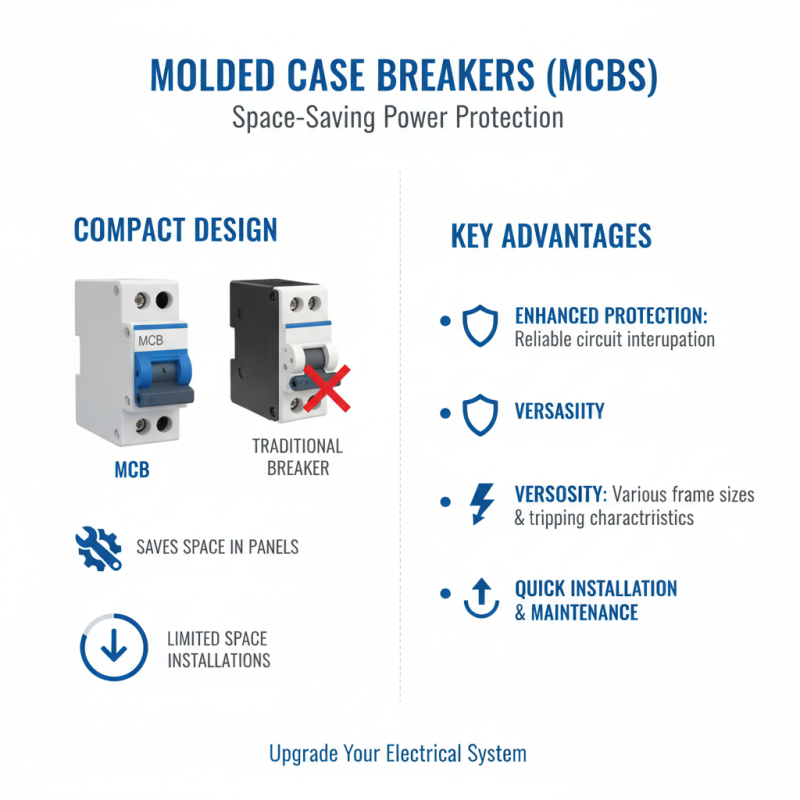
Molded case breakers (MCBs) are crucial for electrical systems. They protect circuits from overloads and short circuits. MCBs are designed to interrupt current flow when problems arise. This helps prevent equipment damage and reduces fire risks. Their compact design allows for easy integration into various systems.
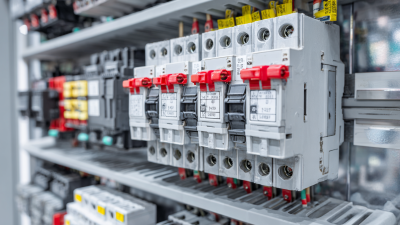
In industrial settings, MCBs play a vital role. They safeguard machinery and ensure operational safety. Restaurants and hotels rely on them for kitchen equipment. Residential buildings also benefit from MCBs for home appliances. Each application demands reliability and efficiency.
However, regular maintenance is often overlooked. MCBs can wear out or become faulty over time. It's essential to periodically inspect them. Inadequate checks can lead to unanticipated failures. Understanding the limitations of MCBs is key. They may not trip in all overload scenarios. Awareness helps in making informed decisions.

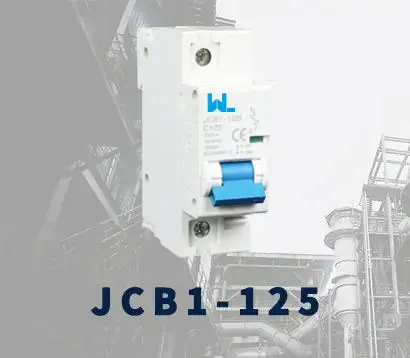 JCB1-125
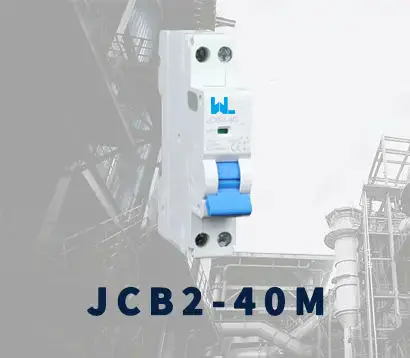 JCB2-40M
 JCB3-63DC
 JCB3-80H
 JCB3-80M
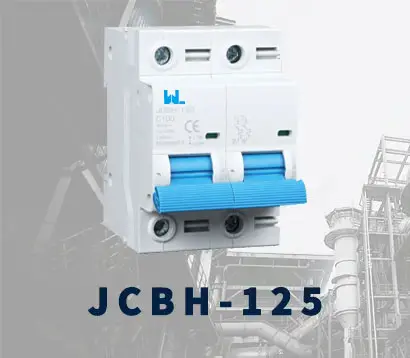 JCBH-125
 JC80-2P
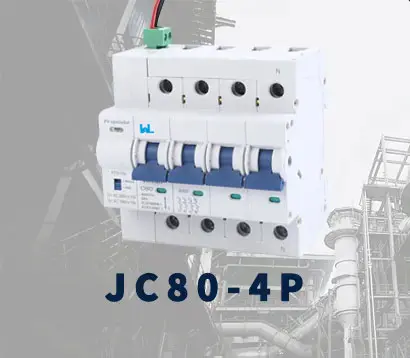 JC80-4P
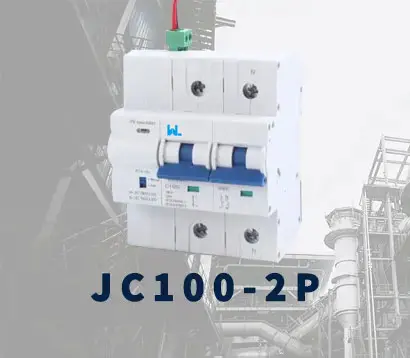 JC125-2P
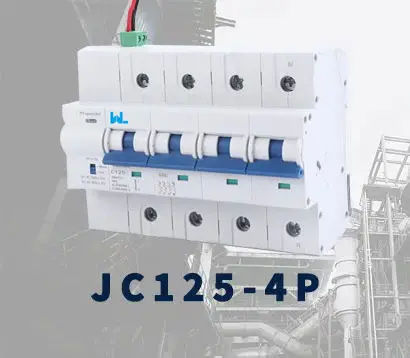 JC125-4P
 JCMX
JCMX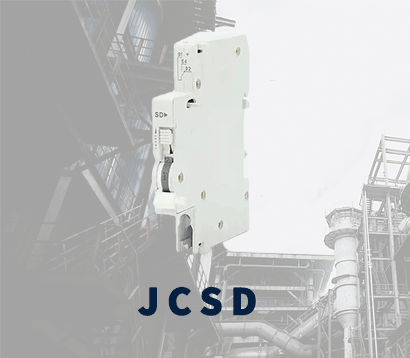 JCSD
JCSD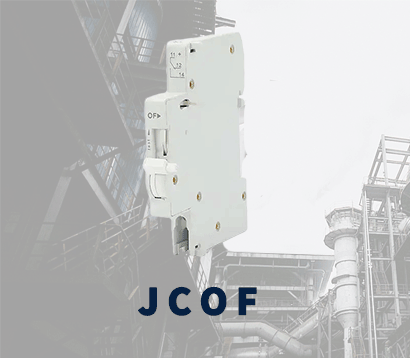 JCOF
JCOF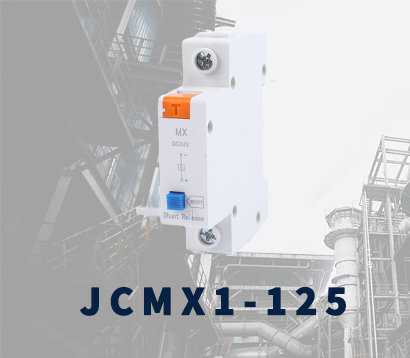 JCMX1-125
 JCOF1-125
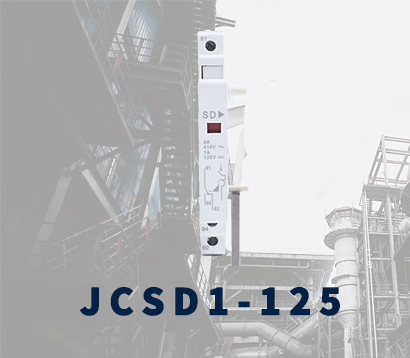 JCSD1-125
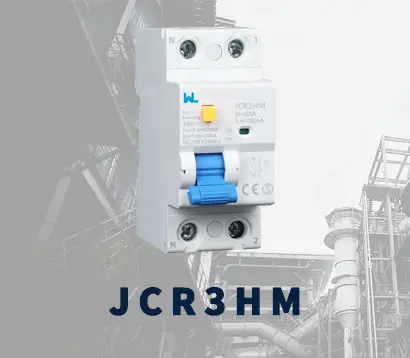 JCR3HM
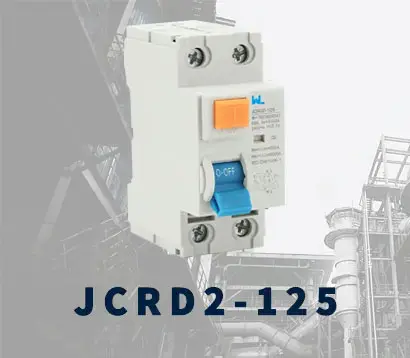 JCRD2-125
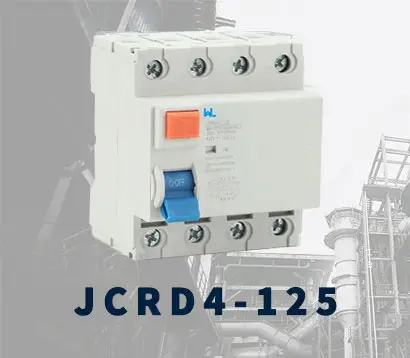 JCRD4-125
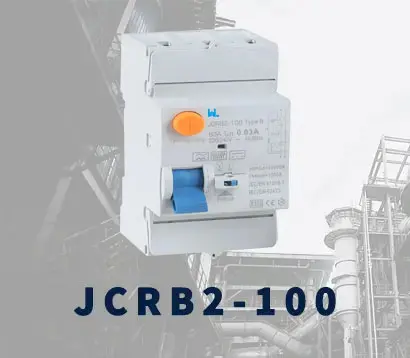 JCRB2-100
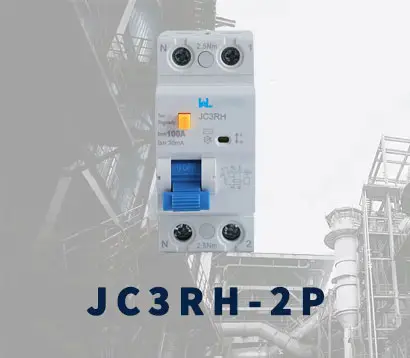 JC3RH-2P
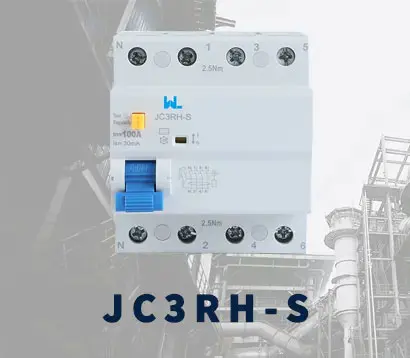 JC3RH-S
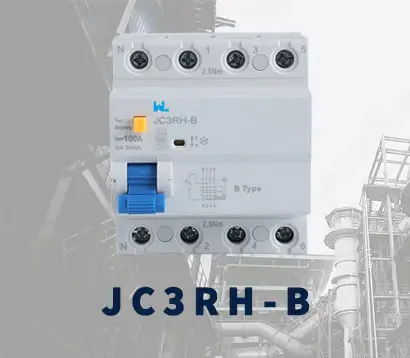 JC3RH-B
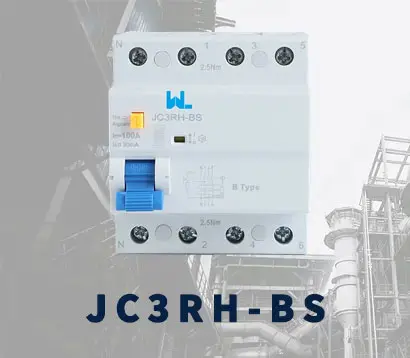 JC3RH-BS
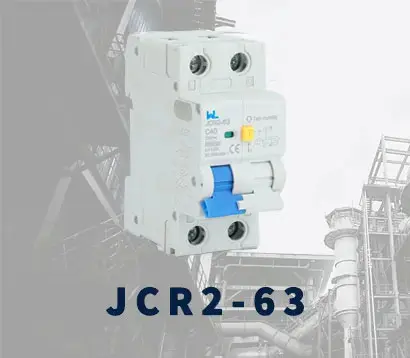 JCR2-63
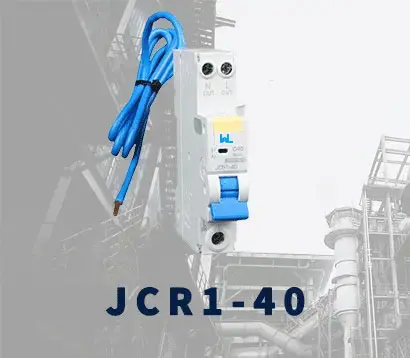 JCR1-40
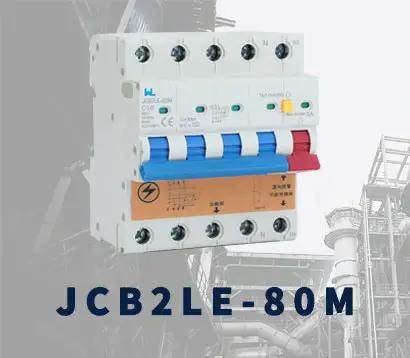 JCB2LE-80M
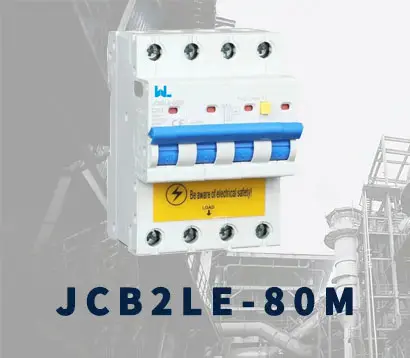 JCB2LE-80M
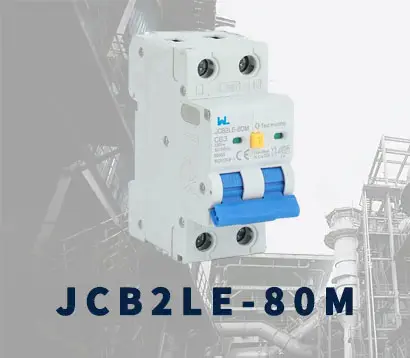 JCB2LE-80M
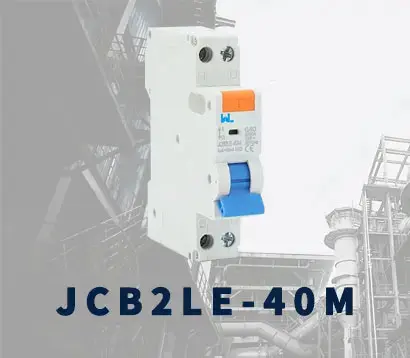 JCB2LE-40M
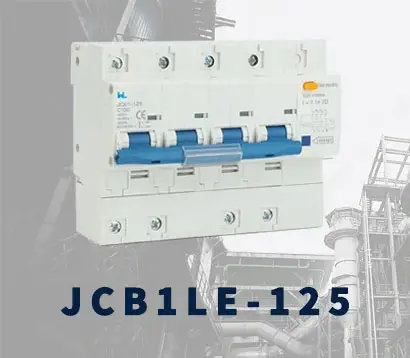 JCB1LE-125
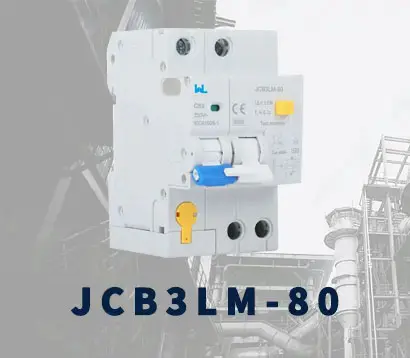 JCB3LM-80
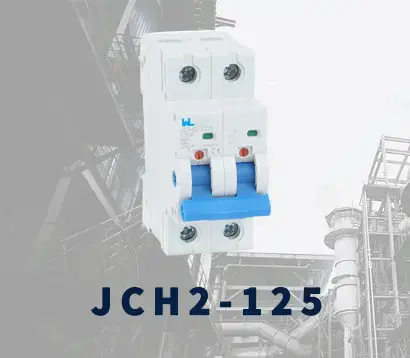 JCH2-125
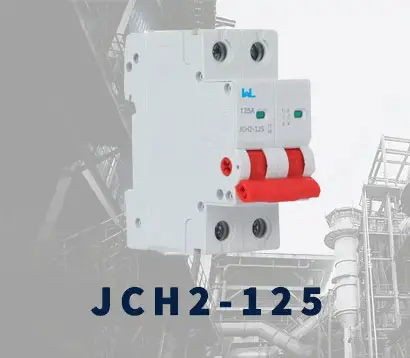 JCH2-125
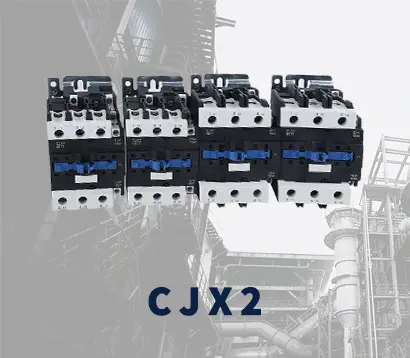 CJX2
CJX2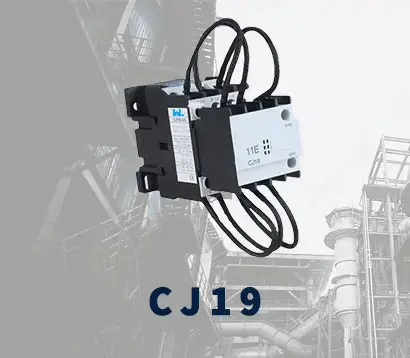 CJ19
CJ19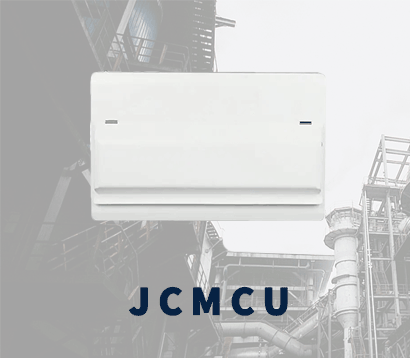 JCMCU
JCMCU JCHA
JCHA JCSD-40
 JCSD-60
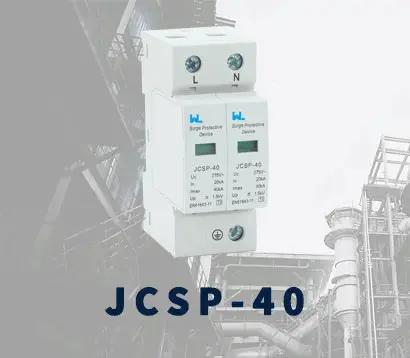 JCSP-40
 JCSP-60
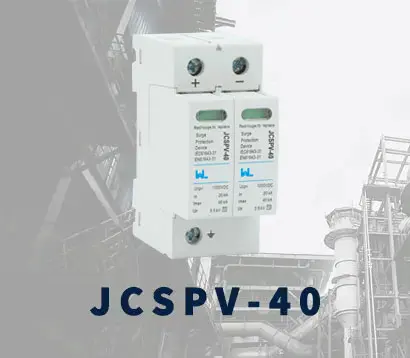 JCSPV
JCSPV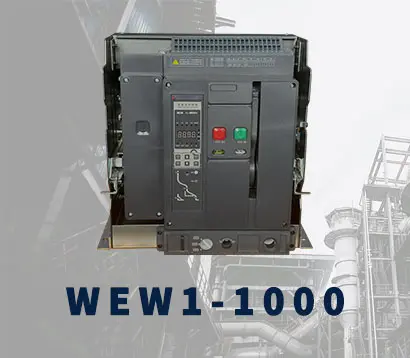 WEW1-1000
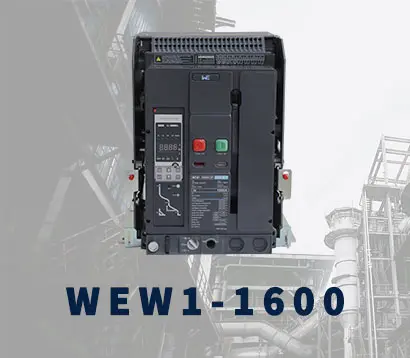 WEW1-1600
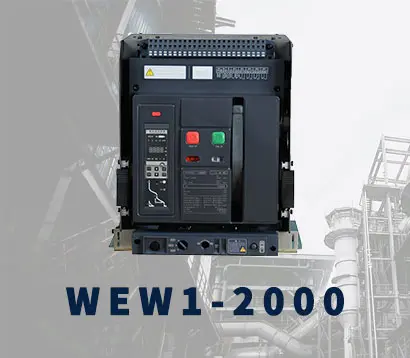 WEW1-2000
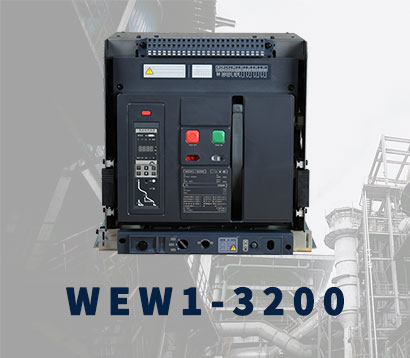 WEW1-3200
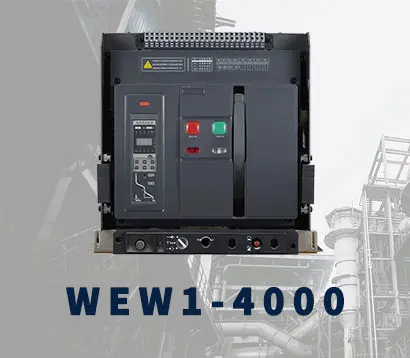 WEW1-4000
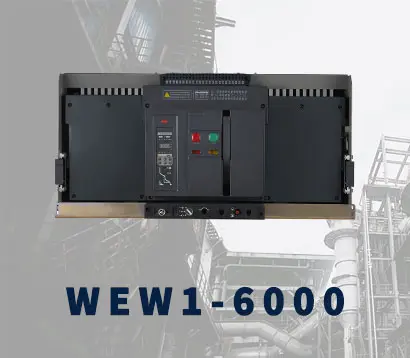 WEW1-6300
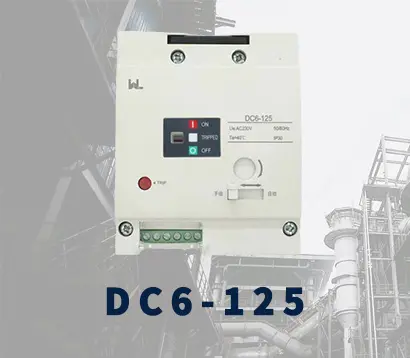 DC6-125
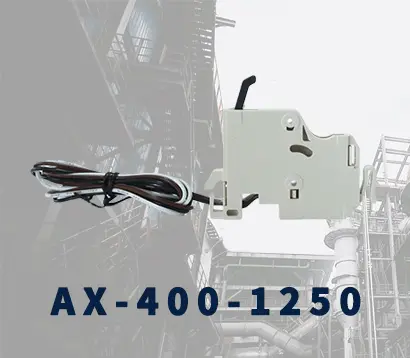 AX-400-1250
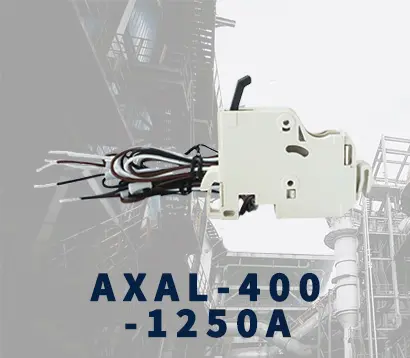 AXAL-400-1250A
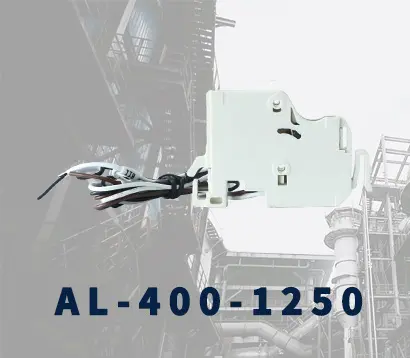 AL-400-1250
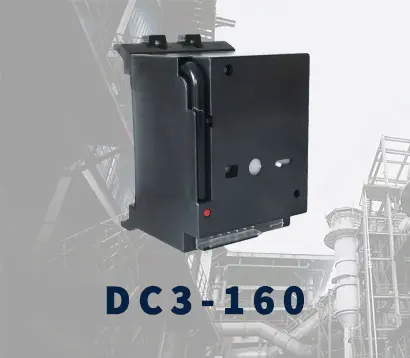 DC3-160
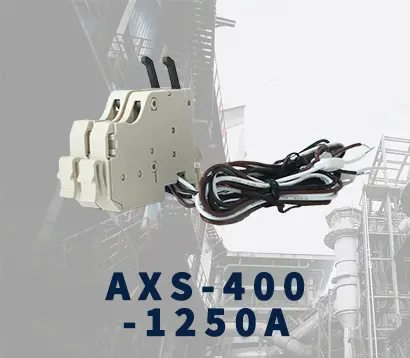 AXS-400-1250A
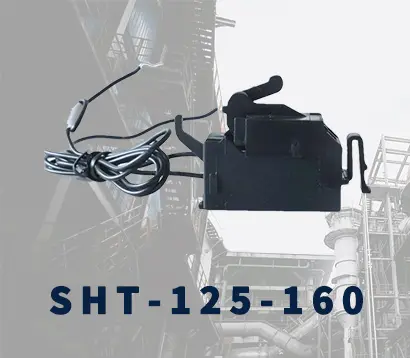 SHT-125-160
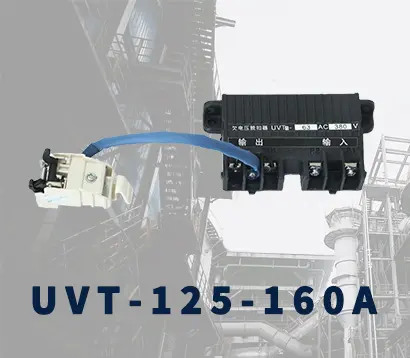 UVT-125-160A
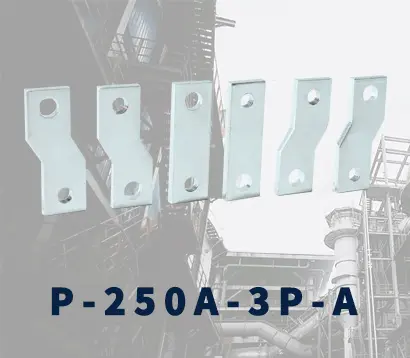 P-250A-3P-A
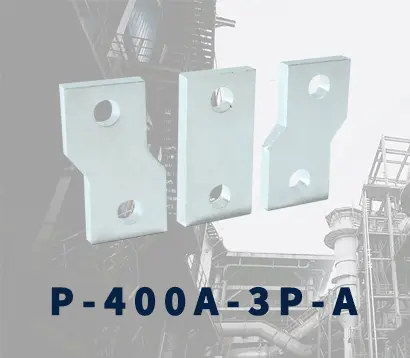 400-3P/4P terminal cover
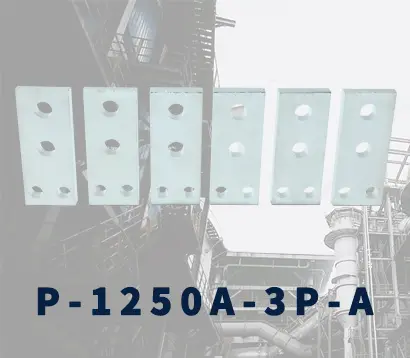 1250-3Pmccb accessories busbar
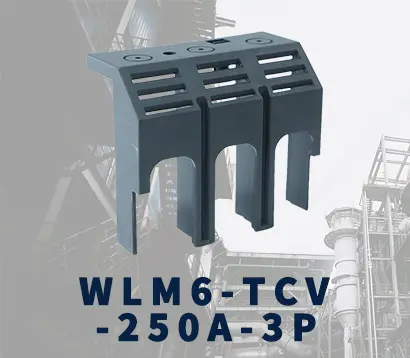 250-3P terminal conver
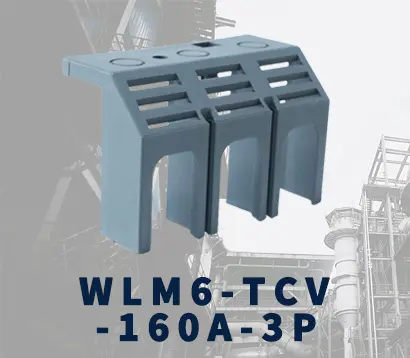 WLM6-TCV-160A-3P
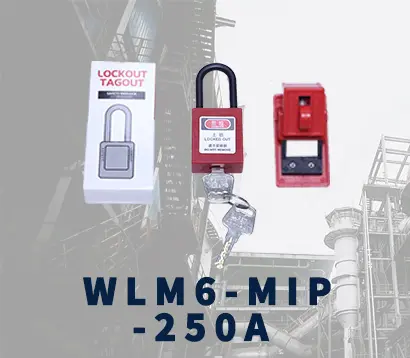 WLM6-MIP-250A
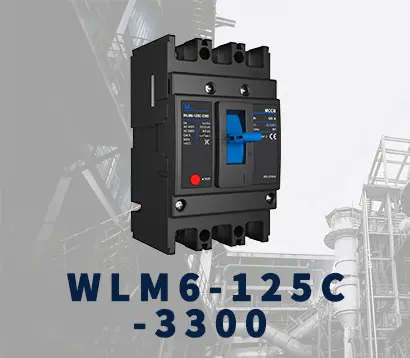 WLM6-125A-3300 3P/4P
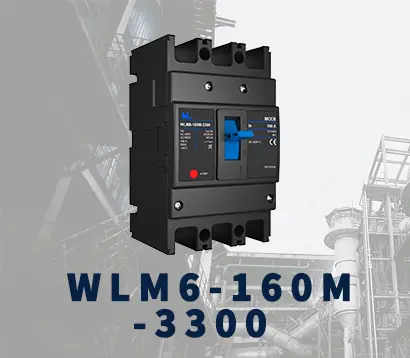 WLM6-160A-3300 3P/4P
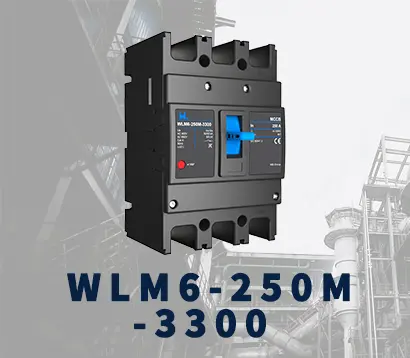 WLM6-250A-3300 3P/4P
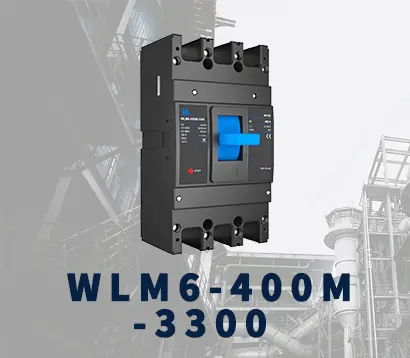 WLM6-400A-3300 3P/4P
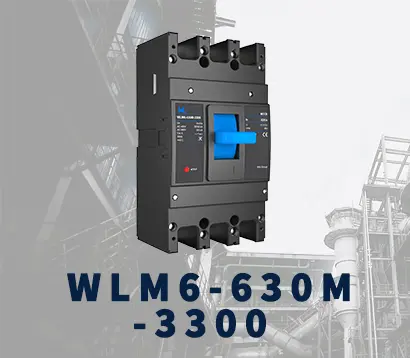 WLM6-630A-3300 3P/4P
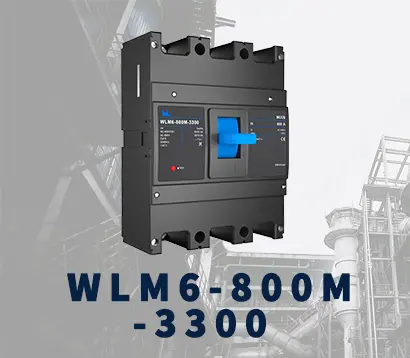 WLM6-800A-3300 3P/4P
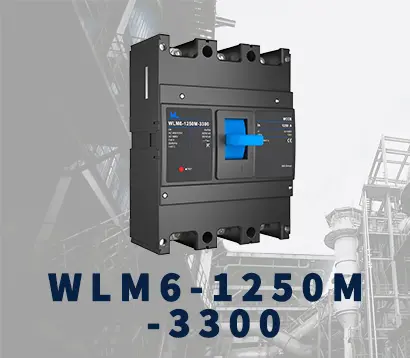 WLM6-1250A-3300 3P/4P
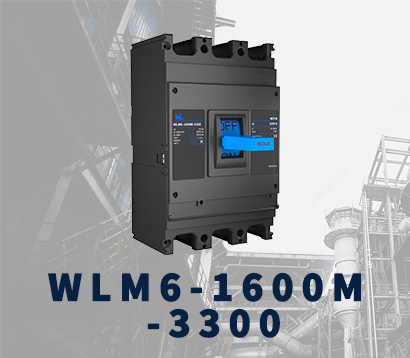 WLM6-1600A-3300 3P/4P
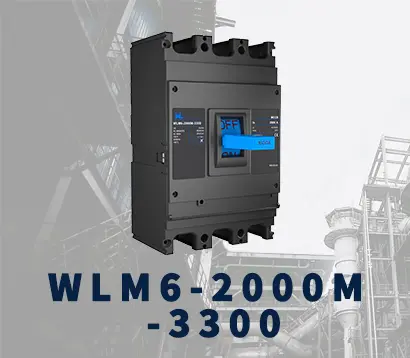 WLM6-2000A 3P/4P
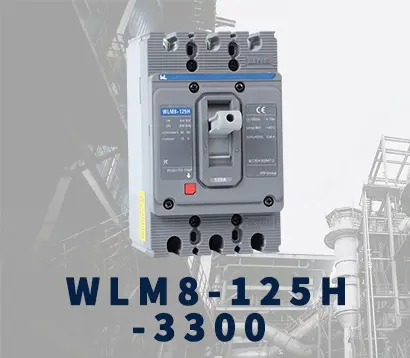 WLM8-125H-3300
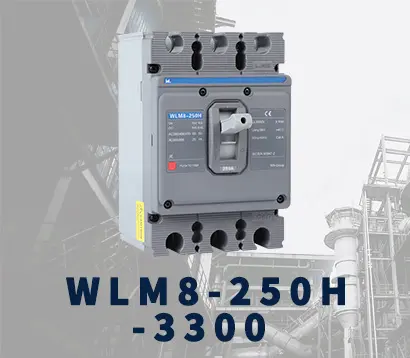 WLM8-250H-3300
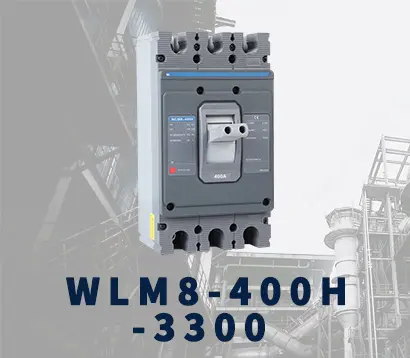 WLM8-400H-3300
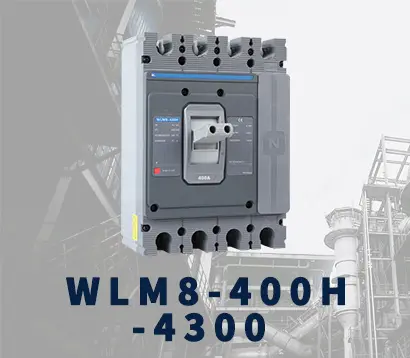 WLM8-400H-4300
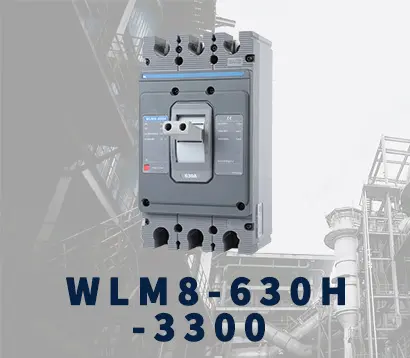 WLM8-630H-3300
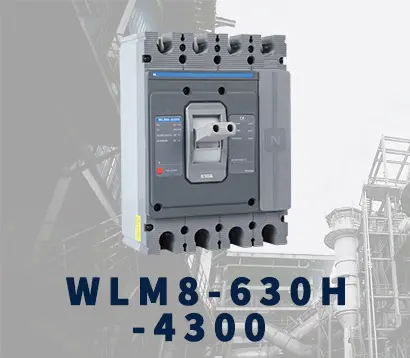 WLM8-630H-4300
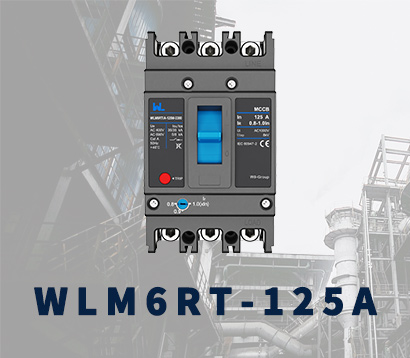 WLM6RT-125A
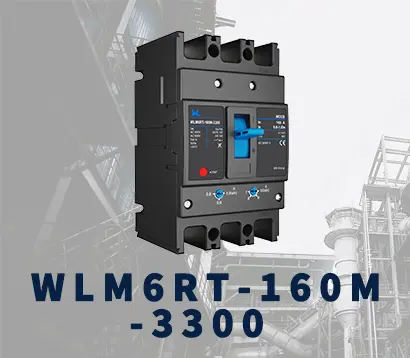 WLM6RT-160A
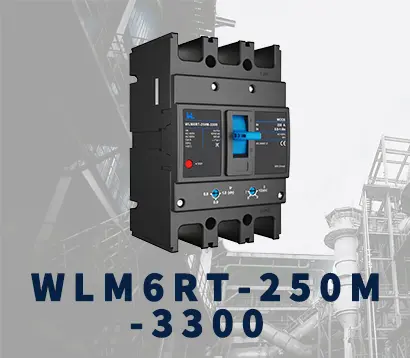 WLM6RT-250A
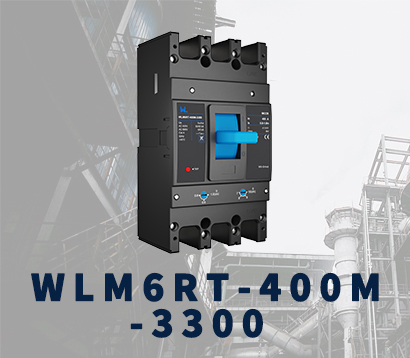 WLM6RT-400A
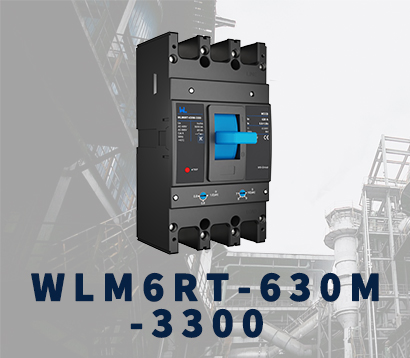 WLM6RT-630A
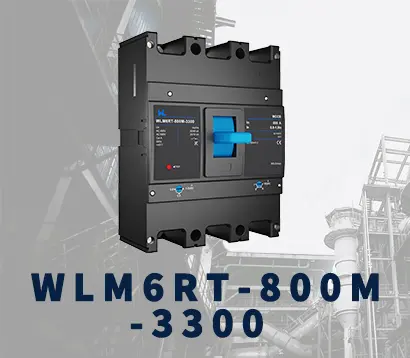 WLM6RT-800A
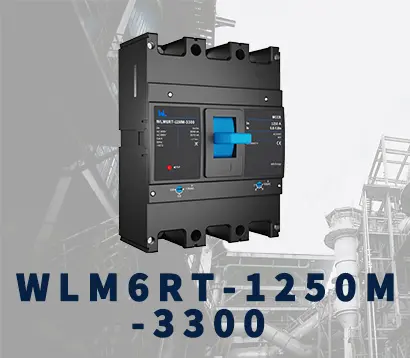 WLM6RT-1250A
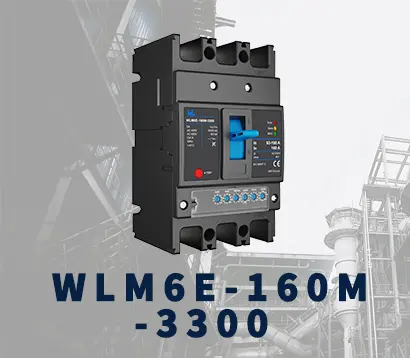 WLM6E-160A-3300 3P
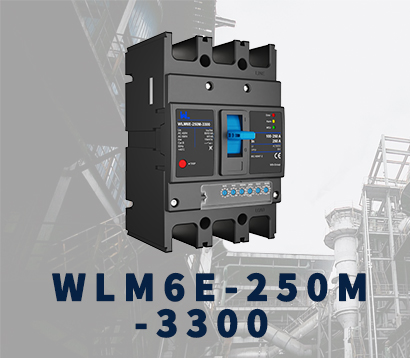 WLM6E-250A-3300
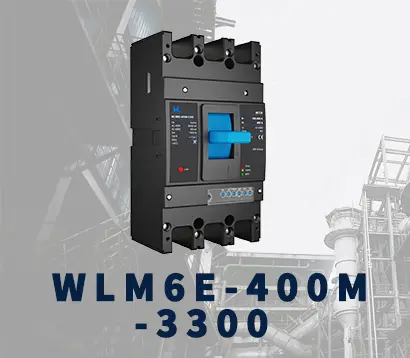 WLM6E-400A-3300 3P/4P
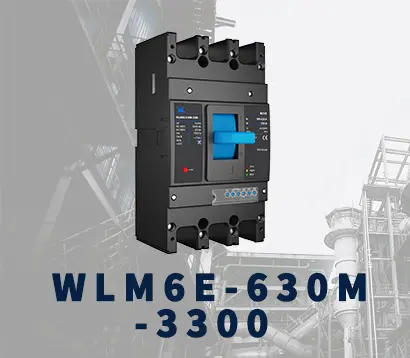 WLM6E-630A-3300
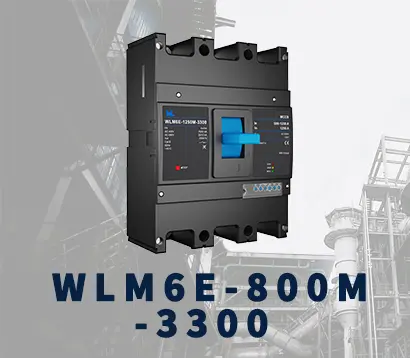 WLM6E-800A-3300 3P/4P
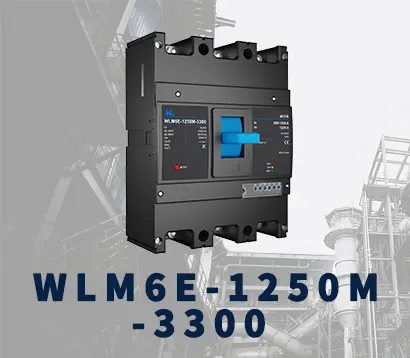 WLM6E-1250A-3300
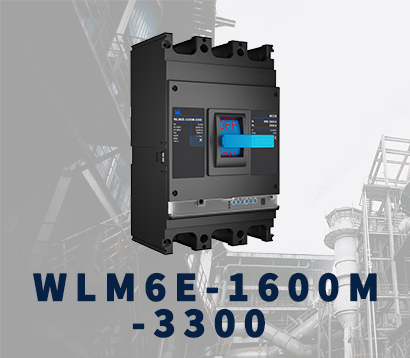 WLM6E-1600-3300 3P/4P
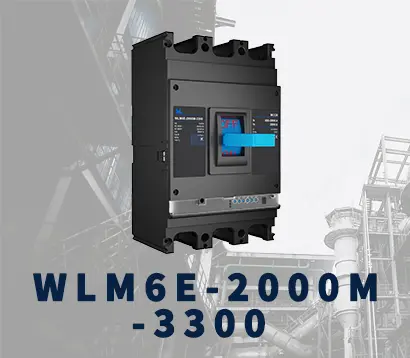 WLM6E-2000A-3300 3P/4P
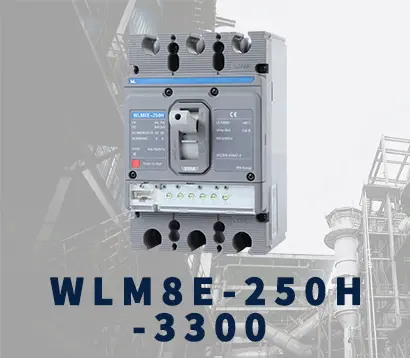 WLM8E-250H-3300
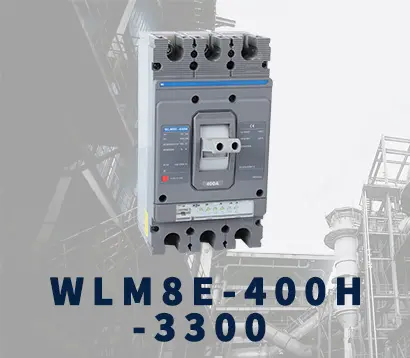 WLM8E-400H-3300
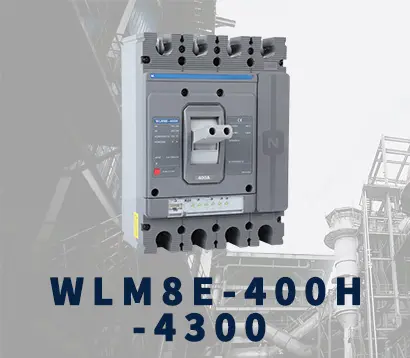 WLM8E-400H-4300
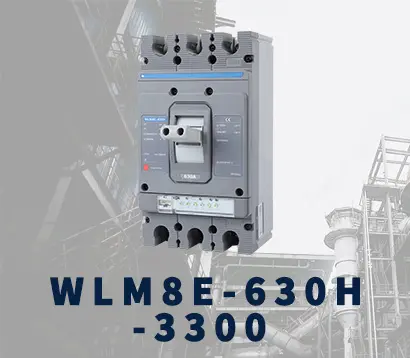 WLM8E-630H-3300
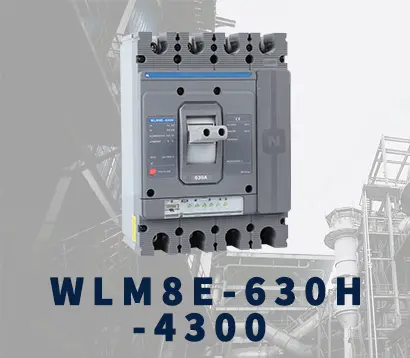 WLM8E-630H-4300
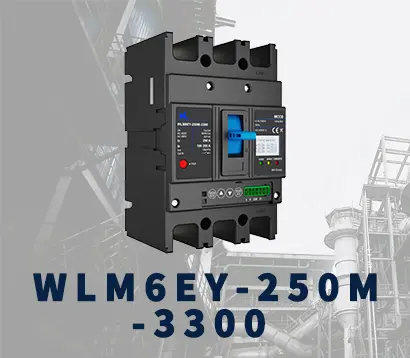 WLM6EY-250-3300 3P/4P
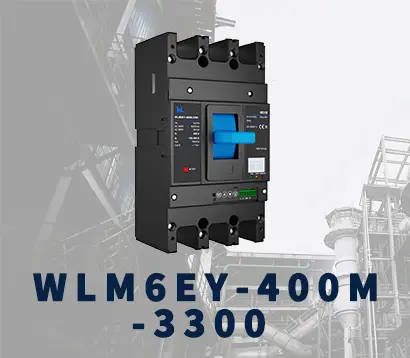 WLM6EY-400 3P/4P
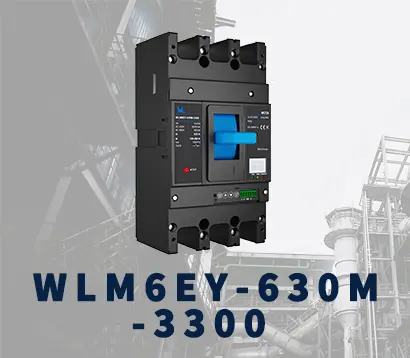 WLM6EY-630 3P/4P
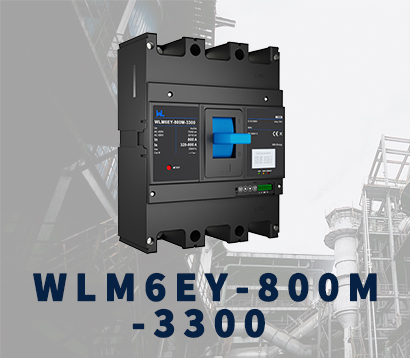 WLM6EY-800A 3P/4P
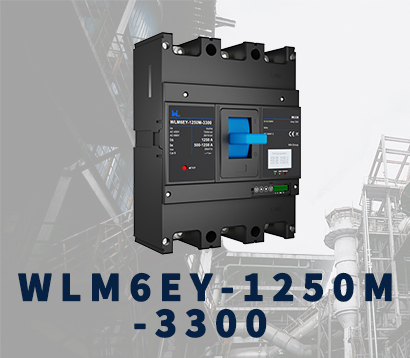 WLM6EY-1250A 3P/4P
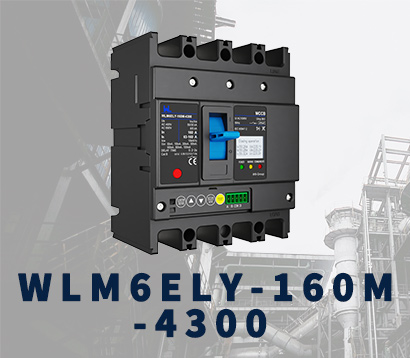 WLM6ELY-160A
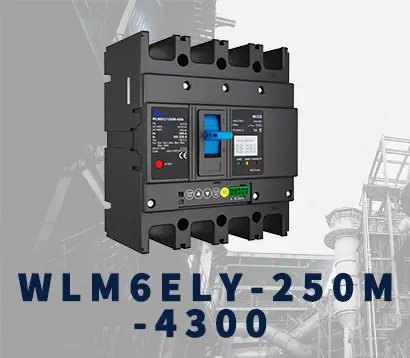 WLM6ELY-250A
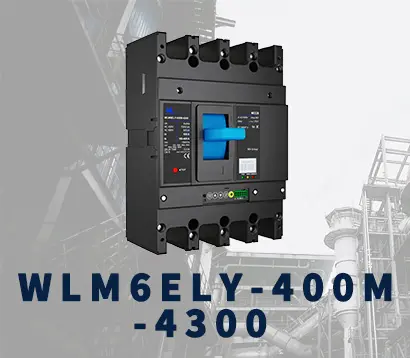 WLM6ELY-400A
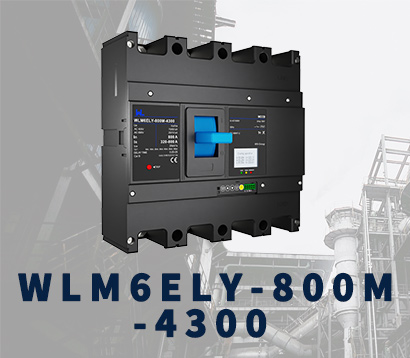 WLM6ELY-800A
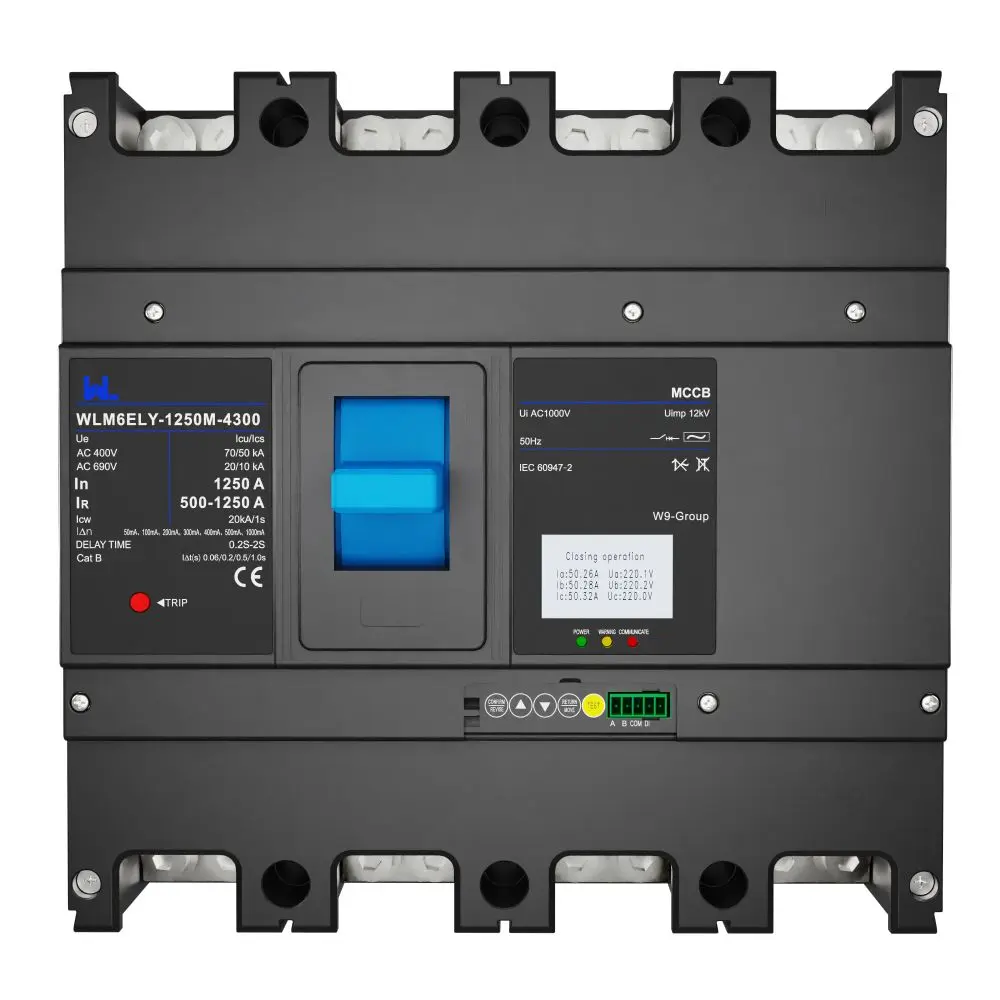 WLM6ELY-1250A
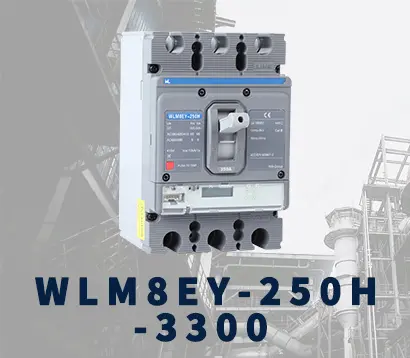 WLM8EY-250H-3300
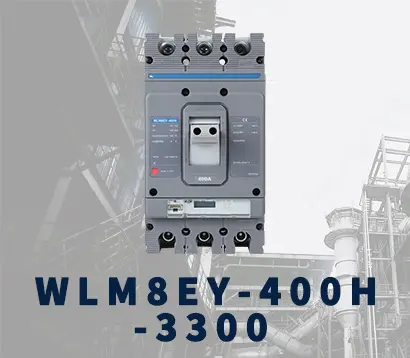 WLM8EY-400H-3300
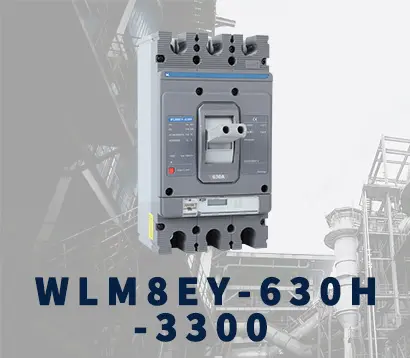 WLM8EY-630H-3300
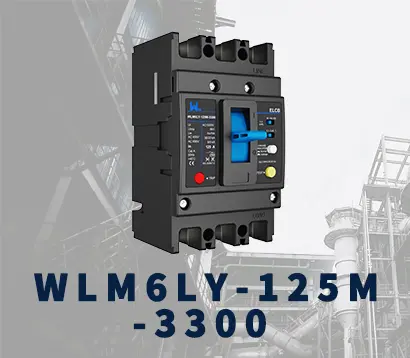 WLM6LY-125A
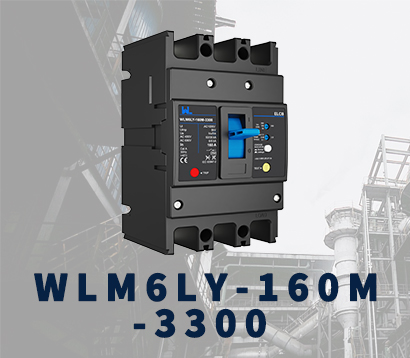 WLM6L-160A
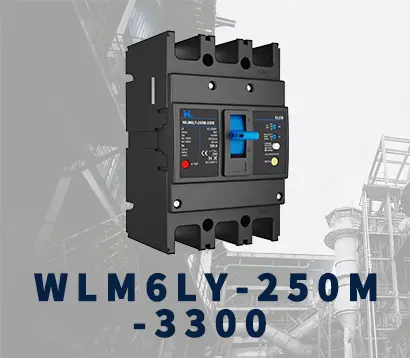 WLM6LY-250A
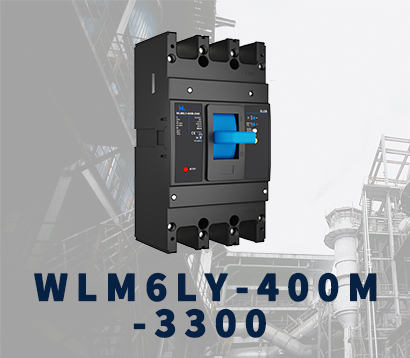 WLM6LY-400A
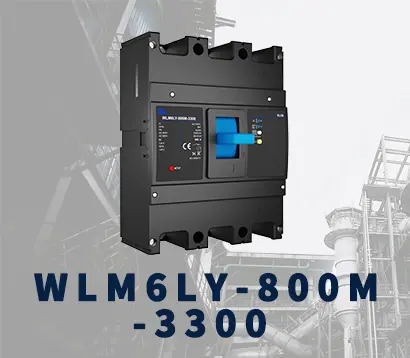 WLM6LY-800A
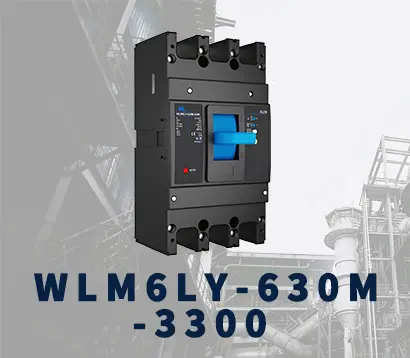 WLM6LY-630A
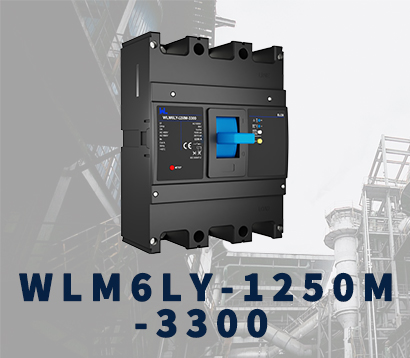 WLM6LY-1250A
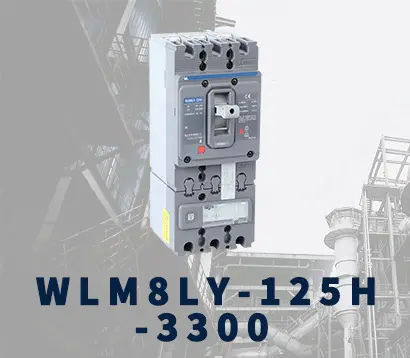 WLM8LY-125H-3300
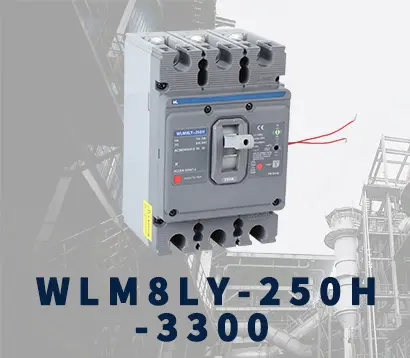 WLM8LY-250H-3300
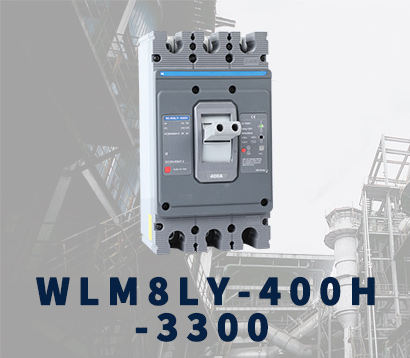 WLM8LY-400H-3300
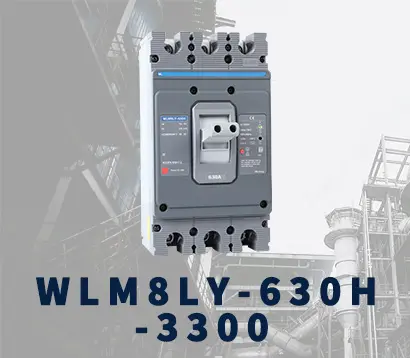 WLM8LY-630H-3300
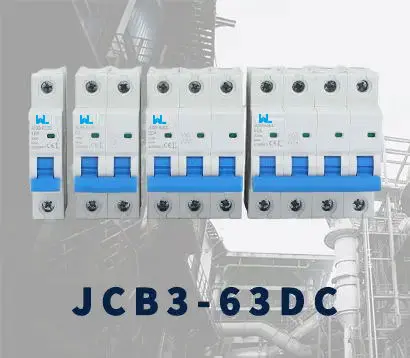 JCB3-63DC
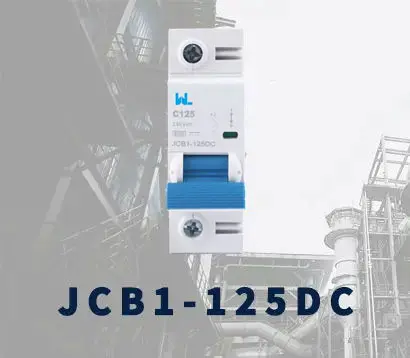 JCB1-125DC
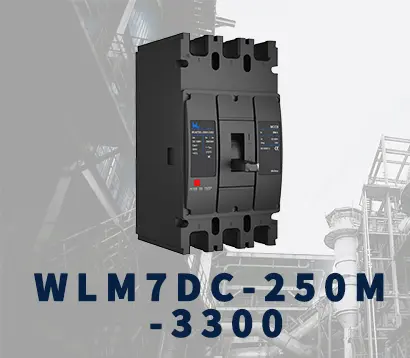 WLM7DC-250A-2300 2P/3P
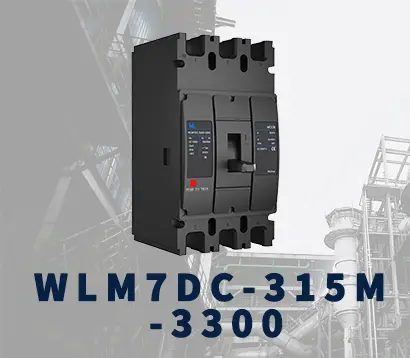 WLM7DC-315A-3300 2P/3P
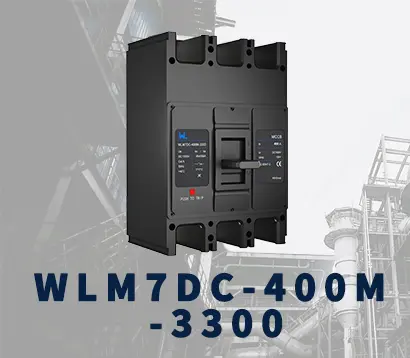 WLM7DC-400A-2300 2P/3P
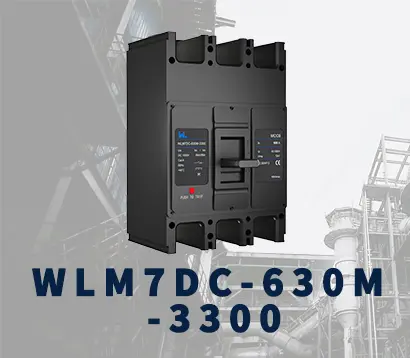 WLM7DC-630A-3300 3P
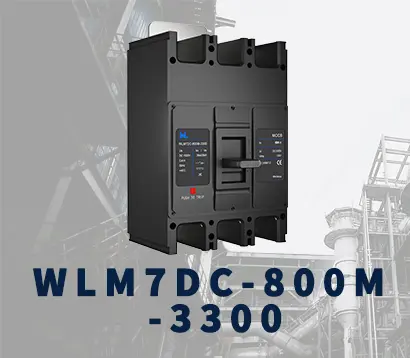 WLM7DC-800A-2300 2P/3P
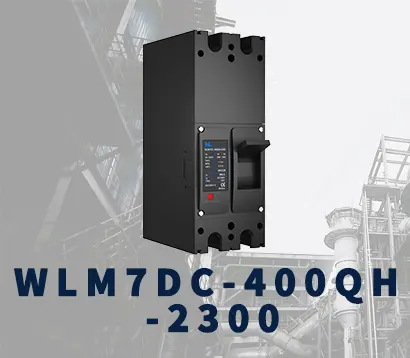 WLM7DC-400A 2300
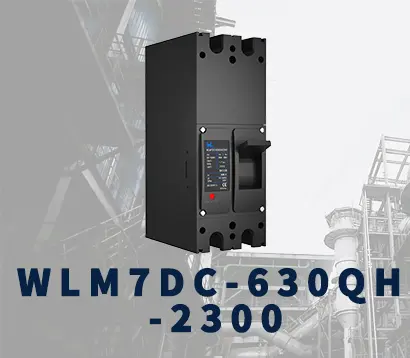 WLM7DC-630A-2300 2P
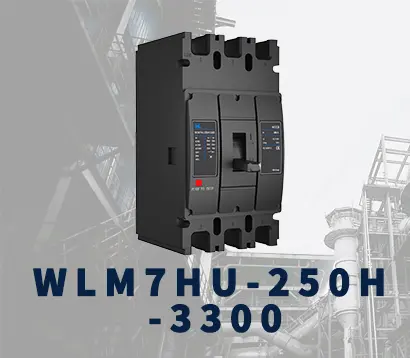 WLM7HU-250-3300 3P
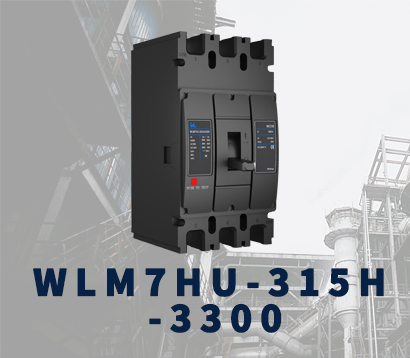 WLM7HU-315-3300 3P
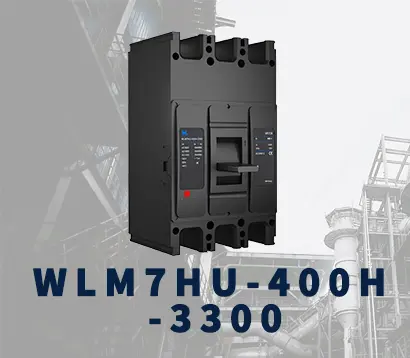 WLM7HU-400-3300 3P
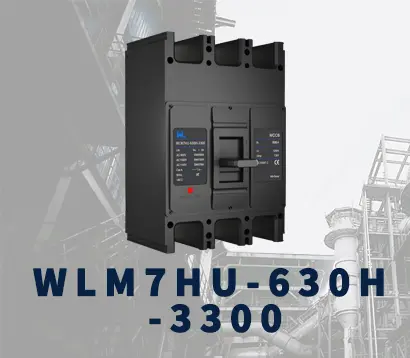 WLM7HU-630-3300 3P
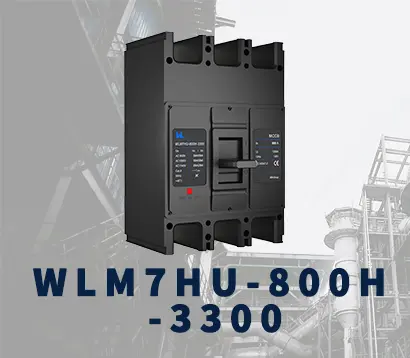 WLM7HU-800-3300 3P
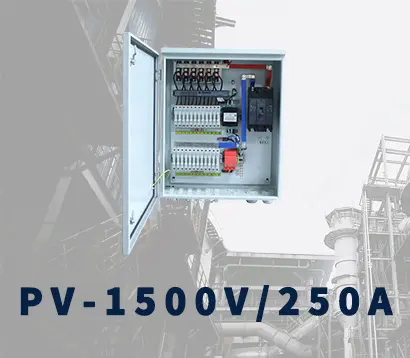 PV-1500V/250A
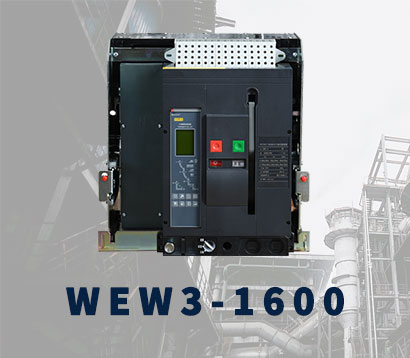 WEW3-1600
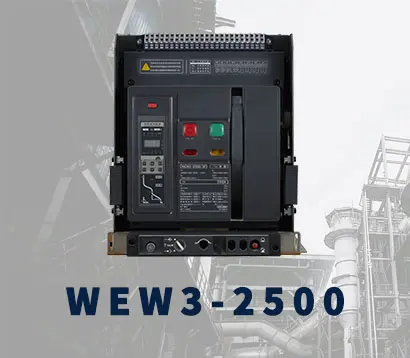 WEW3-2500
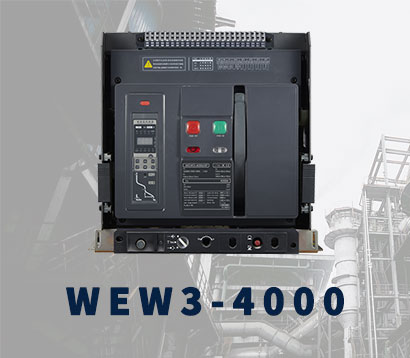 WEW3-4000
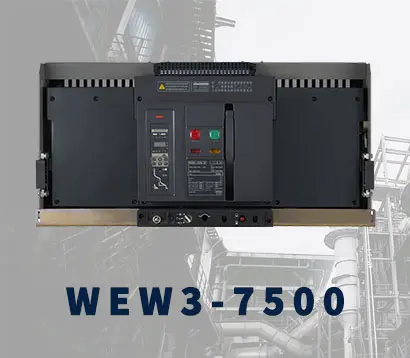 WEW3-7500