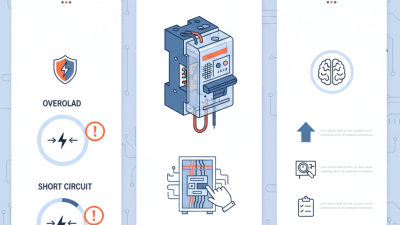
What is an MCCB Moulded Case Circuit Breaker and How It Works?
MCCB Moulded Case Circuit Breakers are essential components in electrical systems. They provide protection against overloads and short circuits. Understanding their function and design is crucial for anyone working with electrical installations.
These devices come in various sizes and configurations. An MCCB Moulded Case Circuit Breaker can handle different current ratings, making them versatile. Installing the wrong type can lead to failures. Many users overlook the importance of choosing the right model.
MCCBs must be tested regularly for optimal performance. Lack of maintenance can lead to unexpected shutdowns. Understanding their operation helps in troubleshooting issues. Proper knowledge can prevent costly errors. In the end, the effectiveness of an MCCB Moulded Case Circuit Breaker relies on awareness and care.
What is an MCCB Moulded Case Circuit Breaker?
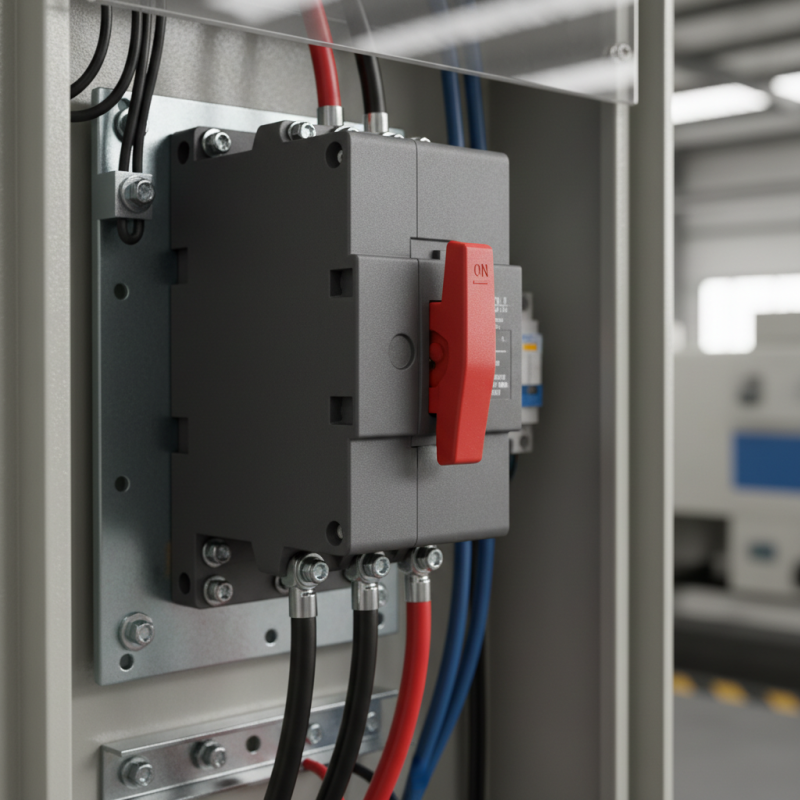
An MCCB, or Moulded Case Circuit Breaker, is a crucial electrical device. It protects electrical circuits from overloads and short circuits. These breakers are housed in a durable case. This design helps prevent damage from external factors. They come in various ratings, suitable for different applications.
When current exceeds safe levels, the MCCB trips. This action disconnects the electrical supply, safeguarding devices and preventing fire hazards. Manual reset is usually required after tripping. Understanding this process is important. It’s not uncommon for users to overlook maintenance. Without regular checks, MCCBs can fail to operate when needed.
Proper installation is also key. Many might assume it's a straightforward task. However, incorrect wiring can lead to frequent tripping. This can frustrate users. Keep in mind that size and specifications matter greatly. Selecting the right MCCB requires careful consideration of your system's needs. It's easy to make mistakes here, which could lead to serious consequences.
What is an MCCB Moulded Case Circuit Breaker and How It Works?
| Parameter |
Description |
| Current Rating |
Typically ranges from 16A to 3200A |
| Voltage Rating |
Available for 230V/400V and up to 1000V AC |
| Poles |
Available in 2, 3, and 4 pole configurations |
| Tripping Mechanism |
Thermal and magnetic protection |
| Applications |
Used in industrial, commercial, and residential electrical systems |
| Features |
Short-circuit protection, overload protection, adjustable settings |
| Standards |
Complies with IEC 60947-2 and other international standards |
Key Components of an MCCB and Their Functions
Moulded Case Circuit Breakers (MCCBs) are essential in electrical systems. They protect electrical circuits from overloads and short circuits. Understanding the key components of an MCCB can clarify its functions.
An MCCB mainly consists of three parts: the operating mechanism, the contacts, and the trip unit. The operating mechanism allows the breaker to open and close. This mechanism ensures that the breaker responds quickly to faults. The contacts are responsible for the flow of electricity. They open to interrupt the current during a fault.
The trip unit plays a critical role. It senses overloads and faults. There are thermal and electromagnetic trip units. One study indicates that MCCBs with electronic trip units enhance protection accuracy by 30%. This precision is crucial in reducing equipment damage. However, some MCCBs may face calibration challenges over time. Regular maintenance is necessary to ensure reliability. Neglecting this can lead to inefficient circuit protection, which is concerning for any facility.
How MCCB Operates: Mechanism of Protection
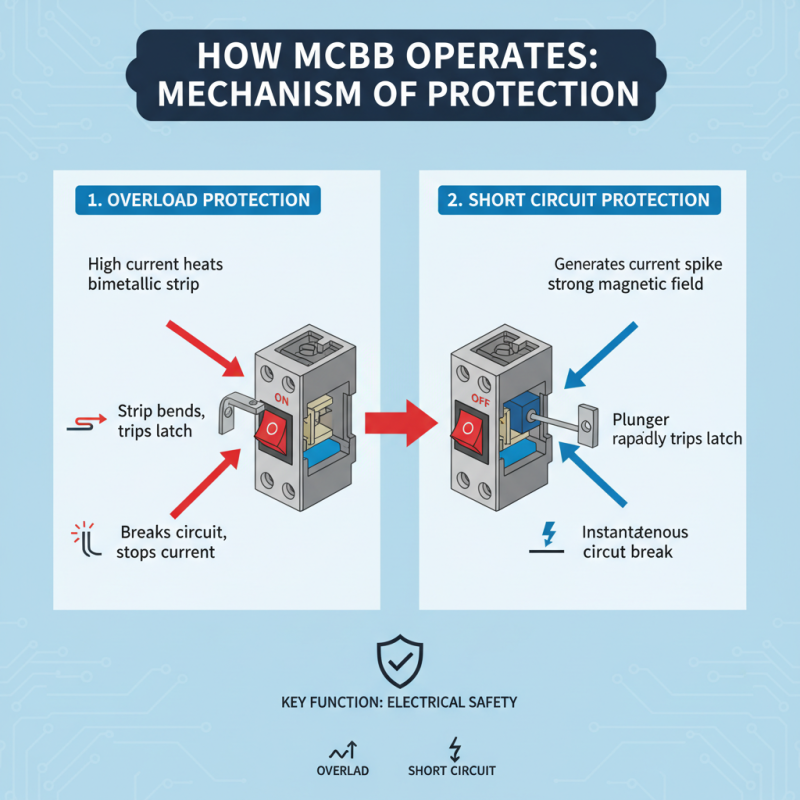
MCCB, or Moulded Case Circuit Breaker, is pivotal in electrical systems. Its primary function is to protect against overloads and short circuits. Understanding how it operates reveals the intricacies of electrical safety.
When an overload occurs, the MCCB's bimetallic strip heats up. This causes it to bend, eventually tripping the circuit. In a short circuit scenario, an electromagnetic mechanism activates. This mechanism reacts quickly, cutting off the current. The speed of this reaction is critical. It prevents damage to electrical components.
MCCBs are designed to handle various current ratings. However, improper selection can lead to failures. Users might mistakenly choose a breaker that does not match their system needs. Therefore, understanding the specific application is essential. A thorough evaluation of the load can save time and money in the long run. This awareness of MCCB functionality is crucial for ensuring seamless electrical operation.
Applications and Benefits of Using MCCBs
Molded Case Circuit Breakers (MCCBs) are vital in various electrical systems, providing protection against overloads and short circuits. Their applications span across industrial, commercial, and residential sectors. Reports indicate that the MCCB market is projected to grow at a CAGR of 4.5% through 2027, highlighting their increased relevance in modern electrical setups.
MCCBs are particularly useful in environments where electrical loads fluctuate. They offer adjustable trip settings, making them adaptable for different applications. In industrial settings, for example, they can protect heavy machinery from unexpected surges. A field study revealed that utilizing MCCBs reduced equipment failures due to electrical faults by nearly 30%.
Tip: Regular maintenance is crucial for MCCBs. Inspections can help identify wear and tear, potentially preventing costly downtime. Additionally, consider reviewing trip settings periodically. This can optimize performance and enhance safety. While MCCBs offer significant benefits, awareness of their limitations is important. The incorrect setting could lead to nuisance tripping, resulting in unnecessary operational interruptions. Being proactive in these areas can improve both safety and efficiency.
Maintenance and Troubleshooting of MCCBs
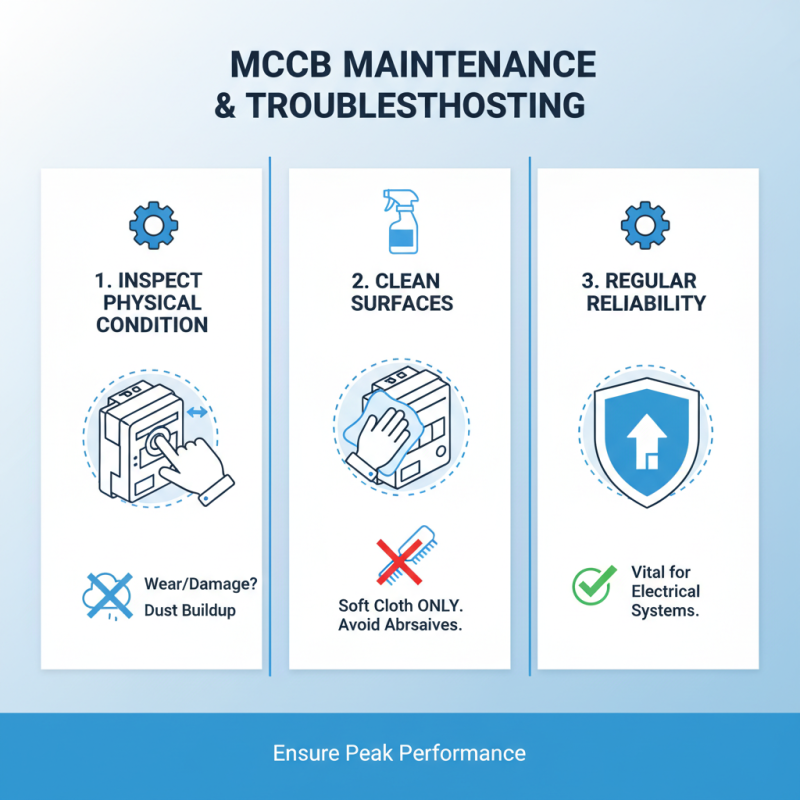
MCCB, or Moulded Case Circuit Breaker, is crucial in electrical systems. Regular maintenance is vital to ensure their reliability. Start by inspecting the physical condition. Look for signs of wear or damage. Dust buildup can also affect performance. Clean the surfaces carefully. Use a soft cloth, avoiding abrasive materials.
Testing is another essential maintenance task. Routine trips should be conducted to check functionality. Press the test button on the MCCB. If the breaker does not trip, further investigation is needed. Internal components might be faulty. Sometimes, resetting might seem simple, but it can lead to unrecognized issues.
When troubleshooting, check the connections. Loose or corroded wires contribute to circuit interruptions. Inspecting for overheating can reveal deeper problems. Monitoring the load currents is critical. Overloading can cause premature wear. Addressing these issues promptly prevents costly repairs. Reflecting on maintenance practices helps improve circuit safety. Regular checks can uncover weaknesses before they become significant hazards.

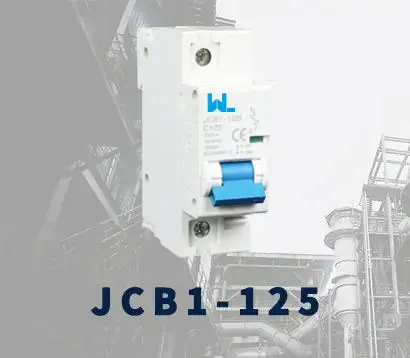 JCB1-125
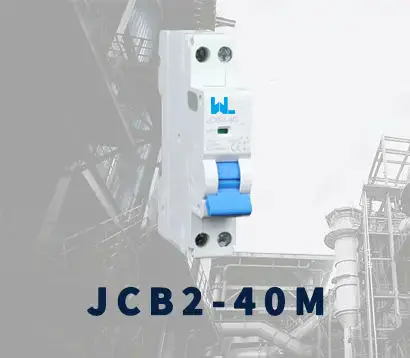 JCB2-40M
 JCB3-63DC
 JCB3-80H
 JCB3-80M
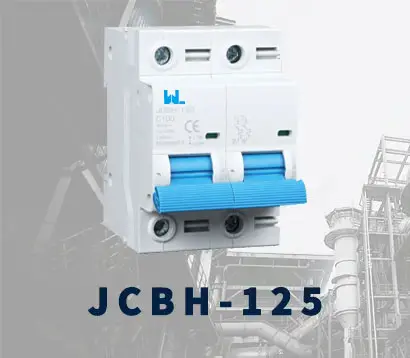 JCBH-125
 JC80-2P
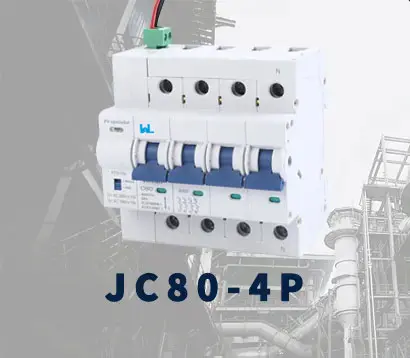 JC80-4P
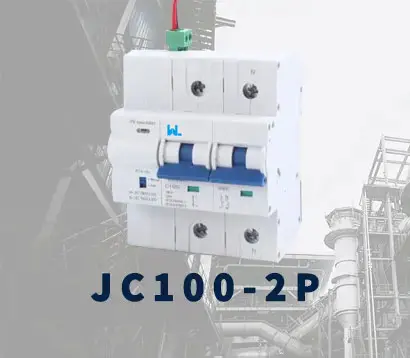 JC125-2P
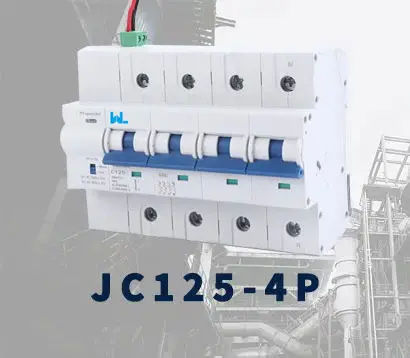 JC125-4P
 JCMX
JCMX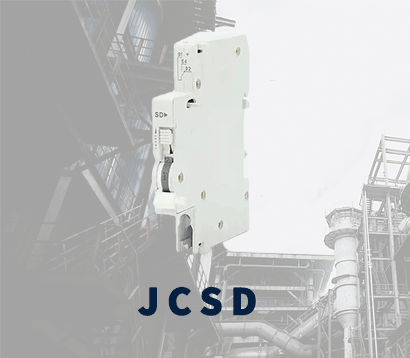 JCSD
JCSD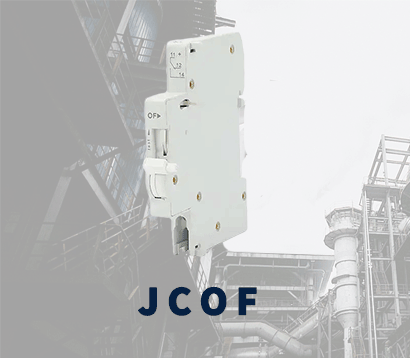 JCOF
JCOF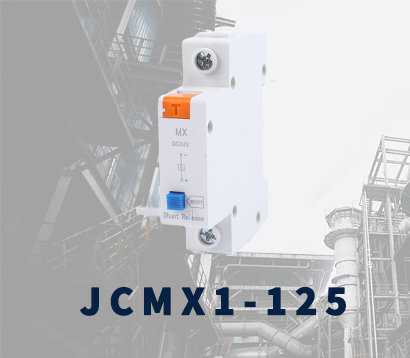 JCMX1-125
 JCOF1-125
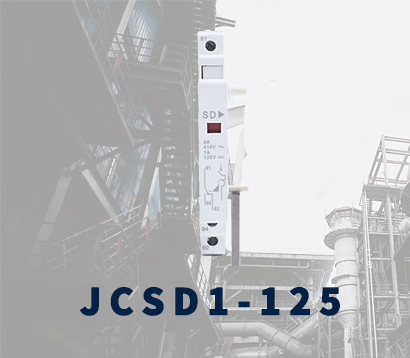 JCSD1-125
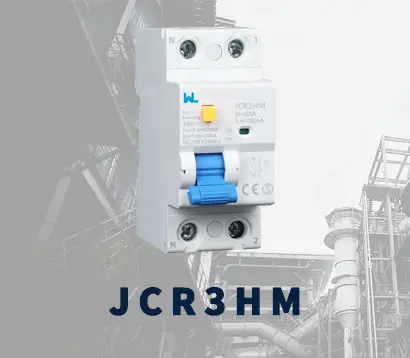 JCR3HM
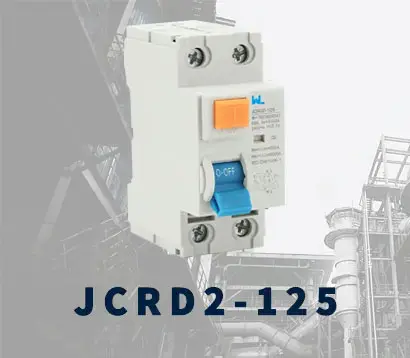 JCRD2-125
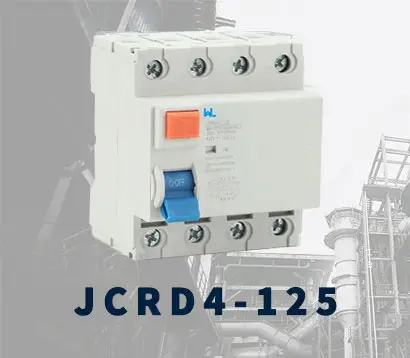 JCRD4-125
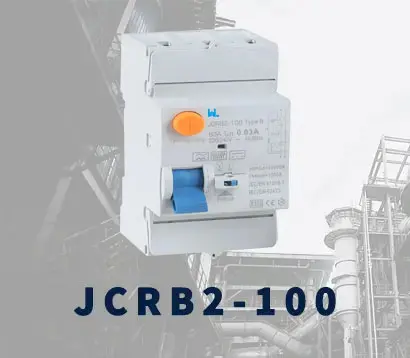 JCRB2-100
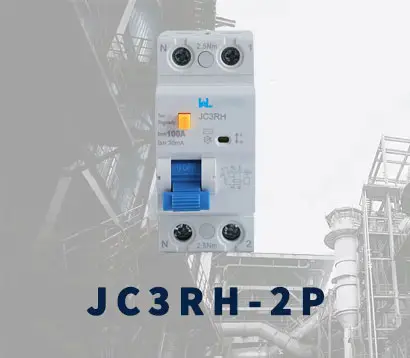 JC3RH-2P
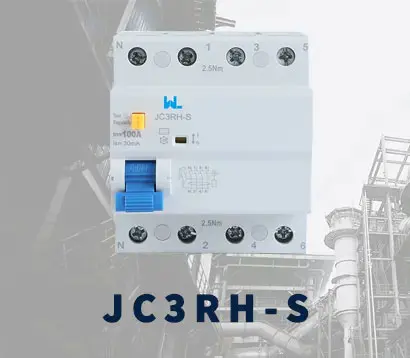 JC3RH-S
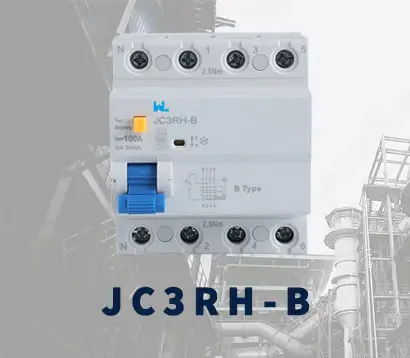 JC3RH-B
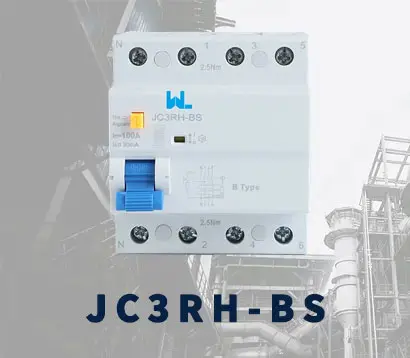 JC3RH-BS
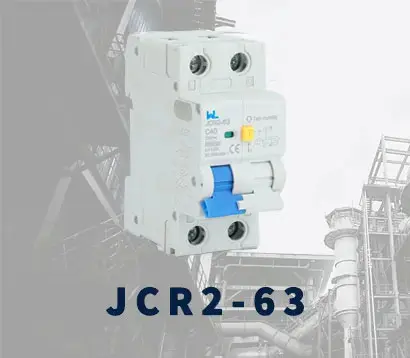 JCR2-63
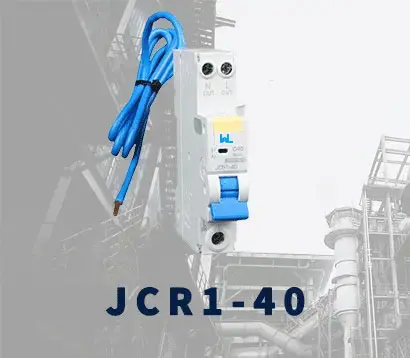 JCR1-40
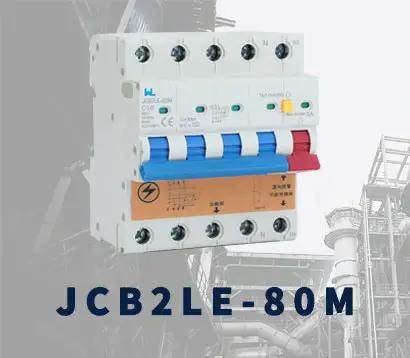 JCB2LE-80M
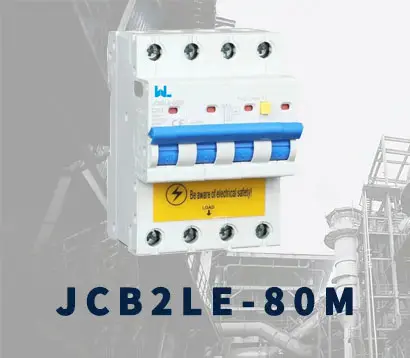 JCB2LE-80M
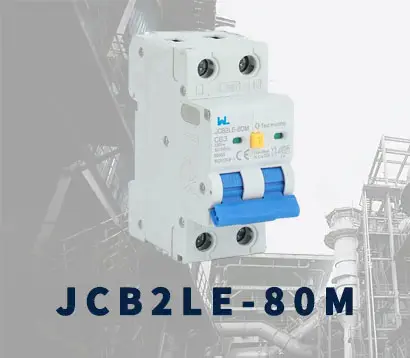 JCB2LE-80M
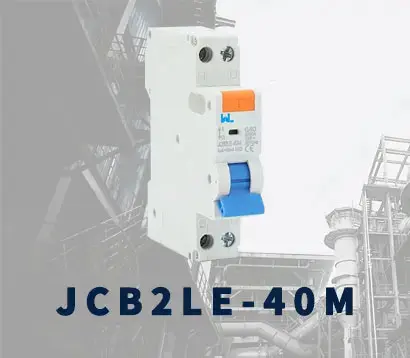 JCB2LE-40M
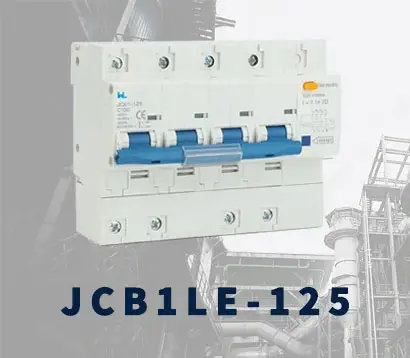 JCB1LE-125
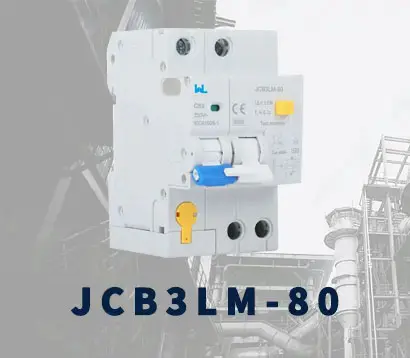 JCB3LM-80
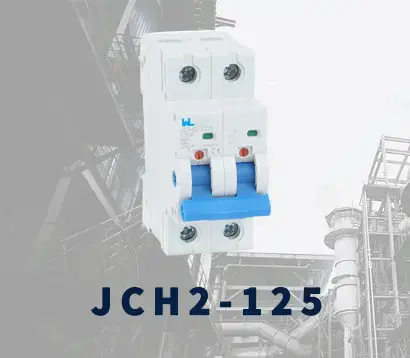 JCH2-125
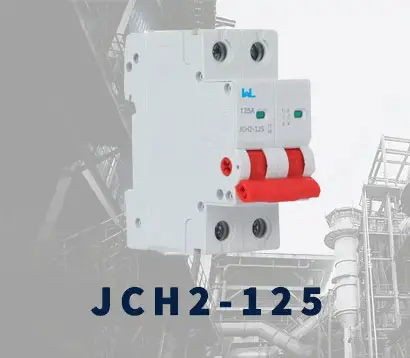 JCH2-125
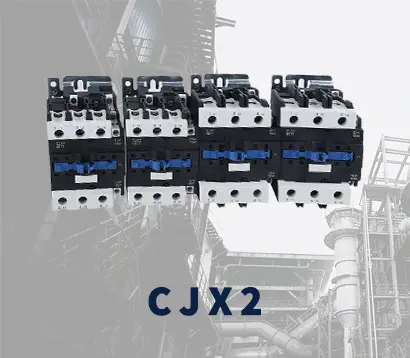 CJX2
CJX2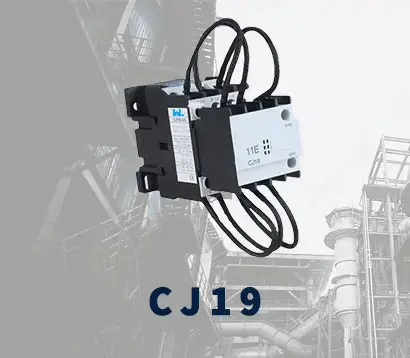 CJ19
CJ19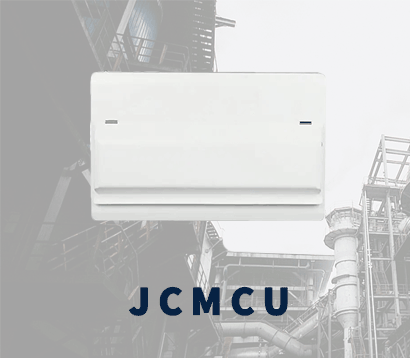 JCMCU
JCMCU JCHA
JCHA JCSD-40
 JCSD-60
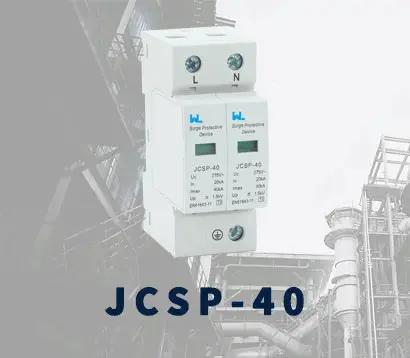 JCSP-40
 JCSP-60
 JCSPV
JCSPV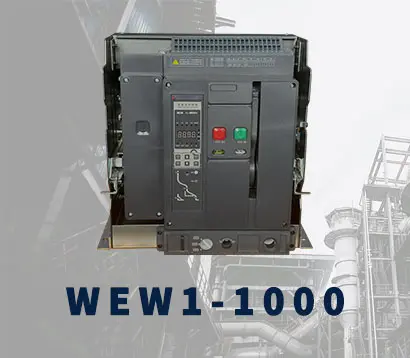 WEW1-1000
 WEW1-1600
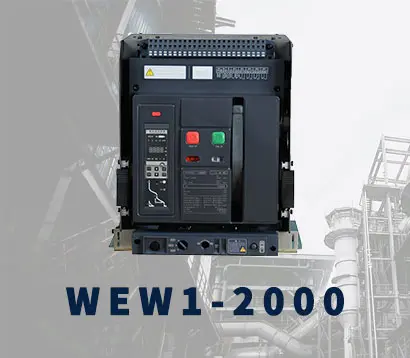 WEW1-2000
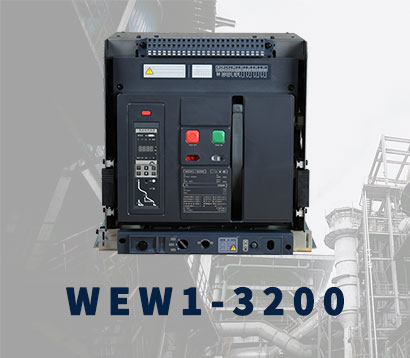 WEW1-3200
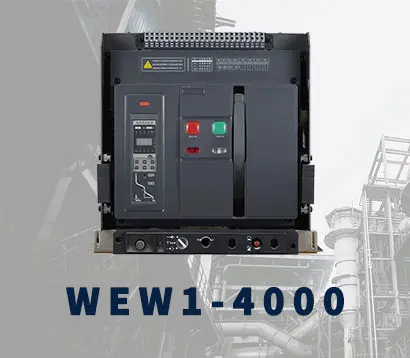 WEW1-4000
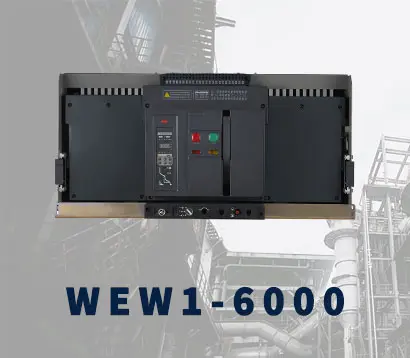 WEW1-6300
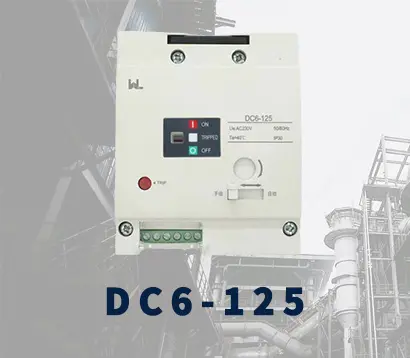 DC6-125
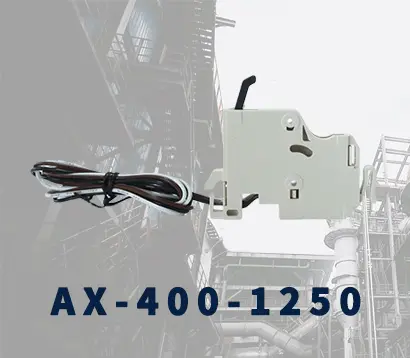 AX-400-1250
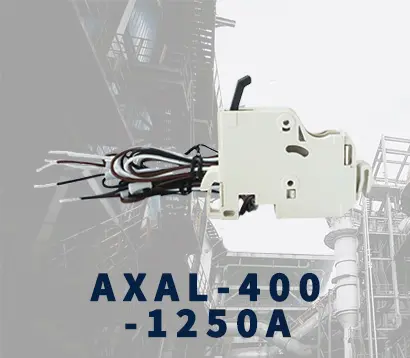 AXAL-400-1250A
 AL-400-1250
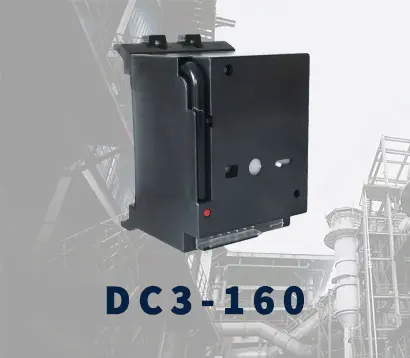 DC3-160
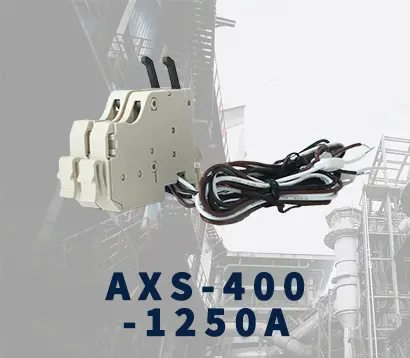 AXS-400-1250A
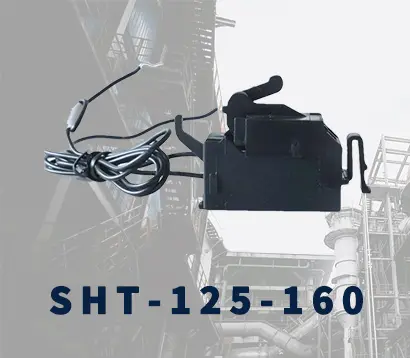 SHT-125-160
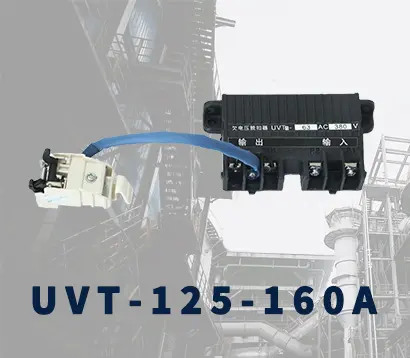 UVT-125-160A
 P-250A-3P-A
 400-3P/4P terminal cover
 1250-3Pmccb accessories busbar
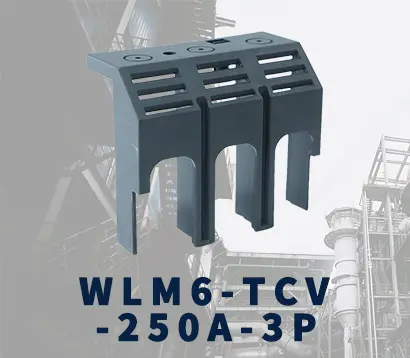 250-3P terminal conver
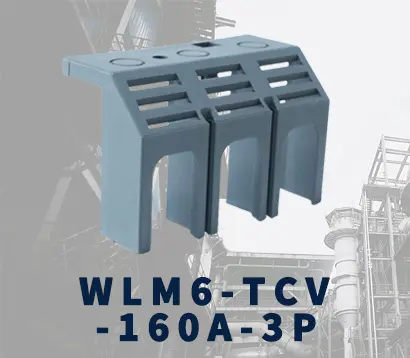 WLM6-TCV-160A-3P
 WLM6-MIP-250A
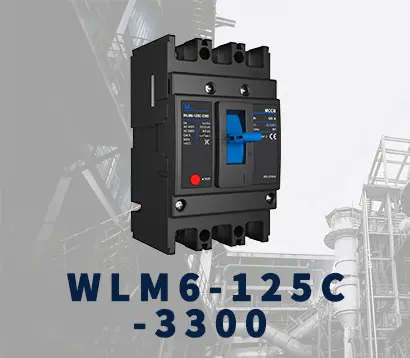 WLM6-125A-3300 3P/4P
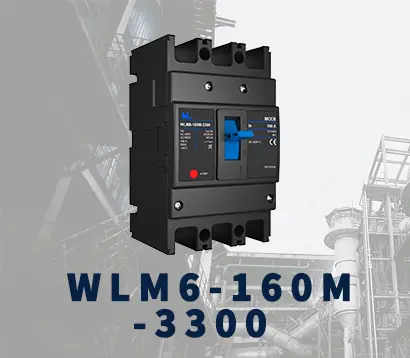 WLM6-160A-3300 3P/4P
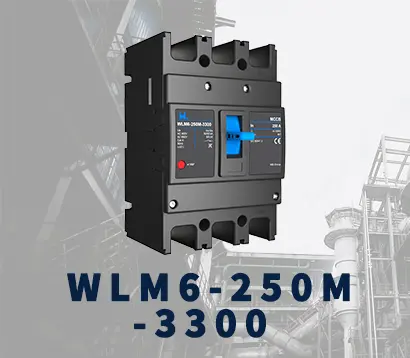 WLM6-250A-3300 3P/4P
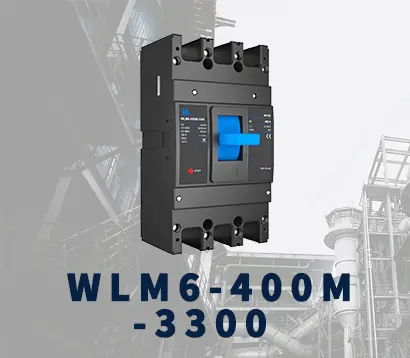 WLM6-400A-3300 3P/4P
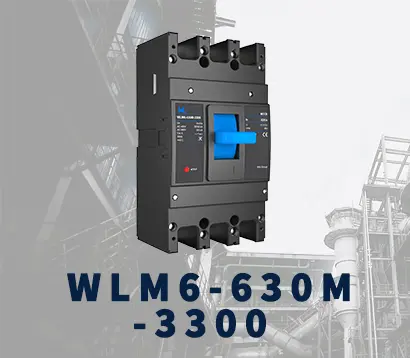 WLM6-630A-3300 3P/4P
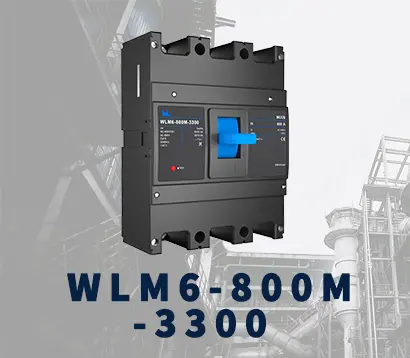 WLM6-800A-3300 3P/4P
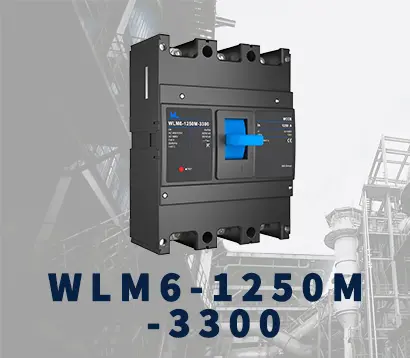 WLM6-1250A-3300 3P/4P
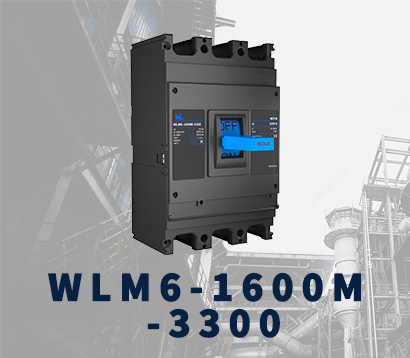 WLM6-1600A-3300 3P/4P
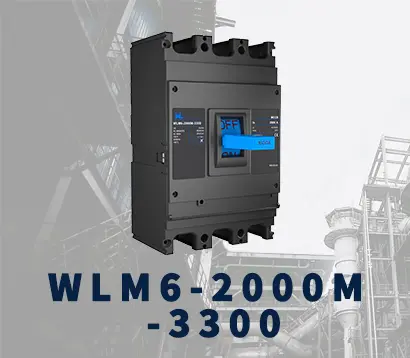 WLM6-2000A 3P/4P
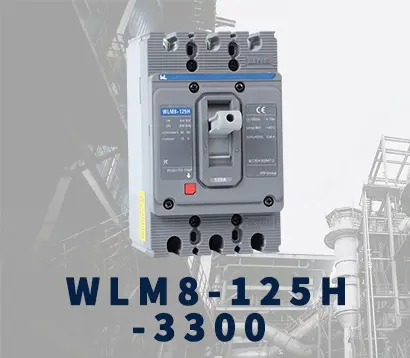 WLM8-125H-3300
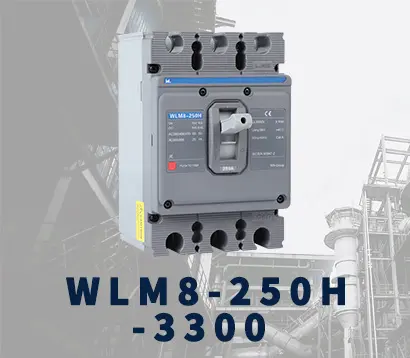 WLM8-250H-3300
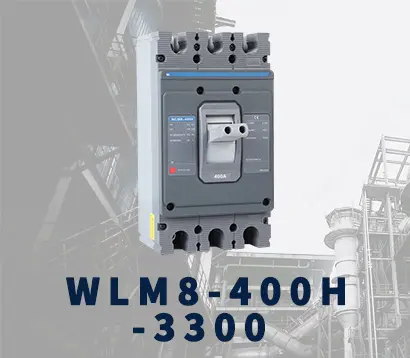 WLM8-400H-3300
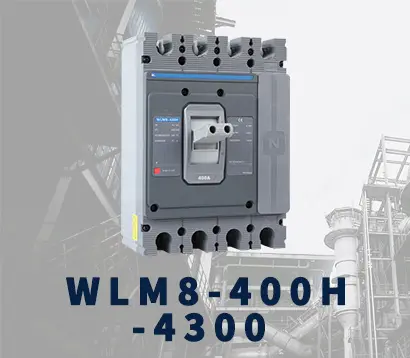 WLM8-400H-4300
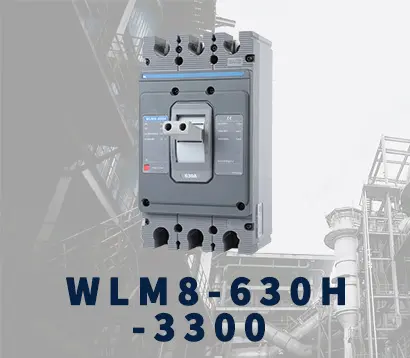 WLM8-630H-3300
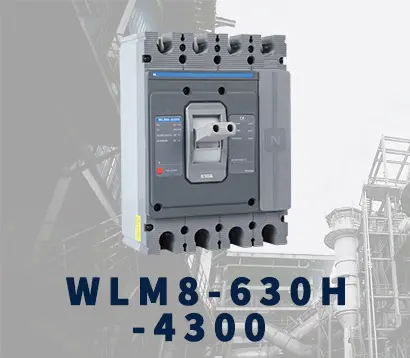 WLM8-630H-4300
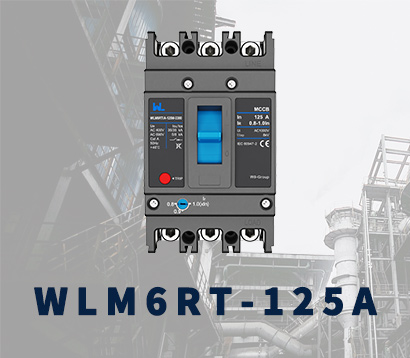 WLM6RT-125A
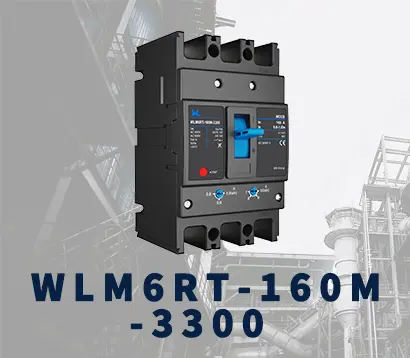 WLM6RT-160A
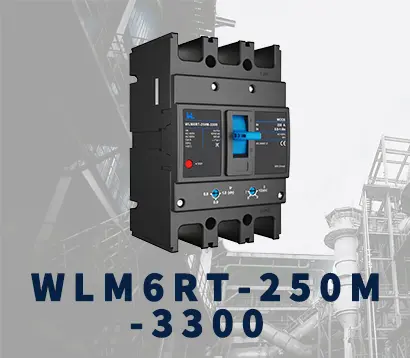 WLM6RT-250A
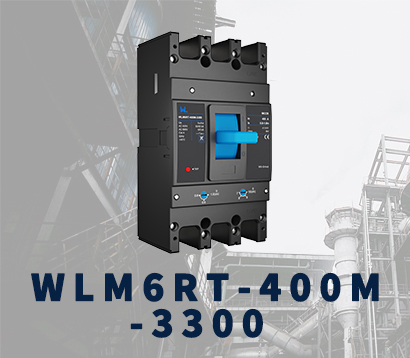 WLM6RT-400A
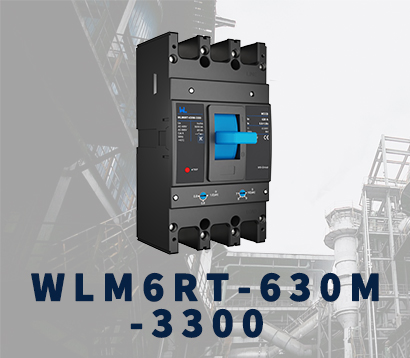 WLM6RT-630A
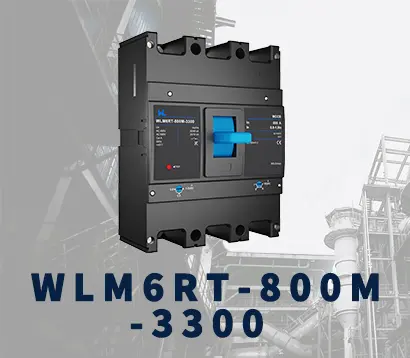 WLM6RT-800A
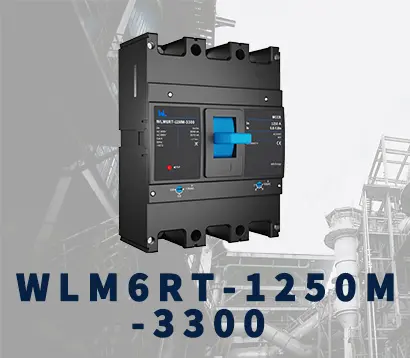 WLM6RT-1250A
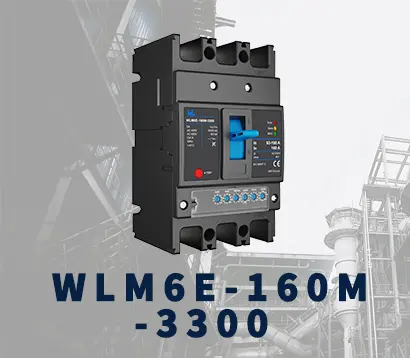 WLM6E-160A-3300 3P
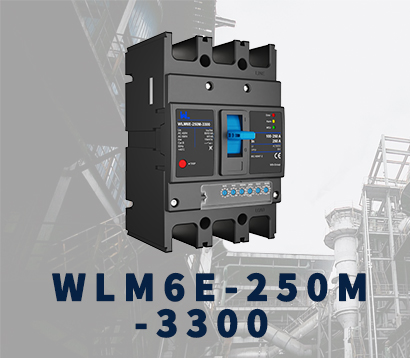 WLM6E-250A-3300
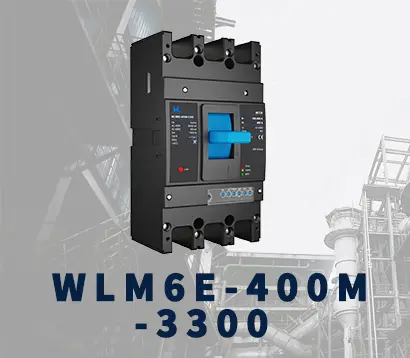 WLM6E-400A-3300 3P/4P
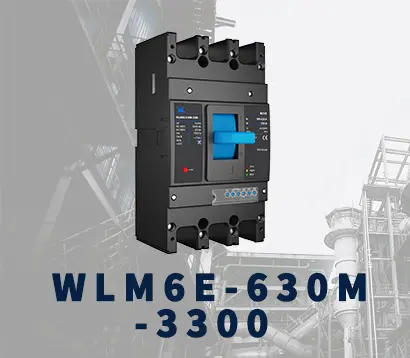 WLM6E-630A-3300
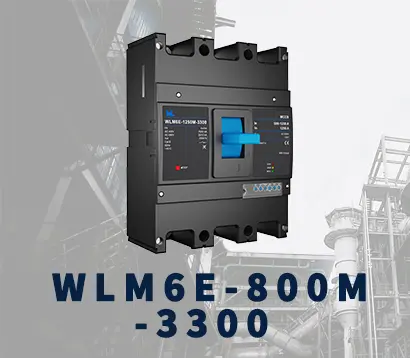 WLM6E-800A-3300 3P/4P
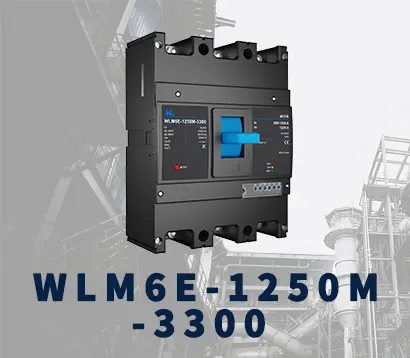 WLM6E-1250A-3300
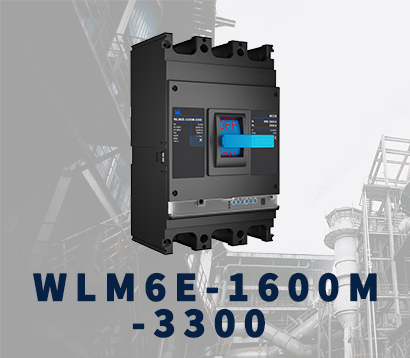 WLM6E-1600-3300 3P/4P
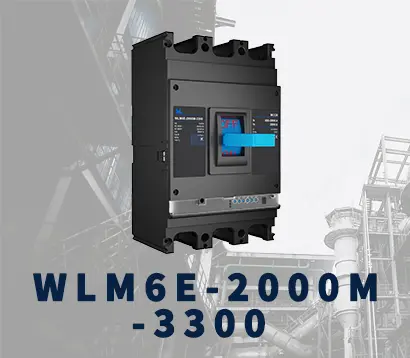 WLM6E-2000A-3300 3P/4P
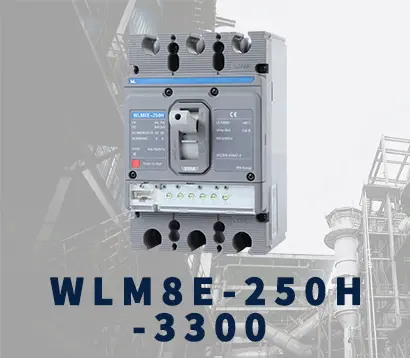 WLM8E-250H-3300
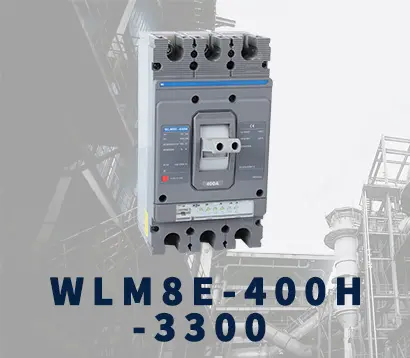 WLM8E-400H-3300
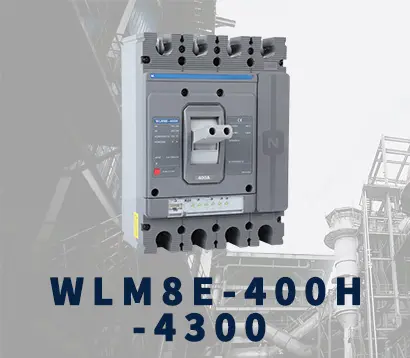 WLM8E-400H-4300
 WLM8E-630H-3300
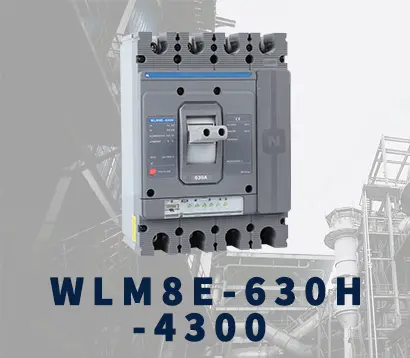 WLM8E-630H-4300
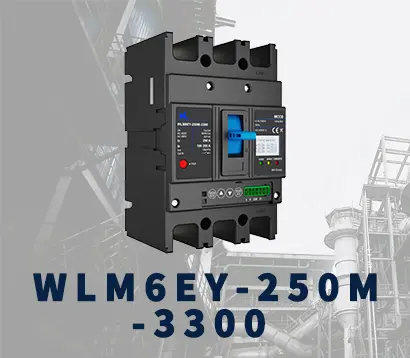 WLM6EY-250-3300 3P/4P
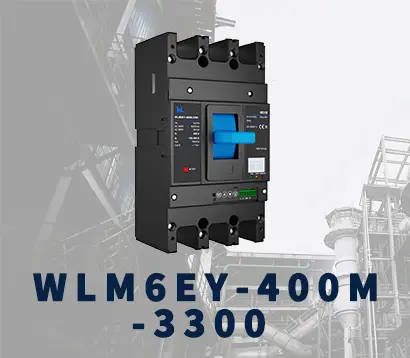 WLM6EY-400 3P/4P
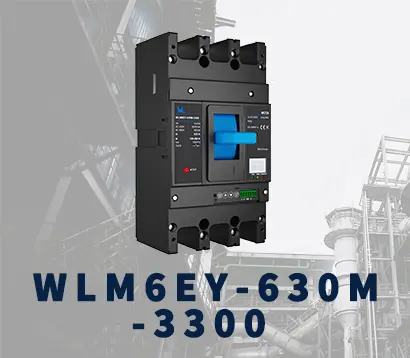 WLM6EY-630 3P/4P
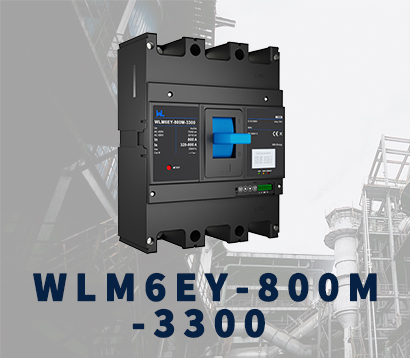 WLM6EY-800A 3P/4P
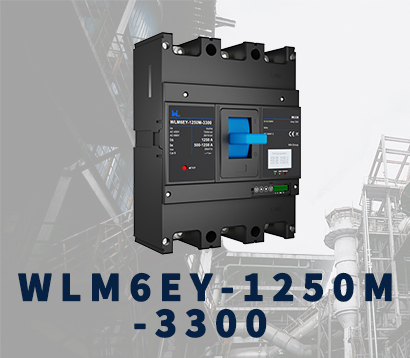 WLM6EY-1250A 3P/4P
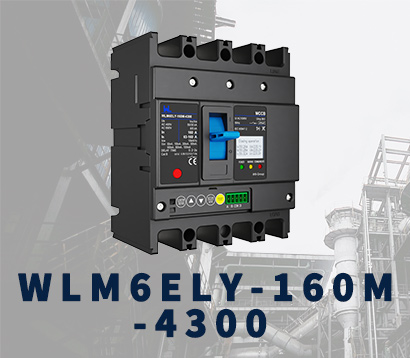 WLM6ELY-160A
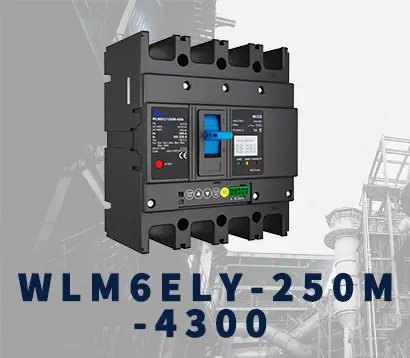 WLM6ELY-250A
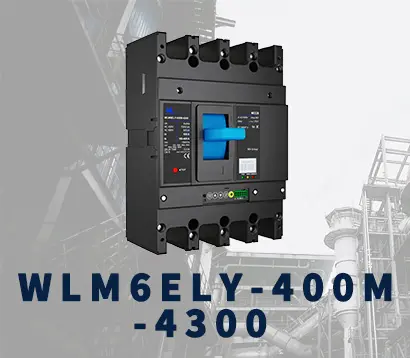 WLM6ELY-400A
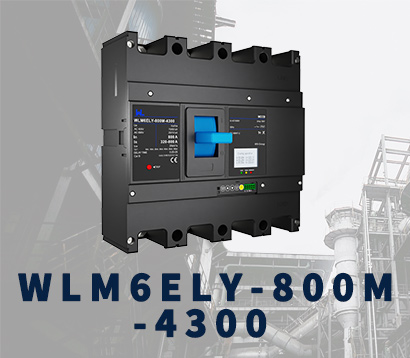 WLM6ELY-800A
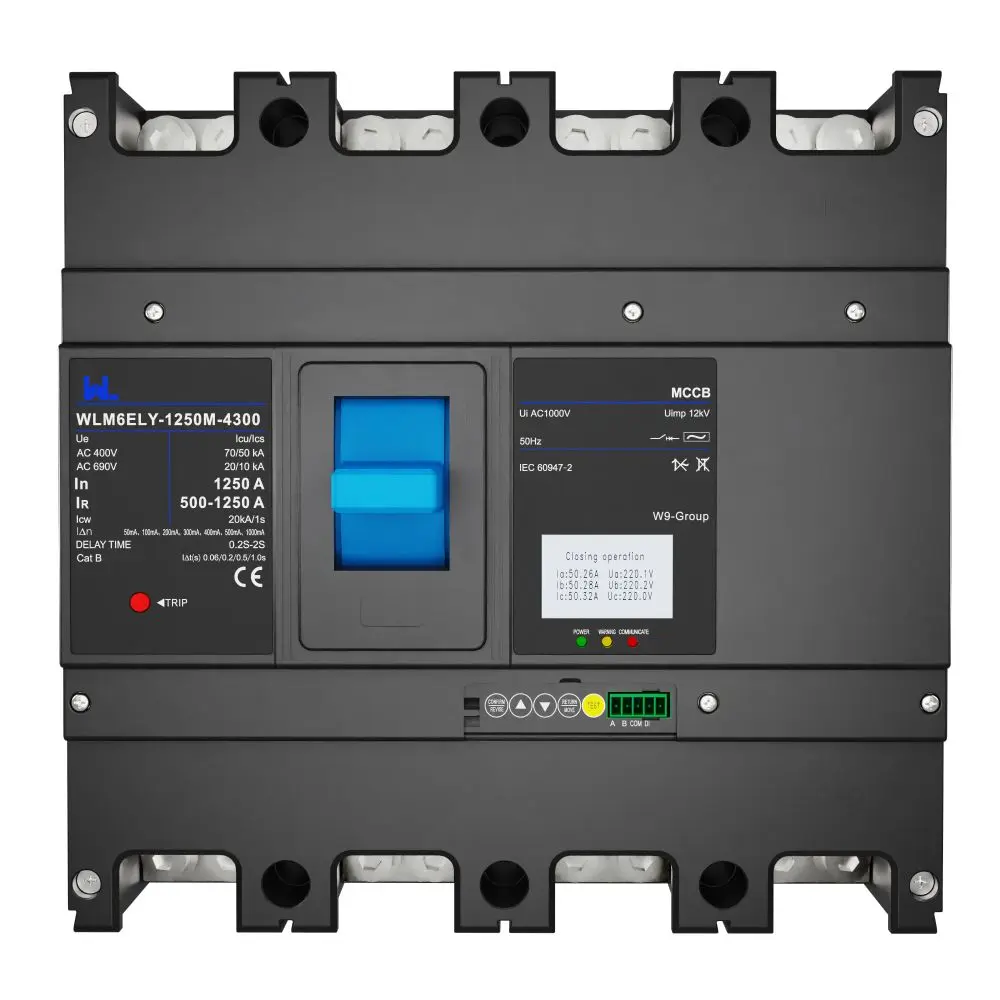 WLM6ELY-1250A
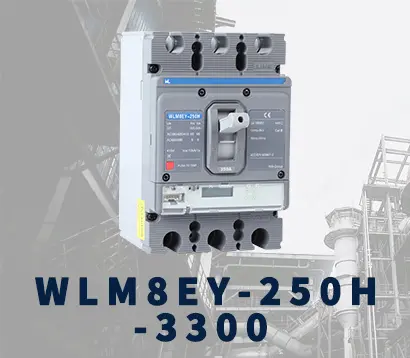 WLM8EY-250H-3300
 WLM8EY-400H-3300
 WLM8EY-630H-3300
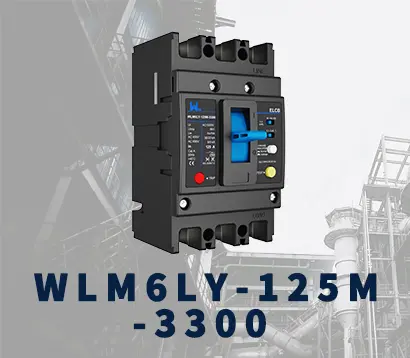 WLM6LY-125A
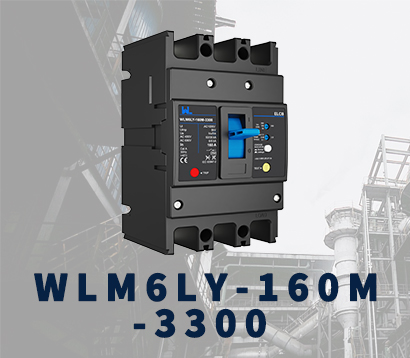 WLM6L-160A
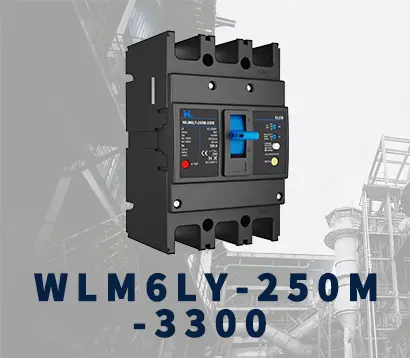 WLM6LY-250A
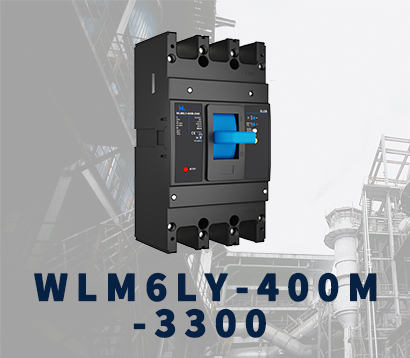 WLM6LY-400A
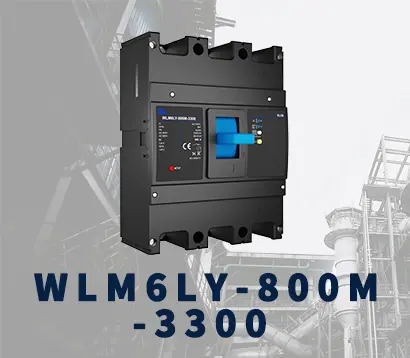 WLM6LY-800A
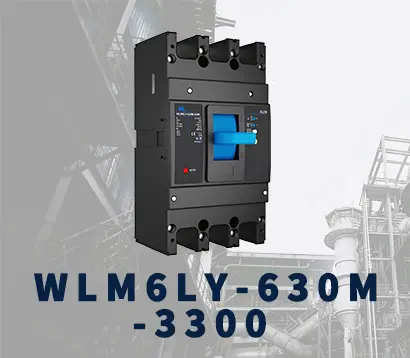 WLM6LY-630A
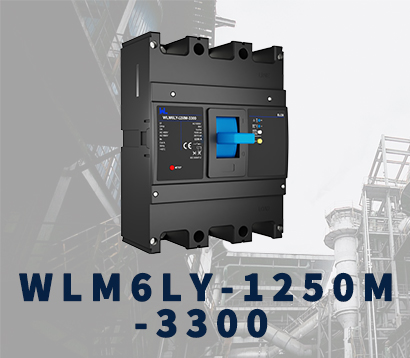 WLM6LY-1250A
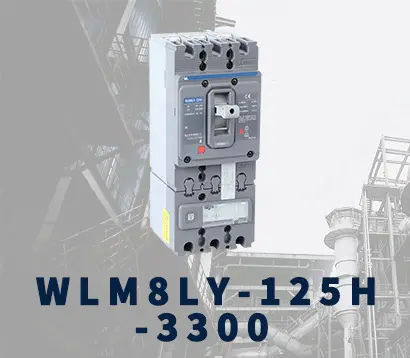 WLM8LY-125H-3300
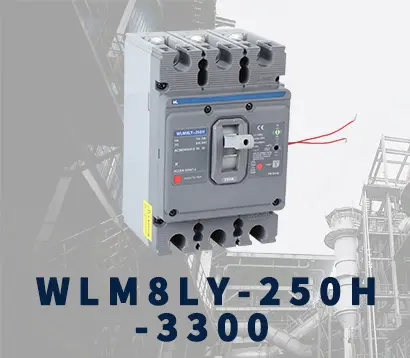 WLM8LY-250H-3300
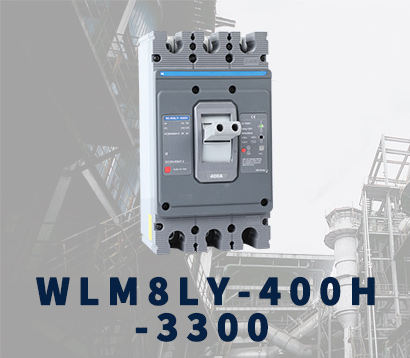 WLM8LY-400H-3300
 WLM8LY-630H-3300
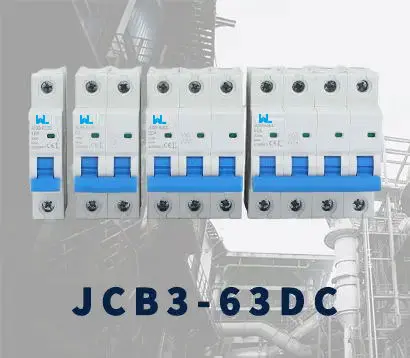 JCB3-63DC
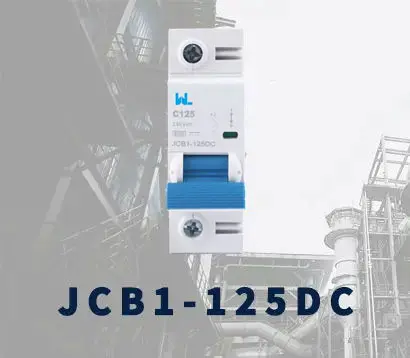 JCB1-125DC
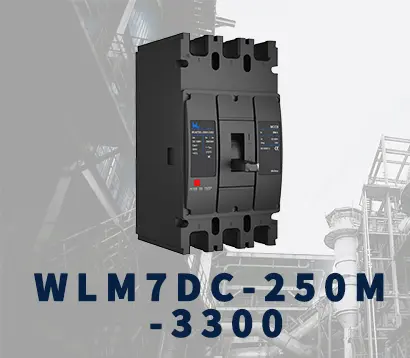 WLM7DC-250A-2300 2P/3P
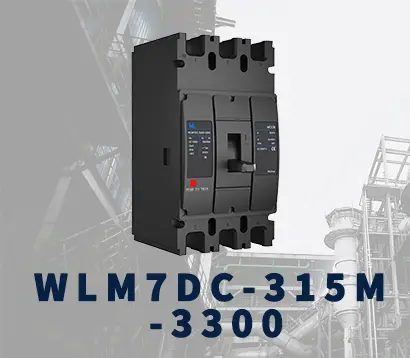 WLM7DC-315A-3300 2P/3P
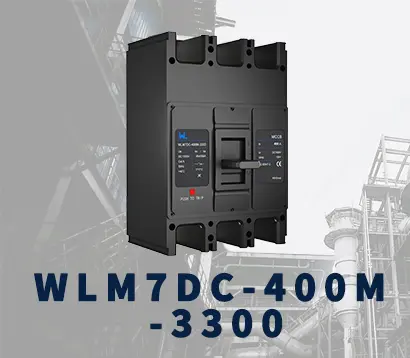 WLM7DC-400A-2300 2P/3P
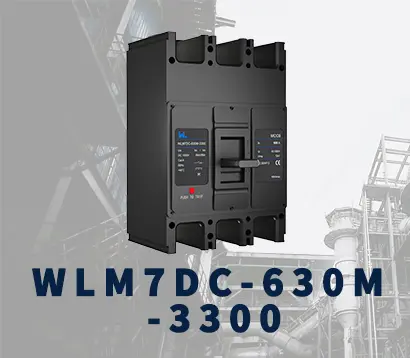 WLM7DC-630A-3300 3P
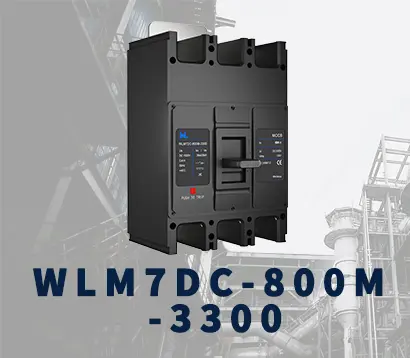 WLM7DC-800A-2300 2P/3P
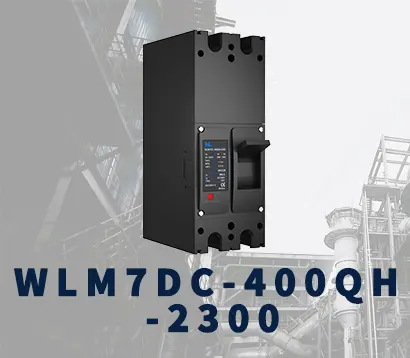 WLM7DC-400A 2300
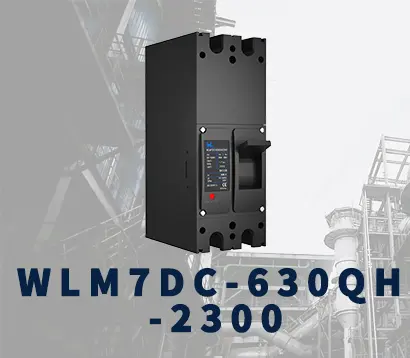 WLM7DC-630A-2300 2P
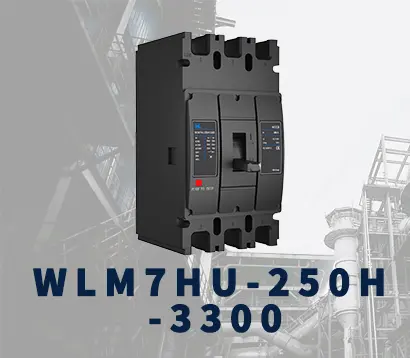 WLM7HU-250-3300 3P
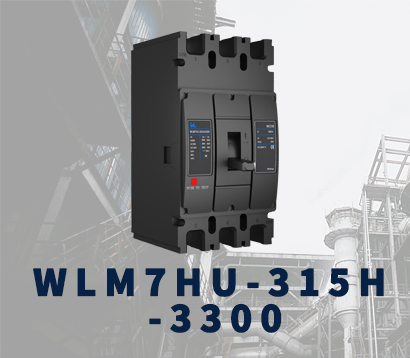 WLM7HU-315-3300 3P
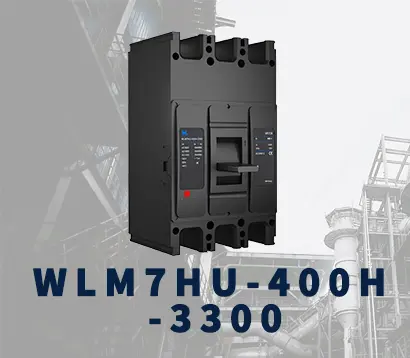 WLM7HU-400-3300 3P
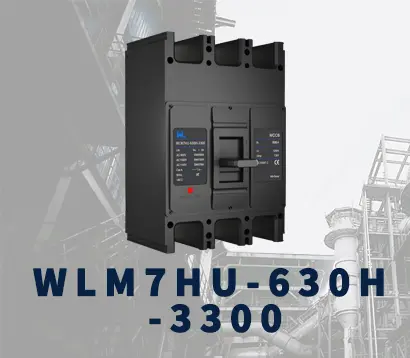 WLM7HU-630-3300 3P
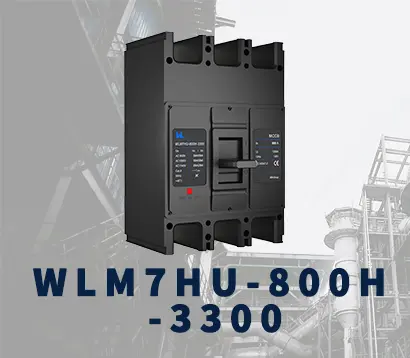 WLM7HU-800-3300 3P
 PV-1500V/250A
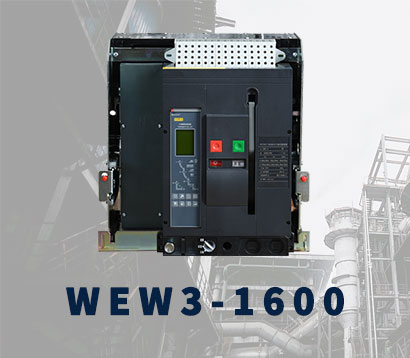 WEW3-1600
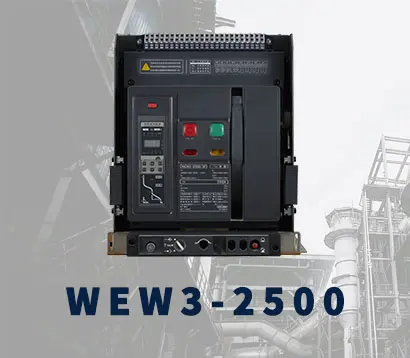 WEW3-2500
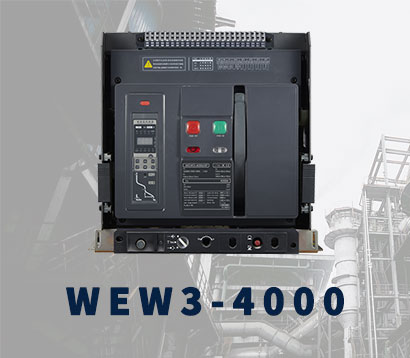 WEW3-4000
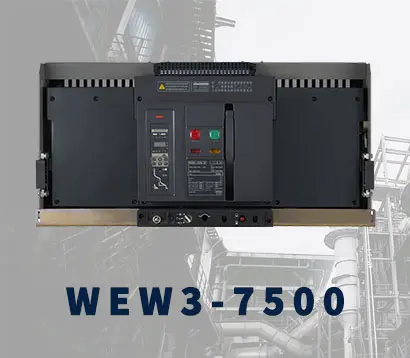 WEW3-7500