
 JCB1-125
 JCB2-40M
 JCB3-63DC
 JCB3-80H
 JCB3-80M
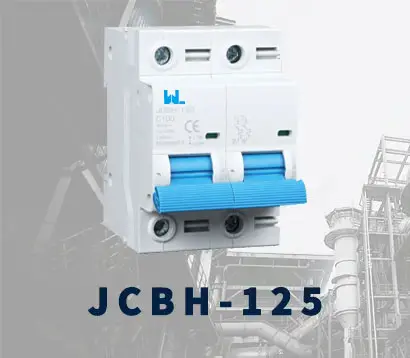 JCBH-125
 JC80-2P
 JC80-4P
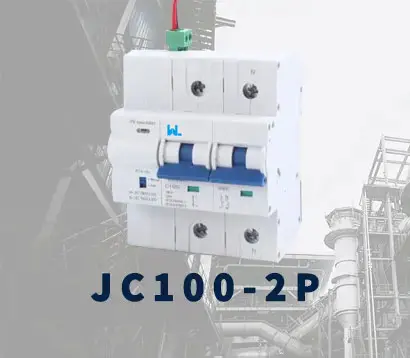 JC125-2P
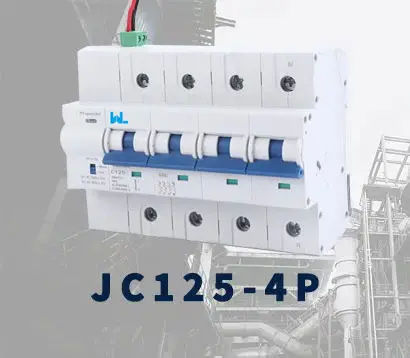 JC125-4P
 JCMX
JCMX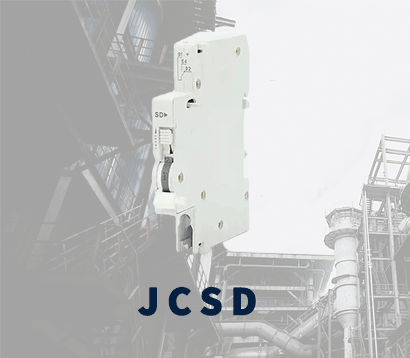 JCSD
JCSD JCOF
JCOF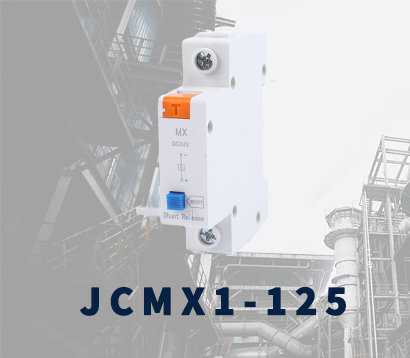 JCMX1-125
 JCOF1-125
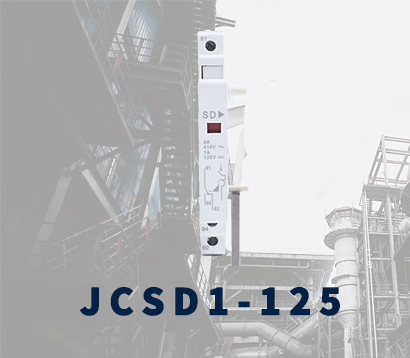 JCSD1-125
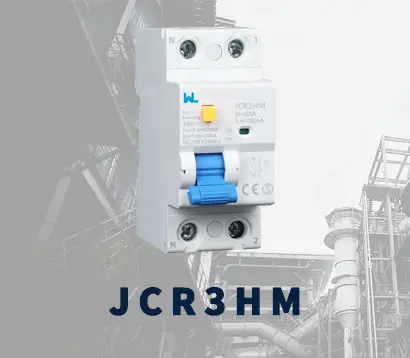 JCR3HM
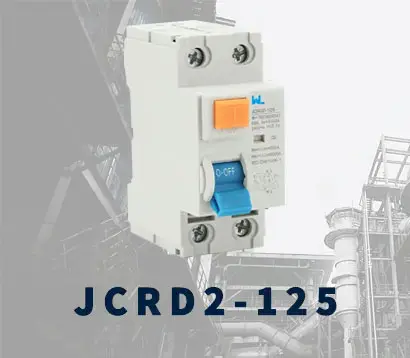 JCRD2-125
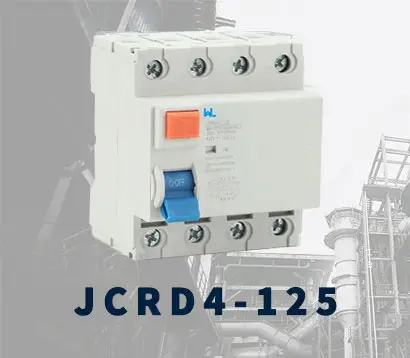 JCRD4-125
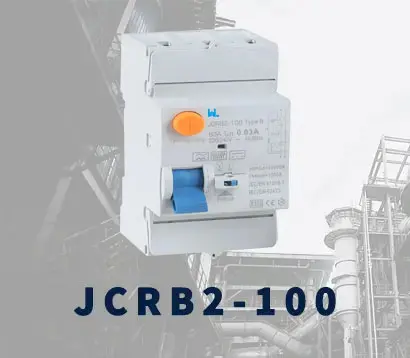 JCRB2-100
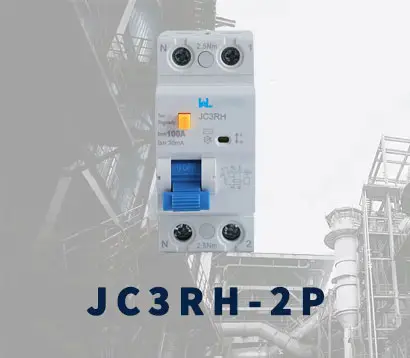 JC3RH-2P
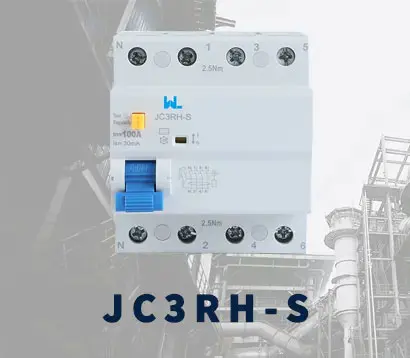 JC3RH-S
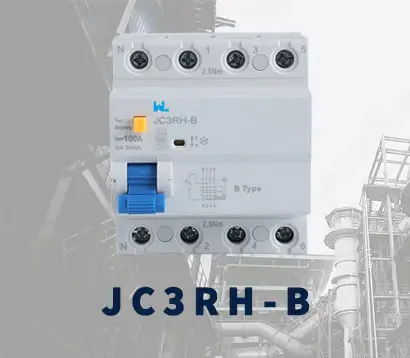 JC3RH-B
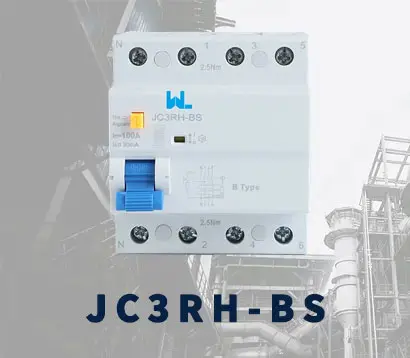 JC3RH-BS
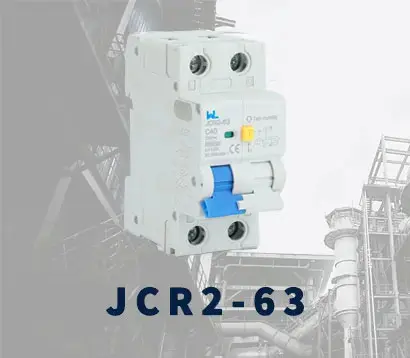 JCR2-63
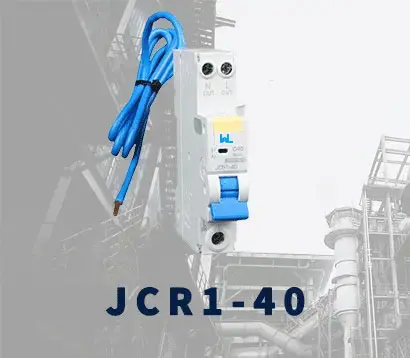 JCR1-40
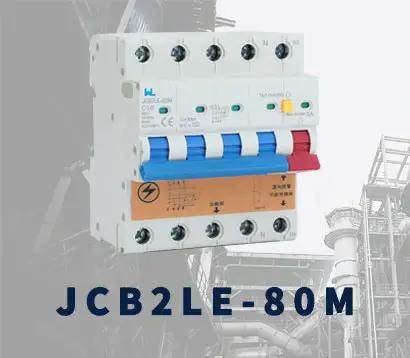 JCB2LE-80M
 JCB2LE-80M
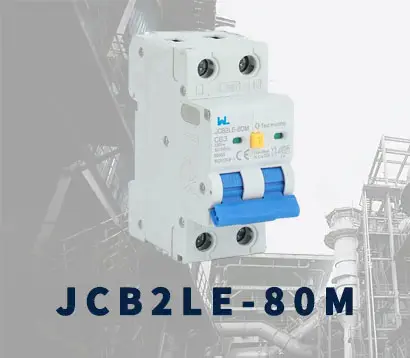 JCB2LE-80M
 JCB2LE-40M
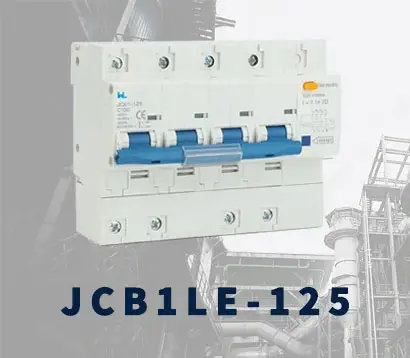 JCB1LE-125
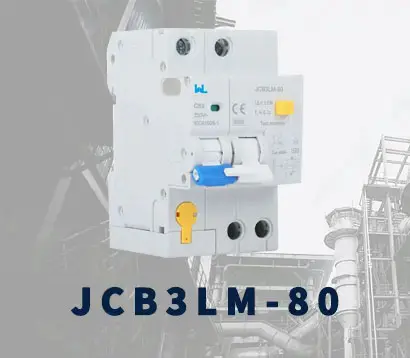 JCB3LM-80
 JCH2-125
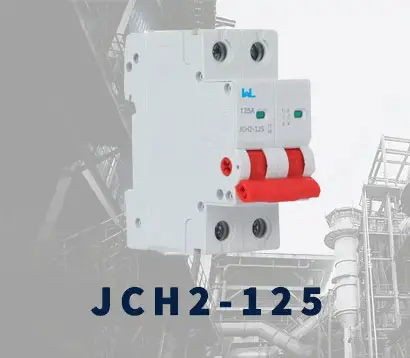 JCH2-125
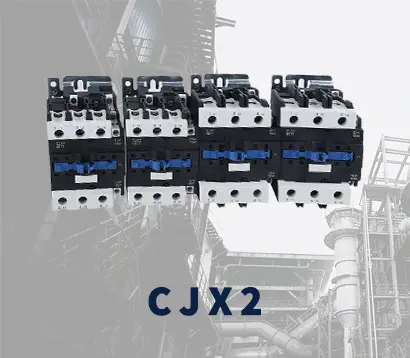 CJX2
CJX2 CJ19
CJ19 JCMCU
JCMCU JCHA
JCHA JCSD-40
 JCSD-60
 JCSP-40
 JCSP-60
 JCSPV
JCSPV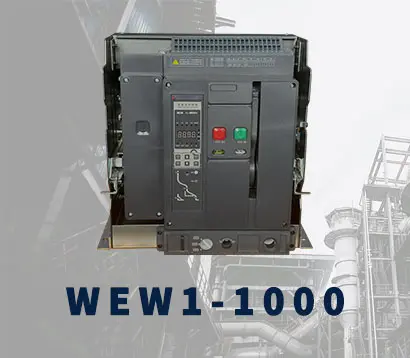 WEW1-1000
 WEW1-1600
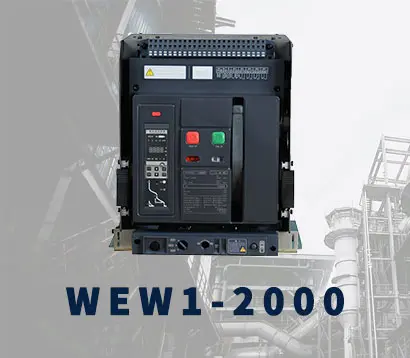 WEW1-2000
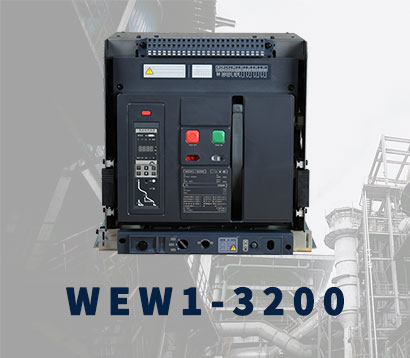 WEW1-3200
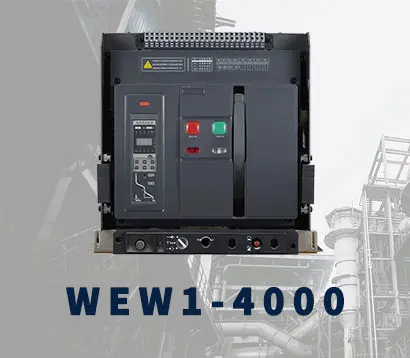 WEW1-4000
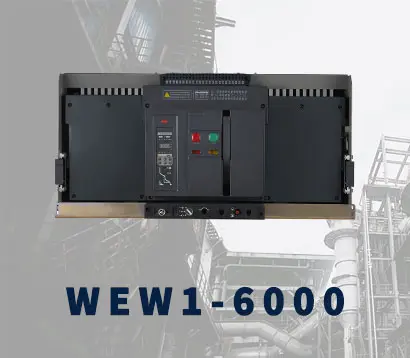 WEW1-6300
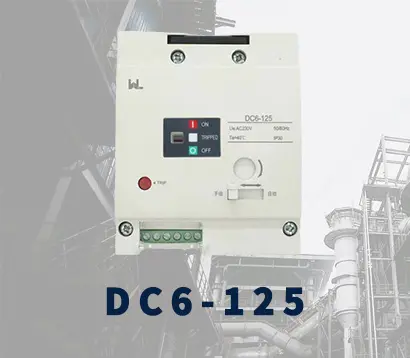 DC6-125
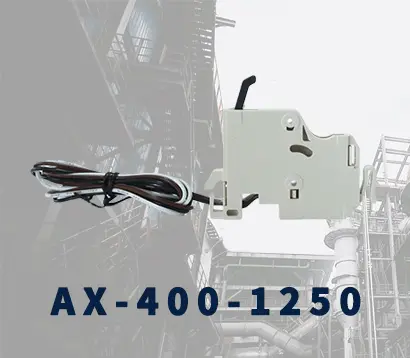 AX-400-1250
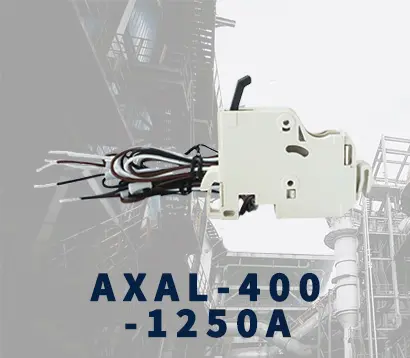 AXAL-400-1250A
 AL-400-1250
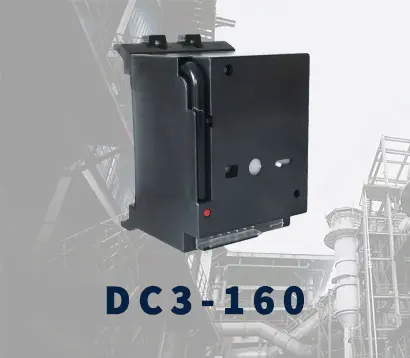 DC3-160
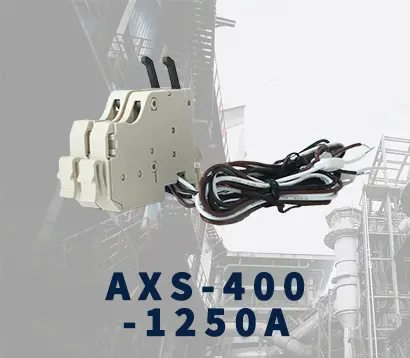 AXS-400-1250A
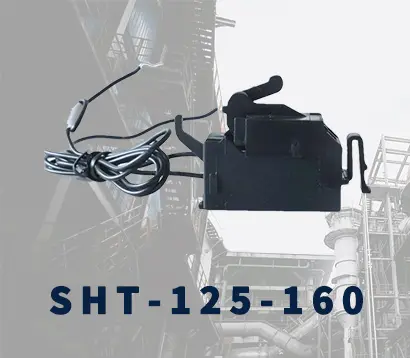 SHT-125-160
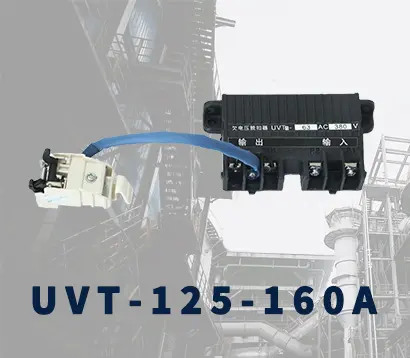 UVT-125-160A
 P-250A-3P-A
 400-3P/4P terminal cover
 1250-3Pmccb accessories busbar
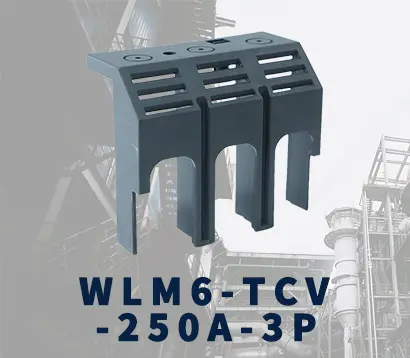 250-3P terminal conver
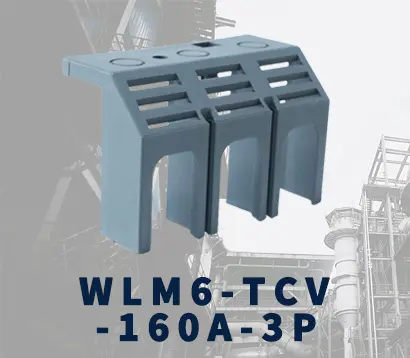 WLM6-TCV-160A-3P
 WLM6-MIP-250A
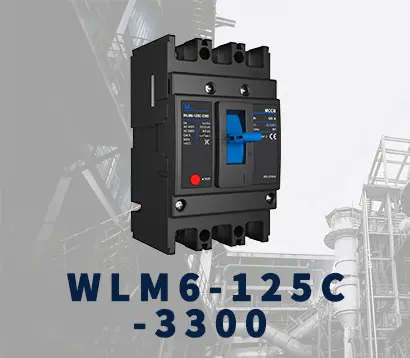 WLM6-125A-3300 3P/4P
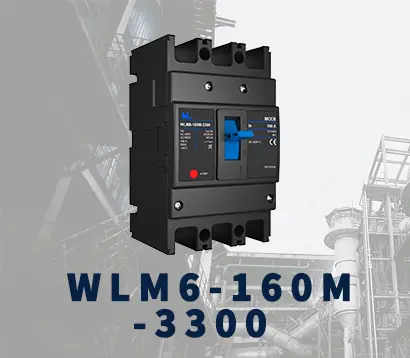 WLM6-160A-3300 3P/4P
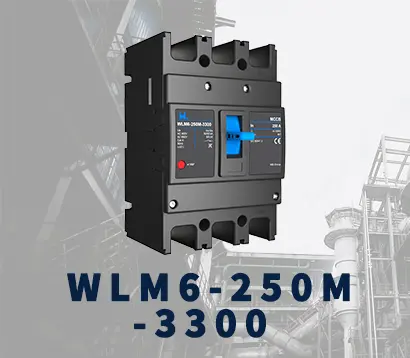 WLM6-250A-3300 3P/4P
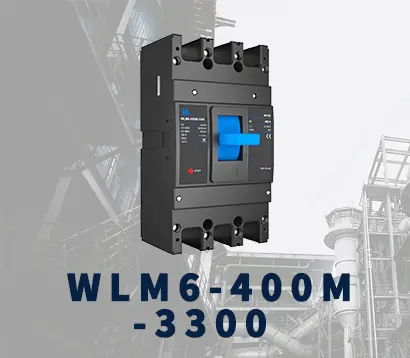 WLM6-400A-3300 3P/4P
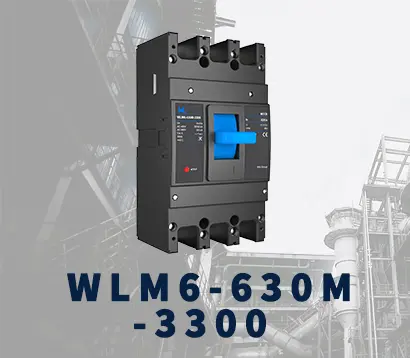 WLM6-630A-3300 3P/4P
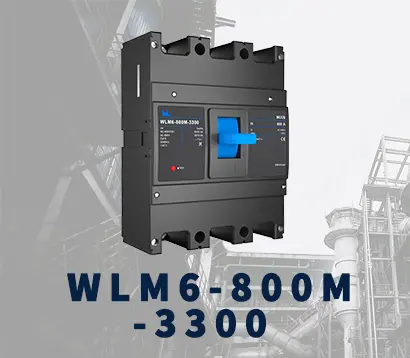 WLM6-800A-3300 3P/4P
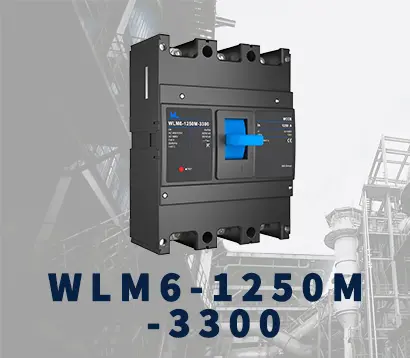 WLM6-1250A-3300 3P/4P
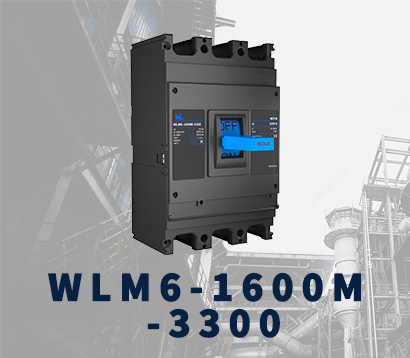 WLM6-1600A-3300 3P/4P
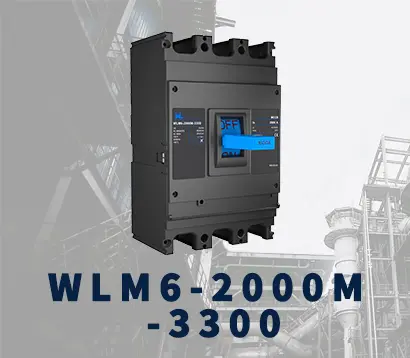 WLM6-2000A 3P/4P
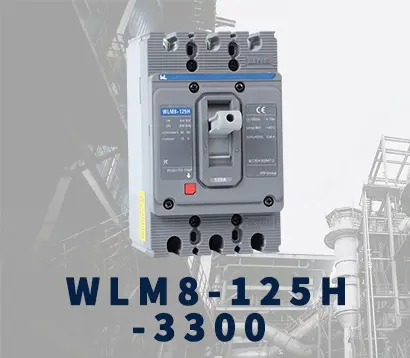 WLM8-125H-3300
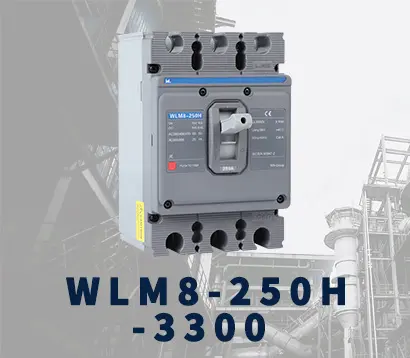 WLM8-250H-3300
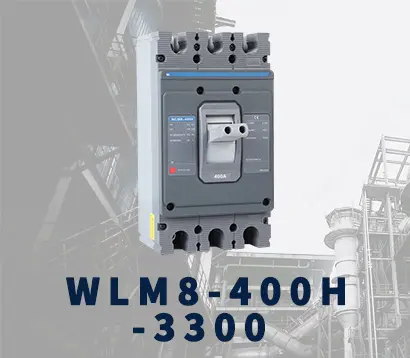 WLM8-400H-3300
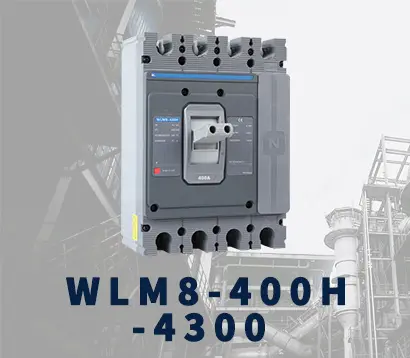 WLM8-400H-4300
 WLM8-630H-3300
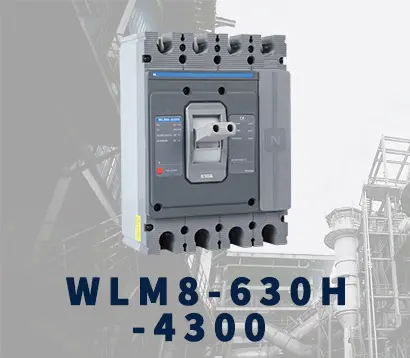 WLM8-630H-4300
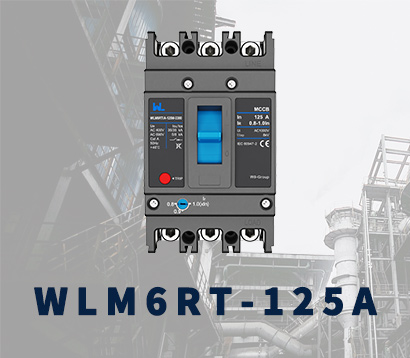 WLM6RT-125A
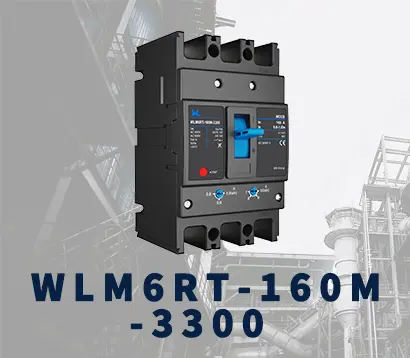 WLM6RT-160A
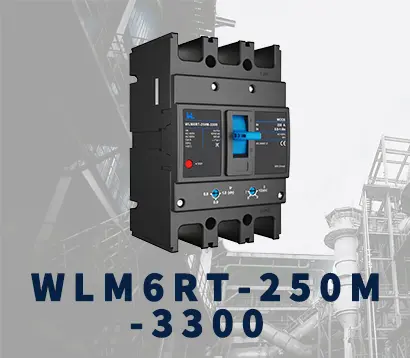 WLM6RT-250A
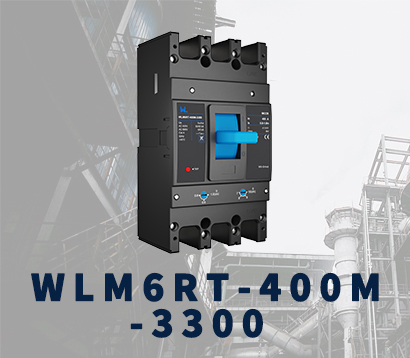 WLM6RT-400A
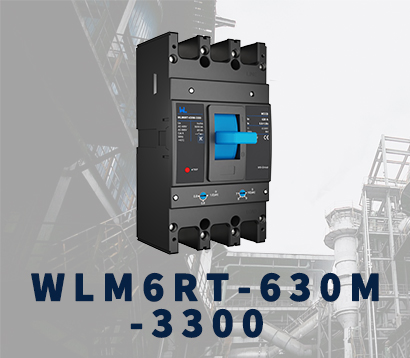 WLM6RT-630A
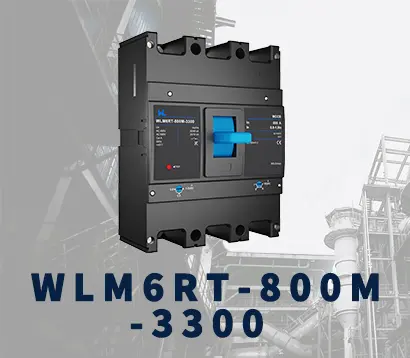 WLM6RT-800A
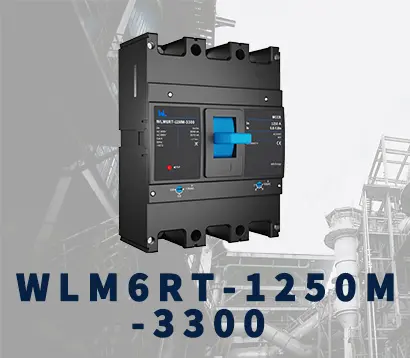 WLM6RT-1250A
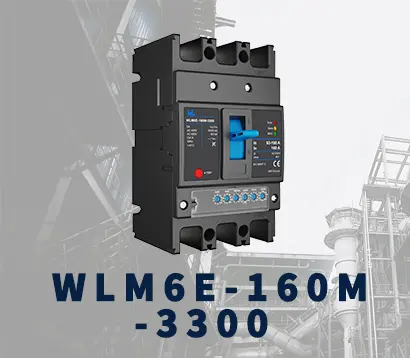 WLM6E-160A-3300 3P
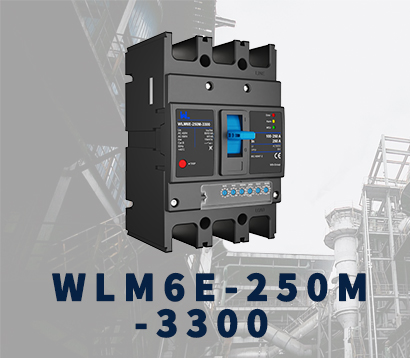 WLM6E-250A-3300
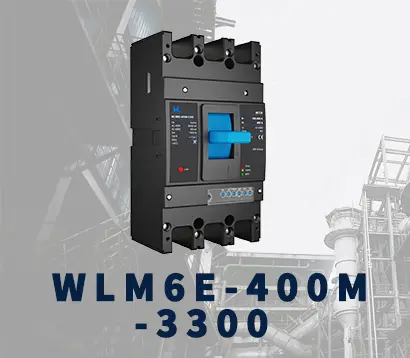 WLM6E-400A-3300 3P/4P
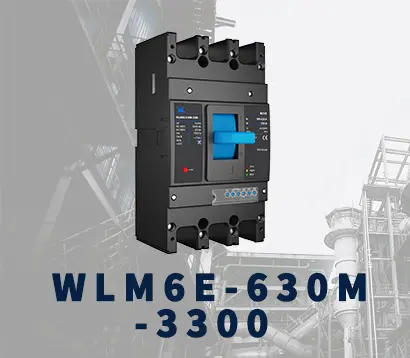 WLM6E-630A-3300
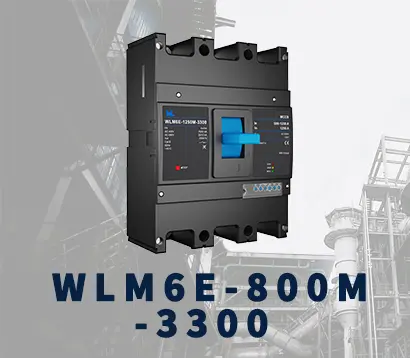 WLM6E-800A-3300 3P/4P
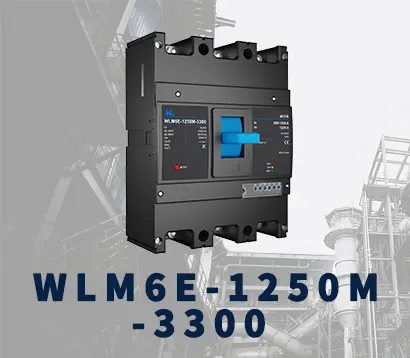 WLM6E-1250A-3300
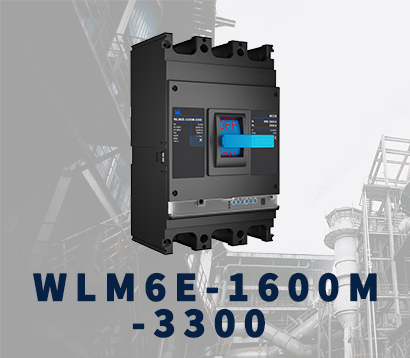 WLM6E-1600-3300 3P/4P
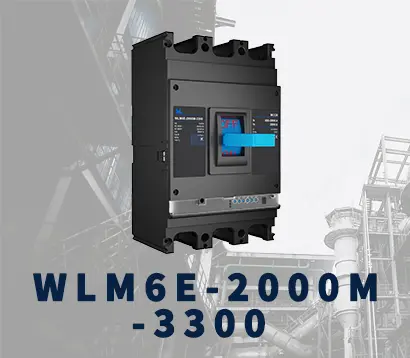 WLM6E-2000A-3300 3P/4P
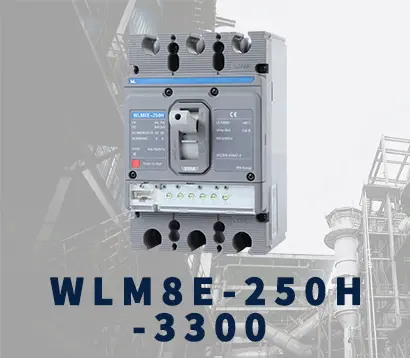 WLM8E-250H-3300
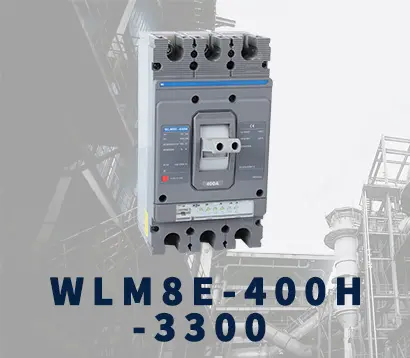 WLM8E-400H-3300
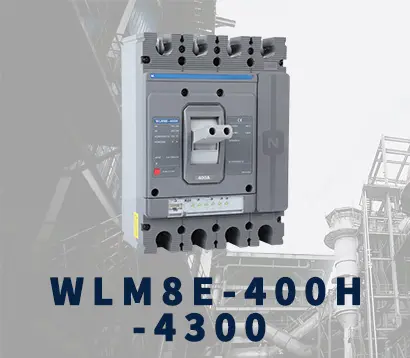 WLM8E-400H-4300
 WLM8E-630H-3300
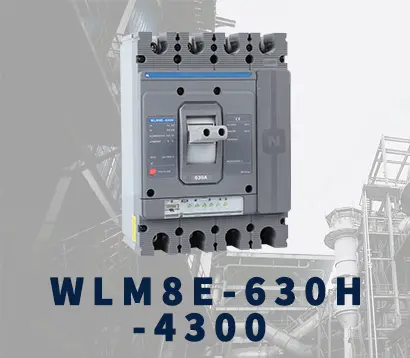 WLM8E-630H-4300
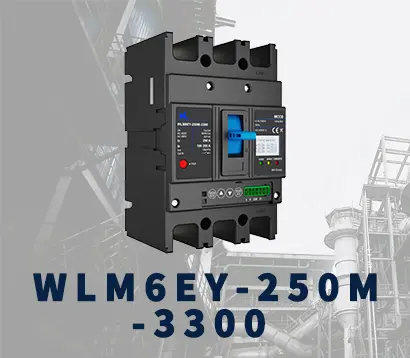 WLM6EY-250-3300 3P/4P
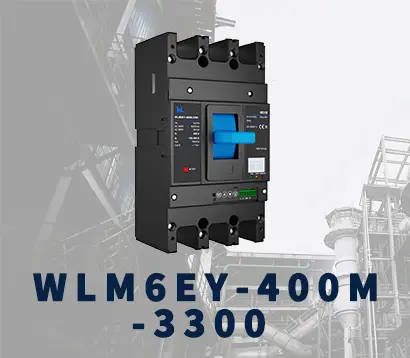 WLM6EY-400 3P/4P
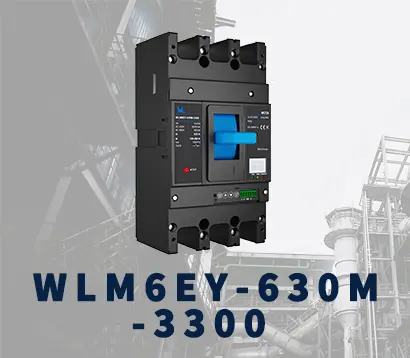 WLM6EY-630 3P/4P
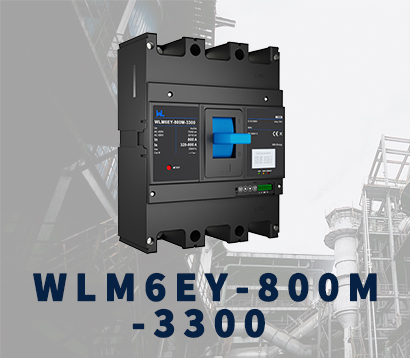 WLM6EY-800A 3P/4P
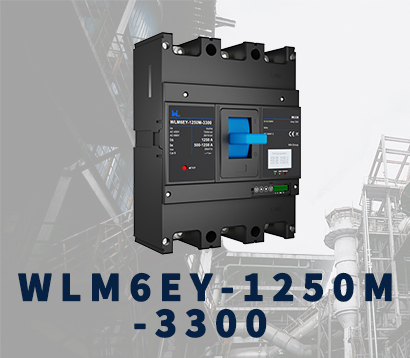 WLM6EY-1250A 3P/4P
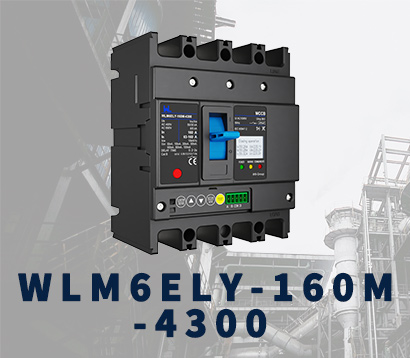 WLM6ELY-160A
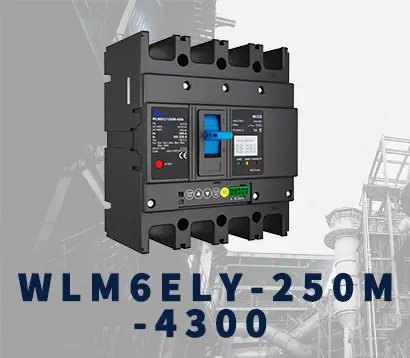 WLM6ELY-250A
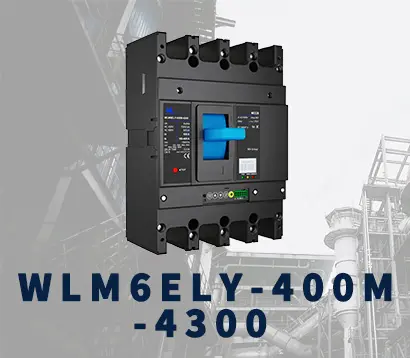 WLM6ELY-400A
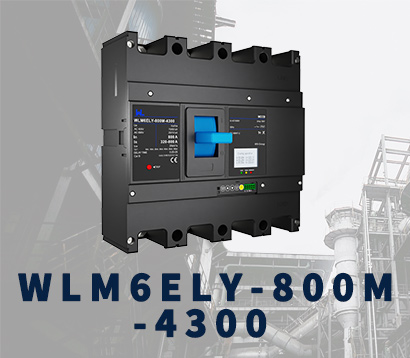 WLM6ELY-800A
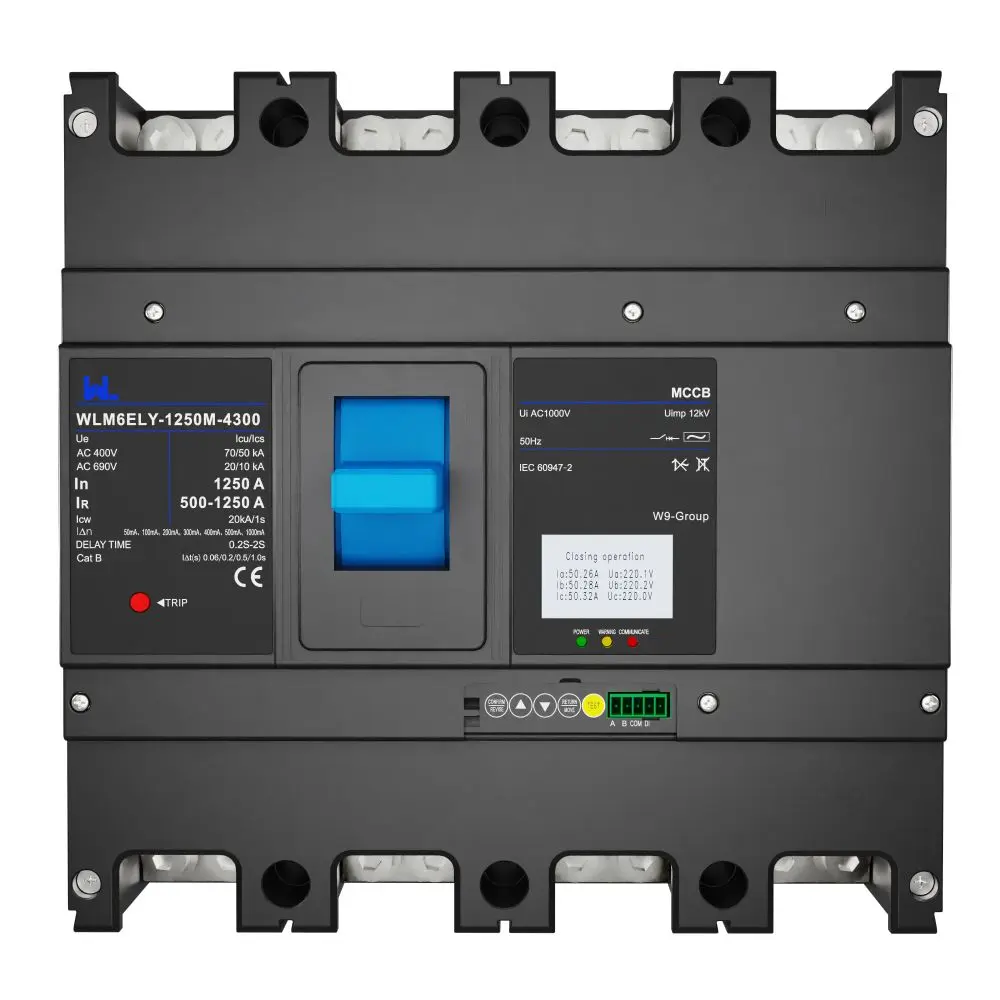 WLM6ELY-1250A
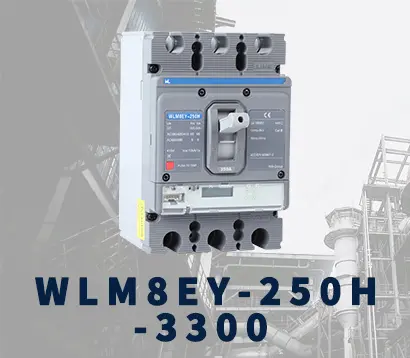 WLM8EY-250H-3300
 WLM8EY-400H-3300
 WLM8EY-630H-3300
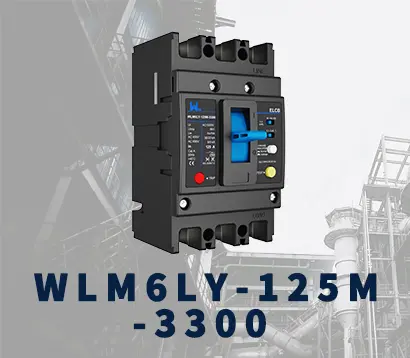 WLM6LY-125A
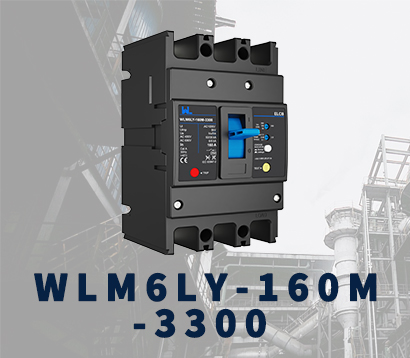 WLM6L-160A
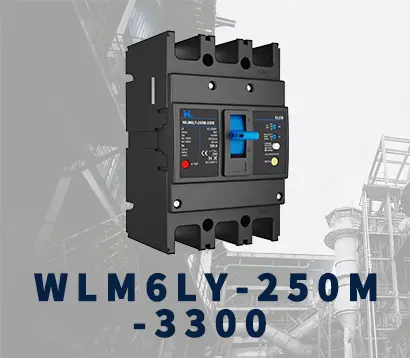 WLM6LY-250A
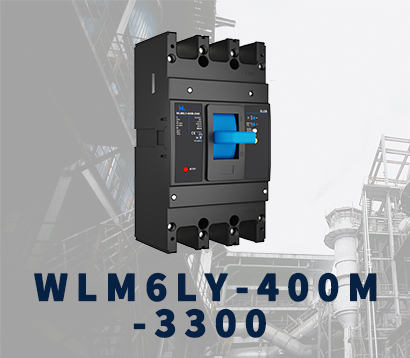 WLM6LY-400A
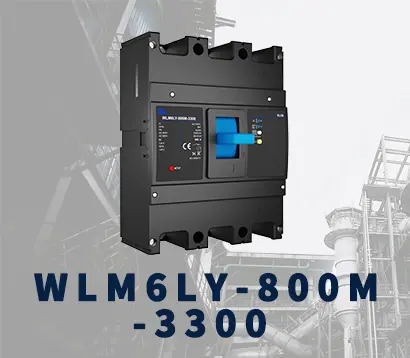 WLM6LY-800A
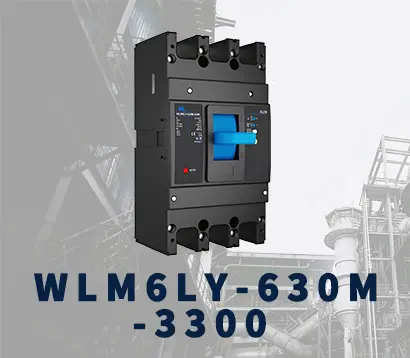 WLM6LY-630A
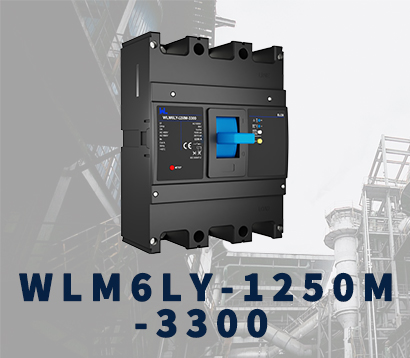 WLM6LY-1250A
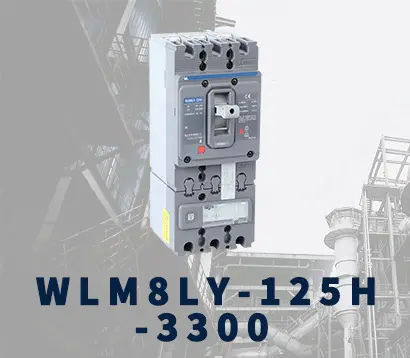 WLM8LY-125H-3300
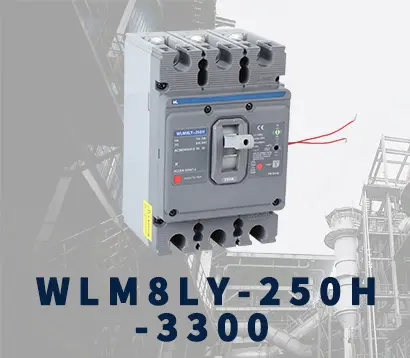 WLM8LY-250H-3300
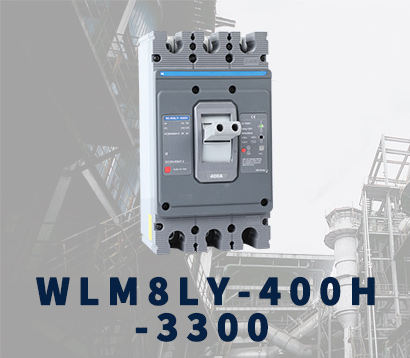 WLM8LY-400H-3300
 WLM8LY-630H-3300
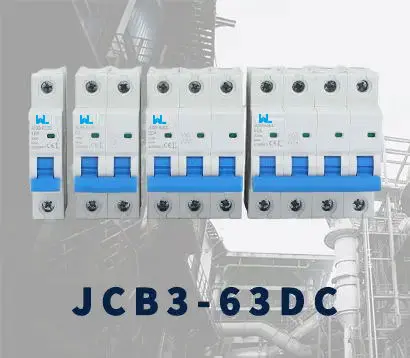 JCB3-63DC
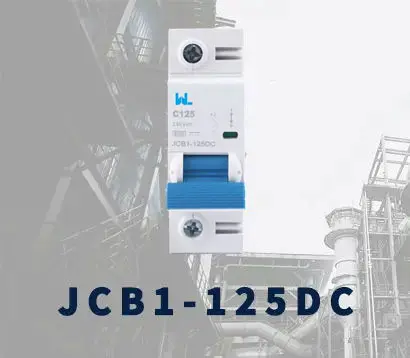 JCB1-125DC
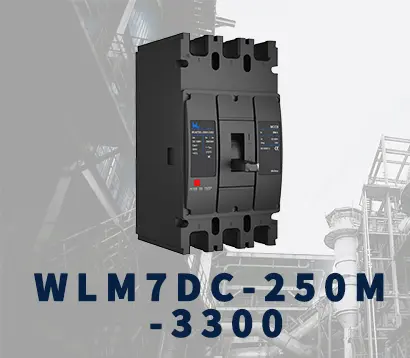 WLM7DC-250A-2300 2P/3P
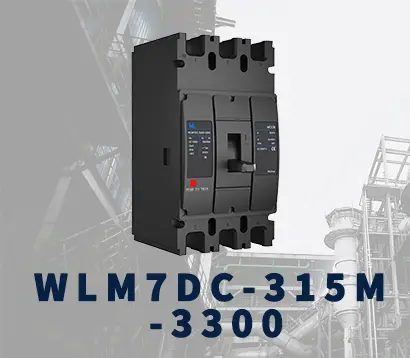 WLM7DC-315A-3300 2P/3P
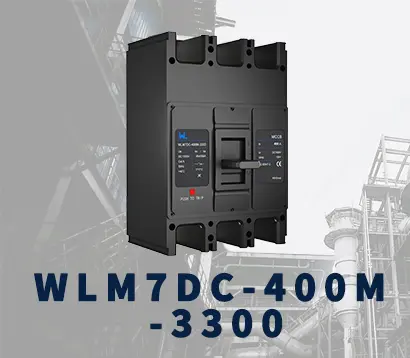 WLM7DC-400A-2300 2P/3P
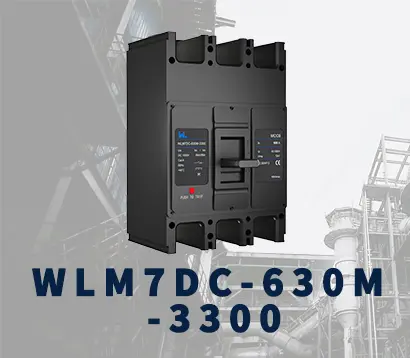 WLM7DC-630A-3300 3P
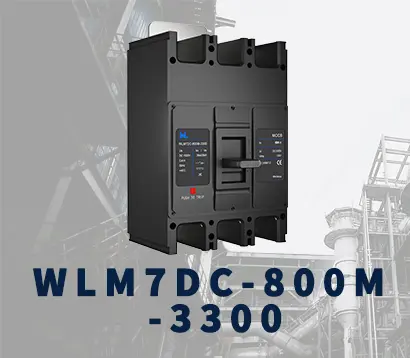 WLM7DC-800A-2300 2P/3P
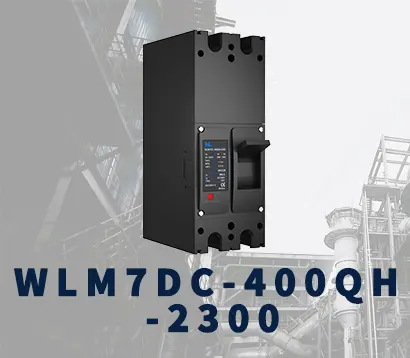 WLM7DC-400A 2300
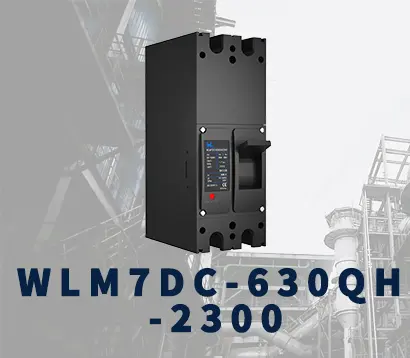 WLM7DC-630A-2300 2P
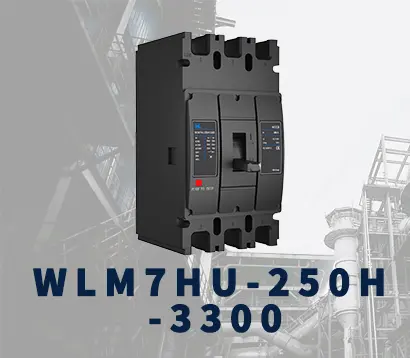 WLM7HU-250-3300 3P
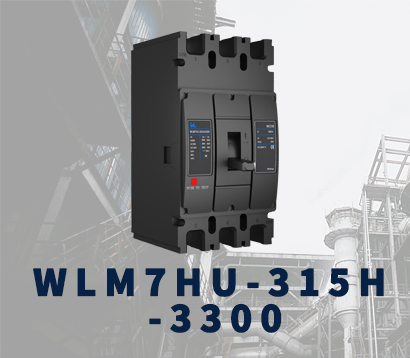 WLM7HU-315-3300 3P
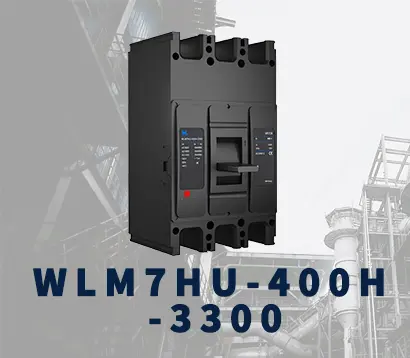 WLM7HU-400-3300 3P
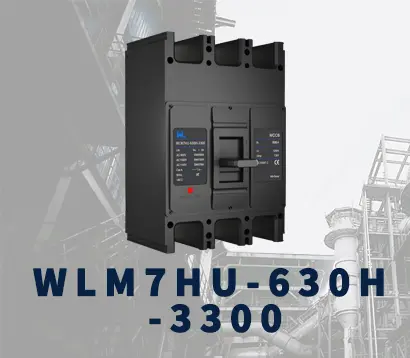 WLM7HU-630-3300 3P
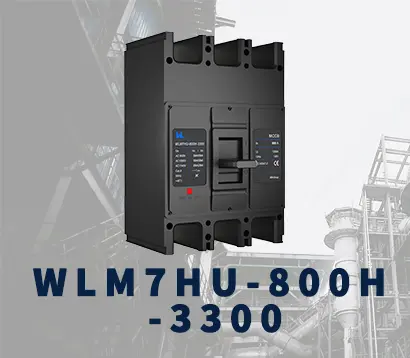 WLM7HU-800-3300 3P
 PV-1500V/250A
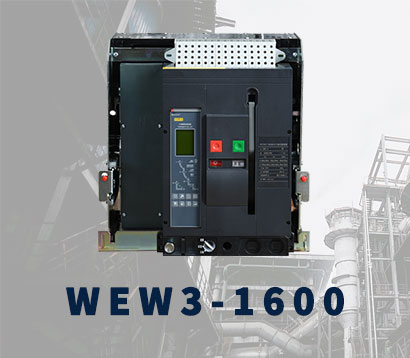 WEW3-1600
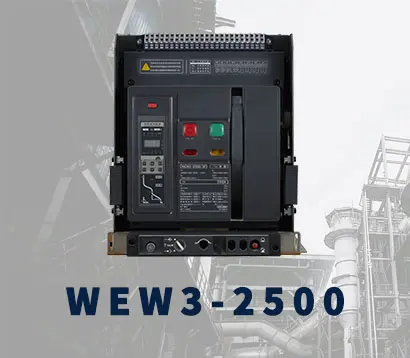 WEW3-2500
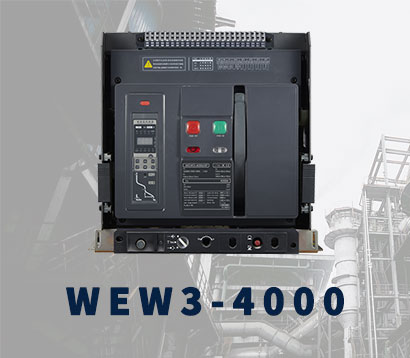 WEW3-4000
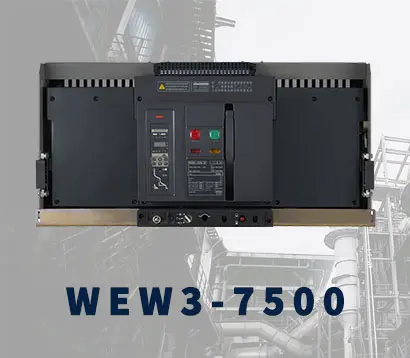 WEW3-7500





10 Essential Tips for Choosing a Thermal Magnetic Circuit Breaker?
Choosing the right Thermal Magnetic Circuit Breaker is crucial for any electrical system. These devices protect circuits by combining thermal and magnetic functions, ensuring safety and reliability. However, the selection process can be complex due to various factors.
Understanding your specific needs is fundamental. Consider voltage ratings and current capacities carefully. Recognize the environment where the breaker will be used. It impacts your choice greatly. For instance, a humid area demands different protections than a dry one.
Experience shows that many overlook important details. It's common to prioritize cost over quality, leading to issues later. A reliable Thermal Magnetic Circuit Breaker can prevent significant damage or hazards. Investing time in research enhances your knowledge and empowers your decision-making. Trustworthy sources of information can guide you effectively.
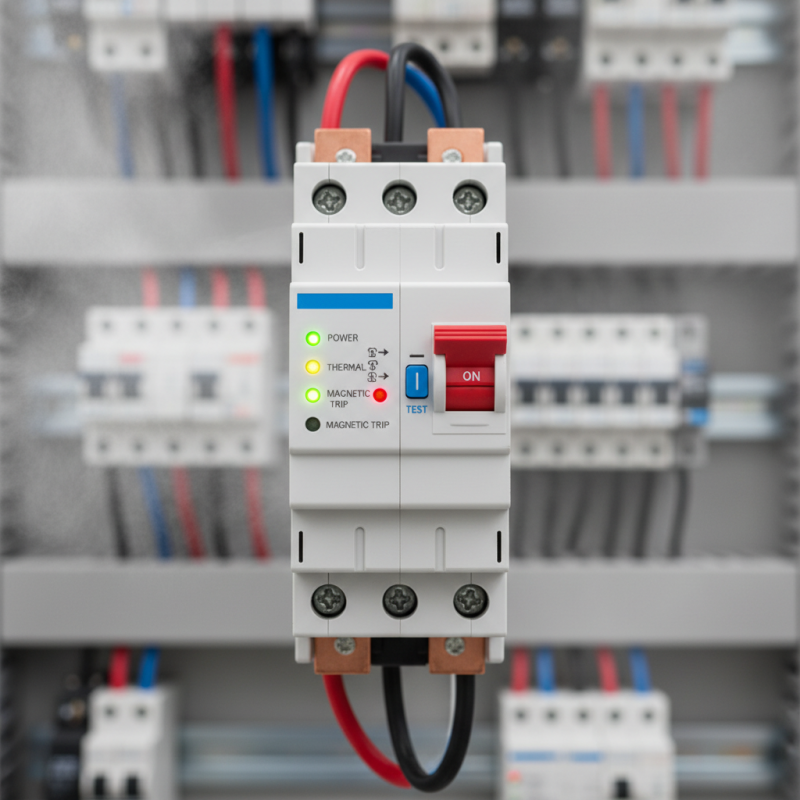
Understanding Thermal Magnetic Circuit Breakers
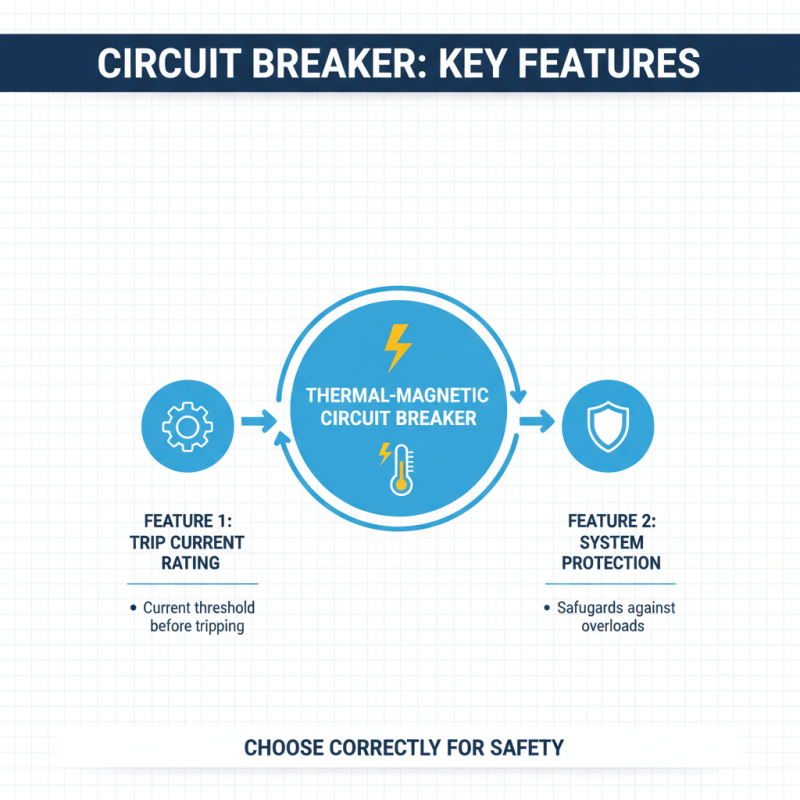
When selecting a thermal magnetic circuit breaker, understanding its core functionality is crucial. Thermal magnetic circuit breakers protect electrical circuits from overloads and short circuits. The thermal component reacts to excess current by heating, which triggers a bimetallic strip. The magnetic part responds quickly to short circuits, providing prompt disconnection. This dual-action capability enhances electrical safety and reliability.
According to industry reports, thermal magnetic breakers account for over 60% of the market in residential applications. Their dual protection mechanism offers advantages in both residential and industrial settings. However, they may not always trip precisely under varying load conditions. Some users report discrepancies in performance, highlighting the need for regular testing and maintenance. This reflects the importance of selecting breakers suited for specific load profiles, as improper choices can result in increased risk.
Installation also plays a significant role in performance. A poorly installed circuit breaker can lead to overheating or failure. It's essential to inspect connections and ensure compliance with local electrical codes. While thermal magnetic circuit breakers are generally reliable, lack of attention to detail can lead to vulnerabilities. Continuous education on installation practices and periodic system audits is recommended for optimal functionality.
Related Posts
-

Top 10 Manufacturers of Molded Case Circuit Breakers (MCCB) in China at the 137th Canton Fair
-
How to Choose the Best Thermal Magnetic MCCB for Your Needs?
-

Why is the China Air Circuit Breaker Essential for Modern Electrical Systems
-
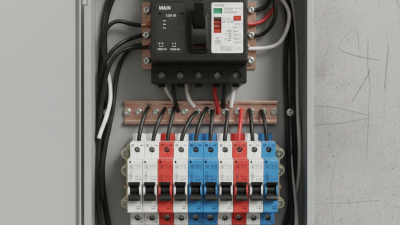
Top 10 Things You Need to Know About Electric Main Breaker?
-

How to Choose the Right Square D MCCB for Your Needs?
-
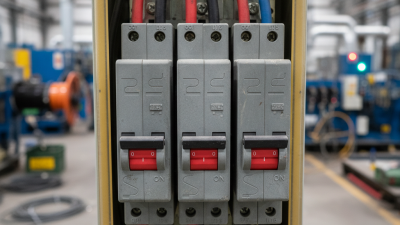
What is a Molded Case Breaker and How Does it Work?