
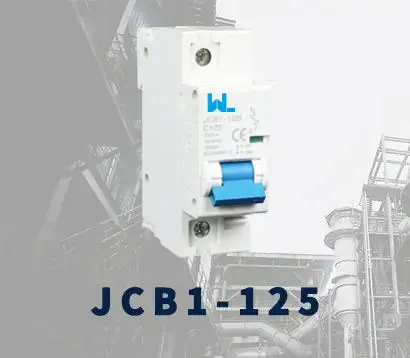
 JCB1-125
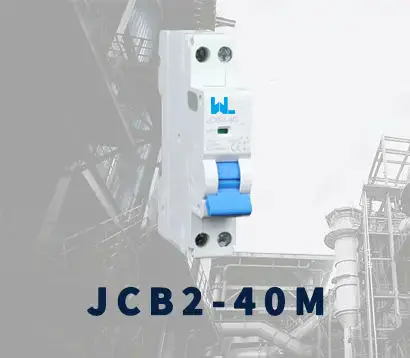 JCB2-40M
 JCB3-63DC
 JCB3-80H
 JCB3-80M
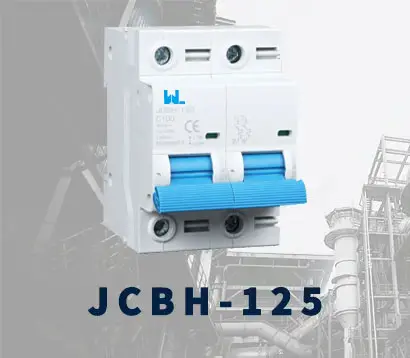 JCBH-125
 JC80-2P
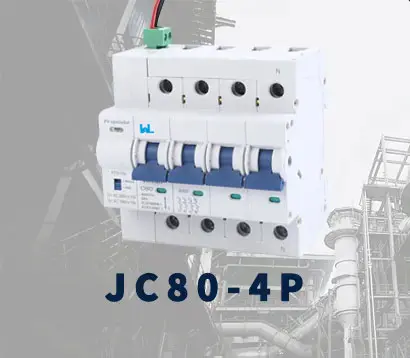 JC80-4P
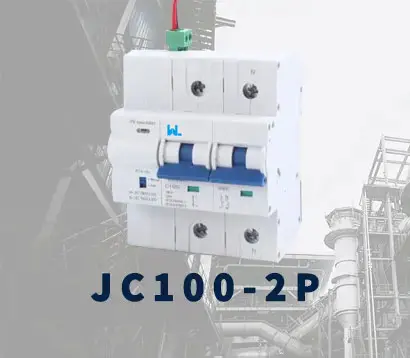 JC125-2P
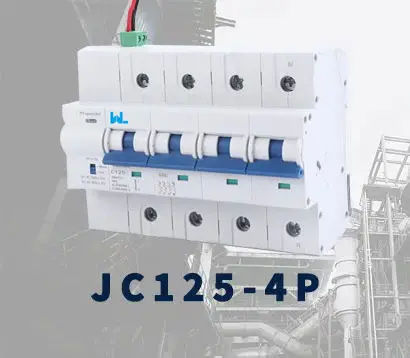 JC125-4P
 JCMX
JCMX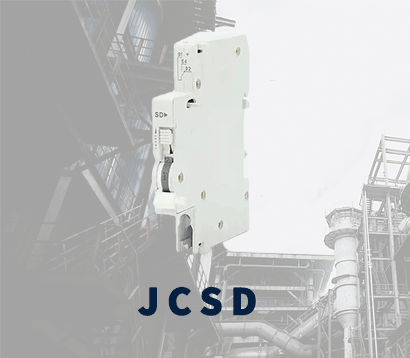 JCSD
JCSD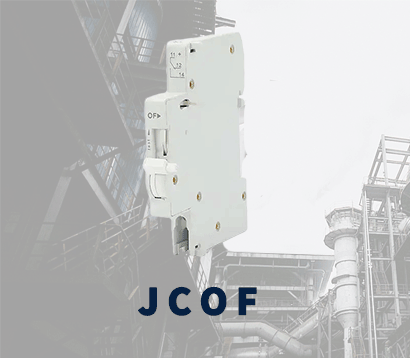 JCOF
JCOF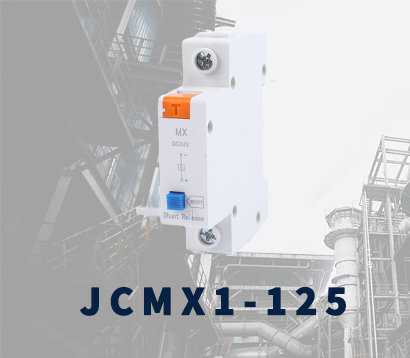 JCMX1-125
 JCOF1-125
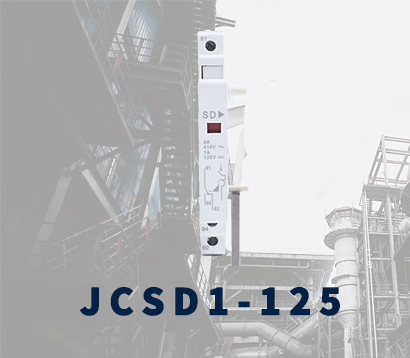 JCSD1-125
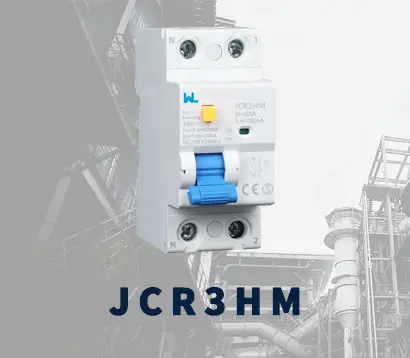 JCR3HM
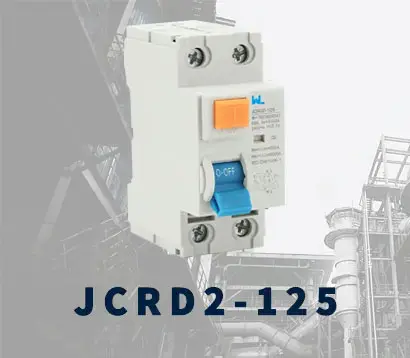 JCRD2-125
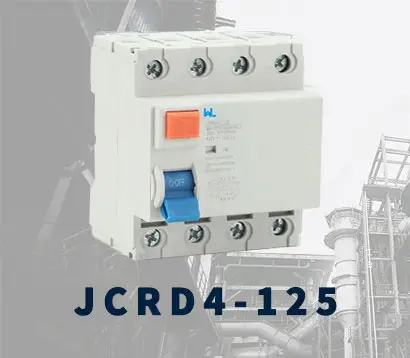 JCRD4-125
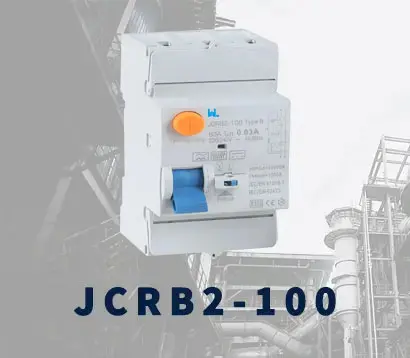 JCRB2-100
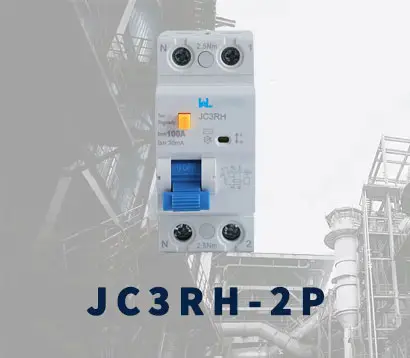 JC3RH-2P
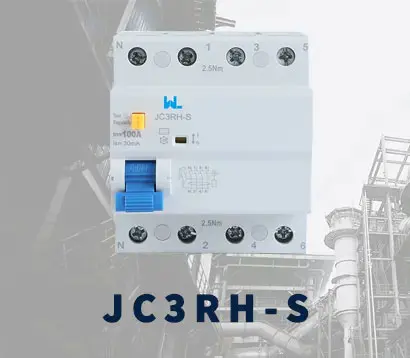 JC3RH-S
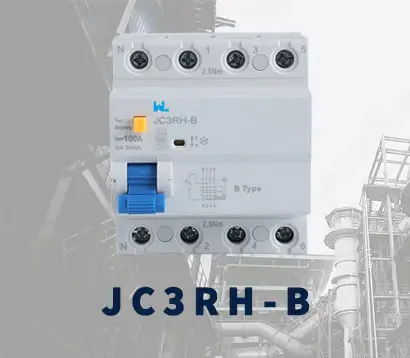 JC3RH-B
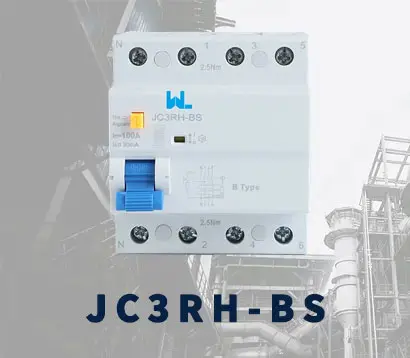 JC3RH-BS
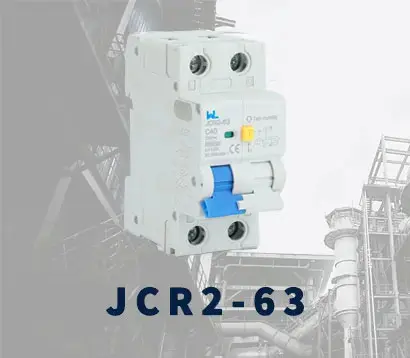 JCR2-63
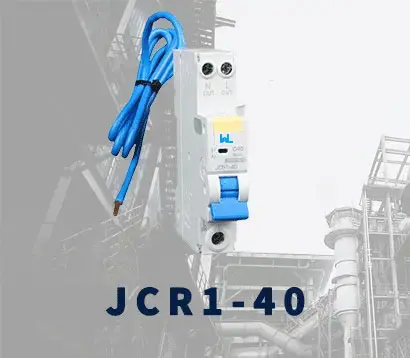 JCR1-40
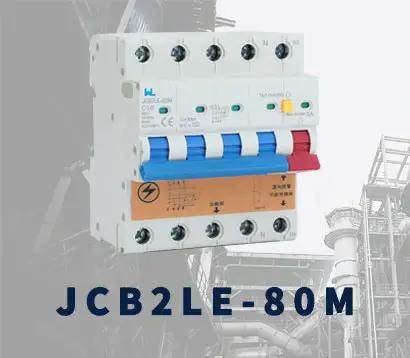 JCB2LE-80M
 JCB2LE-80M
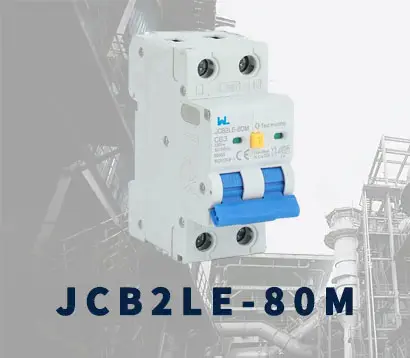 JCB2LE-80M
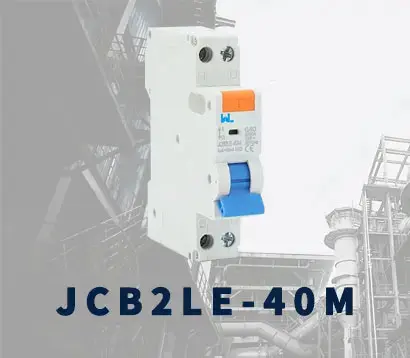 JCB2LE-40M
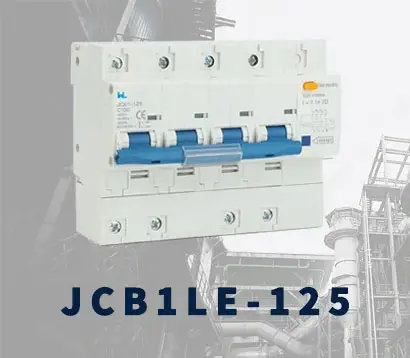 JCB1LE-125
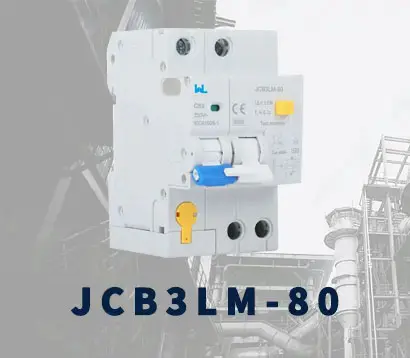 JCB3LM-80
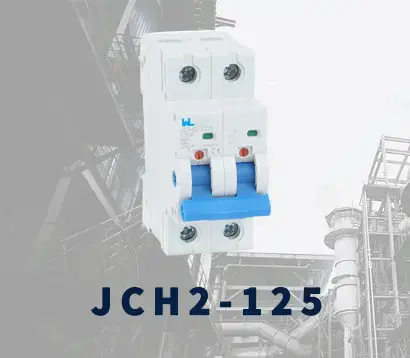 JCH2-125
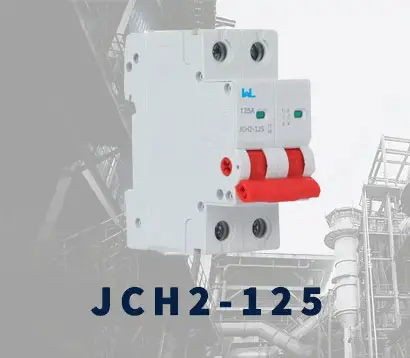 JCH2-125
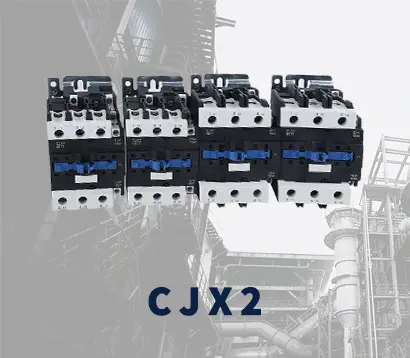 CJX2
CJX2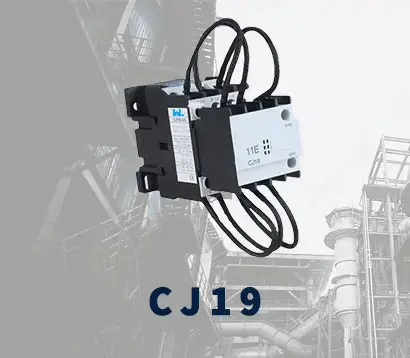 CJ19
CJ19 JCMCU
JCMCU JCHA
JCHA JCSD-40
 JCSD-60
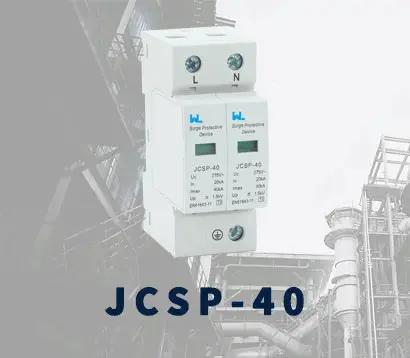 JCSP-40
 JCSP-60
 JCSPV
JCSPV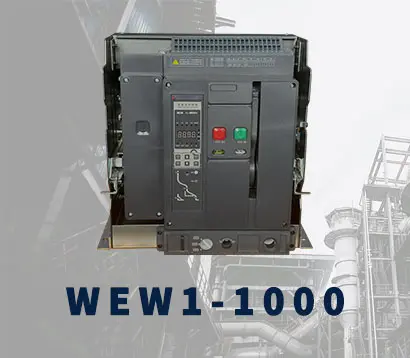 WEW1-1000
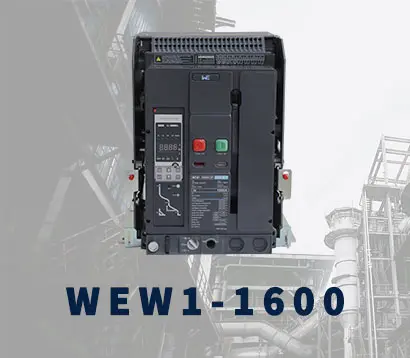 WEW1-1600
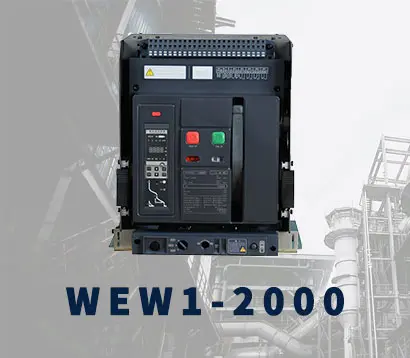 WEW1-2000
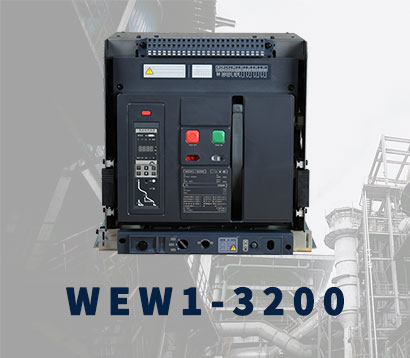 WEW1-3200
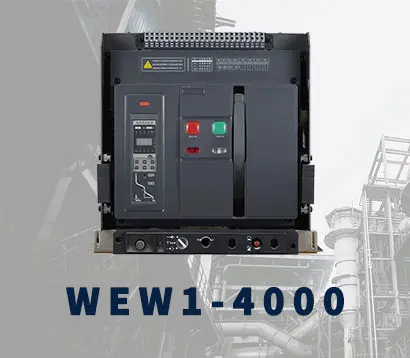 WEW1-4000
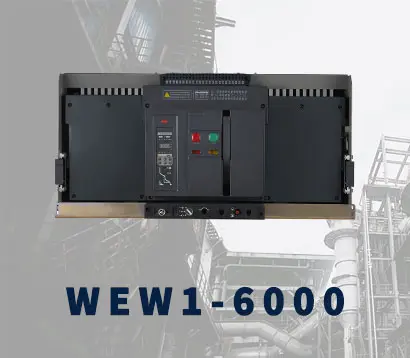 WEW1-6300
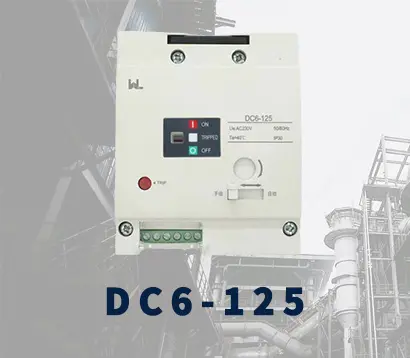 DC6-125
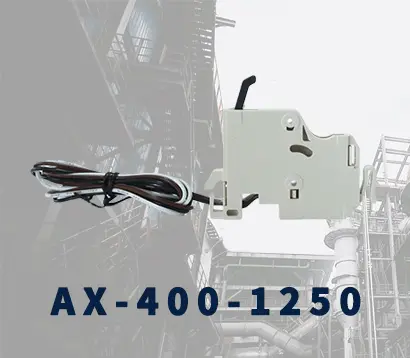 AX-400-1250
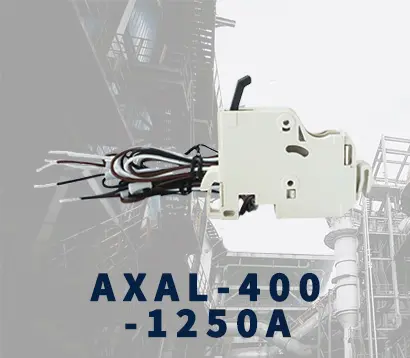 AXAL-400-1250A
 AL-400-1250
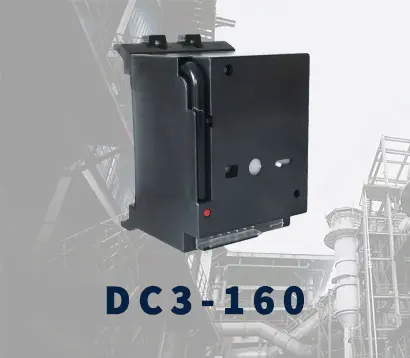 DC3-160
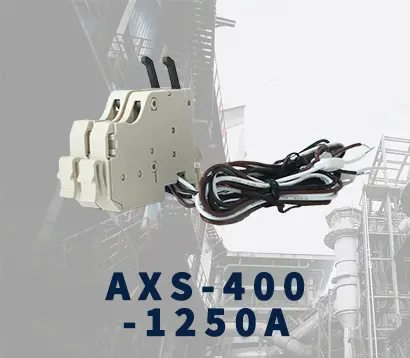 AXS-400-1250A
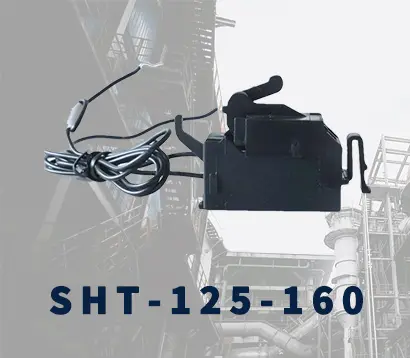 SHT-125-160
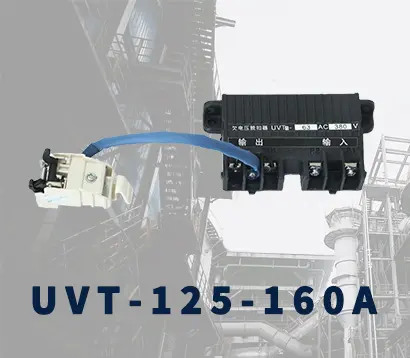 UVT-125-160A
 P-250A-3P-A
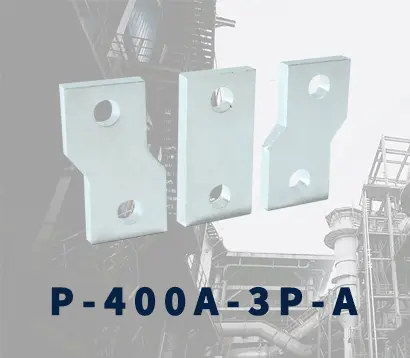 400-3P/4P terminal cover
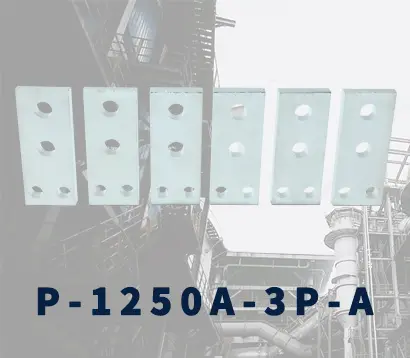 1250-3Pmccb accessories busbar
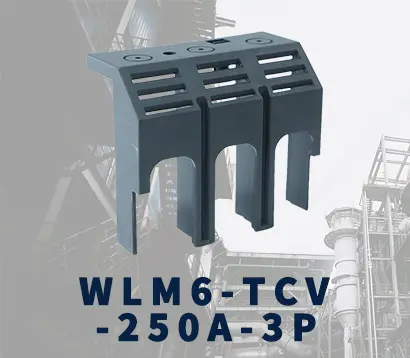 250-3P terminal conver
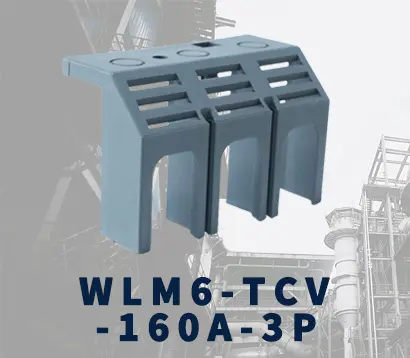 WLM6-TCV-160A-3P
 WLM6-MIP-250A
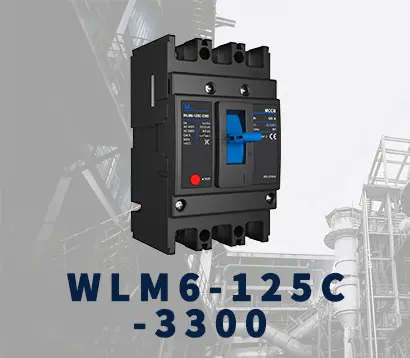 WLM6-125A-3300 3P/4P
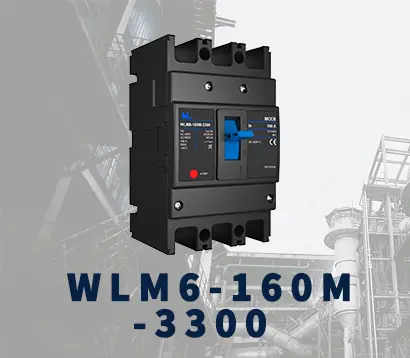 WLM6-160A-3300 3P/4P
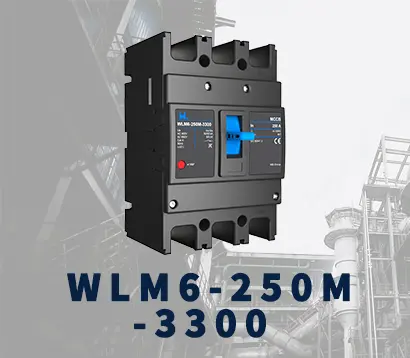 WLM6-250A-3300 3P/4P
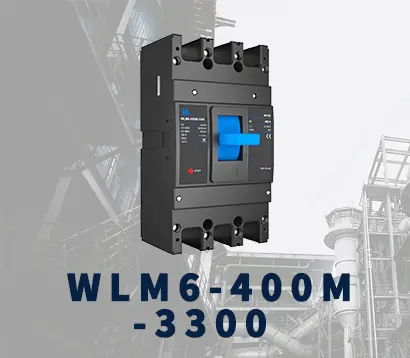 WLM6-400A-3300 3P/4P
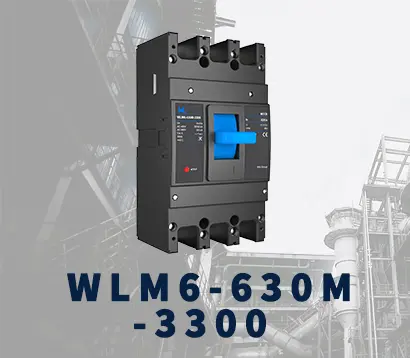 WLM6-630A-3300 3P/4P
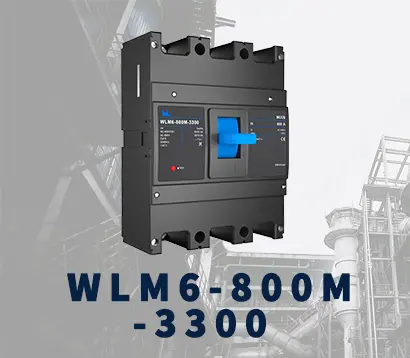 WLM6-800A-3300 3P/4P
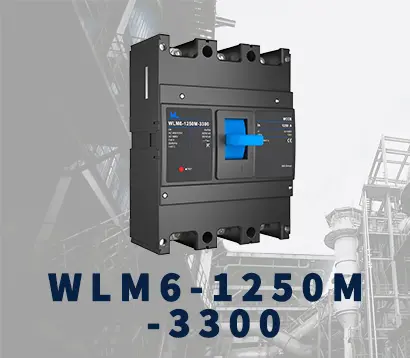 WLM6-1250A-3300 3P/4P
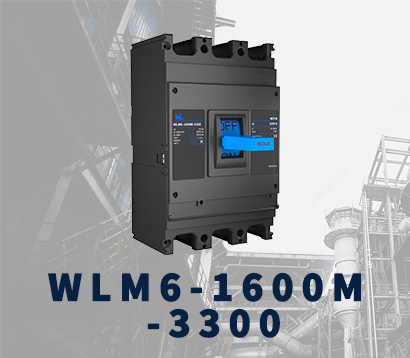 WLM6-1600A-3300 3P/4P
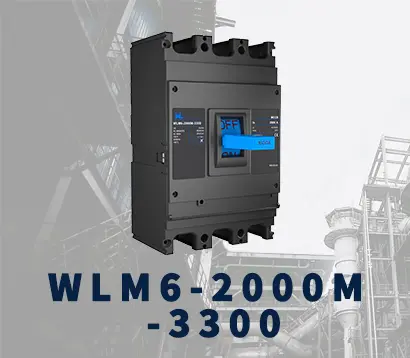 WLM6-2000A 3P/4P
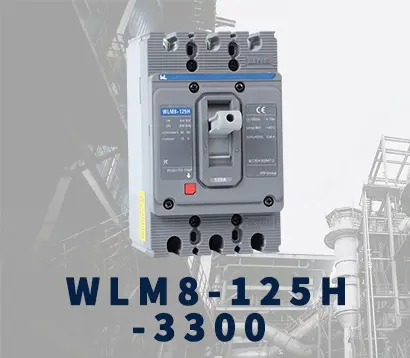 WLM8-125H-3300
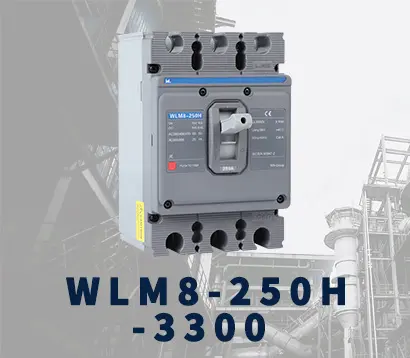 WLM8-250H-3300
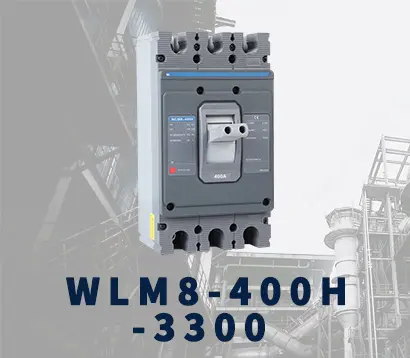 WLM8-400H-3300
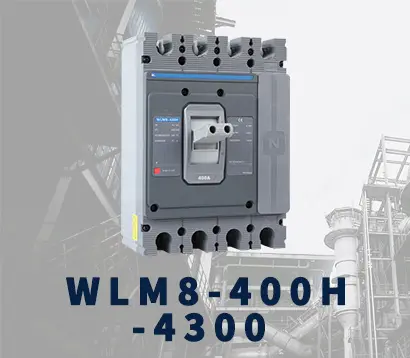 WLM8-400H-4300
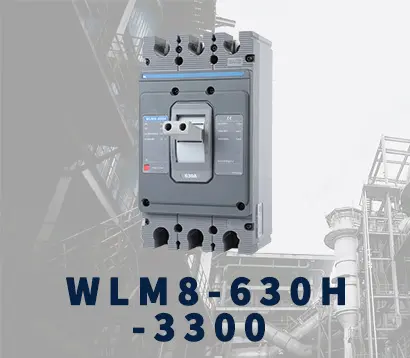 WLM8-630H-3300
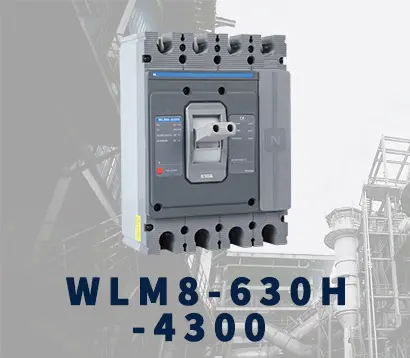 WLM8-630H-4300
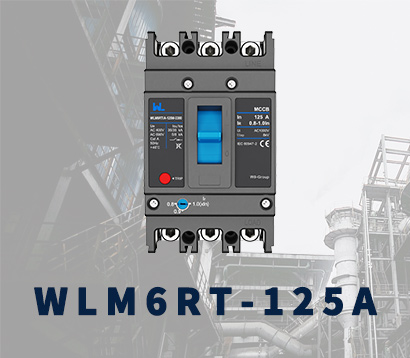 WLM6RT-125A
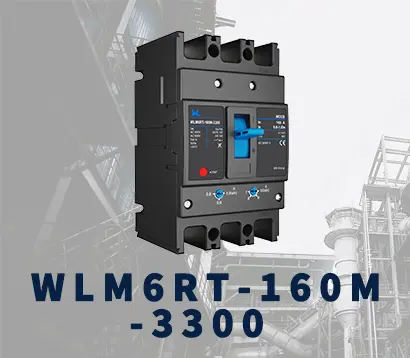 WLM6RT-160A
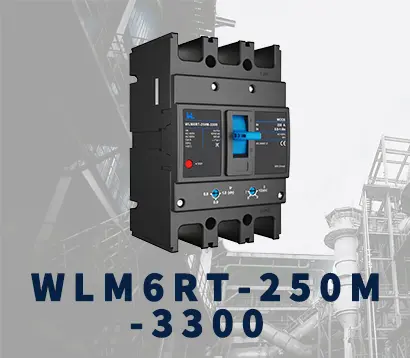 WLM6RT-250A
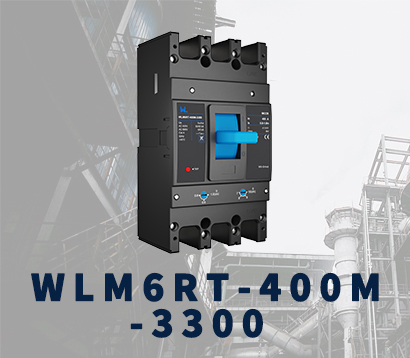 WLM6RT-400A
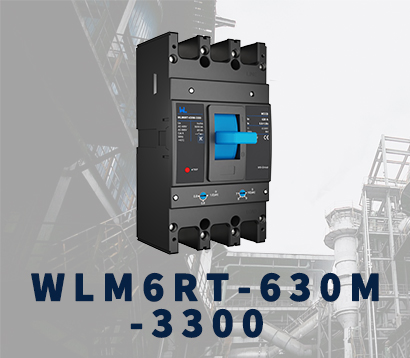 WLM6RT-630A
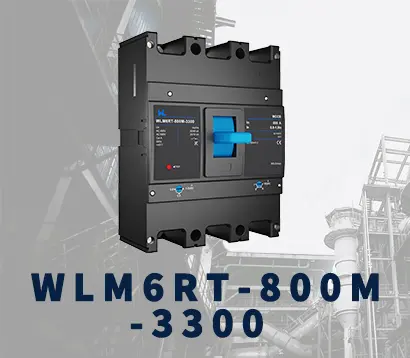 WLM6RT-800A
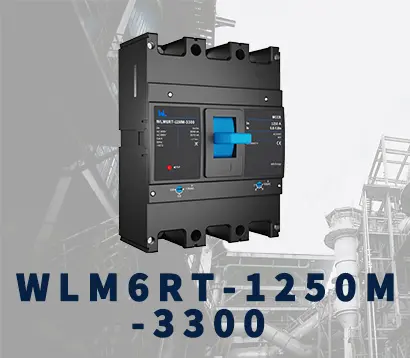 WLM6RT-1250A
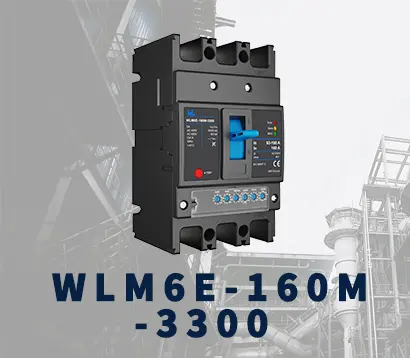 WLM6E-160A-3300 3P
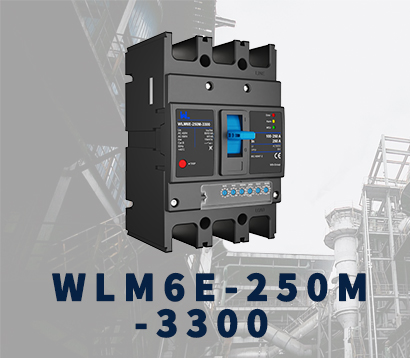 WLM6E-250A-3300
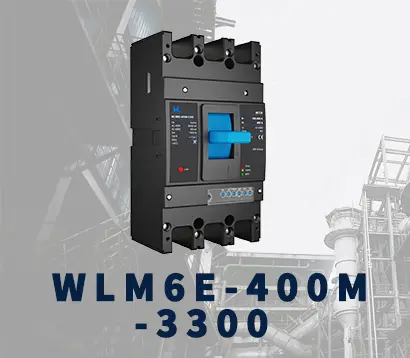 WLM6E-400A-3300 3P/4P
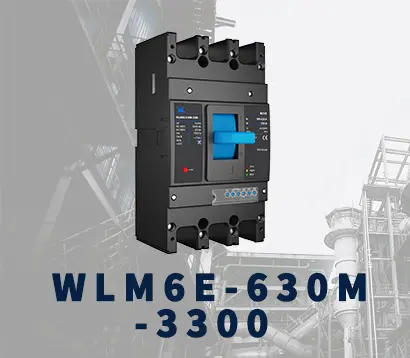 WLM6E-630A-3300
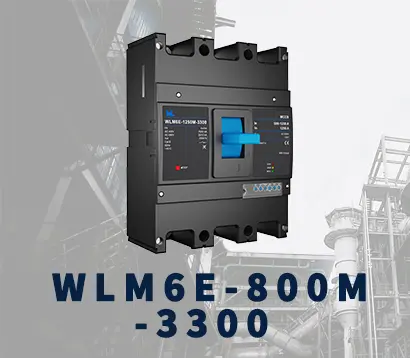 WLM6E-800A-3300 3P/4P
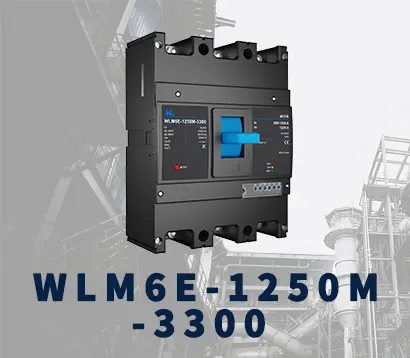 WLM6E-1250A-3300
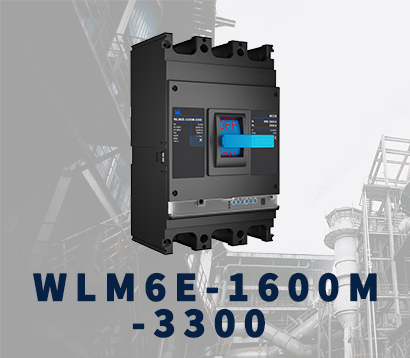 WLM6E-1600-3300 3P/4P
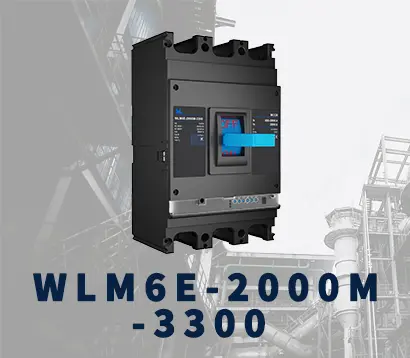 WLM6E-2000A-3300 3P/4P
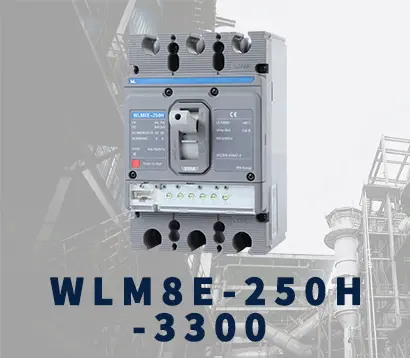 WLM8E-250H-3300
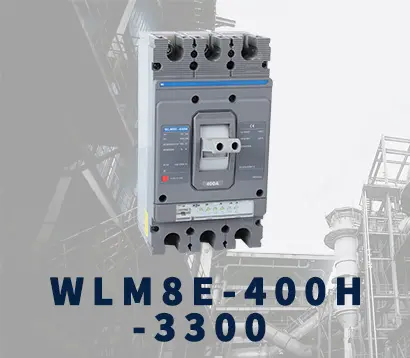 WLM8E-400H-3300
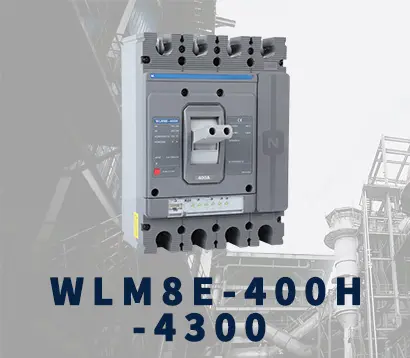 WLM8E-400H-4300
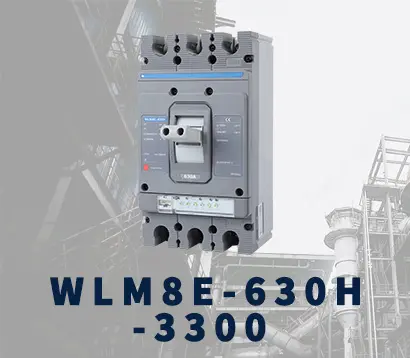 WLM8E-630H-3300
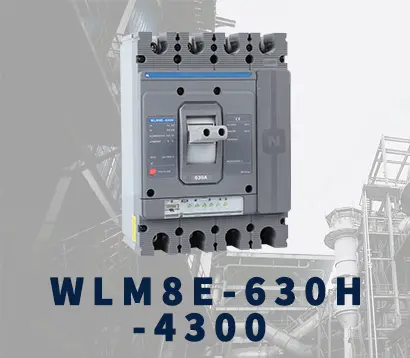 WLM8E-630H-4300
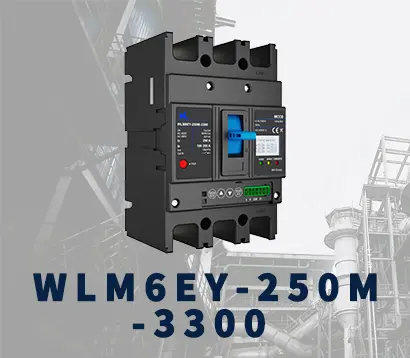 WLM6EY-250-3300 3P/4P
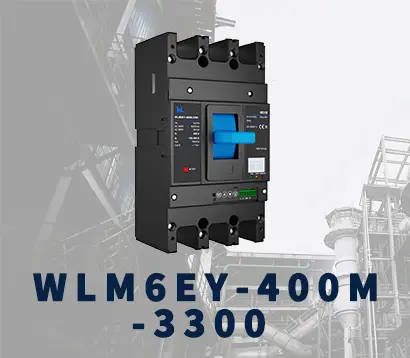 WLM6EY-400 3P/4P
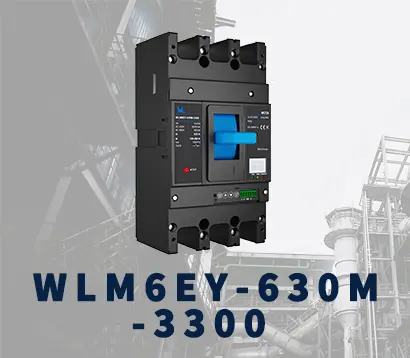 WLM6EY-630 3P/4P
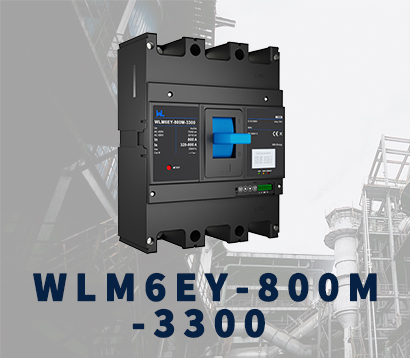 WLM6EY-800A 3P/4P
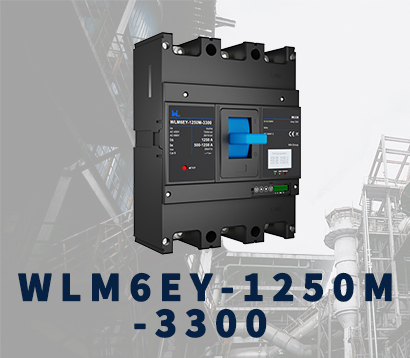 WLM6EY-1250A 3P/4P
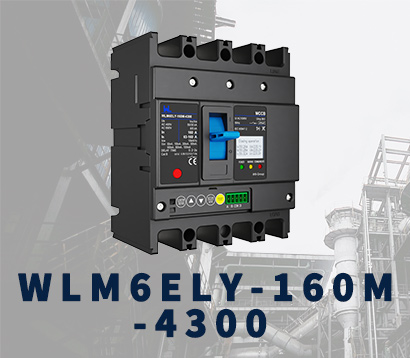 WLM6ELY-160A
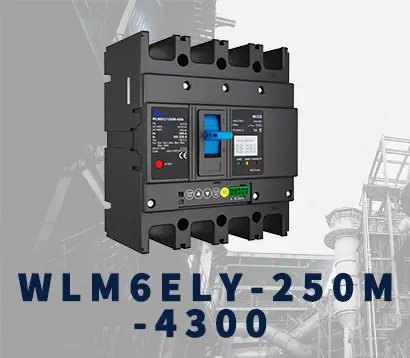 WLM6ELY-250A
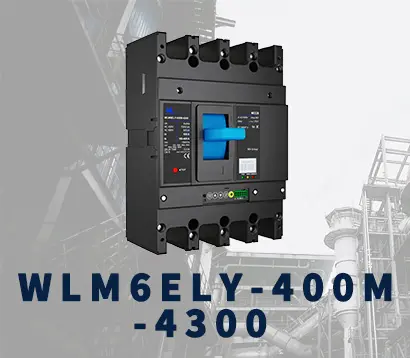 WLM6ELY-400A
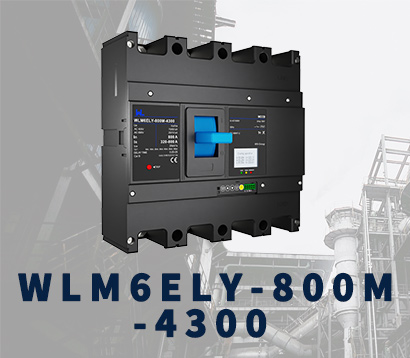 WLM6ELY-800A
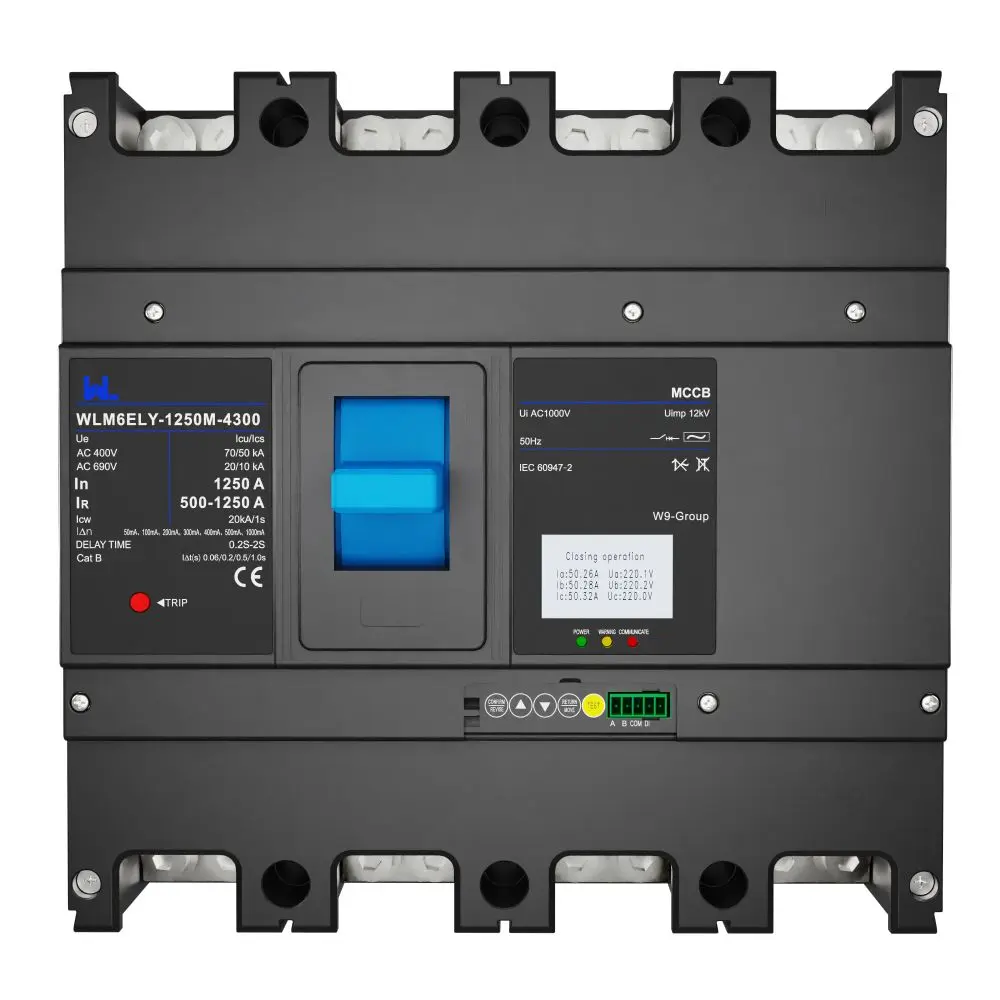 WLM6ELY-1250A
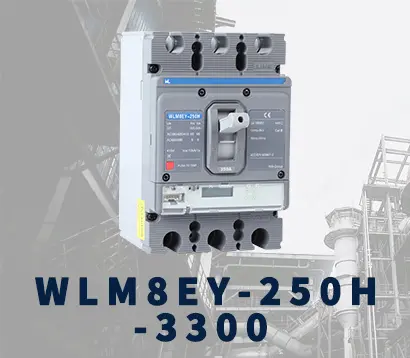 WLM8EY-250H-3300
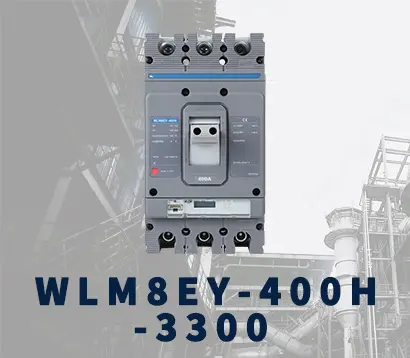 WLM8EY-400H-3300
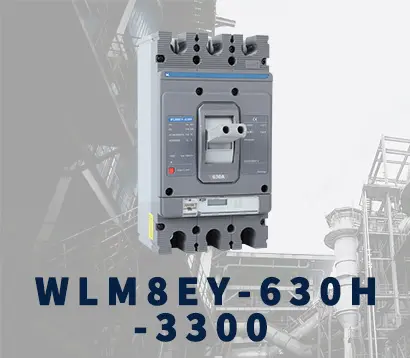 WLM8EY-630H-3300
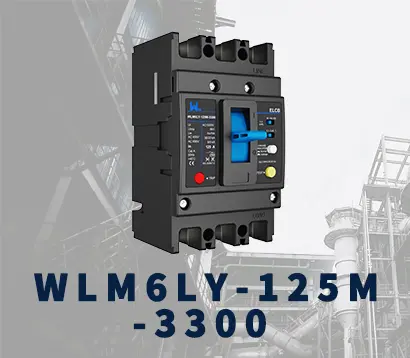 WLM6LY-125A
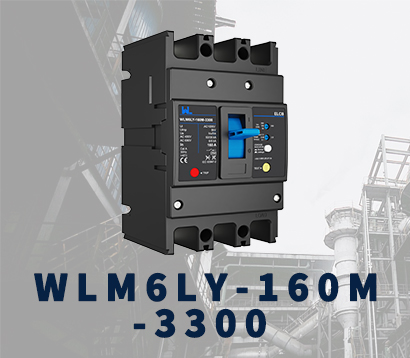 WLM6L-160A
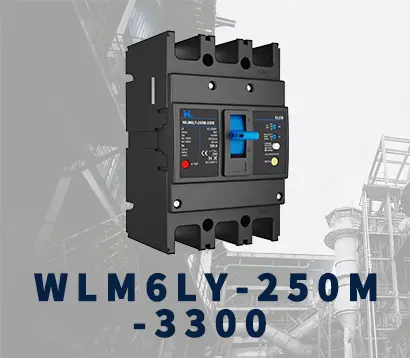 WLM6LY-250A
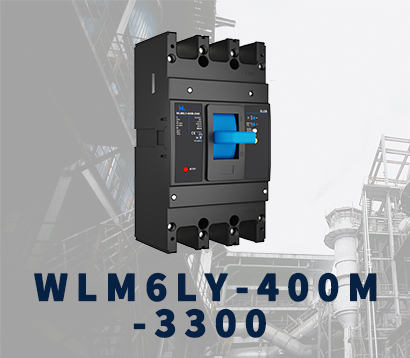 WLM6LY-400A
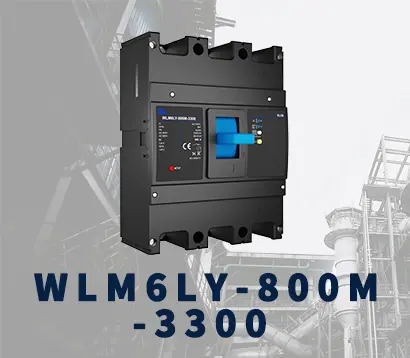 WLM6LY-800A
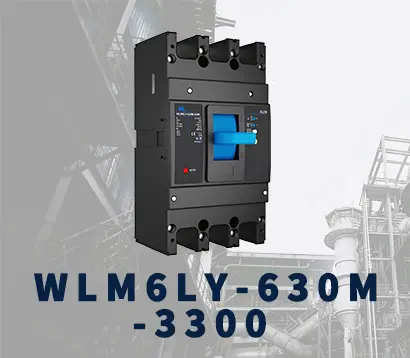 WLM6LY-630A
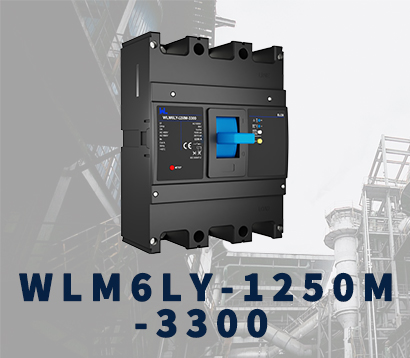 WLM6LY-1250A
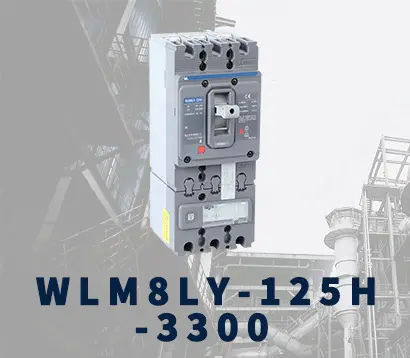 WLM8LY-125H-3300
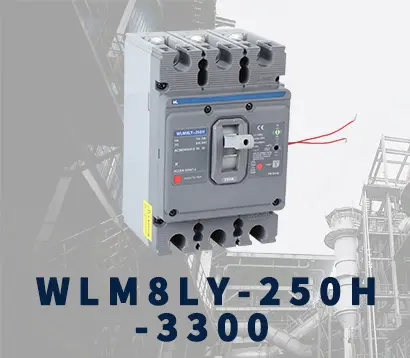 WLM8LY-250H-3300
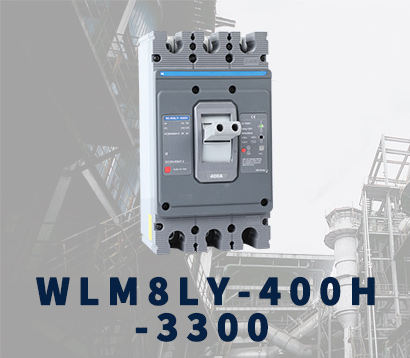 WLM8LY-400H-3300
 WLM8LY-630H-3300
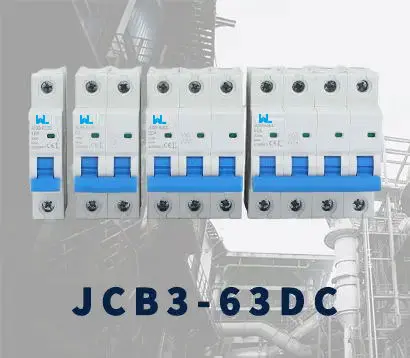 JCB3-63DC
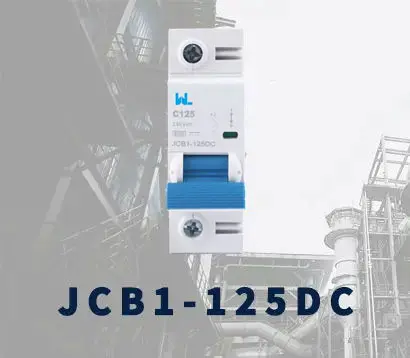 JCB1-125DC
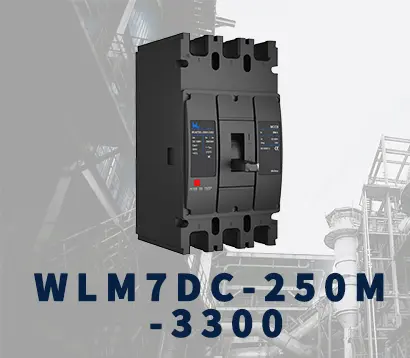 WLM7DC-250A-2300 2P/3P
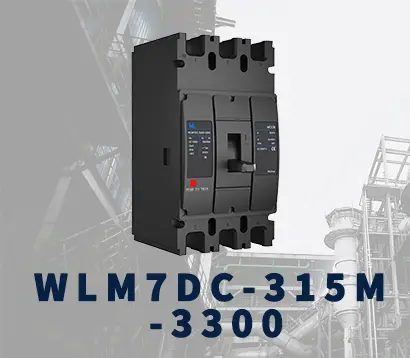 WLM7DC-315A-3300 2P/3P
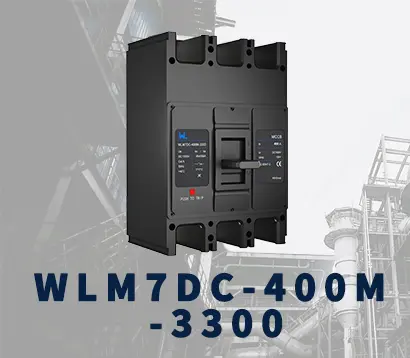 WLM7DC-400A-2300 2P/3P
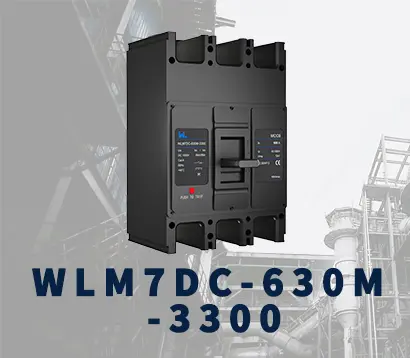 WLM7DC-630A-3300 3P
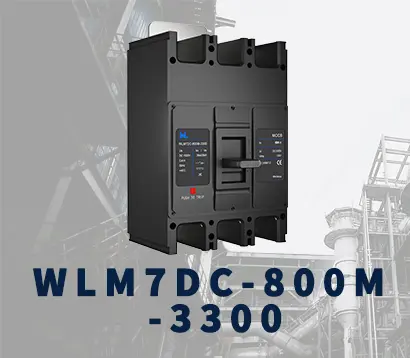 WLM7DC-800A-2300 2P/3P
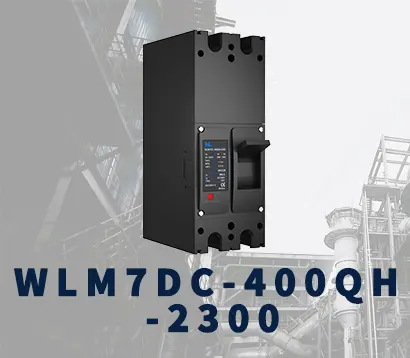 WLM7DC-400A 2300
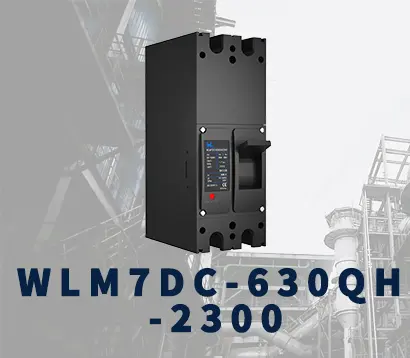 WLM7DC-630A-2300 2P
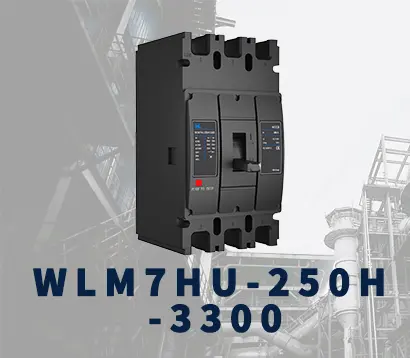 WLM7HU-250-3300 3P
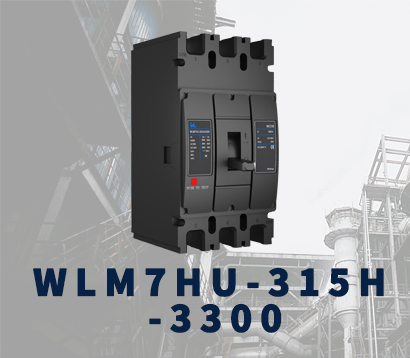 WLM7HU-315-3300 3P
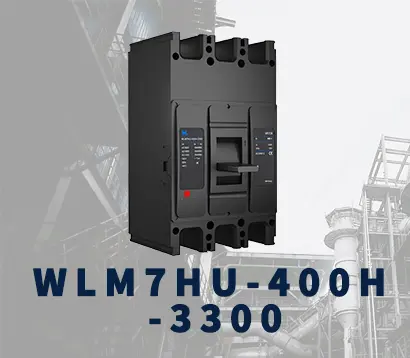 WLM7HU-400-3300 3P
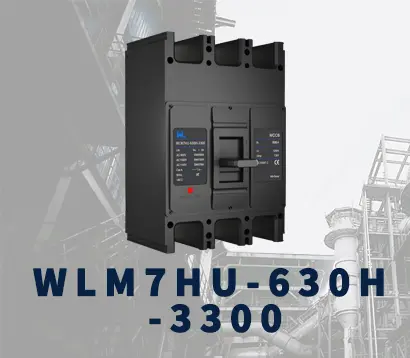 WLM7HU-630-3300 3P
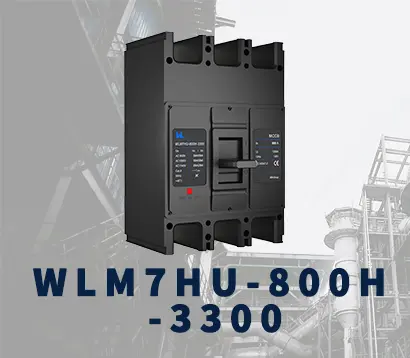 WLM7HU-800-3300 3P
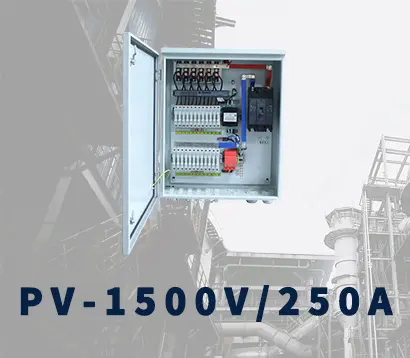 PV-1500V/250A
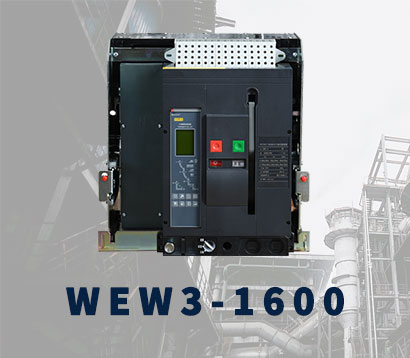 WEW3-1600
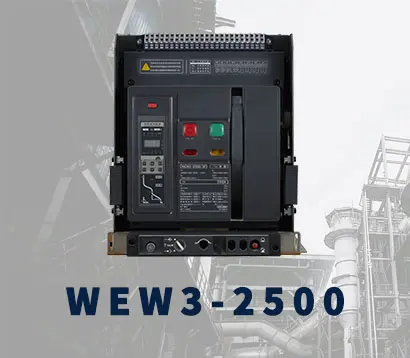 WEW3-2500
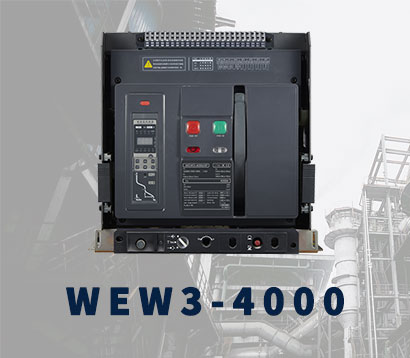 WEW3-4000
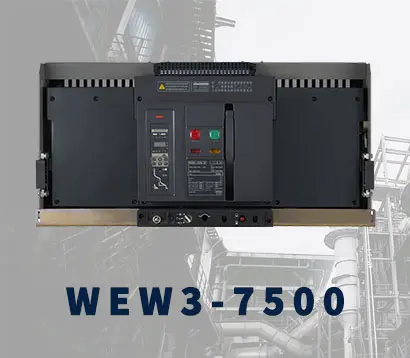 WEW3-7500





Top 10 Essential Tips for Choosing Molded Case Circuit Breakers (MCCB)
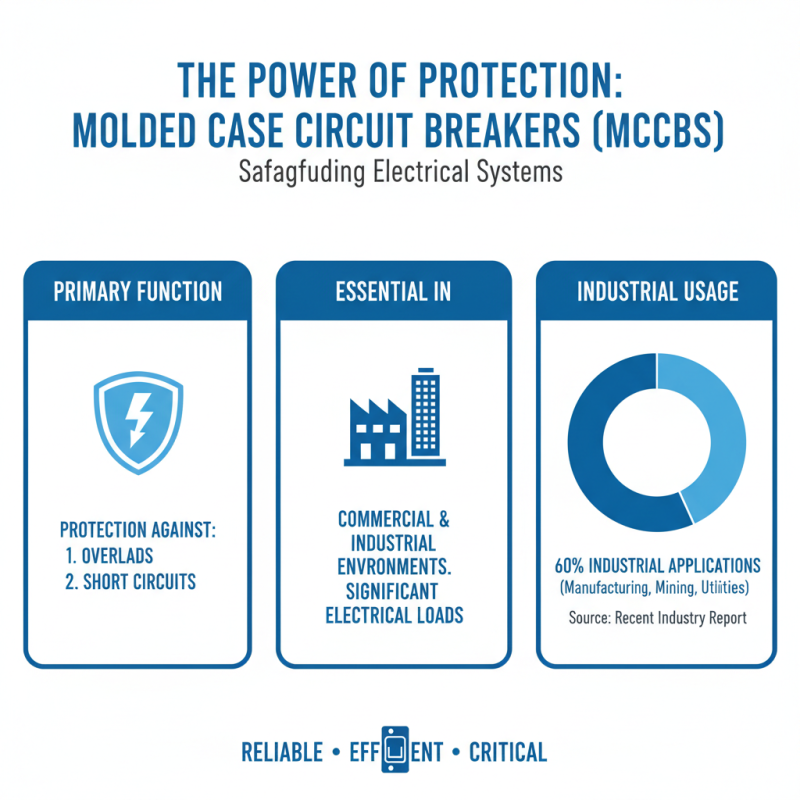
Choosing the right Molded Case Circuit Breaker (MCCB) is crucial for ensuring the safety and efficiency of electrical systems across various industries. The global market for MCCBs is projected to reach USD 6.3 billion by 2025, reflecting a compound annual growth rate (CAGR) of 4.2% from 2018 to 2025, according to a report by MarketsandMarkets. This growth is driven by the increasing demand for energy-efficient solutions, as well as the heightened focus on the protection of electrical distribution systems from overloads and short circuits.
MCCBs provide versatile and reliable overload and short-circuit protection, making them essential components in industrial, commercial, and residential applications. According to the International Electrotechnical Commission (IEC), over 30% of electrical failures in industrial settings can be attributed to inadequate circuit protection. Therefore, understanding how to choose the appropriate MCCB is vital for reducing operational risks and ensuring compliance with safety standards. This article outlines the top ten essential tips for selecting Molded Case Circuit Breakers, which will empower electrical engineers and facility managers to make informed decisions when safeguarding their electrical systems.

Understanding Molded Case Circuit Breakers (MCCB) and Their Functionality
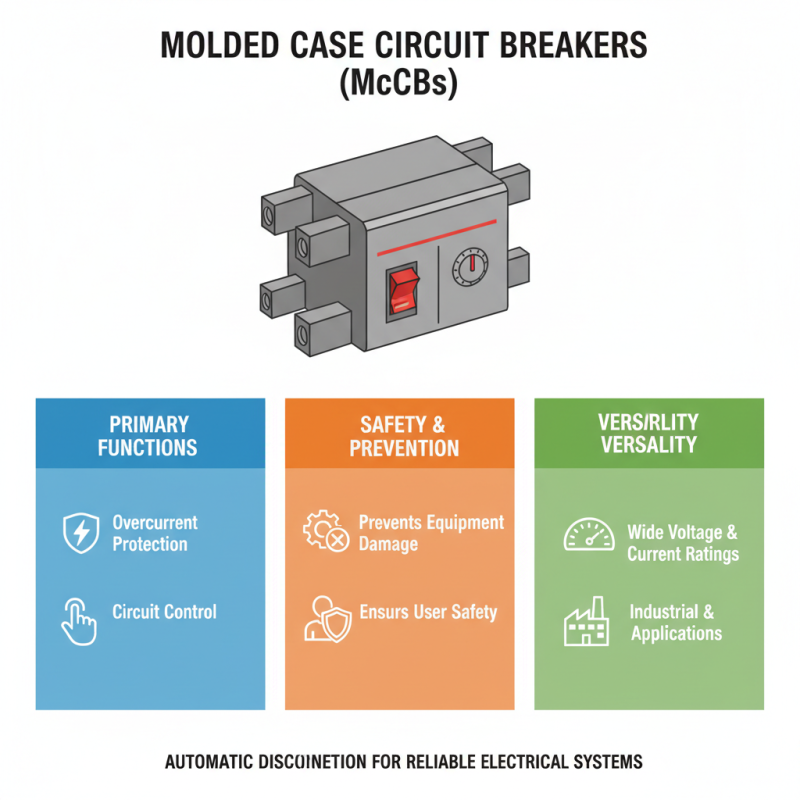
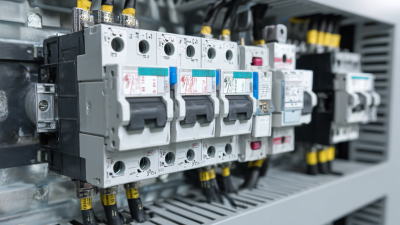
Molded Case Circuit Breakers (MCCB) play a crucial role in electrical systems by providing both overcurrent protection and control of electrical circuits. These devices are designed to automatically disconnect power in the event of overloading or short-circuiting, preventing damage to equipment and ensuring safety for users. The design of MCCBs allows them to handle a wide range of voltage and current ratings, making them versatile solutions for various industrial and commercial applications.
Understanding the functionality of MCCBs involves recognizing their key components, including the trip mechanism and the thermal-magnetic operation. The thermal aspect protects against overloads by using a bimetallic strip that bends and trips the circuit when excessive current flows. On the other hand, the magnetic component reacts quickly to short circuits, relying on an electromagnet that instantly triggers the mechanism to open the circuit. By grasping these fundamental principles, users can make informed decisions when selecting MCCBs tailored to their specific operational requirements, ultimately enhancing system reliability and safety.
Related Posts
-
How to Choose the Right Molded Case Circuit Breaker for Your Electrical Needs
-

Top 10 Manufacturers of Molded Case Circuit Breakers (MCCB) in China at the 137th Canton Fair
-
Navigating Global Compliance: Import and Export Certifications for Best MCCB Moulded Case Circuit Breakers
-

Ultimate Guide to Understanding Molded Case Circuit Breakers for Global Procurement
-

How to Choose the Right MCCB Circuit Breaker for Your Industrial Needs: Key Factors and Data Insights
-
7 Reasons Why the Best China Molded Case Circuit Breaker Is Essential for Your Business