What is an Electric Main Breaker and How Does It Work?
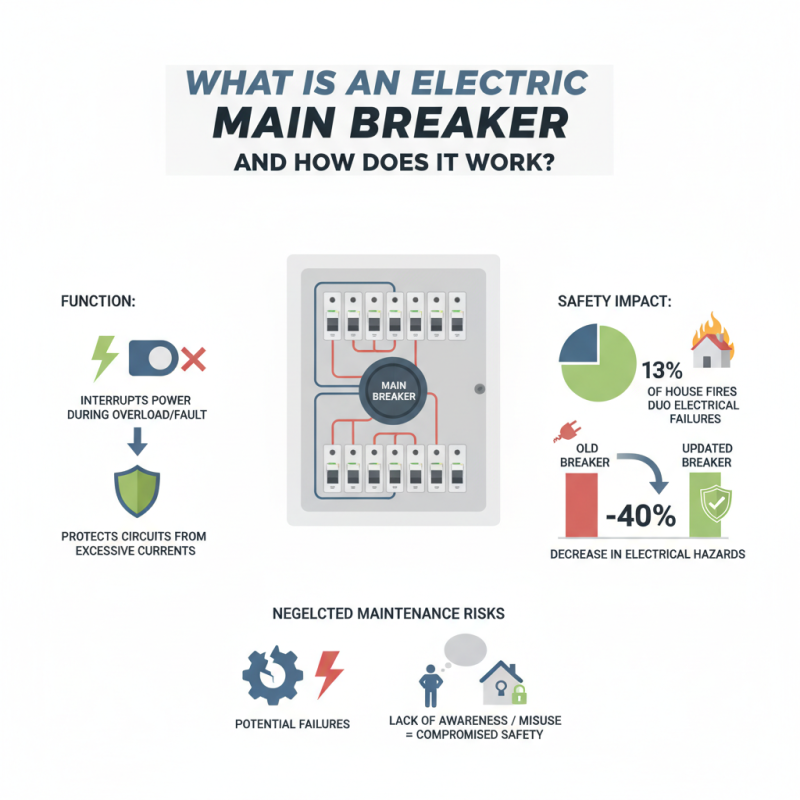
The Electric Main Breaker is a crucial component in residential and commercial electrical systems. It functions to interrupt power supply during overload or fault conditions. According to the National Fire Protection Association, electrical failures account for nearly 13% of reported house fires. Proper understanding and implementation of the Electric Main Breaker can significantly reduce these risks.
In many homes, this device protects circuits from excessive currents. It also plays a pivotal role in enhancing electrical safety standards. A survey by the Electrical Safety Foundation International reveals that homes with updated Electric Main Breakers see a 40% decrease in electrical hazards. However, users often neglect regular maintenance, leading to potential failures.
Many homeowners underestimate the importance of an Electric Main Breaker. Some view it merely as a formality rather than a safety device. A lack of awareness may lead to misuse, compromising safety. Reflecting on these issues is essential for enhancing home and public safety.
Understanding the Concept of an Electric Main Breaker
An electric main breaker is a critical component of any electrical system. It serves as the primary switch that controls the flow of electricity to all circuits in a home or building. Understanding how it works can be essential for safety and efficiency. When excessive current flows through the system, the breaker automatically trips. This prevents overloads that can cause fires or damage. A properly functioning breaker can protect your electrical system and provide peace of mind.
Tips: Regularly inspect your breaker for signs of wear. Look for discoloration or any unusual smells. If something seems off, consult a professional.
Knowing the location of your main breaker is also vital. In an emergency, being able to shut off power quickly can prevent dangerous situations. Familiarize yourself with how to reset it after a trip. However, don’t ignore repeated trips. This could signal deeper issues within your wiring system.
Remember, awareness is key. Electrical systems are complex. It’s easy to overlook small signs of trouble. A proactive approach can save you time and money down the road. Make safety your top priority. Regular maintenance can help avoid potential hazards and ensure your main breaker works effectively.
The Functionality of Electric Main Breakers in Electrical Systems
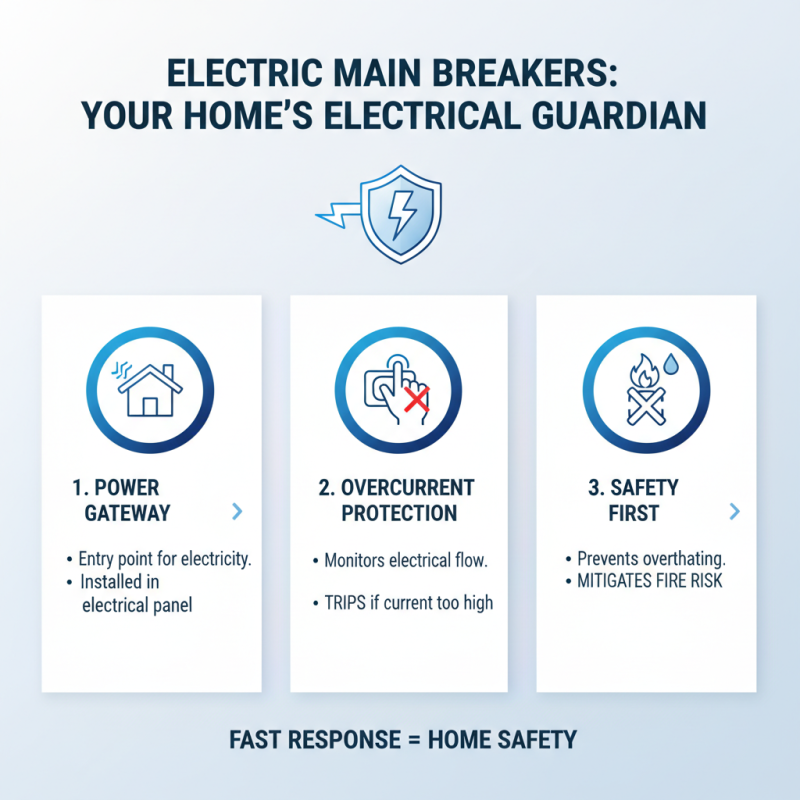
Electric main breakers are vital components in electrical systems. They act as a gateway for electricity entering a home or facility. When too much current flows, the breaker trips, cutting off power. This response prevents overheating and potential fires. The design of these breakers ensures that when a fault occurs, they react quickly.
The functionality of electric main breakers involves monitoring electrical current. They need to distinguish between normal and excessive flow. This ongoing assessment is critical for safety. Breakers also allow for manual control, enabling users to turn the power on or off as needed. However, some might overlook the significance of regular maintenance. Neglecting this can lead to failures when they are most needed.
In emergencies, a well-functioning main breaker is essential. Yet, many do not test theirs regularly. This oversight can result in dangerous situations during a power surge. Using a breaker that is outdated or improperly sized can cause complications. Therefore, awareness and occasional inspection are advisable to ensure optimal performance.
Types of Electric Main Breakers and Their Applications
Electric main breakers come in various types, each suited for specific applications. The most common type is the standard circuit breaker. It automatically shuts off power when it detects overloads or short circuits. These breakers are essential in residential settings, protecting homes from electrical fires. However, they can be prone to nuisance tripping, causing frustration for homeowners.
Another type is the dual-function breaker. This combines ground fault protection with short circuit and overload protection. It is often used in wet areas like kitchens and bathrooms. These breakers help prevent shocks. Yet, they can sometimes trip unexpectedly, leading to confusion.
Finally, there's the smart breaker. This innovative option connects to home automation systems. It provides detailed information about usage patterns. However, not everyone understands how to use them effectively. Some features may feel overwhelming or unnecessary. Consider your needs carefully before choosing a type. Each has its merits and limitations.
Installation and Maintenance of Electric Main Breakers
Installing and maintaining an electric main breaker is crucial for home safety. A main breaker controls the flow of electricity from the utility company to a home. According to the National Fire Protection Association, electrical failures account for nearly 47,000 home fires annually. Proper installation can significantly reduce these risks.
When installing an electric main breaker, it’s vital to follow local codes and regulations. The breaker should be compatible with the panel and rated for the home's electricity needs. Using a proper amp rating can prevent overheating. An electrical systems study indicated that improper installations lead to a 20% increase in equipment failures. Regular checks can identify potential issues early, preventing costly repairs.
Maintenance is equally essential. Breakers should be inspected bi-annually for signs of wear. Look for discoloration or unusual noises. Cleaning connections can improve performance. However, many homeowners overlook this critical task. Neglecting maintenance can lead to circuit failures and increased energy costs. Remember, a small investment in maintenance can save you from significant losses.
Electric Main Breaker Usage in Residential Electrical Systems
Safety Considerations When Using Electric Main Breakers
Electric main breakers are crucial for home electrical safety. They control the flow of electricity from the utility service to your home. During an overload, they trip, cutting off power. This function protects appliances and prevents electrical fires.
Using electric main breakers also involves safety considerations. Regularly check the breaker panel for any signs of damage, like scorch marks or smell. A malfunctioning breaker is a serious hazard. Always ensure that your breaker is the right size for your home's electrical load. If it's too small, it may trip often; if too large, it won't trip when needed.
Tips: Label each breaker clearly. This saves time during an emergency. Test the system monthly. Push the test button to ensure it trips as it should. Lastly, educate your family about the location and function of the main breaker. Ignoring these steps can lead to costly problems. Stay safe!
What is an Electric Main Breaker and How Does It Work? - Safety Considerations When Using Electric Main Breakers
| Dimension |
Description |
| Function |
A device that protects electrical circuits from overload and short circuits. |
| Operation |
Monitors electrical flow and cuts off power when excess current is detected. |
| Types |
Thermal, Magnetic, and Dual function breakers. |
| Amperage Ratings |
Common ratings include 100A, 150A, 200A, and 400A. |
| Installation |
Should be installed by a qualified electrician to ensure safety and compliance with local regulations. |
| Safety Considerations |
Always turn off power before working on the breaker; regularly check for signs of wear or damage. |
| Testing |
Should be tested regularly for functionality, using the test button if available. |

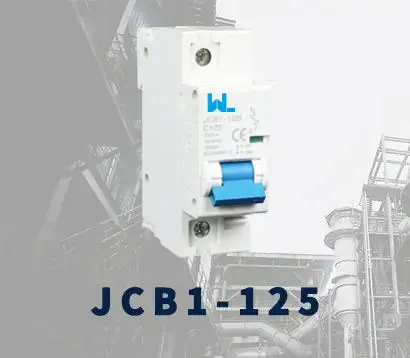 JCB1-125
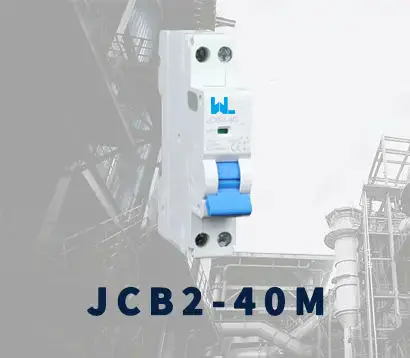 JCB2-40M
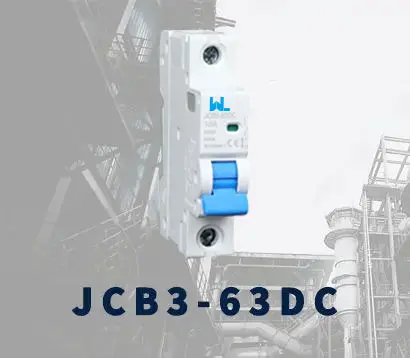 JCB3-63DC
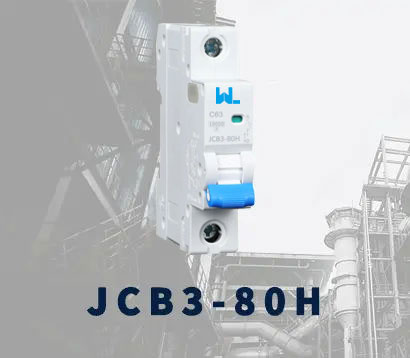 JCB3-80H
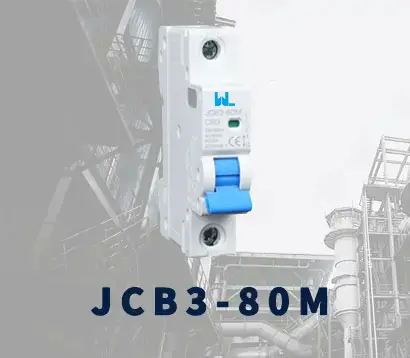 JCB3-80M
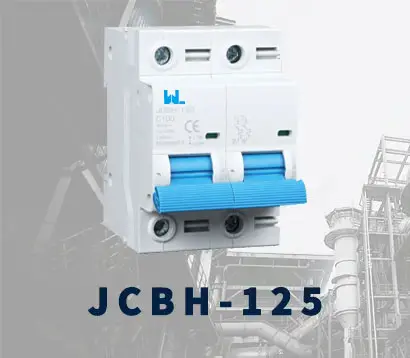 JCBH-125
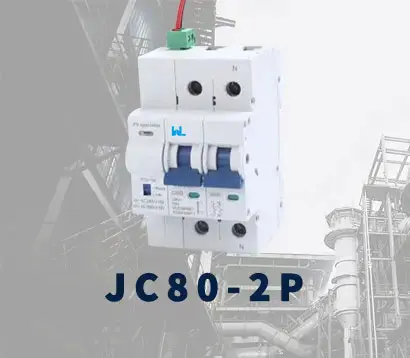 JC80-2P
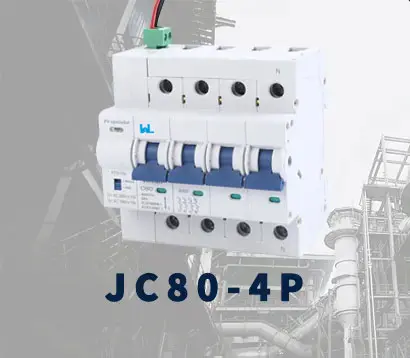 JC80-4P
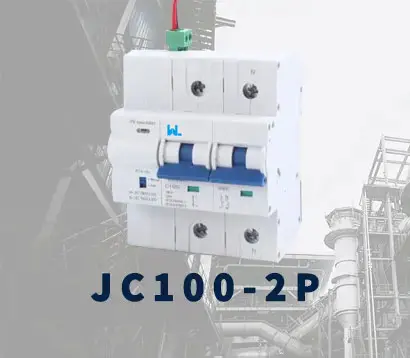 JC125-2P
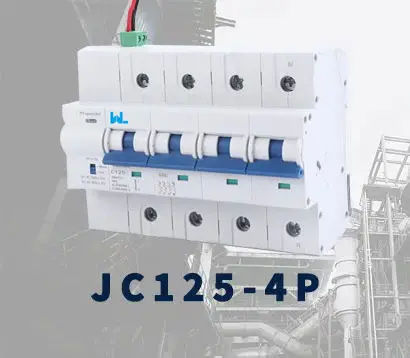 JC125-4P
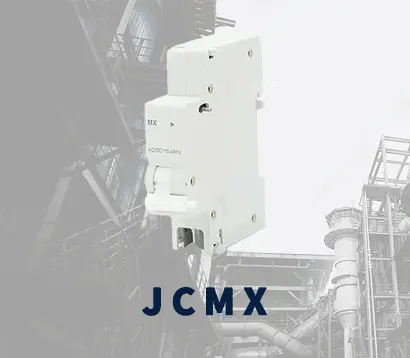 JCMX
JCMX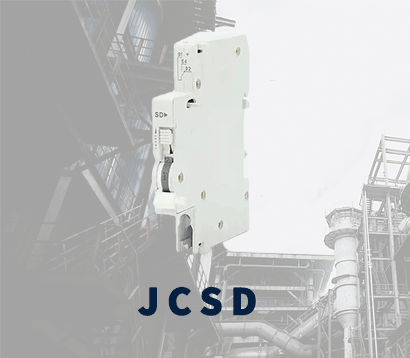 JCSD
JCSD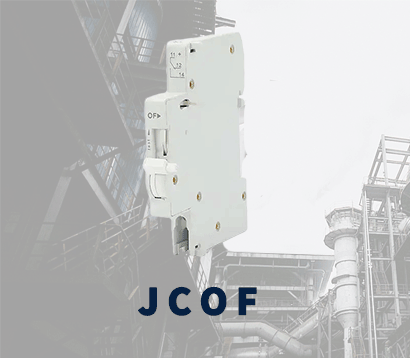 JCOF
JCOF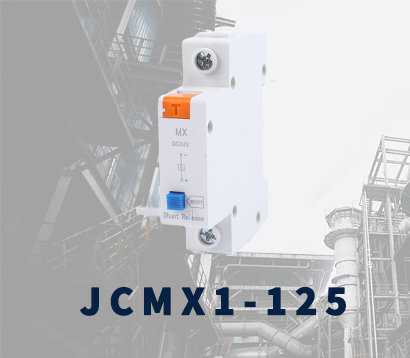 JCMX1-125
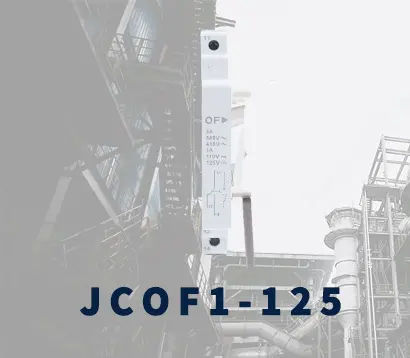 JCOF1-125
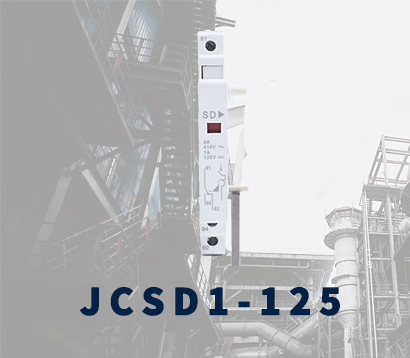 JCSD1-125
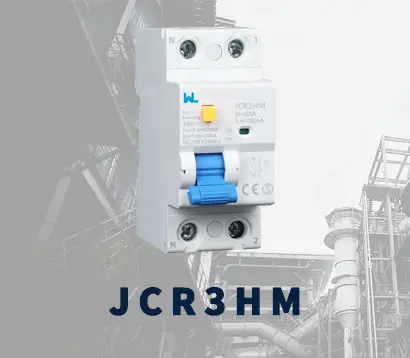 JCR3HM
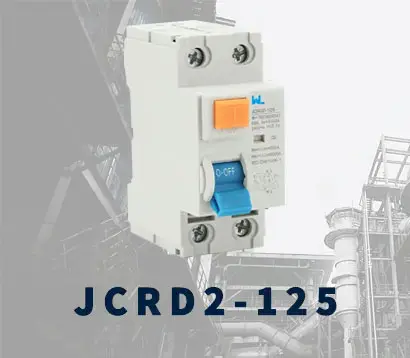 JCRD2-125
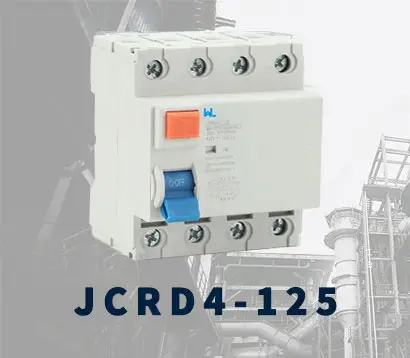 JCRD4-125
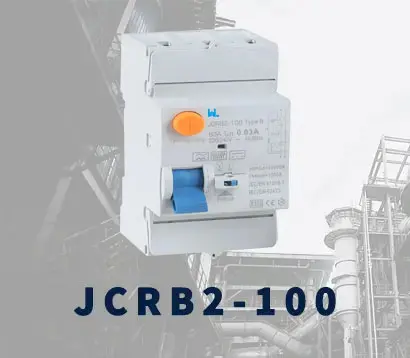 JCRB2-100
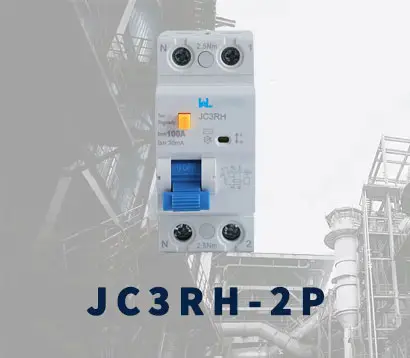 JC3RH-2P
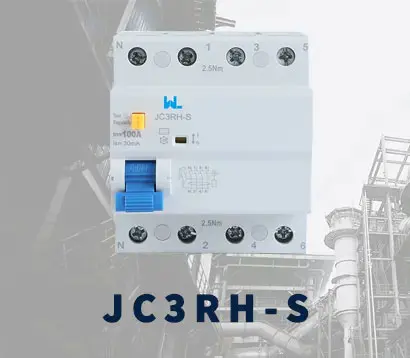 JC3RH-S
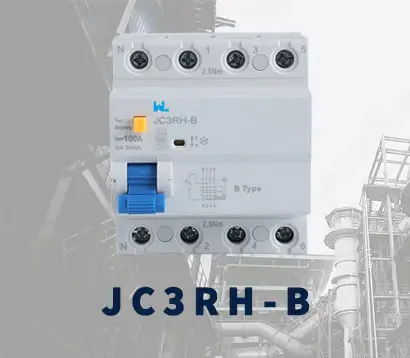 JC3RH-B
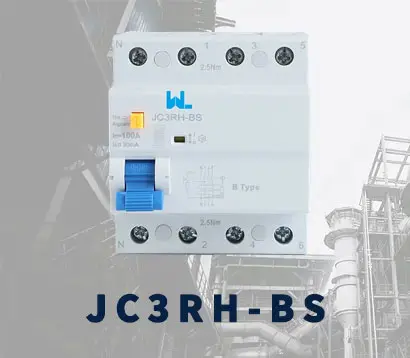 JC3RH-BS
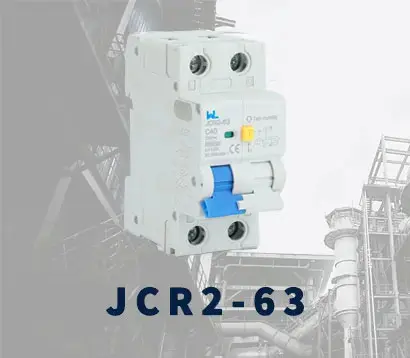 JCR2-63
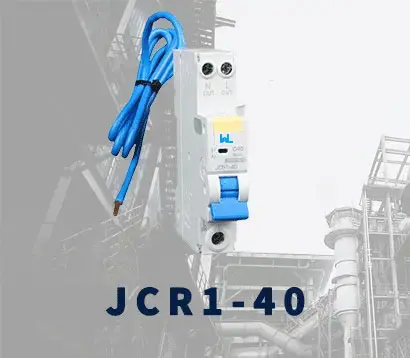 JCR1-40
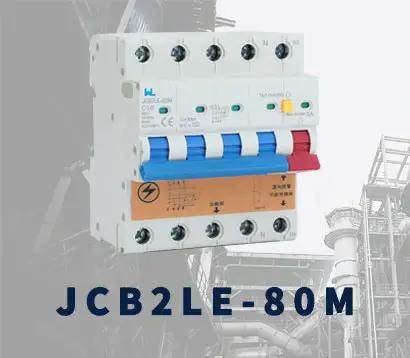 JCB2LE-80M
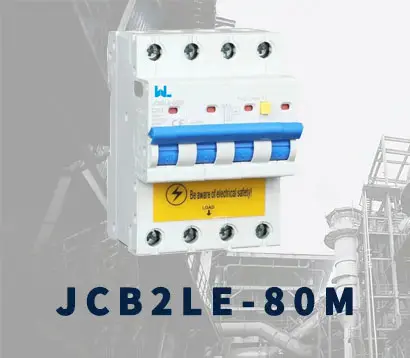 JCB2LE-80M
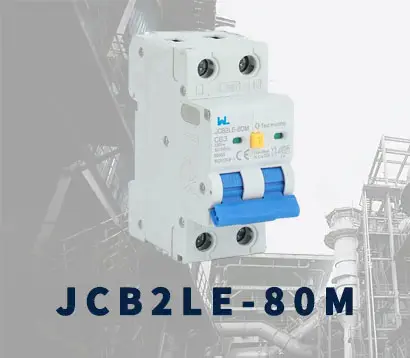 JCB2LE-80M
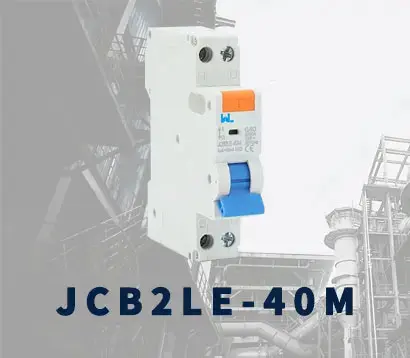 JCB2LE-40M
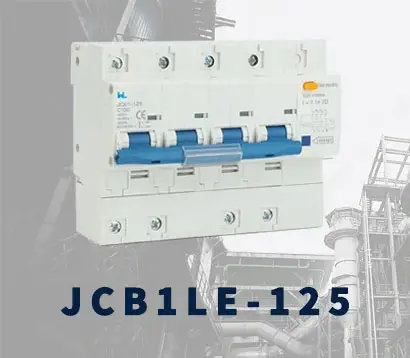 JCB1LE-125
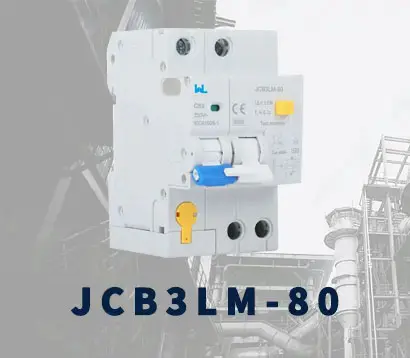 JCB3LM-80
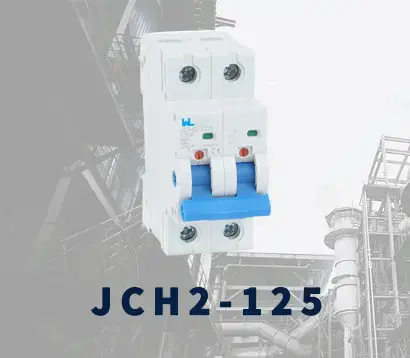 JCH2-125
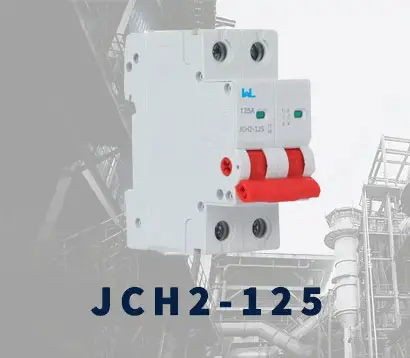 JCH2-125
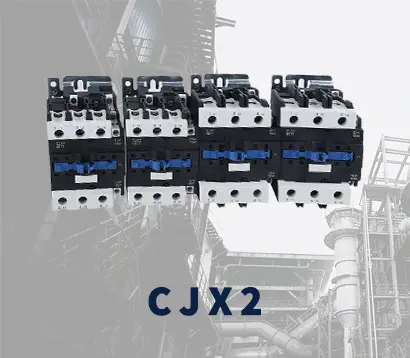 CJX2
CJX2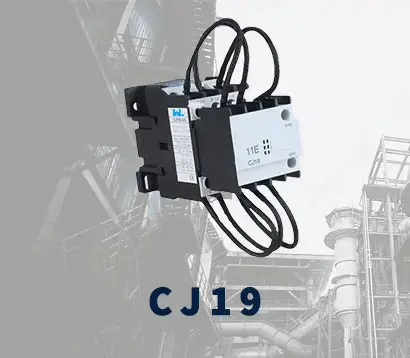 CJ19
CJ19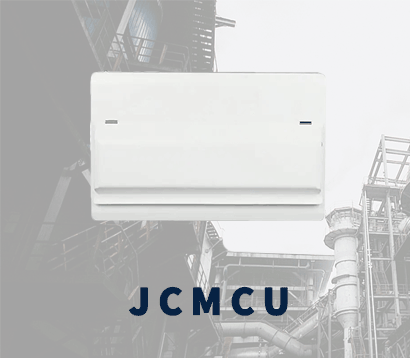 JCMCU
JCMCU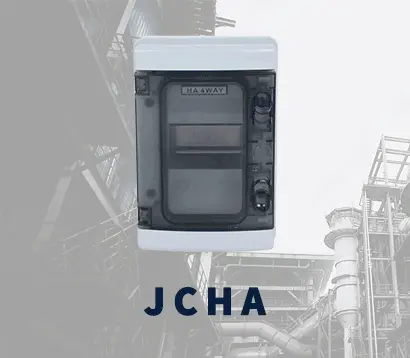 JCHA
JCHA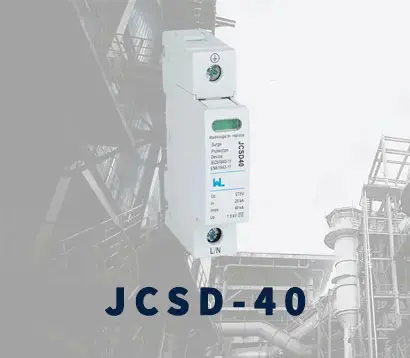 JCSD-40
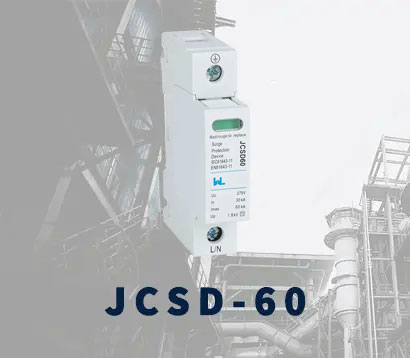 JCSD-60
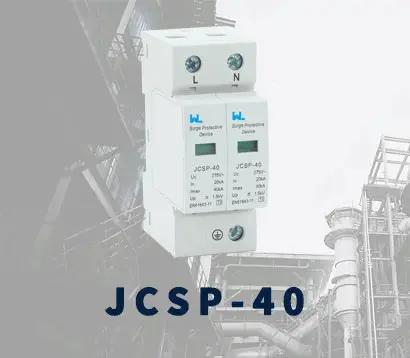 JCSP-40
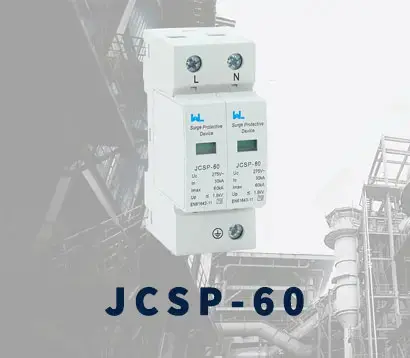 JCSP-60
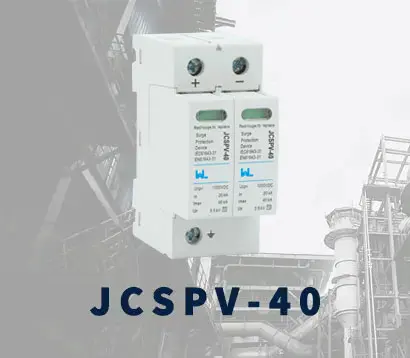 JCSPV
JCSPV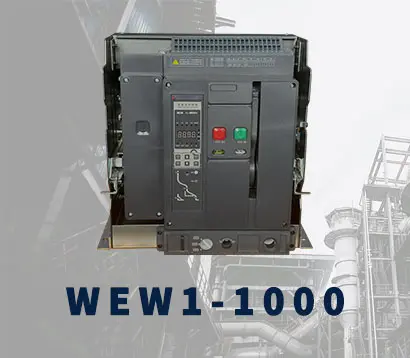 WEW1-1000
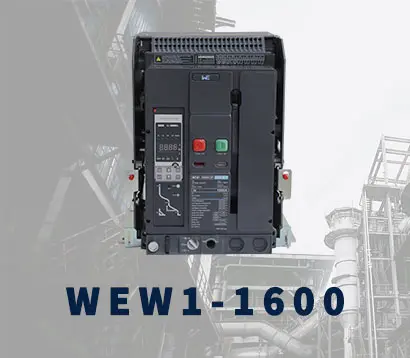 WEW1-1600
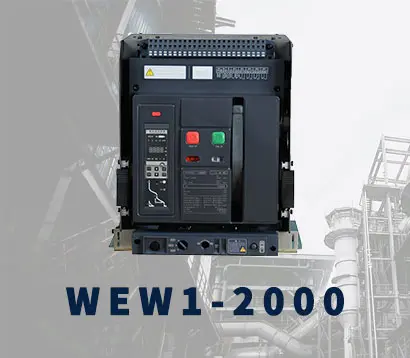 WEW1-2000
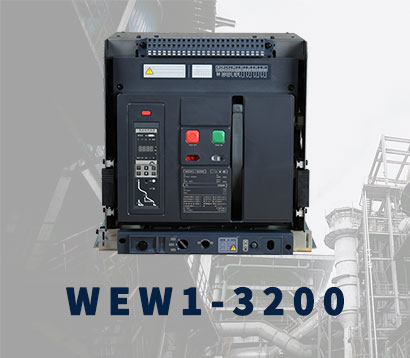 WEW1-3200
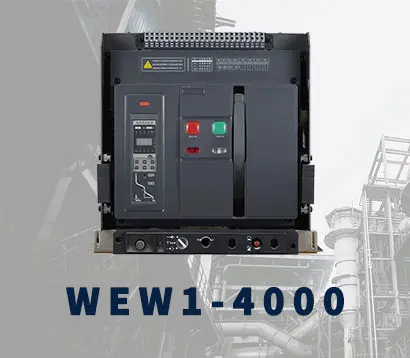 WEW1-4000
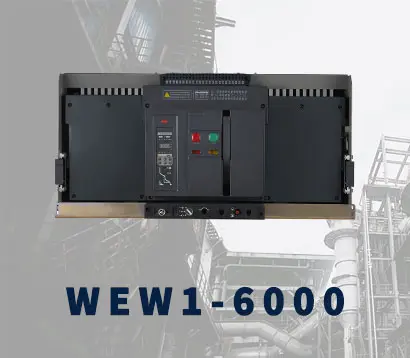 WEW1-6300
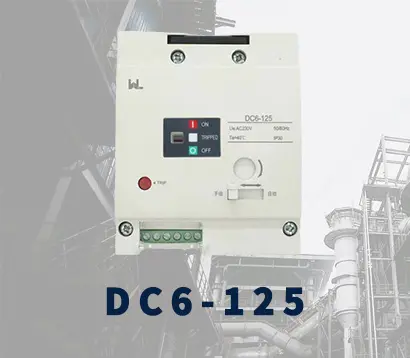 DC6-125
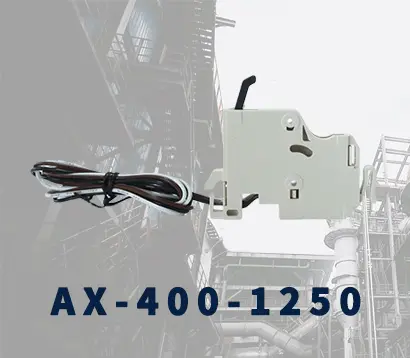 AX-400-1250
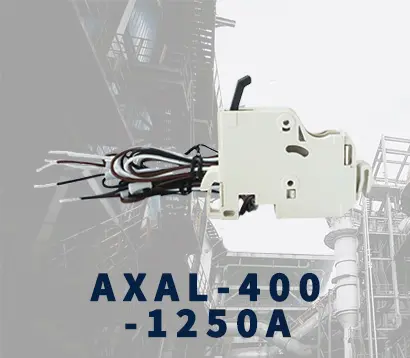 AXAL-400-1250A
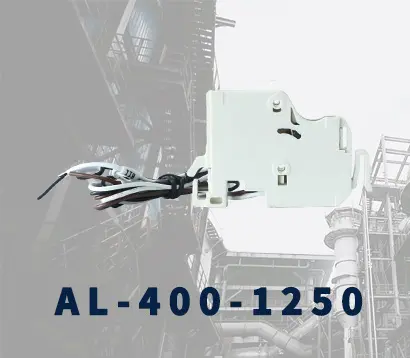 AL-400-1250
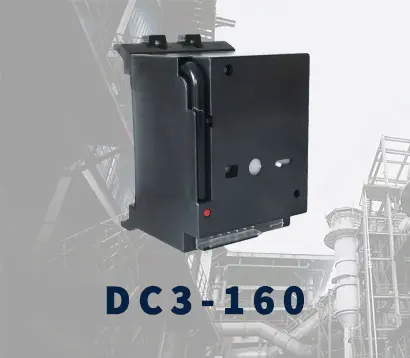 DC3-160
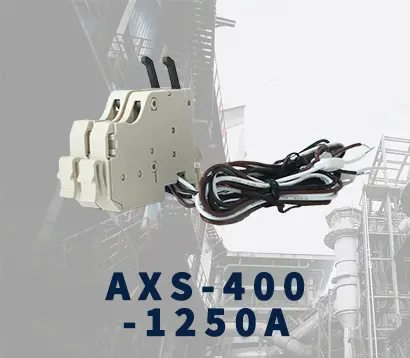 AXS-400-1250A
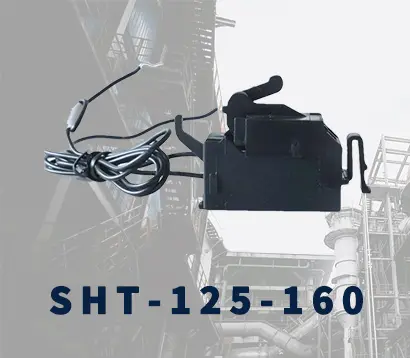 SHT-125-160
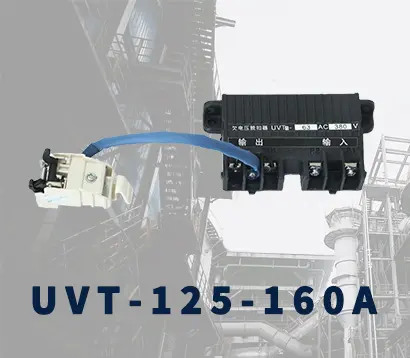 UVT-125-160A
 P-250A-3P-A
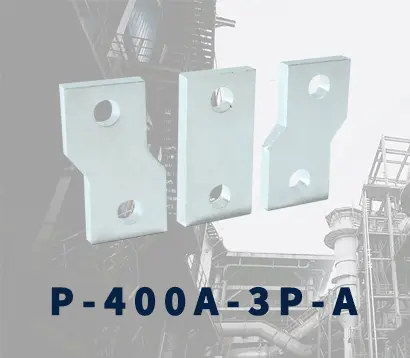 400-3P/4P terminal cover
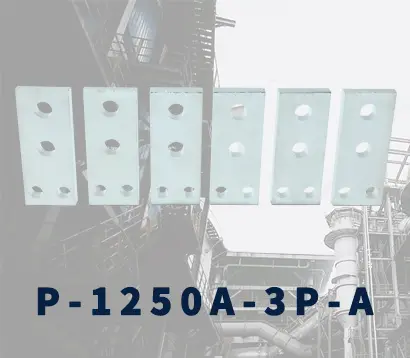 1250-3Pmccb accessories busbar
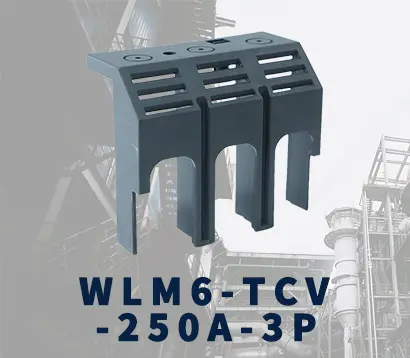 250-3P terminal conver
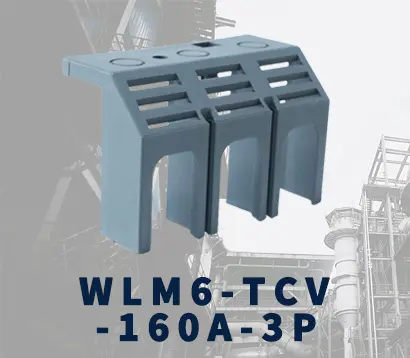 WLM6-TCV-160A-3P
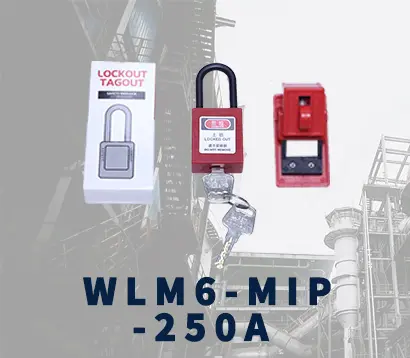 WLM6-MIP-250A
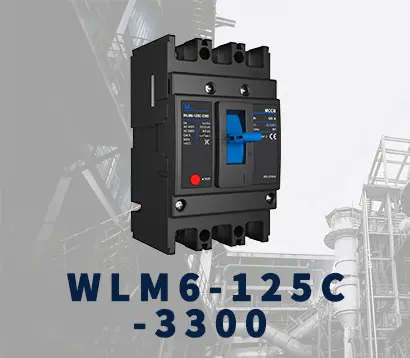 WLM6-125A-3300 3P/4P
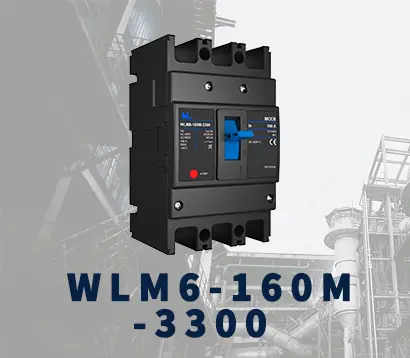 WLM6-160A-3300 3P/4P
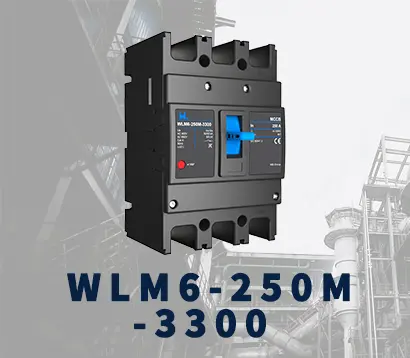 WLM6-250A-3300 3P/4P
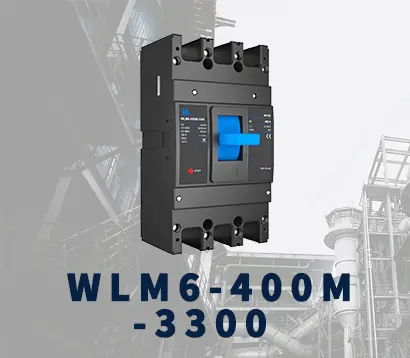 WLM6-400A-3300 3P/4P
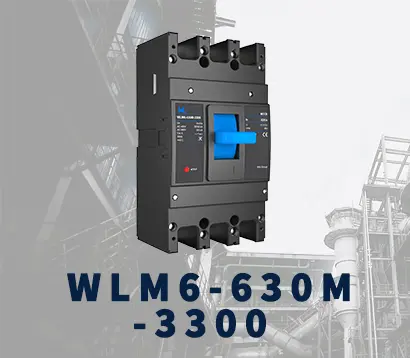 WLM6-630A-3300 3P/4P
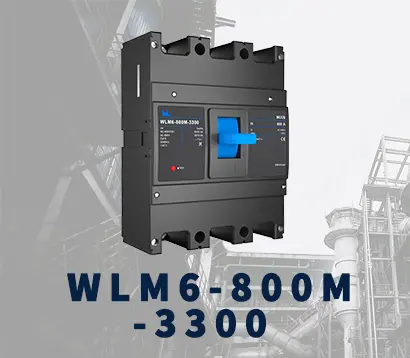 WLM6-800A-3300 3P/4P
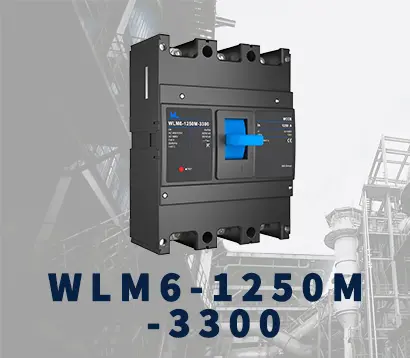 WLM6-1250A-3300 3P/4P
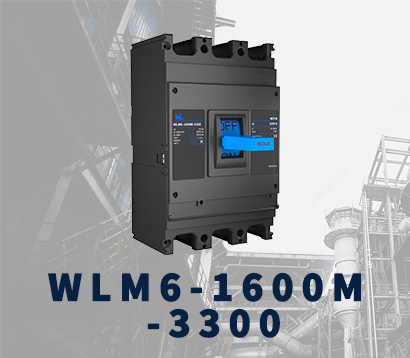 WLM6-1600A-3300 3P/4P
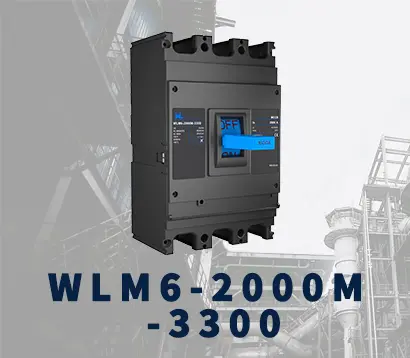 WLM6-2000A 3P/4P
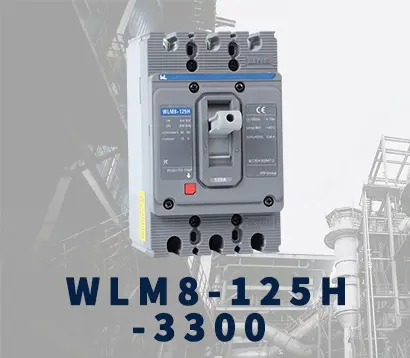 WLM8-125H-3300
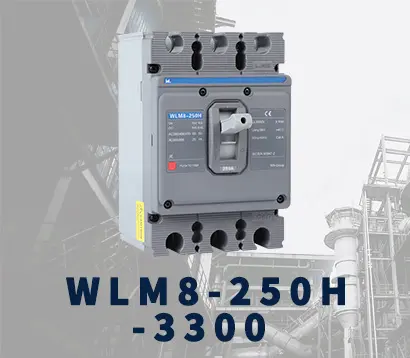 WLM8-250H-3300
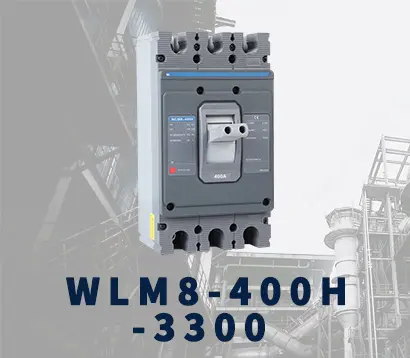 WLM8-400H-3300
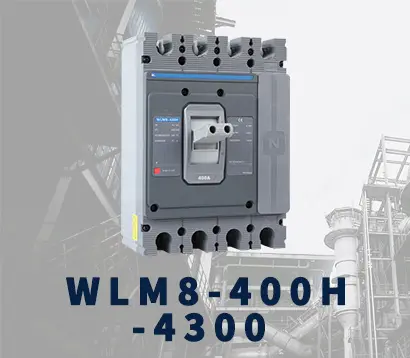 WLM8-400H-4300
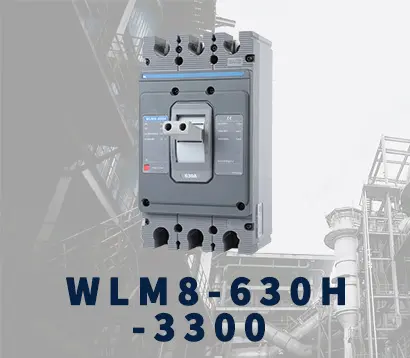 WLM8-630H-3300
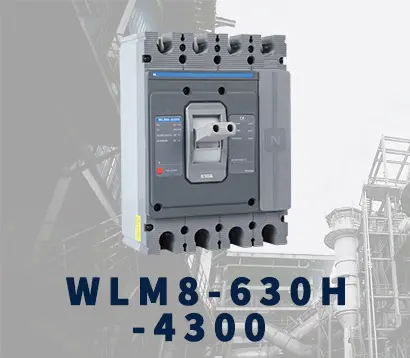 WLM8-630H-4300
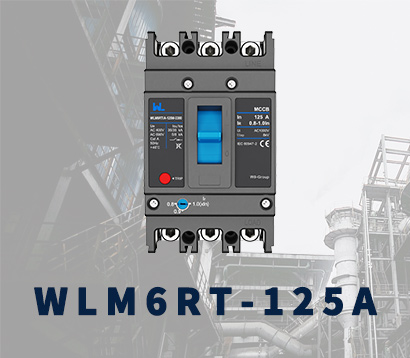 WLM6RT-125A
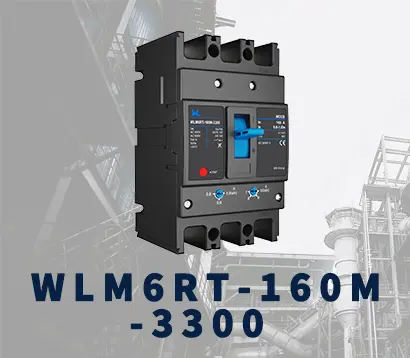 WLM6RT-160A
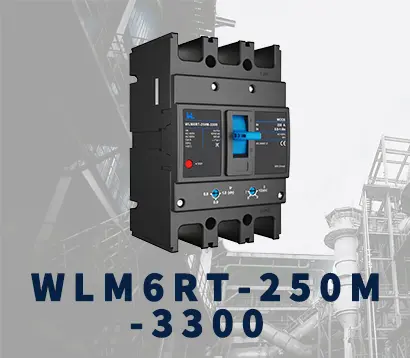 WLM6RT-250A
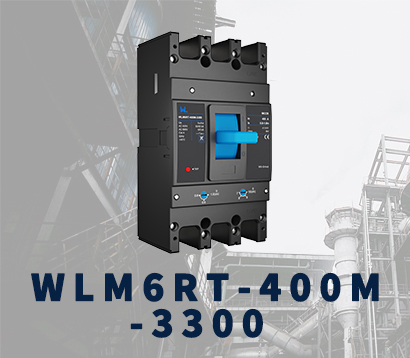 WLM6RT-400A
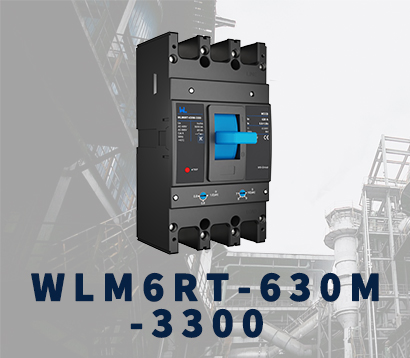 WLM6RT-630A
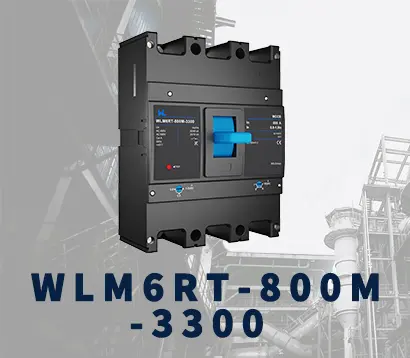 WLM6RT-800A
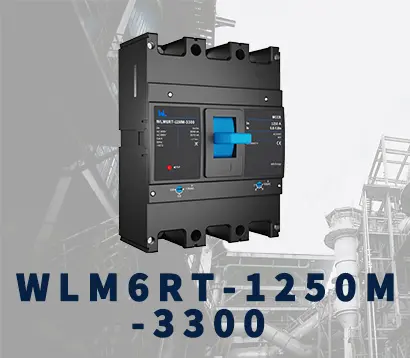 WLM6RT-1250A
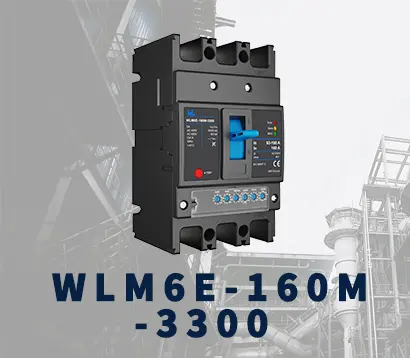 WLM6E-160A-3300 3P
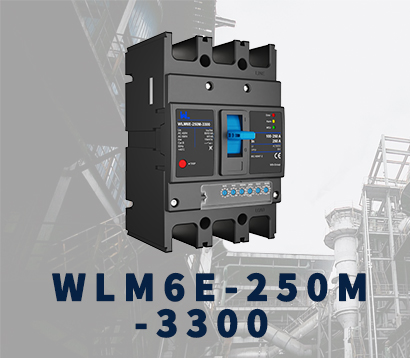 WLM6E-250A-3300
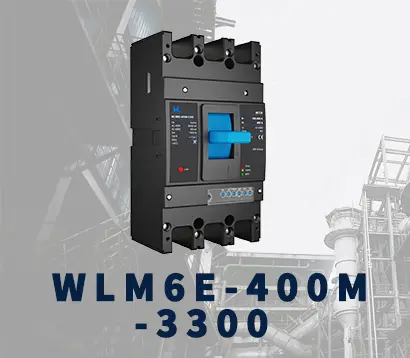 WLM6E-400A-3300 3P/4P
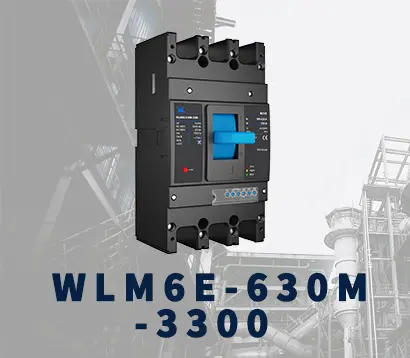 WLM6E-630A-3300
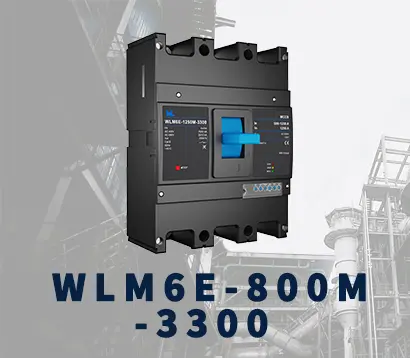 WLM6E-800A-3300 3P/4P
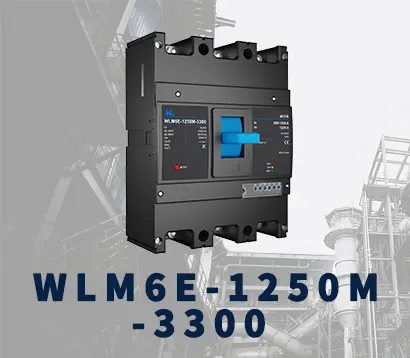 WLM6E-1250A-3300
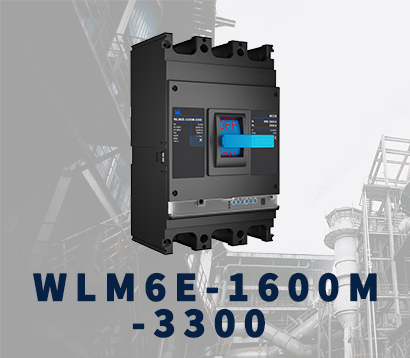 WLM6E-1600-3300 3P/4P
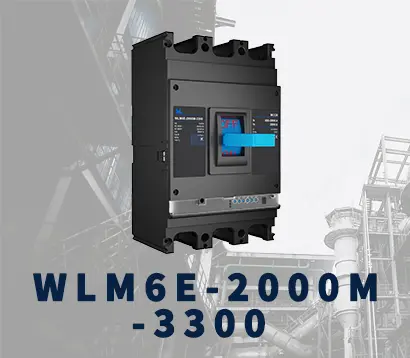 WLM6E-2000A-3300 3P/4P
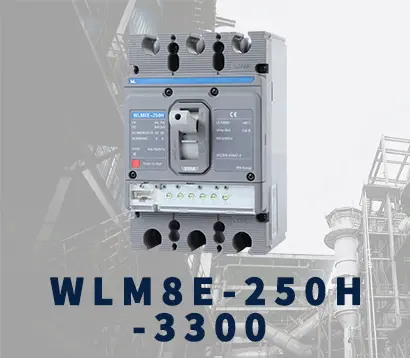 WLM8E-250H-3300
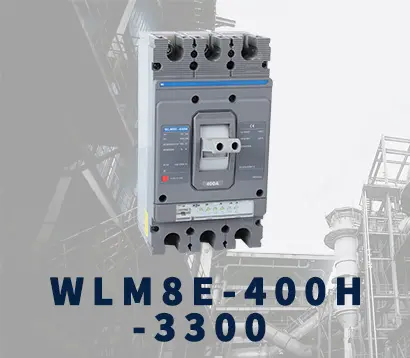 WLM8E-400H-3300
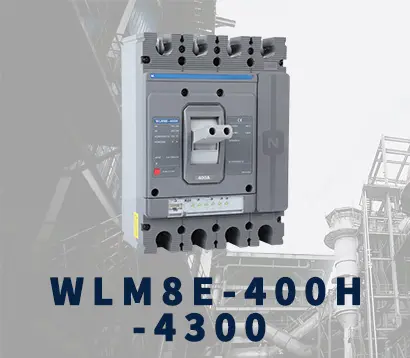 WLM8E-400H-4300
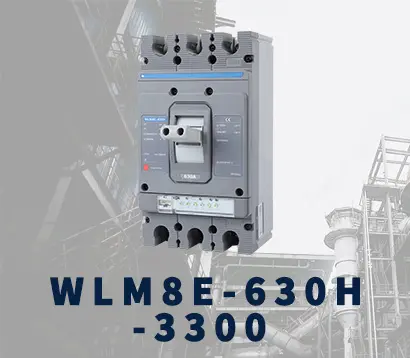 WLM8E-630H-3300
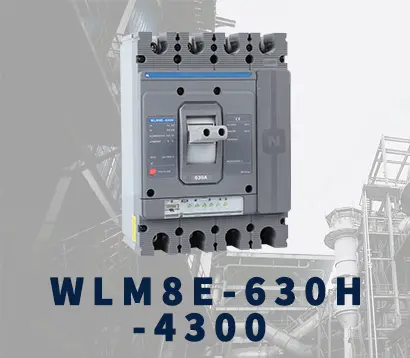 WLM8E-630H-4300
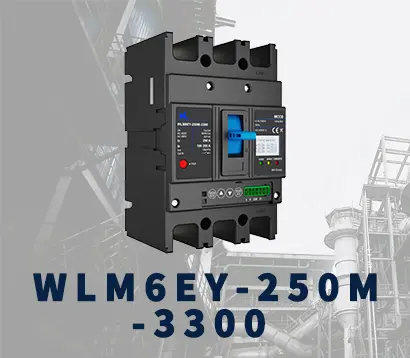 WLM6EY-250-3300 3P/4P
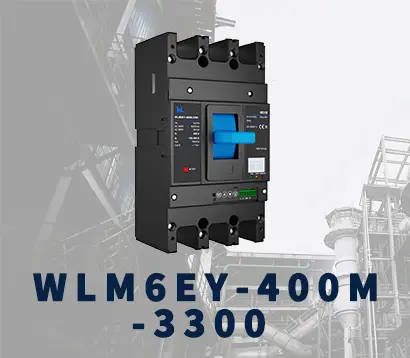 WLM6EY-400 3P/4P
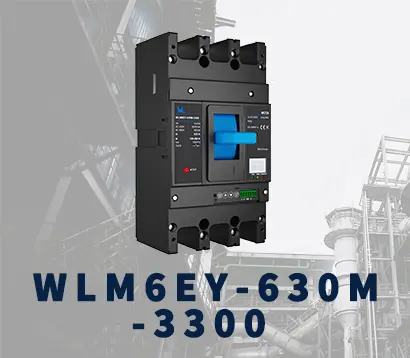 WLM6EY-630 3P/4P
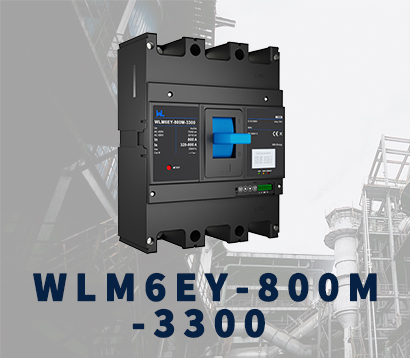 WLM6EY-800A 3P/4P
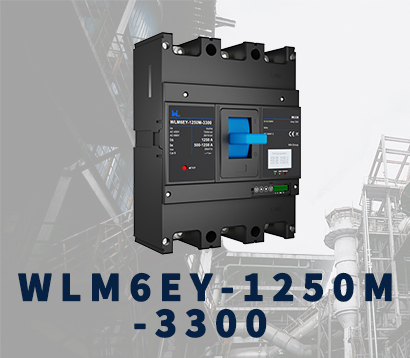 WLM6EY-1250A 3P/4P
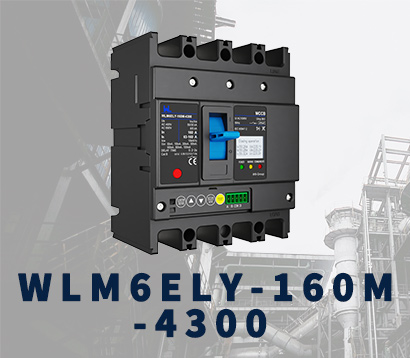 WLM6ELY-160A
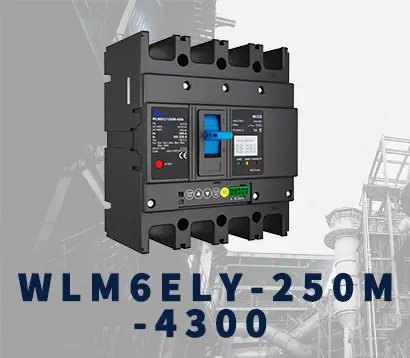 WLM6ELY-250A
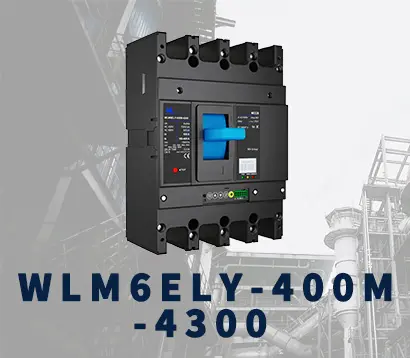 WLM6ELY-400A
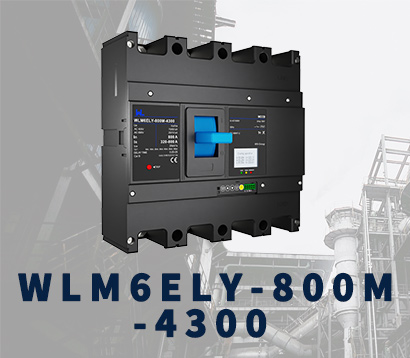 WLM6ELY-800A
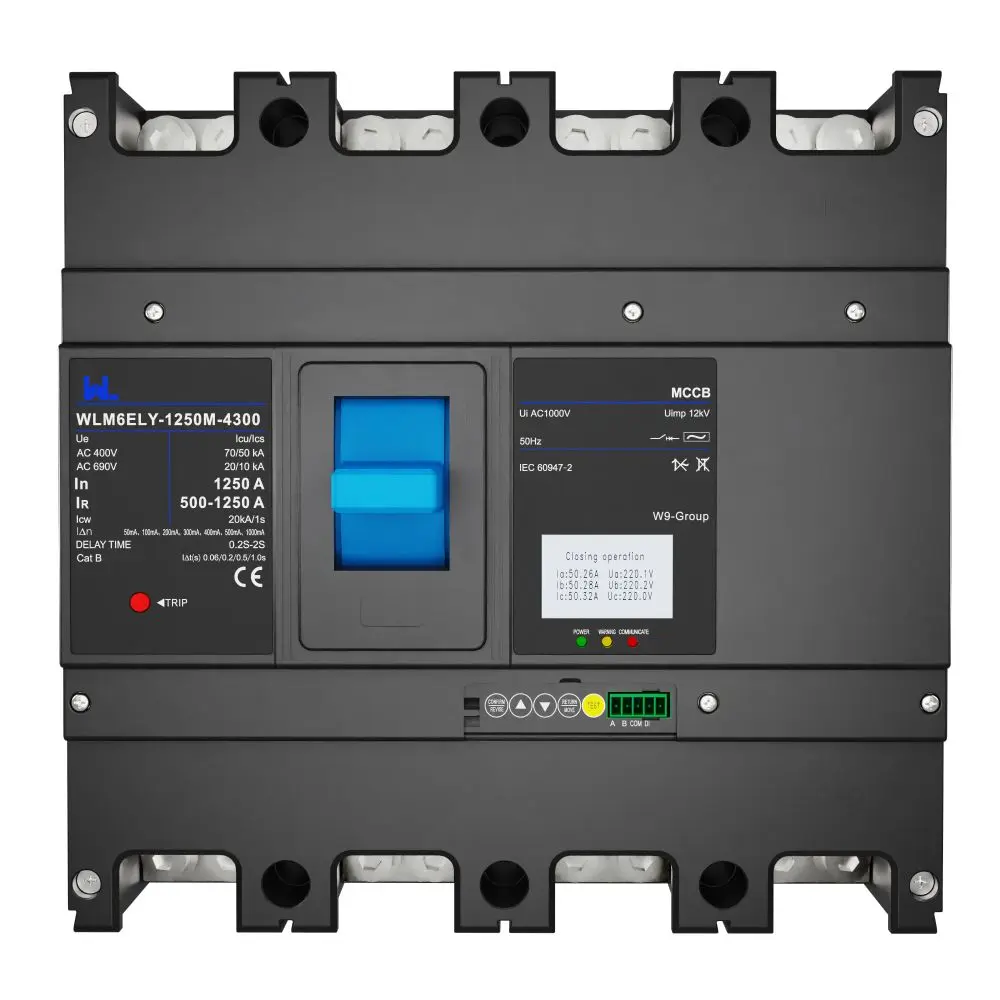 WLM6ELY-1250A
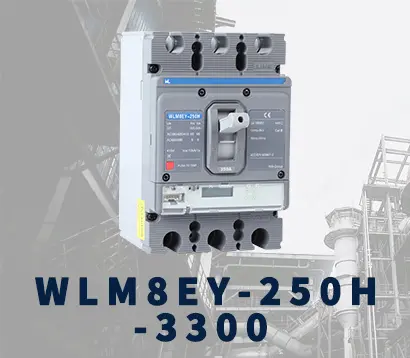 WLM8EY-250H-3300
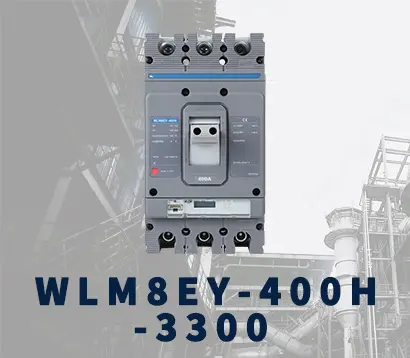 WLM8EY-400H-3300
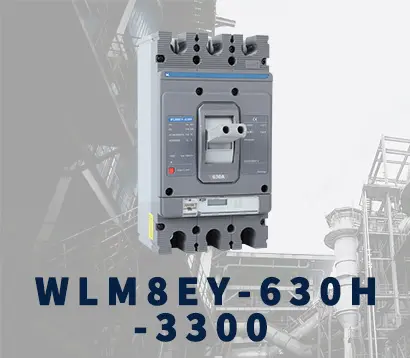 WLM8EY-630H-3300
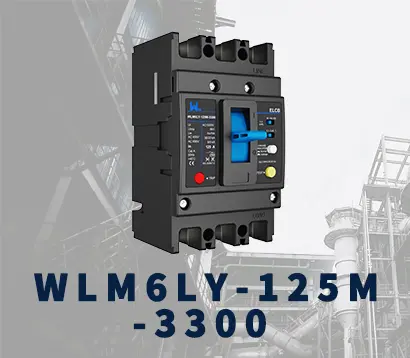 WLM6LY-125A
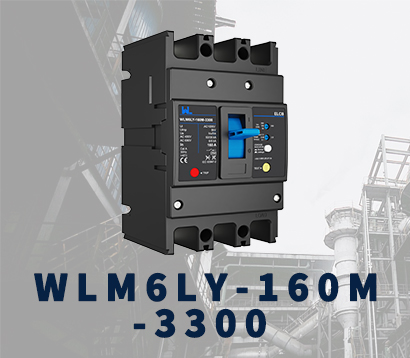 WLM6L-160A
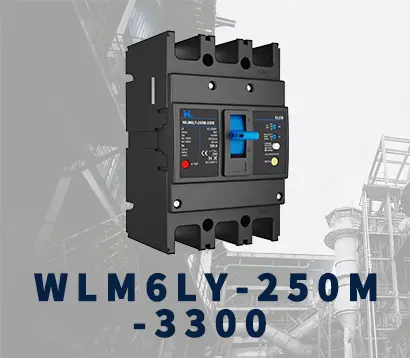 WLM6LY-250A
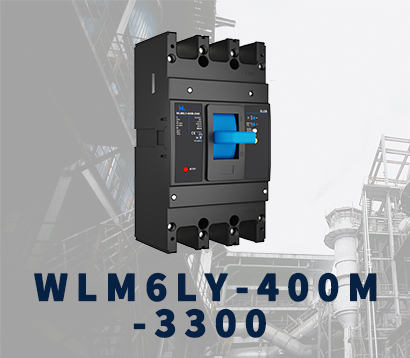 WLM6LY-400A
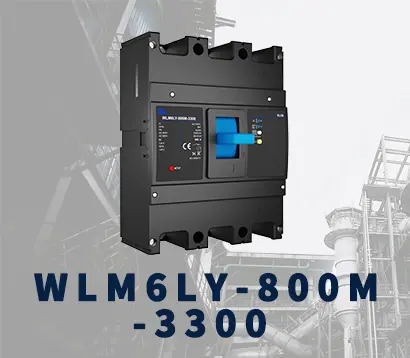 WLM6LY-800A
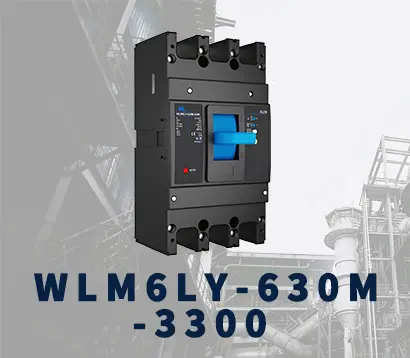 WLM6LY-630A
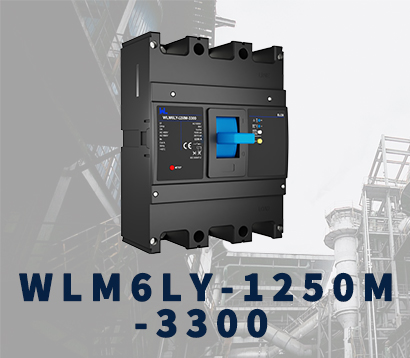 WLM6LY-1250A
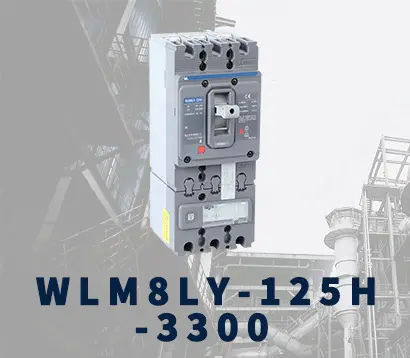 WLM8LY-125H-3300
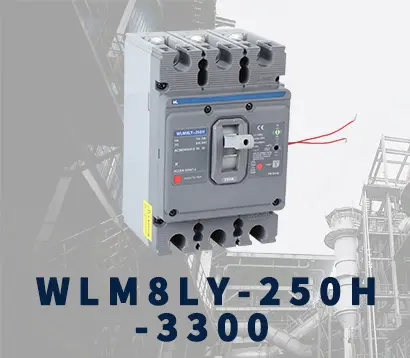 WLM8LY-250H-3300
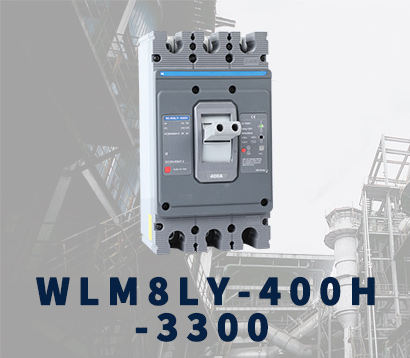 WLM8LY-400H-3300
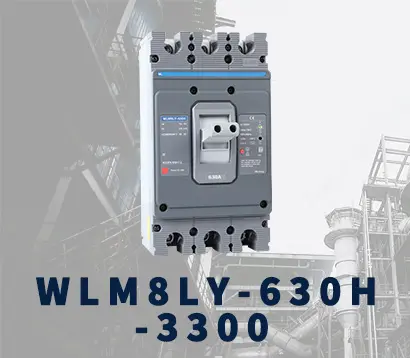 WLM8LY-630H-3300
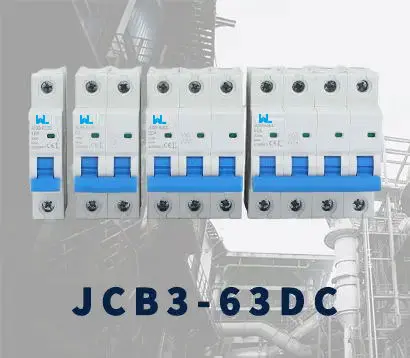 JCB3-63DC
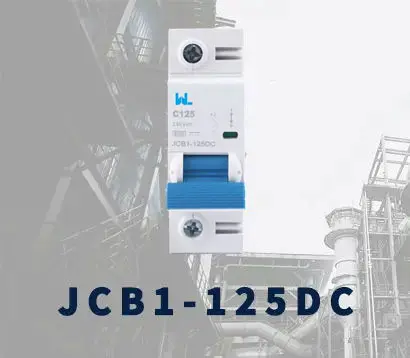 JCB1-125DC
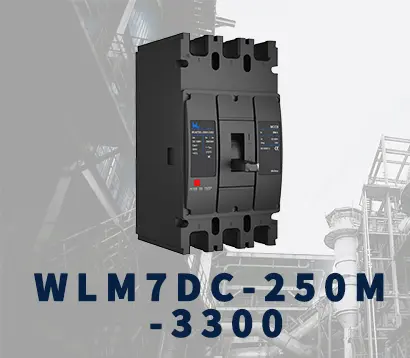 WLM7DC-250A-2300 2P/3P
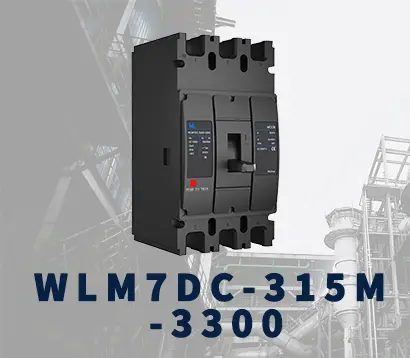 WLM7DC-315A-3300 2P/3P
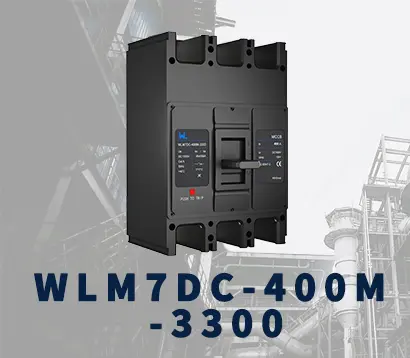 WLM7DC-400A-2300 2P/3P
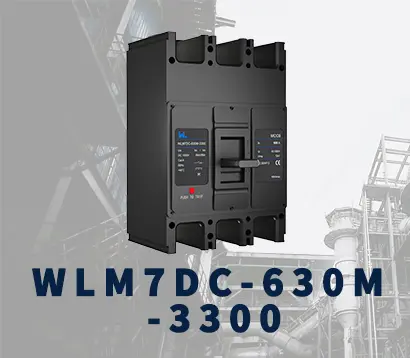 WLM7DC-630A-3300 3P
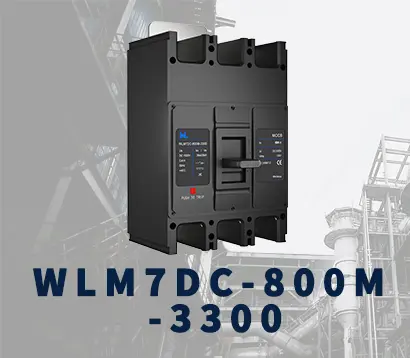 WLM7DC-800A-2300 2P/3P
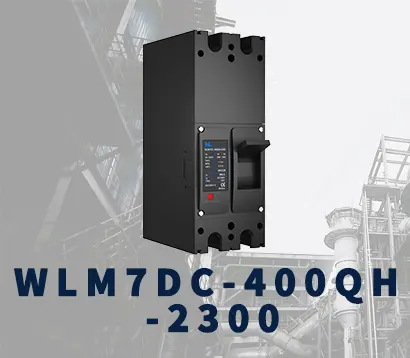 WLM7DC-400A 2300
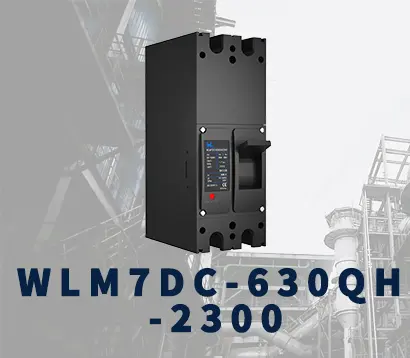 WLM7DC-630A-2300 2P
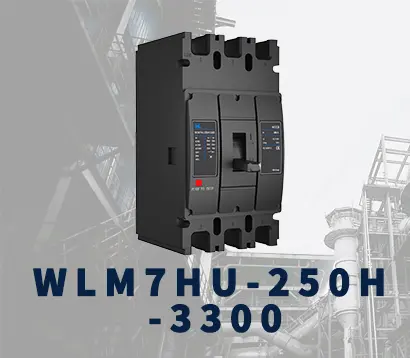 WLM7HU-250-3300 3P
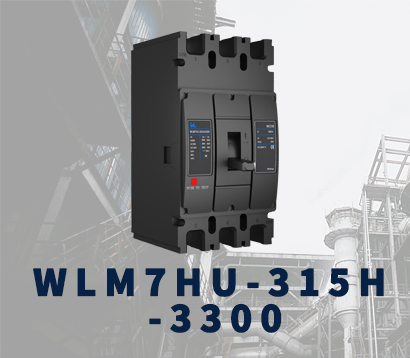 WLM7HU-315-3300 3P
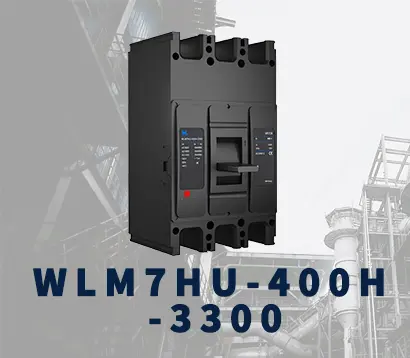 WLM7HU-400-3300 3P
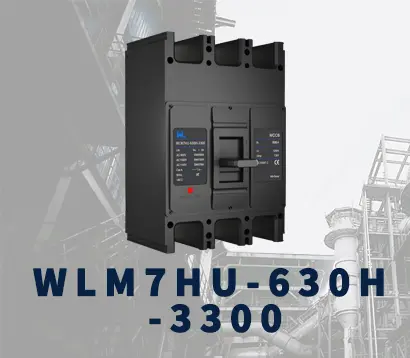 WLM7HU-630-3300 3P
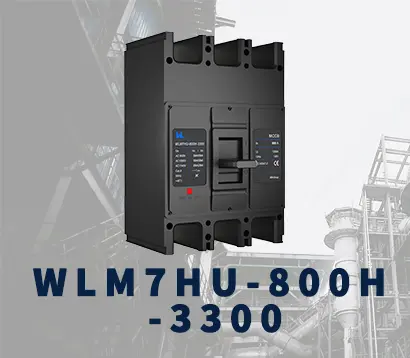 WLM7HU-800-3300 3P
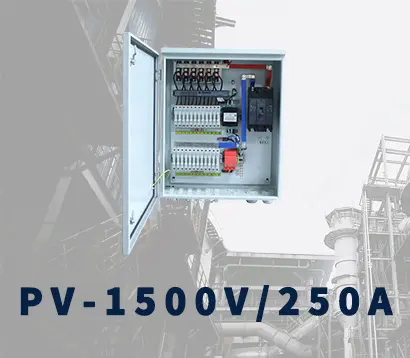 PV-1500V/250A
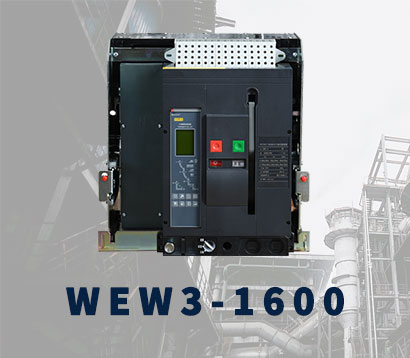 WEW3-1600
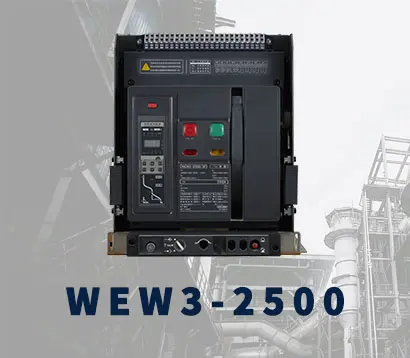 WEW3-2500
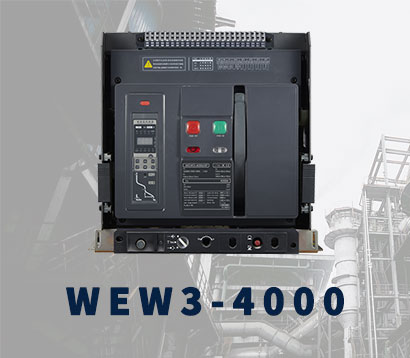 WEW3-4000
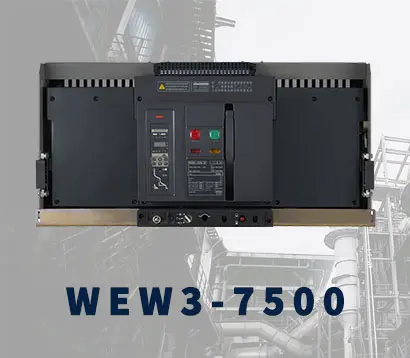 WEW3-7500