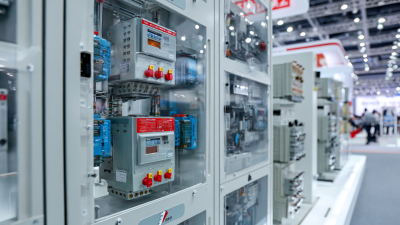
Top Tips for Using Square D MCCB Effectively?
In the evolving world of electrical distribution, ensuring safety and efficiency is paramount. Square D MCCB (Molded Case Circuit Breaker) stands out as a premium solution for managing electrical loads effectively. According to a report by the International Electrotechnical Commission, about 30% of electrical failures arise from improper circuit protection. This highlights the importance of using Square D MCCB correctly to mitigate risks.
MCCBs are essential for providing overload and short-circuit protection. They operate with precision and reliability, preventing significant downtime in industrial applications. However, many users overlook critical installation and maintenance tips. Research from the National Fire Protection Association indicates that 50% of electrical-related incidents stem from inadequate circuit protection. Utilizing Square D MCCB effectively can help avoid such issues.
It's essential to understand the operational parameters and settings of each model. Frequently, users fail to adjust the settings based on specific load conditions. This oversight can lead to inefficient performance and potential hazards. Continuous learning and adaptation are vital in maximizing the benefits of Square D MCCB. Ensuring safety doesn’t just happen; it requires diligence and attention to detail.
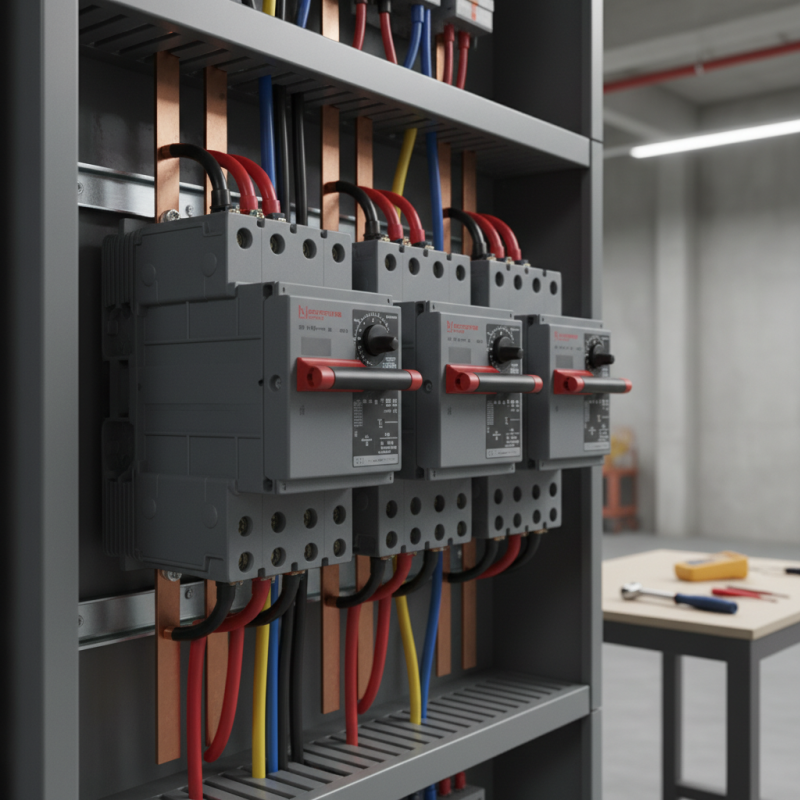
Understanding Square D MCCB: Features and Benefits
Understanding the features and benefits of molded case circuit breakers (MCCB) is essential for efficient electrical management. These devices protect against overloads and short circuits. Recent industry data shows that over 25% of electrical failures result from inadequate protection. Investing in MCCBs can significantly reduce such risks.
MCCBs offer exceptional customizable settings. Users can adjust their trip characteristics based on specific load requirements. This flexibility can enhance system reliability and minimize downtime. According to a 2022 industry survey, over 40% of users reported improved operational efficiency after switching to properly configured MCCBs.
However, improper settings may lead to inadequate protection. Awareness of correct parameters is crucial. For example, not accounting for potential surges during motor starts can cause nuisance tripping. This complicates operations and increases maintenance costs. Thus, continual education on MCCB use remains a challenge for many technicians.
Top Tips for Using Square D MCCB Effectively
This chart illustrates the effectiveness of various features of MCCBs based on user feedback. Each feature is rated on a scale from 1 to 10.
Proper Sizing of Square D MCCB for Your Electrical System
Proper sizing of circuit breakers is crucial for electrical safety and efficiency. An oversized circuit breaker can lead to issues, such as frequent nuisance tripping. Conversely, an undersized device may not effectively handle the intended load. Achieving the right balance enhances system performance.
When sizing circuit breakers, consider your total electrical load. This includes all devices connected to the system. Calculate the maximum expected usage to determine the correct amperage. Don’t overlook environmental factors, such as temperature and humidity. These can affect performance and may require adjustments.
Taking the time to accurately size your circuit breaker can prevent costly mistakes down the line. It might be tempting to err on the side of caution and go for a higher rating. However, this often leads to inefficiencies. Evaluate your needs carefully and prioritize both safety and functionality.
Installation Guidelines for Square D MCCB: Best Practices
When installing an MCCB, following best practices is vital. Begin by selecting the proper location. Accessible areas allow for easier maintenance and monitoring. Ensure the surface is clean and solid. Consider the environmental conditions, too. Dust and moisture can impact performance.
Next, check the panel specifications carefully. Incorrect installation can lead to failures. It’s important to follow the manufacturer’s requirements for wire sizes and ratings. Using inadequate wiring can lead to overheating or tripping issues. Pay attention to the torque settings for connections, as improper tightening can result in poor conductivity.
Lastly, conduct regular inspections after installation. Look for signs of wear or looseness in connections. Over time, vibrations can loosen fittings. It’s easy to overlook these details, yet they can lead to safety hazards. Emphasizing routine checks can prevent unexpected downtime and enhance reliability. Always keep safety as a priority.
Top Tips for Using MCCB Effectively - Installation Guidelines for MCCB: Best Practices
| Best Practice |
Description |
Implementation Tips |
| Proper Sizing |
Ensure the MCCB is rated appropriately for the load. |
Calculate load requirements and select a breaker that exceeds the maximum load. |
| Installation Location |
Mount the MCCB in a location that is easily accessible. |
Consider ergonomics and maintenance access in the installation site selection. |
| Regular Maintenance |
Perform routine inspections to ensure functionality. |
Schedule maintenance checks every six months and replace worn components. |
| Correct Wiring |
Follow wiring diagrams for proper connections. |
Use labeled wires and double-check connections before powering on. |
| Overload Protection |
Set the trip settings based on the application. |
Adjust the settings to provide optimal protection for your circuits. |
Routine Maintenance Tips for Optimal MCCB Performance
Routine maintenance is crucial for optimal performance of molded case circuit breakers (MCCBs).
Ensuring regular inspections can significantly extend the life of these devices. A study showed that a staggering
70% of electrical failures relate to inadequate maintenance.
This underscores the importance of being proactive rather than reactive.
Schedule monthly checks to identify signs of wear. Look for unusual heat accumulation or discoloration. Dust buildup can also be problematic,
as it creates insulating barriers. When performing maintenance, it's vital to clean the MCCBs with appropriate methods.
Use dry cloths or compressed air. Avoid liquids, as moisture can lead to circuit malfunctions.
Pay attention to connections. Loose terminals can result in arcs that damage breakers. In fact,
50% of MCCB failures can be traced back to poor connections.
Regular torque checks can help maintain tightness. If adjustments are necessary, they should be done following manufacturer guidelines.
Sometimes the details seem minor, but they can lead to significant issues.
Investing time in these maintenance tasks can save costs in the long run.
Troubleshooting Common Issues with Square D MCCB
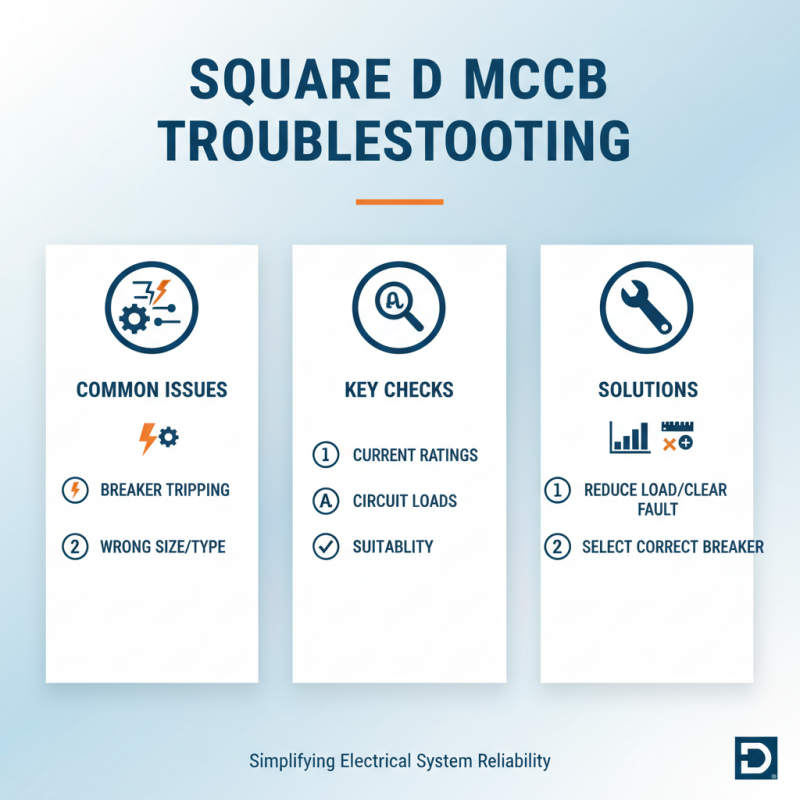
Troubleshooting issues with a molded case circuit breaker can be challenging. Electrical systems are complex, and even minor errors can cause malfunctions. One common problem is the tripping of the circuit breaker. This often happens due to overloads or short circuits in the system. Checking the current ratings and circuit loads can help identify the issue. Sometimes, the breaker itself may not be suitable for the application. Using the wrong size can lead to repeated problems.
Another issue to consider is improper installation. Ensure that all connections are secure and correctly aligned. Loose wires can lead to overheating and trip the breaker frequently. Also, inspect for any visible signs of damage on the breaker or wiring. Signs such as burns or melting can indicate deeper electrical problems.
Maintenance is crucial in preventing issues. Regularly test the circuit breakers to ensure they operate correctly. Dust and corrosion can hinder performance. If a breaker is repeatedly tripping, it may need replacement. Delaying this can pose risks, so it’s essential to address these issues promptly. Reflecting on your practices can help improve system reliability.

 JCB1-125
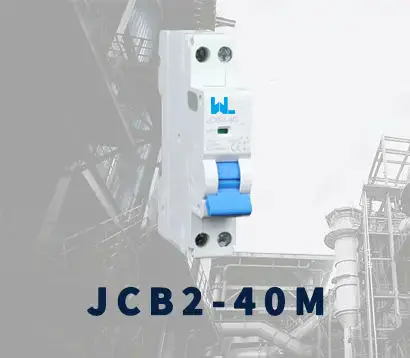 JCB2-40M
 JCB3-63DC
 JCB3-80H
 JCB3-80M
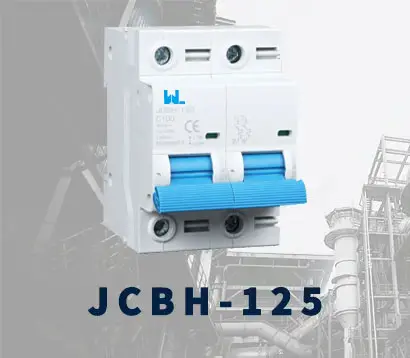 JCBH-125
 JC80-2P
 JC80-4P
 JC125-2P
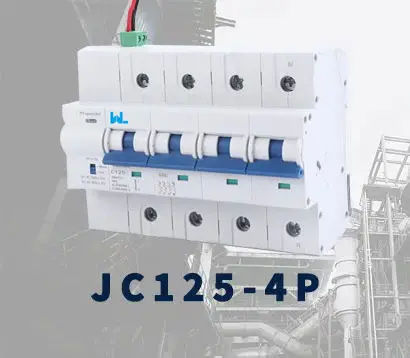 JC125-4P
 JCMX
JCMX JCSD
JCSD JCOF
JCOF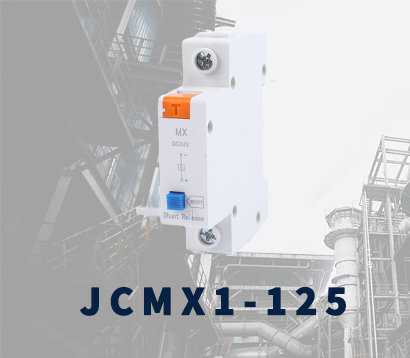 JCMX1-125
 JCOF1-125
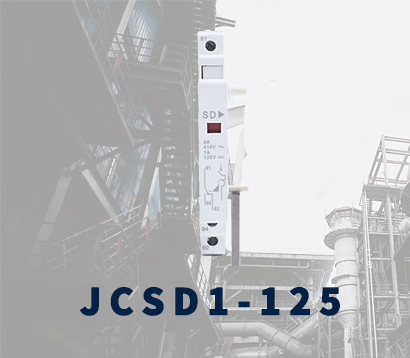 JCSD1-125
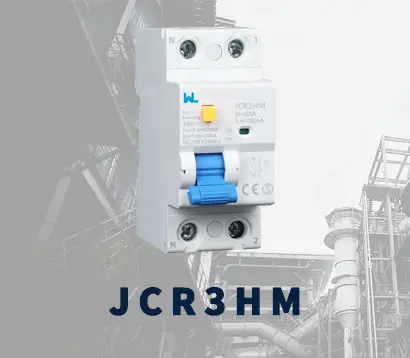 JCR3HM
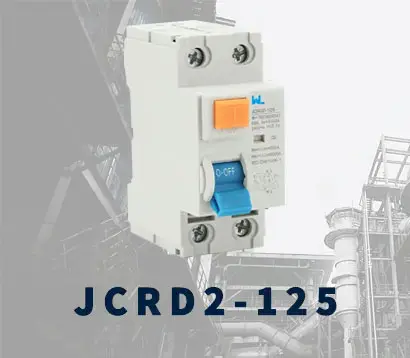 JCRD2-125
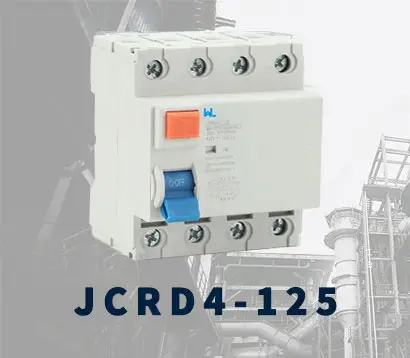 JCRD4-125
 JCRB2-100
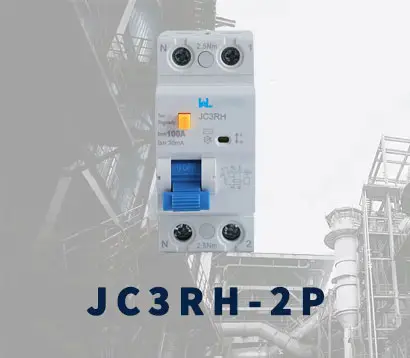 JC3RH-2P
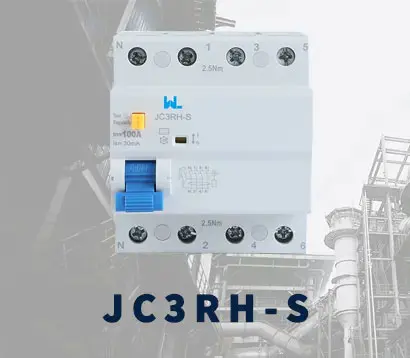 JC3RH-S
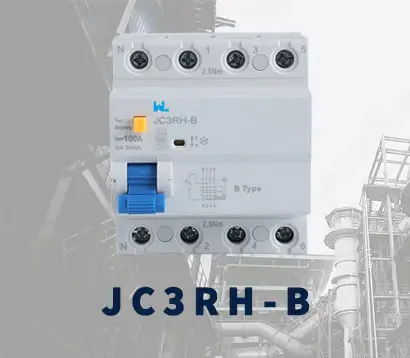 JC3RH-B
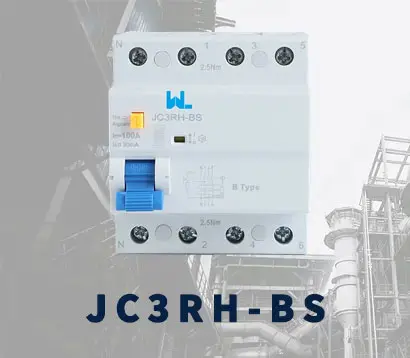 JC3RH-BS
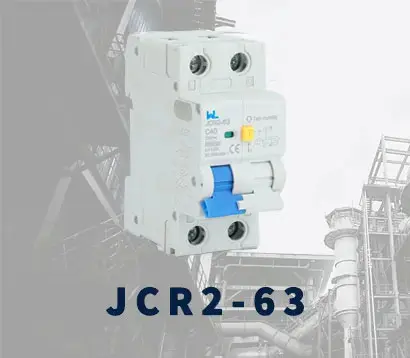 JCR2-63
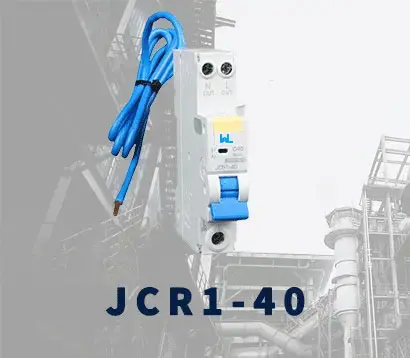 JCR1-40
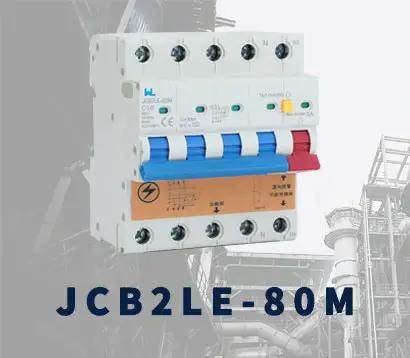 JCB2LE-80M
 JCB2LE-80M
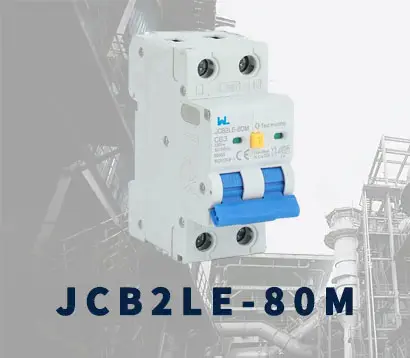 JCB2LE-80M
 JCB2LE-40M
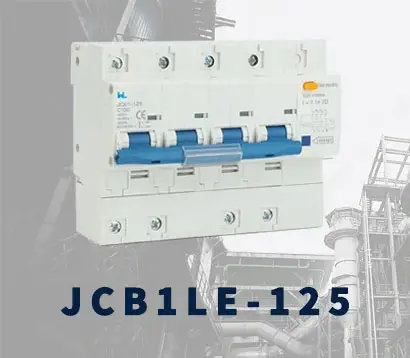 JCB1LE-125
 JCB3LM-80
 JCH2-125
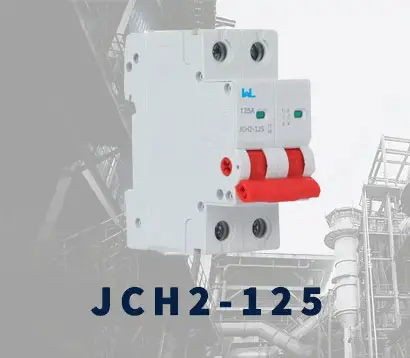 JCH2-125
 CJX2
CJX2 CJ19
CJ19 JCMCU
JCMCU JCHA
JCHA JCSD-40
 JCSD-60
 JCSP-40
 JCSP-60
 JCSPV
JCSPV WEW1-1000
 WEW1-1600
 WEW1-2000
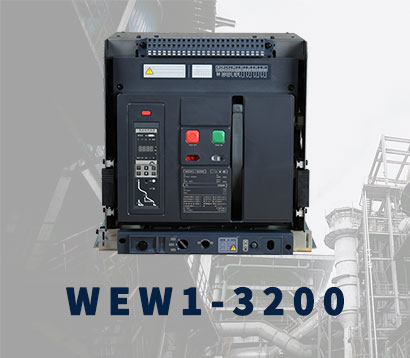 WEW1-3200
 WEW1-4000
 WEW1-6300
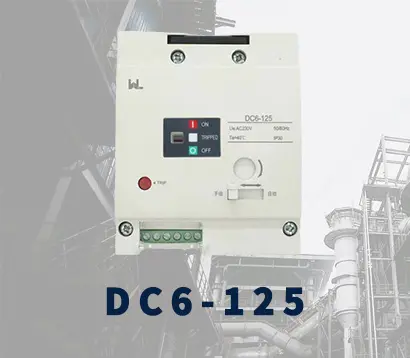 DC6-125
 AX-400-1250
 AXAL-400-1250A
 AL-400-1250
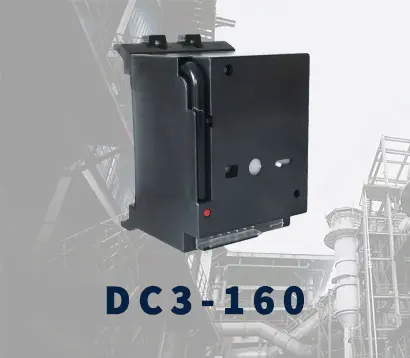 DC3-160
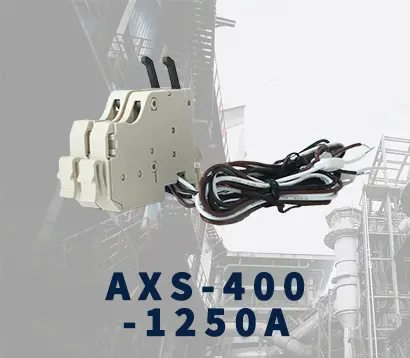 AXS-400-1250A
 SHT-125-160
 UVT-125-160A
 P-250A-3P-A
 400-3P/4P terminal cover
 1250-3Pmccb accessories busbar
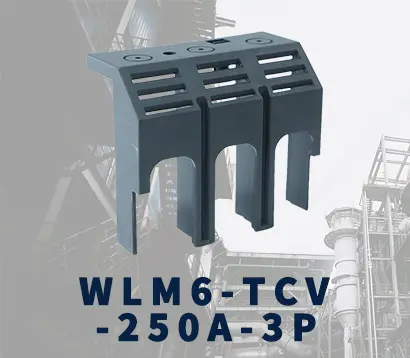 250-3P terminal conver
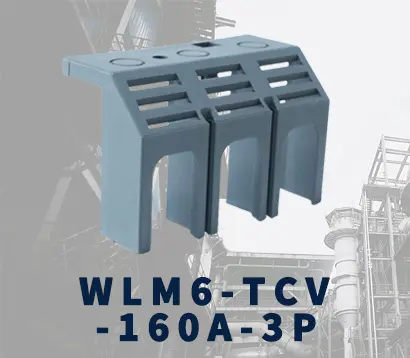 WLM6-TCV-160A-3P
 WLM6-MIP-250A
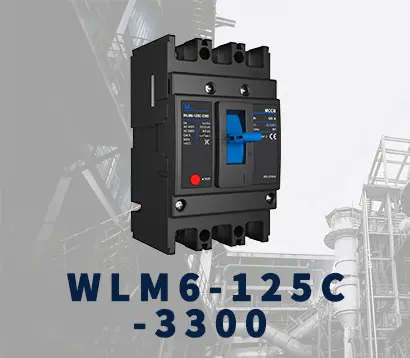 WLM6-125A-3300 3P/4P
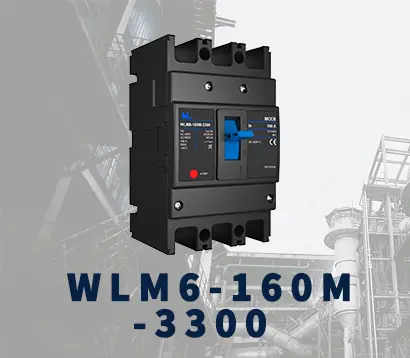 WLM6-160A-3300 3P/4P
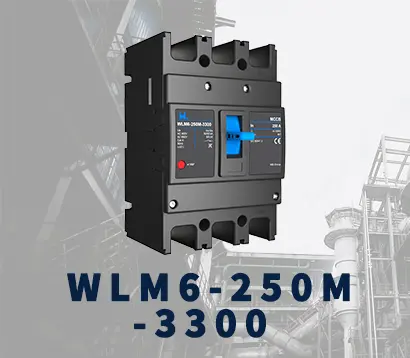 WLM6-250A-3300 3P/4P
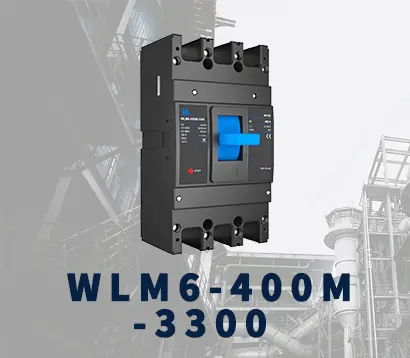 WLM6-400A-3300 3P/4P
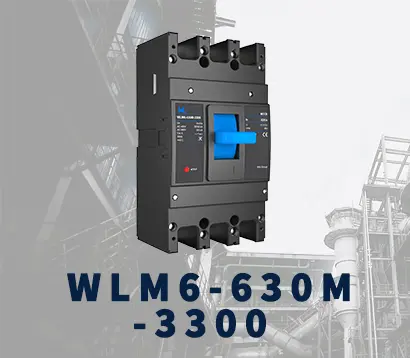 WLM6-630A-3300 3P/4P
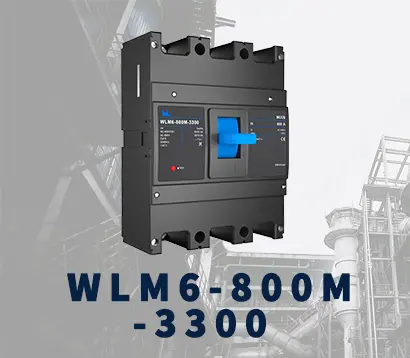 WLM6-800A-3300 3P/4P
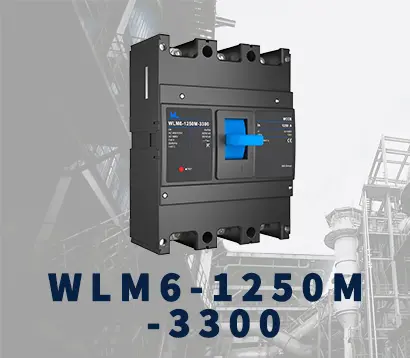 WLM6-1250A-3300 3P/4P
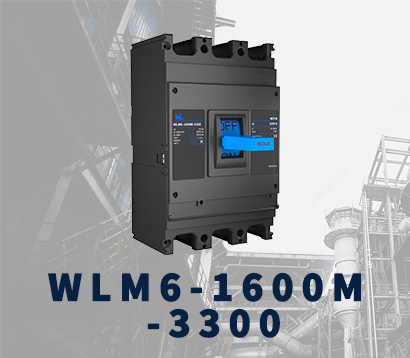 WLM6-1600A-3300 3P/4P
 WLM6-2000A 3P/4P
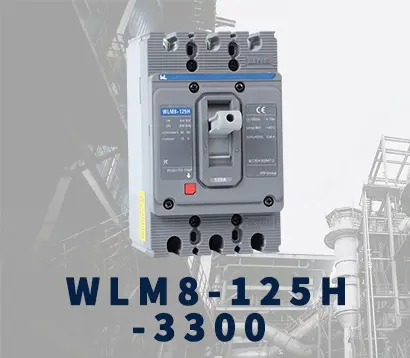 WLM8-125H-3300
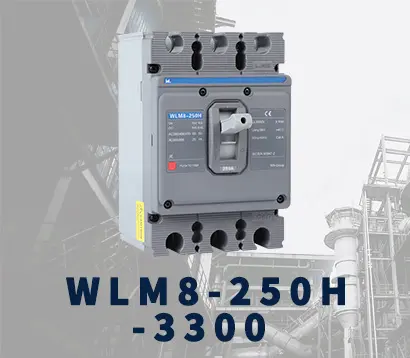 WLM8-250H-3300
 WLM8-400H-3300
 WLM8-400H-4300
 WLM8-630H-3300
 WLM8-630H-4300
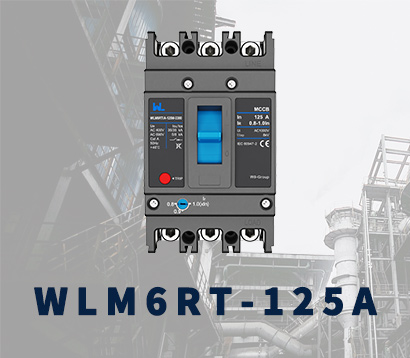 WLM6RT-125A
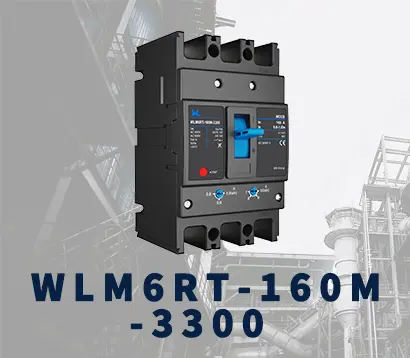 WLM6RT-160A
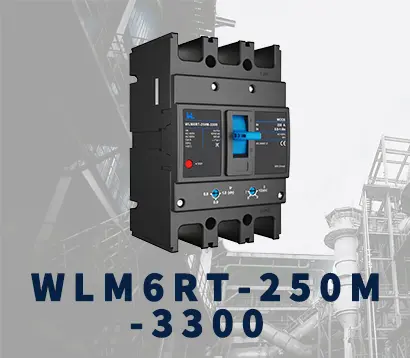 WLM6RT-250A
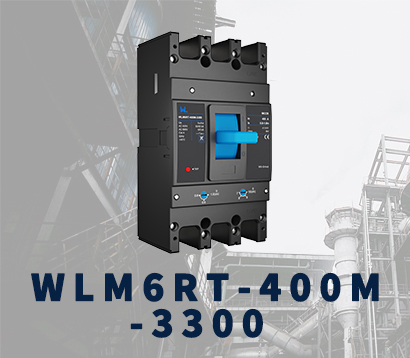 WLM6RT-400A
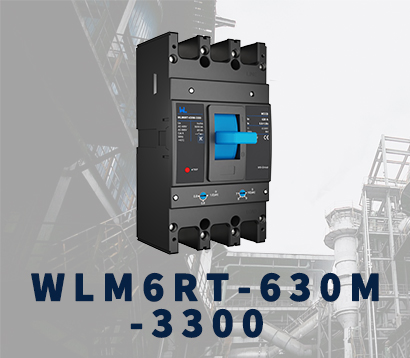 WLM6RT-630A
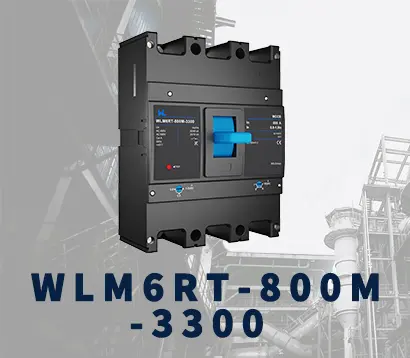 WLM6RT-800A
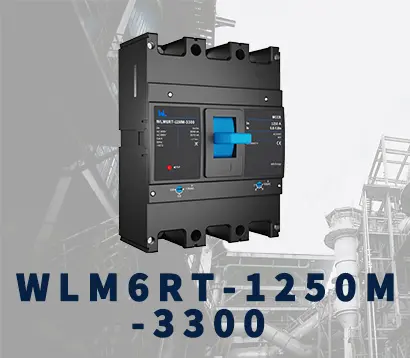 WLM6RT-1250A
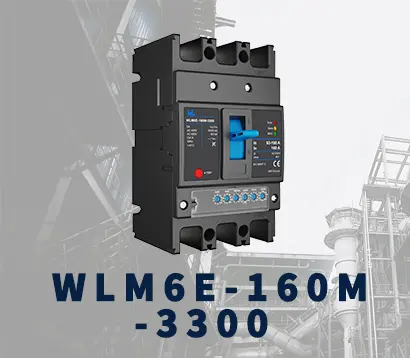 WLM6E-160A-3300 3P
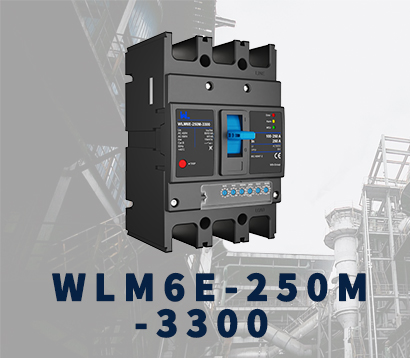 WLM6E-250A-3300
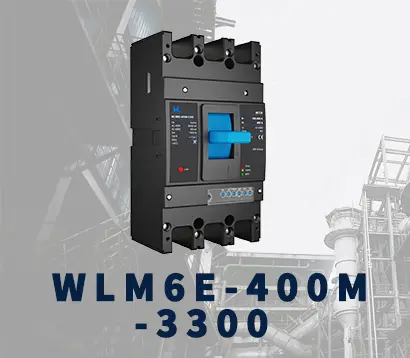 WLM6E-400A-3300 3P/4P
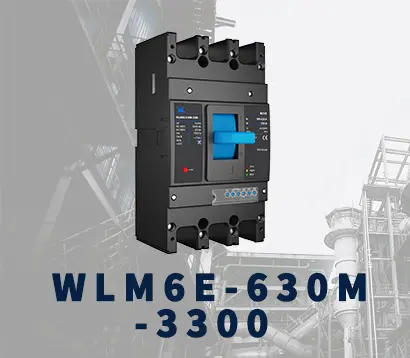 WLM6E-630A-3300
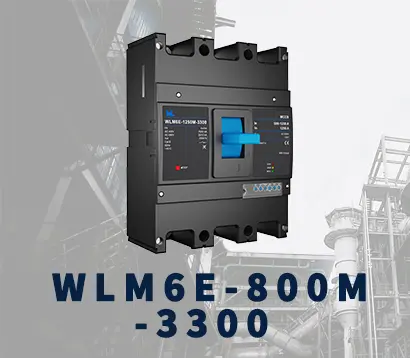 WLM6E-800A-3300 3P/4P
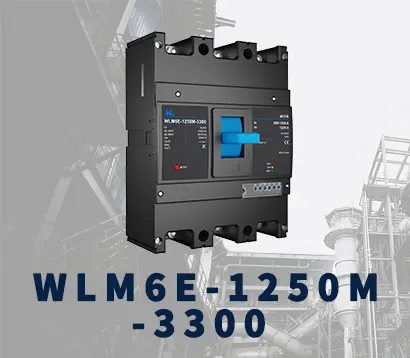 WLM6E-1250A-3300
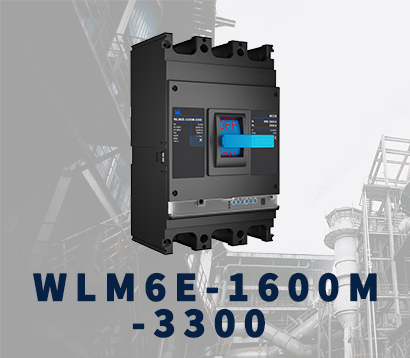 WLM6E-1600-3300 3P/4P
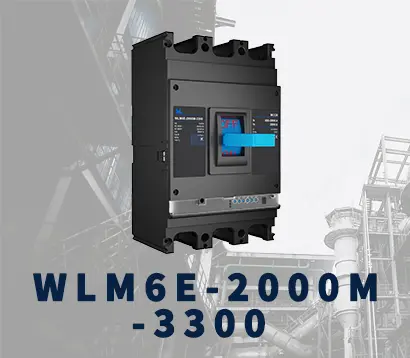 WLM6E-2000A-3300 3P/4P
 WLM8E-250H-3300
 WLM8E-400H-3300
 WLM8E-400H-4300
 WLM8E-630H-3300
 WLM8E-630H-4300
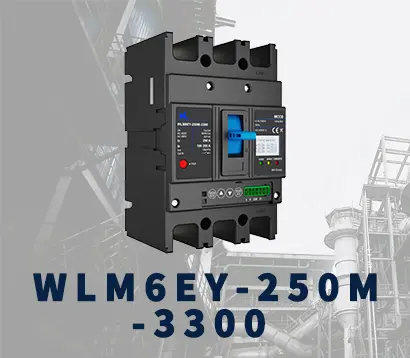 WLM6EY-250-3300 3P/4P
 WLM6EY-400 3P/4P
 WLM6EY-630 3P/4P
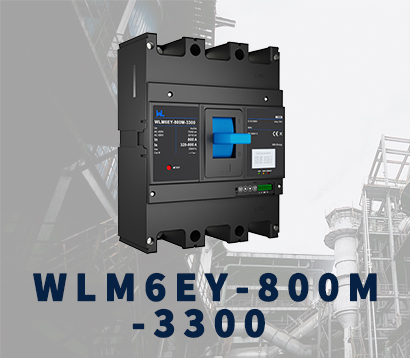 WLM6EY-800A 3P/4P
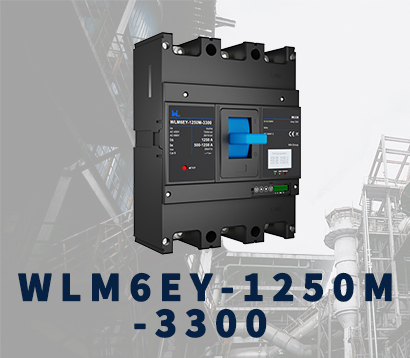 WLM6EY-1250A 3P/4P
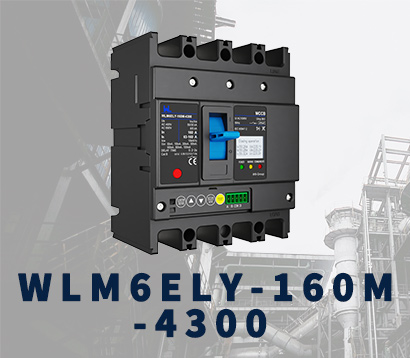 WLM6ELY-160A
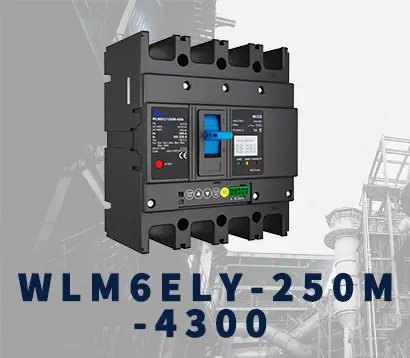 WLM6ELY-250A
 WLM6ELY-400A
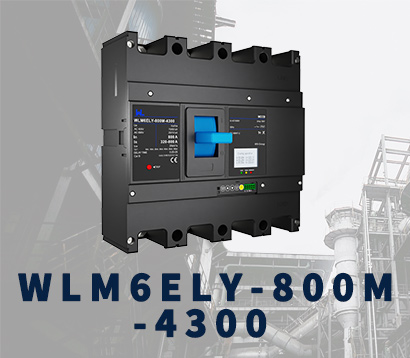 WLM6ELY-800A
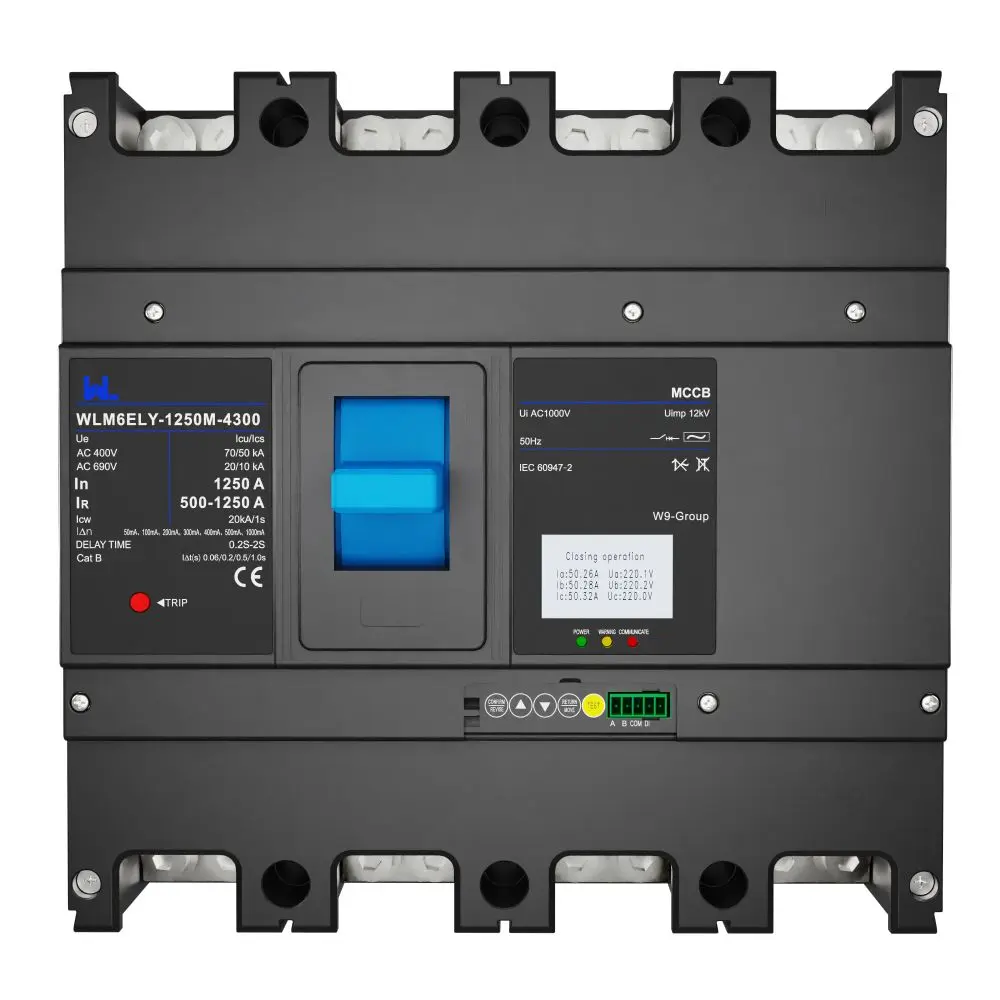 WLM6ELY-1250A
 WLM8EY-250H-3300
 WLM8EY-400H-3300
 WLM8EY-630H-3300
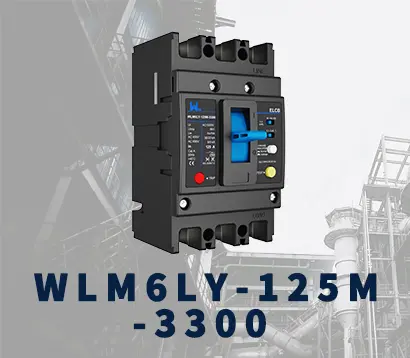 WLM6LY-125A
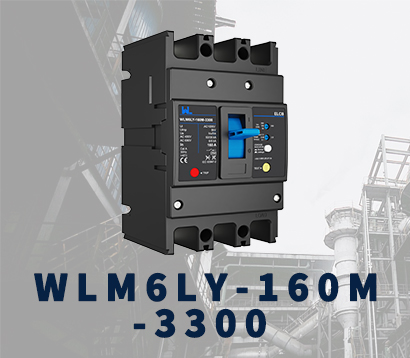 WLM6L-160A
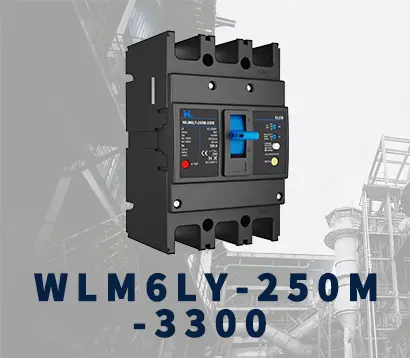 WLM6LY-250A
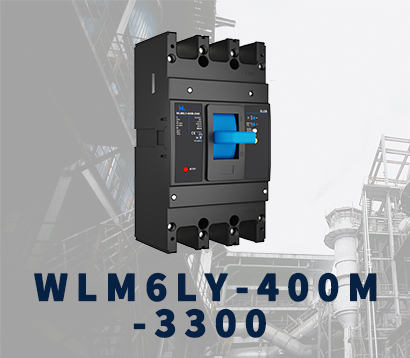 WLM6LY-400A
 WLM6LY-800A
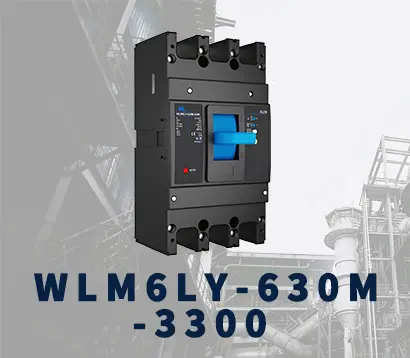 WLM6LY-630A
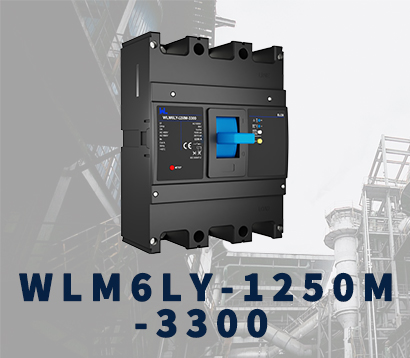 WLM6LY-1250A
 WLM8LY-125H-3300
 WLM8LY-250H-3300
 WLM8LY-400H-3300
 WLM8LY-630H-3300
 JCB3-63DC
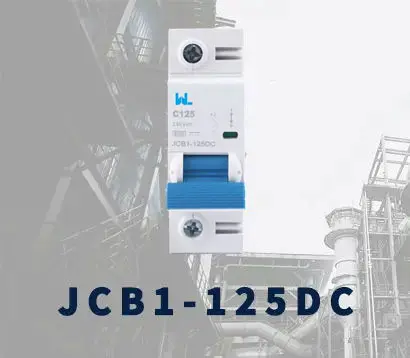 JCB1-125DC
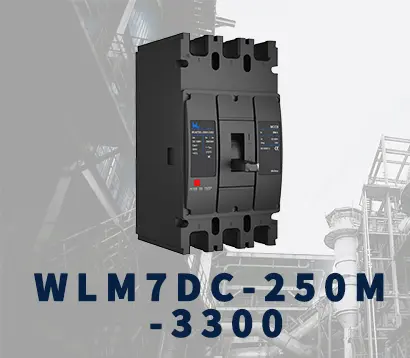 WLM7DC-250A-2300 2P/3P
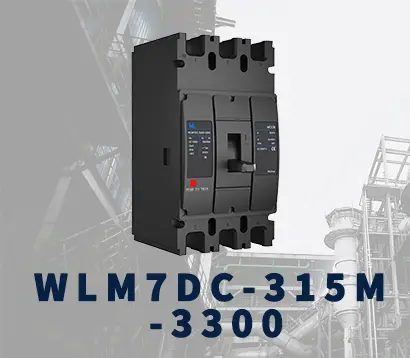 WLM7DC-315A-3300 2P/3P
 WLM7DC-400A-2300 2P/3P
 WLM7DC-630A-3300 3P
 WLM7DC-800A-2300 2P/3P
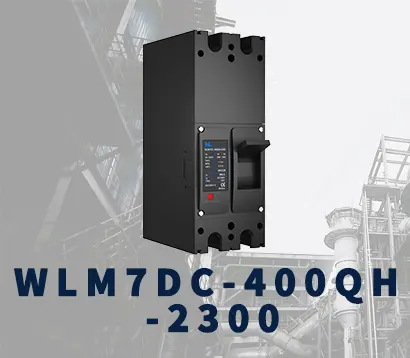 WLM7DC-400A 2300
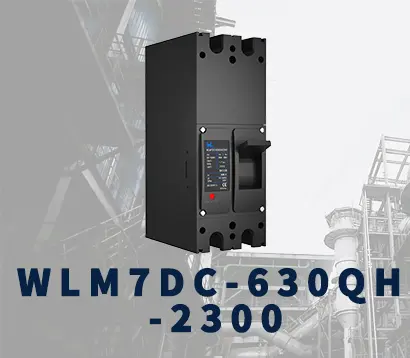 WLM7DC-630A-2300 2P
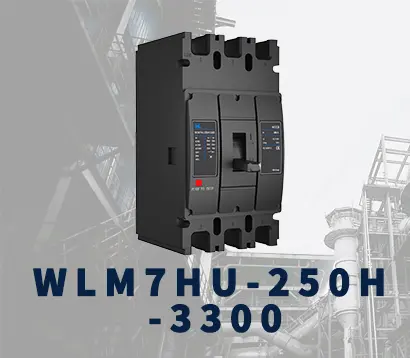 WLM7HU-250-3300 3P
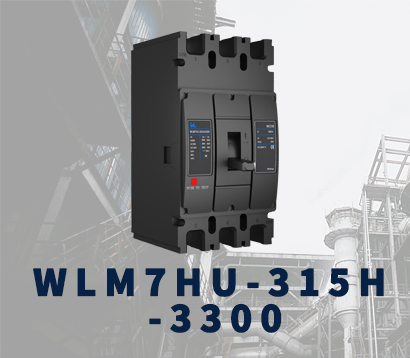 WLM7HU-315-3300 3P
 WLM7HU-400-3300 3P
 WLM7HU-630-3300 3P
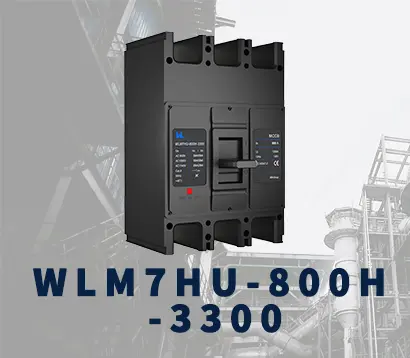 WLM7HU-800-3300 3P
 PV-1500V/250A
 WEW3-1600
 WEW3-2500
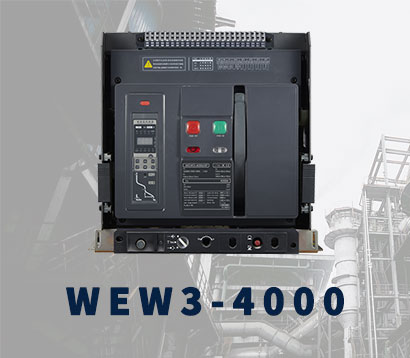 WEW3-4000
 WEW3-7500