How to Choose the Right Molded Case Circuit Breaker MCCB?
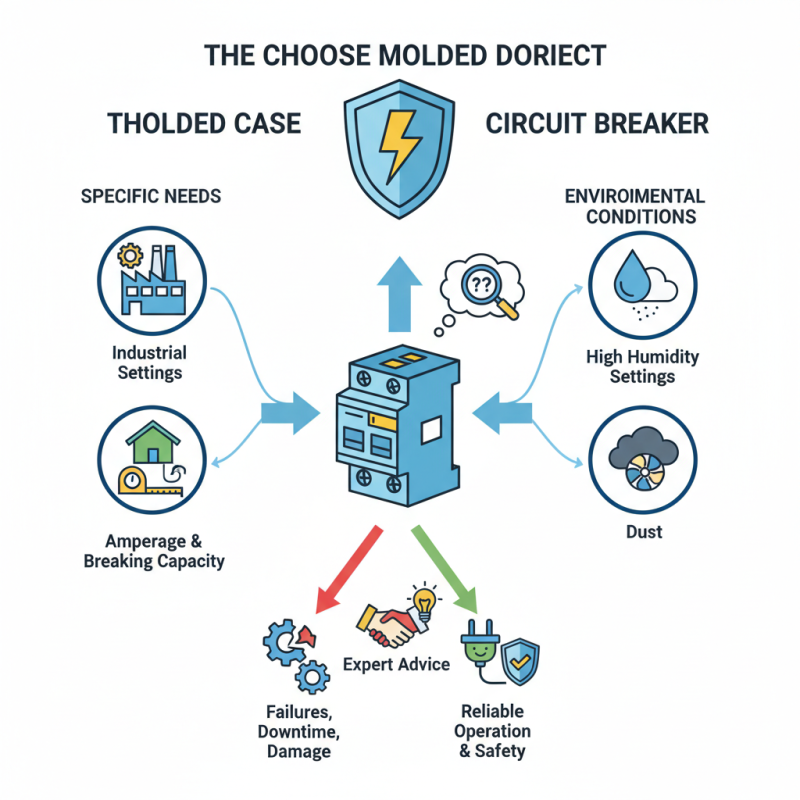
Choosing the right Molded Case Circuit Breaker (MCCB) is vital for electrical safety. An MCCB protects circuits from overloads and short circuits. It's essential to understand your specific needs before making a decision. Different applications require different specifications.
Consider the amperage ratings and breaking capacity. Will you use it in industrial or residential settings? Understanding these factors can avoid costly mistakes. Some people overlook the importance of environmental conditions. High humidity or dust can impact performance.
Selecting the wrong MCCB can lead to failures. This might result in system downtime or equipment damage. It's a crucial investment that requires careful thought. Reflect on your unique requirements and seek expert advice when necessary. The right Molded Case Circuit Breaker can ensure reliable operation and safety for many years.
Understanding the Basics of Molded Case Circuit Breakers (MCCBs)
Molded Case Circuit Breakers (MCCBs) are essential for electrical safety. They protect circuits from overloads and short circuits. Understanding their basics helps in making informed choices. MCCBs come in various sizes and forms, each design serves different voltage and current ranges. It's crucial to know your specific needs.
When selecting an MCCB, consider several factors. The rated current is critical. It determines how much load the breaker can handle. Also, assess the breaking capacity. This indicates how much fault current the MCCB can interrupt. Size matters, but don’t overlook type. MCCBs can be thermal magnetic or electronic. Each type has unique benefits and drawbacks.
Reflect on installation and maintenance. The environment plays a role, too. Dusty or humid settings can affect performance. An MCCB may not function well if improperly installed. Regular checks and testing are necessary. Some people skip these steps, thinking their breakers are reliable. That can lead to serious risks. Make informed choices to enhance your electrical safety.
Key Factors to Consider When Choosing an MCCB
Choosing the right molded case circuit breaker (MCCB) involves several key considerations. Current ratings are paramount. According to industry data, selecting an MCCB with a rating that meets or slightly exceeds the maximum load is crucial for optimal performance. For example, if your equipment typically draws 30A, an MCCB rated at 40A can provide a safety margin. This helps prevent nuisance trips.
You should also examine the breaking capacity. This is the maximum fault current the MCCB can interrupt safely. Reports indicate that circuits can experience fault currents from 5kA to over 65kA. An inadequate breaking capacity can lead to catastrophic failures. It’s important to select an MCCB that can handle potential fault levels in your specific application.
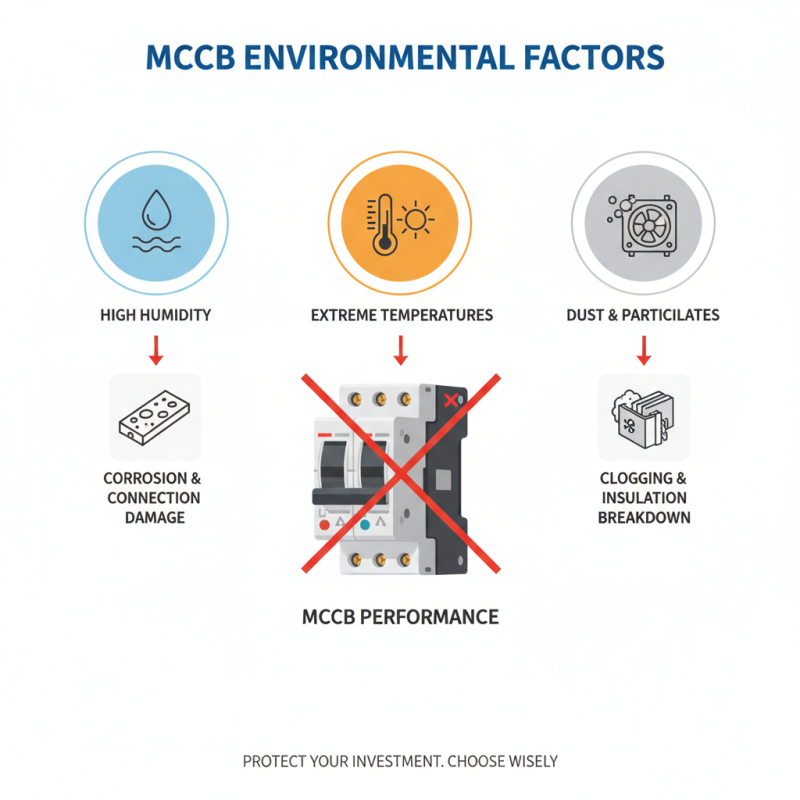
Furthermore, consider the environmental factors affecting installation. Humidity, temperature, and dust levels can challenge MCCB performance. The National Electrical Manufacturers Association emphasizes that MCCBs should be selected based on the installation environment. In areas with high humidity, moisture-resistant options are necessary. These points illustrate the complexity of choosing the right MCCB; every detail contributes to safety and efficiency.
How to Choose the Right Molded Case Circuit Breaker (MCCB)?
| Criteria |
Description |
Importance |
| Current Rating |
Choose an MCCB with an appropriate current rating to handle the load of your application. |
High |
| Short-Circuit Current Rating (SCCR) |
Determine the maximum short-circuit current that the MCCB can withstand. |
Very High |
| Voltage Rating |
Ensure the MCCB is rated for the system voltage level. |
High |
| Operational Environment |
Consider factors such as temperature, humidity and dust exposure in the installation area. |
Medium |
| Protection Features |
Look for features like overload protection, short-circuit protection, and ground fault protection. |
Very High |
| Size and Mounting |
Evaluate the physical size and the mounting method suitable for your setup. |
Medium |
| Cost |
Consider your budget while balancing features and quality. |
High |
Evaluating the Electrical Ratings and Specifications of MCCBs
When evaluating the electrical ratings and specifications of molded case circuit breakers (MCCBs), focus on several key factors. The voltage rating is critical. Ensure the MCCB can handle the maximum voltage of your system. Look for options with a voltage span that suits your application. Many neglect the importance of interrupting capacity. This rating shows how much fault current the breaker can safely interrupt. Choose an MCCB with a higher interrupting capacity for better safety.
Consider the current rating as well. Select a breaker that matches the load you expect. It’s easy to underestimate the required capacity. Always leave some margin for future expansions. Thermal-magnetic trip settings are also an essential specification. These settings dictate how quickly the breaker responds to overloads or short circuits. Incorrect settings can lead to nuisance tripping or worse, failures during emergencies.
Don't forget about the physical size and mounting mechanism. Regularly, people overlook space requirements. If the MCCB is too large or incompatible with your panel, it won't fit. Ensure there's enough space for installation. Be mindful of temperature ratings too; higher ambient temperatures can reduce performance. Assess these details carefully to avoid costly mistakes.
Electrical Ratings of Molded Case Circuit Breakers (MCCBs)
This chart compares different electrical ratings of commonly used MCCBs based on their current carrying capacities and trip settings.
Assessing Environmental Conditions for MCCB Selection
When selecting a molded case circuit breaker (MCCB), environmental conditions play a crucial role. High humidity, extreme temperatures, and dust levels can impact the performance and longevity of MCCBs. For example, in a humid environment, corrosion may damage the circuit breaker connections. Similarly, excessive dust can lead to overheating.
Tips: Consider the operating temperature range along with humidity levels. This will ensure that the MCCB functions properly in its intended environment. Also, look at ambient conditions. Does the area experience vibration or shock? This might require sturdier models.
It's important to remember that every environment is unique. A breaker suitable for one location might underperform elsewhere. Have clear data about the site. This includes temperature fluctuations and moisture levels. Are there any unusual operational challenges? Documenting these details can aid in making the right choice. Ultimately, a well-suited MCCB enhances safety and efficiency.
Installation and Maintenance Tips for Optimal MCCB Performance
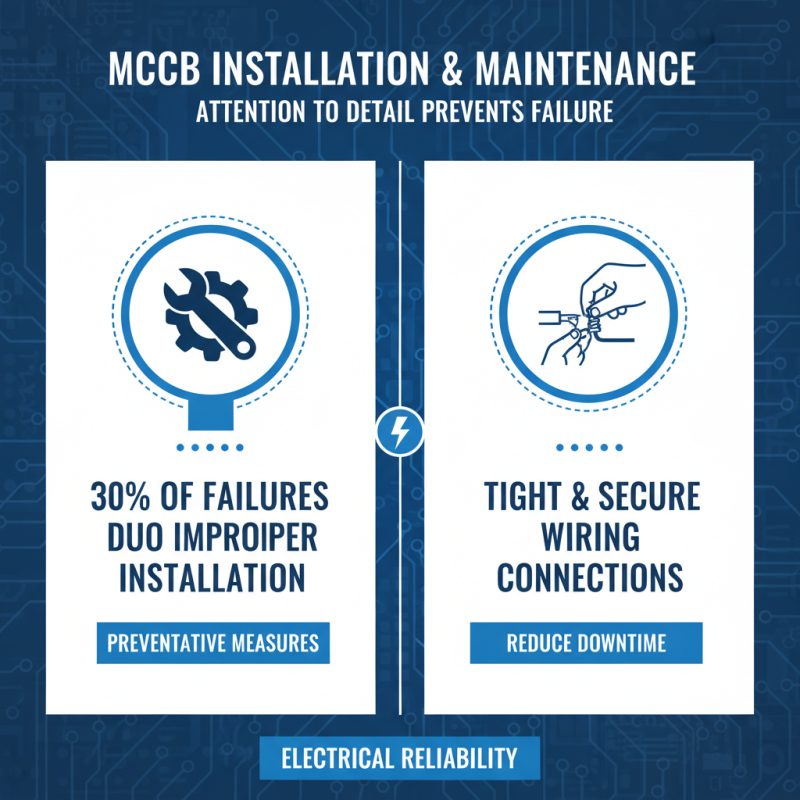
When it comes to the installation and maintenance of Molded Case Circuit Breakers (MCCBs), attention to detail is crucial. Proper installation can prevent potential failures and reduce downtime. According to industry reports, nearly 30% of circuit breaker failures are due to improper installation. Ensuring that all wiring connections are tight and securely fastened is essential.
Tips: Always check for the correct specifications. Make sure to follow the manufacturer's instructions closely. Regularly inspect the MCCB for signs of wear, overheating, or corrosion. Keeping the environment clean can prevent dust accumulation that might affect performance.
Maintaining optimal MCCB performance requires ongoing attention. Periodic testing and calibration can enhance its reliability. Data from the National Electrical Manufacturers Association indicates that routine maintenance can prolong the lifespan of MCCBs by up to 50%. If you notice any irregularities, such as frequent tripping or unusual noises, it may be time for an inspection.
Tips: Document all maintenance procedures and findings. This record can help identify patterns or recurring issues. Don't dismiss early warning signs; addressing them promptly can prevent bigger problems later.

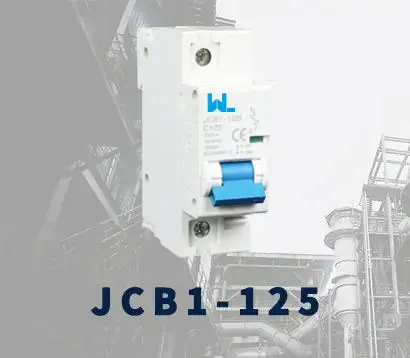 JCB1-125
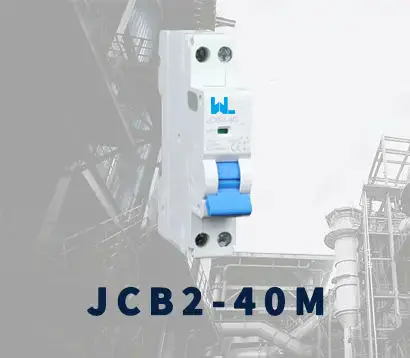 JCB2-40M
 JCB3-63DC
 JCB3-80H
 JCB3-80M
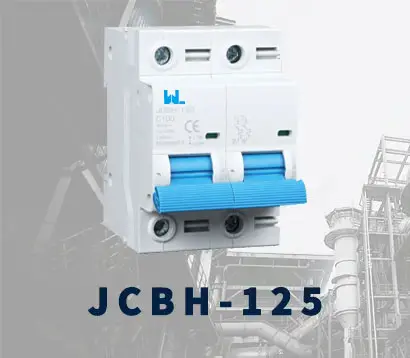 JCBH-125
 JC80-2P
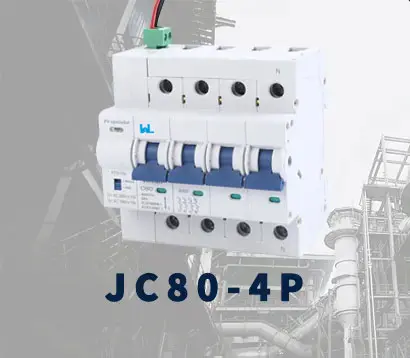 JC80-4P
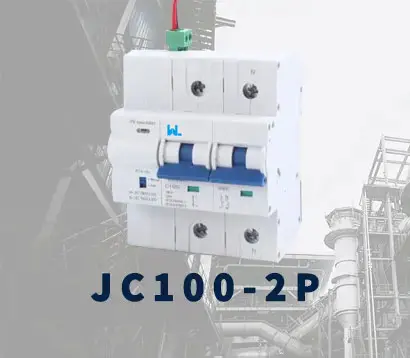 JC125-2P
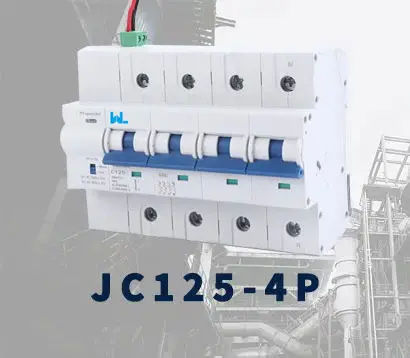 JC125-4P
 JCMX
JCMX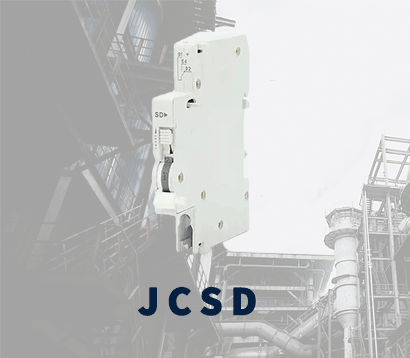 JCSD
JCSD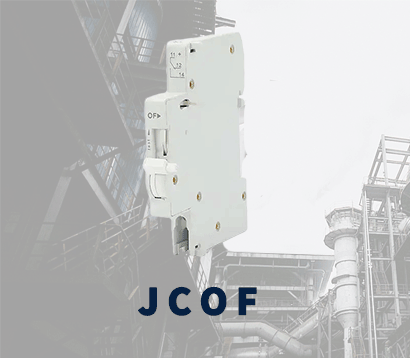 JCOF
JCOF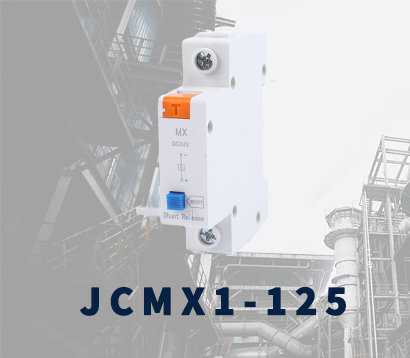 JCMX1-125
 JCOF1-125
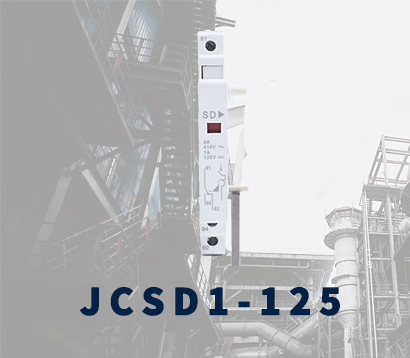 JCSD1-125
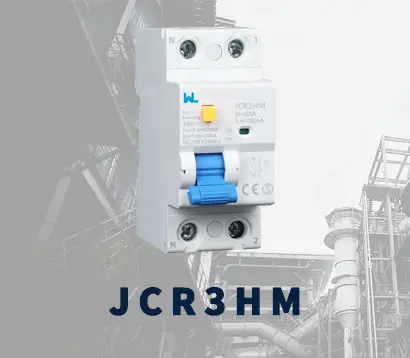 JCR3HM
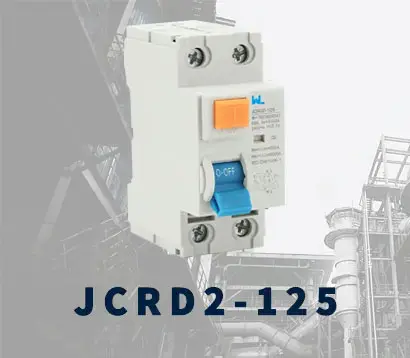 JCRD2-125
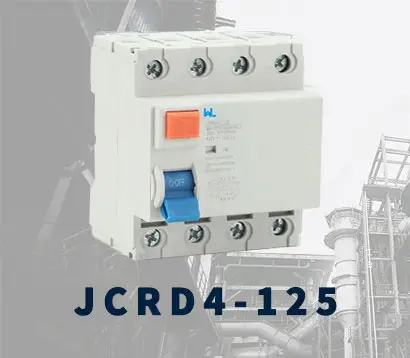 JCRD4-125
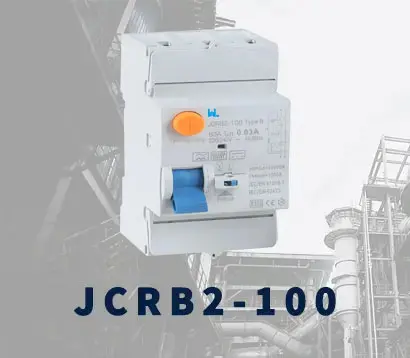 JCRB2-100
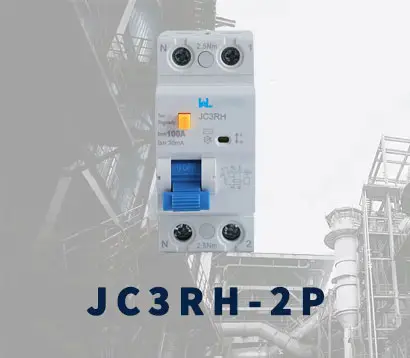 JC3RH-2P
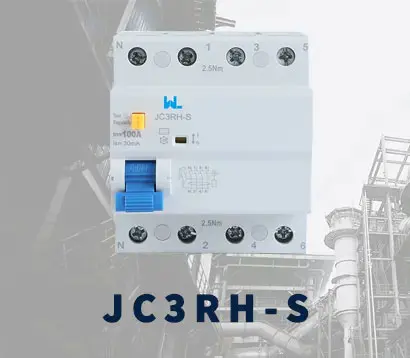 JC3RH-S
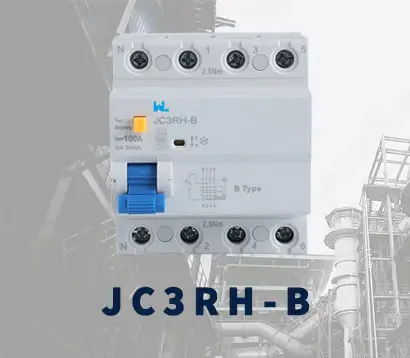 JC3RH-B
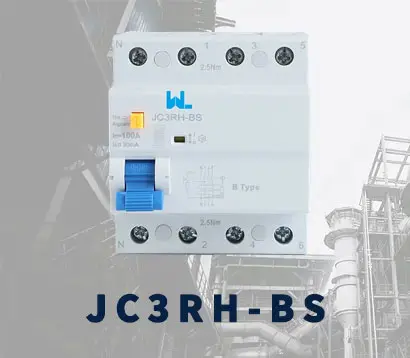 JC3RH-BS
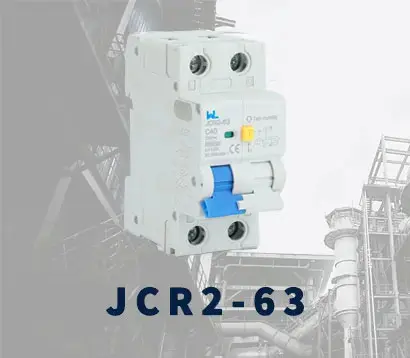 JCR2-63
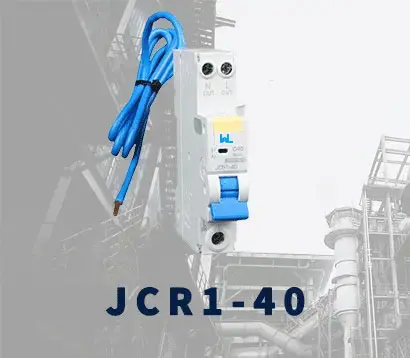 JCR1-40
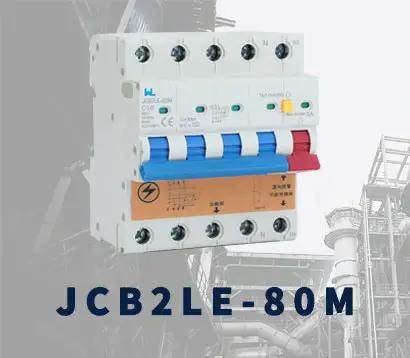 JCB2LE-80M
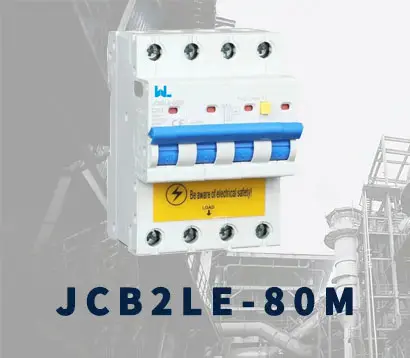 JCB2LE-80M
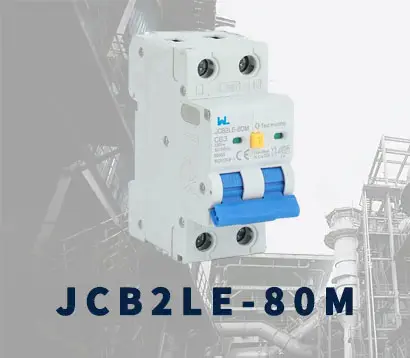 JCB2LE-80M
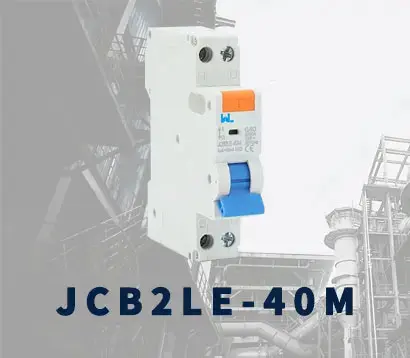 JCB2LE-40M
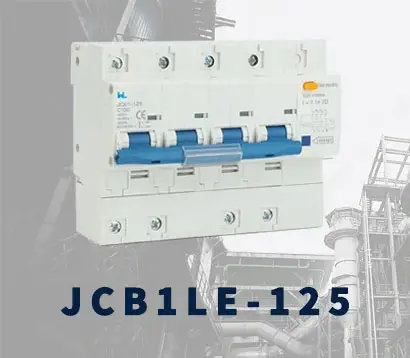 JCB1LE-125
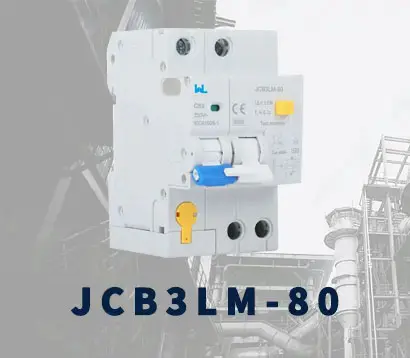 JCB3LM-80
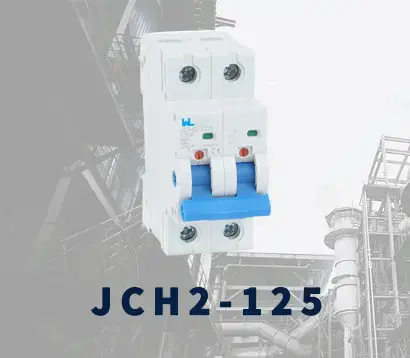 JCH2-125
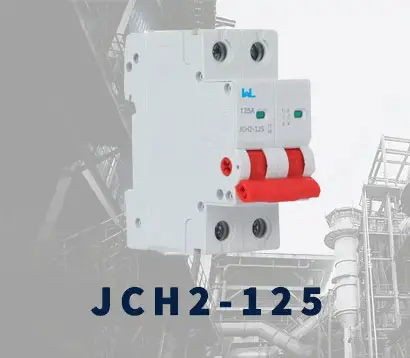 JCH2-125
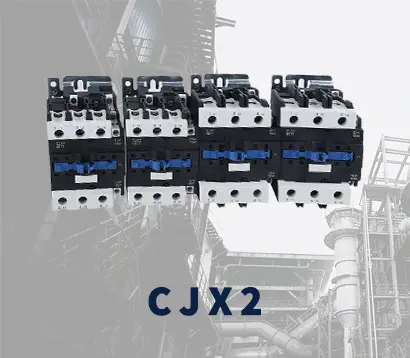 CJX2
CJX2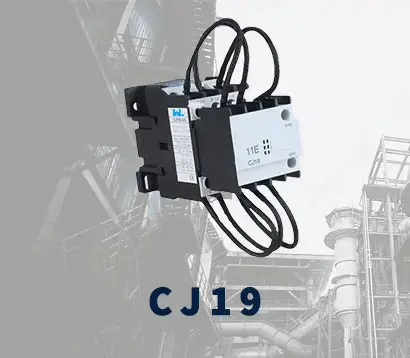 CJ19
CJ19 JCMCU
JCMCU JCHA
JCHA JCSD-40
 JCSD-60
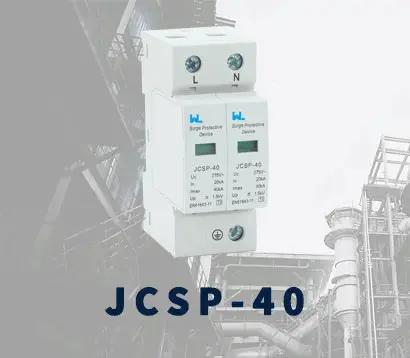 JCSP-40
 JCSP-60
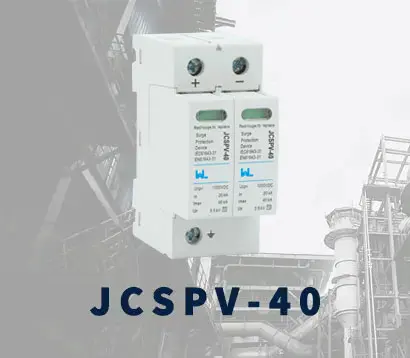 JCSPV
JCSPV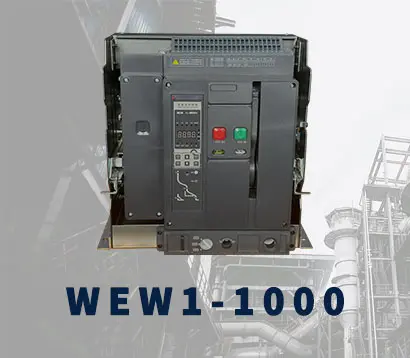 WEW1-1000
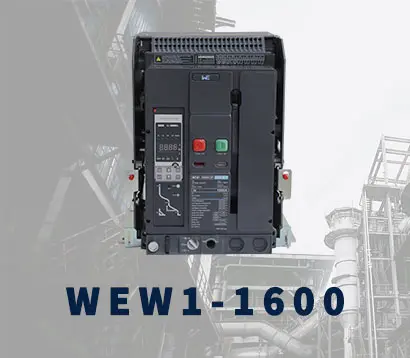 WEW1-1600
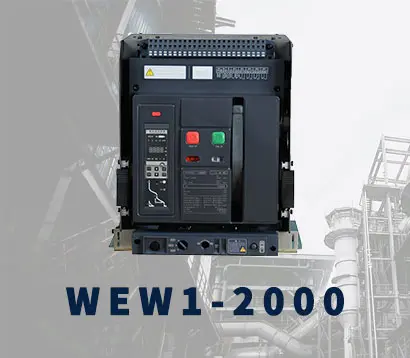 WEW1-2000
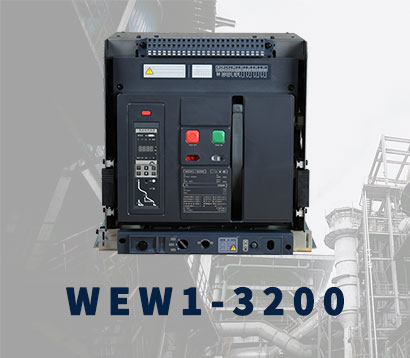 WEW1-3200
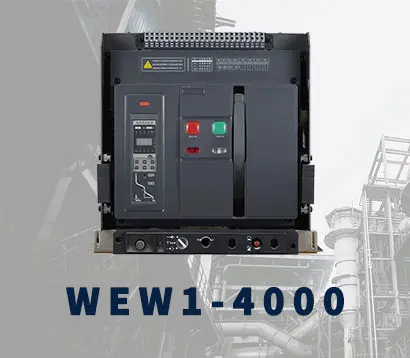 WEW1-4000
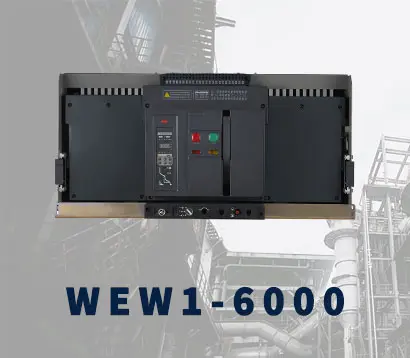 WEW1-6300
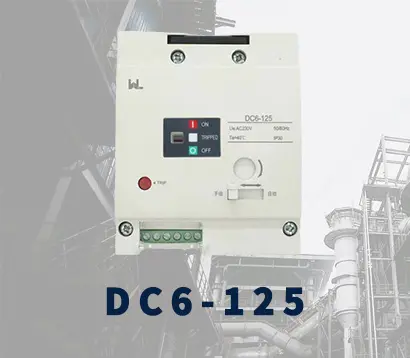 DC6-125
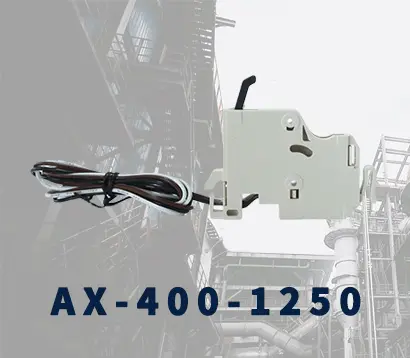 AX-400-1250
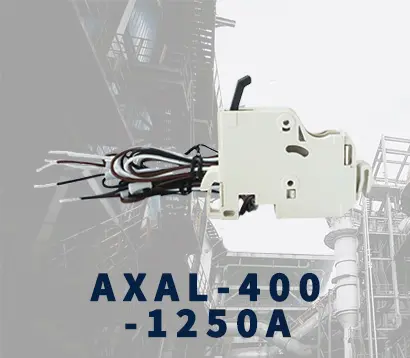 AXAL-400-1250A
 AL-400-1250
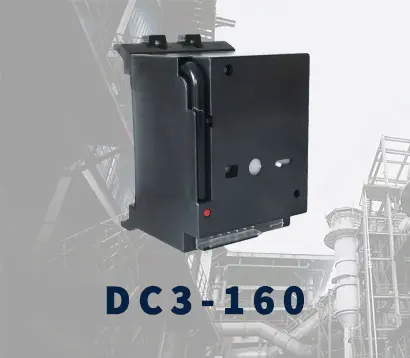 DC3-160
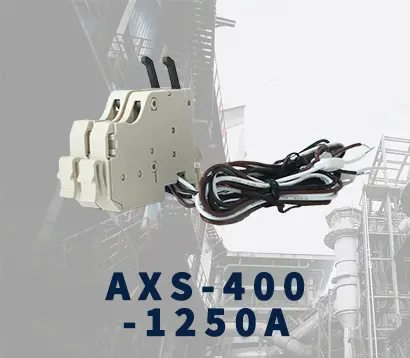 AXS-400-1250A
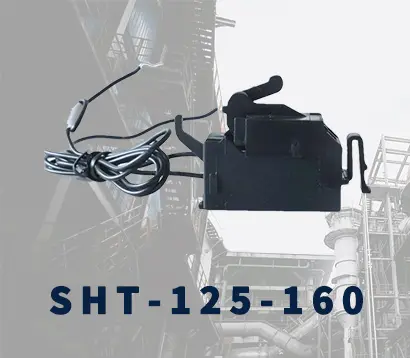 SHT-125-160
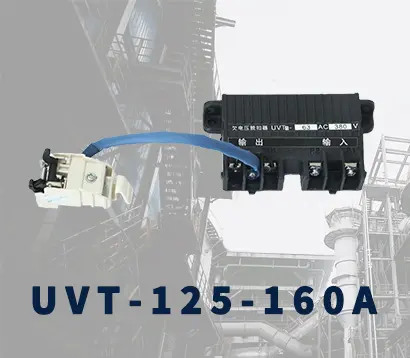 UVT-125-160A
 P-250A-3P-A
 400-3P/4P terminal cover
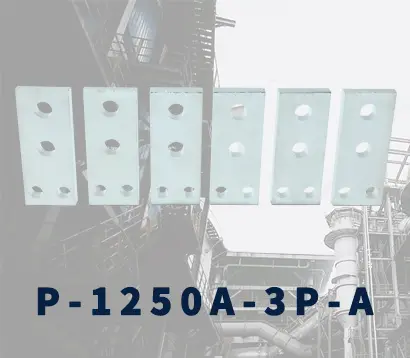 1250-3Pmccb accessories busbar
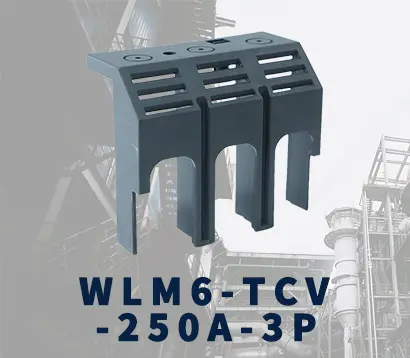 250-3P terminal conver
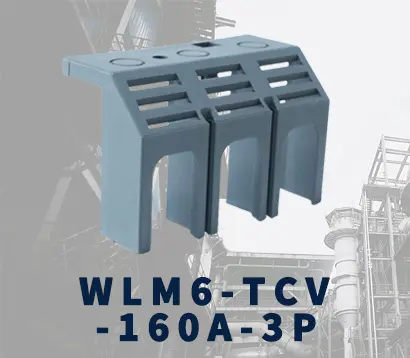 WLM6-TCV-160A-3P
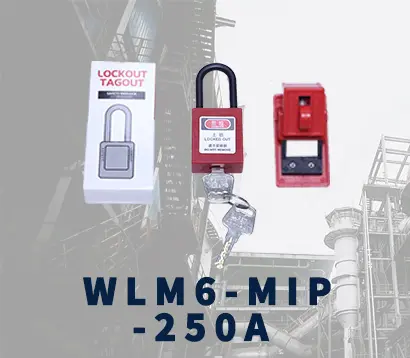 WLM6-MIP-250A
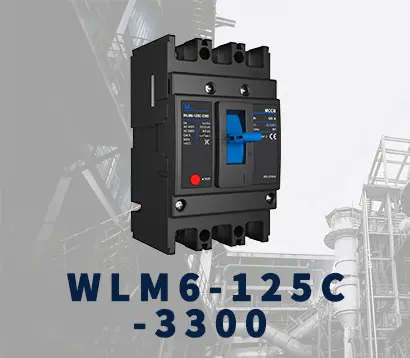 WLM6-125A-3300 3P/4P
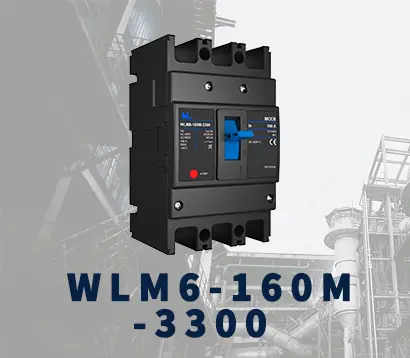 WLM6-160A-3300 3P/4P
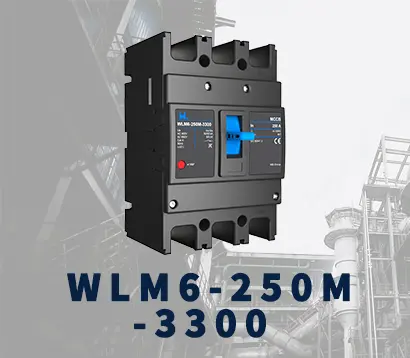 WLM6-250A-3300 3P/4P
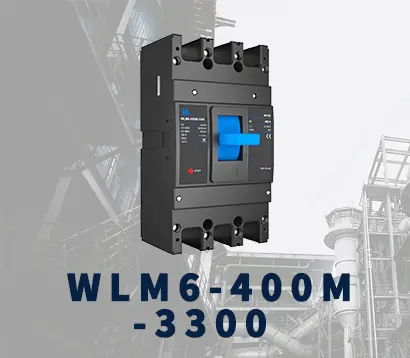 WLM6-400A-3300 3P/4P
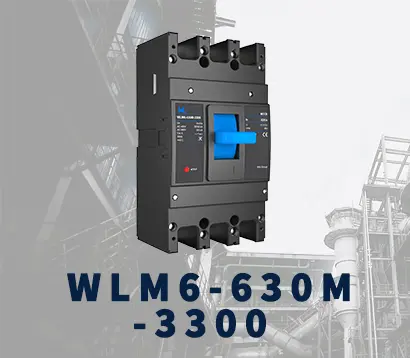 WLM6-630A-3300 3P/4P
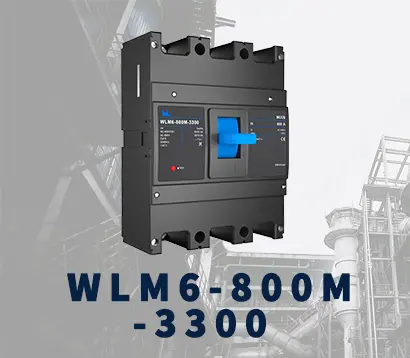 WLM6-800A-3300 3P/4P
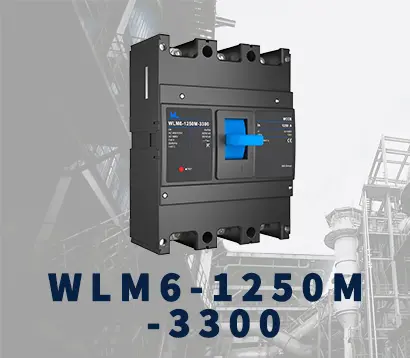 WLM6-1250A-3300 3P/4P
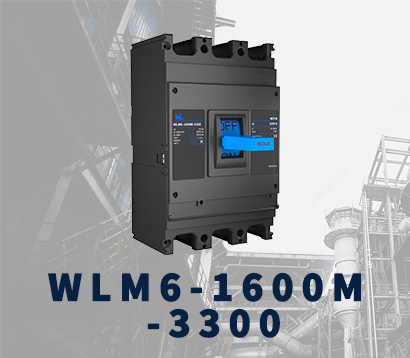 WLM6-1600A-3300 3P/4P
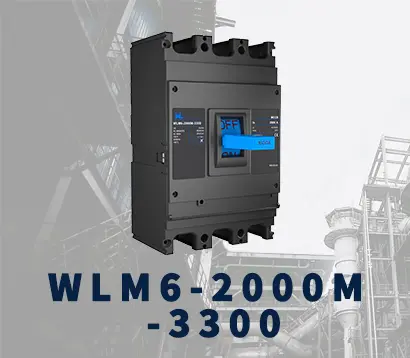 WLM6-2000A 3P/4P
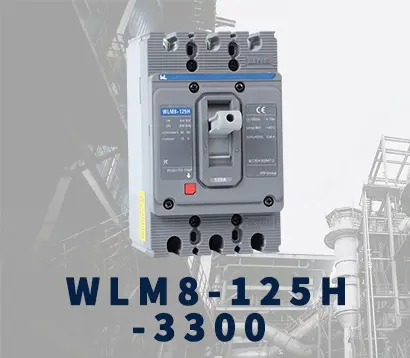 WLM8-125H-3300
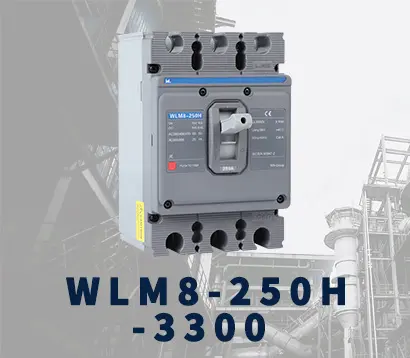 WLM8-250H-3300
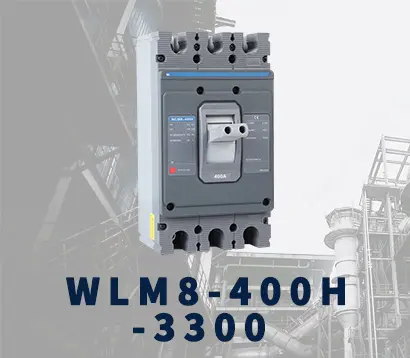 WLM8-400H-3300
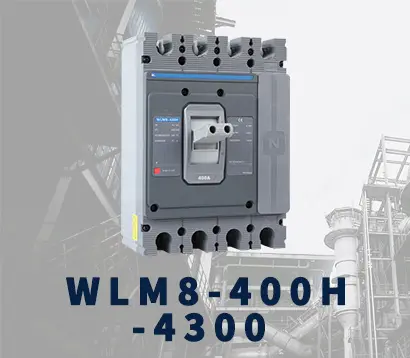 WLM8-400H-4300
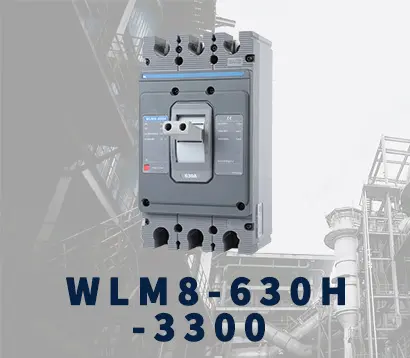 WLM8-630H-3300
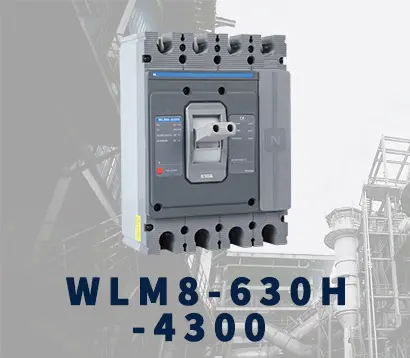 WLM8-630H-4300
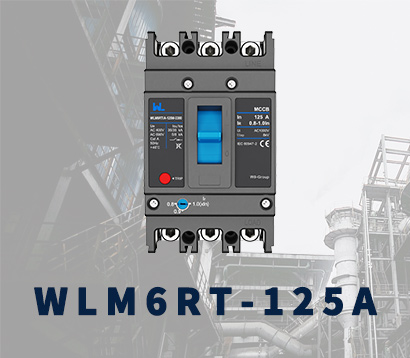 WLM6RT-125A
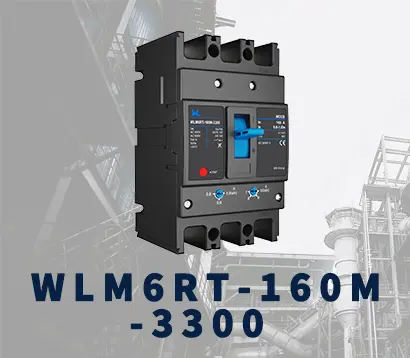 WLM6RT-160A
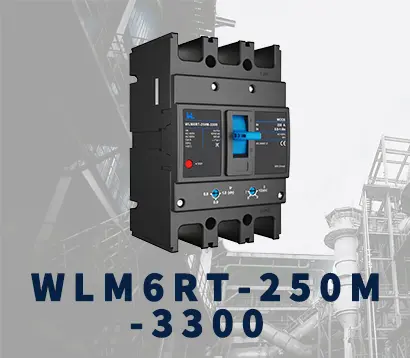 WLM6RT-250A
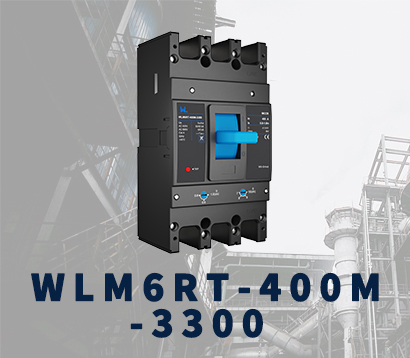 WLM6RT-400A
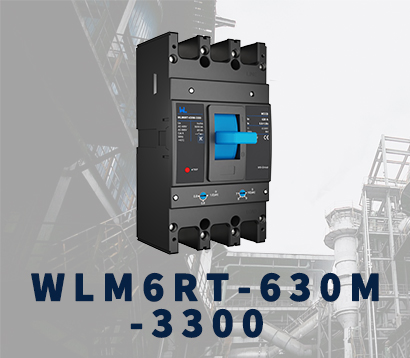 WLM6RT-630A
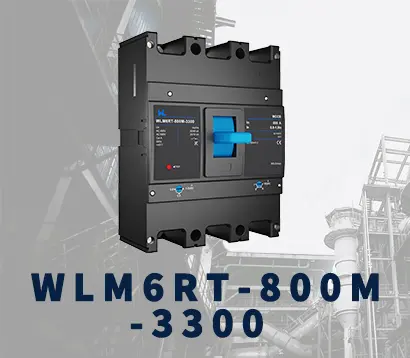 WLM6RT-800A
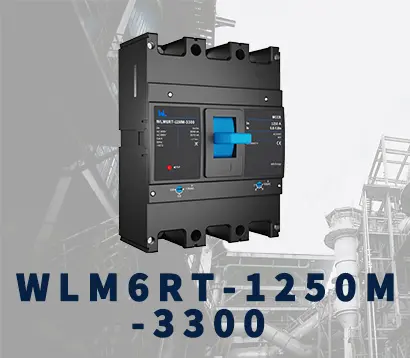 WLM6RT-1250A
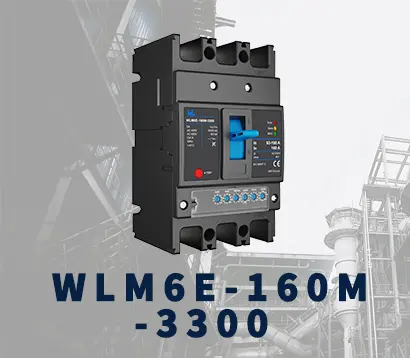 WLM6E-160A-3300 3P
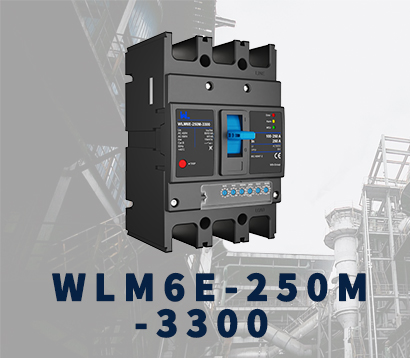 WLM6E-250A-3300
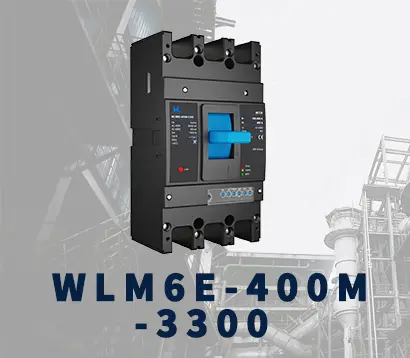 WLM6E-400A-3300 3P/4P
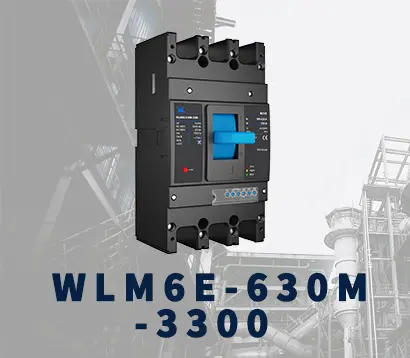 WLM6E-630A-3300
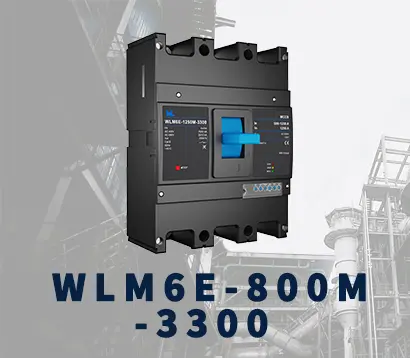 WLM6E-800A-3300 3P/4P
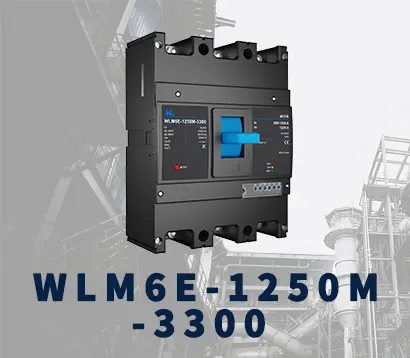 WLM6E-1250A-3300
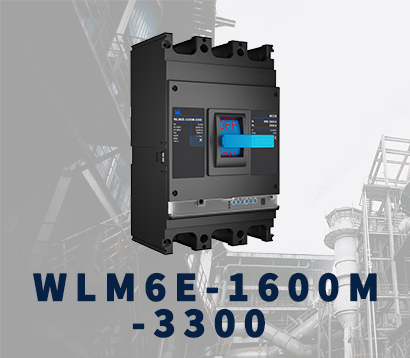 WLM6E-1600-3300 3P/4P
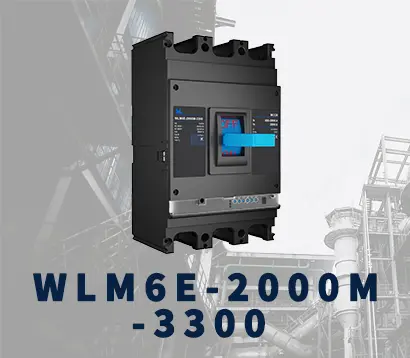 WLM6E-2000A-3300 3P/4P
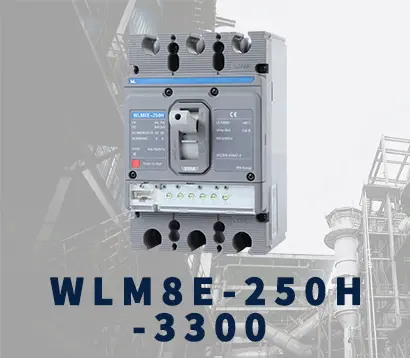 WLM8E-250H-3300
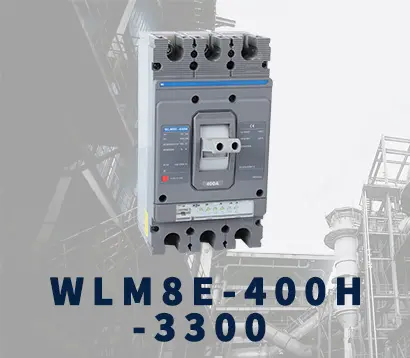 WLM8E-400H-3300
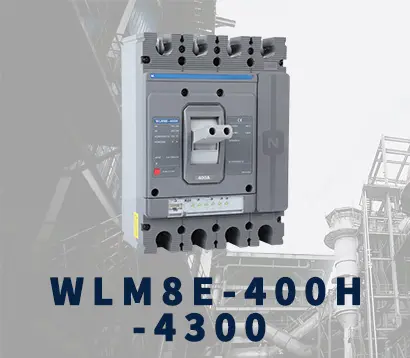 WLM8E-400H-4300
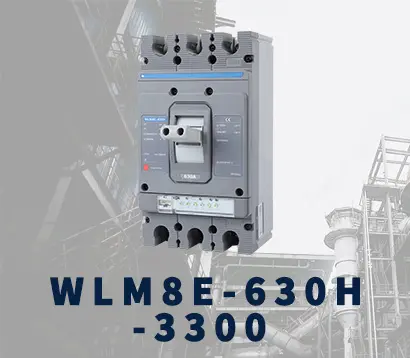 WLM8E-630H-3300
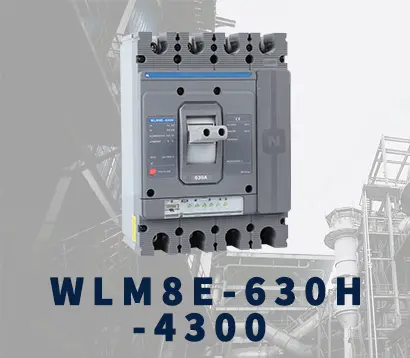 WLM8E-630H-4300
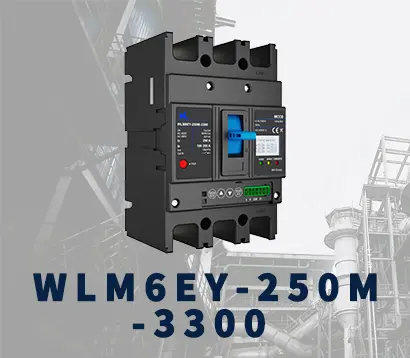 WLM6EY-250-3300 3P/4P
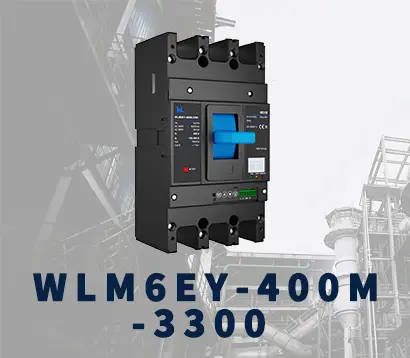 WLM6EY-400 3P/4P
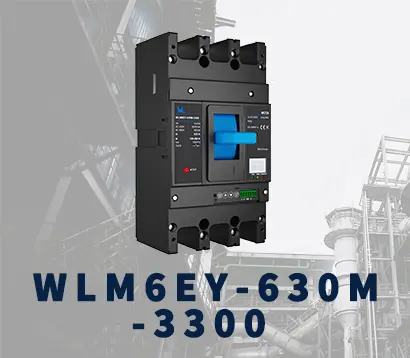 WLM6EY-630 3P/4P
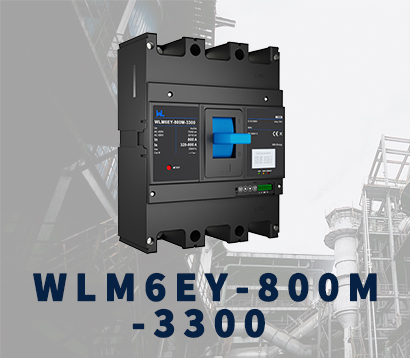 WLM6EY-800A 3P/4P
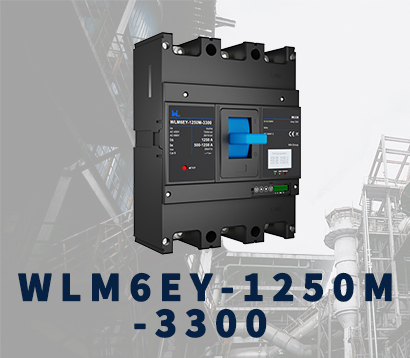 WLM6EY-1250A 3P/4P
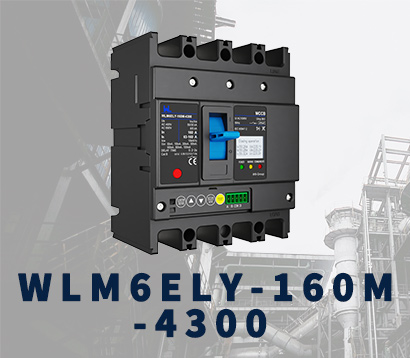 WLM6ELY-160A
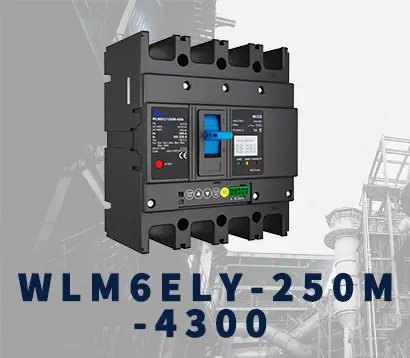 WLM6ELY-250A
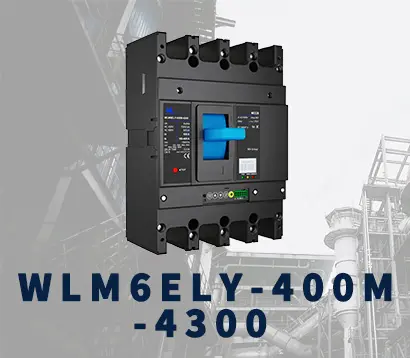 WLM6ELY-400A
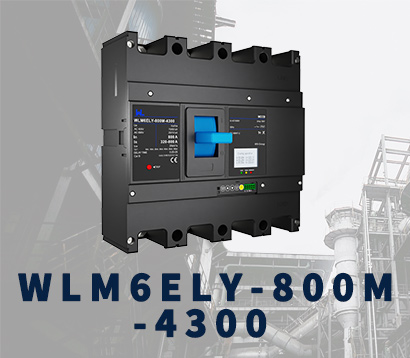 WLM6ELY-800A
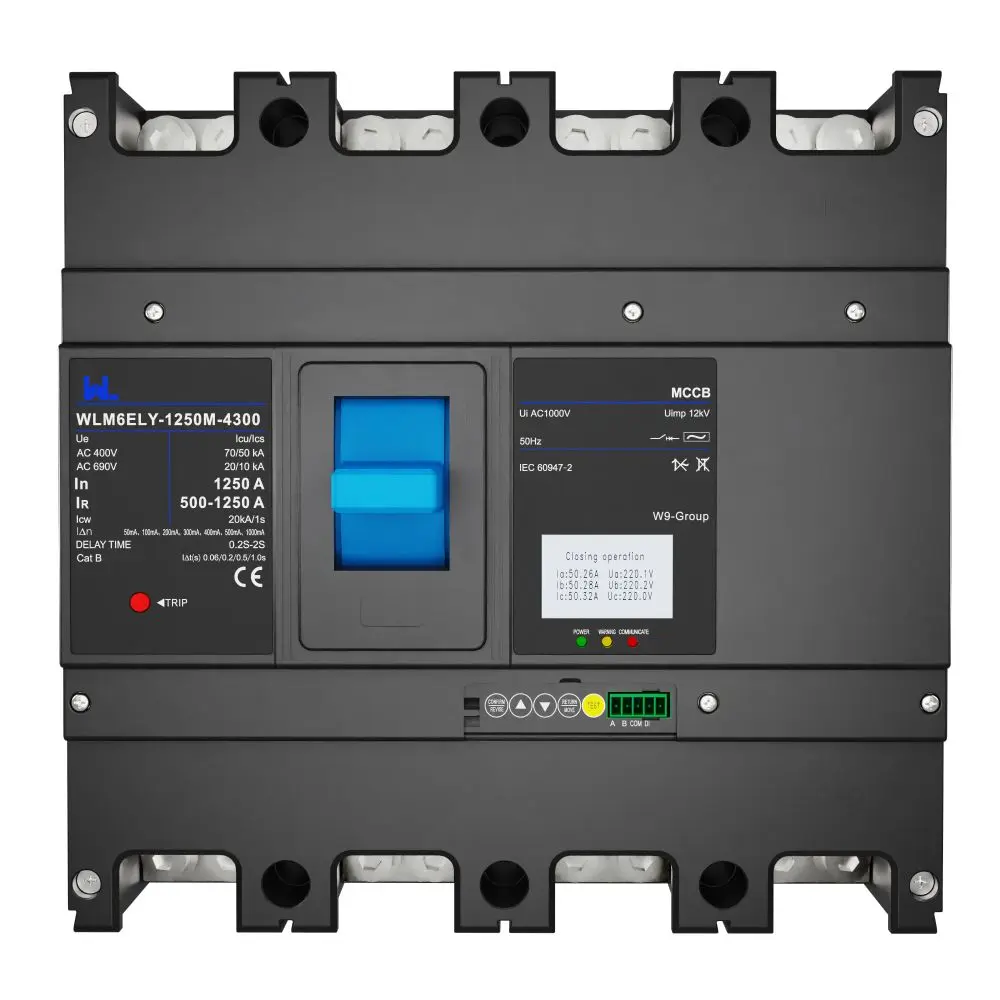 WLM6ELY-1250A
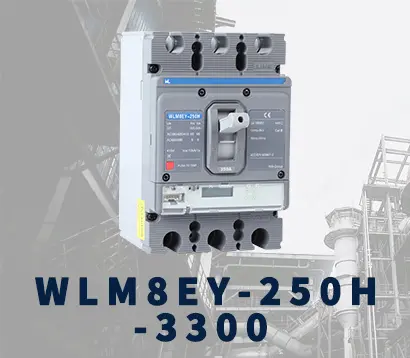 WLM8EY-250H-3300
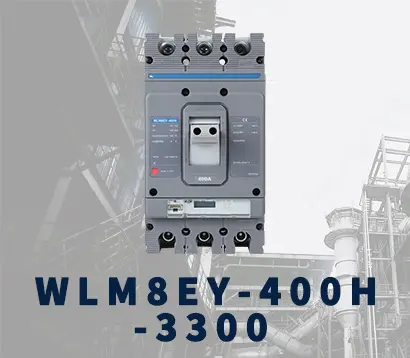 WLM8EY-400H-3300
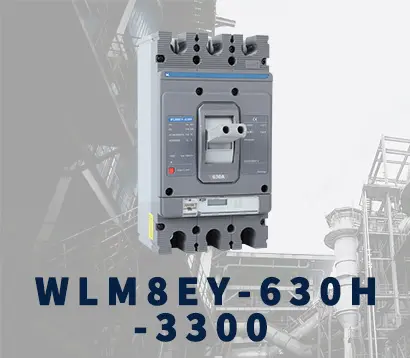 WLM8EY-630H-3300
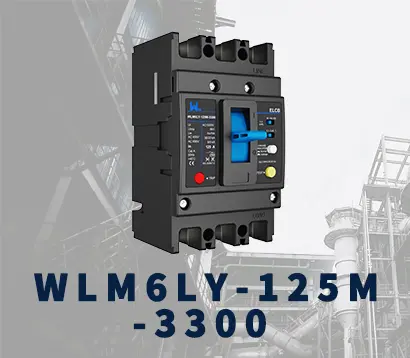 WLM6LY-125A
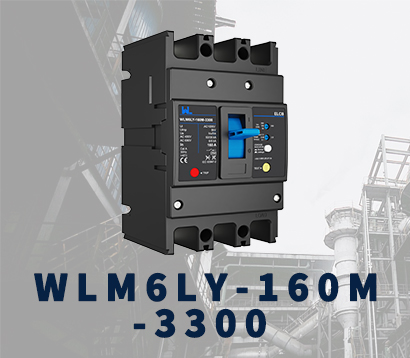 WLM6L-160A
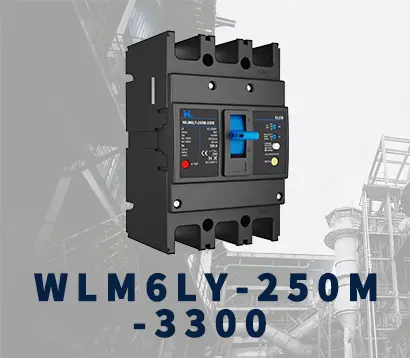 WLM6LY-250A
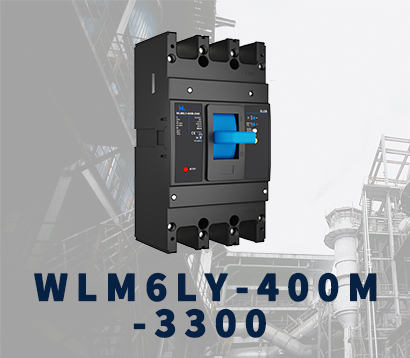 WLM6LY-400A
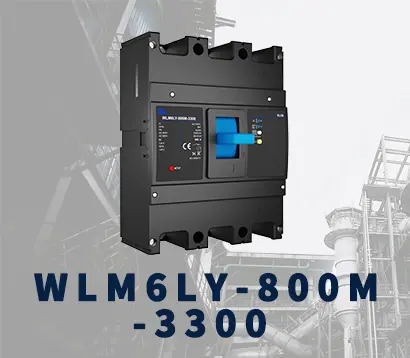 WLM6LY-800A
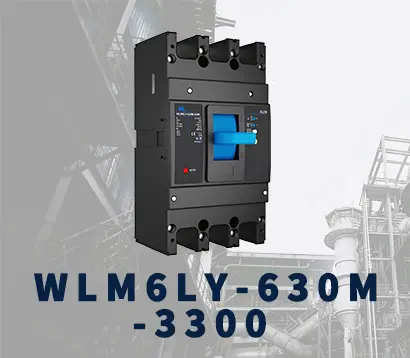 WLM6LY-630A
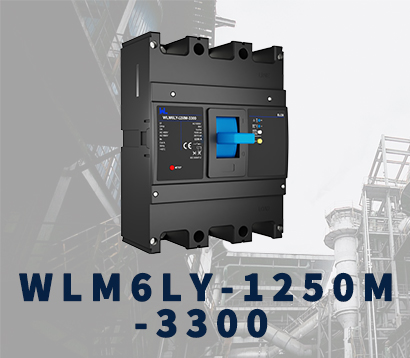 WLM6LY-1250A
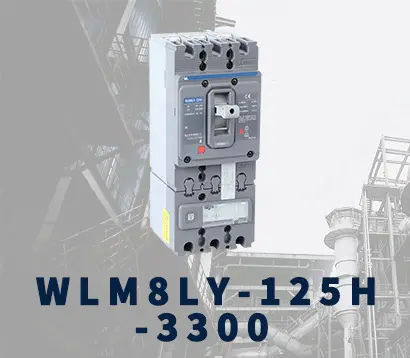 WLM8LY-125H-3300
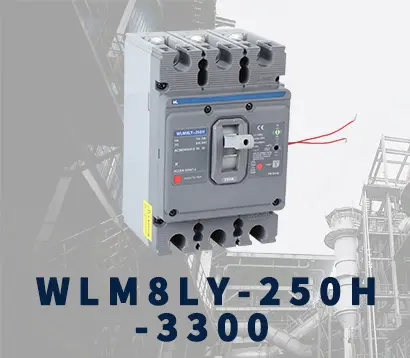 WLM8LY-250H-3300
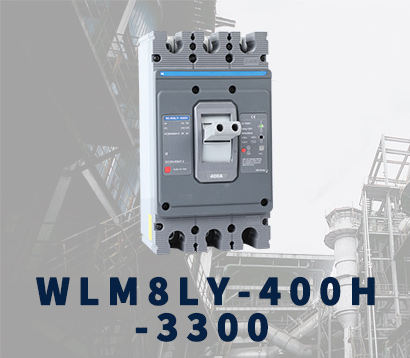 WLM8LY-400H-3300
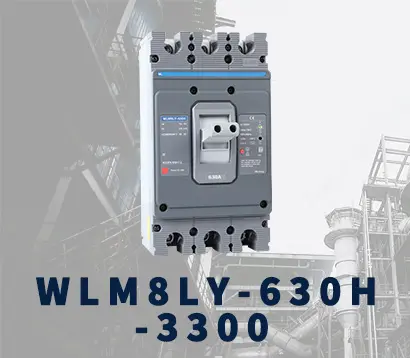 WLM8LY-630H-3300
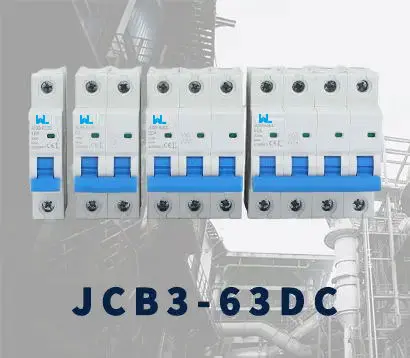 JCB3-63DC
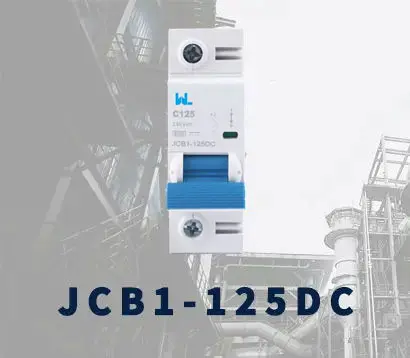 JCB1-125DC
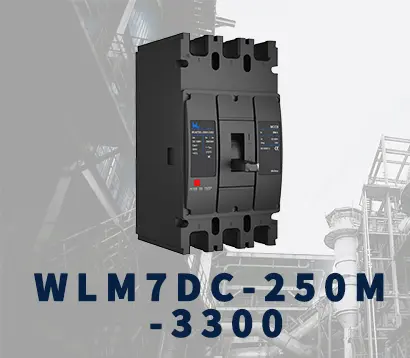 WLM7DC-250A-2300 2P/3P
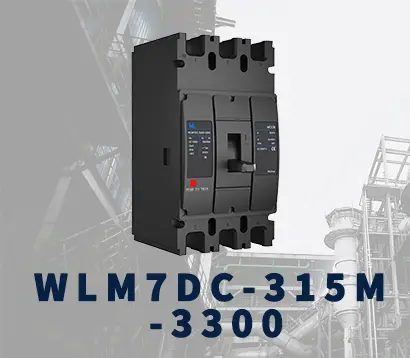 WLM7DC-315A-3300 2P/3P
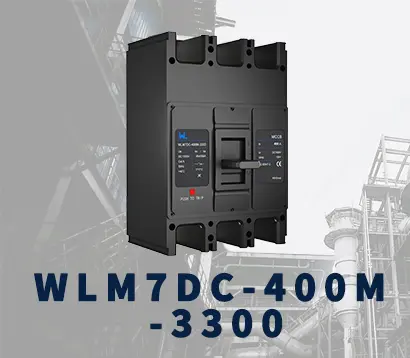 WLM7DC-400A-2300 2P/3P
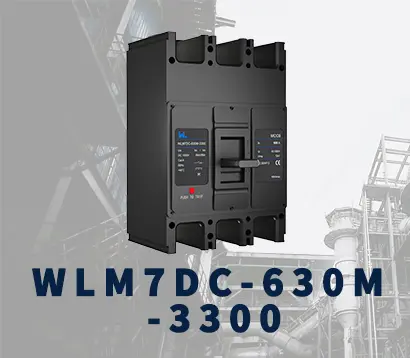 WLM7DC-630A-3300 3P
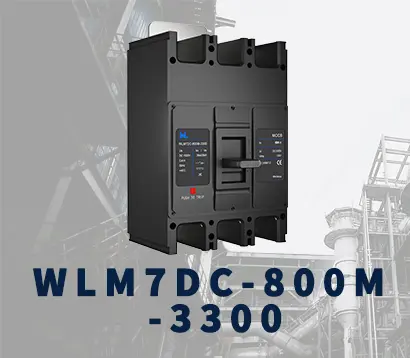 WLM7DC-800A-2300 2P/3P
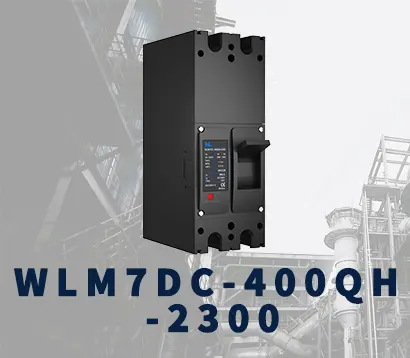 WLM7DC-400A 2300
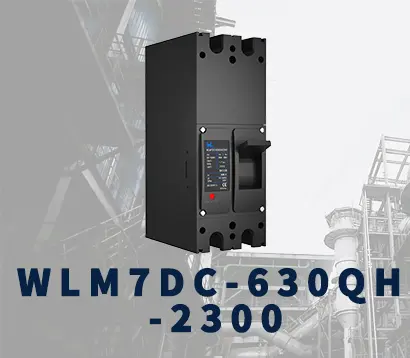 WLM7DC-630A-2300 2P
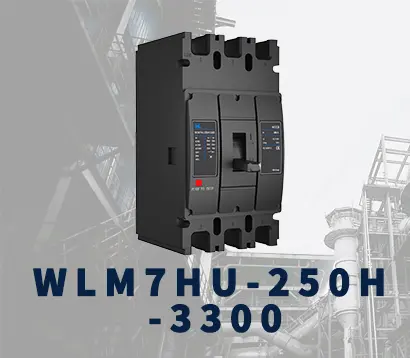 WLM7HU-250-3300 3P
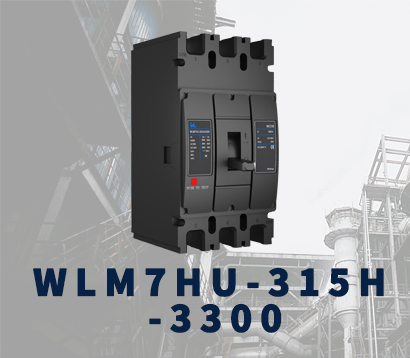 WLM7HU-315-3300 3P
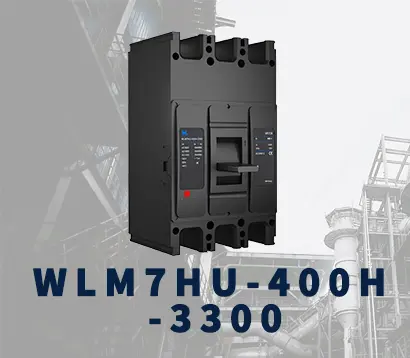 WLM7HU-400-3300 3P
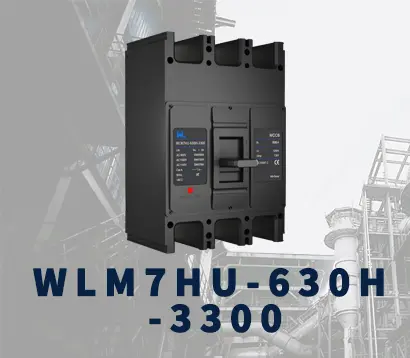 WLM7HU-630-3300 3P
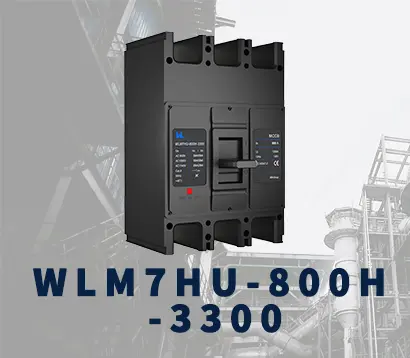 WLM7HU-800-3300 3P
 PV-1500V/250A
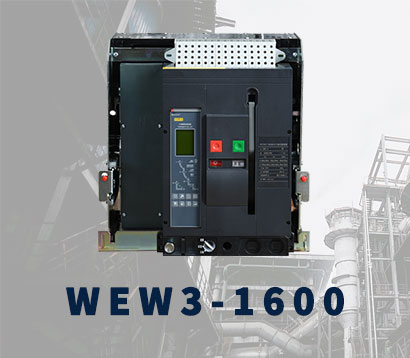 WEW3-1600
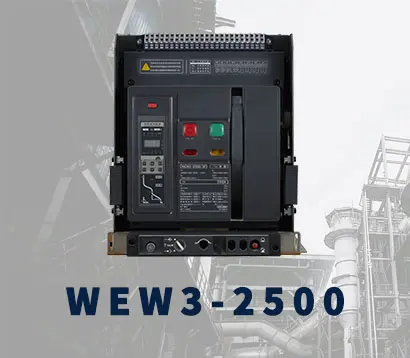 WEW3-2500
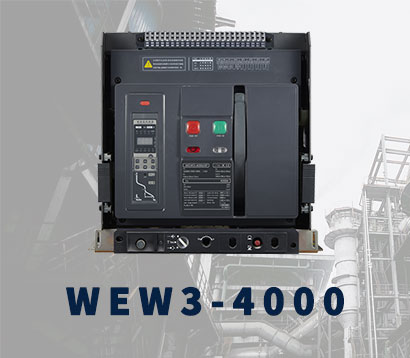 WEW3-4000
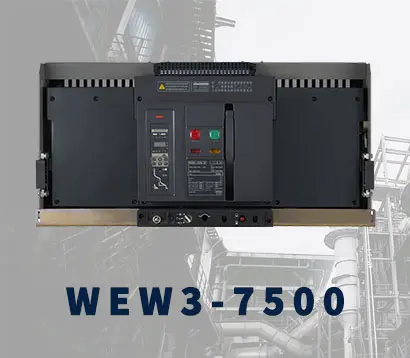 WEW3-7500