How to Choose the Right Electronic MCCB for Your Needs?
Choosing the right electronic MCCB (Molded Case Circuit Breaker) is essential for any electrical system. These devices protect circuits from overloads and short circuits. The right choice can prevent accidents and damage to equipment.
When selecting an electronic MCCB, consider the application's specific needs. Voltage ratings, current ratings, and trip characteristics all matter. Not all MCCBs are created equal; some offer advanced features that may suit specialized applications. It's worth reflecting on whether your current setup meets safety standards.
Think about the environment where the MCCB will be installed. Harsh conditions can affect performance. Confirming compatibility with existing systems is crucial. Avoid overlooking details like frame size and mounting options. The ideal electronic MCCB will balance performance and cost. However, making decisions based on price alone can be a mistake. Investing in quality leads to long-term reliability.
Understanding the Basics of Electronic MCCBs: Types and Functions
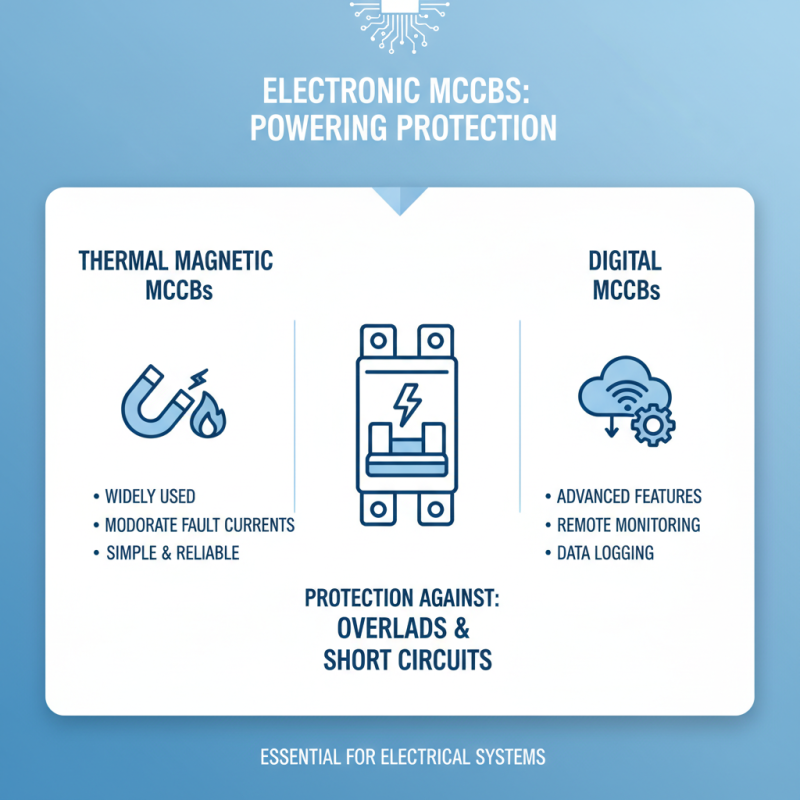
Electronic Molded Case Circuit Breakers (MCCBs) are crucial for electrical systems. They protect against overloads and short circuits. Understanding their types is essential. There are thermal magnetic MCCBs and digital MCCBs. Each serves a unique purpose. Thermal magnetic units are widely used. They can handle moderate fault currents effectively. Digital MCCBs, on the other hand, offer advanced features like remote monitoring.
Choosing the right type can be challenging. You need to consider your application's voltage, current, and specific protection requirements. Some installations may require precise settings for overload protection. Others might benefit from adjustable trip settings. The complexity of your system will influence your decision. Incorrect choices can lead to protection failures.
Installation and calibration also matter. Many users struggle with improper settings after installation. This can result in nuisance tripping or inadequate protection. Regular maintenance is key. Over time, characteristics may drift, impacting performance. A clear understanding of these basics will guide you in making informed decisions.
Key Performance Metrics for Selecting Electronic MCCBs: Ratings and Standards
Choosing the right electronic MCCB (Molded Case Circuit Breaker) requires careful consideration of specific performance metrics. Ratings and standards play a crucial role in this process. Look into the current ratings. These ratings define how much current the MCCB can handle before it trips. It’s important to select one that aligns with your system's requirements. Pay attention to the interrupting capacity too. This indicates how much short-circuit current the MCCB can safely interrupt.
Another essential metric is the environmental rating. Factors like moisture, temperature, and dust can affect function. MCCBs come with different protective features. For instance, some have more robust housings. Others may offer temperature compensation. Think about where the breaker will be installed. If the conditions are tough, consider a higher environmental rating.
When evaluating standards, compliance is key. Look for documents that detail testing procedures. UL and IEC standards provide benchmarks for safety and performance. However, not all MCCBs meet these standards. It’s crucial to check the certifications. The failure to do so can lead to unexpected issues. Each situation is unique, so reflect on your needs. Evaluate if standard features meet your particular application and environment.
Evaluating Application-Specific Requirements for Electronic MCCBs
Choosing the right electronic MCCB requires a deep understanding of your specific application. Consider the voltage and current ratings suitable for your equipment. Each application has unique demands that can greatly influence performance. Excessive surges or inadequate ratings can lead to failures. Think about the nature of your load. Is it resistive or inductive? This distinction matters greatly for MCCB selection.
Environmental factors also play a crucial role in your decision. Humidity, temperature, and dust can affect the operation. Outdoor applications may need robust designs for harsh conditions. Pay attention to protection features as well. Short-circuit protection is vital, but how often do you assess its relevance? Reflect on the potential impact of overcurrent and ground faults.
Installation and maintenance should not be overlooked. Choose designs that allow ease of access for a technician. Complex installations often lead to errors. Sometimes, less complex solutions work best. After every assessment, gather feedback for future enhancements. A small oversight can lead to significant issues later on.
Cost-Benefit Analysis: Investment vs. Long-Term Reliability of MCCBs
When selecting an electronic MCCB, cost and reliability are critical concerns. Initial investment can vary widely based on features and specifications. A cheaper option may save money upfront. However, it could lead to higher long-term costs if it fails frequently. Frequent replacements can add up. This is where a cost-benefit analysis becomes significant.
Long-term reliability often outweighs the initial lower cost. Investing in a well-built MCCB ensures peace of mind during operation. A durable product minimizes downtime and maintenance costs. On the other hand, a cheap choice may lead to unexpected failures. These failures can disrupt operations and lead to substantial losses. The hidden costs of installation and downtime must not be ignored.
It’s crucial to reflect on these long-term implications. Choosing an MCCB is not just about the price tag. It’s also about ensuring safety and efficiency. Sometimes, the more economical option today becomes a costly mistake tomorrow. Balancing upfront costs with reliability is essential. Investing wisely requires thorough evaluation. After all, this decision impacts the entire electrical system’s performance.
Industry Trends: Innovations in Electronic MCCB Technology and Features
In recent years, electronic molded case circuit breakers (MCCBs) have undergone significant technological advancements. Innovations now focus on enhancing safety, efficiency, and functionality. Features like digital monitoring systems allow for real-time data analysis. This offers insights into energy consumption patterns. Users can make informed decisions based on this information.
Tips: Always consider your specific application when choosing an MCCB. A unit with adjustable settings might be beneficial for varied loads. Some options allow for quick resets after faults. This can save time and reduce downtime.
Another trend is the integration of IoT capabilities in MCCBs. These devices can communicate with each other and centralized systems. This communication helps in predictive maintenance. Users may find increased reliability in their electrical systems. Nonetheless, integrating these systems could pose challenges in terms of initial setup and training.
Investing in electronic MCCBs not only enhances operational efficiency but also minimizes risks associated with electrical faults. Examine the features closely. Understand what you need. This approach ensures you select the right breaker.

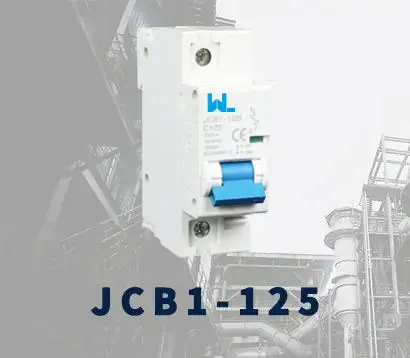 JCB1-125
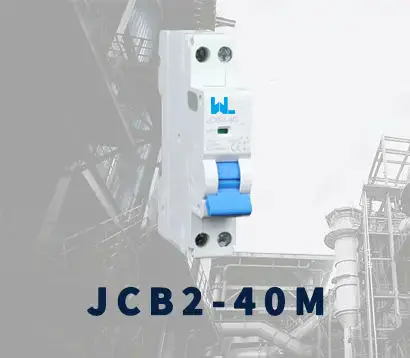 JCB2-40M
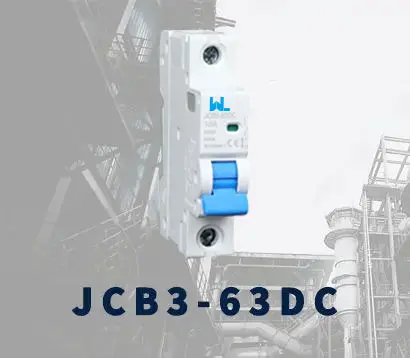 JCB3-63DC
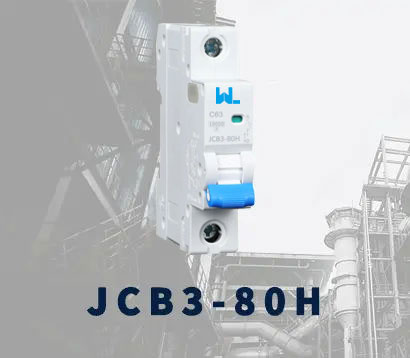 JCB3-80H
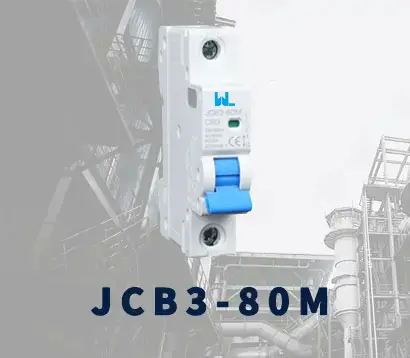 JCB3-80M
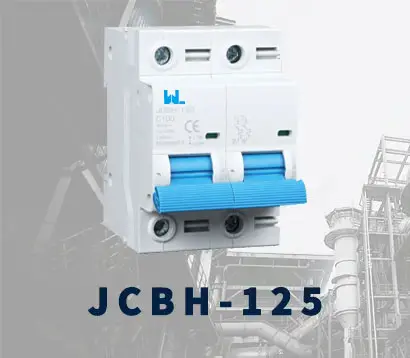 JCBH-125
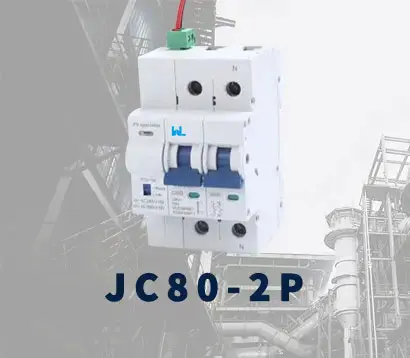 JC80-2P
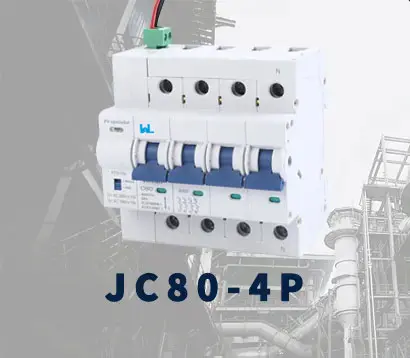 JC80-4P
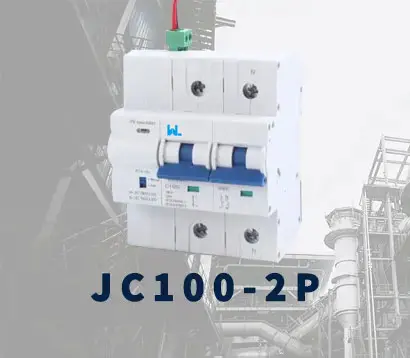 JC125-2P
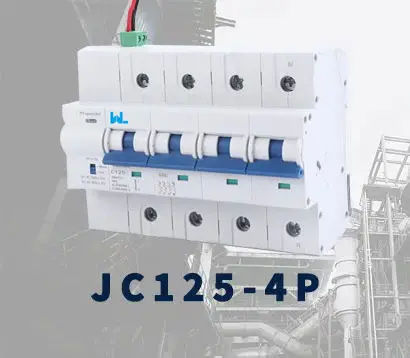 JC125-4P
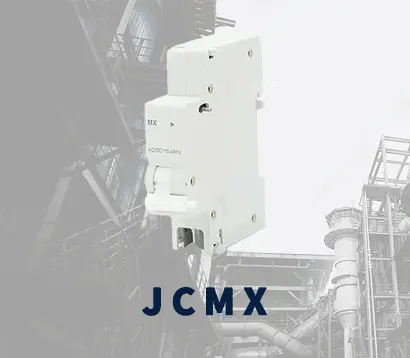 JCMX
JCMX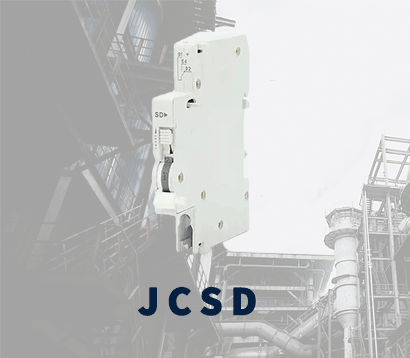 JCSD
JCSD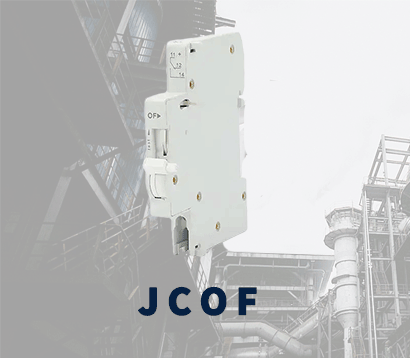 JCOF
JCOF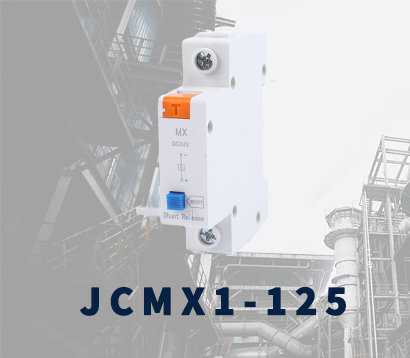 JCMX1-125
 JCOF1-125
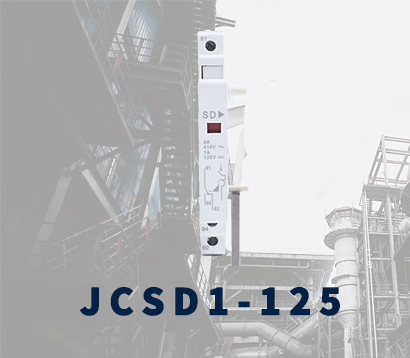 JCSD1-125
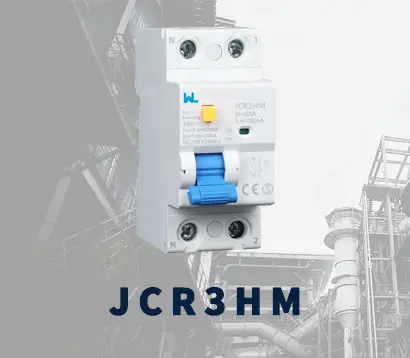 JCR3HM
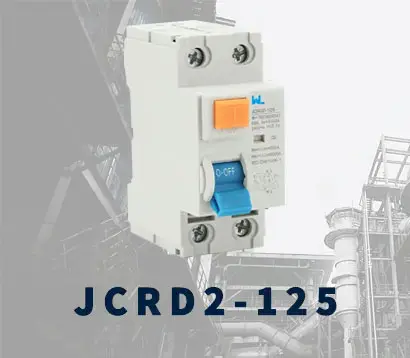 JCRD2-125
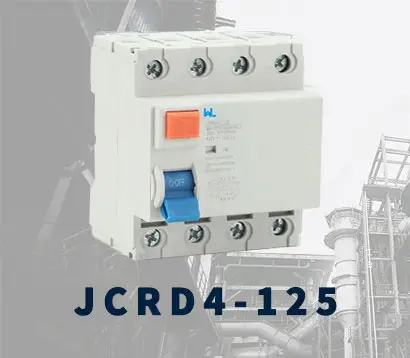 JCRD4-125
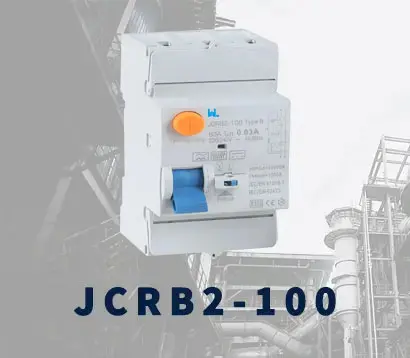 JCRB2-100
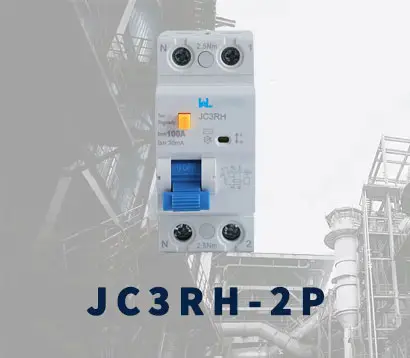 JC3RH-2P
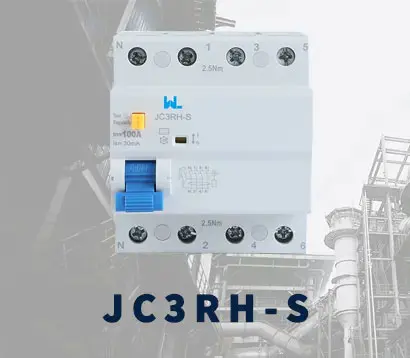 JC3RH-S
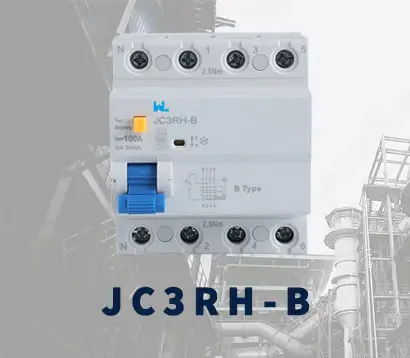 JC3RH-B
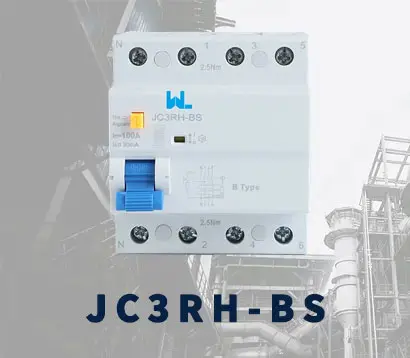 JC3RH-BS
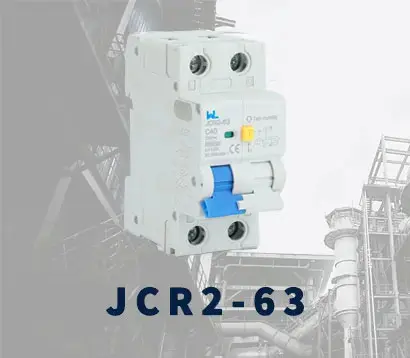 JCR2-63
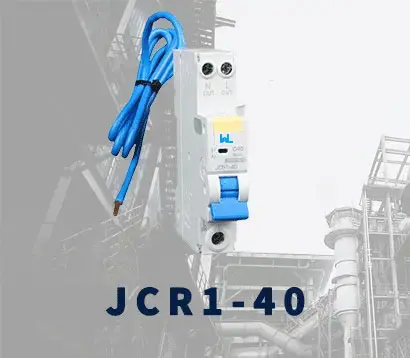 JCR1-40
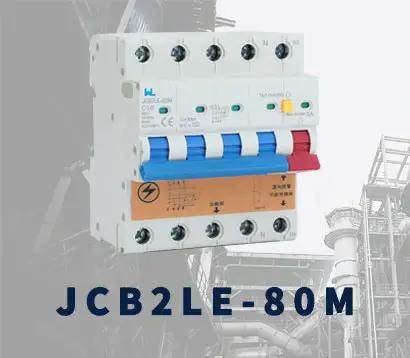 JCB2LE-80M
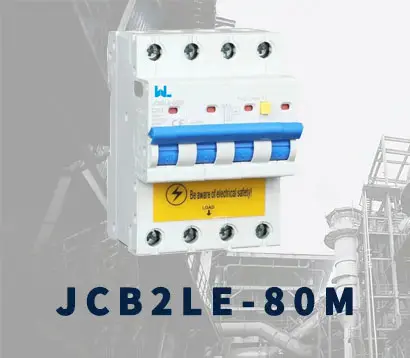 JCB2LE-80M
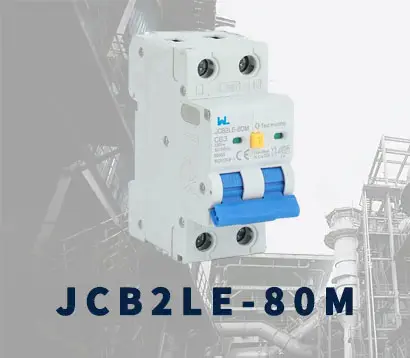 JCB2LE-80M
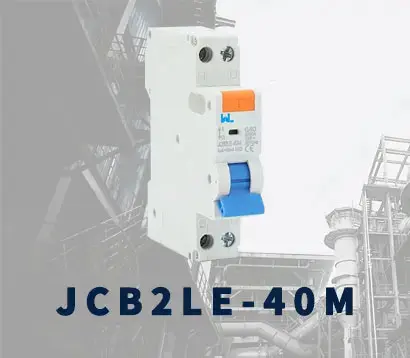 JCB2LE-40M
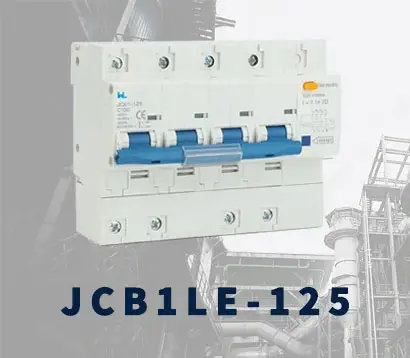 JCB1LE-125
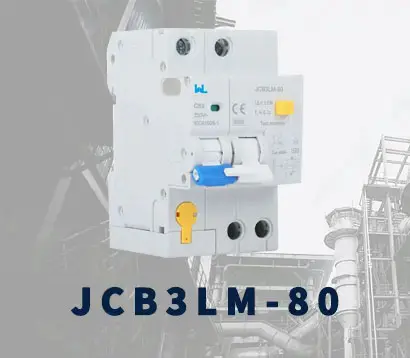 JCB3LM-80
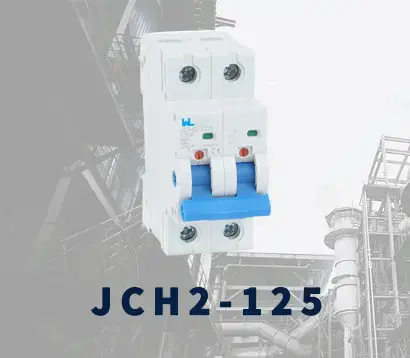 JCH2-125
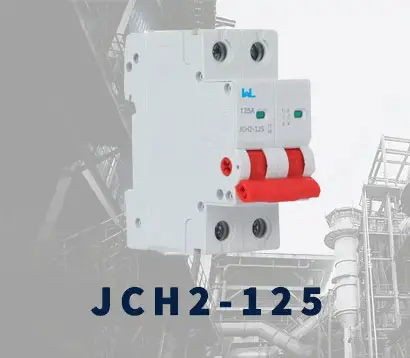 JCH2-125
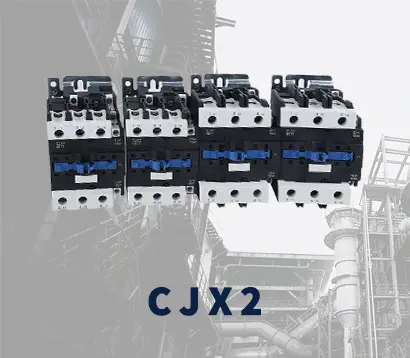 CJX2
CJX2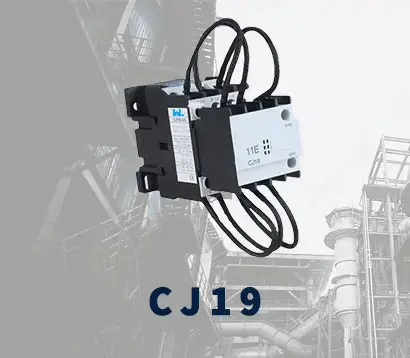 CJ19
CJ19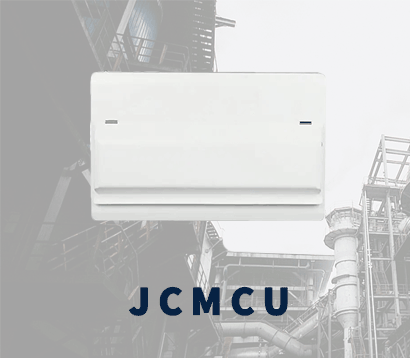 JCMCU
JCMCU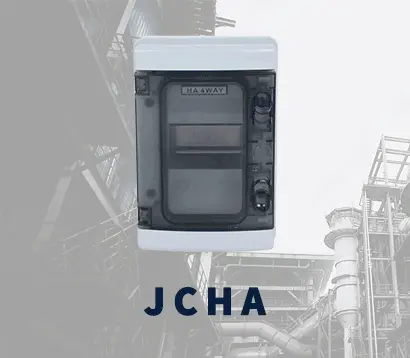 JCHA
JCHA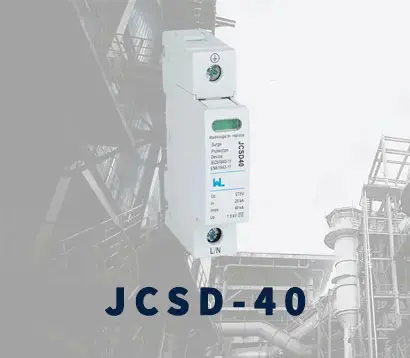 JCSD-40
 JCSD-60
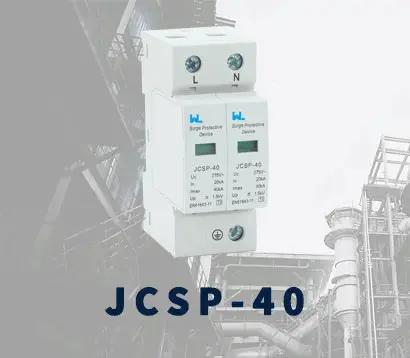 JCSP-40
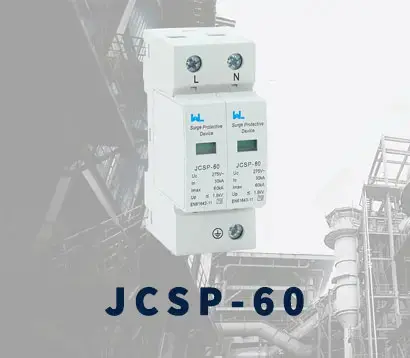 JCSP-60
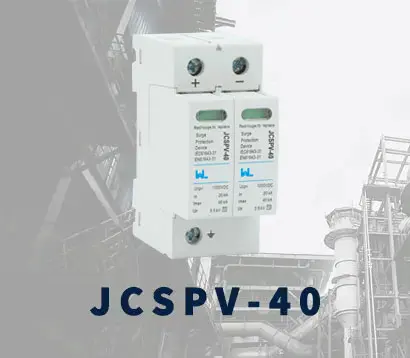 JCSPV
JCSPV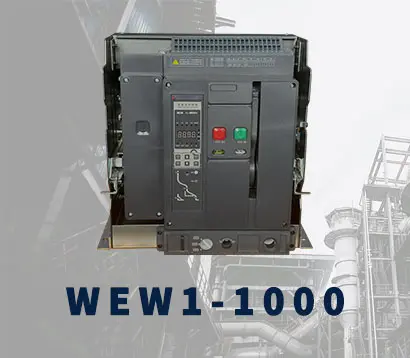 WEW1-1000
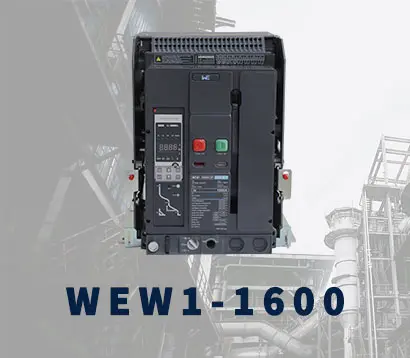 WEW1-1600
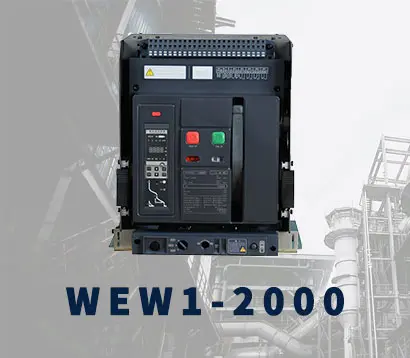 WEW1-2000
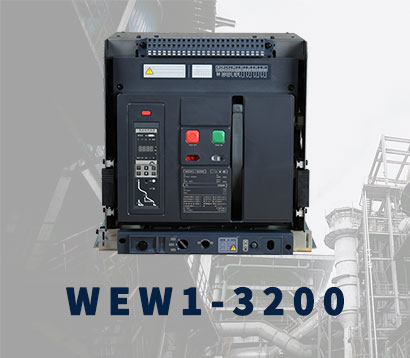 WEW1-3200
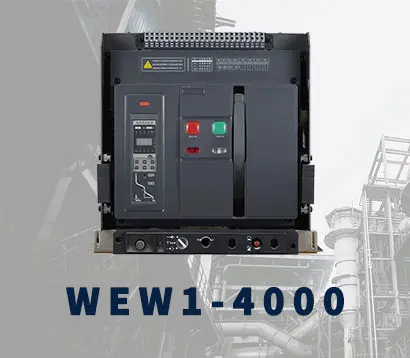 WEW1-4000
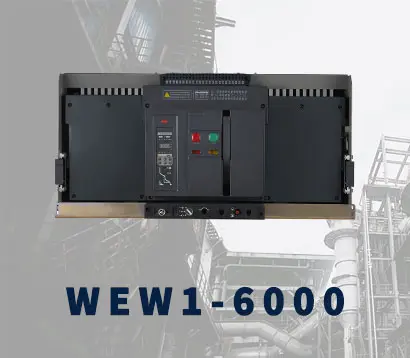 WEW1-6300
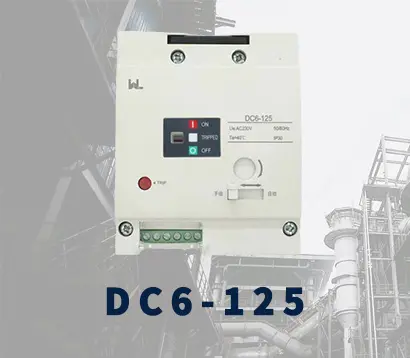 DC6-125
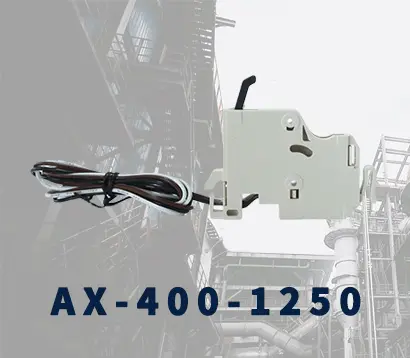 AX-400-1250
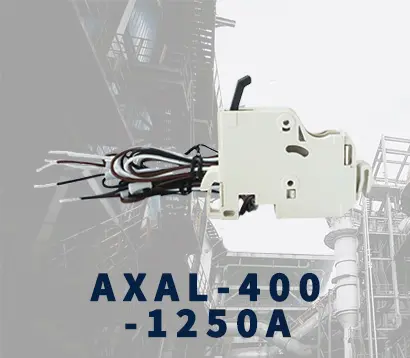 AXAL-400-1250A
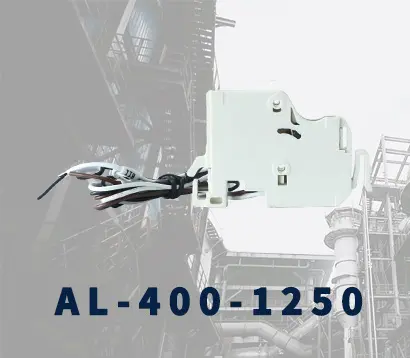 AL-400-1250
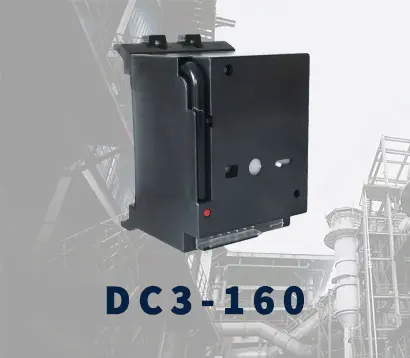 DC3-160
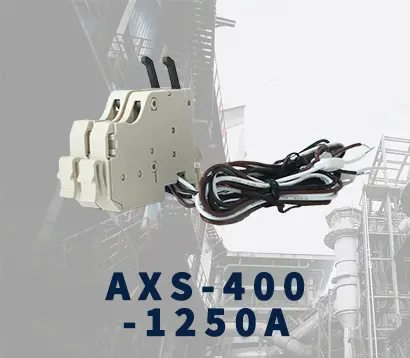 AXS-400-1250A
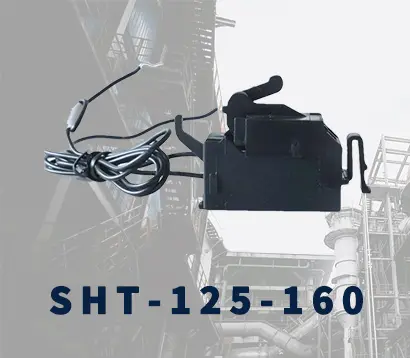 SHT-125-160
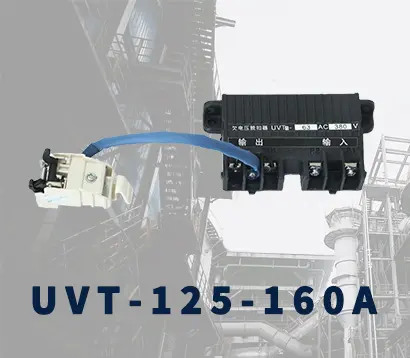 UVT-125-160A
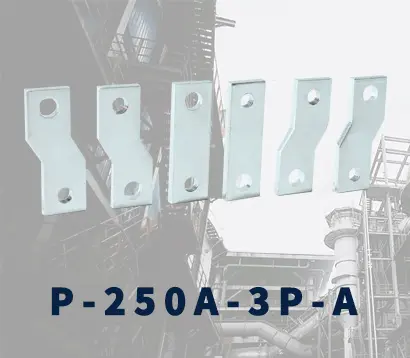 P-250A-3P-A
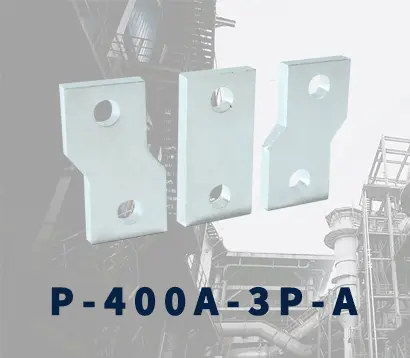 400-3P/4P terminal cover
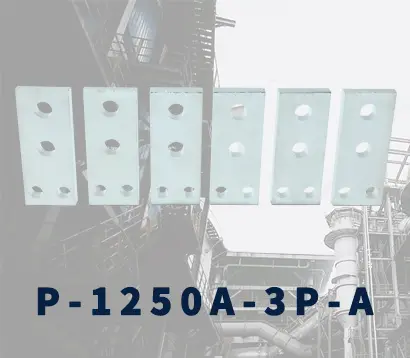 1250-3Pmccb accessories busbar
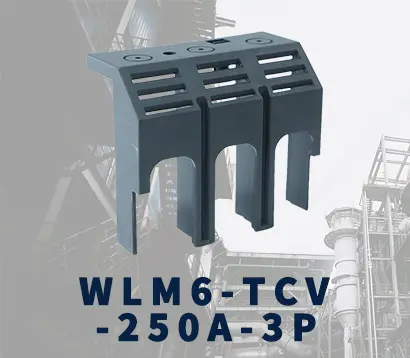 250-3P terminal conver
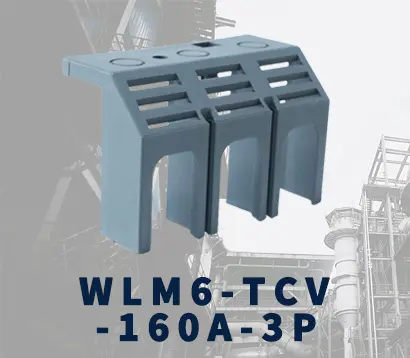 WLM6-TCV-160A-3P
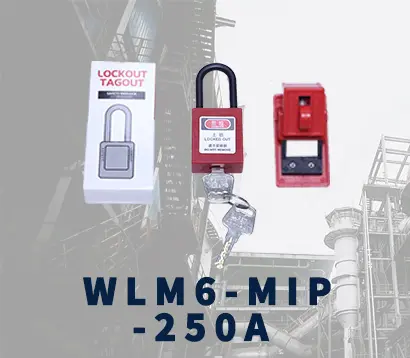 WLM6-MIP-250A
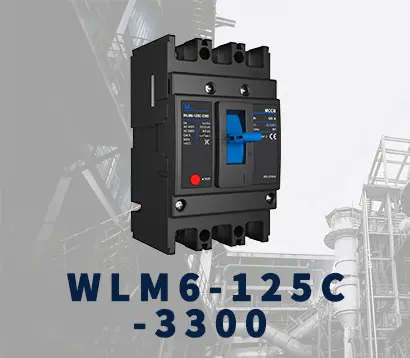 WLM6-125A-3300 3P/4P
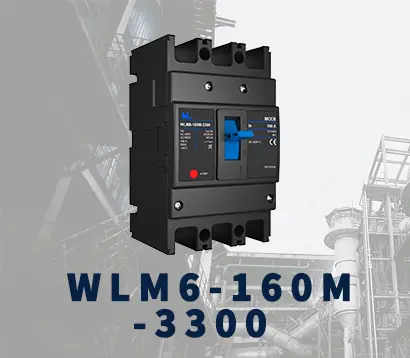 WLM6-160A-3300 3P/4P
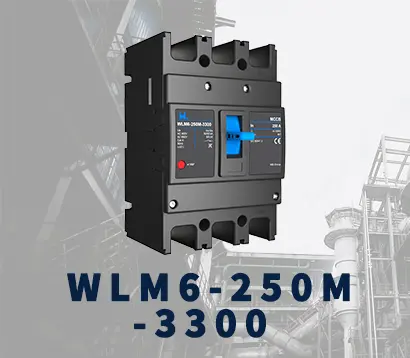 WLM6-250A-3300 3P/4P
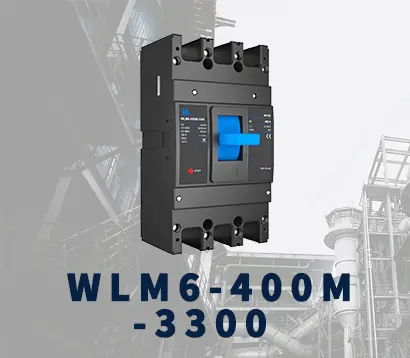 WLM6-400A-3300 3P/4P
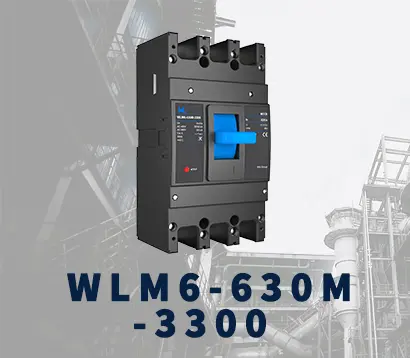 WLM6-630A-3300 3P/4P
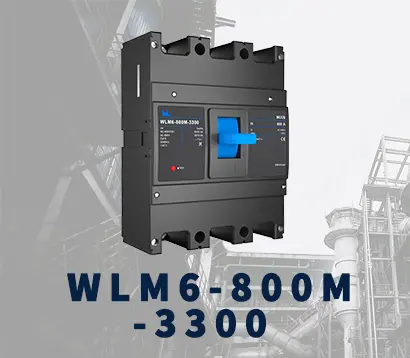 WLM6-800A-3300 3P/4P
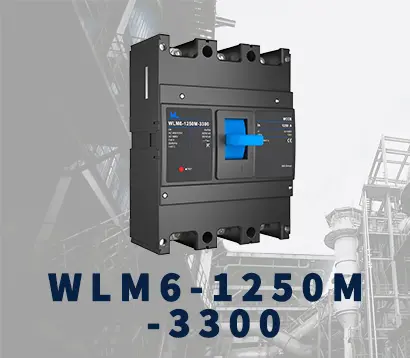 WLM6-1250A-3300 3P/4P
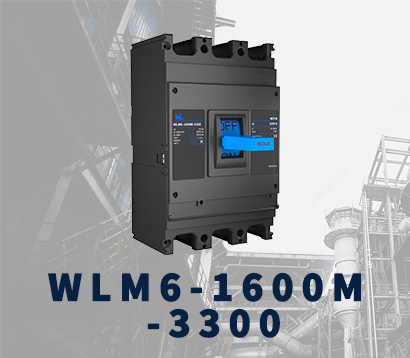 WLM6-1600A-3300 3P/4P
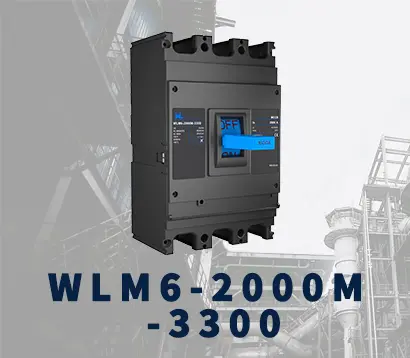 WLM6-2000A 3P/4P
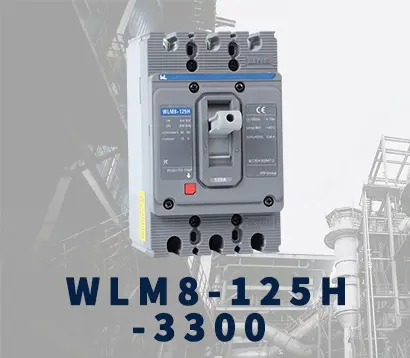 WLM8-125H-3300
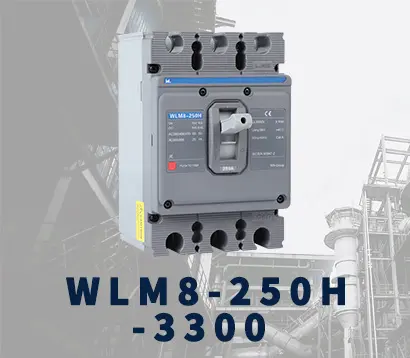 WLM8-250H-3300
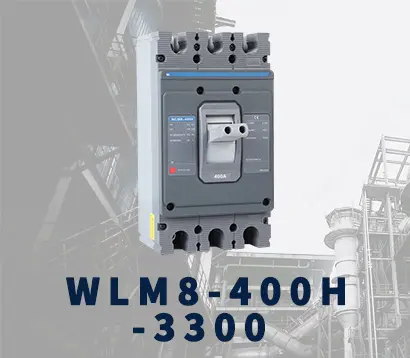 WLM8-400H-3300
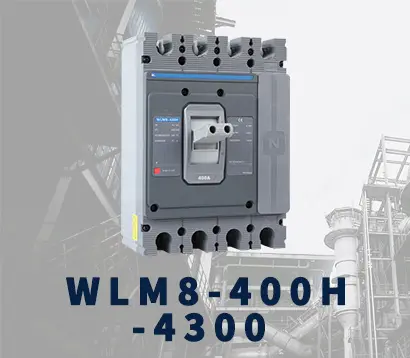 WLM8-400H-4300
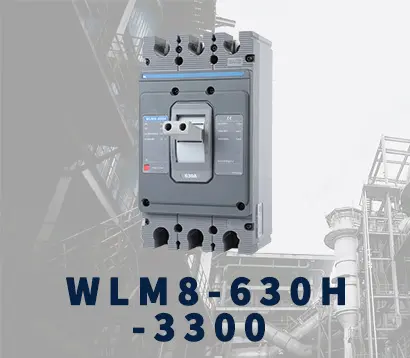 WLM8-630H-3300
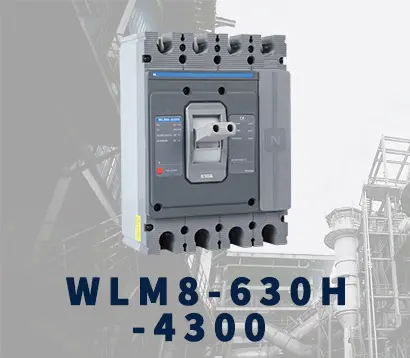 WLM8-630H-4300
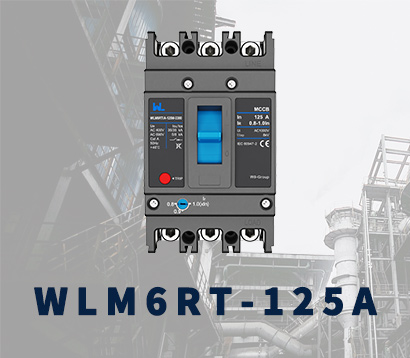 WLM6RT-125A
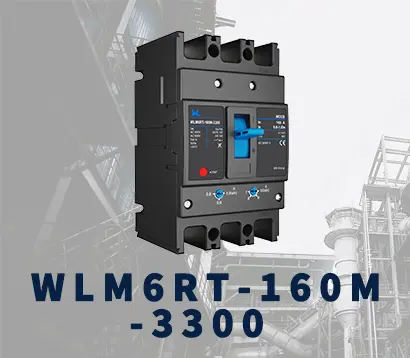 WLM6RT-160A
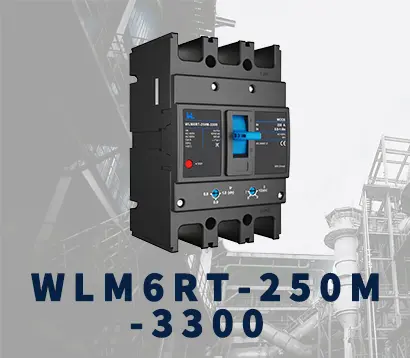 WLM6RT-250A
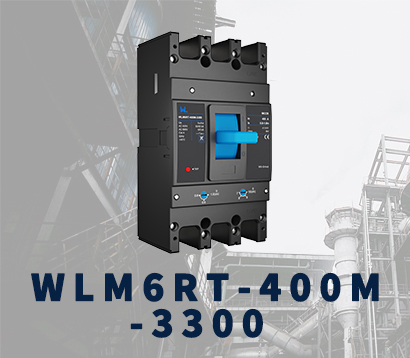 WLM6RT-400A
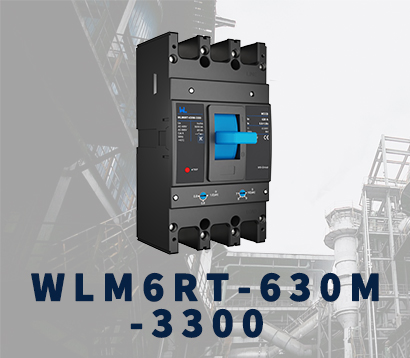 WLM6RT-630A
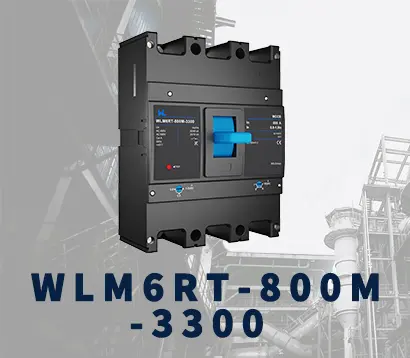 WLM6RT-800A
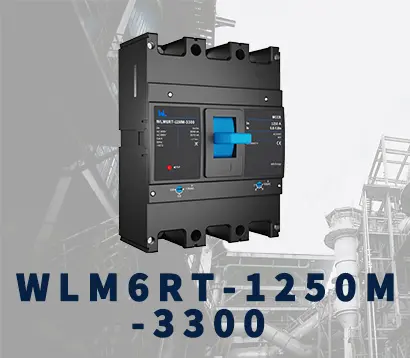 WLM6RT-1250A
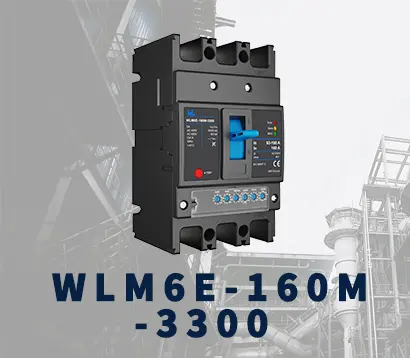 WLM6E-160A-3300 3P
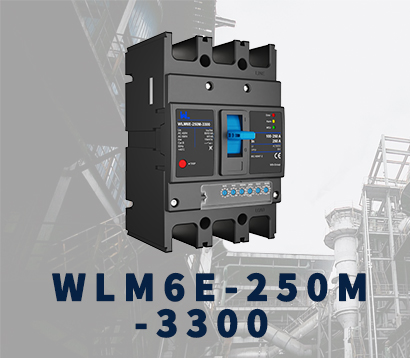 WLM6E-250A-3300
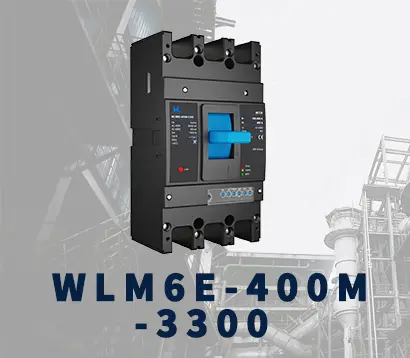 WLM6E-400A-3300 3P/4P
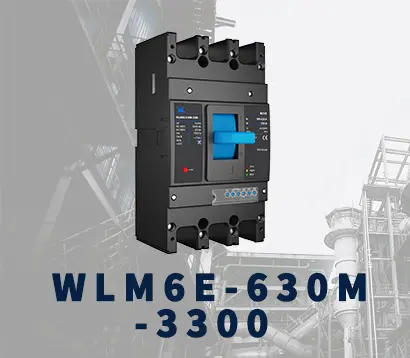 WLM6E-630A-3300
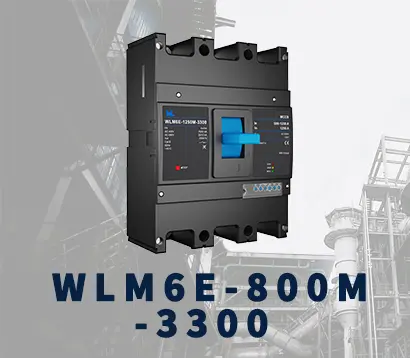 WLM6E-800A-3300 3P/4P
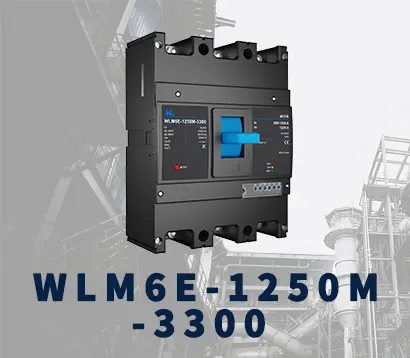 WLM6E-1250A-3300
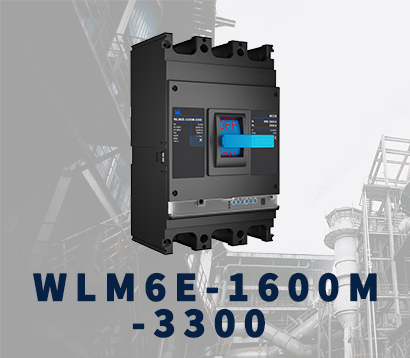 WLM6E-1600-3300 3P/4P
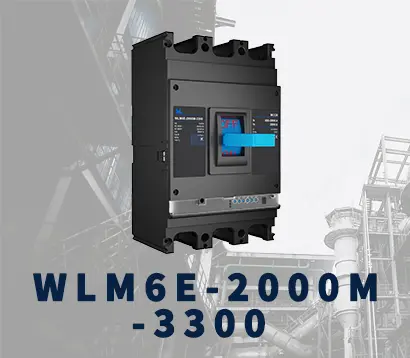 WLM6E-2000A-3300 3P/4P
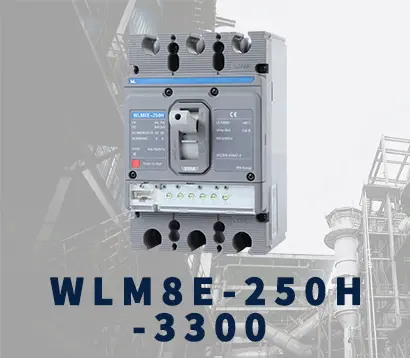 WLM8E-250H-3300
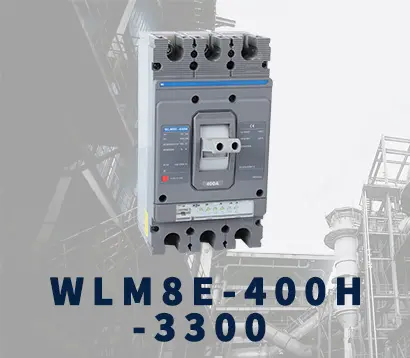 WLM8E-400H-3300
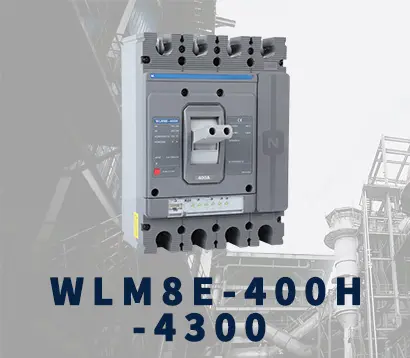 WLM8E-400H-4300
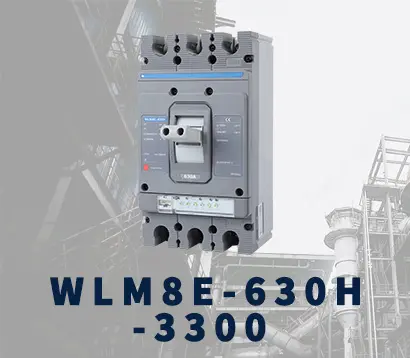 WLM8E-630H-3300
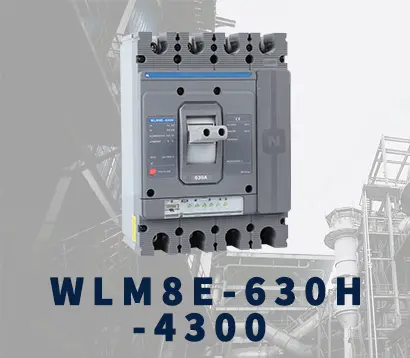 WLM8E-630H-4300
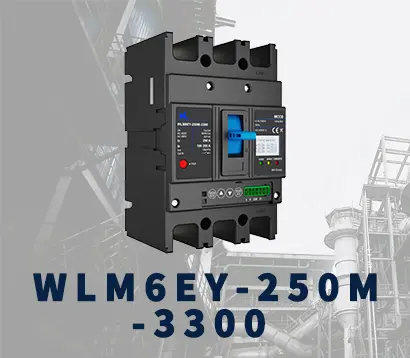 WLM6EY-250-3300 3P/4P
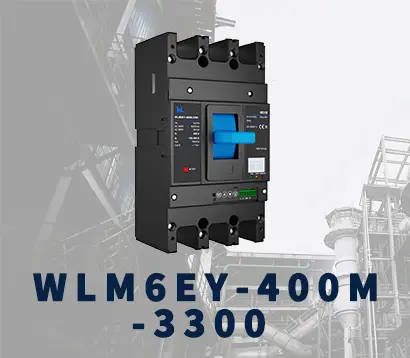 WLM6EY-400 3P/4P
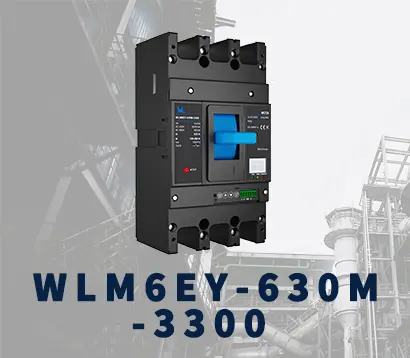 WLM6EY-630 3P/4P
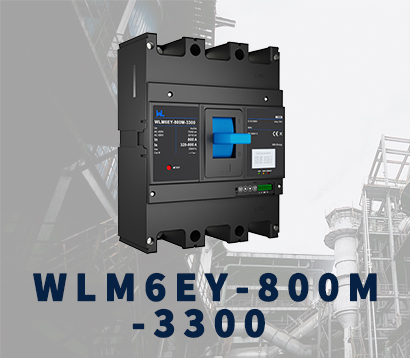 WLM6EY-800A 3P/4P
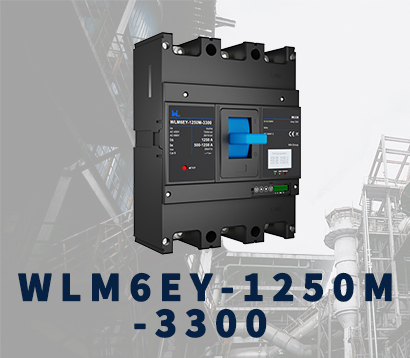 WLM6EY-1250A 3P/4P
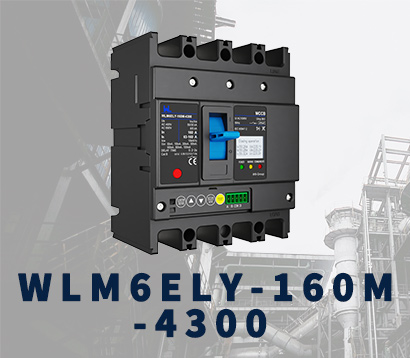 WLM6ELY-160A
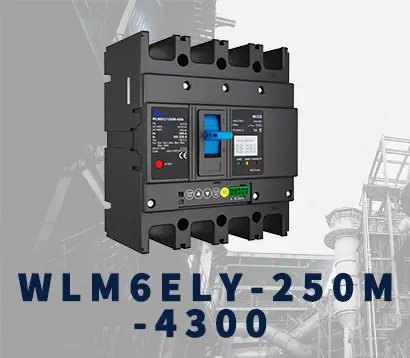 WLM6ELY-250A
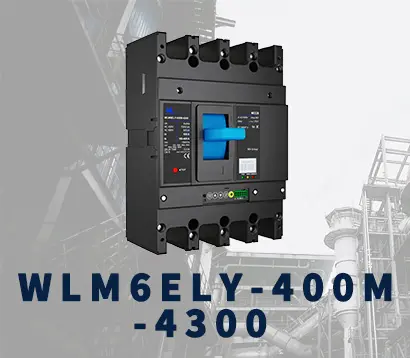 WLM6ELY-400A
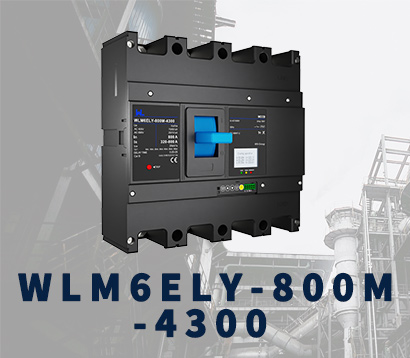 WLM6ELY-800A
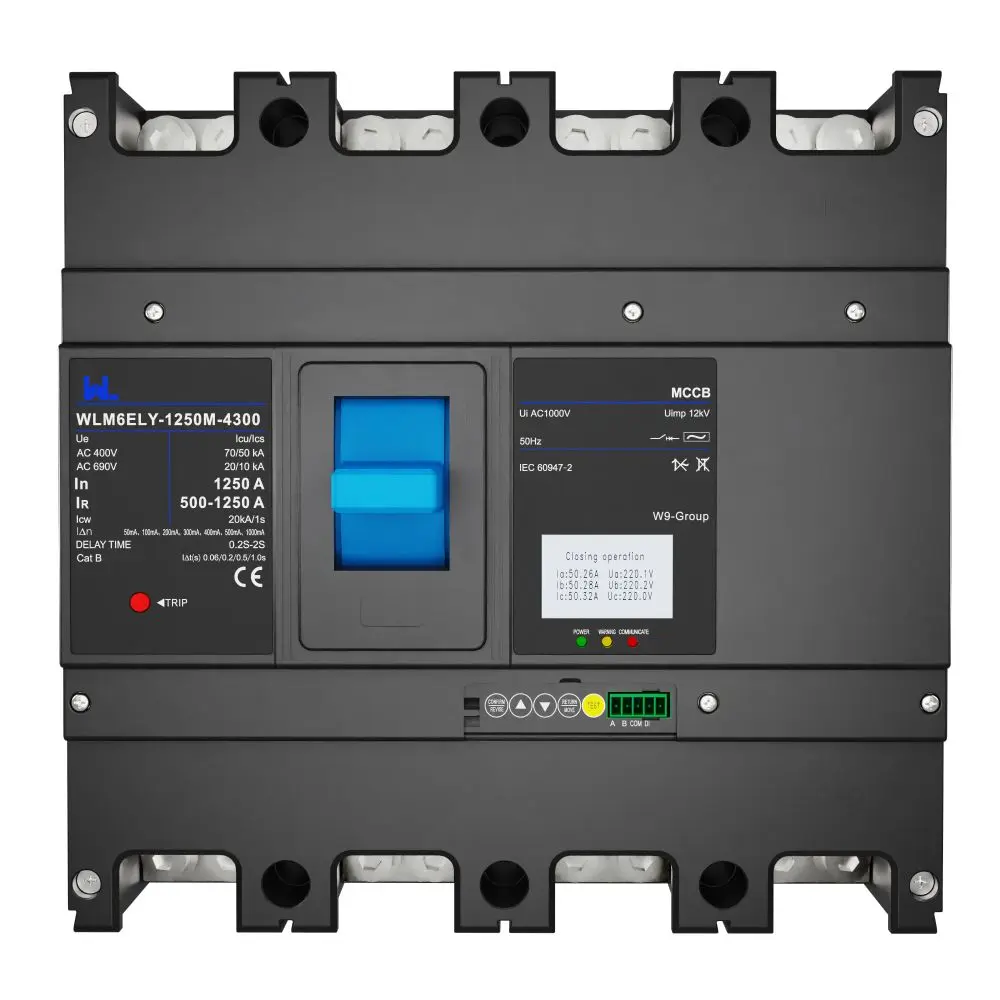 WLM6ELY-1250A
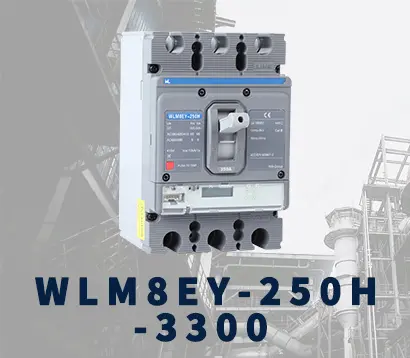 WLM8EY-250H-3300
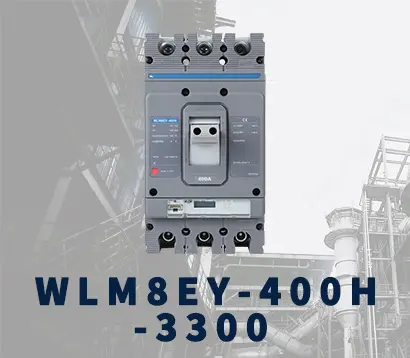 WLM8EY-400H-3300
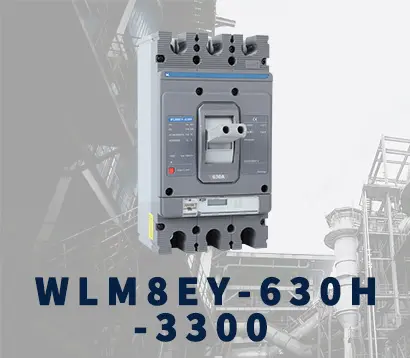 WLM8EY-630H-3300
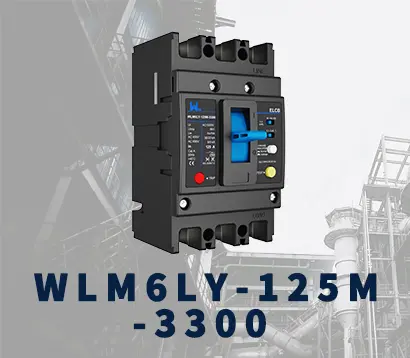 WLM6LY-125A
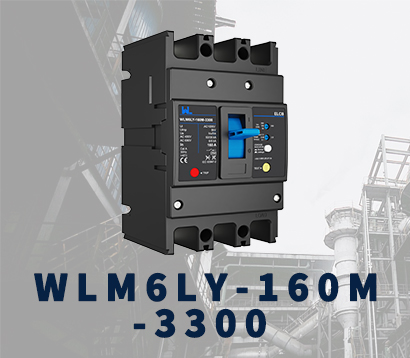 WLM6L-160A
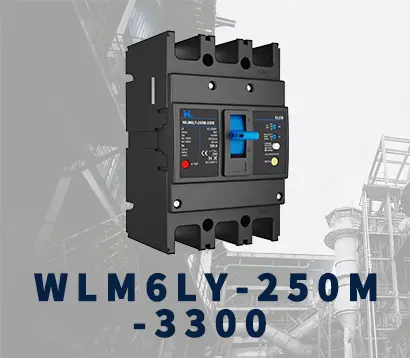 WLM6LY-250A
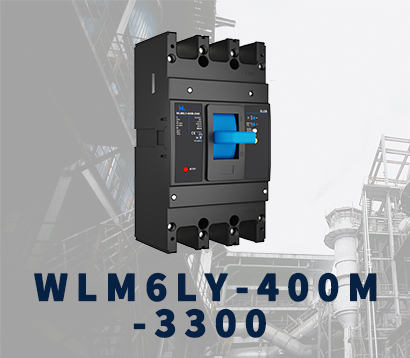 WLM6LY-400A
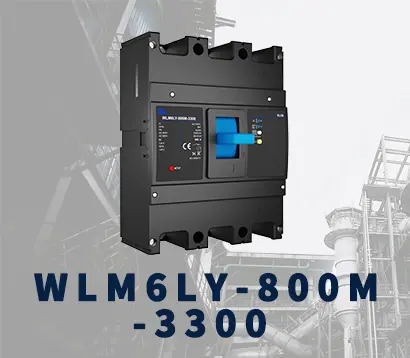 WLM6LY-800A
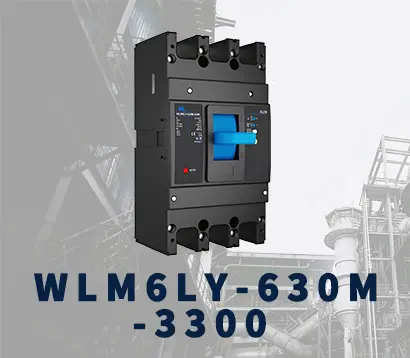 WLM6LY-630A
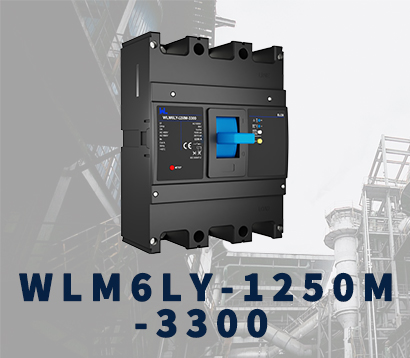 WLM6LY-1250A
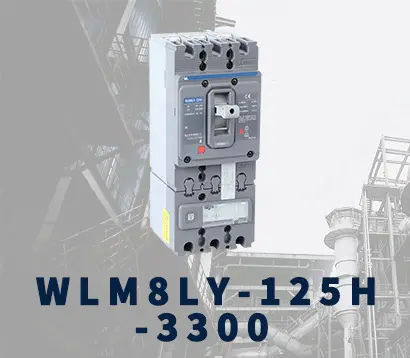 WLM8LY-125H-3300
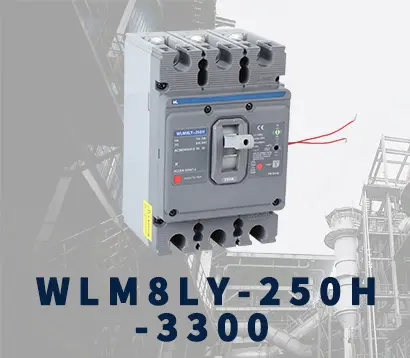 WLM8LY-250H-3300
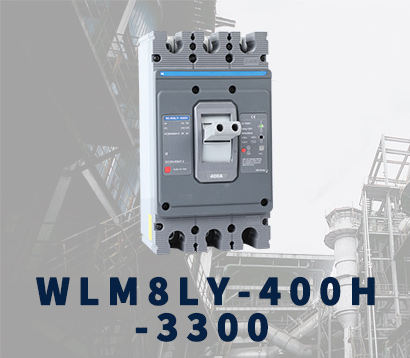 WLM8LY-400H-3300
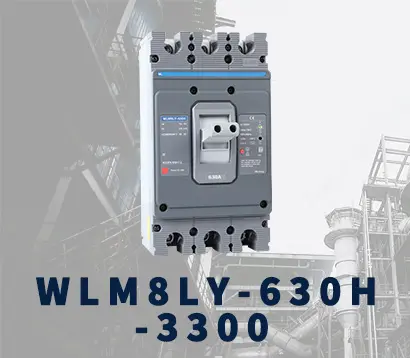 WLM8LY-630H-3300
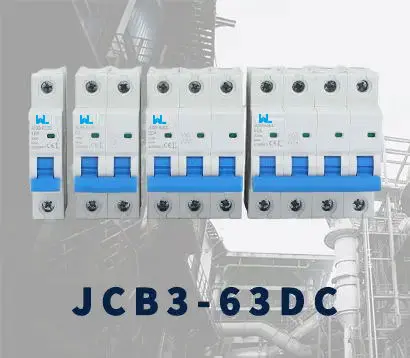 JCB3-63DC
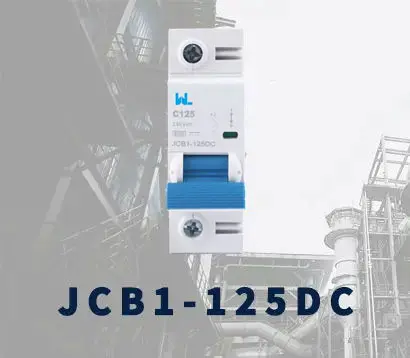 JCB1-125DC
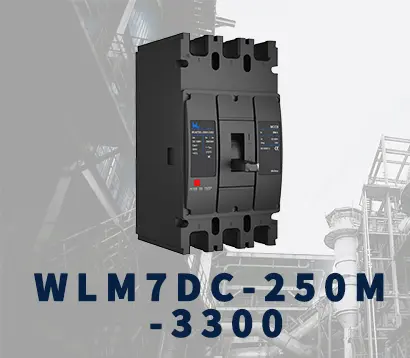 WLM7DC-250A-2300 2P/3P
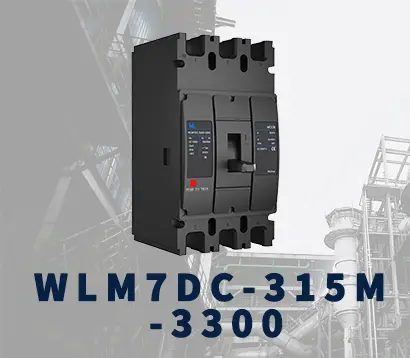 WLM7DC-315A-3300 2P/3P
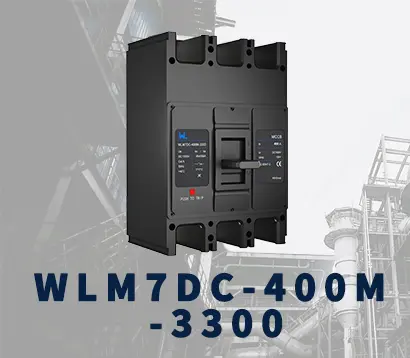 WLM7DC-400A-2300 2P/3P
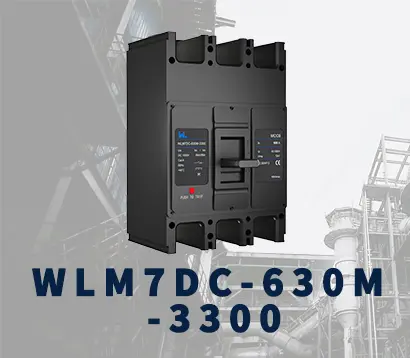 WLM7DC-630A-3300 3P
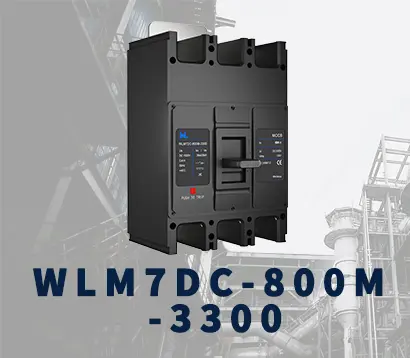 WLM7DC-800A-2300 2P/3P
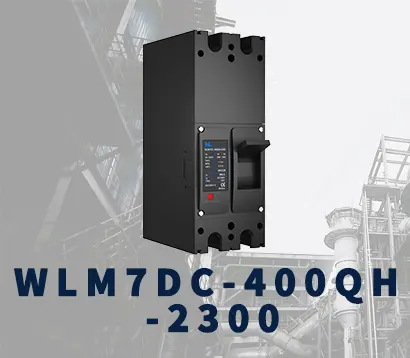 WLM7DC-400A 2300
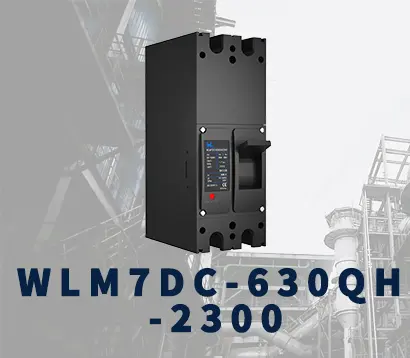 WLM7DC-630A-2300 2P
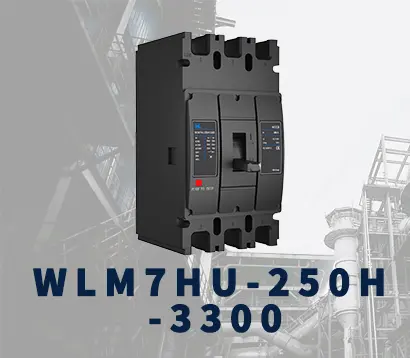 WLM7HU-250-3300 3P
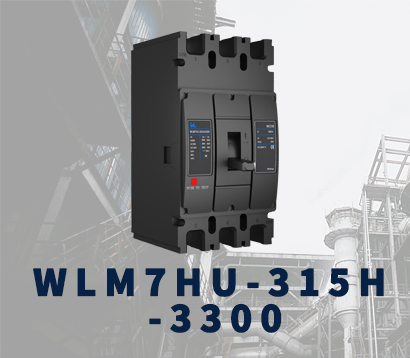 WLM7HU-315-3300 3P
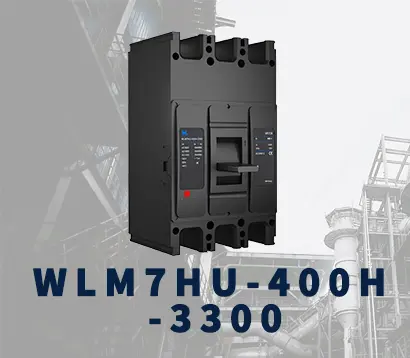 WLM7HU-400-3300 3P
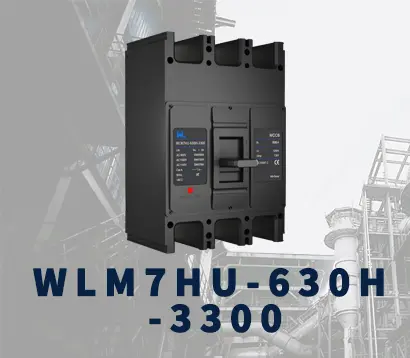 WLM7HU-630-3300 3P
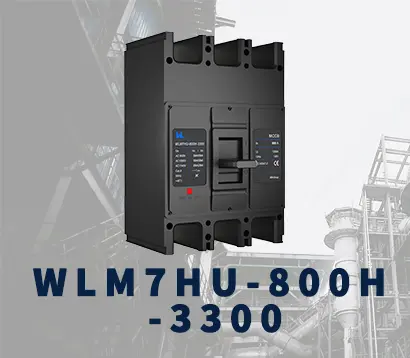 WLM7HU-800-3300 3P
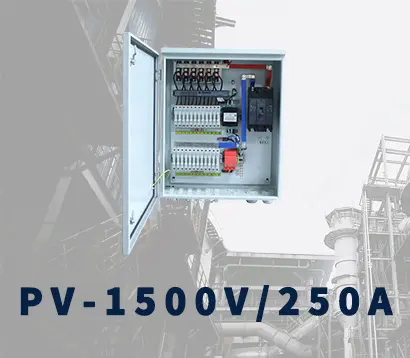 PV-1500V/250A
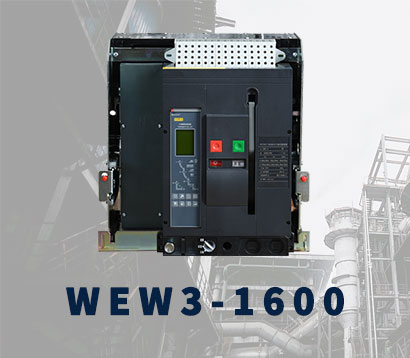 WEW3-1600
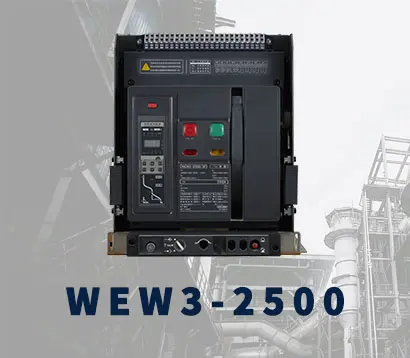 WEW3-2500
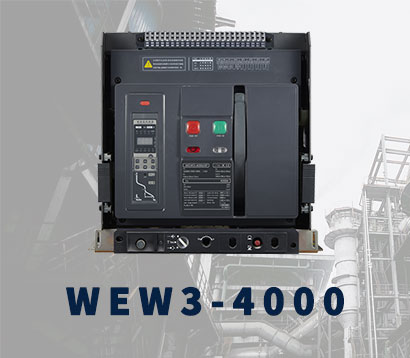 WEW3-4000
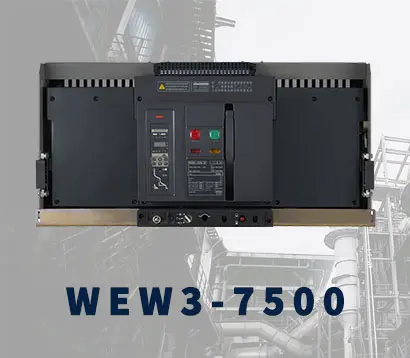 WEW3-7500