How to Choose the Right Electric Main Breaker for Your Home?
Choosing the right Electric Main Breaker for your home is crucial. The breaker serves as the first line of defense against electrical overloads. According to the National Fire Protection Association, electrical failures are a leading cause of home fires. Selecting an appropriate breaker can mitigate these risks significantly.
When looking for an Electric Main Breaker, consider your home's total electrical load. A report from the U.S. Energy Information Administration states that the average American household uses about 877 kWh per month. This figure can help you understand what size breaker you might need. However, many consumers overlook basic calculations. Ignoring these details may lead to overloading and potential hazards.
Different types of main breakers are available, including standard and AFCI breakers. Many homeowners might not know the differences. This lack of awareness can lead to poor choices. It's vital to research and ask questions. The right Electric Main Breaker can ensure safety and efficiency in your home. Reflect on your needs and educate yourself. Making informed decisions can prevent costly mistakes later on.
Understanding the Basics of Electric Main Breakers
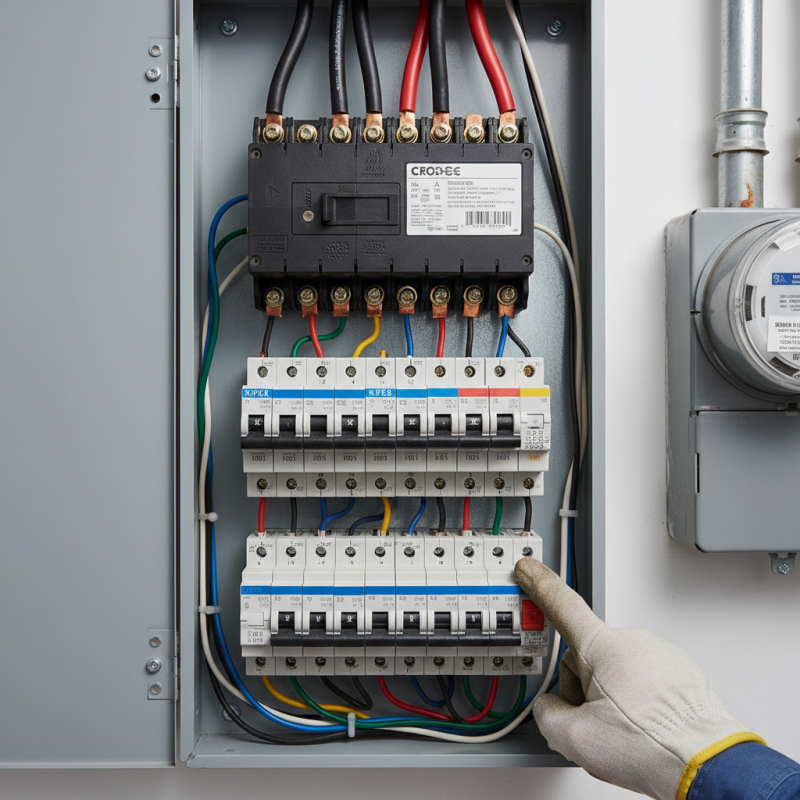
Electric main breakers are crucial for home safety. They protect your electrical system from overloads and prevent potential hazards. Knowing the basics helps you make an informed decision.
A main breaker works by interrupting power flow in emergencies. It’s usually located near your electric meter. When selecting a breaker, consider your home’s size and electrical load. Larger homes often require higher amp ratings. It’s important to assess your needs accurately, as underestimating these can lead to issues.
Not all homes require the same breaker type. Some might need dual breakers for efficiency. Others could benefit from a simple single-pole breaker. Make sure to check any outdated models that may not meet current safety standards. This could be a point of reflection, as ignoring upgrades creates risks. Always prioritize safety when making these decisions.
Understanding Electric Main Breakers: Current Ratings
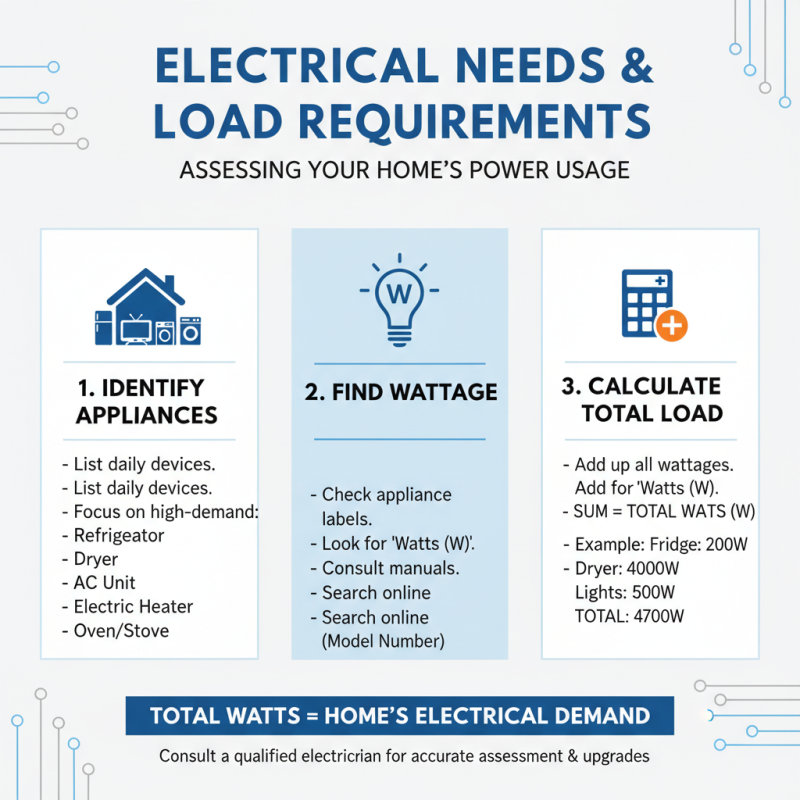
Identifying Your Home's Electrical Needs and Load Requirements
When assessing your home's electrical needs, start by considering the types of appliances you use daily. High-demand devices like refrigerators, dryers, and air conditioners require extra power. Each device has its own wattage. Calculate the total load by adding up the wattages of all your appliances. This gives you a clearer picture of your household demands.
Next, think about your home’s future. Do you plan to add more appliances? Will you renovate? These changes can increase your load requirements significantly. It’s a good idea to include a buffer in your calculations. Choosing a breaker that accommodates potential future needs is wise. It helps prevent trips and potential damage to your electrical system.
However, there are challenges. Many homeowners underestimate their power requirements. Overloading can lead to safety hazards. Sometimes, people rush this process without thorough planning. Understanding your load and needs is crucial. Reflecting on your usage patterns can help you make informed choices. Take time to evaluate, because mistakes can be costly.
Evaluating Different Types of Electric Main Breakers
When evaluating different types of electric main breakers, consider the various options available.
Circuit breakers can typically be categorized into standard breakers,
GFCI (Ground Fault Circuit Interrupter) breakers, and
AFCI (Arc Fault Circuit Interrupter) breakers.
Standard breakers protect against overloads.
GFCI breakers are crucial in wet areas like kitchens and bathrooms.
They prevent electrical shock, one of the leading causes of household injuries, accounting for about
80% of non-fatal electrical accidents.
AFCI breakers guard against electrical fires caused by faulty wiring or devices. According to the
National Fire Protection Association (NFPA), these fires account for over
50% of residential electrical fire incidents.
Homeowners should be aware that not all homes require AFCI breakers, and local codes may vary.
A licensed electrician can help assess your home’s needs based on its age, wiring, and electrical load.
Sometimes, older homes may still have outdated breakers, which increases the risk of failure.
Upgrading to modern types can enhance safety but might involve extra costs.
Balancing safety and expense can be a challenge.
Make sure to consult up-to-date safety reports, so you know the standard and best practices for your area.
Choose wisely to ensure your home remains safe and functional.
Safety Features to Consider When Choosing a Breaker
When selecting an electric main breaker, safety features should be your top priority. Circuit breakers with ground fault circuit interrupters (GFCI) can protect against electrical shocks. They work by cutting off power when they detect imbalances in current. This protection is vital in areas like kitchens and bathrooms where moisture is common.
Another essential feature is surge protection. Breakers with this capability can guard your home against voltage spikes, which can damage appliances. Consider breakers that provide overcurrent protection as well. They automatically shut off power during overloads, preventing potential fires.
Choosing the right voltage rating and amperage is also crucial. Many people overlook how these specifications affect safety. An improperly rated breaker may not trip during a fault, causing hazards. Regular maintenance checks can help identify if the breaker needs replacement or upgrading. Remember, safety should never be an afterthought when it comes to your home's electrical system.
How to Choose the Right Electric Main Breaker for Your Home? - Safety Features to Consider When Choosing a Breaker
| Feature |
Description |
Importance |
| Current Rating |
The maximum current that the breaker can handle without tripping. |
Ensures safety by preventing overloads. |
| Voltage Rating |
The voltage level the breaker is designed to operate at. |
Critical for proper function in different electrical systems. |
| Type of Trip Mechanism |
Mechanism that senses overloads and short circuits, such as thermal or magnetic trip. |
Varies in speed and reliability, impacting overall safety. |
| Ground Fault Protection |
Detects and interrupts ground faults. |
Prevents electrical shocks, critical in wet areas. |
| Surge Protection |
Ability to protect against voltage spikes. |
Important for safeguarding home appliances and electronics. |
| Arc Fault Detection |
Detects arc faults that could lead to fires. |
Enhances fire safety, especially in older homes. |
Installation and Replacement Considerations for Electric Breakers
When considering the installation or replacement of an electric main breaker, safety is paramount. Identify the amperage that matches your home’s needs. A breaker that is too high could lead to fire hazards. Conversely, one that is too low may trip frequently, causing inconvenience.
Proper installation is crucial. Ensure that the breaker fits the panel securely. Loose connections can lead to overheating, which is a common concern. It's best to consider hiring a licensed electrician for installation. They can help assess your electrical system's capabilities.
Replacement can seem daunting. Many homeowners feel overwhelmed by the variety of options available. Each type serves different purposes, and understanding labels can be tricky. Regularly inspecting your breaker for signs of wear is essential. Forgetting to do so can lead to unexpected issues. Remember, every electrical system is unique, so don’t rush the process.

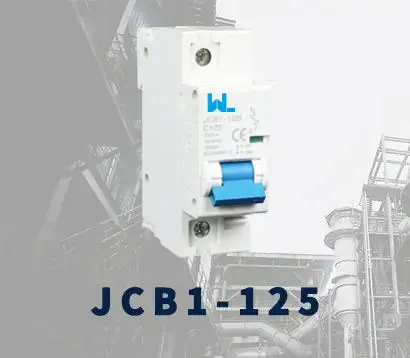 JCB1-125
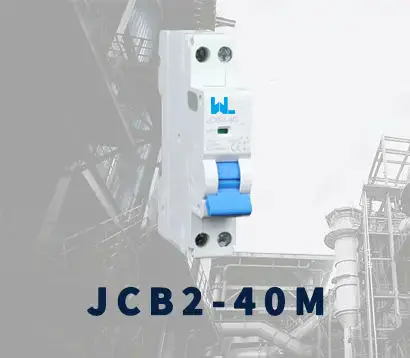 JCB2-40M
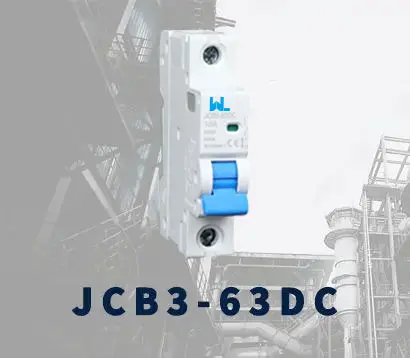 JCB3-63DC
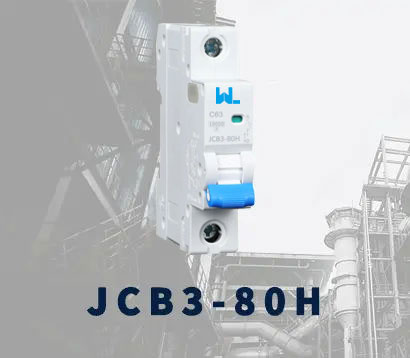 JCB3-80H
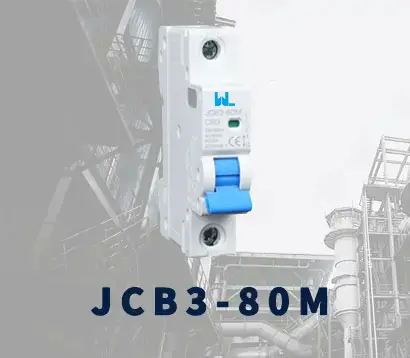 JCB3-80M
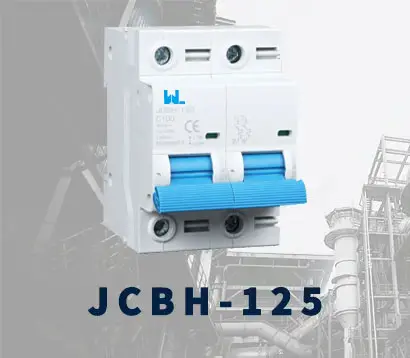 JCBH-125
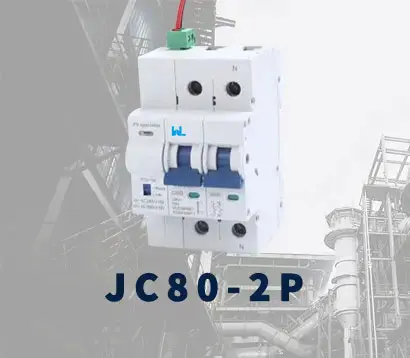 JC80-2P
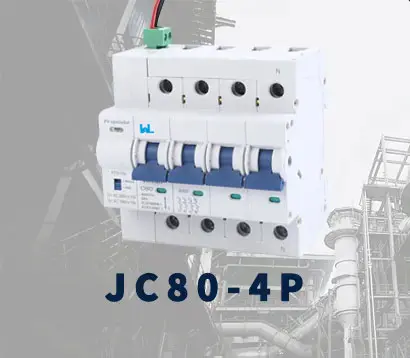 JC80-4P
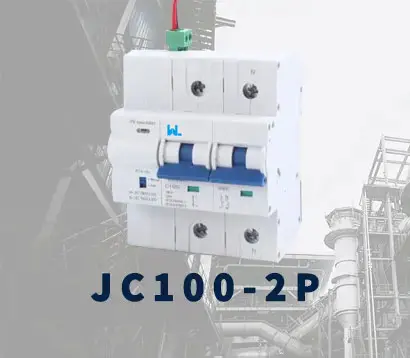 JC125-2P
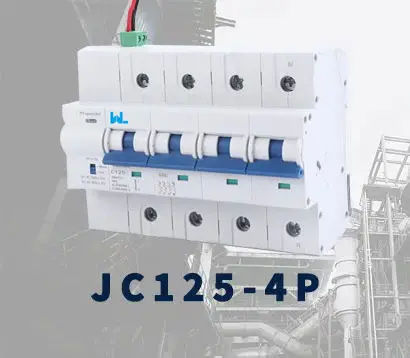 JC125-4P
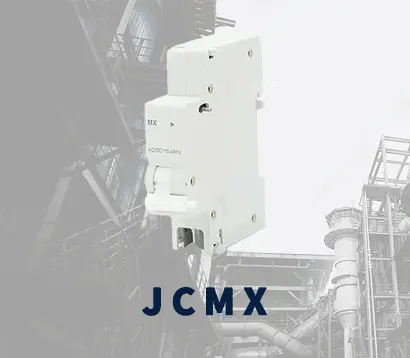 JCMX
JCMX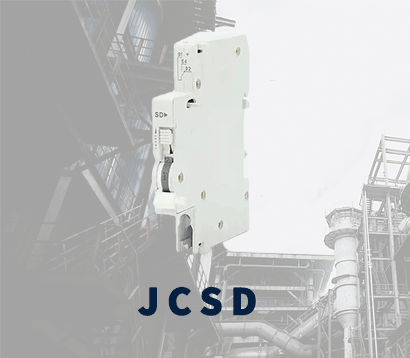 JCSD
JCSD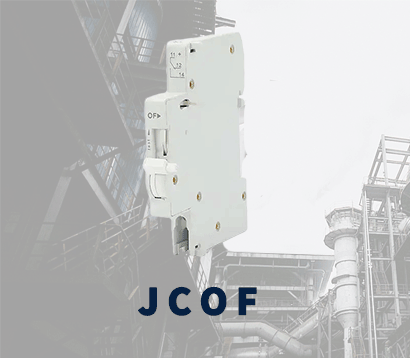 JCOF
JCOF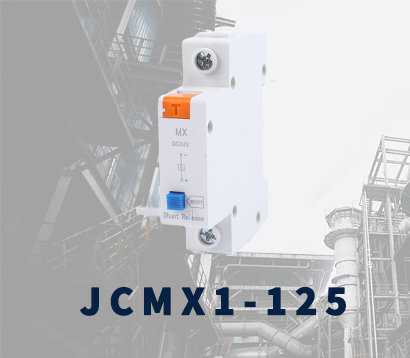 JCMX1-125
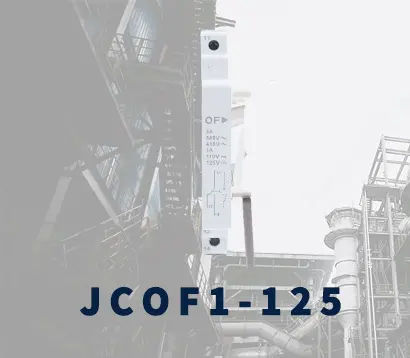 JCOF1-125
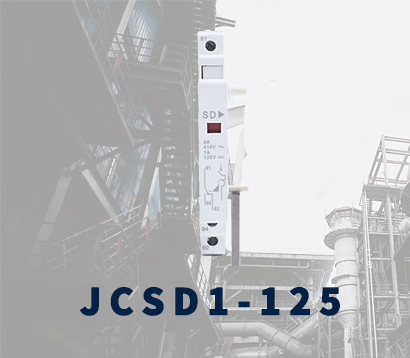 JCSD1-125
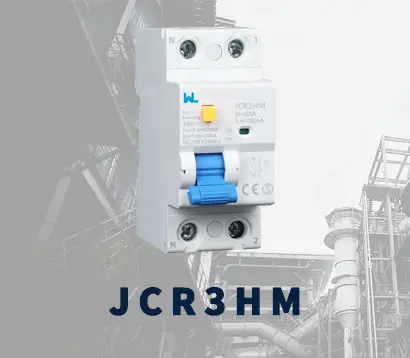 JCR3HM
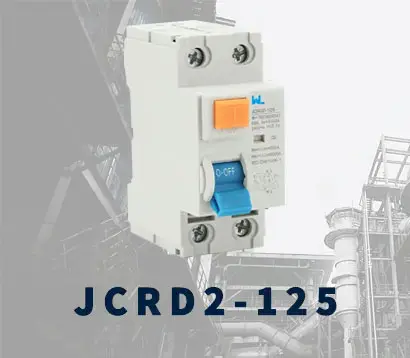 JCRD2-125
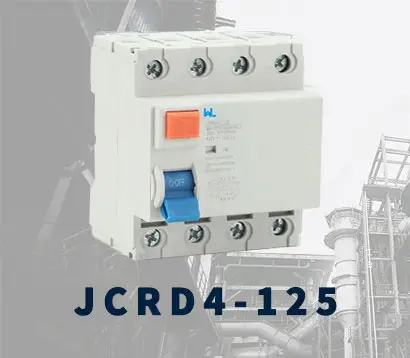 JCRD4-125
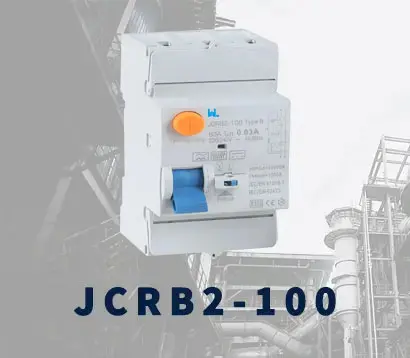 JCRB2-100
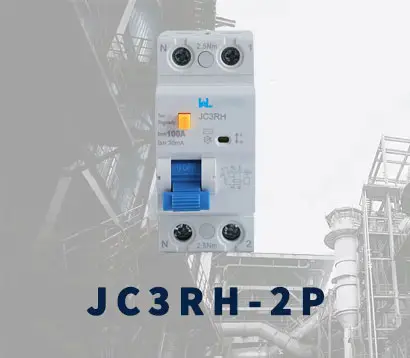 JC3RH-2P
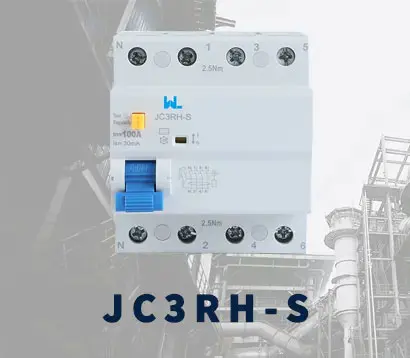 JC3RH-S
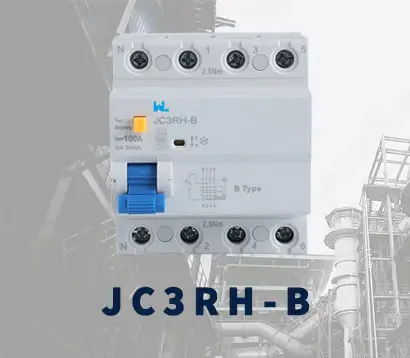 JC3RH-B
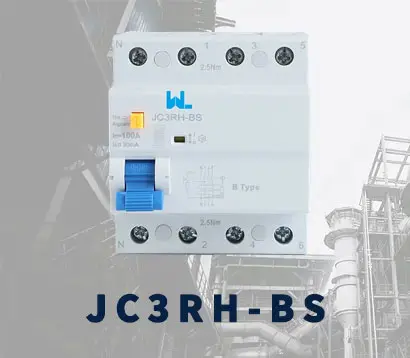 JC3RH-BS
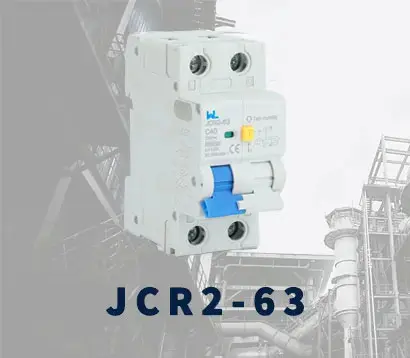 JCR2-63
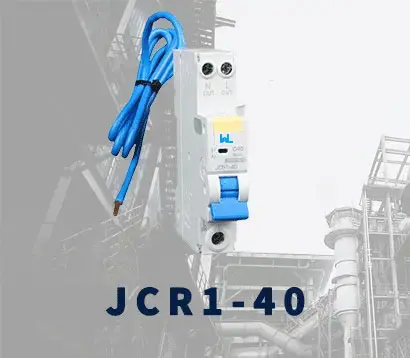 JCR1-40
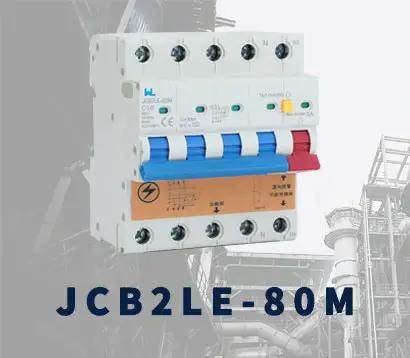 JCB2LE-80M
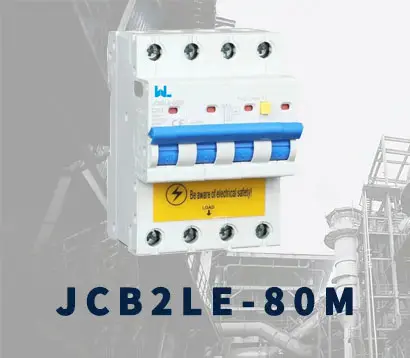 JCB2LE-80M
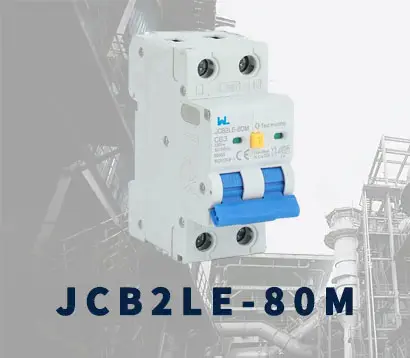 JCB2LE-80M
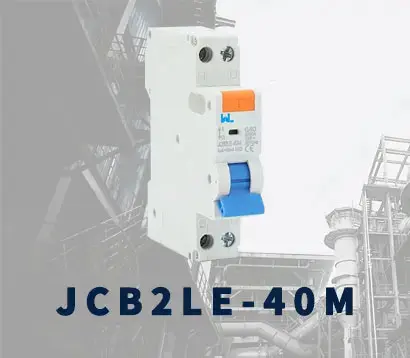 JCB2LE-40M
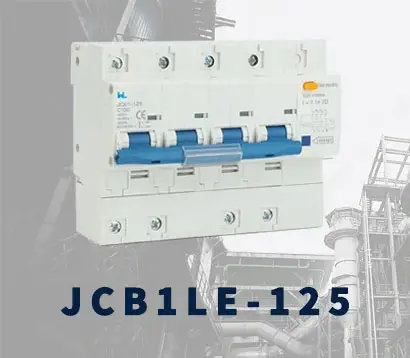 JCB1LE-125
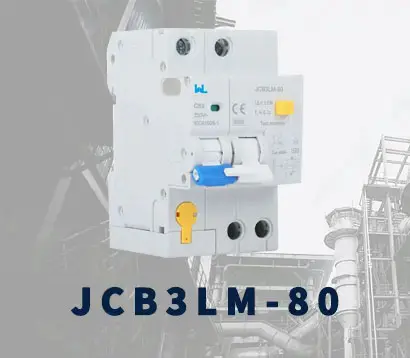 JCB3LM-80
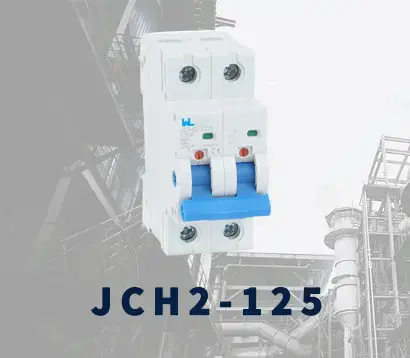 JCH2-125
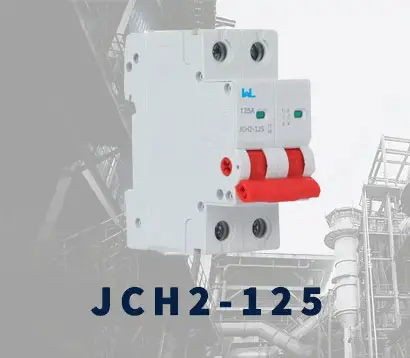 JCH2-125
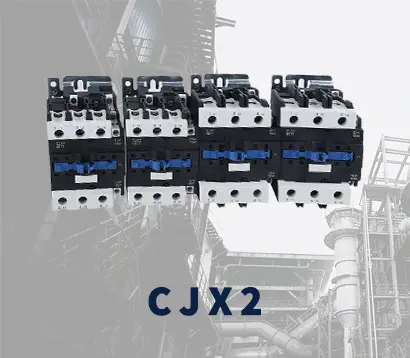 CJX2
CJX2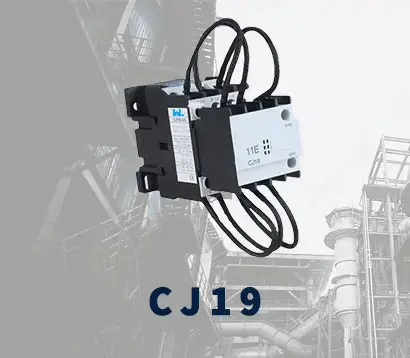 CJ19
CJ19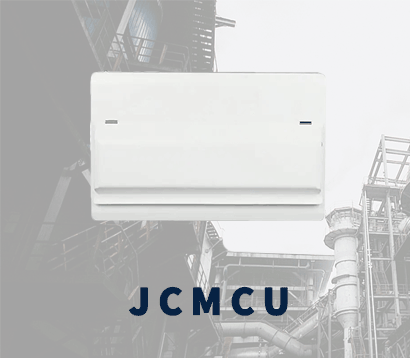 JCMCU
JCMCU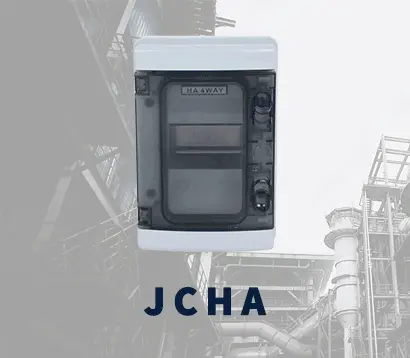 JCHA
JCHA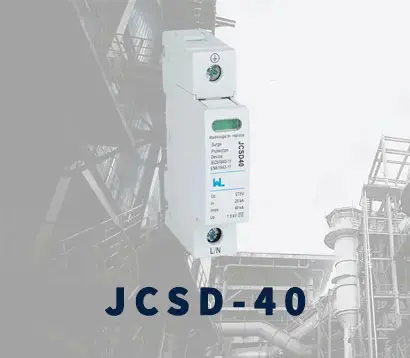 JCSD-40
 JCSD-60
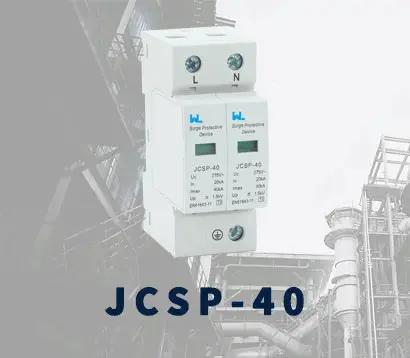 JCSP-40
 JCSP-60
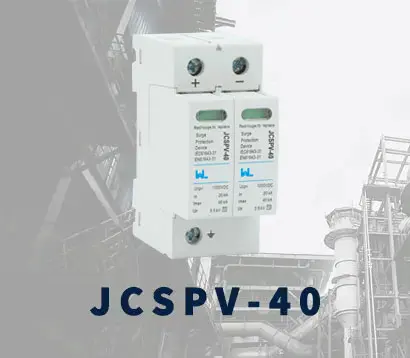 JCSPV
JCSPV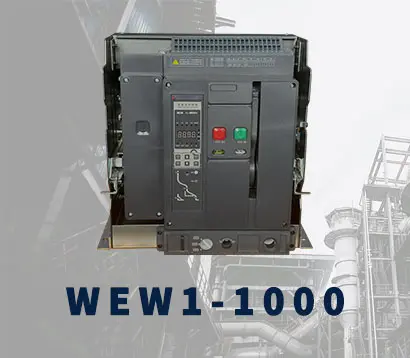 WEW1-1000
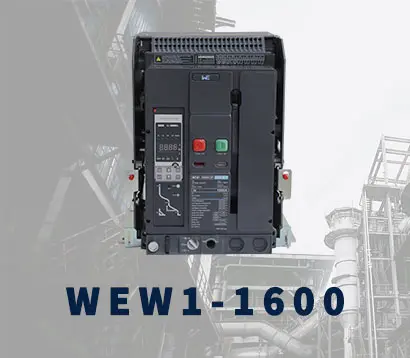 WEW1-1600
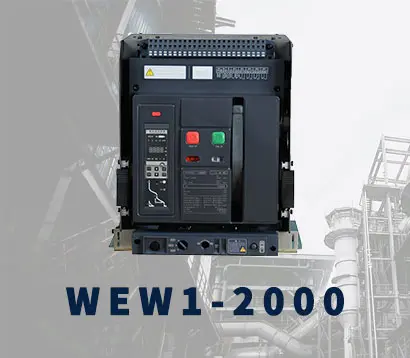 WEW1-2000
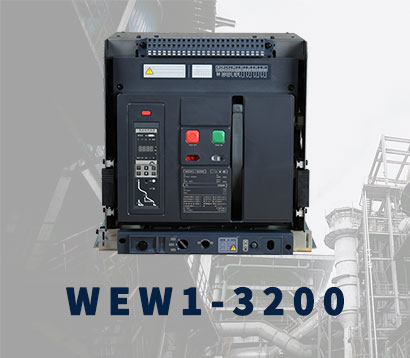 WEW1-3200
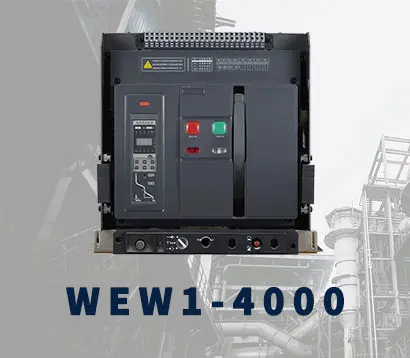 WEW1-4000
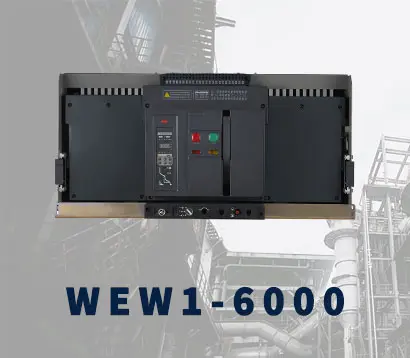 WEW1-6300
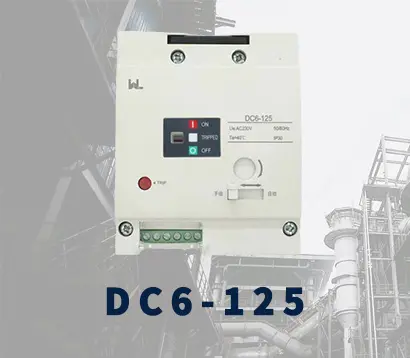 DC6-125
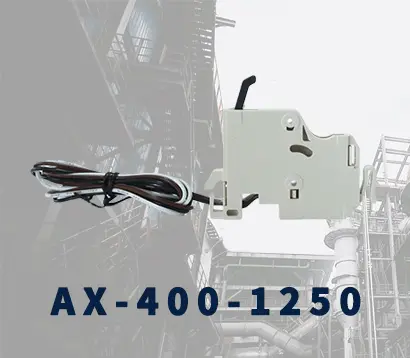 AX-400-1250
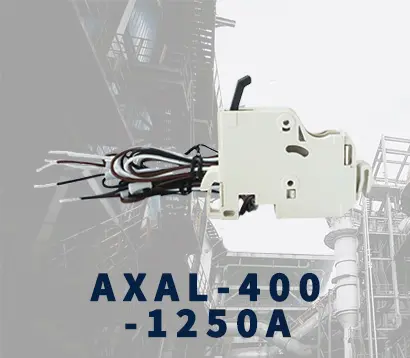 AXAL-400-1250A
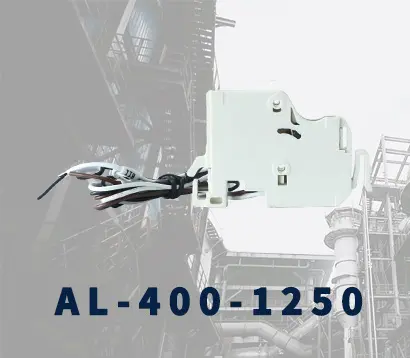 AL-400-1250
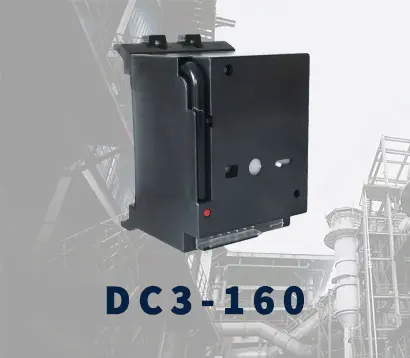 DC3-160
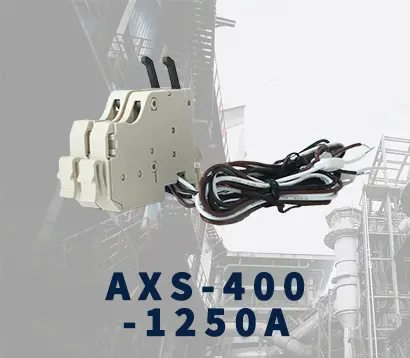 AXS-400-1250A
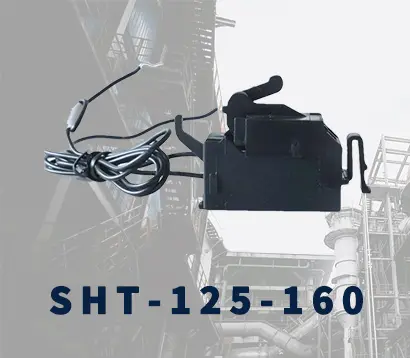 SHT-125-160
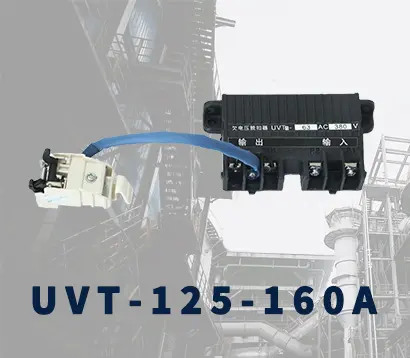 UVT-125-160A
 P-250A-3P-A
 400-3P/4P terminal cover
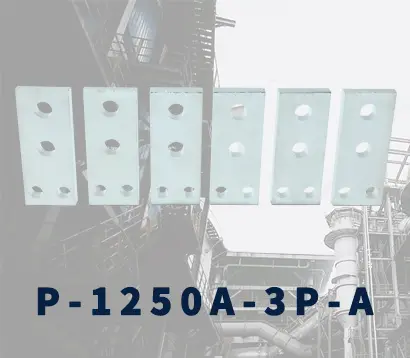 1250-3Pmccb accessories busbar
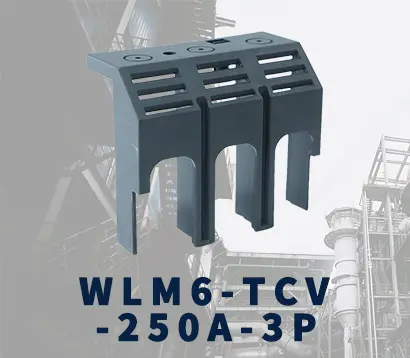 250-3P terminal conver
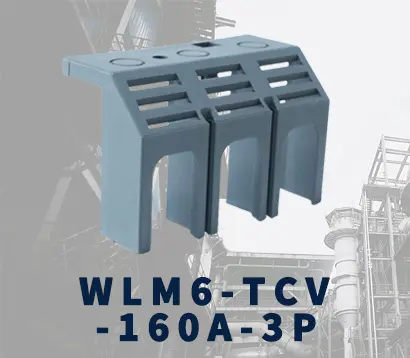 WLM6-TCV-160A-3P
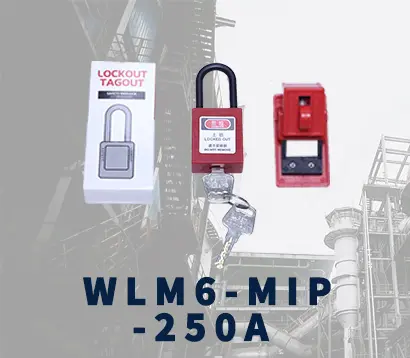 WLM6-MIP-250A
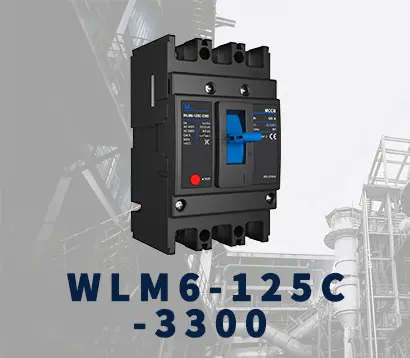 WLM6-125A-3300 3P/4P
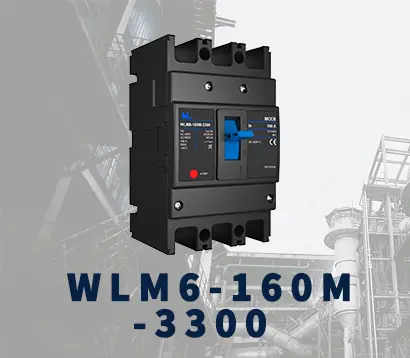 WLM6-160A-3300 3P/4P
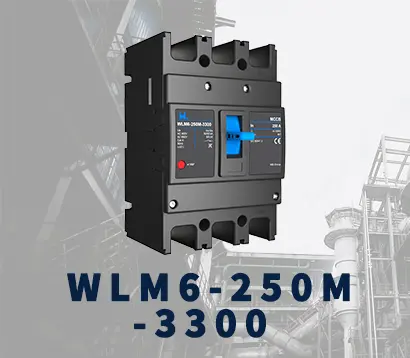 WLM6-250A-3300 3P/4P
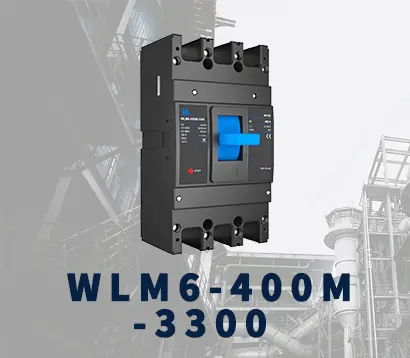 WLM6-400A-3300 3P/4P
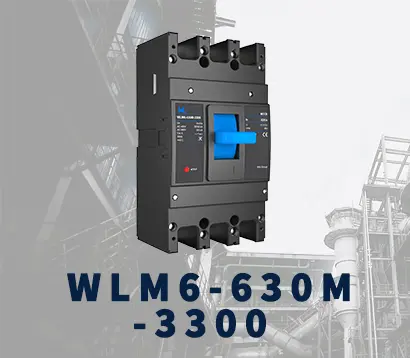 WLM6-630A-3300 3P/4P
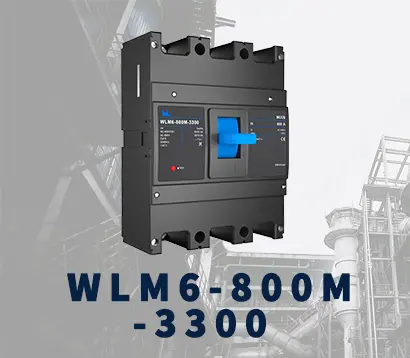 WLM6-800A-3300 3P/4P
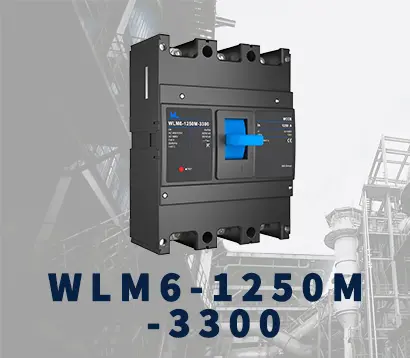 WLM6-1250A-3300 3P/4P
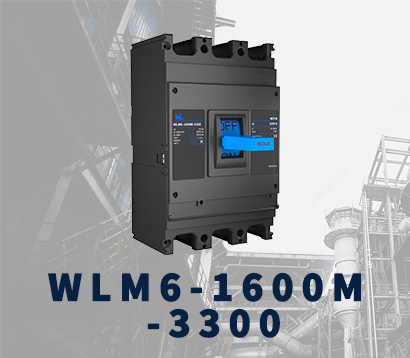 WLM6-1600A-3300 3P/4P
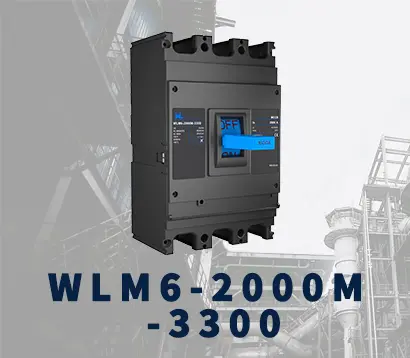 WLM6-2000A 3P/4P
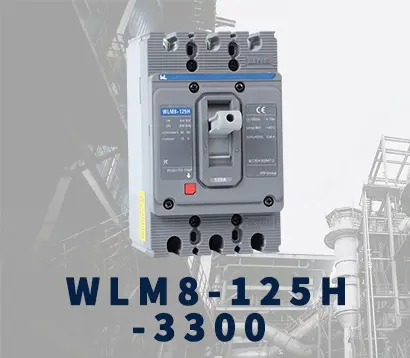 WLM8-125H-3300
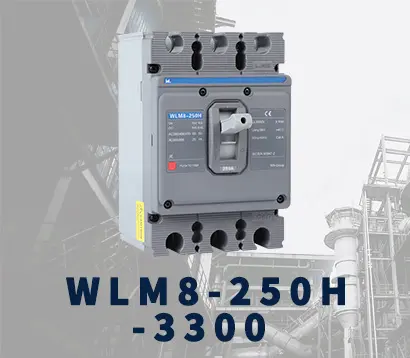 WLM8-250H-3300
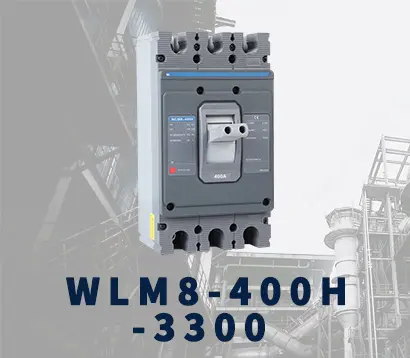 WLM8-400H-3300
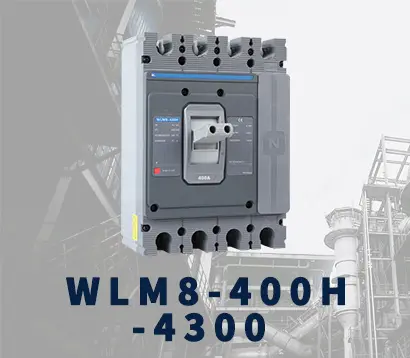 WLM8-400H-4300
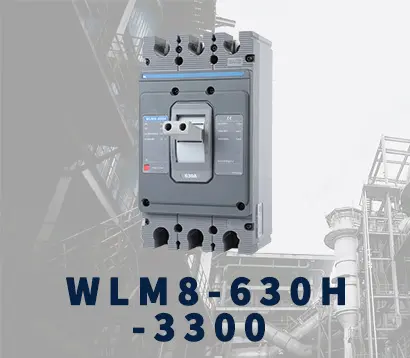 WLM8-630H-3300
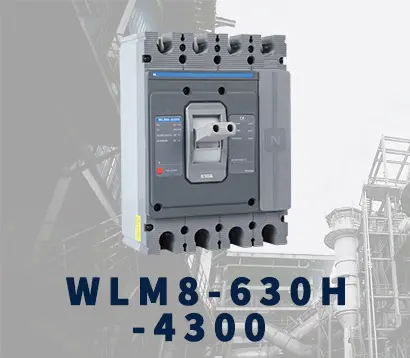 WLM8-630H-4300
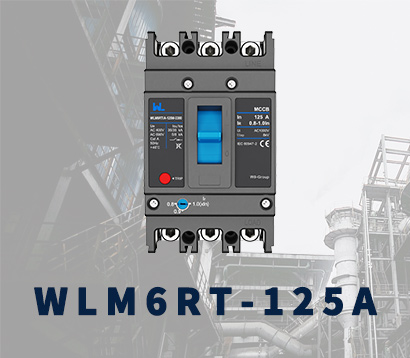 WLM6RT-125A
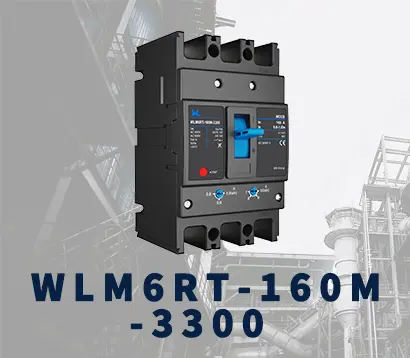 WLM6RT-160A
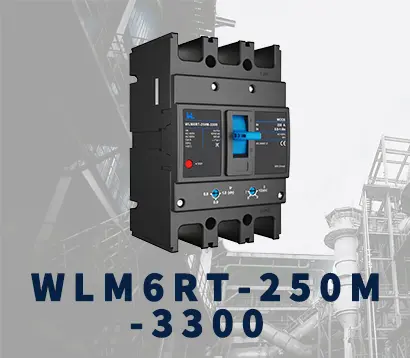 WLM6RT-250A
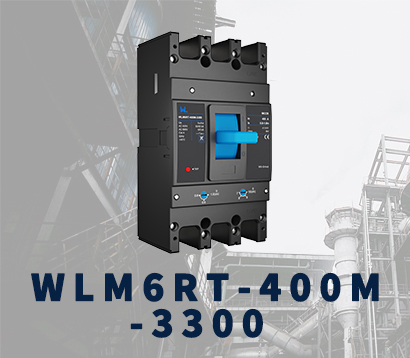 WLM6RT-400A
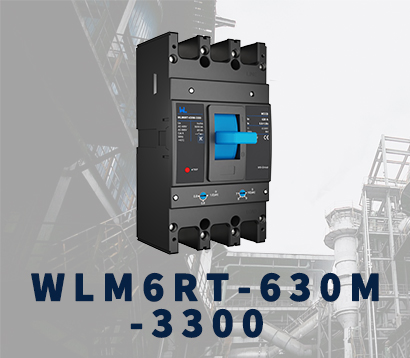 WLM6RT-630A
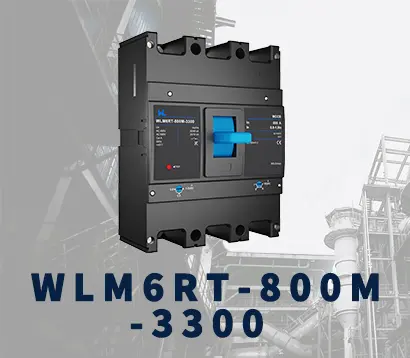 WLM6RT-800A
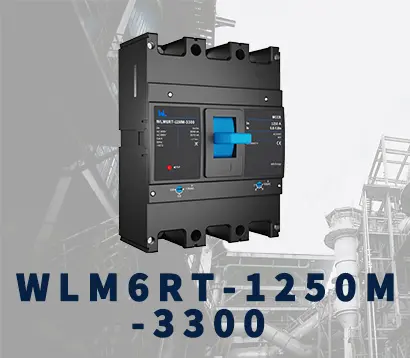 WLM6RT-1250A
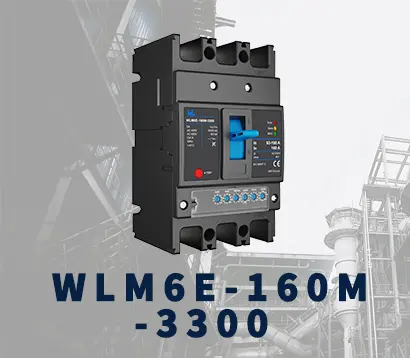 WLM6E-160A-3300 3P
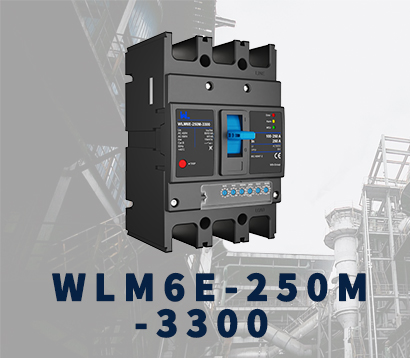 WLM6E-250A-3300
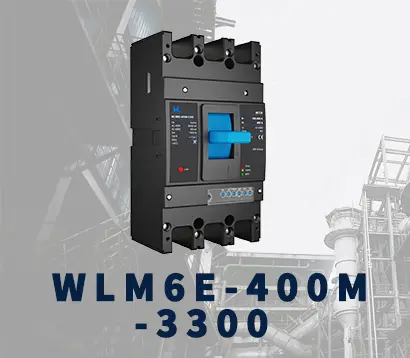 WLM6E-400A-3300 3P/4P
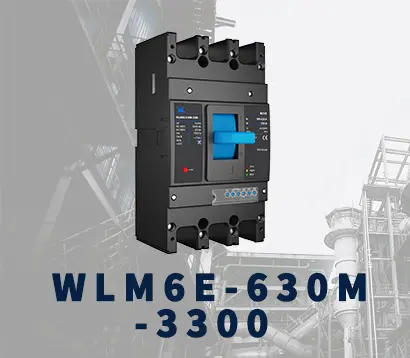 WLM6E-630A-3300
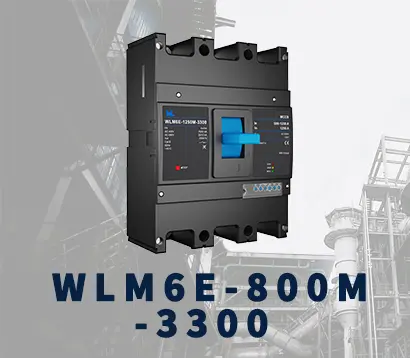 WLM6E-800A-3300 3P/4P
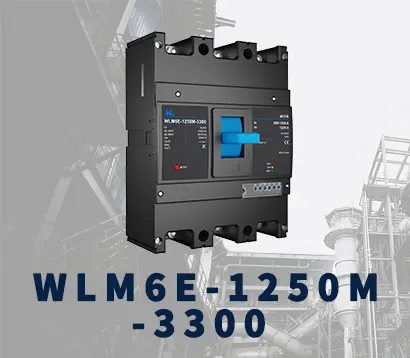 WLM6E-1250A-3300
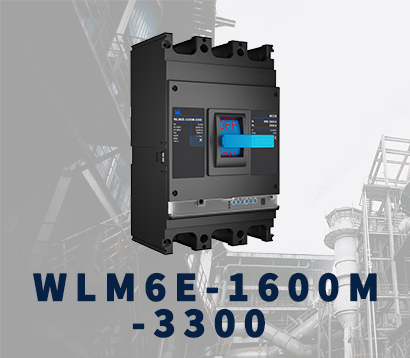 WLM6E-1600-3300 3P/4P
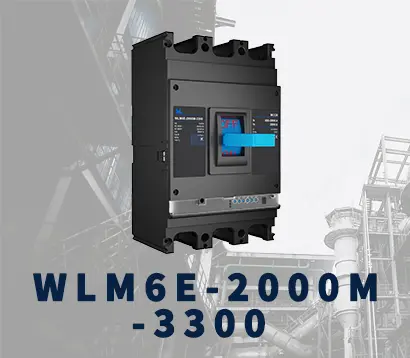 WLM6E-2000A-3300 3P/4P
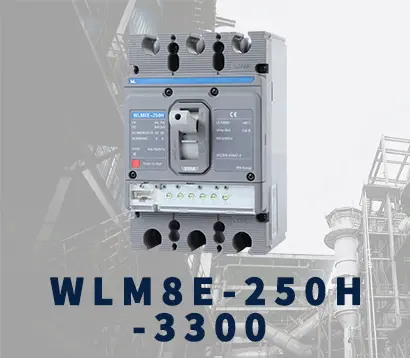 WLM8E-250H-3300
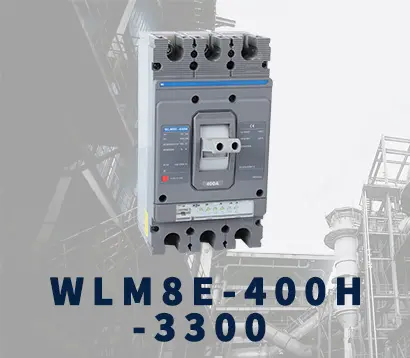 WLM8E-400H-3300
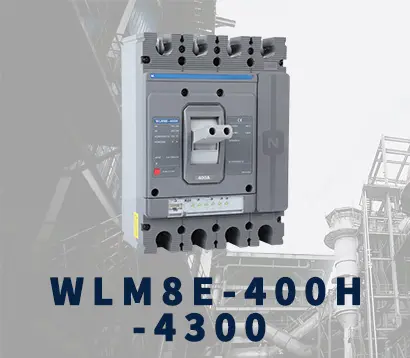 WLM8E-400H-4300
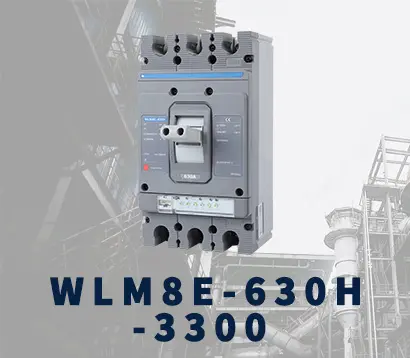 WLM8E-630H-3300
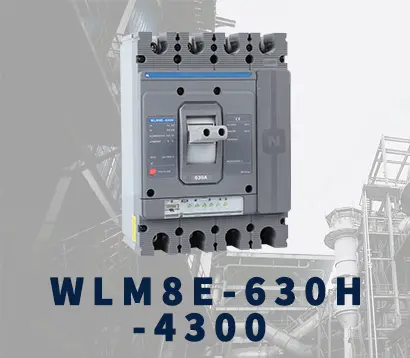 WLM8E-630H-4300
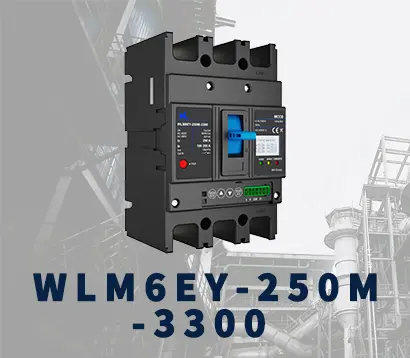 WLM6EY-250-3300 3P/4P
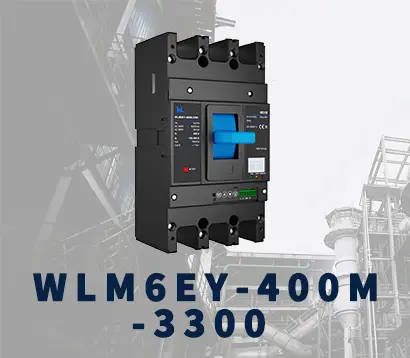 WLM6EY-400 3P/4P
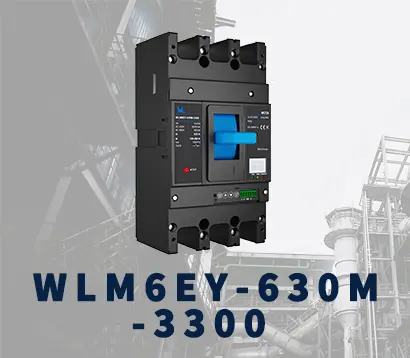 WLM6EY-630 3P/4P
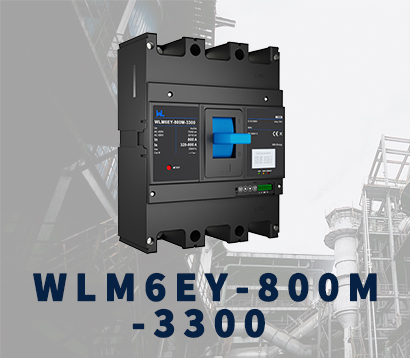 WLM6EY-800A 3P/4P
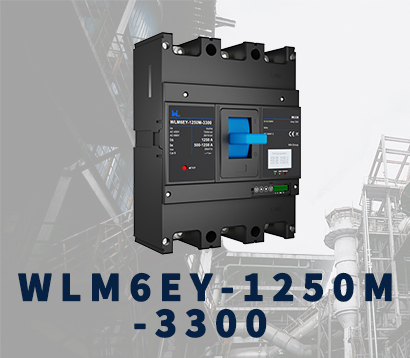 WLM6EY-1250A 3P/4P
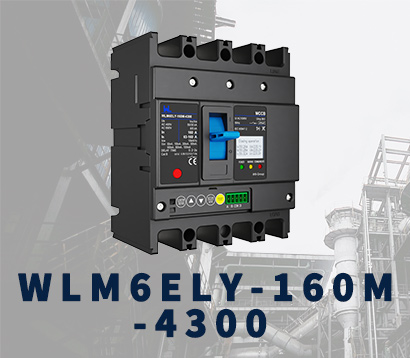 WLM6ELY-160A
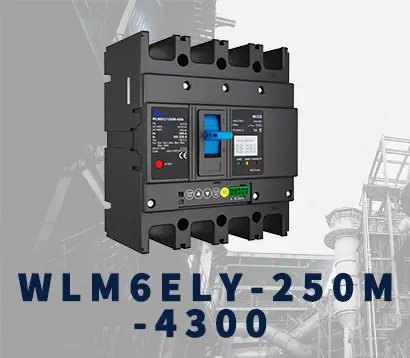 WLM6ELY-250A
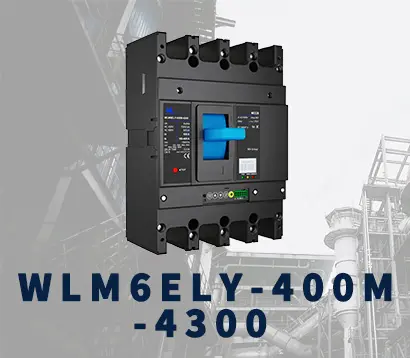 WLM6ELY-400A
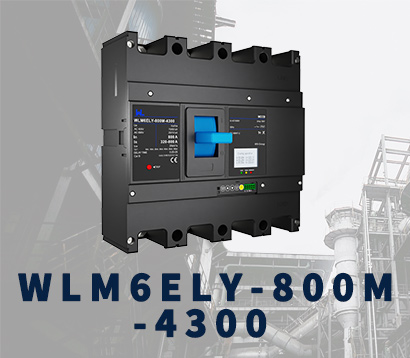 WLM6ELY-800A
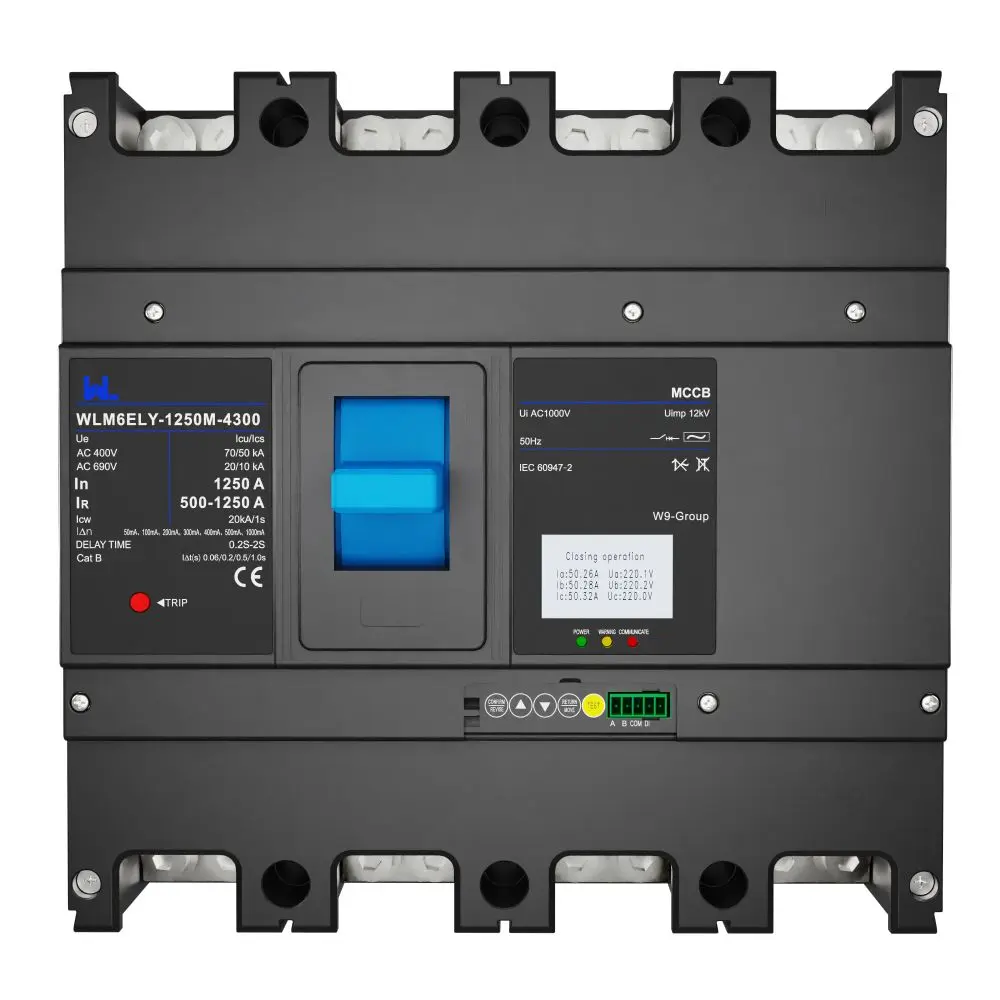 WLM6ELY-1250A
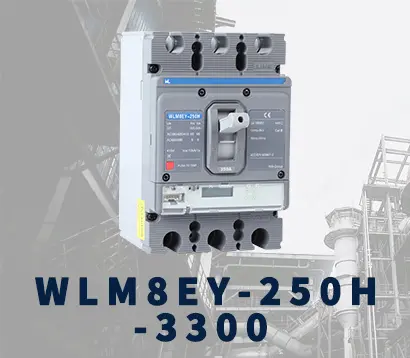 WLM8EY-250H-3300
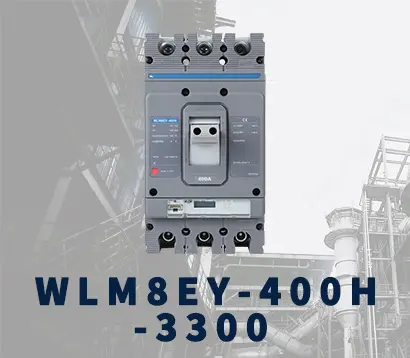 WLM8EY-400H-3300
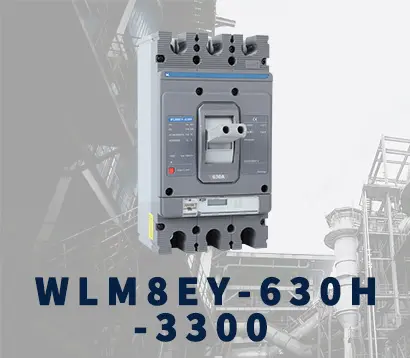 WLM8EY-630H-3300
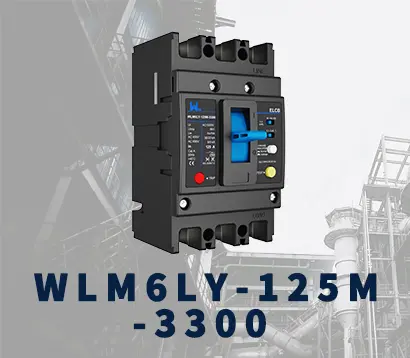 WLM6LY-125A
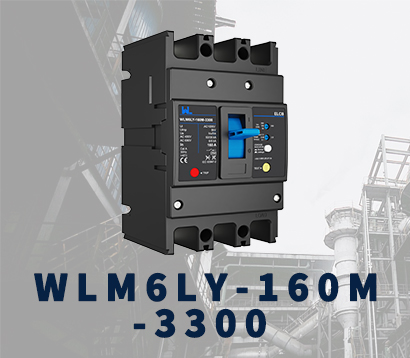 WLM6L-160A
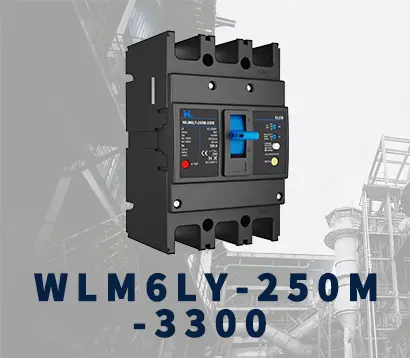 WLM6LY-250A
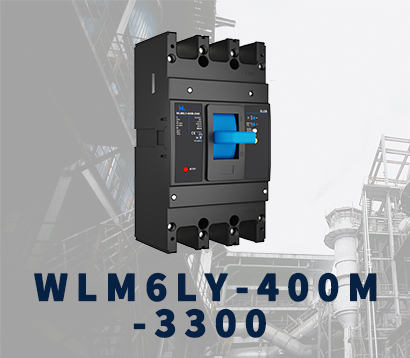 WLM6LY-400A
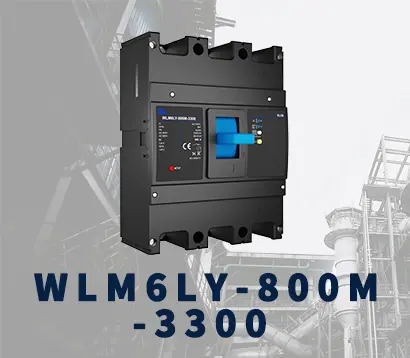 WLM6LY-800A
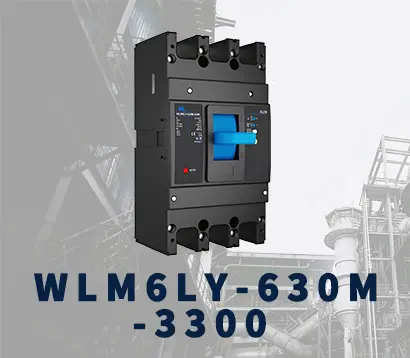 WLM6LY-630A
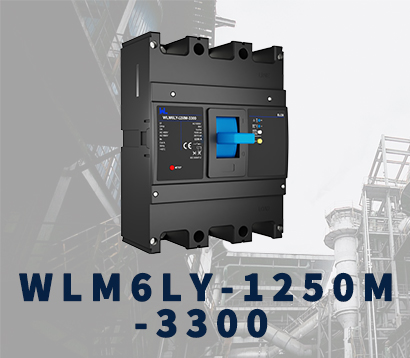 WLM6LY-1250A
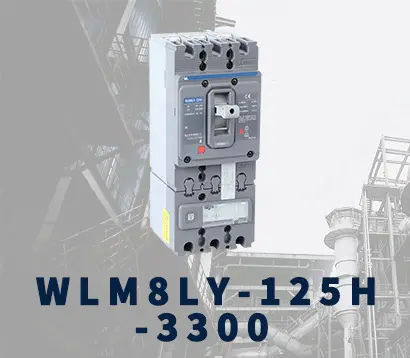 WLM8LY-125H-3300
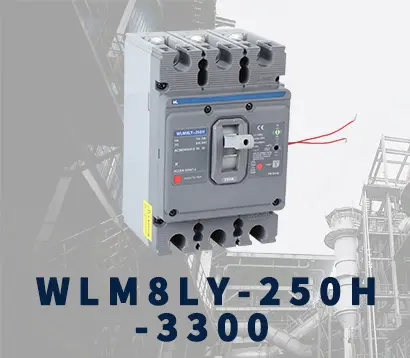 WLM8LY-250H-3300
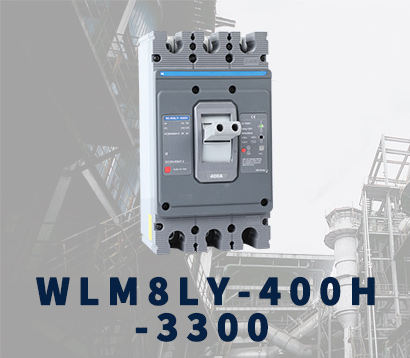 WLM8LY-400H-3300
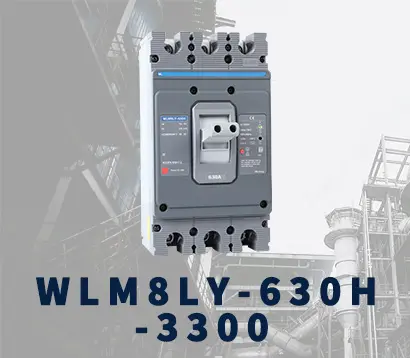 WLM8LY-630H-3300
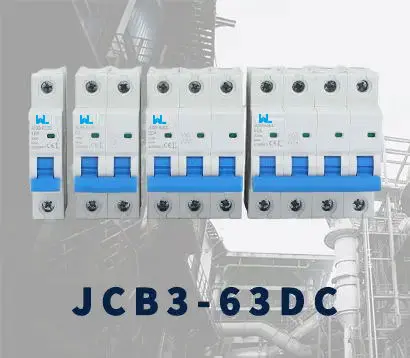 JCB3-63DC
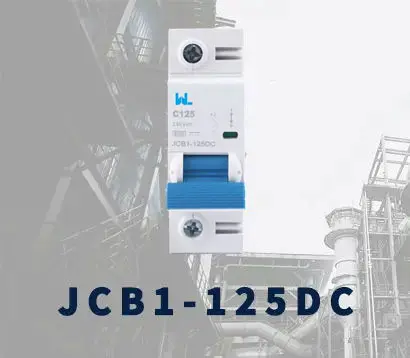 JCB1-125DC
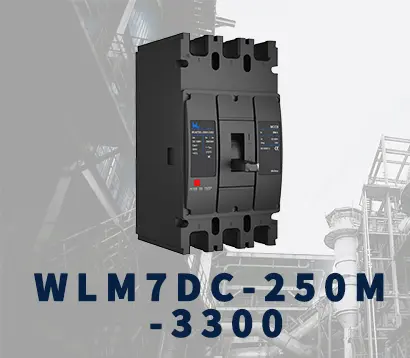 WLM7DC-250A-2300 2P/3P
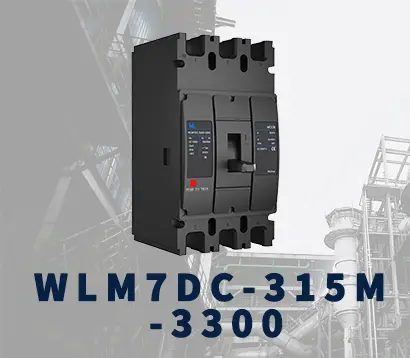 WLM7DC-315A-3300 2P/3P
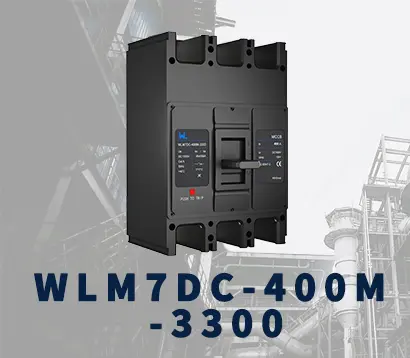 WLM7DC-400A-2300 2P/3P
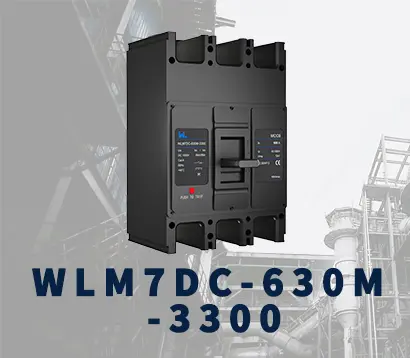 WLM7DC-630A-3300 3P
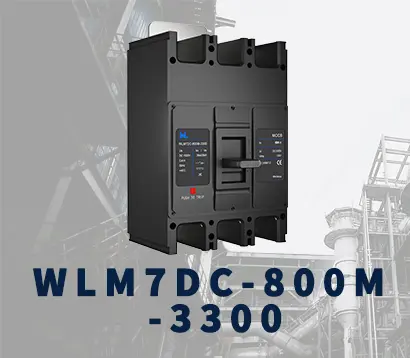 WLM7DC-800A-2300 2P/3P
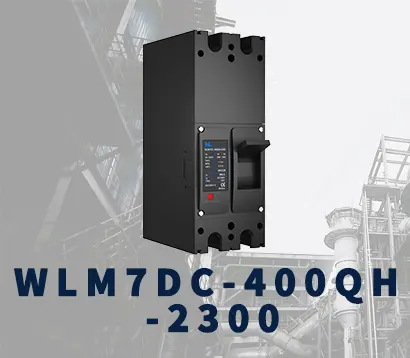 WLM7DC-400A 2300
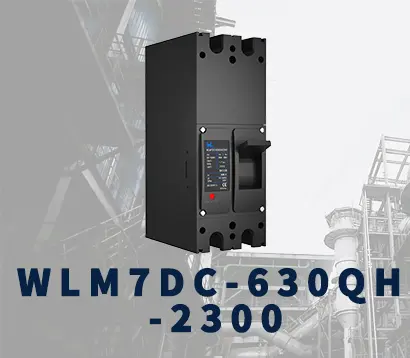 WLM7DC-630A-2300 2P
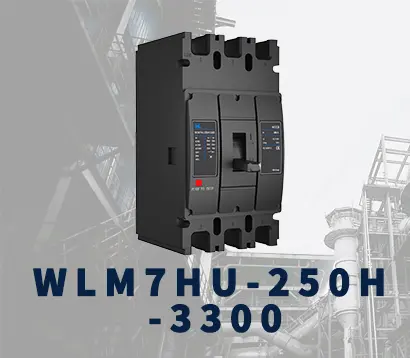 WLM7HU-250-3300 3P
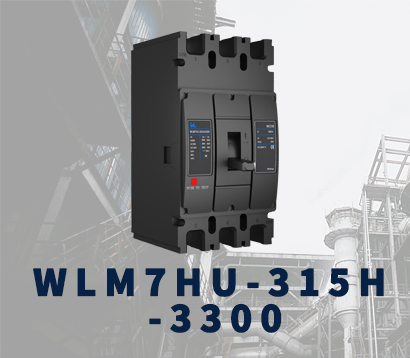 WLM7HU-315-3300 3P
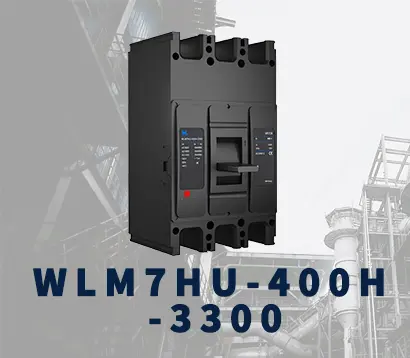 WLM7HU-400-3300 3P
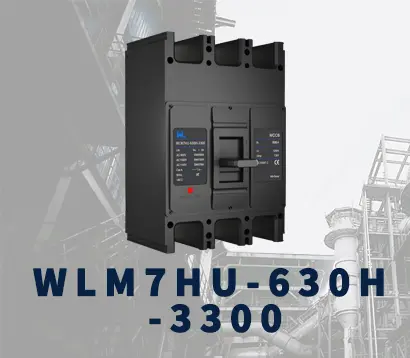 WLM7HU-630-3300 3P
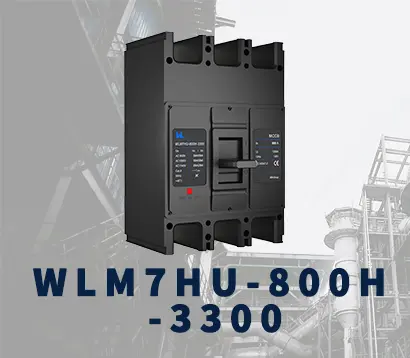 WLM7HU-800-3300 3P
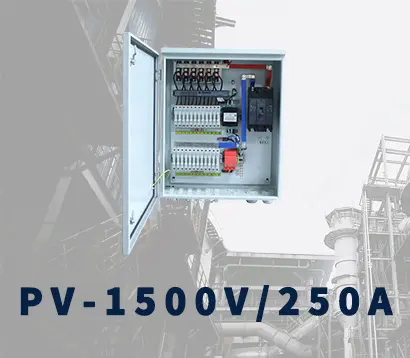 PV-1500V/250A
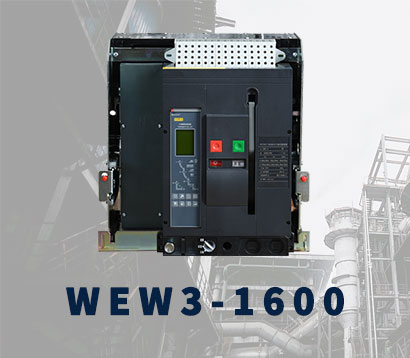 WEW3-1600
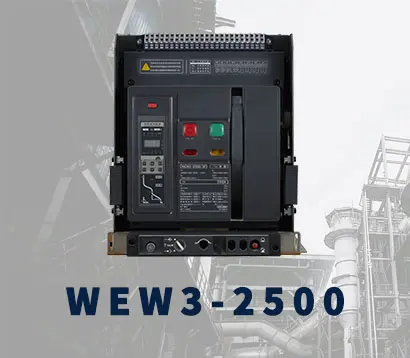 WEW3-2500
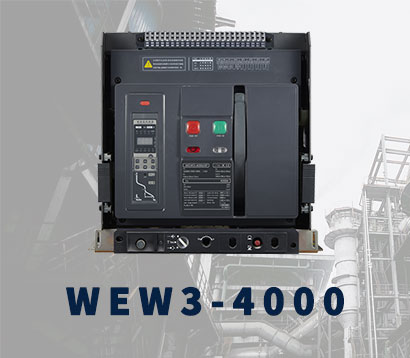 WEW3-4000
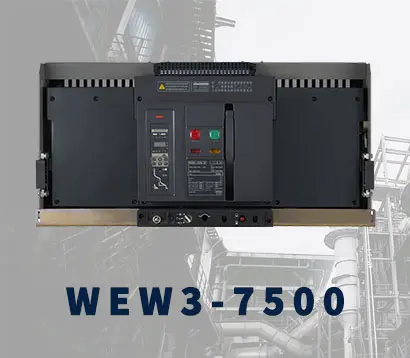 WEW3-7500