How to Choose the Best Air Breaker for Your Needs?
When selecting an air breaker, the process can feel overwhelming. Understanding the essential features and performance metrics is crucial. Air breakers, designed for various applications, must align with your specific needs.
Choosing the right air breaker involves assessing your project requirements. High-quality models provide reliability and efficiency but may come at a premium. Less expensive options might lack longevity, leading to potential regrets later on.
Consulting with professionals can greatly aid in decision-making. Their experience ensures you consider all critical factors, such as power output and durability. It's easy to overlook details that may impact performance. A thorough evaluation prevents future complications and enhances satisfaction with your choice.
Understanding the Functionality of Air Breakers
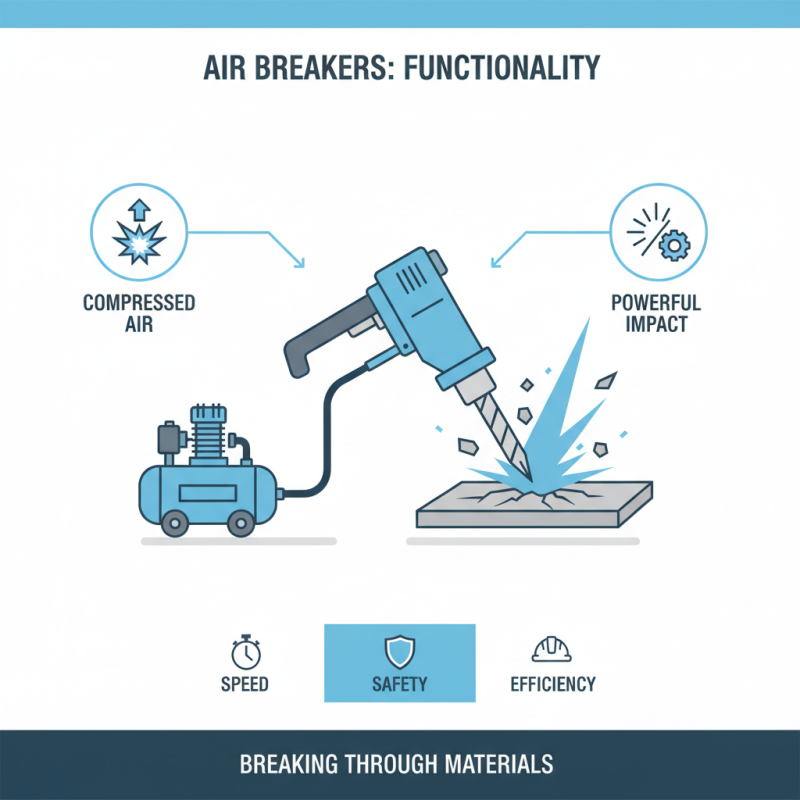
Air breakers are crucial tools in construction and demolition. They use compressed air to break through concrete and other tough materials. Their functionality relies on the rapid expansion of air to create powerful impact forces. This method is efficient in terms of both speed and safety, making it a preferred choice among professionals.
Statistics show that air breakers can deliver impacts ranging from 1,200 to 1,800 blows per minute. This is a significant advantage over traditional tools. Their effectiveness not only reduces the time spent on projects but also lowers the physical strain on workers. Many reports indicate that air breakers can improve productivity by up to 30%. However, improper selection can lead to inefficiencies and safety hazards.
Understanding the specific requirements of a project is essential. Not all air breakers are created equal. Factors such as size, weight, and air pressure settings dictate their performance. Additionally, the varying hardness of materials can impact effectiveness. Choosing the wrong model may result in prolonged work durations and increased fatigue. It is vital to examine these factors carefully to ensure optimal results in every job.
Identifying Your Specific Needs and Applications
Choosing the right air breaker starts with understanding your specific needs and applications. Each project has different requirements. For example, the type of material you are working with can influence your choice. Hard materials need robust tools. Softer substances may not require such power.
Consider the scale of your work. Are you dealing with small tasks or large-scale constructions? Smaller jobs might benefit from lightweight models, while larger projects demand heavy-duty options. Think about portability as well. A heavier air breaker can be challenging to maneuver but is often more powerful.
Evaluate the features that matter most to you. Some models offer adjustable settings for varied tasks. Others have simplified designs but may lack versatility. Reflect on where you will use the tool. Ensure it fits your workspace comfortably. Analyze every aspect, even the budget. Sometimes, spending a little more leads to better long-term use.
How to Choose the Best Air Breaker for Your Needs?
| Criteria |
Description |
Recommended Use |
| Power Source |
Electric vs Pneumatic |
Choose electric for indoor use; pneumatic for outdoor jobs. |
| Weight |
Lightweight vs Heavyweight |
Lightweight for easy maneuverability; heavyweight for more power. |
| Impact Energy |
Measured in Joules |
Higher impact energy for heavy-duty demolition tasks. |
| Ergonomics |
Design for Comfort |
Choose models with anti-vibration features for prolonged use. |
| Noise Level |
Measured in Decibels |
Consider quieter models for use in residential areas. |
| Maintenance Requirements |
Frequency and Type of Maintenance |
Select low-maintenance models for less downtime. |
Comparing Different Types of Air Breakers Available
When choosing an air breaker, understanding the types available is crucial. Most air breakers fall into two categories: single-stage and two-stage. Single-stage breakers offer simplicity and are typically lighter. However, they may lack the power and efficiency of their two-stage counterparts. According to industry reports, two-stage breakers can achieve up to 30% more efficiency, making them ideal for heavy-duty applications.
Another aspect to consider is the energy consumption of different air breakers. A recent analysis indicated that using a two-stage air breaker can reduce operational costs by nearly 20%. This savings comes from their ability to maintain consistent air pressure, which minimizes the need for constant power adjustments. Yet, some users find that the initial investment in a two-stage model may be steep, leading to hesitation.
Noise levels also vary significantly between models. Many users noted that while powerful, some air breakers operate at high decibel levels, which can be disruptive in a work environment. Selecting a quieter model might offset this issue but could lead to compromised performance. Balancing noise, power, and energy efficiency can be challenging, and users must weigh their specific needs against available options.
Evaluating Key Features and Specifications
When selecting an air breaker, evaluating key features is essential. Start with its power and performance capabilities. A good air breaker should be able to handle tough materials efficiently. Look for models that specify the impact energy in joules. This directly correlates to their effectiveness at breaking concrete or rock.
Durability is another crucial factor. The construction quality can determine the lifespan of the tool. A well-built air breaker should resist wear and tear under demanding conditions. Check if the components are made of high-quality materials. Design features matter too. A comfortable grip can reduce operator fatigue during extended use. Lightweight models make maneuvering easier but ensure they don’t compromise on strength.
Safety features are often overlooked yet vitally important. An air breaker should have mechanisms to prevent accidental activation. Adjustable power settings allow for better control. Always consider the availability of replacement parts and service support. This enhances reliability and maintenance over time. Choosing wisely can significantly affect your productivity and safety on the job.

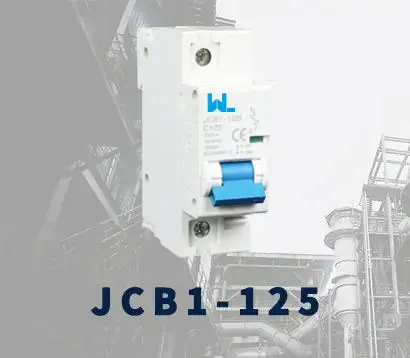 JCB1-125
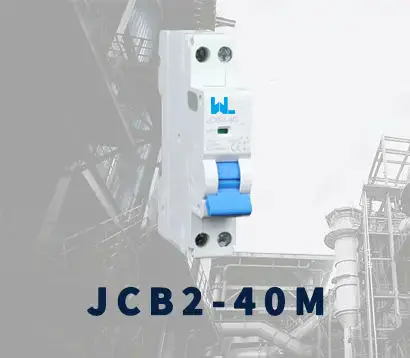 JCB2-40M
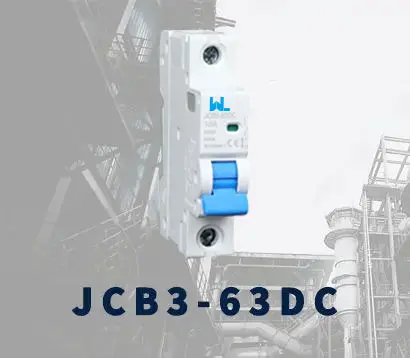 JCB3-63DC
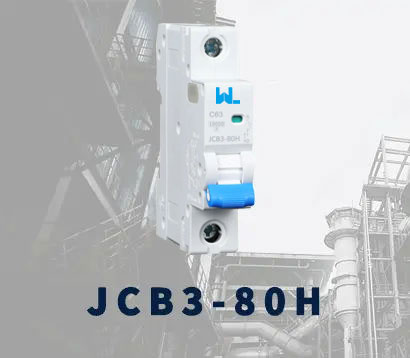 JCB3-80H
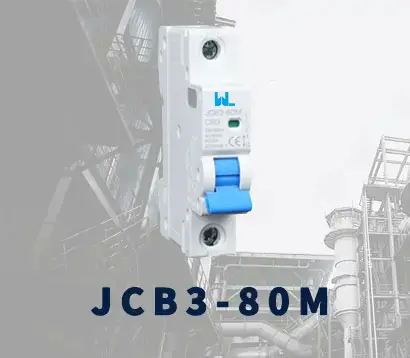 JCB3-80M
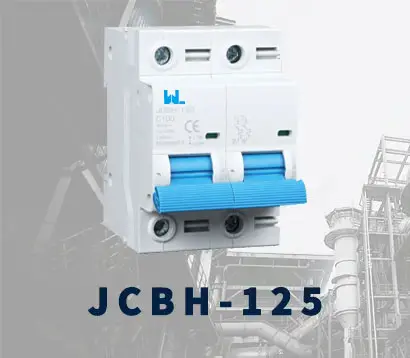 JCBH-125
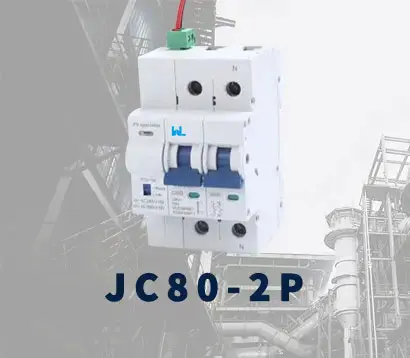 JC80-2P
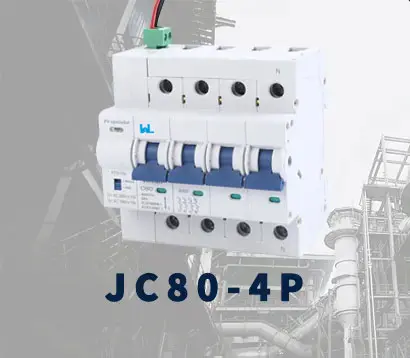 JC80-4P
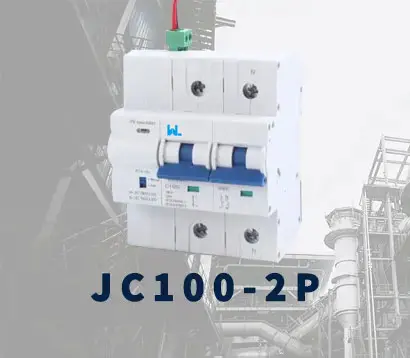 JC125-2P
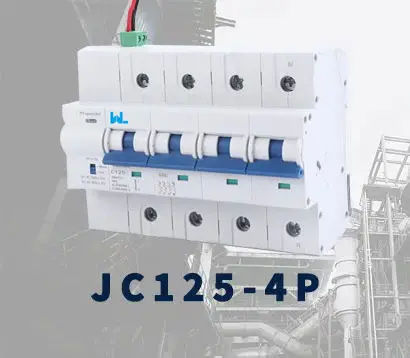 JC125-4P
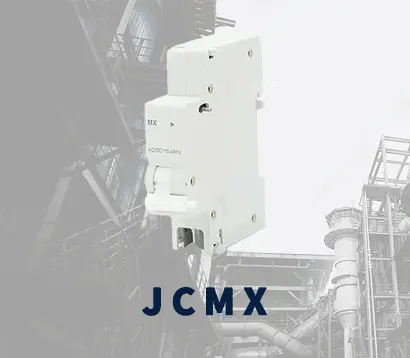 JCMX
JCMX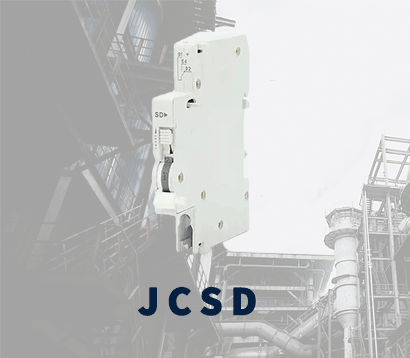 JCSD
JCSD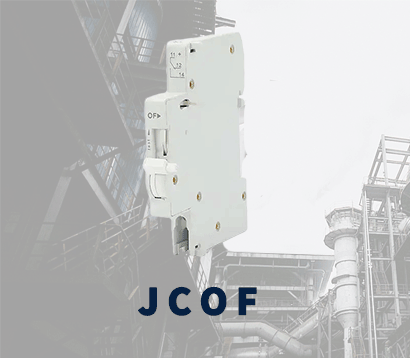 JCOF
JCOF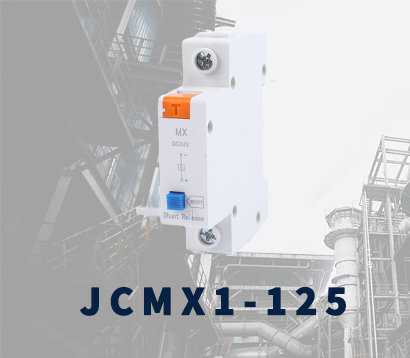 JCMX1-125
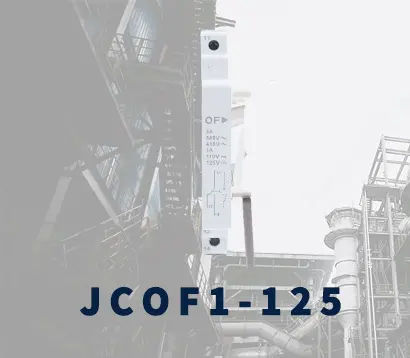 JCOF1-125
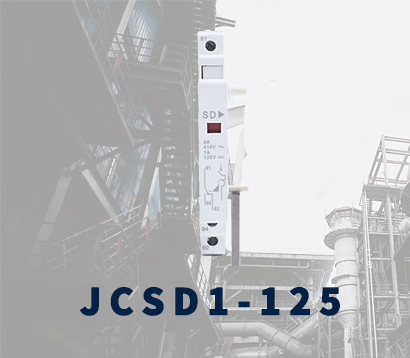 JCSD1-125
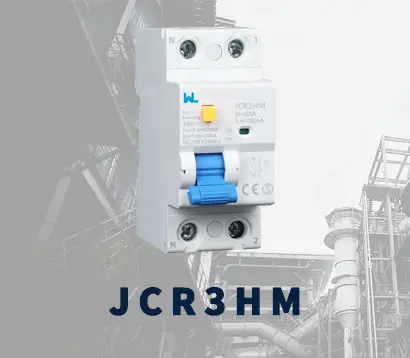 JCR3HM
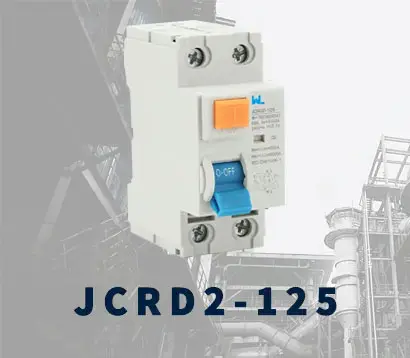 JCRD2-125
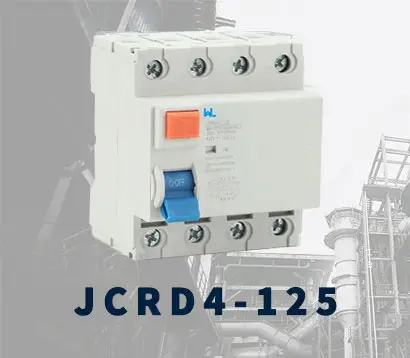 JCRD4-125
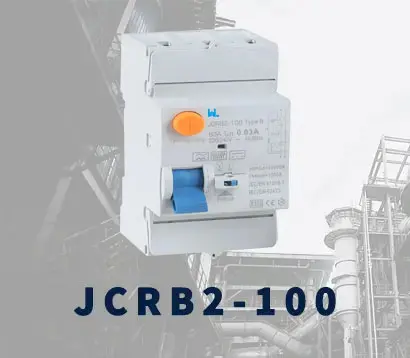 JCRB2-100
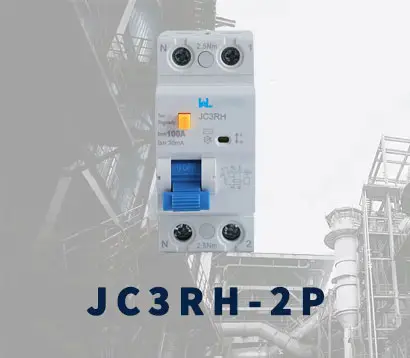 JC3RH-2P
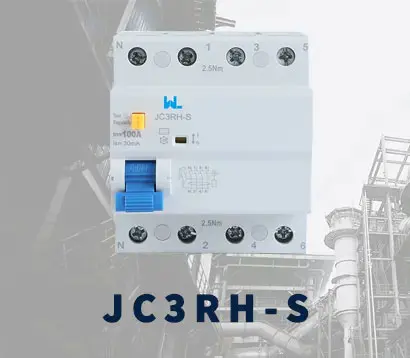 JC3RH-S
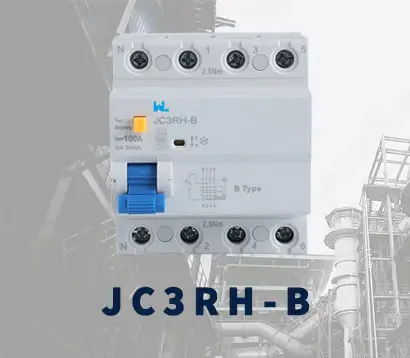 JC3RH-B
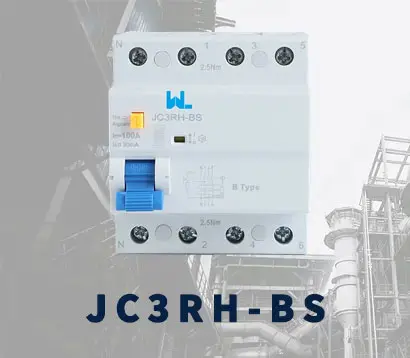 JC3RH-BS
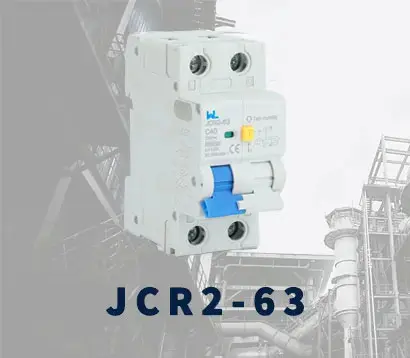 JCR2-63
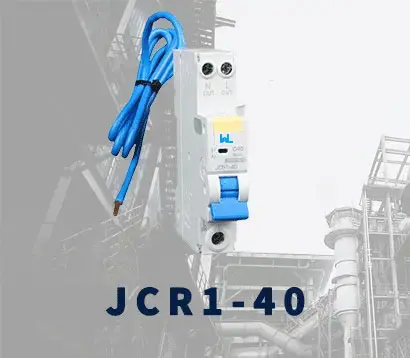 JCR1-40
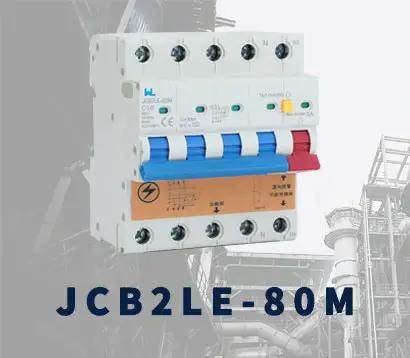 JCB2LE-80M
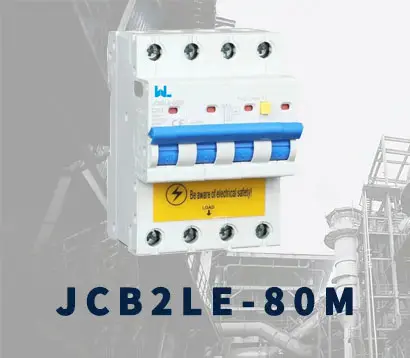 JCB2LE-80M
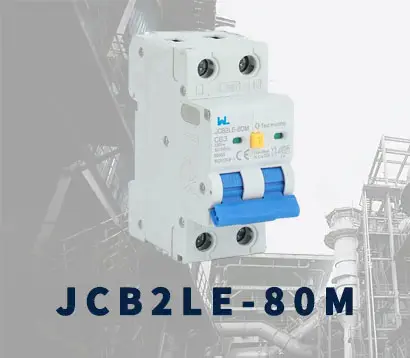 JCB2LE-80M
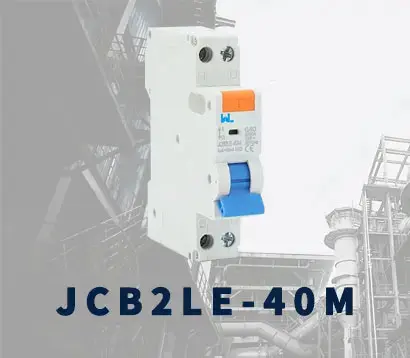 JCB2LE-40M
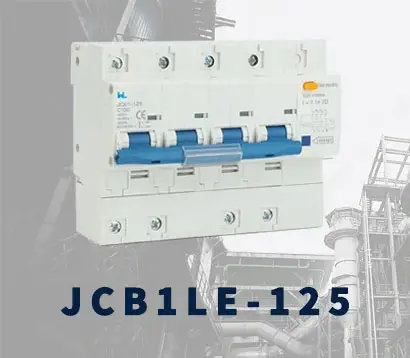 JCB1LE-125
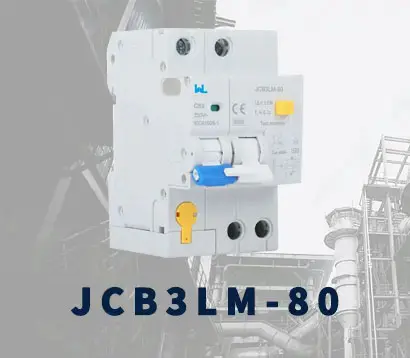 JCB3LM-80
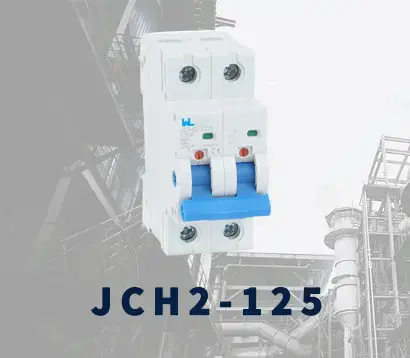 JCH2-125
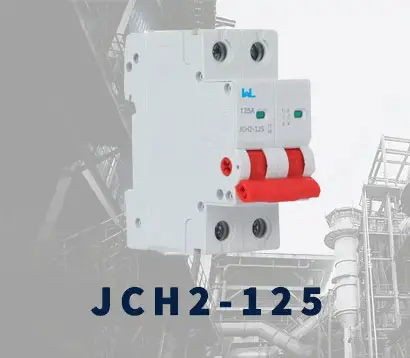 JCH2-125
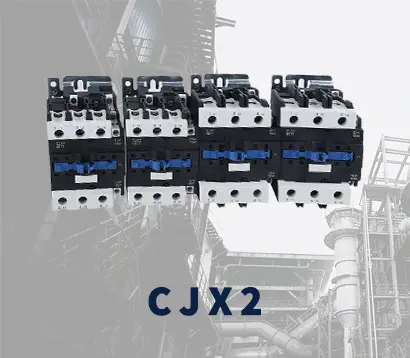 CJX2
CJX2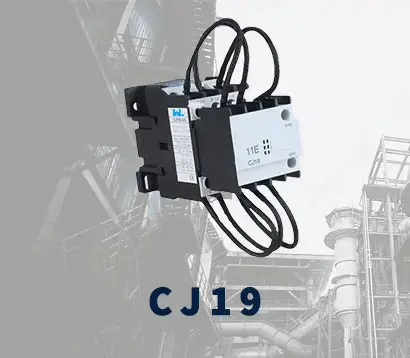 CJ19
CJ19 JCMCU
JCMCU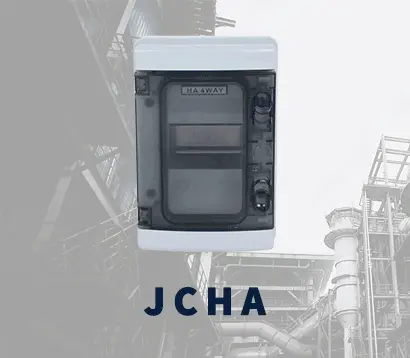 JCHA
JCHA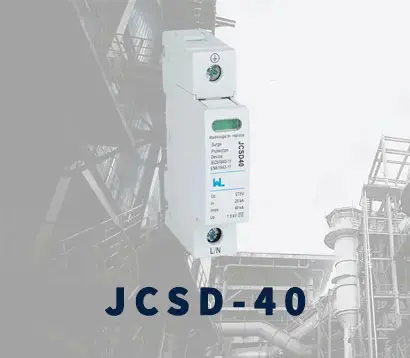 JCSD-40
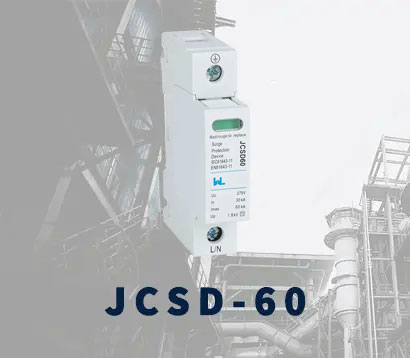 JCSD-60
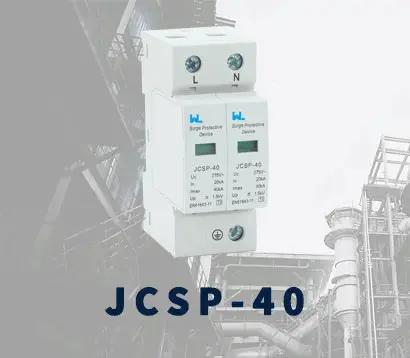 JCSP-40
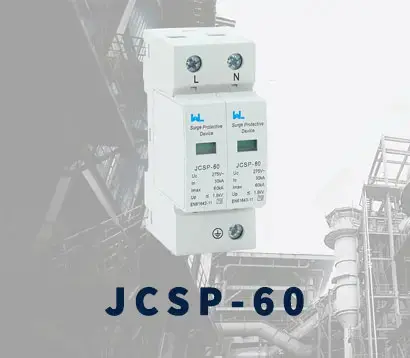 JCSP-60
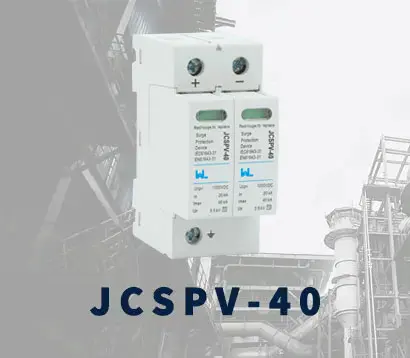 JCSPV
JCSPV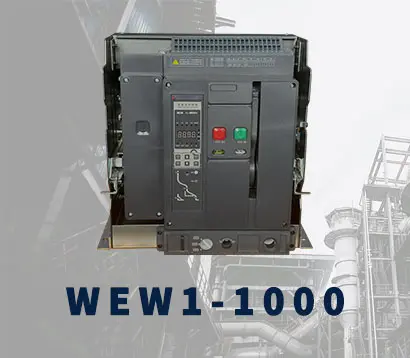 WEW1-1000
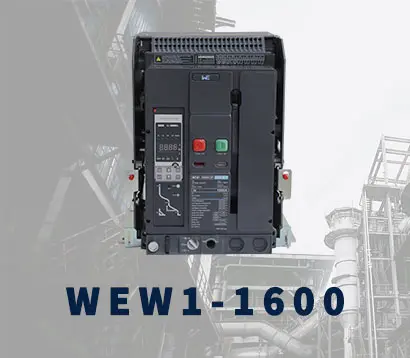 WEW1-1600
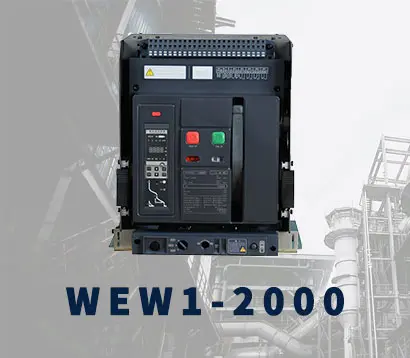 WEW1-2000
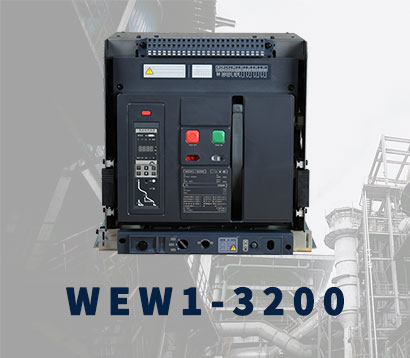 WEW1-3200
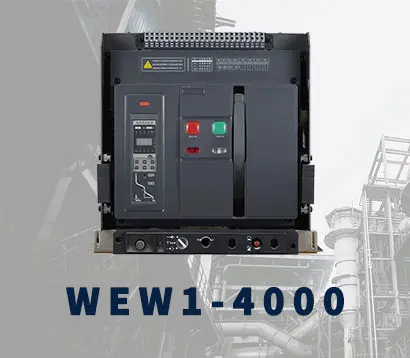 WEW1-4000
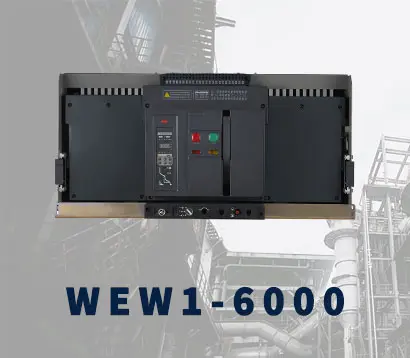 WEW1-6300
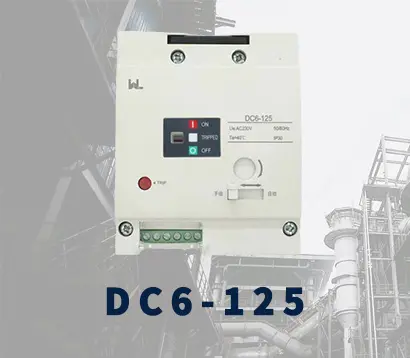 DC6-125
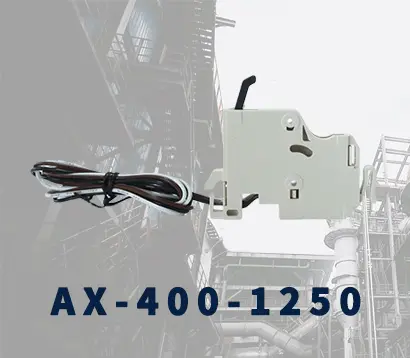 AX-400-1250
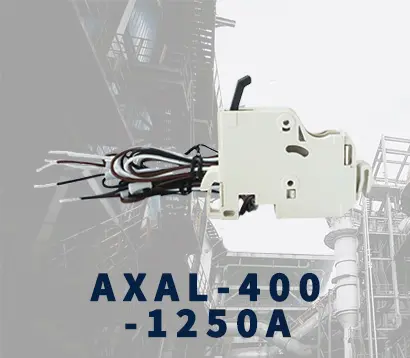 AXAL-400-1250A
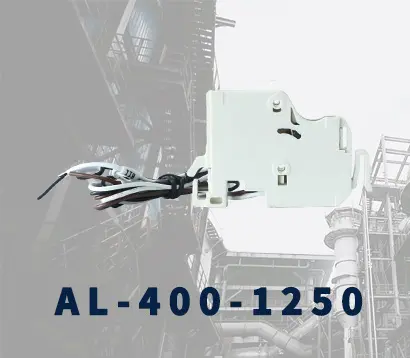 AL-400-1250
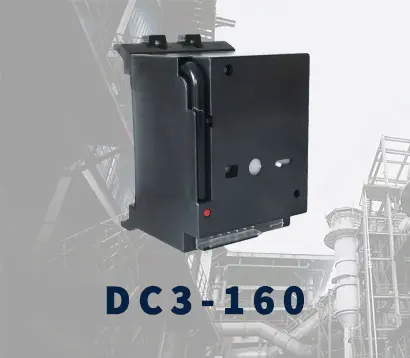 DC3-160
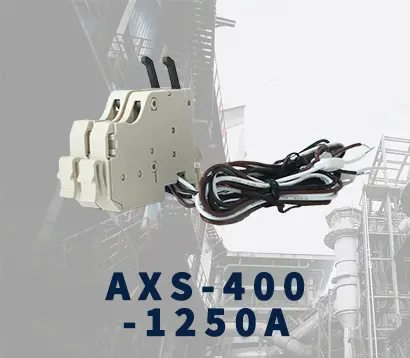 AXS-400-1250A
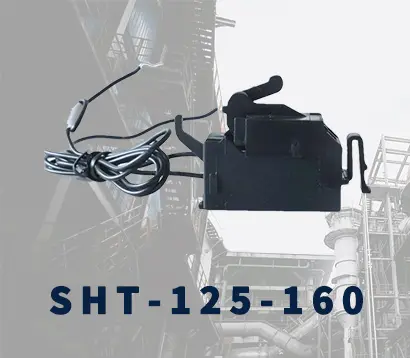 SHT-125-160
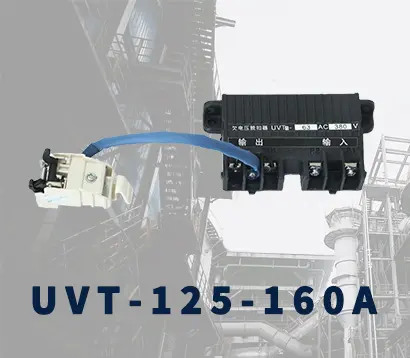 UVT-125-160A
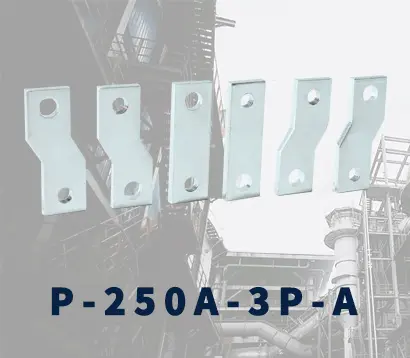 P-250A-3P-A
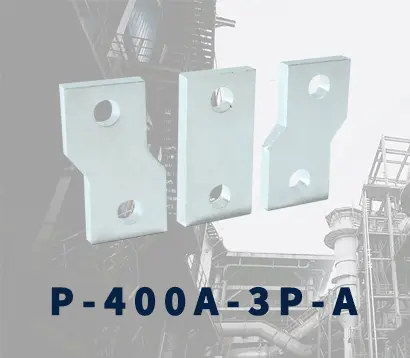 400-3P/4P terminal cover
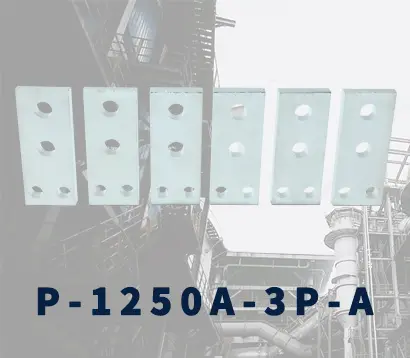 1250-3Pmccb accessories busbar
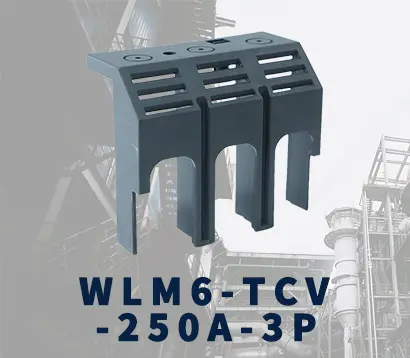 250-3P terminal conver
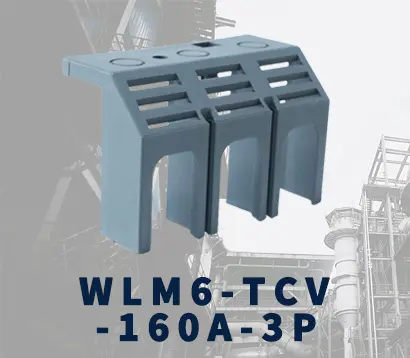 WLM6-TCV-160A-3P
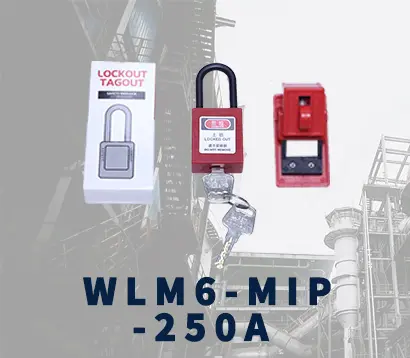 WLM6-MIP-250A
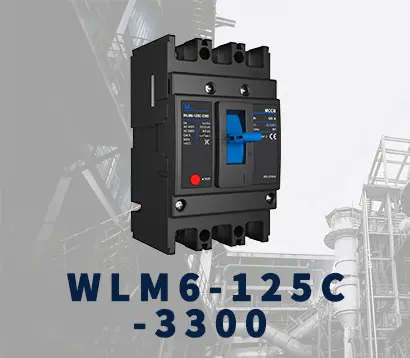 WLM6-125A-3300 3P/4P
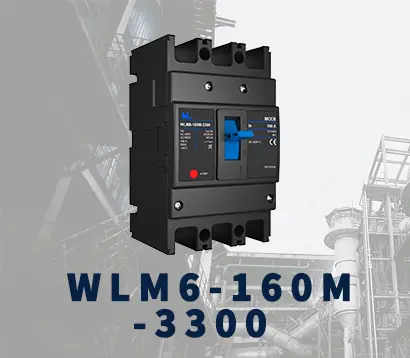 WLM6-160A-3300 3P/4P
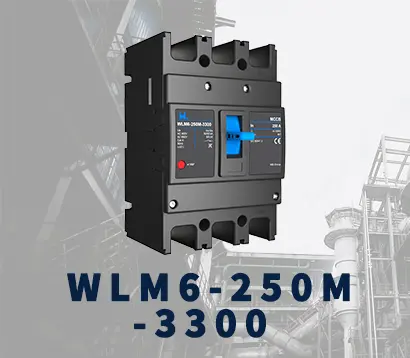 WLM6-250A-3300 3P/4P
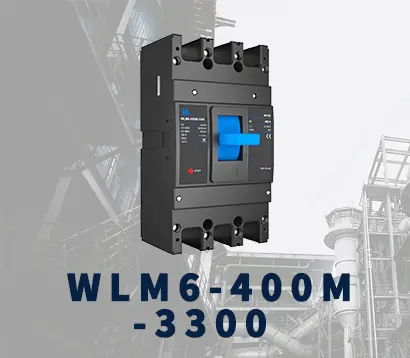 WLM6-400A-3300 3P/4P
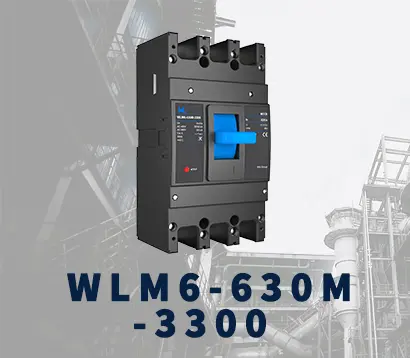 WLM6-630A-3300 3P/4P
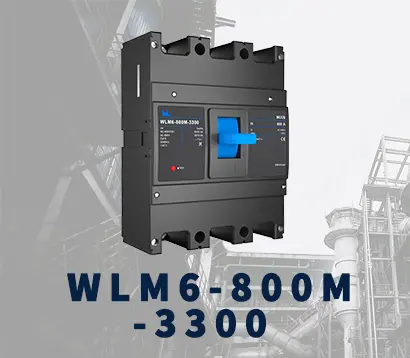 WLM6-800A-3300 3P/4P
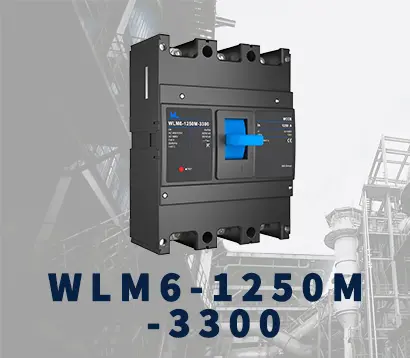 WLM6-1250A-3300 3P/4P
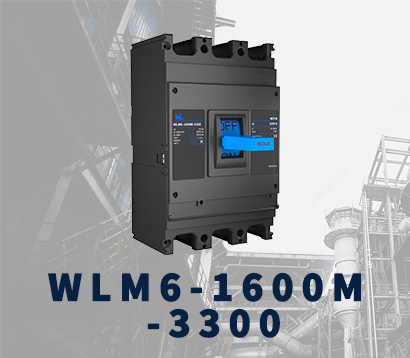 WLM6-1600A-3300 3P/4P
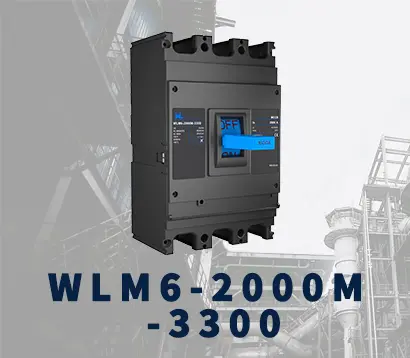 WLM6-2000A 3P/4P
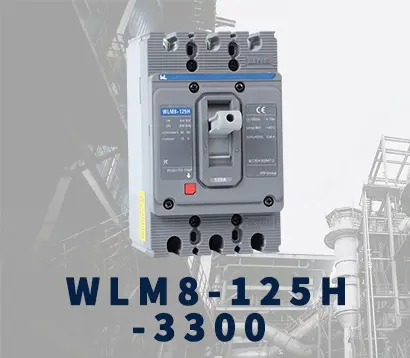 WLM8-125H-3300
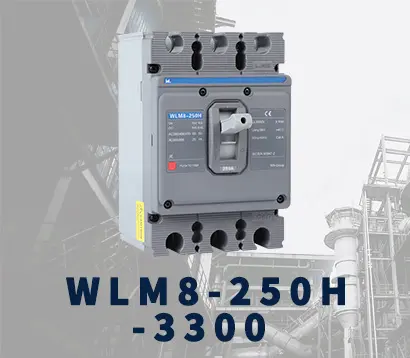 WLM8-250H-3300
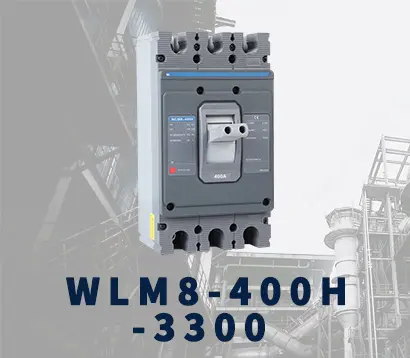 WLM8-400H-3300
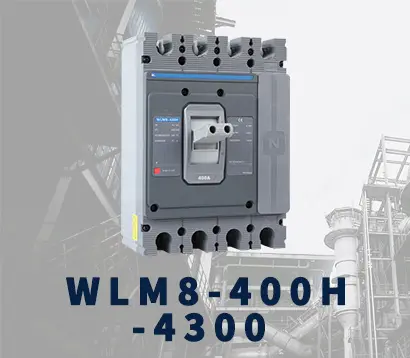 WLM8-400H-4300
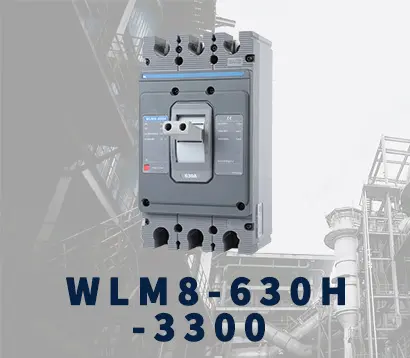 WLM8-630H-3300
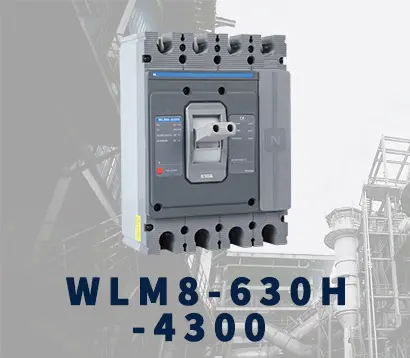 WLM8-630H-4300
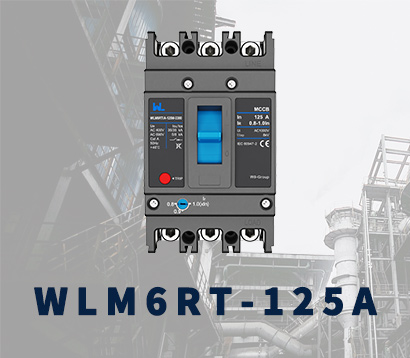 WLM6RT-125A
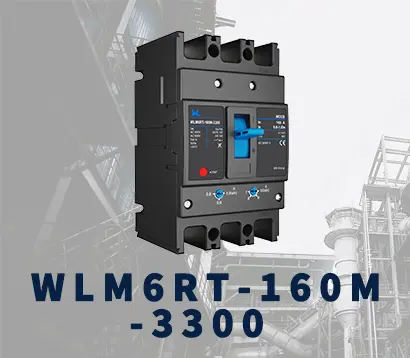 WLM6RT-160A
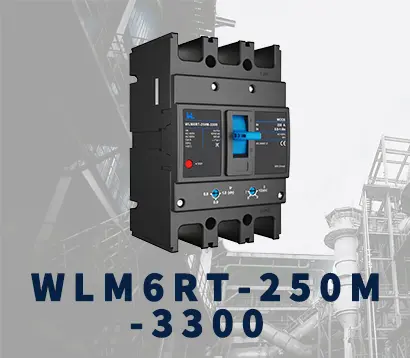 WLM6RT-250A
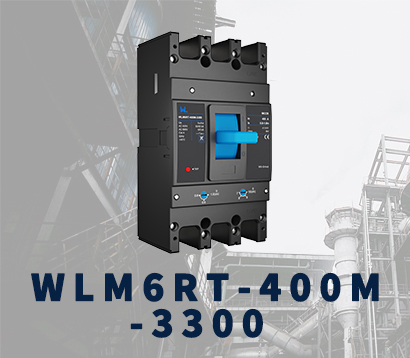 WLM6RT-400A
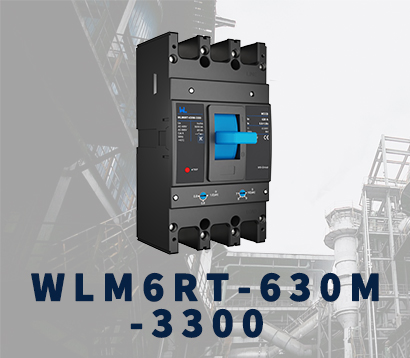 WLM6RT-630A
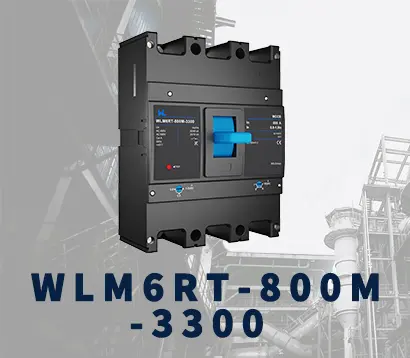 WLM6RT-800A
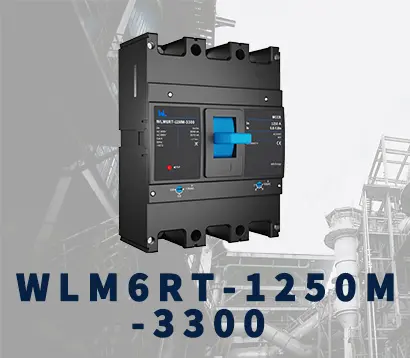 WLM6RT-1250A
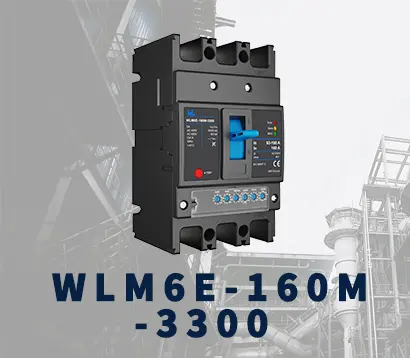 WLM6E-160A-3300 3P
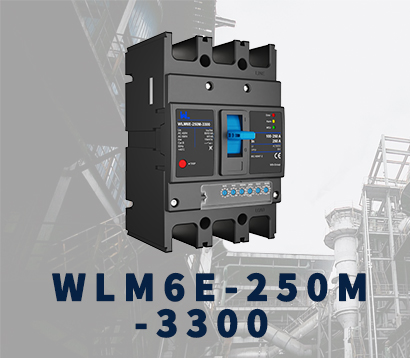 WLM6E-250A-3300
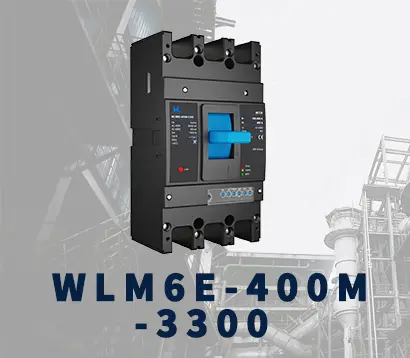 WLM6E-400A-3300 3P/4P
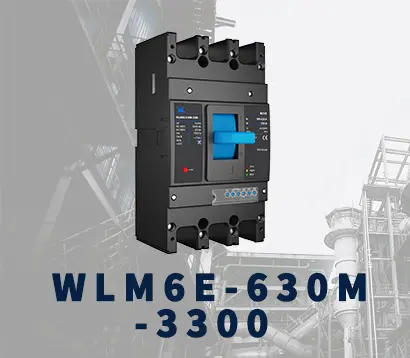 WLM6E-630A-3300
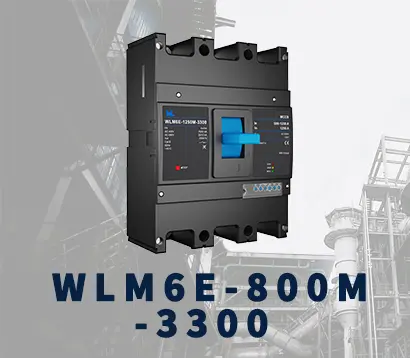 WLM6E-800A-3300 3P/4P
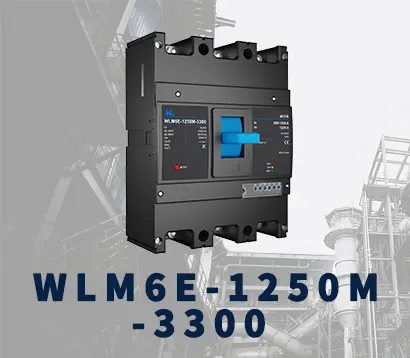 WLM6E-1250A-3300
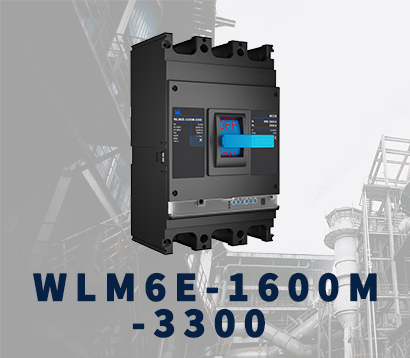 WLM6E-1600-3300 3P/4P
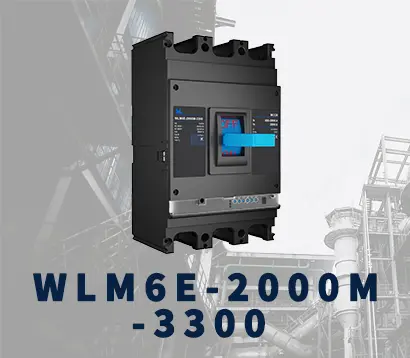 WLM6E-2000A-3300 3P/4P
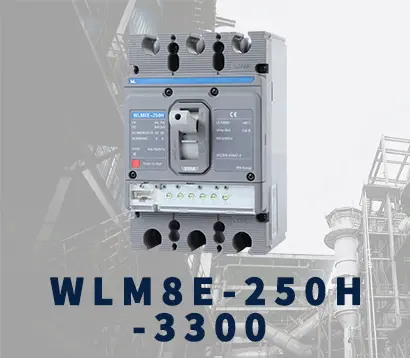 WLM8E-250H-3300
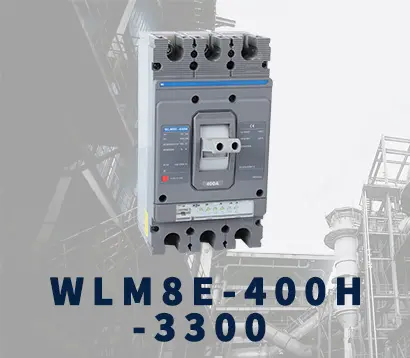 WLM8E-400H-3300
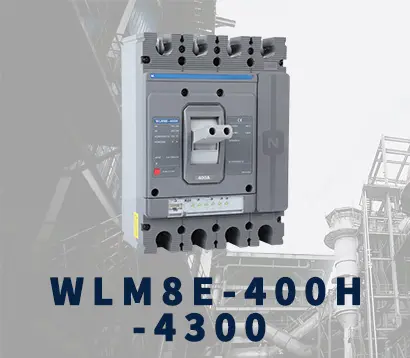 WLM8E-400H-4300
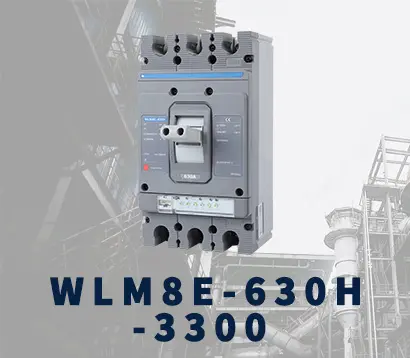 WLM8E-630H-3300
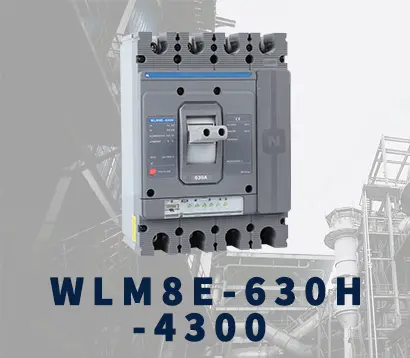 WLM8E-630H-4300
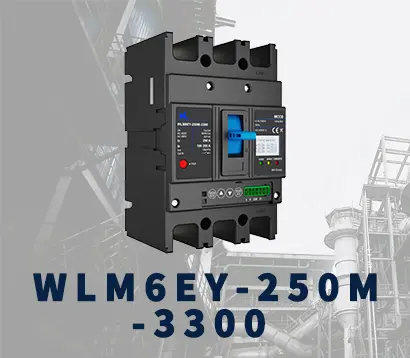 WLM6EY-250-3300 3P/4P
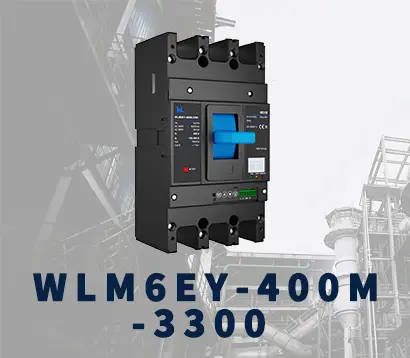 WLM6EY-400 3P/4P
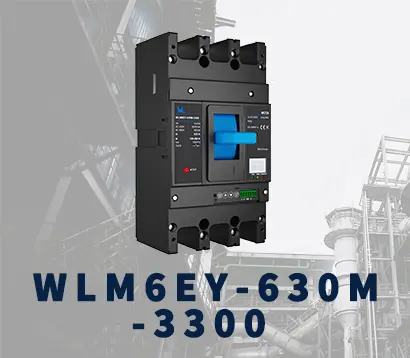 WLM6EY-630 3P/4P
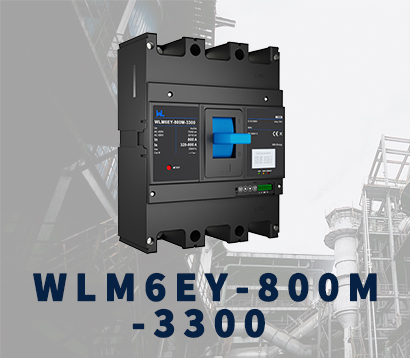 WLM6EY-800A 3P/4P
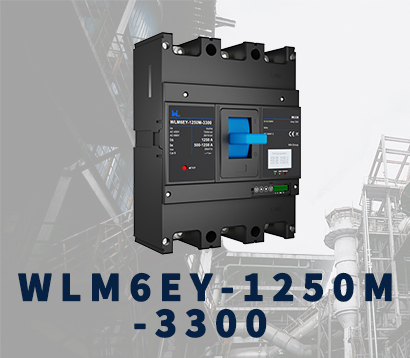 WLM6EY-1250A 3P/4P
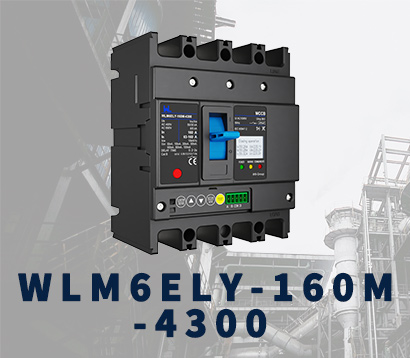 WLM6ELY-160A
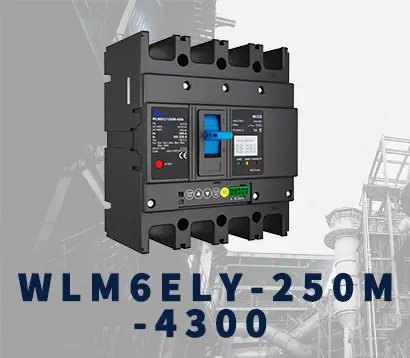 WLM6ELY-250A
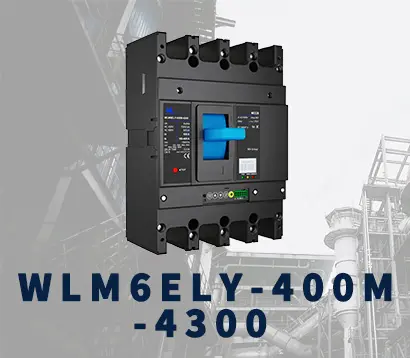 WLM6ELY-400A
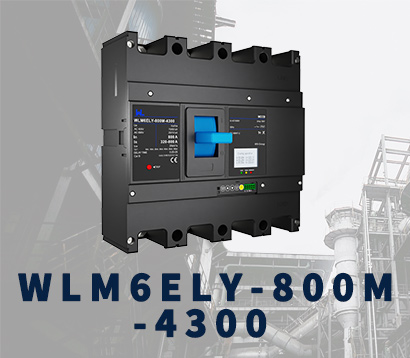 WLM6ELY-800A
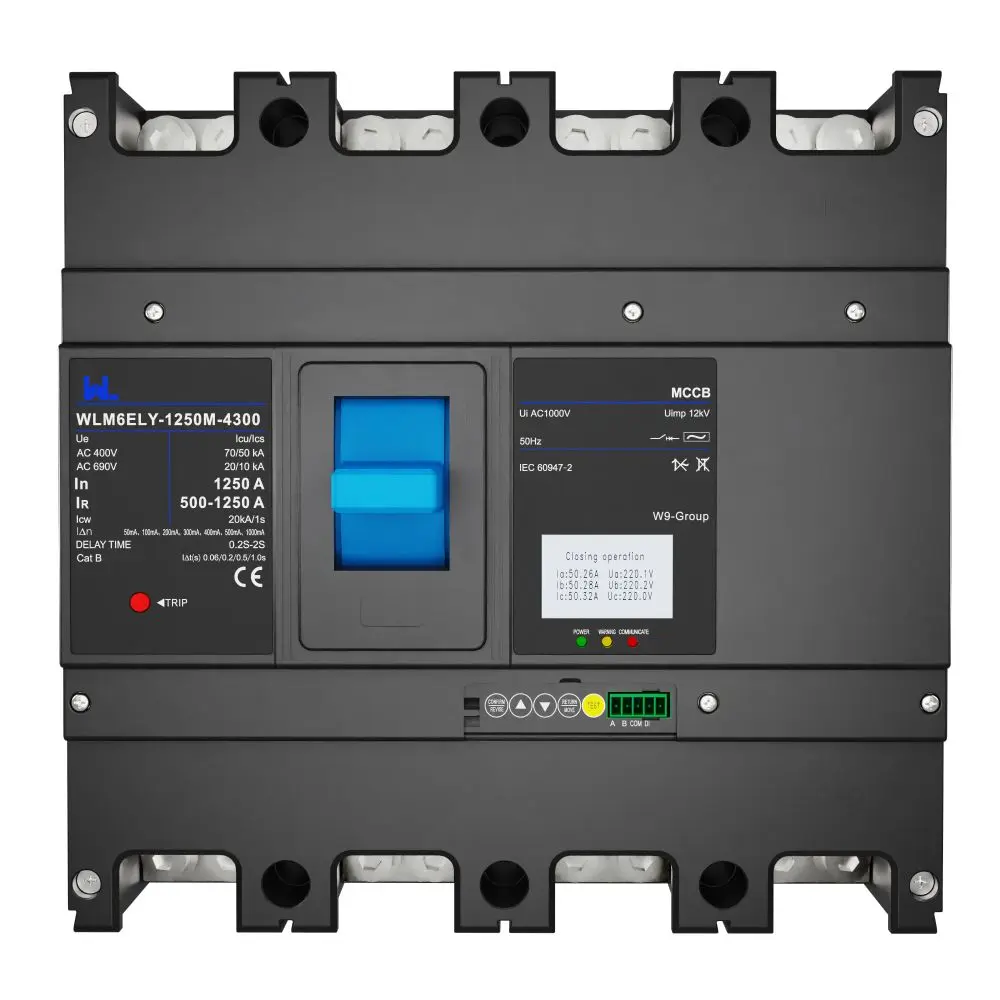 WLM6ELY-1250A
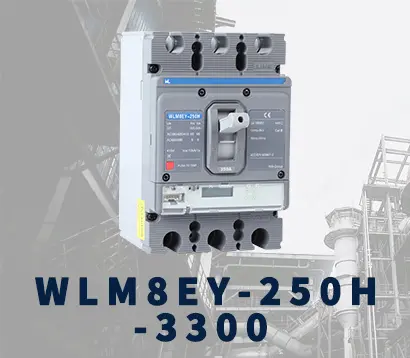 WLM8EY-250H-3300
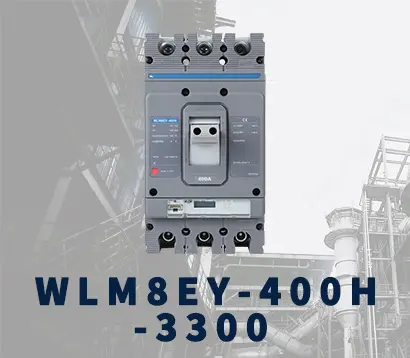 WLM8EY-400H-3300
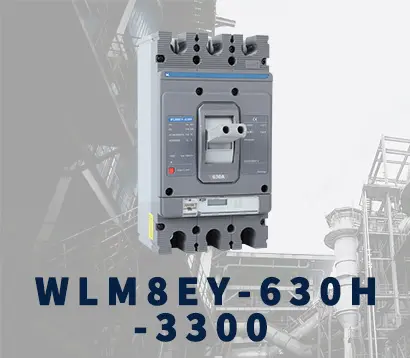 WLM8EY-630H-3300
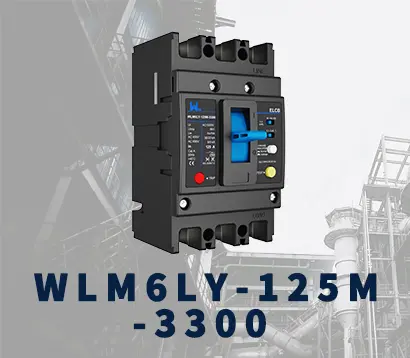 WLM6LY-125A
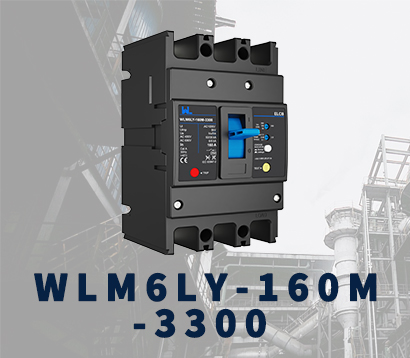 WLM6L-160A
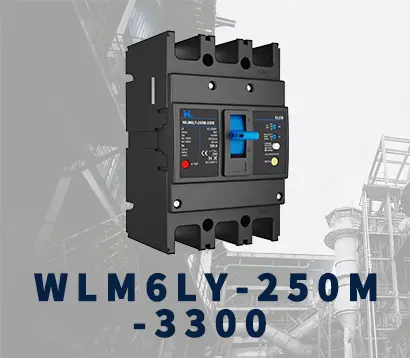 WLM6LY-250A
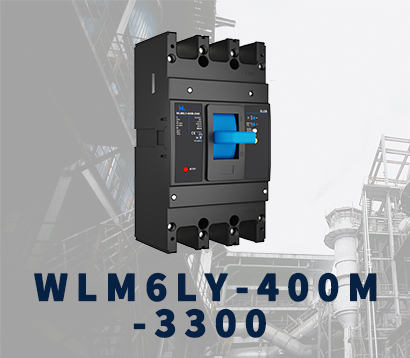 WLM6LY-400A
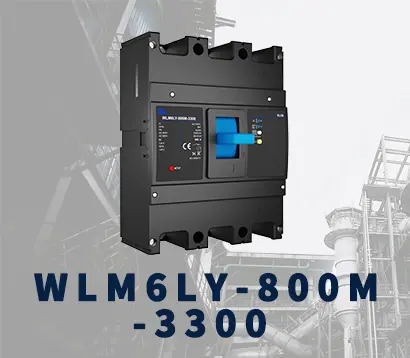 WLM6LY-800A
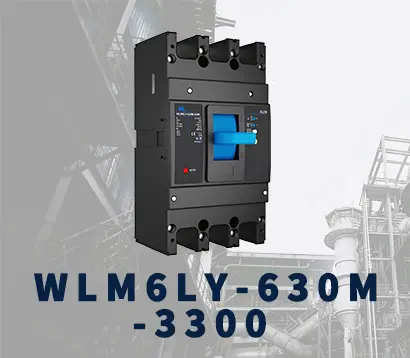 WLM6LY-630A
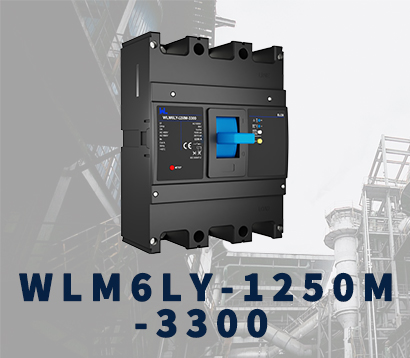 WLM6LY-1250A
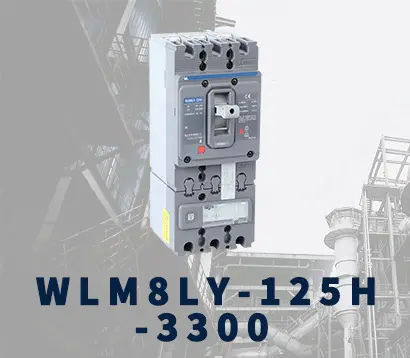 WLM8LY-125H-3300
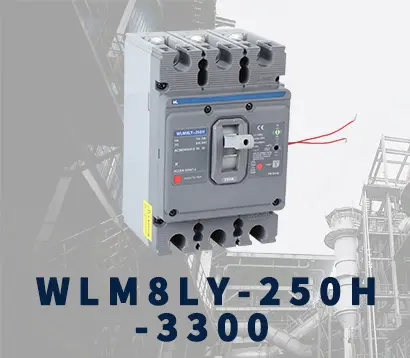 WLM8LY-250H-3300
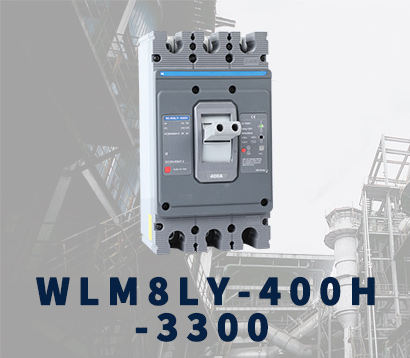 WLM8LY-400H-3300
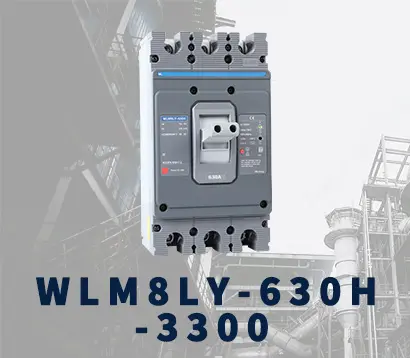 WLM8LY-630H-3300
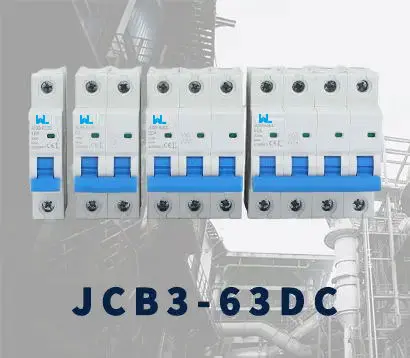 JCB3-63DC
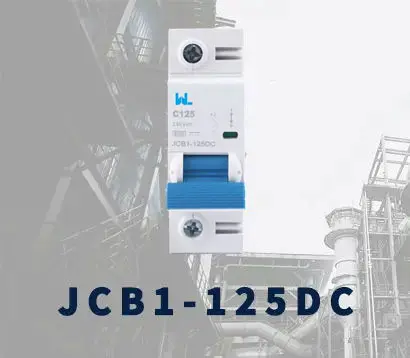 JCB1-125DC
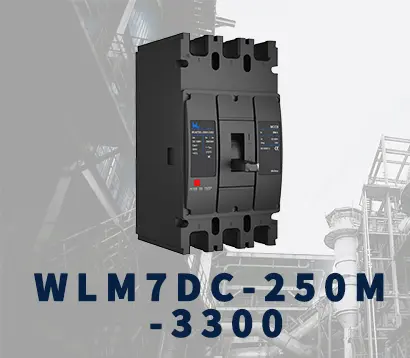 WLM7DC-250A-2300 2P/3P
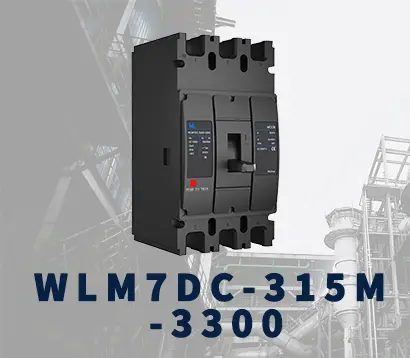 WLM7DC-315A-3300 2P/3P
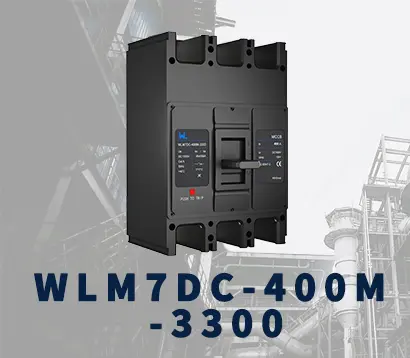 WLM7DC-400A-2300 2P/3P
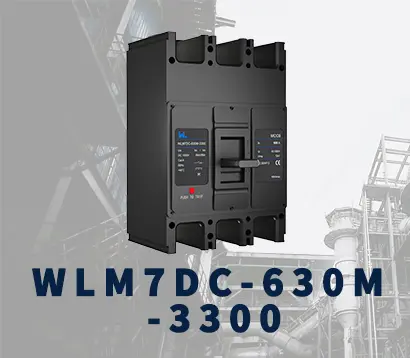 WLM7DC-630A-3300 3P
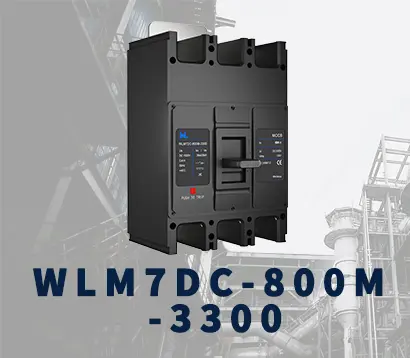 WLM7DC-800A-2300 2P/3P
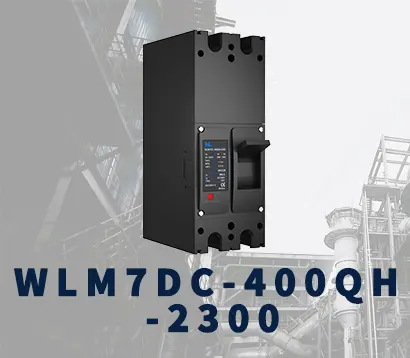 WLM7DC-400A 2300
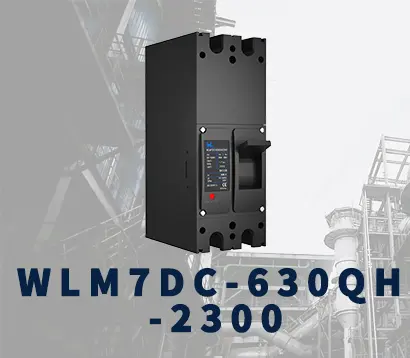 WLM7DC-630A-2300 2P
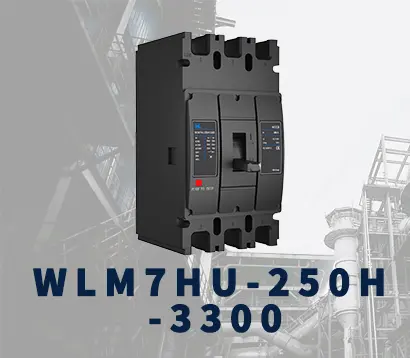 WLM7HU-250-3300 3P
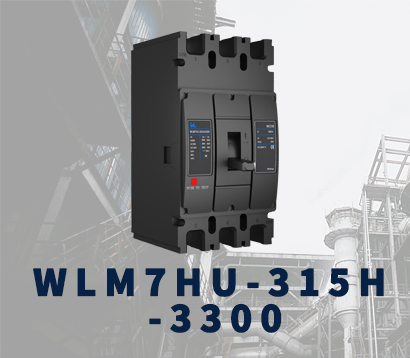 WLM7HU-315-3300 3P
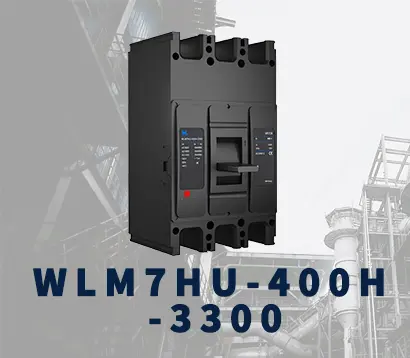 WLM7HU-400-3300 3P
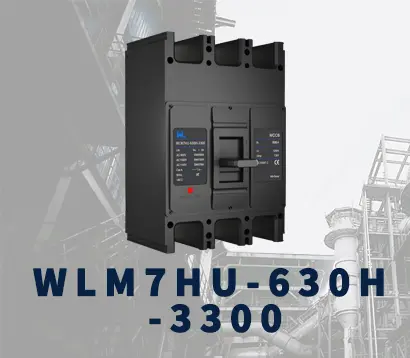 WLM7HU-630-3300 3P
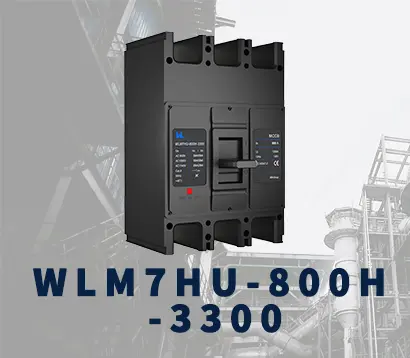 WLM7HU-800-3300 3P
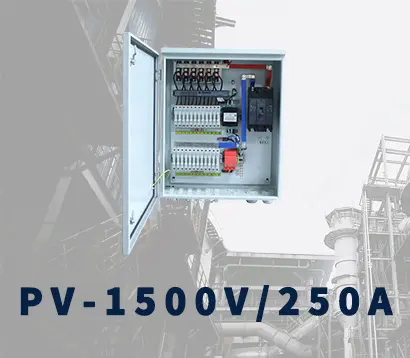 PV-1500V/250A
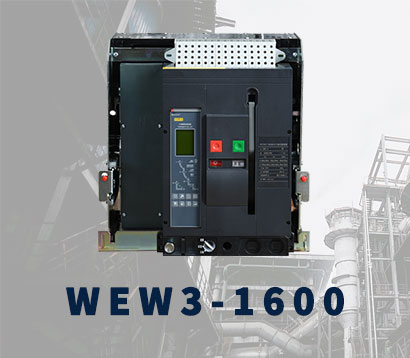 WEW3-1600
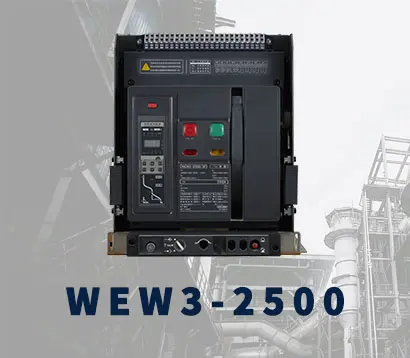 WEW3-2500
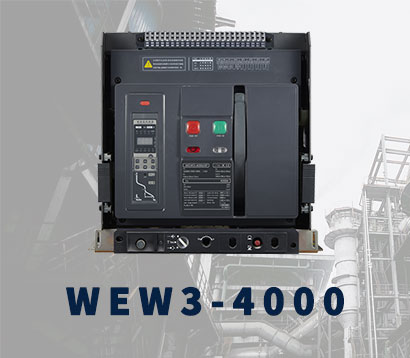 WEW3-4000
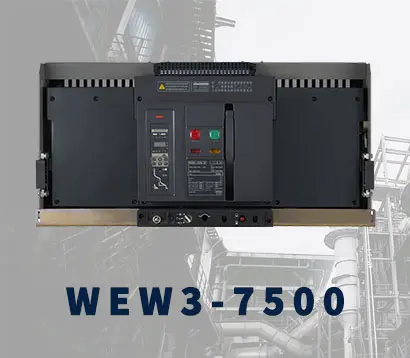 WEW3-7500