How to Choose the Right Electric MCCB for Your Needs?
Choosing the right Electric MCCB (Miniature Circuit Breaker) is crucial for electrical safety and efficiency in any installation. With the growing demand for reliable electrical systems, understanding MCCBs becomes essential for both professionals and DIY enthusiasts. An Electric MCCB protects circuits from overloads and short circuits, ensuring equipment longevity and safety.
When selecting an Electric MCCB, consider the specific requirements of your application. Factors such as current rating, voltage, and response time play pivotal roles. Each electrical environment presents unique challenges. It is imperative to evaluate these nuances carefully. Sometimes, even seasoned professionals overlook these details. This can lead to incorrect choices that compromise safety and efficiency.
Reliable information sources can help navigate this selection process. However, the variety in product specifications can be overwhelming. Gathering relevant data based on your needs is key. Even minor decisions can significantly impact performance. Knowledge about Electric MCCBs aids in making informed choices. Ultimately, the right Electric MCCB safeguards both equipment and individuals effectively.
Understanding Electric MCCBs: Definition and Functionality
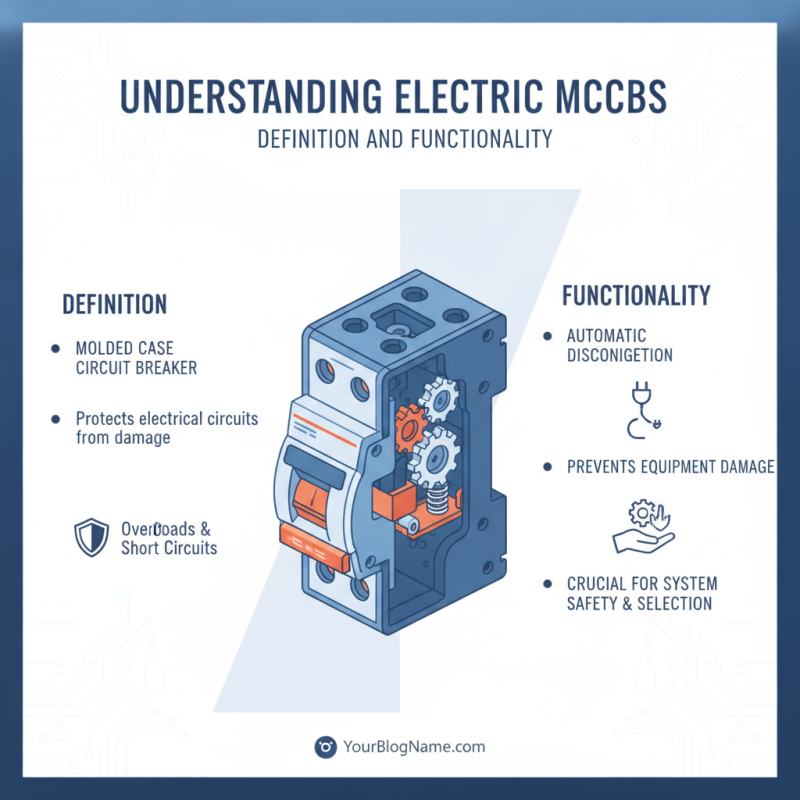
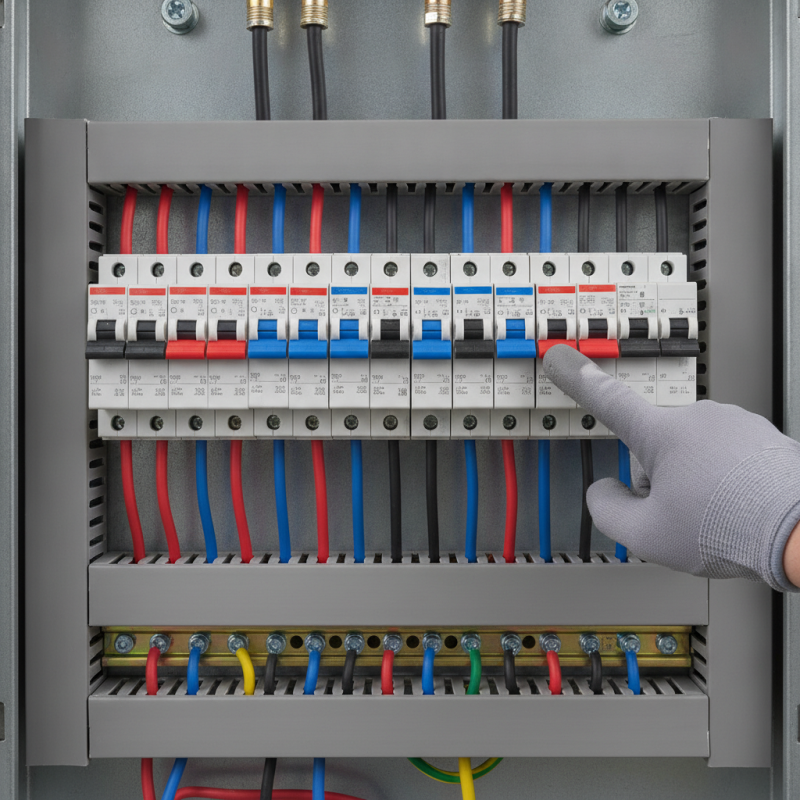
Electric MCCBs, or Molded Case Circuit Breakers, play a crucial role in electrical systems. They protect circuits from overloads and short circuits. With their ability to automatically disconnect power, they help prevent damage to electrical equipment. Understanding their functionality is vital for selecting the right model.
MCCBs consist of several key components. These include a magnetic trip unit and a thermal trip unit. The thermal unit responds to gradual overloads. In contrast, the magnetic unit reacts quickly to short circuits. This dual functionality ensures comprehensive protection for electrical systems.
Choosing the right MCCB requires careful consideration. You need to assess the load capacity and the ambient conditions. Factors such as voltage ratings and breaking capacity are also important. It's easy to overlook these details, leading to incorrect choices. Reflecting on your specific needs helps ensure effective protection for your electrical systems.
Key Factors to Consider When Selecting an Electric MCCB
When selecting an Electric MCCB, several key factors come into play. One critical aspect is the current rating. According to industry reports, proper sizing is essential to ensure optimal protection against overloads and short circuits. Choosing an MCCB rated for your specific application can prevent equipment damage and boost efficiency. An inadequate rating can lead to frequent tripping, causing downtime and losses.
Next, consider the interrupting capacity of the MCCB. This capacity defines its ability to break the circuit under fault conditions. Studies show that choosing an MCCB with suitable interrupting capacity can enhance system reliability. Underestimating this value can result in catastrophic failures. MCCBs with higher ratings may also accommodate future load expansions.
Finally, pay attention to the environmental conditions of your installation. Factors like temperature, humidity, and potential exposure to corrosive elements can influence the lifespan of the MCCB. Detailed assessments, as highlighted by technical documents, can provide insights into the right material choices for your specific settings. Neglecting these conditions might lead to premature equipment failure, highlighting the importance of informed decision-making in this area.
How to Choose the Right Electric MCCB for Your Needs?
This bar chart illustrates the key factors to consider when selecting an electric MCCB, showcasing various parameters and their importance ratings on a scale from 1 to 10.
Evaluating Load Requirements for Optimal MCCB Performance
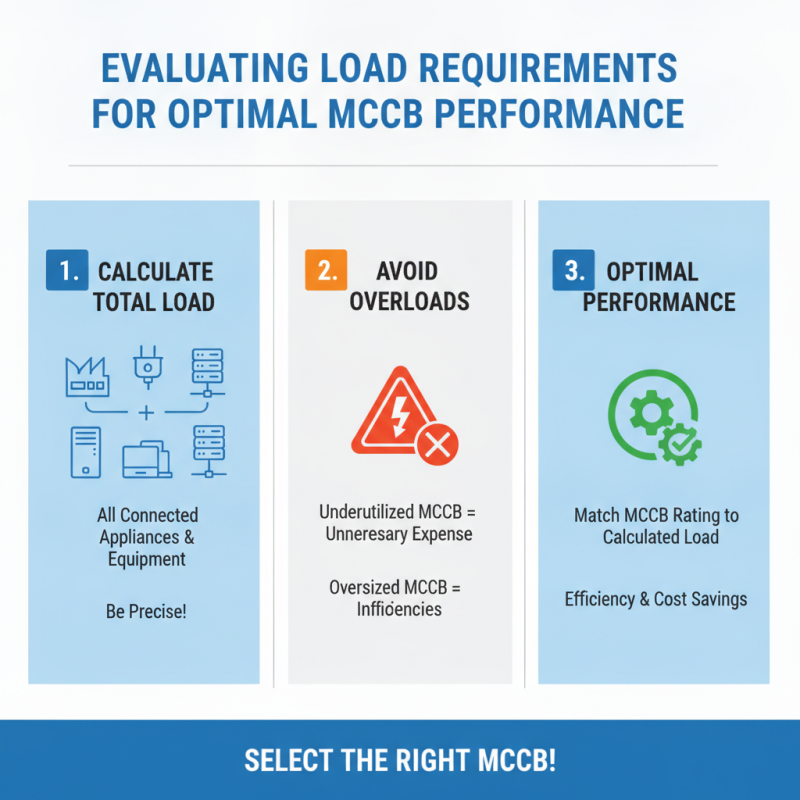
When selecting an electric MCCB, evaluating load requirements is critical. Calculate the total load your system will handle. This includes all connected appliances and equipment. Be precise with these calculations to avoid potential overloads. An underutilized MCCB might lead to unnecessary expenses. Conversely, an oversized unit could cause inefficiencies.
Understand the nature of the load. Is it continuous or intermittent? Loads that fluctuate significantly require additional consideration. Take note of peak demands and surges. A detailed load analysis can guide you toward the right choice. Keep in mind that environmental factors, like temperature and humidity, can affect performance.
It’s essential to revisit your load calculations periodically. Business needs can change. Expanding operations may lead to increased load demands. Regularly assess whether your current MCCB meets the new requirements. It’s better to adjust upfront than face complications later. The right MCCB ensures safety and reliability, supporting your operations effectively.
Exploring Different Types of Electric MCCBs Available
When selecting an electric MCCB, understanding the various types is crucial. Electric MCCBs, or Molded Case Circuit Breakers, come in several designs. Each type offers unique features tailored to specific applications. These include standard MCCBs, earth leakage circuit breakers, and miniature circuit breakers. Each type has its own strengths and weaknesses.
Standard MCCBs are versatile and suitable for general use. They provide reliable protection against overloads. Earth leakage circuit breakers, on the other hand, focus on preventing shock hazards. They detect current leaks and disconnect the circuit quickly. Miniature circuit breakers are ideal for smaller loads. They are compact and easy to install, but may have limitations in larger applications.
Consider the electrical requirements of your system. Know the maximum current and voltage ratings before making a choice. Some people may overlook these details, which can lead to improper selections. A mismatch can cause equipment failure or safety hazards. Balance your needs with the available options. Prioritize getting the right fit for your specific circumstances.
Installation and Maintenance Tips for Electric MCCBs
When it comes to installing electric MCCBs, attention to detail is crucial. Proper installation begins with selecting the correct mounting location. It should be accessible, allowing for easy monitoring. Ensure that there’s adequate space around the MCCB for air circulation. This prevents overheating, which can lead to operational failures. Check the installation manual for specific mounting guidelines.
Regular maintenance is essential to ensure the longevity of MCCBs. Inspect the device periodically for any signs of wear or damage. Dust can accumulate, affecting performance. Cleaning it routinely helps maintain efficiency.
Monitoring the MCCB’s operation is vital. Look for unusual noises or vibrations, which might indicate issues. If problems arise, consult a professional for repairs. It’s important to keep records of maintenance activities. This not only tracks performance but also highlights when components need replacement. Ignoring these steps can lead to unexpected failures, causing downtime.

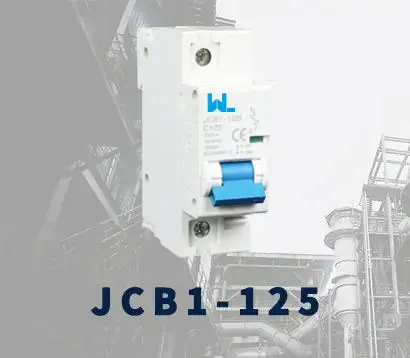 JCB1-125
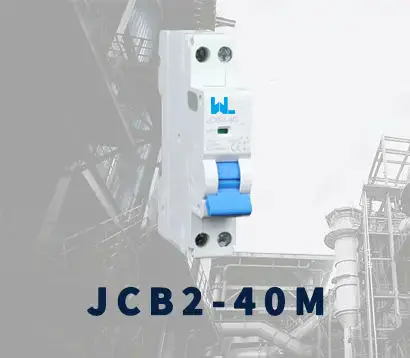 JCB2-40M
 JCB3-63DC
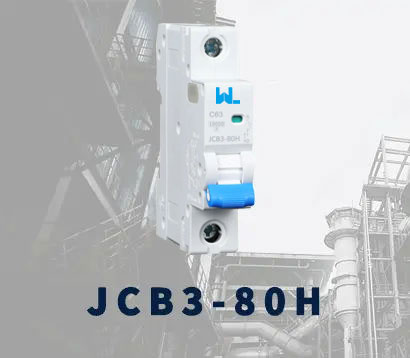 JCB3-80H
 JCB3-80M
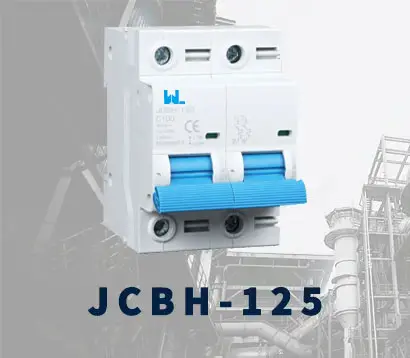 JCBH-125
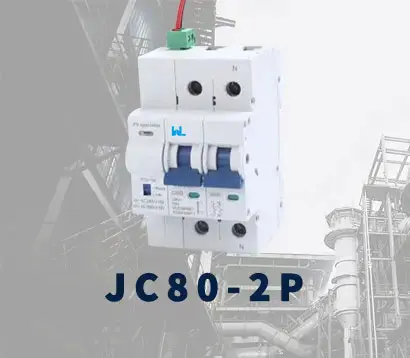 JC80-2P
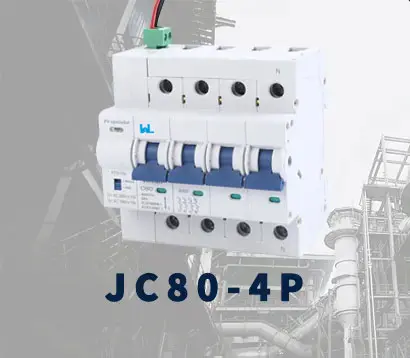 JC80-4P
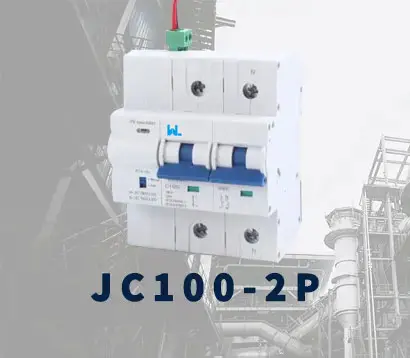 JC125-2P
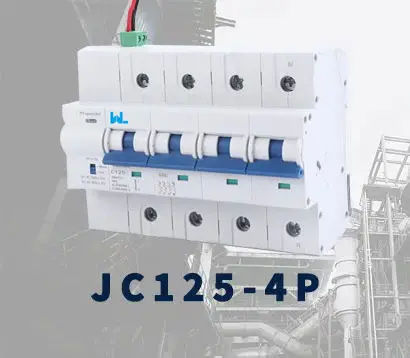 JC125-4P
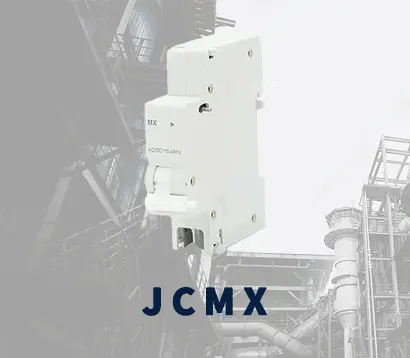 JCMX
JCMX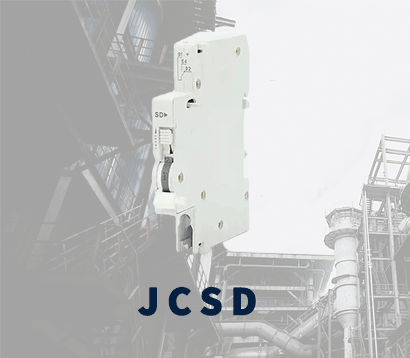 JCSD
JCSD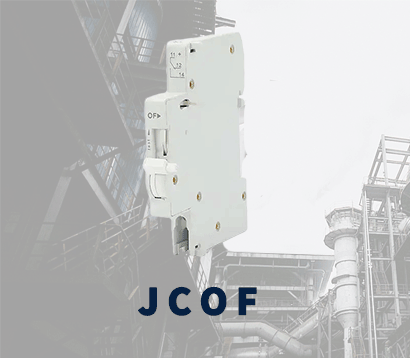 JCOF
JCOF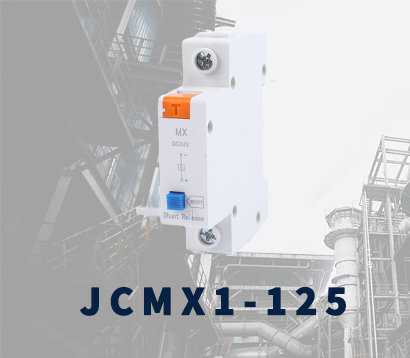 JCMX1-125
 JCOF1-125
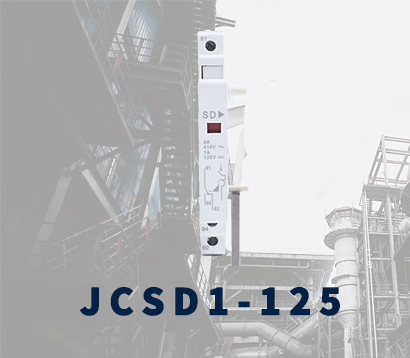 JCSD1-125
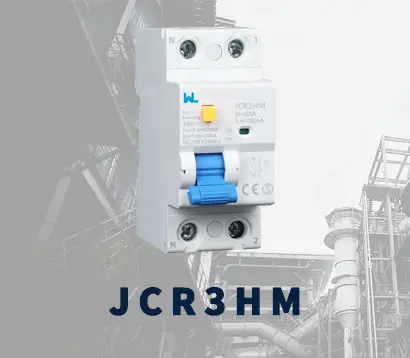 JCR3HM
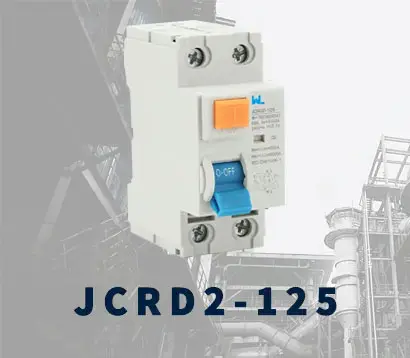 JCRD2-125
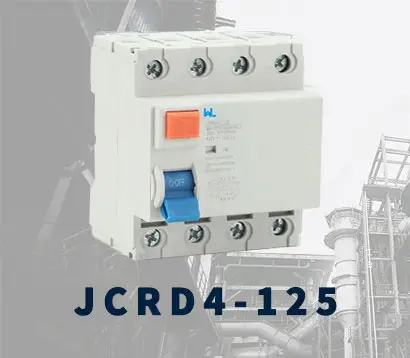 JCRD4-125
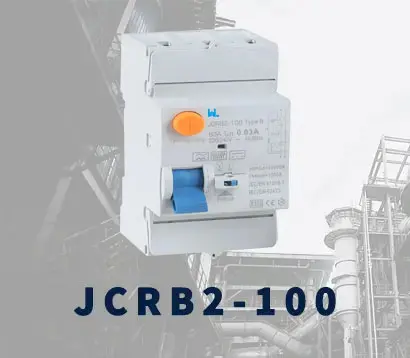 JCRB2-100
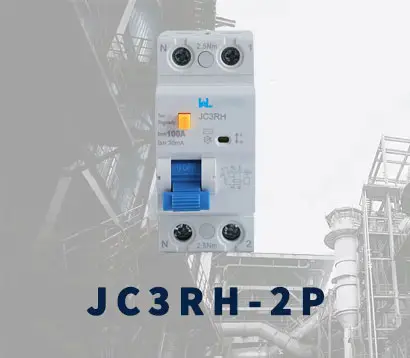 JC3RH-2P
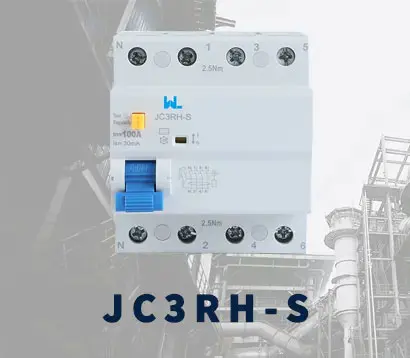 JC3RH-S
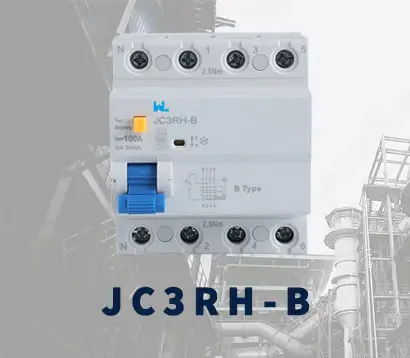 JC3RH-B
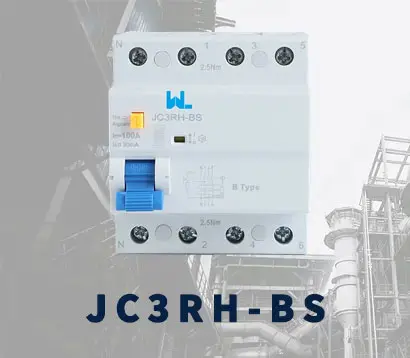 JC3RH-BS
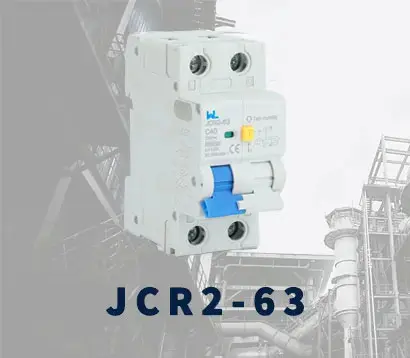 JCR2-63
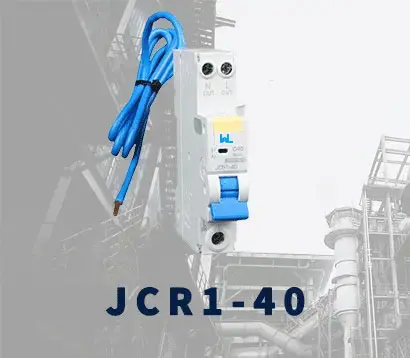 JCR1-40
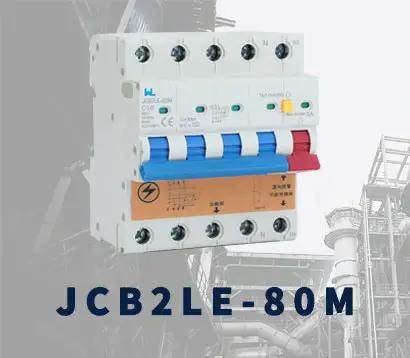 JCB2LE-80M
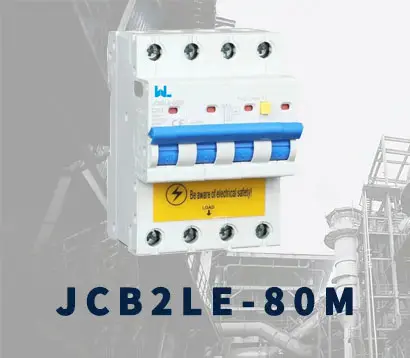 JCB2LE-80M
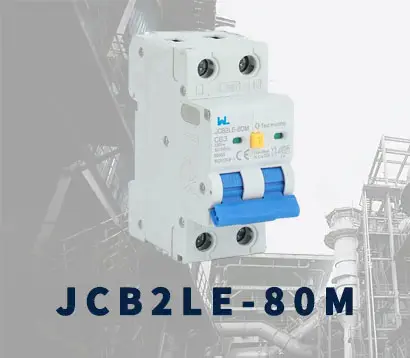 JCB2LE-80M
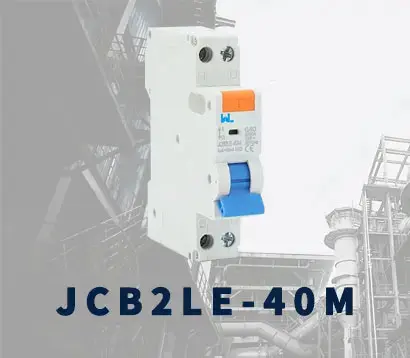 JCB2LE-40M
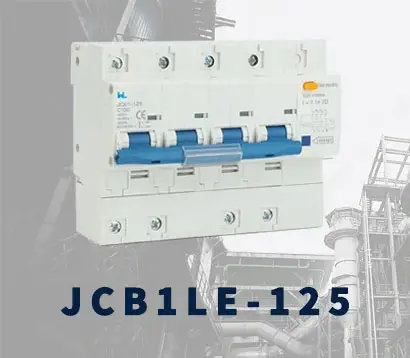 JCB1LE-125
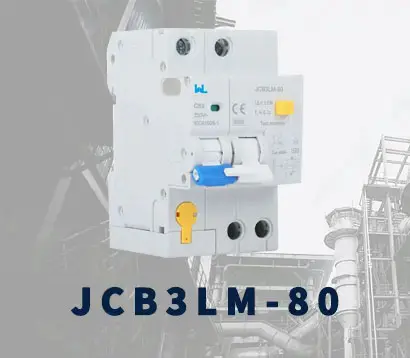 JCB3LM-80
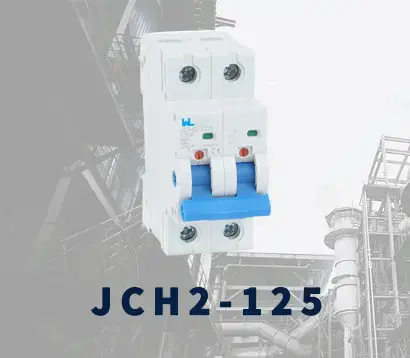 JCH2-125
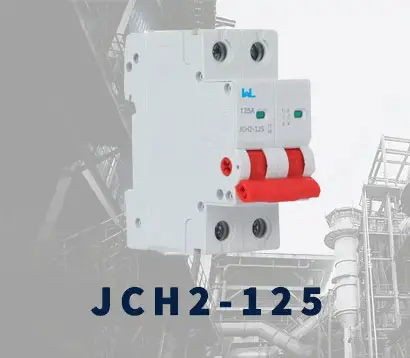 JCH2-125
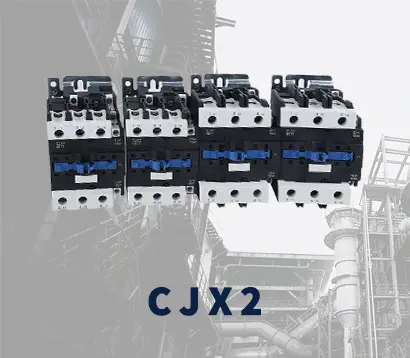 CJX2
CJX2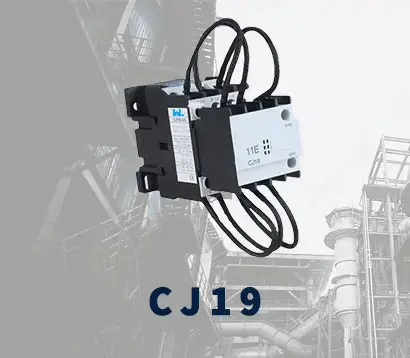 CJ19
CJ19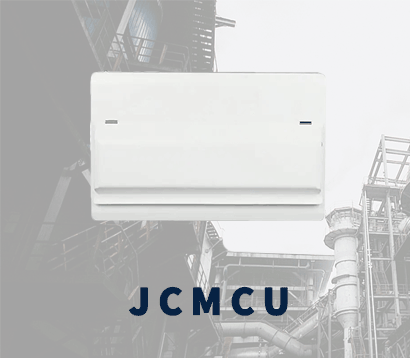 JCMCU
JCMCU JCHA
JCHA JCSD-40
 JCSD-60
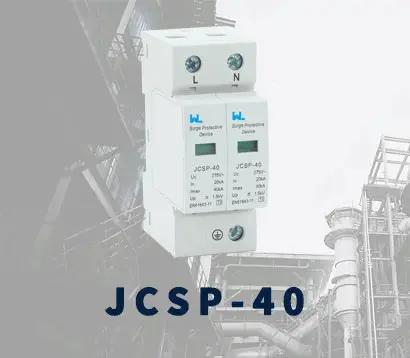 JCSP-40
 JCSP-60
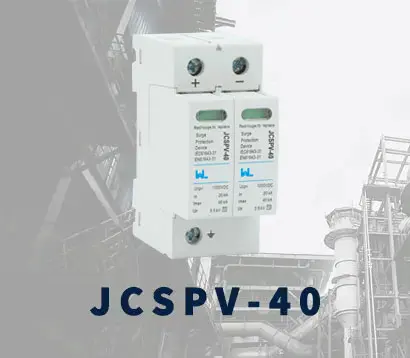 JCSPV
JCSPV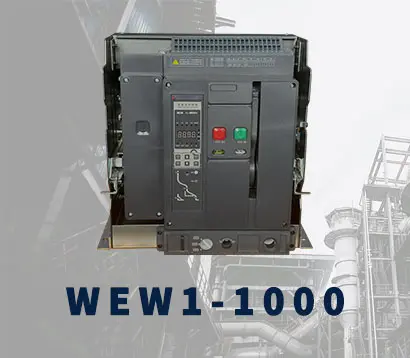 WEW1-1000
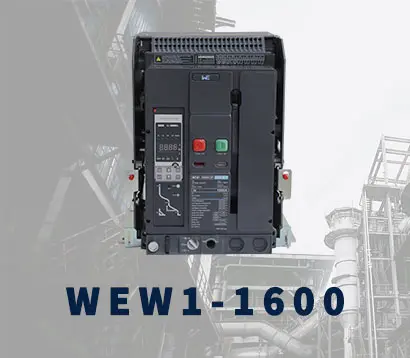 WEW1-1600
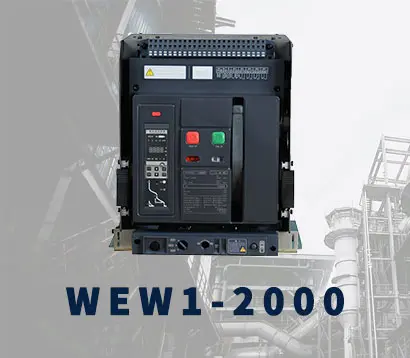 WEW1-2000
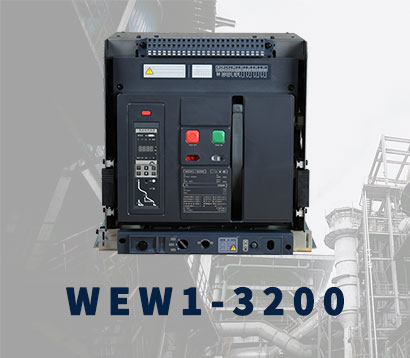 WEW1-3200
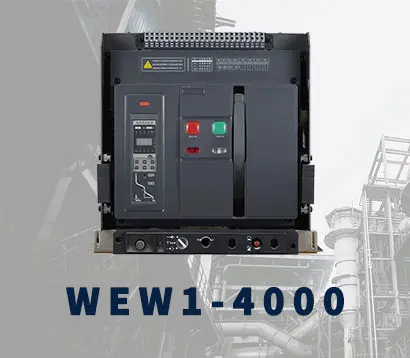 WEW1-4000
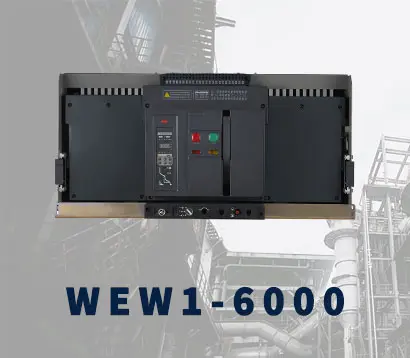 WEW1-6300
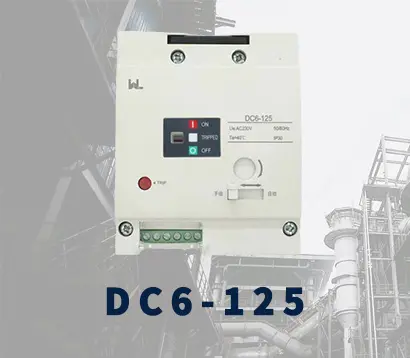 DC6-125
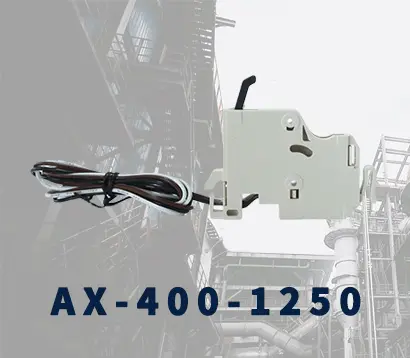 AX-400-1250
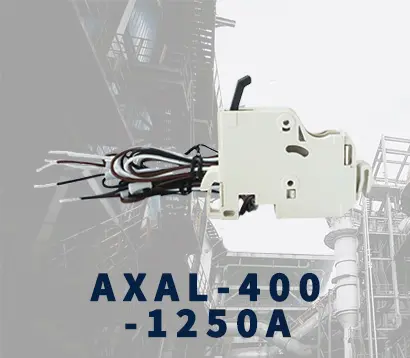 AXAL-400-1250A
 AL-400-1250
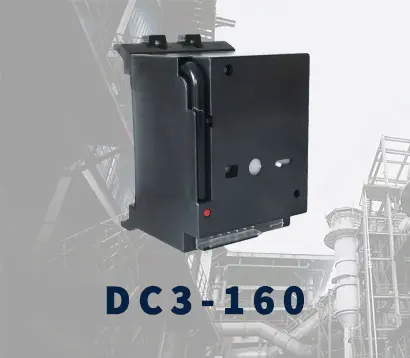 DC3-160
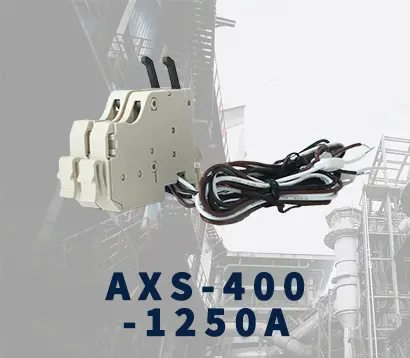 AXS-400-1250A
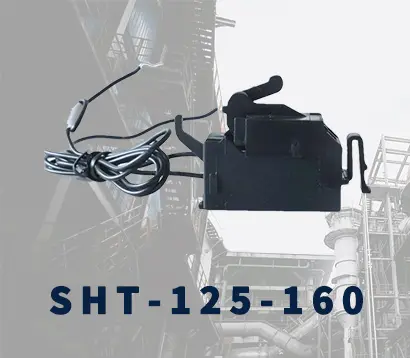 SHT-125-160
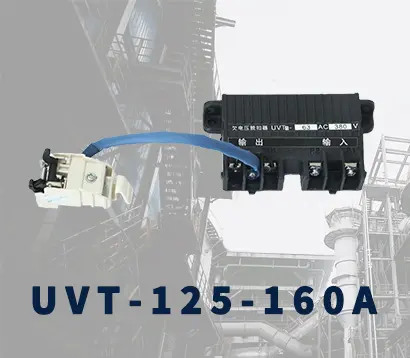 UVT-125-160A
 P-250A-3P-A
 400-3P/4P terminal cover
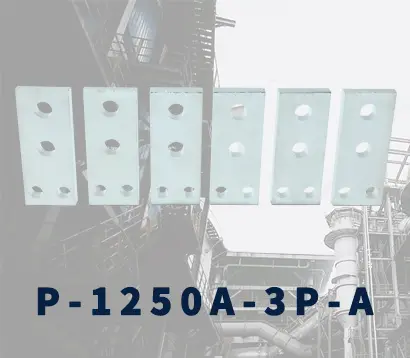 1250-3Pmccb accessories busbar
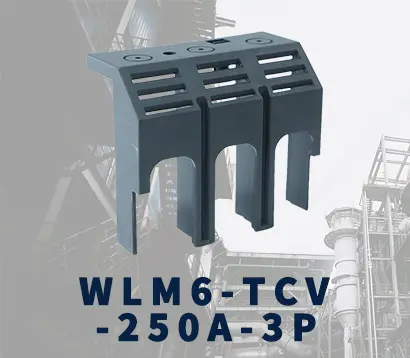 250-3P terminal conver
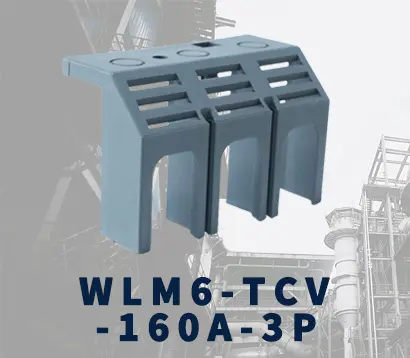 WLM6-TCV-160A-3P
 WLM6-MIP-250A
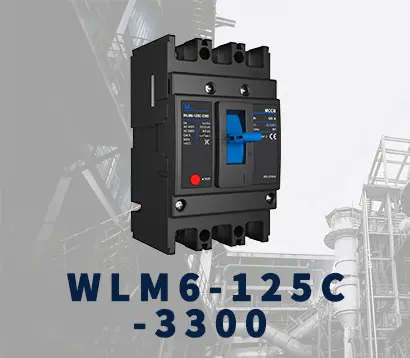 WLM6-125A-3300 3P/4P
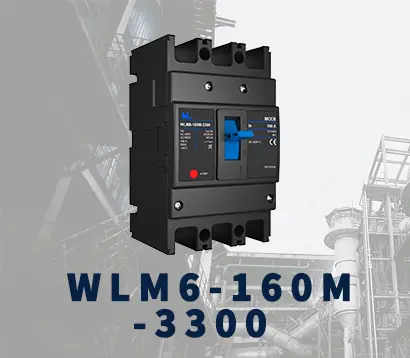 WLM6-160A-3300 3P/4P
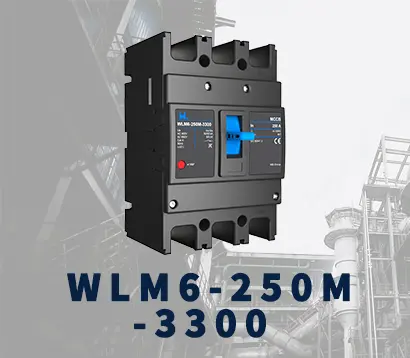 WLM6-250A-3300 3P/4P
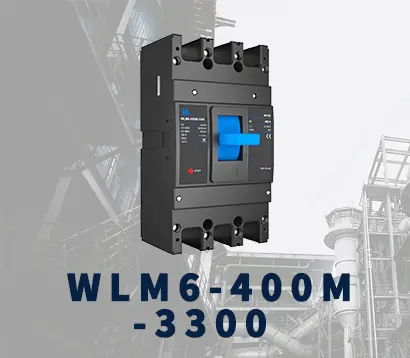 WLM6-400A-3300 3P/4P
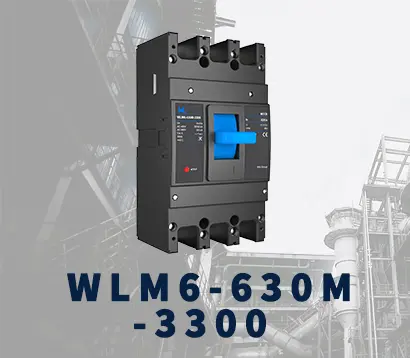 WLM6-630A-3300 3P/4P
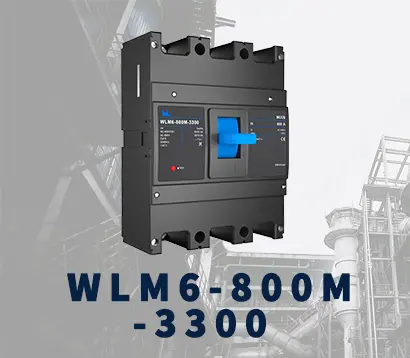 WLM6-800A-3300 3P/4P
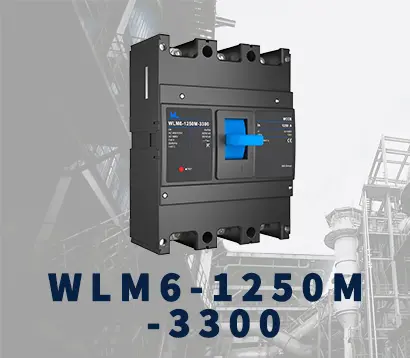 WLM6-1250A-3300 3P/4P
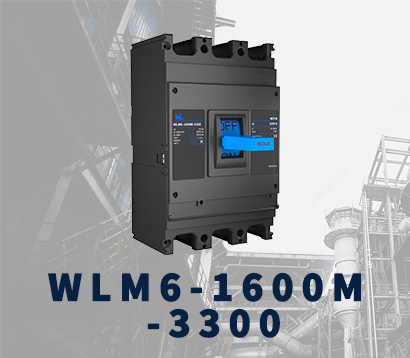 WLM6-1600A-3300 3P/4P
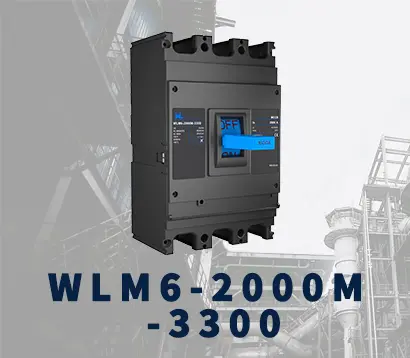 WLM6-2000A 3P/4P
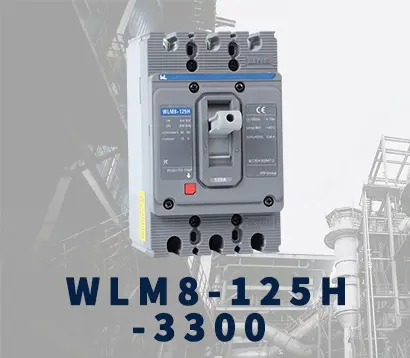 WLM8-125H-3300
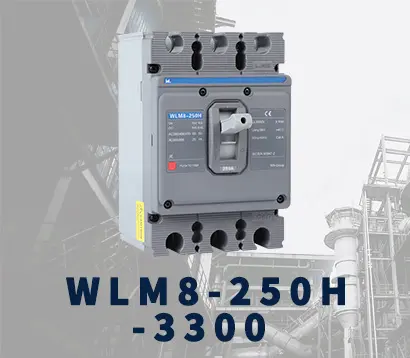 WLM8-250H-3300
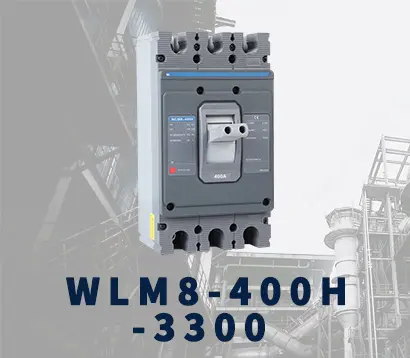 WLM8-400H-3300
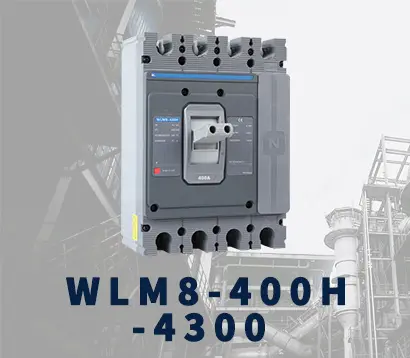 WLM8-400H-4300
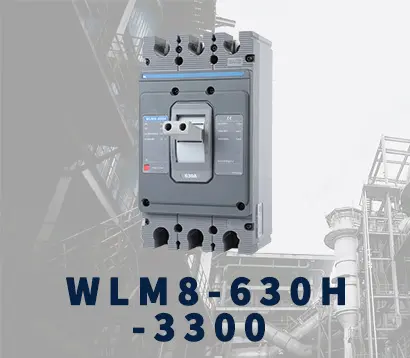 WLM8-630H-3300
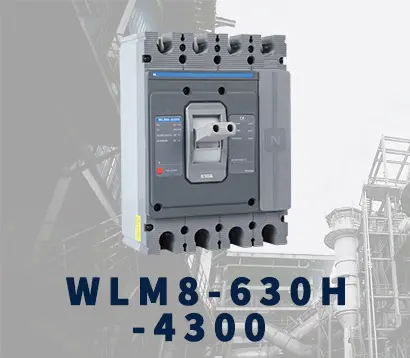 WLM8-630H-4300
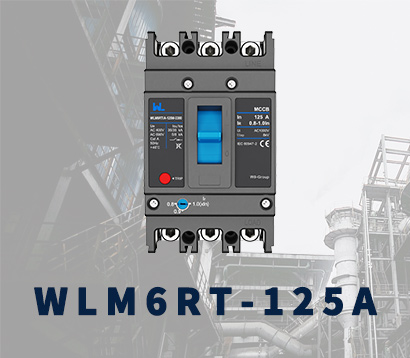 WLM6RT-125A
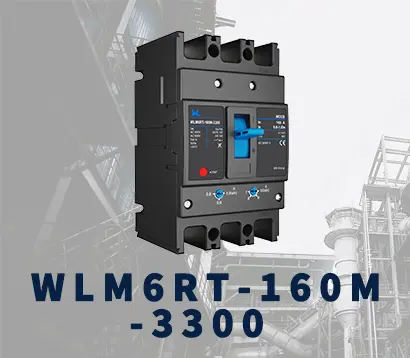 WLM6RT-160A
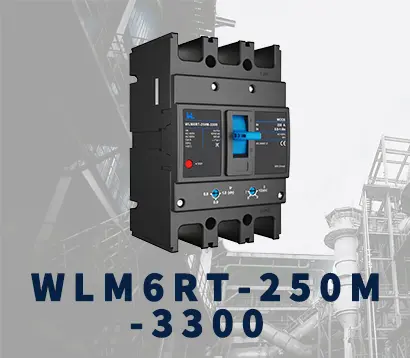 WLM6RT-250A
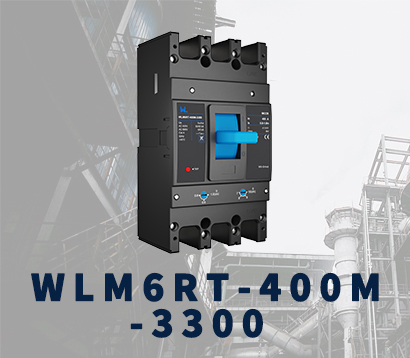 WLM6RT-400A
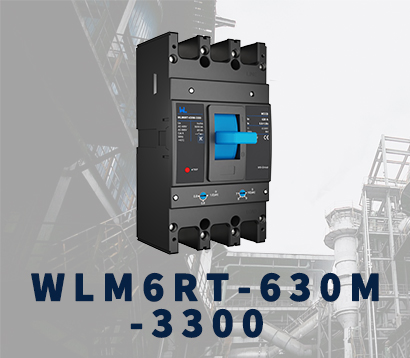 WLM6RT-630A
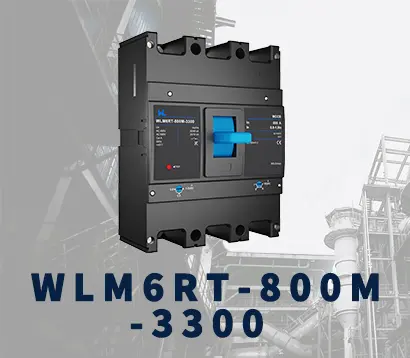 WLM6RT-800A
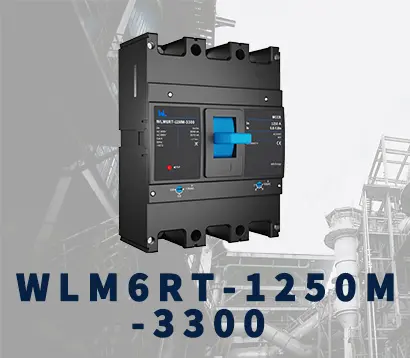 WLM6RT-1250A
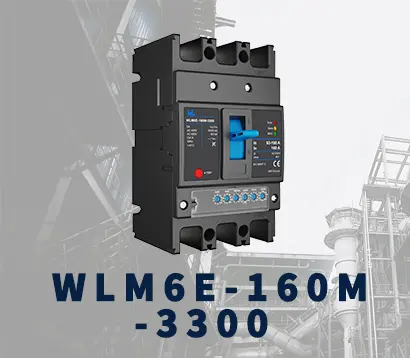 WLM6E-160A-3300 3P
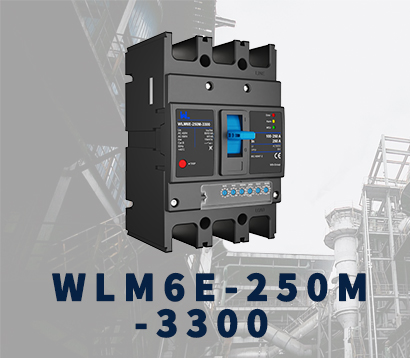 WLM6E-250A-3300
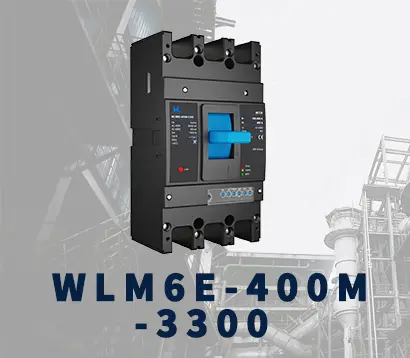 WLM6E-400A-3300 3P/4P
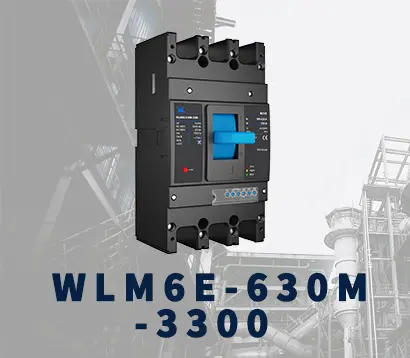 WLM6E-630A-3300
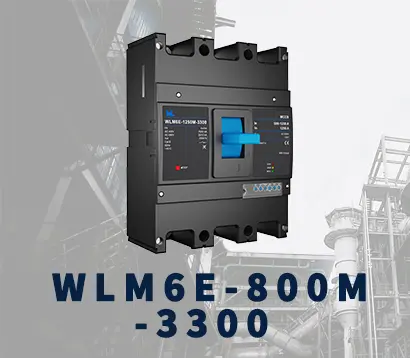 WLM6E-800A-3300 3P/4P
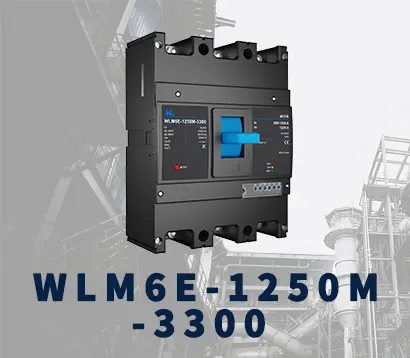 WLM6E-1250A-3300
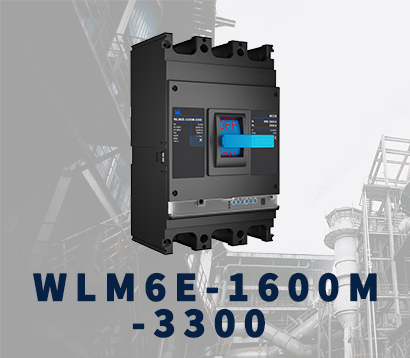 WLM6E-1600-3300 3P/4P
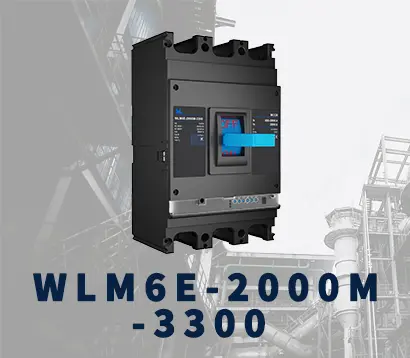 WLM6E-2000A-3300 3P/4P
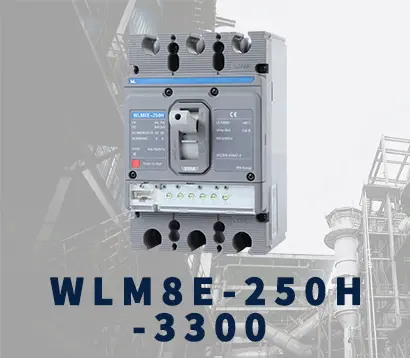 WLM8E-250H-3300
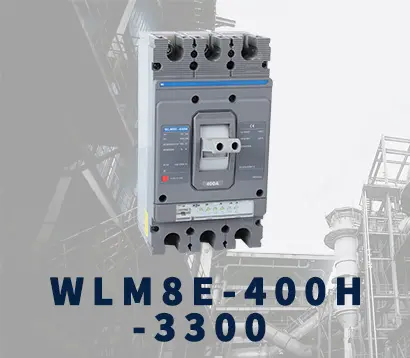 WLM8E-400H-3300
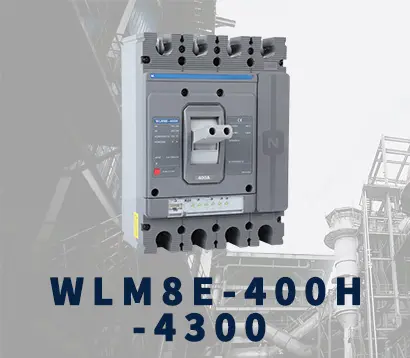 WLM8E-400H-4300
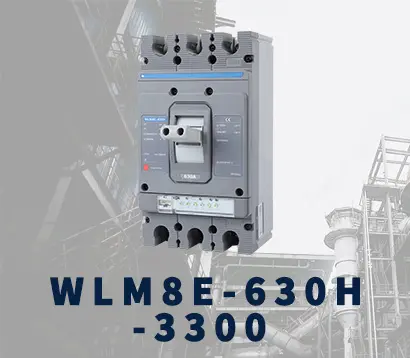 WLM8E-630H-3300
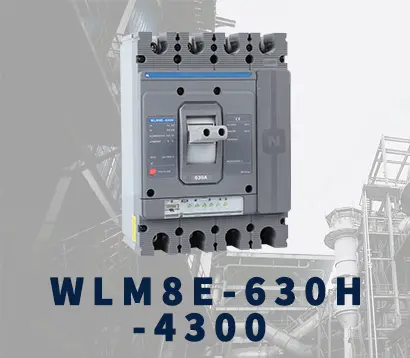 WLM8E-630H-4300
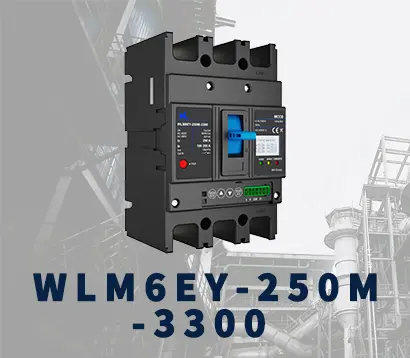 WLM6EY-250-3300 3P/4P
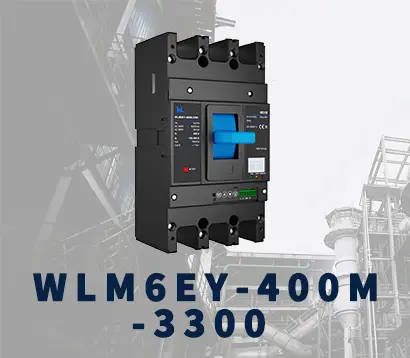 WLM6EY-400 3P/4P
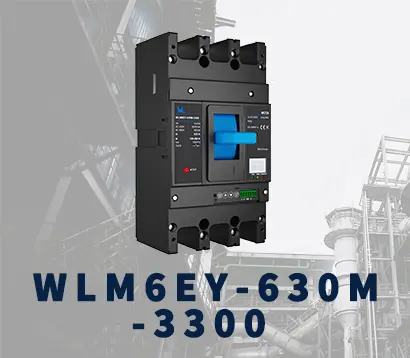 WLM6EY-630 3P/4P
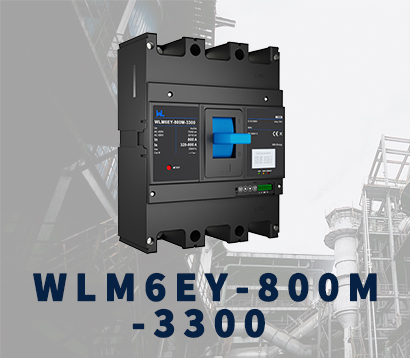 WLM6EY-800A 3P/4P
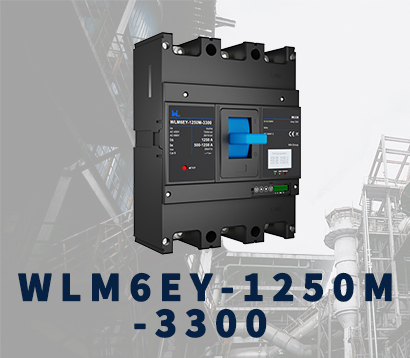 WLM6EY-1250A 3P/4P
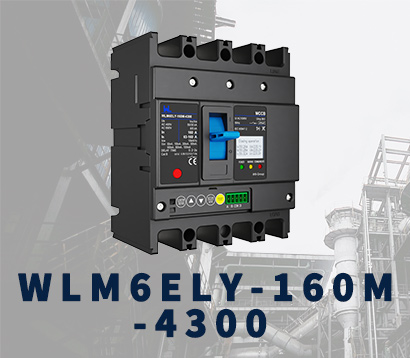 WLM6ELY-160A
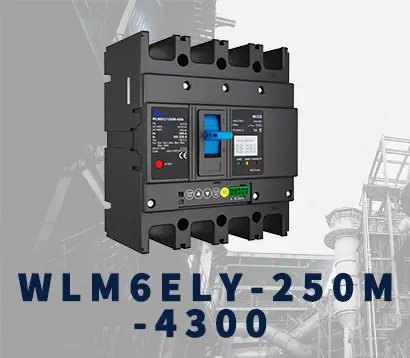 WLM6ELY-250A
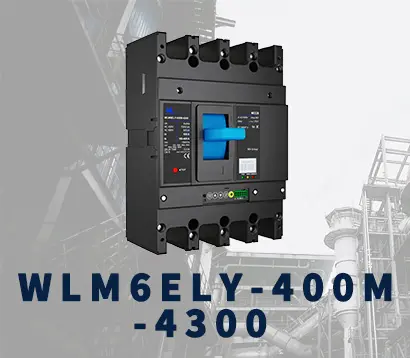 WLM6ELY-400A
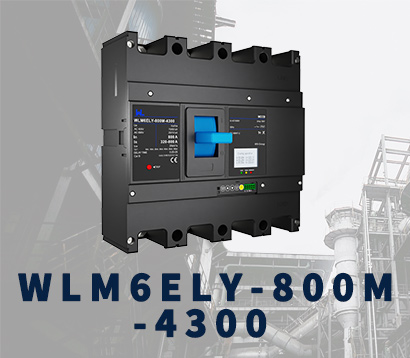 WLM6ELY-800A
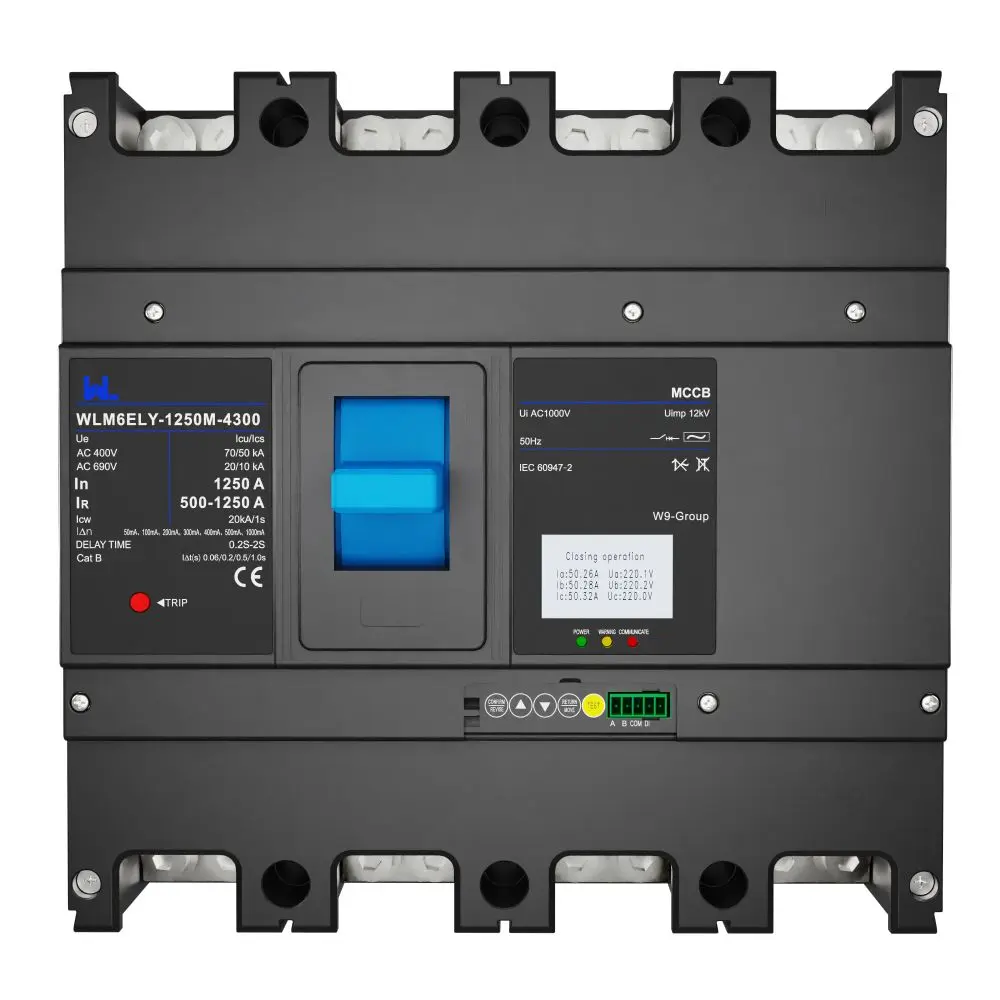 WLM6ELY-1250A
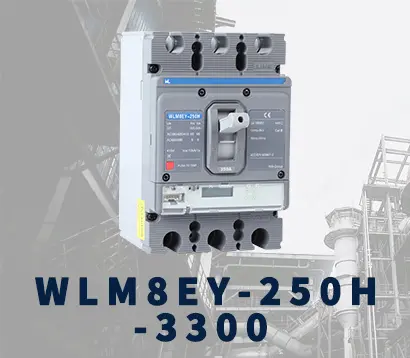 WLM8EY-250H-3300
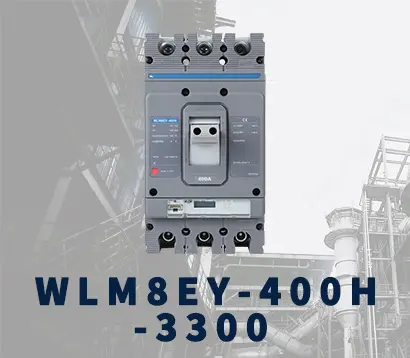 WLM8EY-400H-3300
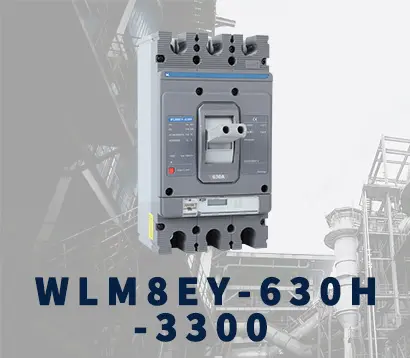 WLM8EY-630H-3300
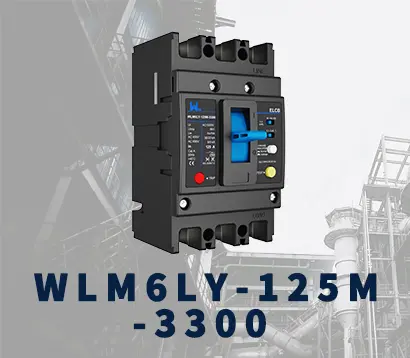 WLM6LY-125A
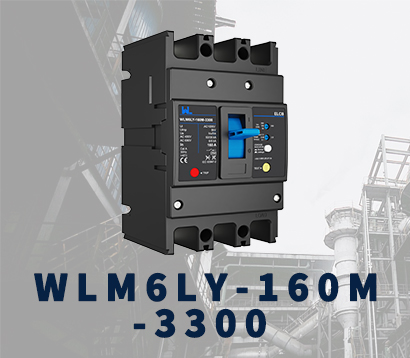 WLM6L-160A
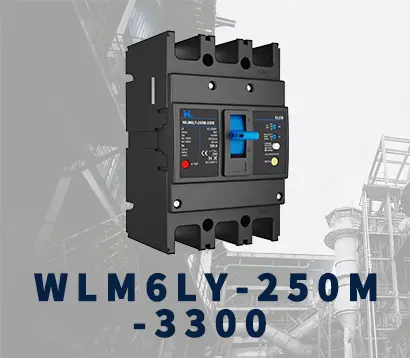 WLM6LY-250A
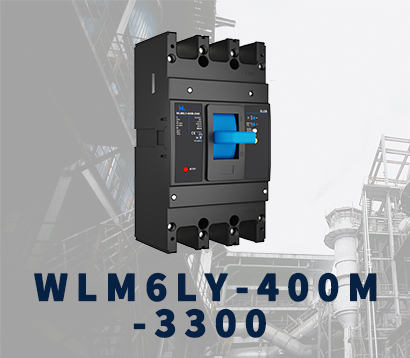 WLM6LY-400A
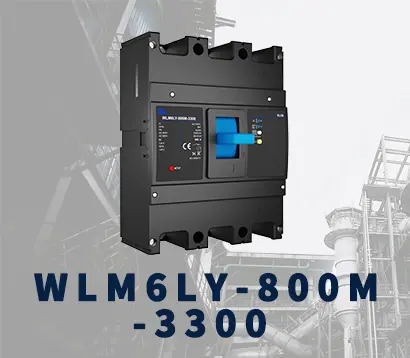 WLM6LY-800A
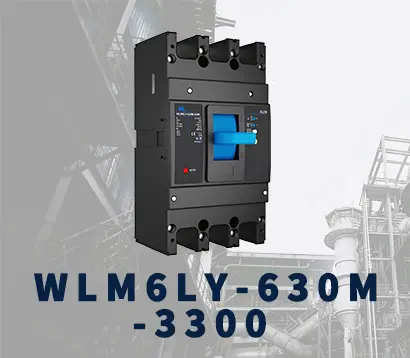 WLM6LY-630A
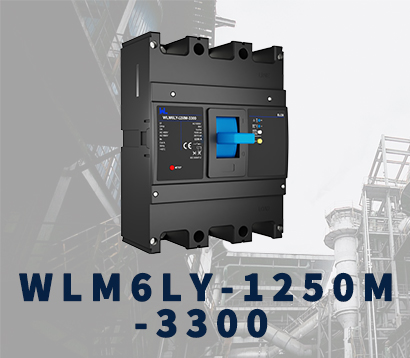 WLM6LY-1250A
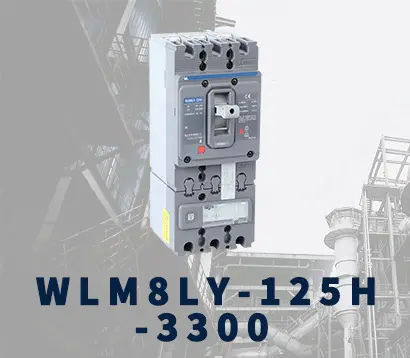 WLM8LY-125H-3300
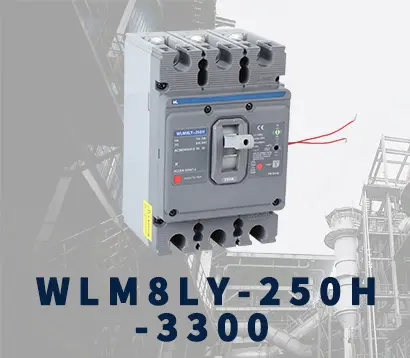 WLM8LY-250H-3300
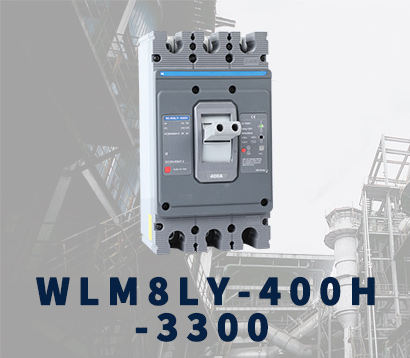 WLM8LY-400H-3300
 WLM8LY-630H-3300
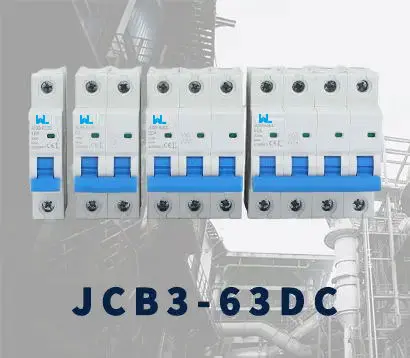 JCB3-63DC
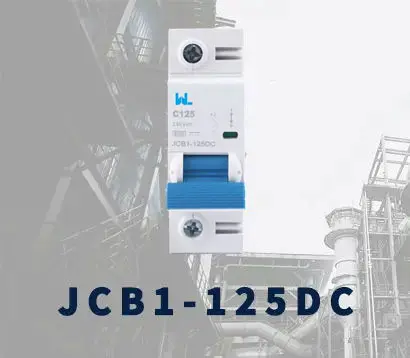 JCB1-125DC
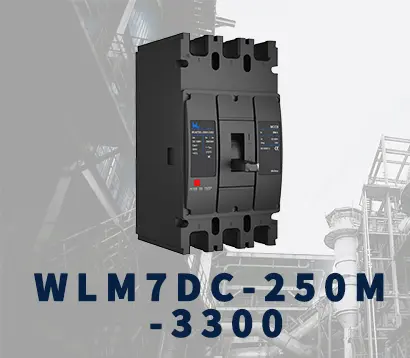 WLM7DC-250A-2300 2P/3P
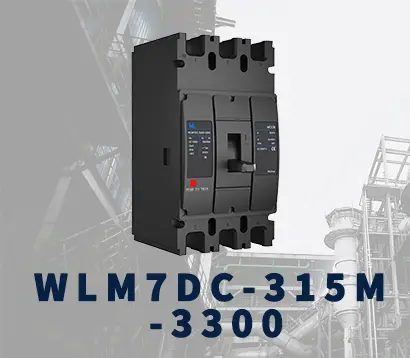 WLM7DC-315A-3300 2P/3P
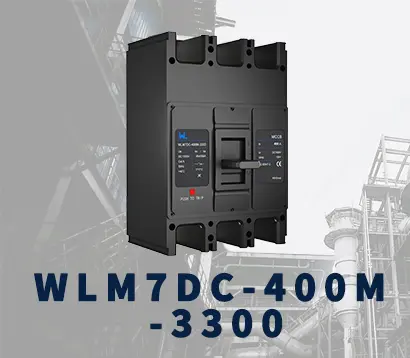 WLM7DC-400A-2300 2P/3P
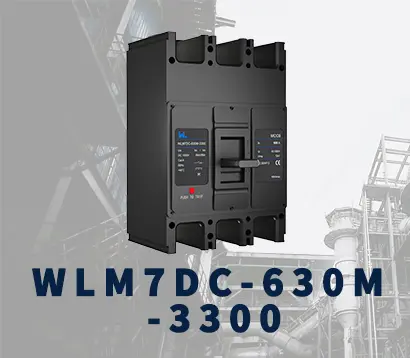 WLM7DC-630A-3300 3P
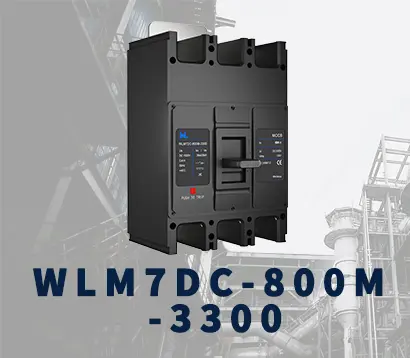 WLM7DC-800A-2300 2P/3P
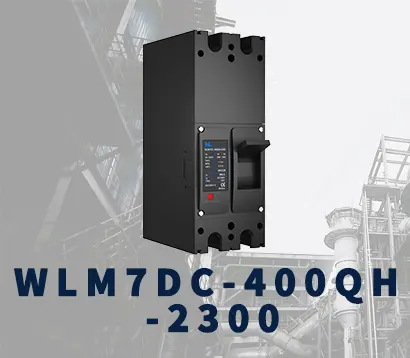 WLM7DC-400A 2300
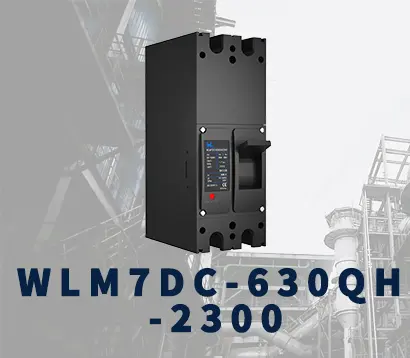 WLM7DC-630A-2300 2P
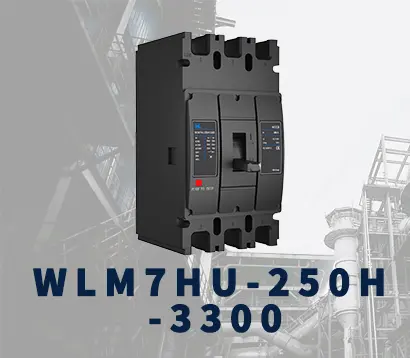 WLM7HU-250-3300 3P
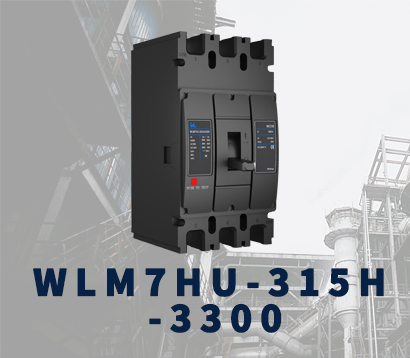 WLM7HU-315-3300 3P
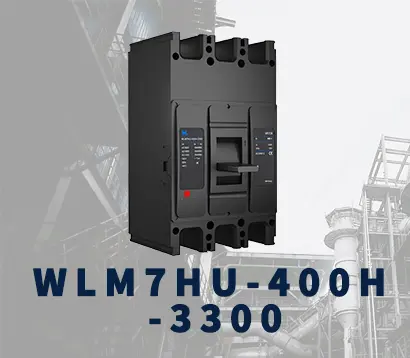 WLM7HU-400-3300 3P
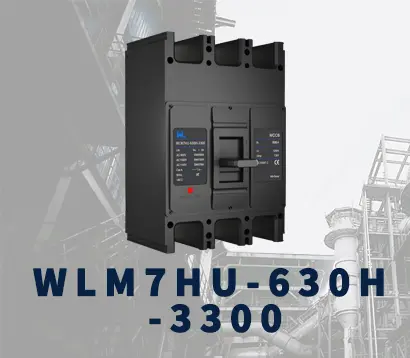 WLM7HU-630-3300 3P
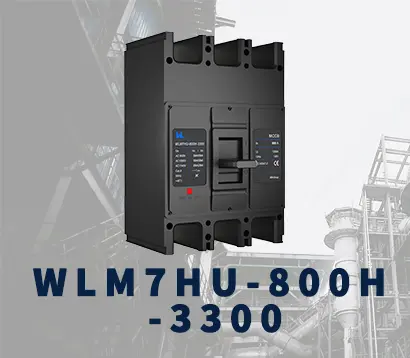 WLM7HU-800-3300 3P
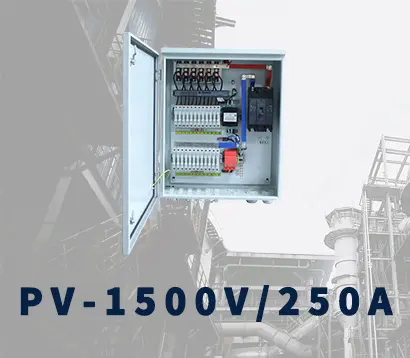 PV-1500V/250A
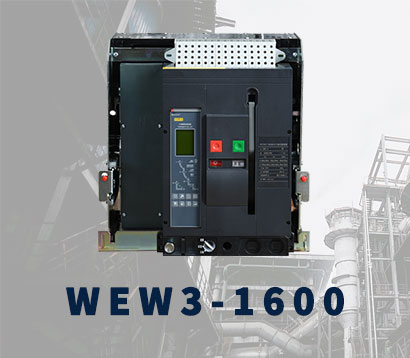 WEW3-1600
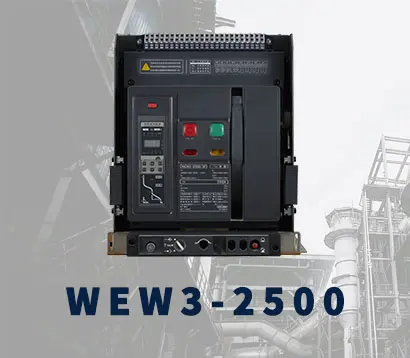 WEW3-2500
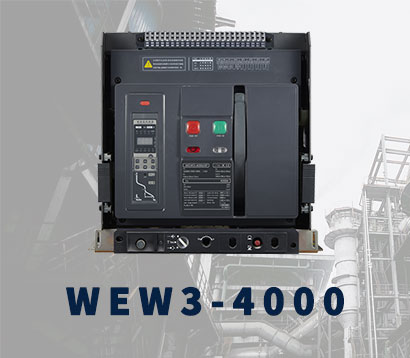 WEW3-4000
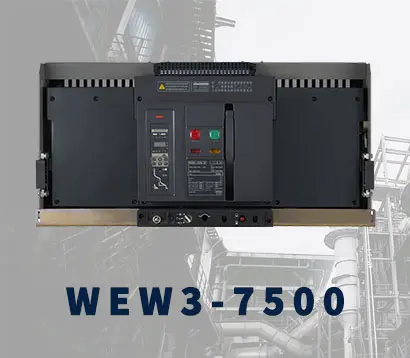 WEW3-7500