Why Choose MCCB Moulded Case Circuit Breakers for Your Needs?
In today's fast-paced electrical landscape, choosing the right protection for your systems is crucial. The MCCB Moulded Case Circuit Breaker stands out as a reliable choice for many applications. These devices offer exceptional performance while ensuring safety and energy efficiency.
MCCB Moulded Case Circuit Breakers are designed to handle a variety of operational demands. Their construction provides a sturdy barrier against overloads and short circuits. This reliability is essential in preventing costly downtime and protecting your equipment. When selecting circuit breakers, functionality and durability must meet your expectations. Yet, not all MCCBs are created equal, and some may not perform under specific conditions.
Understanding the unique features of an MCCB Moulded Case Circuit Breaker can lead to better decisions. Evaluate how they can integrate into your electrical systems. Reliable guidance from manufacturers can enhance your knowledge. However, relying solely on brands without considering specifications might lead to regrettable choices. Thus, exploring options thoughtfully can significantly impact your project’s success.
Overview of MCCB Moulded Case Circuit Breakers and Their Functionality
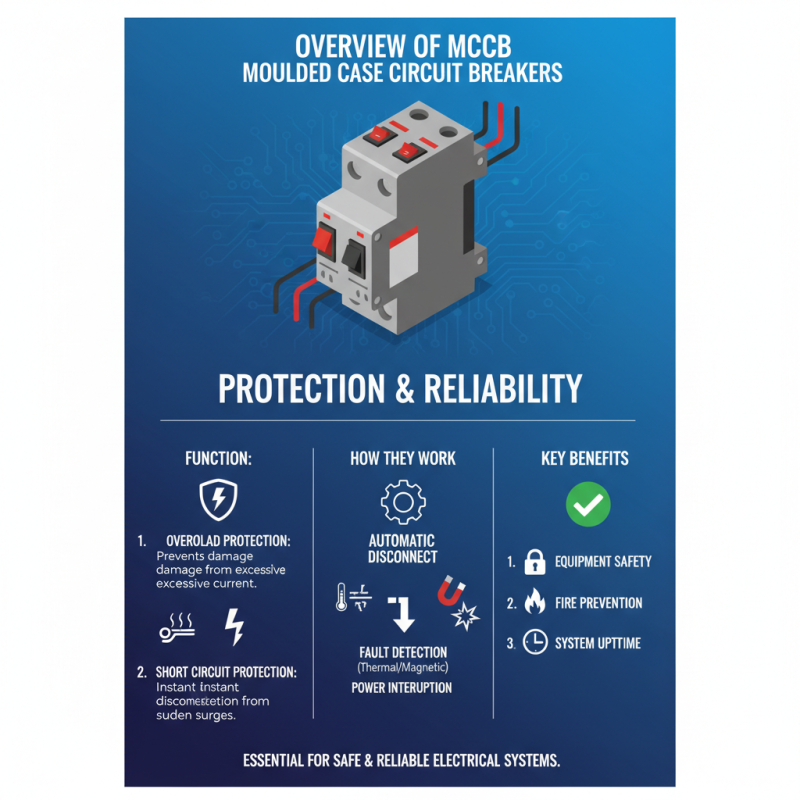
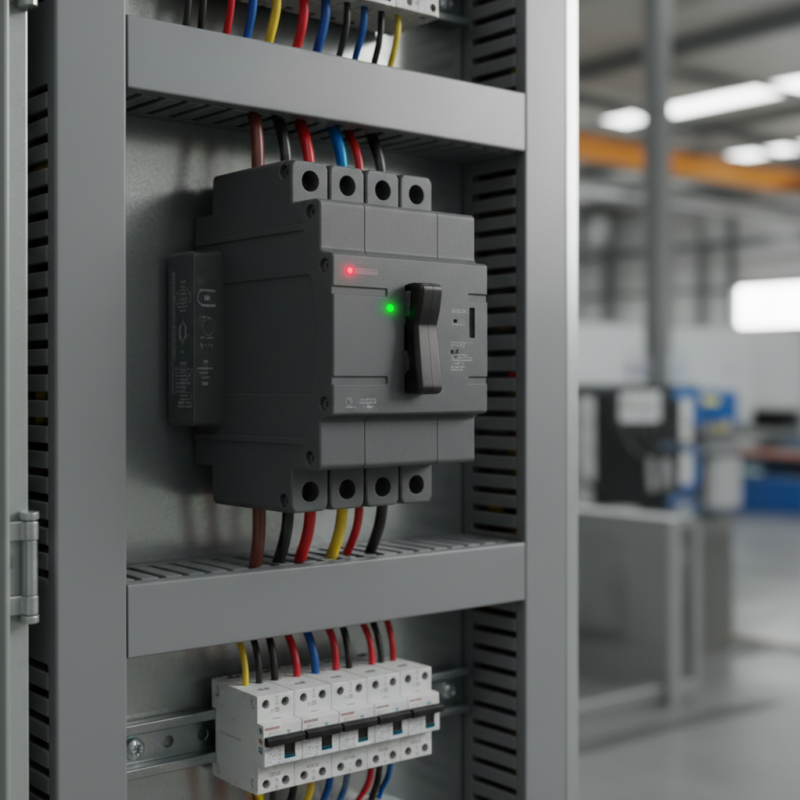
Moulded Case Circuit Breakers (MCCBs) play a crucial role in modern electrical systems. These devices protect electrical circuits from overloads and short circuits. They automatically disconnect power under fault conditions, preventing damage to equipment and reducing fire risks. Understanding how MCCBs function is essential for safe and reliable operations.
MCCBs are designed to handle a range of current flows. They provide adjustable protection settings, which can be tailored to specific applications. This flexibility helps in managing diverse electrical loads efficiently. Additionally, these circuit breakers offer visual indicators for easy status monitoring. Maintenance is vital to ensure they operate effectively over time.
**Tips:** Regularly test your MCCB to ensure functionality. Consider the specific load requirements when selecting settings. Always consult a professional if unsure about adjustments. Remember, improper settings can lead to nuisance tripping or, worse, equipment damage.
Investing in quality MCCBs can enhance overall safety. While they are robust devices, common mistakes include neglecting regular checks. Skipping maintenance might lead to undetected issues. Being proactive can prevent unexpected failures and maintain system integrity.
Key Benefits of Using MCCB Circuit Breakers in Electrical Systems
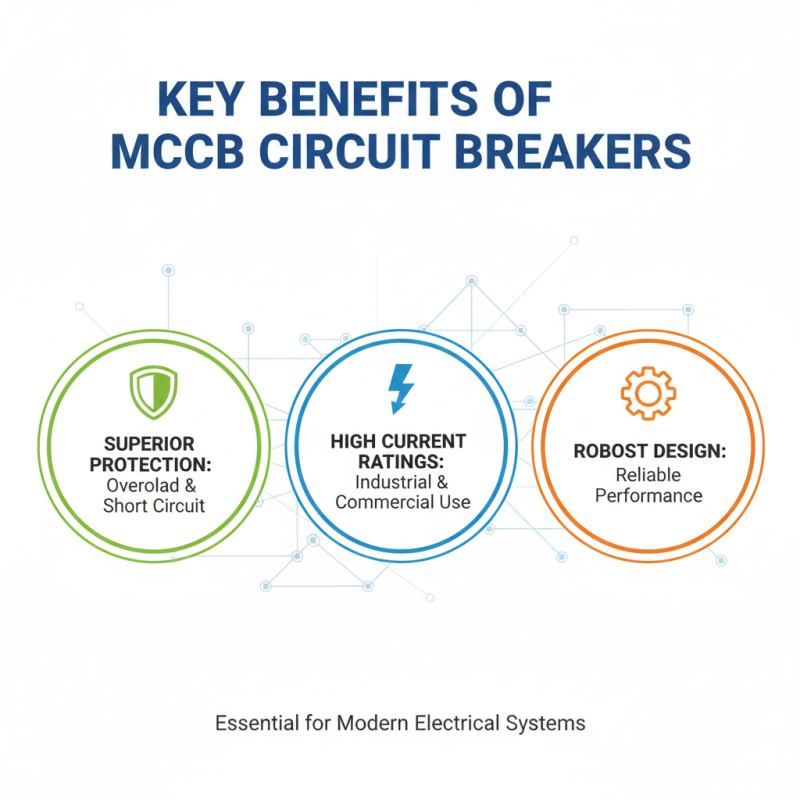
MCCB, or moulded case circuit breakers, are vital in modern electrical systems. Their robust design offers superior protection against overloads and short circuits. These devices can handle high current ratings, making them ideal for industrial and commercial applications.
One key benefit of using MCCBs is their ability to provide adjustable trip settings. This feature allows customization based on the specific needs of the electrical system. Users can fine-tune the protection parameters to suit their unique requirements. However, this flexibility can lead to misuse if settings are not properly documented or understood, potentially causing harm.
Another advantage is their compact size and ease of installation. They save valuable space in electrical panels. Yet, haste in installation might lead to operational issues later. Ensuring a thorough installation process can prevent future failures. The reliability of MCCBs contributes to the overall safety of electrical systems, but regular maintenance is crucial to ensure their long-term performance.
Comparison of MCCB with Other Types of Circuit Breakers
When comparing MCCB moulded case circuit breakers to other types, several factors stand out. MCCBs are designed for higher current applications, typically above 100 amps, which makes them suitable for industrial and commercial use. They provide adjustable trip settings. This feature allows for customization based on specific equipment needs. In contrast, miniature circuit breakers (MCBs) are limited to lower current levels and may not handle larger electrical loads efficiently.
MCCBs also offer better protection against short circuits and overloads. They can handle transient conditions better than fuses or MCBs. Fuses can burn out and require replacement, while MCCBs can be reset. This characteristic reduces downtime and maintenance costs. However, they often require more space than their lower-rated counterparts. Users must evaluate their installation areas accordingly.
One must reflect on the overall application. MCCBs can be more expensive upfront than other types. Despite the higher initial cost, their longevity and reliability often provide savings in the long term. Choosing the right breaker involves weighing these pros and cons. It's essential to assess specific needs and conditions before making a decision.
Factors to Consider When Choosing MCCB for Specific Needs
When selecting Moulded Case Circuit Breakers (MCCBs), several factors come into play. Understanding your specific needs is crucial. Start by assessing the electrical load of your system. Knowing the amperage helps in choosing an MCCB that can handle the current without tripping. Also, consider the application environment. High humidity or dusty areas may require MCCBs with special enclosures for protection.
Tips: Check for the short-circuit protection ratings. Ensure they align with your system requirements. A miscalculation might lead to equipment failure.
Another aspect to examine is the thermal characteristics of the MCCB. Variability in temperature can affect performance. When in doubt, consult with an electrical engineer. Their expertise can guide your choice, leading to better long-term reliability. Make sure to review installation requirements; some MCCBs can be complex.
Tips: Always read the manufacturer's instructions. Failing to follow guidelines could result in safety hazards. Explore options that offer adjustable settings for enhanced flexibility.
Common Applications and Industries Utilizing MCCB Technology
Moulded Case Circuit Breakers (MCCBs) play a crucial role in various industries due to their robust design and versatility. In manufacturing, MCCBs are often used to protect machinery and equipment from overloads and short circuits. They ensure operational continuity by quickly disconnecting the power when needed. This is vital in environments where expensive machinery is in play.
In commercial settings, these circuit breakers help safeguard building wiring systems. They function effectively in HVAC systems, ensuring the safety of climate control mechanisms. In the energy sector, MCCBs protect transformers and substations, contributing to overall system reliability. However, some industries still overlook the potential benefits of implementing MCCBs, which can lead to costly downtimes.
While MCCBs are reliable, users may encounter installation challenges. Proper training is essential to ensure effective use. There is a learning curve involved, and not all personnel are immediately familiar with the technology. Regular maintenance is also crucial to maximize their benefits. This highlights the need for ongoing education and investment in training programs to enhance the reliability of MCCBs across various applications.
Why Choose MCCB Moulded Case Circuit Breakers for Your Needs?
| Application |
Industry |
Rated Current (A) |
Protection Features |
| Motor Control |
Manufacturing |
16-630 |
Overload, Short Circuit |
| Power Distribution |
Commercial |
100-1600 |
Earth Leakage, Overcurrent |
| Renewable Energy Systems |
Energy |
32-800 |
Overload, Thermal |
| Lighting Systems |
Residential |
6-400 |
Short Circuit, Overload |
| Data Centers |
Information Technology |
125-2500 |
Ground Fault, Overload |

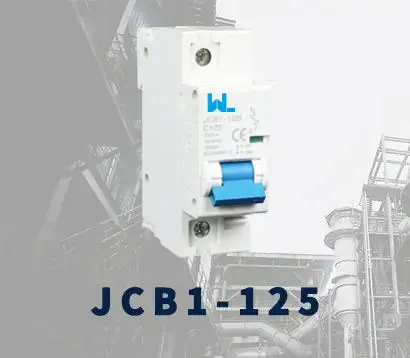 JCB1-125
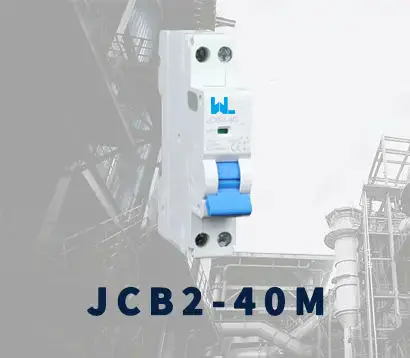 JCB2-40M
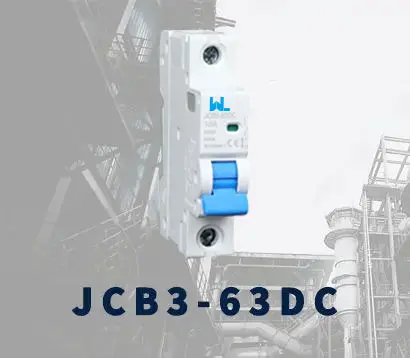 JCB3-63DC
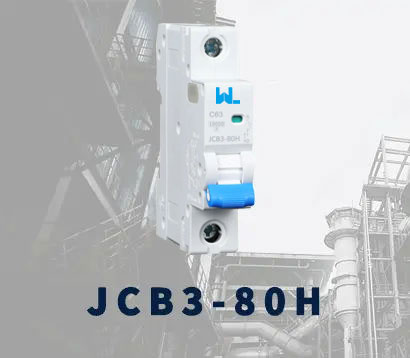 JCB3-80H
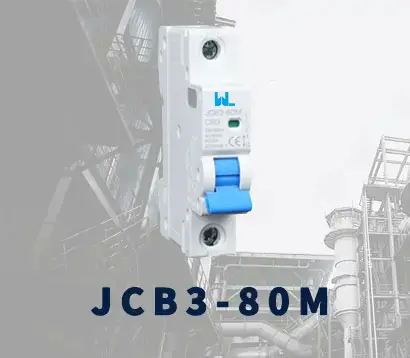 JCB3-80M
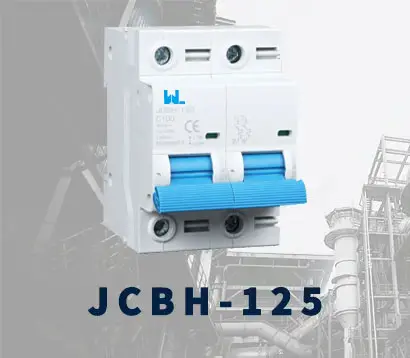 JCBH-125
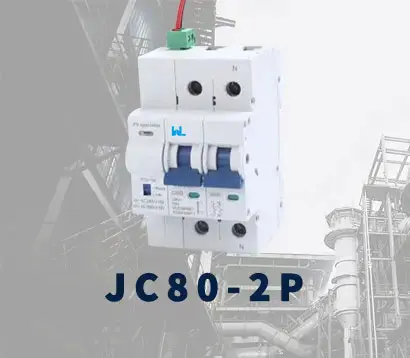 JC80-2P
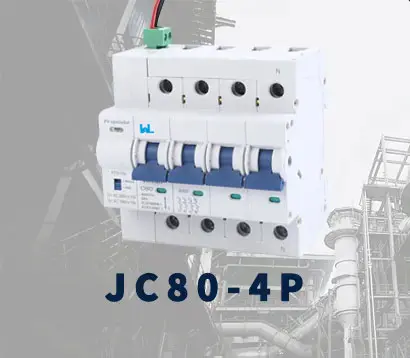 JC80-4P
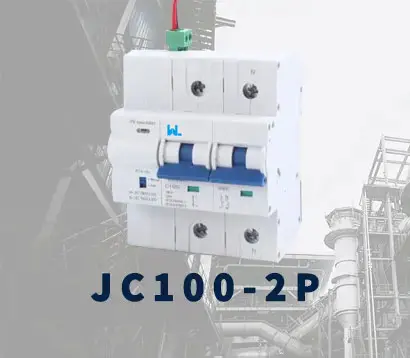 JC125-2P
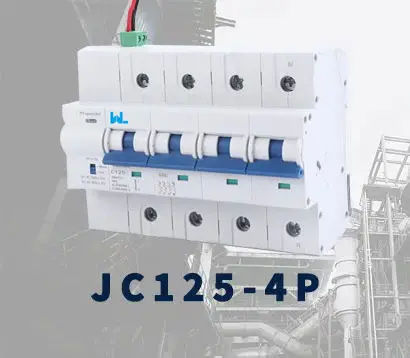 JC125-4P
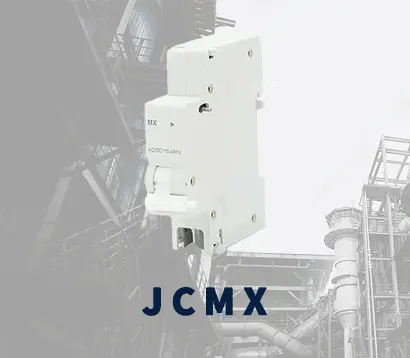 JCMX
JCMX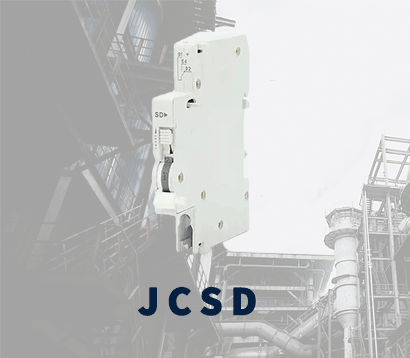 JCSD
JCSD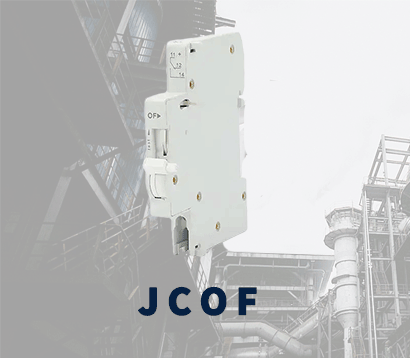 JCOF
JCOF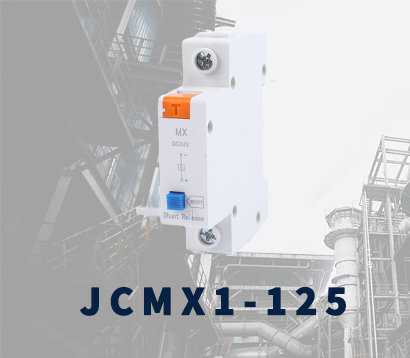 JCMX1-125
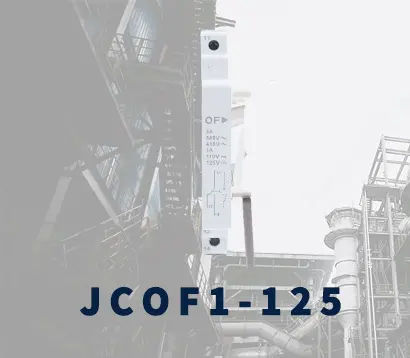 JCOF1-125
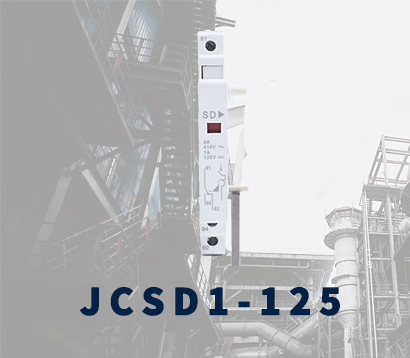 JCSD1-125
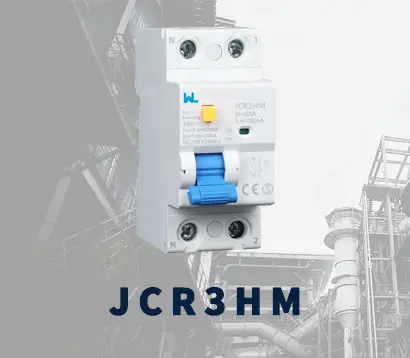 JCR3HM
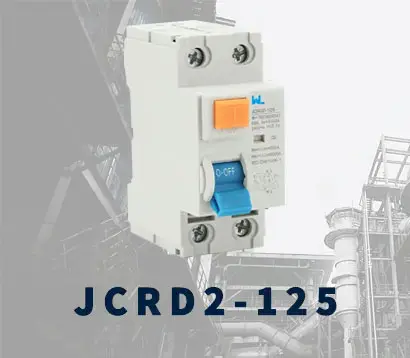 JCRD2-125
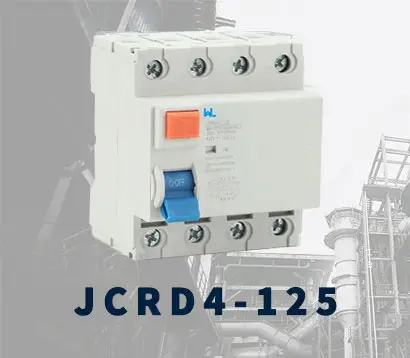 JCRD4-125
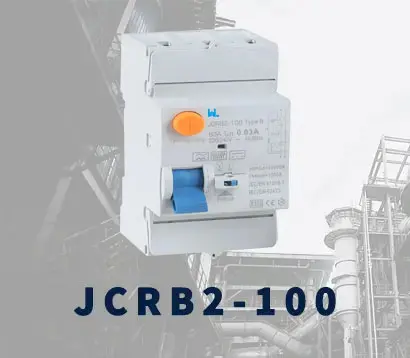 JCRB2-100
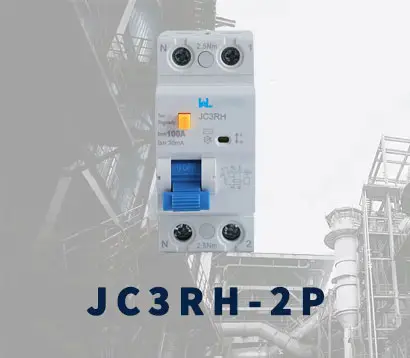 JC3RH-2P
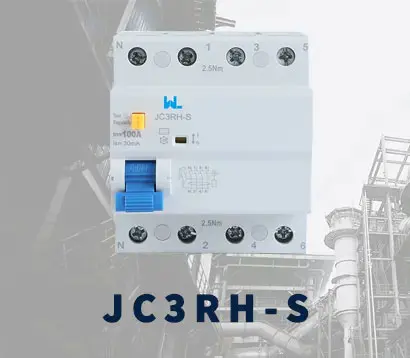 JC3RH-S
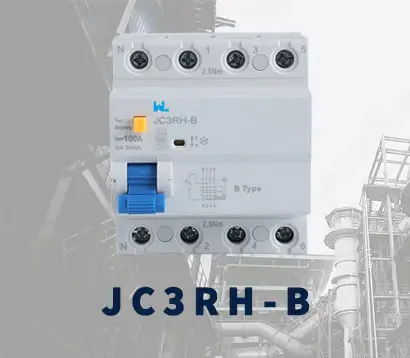 JC3RH-B
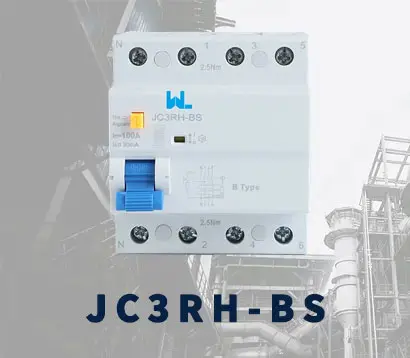 JC3RH-BS
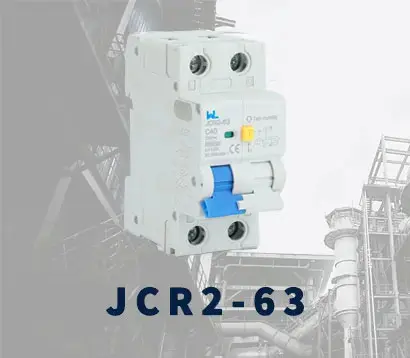 JCR2-63
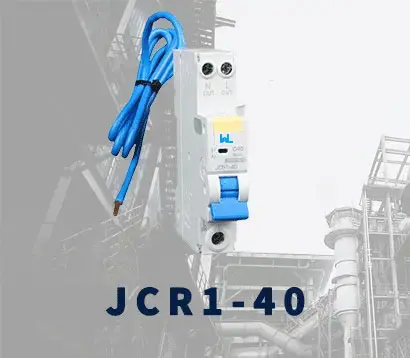 JCR1-40
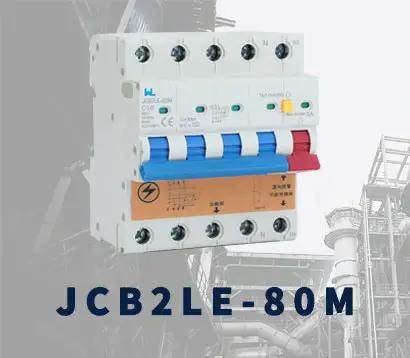 JCB2LE-80M
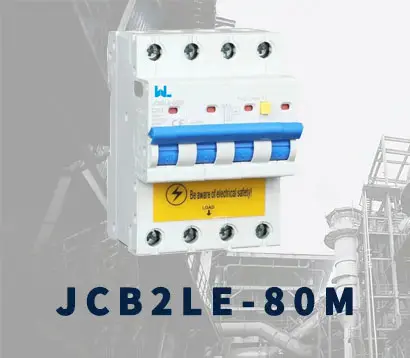 JCB2LE-80M
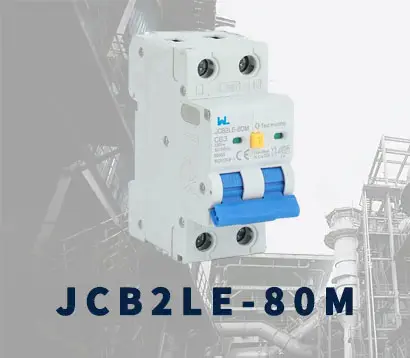 JCB2LE-80M
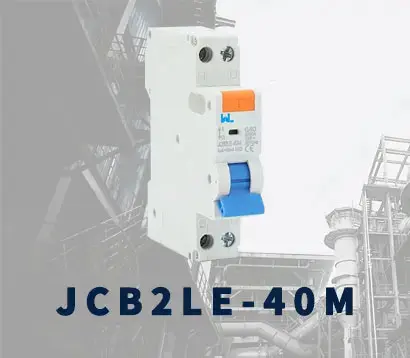 JCB2LE-40M
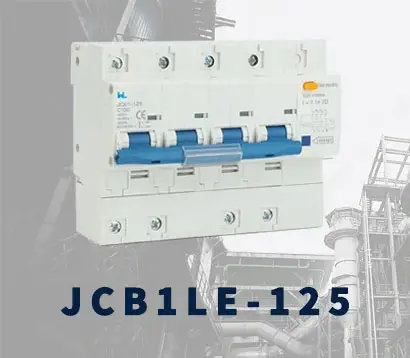 JCB1LE-125
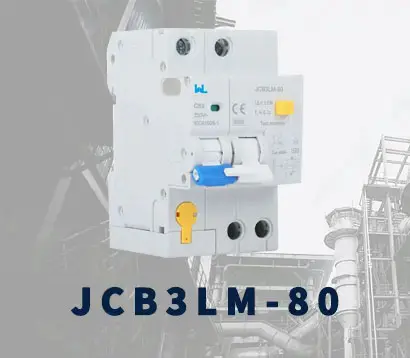 JCB3LM-80
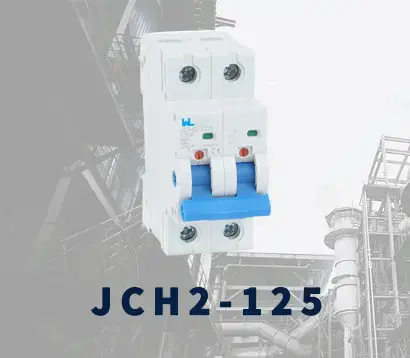 JCH2-125
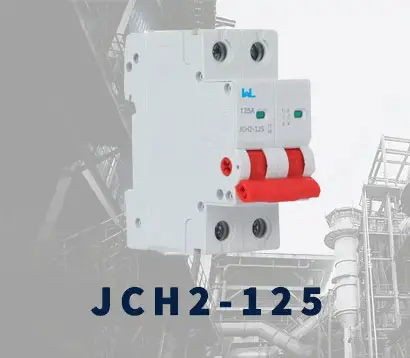 JCH2-125
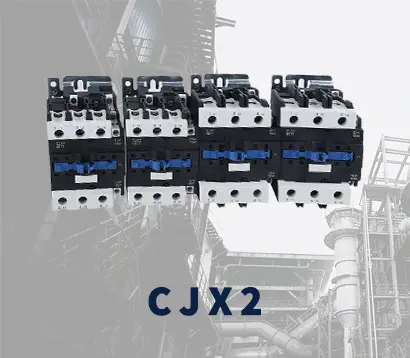 CJX2
CJX2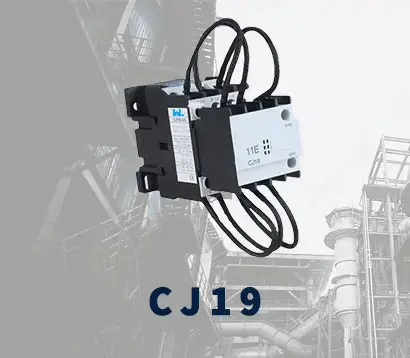 CJ19
CJ19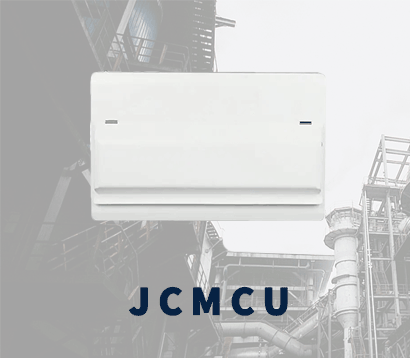 JCMCU
JCMCU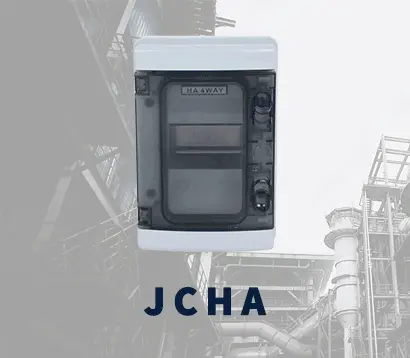 JCHA
JCHA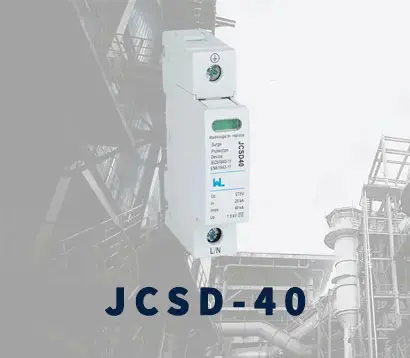 JCSD-40
 JCSD-60
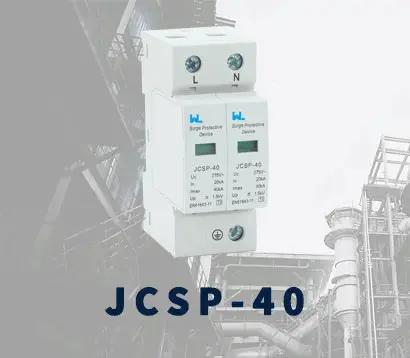 JCSP-40
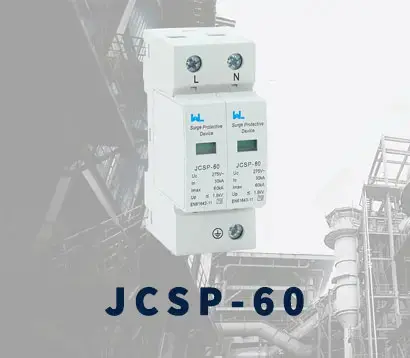 JCSP-60
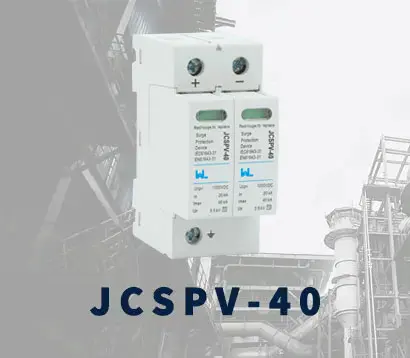 JCSPV
JCSPV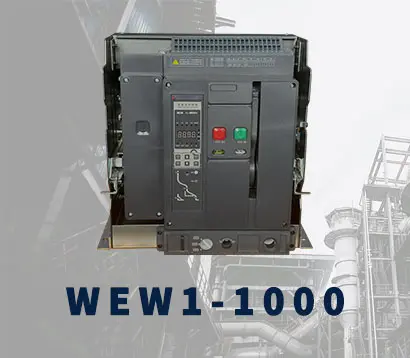 WEW1-1000
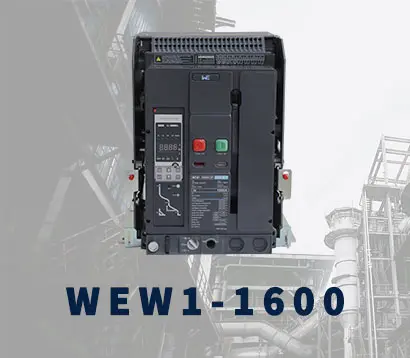 WEW1-1600
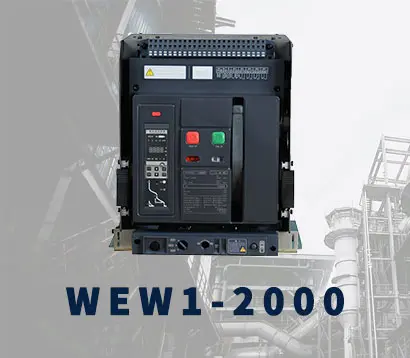 WEW1-2000
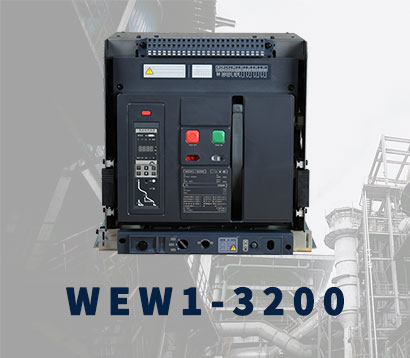 WEW1-3200
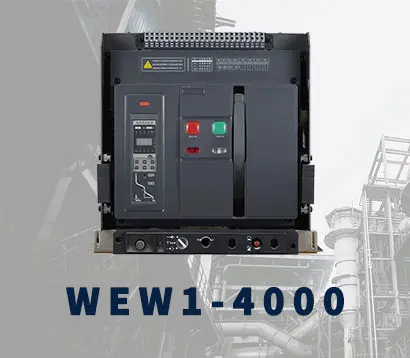 WEW1-4000
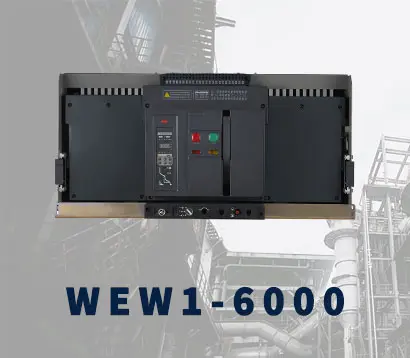 WEW1-6300
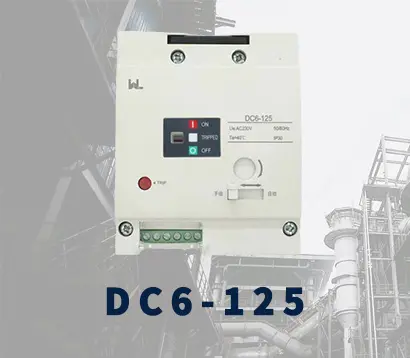 DC6-125
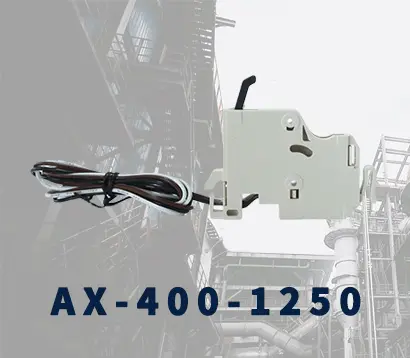 AX-400-1250
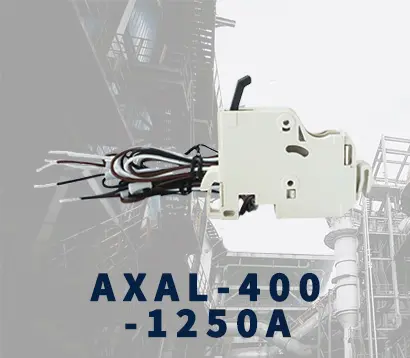 AXAL-400-1250A
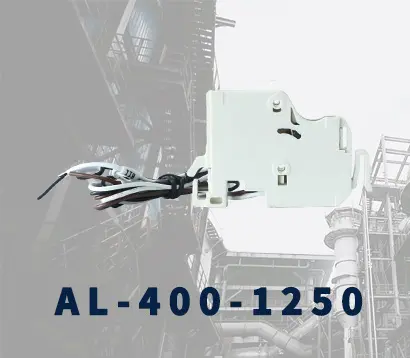 AL-400-1250
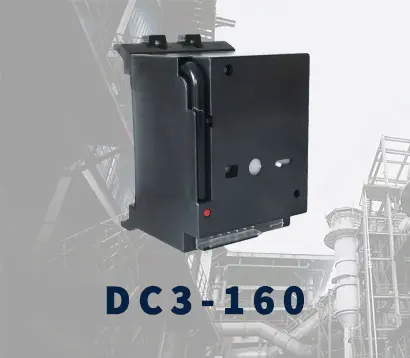 DC3-160
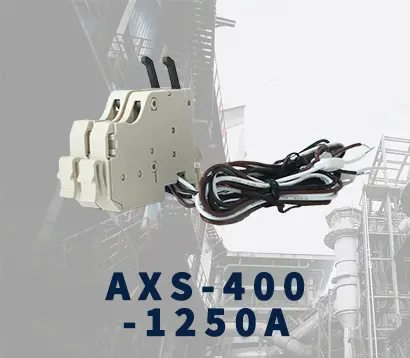 AXS-400-1250A
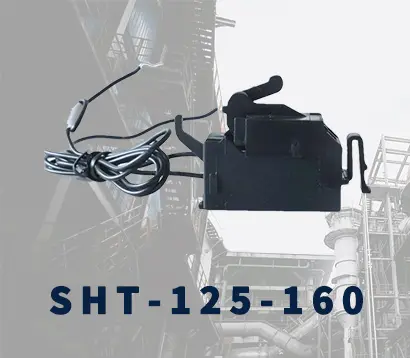 SHT-125-160
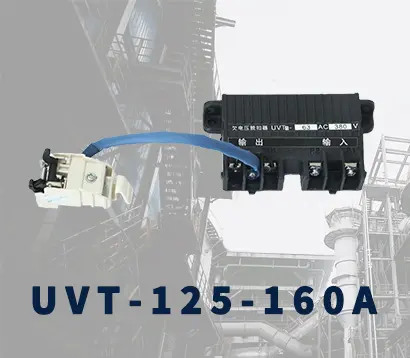 UVT-125-160A
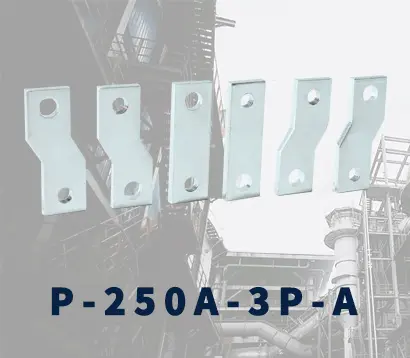 P-250A-3P-A
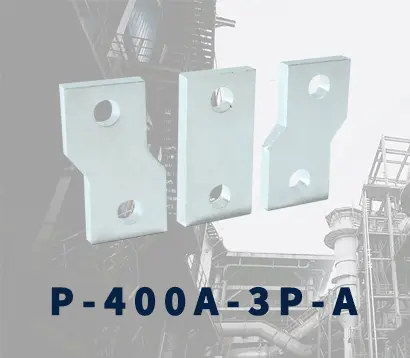 400-3P/4P terminal cover
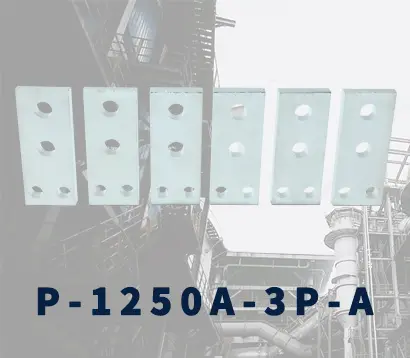 1250-3Pmccb accessories busbar
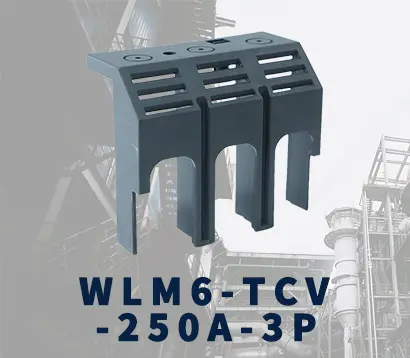 250-3P terminal conver
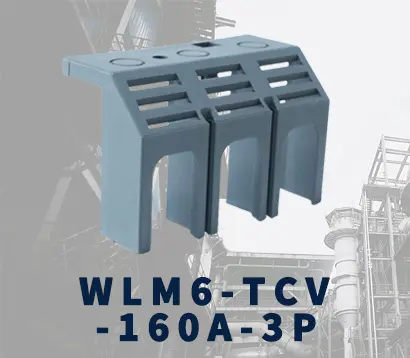 WLM6-TCV-160A-3P
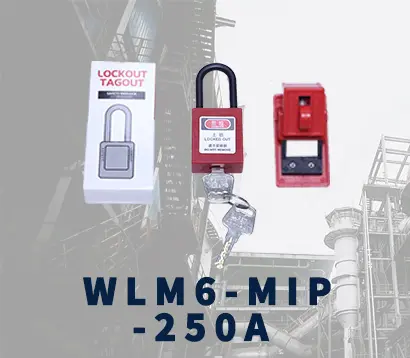 WLM6-MIP-250A
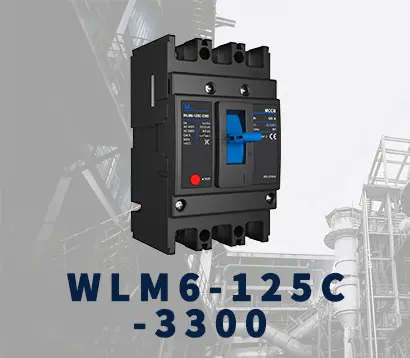 WLM6-125A-3300 3P/4P
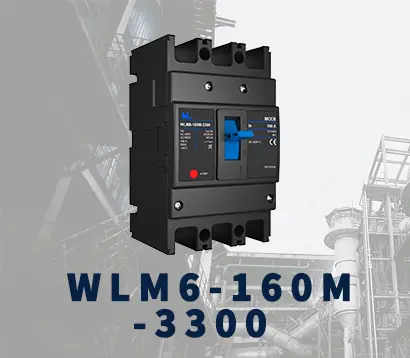 WLM6-160A-3300 3P/4P
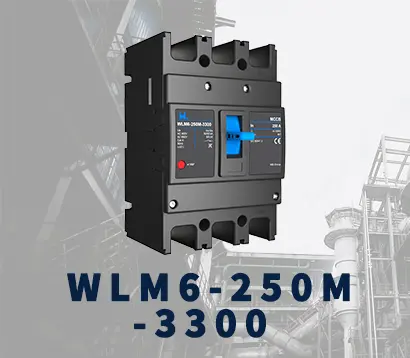 WLM6-250A-3300 3P/4P
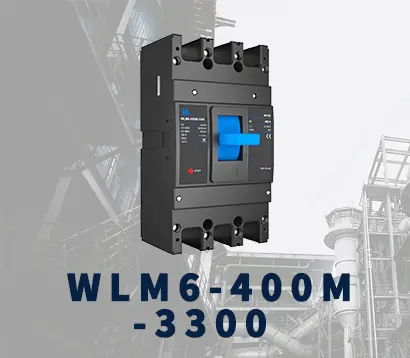 WLM6-400A-3300 3P/4P
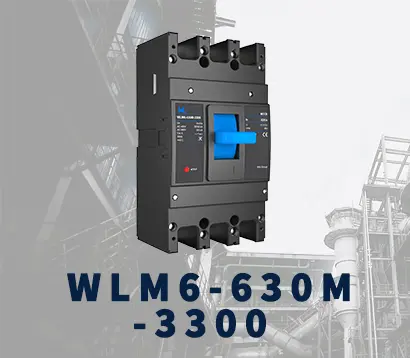 WLM6-630A-3300 3P/4P
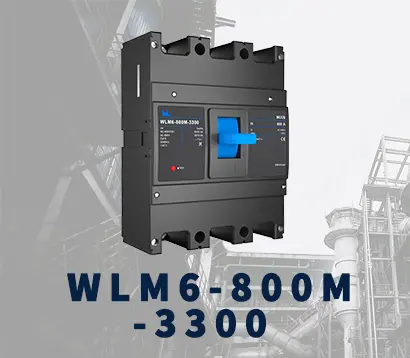 WLM6-800A-3300 3P/4P
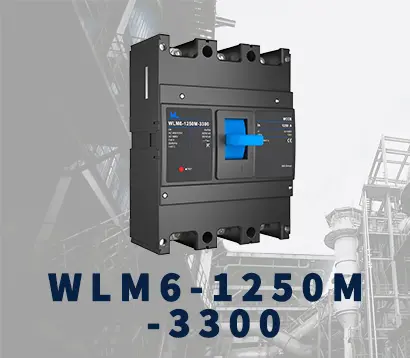 WLM6-1250A-3300 3P/4P
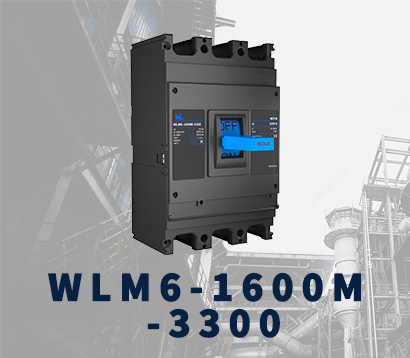 WLM6-1600A-3300 3P/4P
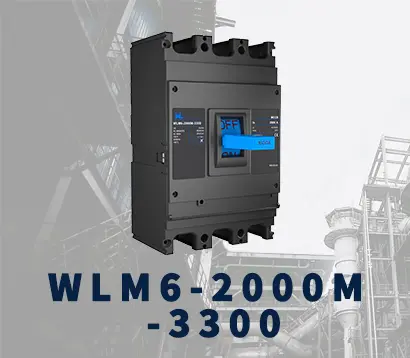 WLM6-2000A 3P/4P
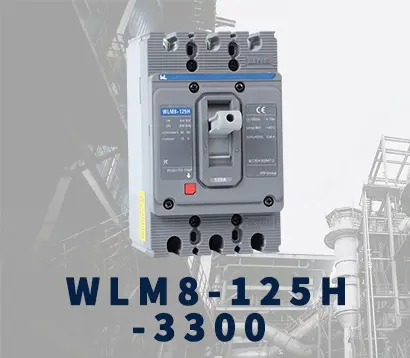 WLM8-125H-3300
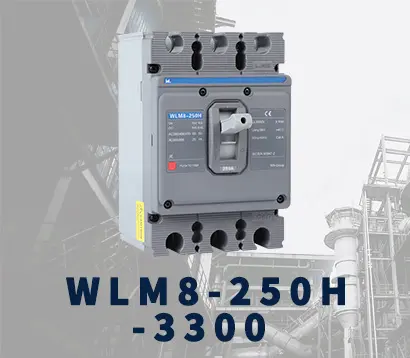 WLM8-250H-3300
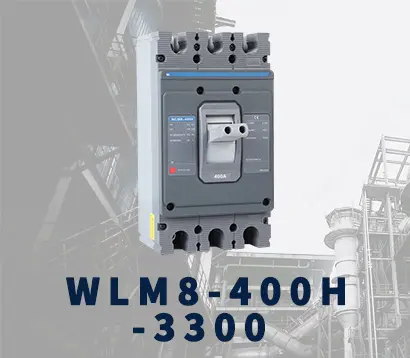 WLM8-400H-3300
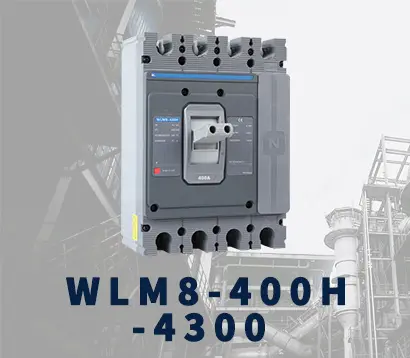 WLM8-400H-4300
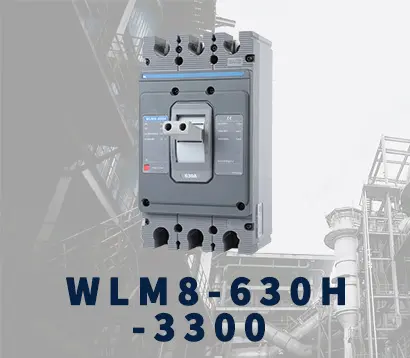 WLM8-630H-3300
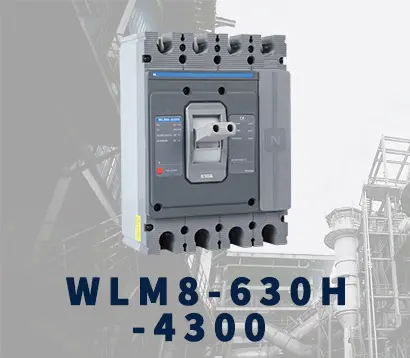 WLM8-630H-4300
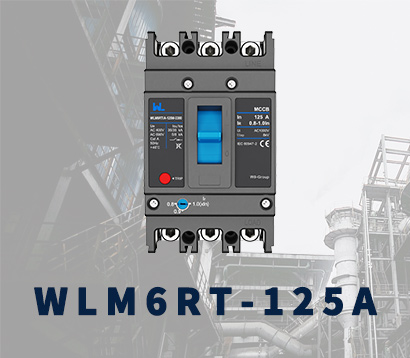 WLM6RT-125A
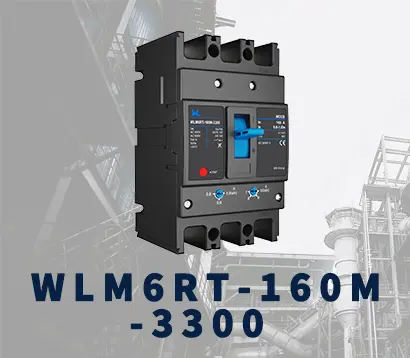 WLM6RT-160A
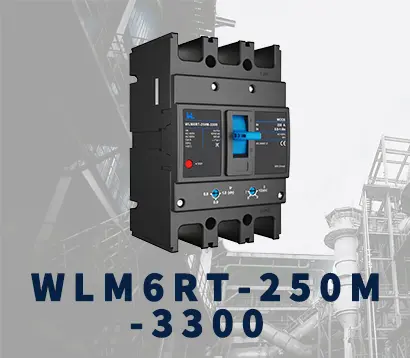 WLM6RT-250A
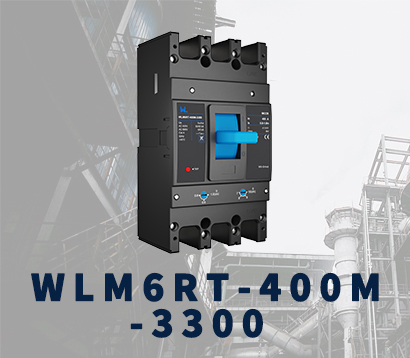 WLM6RT-400A
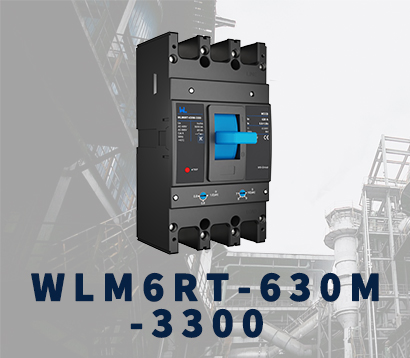 WLM6RT-630A
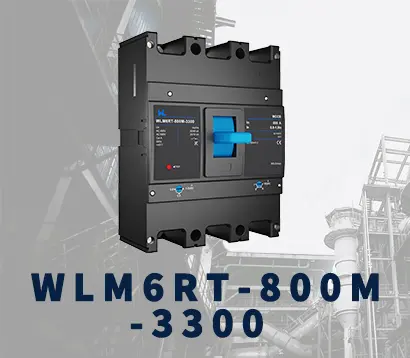 WLM6RT-800A
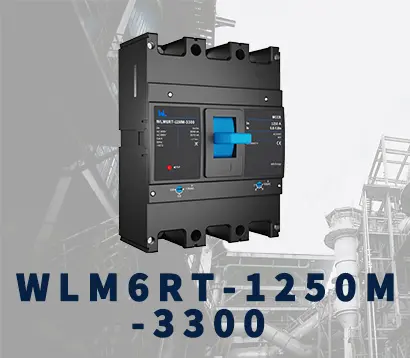 WLM6RT-1250A
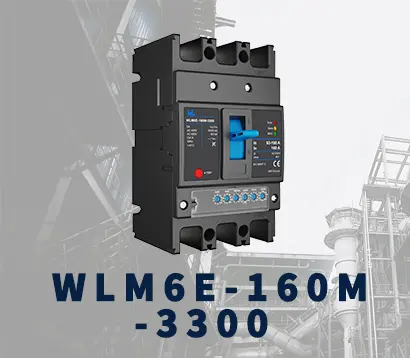 WLM6E-160A-3300 3P
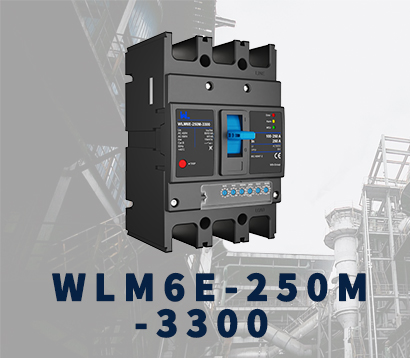 WLM6E-250A-3300
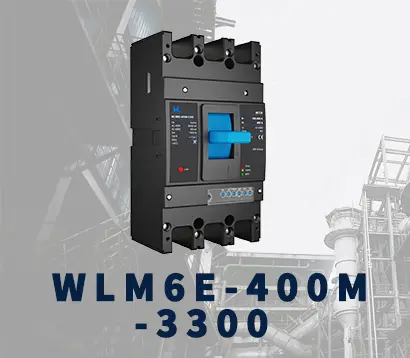 WLM6E-400A-3300 3P/4P
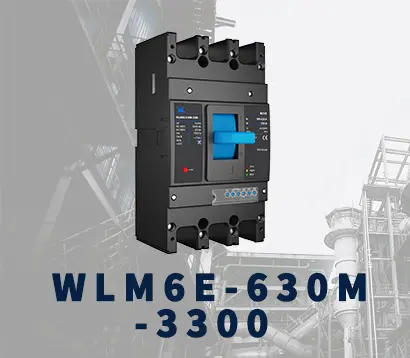 WLM6E-630A-3300
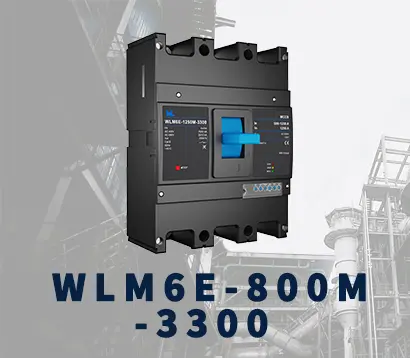 WLM6E-800A-3300 3P/4P
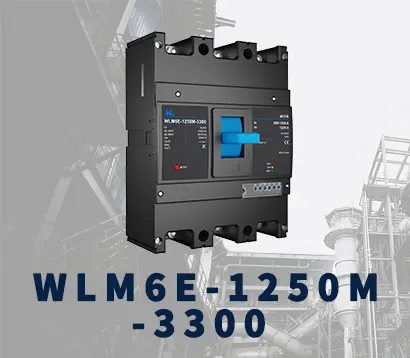 WLM6E-1250A-3300
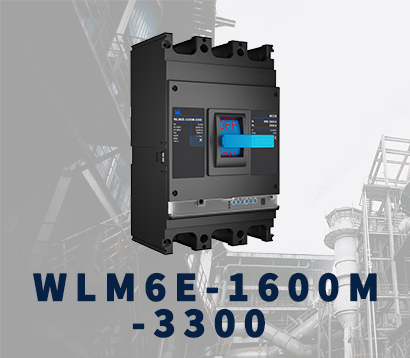 WLM6E-1600-3300 3P/4P
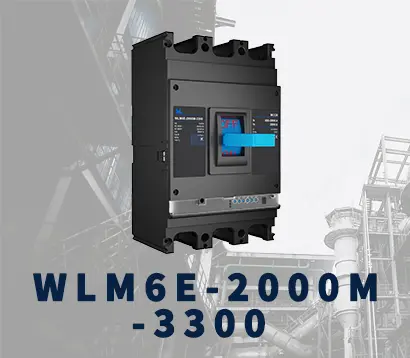 WLM6E-2000A-3300 3P/4P
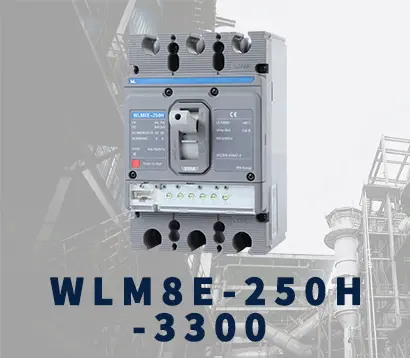 WLM8E-250H-3300
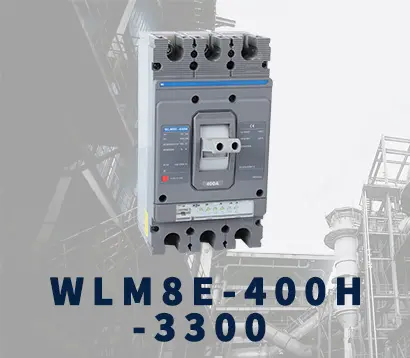 WLM8E-400H-3300
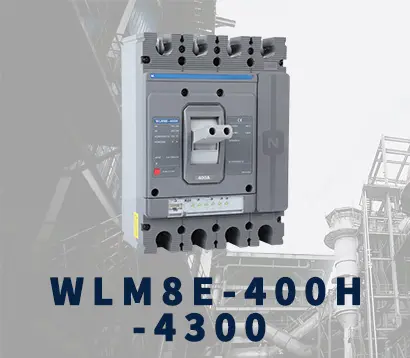 WLM8E-400H-4300
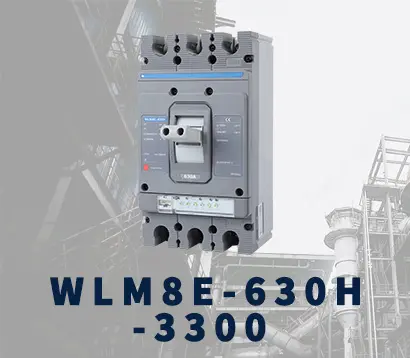 WLM8E-630H-3300
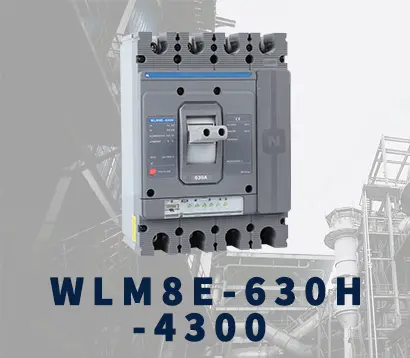 WLM8E-630H-4300
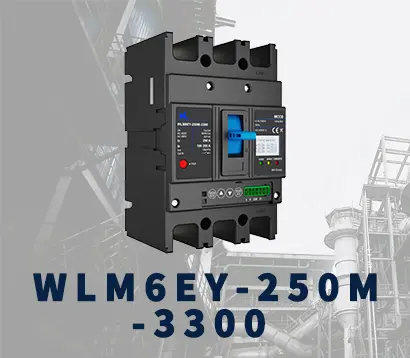 WLM6EY-250-3300 3P/4P
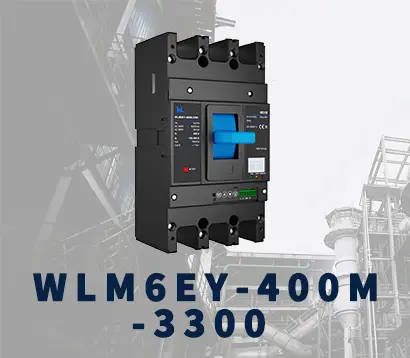 WLM6EY-400 3P/4P
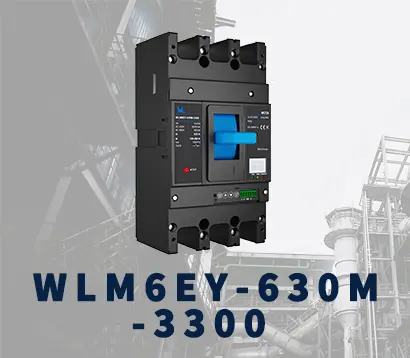 WLM6EY-630 3P/4P
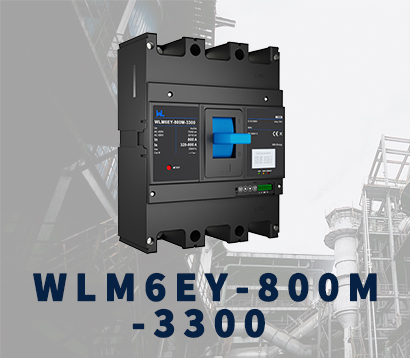 WLM6EY-800A 3P/4P
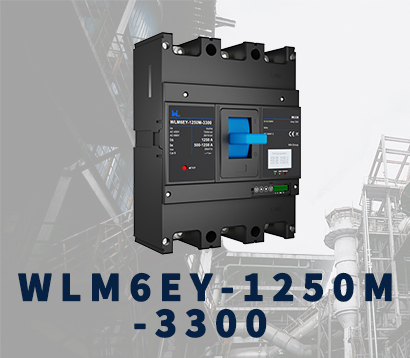 WLM6EY-1250A 3P/4P
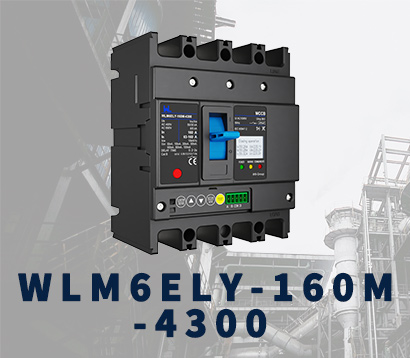 WLM6ELY-160A
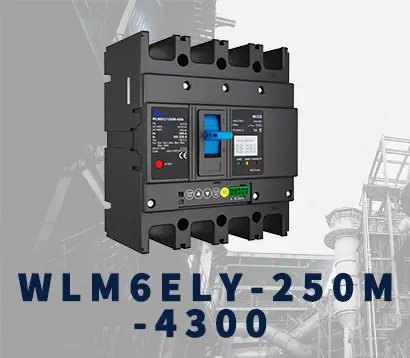 WLM6ELY-250A
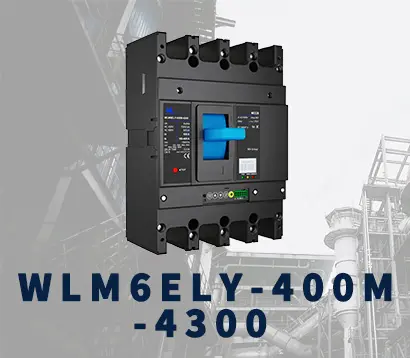 WLM6ELY-400A
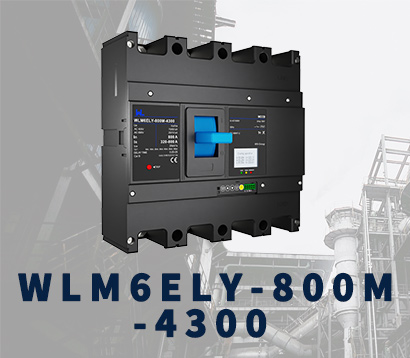 WLM6ELY-800A
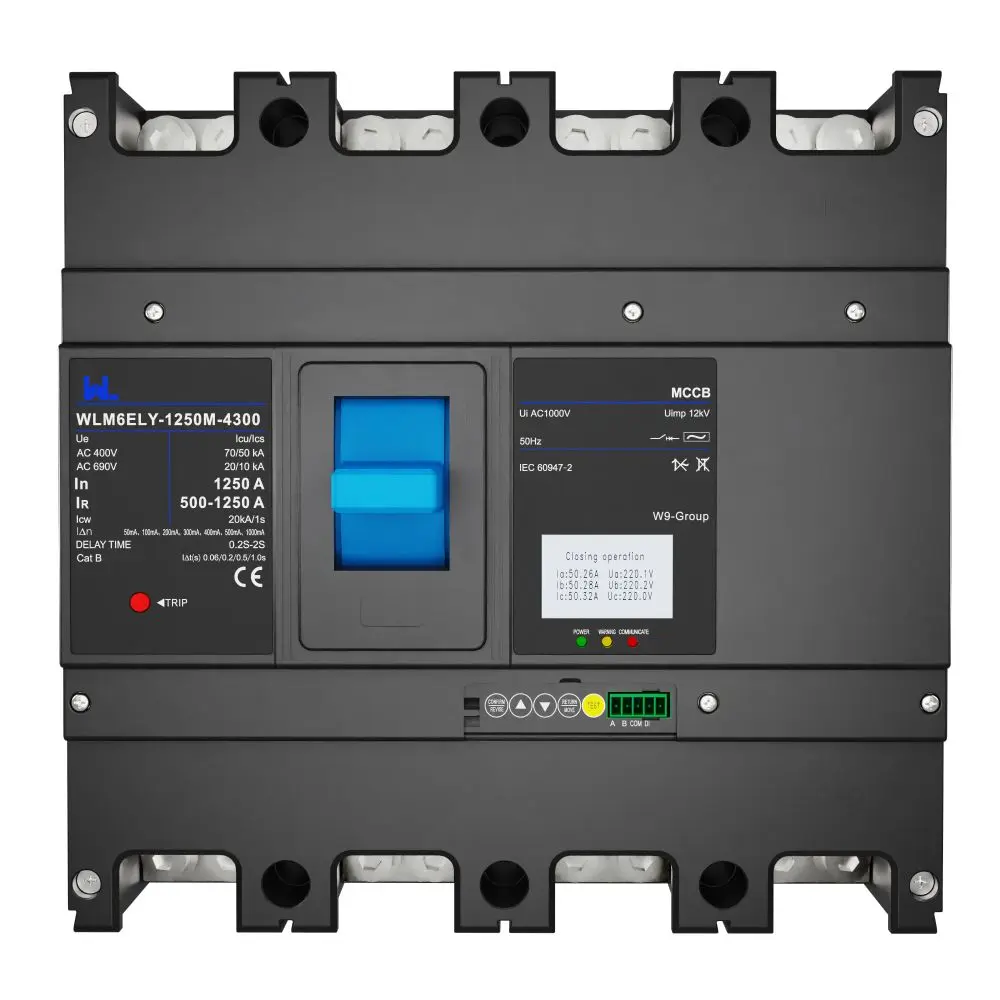 WLM6ELY-1250A
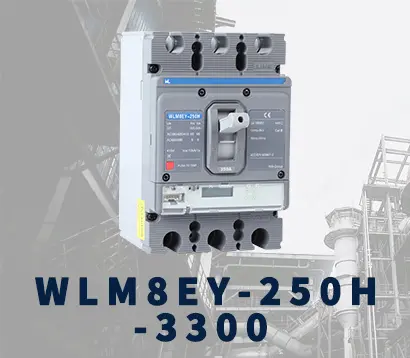 WLM8EY-250H-3300
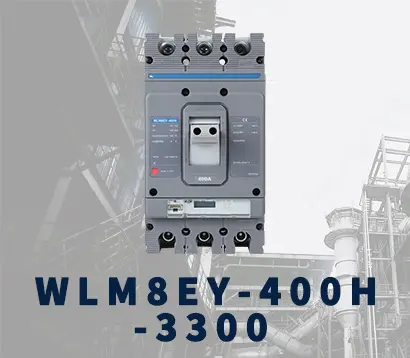 WLM8EY-400H-3300
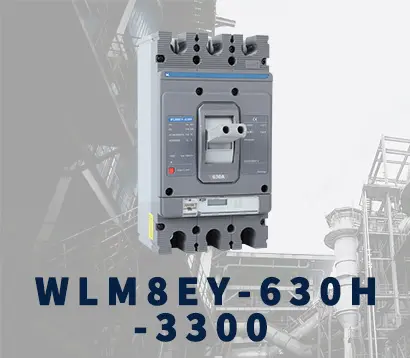 WLM8EY-630H-3300
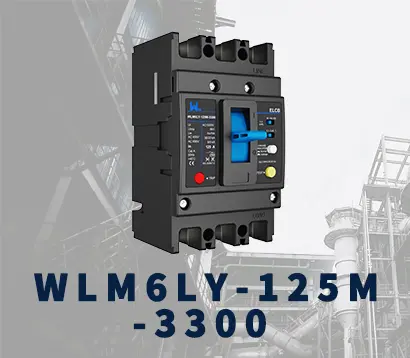 WLM6LY-125A
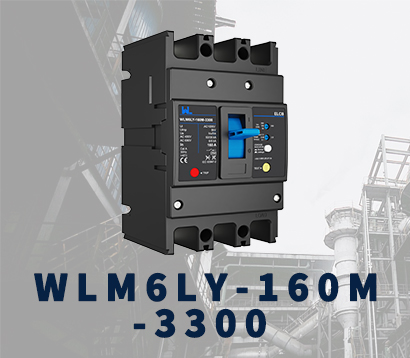 WLM6L-160A
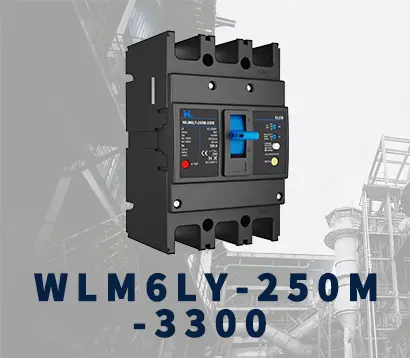 WLM6LY-250A
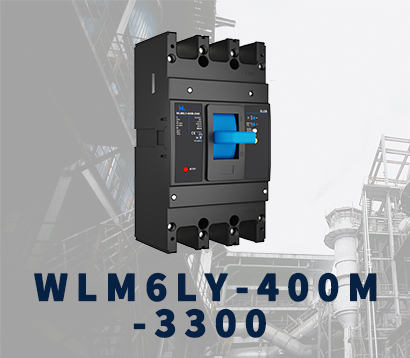 WLM6LY-400A
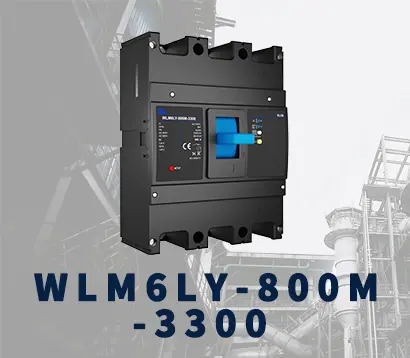 WLM6LY-800A
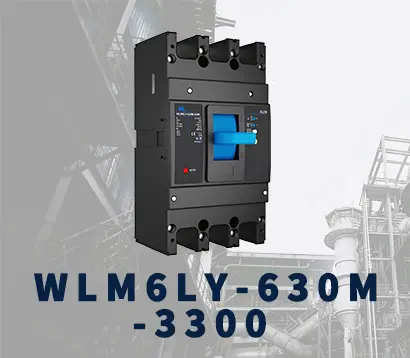 WLM6LY-630A
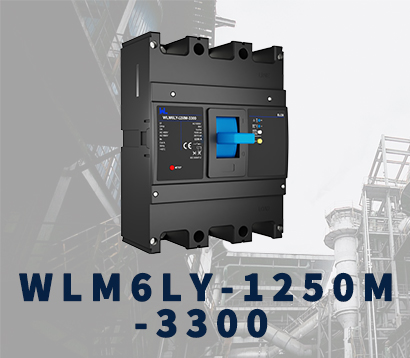 WLM6LY-1250A
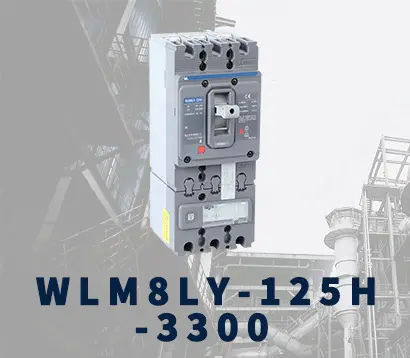 WLM8LY-125H-3300
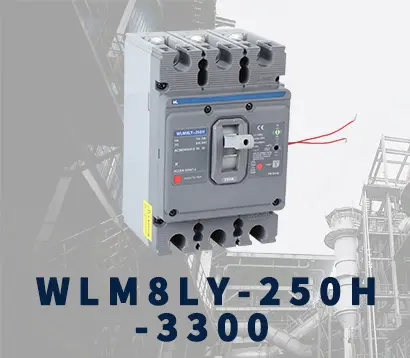 WLM8LY-250H-3300
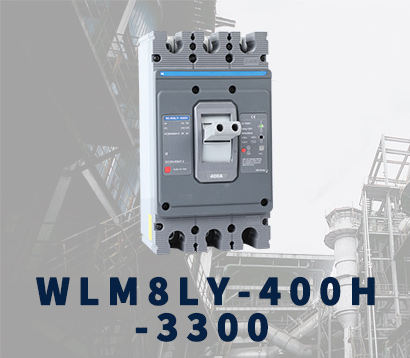 WLM8LY-400H-3300
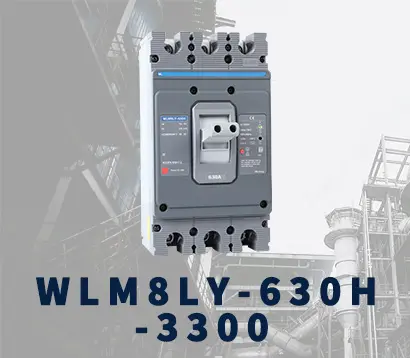 WLM8LY-630H-3300
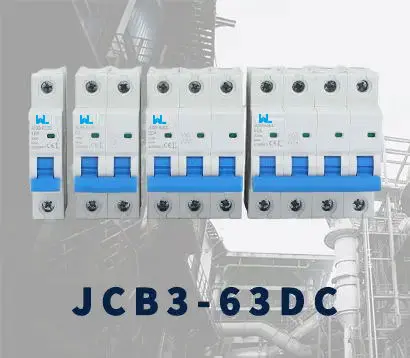 JCB3-63DC
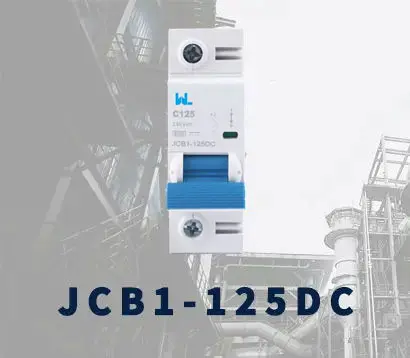 JCB1-125DC
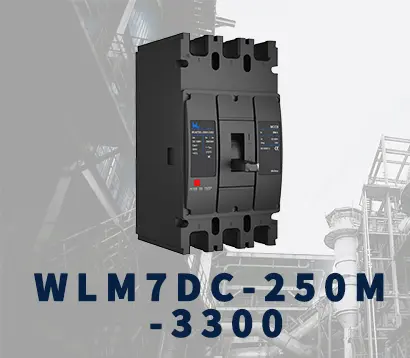 WLM7DC-250A-2300 2P/3P
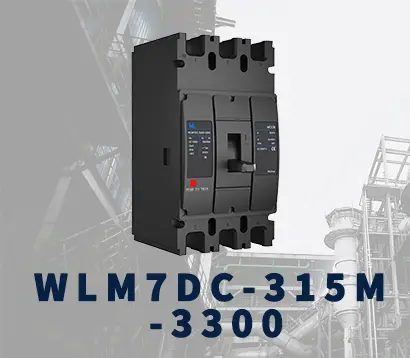 WLM7DC-315A-3300 2P/3P
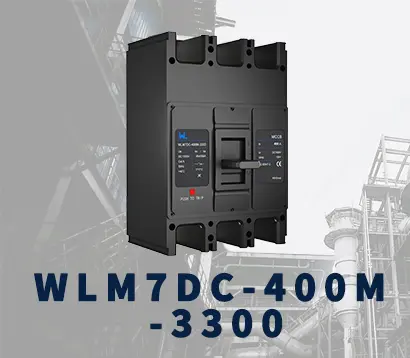 WLM7DC-400A-2300 2P/3P
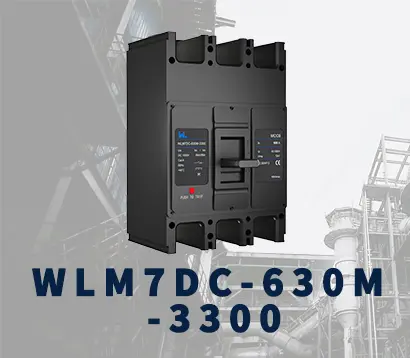 WLM7DC-630A-3300 3P
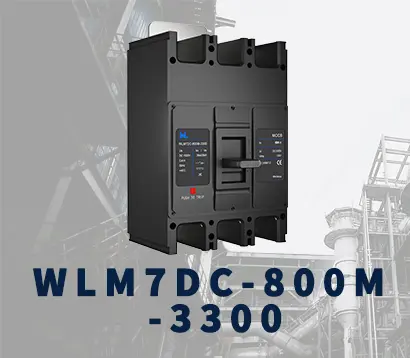 WLM7DC-800A-2300 2P/3P
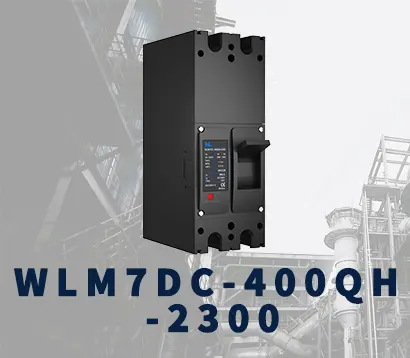 WLM7DC-400A 2300
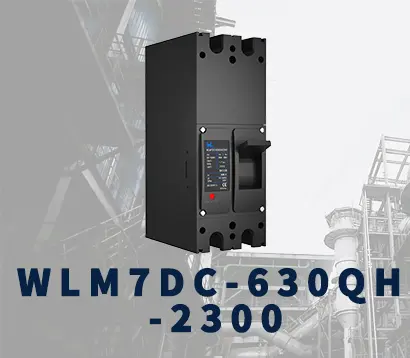 WLM7DC-630A-2300 2P
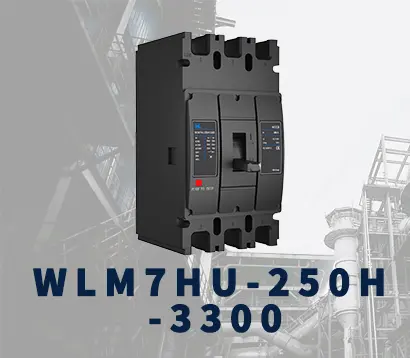 WLM7HU-250-3300 3P
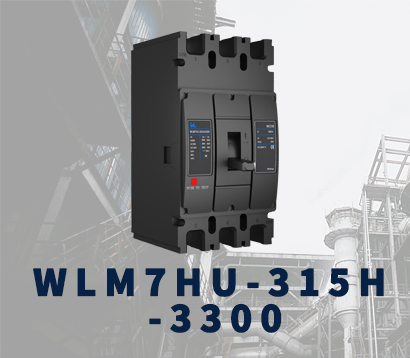 WLM7HU-315-3300 3P
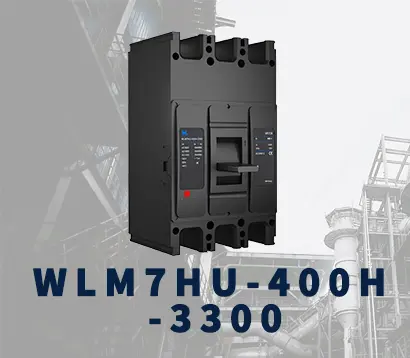 WLM7HU-400-3300 3P
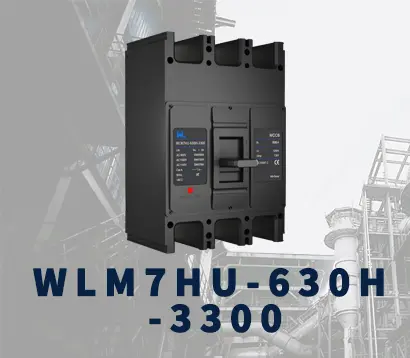 WLM7HU-630-3300 3P
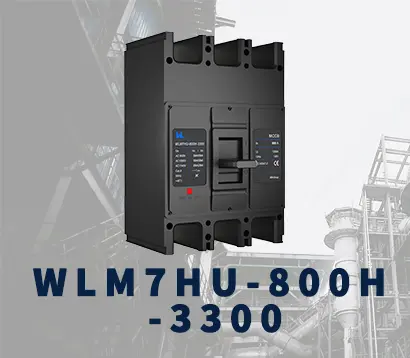 WLM7HU-800-3300 3P
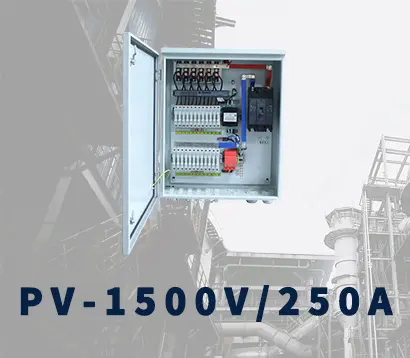 PV-1500V/250A
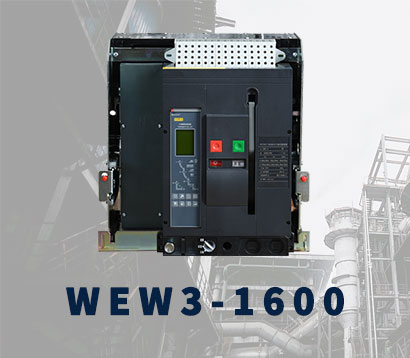 WEW3-1600
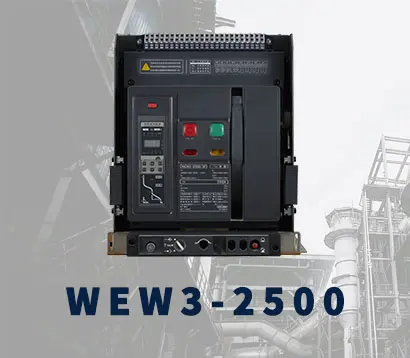 WEW3-2500
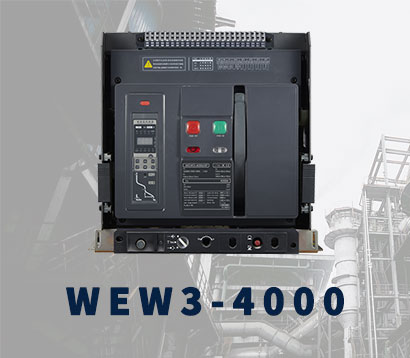 WEW3-4000
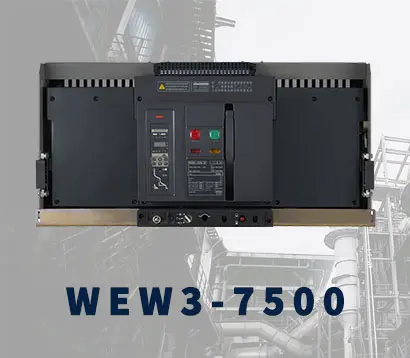 WEW3-7500