2026 Best Thermal Magnetic Release MCCB Features and Benefits Explained?
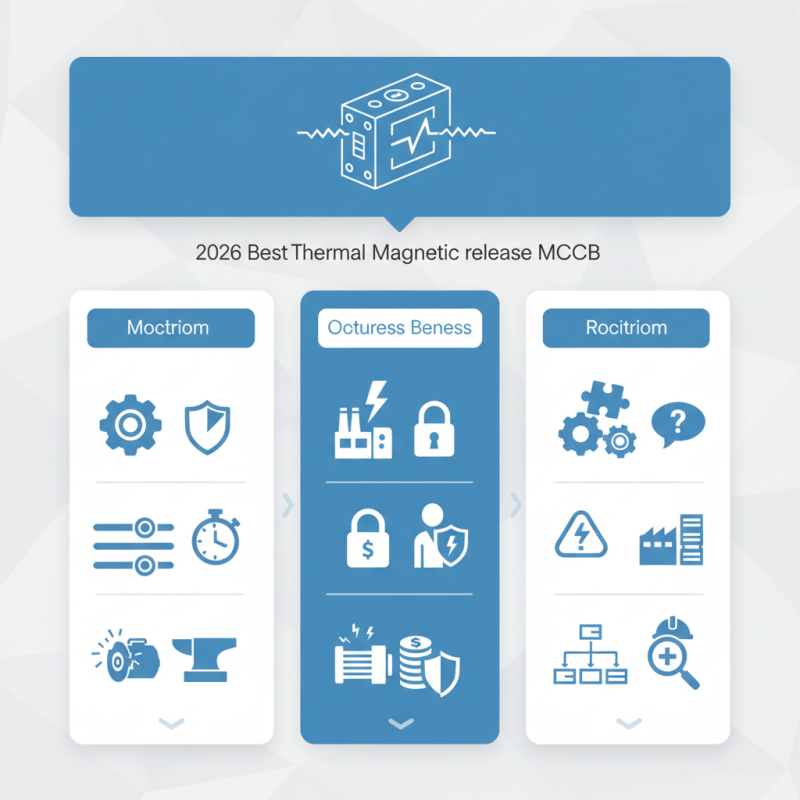
In the world of electrical engineering, the Thermal Magnetic Release MCCB stands out. This device plays a critical role in ensuring safety and reliability in various applications. Its dual functionality offers protection against overloads and short circuits. The unique combination of thermal and magnetic mechanisms enhances its performance.
When looking for the best Thermal Magnetic Release MCCB, it's essential to consider specific features. These include adjustable settings, response time, and durability. These attributes can influence the overall effectiveness of the circuit breaker. Understanding these details can be overwhelming.
However, the benefits are clear. A well-chosen MCCB can prevent costly equipment damage and ensure safety. Yet, there are challenges in selecting the right one. Each application has unique needs. Reflecting on these factors is crucial for making informed decisions.
Overview of Thermal Magnetic Release MCCB Technology
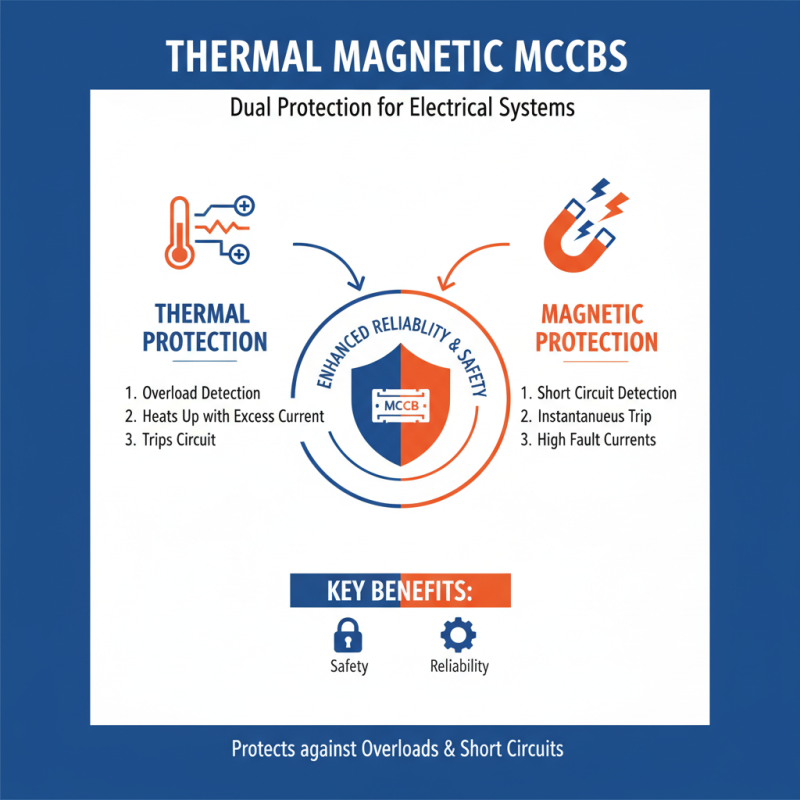
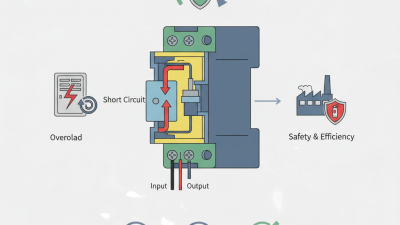
Thermal Magnetic Release MCCBs are crucial for electrical safety. They combine thermal and magnetic protection in one device. This dual mechanism enhances reliability. The thermal component reacts slowly, preventing overheating. The magnetic part reacts instantly, addressing short circuits.
Recent industry studies show that over 70% of electrical failures stem from overload and short circuits. This highlights the importance of reliable MCCBs. In a properly functioning system, these devices can reduce downtime significantly. They play a key role in safeguarding equipment and prolonging its life.
However, not all thermal magnetic releases are created equal. Some systems may fail under extreme conditions. There’s a need for ongoing maintenance and testing. Many businesses overlook this, which can lead to larger issues. The thermal settings also require periodic recalibration to ensure optimal performance. Understanding these nuances is vital for achieving the best results in protection and safety.
2026 Best Thermal Magnetic Release MCCB Features and Benefits Explained
| Feature |
Description |
Benefits |
| Thermal Protection |
Automatically trips in response to overheating. |
Prevents damage to circuits from prolonged overloads. |
| Magnetic Protection |
Instantly trips during short circuits. |
Offers fast response to prevent equipment damage. |
| Adjustable Trip Settings |
Allows customization of overload trip settings. |
Optimizes performance for specific applications. |
| Compact Design |
Space-saving installation. |
Ideal for confined spaces and reduces installation costs. |
| User-Friendly Interface |
Easy operation and status indication. |
Enhances usability for non-technical users. |
Key Features of 2026 Thermal Magnetic Release MCCB
The 2026 Thermal Magnetic Release MCCB offers essential features for reliable protection in electrical systems. This type of circuit breaker combines thermal and magnetic protection, making it quite efficient. Thermal release helps prevent overload, while magnetic release responds to short circuits in real-time.
One key feature is the adjustable settings. Users can tailor the device to specific needs, ensuring adequate protection. Another important aspect is the dual release mechanism. This system provides a more precise response to changing electrical conditions, enhancing overall safety.
Tip: Regular maintenance can extend the lifespan of these breakers. It's essential to check for any signs of wear or damage. Ensure that connections are secure to avoid unexpected failures.
Despite the advanced technology, challenges may arise. Users often overlook the importance of proper calibration. Misalignment can lead to inefficiency or even failure. Always consult technician guidelines for best practices.
Tip: Keep a log of maintenance activities. This helps track issues and predict future problems. Understanding the performance history is crucial for making informed decisions.
2026 Thermal Magnetic Release MCCB Features Comparison
Benefits of Using Thermal Magnetic Release MCCBs in Electrical Systems
Thermal magnetic release MCCBs are vital in modern electrical systems. They combine thermal and magnetic protection to ensure safety. The thermal mechanism reacts to overloads while the magnetic component handles short circuits. This dual-functionality enhances reliability significantly.
One key benefit of these MCCBs is their ability to reset automatically. This feature minimizes downtime in industrial settings. However, some users may find it tricky to adjust settings. It can lead to misunderstandings about proper operation. Adequate training is essential to optimize their performance.
Additionally, these breakers help in improving energy efficiency. They reduce energy waste, which can lower utility costs. Yet, improper sizing can lead to nuisance tripping. This requires careful consideration during installation. As with any technology, the importance of proper implementation cannot be overlooked.
Comparison of Thermal Magnetic vs. Electronic Release MCCBs
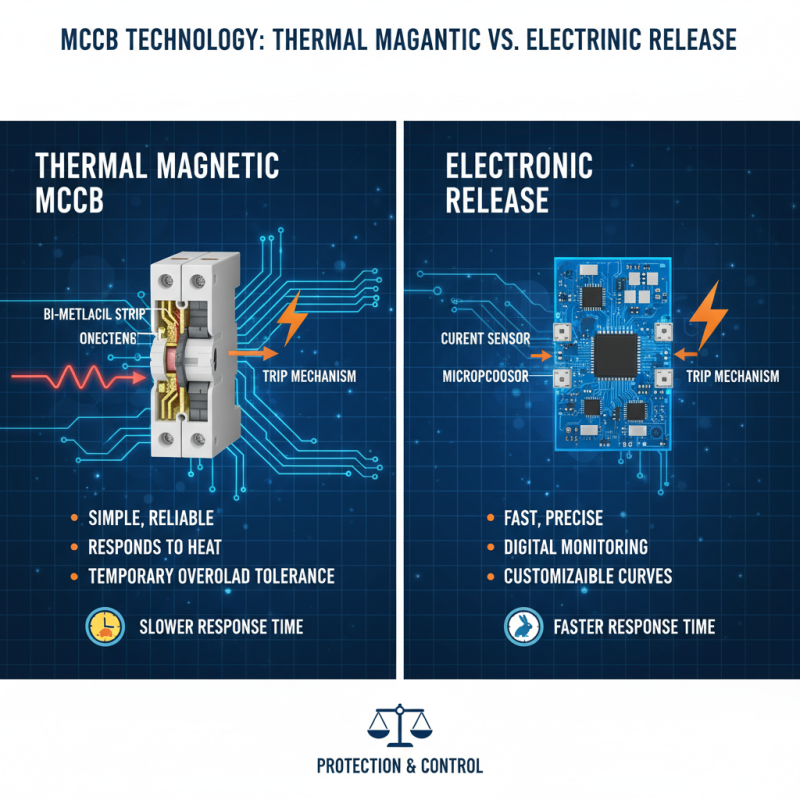
When comparing thermal magnetic and electronic release MCCBs, it is clear that each type has unique advantages. Thermal magnetic MCCBs function using a bi-metallic strip that bends under excessive heat. This feature provides a reliable, simple method for overcurrent protection. They react to temporary overloads, allowing equipment to handle brief surges. However, their response time may not be as fast as desired in some settings.
On the other hand, electronic release MCCBs offer advanced protection features. They use microprocessors to monitor current and detect faults. This results in more precise trip settings. Electronic MCCBs can also provide data logging and diagnostics, which can help in maintenance. However, they may be more susceptible to environmental factors like temperature and humidity. This could lead to potential failures and warrant close consideration for specific applications.
In practical terms, users must reflect on their operational environment when selecting the type. The choice between thermal magnetic and electronic release technologies often depends on a balance of simplicity versus advanced features. Analyzing specific needs will yield the best results for electrical system protection.
Future Trends in Thermal Magnetic Release MCCB Design and Functionality
The future of thermal magnetic release MCCBs is dynamic and promising. Advances in technology are steering designs toward greater efficiency. Integration with smart grid systems is a significant trend. It allows for real-time monitoring of electrical loads. This shift can help prevent overloads and enhance reliability.
Another important aspect is the focus on sustainability. New materials that reduce environmental impact are being explored. Future MCCBs may be lighter, more durable, and easier to recycle. However, this shift requires careful consideration of performance criteria. The balance between eco-friendliness and operational efficiency is key.
Finally, user interface innovations are essential. Simplified controls and clear indicators will improve usability. Functional designs that accommodate user feedback can lead to better adoption. There is always room for improvement in how these products serve people's needs. Each advancement brings challenges that demand attention and adjustments.

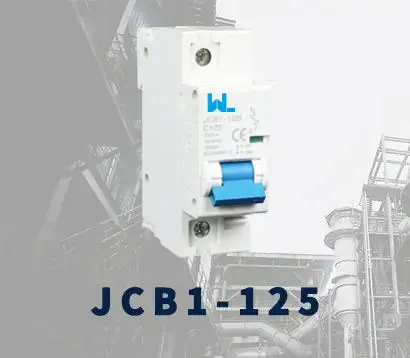 JCB1-125
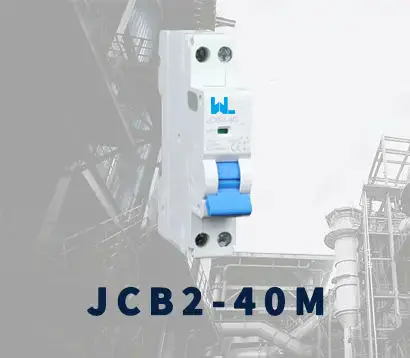 JCB2-40M
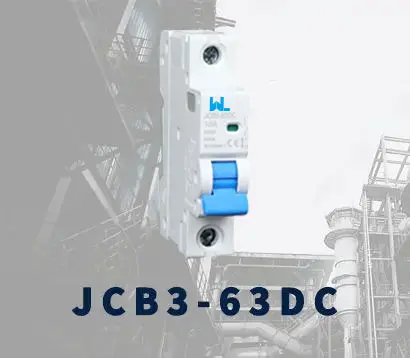 JCB3-63DC
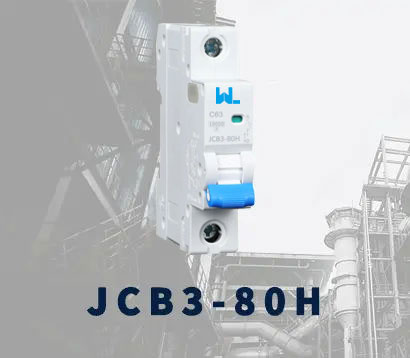 JCB3-80H
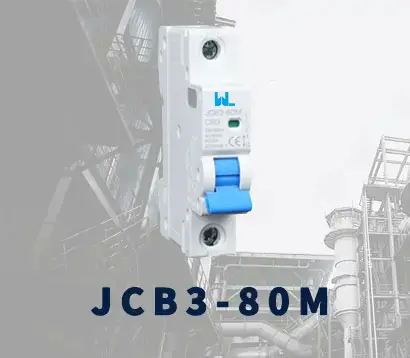 JCB3-80M
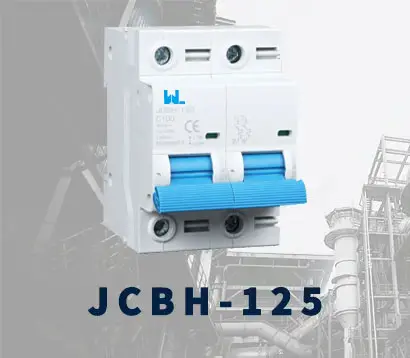 JCBH-125
 JC80-2P
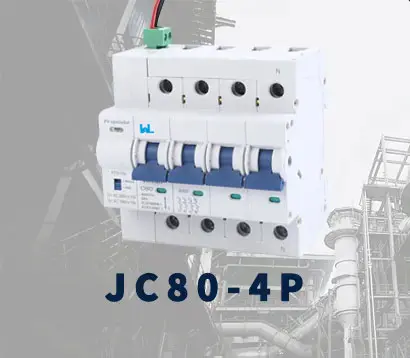 JC80-4P
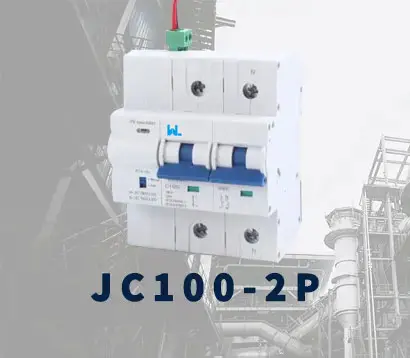 JC125-2P
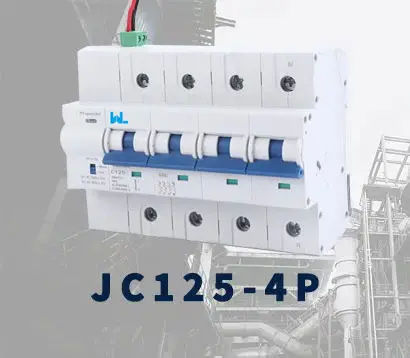 JC125-4P
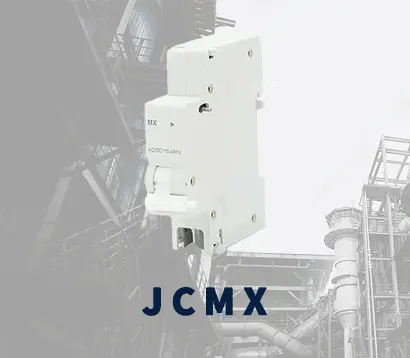 JCMX
JCMX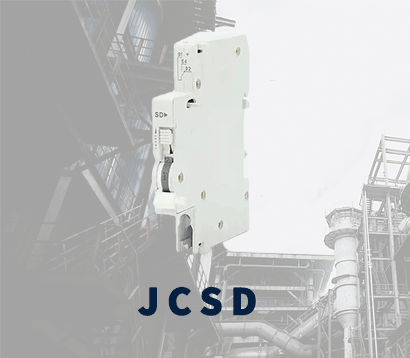 JCSD
JCSD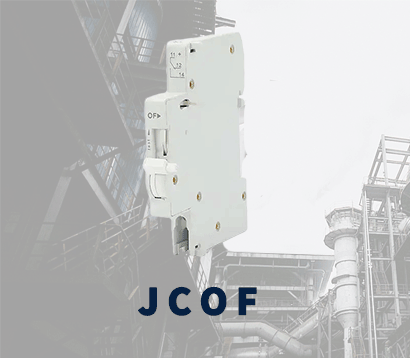 JCOF
JCOF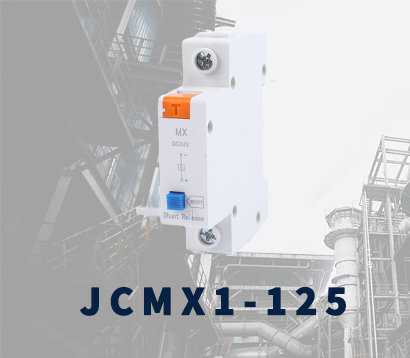 JCMX1-125
 JCOF1-125
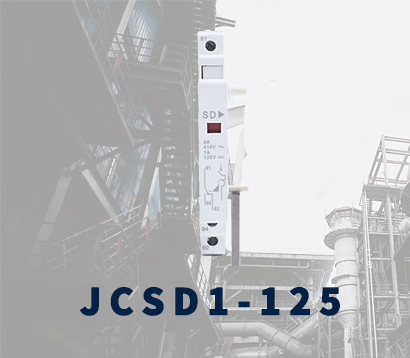 JCSD1-125
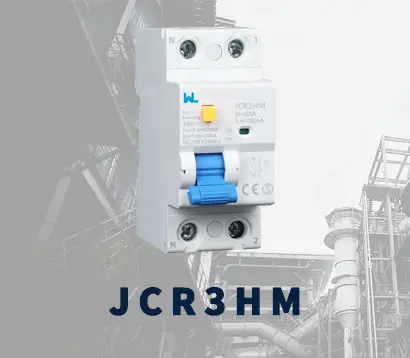 JCR3HM
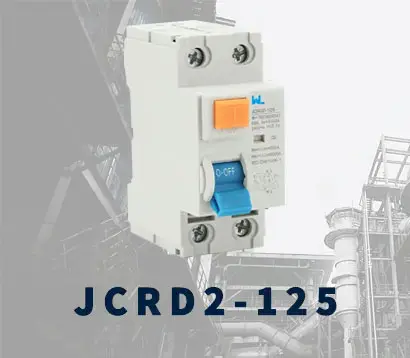 JCRD2-125
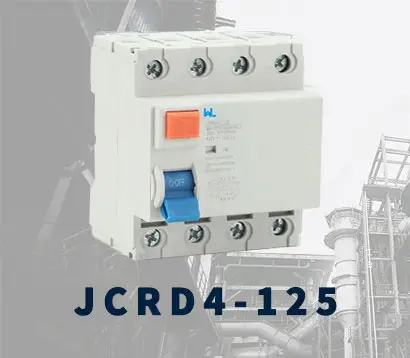 JCRD4-125
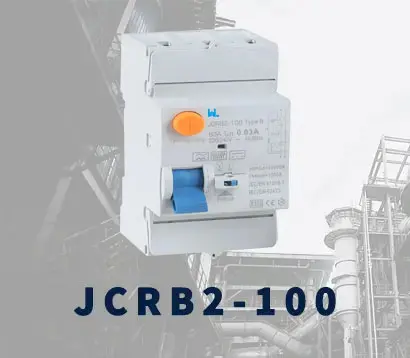 JCRB2-100
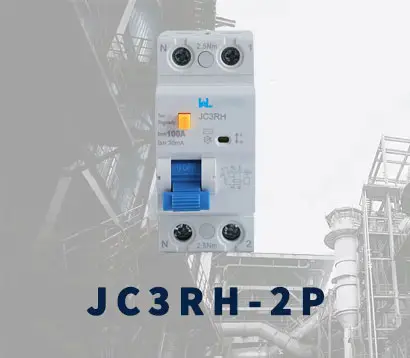 JC3RH-2P
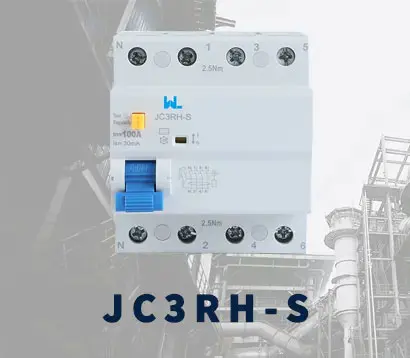 JC3RH-S
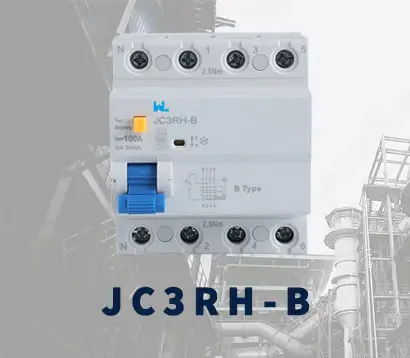 JC3RH-B
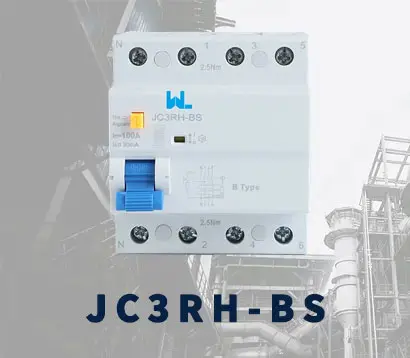 JC3RH-BS
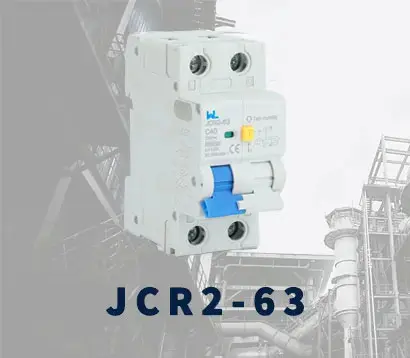 JCR2-63
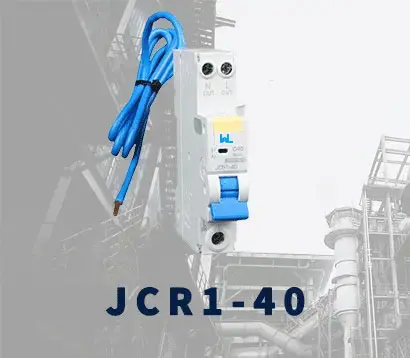 JCR1-40
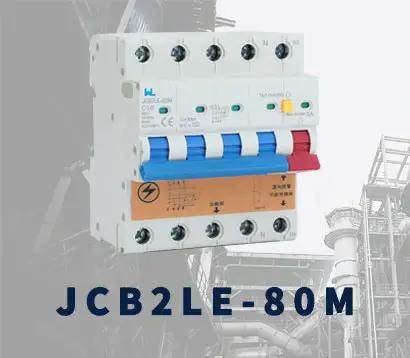 JCB2LE-80M
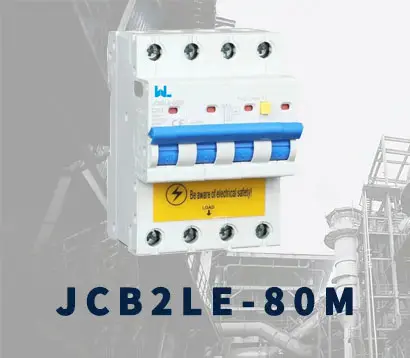 JCB2LE-80M
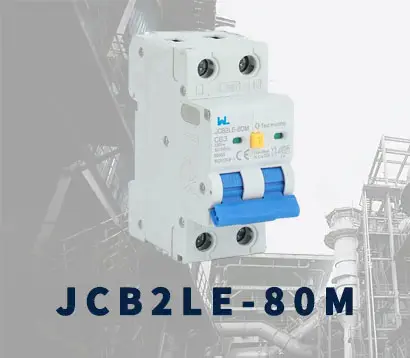 JCB2LE-80M
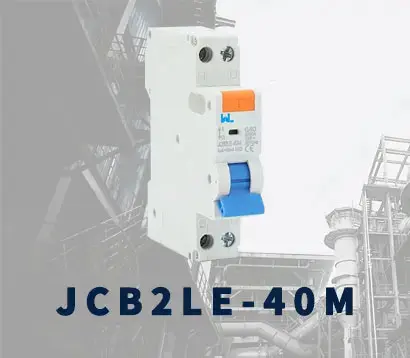 JCB2LE-40M
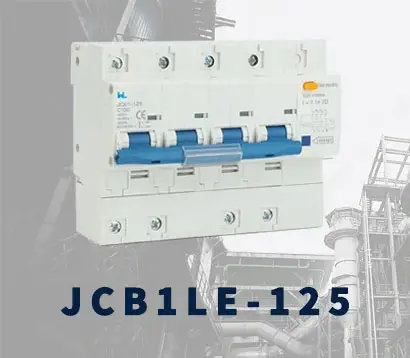 JCB1LE-125
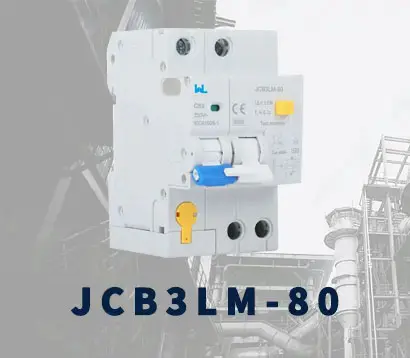 JCB3LM-80
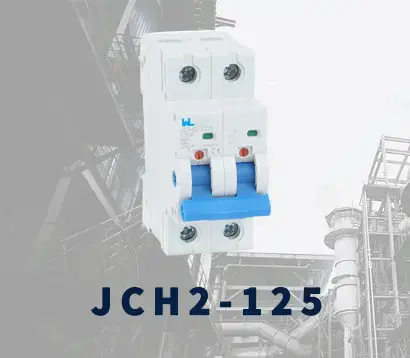 JCH2-125
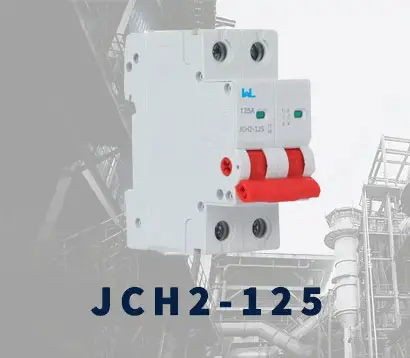 JCH2-125
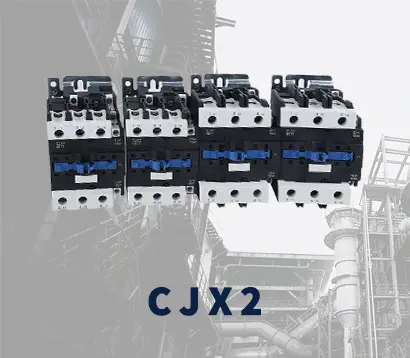 CJX2
CJX2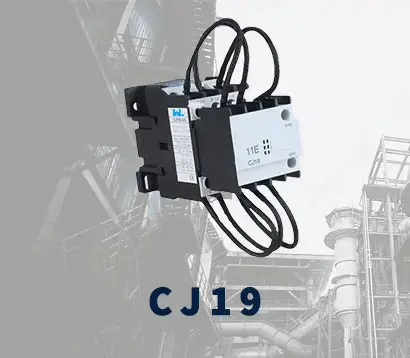 CJ19
CJ19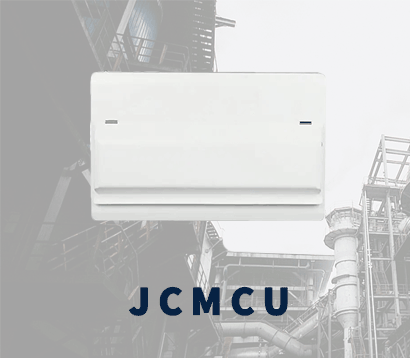 JCMCU
JCMCU JCHA
JCHA JCSD-40
 JCSD-60
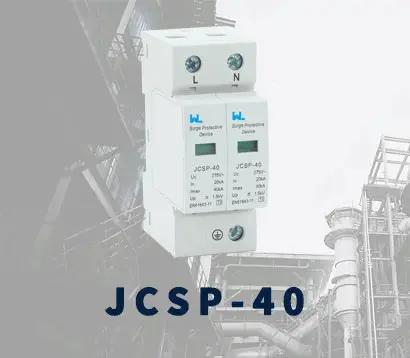 JCSP-40
 JCSP-60
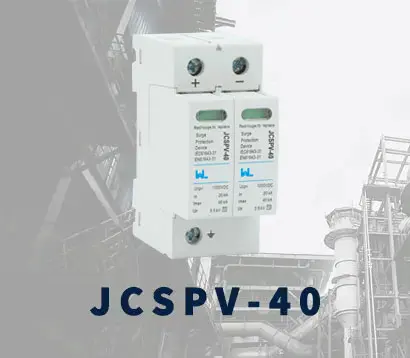 JCSPV
JCSPV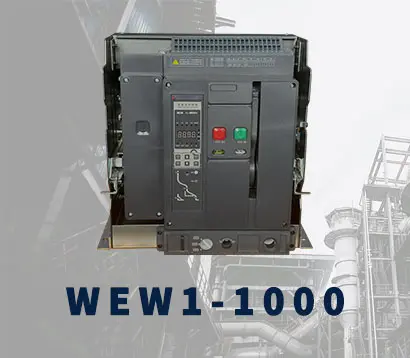 WEW1-1000
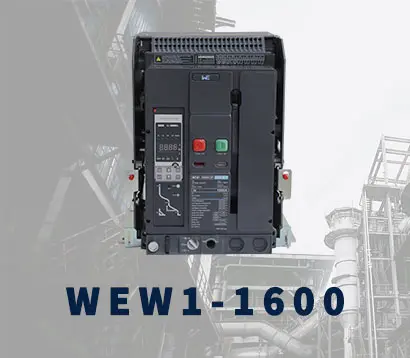 WEW1-1600
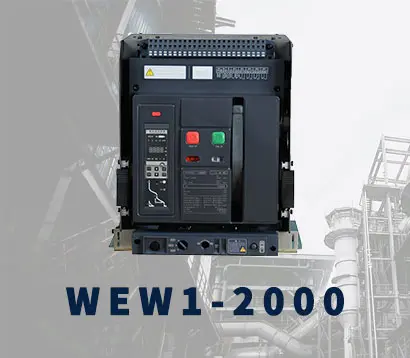 WEW1-2000
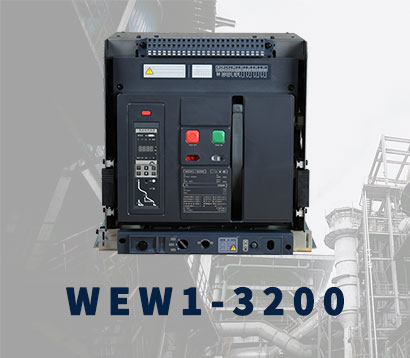 WEW1-3200
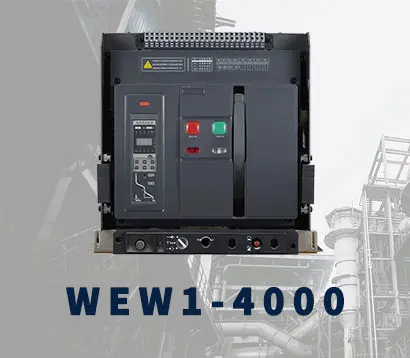 WEW1-4000
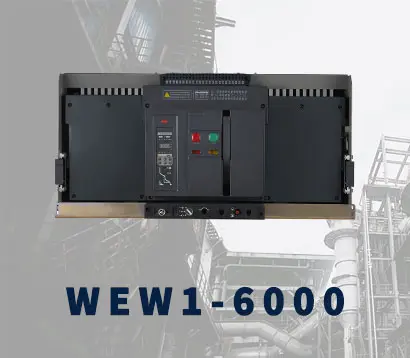 WEW1-6300
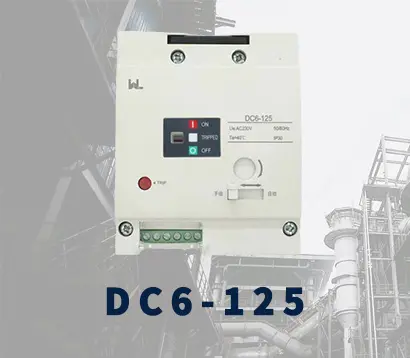 DC6-125
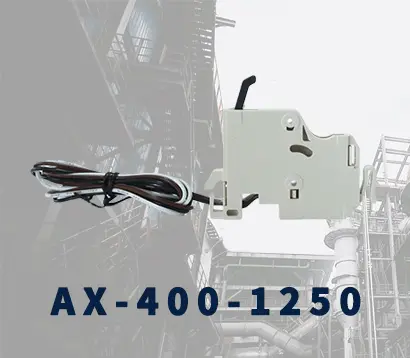 AX-400-1250
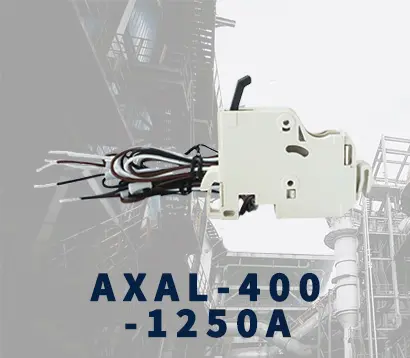 AXAL-400-1250A
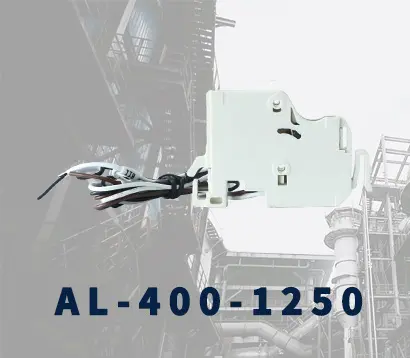 AL-400-1250
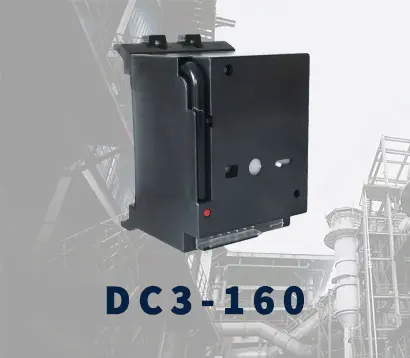 DC3-160
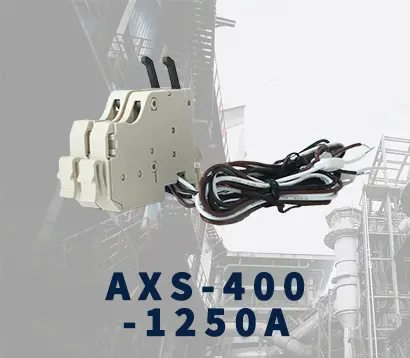 AXS-400-1250A
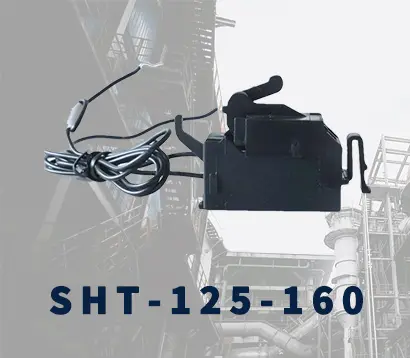 SHT-125-160
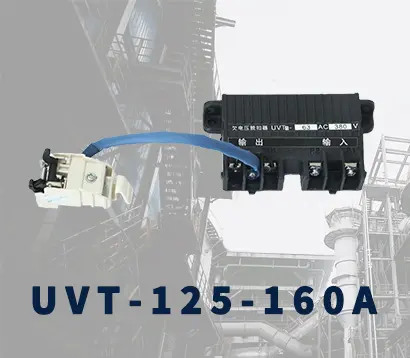 UVT-125-160A
 P-250A-3P-A
 400-3P/4P terminal cover
 1250-3Pmccb accessories busbar
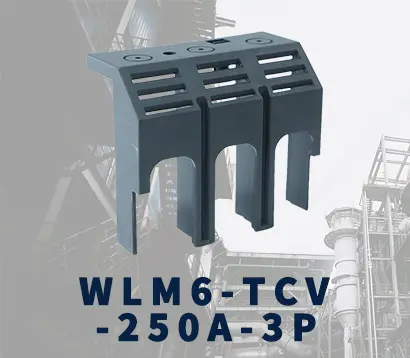 250-3P terminal conver
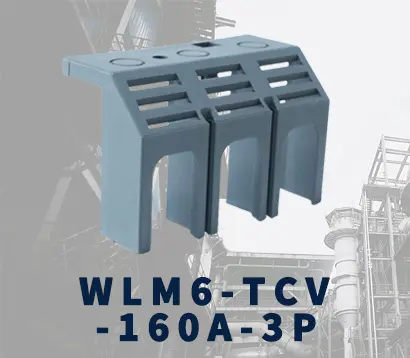 WLM6-TCV-160A-3P
 WLM6-MIP-250A
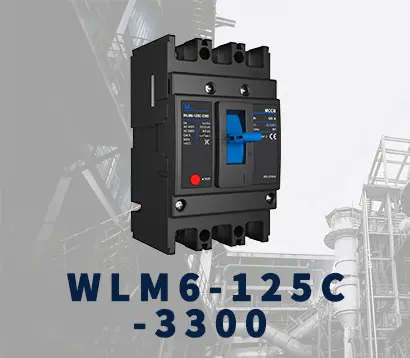 WLM6-125A-3300 3P/4P
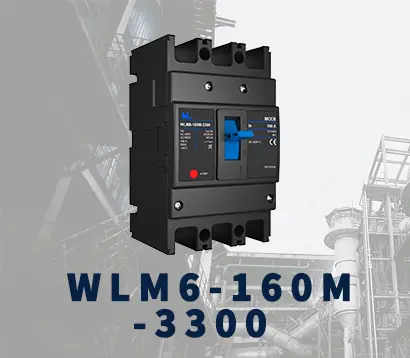 WLM6-160A-3300 3P/4P
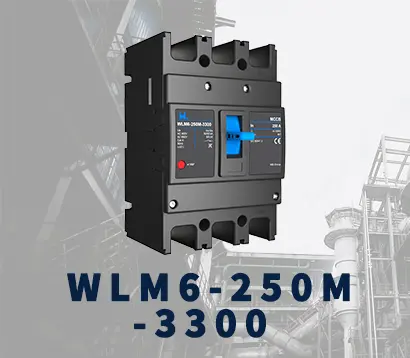 WLM6-250A-3300 3P/4P
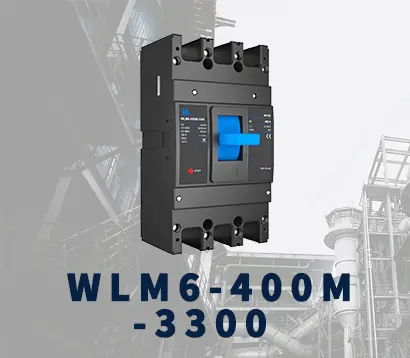 WLM6-400A-3300 3P/4P
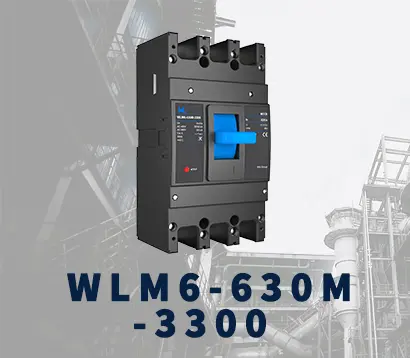 WLM6-630A-3300 3P/4P
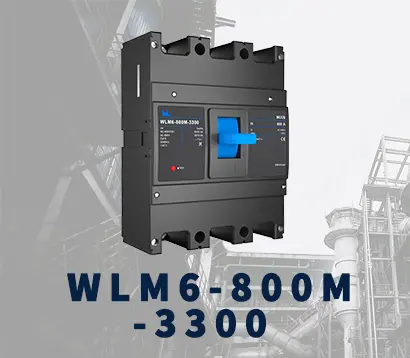 WLM6-800A-3300 3P/4P
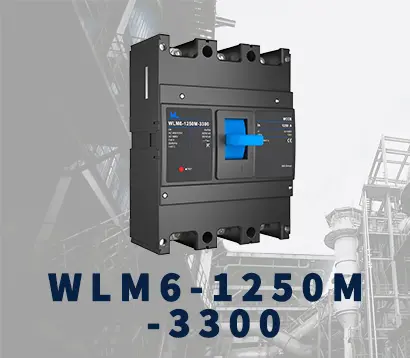 WLM6-1250A-3300 3P/4P
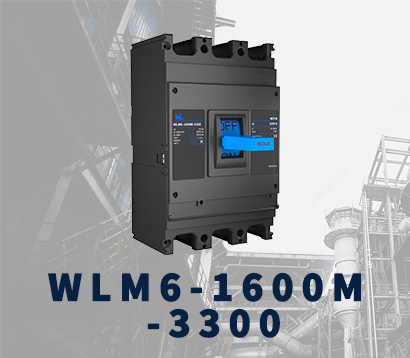 WLM6-1600A-3300 3P/4P
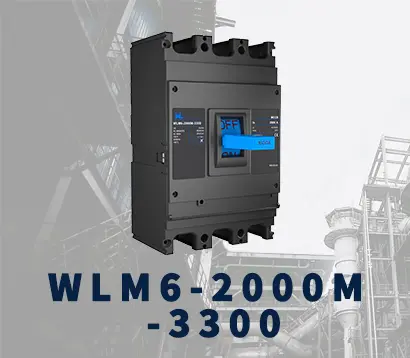 WLM6-2000A 3P/4P
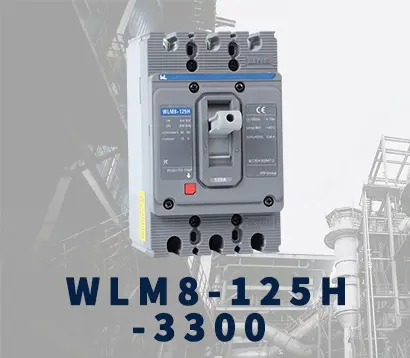 WLM8-125H-3300
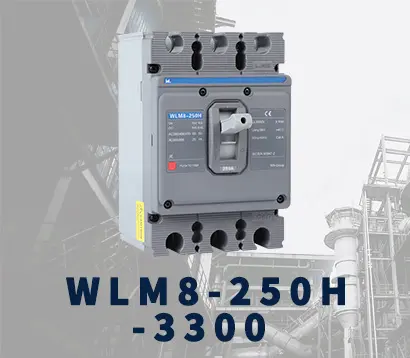 WLM8-250H-3300
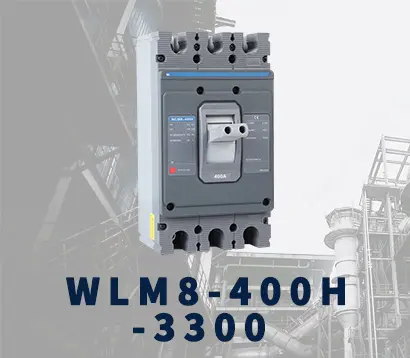 WLM8-400H-3300
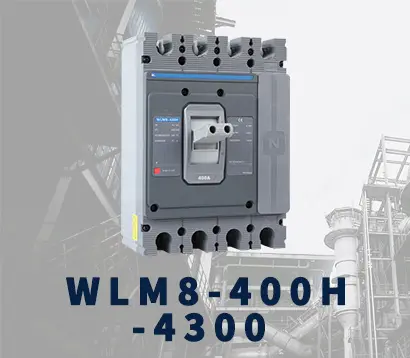 WLM8-400H-4300
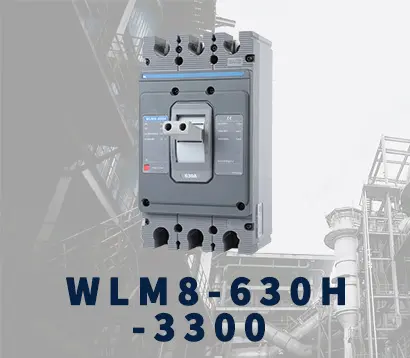 WLM8-630H-3300
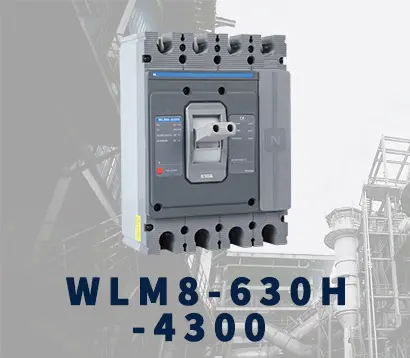 WLM8-630H-4300
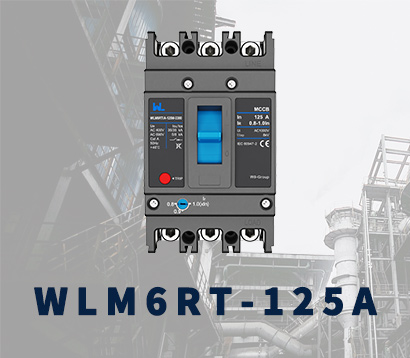 WLM6RT-125A
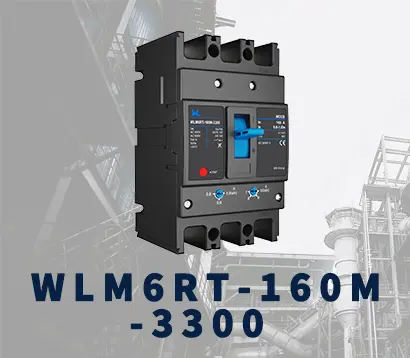 WLM6RT-160A
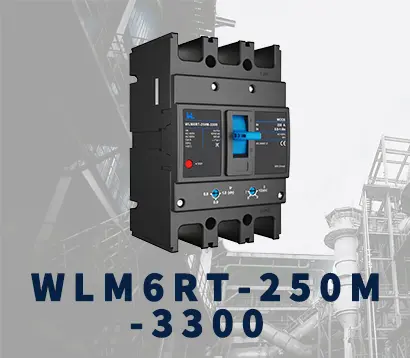 WLM6RT-250A
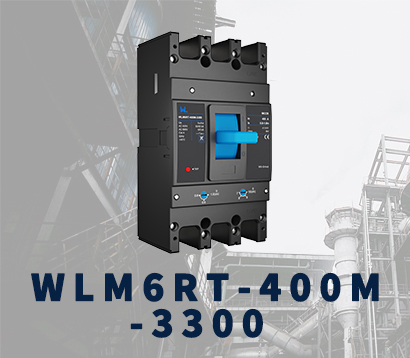 WLM6RT-400A
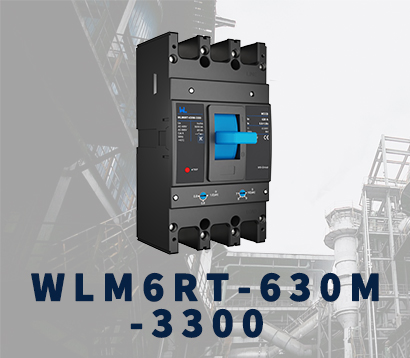 WLM6RT-630A
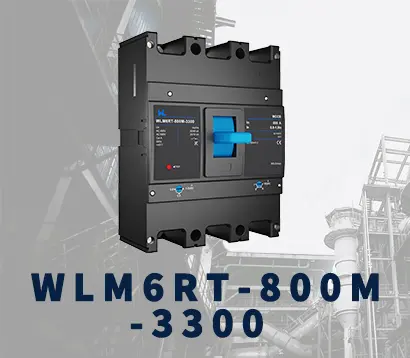 WLM6RT-800A
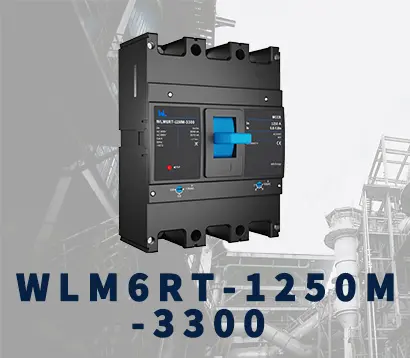 WLM6RT-1250A
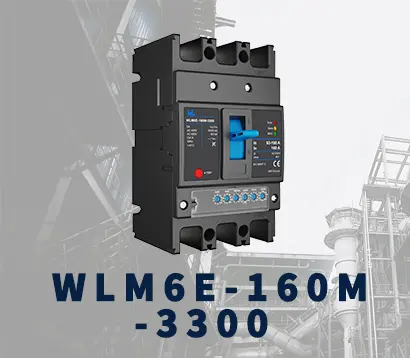 WLM6E-160A-3300 3P
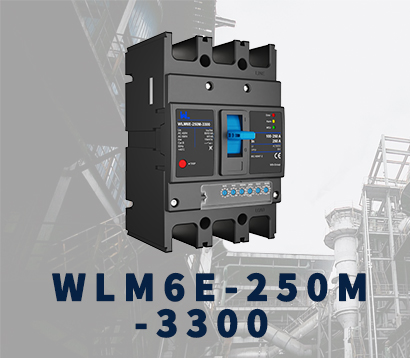 WLM6E-250A-3300
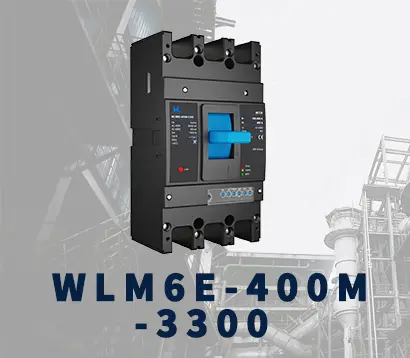 WLM6E-400A-3300 3P/4P
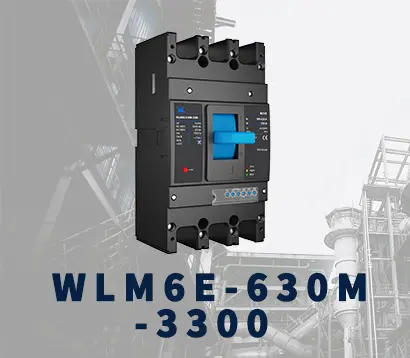 WLM6E-630A-3300
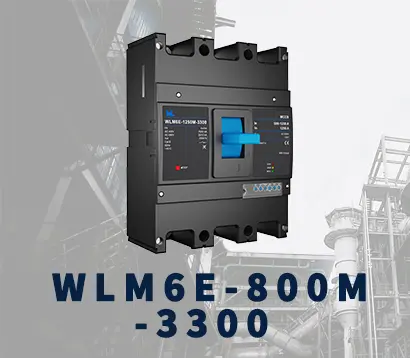 WLM6E-800A-3300 3P/4P
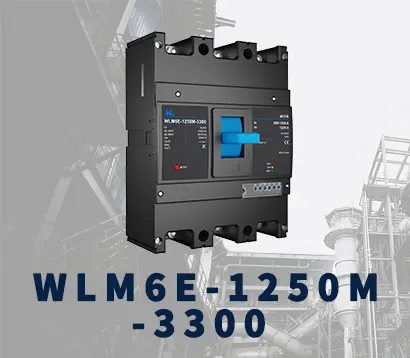 WLM6E-1250A-3300
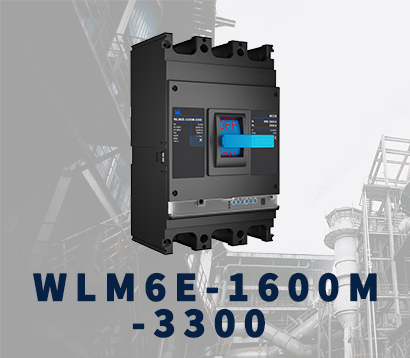 WLM6E-1600-3300 3P/4P
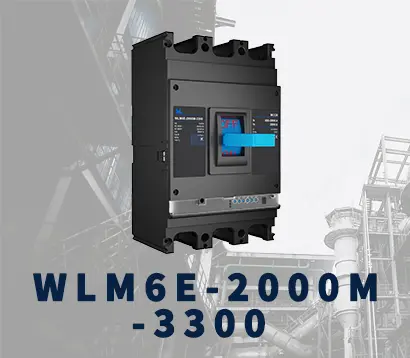 WLM6E-2000A-3300 3P/4P
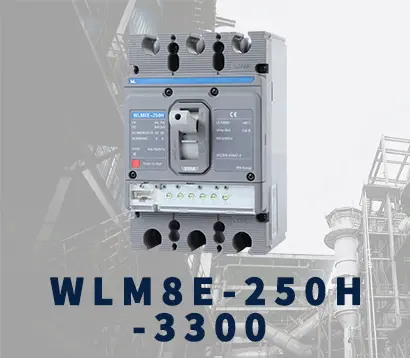 WLM8E-250H-3300
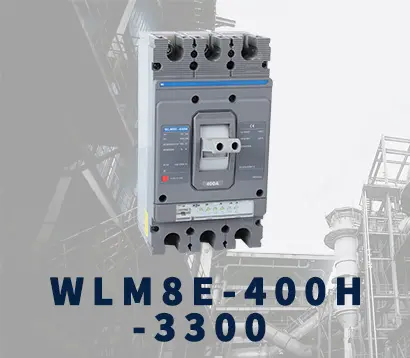 WLM8E-400H-3300
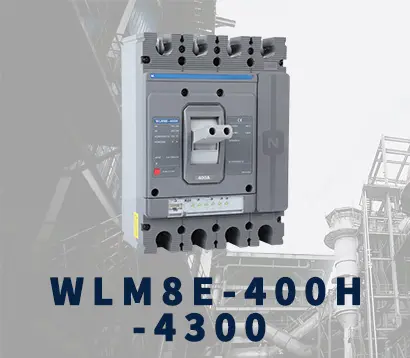 WLM8E-400H-4300
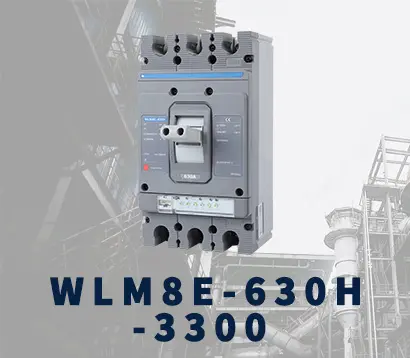 WLM8E-630H-3300
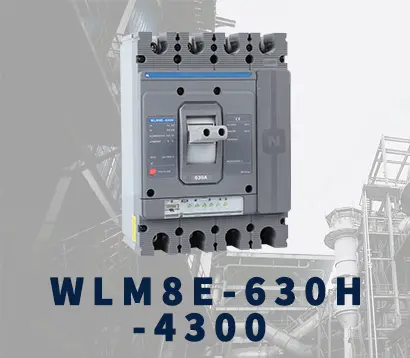 WLM8E-630H-4300
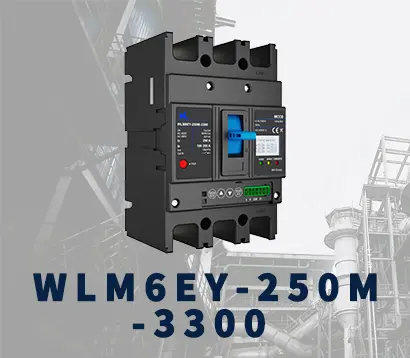 WLM6EY-250-3300 3P/4P
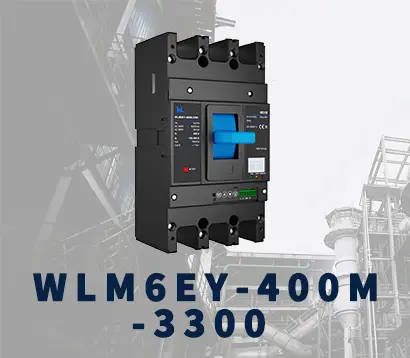 WLM6EY-400 3P/4P
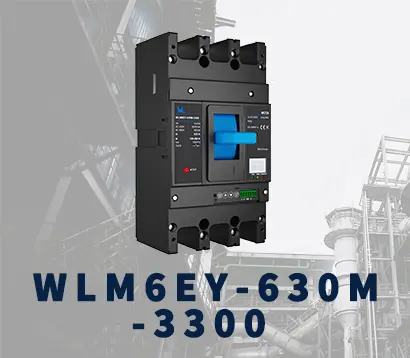 WLM6EY-630 3P/4P
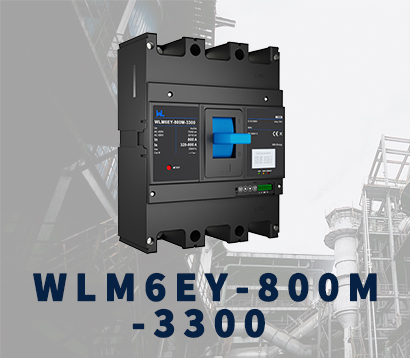 WLM6EY-800A 3P/4P
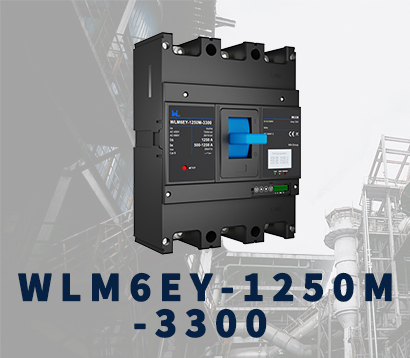 WLM6EY-1250A 3P/4P
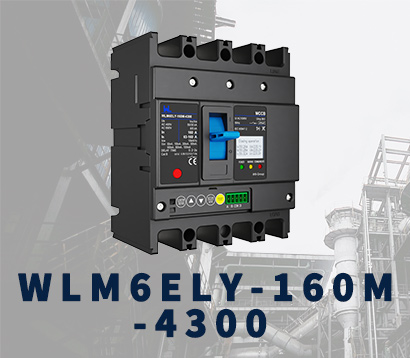 WLM6ELY-160A
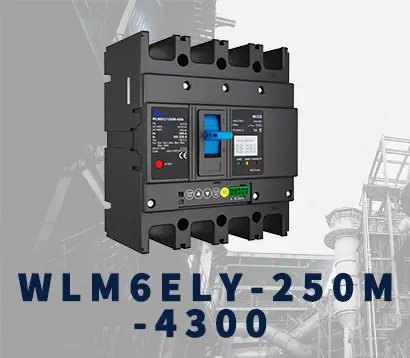 WLM6ELY-250A
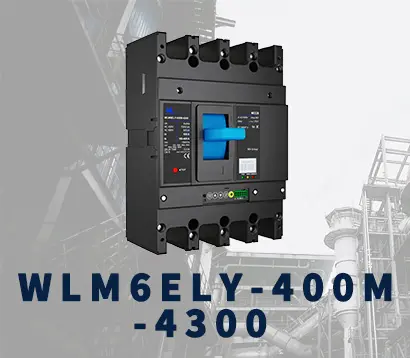 WLM6ELY-400A
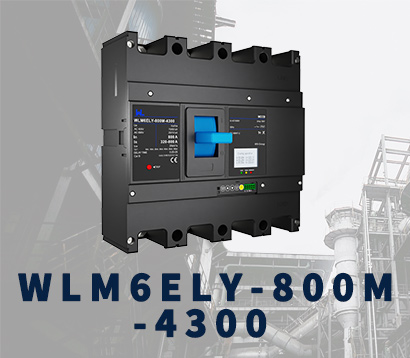 WLM6ELY-800A
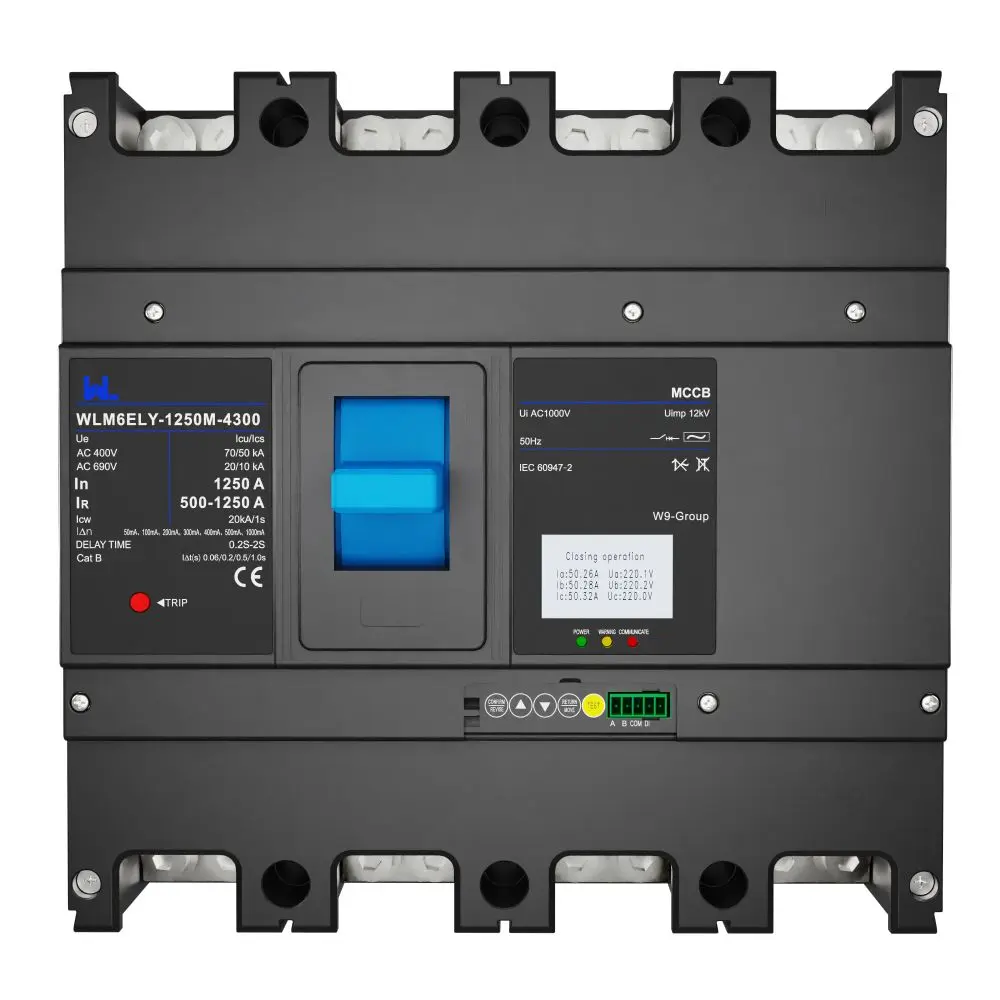 WLM6ELY-1250A
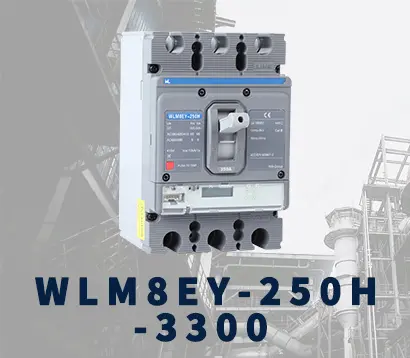 WLM8EY-250H-3300
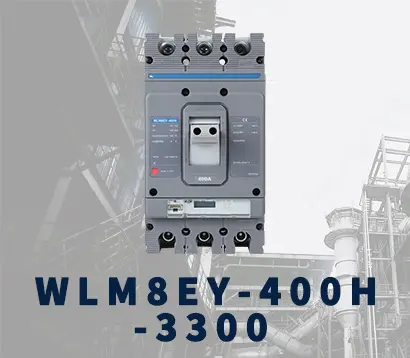 WLM8EY-400H-3300
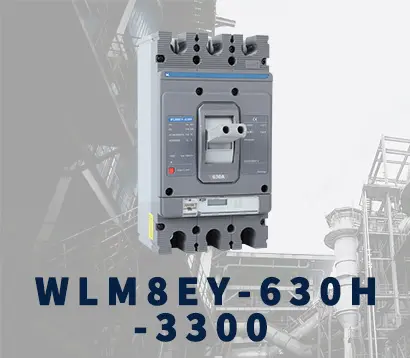 WLM8EY-630H-3300
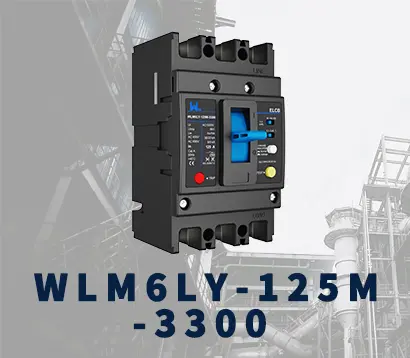 WLM6LY-125A
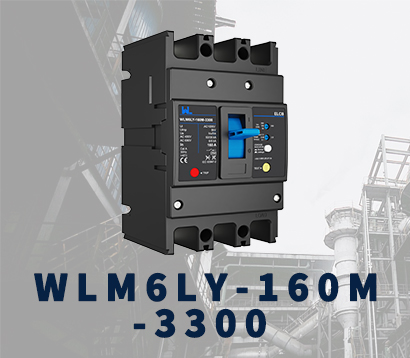 WLM6L-160A
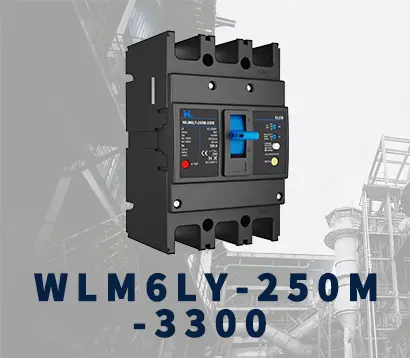 WLM6LY-250A
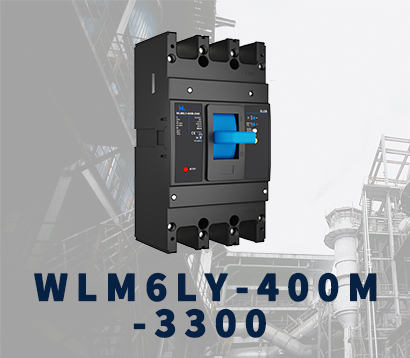 WLM6LY-400A
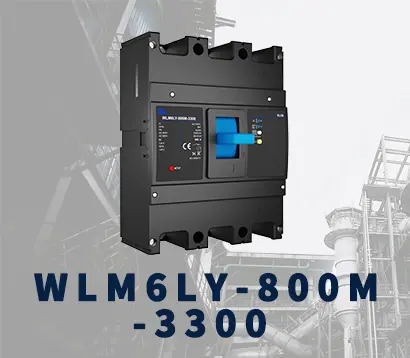 WLM6LY-800A
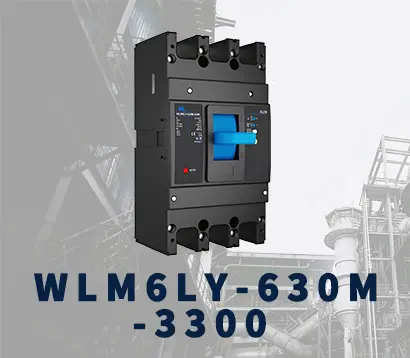 WLM6LY-630A
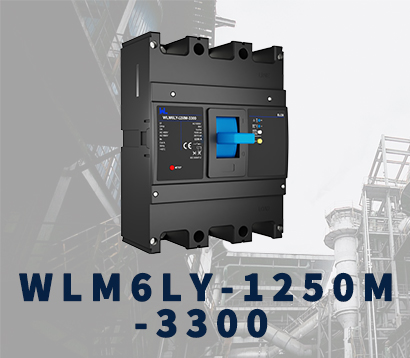 WLM6LY-1250A
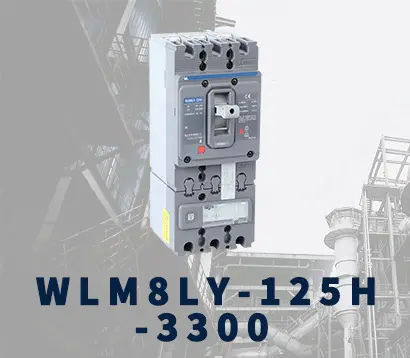 WLM8LY-125H-3300
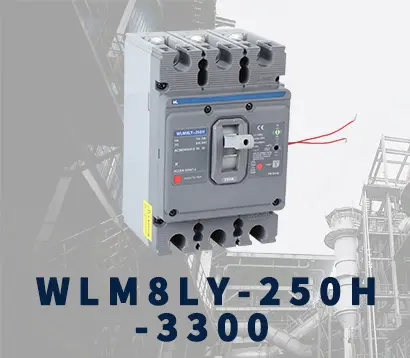 WLM8LY-250H-3300
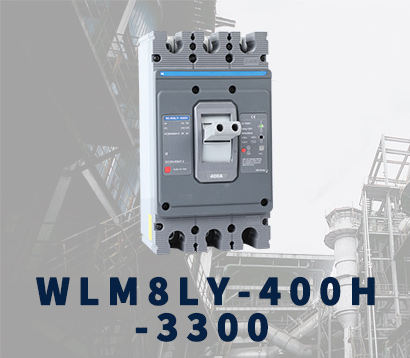 WLM8LY-400H-3300
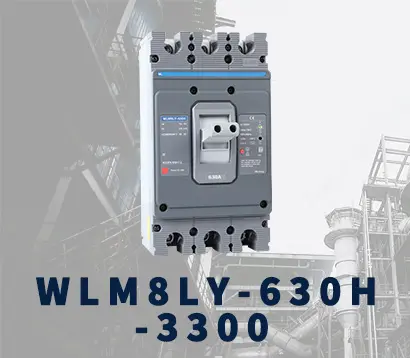 WLM8LY-630H-3300
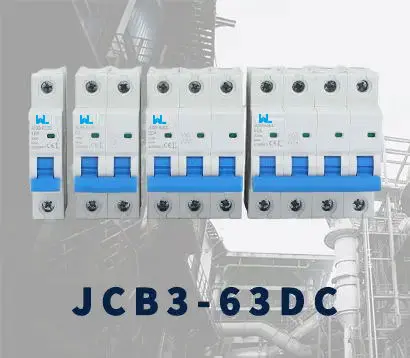 JCB3-63DC
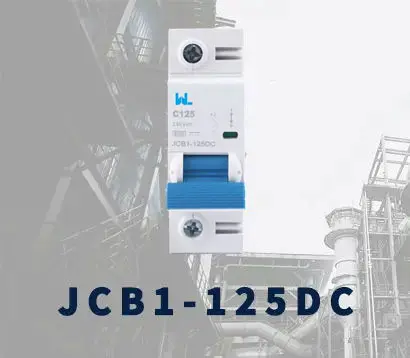 JCB1-125DC
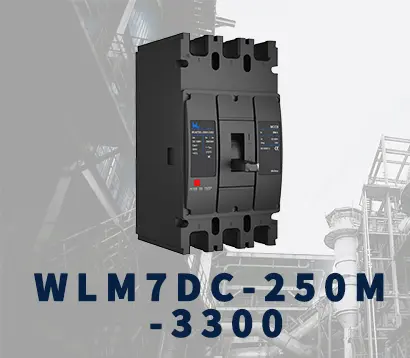 WLM7DC-250A-2300 2P/3P
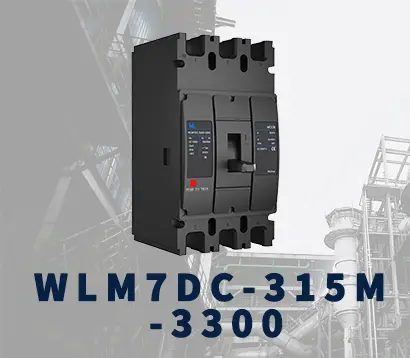 WLM7DC-315A-3300 2P/3P
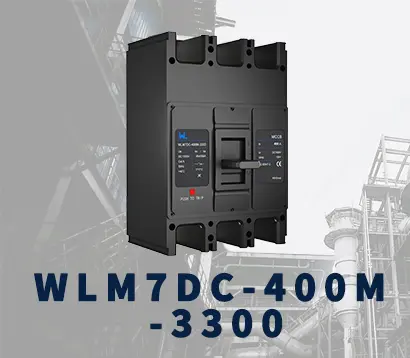 WLM7DC-400A-2300 2P/3P
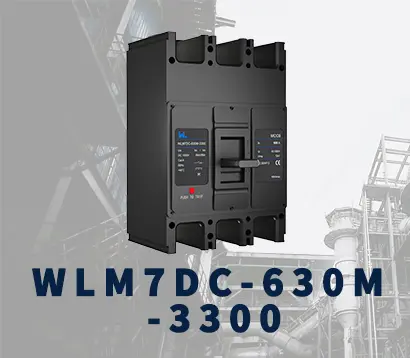 WLM7DC-630A-3300 3P
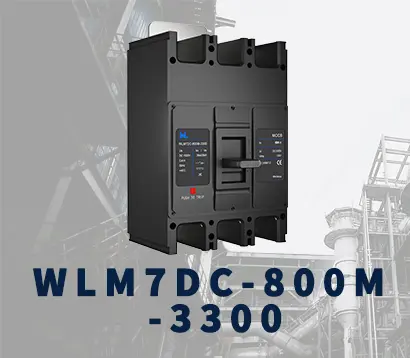 WLM7DC-800A-2300 2P/3P
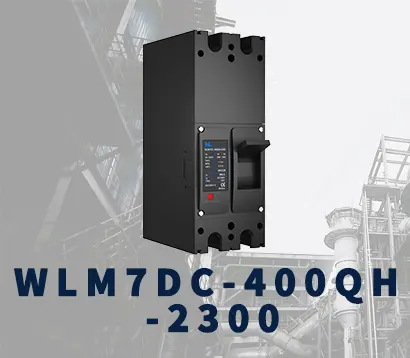 WLM7DC-400A 2300
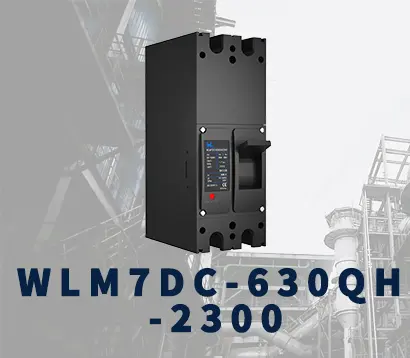 WLM7DC-630A-2300 2P
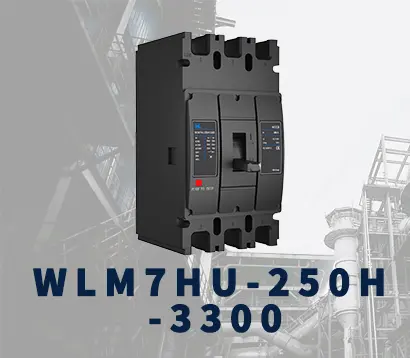 WLM7HU-250-3300 3P
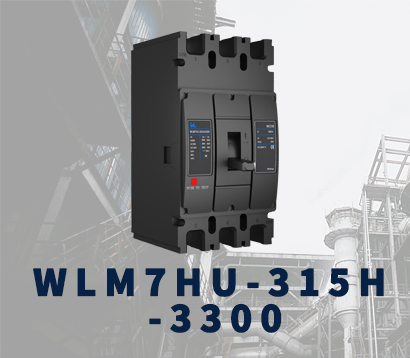 WLM7HU-315-3300 3P
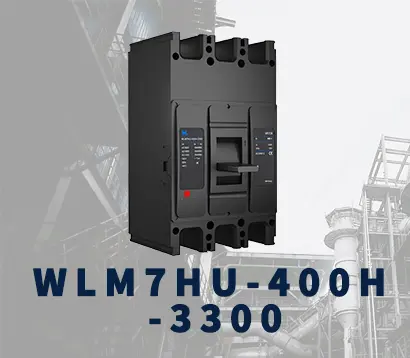 WLM7HU-400-3300 3P
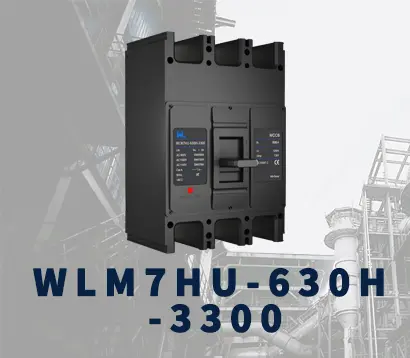 WLM7HU-630-3300 3P
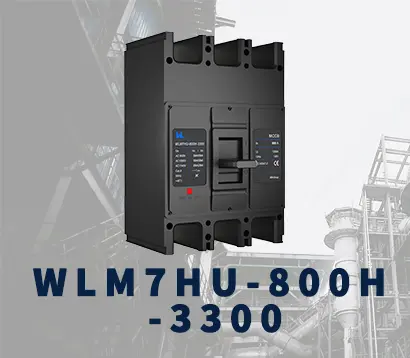 WLM7HU-800-3300 3P
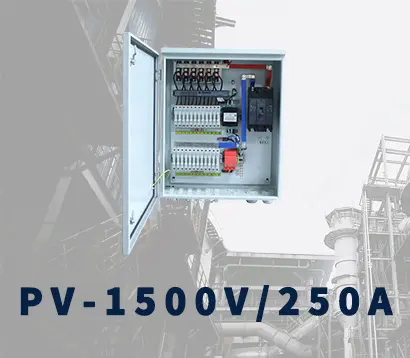 PV-1500V/250A
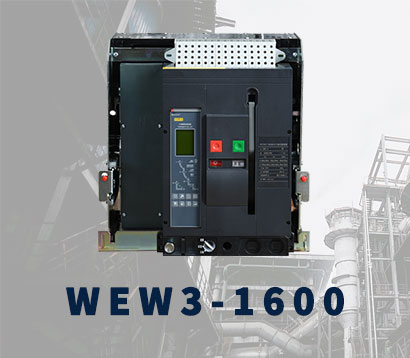 WEW3-1600
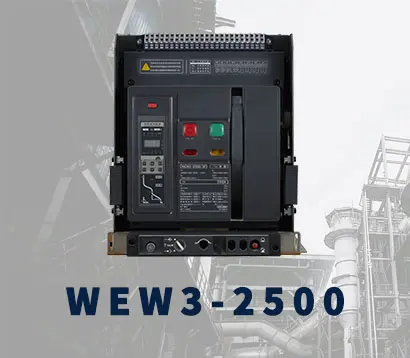 WEW3-2500
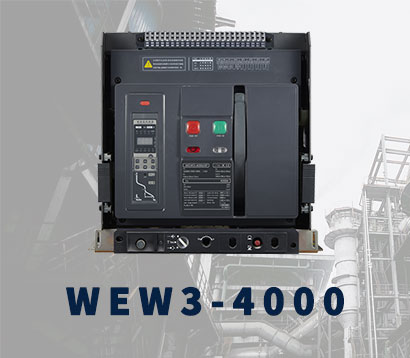 WEW3-4000
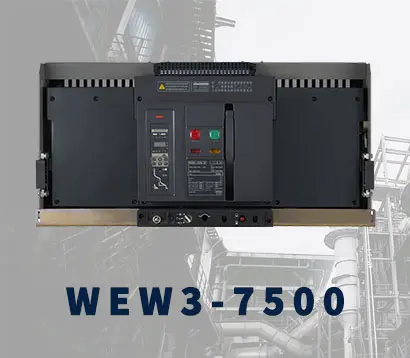 WEW3-7500