10 Best DC MCCB Brands for Global Buyers?
Choosing a DC MCCB is not a popularity contest. It is a decision about safety, continuity, heat, and serviceability. Global buyers must compare breaking capacity, rated current, voltage range, trip technology, pole configuration, and certification. A compact breaker may fit a panel perfectly, yet fail under a high-energy fault. That detail matters.
Dr. M. H. Rashid, a respected power-electronics author and educator, has said, “Protection is only as reliable as the assumptions behind its design.” This principle shapes our review of the 10 Best DC MCCB Brands for Global Buyers. Each brand is examined through practical criteria, not advertising language. We consider laboratory performance, field experience, product documentation, after-sales support, and regional availability.
Look closely at installation conditions. A solar combiner box may face continuous current, outdoor heat, and reverse energy flow. A battery cabinet may demand rapid fault interruption and dependable isolation. Mining, rail, telecom, and industrial-control systems create different challenges. One brand may excel in compact enclosures. Another may offer stronger accessories or easier maintenance.
No ranking is perfect. Data sheets do not reveal every service problem. Distributor quality can also change the buying experience. Buyers should verify test reports, temperature derating, terminal compatibility, and local technical support before ordering. Small oversights become expensive later.
This guide offers a careful starting point. It does not replace engineering review. Real systems deserve real calculations, clear specifications, and honest comparison.
DC MCCB Fundamentals Under IEC 60947-2 and 1,500 V DC
Selecting a DC molded-case circuit breaker requires more than checking the current rating. IEC 60947-2 defines essential performance requirements for low-voltage circuit breakers, including insulation, temperature rise, short-circuit tests, and operating endurance. Buyers should confirm the declared rated operational voltage, Ue, and rated ultimate short-circuit breaking capacity, Icu. The service breaking capacity, Ics, also matters for equipment expected to be restored after a fault.
Direct current creates a persistent arc because the current does not naturally cross zero. At 1,500 V DC, this challenge becomes severe. Pole arrangement, polarity, internal arc chambers, and the manufacturer’s approved wiring direction can affect safe interruption.
Never assume an AC rating applies to DC. Check the circuit-breaker’s exact pole configuration and DC voltage limits.
Protection settings deserve equal attention. Thermal trips respond to sustained overloads, while magnetic or electronic trips respond to short circuits. In photovoltaic, battery, and traction systems, cable length and fault-current behavior can differ sharply. A practical review should compare prospective fault current, ambient temperature, enclosure derating, and coordination with upstream and downstream devices. Local installation rules may add requirements beyond IEC 60947-2.
A clean datasheet can still hide confusion. Some selections fail because engineers compare amperes but overlook Ics, altitude, or reverse-current capability. That mistake is easy to make. Independent test evidence, traceable certificates, and application-specific verification provide stronger assurance than marketing language alone.
Global Ranking Criteria: Breaking Capacity, Poles, and Trip Technology
10 Best DC MCCB Brands for Global Buyers?
Global buyers should rank DC MCCBs by verified performance, not by appearance or price. Breaking capacity is the first practical filter. A unit rated at 25 kA may suit a small battery cabinet, but larger solar storage systems may require 50 kA or more. Check the actual DC voltage, fault current, and test conditions. DC arcs are persistent. AC ratings cannot be used as a simple substitute.
Pole configuration also changes system safety. Two-pole devices can disconnect both positive and negative conductors in many low-voltage applications. Four-pole designs may fit higher-voltage battery strings or multi-circuit distribution. Confirm whether the poles open simultaneously. Trip technology matters just as much. Thermal-magnetic protection is familiar and affordable, while electronic trips offer adjustable thresholds, event records, and better coordination. In field projects, settings that look perfect on paper sometimes cause nuisance trips.
Tips: Compare Icu and Ics, not only one headline rating. Ask for test reports, temperature-rise data, and installation derating. Verify terminal clearance with real cable lugs. A compact breaker may fit the panel but reject the specified conductor. Also inspect trip response at low temperatures, where batteries and outdoor enclosures behave differently. A ranking becomes more reliable when independent laboratory evidence supports the catalogue claims. No single configuration wins every project.
10 Best DC MCCB Brands for Global Buyers? — Global Ranking Criteria: Breaking Capacity, Poles, and Trip Technology
Anonymous market benchmark based on commonly published DC MCCB specifications and international selection criteria
| Benchmark Rank | Anonymous Product Profile | Primary Standard | Rated Operational Voltage (Ue) | Rated Current Range (In) | DC Breaking Capacity (Icu) | Available Poles | Trip Technology | Polarity / Isolation | Typical Application Fit | Evaluation Score |
|---|---|---|---|---|---|---|---|---|---|---|
| 1 | Profile A | IEC 60947-2 | 500–750 V DC | 400–1,600 A | 50–100 kA | 3P4P | Electronic adjustable LSI; optional ground-fault protection | Configurable polarity; visible isolation option | Data centers, industrial DC distribution, battery systems | 96/100 |
| 2 | Profile B | IEC 60947-2 | 500–1,000 V DC | 250–1,250 A | 36–70 kA | 2P3P4P | Electronic LSI; thermal-magnetic options for lower ratings | Polarized and non-polarized configurations available | Solar combiner outputs, energy storage, EV infrastructure | 94/100 |
| 3 | Profile C | IEC 60947-2; selected models aligned with UL 489 | 250–600 V DC | 100–800 A | 25–65 kA | 2P3P | Thermal-magnetic; electronic trip units on higher-frame models | Two-pole series connection commonly required for higher DC voltage | Commercial solar, telecom power, control panels | 92/100 |
| 4 | Profile D | IEC 60947-2 | 500–1,000 V DC | 160–630 A | 30–50 kA | 2P3P4P | Electronic adjustable LI or LSI | Polarity marking and dedicated DC switching arrangements | Battery energy storage, rail auxiliaries, industrial automation | 90/100 |
| 5 | Profile E | IEC 60947-2 | 250–750 V DC | 63–630 A | 20–50 kA | 2P3P4P | Thermal-magnetic with adjustable magnetic threshold | Series-pole configuration required for some voltage ratings | OEM machinery, DC panels, photovoltaic distribution | 88/100 |
| 6 | Profile F | IEC 60947-2; regional UL variants available | 250–600 V DC | 80–400 A | 18–35 kA | 2P3P | Thermal-magnetic; auxiliary alarm and shunt-trip options | Polarized DC construction on selected frame sizes | Building services, backup power, telecom rectifiers | 86/100 |
| 7 | Profile G | IEC 60947-2 | 500–1,000 V DC | 63–400 A | 15–35 kA | 2P3P4P | Electronic LI; communication module available on selected models | Non-polarized options available for specified DC systems | Utility-scale PV, storage cabinets, charging systems | 84/100 |
| 8 | Profile H | IEC 60947-2 | 250–500 V DC | 32–250 A | 10–25 kA | 2P3P | Thermal-magnetic; fixed or adjustable trip settings | Polarity-sensitive installation for many models | Small industrial panels, control circuits, battery banks | 82/100 |
| 9 | Profile I | IEC 60947-2 | 250–750 V DC | 40–250 A | 10–25 kA | 2P3P4P | Thermal-magnetic with optional undervoltage release | Series-pole use may be required above the base voltage rating | Commercial installations, DC motor feeders, UPS systems | 80/100 |
| 10 | Profile J | IEC 60947-2 | 250–500 V DC | 16–160 A | 6–20 kA | 2P3P | Thermal-magnetic; basic accessory package | Polarity and pole-series requirements depend on the product family | Light industrial loads, auxiliary battery circuits, small PV arrays | 78/100 |
Selection note: DC breaking capacity, allowable pole connection, polarity, voltage, and trip settings must be verified against the exact product datasheet and installation configuration. The listed ranges are representative market benchmarks rather than brand-specific declarations.
10 Leading DC MCCB Brands Compared by Ratings and Certifications
10 Best DC MCCB Brands for Global Buyers?
A practical comparison of ten leading DC MCCB manufacturers should begin with ratings, not reputation. Field engineers commonly check rated voltage, continuous current, and ultimate breaking capacity. Typical product ranges cover 250 to 1,000 VDC and 63 to 800 A. Higher ratings are not automatically better. The correct match depends on the battery bank, solar array, or industrial converter.
Certification evidence separates serious suppliers from general catalog sellers. Look for testing aligned with IEC 60947-2, UL 489, or applicable regional requirements. Verify the exact product family, because one model may hold certification while another does not. Check Icu and Ics values at the intended DC voltage. DC arcs are persistent. Polarity, pole spacing, and short-circuit performance therefore matter greatly.
Installation experience also reveals practical differences. Some breakers provide adjustable thermal-magnetic protection, auxiliary contacts, and clear trip indicators. Others offer stronger terminals or better performance in dusty cabinets. Confirm derating above 40°C, altitude limits, enclosure requirements, and mechanical endurance. Documentation quality is a reliability signal. Weak manuals create expensive mistakes.
No comparison is perfect. Certification marks can be misunderstood. A supplier may publish impressive laboratory data but provide slow technical support. Before purchasing, request current certificates, test reports, wiring diagrams, and sample units. Then compare ten suppliers against the same checklist. Small details matter.
DC MCCB Rating & Certification Reference
This brand-neutral chart presents commonly specified DC MCCB continuous-current classes for global product evaluation. IEC 60947-2 is the principal international standard for low-voltage circuit breakers, while UL 489 is widely referenced for molded-case circuit breakers in North America.
Reference ratings shown: 125 A, 250 A, 400 A, 630 A, 800 A, 1000 A, and 1250 A. Actual DC voltage, interrupting capacity, pole configuration, environmental performance, and certification scope must be verified against the individual product test reports and technical datasheets.
Brand Profiles: PV, Battery Storage, EV, and Industrial Applications
For global buyers, the ten strongest DC MCCB brands should be judged by application evidence, not advertising. A reliable profile shows tested DC voltage ratings, interruption capacity, polarity requirements, and trip performance. IEC 60947-2 compliance is a useful starting point, but it does not replace project verification. Field experience matters.
PV systems need breakers that tolerate high voltage, frequent switching, and outdoor temperature changes. Check compatibility with string voltage, combiner boxes, and cable sizes. Battery storage demands careful coordination with fuses, contactors, and battery management systems. Short-circuit energy can rise quickly. Adjustable thermal-magnetic or electronic trips may improve protection, but settings require qualified review.
EV charging equipment often needs compact protection, clear isolation, and dependable operation under repeated load cycles. Industrial users may need higher breaking capacity, auxiliary contacts, undervoltage releases, and remote operation. Enclosure ratings and derating data also deserve attention. Small details matter.
Some catalog documents remain vague about altitude correction or DC arc testing. That is a warning. Buyers should request test reports, installation limits, spare-part availability, and regional technical support. A lower price may look attractive, yet poor coordination can create nuisance trips or dangerous equipment damage. We have seen selection decisions change after reviewing actual cable lengths, ambient temperatures, and fault-current studies. Assumptions fail.
Buyer Checklist: Temperature, Coordination, Lifecycle, and Total Cost
10 Best DC MCCB Brands for Global Buyers?
A reliable DC MCCB starts with its temperature rating, not its catalog price. Check the derating curve at the panel’s real internal temperature. A 40°C room can become a 55°C enclosure near converters or batteries. Verify continuous current, ambient limits, altitude effects, and terminal heating. Small details matter.
Coordination also deserves practical testing. Confirm the breaker’s interrupting rating matches the available DC fault current. Review time-current curves with upstream fuses and downstream breakers. Selective coordination may disappear when settings are copied from an AC design. DC arcs behave differently. Do not assume.
Lifecycle cost includes installation, inspection, replacement parts, and downtime. Check whether the mechanism supports frequent operations and whether auxiliary contacts remain available after several years. Ask for test reports, clear adjustment instructions, and traceable production data. These documents reveal more than polished advertisements.
Purchase teams often compare only the initial quotation. That is a mistake. Calculate energy losses, spare inventory, labor, shipping, and planned outages. A lower-cost unit may require extra ventilation or earlier replacement. I have seen spreadsheets look accurate while ignoring terminal torque checks. Recheck the assumptions. Leave room for uncertainty, especially when field temperatures and fault levels are estimated rather than measured.
Related Posts
-
The Best DC MCCB Options for Efficient Power Solutions?
-
2026 Best MCCB Breaker Options for Global Buyers?
-
What is an Electric Main Breaker and How Does It Work?
-
Top 10 Thermal Magnetic Release MCCB Types to Buy
-
Navigating Global Compliance: Import and Export Certifications for Best MCCB Moulded Case Circuit Breakers
-
What is the Acb Breaker in 2026 Top Trends?

JCB1-125
JCB2-40M
JCB3-63DC
JCB3-80H
JCB3-80M
JCBH-125
JC125-4P
JCMX
JCSD
JCOF
JCMX1-125

JCOF1-125
JCSD1-125
JCR3HM
JCRD2-125
JCRD4-125
JCRB2-100
JC3RH-2P
JC3RH-S
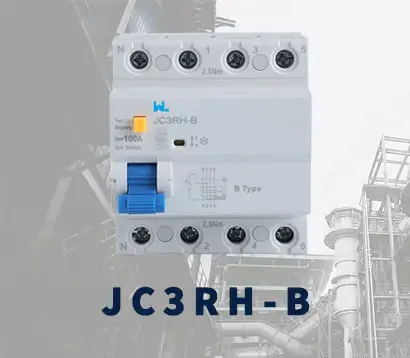
JC3RH-B
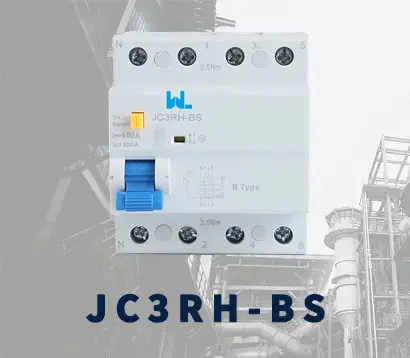
JC3RH-BS
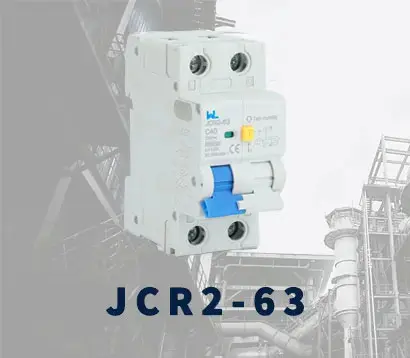
JCR2-63
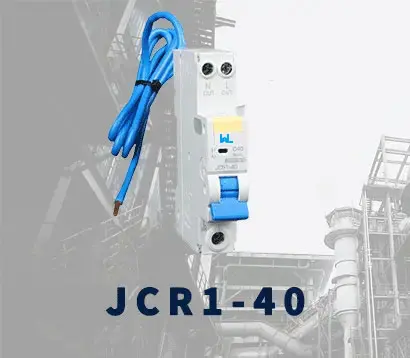
JCR1-40
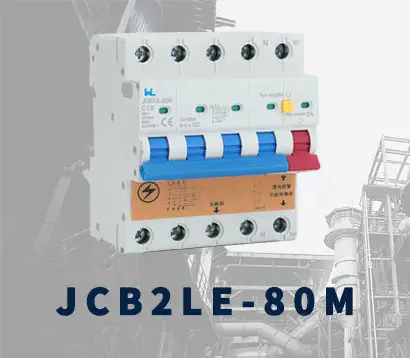
JCB2LE-80M
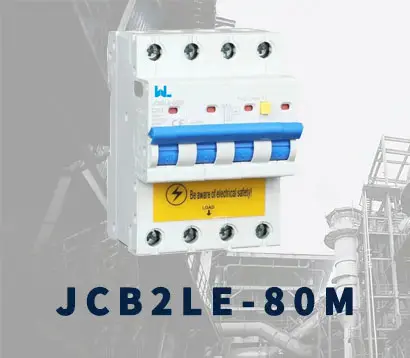
JCB2LE-80M
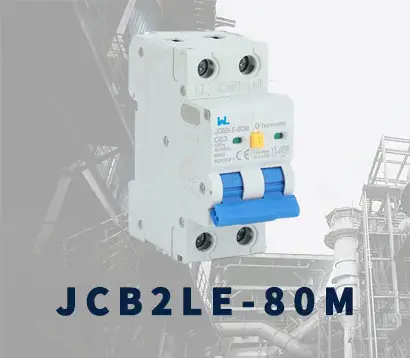
JCB2LE-80M
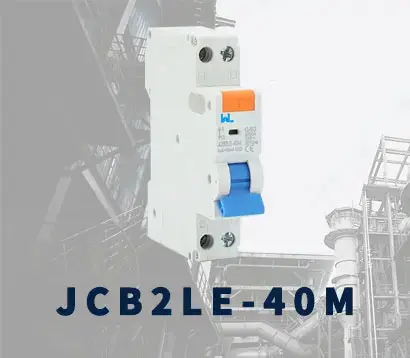
JCB2LE-40M
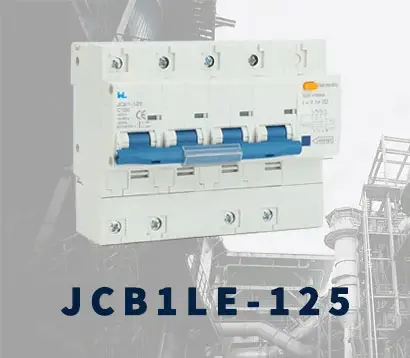
JCB1LE-125
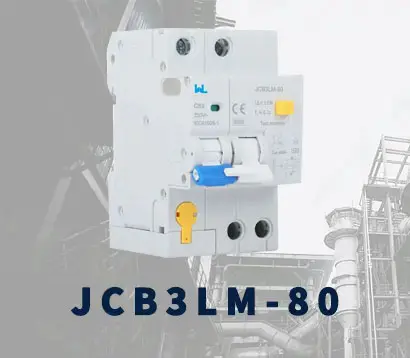
JCB3LM-80
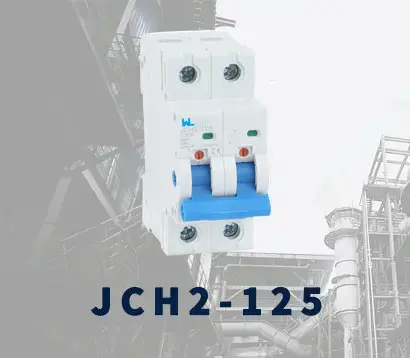
JCH2-125
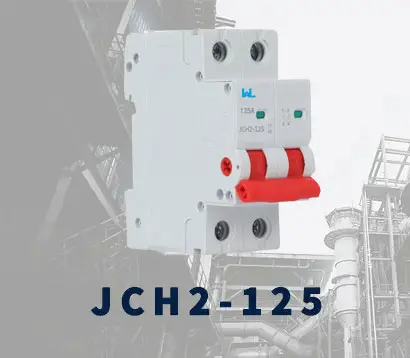
JCH2-125
CJX2
CJ19
JCMCU
JCHA
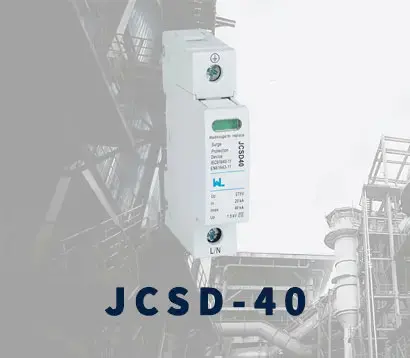
JCSD-40
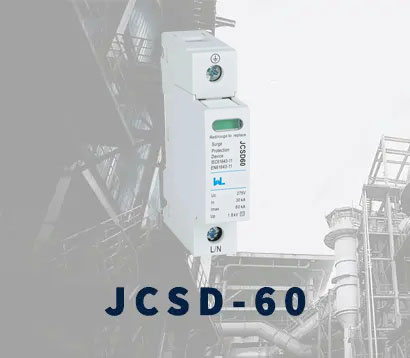
JCSD-60
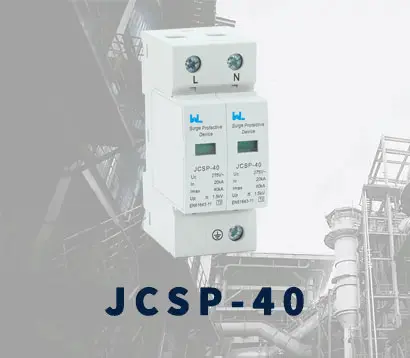
JCSP-40
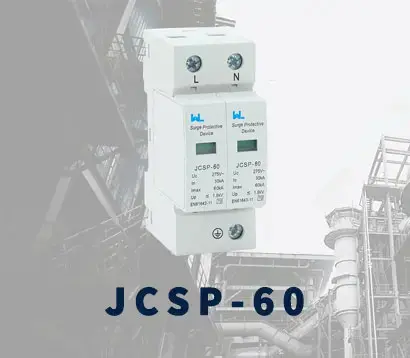
JCSP-60
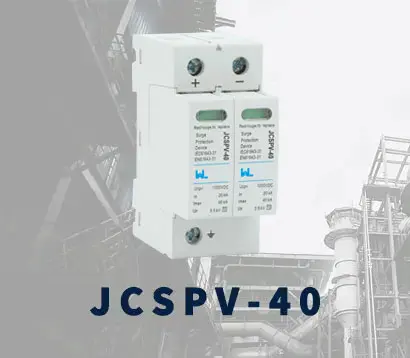
JCSPV
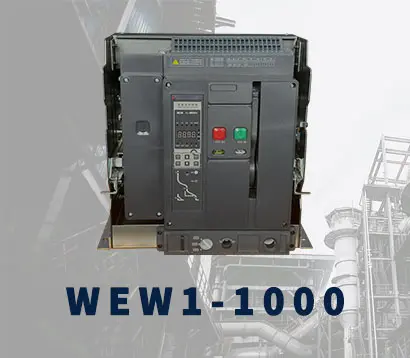
WEW1-1000
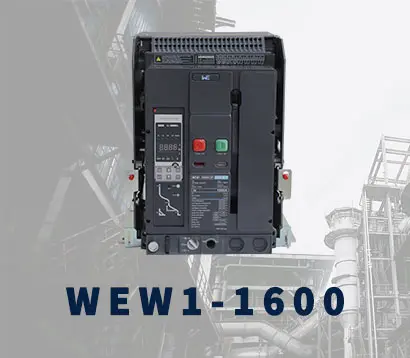
WEW1-1600
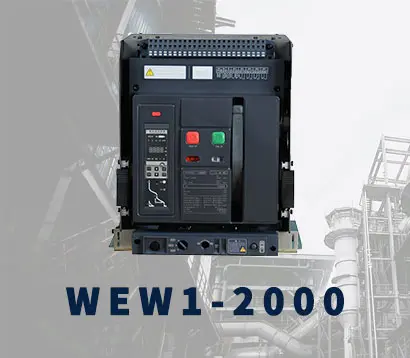
WEW1-2000
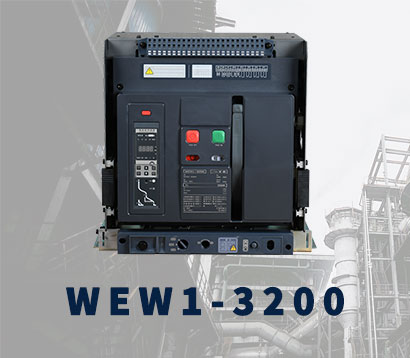
WEW1-3200
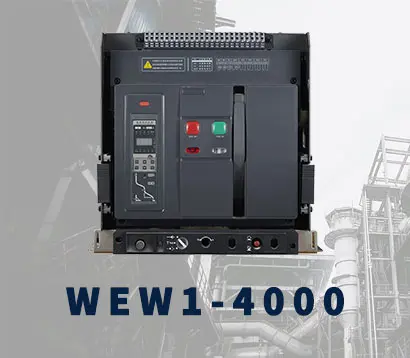
WEW1-4000
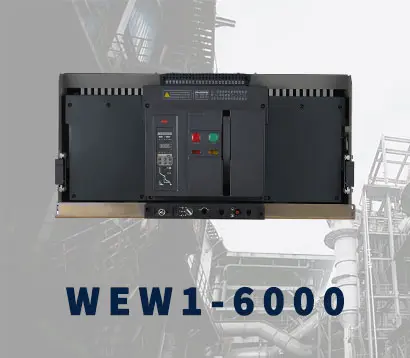
WEW1-6300
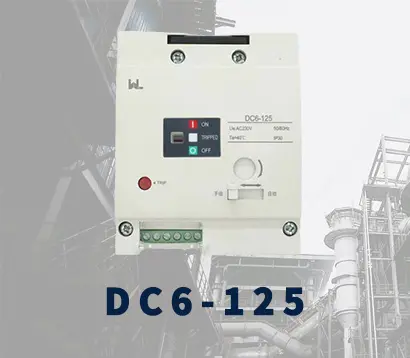
DC6-125
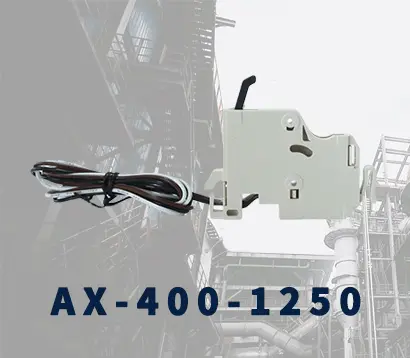
AX-400-1250
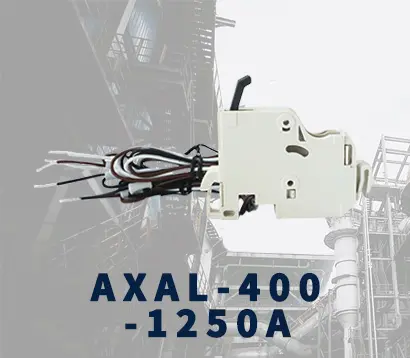
AXAL-400-1250A
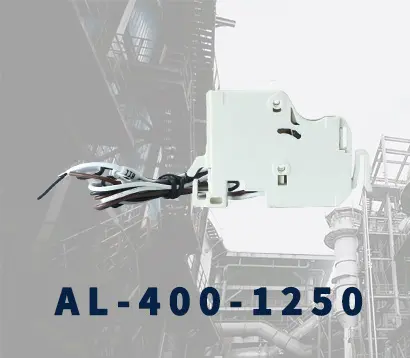
AL-400-1250
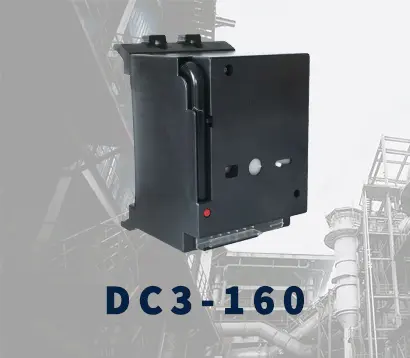
DC3-160
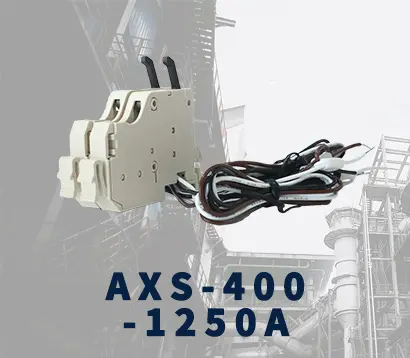
AXS-400-1250A
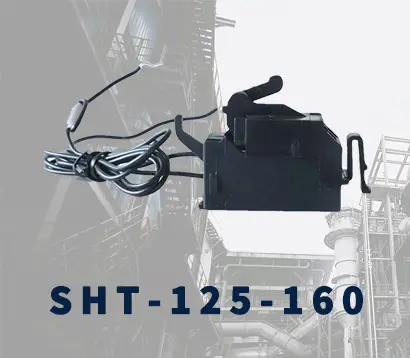
SHT-125-160
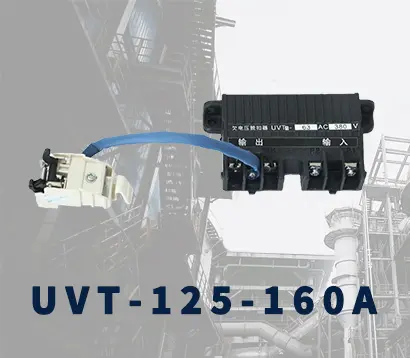
UVT-125-160A
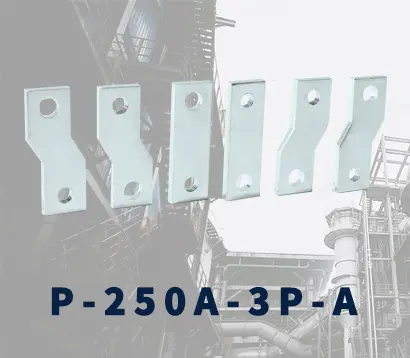
P-250A-3P-A
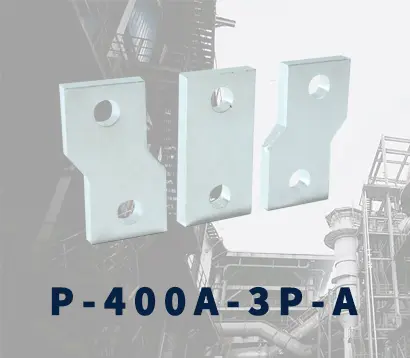
400-3P/4P terminal cover
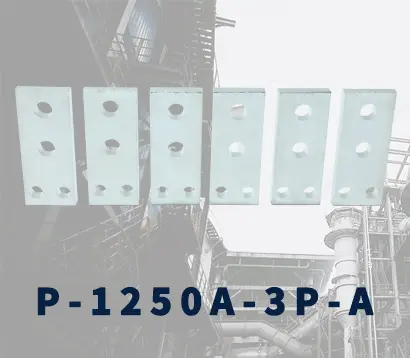
1250-3Pmccb accessories busbar
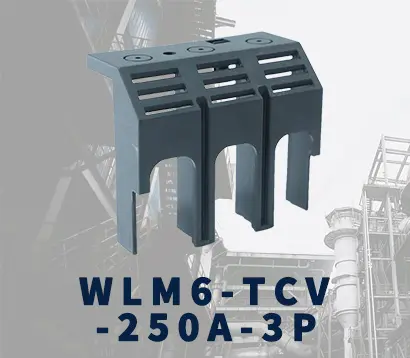
250-3P terminal conver
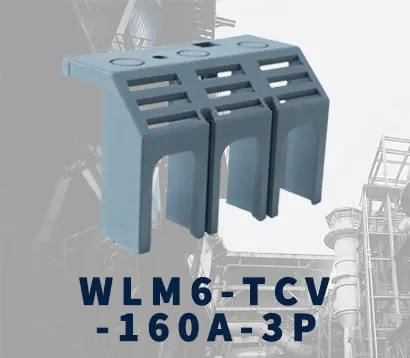
WLM6-TCV-160A-3P
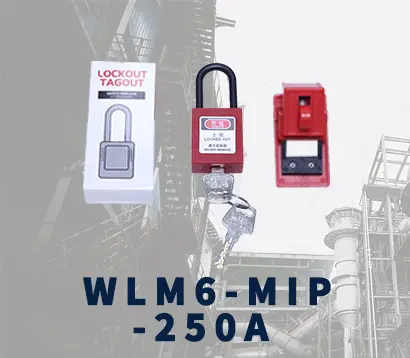
WLM6-MIP-250A
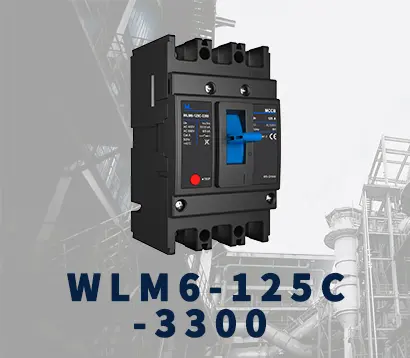
WLM6-125A-3300 3P/4P
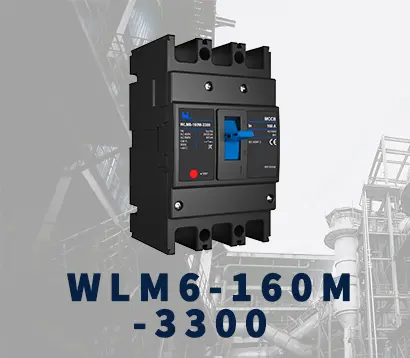
WLM6-160A-3300 3P/4P
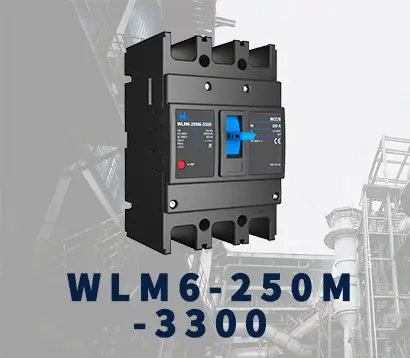
WLM6-250A-3300 3P/4P
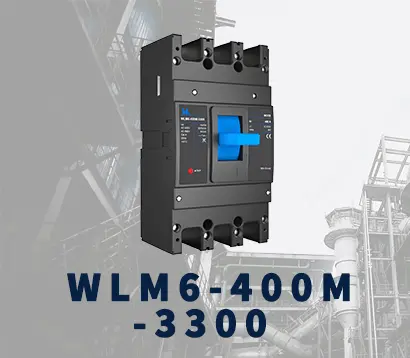
WLM6-400A-3300 3P/4P
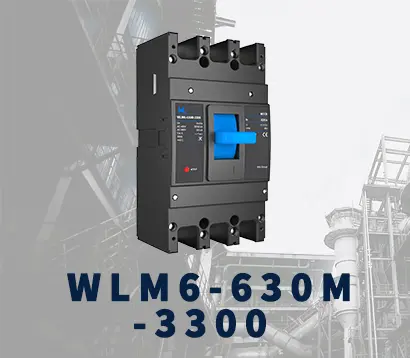
WLM6-630A-3300 3P/4P
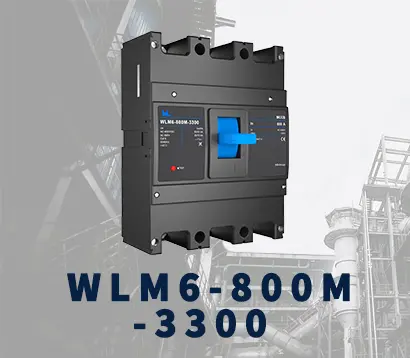
WLM6-800A-3300 3P/4P
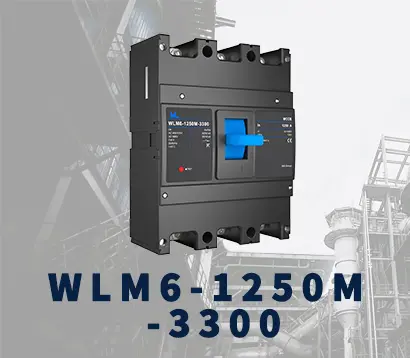
WLM6-1250A-3300 3P/4P
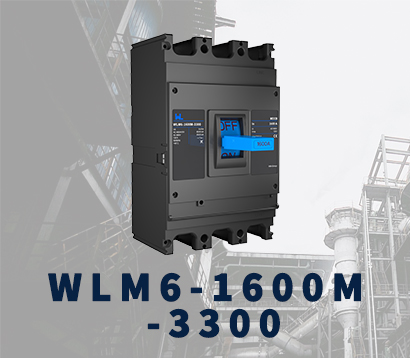
WLM6-1600A-3300 3P/4P
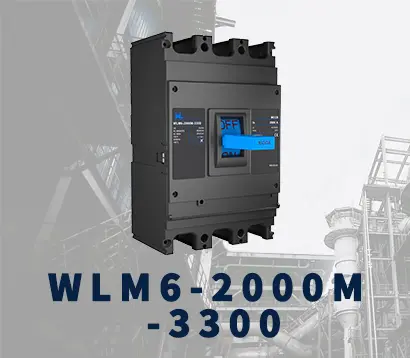
WLM6-2000A 3P/4P
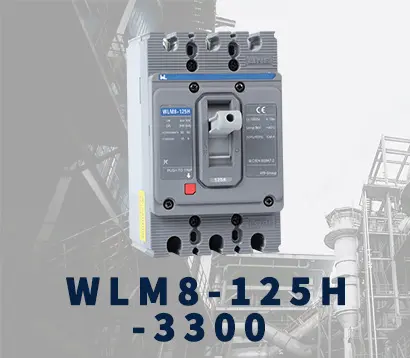
WLM8-125H-3300
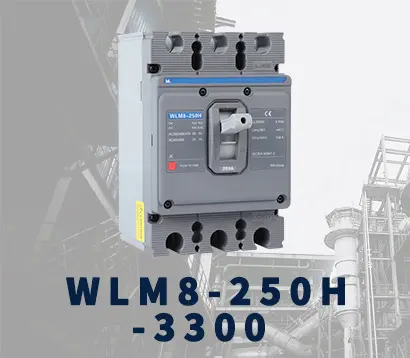
WLM8-250H-3300
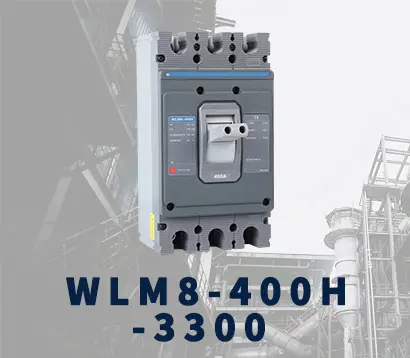
WLM8-400H-3300
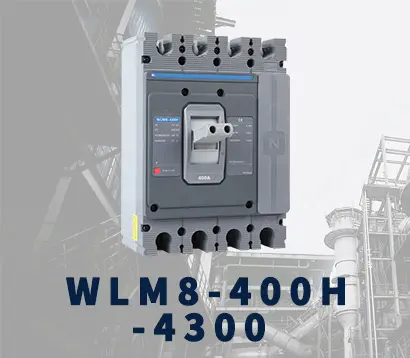
WLM8-400H-4300
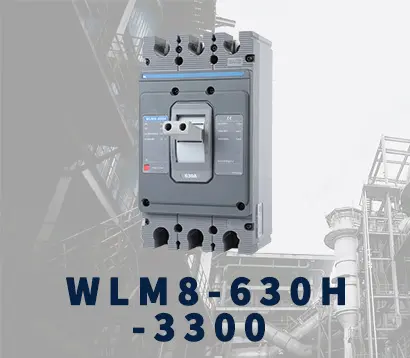
WLM8-630H-3300
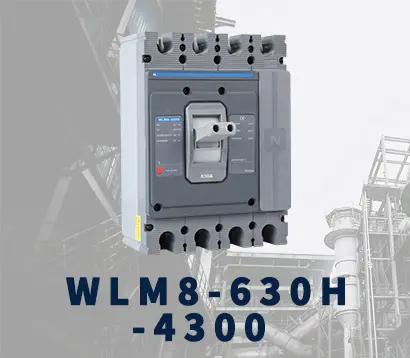
WLM8-630H-4300
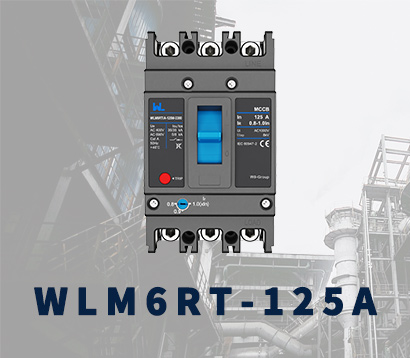
WLM6RT-125A
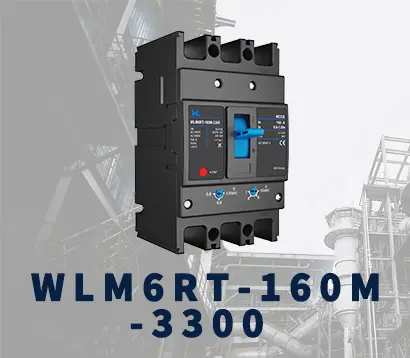
WLM6RT-160A
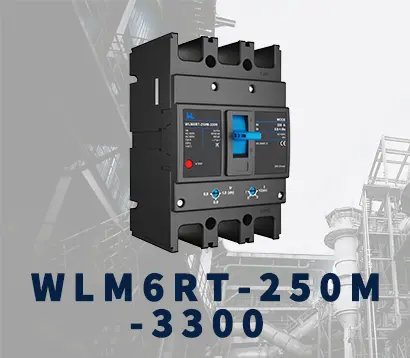
WLM6RT-250A
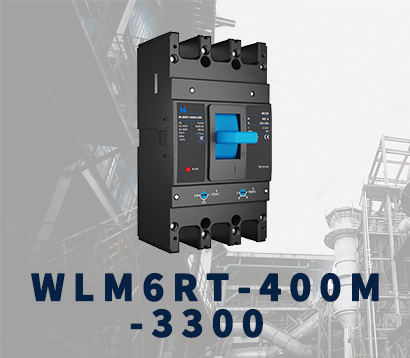
WLM6RT-400A
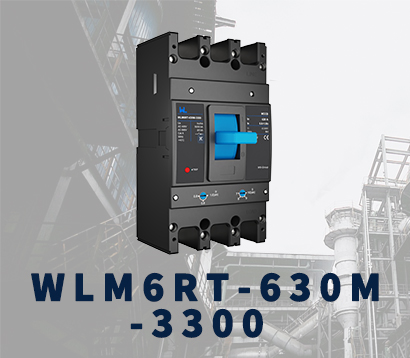
WLM6RT-630A
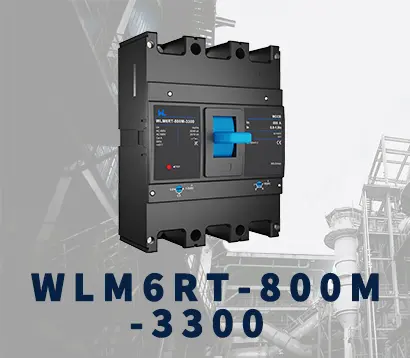
WLM6RT-800A
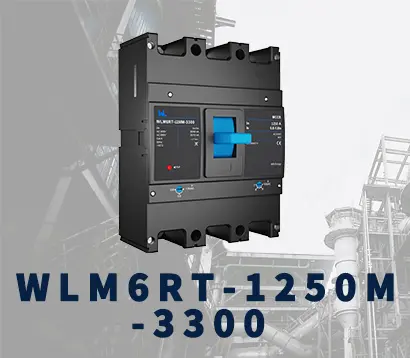
WLM6RT-1250A
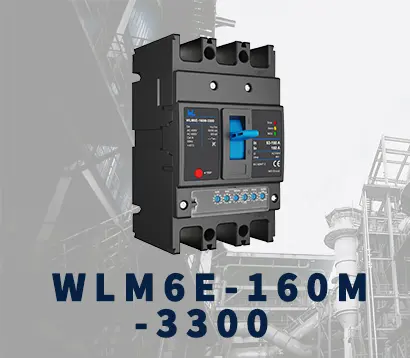
WLM6E-160A-3300 3P
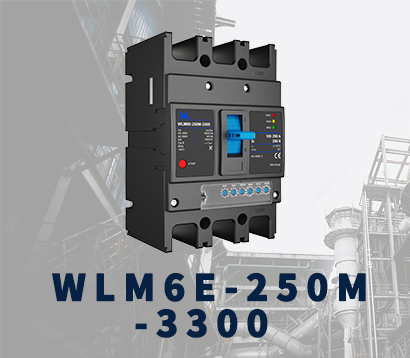
WLM6E-250A-3300
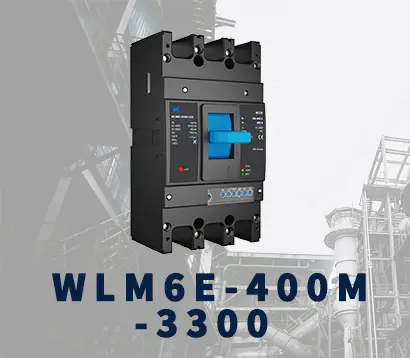
WLM6E-400A-3300 3P/4P
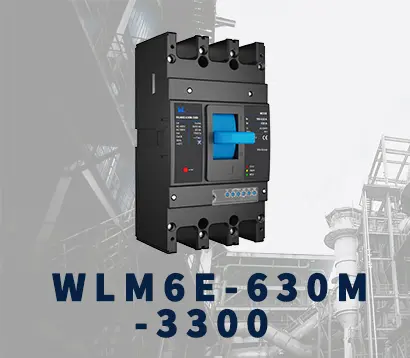
WLM6E-630A-3300
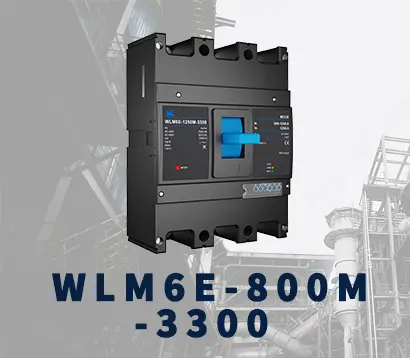
WLM6E-800A-3300 3P/4P
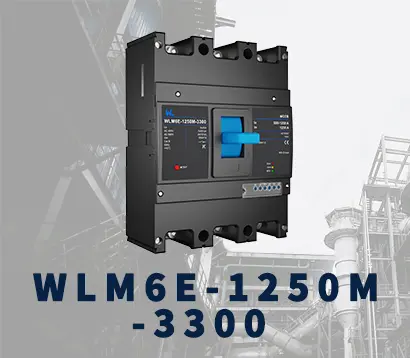
WLM6E-1250A-3300
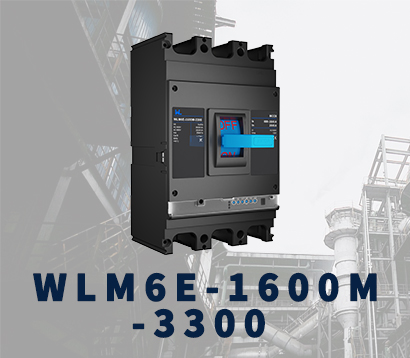
WLM6E-1600-3300 3P/4P
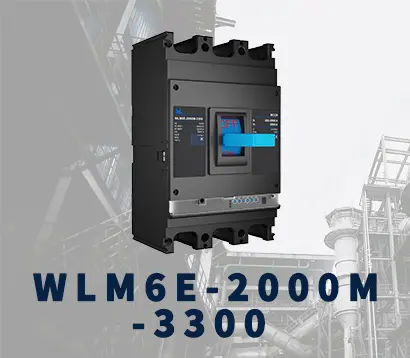
WLM6E-2000A-3300 3P/4P
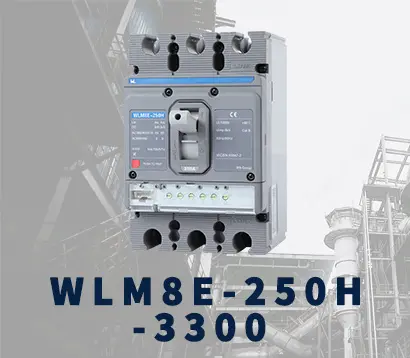
WLM8E-250H-3300
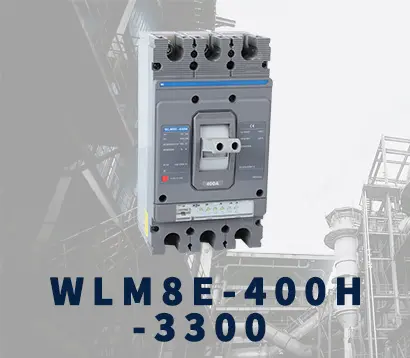
WLM8E-400H-3300
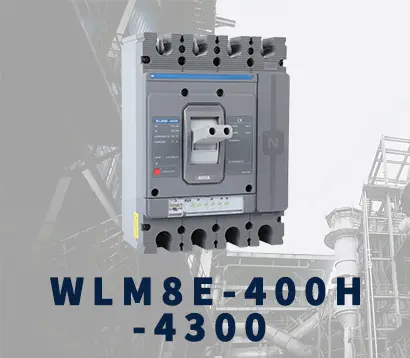
WLM8E-400H-4300
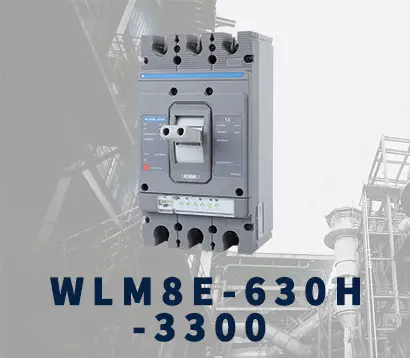
WLM8E-630H-3300
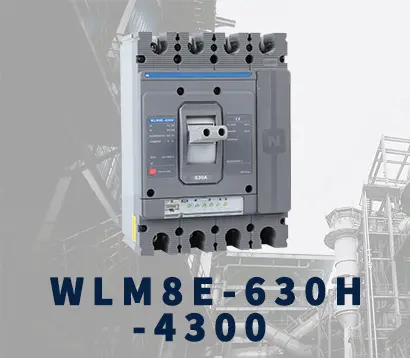
WLM8E-630H-4300
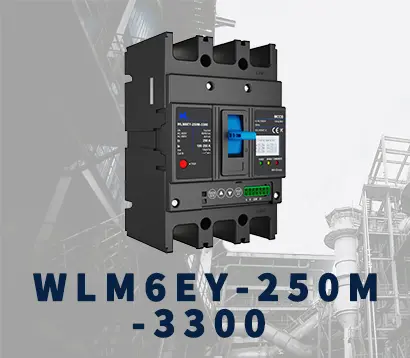
WLM6EY-250-3300 3P/4P
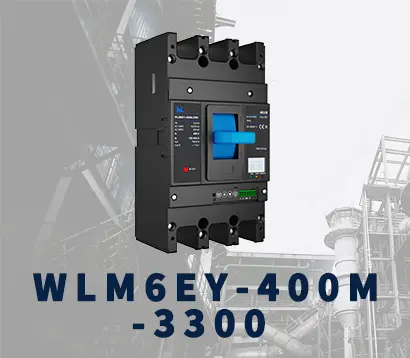
WLM6EY-400 3P/4P
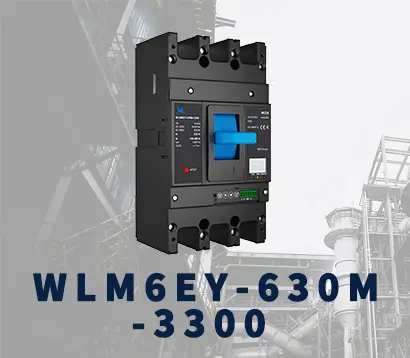
WLM6EY-630 3P/4P
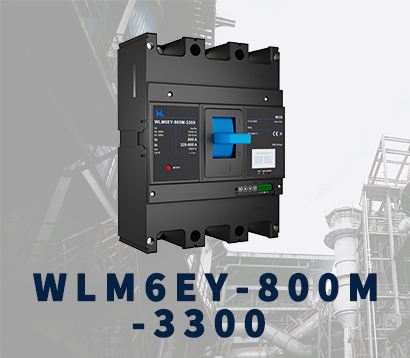
WLM6EY-800A 3P/4P
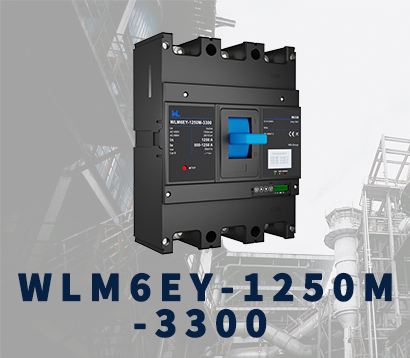
WLM6EY-1250A 3P/4P
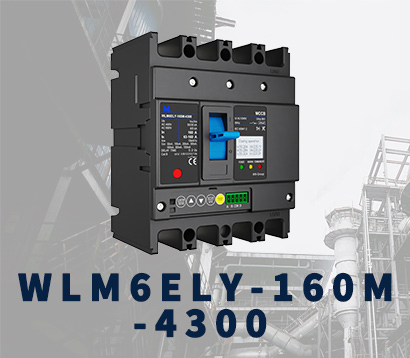
WLM6ELY-160A
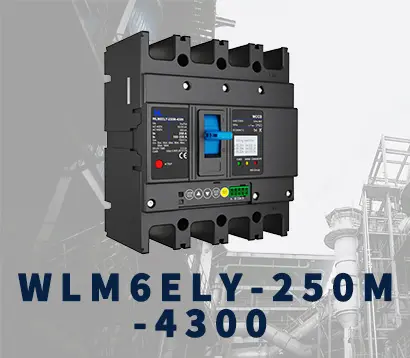
WLM6ELY-250A
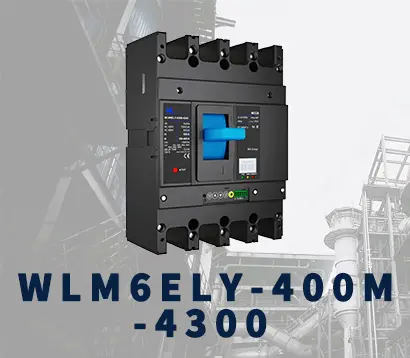
WLM6ELY-400A
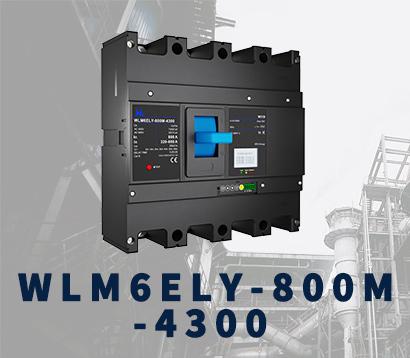
WLM6ELY-800A
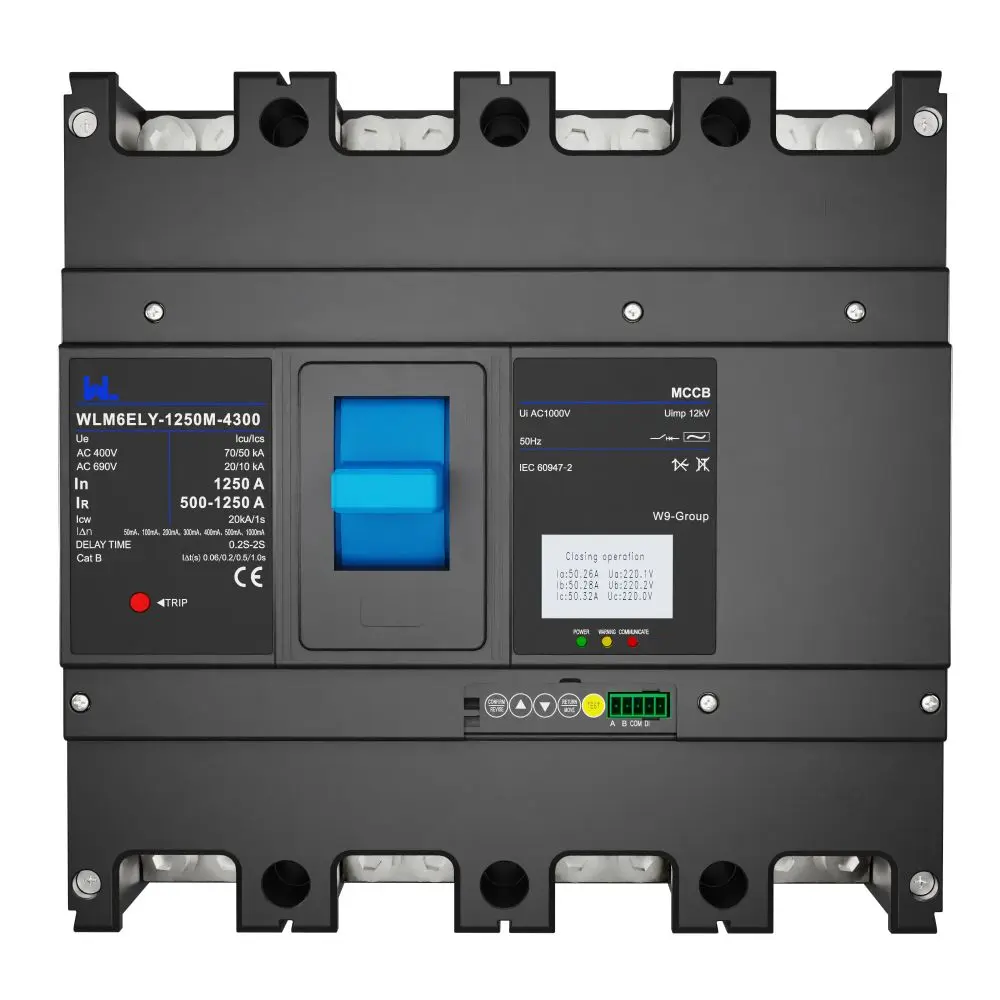
WLM6ELY-1250A
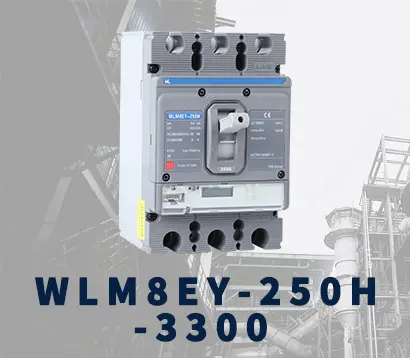
WLM8EY-250H-3300
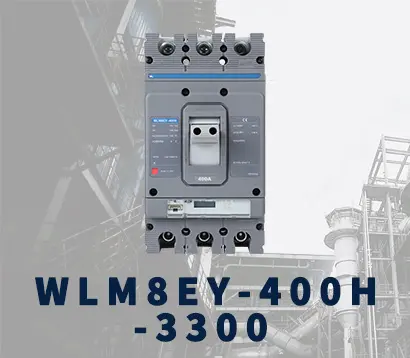
WLM8EY-400H-3300
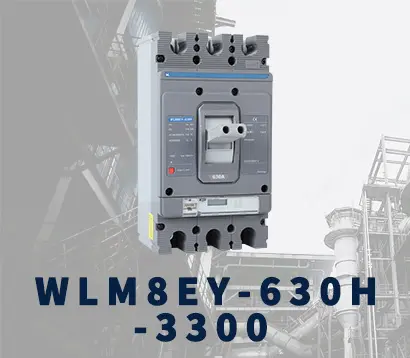
WLM8EY-630H-3300
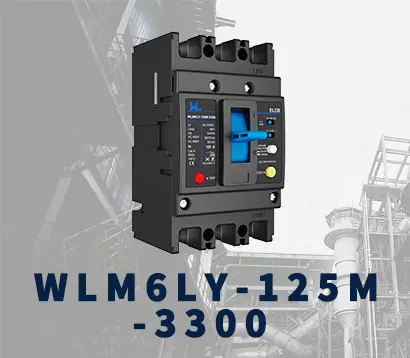
WLM6LY-125A
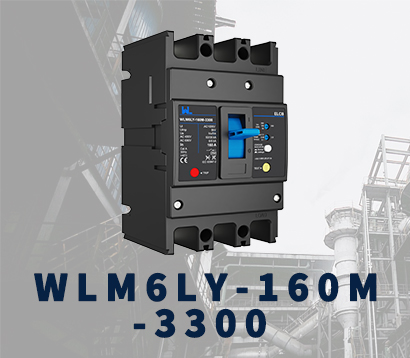
WLM6L-160A
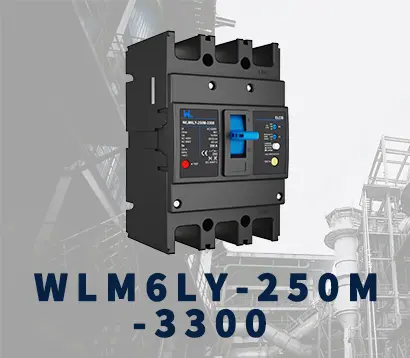
WLM6LY-250A
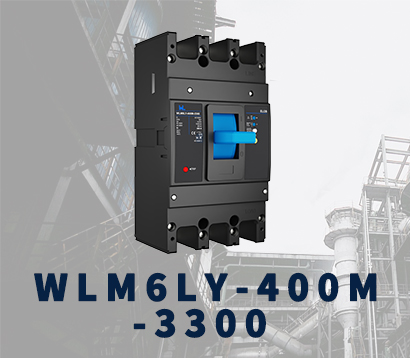
WLM6LY-400A
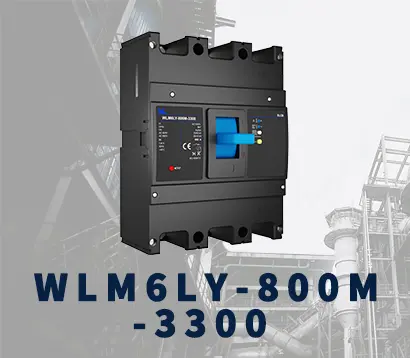
WLM6LY-800A
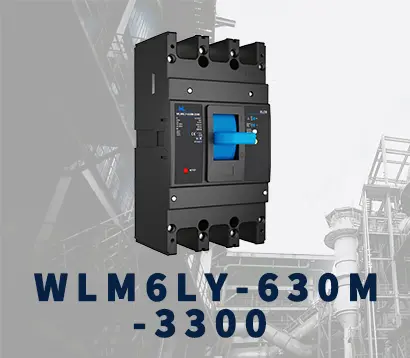
WLM6LY-630A
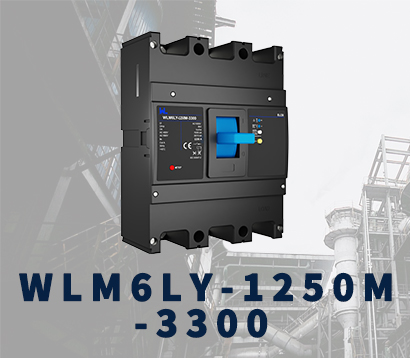
WLM6LY-1250A
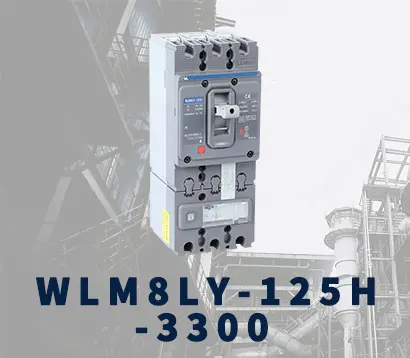
WLM8LY-125H-3300
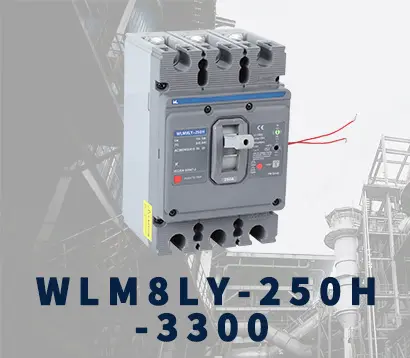
WLM8LY-250H-3300
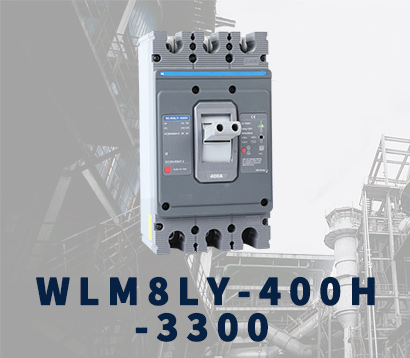
WLM8LY-400H-3300
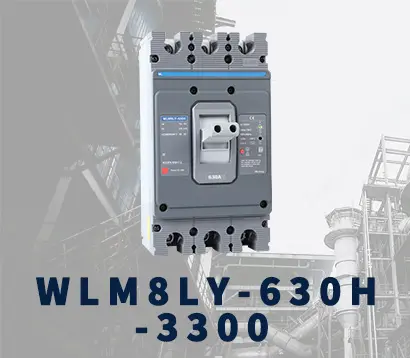
WLM8LY-630H-3300
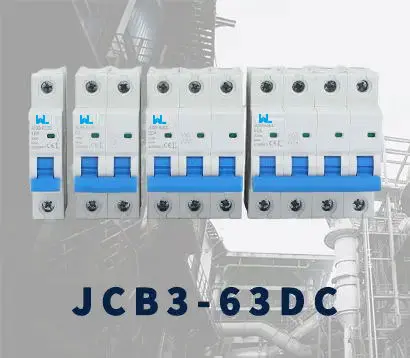
JCB3-63DC
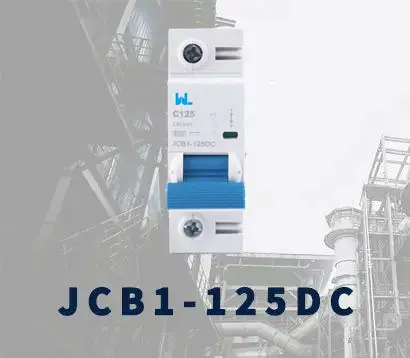
JCB1-125DC
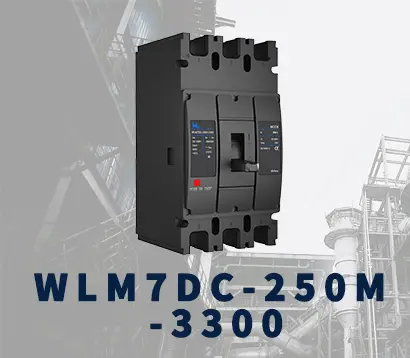
WLM7DC-250A-2300 2P/3P
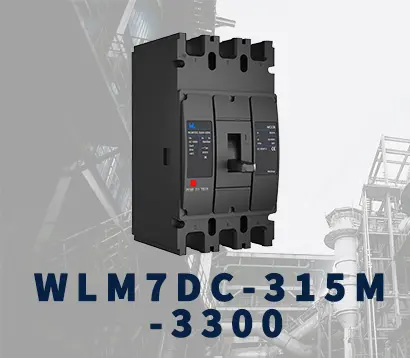
WLM7DC-315A-3300 2P/3P
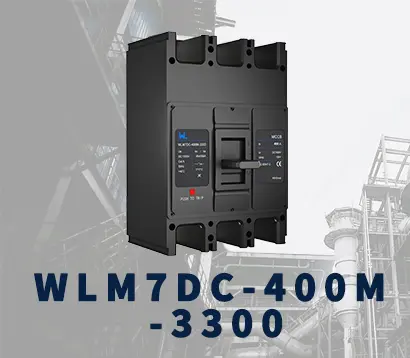
WLM7DC-400A-2300 2P/3P
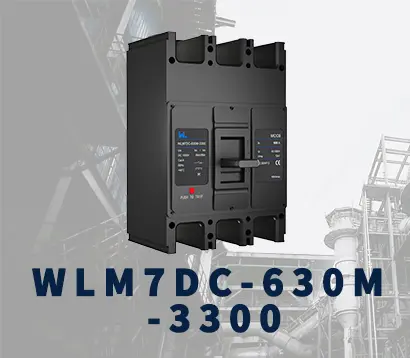
WLM7DC-630A-3300 3P
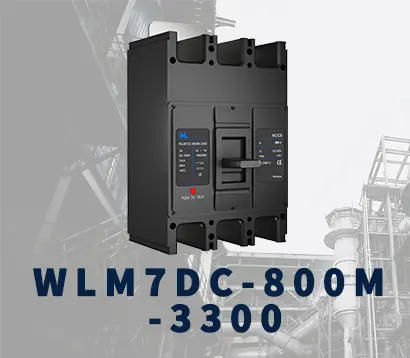
WLM7DC-800A-2300 2P/3P
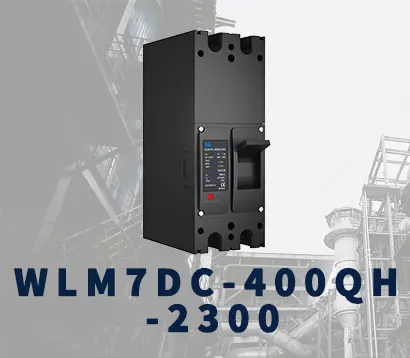
WLM7DC-400A 2300
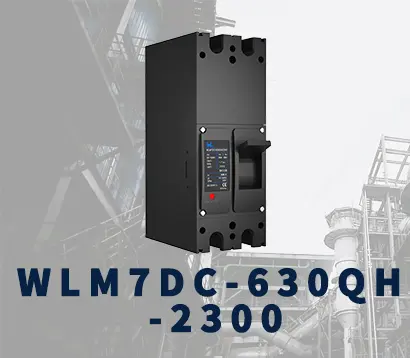
WLM7DC-630A-2300 2P
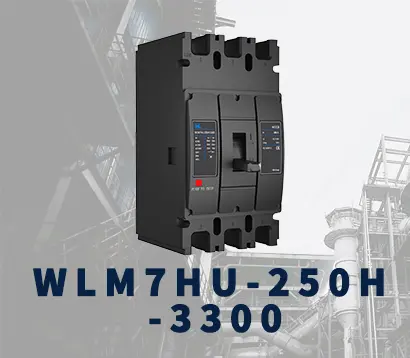
WLM7HU-250-3300 3P
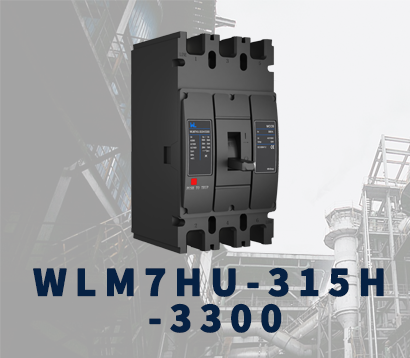
WLM7HU-315-3300 3P
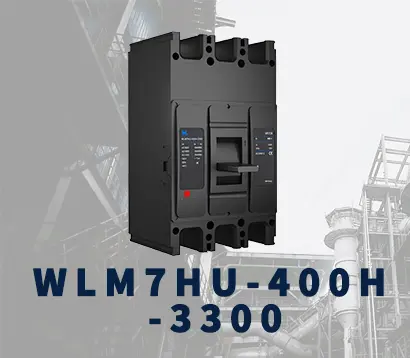
WLM7HU-400-3300 3P
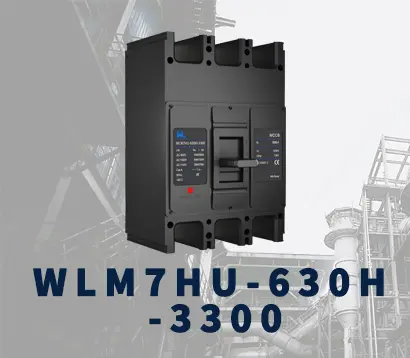
WLM7HU-630-3300 3P
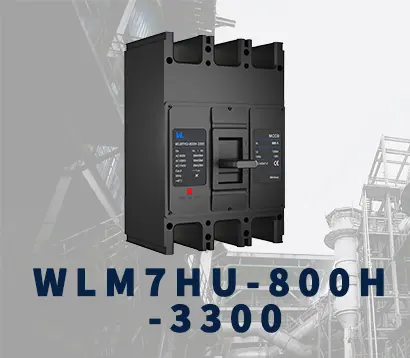
WLM7HU-800-3300 3P
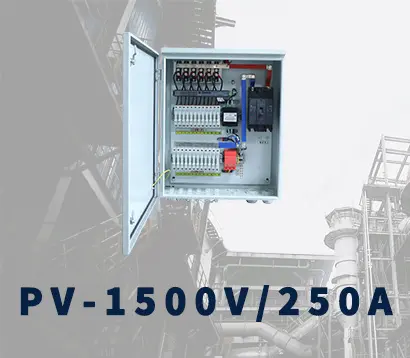
PV-1500V/250A
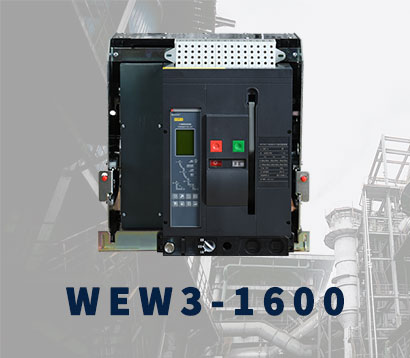
WEW3-1600
WEW3-2500
WEW3-4000
WEW3-7500