What is Air Breaker and How Does it Work in Industry?
The role of the Air Breaker in industrial applications is pivotal. This device, designed to efficiently interrupt electrical circuits, ensures safety and stability in various operations. According to recent market analysis, the air breaker market is expected to grow by 5.2% annually. Such growth highlights its importance across sectors such as manufacturing and energy.
Air Breakers play a critical role in protecting electrical systems from overloads and faults. They utilize air as an insulating medium, which is crucial in high-voltage settings. The technology has improved over the years, but some users still struggle with understanding its full capabilities. Industry reports indicate that many installations lack proper maintenance, leading to unnecessary failures.
Furthermore, the integration of Air Breaker systems can pose challenges. Some facilities may not upgrade their equipment in time. This can create safety hazards and operational inefficiencies. It’s vital for industry players to reevaluate their current systems and ensure they leverage advanced technologies effectively. Air Breakers are reliable, but without proper attention, their benefits may not be fully realized.
What is an Air Breaker? Definition and Purpose in Industrial Applications
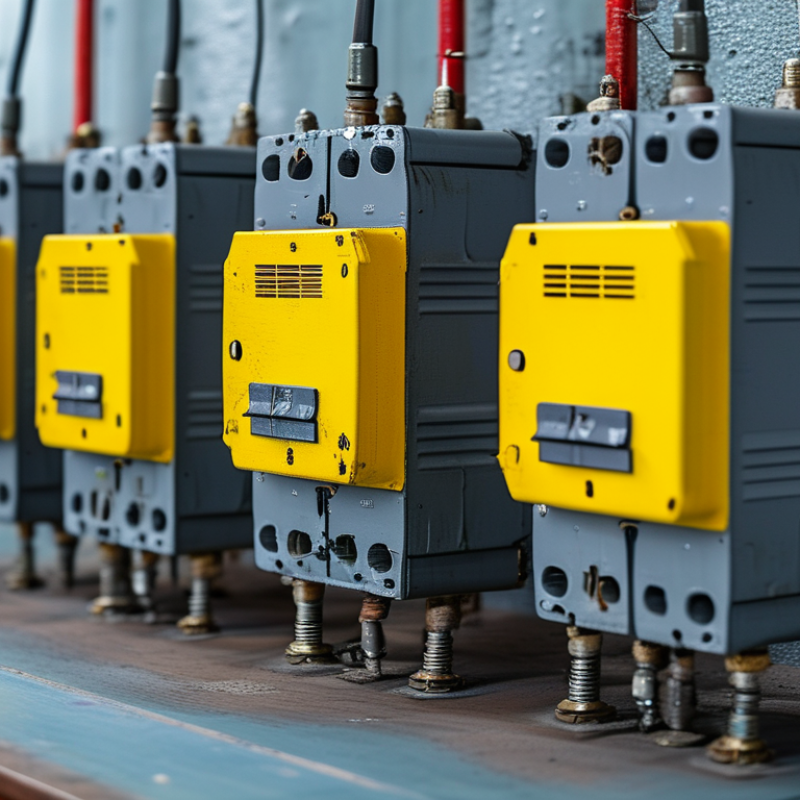
Air breakers play a critical role in various industrial applications. These devices serve to disconnect power supplies during faults, ensuring safety and equipment protection. They are designed to interrupt the electrical current quickly, usually within milliseconds. According to the International Electrotechnical Commission (IEC), the market for air circuit breakers is expected to grow significantly, reaching approximately $7.9 billion by 2025.
The purpose of air breakers extends beyond simple disconnection. They often handle high-load currents, making them indispensable in areas like manufacturing and energy distribution. Their operation relies on air as the primary insulating medium, which makes them both cost-effective and efficient. The typical current ratings for air breakers range from 800 to 10,000 amps. However, despite their advantages, they may not operate as efficiently at higher voltages.
There are ongoing challenges in the industry regarding the reliability of air breakers. Maintenance issues can lead to unexpected failures. A report from the IEEE highlights that nearly 20% of electrical faults stem from equipment malfunctions, often linked to inadequate maintenance. Understanding the limitations and potential failure points is crucial for improving operational safety in industrial settings.
Key Components of Air Breakers: Design and Functionality Explained
Air breakers play a crucial role in industrial applications. They are designed to protect electrical circuits by interrupting excessive current flow. Understanding their key components is essential for effective use.
The primary component of an air breaker is the arc chamber. This is where the electrical arc forms when a fault occurs. Air breakers extinguish this arc using forced air. The design of the chamber directly affects performance. A well-structured arc chamber can significantly improve fault interruption speed. Additionally, the operating mechanism is vital. It moves the contacts apart to break the circuit. This mechanism can be manual or automatic.
Another important aspect is the insulation system. Proper insulation ensures safety and reliability. Materials used must withstand high voltages and temperatures. Regular maintenance is also necessary. Over time, components can degrade, leading to potential failures. Inspecting and replacing worn parts can prolong lifecycle and enhance effectiveness. It’s a reminder that even reliable systems need attention. Balancing function with maintenance can be challenging.
How Air Breakers Operate: Mechanisms Behind Their Performance
Air breakers are essential components in various industries. They play a crucial role in maintaining the safety and efficiency of electrical systems. Understanding how air breakers operate can help us appreciate their importance.
Air breakers function using compressed air to control the flow of electricity. When there is an overload or short circuit, the breaker quickly interrupts the current. The mechanism relies on a controlled burst of air to extinguish the electric arc. This process occurs within a sealed chamber that contains pressurized air. As current flows, increased temperature creates an arc when the circuit opens. The air pressure then extinguishes this arc, preventing damage to equipment.
In practice, air breakers offer advantages over other types. They can handle high current ratings and are durable in extreme conditions. However, they also require regular maintenance. If the air pressure is not kept within the right range, the breakers may fail to operate effectively. Users must ensure the system is monitored and maintained properly. Understanding these details can help industries optimize their use of air breakers for reliable performance.
Industry Applications of Air Breakers: Use Cases and Efficiency Data
Air breakers play a crucial role in various industrial applications. They provide effective control over air supply systems in sectors like manufacturing, petrochemicals, and power generation. For instance, air breakers are often utilized to prevent oversupply, ensuring optimal productivity. A recent study indicated that companies using air breakers reported a 20% improvement in operational efficiency.
In manufacturing, air breakers help regulate pneumatic systems. They reduce energy waste caused by air leaks. According to industry reports, air leaks can account for 30% of total energy consumption in some plants. By implementing air breakers, facilities can significantly lower costs and enhance sustainability. A case study revealed that a manufacturing plant saved over $50,000 annually in energy expenses through the use of efficient air breakers.
Additionally, air breakers improve safety. In the petrochemical industry, for example, they help maintain pressure balance, reducing the risk of hazardous situations. Nonetheless, the reliance on these systems isn't without challenges. Some reports indicate that improper maintenance can lead to failures, resulting in increased downtime. Regular checks are essential to maintain reliability and efficiency. These insights underline the need for a balanced approach in adopting air breakers across industries.
Air Breaker Efficiency in Various Industries
This chart illustrates the efficiency of air breakers across different industries. The data shows that air breakers are most effective in Oil & Gas, followed closely by Manufacturing. These tools enhance operational efficiency significantly, making them valuable in various sectors.
Safety Standards and Maintenance Practices for Air Breakers in Industries
Air breakers play a crucial role in industrial settings, particularly in ensuring electrical safety and system protection. Adhering to safety standards is a fundamental aspect of operating these devices. Industry regulations, such as the National Electric Code (NEC), provide guidelines on installation and usage. Regular inspections are essential to meet these standards and reduce risks.
Maintenance practices for air breakers often include visual inspections and functionality tests. It's important to check for wear and tear on connections and components. Dust and moisture can damage these systems over time. Ignoring minor maintenance tasks can lead to significant safety hazards. Employees should be trained to recognize signs of malfunction. Proper documentation of maintenance history enhances reliability.
The goal is not just compliance but achieving operational efficiency. Understanding the limits of air breakers is vital. They are not foolproof. Overloading can result in failure. Regular maintenance can prevent mishaps. However, responsibility lies with personnel to act diligently. Each industry may face unique challenges. Therefore, continuous learning and adaptation are imperative for safe practices.

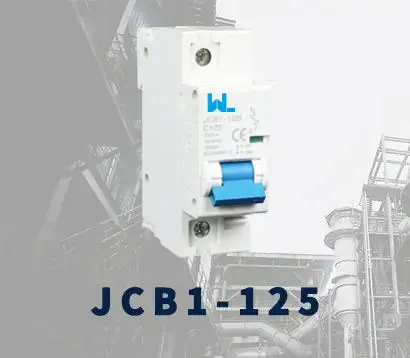 JCB1-125
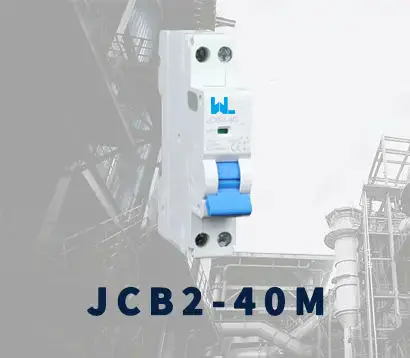 JCB2-40M
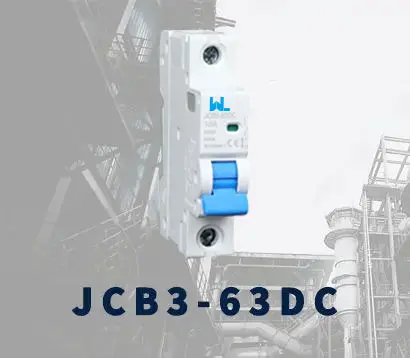 JCB3-63DC
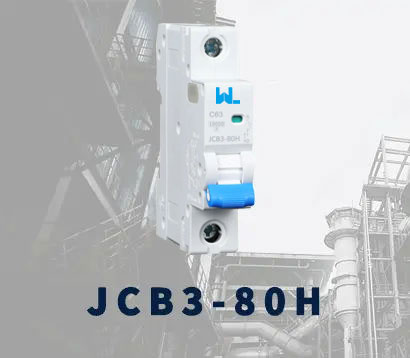 JCB3-80H
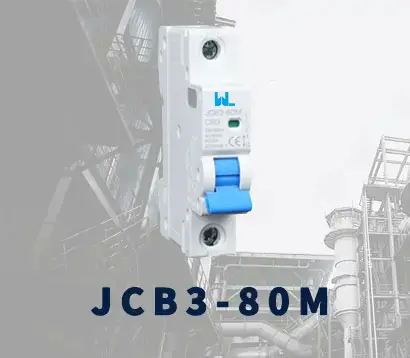 JCB3-80M
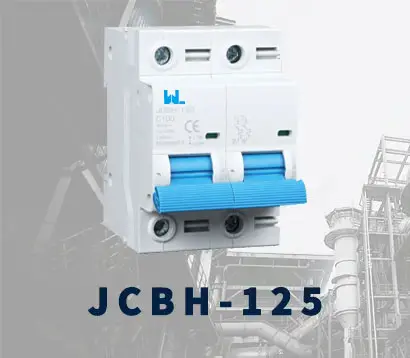 JCBH-125
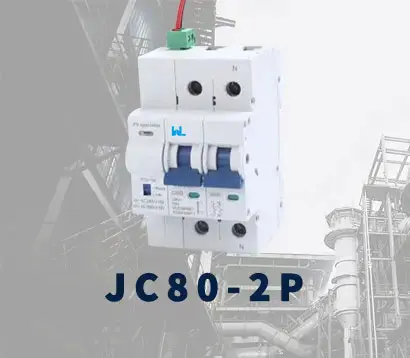 JC80-2P
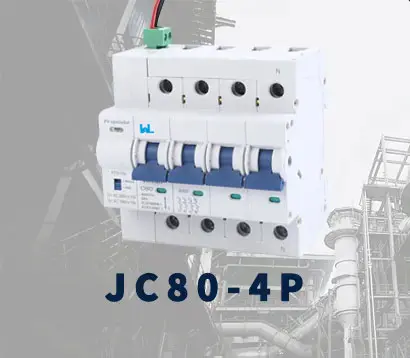 JC80-4P
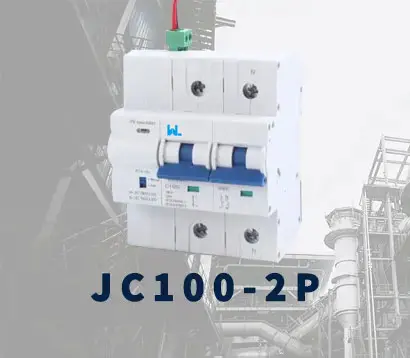 JC125-2P
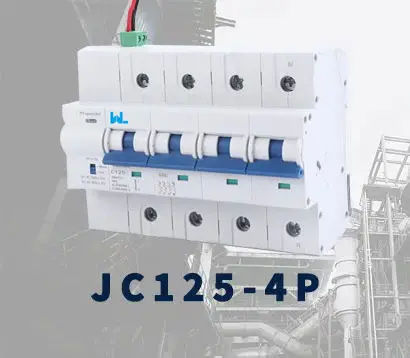 JC125-4P
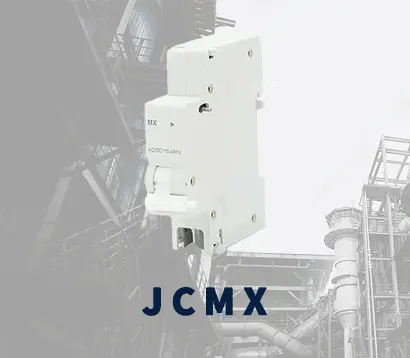 JCMX
JCMX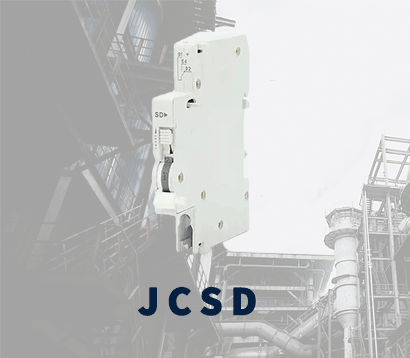 JCSD
JCSD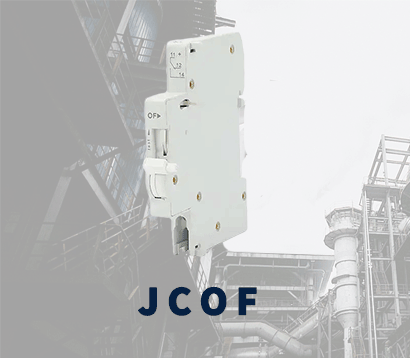 JCOF
JCOF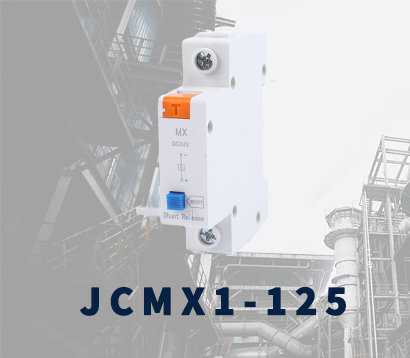 JCMX1-125
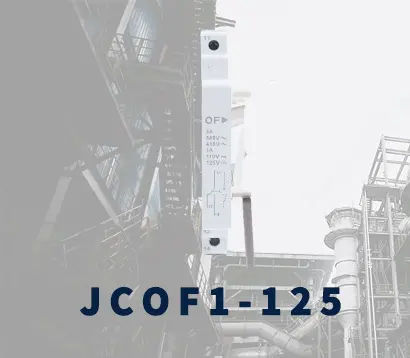 JCOF1-125
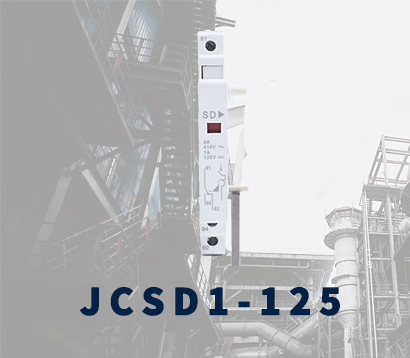 JCSD1-125
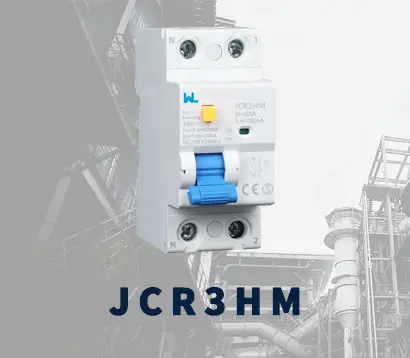 JCR3HM
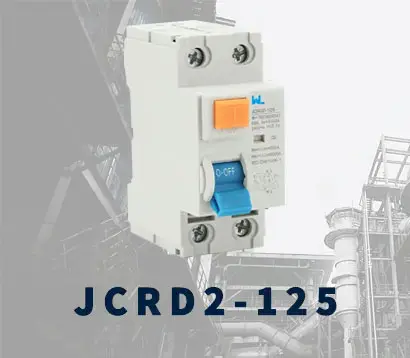 JCRD2-125
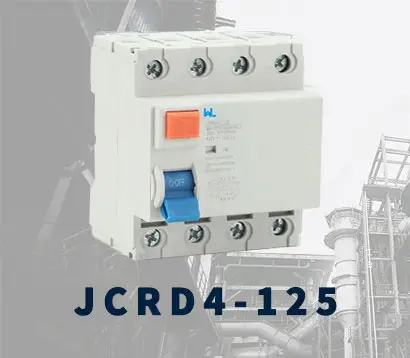 JCRD4-125
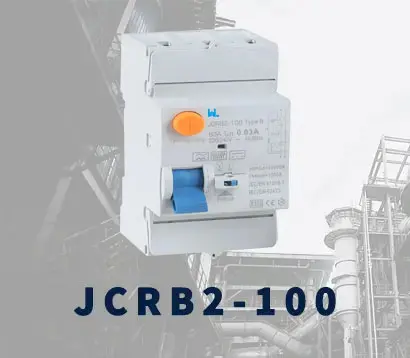 JCRB2-100
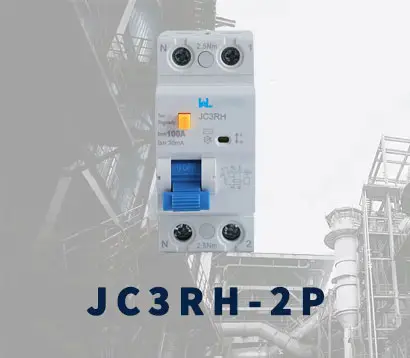 JC3RH-2P
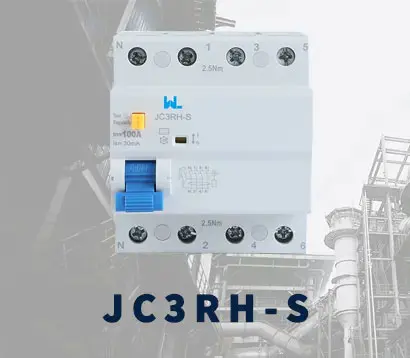 JC3RH-S
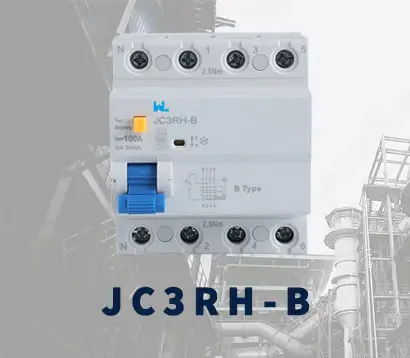 JC3RH-B
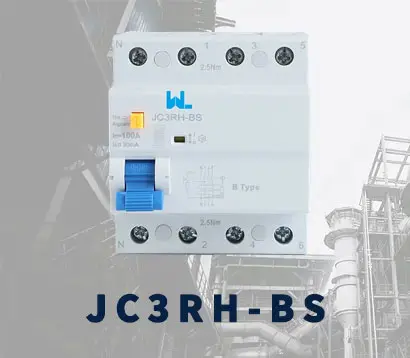 JC3RH-BS
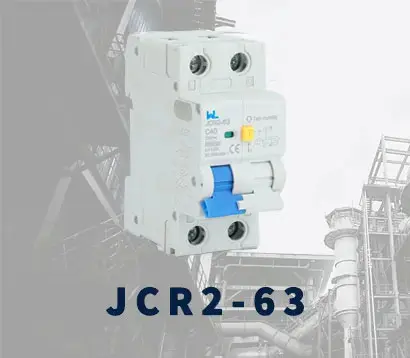 JCR2-63
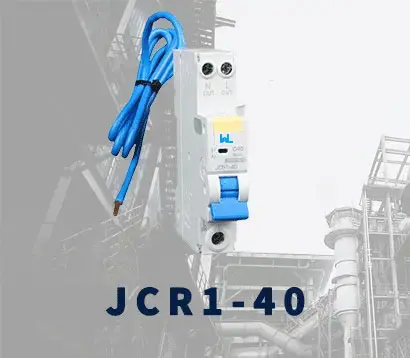 JCR1-40
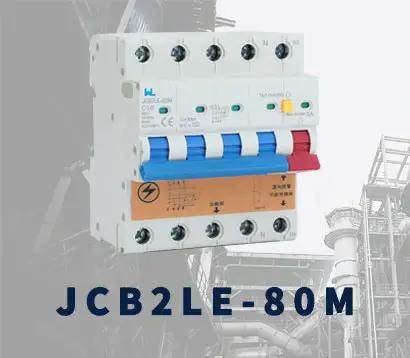 JCB2LE-80M
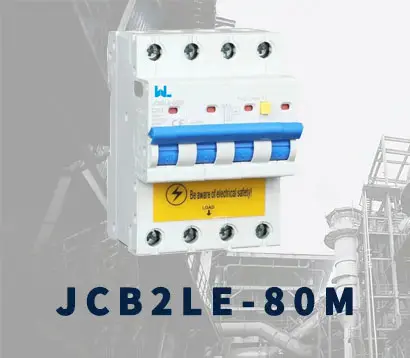 JCB2LE-80M
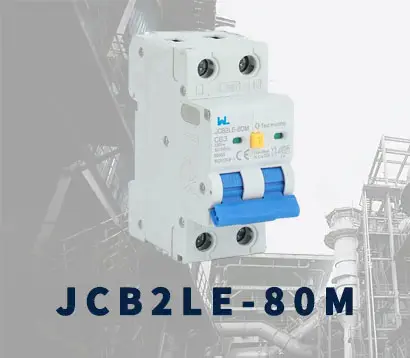 JCB2LE-80M
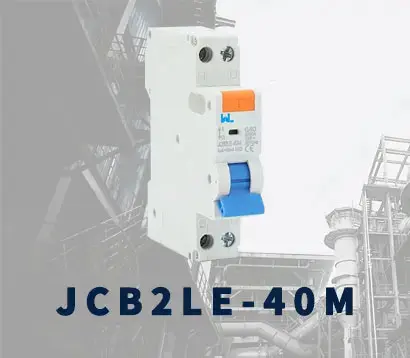 JCB2LE-40M
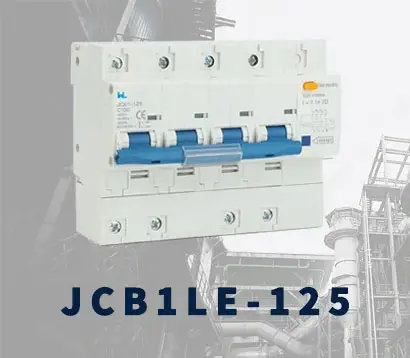 JCB1LE-125
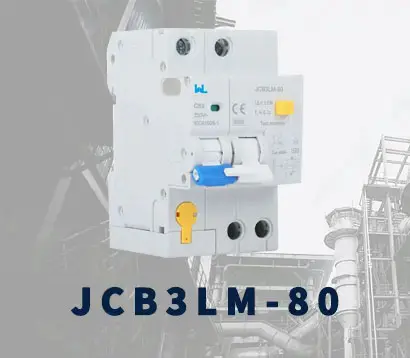 JCB3LM-80
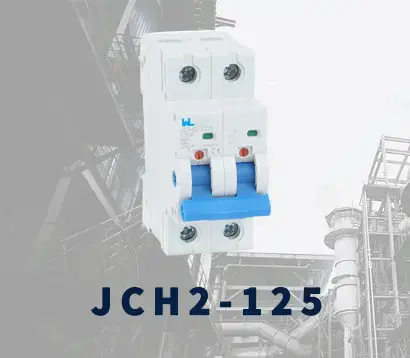 JCH2-125
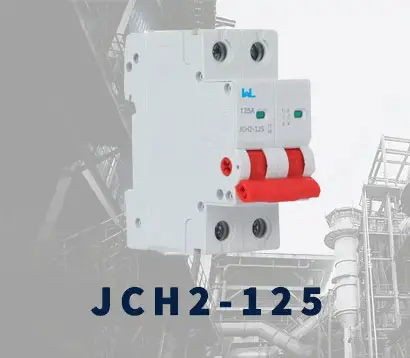 JCH2-125
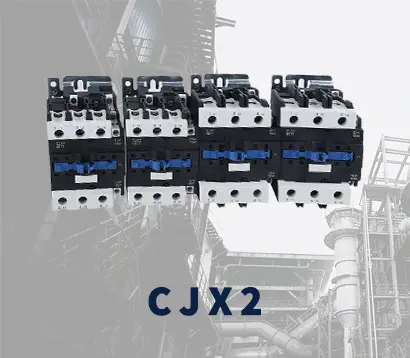 CJX2
CJX2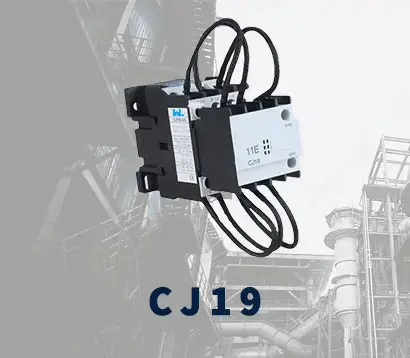 CJ19
CJ19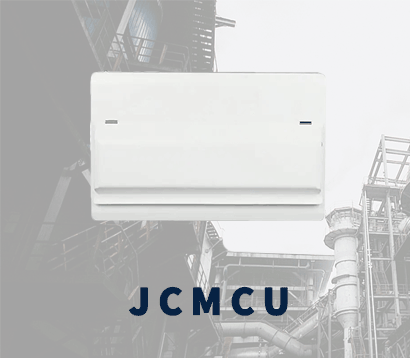 JCMCU
JCMCU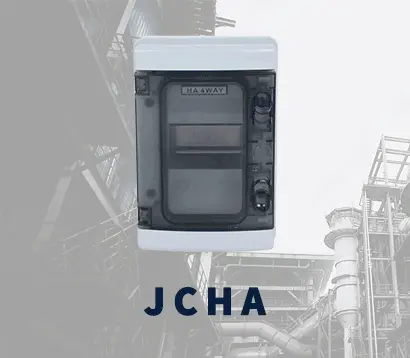 JCHA
JCHA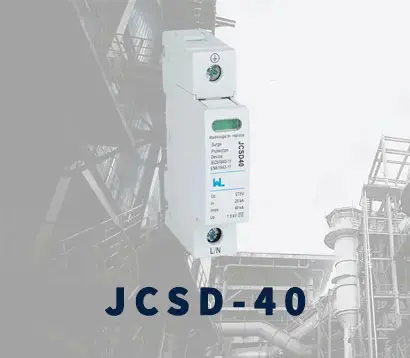 JCSD-40
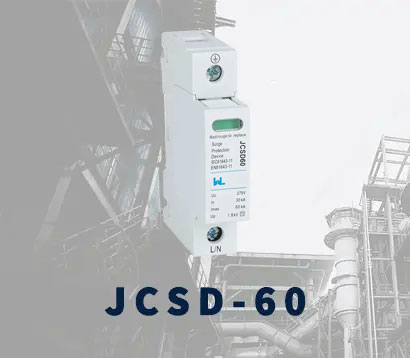 JCSD-60
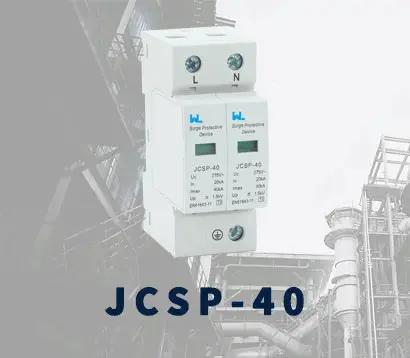 JCSP-40
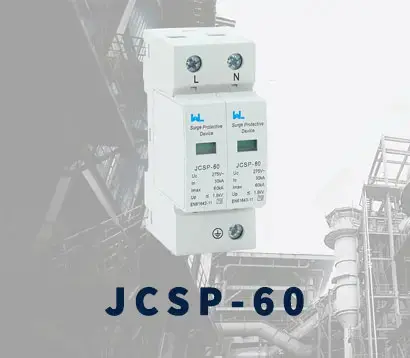 JCSP-60
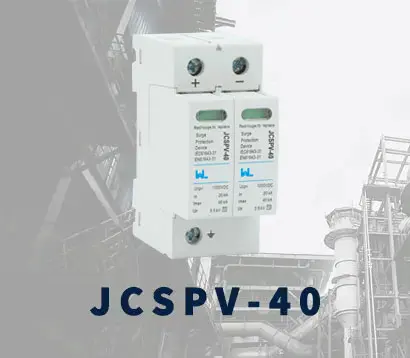 JCSPV
JCSPV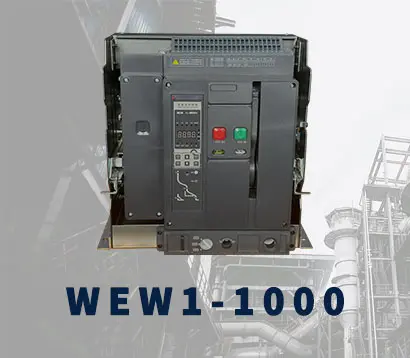 WEW1-1000
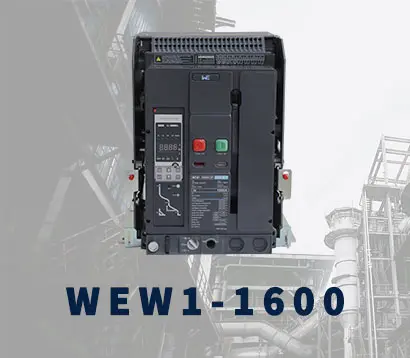 WEW1-1600
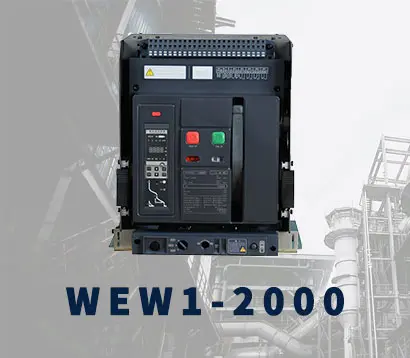 WEW1-2000
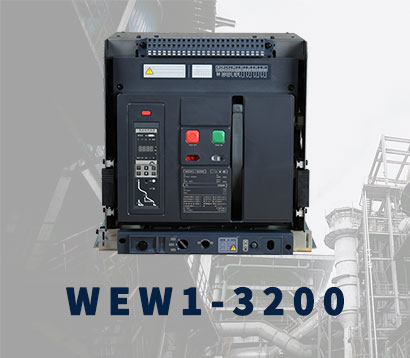 WEW1-3200
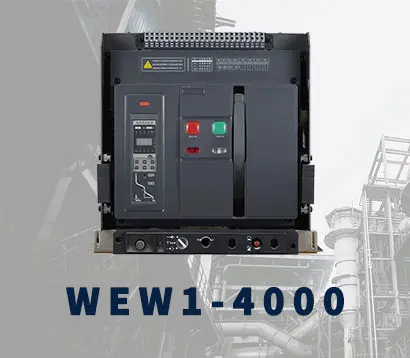 WEW1-4000
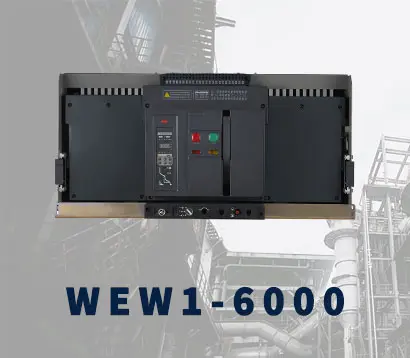 WEW1-6300
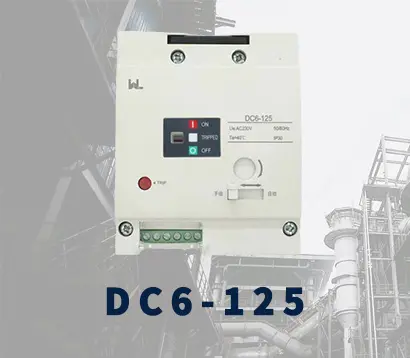 DC6-125
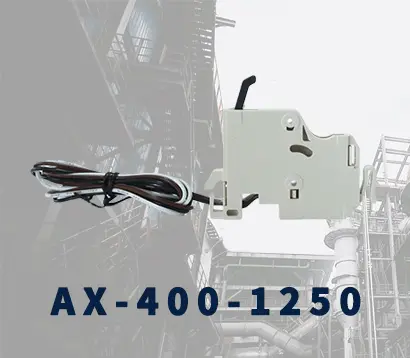 AX-400-1250
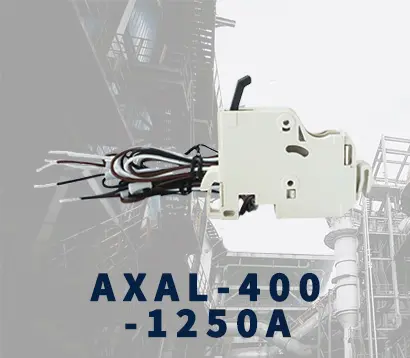 AXAL-400-1250A
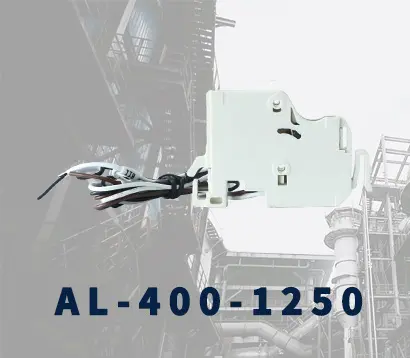 AL-400-1250
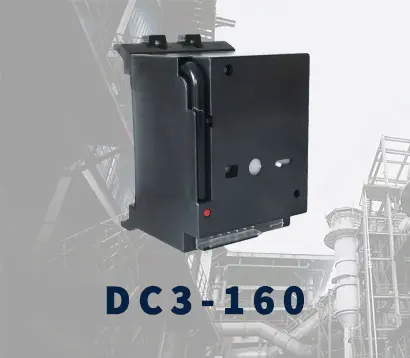 DC3-160
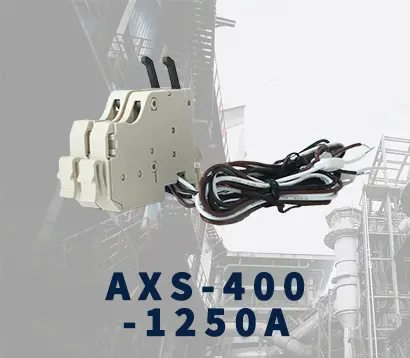 AXS-400-1250A
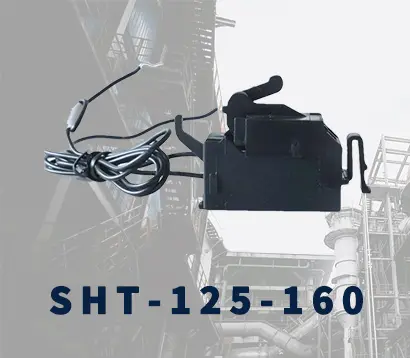 SHT-125-160
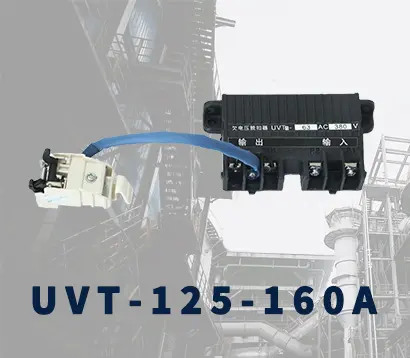 UVT-125-160A
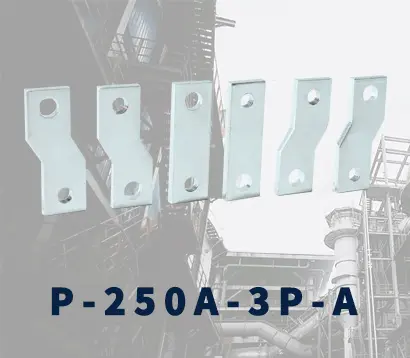 P-250A-3P-A
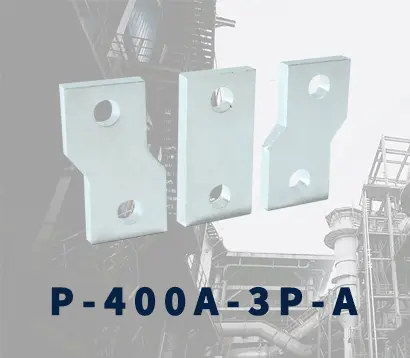 400-3P/4P terminal cover
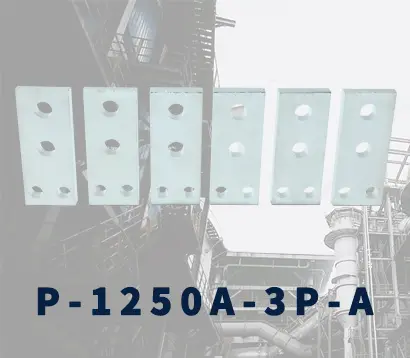 1250-3Pmccb accessories busbar
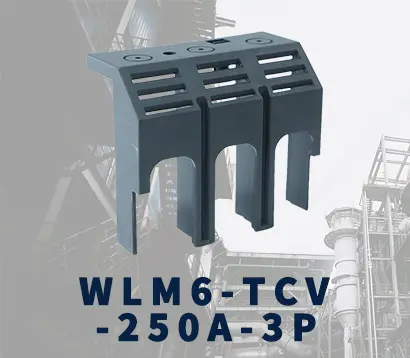 250-3P terminal conver
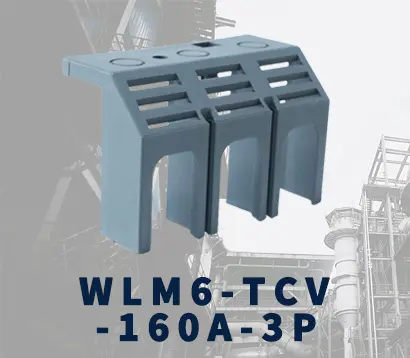 WLM6-TCV-160A-3P
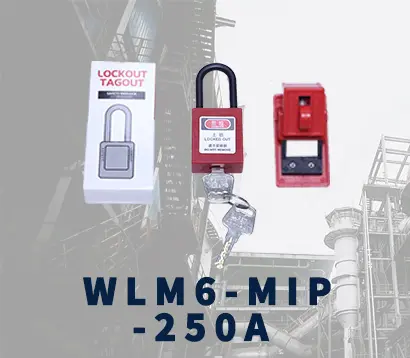 WLM6-MIP-250A
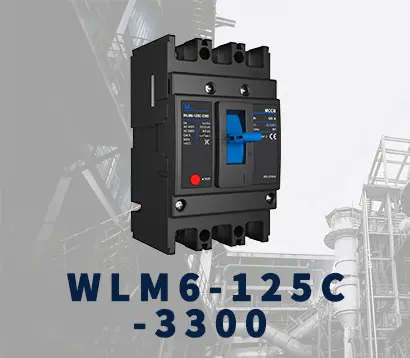 WLM6-125A-3300 3P/4P
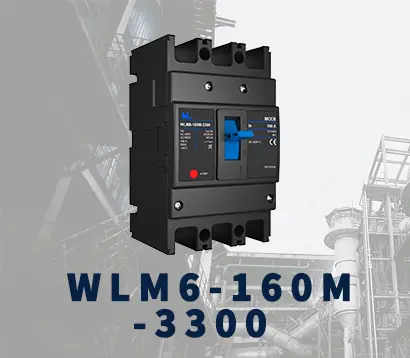 WLM6-160A-3300 3P/4P
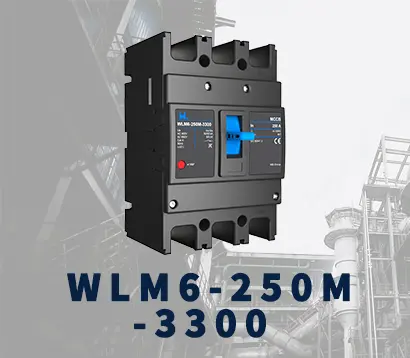 WLM6-250A-3300 3P/4P
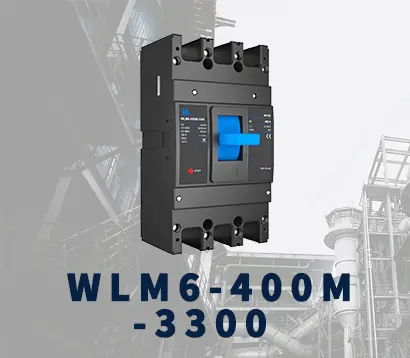 WLM6-400A-3300 3P/4P
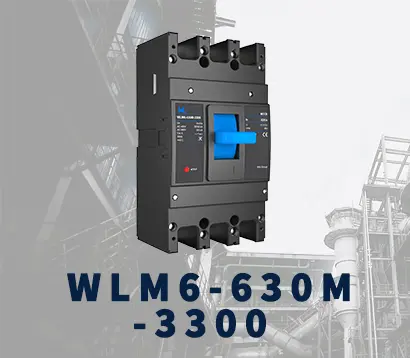 WLM6-630A-3300 3P/4P
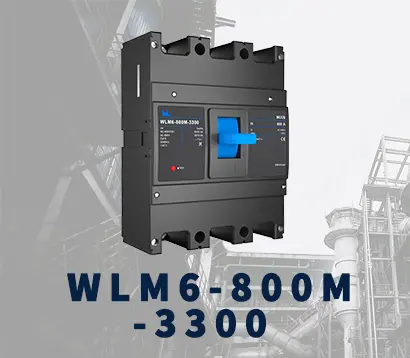 WLM6-800A-3300 3P/4P
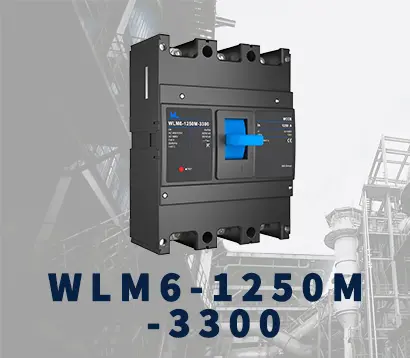 WLM6-1250A-3300 3P/4P
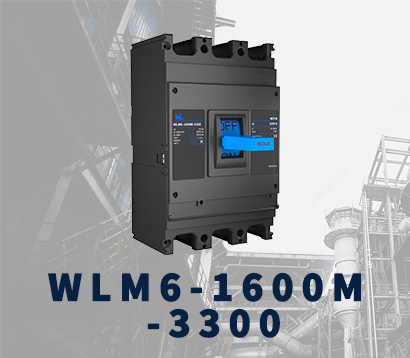 WLM6-1600A-3300 3P/4P
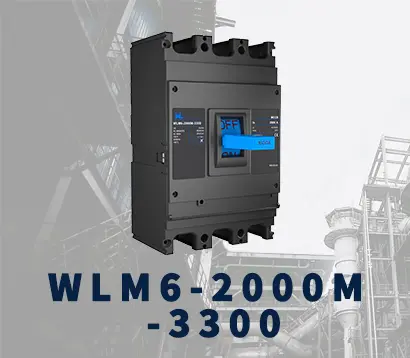 WLM6-2000A 3P/4P
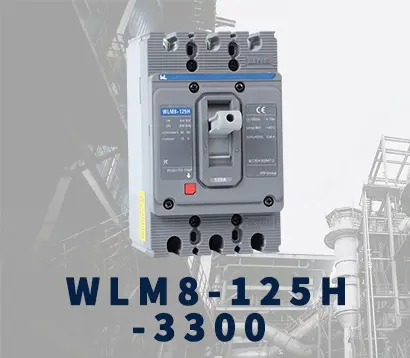 WLM8-125H-3300
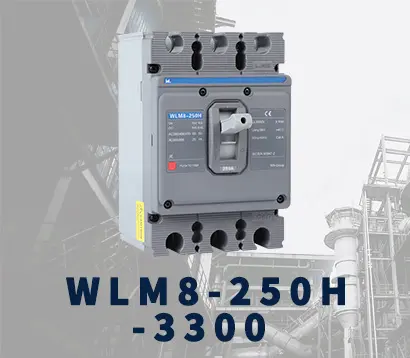 WLM8-250H-3300
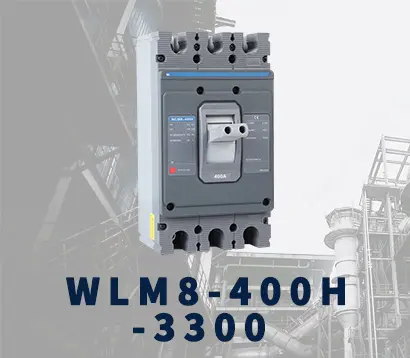 WLM8-400H-3300
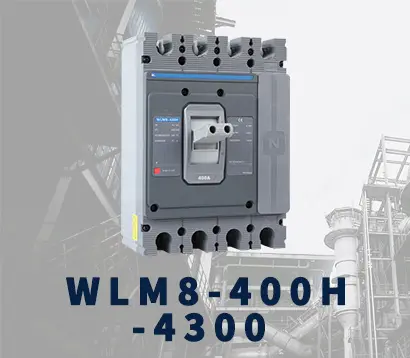 WLM8-400H-4300
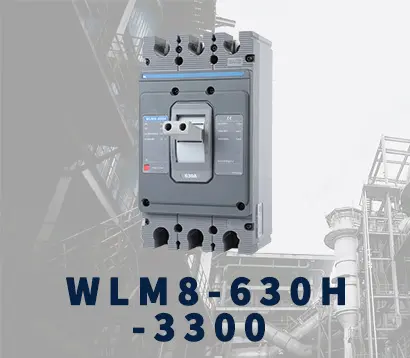 WLM8-630H-3300
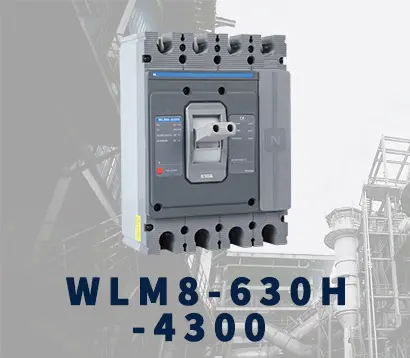 WLM8-630H-4300
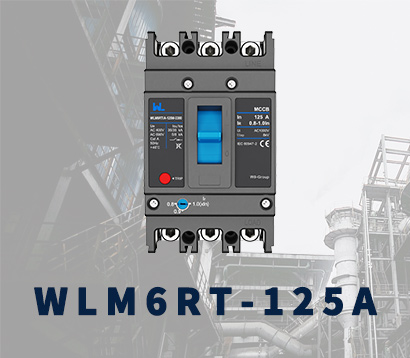 WLM6RT-125A
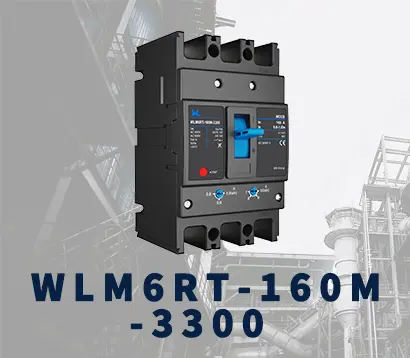 WLM6RT-160A
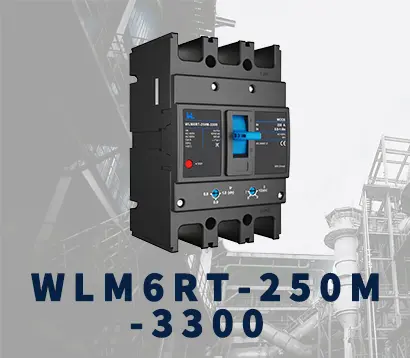 WLM6RT-250A
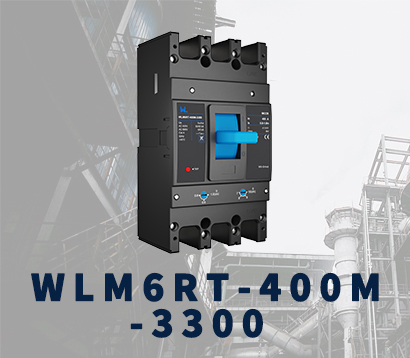 WLM6RT-400A
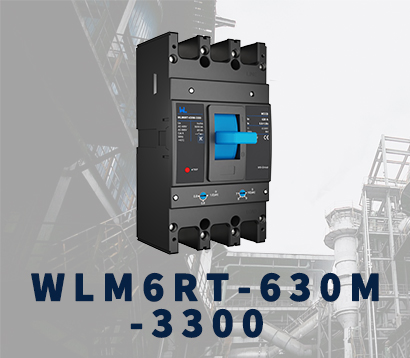 WLM6RT-630A
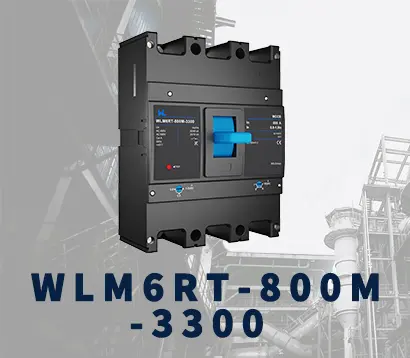 WLM6RT-800A
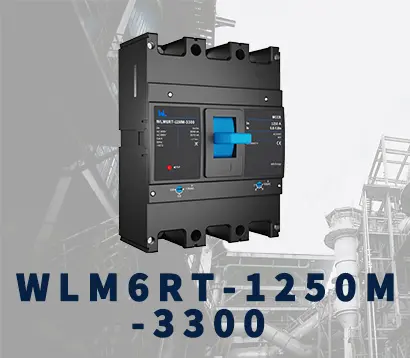 WLM6RT-1250A
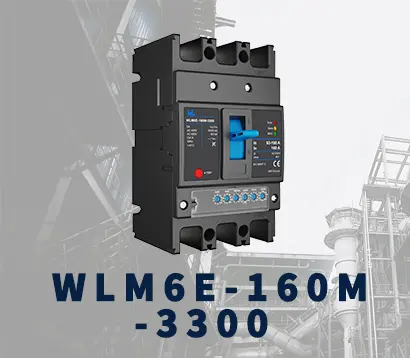 WLM6E-160A-3300 3P
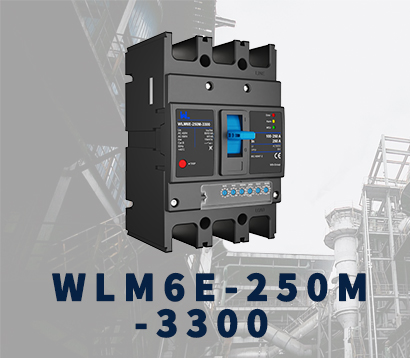 WLM6E-250A-3300
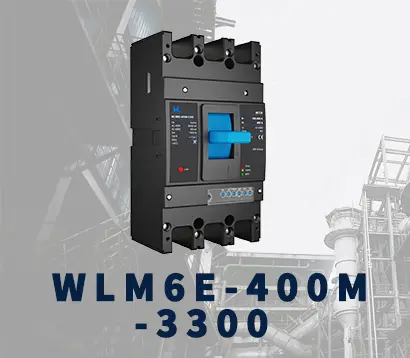 WLM6E-400A-3300 3P/4P
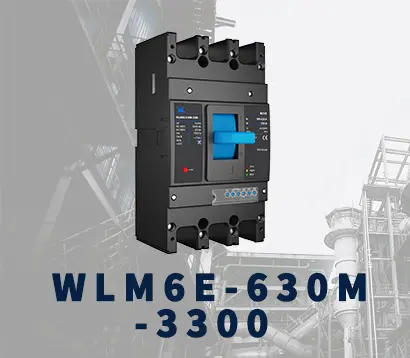 WLM6E-630A-3300
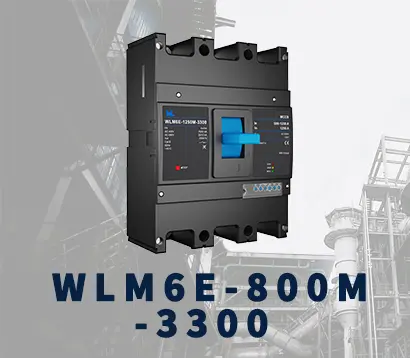 WLM6E-800A-3300 3P/4P
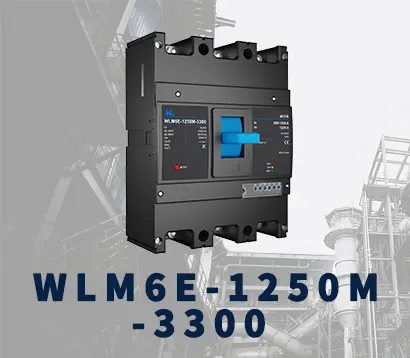 WLM6E-1250A-3300
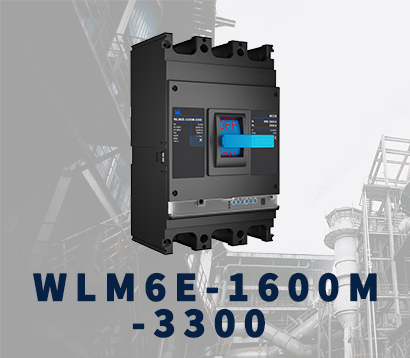 WLM6E-1600-3300 3P/4P
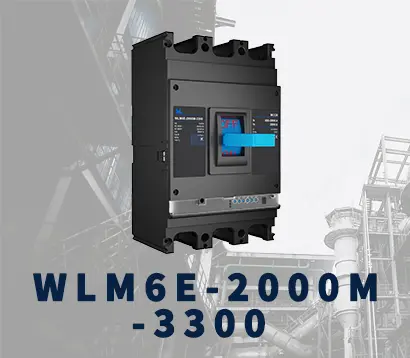 WLM6E-2000A-3300 3P/4P
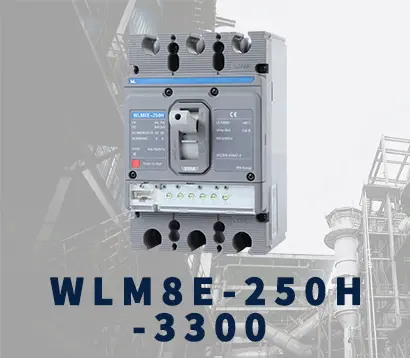 WLM8E-250H-3300
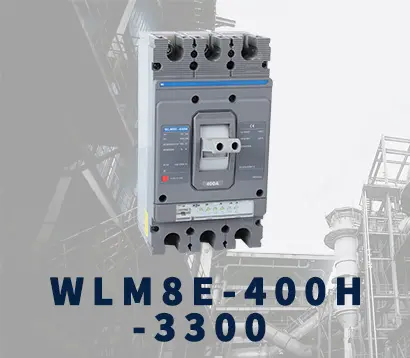 WLM8E-400H-3300
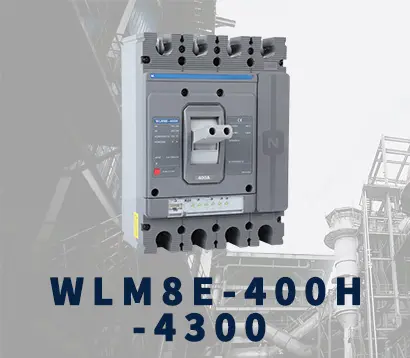 WLM8E-400H-4300
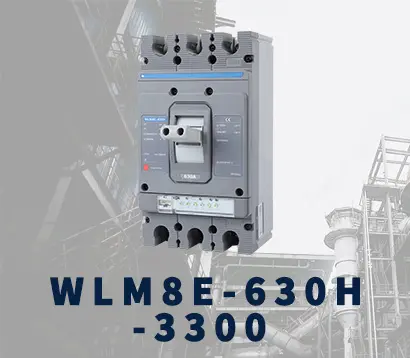 WLM8E-630H-3300
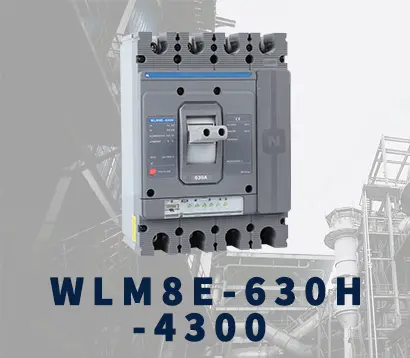 WLM8E-630H-4300
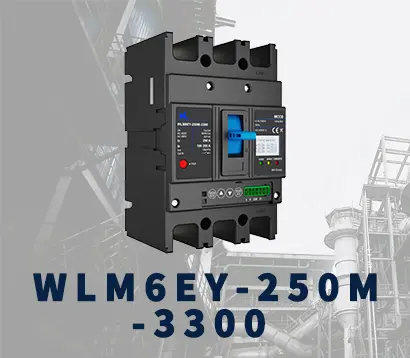 WLM6EY-250-3300 3P/4P
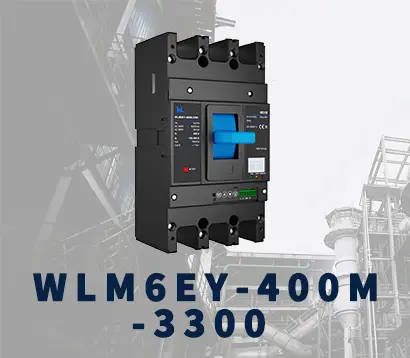 WLM6EY-400 3P/4P
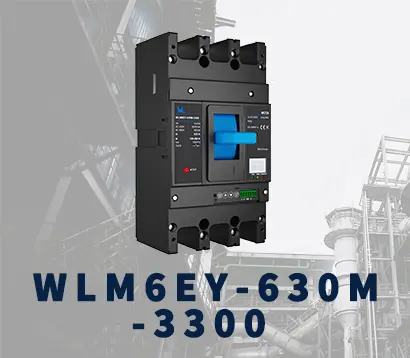 WLM6EY-630 3P/4P
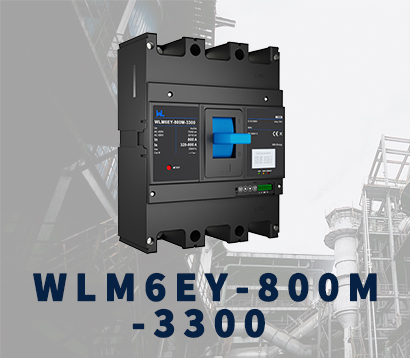 WLM6EY-800A 3P/4P
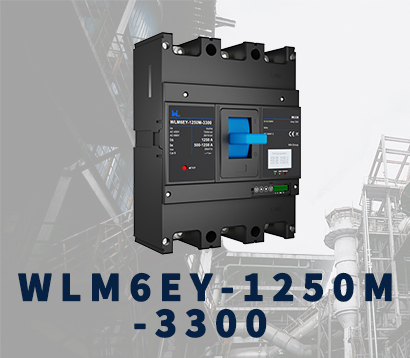 WLM6EY-1250A 3P/4P
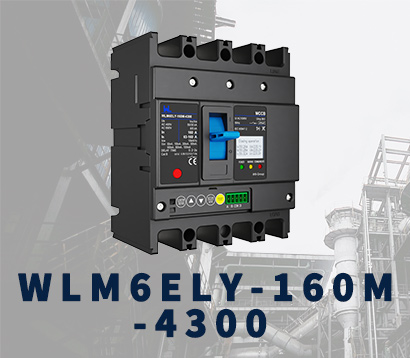 WLM6ELY-160A
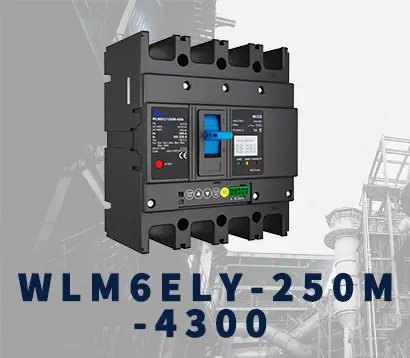 WLM6ELY-250A
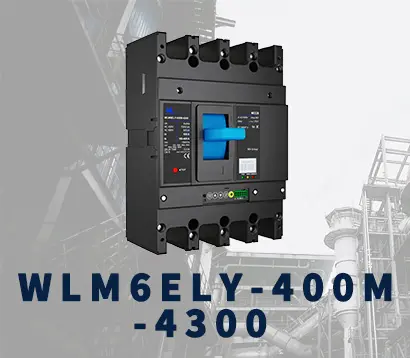 WLM6ELY-400A
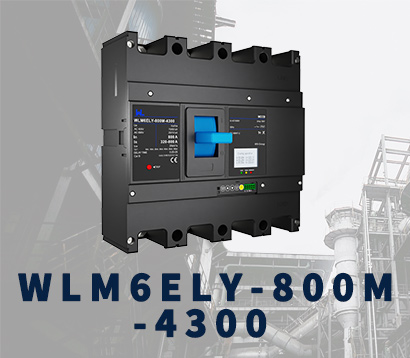 WLM6ELY-800A
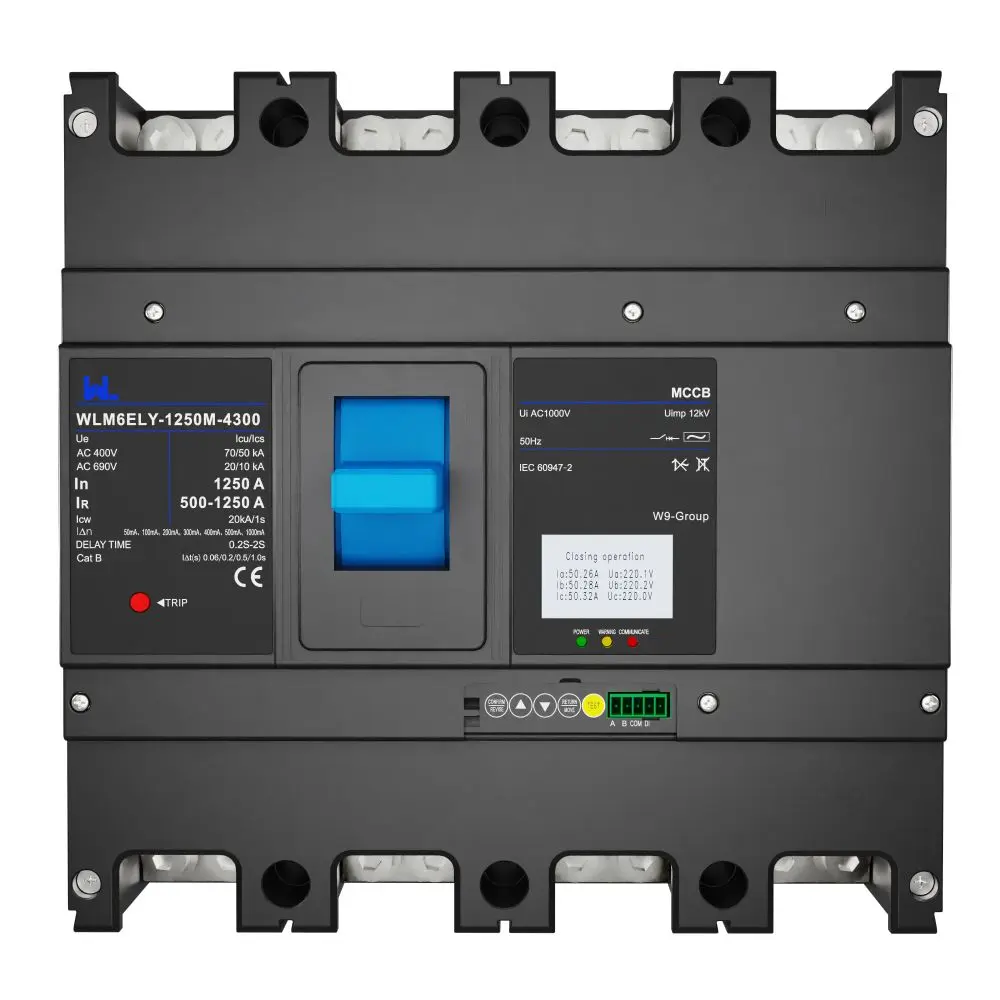 WLM6ELY-1250A
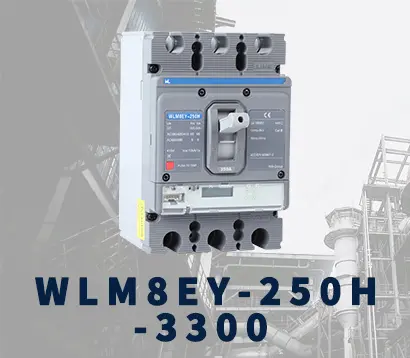 WLM8EY-250H-3300
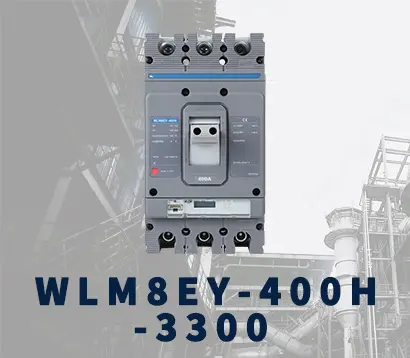 WLM8EY-400H-3300
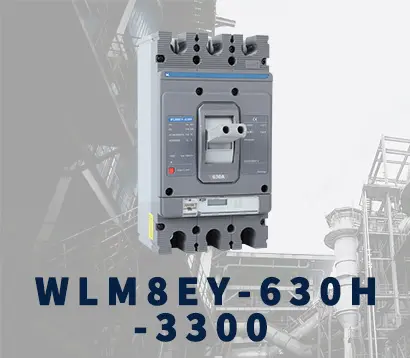 WLM8EY-630H-3300
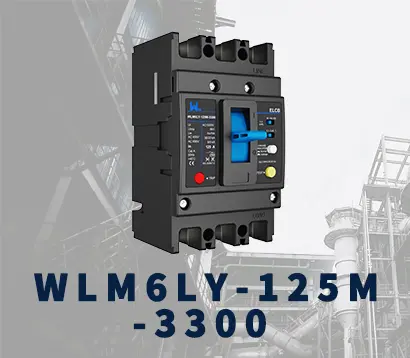 WLM6LY-125A
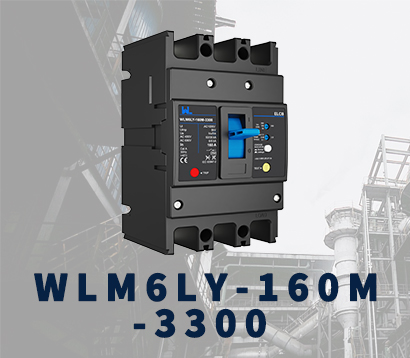 WLM6L-160A
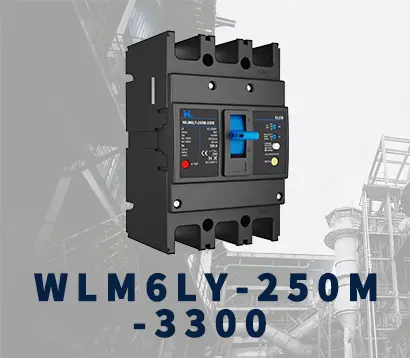 WLM6LY-250A
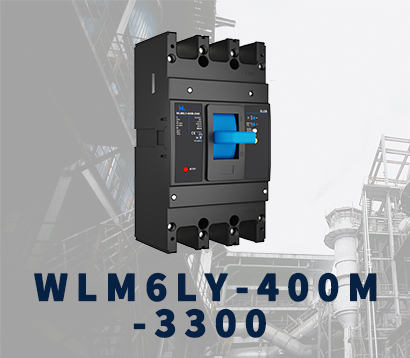 WLM6LY-400A
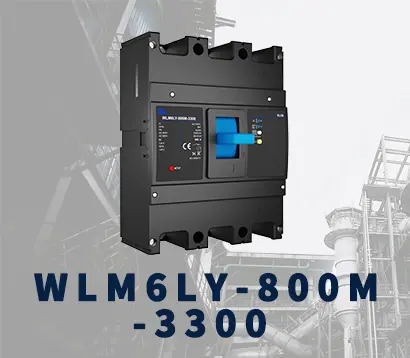 WLM6LY-800A
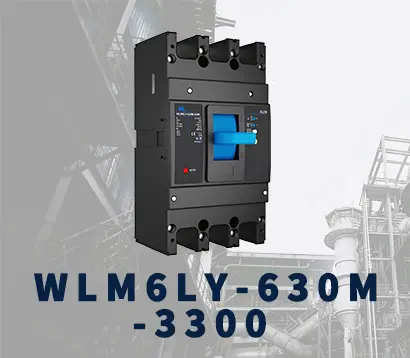 WLM6LY-630A
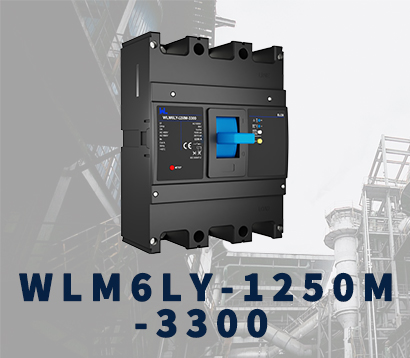 WLM6LY-1250A
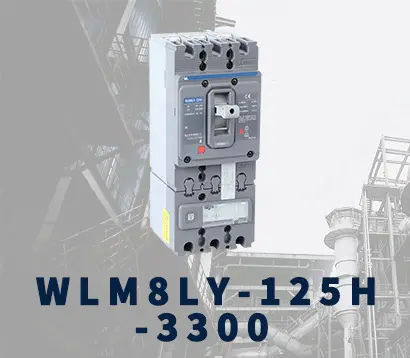 WLM8LY-125H-3300
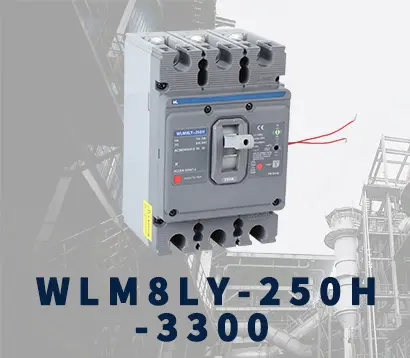 WLM8LY-250H-3300
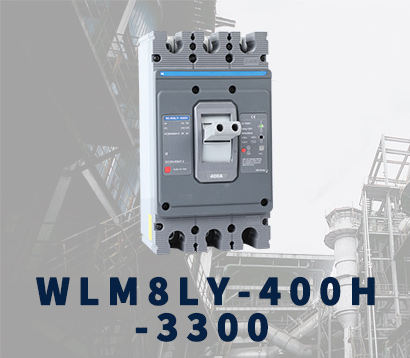 WLM8LY-400H-3300
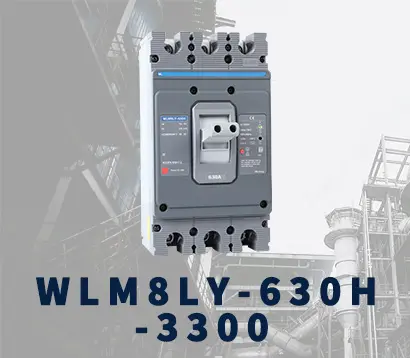 WLM8LY-630H-3300
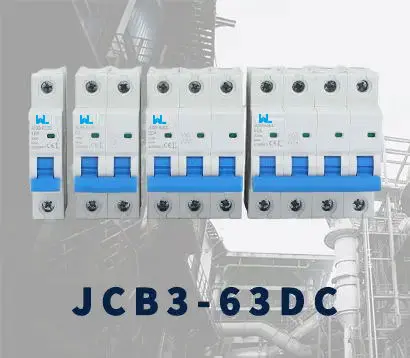 JCB3-63DC
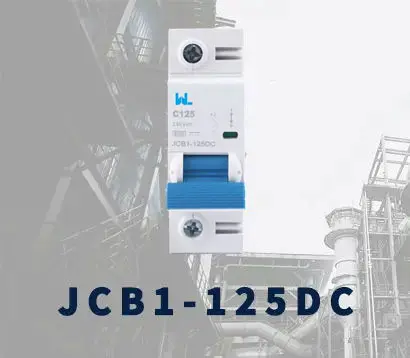 JCB1-125DC
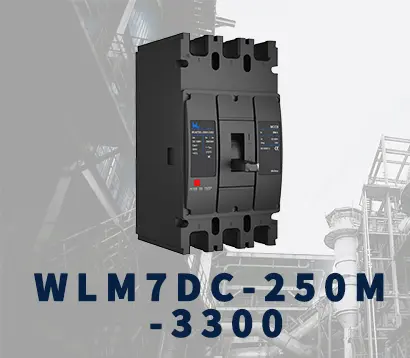 WLM7DC-250A-2300 2P/3P
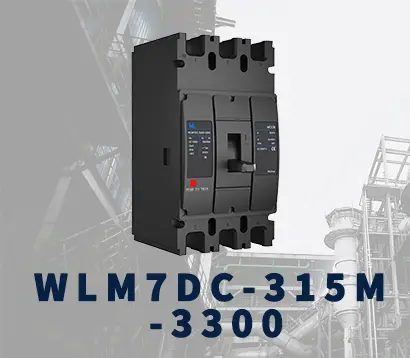 WLM7DC-315A-3300 2P/3P
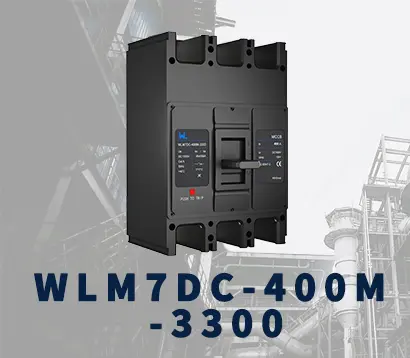 WLM7DC-400A-2300 2P/3P
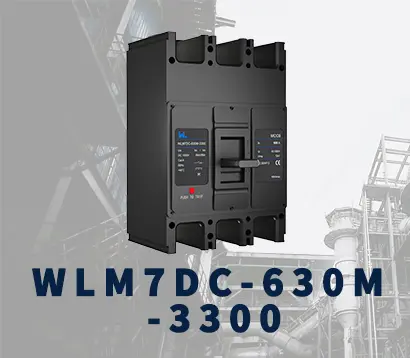 WLM7DC-630A-3300 3P
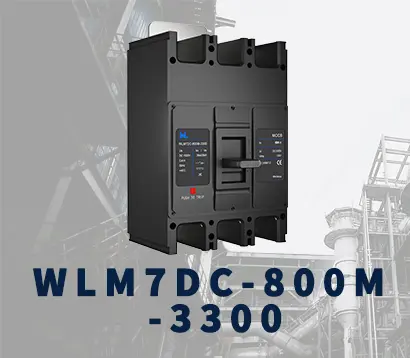 WLM7DC-800A-2300 2P/3P
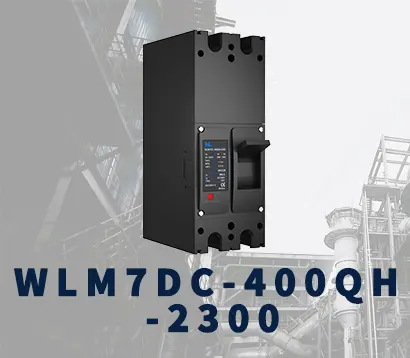 WLM7DC-400A 2300
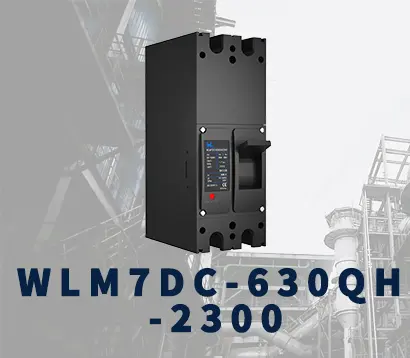 WLM7DC-630A-2300 2P
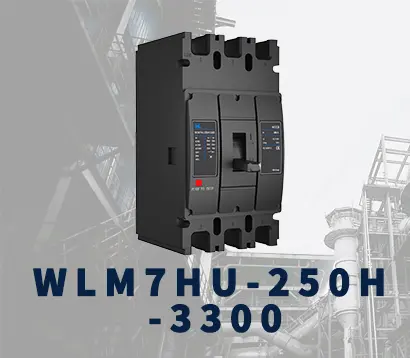 WLM7HU-250-3300 3P
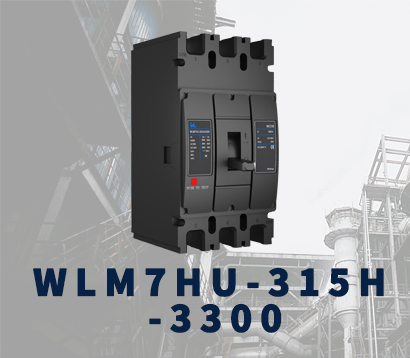 WLM7HU-315-3300 3P
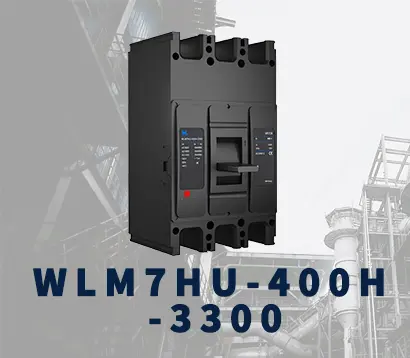 WLM7HU-400-3300 3P
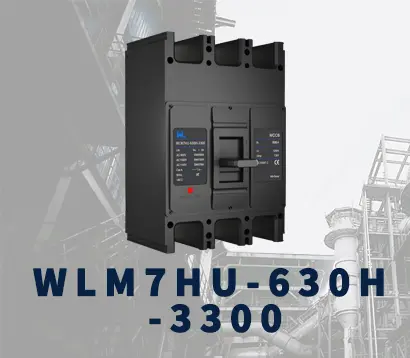 WLM7HU-630-3300 3P
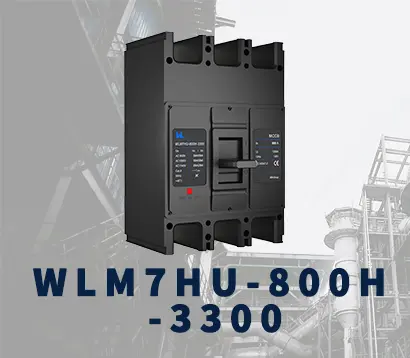 WLM7HU-800-3300 3P
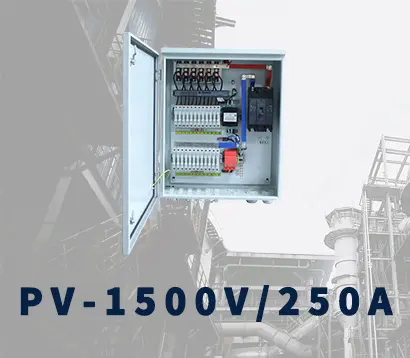 PV-1500V/250A
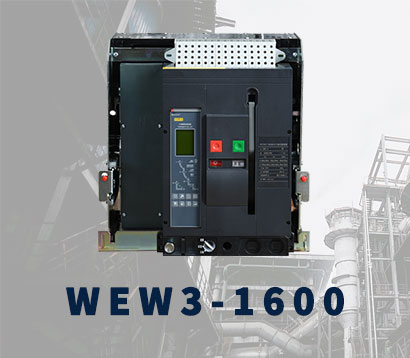 WEW3-1600
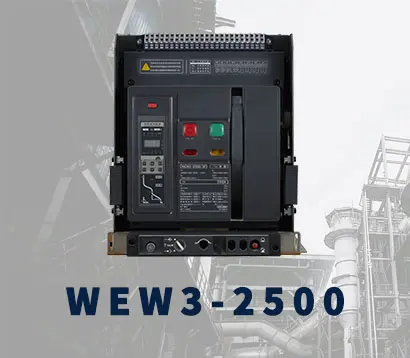 WEW3-2500
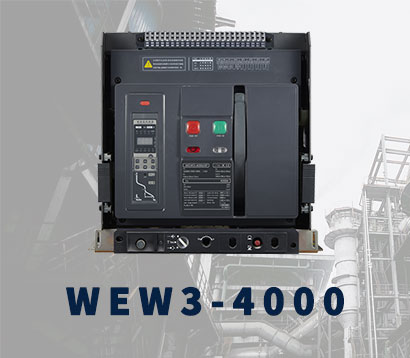 WEW3-4000
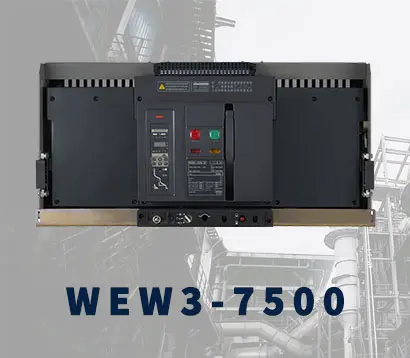 WEW3-7500