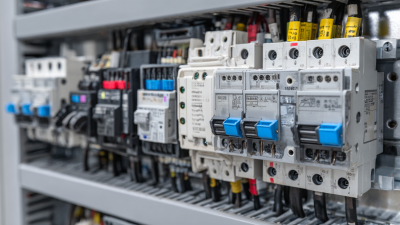
Understanding the Advantages of Using Electronic Circuit Breakers in Modern Electrical Systems
In the rapidly evolving landscape of electrical systems, the need for enhanced safety and efficiency has never been more critical.
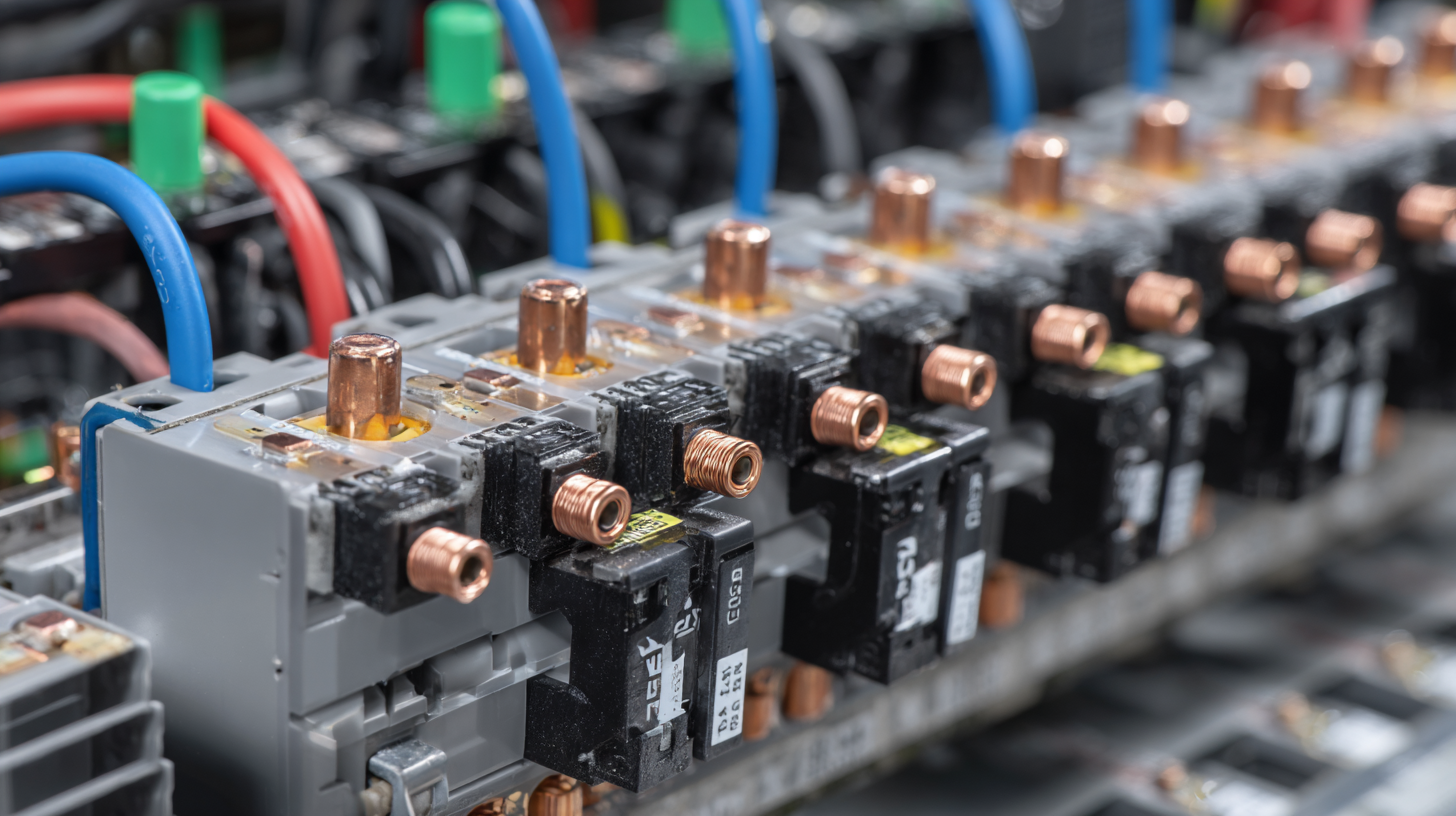 Electronic Circuit Breakers (ECBs) have emerged as a transformative solution, significantly improving the reliability of electrical networks. According to a recent report by MarketsandMarkets, the global market for electronic circuit breakers is projected to grow from $1.2 billion in 2020 to $2.8 billion by 2025, driven by their superior performance in protecting electrical circuits compared to traditional mechanical breakers.
ECBs offer advantages such as faster response times, minimal operational wear, and the ability to integrate with smart grid technologies, making them essential in modern applications.
Additionally, their precise monitoring capabilities allow for real-time diagnostics, further enhancing the maintenance and operational efficiency of electrical systems.
This article provides a comprehensive overview of the benefits of implementing Electronic Circuit Breakers and their pivotal role in safeguarding today’s power infrastructure.
Electronic Circuit Breakers (ECBs) have emerged as a transformative solution, significantly improving the reliability of electrical networks. According to a recent report by MarketsandMarkets, the global market for electronic circuit breakers is projected to grow from $1.2 billion in 2020 to $2.8 billion by 2025, driven by their superior performance in protecting electrical circuits compared to traditional mechanical breakers.
ECBs offer advantages such as faster response times, minimal operational wear, and the ability to integrate with smart grid technologies, making them essential in modern applications.
Additionally, their precise monitoring capabilities allow for real-time diagnostics, further enhancing the maintenance and operational efficiency of electrical systems.
This article provides a comprehensive overview of the benefits of implementing Electronic Circuit Breakers and their pivotal role in safeguarding today’s power infrastructure.
The Evolution of Circuit Breaker Technology in Electrical Systems
The evolution of circuit breaker technology has significantly transformed the landscape of electrical systems. Initially, conventional electromechanical circuit breakers dominated the market, relying on mechanical components to interrupt electrical flow during overloads or short circuits. While effective, these systems often suffered from slower response times and required regular maintenance, which posed challenges in reliability and efficiency. The demand for increased safety and performance in modern applications ultimately led to the development of advanced electronic circuit breakers.
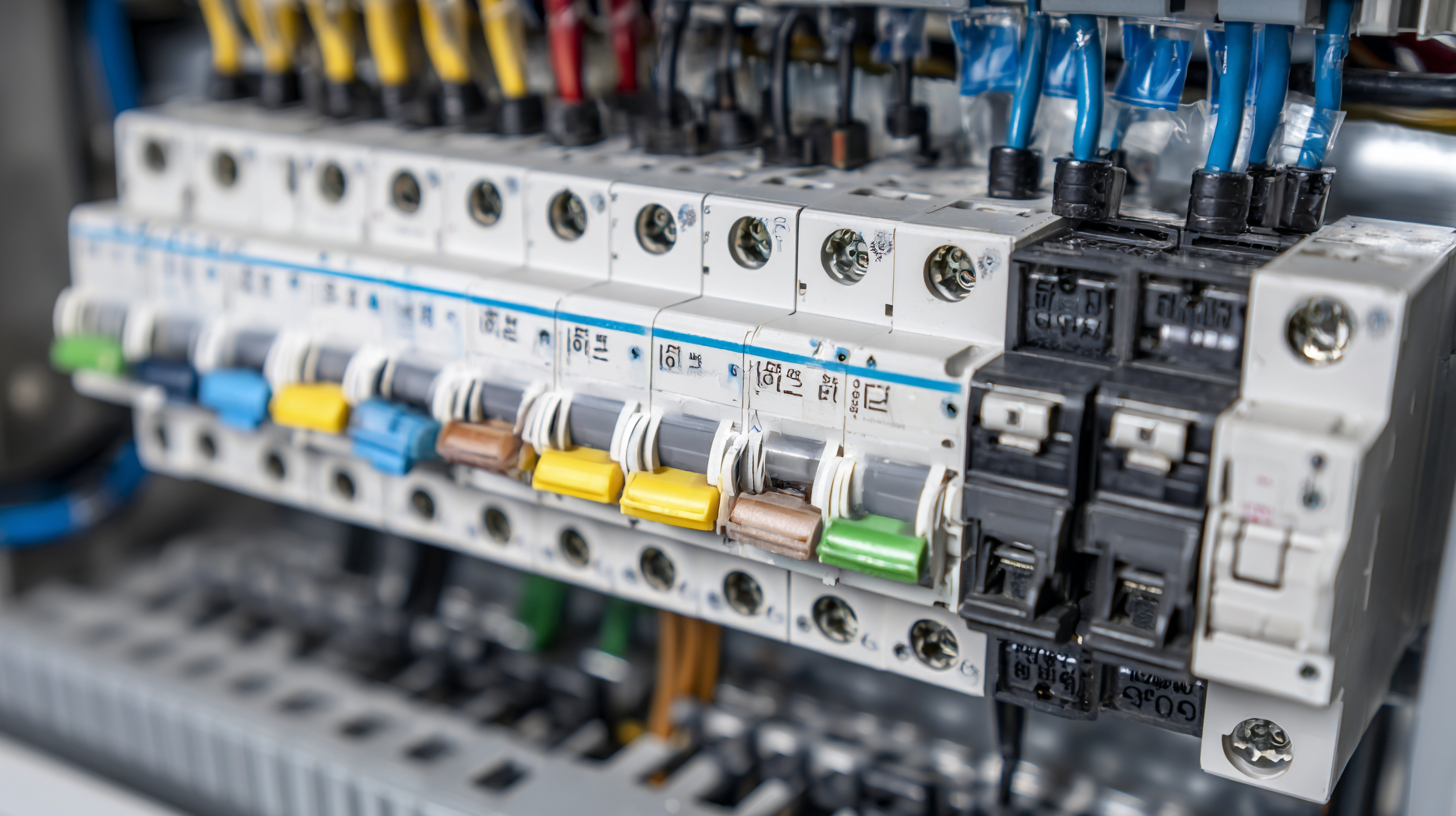
Electronic circuit breakers leverage sophisticated digital technology to monitor electrical parameters in real time. This innovation allows them to respond more quickly and accurately to faults, minimizing potential damage to equipment and enhancing overall safety. Additionally, these breakers offer features like adjustable trip settings and remote monitoring capabilities, providing greater flexibility and control for users. As electrical systems become more complex, the integration of electronic circuit breakers not only improves reliability but also aligns with the growing emphasis on energy efficiency and smart grid technologies, marking a significant milestone in circuit breaker evolution.
Key Benefits of Electronic Circuit Breakers Over Traditional Models
Electronic circuit breakers offer a range of key benefits over their traditional counterparts, revolutionizing modern electrical systems. One of the primary advantages is their enhanced precision and control. Unlike mechanical breakers, electronic models utilize advanced sensing technology to detect variations in electrical current more accurately. This allows for quicker response times in tripping during overloads or short-circuits, effectively preventing potential damage to equipment and reducing risks associated with electrical faults.
Another significant benefit of electronic circuit breakers is their ability to provide real-time monitoring and data analytics. Many modern electronic breakers come equipped with communication interfaces that enable them to integrate seamlessly into smart grid systems. This connectivity allows for remote monitoring of electrical loads and diagnostics, offering insights that can help optimize energy usage and improve maintenance strategies. Additionally, the compact design of electronic breakers makes them easier to install and fit into modular systems, enhancing the flexibility of modern electrical installations.
| Feature |
Electronic Circuit Breakers |
Traditional Circuit Breakers |
| Response Time |
Instantaneous response to overloads and faults |
Delayed response |
| Reset Mechanism |
Automatic reset after fault clearance |
Manual reset required |
| Monitoring Capabilities |
Real-time monitoring and diagnostics |
Limited monitoring features |
| Size and Design |
Compact design, easier integration into modern systems |
Bulkier, less flexible in installation |
| Energy Efficiency |
Higher efficiency and lower energy loss |
More energy loss during operation |
| Cost of Ownership |
Potentially lower total cost due to reduced maintenance |
Higher ongoing maintenance costs |
Integration of Digital Features in Modern Circuit Breakers
The integration of digital features in modern circuit breakers has revolutionized their functionality, offering enhanced protection and control in electrical systems. Unlike traditional circuit breakers, which primarily serve as switches to protect against overloads and short circuits, digital circuit breakers incorporate advanced technologies such as microprocessors and digital communication interfaces. This allows for real-time monitoring of electrical conditions, enabling users to track power usage and receive alerts on potential issues before they escalate into critical failures.
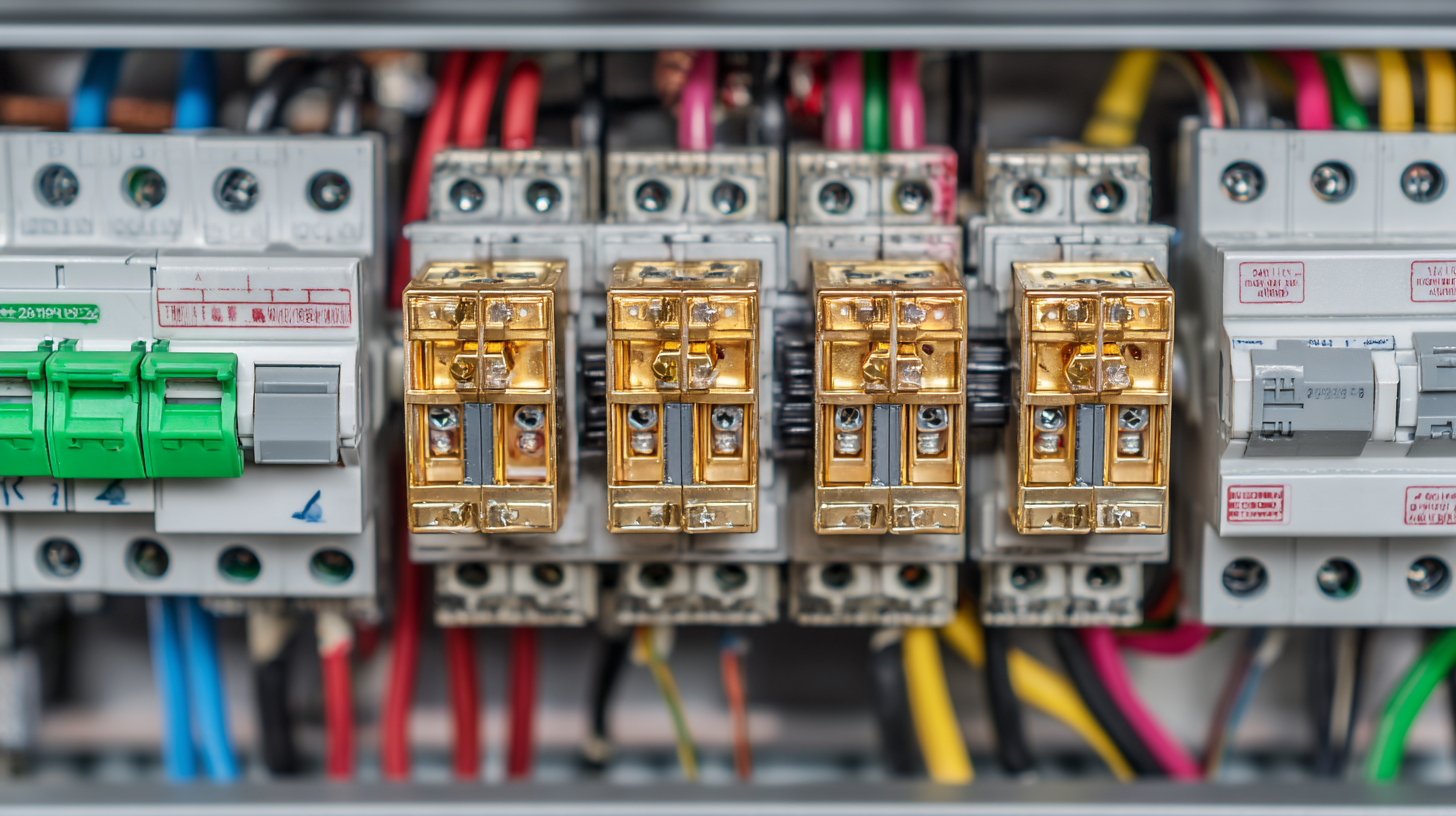
Another significant advantage of digital circuit breakers is their ability to integrate seamlessly with smart home and building management systems. Through the use of the Internet of Things (IoT), these circuit breakers can communicate with other devices, facilitating automated responses to electrical faults and improving overall energy efficiency. Users can also customize settings remotely via smartphone applications, ensuring optimal performance tailored to their specific needs. This level of integration not only enhances safety but also empowers users to manage their electrical resources more effectively, ultimately leading to a more sustainable approach to energy consumption.
Enhanced Safety Features in Electronic Circuit Breakers
Electronic circuit breakers are shaping the future of electrical systems through their enhanced safety features. Unlike traditional mechanical circuit breakers, electronic circuit breakers utilize advanced technology to detect and respond to electrical anomalies more efficiently. This rapid response can prevent potential hazards like electrical fires, equipment damage, and harmful shocks, making modern electrical environments significantly safer.
Tip: When selecting an electronic circuit breaker, ensure it has a built-in testing feature. This allows regular verification of its functionality, ensuring that safety mechanisms are always in optimal condition.
Another key advantage of electronic circuit breakers is their ability to provide detailed diagnostic information. They can communicate real-time data regarding current flow, voltage levels, and any faults detected. This level of insight enables better decision-making and proactive maintenance, further enhancing safety and reliability in electrical systems.
Tip: Consider integrating a monitoring system with your electronic circuit breakers to receive alerts on performance issues or overloads, ensuring timely intervention and continued safety.
Understanding the Advantages of Using Electronic Circuit Breakers
The Role of Smart Technology in Energy Management and Monitoring
The integration of smart technology in energy management has revolutionized modern electrical systems, particularly through the use of electronic circuit breakers. According to a recent report by MarketsandMarkets, the global smart circuit breakers market is projected to grow from $1.4 billion in 2020 to $3.9 billion by 2025, showcasing a significant trend towards advanced energy solutions. These smart devices not only enhance safety by offering real-time monitoring and control but also optimize energy efficiency by allowing users to track energy consumption patterns and adjust their usage accordingly.
Employing electronic circuit breakers allows for improved energy management, significantly reducing downtime and maintenance costs. By leveraging data analytics and IoT connectivity, users can identify inefficiencies and potential issues before they escalate into significant problems. For instance, a study from the International Energy Agency (IEA) indicates that smart grid technologies can potentially reduce energy losses by up to 30%.
Tips: To maximize the benefits of electronic circuit breakers, ensure that your system is compatible with existing smart technologies, allowing for seamless integration. Regularly update your software to utilize the latest features and security enhancements. Additionally, consider conducting periodic audits of your energy consumption to identify areas where further optimizations can be made.

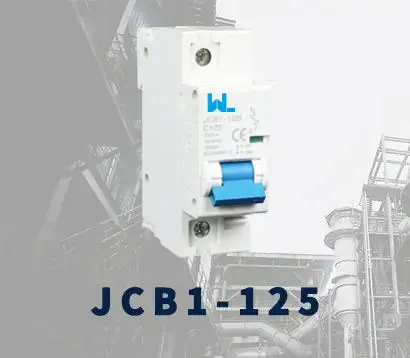 JCB1-125
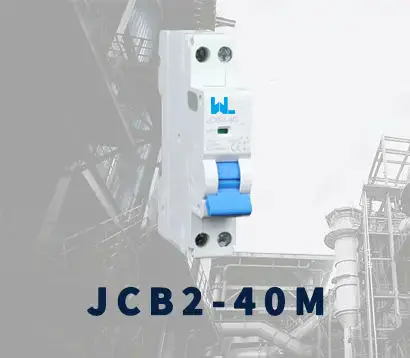 JCB2-40M
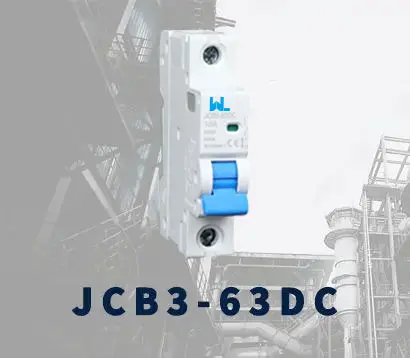 JCB3-63DC
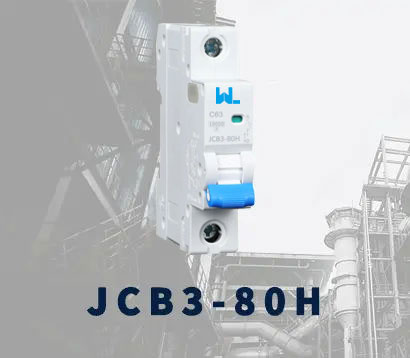 JCB3-80H
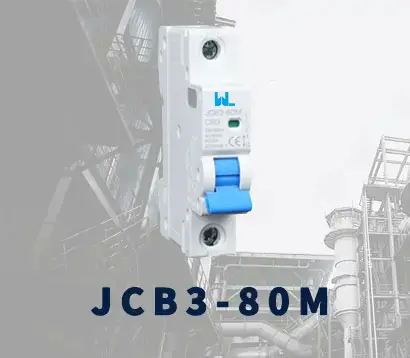 JCB3-80M
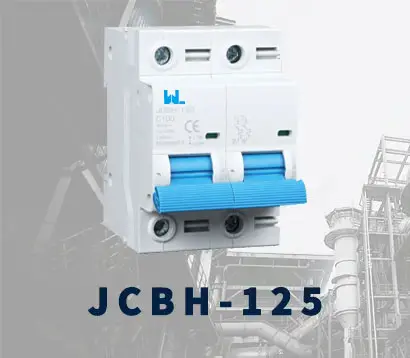 JCBH-125
 JC80-2P
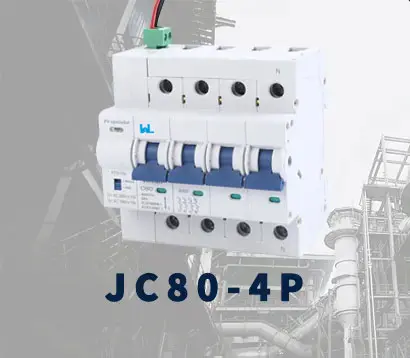 JC80-4P
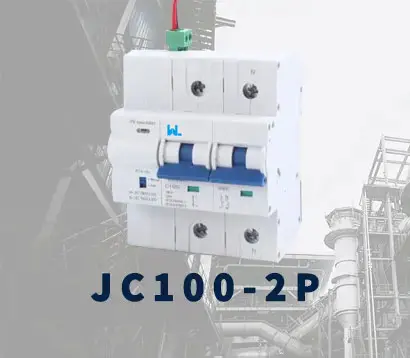 JC125-2P
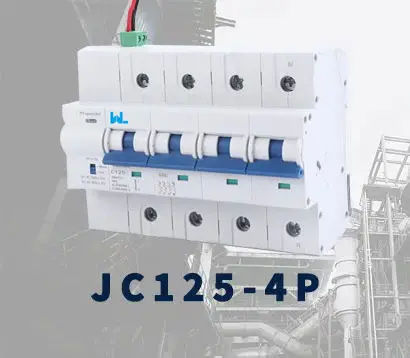 JC125-4P
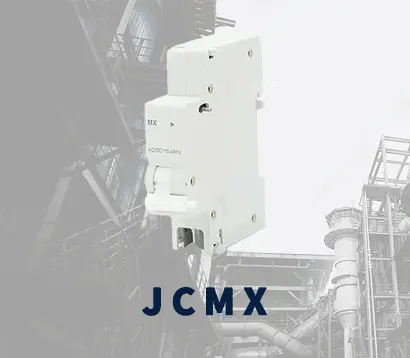 JCMX
JCMX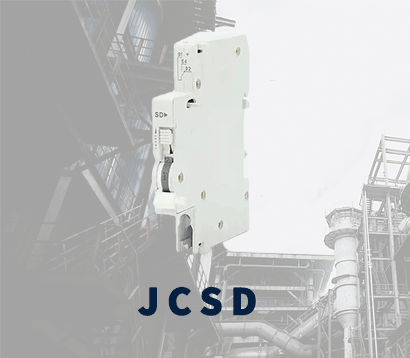 JCSD
JCSD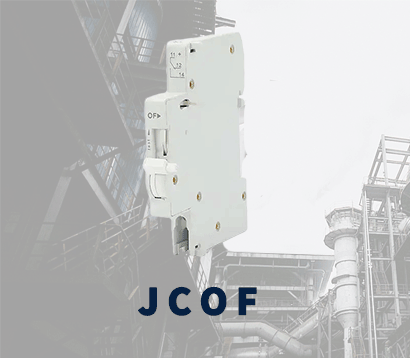 JCOF
JCOF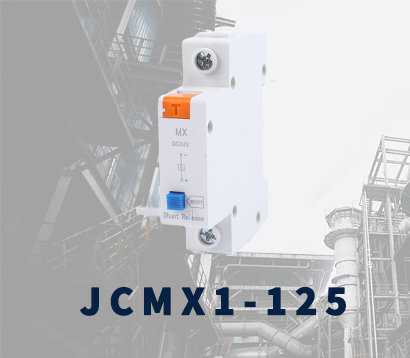 JCMX1-125
 JCOF1-125
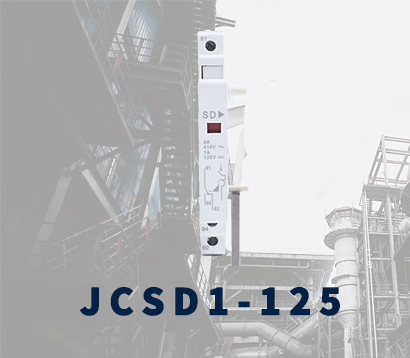 JCSD1-125
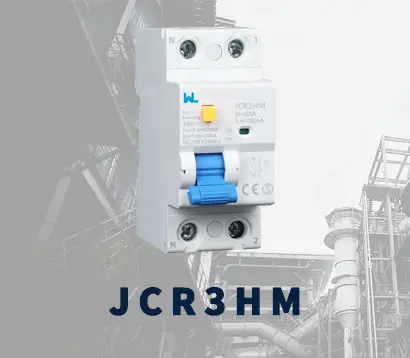 JCR3HM
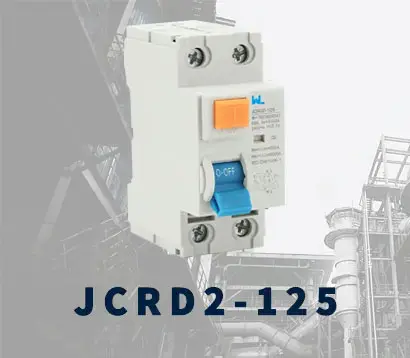 JCRD2-125
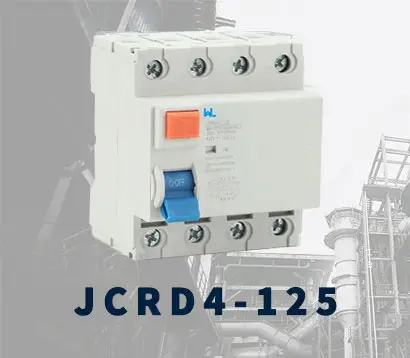 JCRD4-125
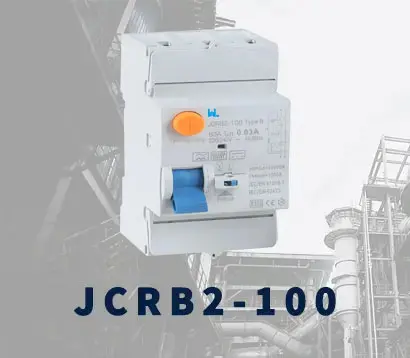 JCRB2-100
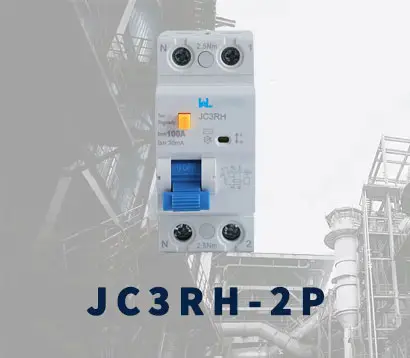 JC3RH-2P
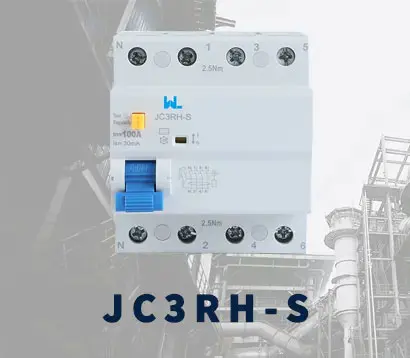 JC3RH-S
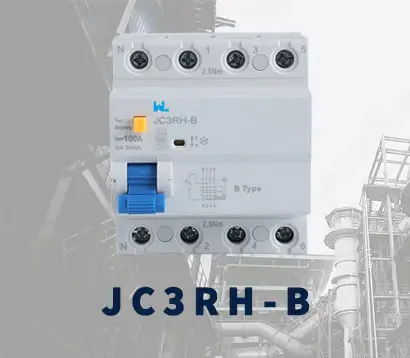 JC3RH-B
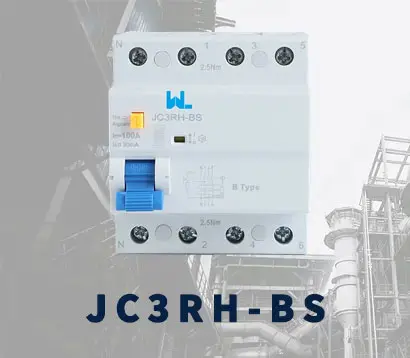 JC3RH-BS
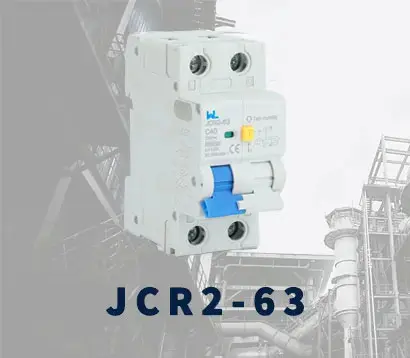 JCR2-63
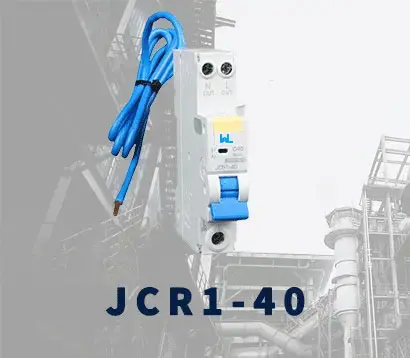 JCR1-40
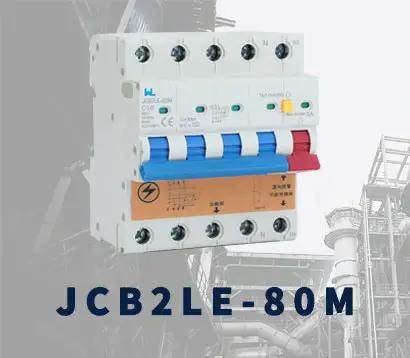 JCB2LE-80M
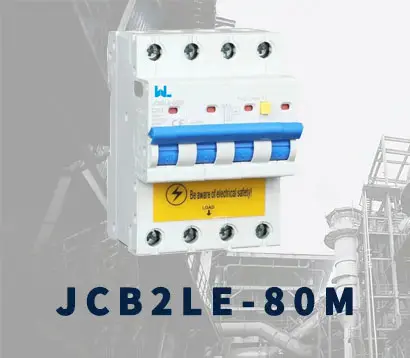 JCB2LE-80M
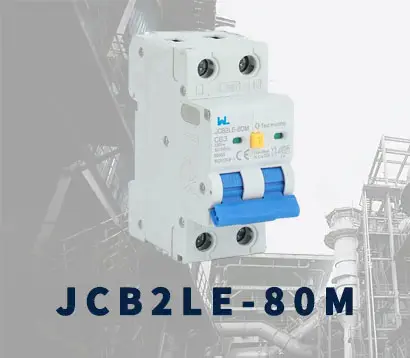 JCB2LE-80M
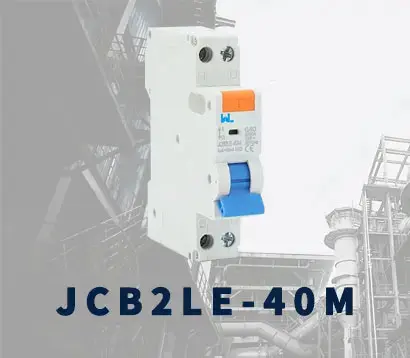 JCB2LE-40M
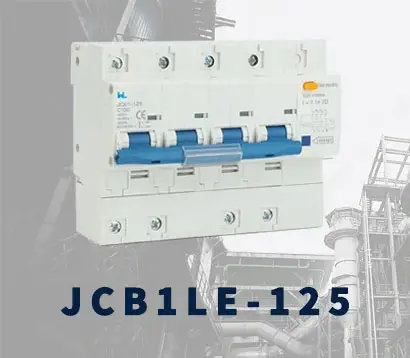 JCB1LE-125
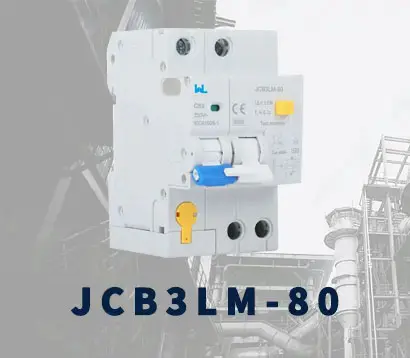 JCB3LM-80
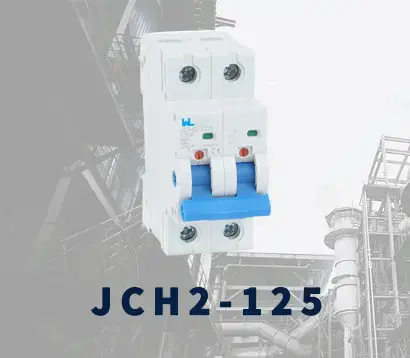 JCH2-125
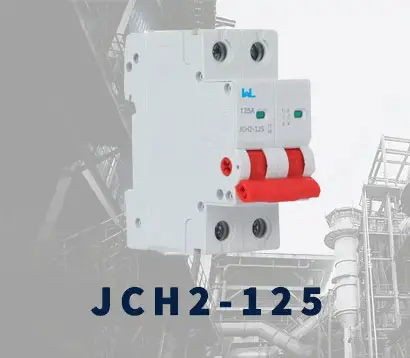 JCH2-125
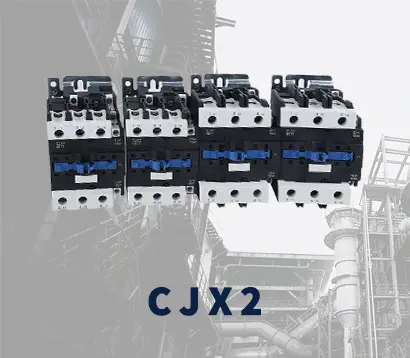 CJX2
CJX2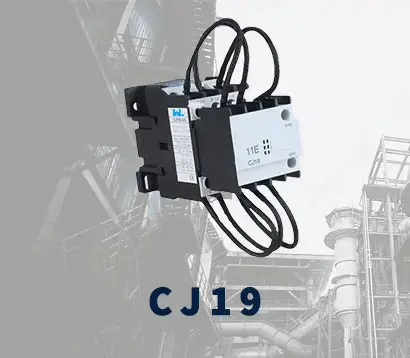 CJ19
CJ19 JCMCU
JCMCU JCHA
JCHA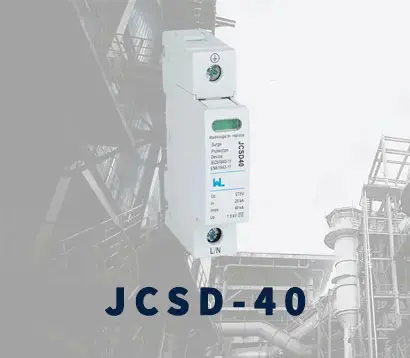 JCSD-40
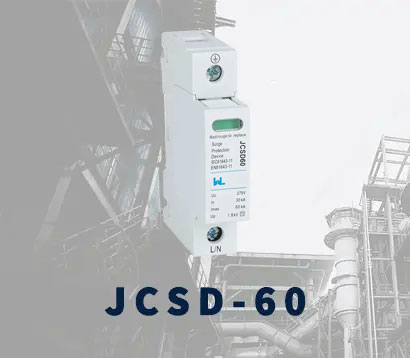 JCSD-60
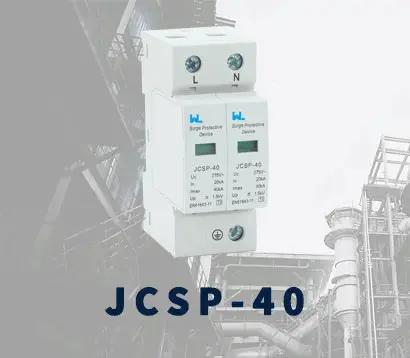 JCSP-40
 JCSP-60
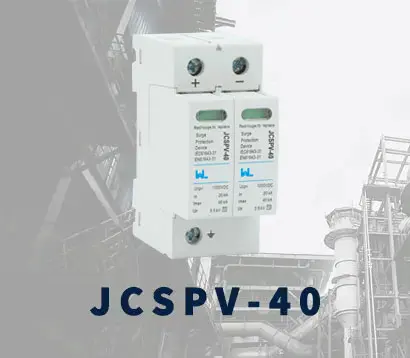 JCSPV
JCSPV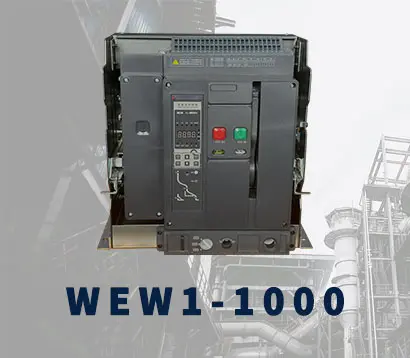 WEW1-1000
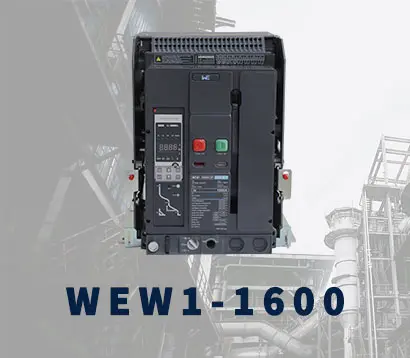 WEW1-1600
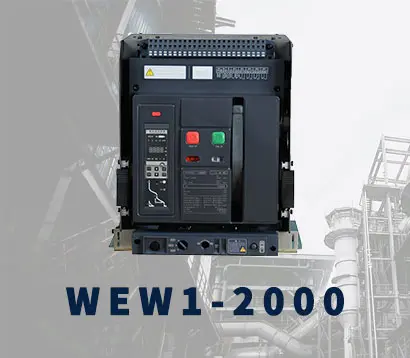 WEW1-2000
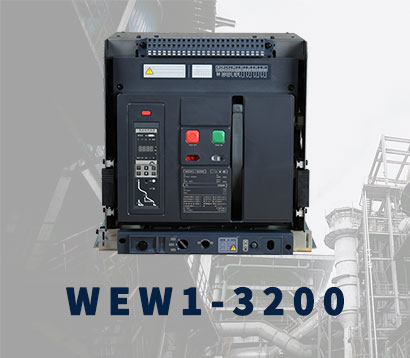 WEW1-3200
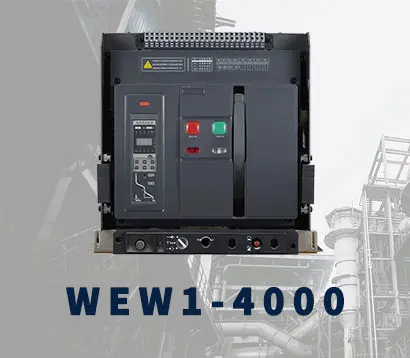 WEW1-4000
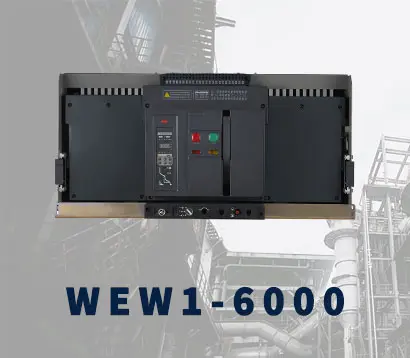 WEW1-6300
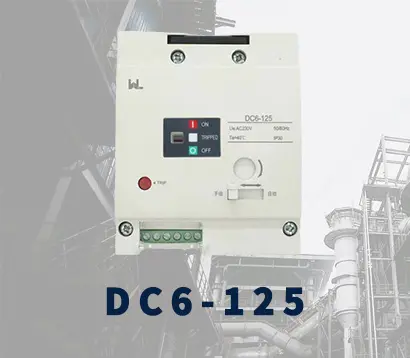 DC6-125
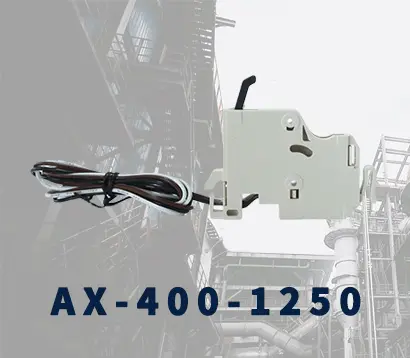 AX-400-1250
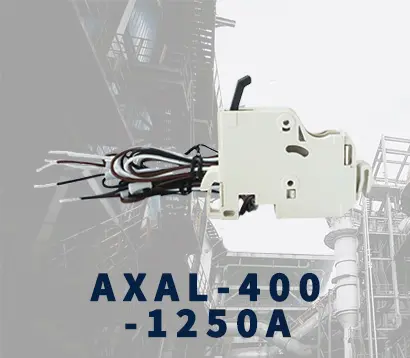 AXAL-400-1250A
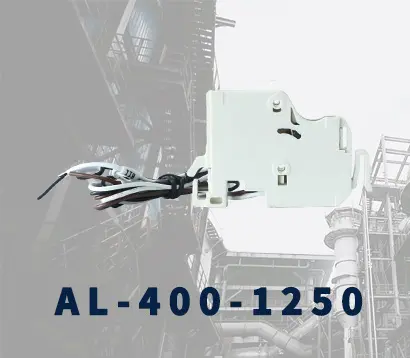 AL-400-1250
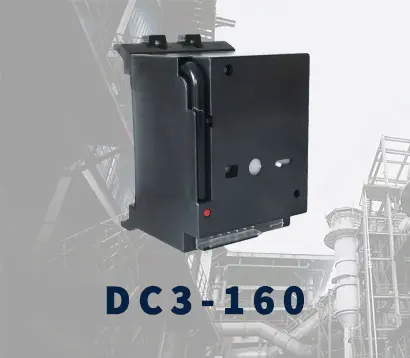 DC3-160
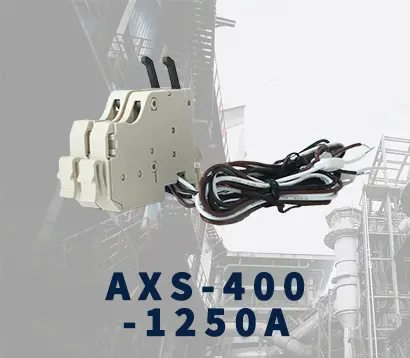 AXS-400-1250A
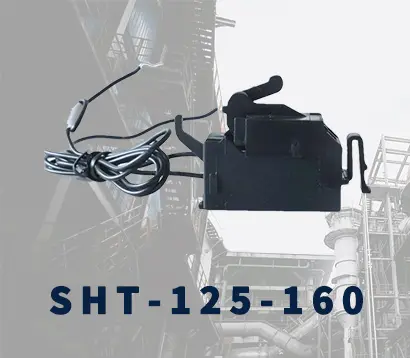 SHT-125-160
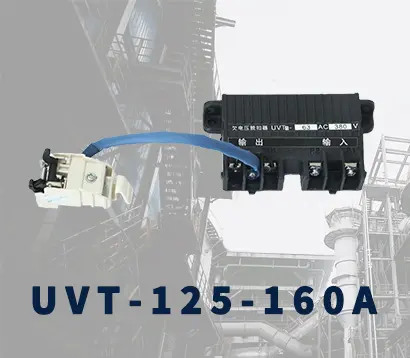 UVT-125-160A
 P-250A-3P-A
 400-3P/4P terminal cover
 1250-3Pmccb accessories busbar
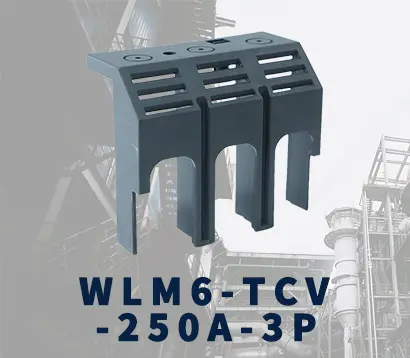 250-3P terminal conver
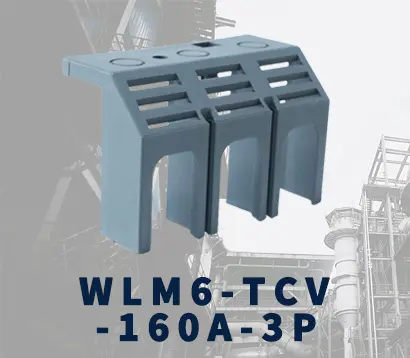 WLM6-TCV-160A-3P
 WLM6-MIP-250A
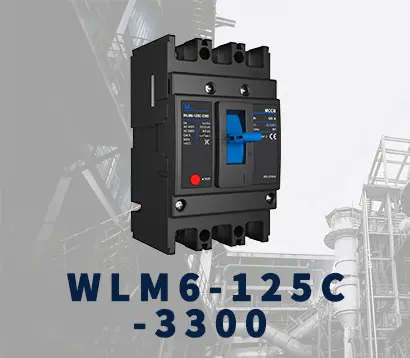 WLM6-125A-3300 3P/4P
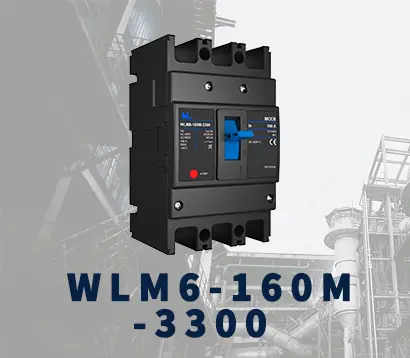 WLM6-160A-3300 3P/4P
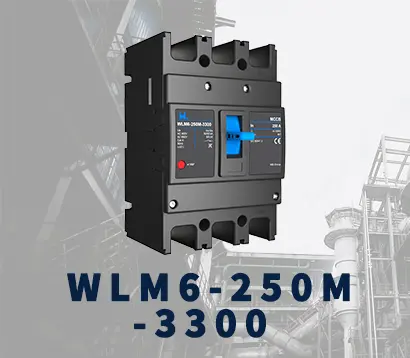 WLM6-250A-3300 3P/4P
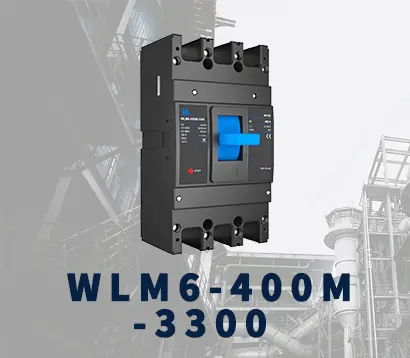 WLM6-400A-3300 3P/4P
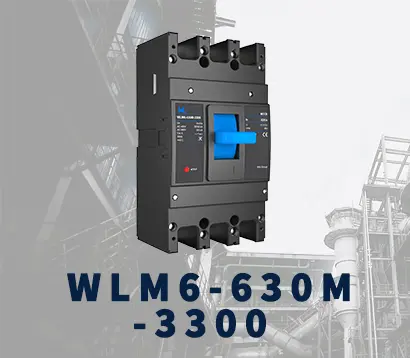 WLM6-630A-3300 3P/4P
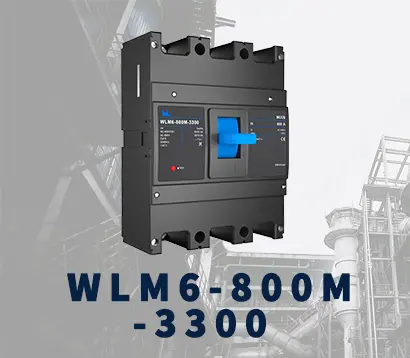 WLM6-800A-3300 3P/4P
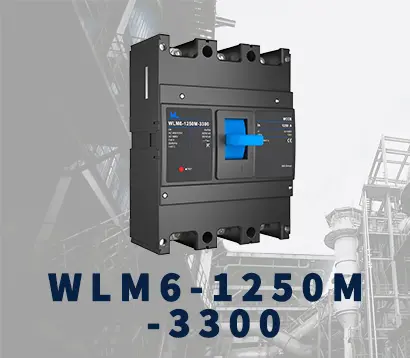 WLM6-1250A-3300 3P/4P
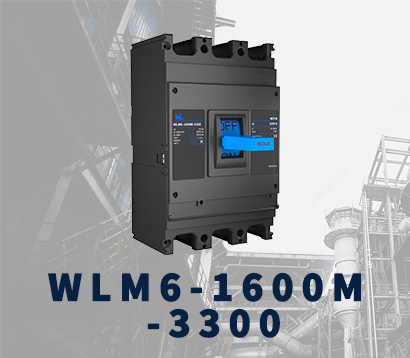 WLM6-1600A-3300 3P/4P
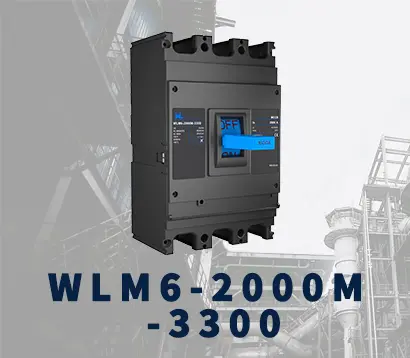 WLM6-2000A 3P/4P
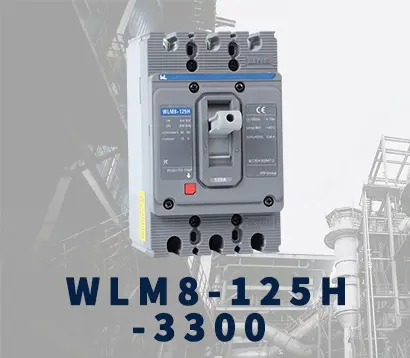 WLM8-125H-3300
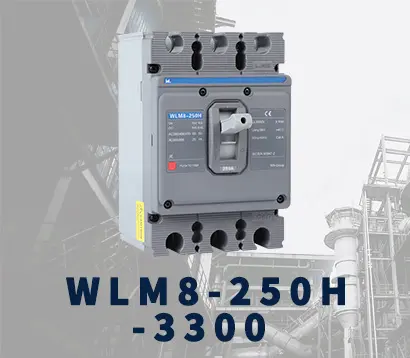 WLM8-250H-3300
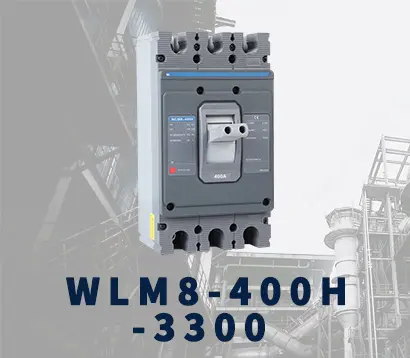 WLM8-400H-3300
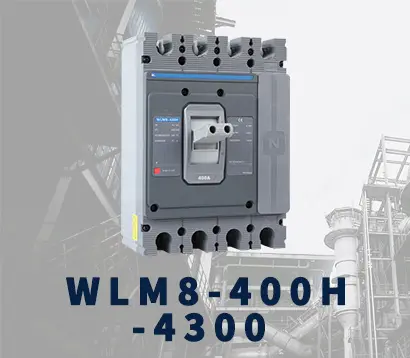 WLM8-400H-4300
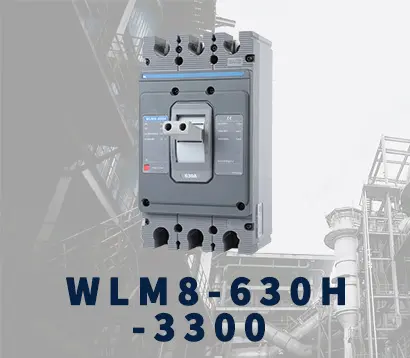 WLM8-630H-3300
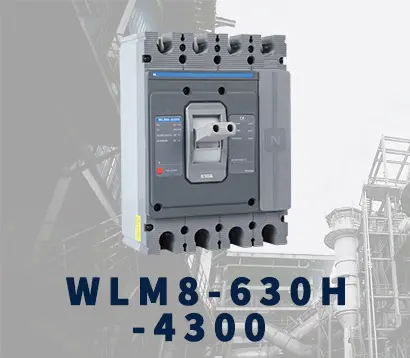 WLM8-630H-4300
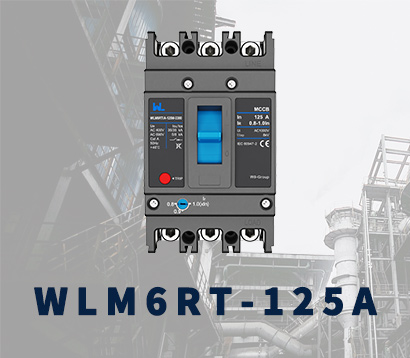 WLM6RT-125A
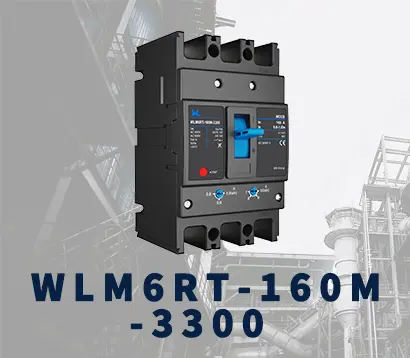 WLM6RT-160A
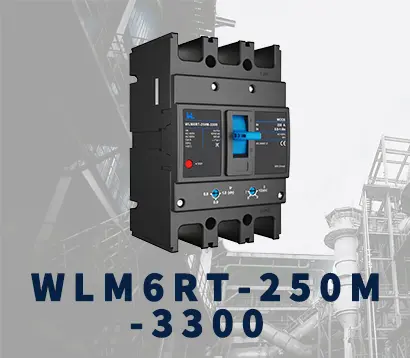 WLM6RT-250A
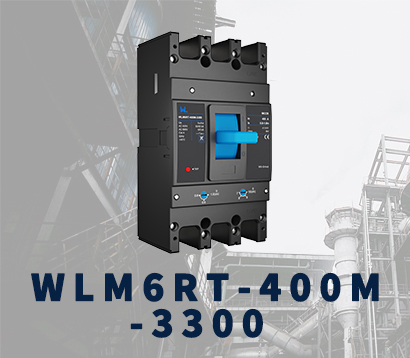 WLM6RT-400A
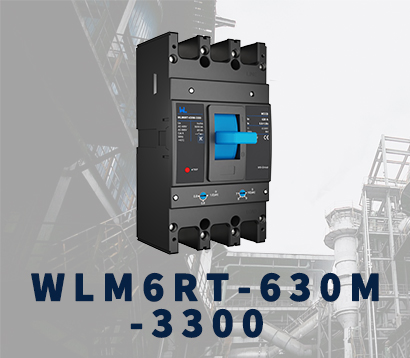 WLM6RT-630A
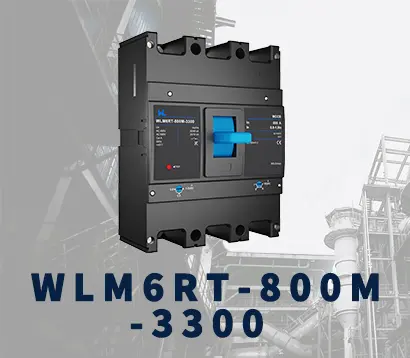 WLM6RT-800A
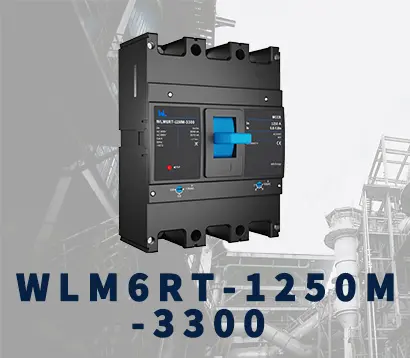 WLM6RT-1250A
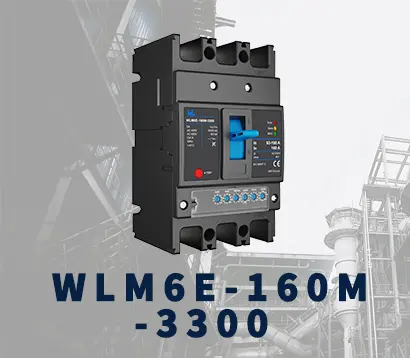 WLM6E-160A-3300 3P
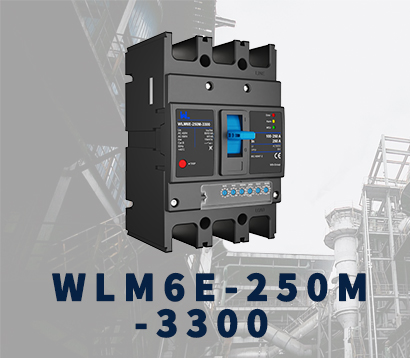 WLM6E-250A-3300
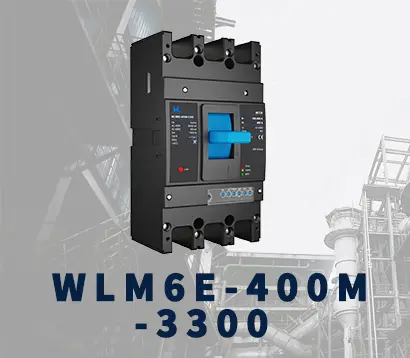 WLM6E-400A-3300 3P/4P
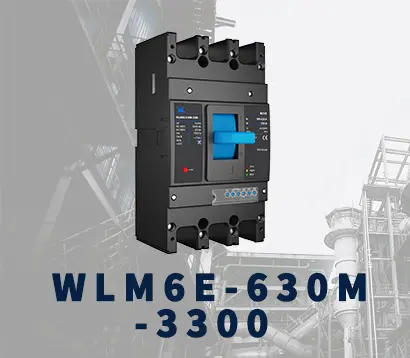 WLM6E-630A-3300
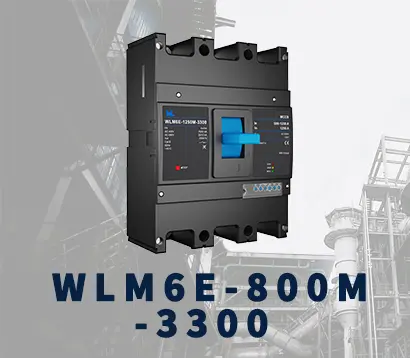 WLM6E-800A-3300 3P/4P
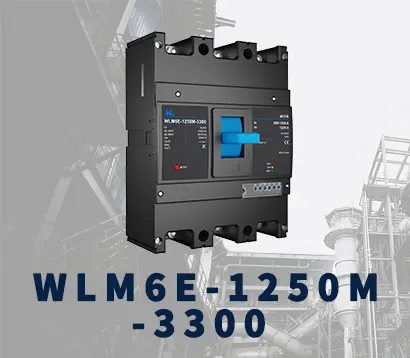 WLM6E-1250A-3300
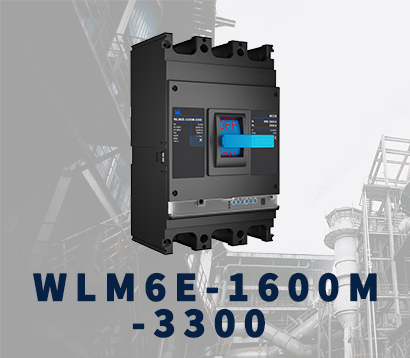 WLM6E-1600-3300 3P/4P
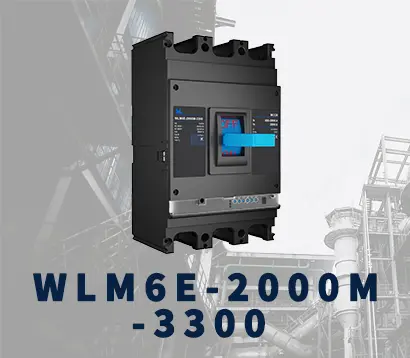 WLM6E-2000A-3300 3P/4P
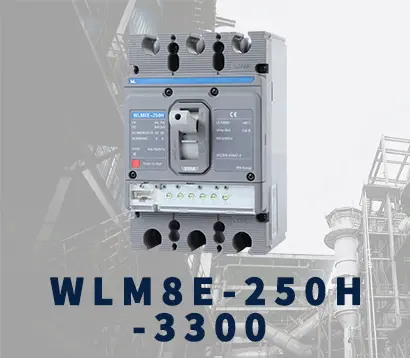 WLM8E-250H-3300
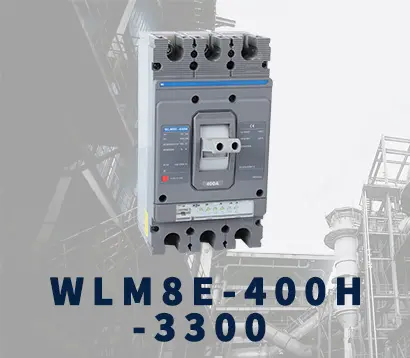 WLM8E-400H-3300
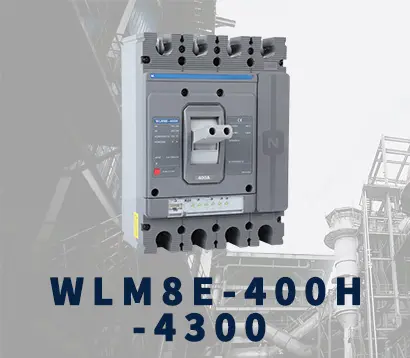 WLM8E-400H-4300
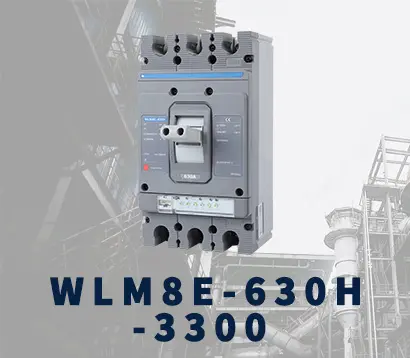 WLM8E-630H-3300
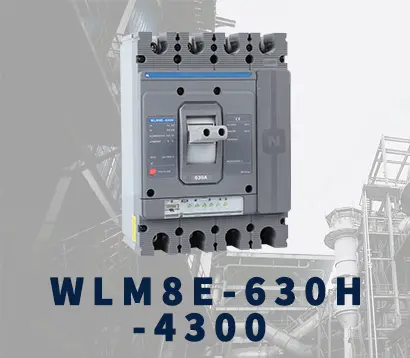 WLM8E-630H-4300
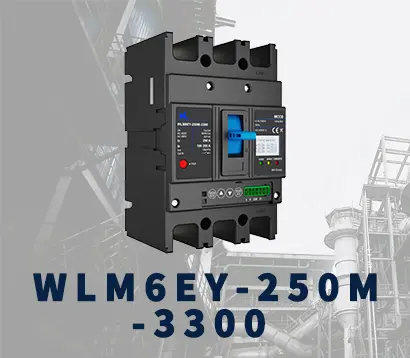 WLM6EY-250-3300 3P/4P
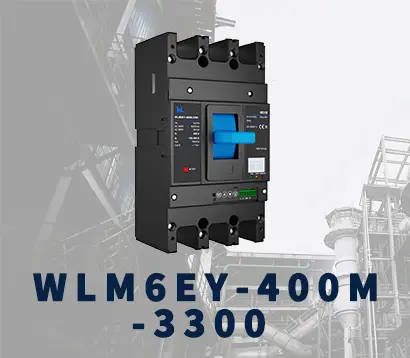 WLM6EY-400 3P/4P
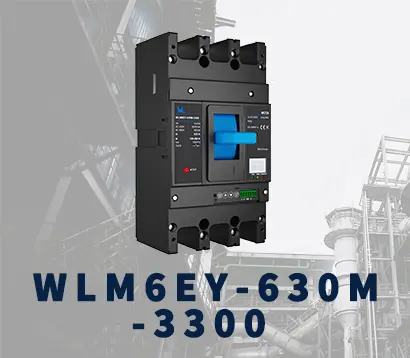 WLM6EY-630 3P/4P
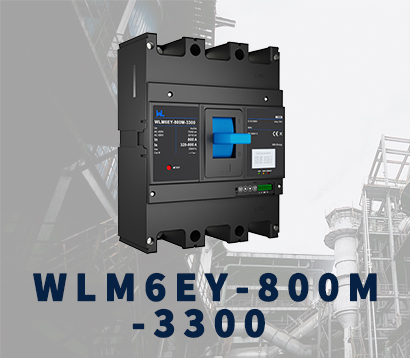 WLM6EY-800A 3P/4P
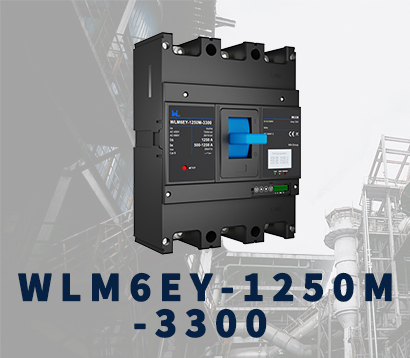 WLM6EY-1250A 3P/4P
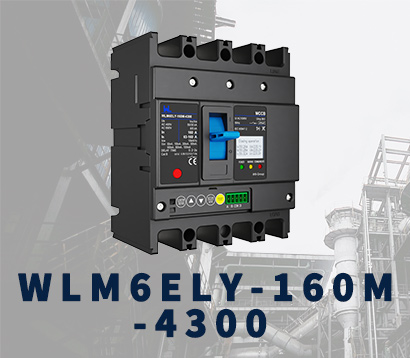 WLM6ELY-160A
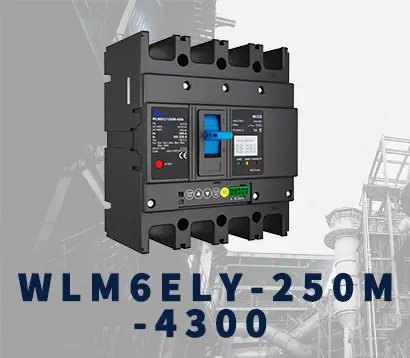 WLM6ELY-250A
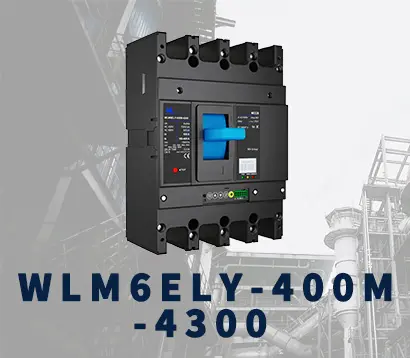 WLM6ELY-400A
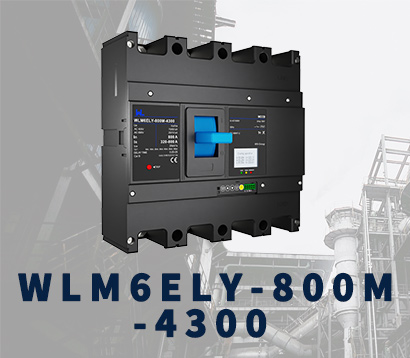 WLM6ELY-800A
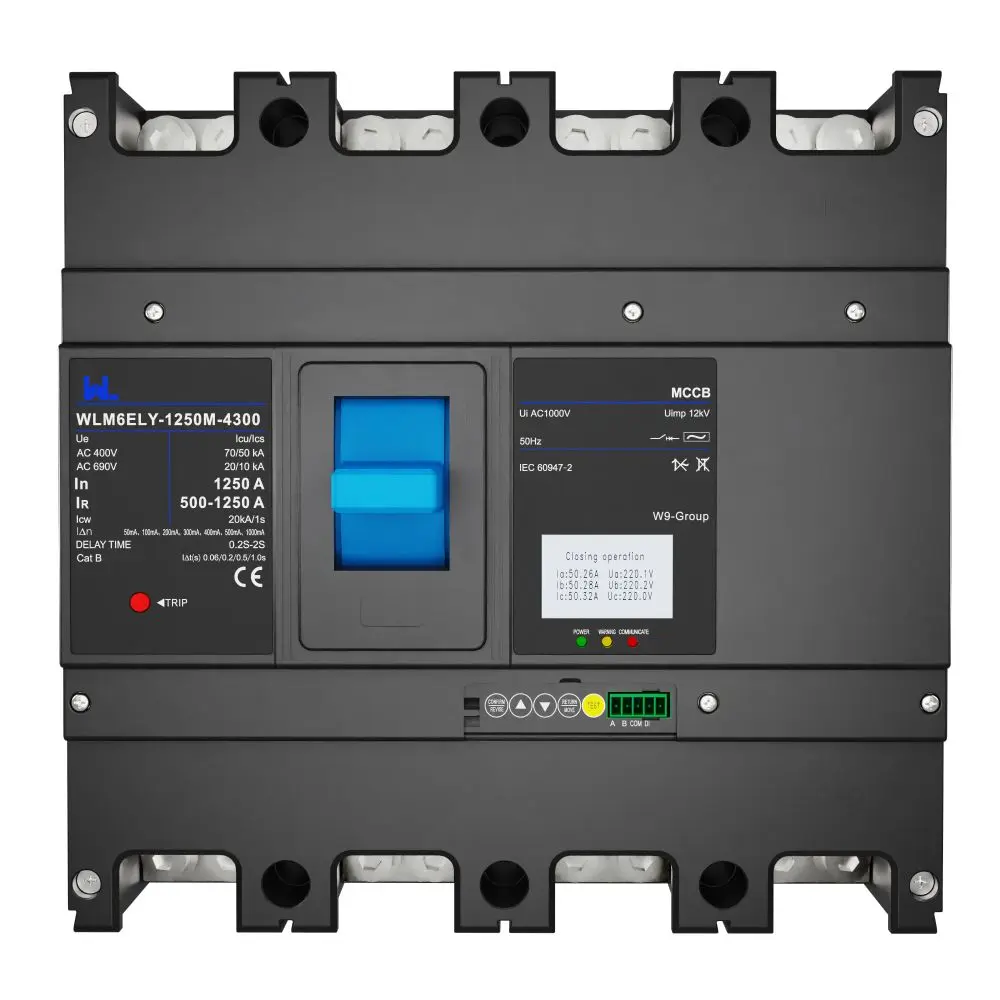 WLM6ELY-1250A
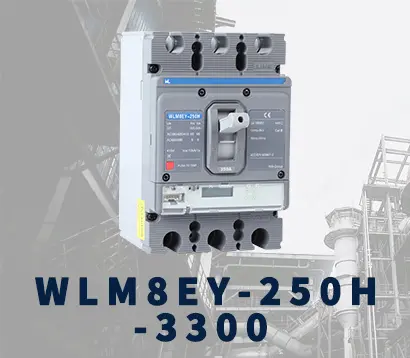 WLM8EY-250H-3300
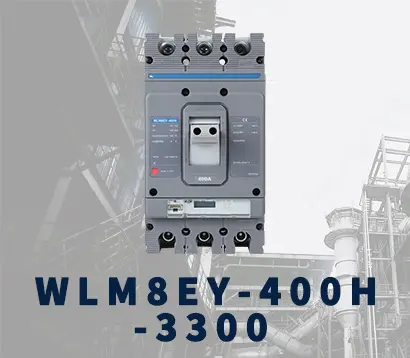 WLM8EY-400H-3300
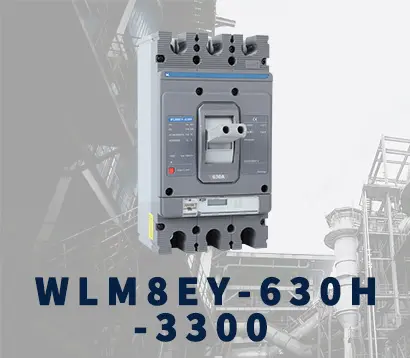 WLM8EY-630H-3300
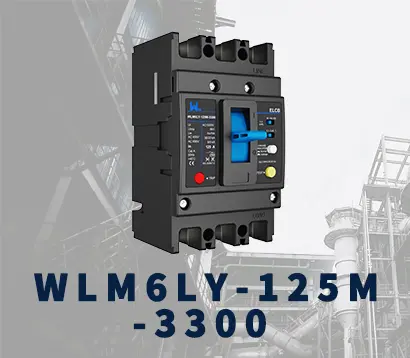 WLM6LY-125A
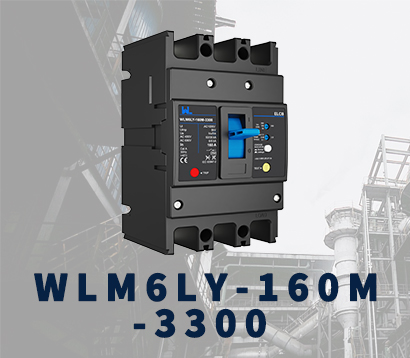 WLM6L-160A
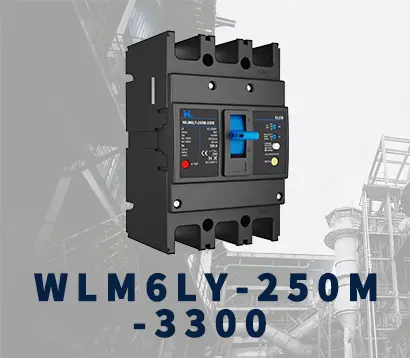 WLM6LY-250A
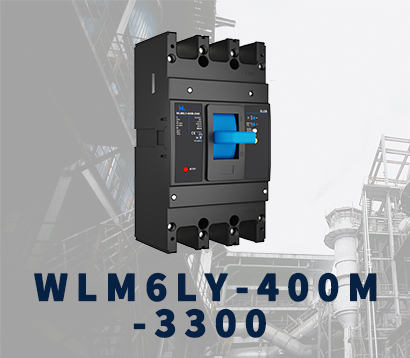 WLM6LY-400A
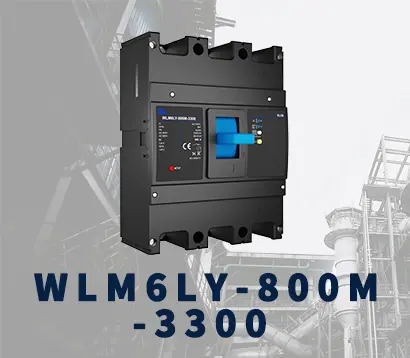 WLM6LY-800A
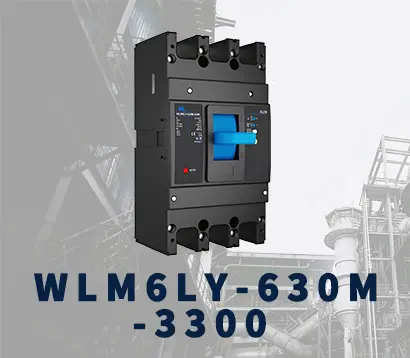 WLM6LY-630A
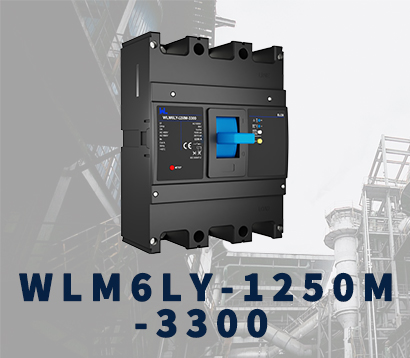 WLM6LY-1250A
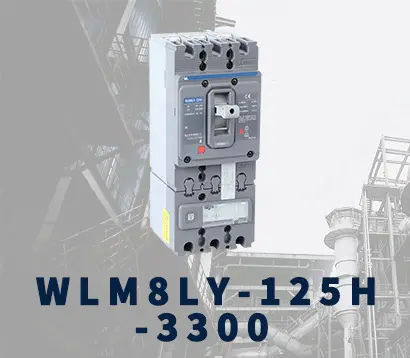 WLM8LY-125H-3300
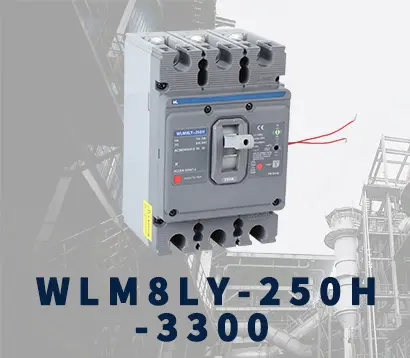 WLM8LY-250H-3300
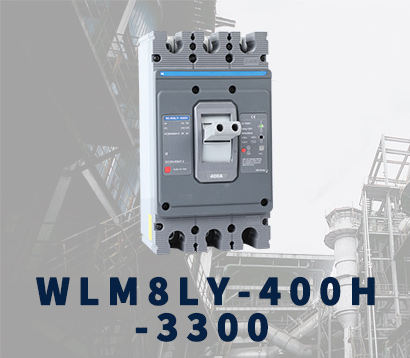 WLM8LY-400H-3300
 WLM8LY-630H-3300
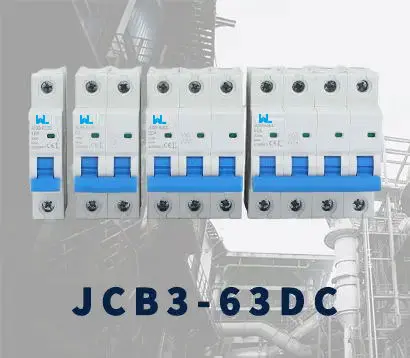 JCB3-63DC
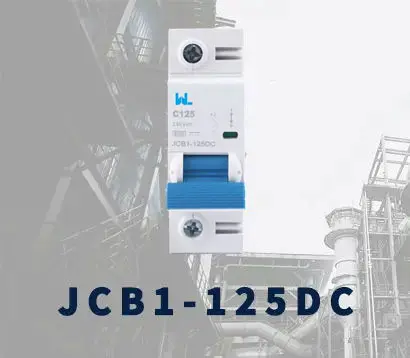 JCB1-125DC
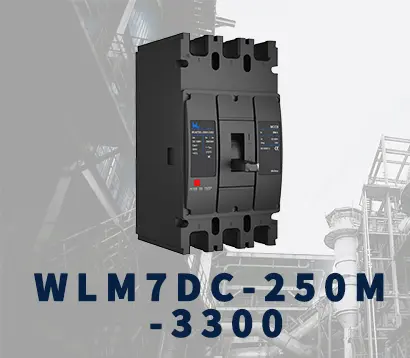 WLM7DC-250A-2300 2P/3P
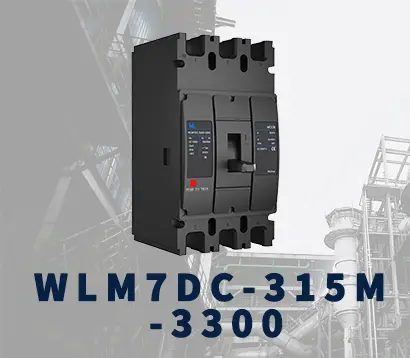 WLM7DC-315A-3300 2P/3P
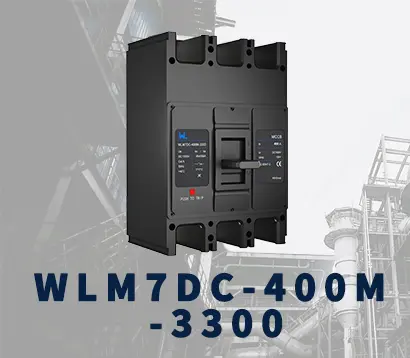 WLM7DC-400A-2300 2P/3P
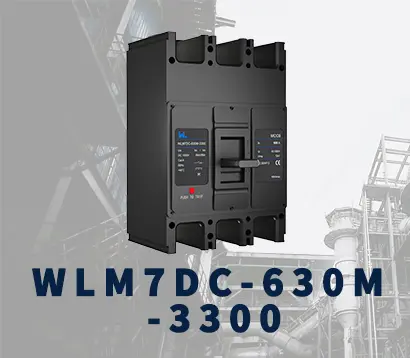 WLM7DC-630A-3300 3P
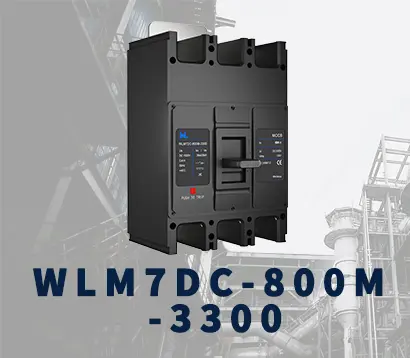 WLM7DC-800A-2300 2P/3P
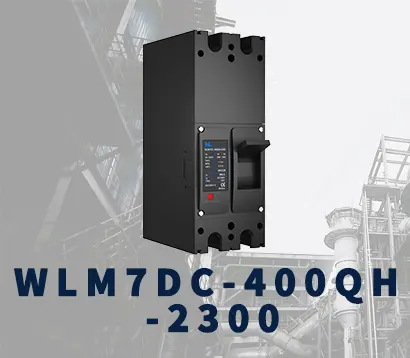 WLM7DC-400A 2300
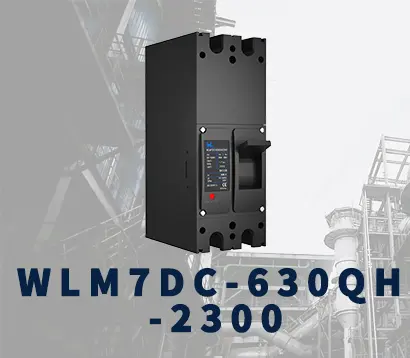 WLM7DC-630A-2300 2P
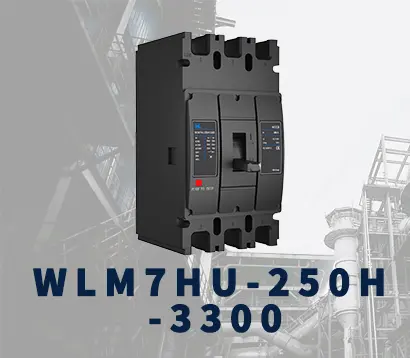 WLM7HU-250-3300 3P
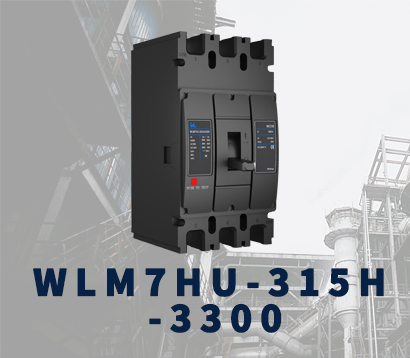 WLM7HU-315-3300 3P
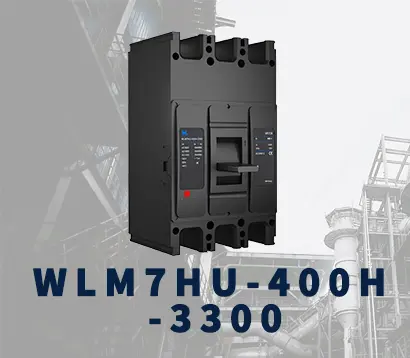 WLM7HU-400-3300 3P
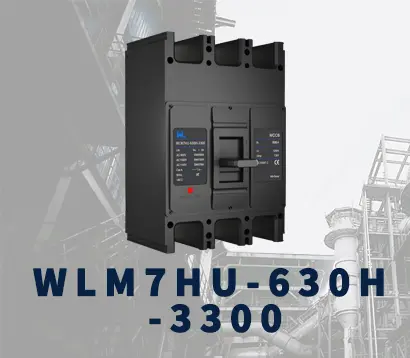 WLM7HU-630-3300 3P
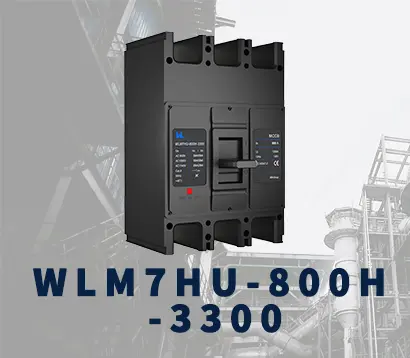 WLM7HU-800-3300 3P
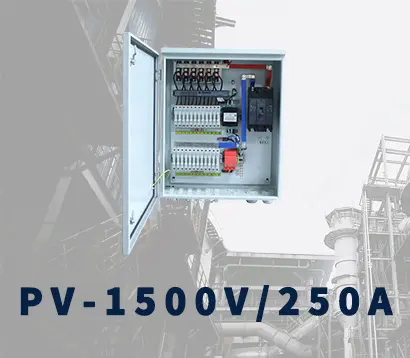 PV-1500V/250A
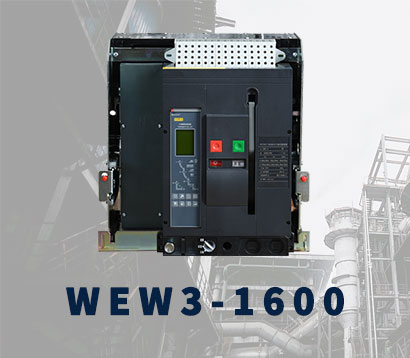 WEW3-1600
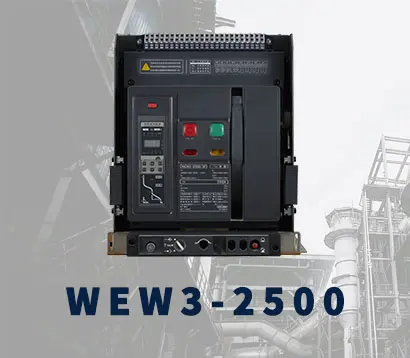 WEW3-2500
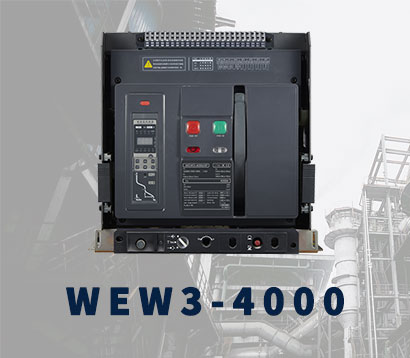 WEW3-4000
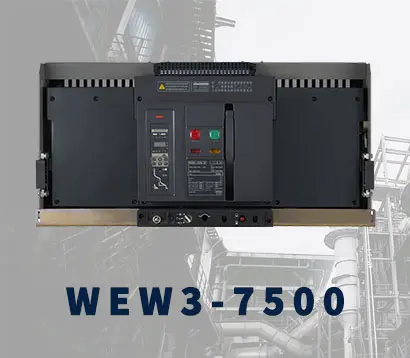 WEW3-7500