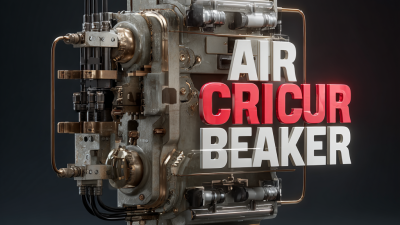
What are the Advantages of Air Circuit Breakers in 2026?
In 2026, the importance of the Air Circuit Breaker (ACB) has increased significantly. Many industries rely on these devices for effective power distribution. ACBs offer advantages that directly enhance safety and efficiency. They are designed to protect electrical circuits from overload and short circuits.
Air Circuit Breakers operate using air as an insulating medium. This feature contributes to their efficiency and reliability. Their construction allows for easy maintenance, which is essential in today’s fast-paced environment. However, some challenges remain, such as their size and cost. Companies must balance these factors when choosing ACBs.
The role of ACBs in renewable energy integration is gaining attention. As the world moves towards sustainable solutions, ACBs can support these initiatives. They help manage the increasing complexity of electrical grids. Overall, the advantages of Air Circuit Breakers are undeniable, but there is room for improvement. Industries must remain open to further advancements and innovations.

Advantages of Air Circuit Breakers Over Traditional Circuit Breakers
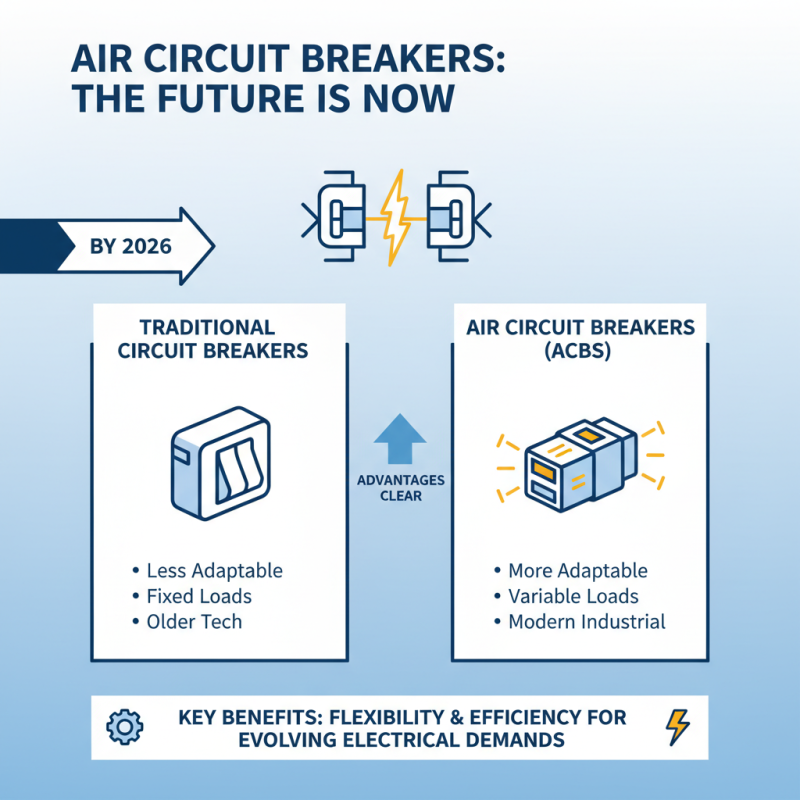
Air circuit breakers (ACBs) have become popular in recent years. By 2026, their advantages over traditional circuit breakers are clear. ACBs are more adaptable to changing electrical demands. They can handle a variety of loads effectively. This flexibility makes them ideal for modern industrial applications.
One major benefit is the enhanced safety ACBs provide. They typically have features that isolate faults quickly. This reduces the risk of electrical fires. In contrast, traditional breakers may not respond as swiftly. The response time is crucial in preventing damage. However, ACBs can sometimes be complicated to maintain. This could lead to longer downtimes if not handled properly.
Energy efficiency is another point worth considering. ACBs tend to lose less energy during operation. Traditional breakers can waste energy through heat loss. Moreover, the lifespan of ACBs tends to be longer. This reduces the frequency of replacements. However, their initial investment can be higher, posing a hurdle for some businesses. Balancing cost and performance remains a challenge.
Enhanced Safety Features of Air Circuit Breakers in Modern Applications
In 2026, air circuit breakers (ACBs) have evolved significantly, focusing on enhanced safety features. These devices are now more reliable and efficient in protecting electrical systems. Their ability to interrupt faults quickly minimizes damage, reducing system downtime. This reliability is crucial for industries that require continuous operation.
Safety features have also seen advancements. For example, modern ACBs come equipped with thermal and magnetic protection. These ensure that even in fault conditions, the circuit breaker reacts effectively. Additionally, many models include real-time monitoring systems. This allows operators to receive alerts about potential issues before they escalate.
Tips: Regular maintenance checks are vital. This keeps the ACB in optimal condition. Operators should familiarize themselves with the manual. Understanding the device's functions can prevent mishaps. Remember, no system is foolproof. Regular training can help prepare for unexpected situations.
Cost-Effectiveness of Air Circuit Breakers in Long-Term Operations
In 2026, air circuit breakers (ACBs) will shine in cost-effectiveness for long-term operations. Their maintenance costs are typically lower than traditional breakers. This is mainly due to their simplified design. ACBs require less frequent servicing. This saves both time and labor costs.
These breakers are also energy efficient. They reduce power losses significantly. This translates into lower energy bills. Many facilities report a noticeable decrease in operational expenses. However, initial installation costs can sometimes be daunting. Organizations must weigh the short-term investment against long-term savings. This can be a tricky calculation.
In addition, ACBs are versatile. They can adapt to various load conditions. This flexibility can lead to more sustainable energy usage. Still, not all ACB models are created equal. Some may have hidden operational costs. Users should conduct assessments before making a choice.
What are the Advantages of Air Circuit Breakers in 2026? - Cost-Effectiveness of Air Circuit Breakers in Long-Term Operations
| Dimension |
Air Circuit Breakers (ACB) |
Other Breaker Types |
| Initial Cost |
Moderate |
Low |
| Maintenance Cost |
Low |
High |
| Service Life |
15-20 years |
10-15 years |
| Fault Clearing Time |
Fast |
Slower |
| Operating Environment |
Wide-temperature |
Limited |
| Energy Efficiency |
High |
Moderate |
| Environmental Impact |
Minimal |
Higher |
Environmental Benefits of Using Air Circuit Breakers in Electrical Systems
Air circuit breakers offer significant environmental benefits for electrical systems in 2026. These devices utilize air as an insulating medium. This choice reduces reliance on harmful gases. By minimizing environmental impact, air circuit breakers contribute to a cleaner planet. They effectively cut down on greenhouse gas emissions.
In addition, air circuit breakers enhance energy efficiency. Their design allows for easy maintenance and durability. This means fewer replacements are needed over time. The long lifespan of these breakers leads to less electronic waste. However, it's vital to ensure proper recycling of old components.
Another benefit is the improved safety features of air circuit breakers. Advanced designs reduce the risk of electrical faults. This cuts down on fire hazards, promoting safety in residential and commercial spaces. Still, some systems face limitations in performance under extreme conditions. Continuous assessment is essential to address these shortcomings while maximizing benefits.
Advantages of Air Circuit Breakers in 2026
This chart illustrates the key advantages of Air Circuit Breakers (ACBs) in 2026, highlighting their environmental impact, cost efficiency, reliability, safety, and ease of maintenance as vital factors in electrical systems.
Flexibility and Customization Options of Air Circuit Breakers in 2026
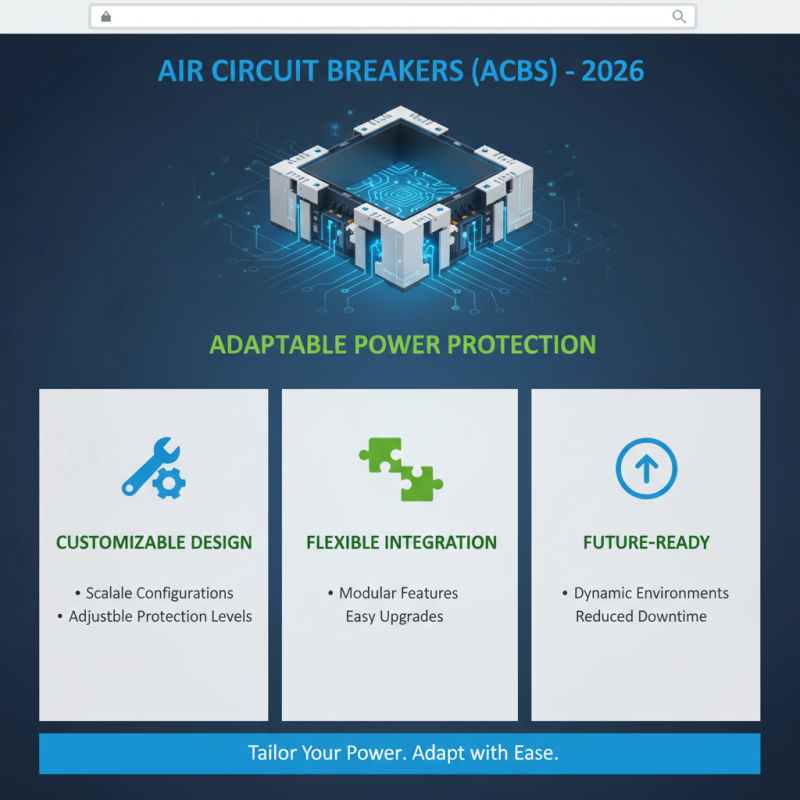
Air circuit breakers (ACBs) in 2026 offer remarkable flexibility and customization options. Their design allows for scalable configurations. This means businesses can easily adjust the settings based on their needs. They can modify protection levels or integrate additional features without extensive upgrades. Such adaptability is critical in today’s fast-changing environments.
Moreover, ACBs can be tailored to different applications. For instance, some industries require specific settings for efficient operation. ACBs can accommodate these variations. Users can choose settings that align with their operational requirements. However, this flexibility also means users must invest time in understanding all options available. Not all businesses have the resources for such deep dives.
Additionally, the customization of air circuit breakers reflects evolving technology. Features like remote monitoring or automated controls are becoming standard. Yet, this also introduces complexity. Users may find it challenging to keep up with new features or updates. Training could become necessary, which may not be readily available. This balance between innovation and usability must be considered when investing in air circuit breakers.

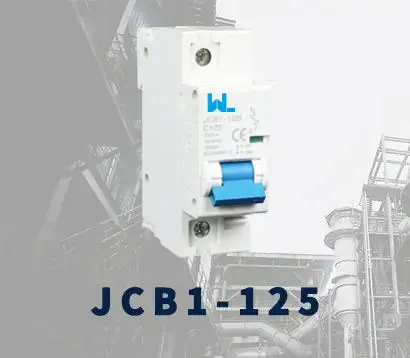 JCB1-125
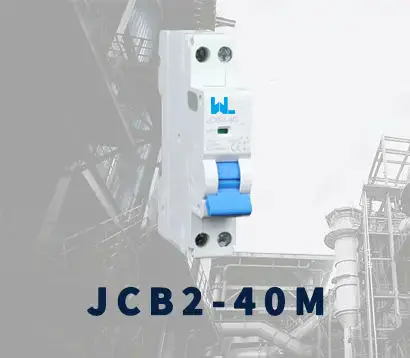 JCB2-40M
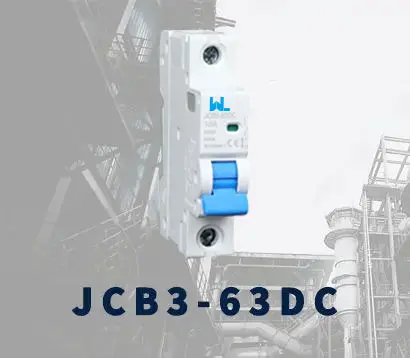 JCB3-63DC
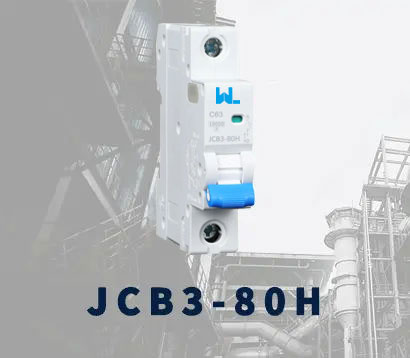 JCB3-80H
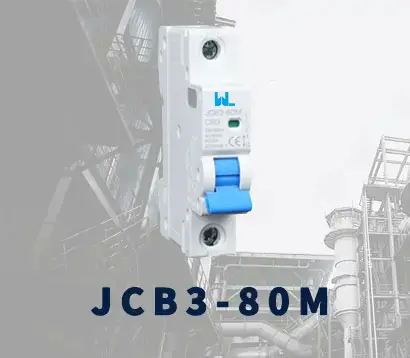 JCB3-80M
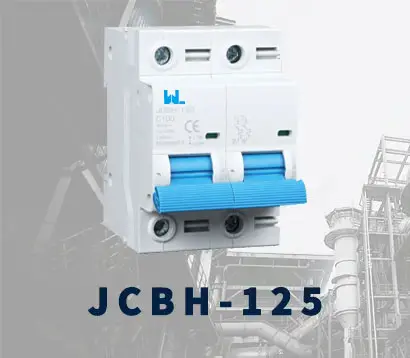 JCBH-125
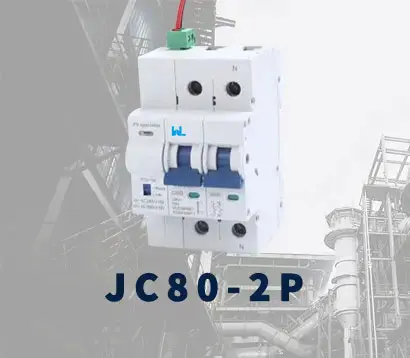 JC80-2P
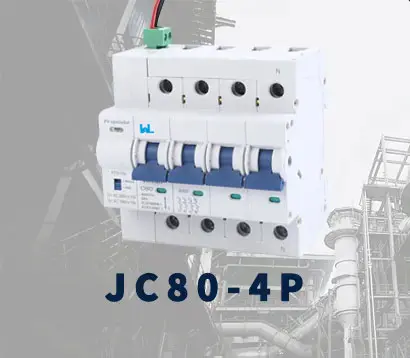 JC80-4P
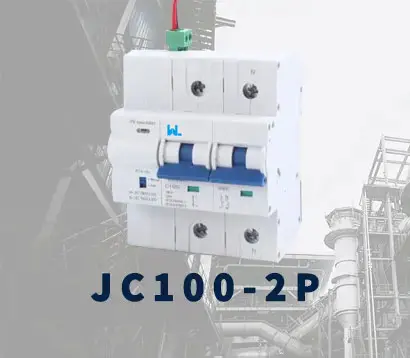 JC125-2P
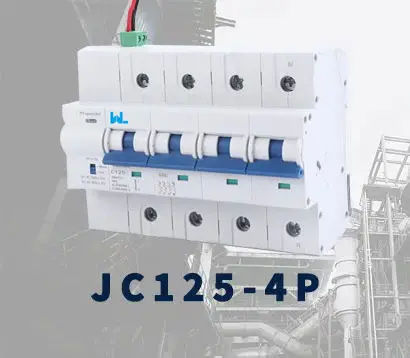 JC125-4P
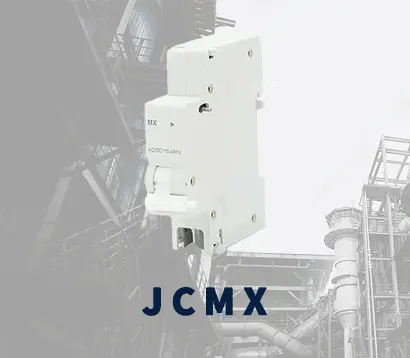 JCMX
JCMX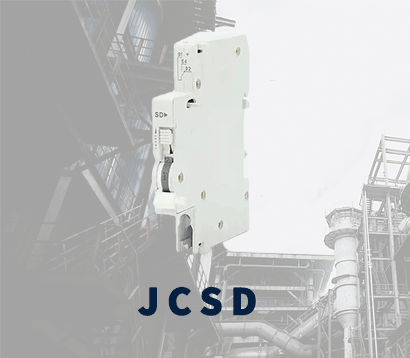 JCSD
JCSD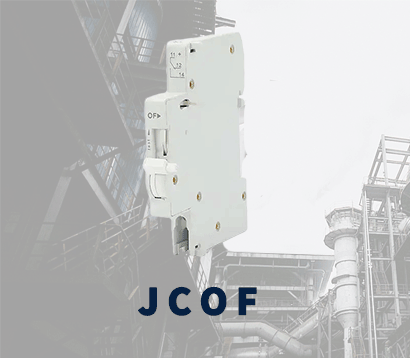 JCOF
JCOF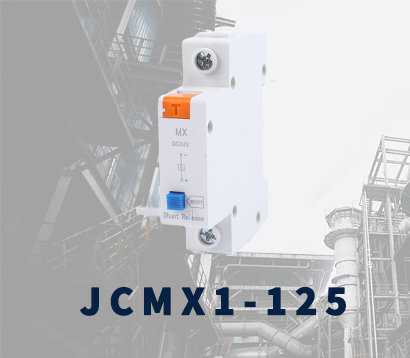 JCMX1-125
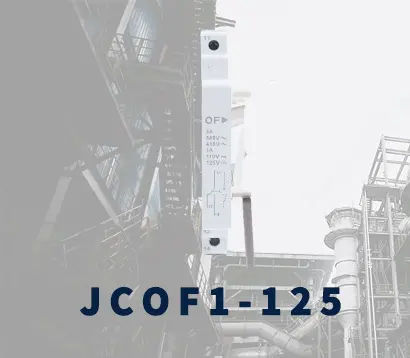 JCOF1-125
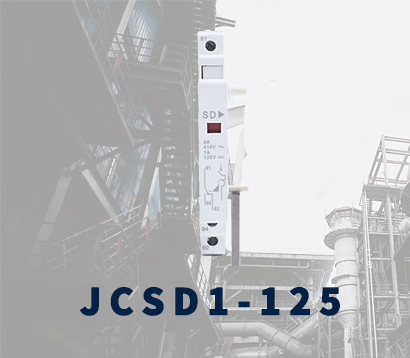 JCSD1-125
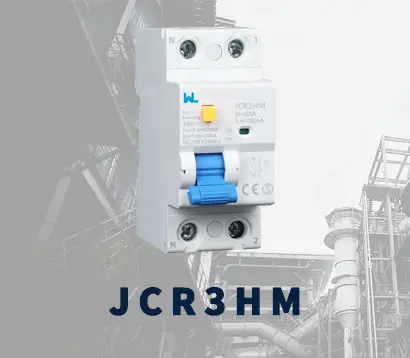 JCR3HM
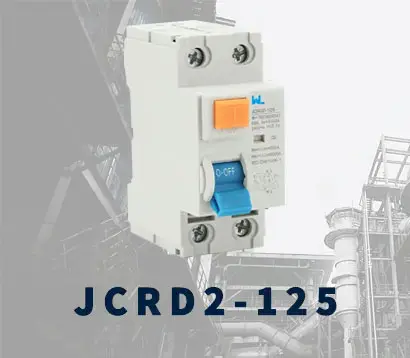 JCRD2-125
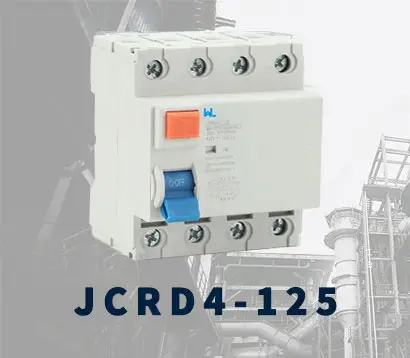 JCRD4-125
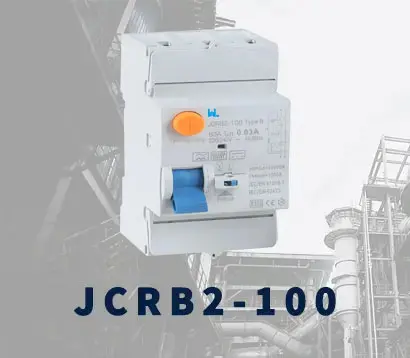 JCRB2-100
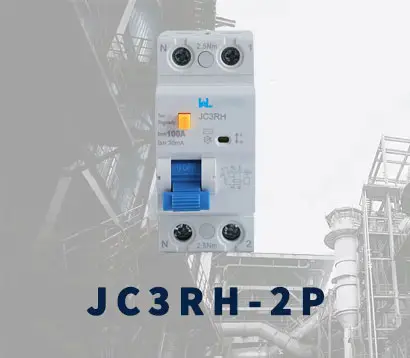 JC3RH-2P
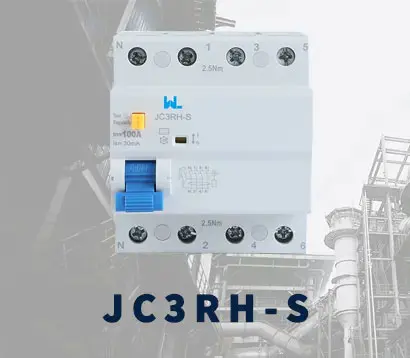 JC3RH-S
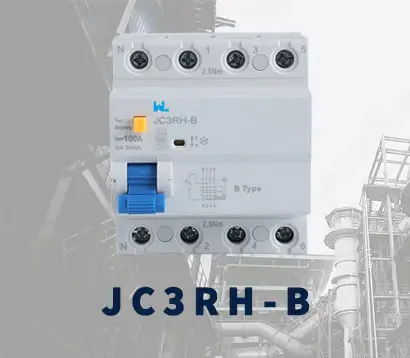 JC3RH-B
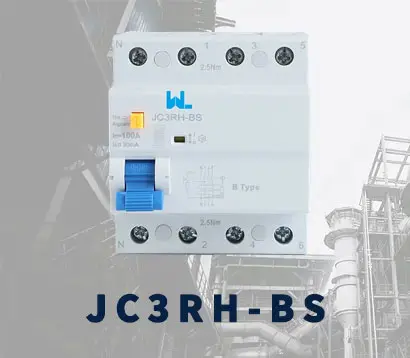 JC3RH-BS
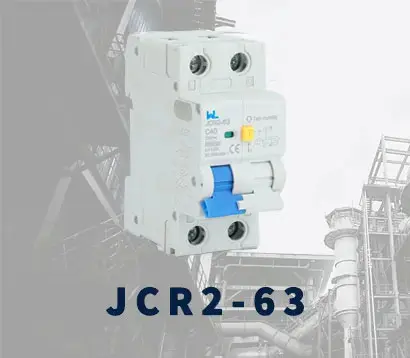 JCR2-63
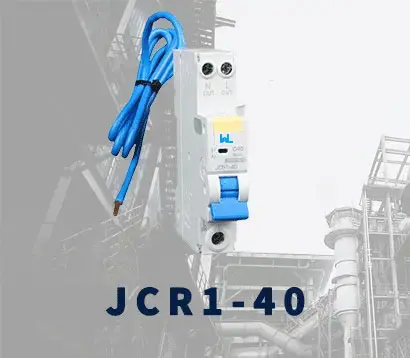 JCR1-40
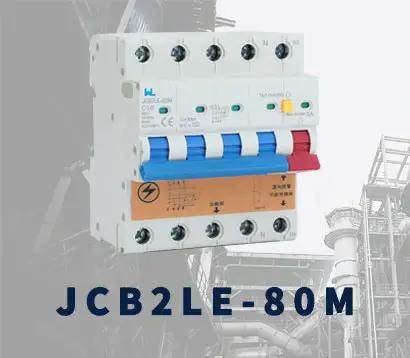 JCB2LE-80M
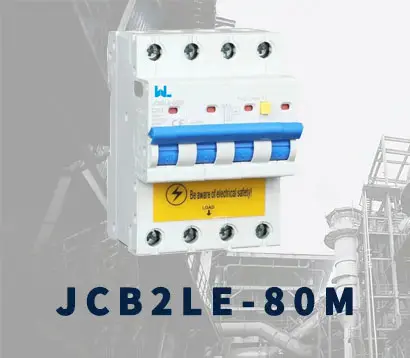 JCB2LE-80M
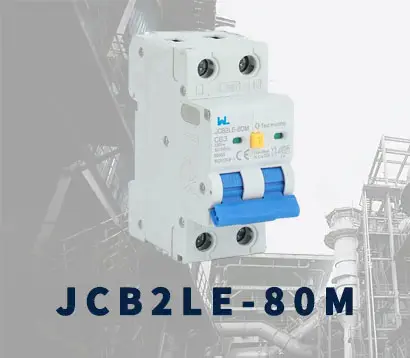 JCB2LE-80M
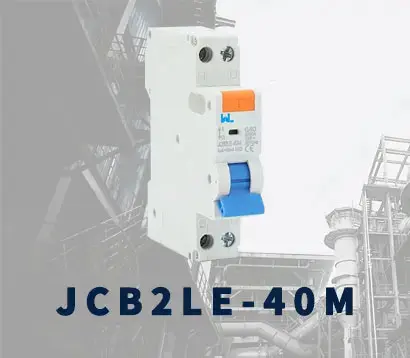 JCB2LE-40M
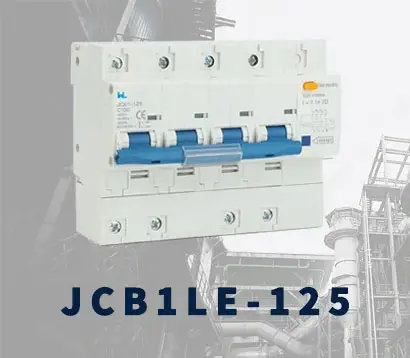 JCB1LE-125
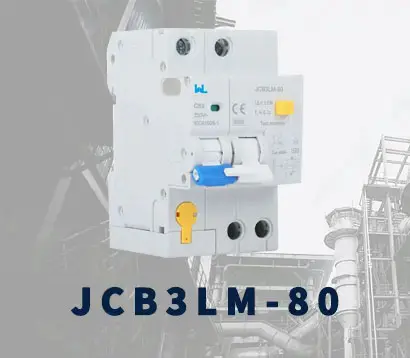 JCB3LM-80
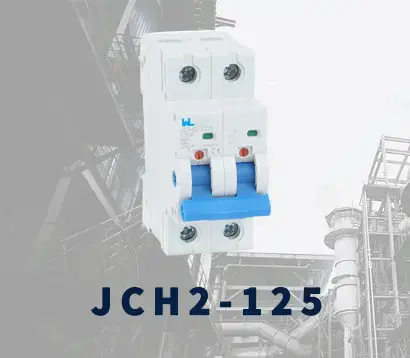 JCH2-125
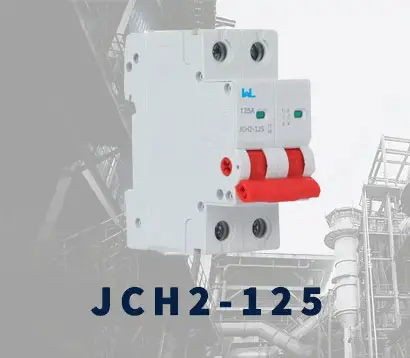 JCH2-125
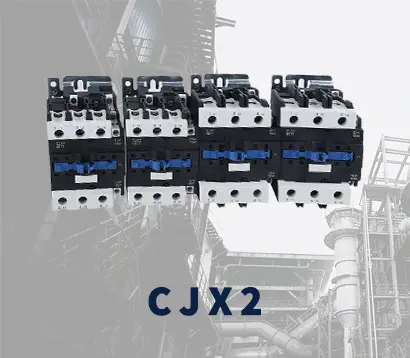 CJX2
CJX2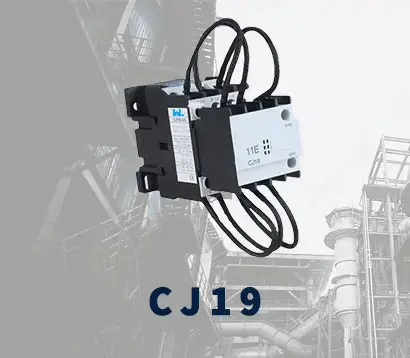 CJ19
CJ19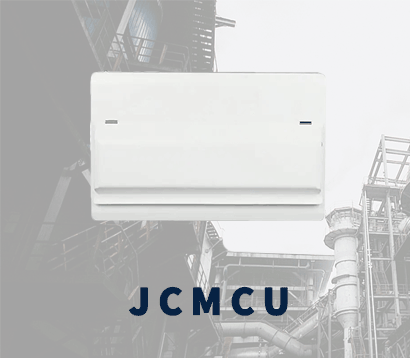 JCMCU
JCMCU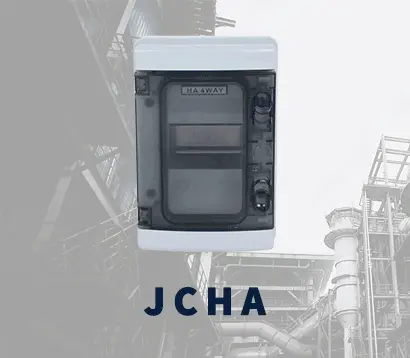 JCHA
JCHA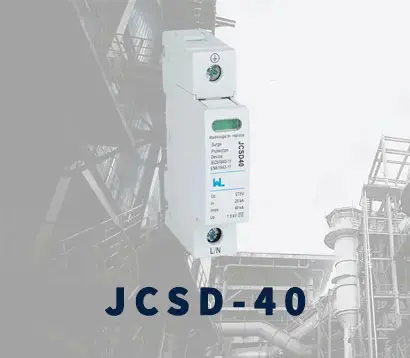 JCSD-40
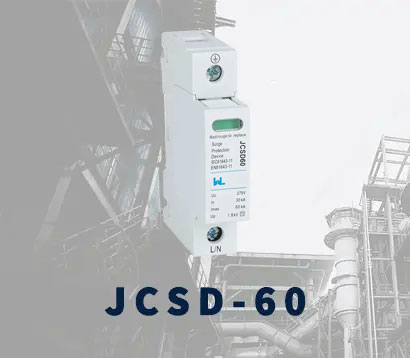 JCSD-60
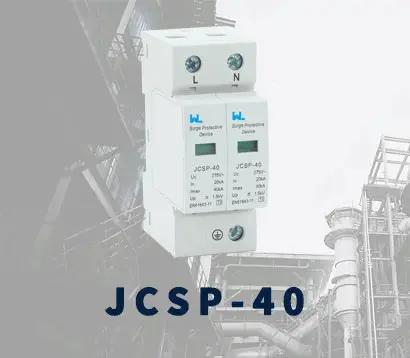 JCSP-40
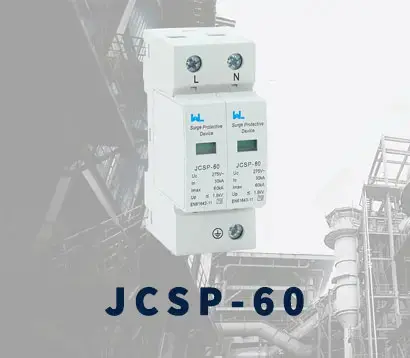 JCSP-60
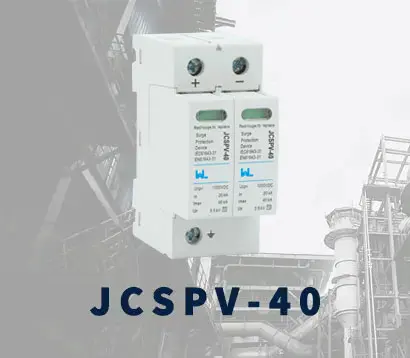 JCSPV
JCSPV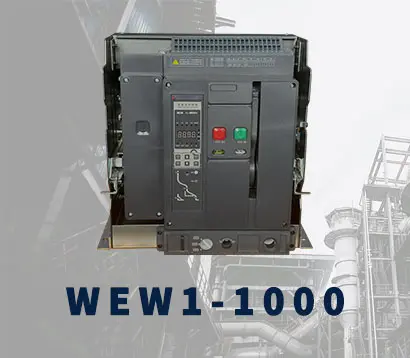 WEW1-1000
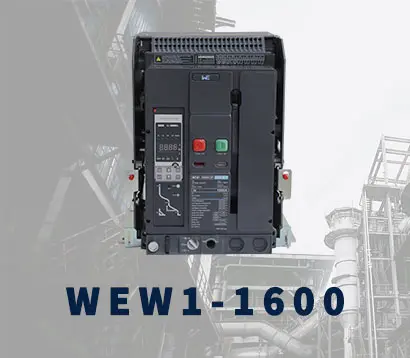 WEW1-1600
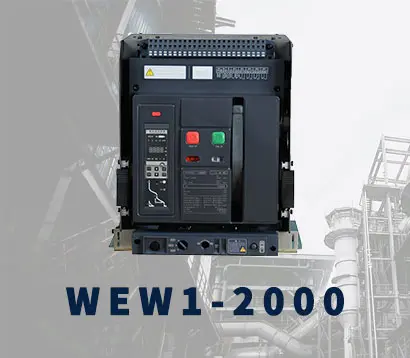 WEW1-2000
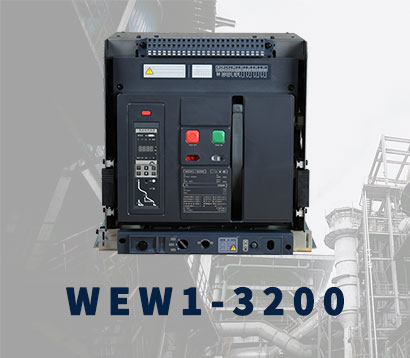 WEW1-3200
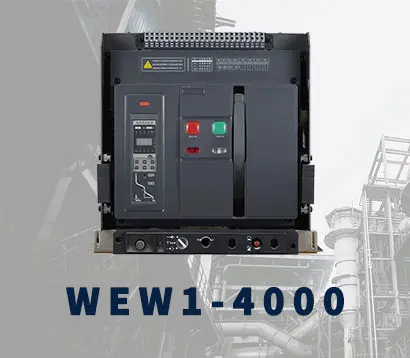 WEW1-4000
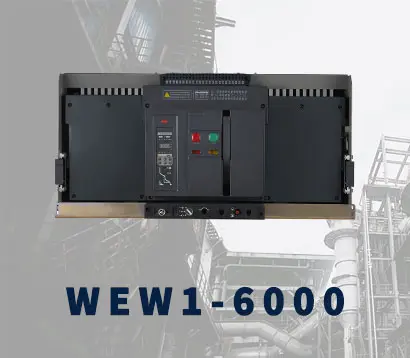 WEW1-6300
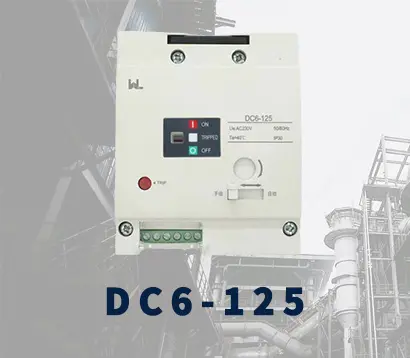 DC6-125
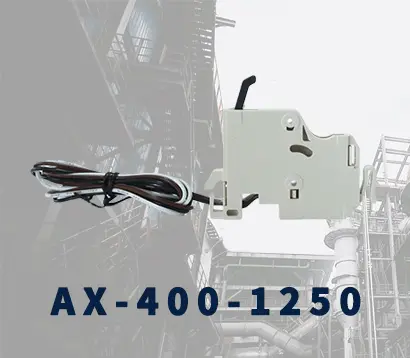 AX-400-1250
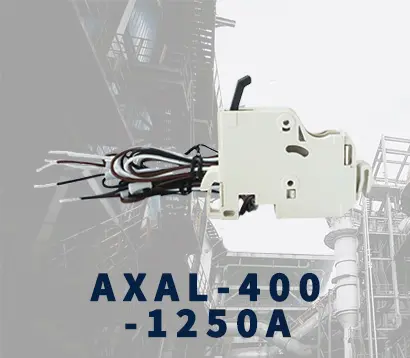 AXAL-400-1250A
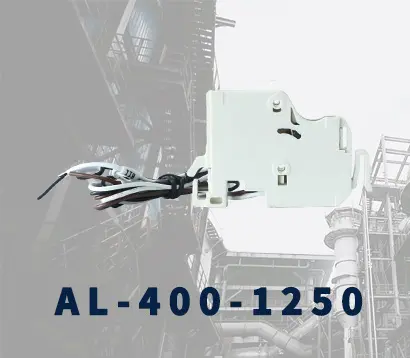 AL-400-1250
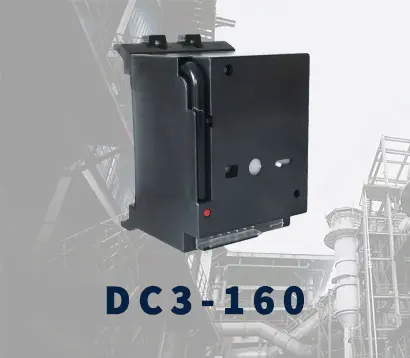 DC3-160
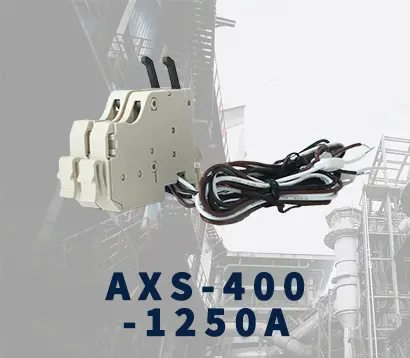 AXS-400-1250A
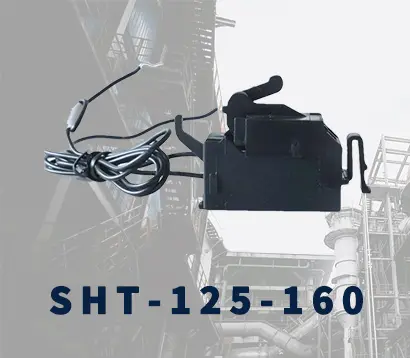 SHT-125-160
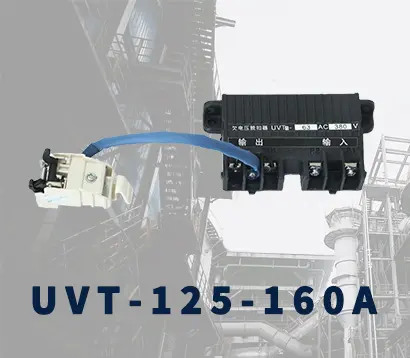 UVT-125-160A
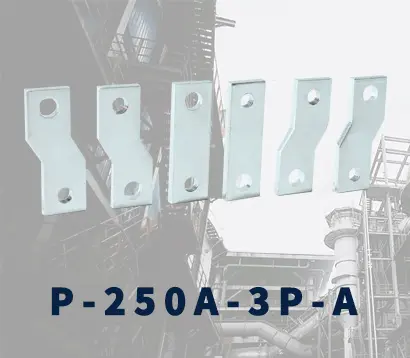 P-250A-3P-A
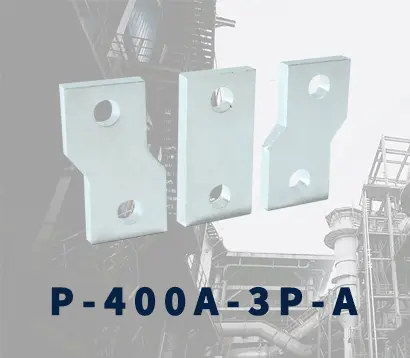 400-3P/4P terminal cover
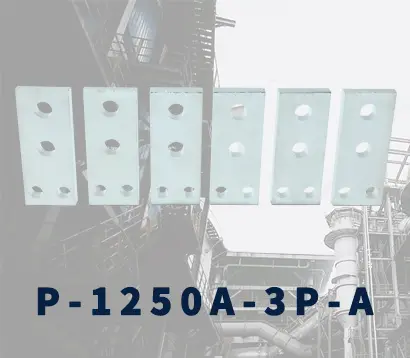 1250-3Pmccb accessories busbar
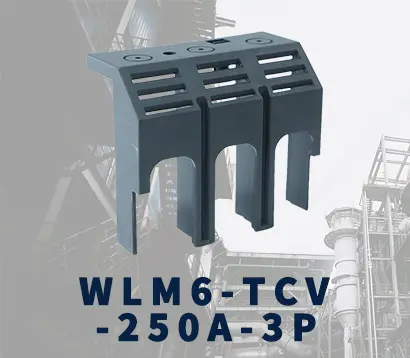 250-3P terminal conver
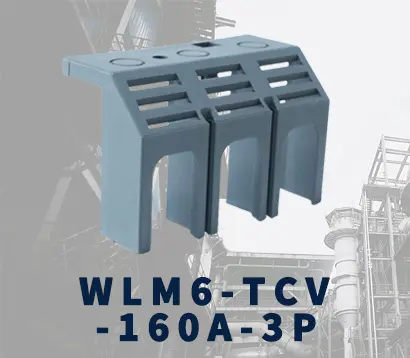 WLM6-TCV-160A-3P
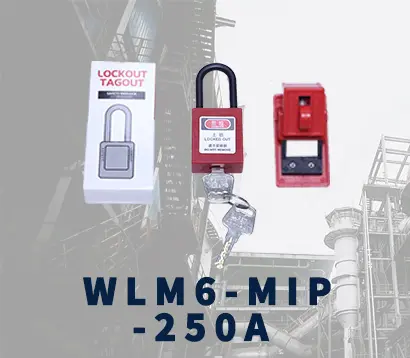 WLM6-MIP-250A
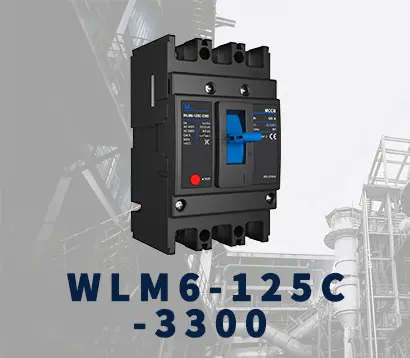 WLM6-125A-3300 3P/4P
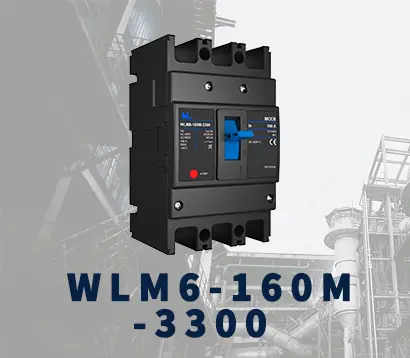 WLM6-160A-3300 3P/4P
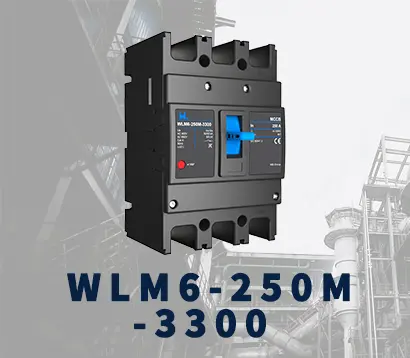 WLM6-250A-3300 3P/4P
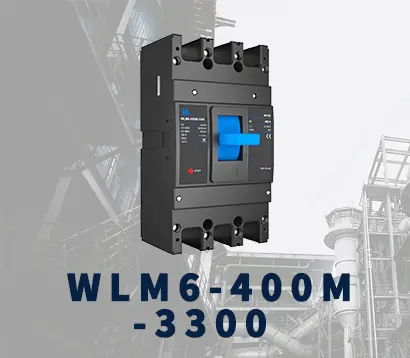 WLM6-400A-3300 3P/4P
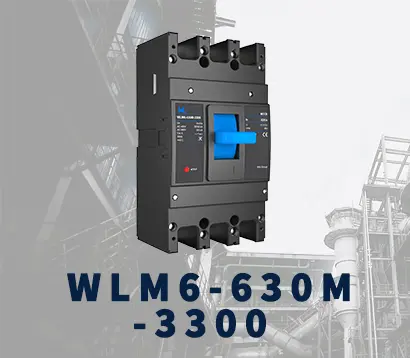 WLM6-630A-3300 3P/4P
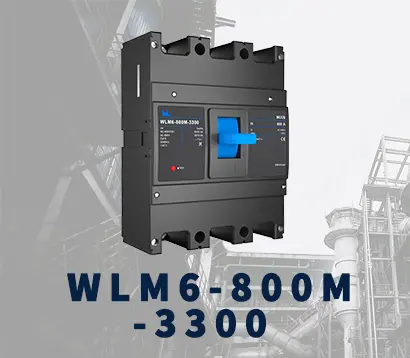 WLM6-800A-3300 3P/4P
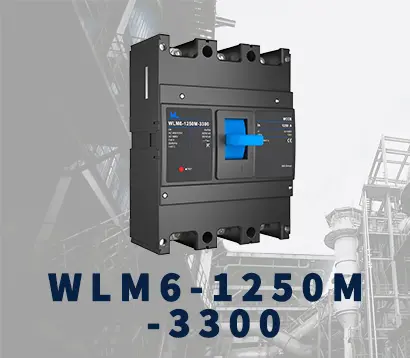 WLM6-1250A-3300 3P/4P
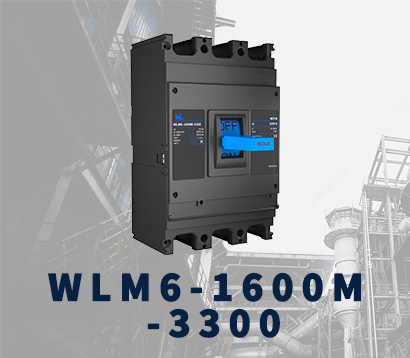 WLM6-1600A-3300 3P/4P
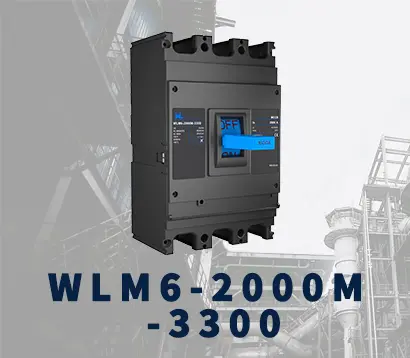 WLM6-2000A 3P/4P
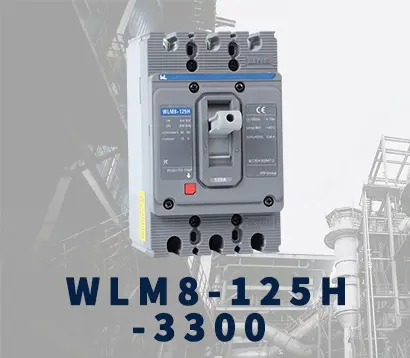 WLM8-125H-3300
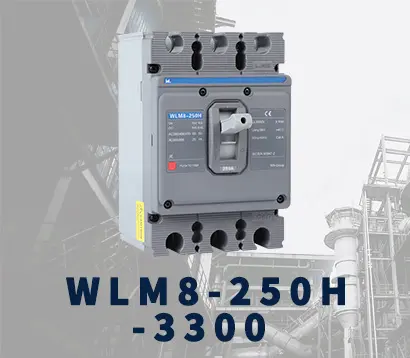 WLM8-250H-3300
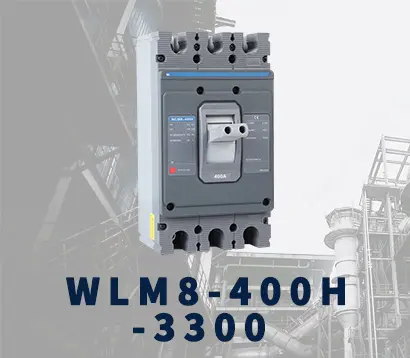 WLM8-400H-3300
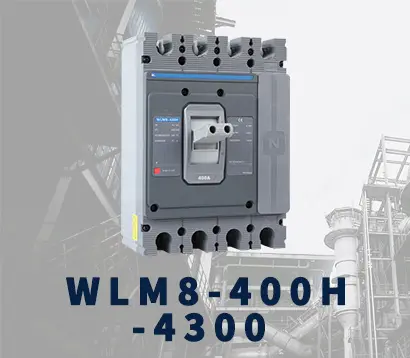 WLM8-400H-4300
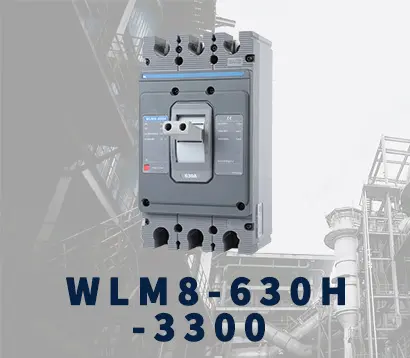 WLM8-630H-3300
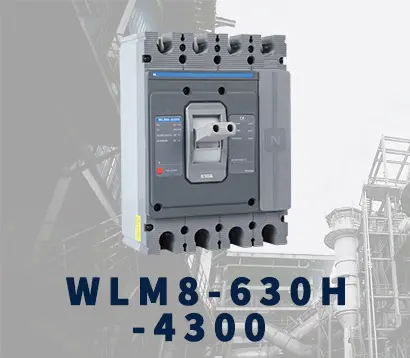 WLM8-630H-4300
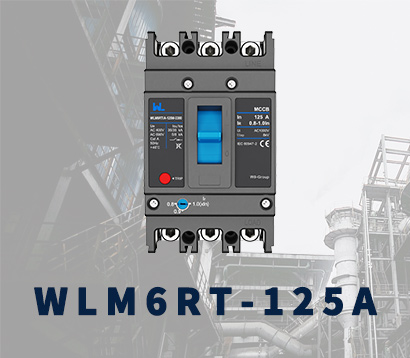 WLM6RT-125A
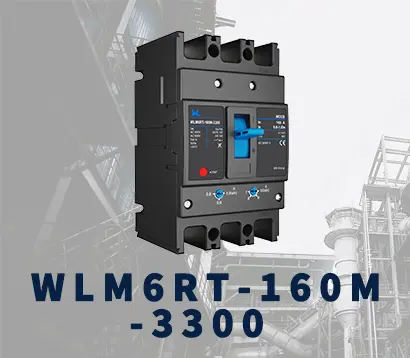 WLM6RT-160A
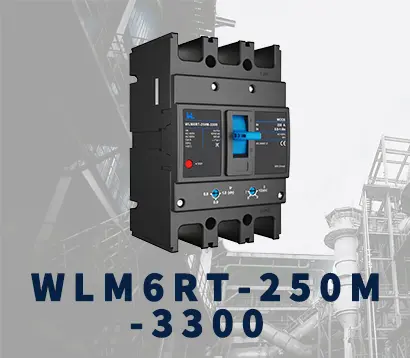 WLM6RT-250A
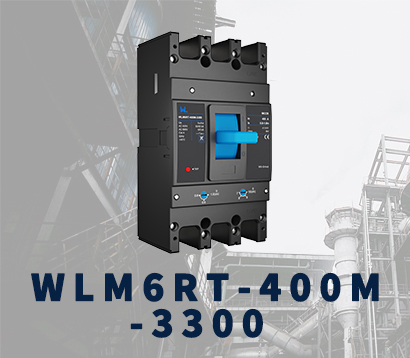 WLM6RT-400A
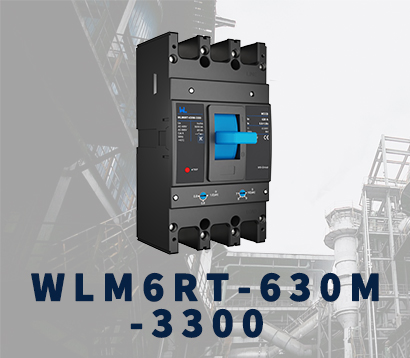 WLM6RT-630A
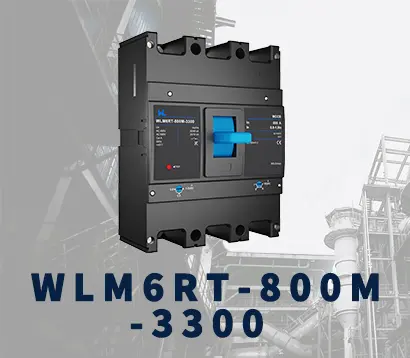 WLM6RT-800A
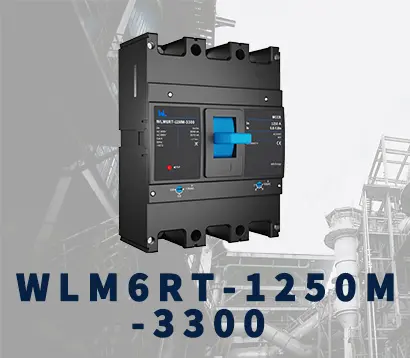 WLM6RT-1250A
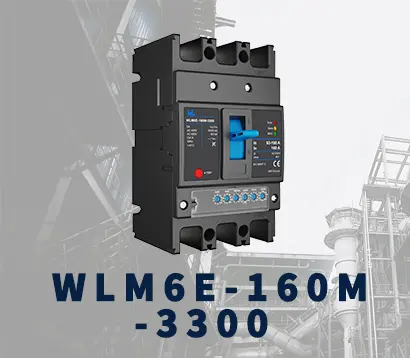 WLM6E-160A-3300 3P
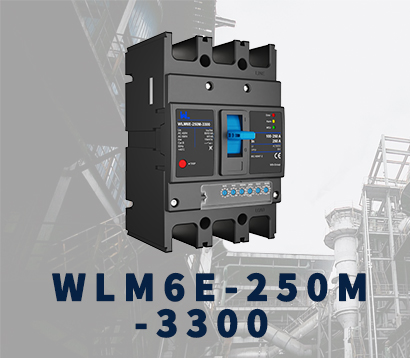 WLM6E-250A-3300
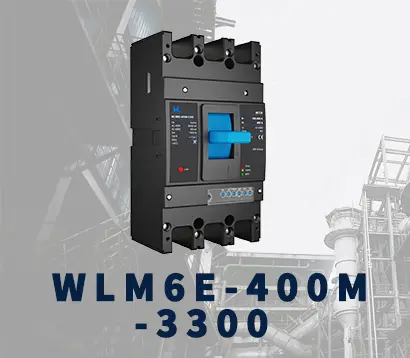 WLM6E-400A-3300 3P/4P
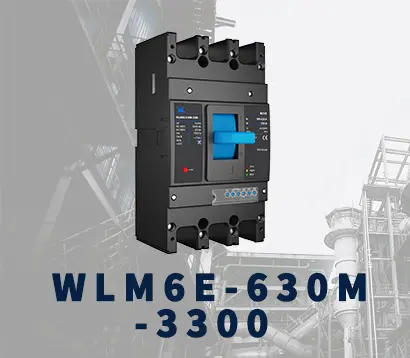 WLM6E-630A-3300
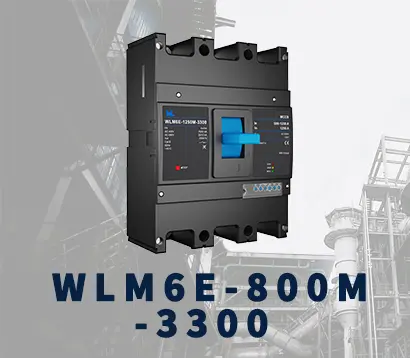 WLM6E-800A-3300 3P/4P
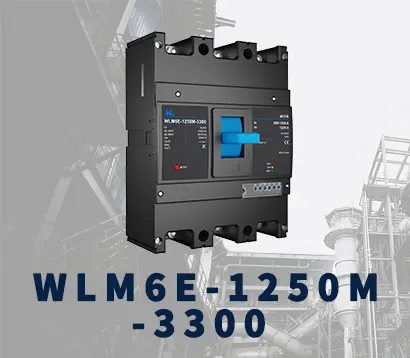 WLM6E-1250A-3300
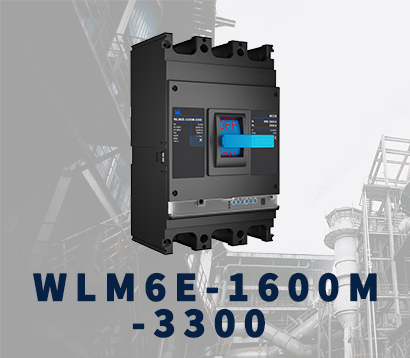 WLM6E-1600-3300 3P/4P
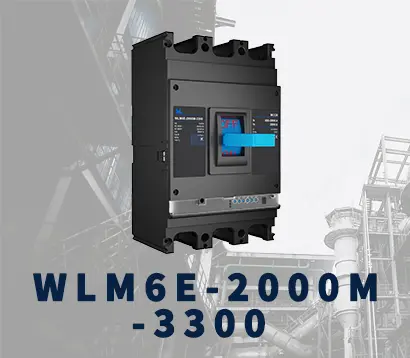 WLM6E-2000A-3300 3P/4P
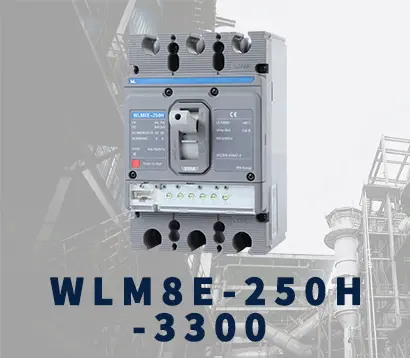 WLM8E-250H-3300
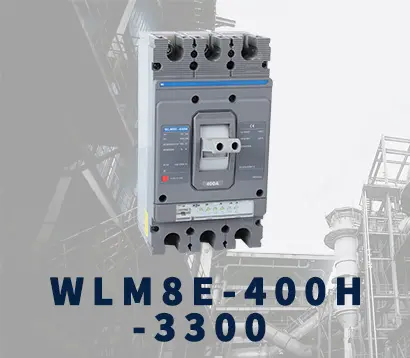 WLM8E-400H-3300
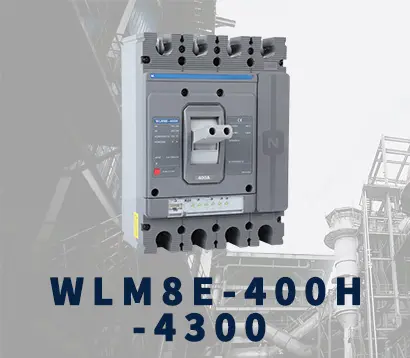 WLM8E-400H-4300
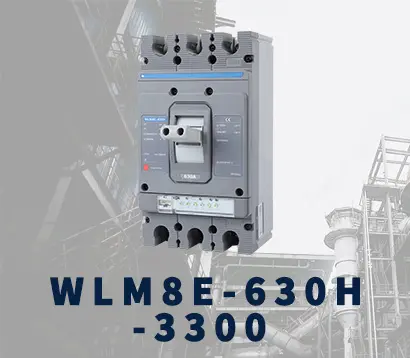 WLM8E-630H-3300
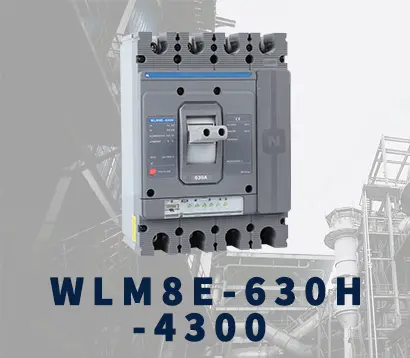 WLM8E-630H-4300
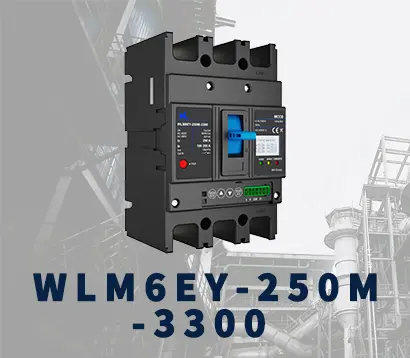 WLM6EY-250-3300 3P/4P
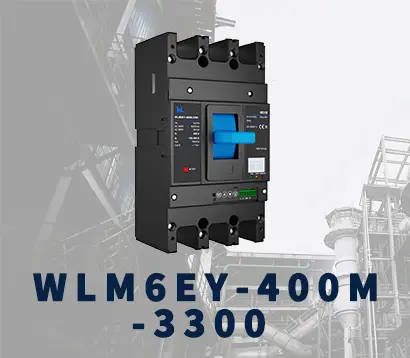 WLM6EY-400 3P/4P
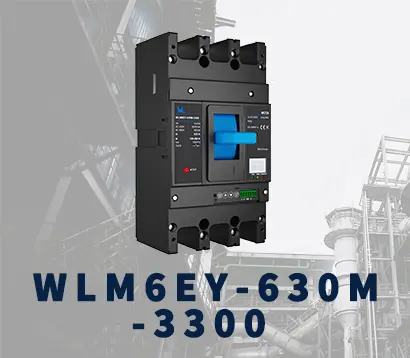 WLM6EY-630 3P/4P
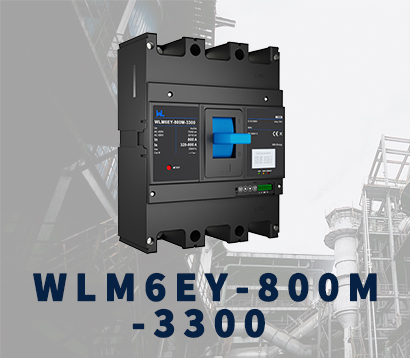 WLM6EY-800A 3P/4P
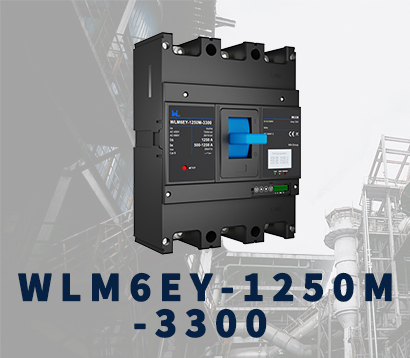 WLM6EY-1250A 3P/4P
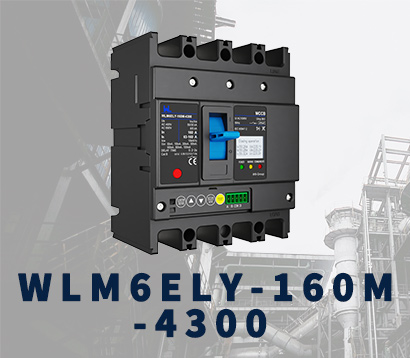 WLM6ELY-160A
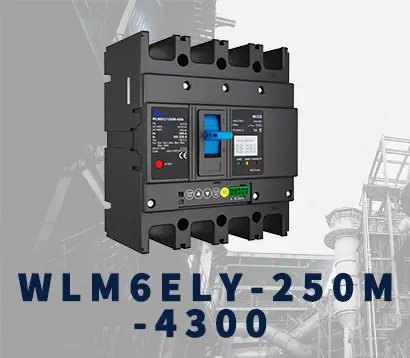 WLM6ELY-250A
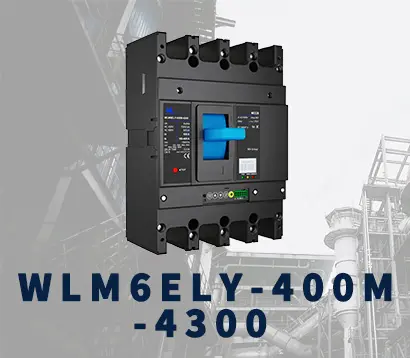 WLM6ELY-400A
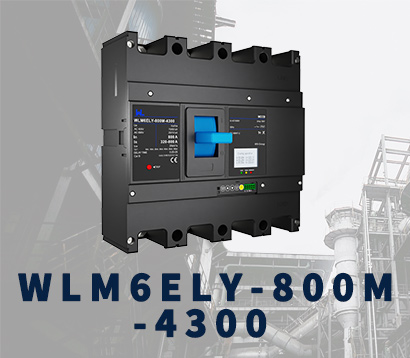 WLM6ELY-800A
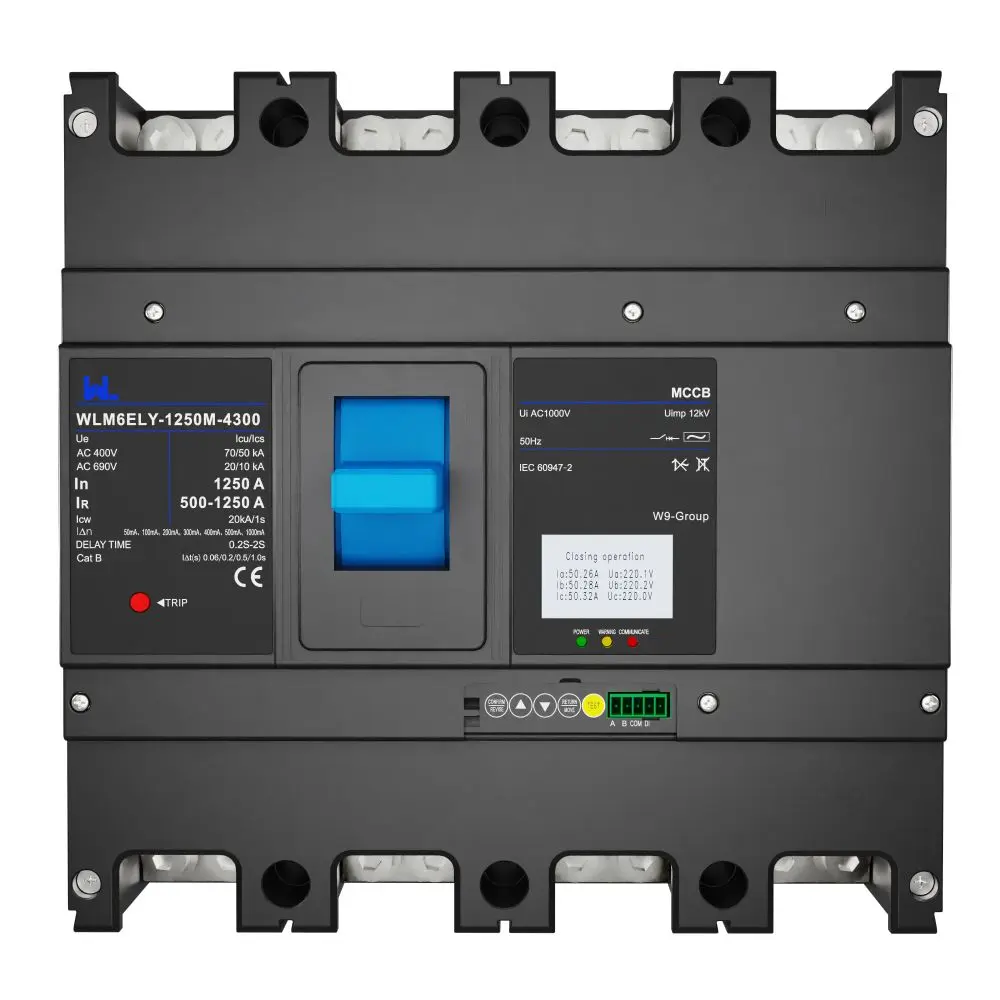 WLM6ELY-1250A
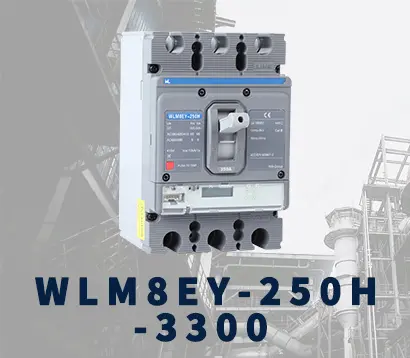 WLM8EY-250H-3300
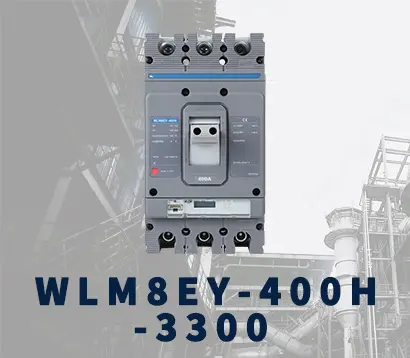 WLM8EY-400H-3300
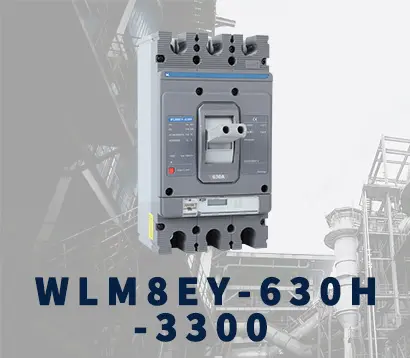 WLM8EY-630H-3300
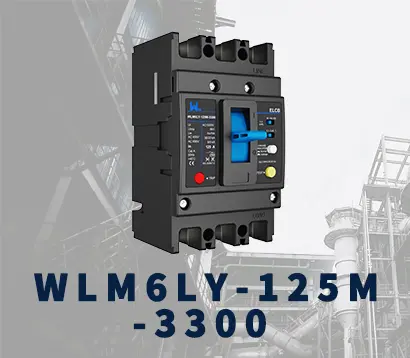 WLM6LY-125A
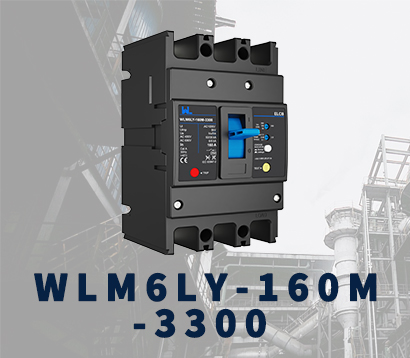 WLM6L-160A
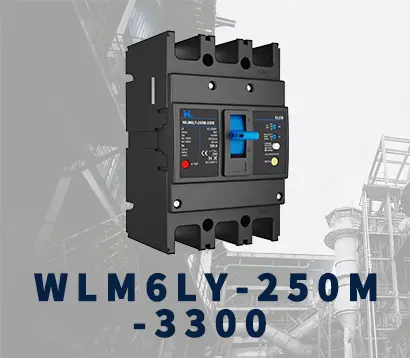 WLM6LY-250A
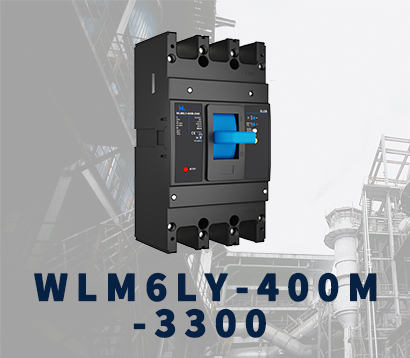 WLM6LY-400A
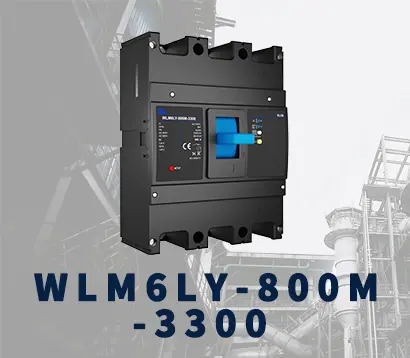 WLM6LY-800A
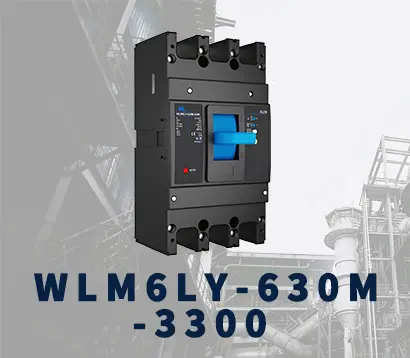 WLM6LY-630A
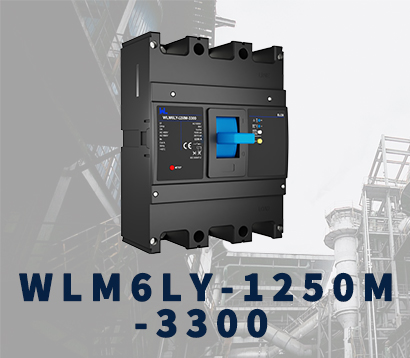 WLM6LY-1250A
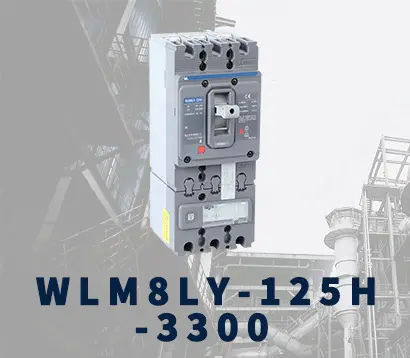 WLM8LY-125H-3300
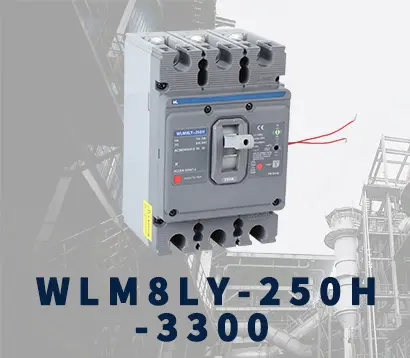 WLM8LY-250H-3300
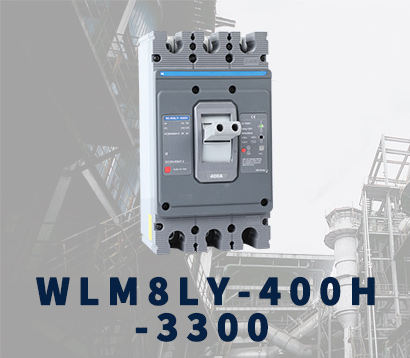 WLM8LY-400H-3300
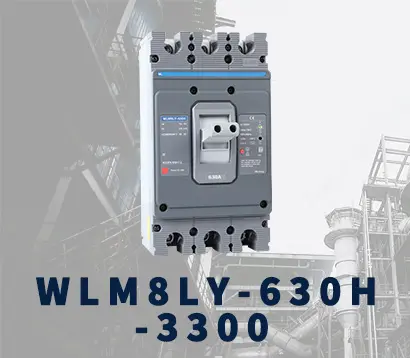 WLM8LY-630H-3300
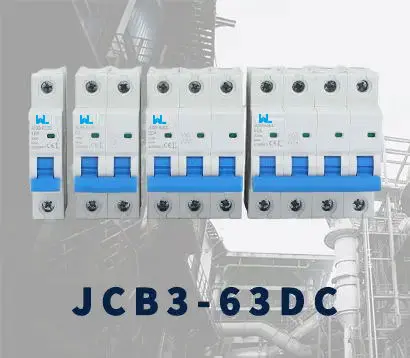 JCB3-63DC
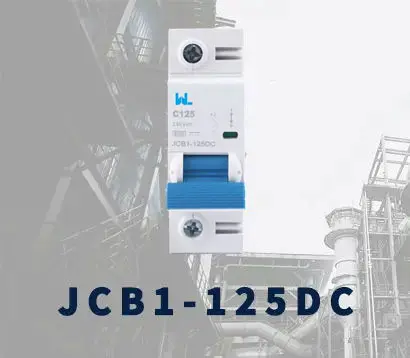 JCB1-125DC
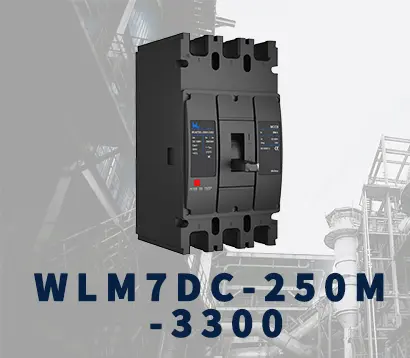 WLM7DC-250A-2300 2P/3P
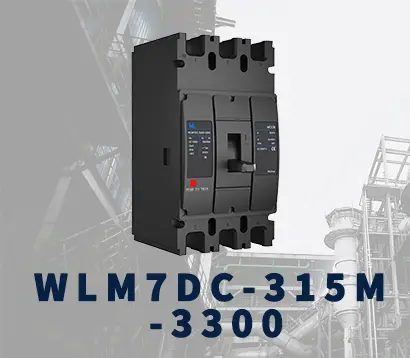 WLM7DC-315A-3300 2P/3P
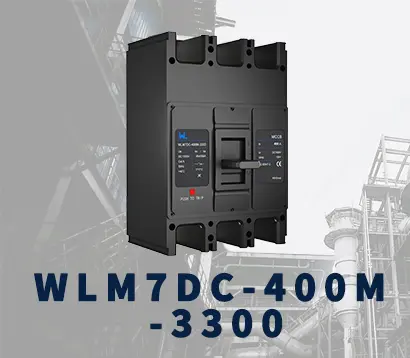 WLM7DC-400A-2300 2P/3P
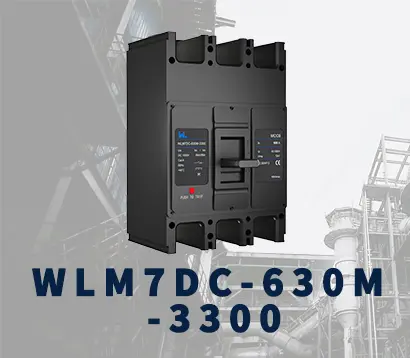 WLM7DC-630A-3300 3P
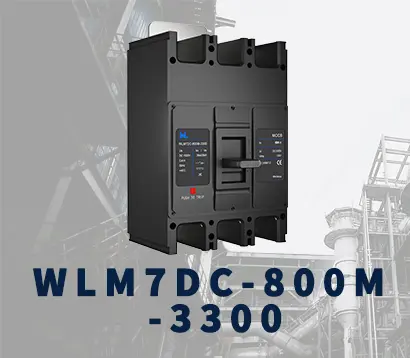 WLM7DC-800A-2300 2P/3P
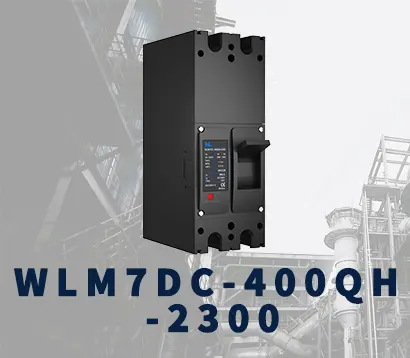 WLM7DC-400A 2300
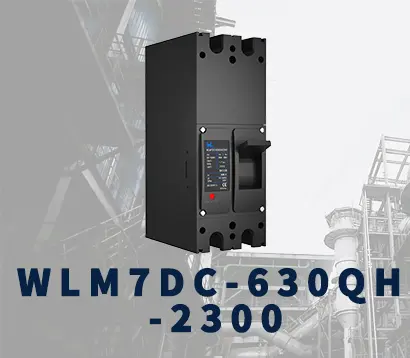 WLM7DC-630A-2300 2P
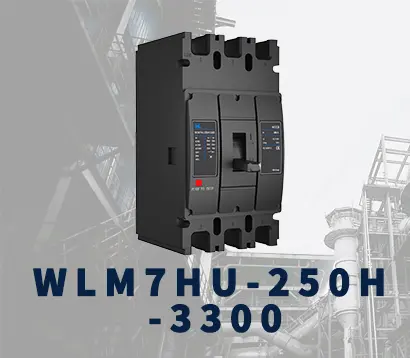 WLM7HU-250-3300 3P
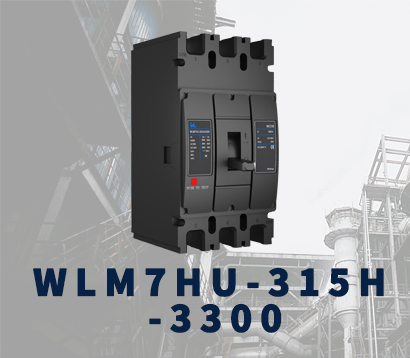 WLM7HU-315-3300 3P
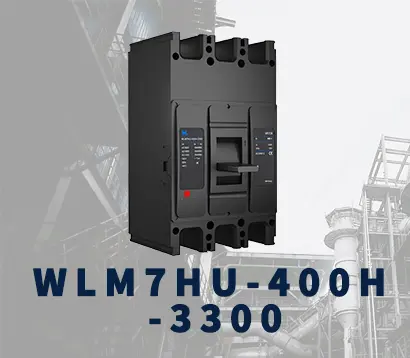 WLM7HU-400-3300 3P
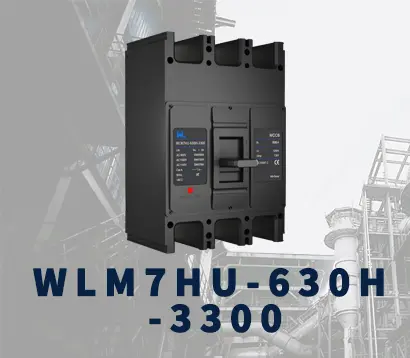 WLM7HU-630-3300 3P
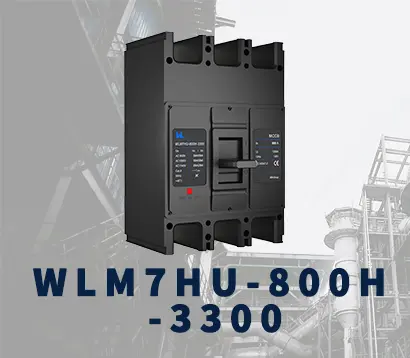 WLM7HU-800-3300 3P
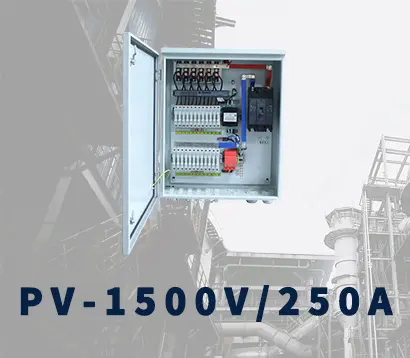 PV-1500V/250A
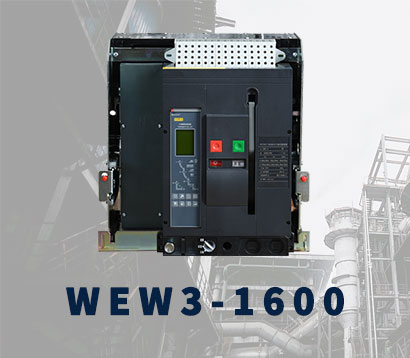 WEW3-1600
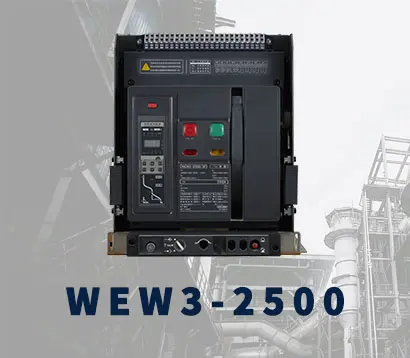 WEW3-2500
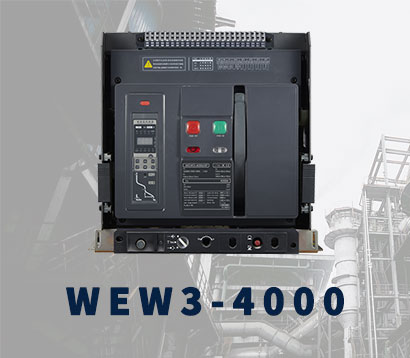 WEW3-4000
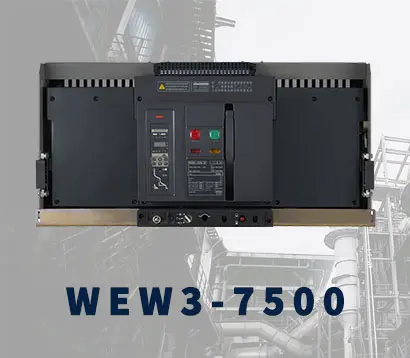 WEW3-7500